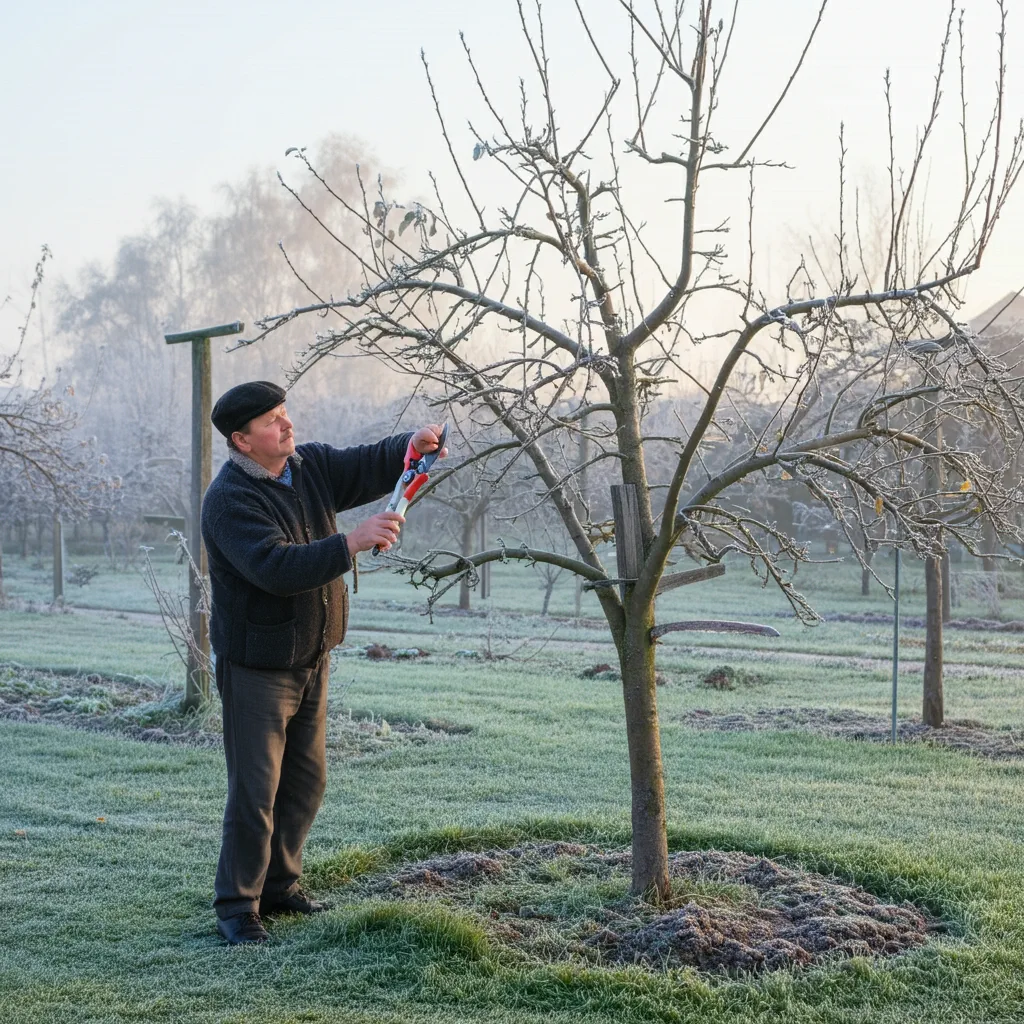
Dolorum optio tempore voluptas dignissimos cumque fuga qui quibusdam quia
The crisp January air might tempt you to stay indoors with a warm cup of tea, but for the savvy gardener, this is no time for hibernation. Winter, far from being a dormant period, is a crucial time of preparation. The bare branches and frosty stillness present a unique opportunity to shape your garden's future, setting the stage for a season of vibrant growth, abundant flowers, and delicious fruit.
January is the ideal month for pruning many deciduous plants. With their leaves gone, the underlying structure of trees and shrubs is laid bare, making it far easier to see what needs to be cut. This process is also less stressful for the plants, as they are in a state of dormancy. A few decisive cuts now can make all the difference between a garden that merely survives and one that truly thrives.
This guide will walk you through exactly which plants to prune in January and how to do it correctly. We will cover the essential techniques for shaping apple and pear trees for a better harvest, renovating tired bush fruits to restore their vigour, and taming unruly climbers to ensure a spectacular summer display. By the end, you'll have the confidence and knowledge to step out into the winter garden and prune like a professional.
Why Prune in Winter? The Benefits of the January Snip
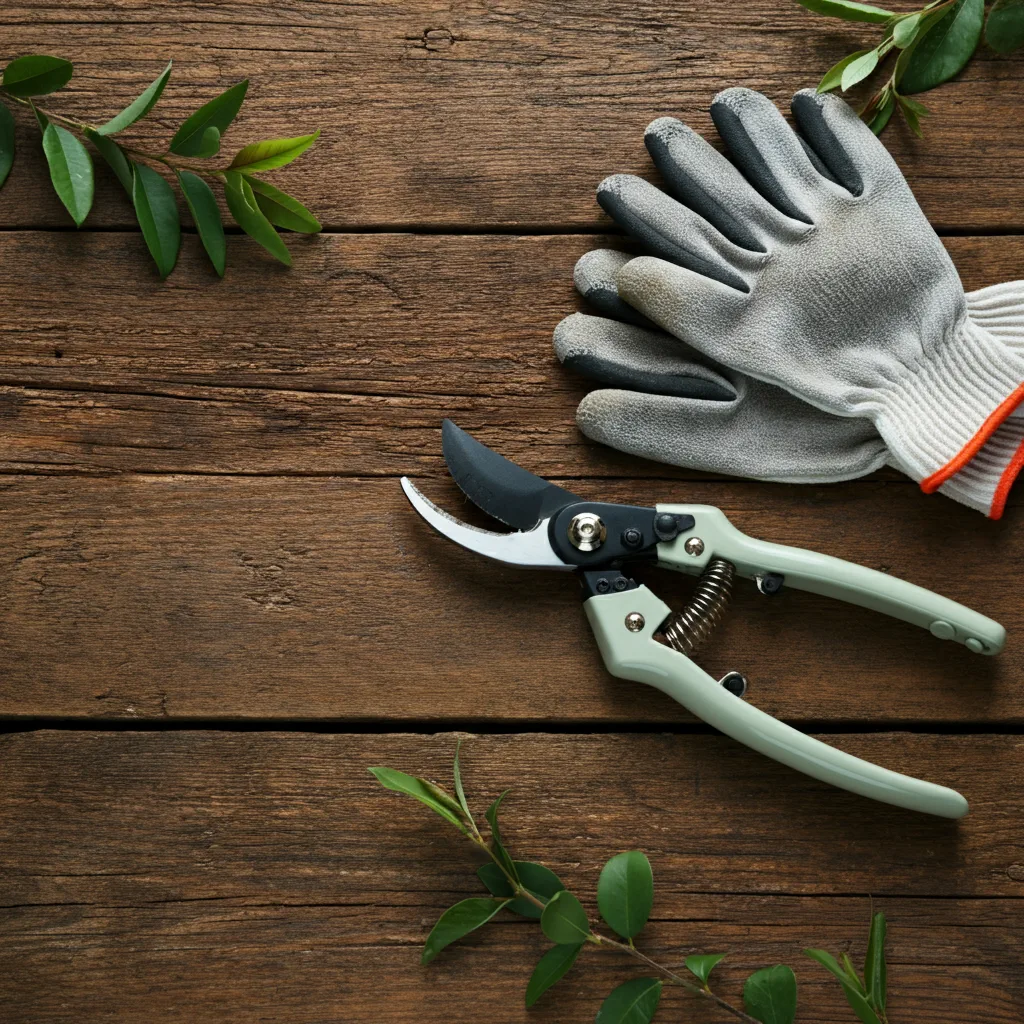
Pruning in winter can feel counterintuitive, like you're being harsh to your plants when they're most vulnerable. In reality, it's one of the kindest things you can do. Think of it as giving your garden a professional haircut before the big growing season begins. You are strategically removing the old to make way for the new, directing the plant's energy towards producing strong growth and bountiful crops.
The benefits of a well-timed January prune are numerous and significant, impacting everything from plant health to the quality of your harvest.
- Encourages Strong, Healthy Growth: When you prune a dormant plant, you remove certain growing points. This signals the plant to redirect its energy reserves into the remaining buds once spring arrives. The result is a burst of vigorous, healthy new shoots that will form the foundation for the season's growth.
- Promotes Better Fruit and Flowers: For fruiting plants like apple trees and blackcurrants, pruning is essential for a good harvest. It stimulates the growth of new wood, which is often where the best fruit is produced. Similarly, for flowering climbers like wisteria, correct pruning encourages the development of flowering spurs, leading to a more magnificent display.
- Improves Air Circulation: A dense, overcrowded tangle of branches creates a humid microclimate that is the perfect breeding ground for fungal diseases like powdery mildew and black spot. By thinning out the structure of a tree or shrub, you allow air to circulate freely. This helps the foliage to dry quickly after rain, drastically reducing the risk of disease taking hold.
- Removes Dead or Damaged Wood: Over the course of a year, branches can die off or become damaged by wind, pests, or disease. This dead wood serves no purpose and can become a gateway for pests and diseases to enter the plant. Winter pruning is the perfect opportunity to remove this material, tidying up the plant and protecting its long-term health.
By understanding these principles, pruning transforms from a chore into a strategic and rewarding act of cultivation. It's a dialogue with your plants, guiding them towards their most productive and beautiful form.
Pruning Fruit Trees: Apples and Pears
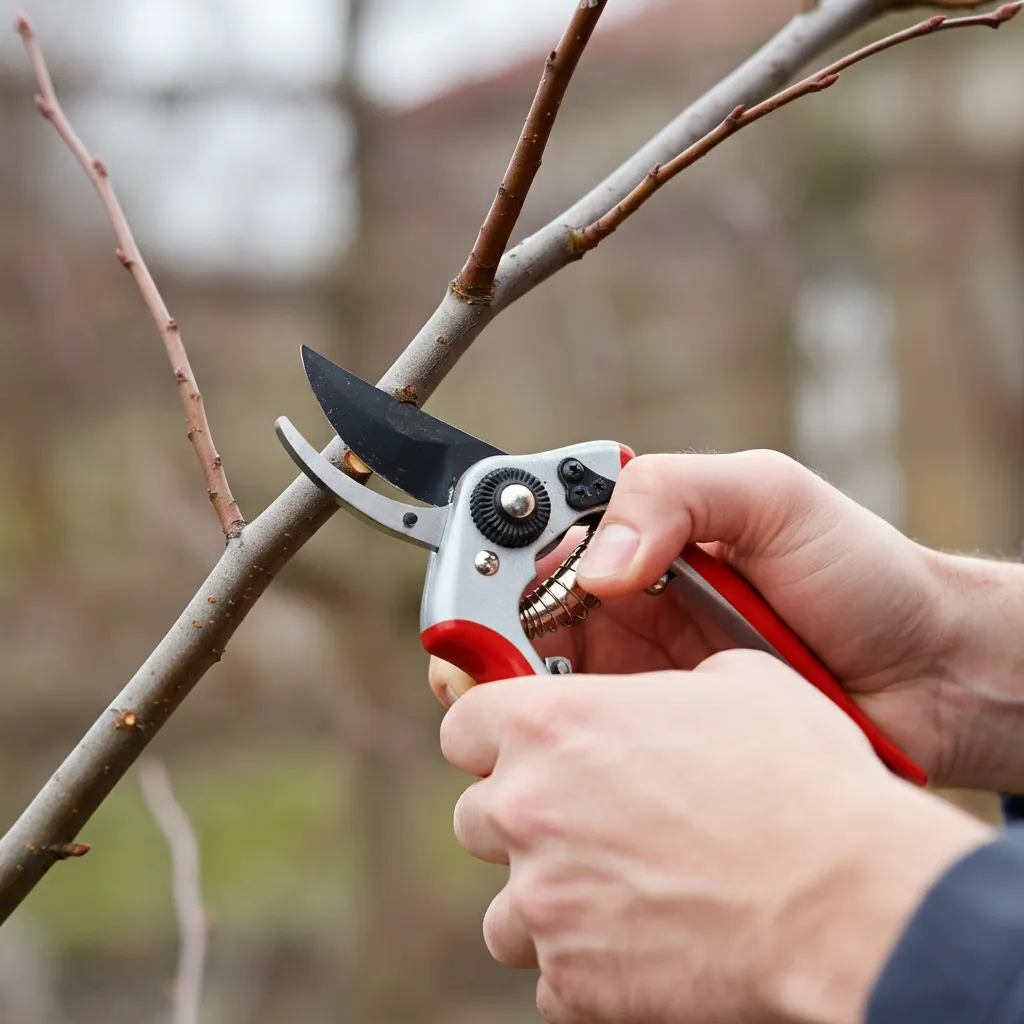
One of the most satisfying January tasks is the pruning of apple and pear trees. The primary goal is to create an open, goblet-like shape. This structure allows sunlight and air to penetrate the centre of the tree, which is vital for ripening fruit and preventing disease. A well-pruned tree is not only healthier but will also produce larger, better-quality fruit that is easier to harvest.
Before you start, make sure your tools are up to the job. You’ll need a sharp, clean pair of secateurs for smaller branches and a set of loppers or a pruning saw for thicker limbs. Clean tools make clean cuts, which heal faster and are less likely to become infected.
Here’s a step-by-step guide to pruning your apple and pear trees:
- Start with the 3 Ds: Your first priority should always be to remove any branches that are Dead, Damaged, or Diseased.
-
- Dead wood will be brittle, often a different colour from the healthy branches, and will have no live buds. It will snap easily.
- Damaged branches may be cracked, broken by wind, or have peeling bark.
- Diseased wood might show signs of canker (sunken, discoloured areas of bark) or other fungal growths. Cut back to healthy wood, ensuring you go well past any sign of infection.
- Tackle Crossing Branches: Look for any branches that are rubbing against each other or growing across one another. As they grow, this rubbing action creates wounds in the bark, which can be an entry point for disease. Decide which of the two branches is in a better position and remove the other.
- Thin Out Congested Growth: Now, step back and look at the overall shape. Your aim is to open up the centre of the tree. Remove any branches that are growing inwards towards the middle. Also, take out any particularly weak, spindly stems that are unlikely to be productive. If two branches are growing parallel and too close together, remove the weaker of the two.
- Shape and Shorten: Finally, you can shape the main framework. Prune the main leader branches from last year's growth by about one-third. Always make your cut just above an outward-facing bud. This encourages the new shoot to grow outwards, continuing the open goblet shape, rather than back into the centre of the tree.
This methodical approach ensures you achieve the desired shape without removing too much wood at once, which could shock the tree.
Rejuvenating Your Bush Fruits

January is also the perfect time to give your bush fruits the attention they need to remain productive year after year. Different types of bush fruits require slightly different pruning techniques, as they fruit on different ages of wood.
Blackcurrants
Blackcurrants are a fantastic and easy-to-grow fruit, but they can quickly become a tangled, unproductive mess if left unpruned. The key to success is understanding that the best fruit is produced on young wood. Therefore, the goal of pruning is to constantly encourage the plant to produce new, fruit-bearing stems from its base.
The Method:
Look at the base of your blackcurrant bush. You will see a mixture of stems: some will be young, pale, and smooth, while others will be old, thick, dark, and woody. Your task is to cut out about one-third of the very oldest, woodiest stems. Cut them right down to the ground level or as close as you can get. This thinning process opens up the centre of the bush, allowing light and air in, and stimulates the growth of vigorous new shoots that will bear fruit in subsequent years.
Gooseberries and Redcurrants
Unlike blackcurrants, gooseberries and redcurrants fruit on older wood. This means the pruning approach is different. Here, the goal is to create a permanent, open framework of branches and to encourage the development of short, fruiting spurs along these main stems.
The Method:
Start by removing any dead, damaged, or crossing branches, just as you would with an apple tree. Then, shorten the tips of the main branches by about one-quarter, cutting to an outward-facing bud to maintain an open shape. Finally, tackle all the side shoots that grew last year. Prune these back hard, leaving just two or three buds on each one. This process encourages these side shoots to develop into productive fruiting spurs, which will be laden with fruit come summer.
Taming Your Climbers: Roses and Wisteria
Rambunctious climbers can quickly get out of hand, but a January prune is the ideal way to restore order and ensure a truly spectacular floral display.
Climbing Roses
Winter is the time to prune climbing roses (not to be confused with rambling roses, which are pruned in late summer after flowering). The aim is to create a well-spaced framework of healthy stems that can be trained against a wall or trellis.
The Process:
First, remove any dead, diseased, or very weak stems completely. Then, untie the main stems from their support so you can see what you are working with. Decide which are the strongest, healthiest stems to form your main framework and remove any that are surplus to requirements. Tie your chosen framework stems back onto the support, spacing them out as much as possible and aiming for a fan shape. Finally, prune all the side shoots that grew from these main stems last season back to two or three buds. These will produce this summer's flowers.
Wisteria
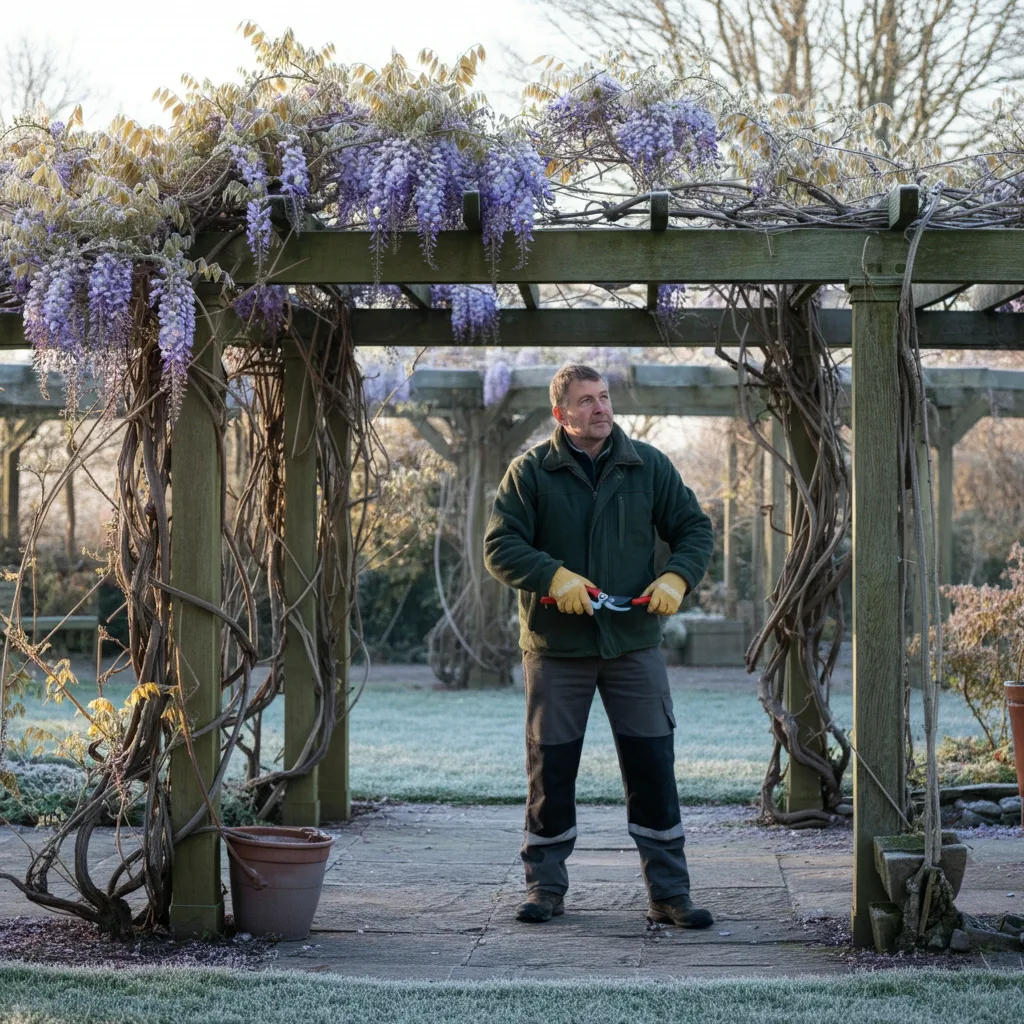
A well-pruned wisteria is one of the most breathtaking sights in the garden, but its vigorous growth needs a firm hand. Wisteria requires a strict two-step pruning regime to flower well: one prune in late summer and another in winter.
The Winter Prune:
In January or February, you need to follow up on the pruning you did in July or August. Locate the long, whippy side shoots that you shortened in the summer. Now, you will cut these back again, even harder. Leave just two or three buds on each of these side shoots. This drastic shortening is what encourages the plant to convert its growth buds into flowering spurs. The result of this disciplined approach will be a profusion of beautiful, fragrant flower racemes in late spring.
Get Your Garden Ready for a Great Year
January pruning is one of the most impactful jobs in the gardening calendar. By methodically working through your fruit trees, bush fruits, and climbers, you are laying the groundwork for a healthy and productive season ahead. A little effort now, on a crisp winter's day, will be repaid a hundredfold when your garden bursts into life with vibrant blossom and delicious fruit come summer.
So grab your sharpest secateurs, wrap up warm, and get out there. The quiet of the winter garden is the perfect place for this mindful and rewarding task. Your plants will thank you for it.
For more monthly gardening advice, why not subscribe to our newsletter? You'll receive timely tips delivered straight to your inbox to help you get the very best from your garden all year round.


Community Feedback