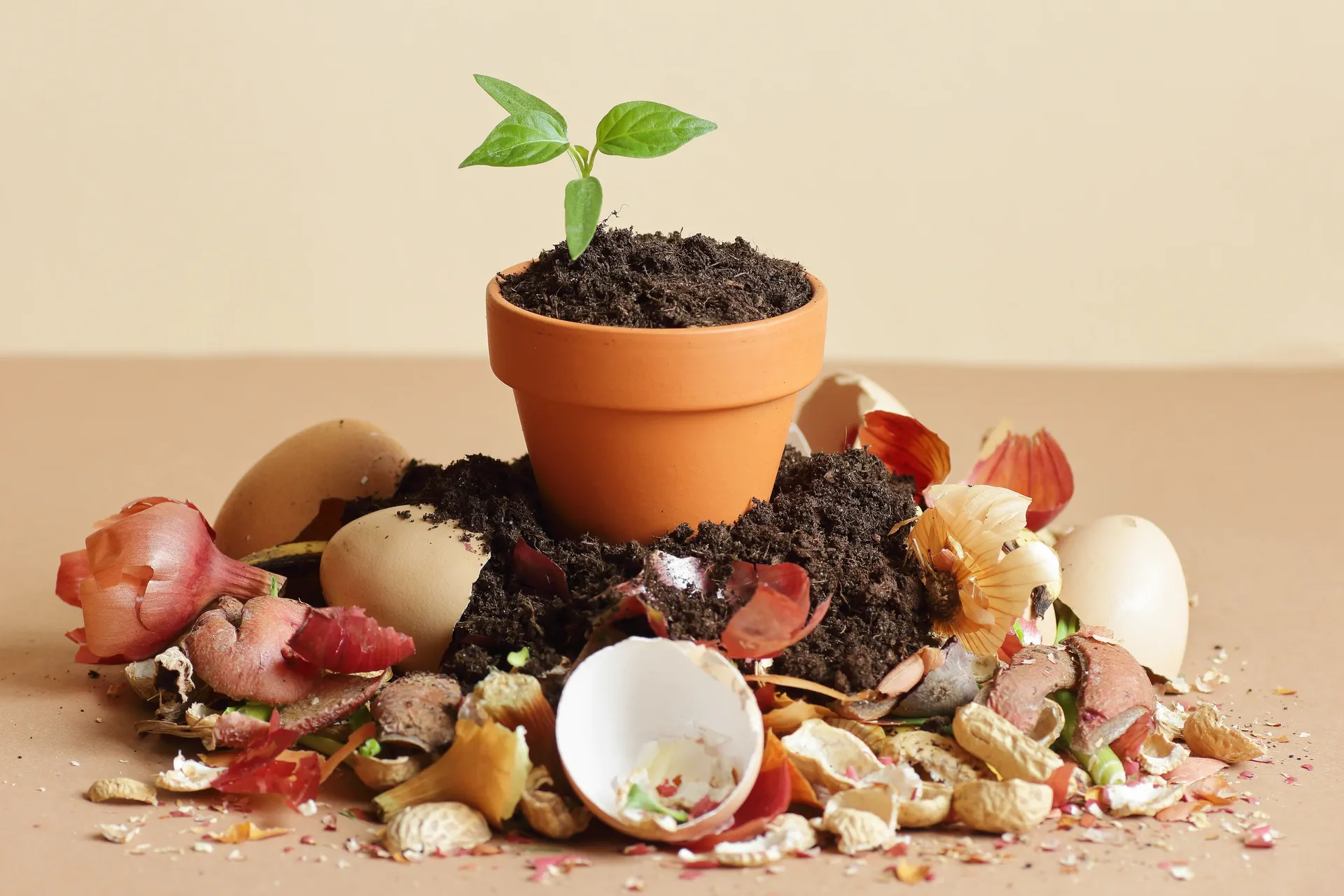
Grow Your Own Green Haven: A Beginner's Guide to Sustainable Gardening
Picture this: you're sipping your morning tea whilst admiring a thriving garden that not only looks beautiful but also gives back to the planet. That's the magic of sustainable gardening – a practice that's transforming how we think about our outdoor spaces.
If you've ever wondered how to create a garden that works with nature rather than against it, you're in the right place. This guide will walk you through everything you need to know about sustainable gardening, from why it matters to practical steps you can take today to make your garden more eco-friendly.
Why Sustainable Gardening Matters More Than Ever
Traditional gardening often relies heavily on chemical fertilisers, pesticides, and water-intensive practices that can harm local ecosystems. Sustainable gardening takes a different approach – one that nurtures both your plants and the environment.
Research from the Royal Horticultural Society shows that gardens using sustainable practices support 30% more wildlife than conventional gardens. When we multiply this impact across millions of UK gardens, we're talking about creating vital corridors for wildlife and significant carbon storage opportunities.
The benefits extend beyond environmental impact. Sustainable gardens often require less maintenance once established, save money on water bills, and produce healthier soil that continues improving year after year.
The Environmental Benefits That Make a Real Difference
Carbon Sequestration in Your Backyard
Your garden can become a powerful carbon sink. Healthy soil stores approximately 2.5 times more carbon than the atmosphere and vegetation combined. By building organic matter through composting and avoiding chemical inputs, you're actively removing CO2 from the atmosphere.
Supporting Biodiversity
A sustainable garden becomes a haven for local wildlife. Native plants support indigenous insects, which feed birds and small mammals. The knock-on effect creates a thriving ecosystem right outside your door.
According to Buglife, a charity dedicated to insect conservation, gardens that incorporate native plants see 50% more beneficial insect activity than those dominated by non-native species.
Water Cycle Protection
Sustainable gardens help manage stormwater runoff, reducing pressure on drainage systems whilst recharging groundwater supplies. The deep root systems of native plants create natural water filtration systems that improve local water quality.
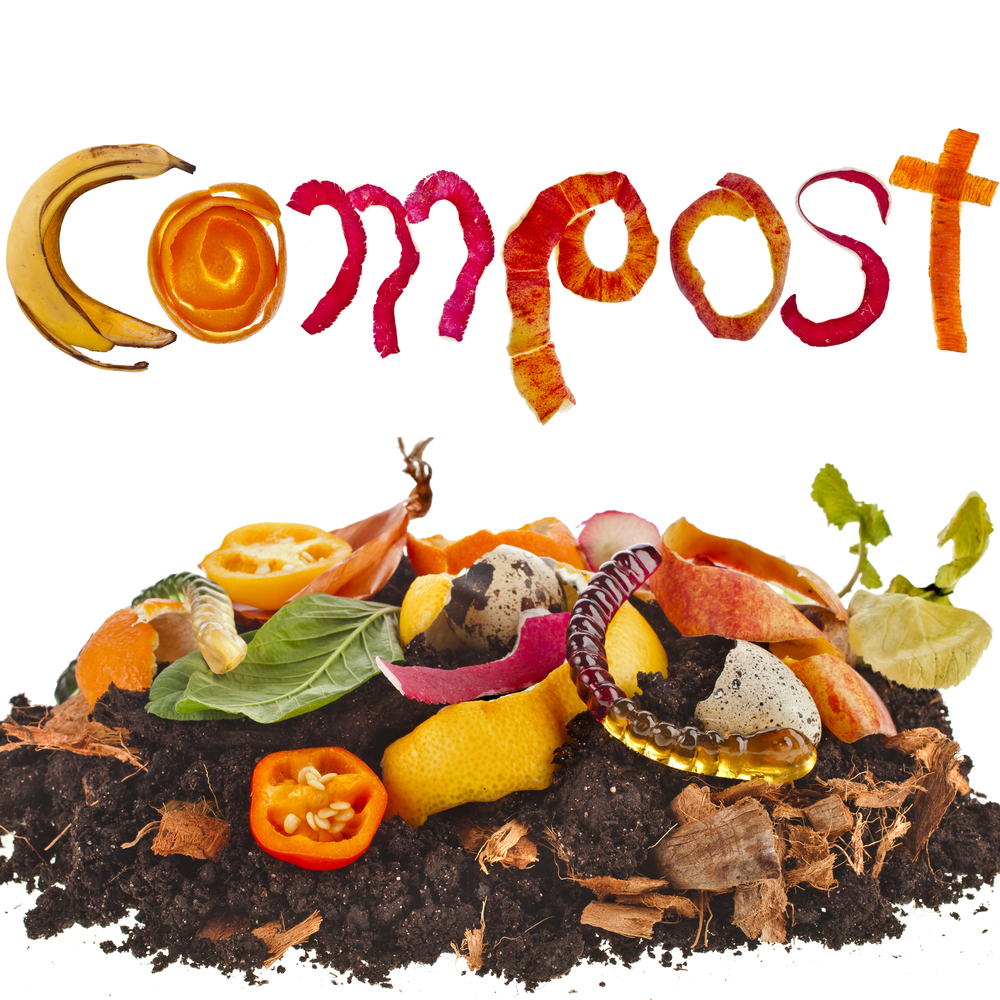
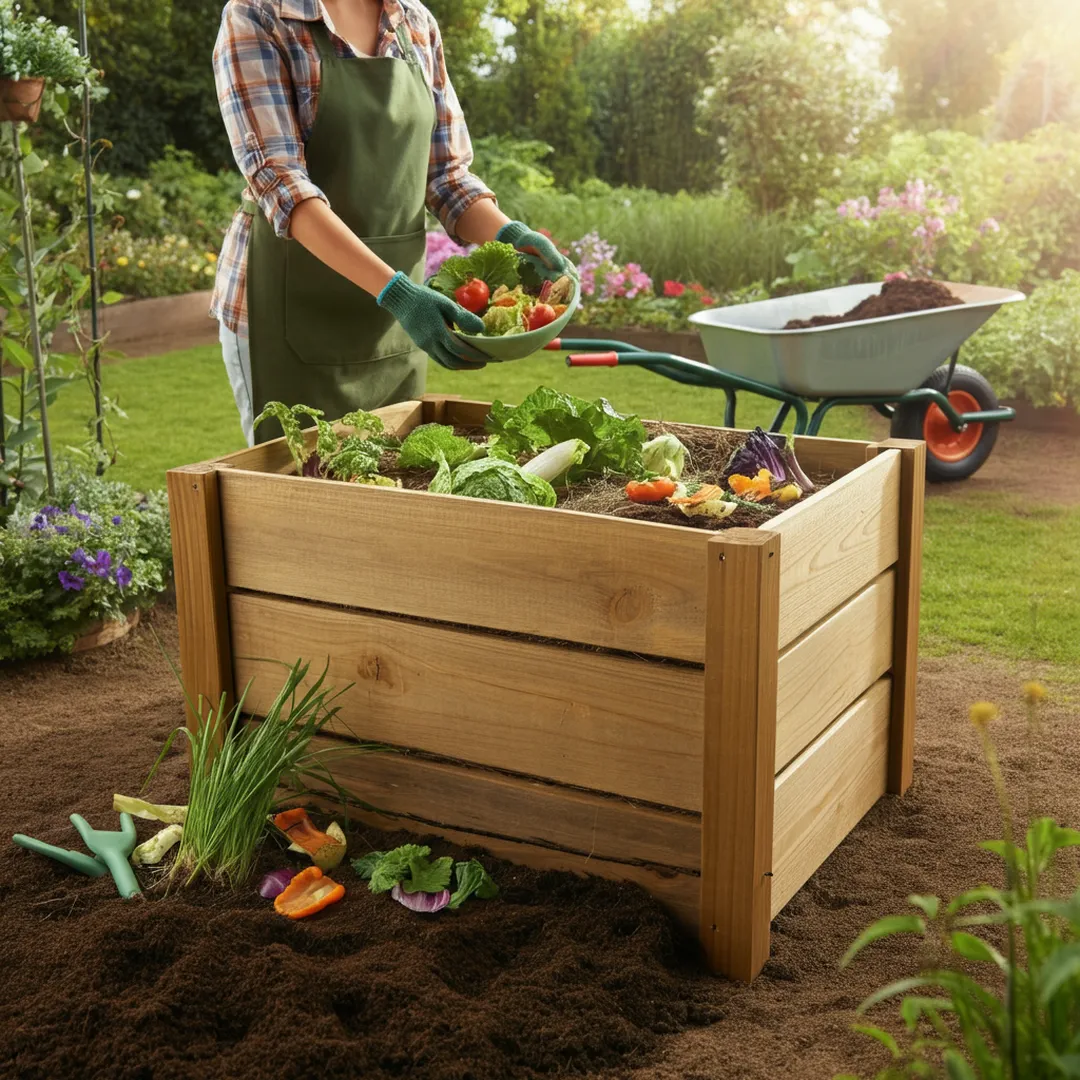
Building the Foundation: Composting Made Simple
Composting transforms kitchen scraps and garden waste into black gold – nutrient-rich soil amendment that feeds your plants naturally.
Getting Started with Your First Compost Bin
You don't need fancy equipment to begin composting. A simple bin made from pallets or wire mesh works perfectly. The key is balancing 'greens' (nitrogen-rich materials like vegetable peelings, grass clippings) with 'browns' (carbon-rich materials like dried leaves, paper, cardboard).
The golden ratio: Aim for roughly 30 parts brown to 1 part green materials by volume.
What Goes In (and What Stays Out)
Perfect for composting:
- Fruit and vegetable scraps
- Coffee grounds and tea bags
- Eggshells
- Grass clippings
- Autumn leaves
- Shredded paper and cardboard
Keep out of your compost:
- Meat, fish, or dairy products
- Cooked food
- Pet waste
- Diseased plants
- Weeds with seeds
Troubleshooting Common Compost Problems
If your compost smells bad, it's likely too wet or has too many green materials. Add brown materials and turn it regularly. If nothing's happening after several months, your pile might be too dry or need more green materials.
Most home composters produce usable compost within 6-12 months with minimal effort.
Water Conservation: Every Drop Counts
Water is our most precious resource, and sustainable gardens use it wisely.
Rainwater Harvesting Systems
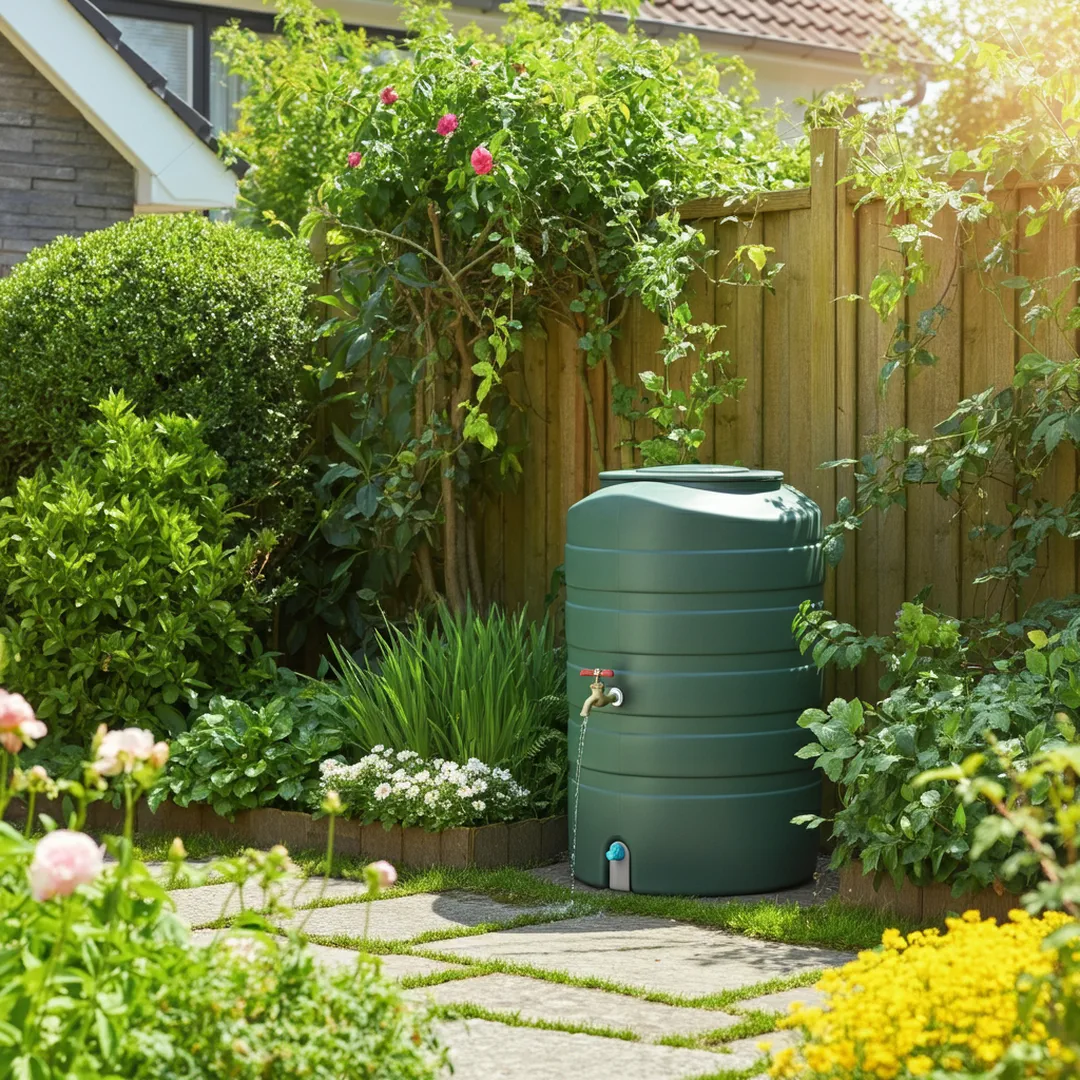
Installing water butts is the simplest way to collect rainwater. A modest-sized house roof can collect around 24,000 litres annually – enough to meet most garden watering needs during dry spells.
Connect multiple water butts with linking kits to maximise collection. Position them near downpipes and raise them on blocks for better water pressure when using a watering can.
Mulching: Nature's Water-Saving Secret
A 5-7cm layer of organic mulch around plants reduces water evaporation by up to 70%. It also suppresses weeds, moderates soil temperature, and slowly breaks down to feed the soil.
Excellent mulching materials include:
- Shredded bark
- Compost
- Grass clippings (dried first)
- Shredded leaves
- Straw
Smart Watering Techniques
Water early morning or evening to reduce evaporation losses. Water deeply but less frequently to encourage deep root growth, making plants more drought-resistant.
Drip irrigation systems or soaker hoses deliver water directly to root zones with minimal waste. These systems can reduce water usage by 30-50% compared to sprinklers.
Choosing Native Plants: Working with Nature's Blueprint
Native plants have evolved alongside local wildlife and weather patterns, making them naturally suited to your local conditions.
Benefits of Going Native
Native plants typically require less water, fewer fertilisers, and minimal pest control once established. They provide food and habitat for local wildlife whilst preserving regional character and biodiversity.
The Wildlife Trusts report that native plant gardens require 50% less water and virtually no chemical inputs compared to gardens dominated by exotic species.
Popular UK Native Plants for Every Garden
For sunny spots:
- Lavender (Lavandula angustifolia)
- Wild marjoram (Origanum vulgare)
- Field scabious (Knautia arvensis)
- Ox-eye daisy (Leucanthemum vulgare)
For shady areas:
- Wood anemone (Anemone nemorosa)
- Wild garlic (Allium ursinum)
- Hart's-tongue fern (Asplenium scolopendrium)
- Primrose (Primula vulgaris)
For wet conditions:
- Purple loosestrife (Lythrum salicaria)
- Meadowsweet (Filipendula ulmaria)
- Yellow flag iris (Iris pseudacorus)
- Ragged robin (Lychnis flos-cuculi)
Creating Wildlife Corridors
Plant in drifts rather than single specimens to create meaningful habitat. Connect planted areas to form corridors that allow wildlife to move safely through your garden.

Organic Pest Control: Natural Solutions That Work
Sustainable gardens maintain balance rather than eliminating all insects. Many creatures we consider pests also serve as food for beneficial wildlife.
Encouraging Natural Predators
Create habitat for pest controllers like ladybirds, lacewings, and ground beetles by providing shelter and alternative food sources. Log piles, native plants, and avoiding chemical sprays help maintain beneficial insect populations.
Physical Barriers and Companion Planting
Row covers protect vulnerable crops from flying pests without chemicals. Companion planting uses natural plant relationships – for example, marigolds deter aphids whilst nasturtiums act as trap crops for black fly.
Effective companion combinations:
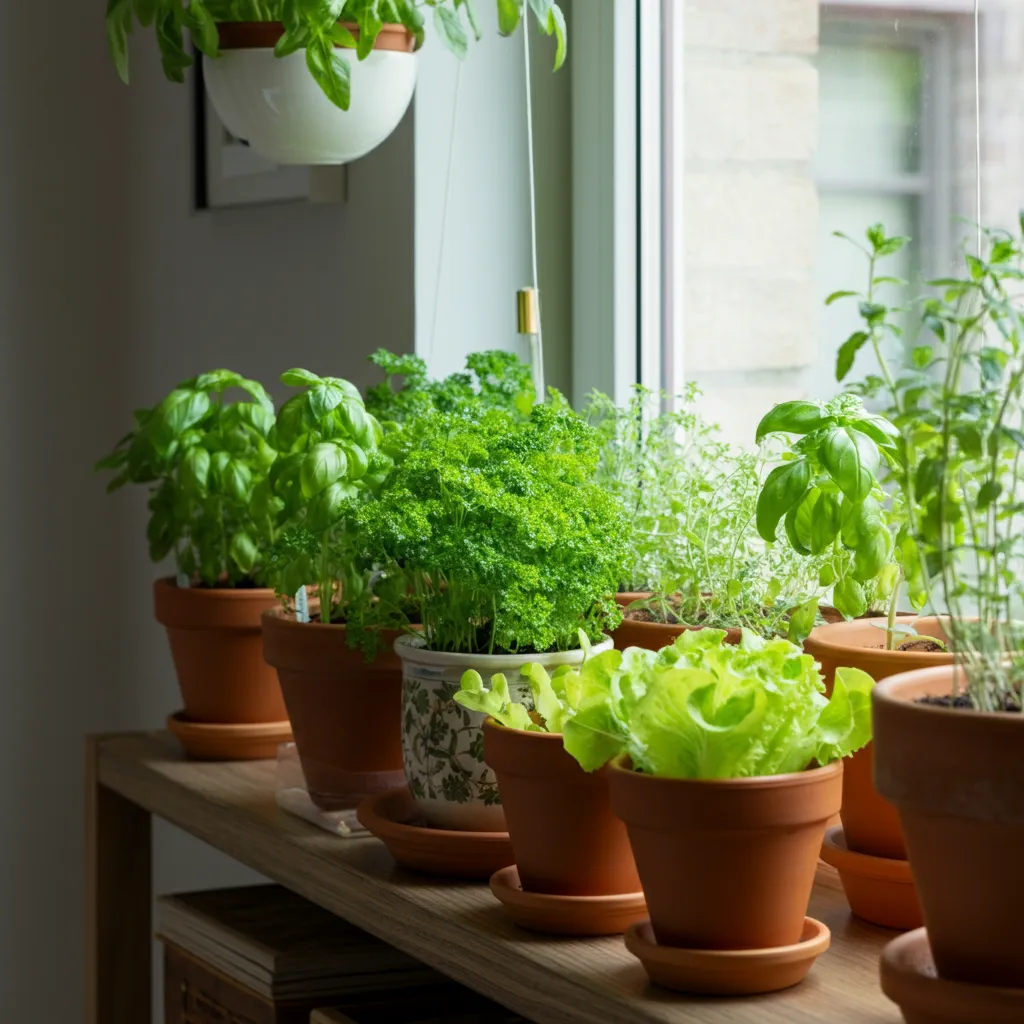
- Tomatoes with basil (improves flavour, deters pests)
- Carrots with chives (confuses carrot fly)
- Roses with garlic (reduces aphid problems)
- Brassicas with aromatic herbs (masks scent from pest insects)
DIY Organic Sprays
For serious infestations, simple homemade sprays often prove effective:
Soap spray: Mix 1 tablespoon mild liquid soap with 1 litre water for soft-bodied pests like aphids.
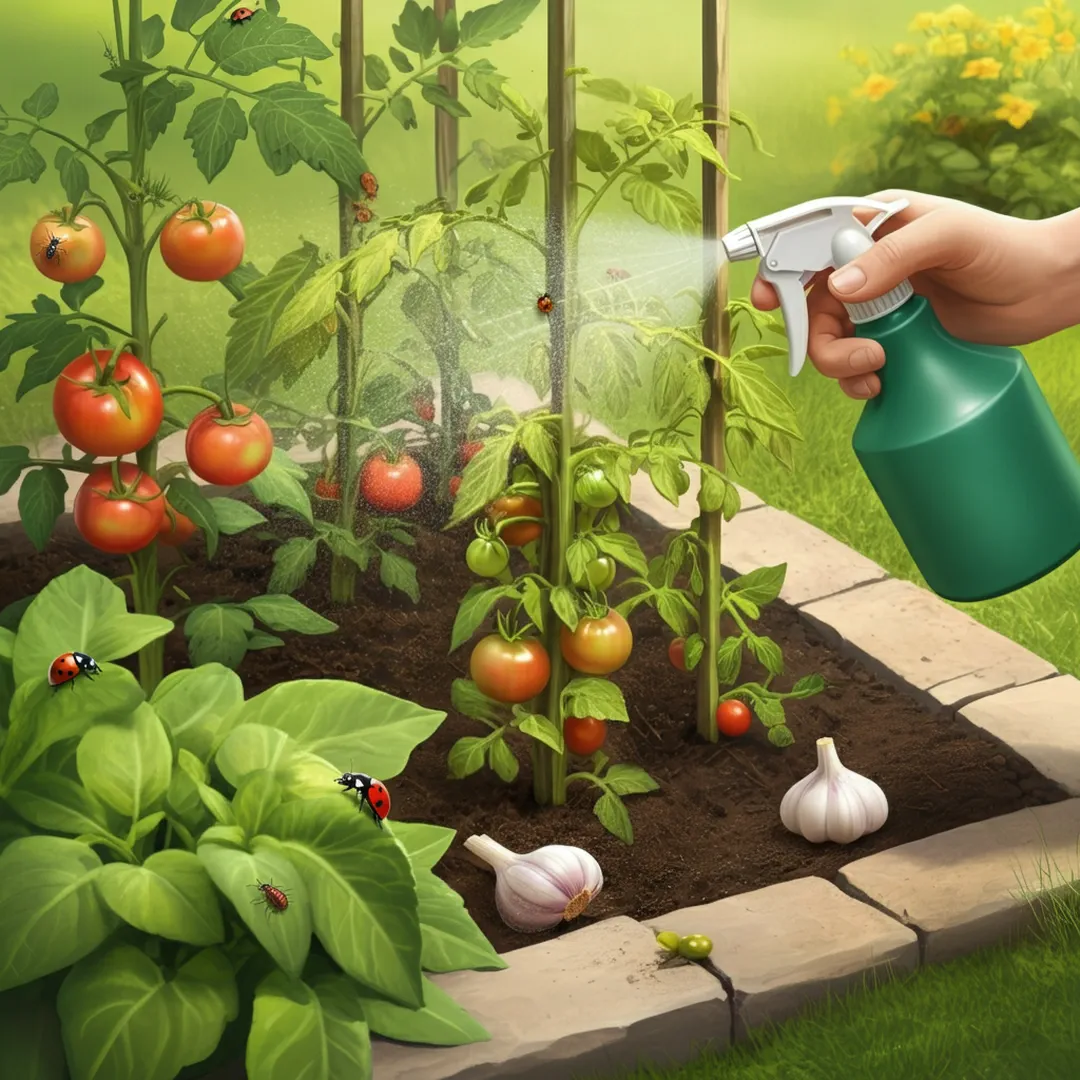
Garlic spray: Blend 3 cloves garlic with 1 litre water, strain, and spray for general pest deterrent.
Neem oil spray: Mix according to package directions for scale insects and mites.
Always test sprays on a small area first and apply during cooler parts of the day to avoid leaf damage.
Companion Planting: Nature's Perfect Partnerships
Imagine walking through a garden where every plant has a purpose beyond its own beauty – where flowers protect vegetables, herbs enhance flavours, and root systems work together like old friends sharing resources. This is the enchanting world of Companion planting, an ancient practice that transforms your garden into a harmonious ecosystem where plants actively help each other thrive.
Companion planting pairs different species together to create mutually beneficial relationships. It's gardening's answer to teamwork, where thoughtfully chosen plant partnerships can solve problems naturally whilst reducing your workload and chemical inputs.
The Science Behind Plant Partnerships
Plants communicate through intricate networks of chemical signals released through their roots and leaves. Some plants emit compounds that repel harmful insects, whilst others attract beneficial predators or improve soil conditions for their neighbours. Research from the University of Sheffield shows that companion planted gardens can reduce pest damage by up to 60% compared to monoculture plantings.
These relationships have evolved over thousands of years in wild ecosystems. By replicating nature's blueprint in our gardens, we tap into proven strategies that work far better than any single plant could manage alone.
Pest Control Through Plant Power
Tomatoes and Marigolds: The Ultimate Defence Team
This classic pairing demonstrates Companion planting at its finest. Marigolds produce compounds called thiophenes in their roots, which naturally repel nematodes – microscopic worms that can devastate tomato roots. Above ground, the marigolds' pungent scent confuses whiteflies and aphids, making it harder for them to locate your precious tomatoes.
Plant marigolds around the perimeter of your tomato beds, or intersperse them throughout for maximum protection. French marigolds (Tagetes patula) prove particularly effective, though any variety will provide benefits.
Basil and Peppers: Mediterranean Magic
Sweet basil doesn't just complement peppers on your plate – it actively improves their growing conditions. Basil's aromatic oils deter aphids, spider mites, and hornworms that commonly plague pepper plants. Many gardeners report that peppers grown alongside basil develop more intense flavours, possibly due to the herbs' influence on essential oil production.
Position basil plants between pepper rows, ensuring both receive adequate sunlight. The basil will need regular harvesting to prevent flowering, which handily provides fresh herbs for your kitchen.
Carrots and Onions: Underground Allies
This partnership works both above and below soil level. Onions' strong scent masks the sweet aroma that attracts carrot flies, whilst carrots may help repel onion flies in return. The different root depths mean they don't compete for nutrients – onions grow shallow, spreading roots, whilst carrots develop deep taproots.
Alternate rows of carrots and onions, or plant onions around the edges of carrot beds. Some gardeners inter-plant them randomly for an even stronger protective effect.
Plant Health and Growth Enhancement
The Three Sisters: Corn, Beans, and Squash
This traditional Native American planting method showcases how companion plants can provide structural and nutritional support. Corn provides a natural climbing frame for beans, which fix nitrogen in the soil to feed all three crops. Squash spreads across the ground, suppressing weeds and retaining moisture whilst its spiny leaves deter pests.
Modern gardeners can adapt this system using sweetcorn varieties and climbing French beans. Plant corn first, add beans when it's 15cm tall, then sow squash around the perimeter.
Roses and Garlic: Beauty Meets Function
Garlic planted around rose beds helps prevent black spot and aphid infestations. The sulphur compounds in garlic create an antifungal environment whilst deterring soft-bodied insects. This pairing works particularly well in formal gardens where you want pest control without compromising aesthetic appeal.
Plant garlic cloves in autumn around established roses, spacing them 15-20cm apart. Harvest the bulbs in summer, then replant for continuous protection.
Biodiversity and Ecosystem Benefits
Companion planting creates habitat diversity that supports beneficial insects throughout your garden. A study by the Centre for Ecology and Hydrology found that gardens using Companion planting methods support 40% more beneficial insect species than those growing single crops.
Attracting Beneficial Insects
Many companion plants serve as insectary plants – flowers that provide nectar and pollen for predatory and parasitic insects. These beneficial creatures then control pest populations naturally.
Yarrow attracts ladybirds, lacewings, and hoverflies whilst accumulating nutrients from deep soil layers. Plant it throughout vegetable beds for continuous beneficial insect habitat.
Sweet alyssum provides landing platforms for tiny parasitic wasps that control aphids and caterpillars. Its low-growing habit makes it perfect for edging beds or filling gaps between larger plants.
Fennel (allowed to flower) attracts beneficial wasps and beetles, though keep it away from tomatoes and beans, which
Building Living Soil
Healthy soil teems with beneficial microorganisms that create nutrient cycling and plant protection networks. Avoid tilling when possible, as this disrupts soil structure and beneficial fungal networks.
Add organic matter regularly through compost, aged manure, or leaf mould. These materials feed soil organisms that, in turn, make nutrients available to plants.
Succession Planting and Crop Rotation
Succession planting involves sowing small amounts of crops every few weeks to ensure continuous harvests. This reduces waste and maintains soil nutrition more effectively than large single plantings.
Crop rotation prevents pest and disease build-up whilst managing soil nutrients. Follow nitrogen-fixing legumes with heavy-feeding brassicas, then root crops, followed by a rest period or green manure.
Green Manures and Cover Crops
Green manures are plants grown specifically to improve soil when dug in. Winter rye, crimson clover, and phacelia add organic matter whilst preventing soil erosion during fallow periods.
These crops also support beneficial insects during times when other flowers aren't available.
Getting Started: Your First Steps
Start Small, Think Big
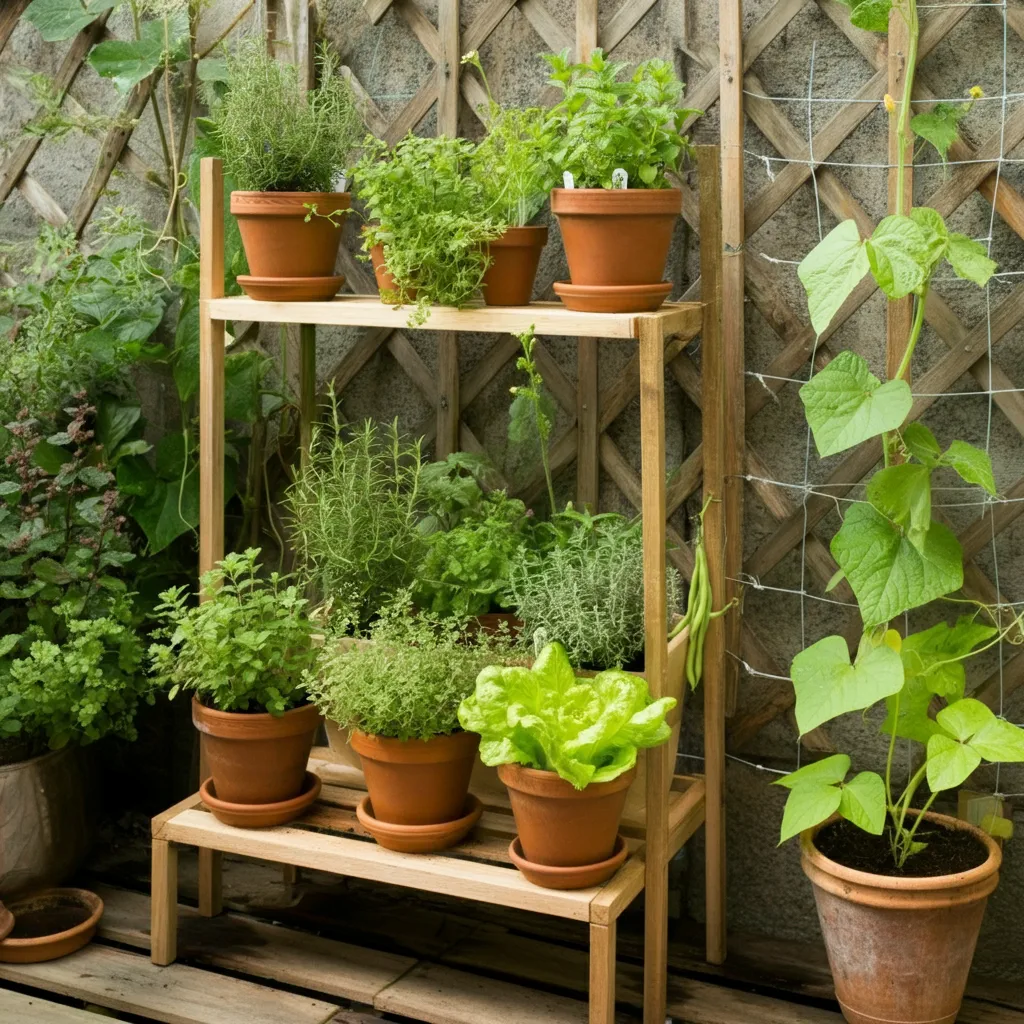
Begin with one bed or container garden using sustainable principles. Success with a small area builds confidence and knowledge for larger projects.
Choose easy-to-grow native plants and focus on soil building through composting. These foundational practices create the basis for expanding your sustainable garden over time.
Seasonal Planning
Spring focuses on soil preparation and early plantings. Summer emphasises watering efficiency and pest monitoring. Autumn is prime time for composting preparation and planting trees or shrubs. Winter allows planning for the following year whilst maintaining compost systems.
Connecting with Community
Join local gardening clubs or online forums focused on sustainable practices. Many areas have plant swaps, seed libraries, and communal composting schemes that support sustainable gardening whilst building community connections.
Creating Your Green Future
Sustainable gardening isn't about perfection – it's about making thoughtful choices that benefit both your garden and the wider environment. Every compost bin, native plant, and rain barrel contributes to a healthier planet.
Start with practices that appeal to you most, whether that's composting kitchen scraps, collecting rainwater, or planting native flowers for pollinators. Each sustainable choice creates positive momentum for additional changes.
Your garden can become a living example of environmental stewardship, proving that individual actions create meaningful collective impact. The planet needs more gardeners willing to work with nature rather than against it.
Ready to dig in? Your sustainable garden adventure begins with the next seed you plant, the first compost bin you build, or the native plant you choose over an exotic alternative. The Earth – and future generations – will thank you for it.




Community Feedback