
Create a Wildlife Garden: A UK Beginner's Guide
Step outside and listen. What do you hear? In many of our gardens, the answer might be the distant hum of traffic or the gentle rustle of leaves. But what if it could be the buzz of bees, the cheerful song of a robin, and the soft splash of a frog? You don't need sprawling acres to create a sanctuary for nature. Even the smallest patch of green—a balcony, a patio, or a tiny urban yard—can be transformed into a thriving wildlife garden.
Creating a space that welcomes nature is one of the most rewarding things you can do. It’s about more than just pretty plants; it's about building a miniature ecosystem that supports creatures great and small. This guide will show you how to invite birds, bees, butterflies, and more into your garden, turning it into a vibrant hub of activity that benefits both you and the environment.
Why Welcome Wildlife? The Bigger Picture
A garden teeming with life is a joy to behold. It offers endless opportunities for observation, from watching a blackbird skillfully pull a worm from the lawn to seeing a ladybird patrol your roses for aphids. But the benefits extend far beyond personal enjoyment.
Our native wildlife is facing immense pressure from habitat loss. Urbanisation and changes in farming practices mean that the natural homes for many species are shrinking. Gardens, which make up a vast area of the UK, can form a network of "mini-nature reserves," creating vital corridors for wildlife to move, feed, and breed. By making a few simple changes, you contribute to a larger, nationwide effort to support biodiversity. A wildlife-friendly garden is a healthier garden, often requiring fewer pesticides and less intervention as nature's own pest controllers move in.

The Three Pillars of a Wildlife Haven
To attract a rich variety of creatures, you need to provide for their basic needs: food, water, and shelter. Think of these as the three pillars of your wildlife garden.
Pillar 1: Food from Native Plants
The single most effective thing you can do for local wildlife is to plant native British plants, shrubs, and trees. Our insects, birds, and mammals have evolved alongside these plants for thousands of years, meaning they are perfectly adapted to use them for food and shelter.
For the Pollinators: Bees and Butterflies
Pollinators are essential for a healthy garden and food system. To support them, aim for a continuous supply of nectar-rich flowers from early spring to late autumn.
- Spring Stars: Plant crocuses, primroses, and fruit trees like apple or cherry. Their early blooms provide a crucial first meal for queen bumblebees emerging from hibernation.
- Summer Buzz: Lavender, catmint, foxgloves, and Verbena bonariensis are magnets for bees and butterflies. A patch of wildflowers, including red clover and knapweed, will also be a huge hit.
- Autumn Feast: Sedums (now Hylotelephium), asters (Michaelmas daisies), and ivy are fantastic late-season food sources, helping pollinators build up reserves for winter.
For the Birds and Small Mammals
Birds need more than just peanuts in a feeder. Plants with berries and seeds are a natural larder.
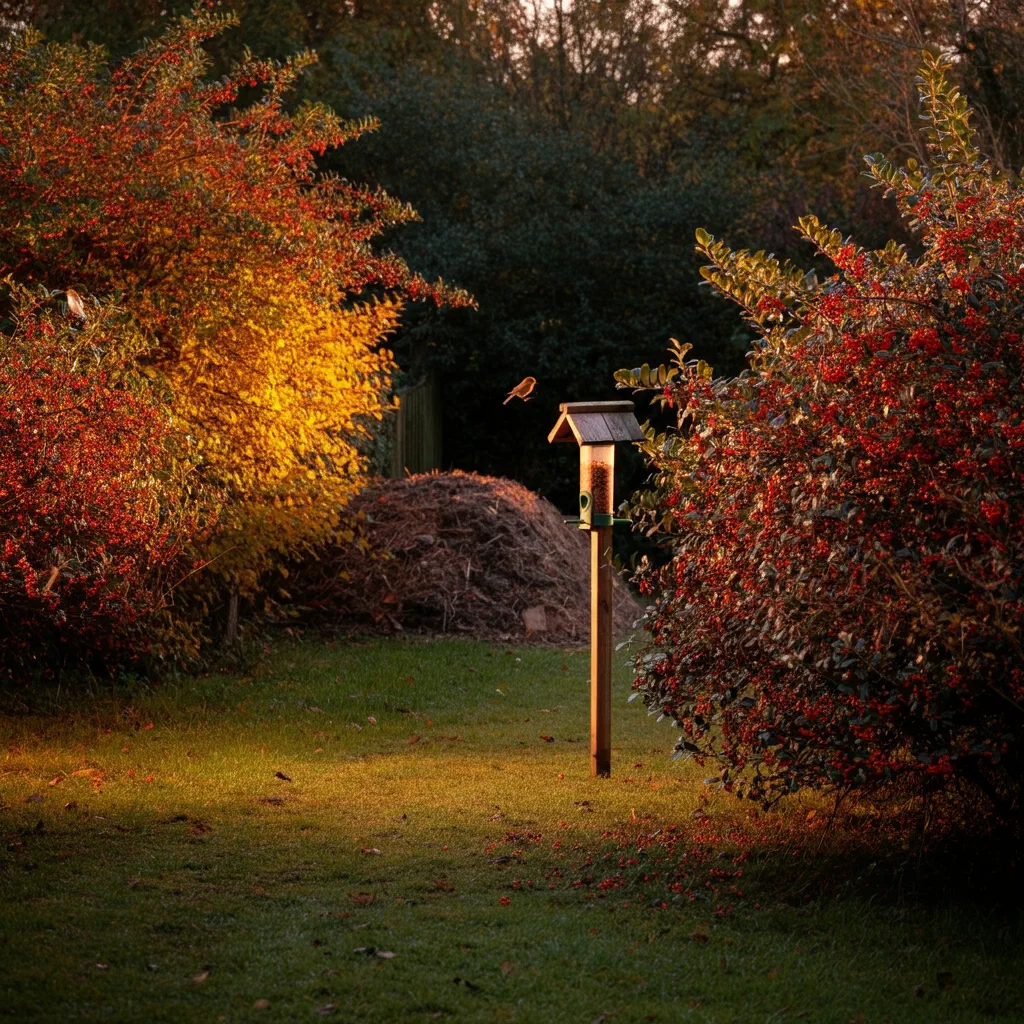
- Berries Galore: Hawthorn, holly, and rowan trees provide calorie-rich berries through autumn and winter. A rambling rose left to form hips is another excellent choice.
- Seeds for Feasting: Sunflowers are a classic for a reason; goldfinches love their seeds. Teasels are another brilliant architectural plant whose seed-heads provide food for birds long after the flowers have faded.
Pillar 2: Water for Life
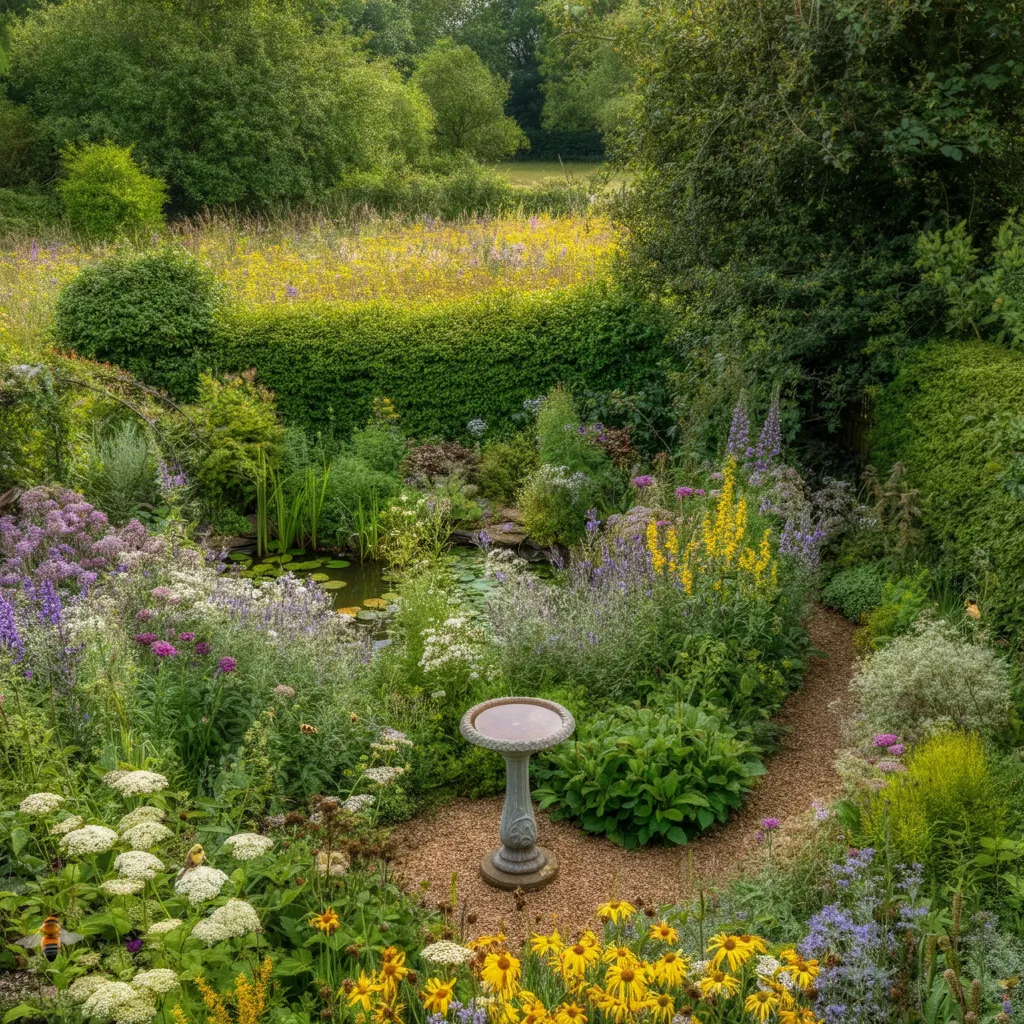
A source of fresh water will attract more wildlife to your garden than almost anything else. It provides a place for drinking, bathing, and even breeding.
Start with a Bird Bath
If you do just one thing, add a bird bath. It’s that simple. Birds need to keep their feathers in top condition, and a shallow bath allows them to do so. Place it somewhere with a clear view so birds can spot predators, but with a nearby bush or tree for a quick escape. Remember to keep it topped up, especially during dry spells and frosty weather. A simple, shallow dish on the ground will also be appreciated by hedgehogs and other ground-dwelling creatures.
Go Deeper with a Pond
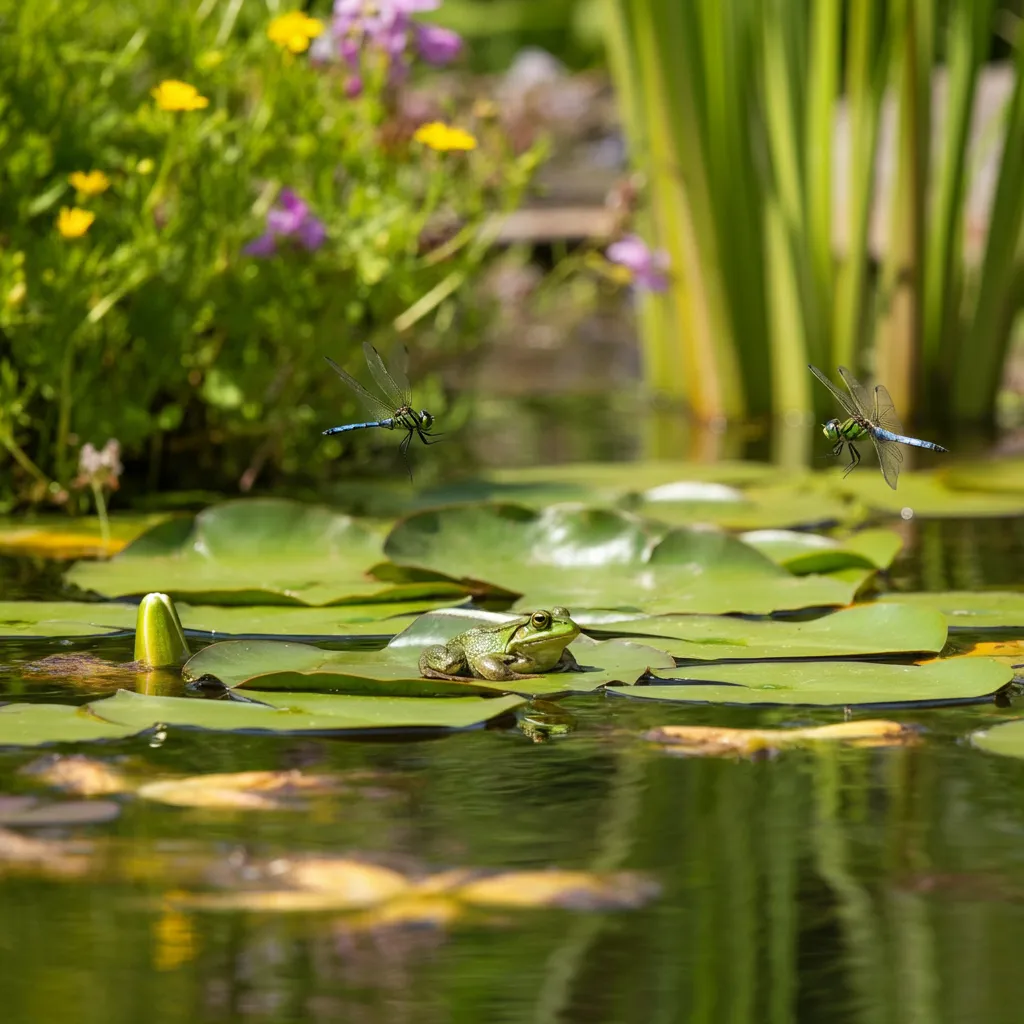
A pond, even a tiny one made from a sunken washing-up bowl, is a powerhouse of biodiversity. It will quickly become home to pond skaters, water boatmen, and dragonflies. Frogs, toads, and newts will likely find their own way there to breed.
To make it wildlife-friendly, ensure your pond has a shallow, sloping side or a ramp made of stones or logs. This allows animals like hedgehogs to climb out if they fall in and gives amphibians easy access. Add a few native aquatic plants like water-starwort and hornwort to oxygenate the water.
Pillar 3: Shelter and a Place to Stay
Wildlife needs safe places to rest, nest, and hibernate, protected from predators and the elements. A perfectly tidy garden offers few hiding spots.
Let Things Get a Little Wild
Resist the urge to tidy up too much.
- Leave the Leaves: A pile of autumn leaves in a quiet corner is a five-star hotel for hedgehogs looking for a place to hibernate. It also provides a home for beetles and other minibeasts.
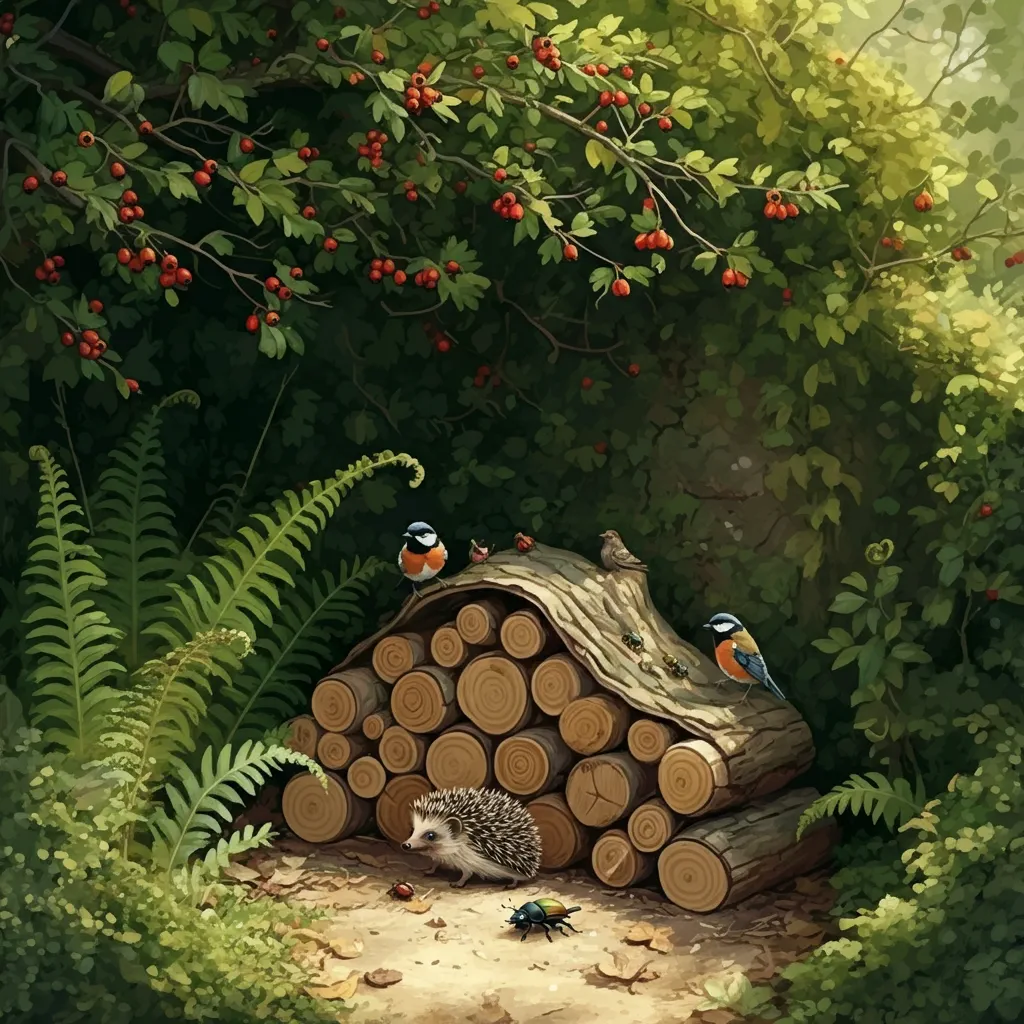
- Build a Log Pile: A simple stack of logs or branches will slowly rot down, creating a damp, sheltered habitat for countless insects, frogs, and newts. It's a minibeast metropolis!
- Don't Cut Back Everything: The hollow stems of perennial plants can provide overwintering sites for insects like ladybirds. Leave seed-heads standing over winter for both food and shelter.
Provide Purpose-Built Homes
You can also supplement these natural shelters with man-made homes.
- Bird Boxes: Put up nest boxes for different species. A small hole (25-28mm) is perfect for blue tits, while a larger one (32mm) suits great tits and sparrows. An open-fronted box will attract robins and wrens.
- Bee Hotels: These bundles of hollow tubes provide nesting sites for solitary bees, which are gentle and fantastic pollinators.
- Hedgehog Houses: A purpose-built hedgehog house tucked under a hedge or in a log pile could give a local hog a safe place to raise a family or hibernate.
Your Garden, a Thriving Ecosystem
Turning your garden into a wildlife haven is a journey, not a destination. Start small. Plant a pot of lavender on your balcony, add a bird bath to your lawn, or let a small patch of grass grow long. Each small action contributes to a richer, more vibrant space.
Before you know it, you’ll be grabbing your morning cuppa and heading outside to see who is visiting. You’ll find yourself fascinated by the intricate dance of nature playing out on your doorstep. By inviting wildlife in, you don't just create a garden; you create a living, breathing ecosystem full of wonder and discovery.
Top 15 Flowers to Create a Buzzing UK Wildlife Garden
Choosing the right flowers is the most exciting part of creating a wildlife garden. By planting a variety of species, you can provide a year-round feast of nectar, pollen, seeds, and shelter for a huge range of creatures. Imagine your garden borders humming with bees and fluttering with butterflies! This list will guide you through the best flowers to plant for every season, turning your patch into a five-star hotel for nature's most important visitors.
Spring Superstars: The Early Buffet
After a long winter, early-blooming flowers are a lifeline for pollinators like queen bumblebees emerging from hibernation.
- Primrose (Primula vulgaris): These cheerful, pale-yellow flowers are a classic sight in British woodlands and a vital early nectar source. They are perfect for dotting under hedges or in shady corners, providing essential food for bees and early butterflies like the Brimstone.
- Crocus (Crocus species): Carpets of purple, yellow, and white crocuses are one of the first signs of spring. Their cup-shaped flowers are the perfect shape for sleepy queen bumblebees to crawl into for a high-energy meal to kickstart their nesting season.
- Grape Hyacinth (Muscari armeniacum): Don't let the name fool you; these are not true hyacinths but are adored by a wide range of bees. Their dense clusters of tiny, bell-shaped blue flowers are a powerhouse of nectar, attracting hairy-footed flower bees and red-tailed bumblebees.
- Lungwort (Pulmonaria officinalis): With its distinctive spotted leaves and clusters of flowers that turn from pink to blue, Lungwort is as beautiful as it is beneficial. It’s a magnet for the hairy-footed flower bee and provides a much-needed feast early in the year.
Summer Celebrities: The Main Event
Summer is when your wildlife garden truly comes alive. A succession of blooms will ensure there's always something on the menu.
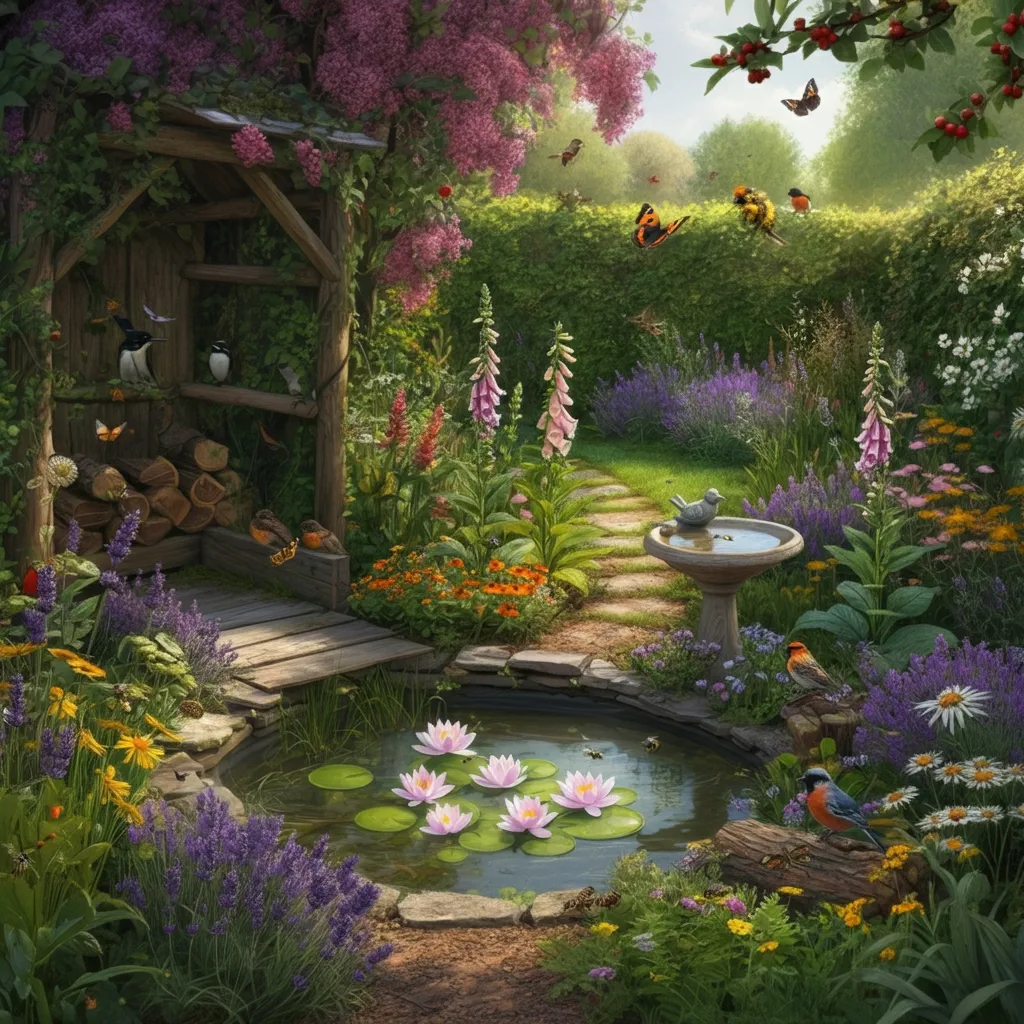
- Foxglove (Digitalis purpurea): These tall, dramatic spires are the ultimate bumblebee flower. Their deep, bell-shaped blooms are perfectly designed for long-tongued bees, such as the garden bumblebee, which crawls deep inside to collect nectar, transferring pollen as it goes.
- Lavender (Lavandula angustifolia): The quintessential summer scent comes from a plant that is irresistible to almost every pollinator. From honeybees and bumblebees to butterflies like the Small Tortoiseshell, lavender’s nectar-rich flowers will have your garden buzzing from June to August.
- Verbena bonariensis: Held aloft on tall, wiry stems, the purple flowerheads of this plant seem to float in the air, creating a dazzling display. It's a top-tier nectar plant for butterflies, attracting Red Admirals, Peacocks, and Painted Ladies well into the autumn.
- Red Clover (Trifolium pratense): Often found in wildflower meadows, Red Clover is a fantastic addition to a sunny lawn or border. Its pinkish-red flowerheads are adored by short-tongued bumblebees and are the primary food source for the Common Blue butterfly's caterpillars.
- Teasel (Dipsacus fullonum): A magnificent architectural plant, the teasel’s prickly flowerhead produces rings of purple flowers that are a hit with bees. But its real value comes in autumn and winter when its seedheads provide a natural bird feeder for flocks of goldfinches.
- Honeysuckle (Lonicera periclymenum): Our native honeysuckle is a must-have climber. Its heavenly scent is strongest at dusk to attract night-flying moths, which are in turn food for bats. Birds like wrens and dunnocks will love to nest within its tangled stems.

Autumn Arrivals: The Final Feast
As summer fades, autumn-flowering plants provide a final, crucial source of energy for pollinators preparing for winter and for birds building up their reserves.
- Aster (Michaelmas Daisy): These classic autumn flowers explode into a mass of star-like purple, pink, or white blooms. They provide a vital late-season nectar bar for bees, hoverflies, and butterflies when little else is in flower.
- Sedum (Hylotelephium spectabile): Often called the ice plant, Sedum's fleshy leaves are topped with large, flat flowerheads that start pale green and mature to a deep pink. They are a landing pad for pollinators, often covered with bees and butterflies on a sunny autumn day.
- Rudbeckia (Rudbeckia fulgida): With their sunny, daisy-like flowers and dark central cones, Rudbeckias bring a splash of gold to the autumn garden. Bees love their pollen, and if you leave the seedheads standing, finches will feast on them over winter.
- Common Knapweed (Centaurea nigra): This tough and resilient wildflower looks like a thistle without the prickles. Its purple, brush-like flowers are one of the best all-rounders for wildlife, attracting bees, butterflies, and hoverflies in late summer and autumn.
- Ivy (Hedera helix): Often overlooked, ivy is a true wildlife superstar. Its late autumn flowers are one of the most important nectar sources for queen wasps and bees before hibernation. The high-fat, black berries that follow are a lifeline for birds like thrushes and blackbirds through the harshest winter weather.






Community Feedback