
Dolorum optio tempore voluptas dignissimos cumque fuga qui quibusdam quia
A Beginner's Guide to Indoor Gardening
Dreaming of a lush, green oasis inside your home but don't know where to begin? You're not alone. The joy of nurturing a plant from a tiny sprout to a flourishing spectacle is a truly rewarding experience, and it's more accessible than you might think. Indoor gardening is a brilliant way to bring a touch of nature's magic into your living space, no matter the size of your home or the unpredictability of the British weather.
This guide is designed to demystify the world of indoor plants. We'll walk you through everything you need to know to start your own indoor garden with confidence. From choosing the right plants that will thrive in your home environment to understanding their basic needs for light, water, and food, you'll find all the essential tips right here. By the end, you'll be ready to transform your home into a verdant sanctuary and enjoy the many benefits that come with it.
What is Indoor Gardening?
At its heart, indoor gardening is simply the practice of growing plants inside your home. This can range from a single potted plant on a windowsill to an elaborate vertical 'living wall' or a high-tech hydroponic system for growing your own vegetables. The goal is to create a controlled environment where plants can flourish year-round, protected from the harsh outdoor elements.
Unlike traditional outdoor gardening, you have complete control over the conditions. You become the master of light, temperature, and water, allowing you to cultivate a wide variety of plants that might not otherwise survive in your local climate. Whether you're growing ornamental houseplants, fragrant herbs for your kitchen, or fresh salad greens, indoor gardening offers a fulfilling connection to nature within the comfort of your own home.

Getting Started: The Five Essentials for Plant Life
Every plant, whether it's growing in a vast forest or a small pot on your desk, relies on five fundamental elements to survive and thrive. Understanding these basics is the first step to becoming a successful indoor gardener.
- Light: Plants use light to create their food through a process called photosynthesis. It is the single most important factor for their growth.
- Water: Water is essential for photosynthesis and for transporting nutrients from the soil to the rest of the plant.
- Growing Medium: This is what the plant roots into. It provides physical support and holds the nutrients and water the plant needs. For most beginners, this will be a good-quality potting soil.
- Nutrients: Plants need a balanced diet of minerals and nutrients, like nitrogen, phosphorus, and potassium, to build strong leaves, stems, and roots.
- Air, Temperature & Humidity: Plants breathe in carbon dioxide and need good air circulation to stay healthy. They also prefer stable temperatures and appropriate humidity levels to feel at home.

The Best Plants for a Beginner's Indoor Garden
Starting with the right plants can make all the difference. For beginners, the key is to choose species that are resilient, forgiving, and don't demand constant attention. Many popular houseplants are tropical in origin, which means they are naturally adapted to the lower light and stable temperatures found in our homes.
Here are some of the easiest and most rewarding plants to kickstart your indoor gardening journey:
- Snake Plant (Dracaena trifasciata): Almost indestructible, the snake plant tolerates low light and infrequent watering. Its striking, upright leaves make a bold architectural statement.
- Spider Plant (Chlorophytum comosum): Famous for its arching leaves and the little "spiderettes" it produces, this plant is incredibly easy to grow and propagate. It's also a great air purifier.
- Devil's Ivy or Pothos (Epipremnum aureum): This versatile trailing plant is happy in a range of light conditions and is very forgiving if you forget to water it. Its heart-shaped leaves look wonderful cascading from a shelf or hanging basket.
- ZZ Plant (Zamioculcas zamiifolia): If you're looking for a plant that thrives on neglect, the ZZ plant is your perfect match. It stores water in its underground rhizomes, meaning it can go for weeks without a drink.
- Philodendron: With their lush, heart-shaped leaves, philodendrons are a classic houseplant. They are adaptable and will clearly signal when they need water by drooping slightly.

Indoor Edible Gardens: Grow Your Own Food
Beyond decorative plants, you can also grow a surprising amount of fresh food indoors. Starting with leafy greens and herbs is a fantastic way for beginners to get a quick and tasty reward.
- Herbs: Many culinary herbs do well on a sunny windowsill. Try growing chives, parsley, mint, oregano, thyme, and rosemary. They require minimal space and add instant flavour to your meals.
- Salad Greens: Leafy greens like spinach, kale, and rocket are some of the most reliable vegetables to grow indoors. They grow quickly and can be harvested in as little as four weeks.
- Sprouts & Microgreens: These are the easiest and fastest edibles to grow. Sprouts don't even need light, and microgreens (the young seedlings of herbs and vegetables) are packed with flavour and nutrients and can be grown under a simple grow light.

A Step-by-Step Guide to Indoor Plant Care
Caring for your indoor garden doesn't have to be complicated. By paying a little attention to your plants' needs, you can ensure they remain healthy and vibrant.
Step 1: Understanding Light
Light is food for your plants. The amount and quality of light in your home will determine which plants will thrive.
- Direct Light: This is intense sunlight that shines directly on the plant for several hours, typically from a south-facing window. Few houseplants can handle this without their leaves scorching.
- Indirect Light: This is bright light that has been filtered or is not in the direct path of the sun's rays. This is the ideal condition for the majority of houseplants. An east-facing window or a spot a few feet back from a south- or west-facing window is perfect.
- Low Light: This refers to areas that receive very little natural light, such as a north-facing room or a dark corner. Only the most tolerant plants, like the Snake Plant or ZZ Plant, will survive here.
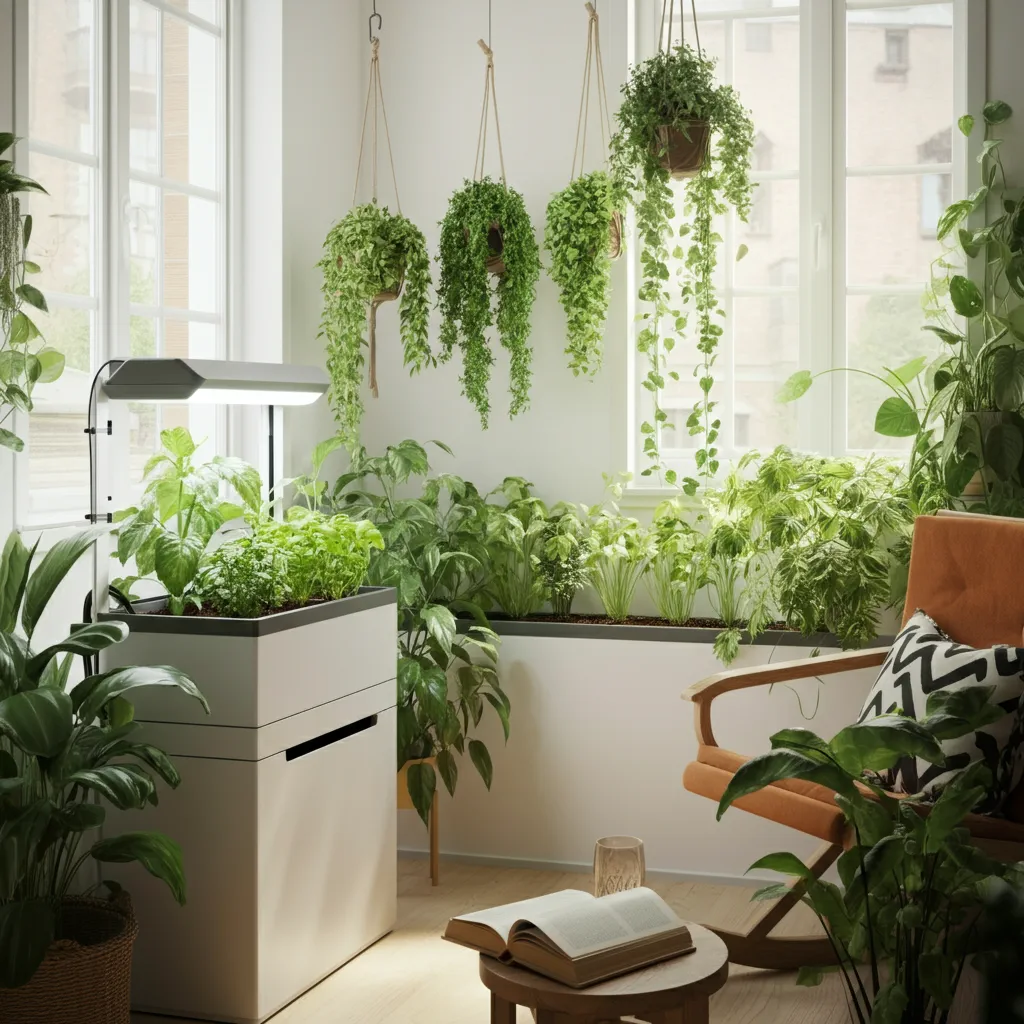
What if my house is too dark? Don't despair! Artificial lighting is a game-changer. Grow lights are specially designed to produce the spectrum of light that plants need for photosynthesis. A simple full-spectrum LED light can turn a dim corner into a thriving plant haven. You'll typically need to keep these lights on for 12-14 hours a day to mimic natural daylight.

Step 2: Mastering Watering
Overwatering is the most common mistake made by new plant parents and the number one killer of indoor plants. It's always better to under-water than to overwater.
- How to Water: The best method is to feel the soil. Stick your finger about an inch deep into the potting mix. If it feels dry, it's time to water. If it's still moist, wait a few more days.
- Technique: When you do water, do it thoroughly. Pour water over the soil until it starts to run out of the drainage holes at the bottom of the pot. This ensures the entire root ball gets a drink. Let the pot drain completely before placing it back in its saucer.
- Drainage is Crucial: Always use pots with drainage holes. Without them, water pools at the bottom, starving the roots of oxygen and leading to root rot.

Step 3: Choosing the Right Soil and Pot
The foundation of a healthy plant is a good home for its roots.
- Pots: As mentioned, pots with drainage holes are non-negotiable. You can place a simple plastic nursery pot inside a more decorative cachepot without holes.
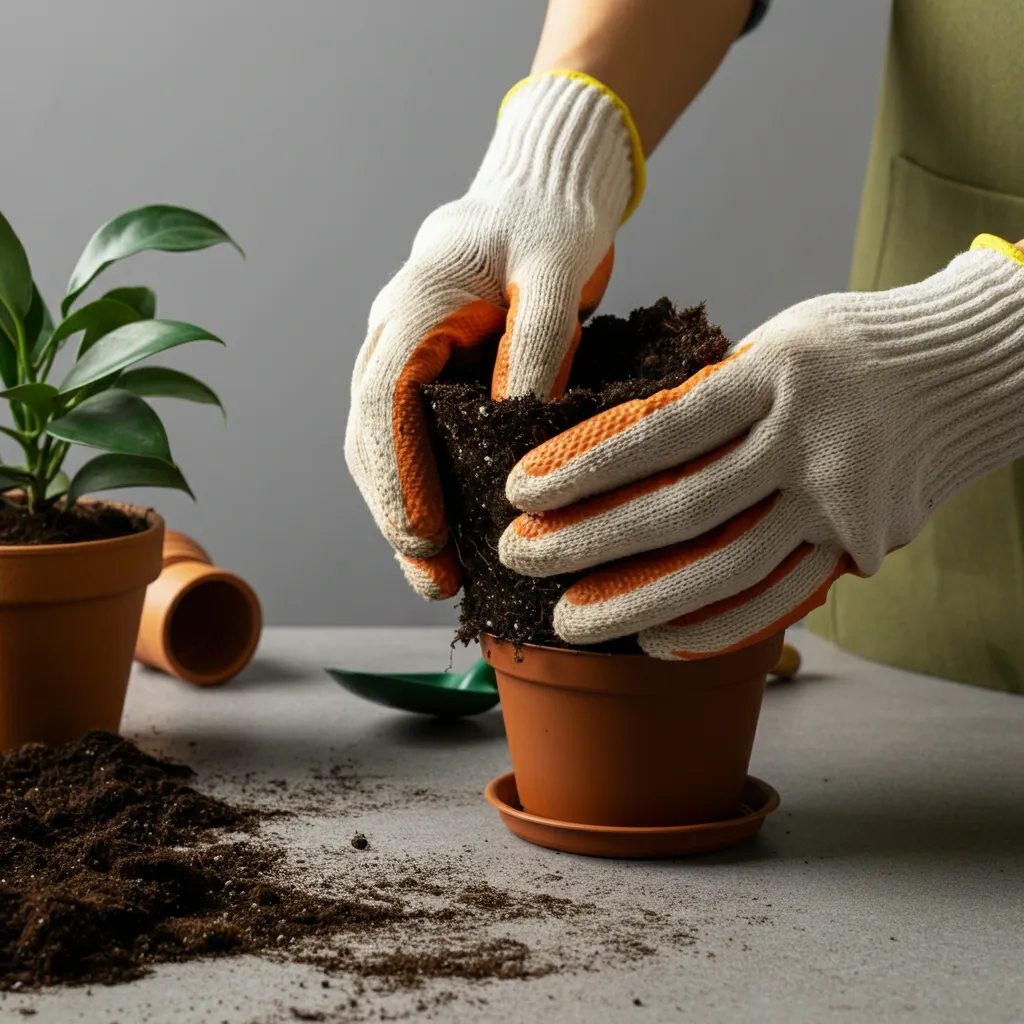
- Soil: Don't use soil from your garden, which is too dense and can contain pests. Always use a high-quality, well-draining potting mix designed for indoor plants. You can often find specialised mixes for different plant types, like cacti or orchids. Adding a bit of compost can give your plants a great nutritional start.
Step 4: Feeding Your Plants
Potting soil contains a limited supply of nutrients. Over time, you'll need to replenish these with fertiliser.
- What to Use: A balanced, all-purpose organic liquid fertiliser is a great choice for beginners. These are often described by their "N-P-K" ratio, which stands for Nitrogen, Phosphorus, and Potassium.
- When to Feed: Most houseplants only need feeding during their growing season, which is typically spring and summer. A good rule of thumb is to fertilise once a month during this period.
- How to Feed: Always dilute liquid fertilisers according to the package instructions—or even at half-strength to be safe. It's best to water your plant first before adding the diluted fertiliser to avoid burning the roots.

Level Up Your Garden with an Indoor System
For those looking to grow more food or experiment with technology, indoor gardening systems offer an exciting path forward. These systems automate many of the variables, making it easier to achieve a bountiful harvest.
- Hydroponic Systems: These soil-free systems grow plants directly in nutrient-rich water. Brands like Click & Grow offer simple, countertop "smart gardens" that are incredibly easy to maintain. You just pop in the "smart soil" seed pods, fill the water reservoir, and the system handles the lighting and watering for you.
- Vertical Gardening Systems: For a more dramatic look and larger harvests, systems like the Lettuce Grow Farmstand or Gardyn use a vertical structure to grow dozens of plants in a small footprint. They use hydroponic or aeroponic (misting the roots) technology and often come with apps that provide customised lighting and watering schedules. These are a bigger investment but can produce a significant amount of fresh produce.

Troubleshooting Common Problems
Even with the best care, you might encounter a few issues. Here's how to spot and fix them:
- Yellow Leaves: This can be a sign of overwatering or underwatering. Check the soil moisture to determine the cause. It can also indicate a nutrient deficiency.
- Brown, Crispy Leaf Tips: This is often a sign of low humidity. Try grouping plants together or using a pebble tray with water to increase moisture in the air.
- Leggy Growth: Plants that are tall and spindly with sparse leaves are stretching for more light. Move them to a brighter spot or add a grow light.
- Pests: Inspect your plants regularly for common pests like spider mites or fungus gnats. Many can be treated with a simple insecticidal soap. When buying new plants, always inspect them carefully before bringing them home.

Your Indoor Garden Awaits
Starting an indoor garden is a journey of discovery and a wonderful way to enhance your living space. It cleans the air, boosts your mood, and provides a calming, creative outlet. By starting with easy-care plants and learning their basic needs, you set yourself up for a rewarding and successful experience. Don't be afraid to experiment, and remember that every gardener, no matter how expert, has learned through trial and error.
Ready to bring the outdoors in? Pick out your first plant, find a bright spot in your home, and begin your adventure in indoor gardening today. You'll be amazed at how a little bit of green can make your world feel so much brighter.



Community Feedback