November Garden Tasks: Your Guide to a Winter-Ready Garden
November has arrived in the UK, bringing with it a crisp chill, shorter days, and the golden glow of late autumn. As the trees shed their final leaves, it's tempting to hang up your trowel and retreat indoors. However, this month is a crucial bridge between autumn's bounty and winter's slumber. The gardening jobs you tackle now are an investment, laying the groundwork for a vibrant, healthy garden come spring.
Proper winter garden preparation can make all the difference. It protects your cherished plants from the harshest weather, prevents disease, and even gives you a head start on next year's crops. Get these November garden tasks right, and you'll be rewarded with a garden that bounces back with vigour, rather than one that needs months of recovery work.
This guide will walk you through the essential November gardening jobs for UK gardens. We'll cover everything from protecting plants from frost and seizing last-minute planting opportunities to essential maintenance that will set your garden up for success through the colder months.
Protecting Your Plants from Winter's Bite

As temperatures drop, your first priority is to shield vulnerable plants from the damaging effects of frost and biting winds. This is a critical part of seasonal garden care.
Insulate Pots and Containers
Plants in containers are particularly susceptible to frost, as their roots are exposed above ground.
- Insulate outdoor containers with bubble wrap or hessian, securing it with twine. This simple layer protects the delicate root systems from freezing solid.
- Raise pots off the ground using pot feet or bricks. This improves drainage and prevents them from becoming waterlogged and freezing.
Wrap and Shelter Tender Plants
Some of your garden's residents need a bit more protection to survive the winter.
- Wrap tender shrubs, like palms or tree ferns, with horticultural fleece. This breathable material provides insulation without trapping moisture, which can lead to rot.
- Move potted plants, such as fuchsias or pelargoniums, to a sheltered spot. An unheated greenhouse, a cold frame, or even a protected porch can offer enough protection to see them through to spring.
- Create simple windbreaks for plants in exposed locations using temporary screening or netting. This can prevent windburn and physical damage during winter storms.
Mulch for Ground-Level Protection
A thick blanket of mulch is one of the best gifts you can give your garden beds in November.
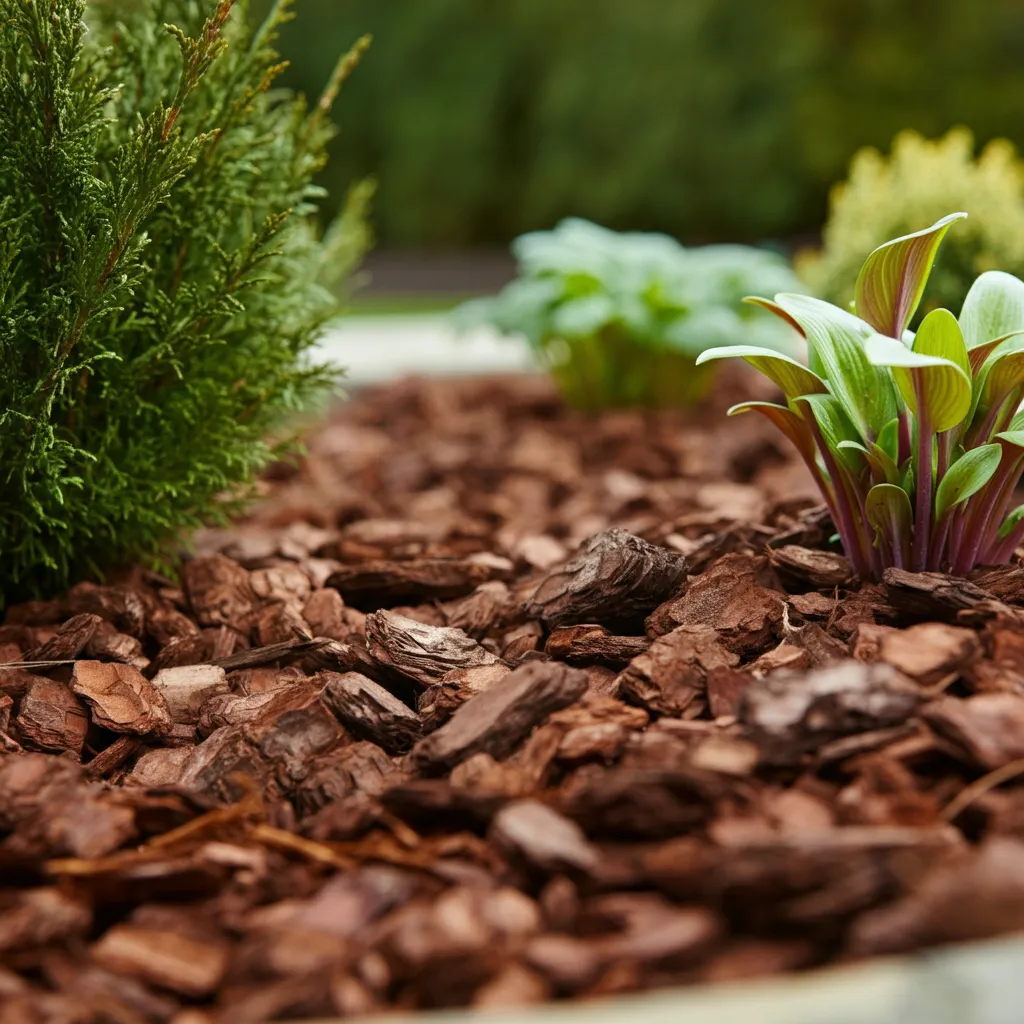
- Apply a generous layer of mulch, such as compost, leaf mould, or bark chips, around the base of perennials, shrubs, and roses. This insulates the soil, protects roots from frost, suppresses winter weeds, and improves soil structure as it breaks down.
November Planting Opportunities
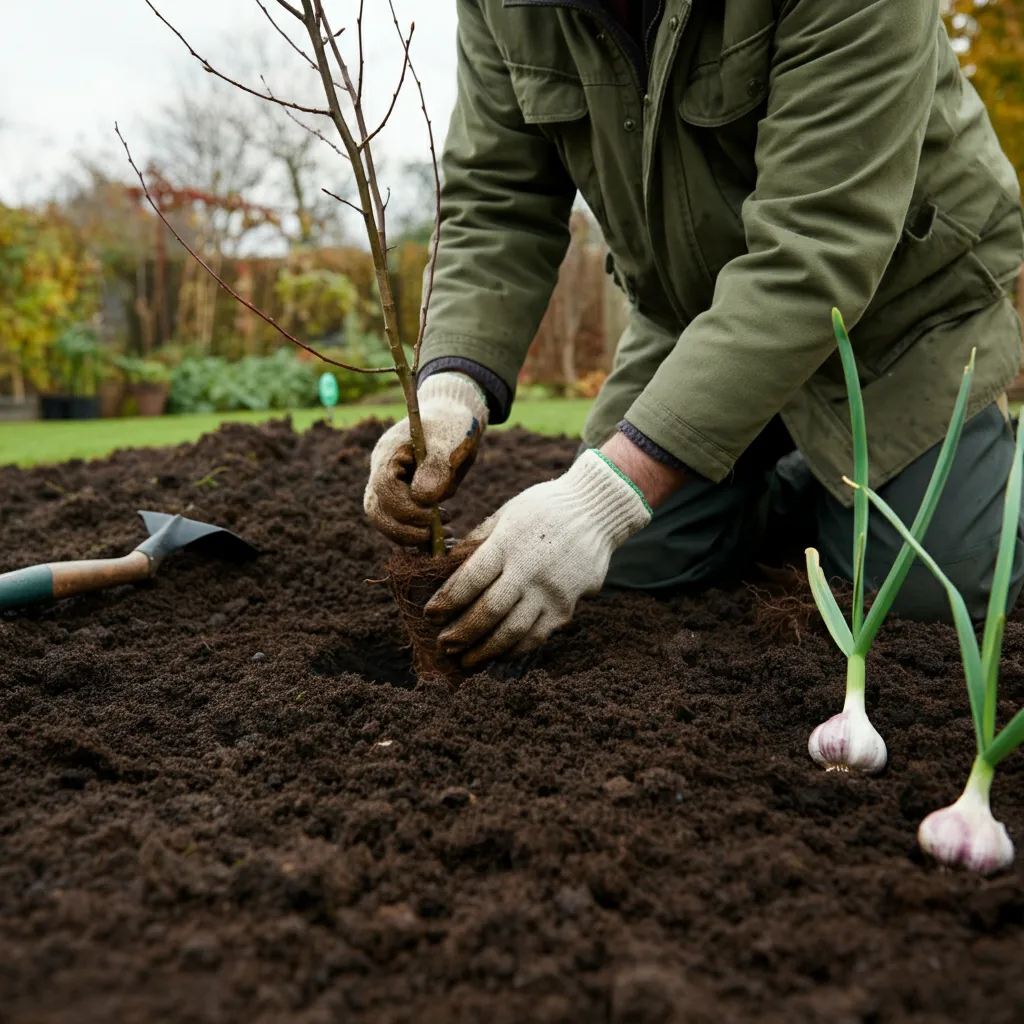
It might seem counterintuitive, but November is a prime time for planting certain things. The soil still retains some warmth from the summer, encouraging root growth before the deep cold sets in.
Plant Bare-Root Trees and Shrubs
From now until March is the ideal window for planting bare-root trees, shrubs, and hedging. They are dormant, less prone to transplant shock, and often more affordable than their container-grown counterparts. Ensure the ground isn't frozen or waterlogged when you plant.
Get a Head Start on Next Year's Harvest
- Plant garlic cloves: November is the perfect month to plant garlic. The cold winter period is essential for the cloves to split and form a full bulb for harvesting next summer. Plant them a few inches deep with the pointed tip facing up.
- Sow broad beans: In milder parts of the UK, you can sow hardy varieties of broad beans directly into the ground for an early crop next year.
- Plant winter salads: If you have a cold frame or cloche, you can still sow hardy winter salad leaves like mizuna, mustard greens, and lamb's lettuce for fresh greens through the colder months.
Prepare for a Spectacular Spring
- Plant tulip bulbs: Unlike other spring bulbs, tulips benefit from a late planting. Planting in November reduces the risk of a fungal disease called tulip fire, ensuring a dazzling display next year.
Essential Garden Maintenance Tasks

A good tidy-up now will prevent problems later and make spring preparations much easier. Winter garden maintenance is all about putting your garden to bed neatly.
Lawn and Leaf Management
- Clear fallen leaves from your lawn and paths. A thick mat of wet leaves can block light, encourage moss and disease, and create slippery hazards.
- Compost the leaves to create valuable leaf mould. It's a fantastic, nutrient-rich soil conditioner. Simply bag them up in bin liners with a few air holes poked in, or create a dedicated leaf mould pile.
- Give the lawn its final cut of the year, raising the mower blades higher than usual. A slightly longer lawn is more resilient to the cold.
Tool and Equipment Care
- Clean and store your garden tools properly. Scrape off any mud, sharpen blades, and wipe metal parts with an oily rag to prevent rust.
- Service your lawnmower before storing it for the winter. Clean the underside, check the oil, and sharpen the blade so it's ready for action in the spring.
Water System Winter-Proofing
- Drain water features and pumps to prevent them from freezing and cracking.
- Lag outdoor taps and pipes with insulating covers or jackets to stop them from bursting in freezing temperatures.
- Empty and store water butts upside down or fit a tap to leave them draining. A full water butt can easily crack if the water inside freezes and expands.
Supporting Wildlife Through Winter

Your garden can be a vital sanctuary for wildlife during the tough winter months.
- Set up bird feeding stations and keep them stocked with high-energy foods like fat balls, seeds, and nuts.
- Provide a source of fresh, unfrozen water for birds and other creatures. A simple ball floating in the bird bath can stop it from freezing solid.
- Leave some areas "messy." A pile of logs, a heap of leaves in a quiet corner, or leaving seed heads on perennials provides shelter for beneficial insects, hedgehogs, and other small animals.
Set Your Garden Up for Success

The gardening tasks you complete in November are your secret weapon for a stress-free spring. By protecting your plants, tidying up, and planning ahead, you're not just closing down the garden for winter; you're actively preparing it for a year of healthy growth.
Tackle these jobs at a gentle pace, enjoying the crisp autumn air. Each task completed is a step towards a more beautiful and resilient garden. As you work, keep a small notebook handy to jot down what worked well this year and what you'd like to change—it's the first step in planning for an even better garden next season.
Ready to stay on top of your garden all year round? Sign up for our monthly newsletter for timely tips and task reminders delivered straight to your inbox.


Community Feedback