Plant Bare-Root Trees This November: Your Essential Guide
As autumn paints the landscape in hues of gold and amber, many gardeners start to tidy up and retreat indoors. But for those in the know, November isn't an ending—it's a golden opportunity. While the garden appears to wind down, the soil holds a secret: it’s the perfect time to plant bare-root trees, shrubs, and hedges, laying the foundation for a spectacular display next year.
November offers a unique window for gardening success. The soil, still warm from the summer months, provides a welcoming environment for new roots to grow and establish themselves before the deep chill of winter arrives. Plants moved at this time experience less transplant shock, settling in gently during their dormant phase. Beyond the horticultural benefits, there's a practical advantage too. Bare-root plants are often 30-50% cheaper than their container-grown counterparts, making ambitious planting projects more affordable.
This guide will walk you through everything you need to know to make the most of this prime planting season. You'll learn why November is the ideal month, how to select the healthiest bare-root specimens, follow a step-by-step planting process, and provide the essential aftercare that ensures your new additions thrive for years to come.
Why November is Perfect for Bare-Root Planting
Planting in autumn might seem counterintuitive, but there's solid science behind it. While the leaves have fallen and top growth has ceased, the soil temperature remains mild enough to encourage root development. This allows bare-root plants to establish a strong underground network throughout the winter, giving them a significant head start over those planted in spring. When warmer weather returns, they are ready to burst into vigorous growth.
November typically provides ideal soil conditions across the UK—moist from autumn rains but not yet waterlogged or frozen solid. This makes digging easier and ensures roots have the moisture they need without the risk of rot. The official bare-root season runs from November through March, but planting early in this window gives your trees and shrubs the longest possible time to settle in before the demands of the spring growing season.
What Are Bare-Root Plants?
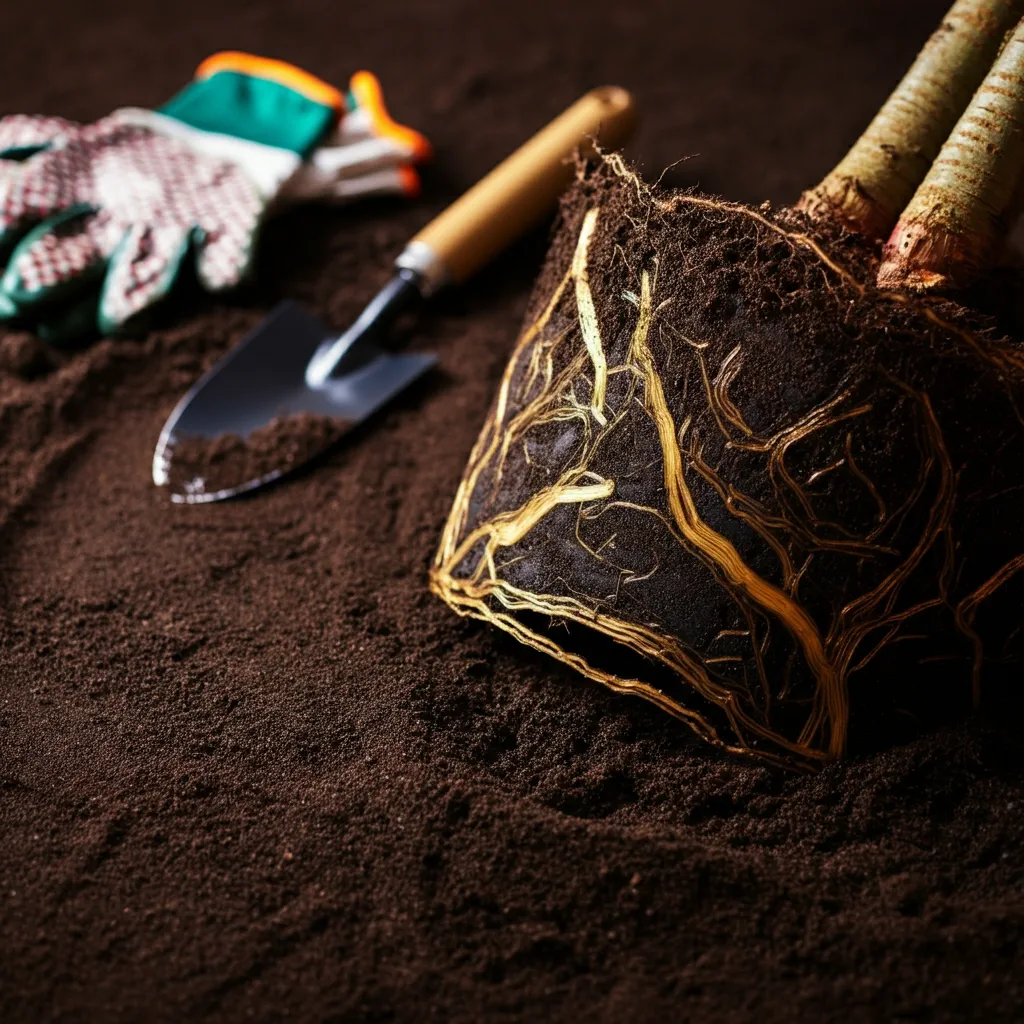
Simply put, bare-root plants are exactly what they sound like: plants that have been lifted from nursery fields during their dormant period, with the soil carefully washed away from their roots. They are lightweight, easy to transport, and a traditional way to buy many types of hardy plants.
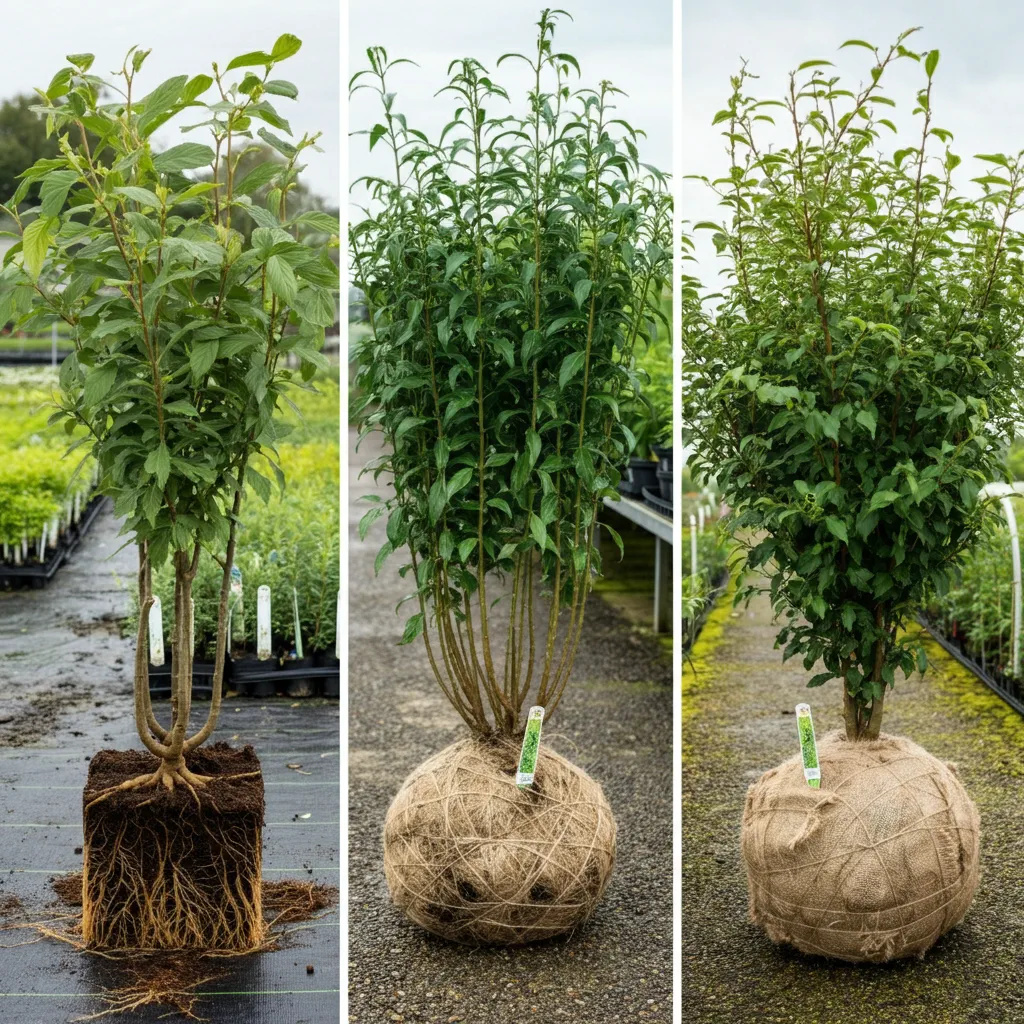
You will typically encounter three types of plants at a nursery:
- Bare-root: Dormant plants with exposed roots, usually sold between November and March.
- Container-grown: Plants grown and sold in pots, available year-round.
- Rootballed: Larger trees and shrubs dug from the field with a ball of soil wrapped in hessian, also sold during the dormant season.
A wide variety of plants are available bare-root, including many garden favourites like fruit trees (apples, pears, plums), roses, native hedging (hawthorn, beech), and ornamental trees.
Choosing Your Bare-Root Plants
Selecting a healthy plant is the first step towards success. When you receive your order, look for a well-developed, fibrous root system with several branches. The stems should be sturdy and the bark undamaged. For UK gardens, native species are an excellent choice as they are perfectly adapted to our climate. Consider hawthorn, beech, hornbeam, field maple, and hazel for robust hedging or specimen trees.
Always consider the plant's mature size. A small sapling can quickly grow into a large tree, so check the label to ensure it fits your garden's scale. To guarantee quality, order from reputable nurseries or specialist suppliers who lift their plants fresh to order and pack them carefully to keep the roots from drying out.
Step-by-Step Planting Guide
Planting a bare-root tree is a straightforward and rewarding process. Following these steps will give your new plant the best possible start.
Preparing the Site
- Choose the Right Spot: Consider the plant’s future needs for sunlight, shelter, and space.
- Clear the Area: Remove all weeds and grass in a circle at least one metre in diameter around your chosen planting spot.
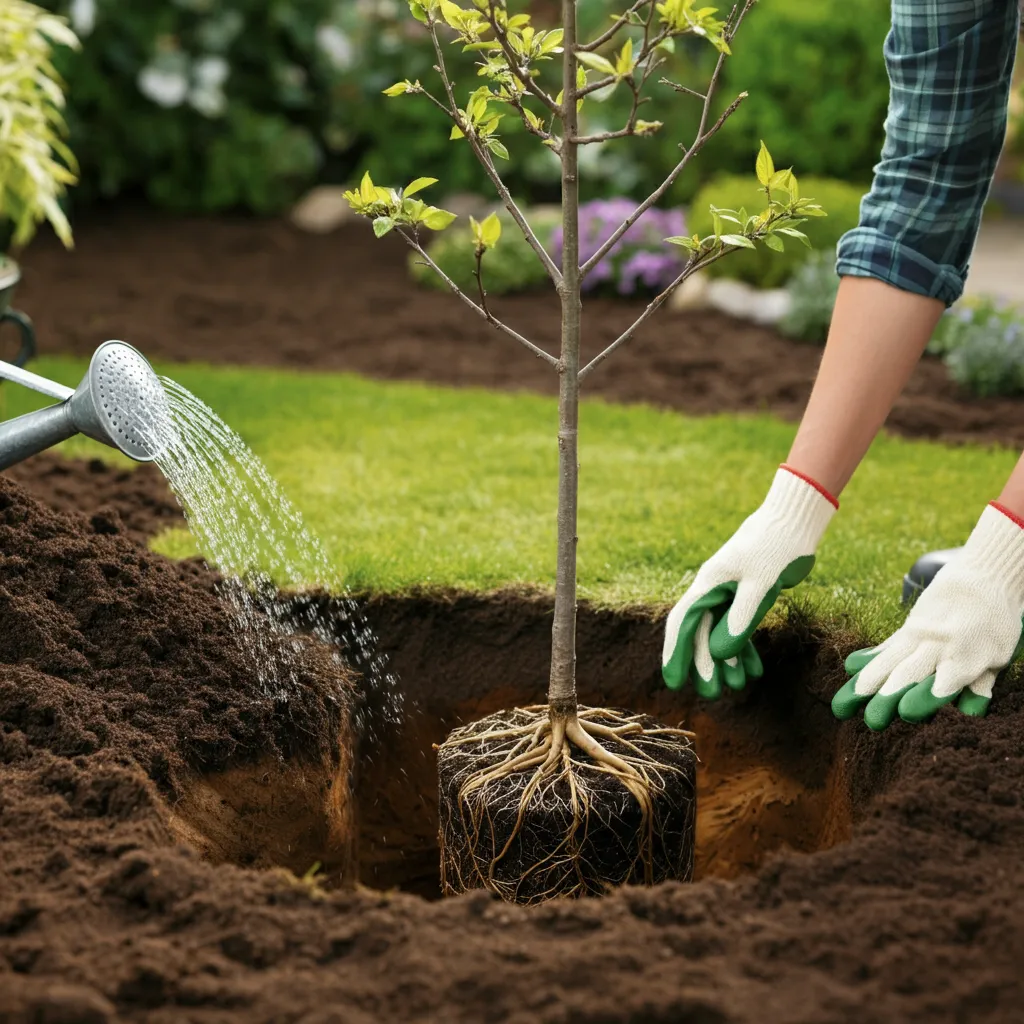
- Dig the Hole: The hole should be wide enough for the roots to spread out comfortably and just deep enough for the soil mark on the stem (a subtle dark line indicating its previous soil level) to sit flush with the ground.
- Loosen the Soil: Use a garden fork to break up any compacted soil at the bottom and sides of the hole. This helps the roots penetrate the surrounding earth more easily.
Preparing the Plant
- Unpack Immediately: As soon as your plants arrive, unwrap them and inspect the roots for any damage.
- Keep Roots Moist: It is crucial that the roots never dry out. If you can’t plant straight away, temporarily "heel in" the plants by digging a shallow trench, laying the plants in it, and covering the roots with soil.
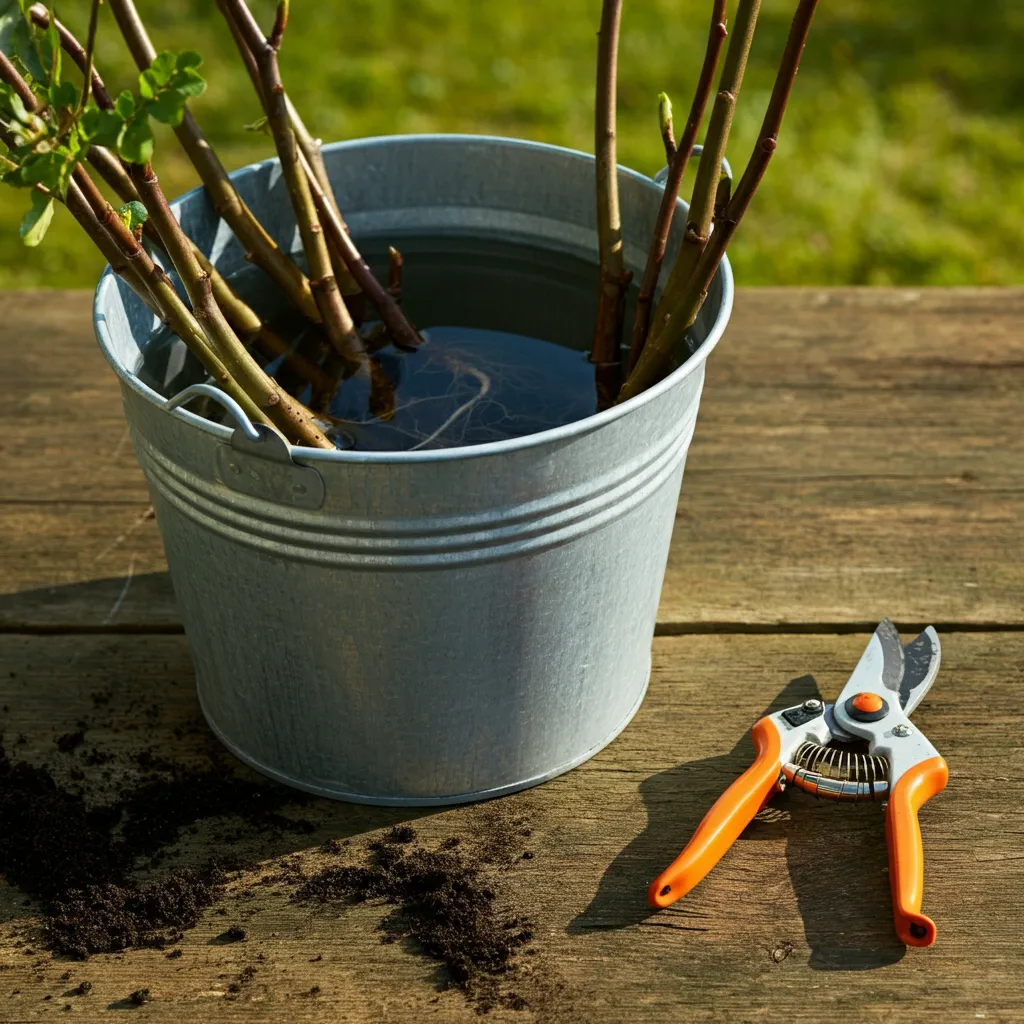
- Trim if Needed: Using clean, sharp secateurs, snip off any broken or overly long roots to encourage new growth.
- Soak the Roots: Before planting, soak the roots in a bucket of water for one to two hours. This rehydrates them and prepares them for their new home.
The Planting Process
- Position the Plant: Place the tree or shrub in the centre of the hole, spreading the roots out naturally. Use a cane laid across the hole to check that the soil mark on the stem is level with the surrounding ground.
- Backfill the Hole: Add soil back into the hole a little at a time, gently firming it down with your heel as you go to remove any air pockets around the roots.
- Create a Watering Basin: Form a shallow mound of soil in a ring around the base of the plant. This will help direct water straight to the root zone.
- Water Thoroughly: Give the plant a deep soak immediately after planting—around 10-15 litres is ideal.
- Stake if Necessary: If the tree is tall or in an exposed location, use a short, angled stake driven into the ground at a 45-degree angle. This provides stability while allowing the trunk to flex, which encourages a stronger stem.
Essential Aftercare for Success
Your work isn't done once the plant is in the ground. Consistent aftercare during the first year is vital.
- Watering: Water regularly during any dry spells, even in winter. The first growing season is the most critical period for establishing a healthy root system.
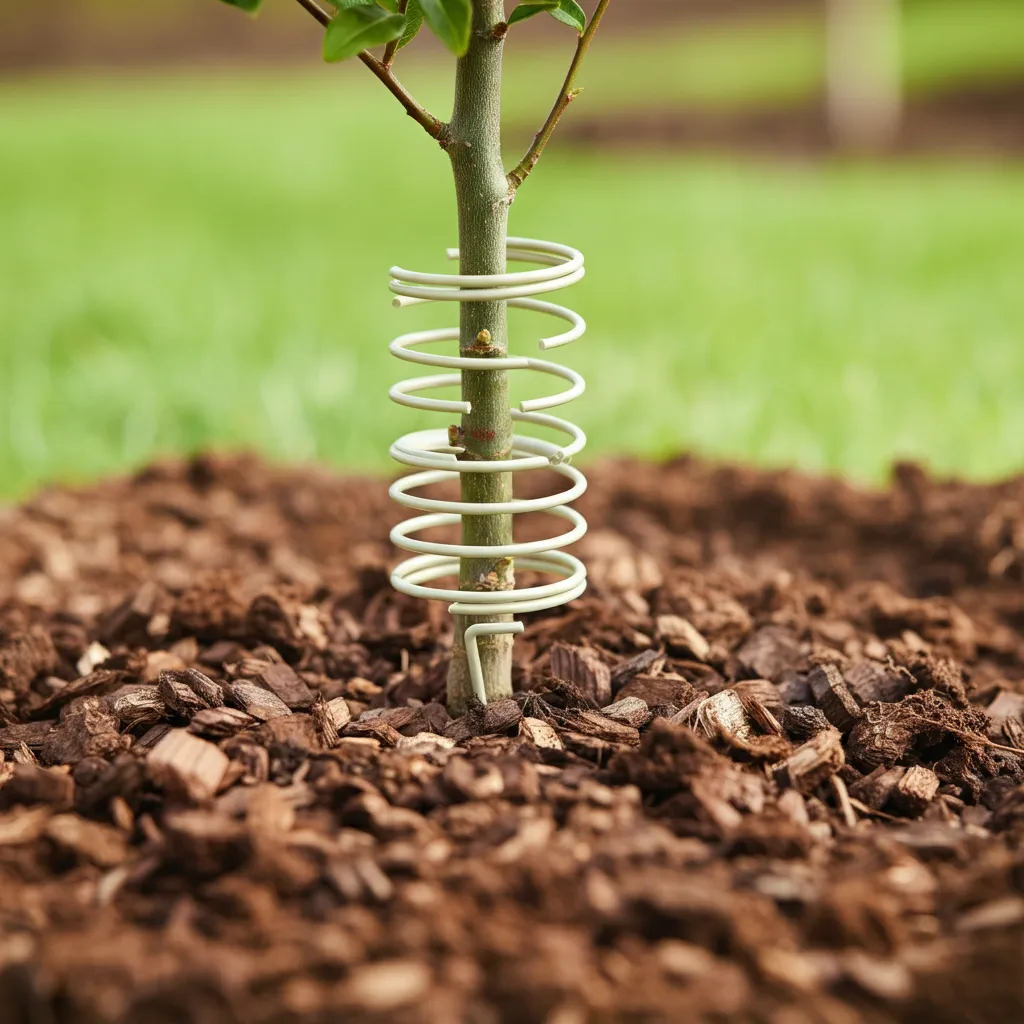
- Mulching: Apply a 7-10cm layer of organic matter (like bark chips or well-rotted compost) around the base of the plant. This suppresses weeds, conserves moisture, and insulates the roots. Be sure to leave a small gap around the stem to prevent rot.
- Protection: In areas with rabbits or deer, use a spiral guard or tree shelter to protect the young bark from being eaten.
- Check Ties: If you've staked your tree, check the tie every few months to ensure it isn’t cutting into the bark as the stem thickens.
- Don't Feed: Avoid adding fertiliser to newly planted bare-root plants. Wait until the following spring, once the plant is actively growing.
Common Mistakes to Avoid
A few common pitfalls can hinder the success of your bare-root plants. Be sure to avoid them:
- Planting in Poor Conditions: Never plant when the soil is frozen or waterlogged. This can damage the soil structure and harm the delicate roots.
- Incorrect Planting Depth: Planting too deep is a leading cause of failure, as it can suffocate the roots and cause the stem to rot. Planting too shallowly leaves roots exposed.
- Adding Fertiliser to the Hole: Resist the temptation to add compost or fertiliser directly into the planting hole. This can "burn" the roots and discourages them from spreading out into the surrounding soil.
Best Bare-Root Plants for November Planting
Ready to get started? Here are some top-performing plants that are ideal for bare-root planting this November:
- Fruit Trees (Apple, Pear, Plum): Plant now for a future harvest of delicious, home-grown fruit.
- Native Hedging (Hawthorn, Beech, Hornbeam): Create beautiful, wildlife-friendly boundaries that offer year-round structure.
- Ornamental Trees (Birch, Rowan, Crab Apple): Choose these for their stunning seasonal interest, from spring blossoms to autumn berries.
- Roses: Perfect for adding classic charm and fragrance to cottage gardens.
- Japanese Maples (Acers): Many varieties can be planted bare-root for their elegant form and spectacular autumn colour.
Get Growing This November

Embracing the bare-root season is one of the smartest moves a gardener can make. The combination of significant cost savings, stronger plant establishment, and the simple satisfaction of working with the garden's natural rhythms is hard to beat. November’s mild, moist conditions offer the perfect planting window before winter truly arrives.
So, pull on your boots, grab your spade, and get planting. The effort you put in now will reward you with a healthier, more vibrant garden for many years to come.


Community Feedback