Deadheading Plants
Ever wondered how to keep your garden bursting with colour all summer long? The secret often lies in a simple yet magical technique that experienced gardeners swear by: deadheading plants.
Deadheading is the term used for the removal of fading or dead flowers from plants. It might sound drastic, but this gentle practice is actually one of the kindest things you can do for your flowering friends. When you remove spent blooms, you're essentially telling your plants: "Keep going! We're not done yet!"
This simple task can transform your UK garden, making beds, borders, and containers look more attractive and vibrant for months longer than they would naturally. Whether you're tending to window boxes on a flat balcony or managing sprawling cottage garden borders, deadheading works its magic across all garden sizes and styles.
This comprehensive guide will cover everything you need to know about this garden game-changer: why deadheading benefits your plants, when and how to do it for different types of flowers, and crucially, which plants are best left alone to develop their seeds and berries for wildlife.

Why Deadheading Plants is a Gardener's Best Friend
More Flowers, Longer Season
When plants produce flowers, their ultimate goal is reproduction through seed formation. Once they've successfully created seeds, many plants consider their job done for the season and slow down or stop flowering altogether. Deadheading cleverly interrupts this natural cycle.
By removing spent blooms before they can set seed, you redirect the plant's energy from producing seeds to generating more flowers instead. This redirection results in a longer, more spectacular flowering season that can extend well into autumn for many varieties.
Take dahlias, for example. Left to their own devices, these showstoppers might give you a few weeks of blooms. But deadhead them regularly, and they'll reward you with continuous flowers until the first frost arrives.
A Tidy-Looking Garden
There's something deeply satisfying about walking through a garden where every plant looks its absolute best. Spent flowers often turn brown, wilt, or drop petals everywhere, creating a rather sorry sight that can make even the most carefully planned garden look neglected.
Regular deadheading instantly neatens up the appearance of your plants and containers. It's remarkable how removing just a few faded blooms can make an entire border look freshly maintained and cared for.
Better Plant Health
Removing decaying flowers isn't just about aesthetics—it's about plant health too. Dying blooms can become breeding grounds for pests and diseases. By consistently removing this potentially problematic material, you reduce the risk of issues taking hold and spreading to healthy parts of the plant.
Think of deadheading as preventive medicine for your garden. A few minutes spent removing spent flowers now could save you hours of dealing with plant problems later.
Prevent Unwanted Self-Seeding
Some plants are enthusiastic self-seeders. While this might sound like a good thing, plants like common valerian, sea holly, and lady's mantle can quickly colonise areas where they're not wanted if left to scatter their seeds freely.
Deadheading gives you control over where and when plants reproduce, allowing you to enjoy their flowers without worrying about them taking over your carefully planned garden design.
When is the Best Time to Deadhead?
The "Little and Often" Approach
The golden rule for successful deadheading is regularity. As soon as a flower starts to fade, lose its vibrant colour, or look scruffy, it's time to remove it. This doesn't mean you need to be in the garden with scissors every single day, but a weekly walk-around with your deadheading tools will keep most gardens looking their best.
During peak flowering season (typically late spring through early autumn), some enthusiastic bloomers like bedding plants might benefit from more frequent attention—perhaps every few days.
Don't Stress About Perfect Timing
Even if life gets in the way and you can't deadhead as regularly as you'd like, don't worry. A delay of a few days or even a week won't dramatically impact your plants' flowering performance. Gardens are remarkably forgiving, and plants will still benefit from deadheading even if it's not perfectly timed.
The key is to develop a routine that works for you. Perhaps deadheading becomes part of your weekend garden maintenance, or maybe you prefer to spend a few minutes each morning with a cup of tea, wandering through your plants and tidying them up.
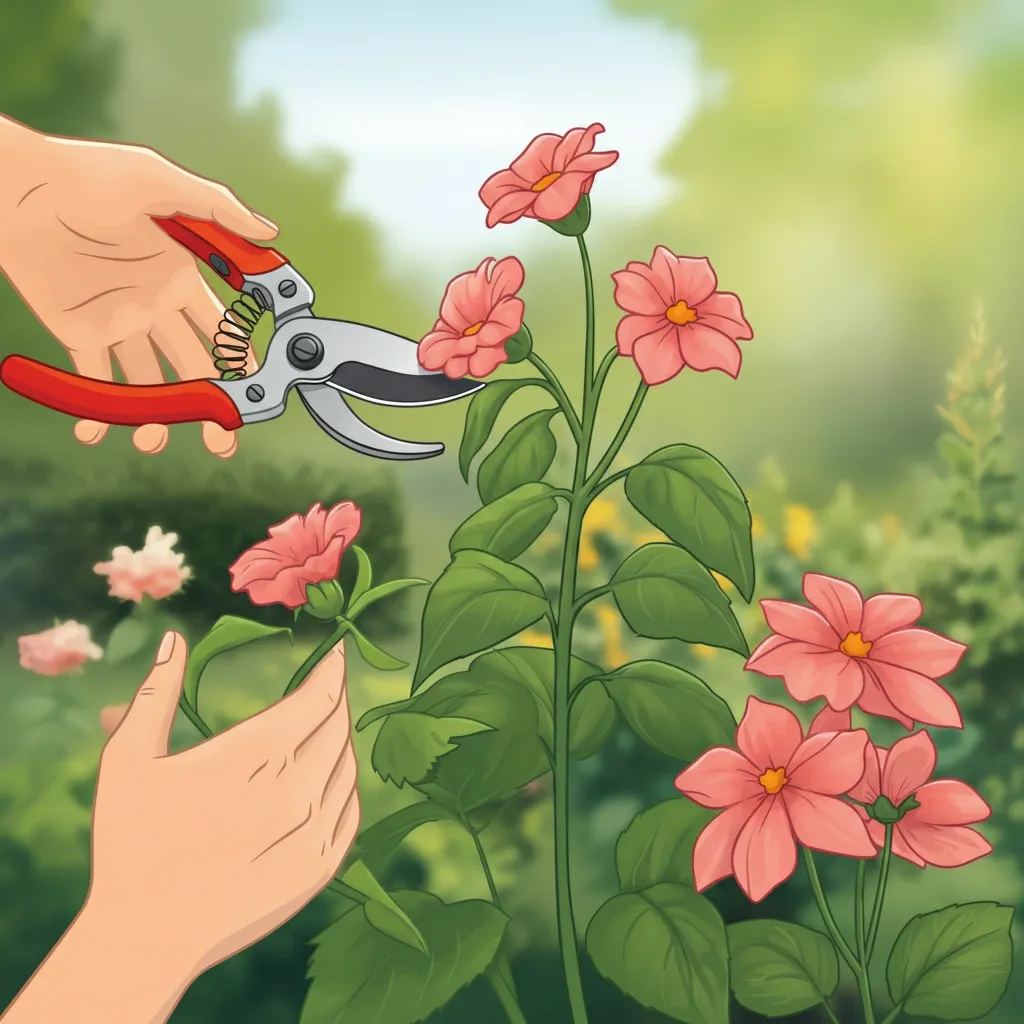
The Complete How-To Guide: Deadheading Techniques
Pinching and Snapping (The Easy Way)
For many plants, deadheading couldn't be simpler. You can use just your finger and thumb to pinch or snap off faded blooms. This technique works brilliantly for soft-stemmed plants and feels wonderfully tactile—there's something therapeutic about the gentle snap as you remove a spent flower.
Plants perfect for finger-and-thumb deadheading include:
- Petunias: Pinch just above where the flower stalk meets the main stem
- Pansies: Remove the entire flower head and stalk in one gentle motion
- Bedding geraniums: Snap off individual flowers, then remove whole flower clusters once they're finished
- Sweet peas: Regular deadheading is essential to keep these climbing favourites flowering
- Calendulas: These cottage garden staples respond beautifully to regular pinching
The beauty of this method is that you don't need any tools—you can deadhead opportunistically whenever you spot a faded bloom during your garden wanderings.
Using Tools for Tougher Jobs
Some plants have thicker, woodier, or more stringy stems that are difficult to snap cleanly with fingers alone. For these, you'll need clean, sharp tools. Garden snips, small secateurs, or even kitchen scissors work well.
When using tools, aim to cut back to just above the next bud, leaf, or side shoot. This encourages the plant to direct energy into these growing points, promoting bushy growth and more flowering stems.
Plants that typically need tool-assisted deadheading include:
- Roses: Cut back to just above a five-leaflet leaf for most varieties
- Lavender: Use scissors to snip off individual flower spikes
- Delphiniums: Cut the entire flower spike back to a lower side shoot
- Dahlias: Use clean, sharp snips to avoid crushing the hollow stems
Always keep your cutting tools clean, especially when moving between different plants. A quick wipe with a disinfectant solution helps prevent the spread of any diseases.
Shearing (The "Haircut" Method)
Some plants produce such masses of small flowers that individual deadheading would be impractical. For these, the shearing method—giving the plant an all-over trim—is perfect.
This technique works wonderfully for:
- Hardy geraniums: Cut back by about half after the main flowering flush
- Catmint (Nepeta): Trim back to encourage fresh foliage and often a second flowering
- Lavender: Lightly trim all over once most flowers have faded
- Alyssum: A gentle haircut keeps these carpet-forming plants neat and encourages more blooms
When shearing, use hedge shears or large scissors, and always do this on a cloudy day if possible. Follow up with a good watering and perhaps a feed to help the plant recover and regrow quickly.
A Plant-by-Plant Deadheading Guide
Bedding Plants: The Workhorses of Summer Colour
Bedding plants are the marathon runners of the flower world, capable of blooming non-stop for months if treated well. Most respond excellently to regular deadheading.
Petunias are perhaps the most rewarding bedding plants to deadhead. Remove spent blooms by pinching them off where the flower stalk meets the main stem. If your petunias start looking a bit leggy by mid-summer, don't be afraid to give them a more severe trim—they'll bounce back with renewed vigour.
Pansies and violas benefit from having their entire flower heads removed, including the stalk. This prevents them from setting seed and going dormant, keeping them flowering through mild winter periods.
Begonias can have their spent flowers simply pinched away. The flowers naturally separate quite cleanly from the plant, making this a particularly satisfying deadheading job.
Perennials: The Garden's Reliable Performers
Perennials present a more varied picture when it comes to deadheading, as their flowering habits differ significantly between species.
Delphiniums are dramatic spire-forming perennials that benefit from a two-stage deadheading approach. First, remove individual flowers as they fade up the spike. Once the entire spike is finished, cut it back to a lower side shoot—you'll often be rewarded with a second, smaller flush of flowers later in the season.
Lupins should be treated similarly. Remove individual flowers from the spike where possible, then cut the entire spike back once it's completely finished.
Dahlias are deadheading superstars. Regular removal of spent blooms can keep these flamboyant flowers performing until the first frost. When deadheading dahlias, look for flowers that feel soft or squishy—these are definitely past their best. Cut back to just above a pair of leaves or a side shoot.
Peonies only flower once per season, but deadheading still serves a purpose. Remove the spent blooms to keep the plant looking tidy and prevent energy from going into seed formation, which helps strengthen the plant for next year's display.
Roses: The Garden's Prima Donnas
Roses deserve special attention when it comes to deadheading, as the technique varies slightly depending on the type of rose you're growing.
For hybrid tea roses and floribunda roses, the traditional advice is to cut back to just above a five-leaflet leaf, sloping the cut away from the bud. However, many experienced gardeners now simply snap off the spent flower heads by hand—this method often results in quicker repeat flowering.
Shrub roses and English roses can be deadheaded more casually. Simply remove the spent flowers by snipping or snapping them off just above the nearest leaf or bud.
Climbing roses should be deadheaded where practical, but don't worry if you can't reach every spent bloom on a vigorous climber.
It's worth noting that later in the season (typically from late summer onwards), you might want to stop deadheading roses that produce attractive hips. These colourful fruits provide food for birds and add winter interest to the garden.
Shrubs: The Garden's Backbone Plants
Many flowering shrubs benefit from deadheading, though the height and scale of these plants can make it more challenging than working with smaller perennials and bedding plants.
Rhododendrons and azaleas should have their spent flower trusses carefully removed. Use your finger and thumb to snap off the old flowers, being very careful not to damage the new growth buds that form just below the flower head.
Lilacs only need deadheading once after their brief but spectacular flowering period. Remove the entire flower head, cutting back to just above the next pair of leaves.
Camellias drop their spent flowers naturally in many cases, but removing any that cling to the plant helps maintain a tidy appearance and reduces the risk of disease.
Bulbs: Planning for Next Year's Display
Bulbs present a slightly different deadheading challenge because you need to think about next year's flowers while dealing with this year's spent blooms.
Daffodils and narcissi should have their flower heads removed once they start to fade, but it's crucial to leave the green flower stalk intact. This stalk, along with the leaves, photosynthesises and helps build up energy reserves in the bulb for next spring's display.
Tulips can be treated similarly, though many gardeners treat tulips as annuals and replace them each year, especially in heavy clay soils where they don't reliably return.
Alliums have such architectural seed heads that many gardeners prefer to leave them for structural interest, but deadheading will
... encourage the plant to conserve its energy for the following year. If you choose to leave the seed heads, they can add striking silhouettes to your garden and may even attract wildlife. However, removing them prevents the plant from putting unnecessary energy into seed production, thus promoting healthier growth and flowering next season.
Daffodils and Narcissi are low-maintenance when it comes to deadheading. Simply pinch off the spent flowers to prevent seed production. Like other bulbs, leave the foliage intact until it yellows and withers naturally. This ensures the plant stores enough nutrients to produce vibrant blooms the following year.
Tulips require similar care to daffodils when it comes to deadheading. Once the vibrant petals begin to fall and the flower fades, carefully remove the spent bloom to prevent the formation of seed heads. This allows the plant to focus its energy on replenishing the bulb for the next growing season. Ensure the foliage is left untouched until it turns yellow, as this step is essential for the plant’s nutrient storage and overall health. With proper care, your tulips will reward you with stunning, colorful displays year after year.
When it comes to fertilising your tulips, timing and technique are vital to achieve the best results. It’s ideal to feed the bulbs in early spring, just as the shoots begin to emerge from the soil. Using a balanced, slow-release fertiliser will provide the necessary nutrients to support healthy growth and vibrant blooms. Be sure to apply the fertiliser evenly around the base of the plants, avoiding direct contact with the leaves or stems to prevent scorching. With consistent and thoughtful care throughout the growing season, your tulips will continue to flourish, creating a dazzling spectacle in your garden.


Community Feedback