
After months of nurturing your garden through the unpredictable British spring and early summer, the most satisfying season has arrived. Your vegetable patch is likely overflowing with sun-kissed produce, a testament to your hard work and patience. Now comes the best part: the harvest.
Knowing exactly when and how to harvest your crops is the final, crucial step to unlocking the best flavour and biggest yield. Harvesting at the perfect moment not only ensures your vegetables are at their peak taste and texture but can also encourage many plants to produce even more. It’s the difference between a good crop and a truly great one.
This guide will walk you through the essential signs of ripeness and the best techniques for harvesting summer vegetables. From juicy tomatoes and crisp beans to sweetcorn and vibrant peppers, you’ll learn everything you need to know to fill your kitchen with the freshest homegrown food.
The Golden Rules of Harvesting
Before we dive into specific vegetables, let’s cover a few fundamental principles that apply to almost every crop in your garden. Mastering these will set you up for a successful and continuous harvest all summer long.
- Taste Test: The surest way to know if a vegetable is truly ready is to taste it. Pick one and try it. Is it sweet, crisp, and flavourful? If so, the rest are likely ready too. This simple act connects you directly with your garden and teaches you more than any book can.
- Harvest Often: Regular picking is a signal to many plants—especially beans, courgettes, and cucumbers—to keep producing. The more you harvest, the more they’ll grow. Check your plants every day or two during peak season to avoid missing that perfect window and to prevent vegetables from becoming overripe.
- Morning Glory: The best time to harvest is in the cool of the morning, just after the dew has dried. At this time, vegetables are at their crispest and most hydrated. This preserves their flavour and texture far better than harvesting in the heat of the afternoon sun.
- The Right Tools: Always use clean, sharp tools. A good pair of garden shears or a sharp knife will give you a clean cut, which helps prevent damage to the plant and reduces the risk of disease. Pulling or tearing can injure stems and branches, affecting future growth.
Your A-Z Guide to Harvesting Summer Vegetables
Every vegetable has its own unique clues to tell you it’s ready. Here’s a handy reference guide to some of the most popular summer crops.
Beans (Snap/Green)
When to Pick: Harvest green beans when the pods are firm, crisp, and have reached their full size, but before the seeds inside start to bulge. For that tender 'baby' bean experience, pick them when they are still young and slender. Regular picking is essential; check your plants every other day.
How to Pick: Use two hands to avoid damaging the plant. Gently hold the stem with one hand and pull the bean off with the other. This simple technique prevents you from snapping the delicate branches that will produce your next wave of beans.
Courgettes & Summer Squash
When to Pick: Pick courgettes when they are young and tender. Don't wait for them to turn into giant marrows, as they lose flavour and their texture becomes watery. Check the seed packet for the recommended size for your specific variety.
How to Pick: Use a sharp knife or shears to cut the stem, leaving about an inch attached to the fruit. This clean cut helps the plant heal quickly and continue producing.
Cucumbers
When to Pick: A perfect cucumber is uniformly green, firm, and crisp. If you notice any yellowing at the blossom end, it’s a sign that the cucumber is overripe and will likely taste bitter. Check your vines daily, as they can grow surprisingly fast.
How to Pick: Cut the stem with a knife or clippers. Pulling can easily damage the vine, reducing your overall harvest.
Tomatoes
When to Pick: Colour is your best guide. A ripe tomato will have a deep, uniform colour—whether it’s a vibrant red, sunny yellow, or rich purple. It should feel firm to the touch but have a slight give when you gently squeeze it.
How to Pick: A truly ripe tomato will often come away from the vine with a gentle twist. If it resists, don't force it. Instead, use your shears to snip the stalk just above the fruit.
Peppers (Sweet & Chilli)
When to Pick: Sweet peppers can be harvested when they are green, but patience pays off. If you let them ripen to their final colour (red, yellow, or orange), their flavour becomes much sweeter. Chilli peppers get hotter as they ripen.
How to Pick: Pepper stems are thick and tough. Always use pruning shears or a knife to make a clean cut. Pulling them by hand can easily break entire branches off the plant.
Sweetcorn
When to Pick: Look for silks that have turned brown and dry at the top of the ear. The ear itself should feel plump. To be absolutely sure, pierce a kernel with your thumbnail. If the juice is milky, it’s ready. If it’s clear, it needs more time. If it's starchy or thick, you’ve missed the peak moment.
How to Pick: Grasp the ear firmly, hold the main stalk for support, and then twist the ear downwards with a sharp pull. It should break off cleanly.
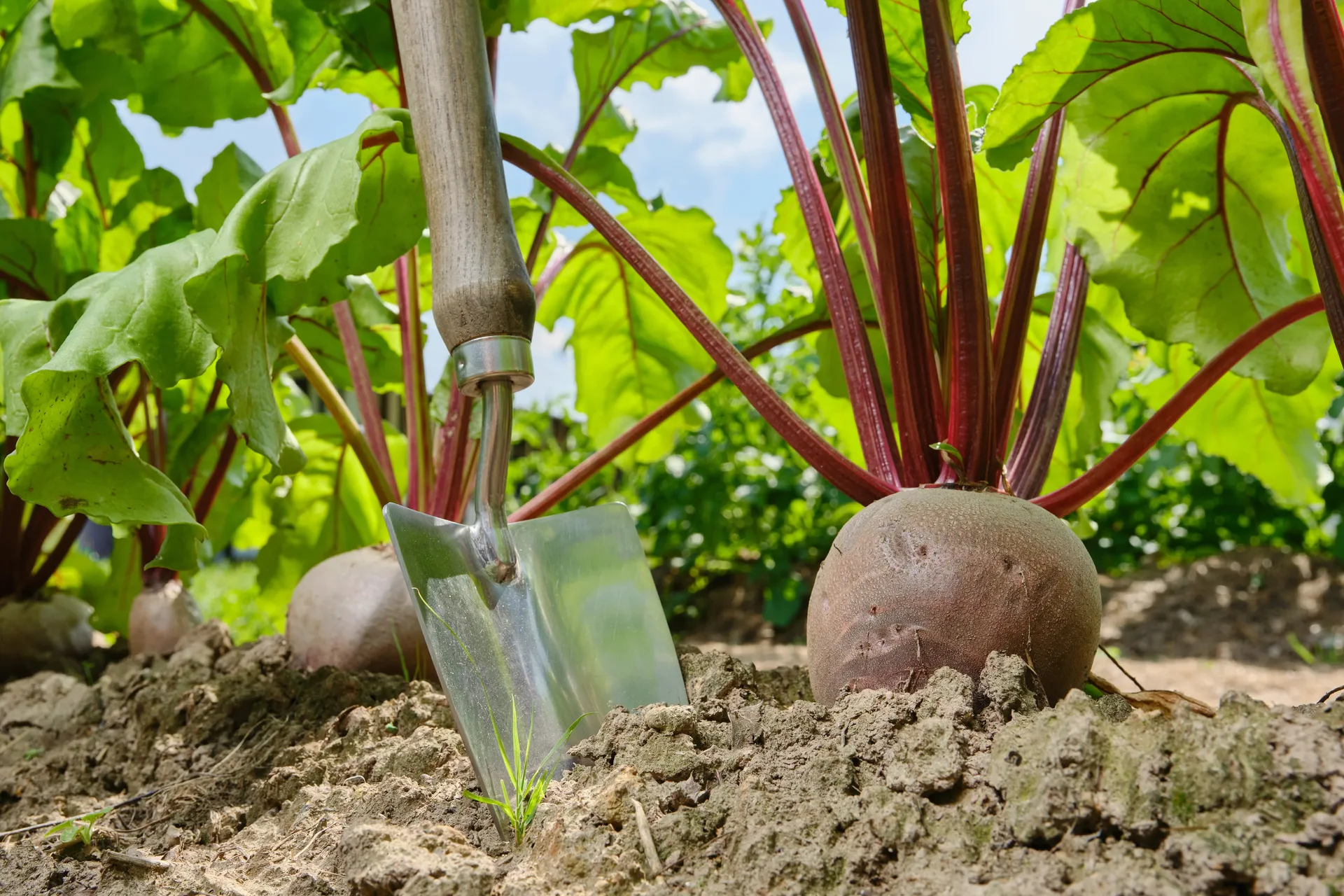
Root Vegetables (Carrots & Beetroot)
When to Pick: The size of the 'shoulder'—the top of the root visible at the soil surface—is your best indicator. Gently brush away the soil to check the diameter. Once they’ve reached a usable size, they are ready to be pulled.
How to Pick: Never just yank them out of the ground. Loosen the surrounding soil first with a garden fork. This will make it much easier to gently pull them up by the base of their foliage without snapping the root.
Store Your Bounty for Later
Once your basket is full, proper storage is key to enjoying the flavours of summer for weeks to come.
- Short-Term: Some vegetables, like cucumbers and beans, are best stored in the crisper drawer of your refrigerator. Tomatoes, however, should be kept at room temperature on the counter; refrigerating them dulls their flavour.
- Long-Term: If you have a glut, simple preservation methods are a fantastic way to extend your harvest. Beans and sweetcorn can be blanched and frozen. A bounty of tomatoes can be turned into rich sauces, soups, or chutneys that will bring a taste of summer to your winter meals.
Reap What You've Sown
There is a unique joy and deep satisfaction that comes from harvesting and eating food you’ve grown yourself. It connects you to the seasons and rewards your efforts in the most delicious way possible. By remembering to harvest early and often and by using the right techniques, you can ensure a continuous supply of fresh, flavourful vegetables all summer long.
Every garden is a place of learning. Don’t be afraid to experiment and trust your instincts. Each season will bring new lessons and successes.
What are you most excited to harvest this summer? Share your garden successes in the comments below!


Community Feedback