September Sowing: Your Winter Veg Patch Starts Now
As the last of the summer sun fades and a distinct chill creeps into the air, it’s easy to think the gardening season is drawing to a close. Many gardeners begin the familiar ritual of clearing away spent plants, tidying the shed, and preparing to hang up their trowels until spring. But what if we told you that September isn't an ending, but an exciting new beginning? This is the perfect time for some clever September sowing to ensure your kitchen is stocked with fresh, homegrown vegetables right through the colder months.
There is a unique satisfaction that comes from harvesting your own produce in the depths of winter—a time when fresh, vibrant food is most appreciated. Sowing in September is the key to unlocking this continuous harvest. It’s a chance to fill your veg patch with resilient crops that will either mature quickly for an autumn feast or overwinter patiently for an extra-early crop next year.
This guide will walk you through everything you need to know to get started. We'll explore the best winter vegetables to sow now, from hardy leafy greens and robust root veg to the alliums that promise future flavour. We'll also cover essential planting tips and how to protect your young seedlings as the weather turns, setting you up for a truly productive winter garden.
Leafy Greens to Sow Now
Winter greens are the unsung heroes of the vegetable patch. Incredibly resilient and surprisingly productive, these leafy champions are perfect for September sowing. They can withstand the cold and will reward you with fresh, nutritious leaves when most other plants are dormant.
Spinach
If you want a crop that keeps on giving, look no further than spinach. Hardy varieties sown now will provide a steady supply of tender leaves from late autumn all the way through to spring. Imagine heading out on a crisp winter morning to pick fresh spinach for your breakfast omelette or a nourishing soup.
- Recommended Variety: 'Giant Winter' is an excellent choice, known for its large leaves and exceptional cold tolerance.
- Sowing Tip: Sow seeds directly into well-prepared, fertile soil. You can harvest individual leaves as needed, which encourages the plant to produce more. With a little protection from the harshest weather, it will keep you supplied for months.
Kale
Kale has earned its reputation as a super-hardy winter champion for good reason. This robust vegetable almost seems to thrive in the cold; in fact, its flavour is often said to improve after a frost. Sowing in September will give you a continuous supply of nutritious leaves perfect for steaming, stir-frying, or adding to hearty winter stews.
- Recommended Variety: 'Cavolo Nero' (Black Kale) is both delicious and ornamental, while 'Dwarf Green Curled' is exceptionally hardy.
- Sowing Tip: Sow directly into the ground or in modules for transplanting later. Give them plenty of space to grow, as these plants can become quite large and bushy.
Winter Lettuces & Salad Leaves
The thought of fresh salads in winter might seem like a distant dream, but with the right varieties, it’s entirely possible. Many hardy salad leaves can be grown in pots, window boxes, or sheltered spots in the garden, giving you access to fresh greens when you least expect it.
- Lamb's Lettuce (Mâche): This is perhaps the hardiest winter salad green of all. It has a lovely nutty flavour and a delicate texture.
- Mizuna: A fast-growing Japanese green with a mild, peppery taste. It’s a great cut-and-come-again crop.
- Mustard Greens: For those who like a bit of a kick, varieties like 'Giant Red' add a spicy flavour and a splash of colour to winter salads.
- Sowing Tip: Sow these seeds in a sheltered location or in containers that can be moved under cover if severe frost is forecast. A cloche or cold frame is ideal for keeping them productive.
Hearty Root Vegetables for Winter Feasts
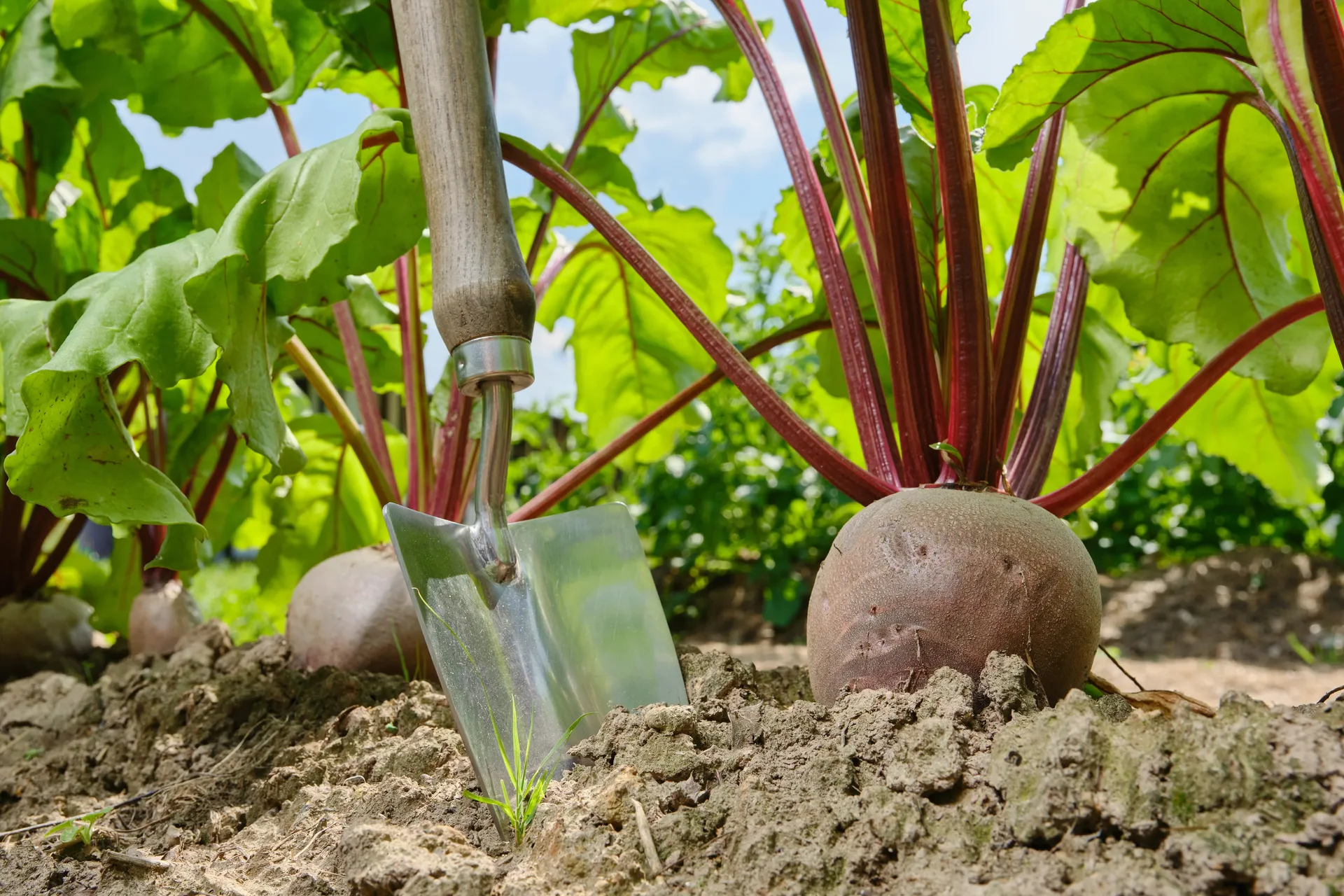
There’s nothing quite like the joy of pulling your own root vegetables from the soil, ready for a comforting Sunday roast or a warming winter casserole. September is your last chance to sow some of these earthy treasures for a harvest before the ground freezes solid.
Radishes
Radishes are the sprinters of the vegetable world, making them a fantastic quick-win crop for autumn. Fast-maturing varieties sown in early September can be ready to harvest in as little as four to six weeks, providing a peppery crunch to your salads before the first hard frosts arrive.
- Recommended Variety: 'French Breakfast' is a classic, quick-growing choice.
- Sowing Tip: Sow seeds thinly in rows directly into the soil. They don’t need much space and can be inter-planted between slower-growing crops. Keep the soil consistently moist to ensure they grow quickly and don't become woody.
Turnips
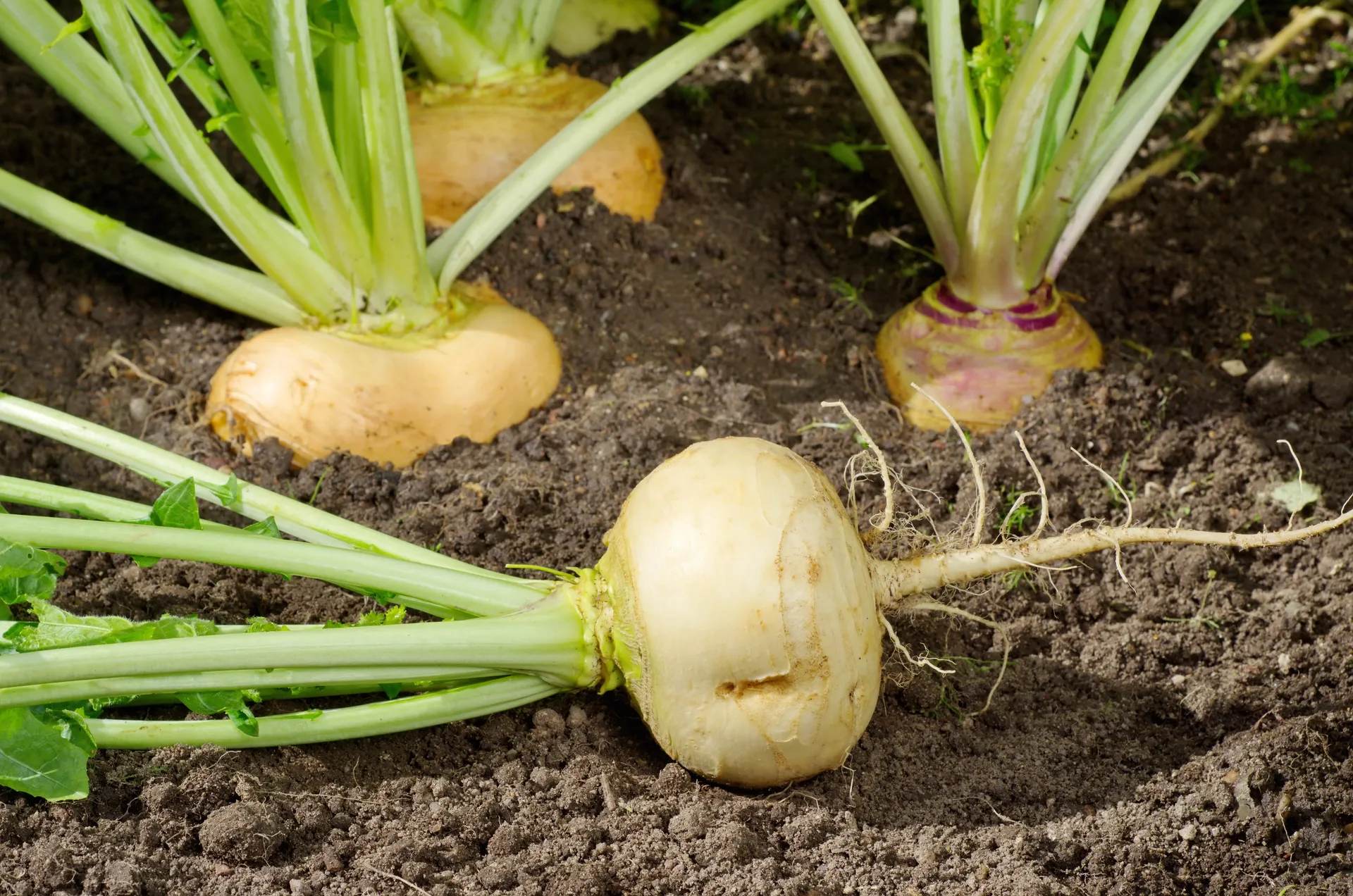
Often overlooked, the humble turnip is a versatile and delicious winter root. Sowing a hardy variety now will provide a wonderful harvest from November onwards. They are perfect for roasting, mashing with potatoes, or adding a sweet, earthy flavour to soups and stews.
- Recommended Variety: 'Purple Top Milan' is a reliable and fast-maturing variety suitable for autumn sowing.
- Sowing Tip: Sow directly into well-prepared soil. Thin the seedlings once they are large enough to handle, leaving about 15-20cm between plants. Consistent watering is crucial to prevent the roots from splitting.
Carrots
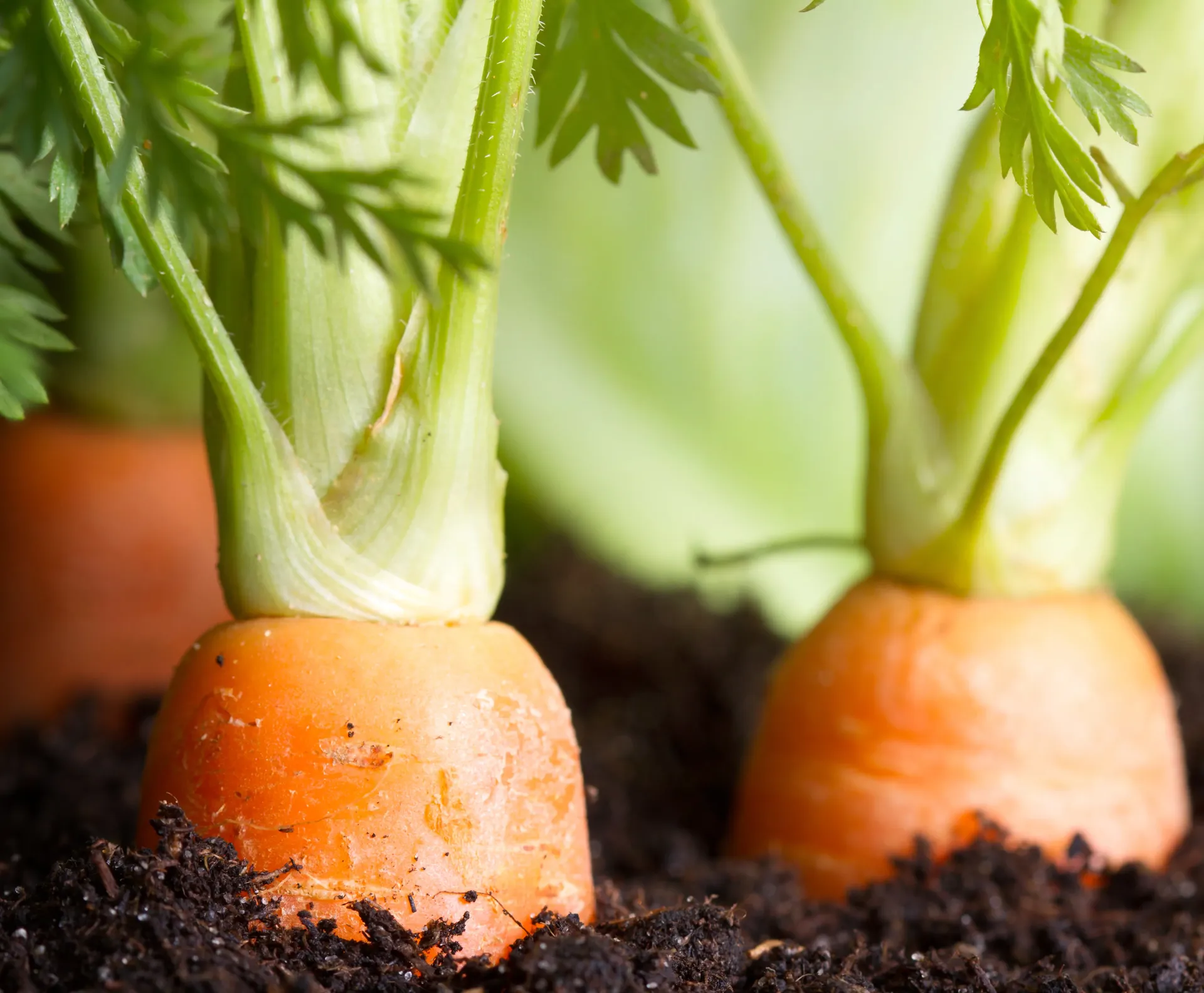
While the main carrot-sowing season is over, you can still sneak in a final crop of fast-maturing varieties if you have a sunny, sheltered spot. These late-sown carrots will be incredibly sweet and tender, a real treat for a late autumn harvest.
- Recommended Variety: Look for early varieties like 'Amsterdam Forcing' or 'Early Nantes'.
- Sowing Tip: A raised bed or container filled with light, sandy soil is ideal. This helps prevent carrot root fly and makes for beautifully straight roots. Ensure the soil is free from stones to avoid forked carrots.
Alliums: Planting for Next Year's Flavours
September is the perfect time to think ahead. By planting overwintering alliums now, you give them a crucial head start. This allows them to establish a strong root system before the winter cold sets in, leading to bigger, better, and earlier harvests next summer.
Winter Onions
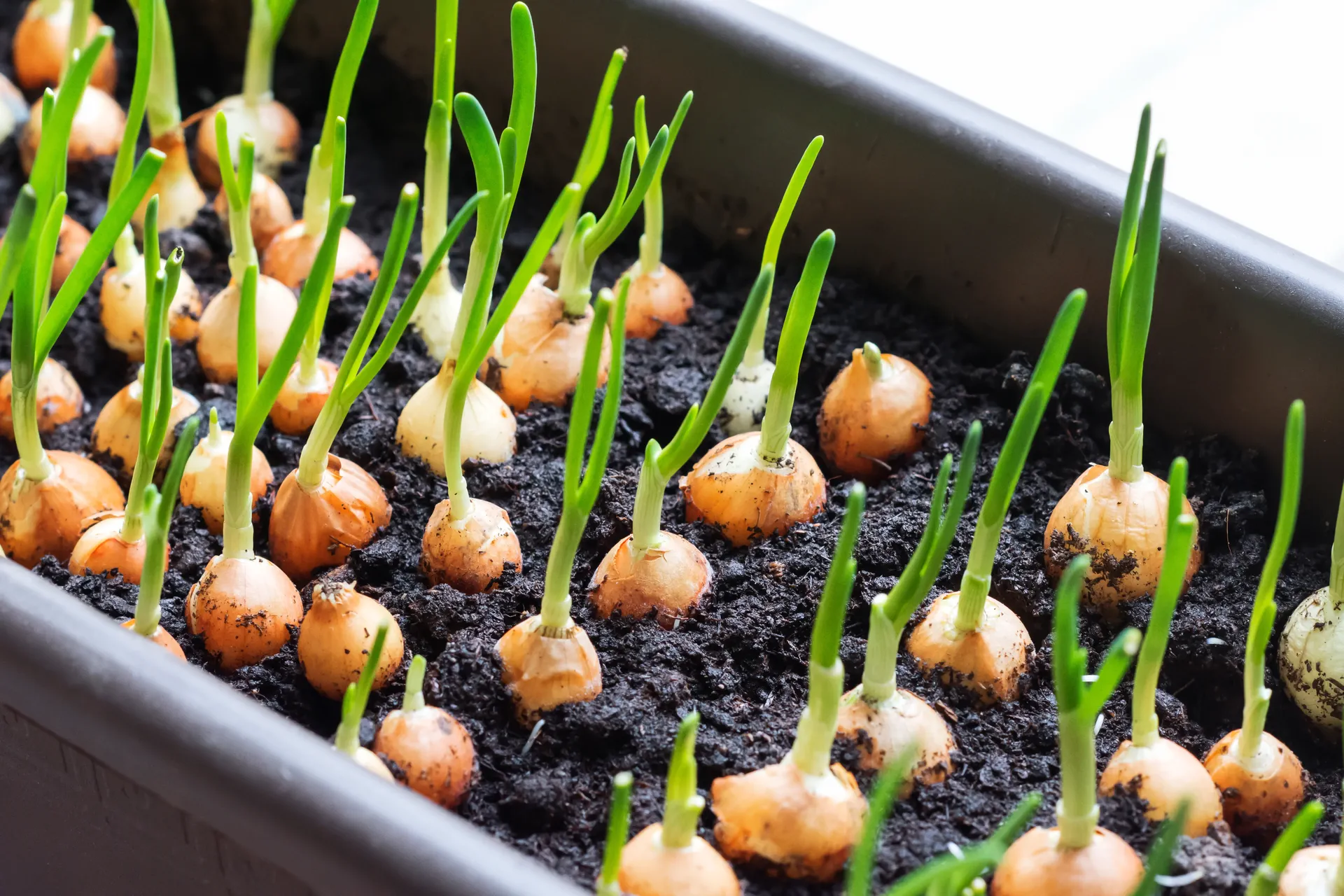
Planting overwintering onion sets is one of the easiest and most rewarding jobs for the autumn gardener. These specific varieties are bred to withstand the cold and will burst into growth as soon as the weather warms in spring, giving you a harvest in early summer, well before the maincrop onions are ready.
- Recommended Varieties: 'Shakespeare' is an exceptionally hardy and reliable brown onion. For something different, 'Electric' is a vibrant red onion that also overwinters well.
- Planting Instructions: Plant the sets (small, immature bulbs) about 2.5cm (1 inch) deep, with the pointed tip just visible above the soil. Space them about 10-15cm apart in rows, leaving 30cm between rows. Choose a sunny, well-drained spot to prevent the bulbs from rotting in wet winter soil.
Garlic
Planting garlic is a wonderfully simple and satisfying task. By planting individual cloves in autumn, you harness the power of the winter chill—a period of cold is essential for the cloves to split and form large, plump bulbs for harvesting next summer.
- Recommended Varieties: Choose a hardneck variety like 'Caulk Wight' for its robust flavour or a softneck variety like 'Solent Wight' for its excellent storage qualities.
- Planting Instructions: Break a bulb into individual cloves. Plant each clove, pointed end up, about 5cm deep and 15cm apart. As with onions, a sunny position with well-drained soil is paramount for success.
A Final Flourish of Peas & Beans
Getting a head start on next year's legumes is a savvy gardening move. Sowing hardy varieties of peas and broad beans in autumn means you’ll be enjoying their sweet, delicious pods weeks ahead of the spring-sown crowd.
Broad Beans
Broad beans are notoriously tough and can be sown in autumn for a very early crop the following year. An overwintered crop will be ready to harvest as early as May, a real treat after a long winter.
- Recommended Variety: 'Aquadulce Claudia' is the go-to variety for autumn sowing, renowned for its hardiness.
- Sowing Tip: Sow seeds about 5cm deep and 20cm apart. In colder, northern parts of the UK, it's wise to sow in early September. In milder, southern areas, you can wait until the end of the month or even into October.
Peas
For an extra-early harvest of sweet, tender peas, choose a hardy, round-seeded variety. These are tougher than the wrinkled-seeded types sown in spring and can withstand winter conditions to give you a harvest in late spring.
- Recommended Variety: 'Meteor' is a well-known dwarf variety that is perfect for autumn sowing.
- Sowing Tip: Sow seeds in a shallow trench about 4cm deep. It’s a good idea to sow a few extra seeds at the end of the row to fill any gaps that may appear over winter.
Here’s a list of vegetables you can sow in September for a fall or winter harvest, depending on your region and climate:
Leafy Greens:
- Spinach
- Kale
- Lettuce (varieties like romaine, butterhead, or leaf lettuce)
- Arugula
- Swiss chard
- Mustard greens
- Mâche (corn salad)
Root Vegetables:
Brassicas (Cold-Hardy Veggies):
- Broccoli
- Cauliflower
- Cabbage
- Brussels sprouts
- Kohlrabi
Alliums:
Legumes:
Herbs:
- Cilantro
- Parsley
Make sure to check your local frost dates and choose varieties with shorter maturity times if frost is approaching. Using row covers or cold frames can also extend your growing season. Happy gardening! 🌱
Essential September Sowing Tips
To ensure your September sowing is a success, a little preparation goes a long way. Follow these essential tips to give your winter vegetables the best possible start.
1. Soil Preparation
A good foundation is key. Before you sow anything, take the time to clear away the remains of summer crops, removing any weeds and debris. Then, enrich the soil by digging in a generous amount of well-rotted compost or manure. This will improve the soil's structure and provide the vital nutrients your winter crops need to thrive.
2. Sowing Depth & Spacing
Always check the seed packet for specific instructions. Correct sowing depth and spacing are crucial for healthy growth. Sowing too deeply can prevent germination, while overcrowding can lead to competition for light, water, and nutrients, resulting in smaller, weaker plants that are more susceptible to pests and diseases.
3. Consistent Watering
Even though the weather is cooling down, consistent moisture is vital for seeds to germinate and for young plants to establish their roots. Water your newly sown beds gently but thoroughly, and don't let the soil dry out completely, especially during any late-season dry spells.
4. Frost Protection
This is perhaps the most important step for successful winter gardening. The first frosts of autumn can be fatal to tender young seedlings. Be prepared to protect your plants using cloches, horticultural fleece, or a cold frame. These simple structures trap warmth, shield plants from harsh winds and heavy rain, and can extend your harvesting season significantly.
Keep Your Garden Growing!
The gardening year doesn't have to end when summer does. In fact, September sowing is the secret weapon for any gardener wanting a productive and exciting winter patch. It’s a chance to connect with the changing seasons and enjoy the profound satisfaction of harvesting your own food, even on the coldest of days.
From crisp winter salads and nutritious kale to the promise of next year's onions and garlic, there is so much potential to be unlocked this month. So, don't hang up your trowel just yet! Grab a few packets of seeds this weekend and get sowing for delicious, homegrown harvests all winter long.


Community Feedback