
September arrives with crisp mornings and the promise of autumn colours, but beneath the beauty lies an urgent gardening mission. While you're busy harvesting the final tomatoes and admiring late-blooming dahlias, thousands of weeds are working overtime to secure their future in your garden. This month offers a golden opportunity to break their cycle and set yourself up for gardening success next spring.
Most gardeners view weeding as a tiresome chore, but September weeding is different. It's strategic warfare against next year's problems. The weeds you tackle now won't just improve your garden's appearance—they'll dramatically reduce the hours you'll spend battling unwanted plants when growing season returns.
Why September Weeding Changes Everything
September marks a critical moment in the weed lifecycle. After months of growing and strengthening, annual weeds enter their final phase: seed production. These plants sense the approaching frost and shift into overdrive, racing to scatter their offspring before winter arrives.
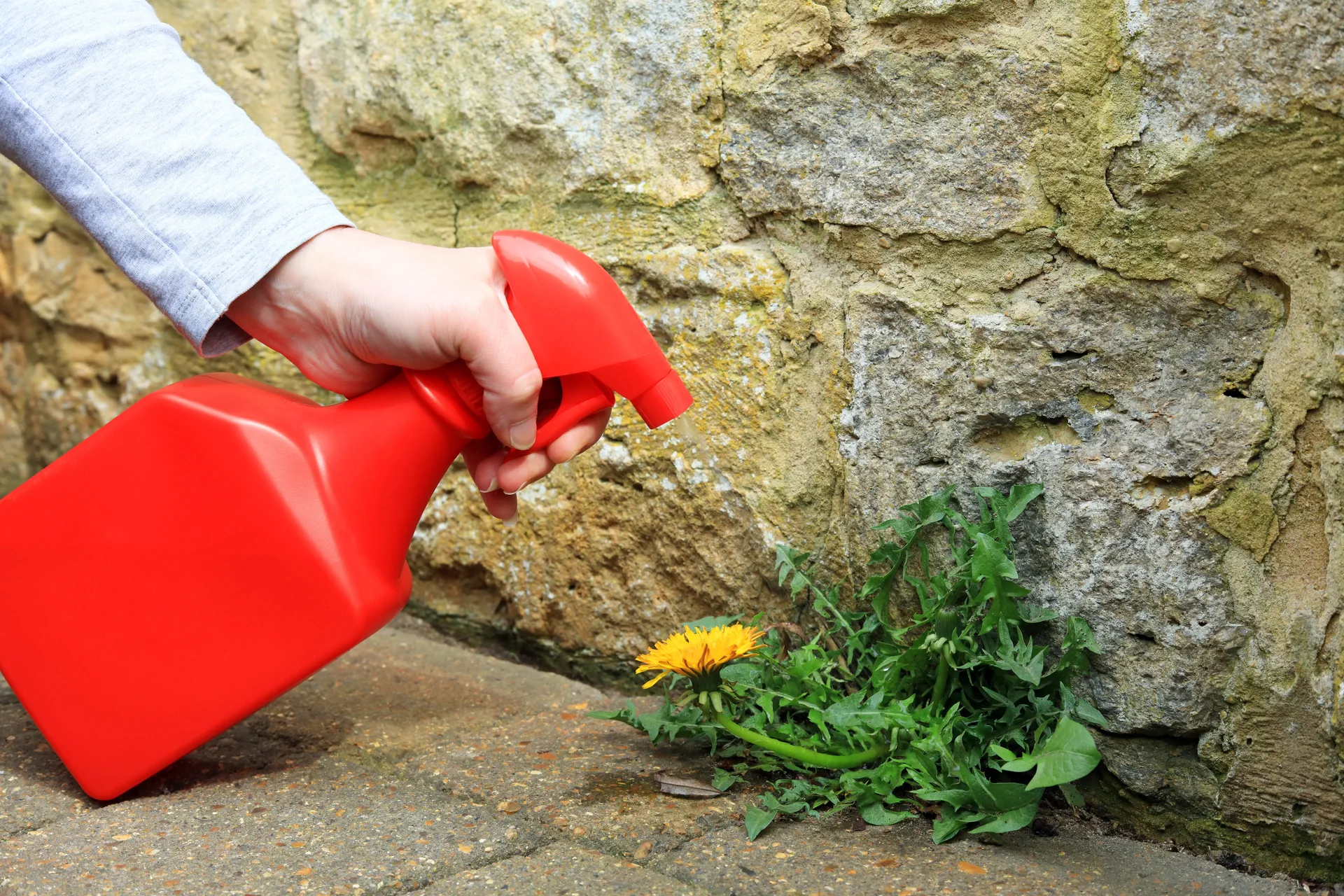
A single dandelion plant can produce up to 5,000 seeds, each equipped with its own tiny parachute ready to colonise every corner of your garden. Plantain, another common garden invader, releases up to 15,000 seeds per plant. Even seemingly harmless chickweed can scatter 25,000 seeds before the season ends.
These numbers aren't just statistics—they represent next spring's headaches. Every seed that settles into your soil beds down for winter, waiting for the perfect conditions to germinate. Come March and April, when you're eager to plant new vegetables and flowers, these dormant seeds will spring into action, creating a green carpet of competition for your desired plants.
September weeding interrupts this reproductive frenzy. By removing weeds before they set seed, you eliminate thousands of potential problems. This single afternoon of work can save you weeks of weeding next year.
Essential Tools for Effective Weeding
Success in September weeding depends on having the right equipment for different weed types and garden situations.
Hand Tools for Precision Work
Hand Fork and Trowel: These classic tools excel at removing individual weeds with deep root systems. Dandelions, docks, and plantains require complete root removal to prevent regrowth. Position your hand fork around the weed's base, loosen the soil in a circle, then lift the entire root system.
Weeding Knife: Perfect for tight spaces where larger tools won't fit. Use it to prise stubborn weeds from paving cracks, path edges, and between closely planted specimens. The narrow blade allows precise work without damaging nearby plants.
Hoes for Broader Areas
Dutch Hoe: Your most efficient tool for covering large areas quickly. The sharp, flat blade skims just below the soil surface, severing annual weeds from their roots. Work the hoe with a push-pull motion, keeping the blade parallel to the ground.
Draw Hoe: Better for established perennial weeds that need more aggressive treatment. The angled blade allows you to chop down into the soil, breaking up tough root systems.
Timing Your Weeding Session
Soil condition dramatically affects weeding efficiency. The ideal moment comes 24-48 hours after moderate rainfall, when soil is moist but not waterlogged. Dry soil makes root extraction difficult and increases the risk of breaking taproots, while overly wet conditions lead to soil compaction.
Morning weeding offers additional advantages. Cooler temperatures make the work more comfortable, and weeds pulled on sunny days wither quickly on the soil surface, reducing the chance of re-rooting.
Proven Weeding Techniques
Tackling Annual Weeds
Annual weeds like chickweed, cleavers, and annual meadow grass have shallow, fibrous root systems. These respond well to surface hoeing on dry days. The severed plants will desiccate quickly in sun and wind, eliminating the need to collect and dispose of them.
For hand-pulling annual weeds, grip them close to soil level and pull straight up with steady pressure. Most will lift cleanly, roots and all.
Dealing with Perennial Invaders
Perennial weeds demand a different strategy. These established plants have extensive root systems that can regenerate from small fragments left in the soil.
Dandelions require special attention. Use a hand fork to loosen soil around the entire taproot, which can extend 15cm deep. Work the fork in a circle around the plant, then grip the leaves at soil level and pull with steady, even pressure. You should hear a satisfying "pop" as the complete root releases.
Bindweed, one of the most challenging garden weeds, needs persistent attention. Rather than pulling, which often breaks the stems and stimulates growth, carefully trace each vine back to its origin and dig out as much root as possible.
Safety and Comfort Considerations
Gardening gloves protect your hands from thorns, rough stems, and irritating plant saps. Some gardeners develop contact dermatitis from handling certain weeds, making gloves essential rather than optional.
A kneeling pad or garden stool prevents knee strain during extended weeding sessions. Position changes throughout the work help prevent back stiffness and maintain energy levels.
Creating Long-term Garden Health
September weeding delivers benefits beyond immediate weed removal. Clean beds allow better air circulation around established plants, reducing fungal disease risks as humid autumn weather arrives. Root vegetables like carrots and parsnips, still growing actively in September, benefit from reduced competition for nutrients and water.
The cleared soil also provides an ideal canvas for soil improvement. After removing weeds, spread a 5cm layer of well-rotted compost or aged manure across bare areas. This organic matter suppresses any remaining weed seeds while slowly releasing nutrients throughout winter.
Mulching proves particularly effective after September weeding. Organic mulches like bark chips or shredded leaves create a physical barrier against weed germination while insulating soil from temperature fluctuations.
Common Weeding Mistakes to Avoid
Many gardeners tackle weeding with enthusiasm but undermine their efforts through common errors. Leaving root fragments in the soil allows perennial weeds to regenerate, often producing multiple new plants from a single original root system.
Composting weeds that have already set seed spreads problems throughout the garden when the compost is later applied. Seeds from many common weeds survive the composting process and germinate wherever the finished compost is used.
Working in wet conditions compacts soil structure, creating long-term drainage problems. Compacted soil also makes future weeding more difficult, as tools penetrate poorly and roots break rather than lifting cleanly.
Planning Your Weeding Campaign
Approach September weeding systematically rather than randomly. Start with areas closest to the house and work outward, ensuring you complete manageable sections thoroughly rather than starting everywhere at once.
Priority areas include vegetable beds being prepared for winter crops, borders near pathways where weeds are most visible, and spots where you've noticed heavy seed production throughout the summer.
Keep a garden diary noting which weeds appear in different areas. This information helps you target future prevention efforts and choose appropriate long-term control strategies.

Setting Yourself Up for Spring Success
The hours you invest in September weeding pay dividends throughout the following growing season. Gardens that receive thorough autumn weeding typically show 60-70% fewer weed seedlings the following spring, according to experienced gardeners who track their results year after year.
This reduction means more time for enjoyable gardening tasks like planting, pruning, and harvesting. It also means less competition for your vegetables and flowers, resulting in stronger, more productive plants.
Clean autumn beds also warm up faster in spring, allowing earlier planting of cool-season crops like lettuce, peas, and broad beans. The combination of weed-free soil and added organic matter creates ideal conditions for seed germination and young plant establishment.
Transform Your Garden's Future
September weeding represents an investment in next year's gardening enjoyment. Every weed removed now prevents hundreds or thousands of seedlings next spring. Every root system extracted eliminates ongoing competition for your chosen plants.
The task might seem daunting as you survey beds filled with late-season weeds, but remember that you're not just cleaning up this year's growth—you're actively preventing next year's problems. Start with the most visible areas to maintain motivation, and work steadily through your garden over several sessions if needed.
Grab your gloves, select your favourite weeding tools, and step into your garden with purpose. This final seasonal clear-out sets the stage for easier, more productive gardening in the months ahead. Your future self will thank you when spring arrives and your beds remain largely weed-free while neighbouring gardens disappear under blankets of unwanted growth.


Community Feedback