
Companion Planting: Nature's Perfect Partnerships
Companion Planting: Nature's Perfect Partnerships
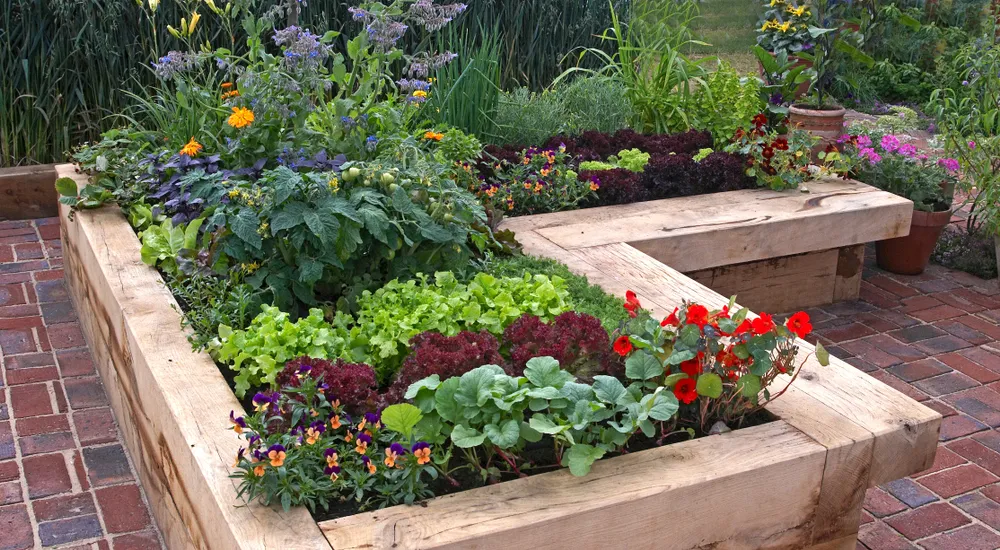
Imagine walking through a garden where every plant has a purpose beyond its own beauty – where flowers protect vegetables, herbs enhance flavours, and root systems work together like old friends sharing resources. This is the enchanting world of companion planting, an ancient practice that transforms your garden into a harmonious ecosystem where plants actively help each other thrive.
Companion planting pairs different species together to create mutually beneficial relationships. It's gardening's answer to teamwork, where thoughtfully chosen plant partnerships can solve problems naturally whilst reducing your workload and chemical inputs.
The Science Behind Plant Partnerships
Plants communicate through intricate networks of chemical signals released through their roots and leaves. Some plants emit compounds that repel harmful insects, whilst others attract beneficial predators or improve soil conditions for their neighbours. Research from the University of Sheffield shows that companion planted gardens can reduce pest damage by up to 60% compared to monoculture plantings.
These relationships have evolved over thousands of years in wild ecosystems. By replicating nature's blueprint in our gardens, we tap into proven strategies that work far better than any single plant could manage alone.
Pest Control Through Plant Power
Tomatoes and Marigolds: The Ultimate Defence Team
This classic pairing demonstrates companion planting at its finest. Marigolds produce compounds called thiophenes in their roots, which naturally repel nematodes – microscopic worms that can devastate tomato roots. Above ground, the marigolds' pungent scent confuses whiteflies and aphids, making it harder for them to locate your precious tomatoes.
Plant marigolds around the perimeter of your tomato beds, or intersperse them throughout for maximum protection. French marigolds (Tagetes patula) prove particularly effective, though any variety will provide benefits.
Basil and Peppers: Mediterranean Magic
Sweet basil doesn't just complement peppers on your plate – it actively improves their growing conditions. Basil's aromatic oils deter aphids, spider mites, and hornworms that commonly plague pepper plants. Many gardeners report that peppers grown alongside basil develop more intense flavours, possibly due to the herbs' influence on essential oil production.
Position basil plants between pepper rows, ensuring both receive adequate sunlight. The basil will need regular harvesting to prevent flowering, which handily provides fresh herbs for your kitchen.
Carrots and Onions: Underground Allies
This partnership works both above and below soil level. Onions' strong scent masks the sweet aroma that attracts carrot flies, whilst carrots may help repel onion flies in return. The different root depths mean they don't compete for nutrients – onions grow shallow, spreading roots, whilst carrots develop deep taproots.
Alternate rows of carrots and onions, or plant onions around the edges of carrot beds. Some gardeners inter-plant them randomly for an even stronger protective effect.

Plant Health and Growth Enhancement
The Three Sisters: Corn, Beans, and Squash
This traditional Native American planting method showcases how companion plants can provide structural and nutritional support. Corn provides a natural climbing frame for beans, which fix nitrogen in the soil to feed all three crops. Squash spreads across the ground, suppressing weeds and retaining moisture whilst its spiny leaves deter pests.
Modern gardeners can adapt this system using sweetcorn varieties and climbing French beans. Plant corn first, add beans when it's 15cm tall, then sow squash around the perimeter.
Roses and Garlic: Beauty Meets Function
Garlic planted around rose beds helps prevent black spot and aphid infestations. The sulphur compounds in garlic create an antifungal environment whilst deterring soft-bodied insects. This pairing works particularly well in formal gardens where you want pest control without compromising aesthetic appeal.
Plant garlic cloves in autumn around established roses, spacing them 15-20cm apart. Harvest the bulbs in summer, then replant for continuous protection.

Biodiversity and Ecosystem Benefits
Companion planting creates habitat diversity that supports beneficial insects throughout your garden. A study by the Centre for Ecology & Hydrology found that gardens using companion planting methods support 40% more beneficial insect species than those growing single crops.
Attracting Beneficial Insects
Many companion plants serve as insectary plants – flowers that provide nectar and pollen for predatory and parasitic insects. These beneficial creatures then control pest populations naturally.
Yarrow attracts ladybirds, lacewings, and hoverflies whilst accumulating nutrients from deep soil layers. Plant it throughout vegetable beds for continuous beneficial insect habitat.
Sweet alyssum provides landing platforms for tiny parasitic wasps that control aphids and caterpillars. Its low-growing habit makes it perfect for edging beds or filling gaps between larger plants.
Fennel (allowed to flower) attracts beneficial wasps and beetles, though keep it away from tomatoes and beans, which it can inhibit.

Advanced Companion Planting Strategies
Trap Cropping
Some companion plants act as decoys, attracting pests away from your main crops. Nasturtiums excel as trap crops for black fly, whilst radishes can lure flea beetles away from brassicas. Check trap crops regularly and remove heavily infested plants to prevent pest populations from rebounding.
Nurse Plants
Larger plants can shelter smaller ones from harsh weather. Sweetcorn provides wind protection for lettuce, whilst sunflowers can shade heat-sensitive crops during scorching summers. This technique extends growing seasons and reduces plant stress.
Allelopathy – Natural Growth Regulation
Some plants release chemicals that suppress weeds or regulate nearby plant growth. Black walnut trees famously inhibit many plants, but herbs like rosemary and sage can suppress grass growth, reducing competition for garden plants.
Common Companion Planting Mistakes to Avoid
Not all plant partnerships work harmoniously. Black walnut trees inhibit tomatoes and peppers. Fennel can stunt the growth of most vegetables except lettuce and coriander. Brassicas and strawberries compete for similar nutrients and don't make good neighbours.
Research plant compatibility before establishing new combinations, and observe your garden carefully to identify which partnerships thrive in your specific conditions.

Getting Started with Companion Planting
Begin with proven partnerships like those mentioned above, then experiment gradually as you gain experience. Keep detailed records of what works in your garden, as local conditions can influence plant relationships.
Start small – perhaps dedicate one bed to companion planting trials whilst maintaining your regular growing methods elsewhere. This approach allows you to compare results and build confidence in these natural techniques.
Companion planting transforms gardening from a battle against pests and diseases into a collaborative dance with nature. By understanding and harnessing these plant partnerships, you create a garden that's more productive, more resilient, and far more interesting than any monoculture could ever be.













Community Feedback