
Gardening Jobs for January: 6 Essential Tasks
January gardens are often quiet, frosty places. While it might seem like a month for hibernation, it’s a crucial time for planning and preparation. The quiet of winter offers the perfect opportunity to get organised and lay the groundwork for a spectacular year of growth. The work you do now is essential for waking the garden from its slumber and ensuring a vibrant, productive spring and summer.
This guide provides a clear, actionable checklist of essential gardening jobs for January. We’ll walk you through the key tasks for your flowers, fruit, and vegetables, as well as general garden maintenance to get a head start on the year. By tackling these winter gardening jobs now, you set the stage for a glorious season ahead.
1. Plan Your Plot & Order Seeds

January is the perfect time to dream and scheme for the year ahead. Grab a cup of tea, your favourite gardening catalogues or websites, and start planning. This is one of the most enjoyable January garden tasks, allowing you to envision the colour, texture, and flavours you want to introduce.
First, sort through your existing seeds. Check the 'sow by' dates and discard any that are old, as their germination rates will have dropped. Make a list of everything you need to buy. This is also the ideal moment to plan your crop rotation in the vegetable patch. Rotating where you plant different vegetable families each year is vital for preventing the build-up of pests and diseases in the soil. A simple rotation could be to follow legumes (like peas and beans), which fix nitrogen in the soil, with hungry brassicas (like cabbage and broccoli).
Now is also the best time to order seed potatoes, onions, and garlic sets. Ordering early ensures you get the best choice of varieties before they sell out.
2. Pruning for Fruitful Results
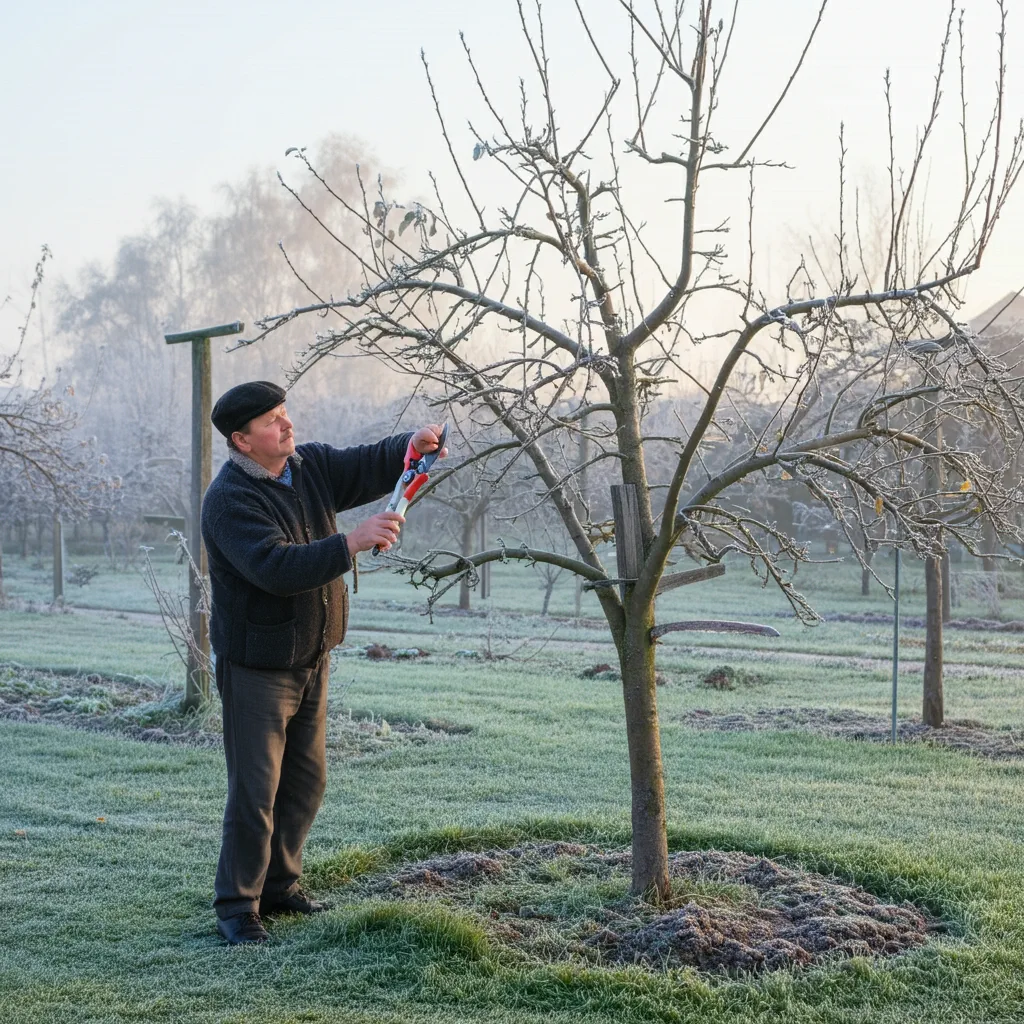
With most deciduous trees and shrubs dormant, January is the prime month for winter pruning. This encourages a strong, healthy shape and promotes a much better crop of fruit later in the year.
Focus on apple and pear trees first. Your goal is to create an open, goblet-like shape that allows light and air to circulate through the centre of the tree. Start by removing any dead, damaged, or diseased branches. Next, tackle any branches that are crossing or rubbing against each other, as these can create wounds that invite infection.
Other important pruning tasks for January include cutting back bush fruits. Renovate blackcurrant bushes by removing about a third of the old, woody stems at the base to encourage vigorous new growth. For gooseberries and redcurrants, aim to create an open framework by shortening the main branches and trimming back side shoots. Don't forget climbing plants; now is also an excellent time to prune climbing roses and wisteria to control their size and ensure a stunning floral display come summer.
3. Get a Head Start in the Greenhouse

Even on the coldest days, your greenhouse can be a hub of activity. If you have one, use this month to prepare it for the busy season to come. Start by giving it a thorough clean. Scrub out any used pots and seed trays with hot, soapy water to kill off overwintering pests and diseases. Wash the inside and outside of the glass to maximise the low winter light levels, which is crucial for young seedlings.
Once clean, you can start sowing seeds for plants that require a long growing season. This includes vegetables like chillies, peppers, and aubergines, as well as some hardy annual flowers such as cornflowers and sweet peas. Starting them this early gives them a significant head start. You can also bring potted strawberries under cover now to encourage an earlier crop of sweet, juicy fruit.
4. Tidy Borders & Prepare Soil
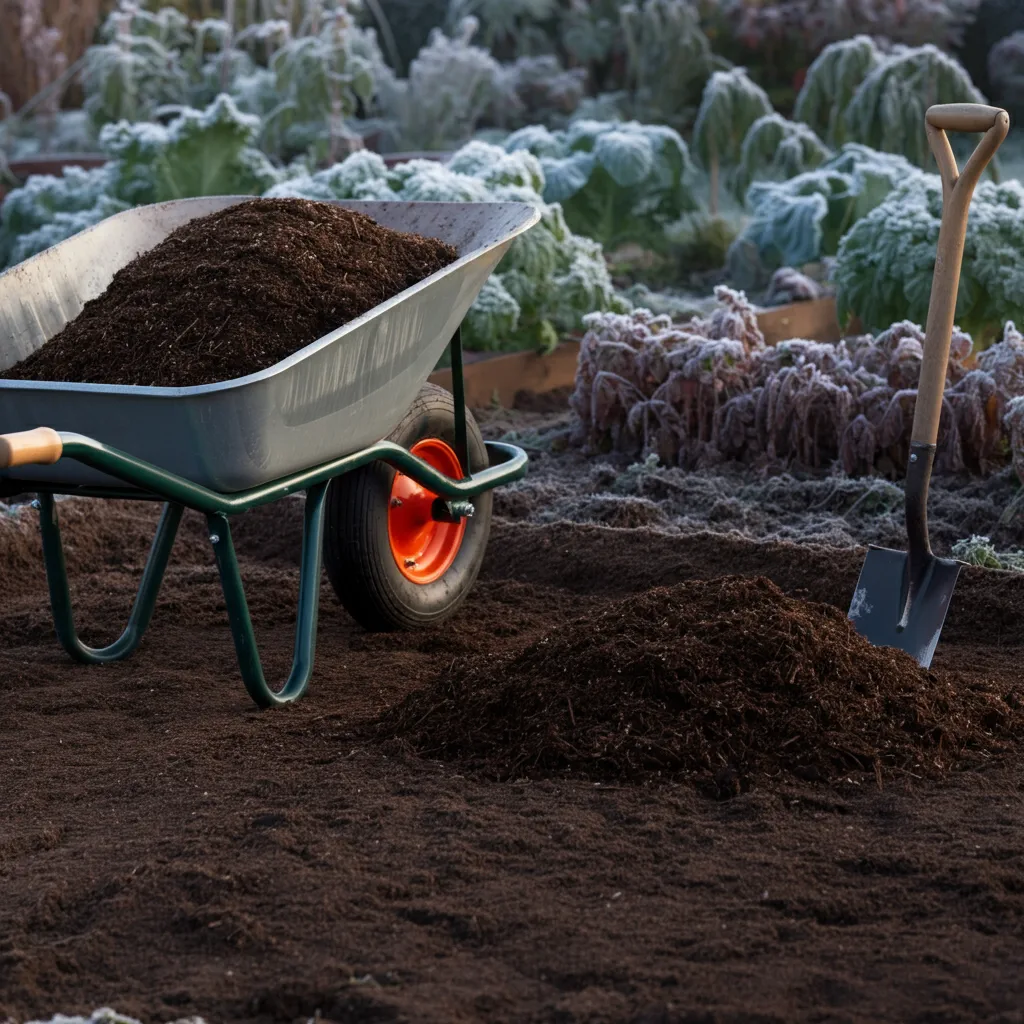
A crisp, dry day in January offers a great opportunity for a satisfying garden tidy-up. Work your way through your borders, cutting down the old, collapsed stems of herbaceous perennials. These can be chopped up and added to the compost heap, returning valuable nutrients to your garden.
Pay special attention to hellebores, whose beautiful, nodding flowers will soon be emerging. Carefully cut back their old, blackened leaves right to the base. This not only shows off the flowers to their best effect but also helps to prevent the spread of hellebore leaf spot disease.
If the ground isn't frozen solid or waterlogged, this is an ideal time to prepare your soil. Dig over any empty beds and borders, taking care to remove the persistent roots of perennial weeds like couch grass and bindweed. Once cleared, enrich the soil by incorporating plenty of well-rotted manure or garden compost. This will improve the soil's structure and fertility, getting it ready for planting in the spring.
5. Look After Garden Wildlife
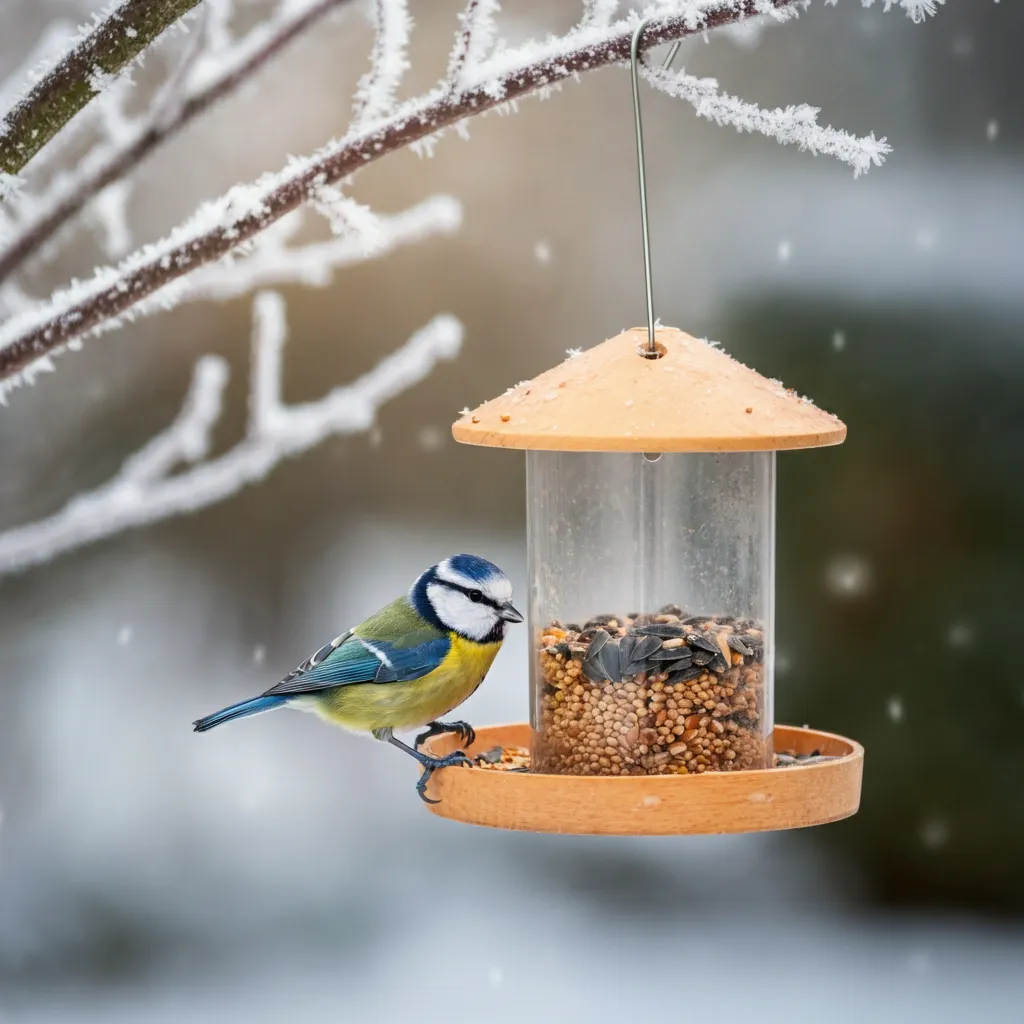
Winter is a tough time for garden wildlife, particularly birds. With natural food sources scarce, they rely heavily on what we can provide. Supporting them is one of the most rewarding what to do in the garden in January tasks.
Make it a habit to regularly top up your bird feeders with high-energy foods. Fat balls, sunflower hearts, and niger seeds are all excellent choices that will attract a wide variety of species. Just as important as food is a supply of fresh water for drinking and bathing. On frosty mornings, check your bird bath and add a little warm water to melt any ice.
You can also look ahead to the nesting season. Now is a great time to put up new nest boxes. Placing them in the garden before spring gives birds plenty of time to discover them and scope them out as a potential home for raising their young.
6. Essential Garden Maintenance
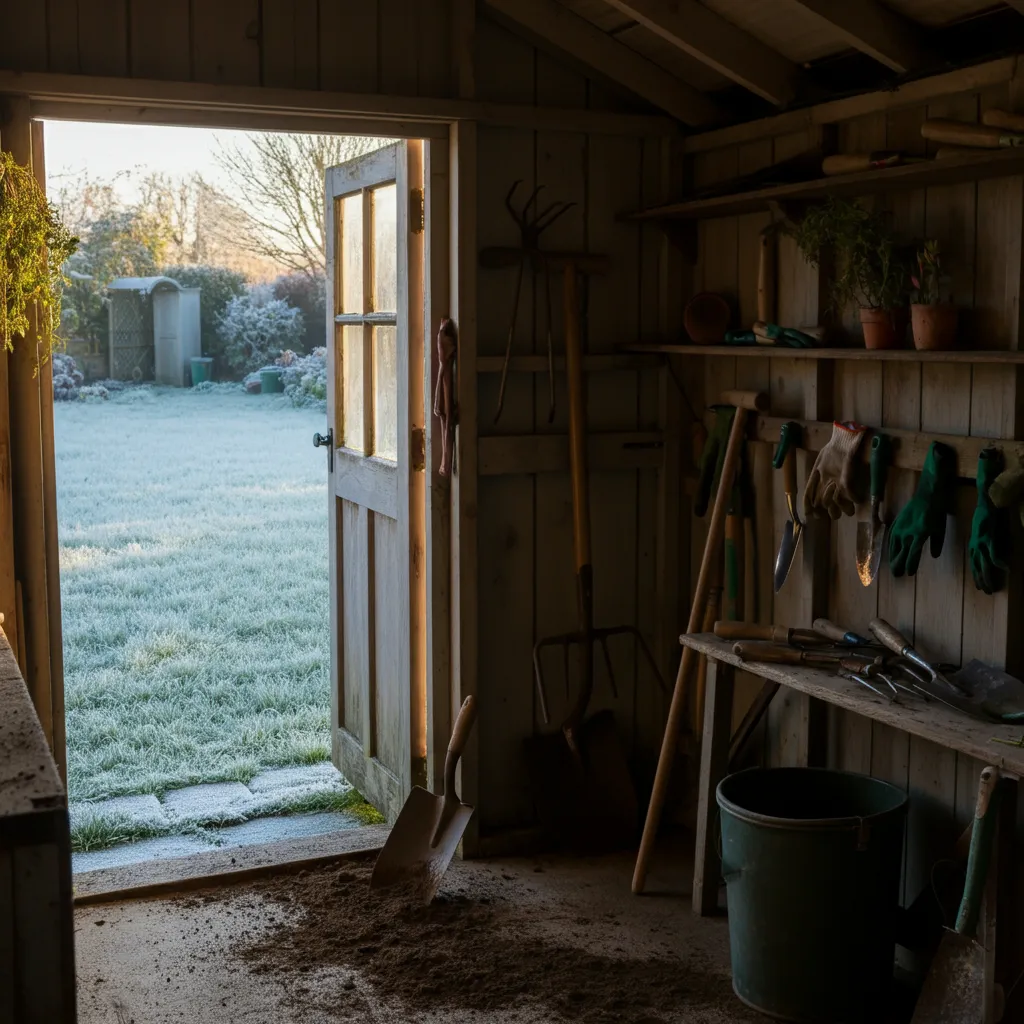
Finally, January is the perfect month for tackling those practical, non-planting jobs that often get overlooked during the busier seasons. Good maintenance ensures your tools and structures are ready for action when you need them most.
Gather your garden tools—secateurs, shears, spades, and forks—and give them some care. Clean off any dried mud, sharpen the blades, and apply a little oil to metal parts to prevent rust. Having sharp, clean tools makes gardening easier and more enjoyable.
While your lawn mower is in hibernation, consider getting it serviced. This will ensure it starts up without a problem on that first cutting day in spring. You can also use this time to carry out repairs around the garden. Check for any wobbly fences, loose gates, or damaged trellises and fix them now, before new plant growth makes access difficult.
A Garden Ready for Spring
By tackling these essential gardening jobs for January, you are doing more than just keeping busy. You are planning, preparing, and setting your garden up for a successful and less stressful year. Each task—from planning your veg patch and pruning your fruit trees to cleaning the greenhouse and caring for wildlife—is an investment in the health and beauty of your garden.
So, on the next dry day, grab your tools and make a start. You’ll thank yourself when spring arrives. What are your main gardening plans for January? Share your tips in the comments below!


Community Feedback