
January Garden Planning: A Guide to Your Best Year Yet
While January’s grey skies and chilly winds might make the garden feel a world away, this is precisely the moment when the most exciting work begins. Welcome to the season of “armchair gardening,” a time for dreaming, scheming, and setting the stage for a spectacular year ahead. So, grab a hot cup of tea, settle into your favourite chair, and let’s start planning. These essential January garden tasks are your secret weapon for a successful season.
A little organisation now is the key that unlocks a summer filled with vibrant colours, fascinating textures, and delicious, home-grown flavours. This guide will walk you through the vital first steps of the gardening year, from envisioning your ideal plot and auditing your seed collection to mastering crop rotation and placing those all-important early orders.
Visualise Your Perfect Plot
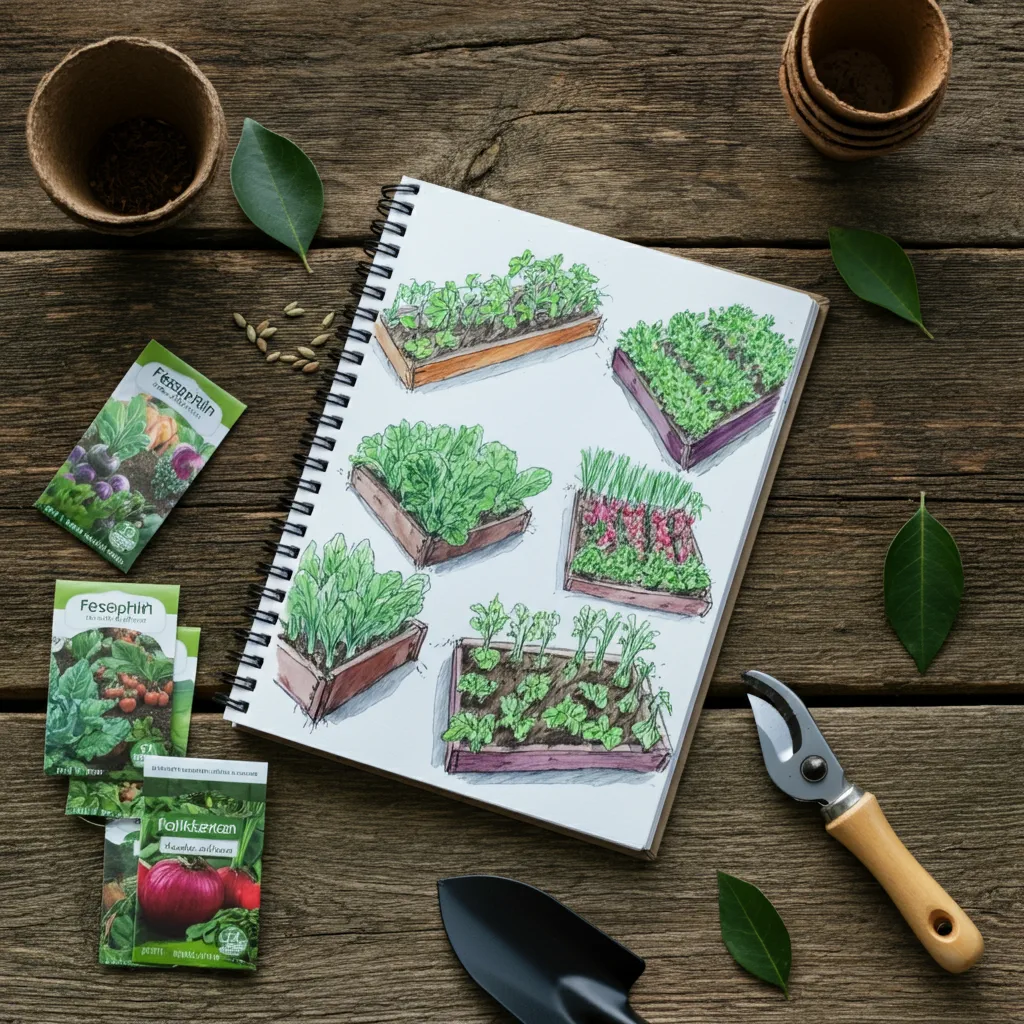
Before you even think about reaching for a spade, allow your imagination to run wild. January is the perfect time for creative garden planning, as the dormant garden offers a blank canvas. Spend these quiet days browsing gardening catalogues, scrolling through websites, and gathering inspiration. What new flavours do you want to taste from your vegetable patch this year? Are you dreaming of a specific colour palette for your flower beds?
Think about the "big picture." Do you want to create a buzzing haven for pollinators, a tranquil green space for relaxation, or a productive plot that keeps your kitchen stocked? This is your chance to define your goals for the year.
Top Tip: Keep a dedicated notebook or use a digital planner to sketch out your ideas. Drawing a rough map of your garden and pencilling in where you might plant certain flowers or vegetables can bring your vision to life. Note down the plants that catch your eye and the combinations you’d love to try.
The Great Seed Sort-Out
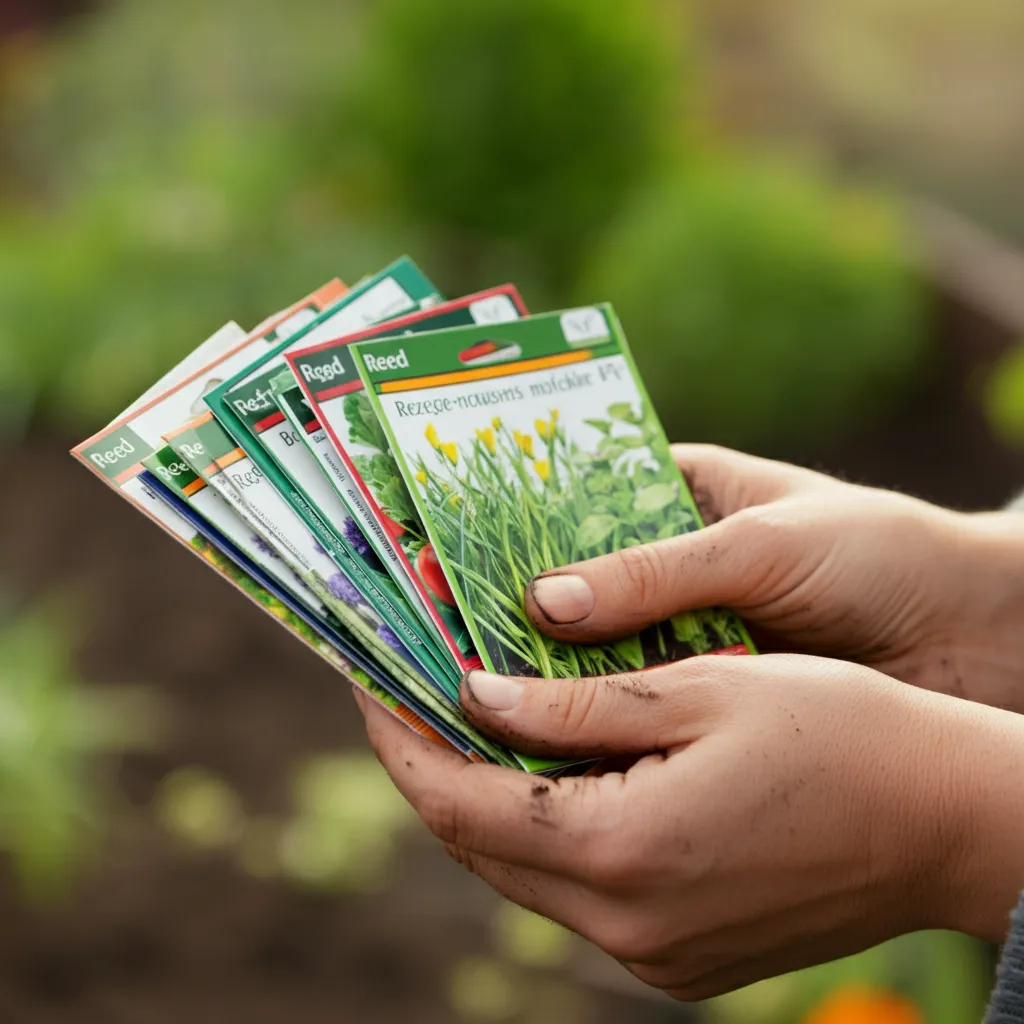
One of the most satisfying January garden tasks is taking stock of what you already have. An annual seed audit not only brings order to your collection but also prevents the common gardener's mistake of accidentally buying duplicates. It’s a simple process that sets you up for smart, efficient shopping.
Here’s a step-by-step guide to auditing your seed stock:
- Gather Your Collection: Find all your leftover seed packets from previous years. Don't forget to check sheds, drawers, and tins where they might be hiding.
- Check the 'Sow By' Dates: This is the most crucial step. Scrutinise each packet for its 'sow by' or 'packed for' date.
- Be Ruthless: If a packet is past its date, it’s best to discard it. While some seeds might still germinate, their viability drops significantly over time. Sowing old seeds often leads to patchy results and disappointment down the line.
- Create Your Shopping List: Once you've sorted through your existing stock, you'll have a clear idea of what you need. Make a comprehensive list of all the vegetable, herb, and flower seeds you plan to buy for the coming year.
Crop Rotation: The Secret to Healthy Soil
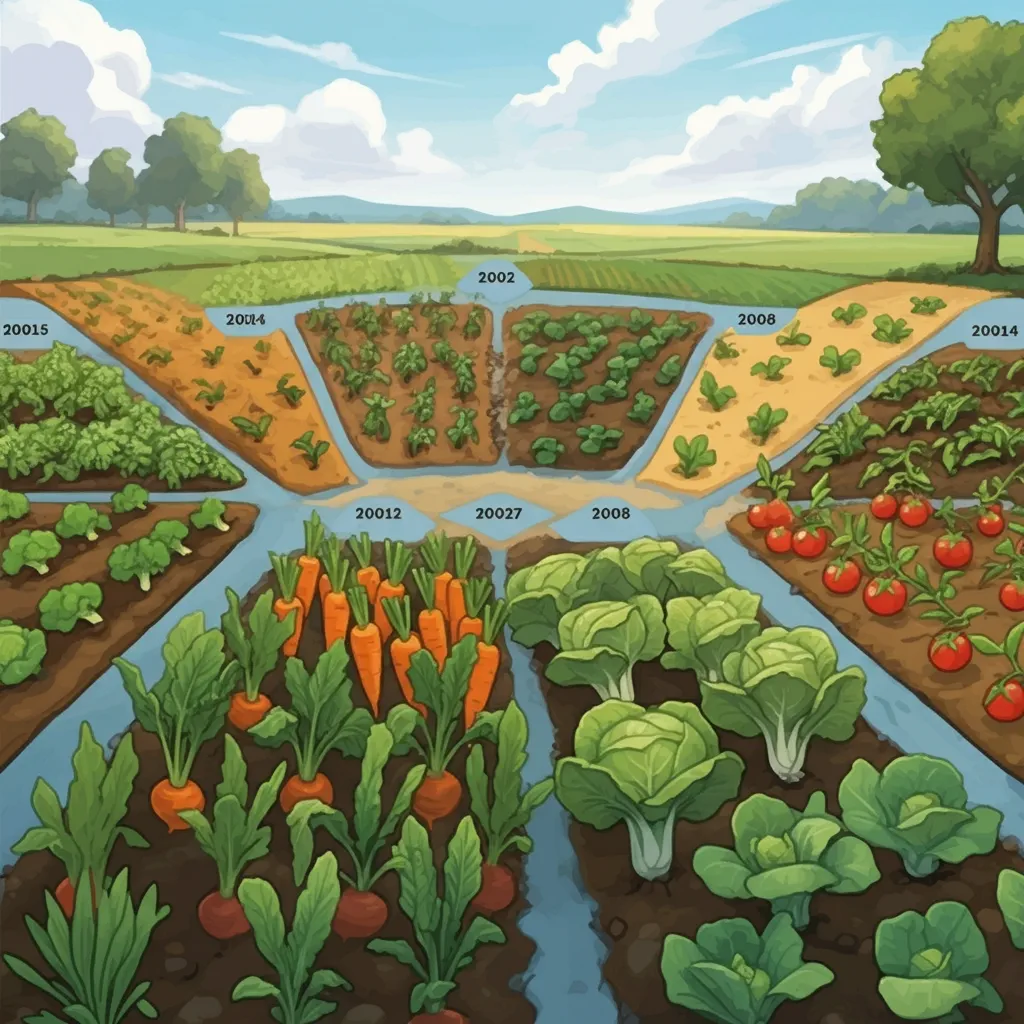
If you grow your own vegetables, mastering crop rotation is one of the most powerful things you can do for your soil's health. In simple terms, it means not planting the same family of vegetables in the same spot year after year. Think of it as a game of musical chairs for your plants.
So, why is this so important? Rotating your crops is vital for preventing the build-up of pests and soil-borne diseases that often target specific plant families. It also helps manage soil nutrients effectively. Different plants have different nutritional needs; some are heavy feeders, while others actually enrich the soil.
Here is a classic example from our vegetable patch planning guide:
- Legumes (The Givers): This family includes peas and beans. They have a fantastic ability to "fix" nitrogen from the air into the soil, leaving it more fertile than they found it.
- Brassicas (The Takers): This group includes hungry plants like cabbage, broccoli, and cauliflower. They require a lot of nitrogen to produce lush, leafy growth.
By planting brassicas in the bed where you previously grew legumes, you allow them to make full use of the nitrogen left behind.
Order Early to Avoid Disappointment

While it might feel premature, now is the best time to order certain essentials. This isn't about creating false urgency; it's about securing the best varieties before they sell out. Popular and heritage types of some plants are in high demand and stocks can run low surprisingly quickly.
Pay special attention to these items:
- Seed Potatoes: Ordering in January gives you the widest choice, from first earlies to maincrop varieties.
- Onion and Shallot Sets: These are always among the first to sell out.
- Garlic Sets: Get your order in early to ensure you have them ready for planting at the optimal time.
By placing your order now, you’re not just avoiding disappointment—you’re guaranteeing a season filled with the exact varieties you’ve been dreaming of.
Get a Head Start: Seeds to Sow Indoors

Can you actually start planting in January? Absolutely! While the ground outside is cold and unwelcoming, you can kick off the planting calendar by sowing certain seeds indoors or in a heated propagator. This gives you strong, healthy plantlets ready for transplanting as soon as the weather warms up.
Seeds that can be started in January include:
- Chillies and Peppers: These need a long growing season to produce a good harvest, so an early start is essential.
- Onions (from seed): For large, impressive bulbs.
- Geraniums (Pelargoniums): Sowing from seed now will result in beautiful flowers come summer.
- Begonias: Another classic bedding plant that benefits from an early start.
Starting these seeds now provides that tangible connection to the growing season and fuels the excitement for the months to come.
Here’s a list of plants and vegetables that can typically be planted from seed in January, depending on your climate and whether you’re starting them indoors or outdoors:
Vegetables (Start Indoors)
- Tomatoes (for transplanting later)
- Peppers (bell peppers, chili peppers)
- Eggplants
- Leeks
- Onions (bulb and spring onions)
- Celery
- Cabbage (early varieties)
- Cauliflower
- Broccoli
- Lettuce (for early harvests)
Vegetables (Direct Sow Outdoors in Mild Climates)
- Broad Beans
- Peas
- Spinach
- Radishes
- Carrots (early varieties)
- Parsnips
Herbs (Start Indoors)
- Basil
- Parsley
- Chives
- Cilantro
- Thyme
Flowers (Start Indoors)
- Sweet Peas
- Petunias
- Snapdragons
- Begonias
- Lobelia
Your Best Garden Starts Now

With a solid plan in place, your garden is already on the path to success. By dedicating a little time this month to planning, sorting, rotating, and ordering, you are laying the groundwork for your most rewarding gardening year yet. The anticipation of watching those first green shoots emerge is a feeling like no other, and it all begins with these quiet, thoughtful January garden tasks.
Ready to get started? Explore our "Starters Collection" in the shop to find everything you need for early sowing. What new variety are you most excited to try in your garden this year? Share your plans in the comments below!


Community Feedback