
Your November Garden: Get Ready for Winter
Welcome to November! The air has a distinct chill, the days are shorter, and your garden is preparing for its long winter slumber. It might be tempting to hang up your gardening gloves until spring, but there's still plenty to do. November is a crucial month for tidying up, protecting your plants, and getting a head start on next year's display.
This guide is your essential checklist for November gardening in the UK. We'll walk you through the key tasks, from pruning your roses to planting tulips and protecting your tender plants from the coming frost. By putting in a little effort now, you can ensure your garden survives the winter and bursts back into life with renewed vigour next year. Let’s get our hands dirty!
Tidy Up and Prepare Your Beds
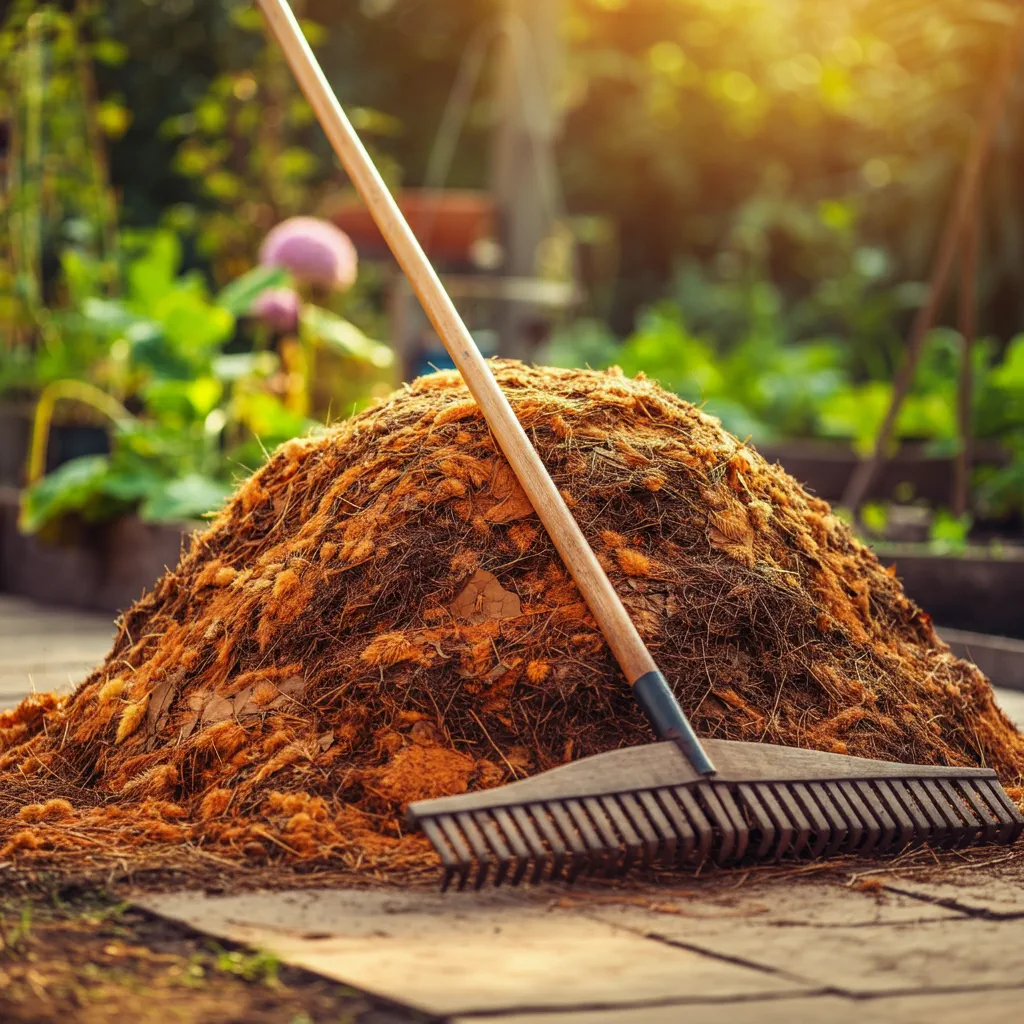
As the last of the autumn leaves fall, your garden can start to look a bit messy. November is the perfect time for a thorough tidy-up, which not only makes your garden look better but also helps prevent pests and diseases from overwintering.
Rake Up Fallen Leaves
Fallen leaves might seem like a nuisance, but they are actually a gift from nature. Instead of just throwing them away, you can turn them into a valuable resource for your garden. Rake up leaves from your lawns, paths, and borders. Wet leaves can make paths slippery and can suffocate your lawn if left in a thick layer.
Once collected, you have a few options:
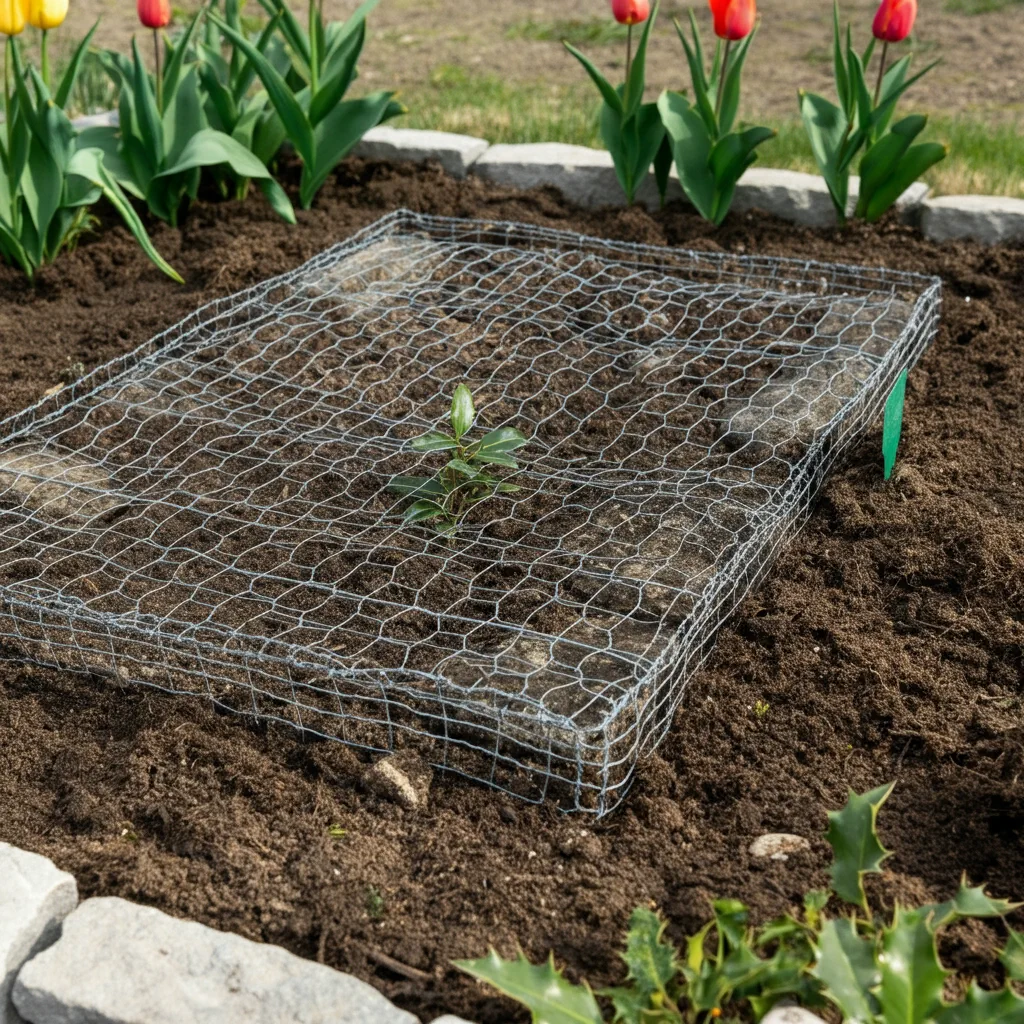
- Create Leaf Mould: Pile the leaves into a wire cage or bin bags (with a few holes poked in for air). Dampen them slightly and leave them for a year or two. The resulting leaf mould is a fantastic, nutrient-rich soil conditioner.
- Add to Compost: Mix leaves into your compost heap. They are a great source of "brown" material, balancing out the "green" waste like grass clippings and kitchen scraps.
- Use as Mulch: A thick layer of leaves around hardy shrubs and perennials can act as a natural mulch, protecting their roots from frost and suppressing weeds.
A garden blower and vacuum can make this job much faster, especially in larger gardens. They shred the leaves as they collect them, which speeds up the decomposition process.
Cut Back Perennials and Tidy Borders
Many herbaceous perennials will now be dying back. You can cut the yellowing stems and foliage down to just above ground level. This tidies up your borders and reduces the places where slugs and snails can hide over winter.
However, consider leaving some plants with attractive seed heads, like Eryngium (sea holly) or grasses. These can provide architectural interest throughout the winter, catching the frost beautifully and offering food for birds.
Plant for Spring Colour
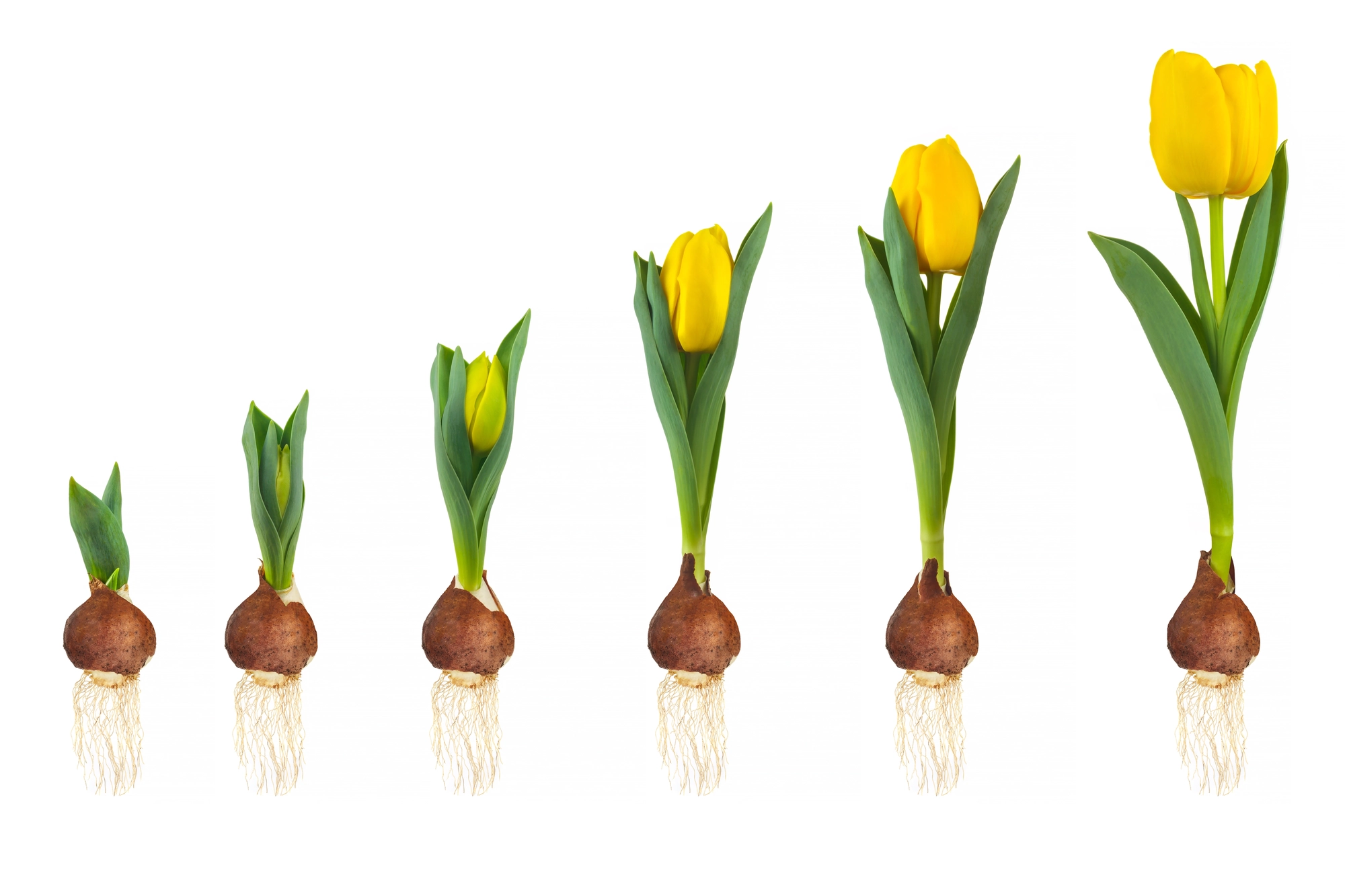
It might feel like the wrong time of year to be planting, but what you do in November will have a huge impact on your garden's spring display.
Plant Tulip Bulbs
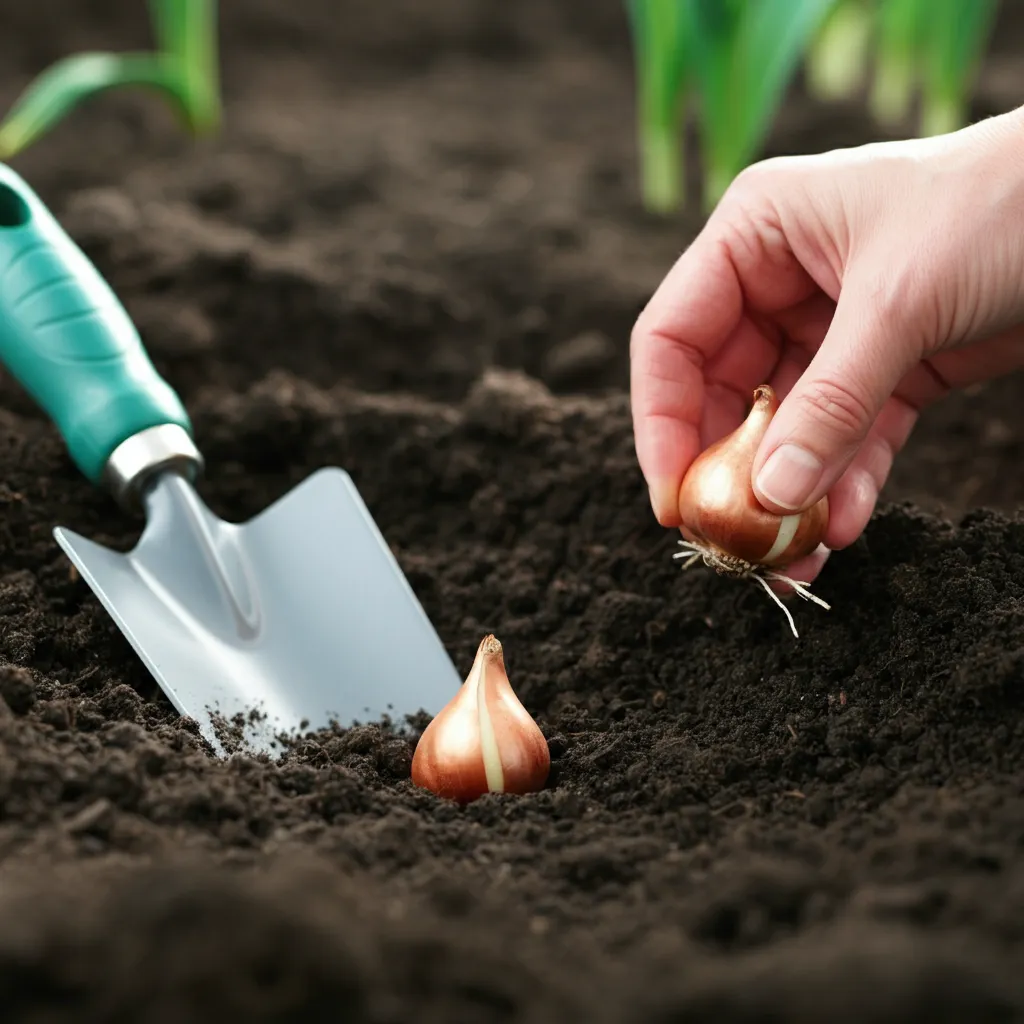
November is the ideal month for planting tulip bulbs. Planting them now, once the soil has cooled, helps to reduce the risk of a fungal disease called tulip fire, which can devastate your display.
Choose a sunny, well-drained spot. Plant the bulbs at a depth of about three times their own height and space them at least twice their width apart. You can plant them in drifts in your borders for a natural look, or fill pots and containers for a vibrant patio display next spring. Don't be shy with numbers; tulips look best when planted in generous groups.
Plant Bare-Root Roses, Trees, and Shrubs
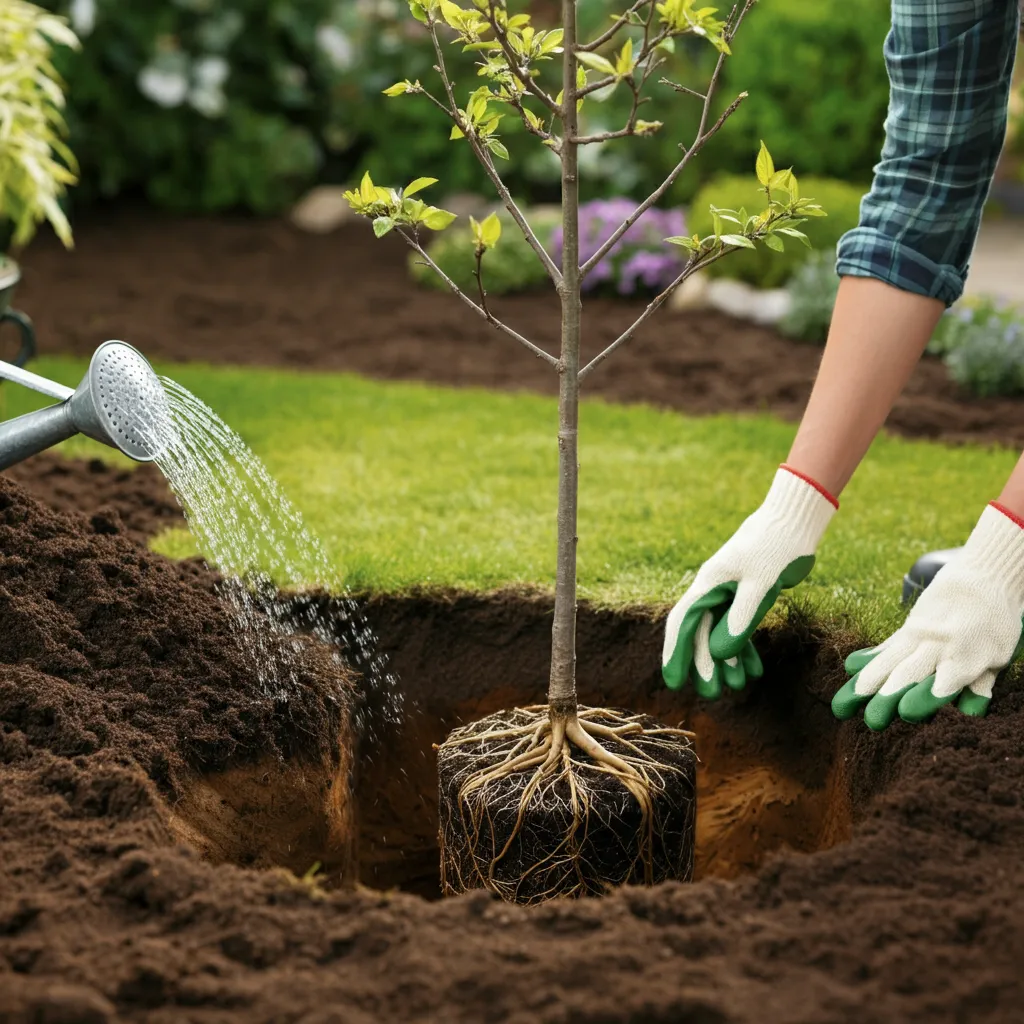
The dormant season, from November to March, is the perfect time to plant bare-root plants. These are plants that are supplied without soil around their roots, making them cheaper and lighter to transport than their container-grown counterparts.
When your bare-root plant arrives, soak its roots in a bucket of water for a few hours. Dig a hole that's wide enough to accommodate the roots without bending them, and plant it at the same depth it was growing before (you can usually see a soil mark on the stem). Backfill with soil, firm it in gently, and water well.
Protect Your Garden from Winter's Bite
As frosts become more frequent and temperatures drop, it's time to protect the more vulnerable plants in your garden.
Shield Tender Plants
Plants like dahlias, cannas, and bananas won't survive a harsh UK winter outdoors.
- Dahlia Tubers: After the first frost has blackened their foliage, cut the stems down to about 15cm. Carefully lift the tubers from the ground, clean off the excess soil, and let them dry for a few days. Store them in a box filled with sand or dry compost in a cool, frost-free place like a shed or garage.
- Plants in Pots: Move tender plants in containers into a greenhouse, conservatory, or a sheltered spot against a house wall.
- Fleece and Mulch: For borderline hardy plants that are staying in the ground, you can wrap them in horticultural fleece or hessian. Applying a deep, dry mulch of bark chips or straw around the base will also help to protect the roots from freezing.
Prepare for Icy Weather
Winter can bring snow and ice, which can damage structures and make your garden unsafe.
- Lag Outdoor Taps: Prevent frozen pipes by insulating outdoor taps with a purpose-made tap cover.
- Bring in Tools: Clean and oil your garden tools before storing them away for the winter. This will prevent rust and ensure they're in good condition for spring.
- Check Structures: Inspect fences, trellises, and arches for any damage and repair them now before strong winter winds can cause further problems.
Your Winter Garden Awaits
Getting your garden ready for winter in November is a rewarding task. By clearing away debris, protecting your precious plants, and planting for the future, you are setting the stage for a spectacular return in the spring. It’s a final act of care that ensures your garden rests well over the cold months.
So, pull on your warmest gardening jumper, grab a hot drink, and spend a few crisp afternoons ticking off this checklist. Your garden will thank you for it with a beautiful display of life and colour when the days begin to lengthen once more.




Community Feedback