A Beginner's Guide to Drip Irrigation Systems
What Is a Drip Irrigation System?
Tired of spending hours with a watering can or watching your sprinklers water the pavement more than your plants? There is a smarter way to keep your garden lush and thriving. A drip irrigation system delivers water directly to your plants' roots, saving time, money, and one of our most precious resources: water.
This guide will walk you through everything you need to know about drip irrigation. We’ll explore the different types available, weigh the pros and cons, and provide practical tips for installation and maintenance. By the end, you'll understand how this efficient watering method can transform your gardening experience, leading to healthier plants and a more sustainable garden.
Understanding Drip Irrigation
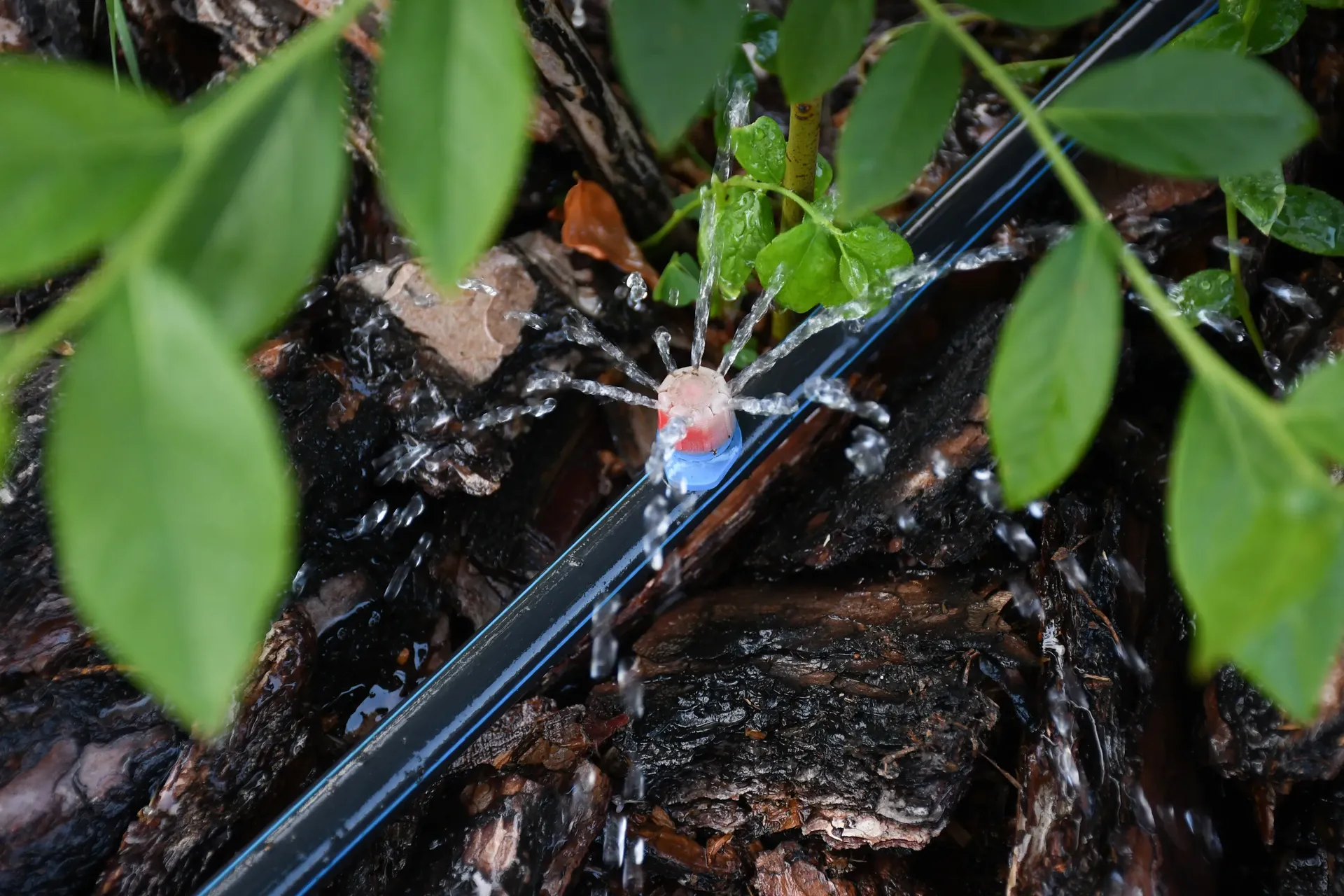
Drip irrigation, also known as micro-irrigation, is a method that uses a network of pipes, tubes, and small outlets called emitters to deliver water slowly and precisely to the base of your plants. Unlike traditional sprinklers that spray water over a large area, a drip system targets the root zone, minimising waste from evaporation, wind, and runoff.
This efficiency is remarkable; drip systems can be over 90% efficient, a significant improvement over sprinkler systems, which often operate at only 50-70% efficiency. By maintaining a consistent level of moisture in the soil, drip irrigation promotes stronger root development and healthier, more resilient plants. It’s an ideal solution for a wide range of garden setups, including vegetable patches, flower beds, hanging baskets, and container plants.

The Benefits of a Drip Irrigation System
Switching to a drip irrigation system offers a wealth of advantages for any gardener, from beginner to expert.
- Water Conservation: By delivering water directly where it's needed, you can significantly cut down on water usage. This is not only good for the environment but also for your water bills.
- Healthier Plants: A slow, steady supply of water helps maintain optimal soil moisture. This encourages deep, strong root growth and reduces the stress on plants caused by cycles of drought and flood.
- Reduced Weed Growth: Because water is targeted at your plants, surrounding soil stays drier, discouraging weed seeds from germinating.
- Time and Effort Savings: Once installed, an automated drip system handles the watering for you. Imagine all the time you’ll save not having to stand with a hose or move a sprinkler around!
- Exemption from Hosepipe Bans: In the UK, drip irrigation systems are often exempt from hosepipe bans, ensuring your garden can still be watered during dry spells.
- Flexibility and Adaptability: These systems are highly customisable. You can easily add, remove, or reposition emitters as your garden changes and grows.
Types of Drip Irrigation Systems
There are several types of drip irrigation systems, each suited to different gardening needs. Understanding the options will help you choose the perfect setup for your green space.
Soaker Hoses
Soaker hoses, sometimes called porous pipes, are made from a material that "weeps" water along its entire length. They are incredibly simple to use: just lay the hose along your garden rows or around your plants, connect it to a water source, and turn it on. They work best on flat ground, as the water pressure can become uneven on slopes. They are a great, low-cost option for straight-line plantings like hedges and vegetable beds.
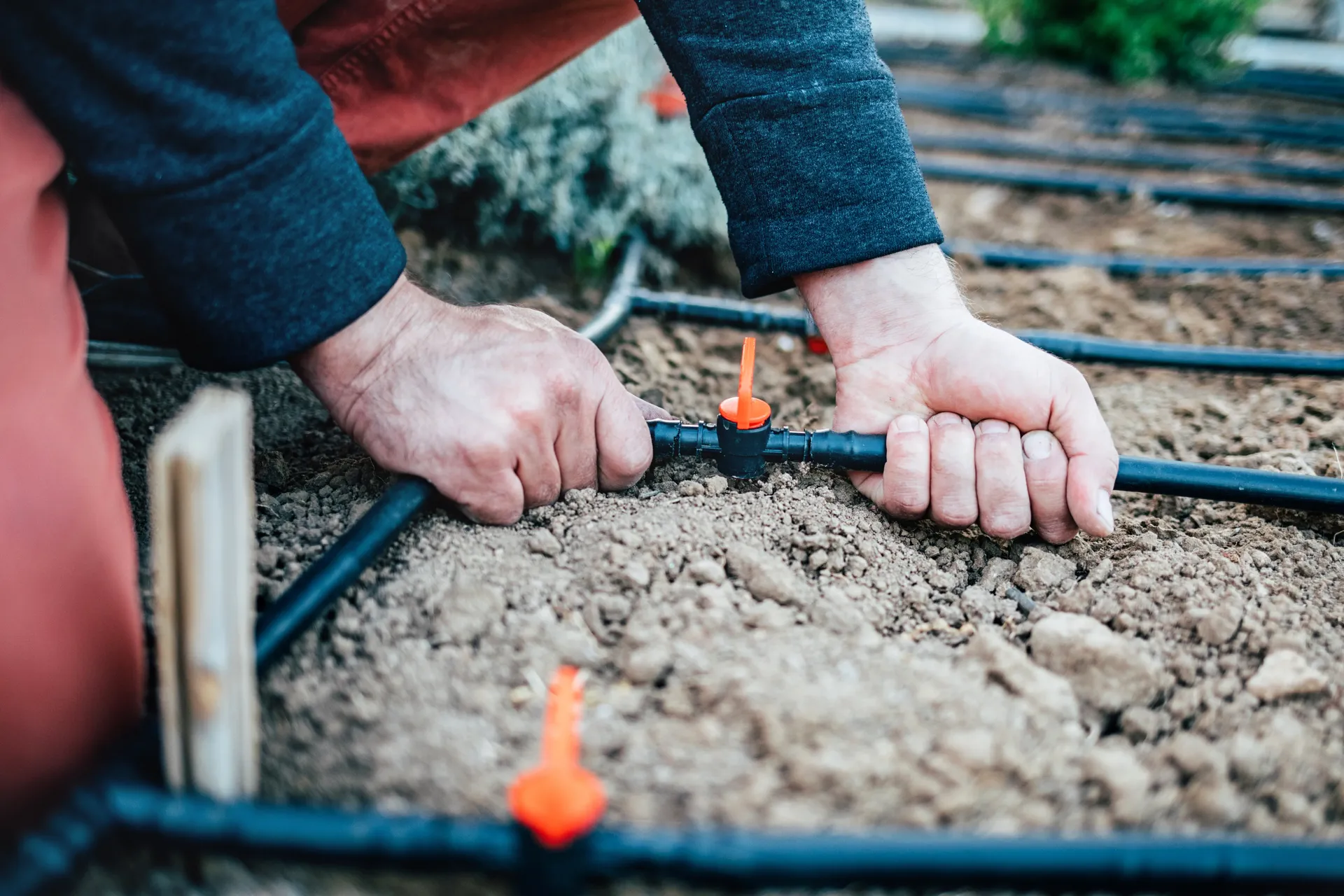
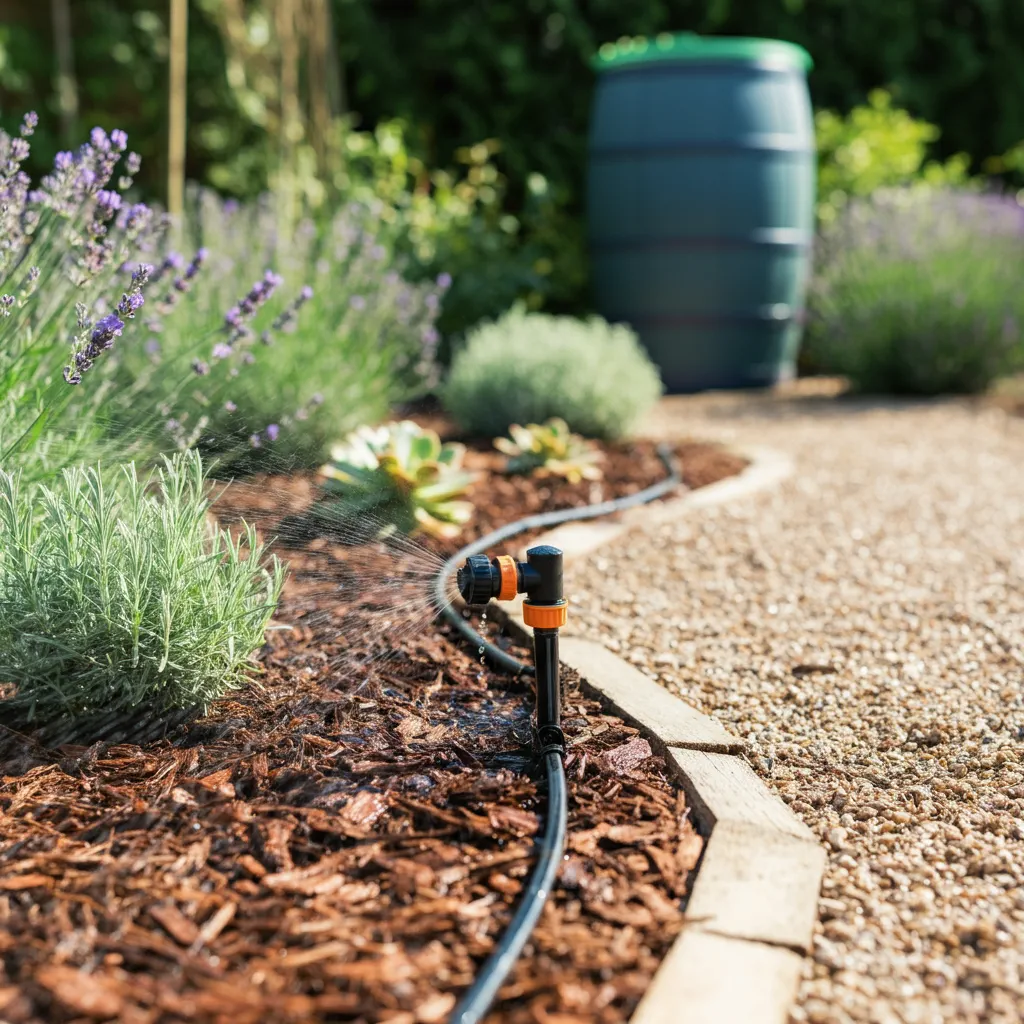
As the name suggests, a surface drip irrigation system is laid out on top of the soil. This is the most common and recognisable form of drip irrigation, often seen as black or brown tubing snaking through garden beds, vegetable rows, and around potted plants.
How It Works
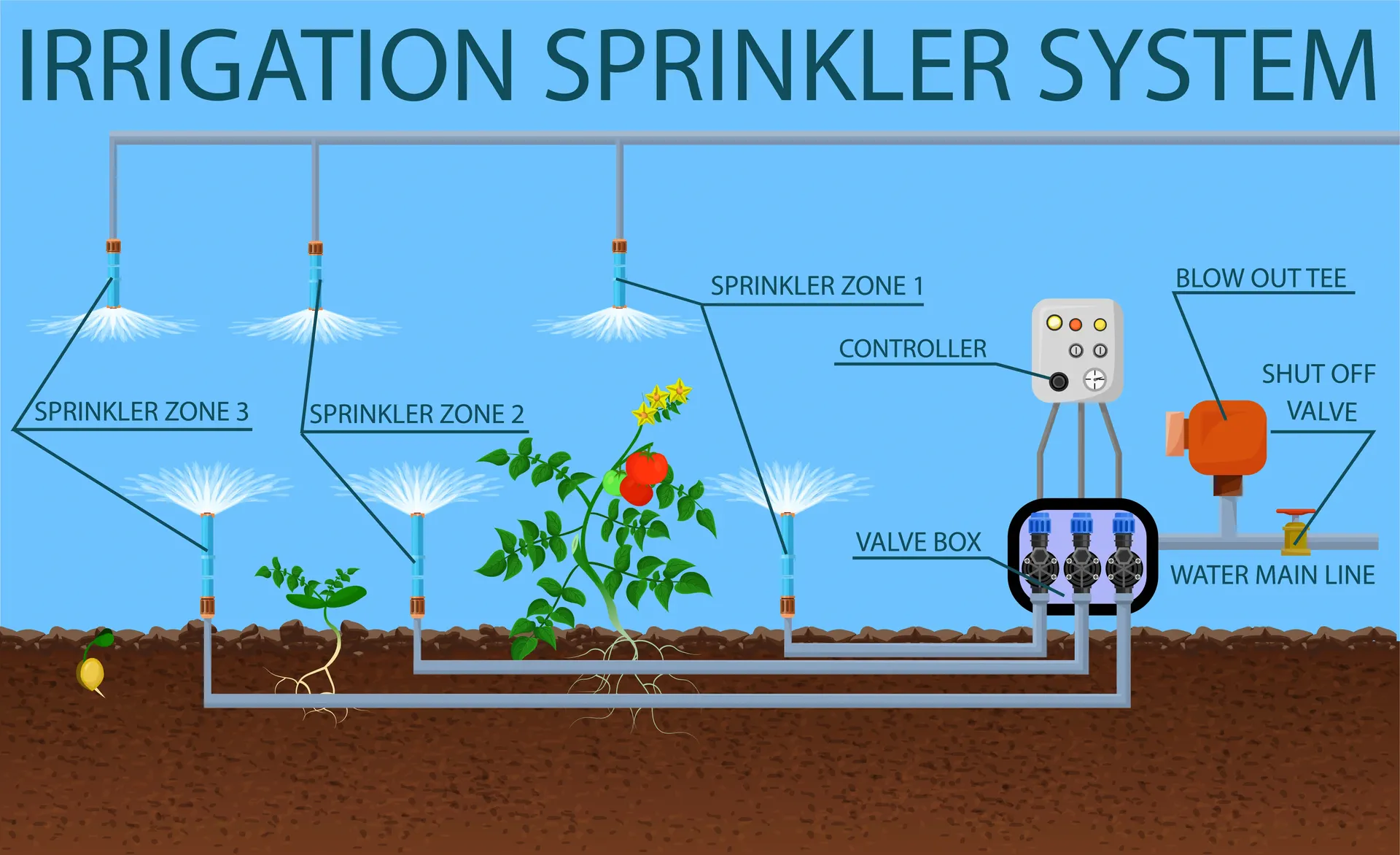
A surface system is straightforward to set up. A mainline pipe connects to your water source, like an outdoor tap. This mainline feeds smaller distribution tubes, including drip lines and soaker hoses, which you position along your planting areas. Soaker hoses, sometimes called porous pipes, are made from recycled rubber or other flexible material that “weeps” water gently and consistently along their entire length, thanks to thousands of tiny pores. You simply lay the soaker hose directly on the soil surface, weaving it around the base of your plants or running it straight down a hedge or vegetable row. Once connected to your water supply, the hose seeps water evenly into the soil, ensuring the roots receive steady moisture without runoff or evaporation.
Soaker hoses excel in straight-line plantings such as vegetable beds, soft fruit cages, or informal hedges, where evenly spaced watering is required. They are exceptionally easy to use—just cut to length, lay out, and connect. Because they operate best at low water pressure and are most effective on flat ground, they’re perfect for smaller or level garden areas. Affordable and fuss-free, soaker hoses are a brilliant solution for gardeners who want efficient, low-cost irrigation with minimal installation. These tubes have either pre-installed emitters spaced at regular intervals or allow you to punch in your own emitters exactly where you need them.
When you turn on the water, it flows through the network and drips out slowly and steadily from each emitter, soaking into the soil directly at the root zone.
Key Benefits of Surface Drip Irrigation
- Ease of Installation and Maintenance: This is perhaps the biggest draw for home gardeners. You can install a surface system with basic tools and little technical knowledge. Because all the components are visible, spotting and fixing leaks, blockages, or other issues is incredibly simple. You can easily adjust the layout as your garden evolves, moving tubes to accommodate new plants or changing designs.
- Excellent Water Efficiency: By delivering water straight to the soil surface, you dramatically reduce losses from wind and evaporation that plague overhead watering systems. Water is absorbed where it’s needed, preventing wasteful runoff. This means you use significantly less water to achieve better results, which is great for both the environment and your water bill.
- Improved Plant Health: Surface drip systems keep foliage dry. Wet leaves can create the perfect environment for fungal diseases like blight and powdery mildew to take hold. By watering the soil, not the plant, you minimise the risk of these common garden problems. Furthermore, the slow, consistent supply of water encourages deep root growth, leading to stronger, more resilient plants.
- Versatility and Flexibility: Whether you have neat rows of cabbages, a mixed border of perennials, or a collection of patio containers, a surface system can be adapted to fit. You can choose different types of emitters to provide more or less water depending on the needs of individual plants, giving you precise control over your watering schedule.

Subsurface Drip Irrigation (SDI)
Subsurface Drip Irrigation takes the concept one step further by burying the entire drip line network beneath the soil surface. This makes the system completely invisible, delivering water directly into the heart of the root zone.
How It Works
In an SDI system, specially designed, heavy-duty drip tubing is buried anywhere from 10 to 30 centimetres deep, depending on the soil type and the plants being grown. The emitters in this tubing are engineered to resist root intrusion and clogging from soil particles. Water flows through the buried pipes and is released directly into the root zone, hydrating the plant from below.
This method is often favoured in larger-scale agricultural settings but is becoming increasingly popular for lawns, formal gardens, and orchards in home landscapes.
Key Benefits of Subsurface Drip Irrigation
- The Ultimate in Water Efficiency: SDI is the most water-efficient irrigation method available. With the water being released underground, evaporation from the soil surface is virtually eliminated. This can lead to water savings of over 95% compared to sprinkler systems. It's an unbeatable choice for gardeners in dry regions or those who are passionately committed to water conservation.
- Enhanced Plant Growth and Yield: Delivering water and nutrients (a process called fertigation) directly to the roots creates the ideal growing environment. Plants expend less energy searching for water and can focus on lush growth and producing fruit or flowers. The consistent moisture level in the root zone prevents the stress caused by cycles of drought and saturation.
- Unobstructed and Aesthetically Pleasing: Because the entire system is hidden, it doesn't interfere with the visual appeal of your garden or lawn. There are no tubes to trip over or detract from your carefully planned landscape. This also means you can carry out cultivation, weeding, and mowing without worrying about damaging the irrigation equipment.
- Reduced Weed Growth: A key advantage of SDI is that the soil surface remains dry. Most weed seeds need moisture at the surface to germinate. By keeping the top layer of soil dry, you naturally suppress weed growth, which means less time spent on the back-breaking task of weeding.
Emitter Drip Systems
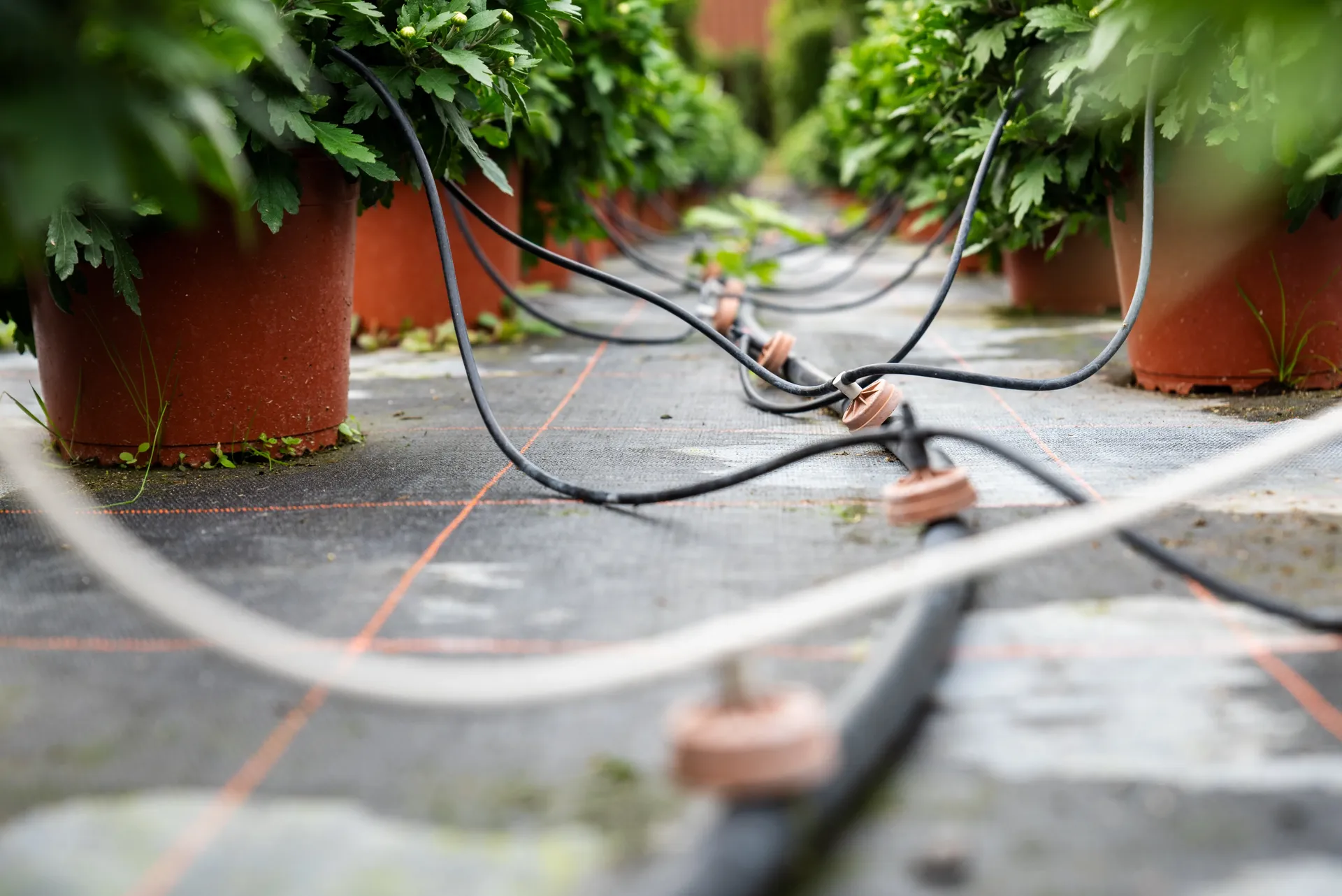
Emitter systems are perhaps the most versatile and precise type of drip irrigation. They use a main supply pipe (often called a mainline) with smaller "spaghetti" tubes branching off to individual plants. At the end of each tube is an emitter, a small device that controls the flow of water. Emitters come in different flow rates (e.g., 2, 4, or 8 litres per hour), allowing you to provide a custom amount of water to each plant based on its specific needs. This makes them perfect for mixed plantings, container gardens, and trees.
Drip Line Tubing
Drip line is a form of tubing with emitters already built-in at regular intervals (e.g., every 30 or 50 cm). This provides consistent and even watering, making it an excellent choice for closely spaced plants like vegetable rows, flower borders, or hedges. It's a step up from a soaker hose, offering more uniform water distribution over longer distances. For any system longer than 25 metres, a drip line is generally recommended over a soaker hose.
Micro-Sprays and Misters
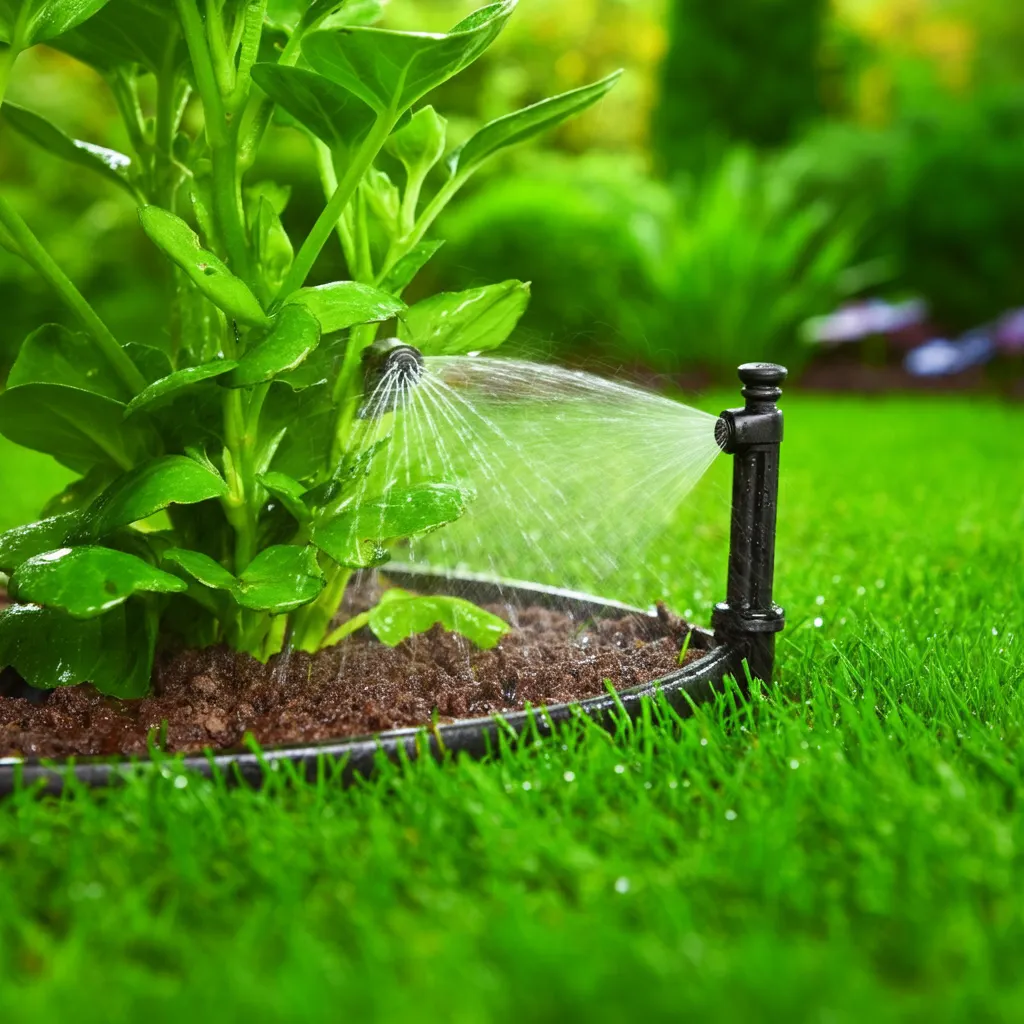
While not technically "drip" irrigation, micro-sprays and misters are low-pressure devices often used within the same systems. Instead of dripping, they cast a fine spray or mist over a small area. They are useful for watering ground cover, shallow-rooted plants like azaleas and rhododendrons, or for increasing humidity in a greenhouse. They should be on a separate zone from drip emitters because their water output is much higher.
Making the Right Choice for Your Garden
So, which system is right for you?
Choose Surface Drip Irrigation if:
- You are new to drip irrigation and want a system that is easy to install and manage.
- Your garden layout changes frequently, and you need a flexible, adjustable system.
- You have a mix of container plants, vegetable patches, and flower beds.
- Budget is a primary concern, as surface systems are generally less expensive to set up.
Consider Subsurface Drip Irrigation if:
- Water conservation is your absolute top priority.
- You want a permanent, invisible watering solution for a lawn or established garden beds.
- Aesthetics are paramount, and you don't want to see any irrigation equipment.
- You are looking for a low-maintenance system that also helps control weeds.
Both surface and subsurface drip irrigation offer a powerful way to make your watering smarter, more effective, and more sustainable. By delivering water with precision, these systems promote healthier plants and conserve our most precious resource, allowing you to create a beautiful, bountiful garden with confidence.

How to Install Your Drip System
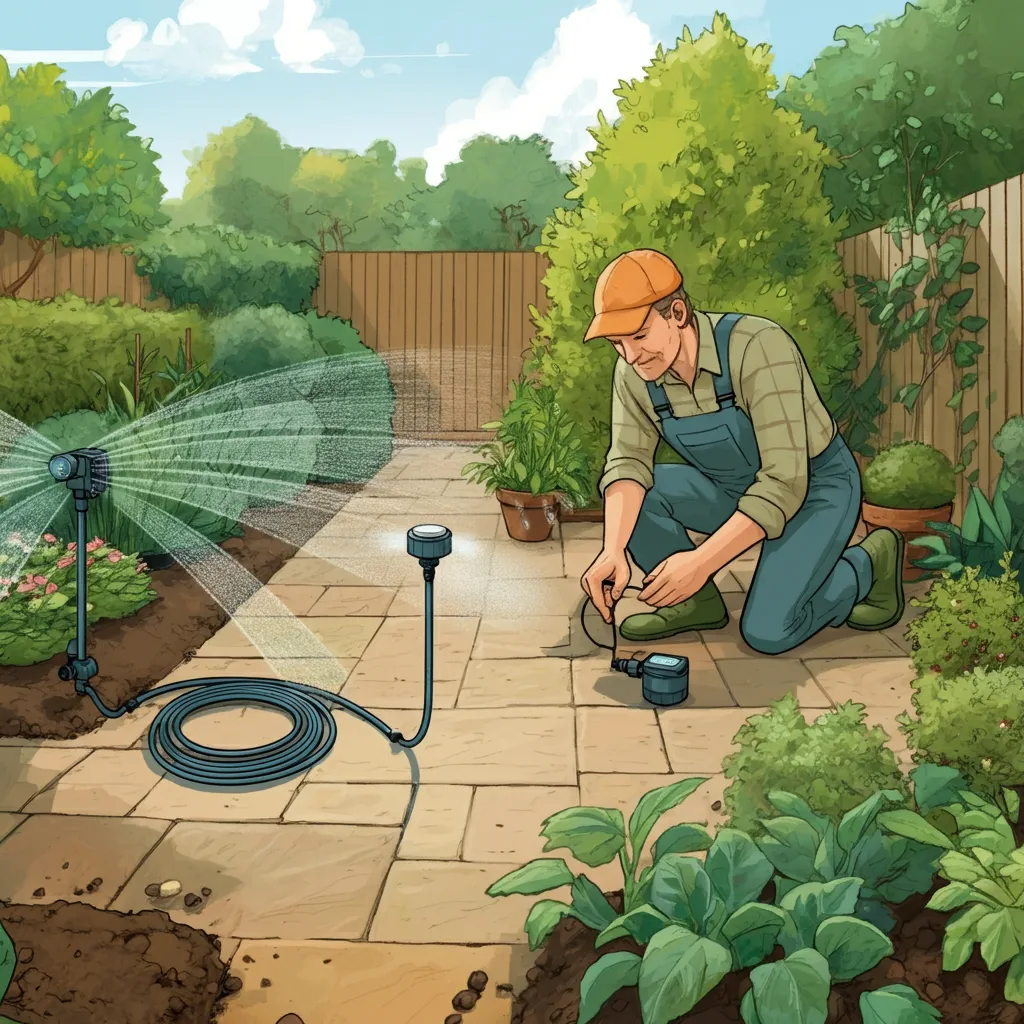
Setting up a drip irrigation system is a straightforward DIY project. While every system is slightly different, the basic components and installation process are similar.
- Connect to Your Water Source: The system starts at an outdoor tap (hose bib). It's helpful to use a Y-connector so you can still attach a regular garden hose.
- Install the Head Assembly: This is the control centre of your system. It typically includes a backflow prevention device (to protect your drinking water), a filter (to prevent clogs), and a pressure reducer. Household water pressure is usually too high for a drip system, so a pressure reducer is essential to prevent pipes from bursting or emitters from blowing off.
- Lay the Mainline Tubing: Run the main ½-inch or ¾-inch tubing from the head assembly to your planting areas. It's a good idea to snake the tubing slightly to allow for expansion and contraction with temperature changes. Use wire stakes to secure it in place.
- Connect Emitters or Drip Lines: Punch holes into the mainline where needed and attach your ¼-inch micro-tubing with emitters, or connect lengths of drip line tubing.
- Position the Emitters: Place the emitters at the base of your plants, over the root zone.
- Flush and Cap the System: Before capping the end of the mainline, run water through the system for a few minutes to flush out any dirt from the installation process. Then, close the end with an end cap or a figure-8 closure.
For maximum efficiency, consider adding a water timer to automate your watering schedule. The best time to water is in the early morning or late evening to minimise evaporation.
Here is an excellent video from Fine Gardening who shows you how simple it is to create a Drip Irrigation System for your Garden
Maintaining Your System
Drip irrigation systems are low-maintenance, but a few simple checks will keep them running smoothly for years.
- Clean the Filter: Periodically check and clean the filter. How often depends on your water source; municipal water is cleaner than well or pond water.
- Inspect Emitters: Walk through your garden while the system is running to check that all emitters are working correctly and haven't become clogged.
- Flush the Lines: At the beginning of each growing season, flush the entire system by removing the end caps and running water through for a few minutes.
- Winterise the System: In cold climates, it’s important to prepare your system for winter. Detach the head assembly (backflow preventer, filter, pressure regulator) and store it indoors. Drain the mainline tubing to prevent damage from freezing water.
Make Your Garden Thrive
A drip irrigation system is a fantastic investment for any gardener. It not only saves water and reduces your workload but also creates a healthier environment for your plants to flourish. By taking the time to plan and install a system tailored to your garden, you can enjoy a beautiful, productive green space with less effort.
Ready to take the next step? Explore our range of drip irrigation kits and components to find the perfect solution for your garden.








Community Feedback