
With climate change bringing unpredictable weather patterns and water restrictions becoming increasingly common across the UK, more gardeners are discovering the benefits of drought-resistant gardening. Creating a water-wise garden filled with resilient plants is an excellent first step, but many gardeners stop there, assuming these gardens require minimal attention.
The truth is quite different. Whilst water-wise gardens are certainly more forgiving than traditional borders, strategic water-wise garden maintenance is what transforms a collection of surviving plants into a thriving, beautiful landscape that improves year after year.
Many assume that drought-resistant plants can simply be left to their own devices. However, proper ongoing care maximises their natural beauty, extends their lifespan, and helps them develop the deep root systems that make them truly self-sufficient. A well-maintained water-wise garden becomes more resilient and stunning with each passing season.
This comprehensive guide will walk you through essential maintenance practices, seasonal considerations, and expert techniques to keep your drought-resistant garden flourishing throughout the year. From understanding when to weed and prune to reading the subtle signs of plant stress, you'll discover how thoughtful care creates a garden that's both sustainable and spectacular.
The Art of Water-Wise Weeding

Weeds pose a particular challenge in water-efficient gardening because they compete directly with your carefully chosen plants for precious moisture. Unlike traditional gardens where regular watering might dilute this competition, every drop counts in a water-wise landscape.
The secret to effective weeding lies in timing. The best moment to tackle weeds is immediately after light rain or your weekly watering session, when the soil has softened enough to allow easy root removal. This timing also ensures you're not compacting dry soil around your established plants' root zones.
When weeding around drought-resistant plants, use a narrow hand fork to gently loosen the soil rather than pulling weeds with brute force. Many water-wise plants develop extensive, shallow root networks near the surface, and aggressive weeding can damage these vital moisture-collecting systems.
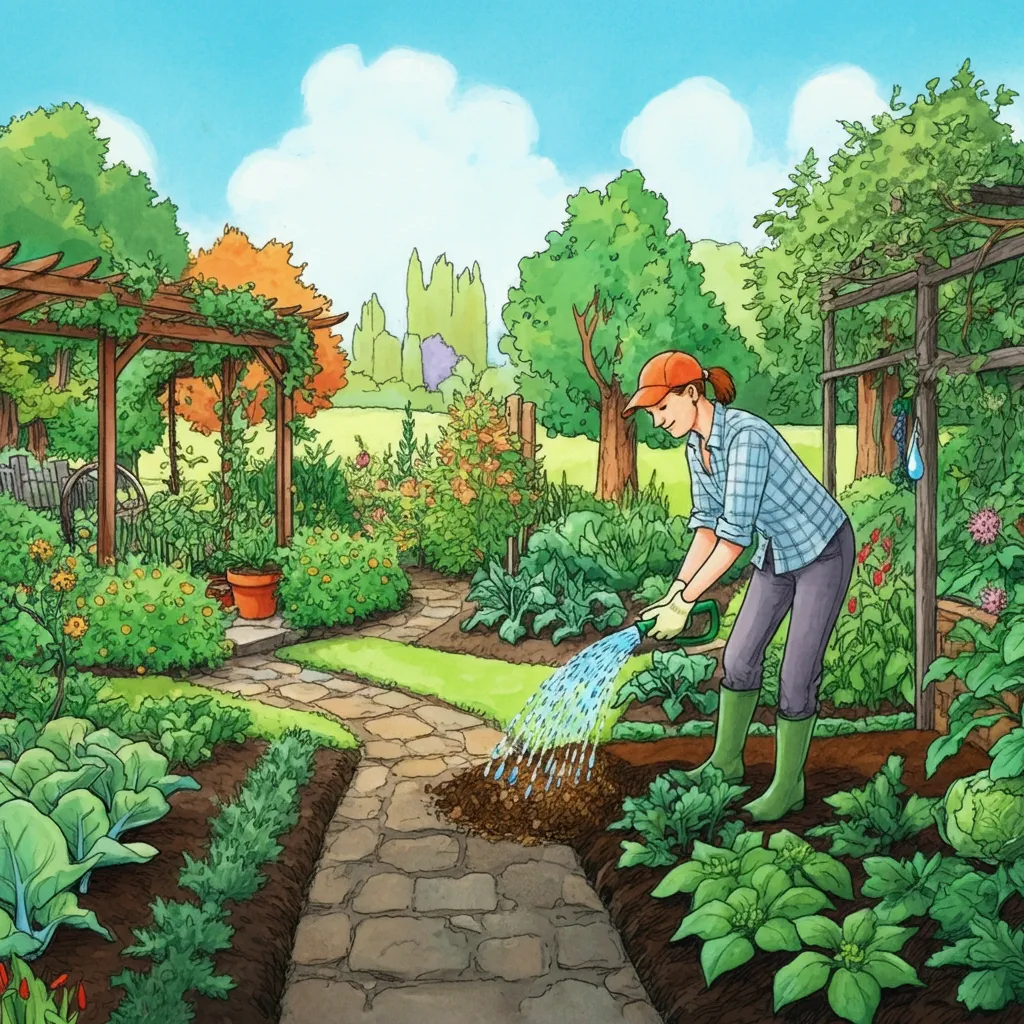
Mulching remains your strongest weapon against future weed establishment. A 5-7cm layer of organic mulch not only suppresses weeds but also retains soil moisture and gradually improves soil structure. Gravel mulch works particularly well around Mediterranean plants like lavender and rosemary, providing excellent drainage whilst preventing weed seeds from establishing.
Here's an interesting twist: learn to identify beneficial volunteers. Some plants that might initially appear as weeds—such as self-seeded California poppies or wild fennel—can actually enhance your water-wise ecosystem by attracting pollinators and providing ground cover.
Smart Pruning for Water Conservation
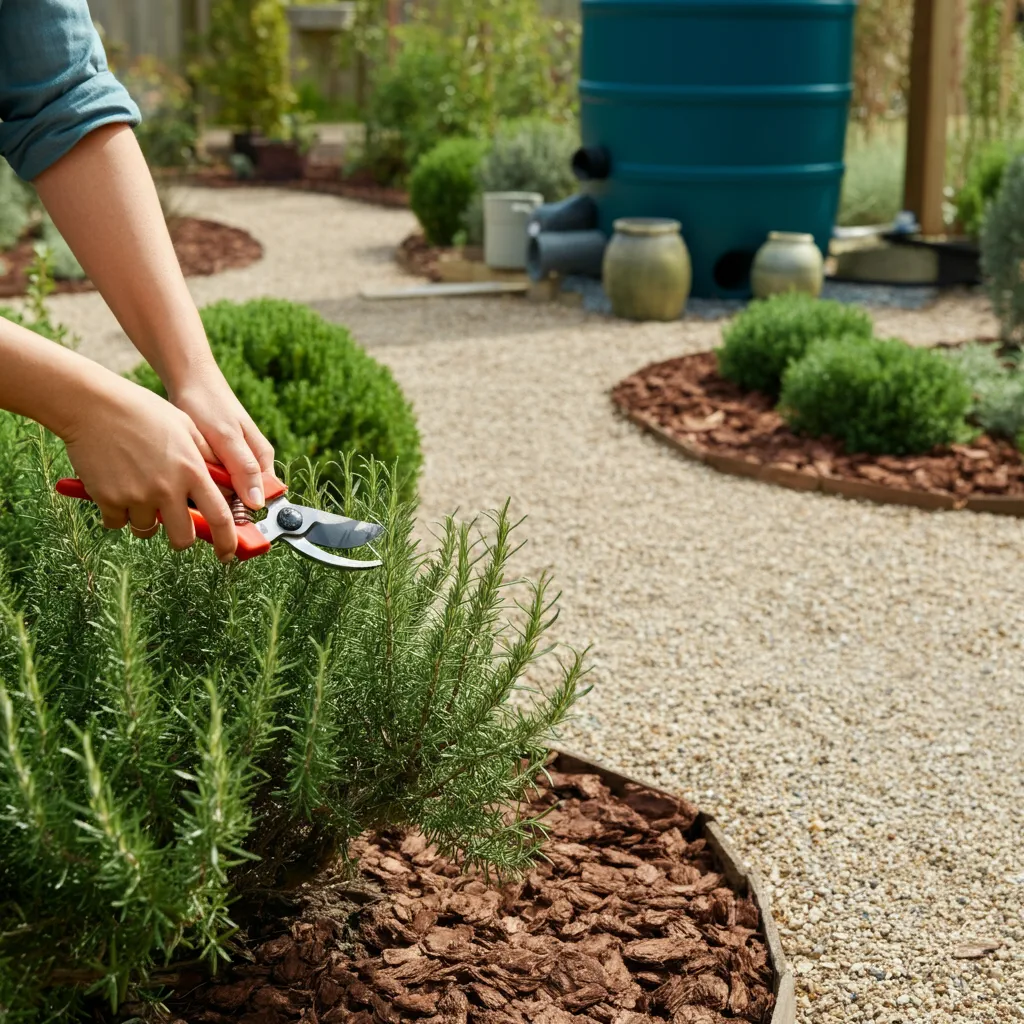
Understanding the science behind pruning transforms this routine task into a powerful water conservation tool. When you remove foliage, you're reducing the plant's total leaf surface area, which directly decreases water loss through transpiration. This technique becomes particularly valuable during hot, dry spells.
Mediterranean herbs like lavender, rosemary, and sage respond brilliantly to strategic summer pruning. Remove spent flower heads and trim back about one-third of the current year's growth immediately after flowering. This encourages dense, compact growth whilst reducing the plant's water requirements during the hottest months.
Timing varies significantly between plant types. Ornamental grasses should be left uncut until late winter, as their dried stems provide winter interest and protect the crown from frost. Perennial sedums benefit from a mid-summer "Chelsea chop"—cutting back by half in late May to encourage bushier growth and prevent tall stems from flopping.
During particularly intense heatwaves, consider "stress pruning"—lightly trimming back any soft, vulnerable growth to help plants concentrate their energy on surviving rather than maintaining extensive foliage. This technique works especially well with herbs and soft-stemmed perennials.
However, avoid pruning certain plants during drought periods. Never prune spring-flowering shrubs like cistus immediately after blooming, as they need time to develop next year's flower buds. Similarly, avoid cutting back ornamental alliums until their foliage has completely died back naturally.
Feeding Without Overfeeding
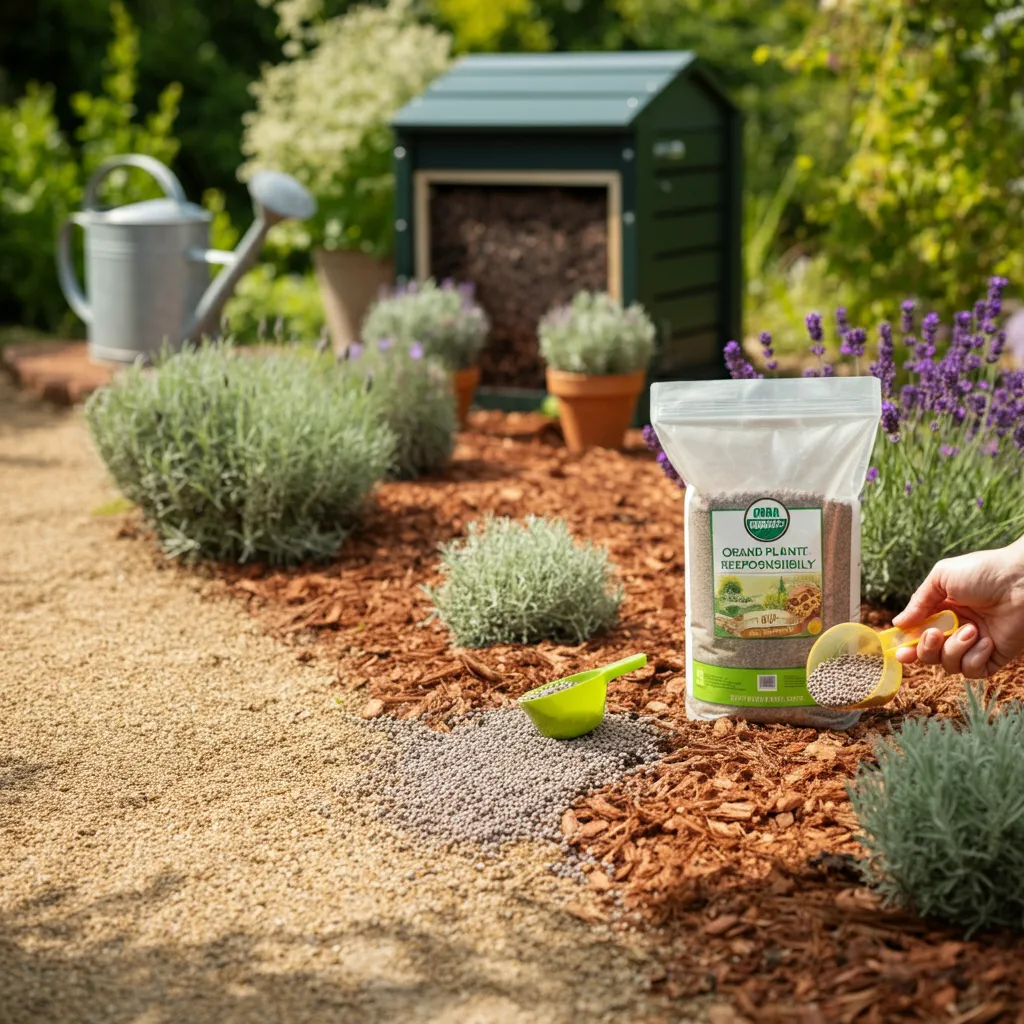
Over-fertilising represents one of the most common mistakes in drought-resistant garden care. Excessive nutrients, particularly nitrogen, encourage soft, lush growth that requires more water and becomes more susceptible to pest damage and heat stress.
Slow-release granular fertilisers work far better than liquid feeds in water-efficient gardening. Apply them once in early spring, allowing nutrients to release gradually throughout the growing season. This approach mimics natural soil processes and prevents the boom-and-bust growth cycles that liquid fertilisers can create.
Reading your soil and plants becomes crucial for determining feeding needs. Yellowing lower leaves often indicate natural nutrient cycling rather than deficiency, especially in Mediterranean plants. Conversely, pale new growth accompanied by poor flowering might signal the need for a light feed.
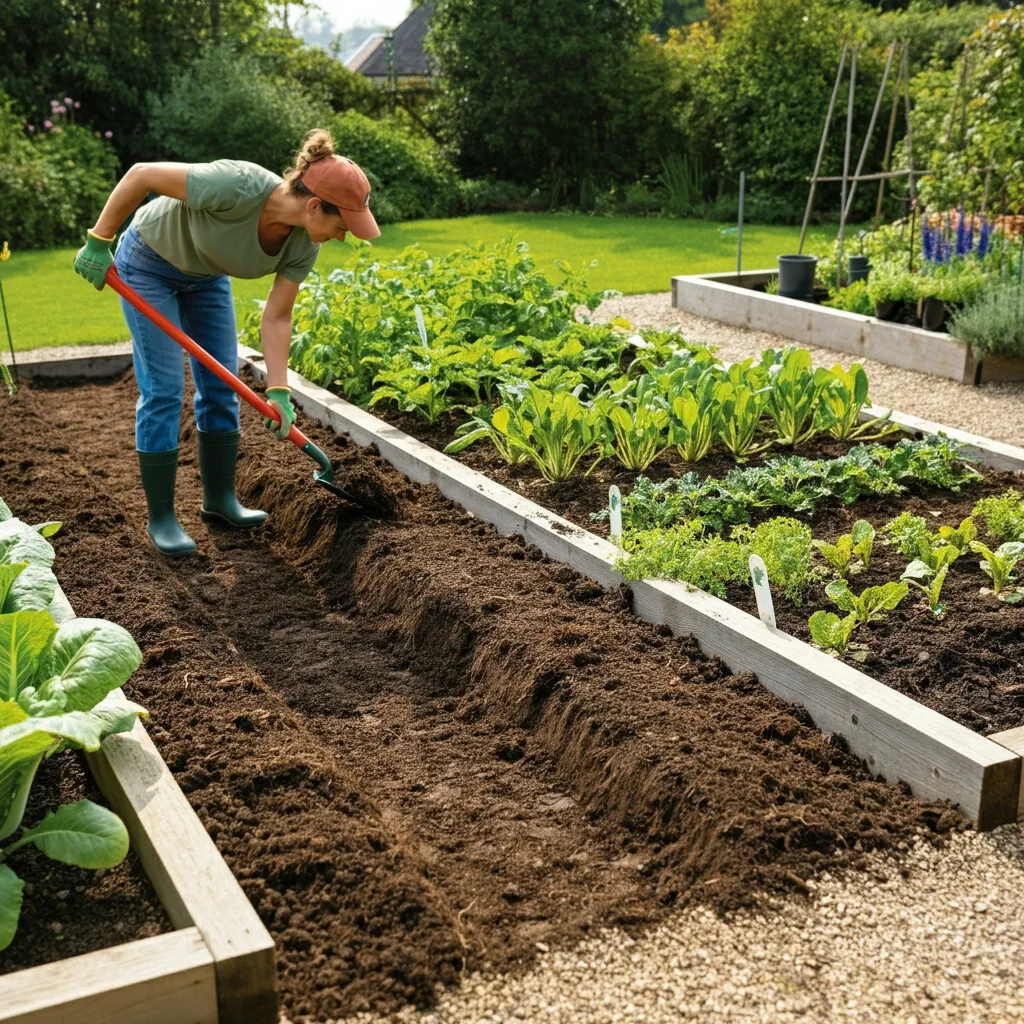
Creating your own compost provides the ideal soil amendment for water-wise gardens. Well-rotted organic matter improves soil structure, enhances water retention, and provides slow-release nutrients. Dig it into planting holes rather than spreading it as a surface mulch, which can encourage shallow rooting.
Seasonal feeding schedules should reflect your plants' natural growth patterns. Feed spring-flowering bulbs immediately after blooming, summer perennials in late spring, and autumn-flowering plants like asters and sedums in early summer. Avoid feeding anything after late summer, as this can stimulate soft growth vulnerable to winter damage.
Becoming a Plant Whisperer
Learning to read plant stress signals separates successful water-wise gardeners from those who struggle with their drought-resistant landscapes. Normal afternoon wilting differs significantly from genuine water stress, and recognising this distinction prevents both under- and over-watering.
Temporary wilting during the hottest part of the day is completely normal for many plants. They're simply reducing their surface area to minimise water loss. However, wilting that persists into the evening, accompanied by dull or greyish foliage, indicates genuine stress.
Different species display stress in unique ways. Lavender develops a silvery-grey cast when drought-stressed, whilst ornamental grasses curl their leaves into tight tubes. Sedums become more intensely coloured, and their leaves may feel softer than usual.
The "hardening off" process helps plants develop greater drought tolerance. This involves gradually reducing watering frequency whilst maintaining the same volume per session, encouraging deeper root development. Start this process in the plant's second year, reducing weekly waterings to fortnightly, then monthly as the plant matures.
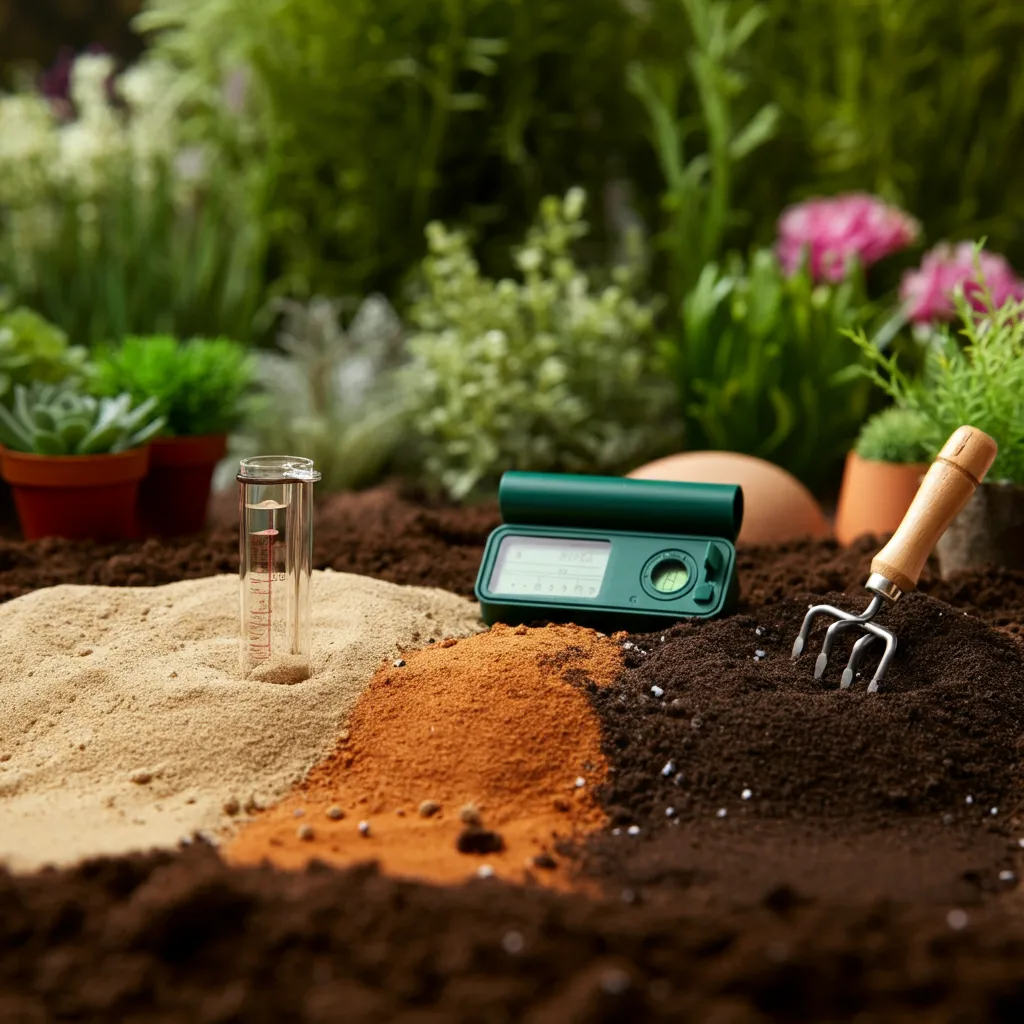
Testing soil moisture at different depths reveals whether your watering strategy is working effectively. Push a long screwdriver or garden cane into the soil—it should penetrate easily to about 15cm depth if moisture levels are adequate. Dry, compacted soil will resist penetration.
Adjust your care based on weather patterns and seasonal changes. Extended cloudy periods reduce water requirements, whilst hot, windy conditions increase stress even in well-established plants. Keep a simple garden journal noting weather conditions, watering dates, and plant responses to develop site-specific knowledge.
Seasonal Maintenance Calendar
Spring Awakening
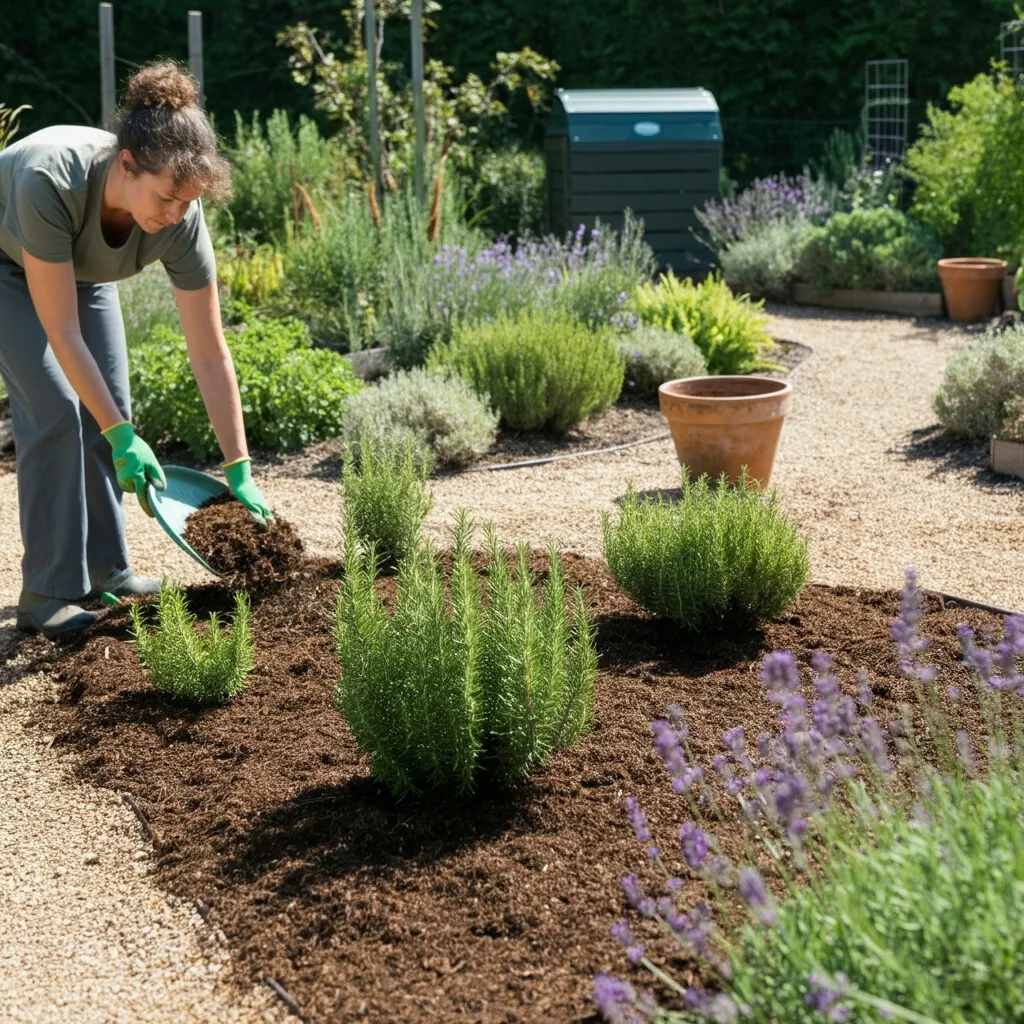
Early spring marks the beginning of your water-wise garden's most active period. Remove winter protection from tender plants once the risk of hard frost has passed, typically mid-March in southern England and April further north.
Apply slow-release fertiliser to established plantings, focusing on areas that showed signs of nutrient deficiency the previous year. Refresh organic mulch around plants, pulling it slightly away from stems to prevent collar rot as temperatures rise.
Begin monitoring for early pest activity, particularly aphids on new growth. Many beneficial insects haven't yet emerged, so early intervention prevents problems from escalating. A strong spray of water often suffices for minor infestations.
Summer Vigilance
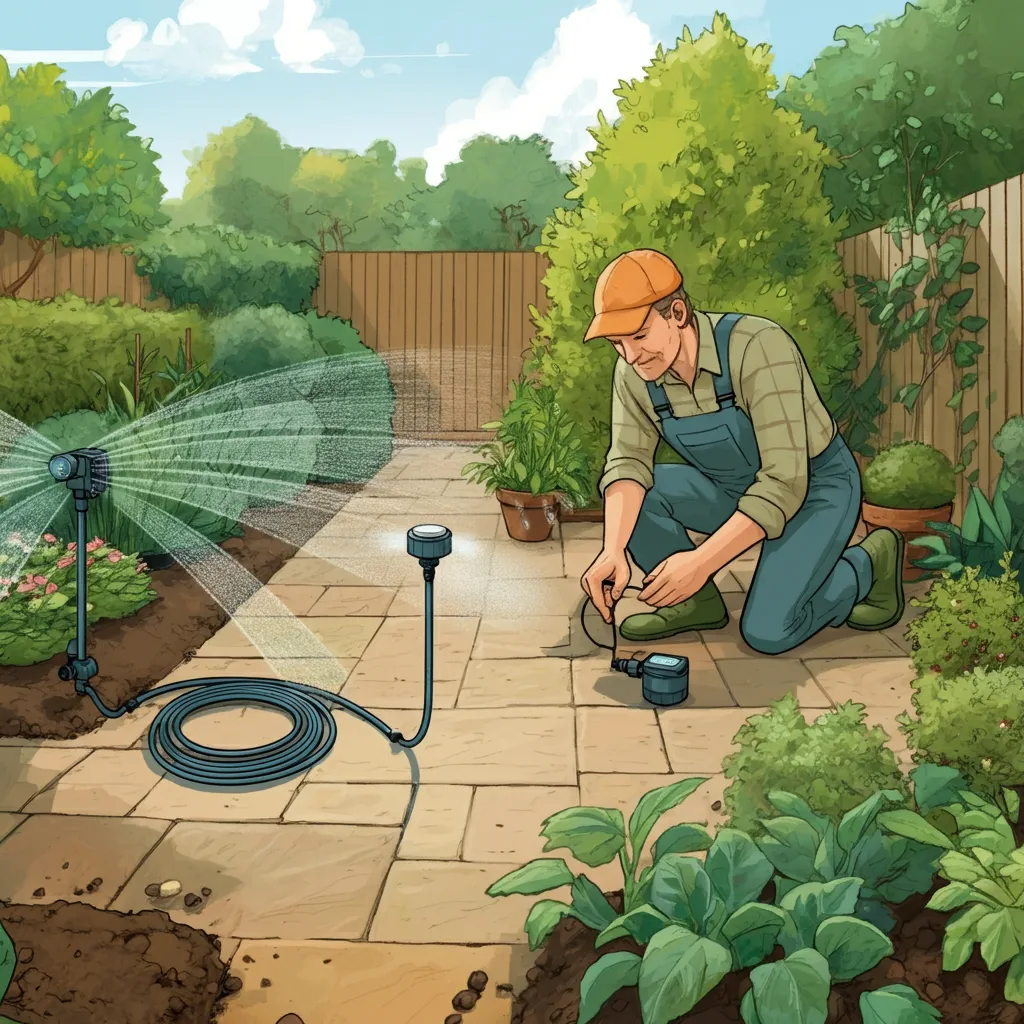
Summer maintenance focuses on heat stress management and efficient water use. Water deeply but infrequently, preferably in early morning to minimise evaporation and reduce disease risk.
Deadhead flowering perennials regularly to extend blooming periods and prevent unwanted self-seeding. Leave seed heads on plants you want to naturalise, such as echinacea and rudbeckia.
Monitor plants closely during heatwaves, providing temporary shade for newly planted specimens. Umbrellas or shade cloth can prevent transplant shock during extreme temperatures.
Autumn Preparation
Autumn presents excellent opportunities for seed collection from your best-performing plants. Gather seeds on dry days, storing them in labelled envelopes in a cool, dry location.
Begin preparing tender plants for winter by reducing watering frequency and avoiding late-season fertilising. Mulch around borderline-hardy plants with a protective layer of dry leaves or straw.
Undertake soil improvement projects whilst conditions remain workable. Add compost or well-rotted manure to areas designated for spring planting, allowing winter weather to integrate these amendments naturally.
Winter Protection
Protect vulnerable plants from both frost and excessive winter moisture. Gravel mulch around Mediterranean plants prevents water from pooling around crowns, reducing rot risk.
Plan next year's additions whilst catalogues arrive and inspiration strikes. Winter provides time for researching new drought-resistant varieties and designing improvements to your water-efficient garden.
Maintain and clean tools during quiet periods, ensuring they're ready for the busy spring season ahead.
Troubleshooting Common Water-Wise Garden Issues
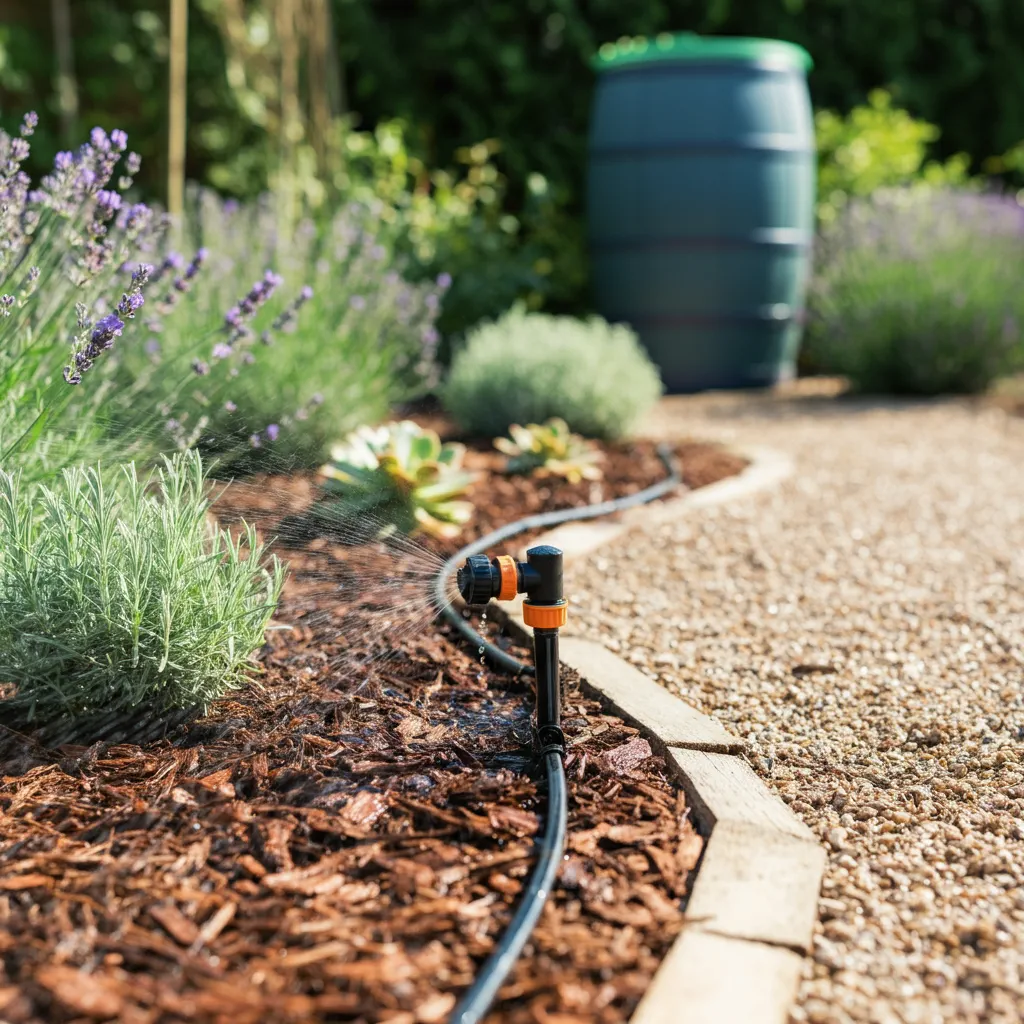
Yellowing leaves cause concern for many gardeners, but the underlying causes vary significantly. Lower leaf yellowing often represents natural senescence, particularly in evergreen shrubs replacing old foliage. However, widespread yellowing accompanied by poor growth might indicate drainage issues or root problems.
Stunted growth in established plants suggests either soil compaction, nutrient imbalance, or inappropriate growing conditions. Check soil drainage by digging a small hole and filling it with water—it should drain within 24 hours in most drought-resistant plants' preferred conditions.
Deciding between plant replacement and rehabilitation requires honest assessment. Plants that fail to establish after two full growing seasons, despite appropriate care, may simply be unsuited to your specific conditions. However, plants showing signs of recovery—new growth, improved colour, or increased flowering—deserve patience.
Unexpected weather extremes test even the most resilient gardens. Extended wet periods can damage plants accustomed to dry conditions, whilst unseasonable droughts stress plants before they've developed full tolerance. Provide temporary protection during extreme weather, but avoid making permanent changes based on unusual seasons.
Your Thriving Water-Wise Legacy
Successful water-wise garden maintenance rests on understanding that these gardens require thoughtful attention rather than constant intervention. The principles of appropriate weeding, strategic pruning, measured feeding, and careful observation create a foundation for long-term success.
Proper ongoing care transforms your drought-resistant garden into a landscape that becomes more beautiful and self-sufficient with each passing year. As plants mature and develop extensive root systems, their resilience increases whilst their maintenance requirements actually decrease.
Keeping detailed garden records—noting successful techniques, plant performance, and weather responses—creates invaluable site-specific knowledge. This information becomes increasingly valuable as your garden matures and your experience deepens.
Your water-wise garden represents more than just a collection of drought-tolerant plants; it's a living demonstration of sustainable gardening practices that conserve precious resources whilst creating lasting beauty. Each season of thoughtful care contributes to a legacy that will thrive for generations to come.
Consider sharing your experiences with fellow gardeners, whether through local gardening groups or online communities. Your successes and challenges contribute to the growing body of knowledge about sustainable gardening practices in our changing climate.

Create a Lush Oasis: Your Water-Wise Gardening Guide
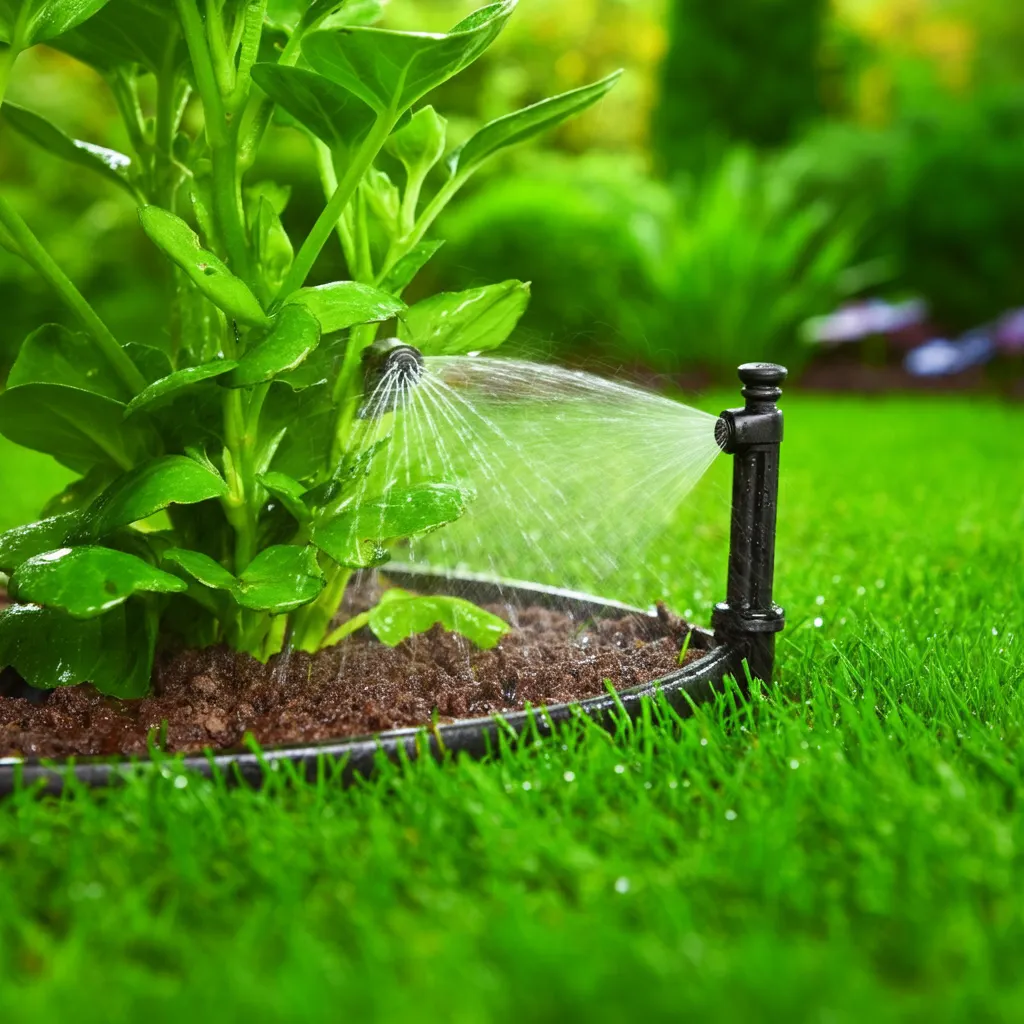
Just last summer, many of us watched our vibrant green lawns turn a sad shade of beige under the relentless sun. The familiar hiss of the sprinkler became a memory as hosepipe bans swept across the UK, leaving our gardens parched and our prize-winning petunias wilting.
From Thirsty to Thriving: A Water-Wise Garden Blueprint
The familiar sight of a summer hosepipe ban is becoming an annual reality for many UK gardeners. As our climate changes, bringing hotter, drier summers, water scarcity is a growing concern that directly impacts our green spaces.

Drought Tolerant Plants for UK Gardens
Water restrictions, unpredictable rainfall, and soaring water bills have many UK gardeners rethinking their approach to garden design. But here's the exciting part: creating a drought-tolerant garden doesn't mean sacrificing beauty or colour.
Smart Watering Secrets That Saves you Water and Money
With water bills rising and hosepipe bans becoming increasingly common across the UK, efficient garden irrigation has never been more important. Yet many gardeners unknowingly waste up to 50% of their water through poor watering practices.
The Magic of Mulching Your Garden
The summer sun beats down mercilessly on your prize roses, and the soil looks as parched as a desert floor. Sound familiar? Every UK gardener has faced those unexpectedly scorching days when the weather forecast promises weeks without rain, and you're left wondering how on earth you'll keep your beloved plants alive?
Water-Wise Garden Care Guide
With climate change bringing unpredictable weather patterns and water restrictions becoming increasingly common across the UK, more gardeners are discovering the benefits of drought-resistant gardening. Creating a water-wise garden filled with resilient plants is an excellent first step











Community Feedback