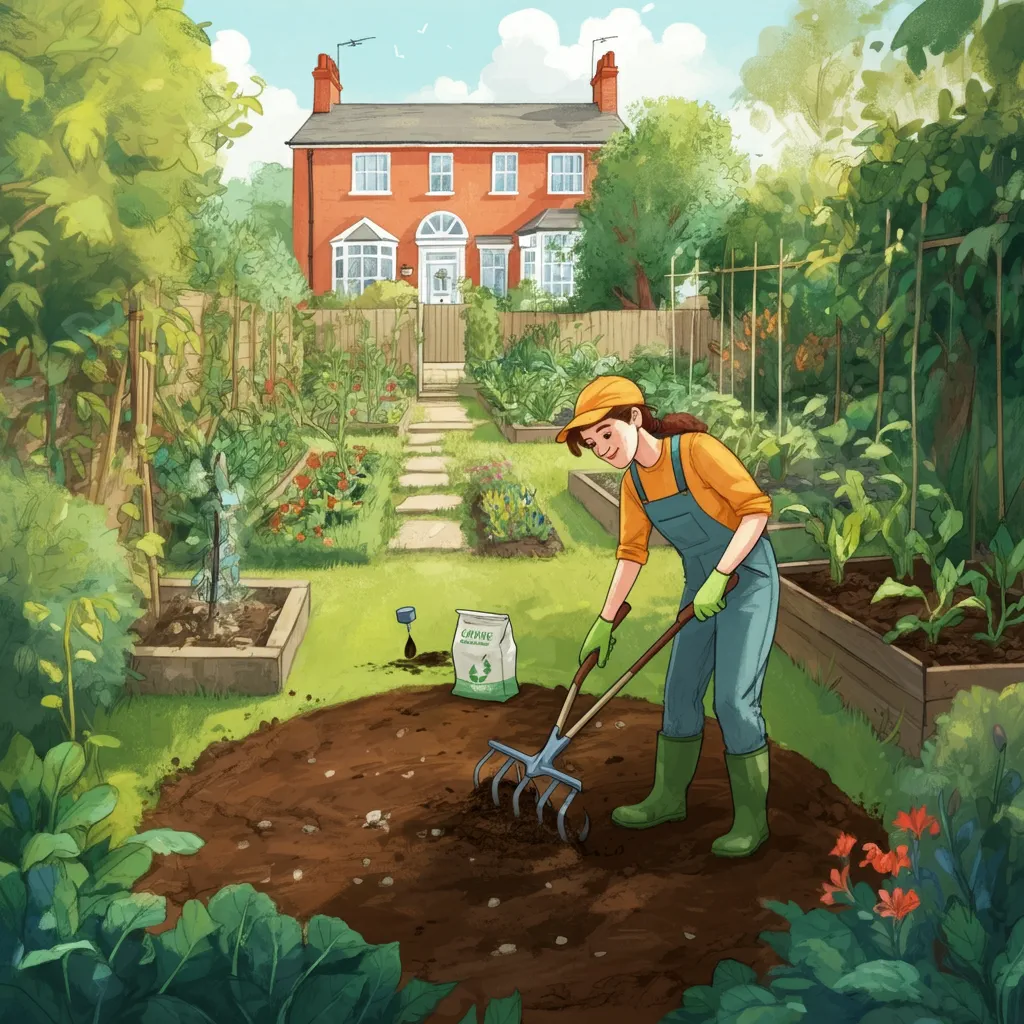
Learn how to create a stunning, low-maintenance water-wise garden in the UK. Our guide covers soil, hydrozoning, drought-tolerant plants, and more.
The familiar sight of a summer hosepipe ban is becoming an annual reality for many UK gardeners. As our climate changes, bringing hotter, drier summers, water scarcity is a growing concern that directly impacts our green spaces. For many, the idea of a water-wise garden conjures images of sparse, gravelly landscapes, devoid of the lushness and colour we cherish. But what if a water-saving garden could be just as beautiful, vibrant, and full of life?
The good news is that it absolutely can be. Water-wise gardening isn't about sacrifice; it's about working smarter, not harder. By understanding your garden's unique conditions and making intelligent plant choices, you can create a resilient, stunning oasis that thrives in any weather. This approach not only conserves a precious resource but also leads to a healthier, lower-maintenance garden and a welcome reduction in your water bills.
This guide is your comprehensive blueprint for transforming your garden from thirsty to thriving. We will walk you through every stage, from planning and design to planting and maintenance. You’ll learn how to read your garden's secret signals, group plants according to their needs, and implement clever design tricks that save every last drop. Prepare to discover the art and science of creating a breathtaking water-wise garden that flourishes year after year.

Understanding Your Garden's Secret Language
Before you can create a truly water-efficient garden, you must first become a detective. Every garden is a unique ecosystem with its own set of conditions, or microclimates. Understanding these nuances is the first and most critical step towards water-wise success. A plant that thrives in a sunny, sheltered corner might struggle just a few metres away in a windy, shaded spot. Learning to read these environmental cues allows you to put the right plant in the right place, setting the foundation for a garden that works with nature, not against it.
Map Your Sun and Shade
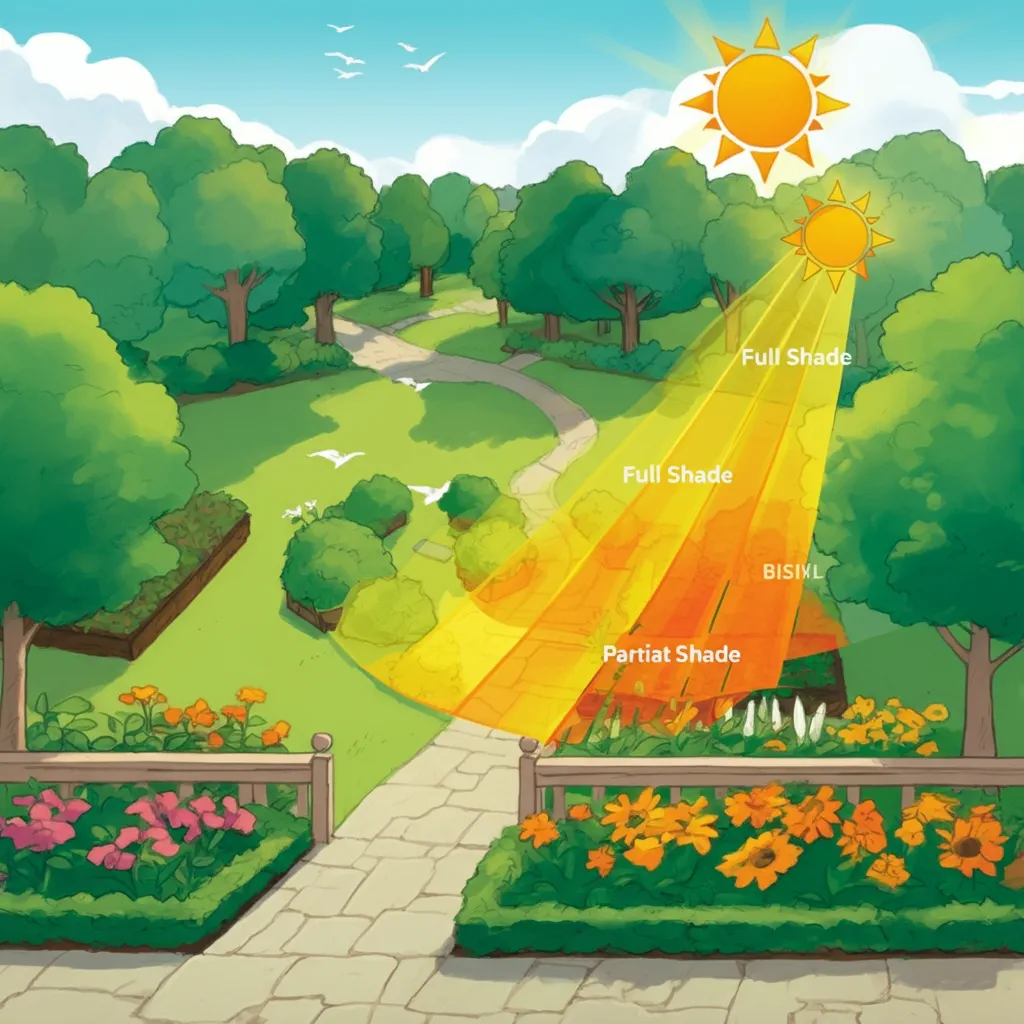
The most significant factor influencing your garden's microclimates is sunlight. Different areas will receive varying amounts of light throughout the day and across the seasons. A simple but effective technique to understand this is sun mapping.
How to create a sun map:
- Sketch your garden: Draw a basic outline of your property, including the house, trees, sheds, and fences.
- Observe and record: At different times of the day (e.g., 9 am, 12 pm, 3 pm, 6 pm), walk around your garden and shade in the areas that are in shadow.
- Repeat seasonally: Light patterns change dramatically from summer to winter. Repeating this exercise at different times of the year will give you a complete picture of your garden's light conditions.
This map will reveal your garden’s hot spots, which are perfect for sun-loving, drought-tolerant plants, and its cooler, shadier zones, which are better suited for plants that prefer moist conditions.
Get to Know Your Soil
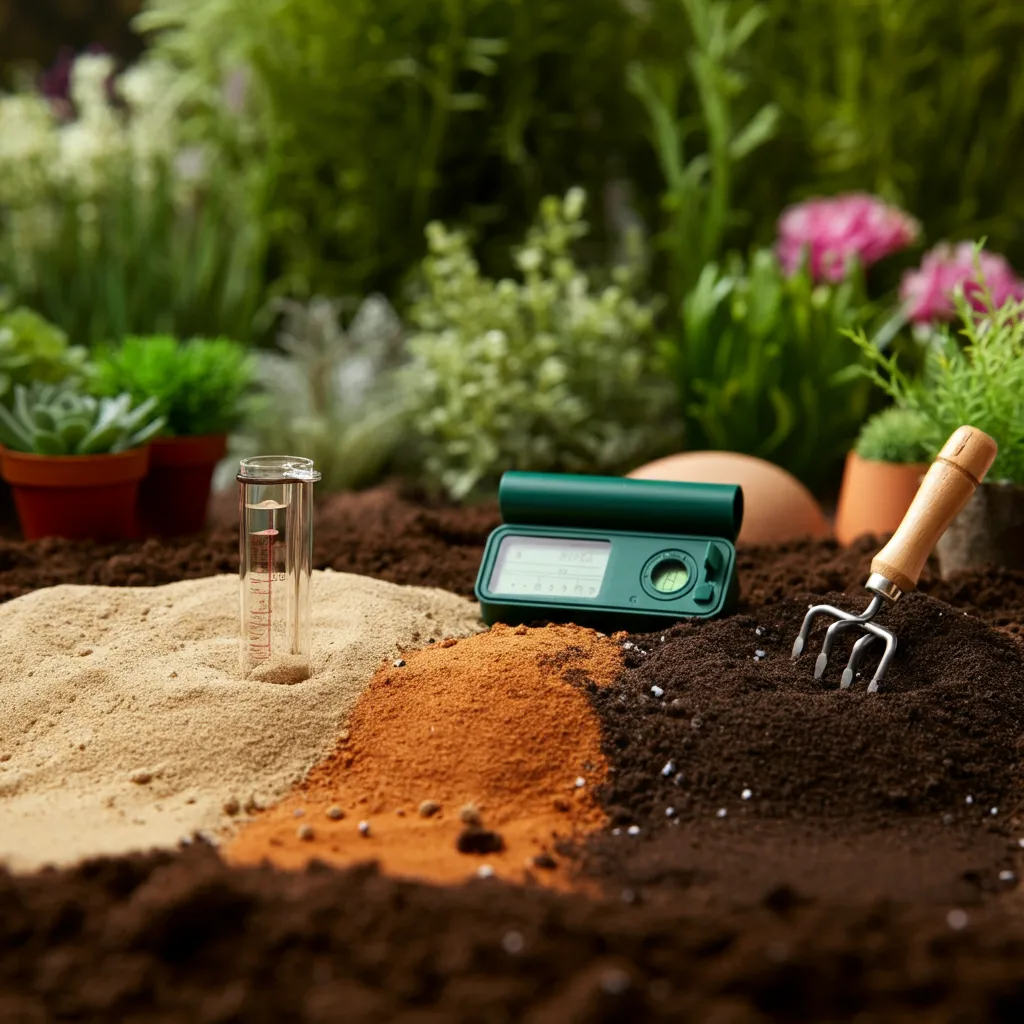
Soil is the lifeblood of your garden, and its type dictates how well it holds water. A simple jar test can tell you a lot about your soil's composition.
The jar test in 3 easy steps:
- Collect a sample: Dig down about 15-20cm and fill a large, clean jar about halfway with soil.
- Add water and shake: Top the jar up with water, leaving a little air at the top. Screw the lid on tightly and shake vigorously for a couple of minutes until the soil clumps have broken down.
- Let it settle: Leave the jar undisturbed for at least 24 hours. The soil will settle into distinct layers: sand at the bottom, silt in the middle, and clay on top.
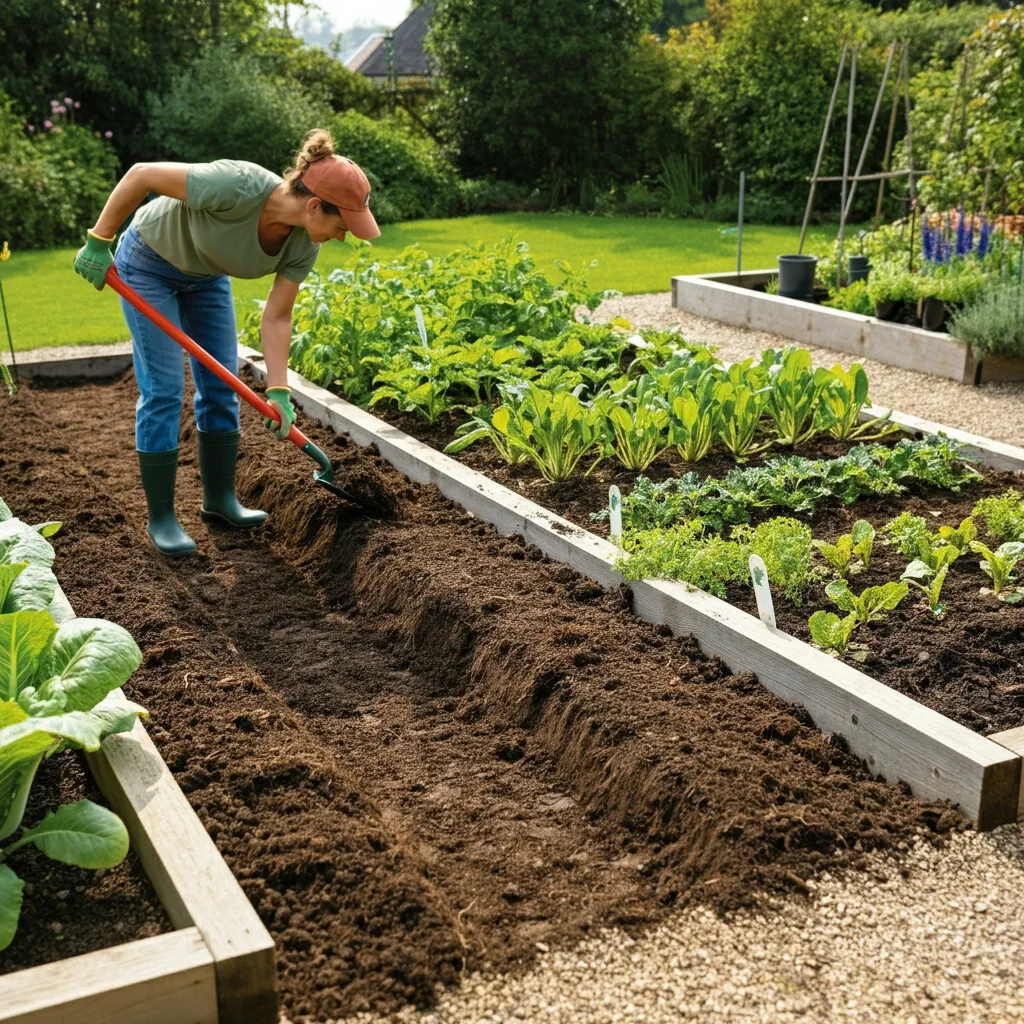
The proportions of these layers determine your soil type. Sandy soil drains quickly, while clay soil retains water but can become waterlogged. Improving your soil's structure with organic matter, like compost or well-rotted manure, is the single best thing you can do. It helps sandy soil hold more water and improves drainage in heavy clay soil.
The Art of Hydrozoning: Right Plant, Right Place
With a deep understanding of your garden's microclimates, you can now apply the core principle of water-wise garden design: hydrozoning. This is simply the practice of grouping plants together based on their water needs. By creating distinct zones, you can water more efficiently, ensuring that thirsty plants get the moisture they require without overwatering their drought-tolerant neighbours.
The Three Water Zones

A hydrozoned garden is typically divided into three areas:
- High-Water Zone: This is the smallest zone, usually located near the house or a patio where it can be enjoyed and watered easily. This is where you place plants that need regular moisture, like lush ferns, vibrant annuals, or a small vegetable patch.
- Moderate-Water Zone: This transitional area forms the main body of the garden. It hosts established shrubs, perennials, and ornamental grasses that require occasional watering during prolonged dry spells but are generally self-sufficient.
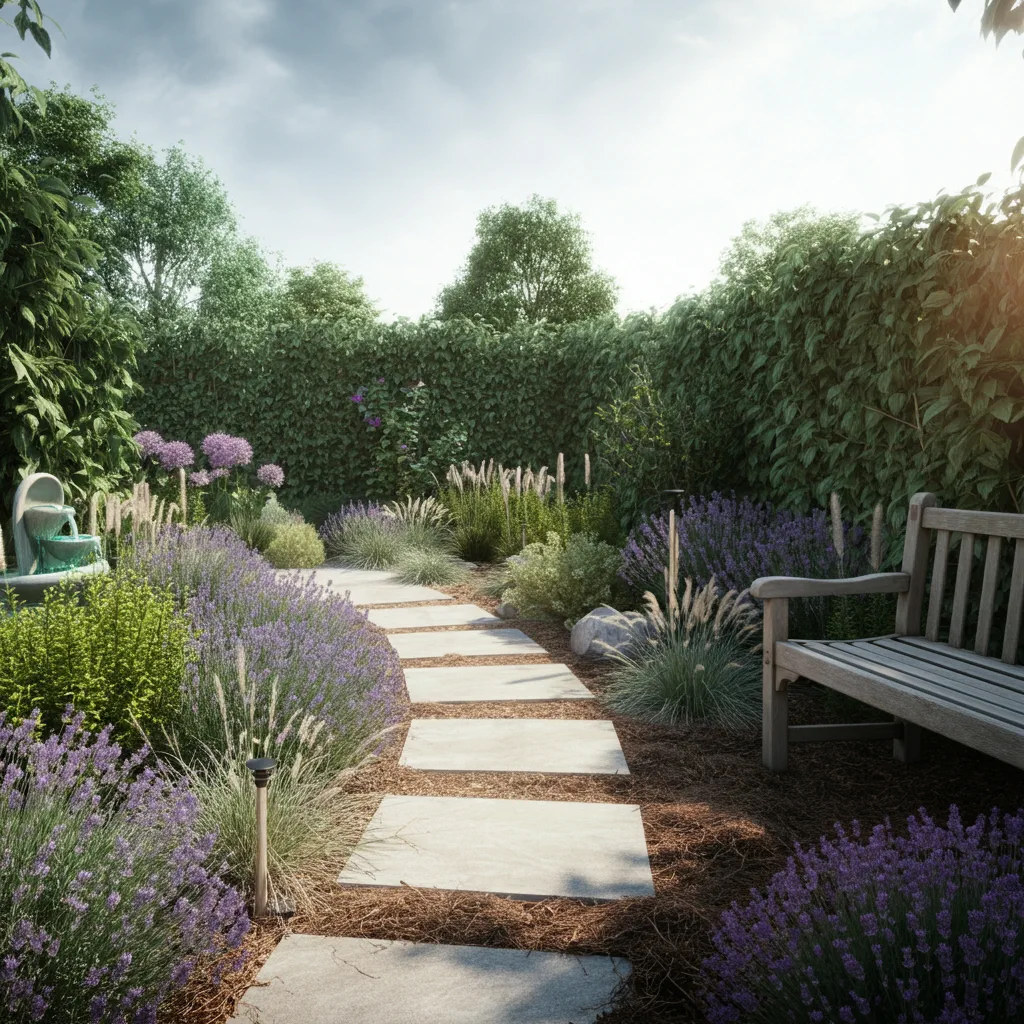
- Low-Water Zone: Positioned in the furthest, sunniest, or driest parts of your garden, this zone is reserved for the most drought-tolerant plants. Think Mediterranean herbs like lavender and rosemary, or architectural succulents and tough native plants that thrive on neglect.
When mapping out these zones, consider your sun map and soil analysis. Place the low-water zone in the sunniest, best-draining areas, and the high-water zone in shadier spots or areas with heavier soil that retains moisture. Create gradual, flowing transitions between the zones for a natural, cohesive design.
Clever Design Tricks That Save Every Drop
Effective water-wise gardening goes beyond plant selection. Smart design techniques can dramatically reduce water loss and help your garden capture and store every available drop of rainfall.
Mulch, Mulch, and More Mulch!
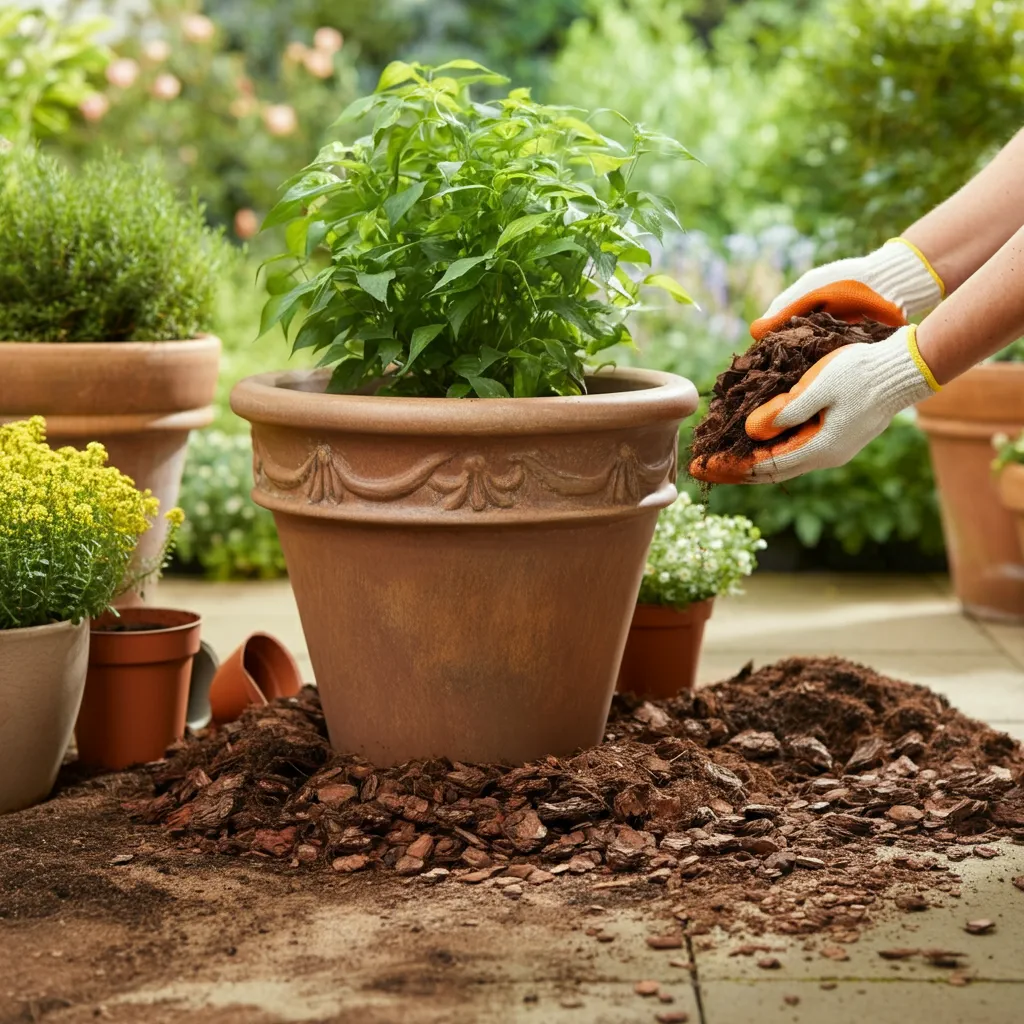
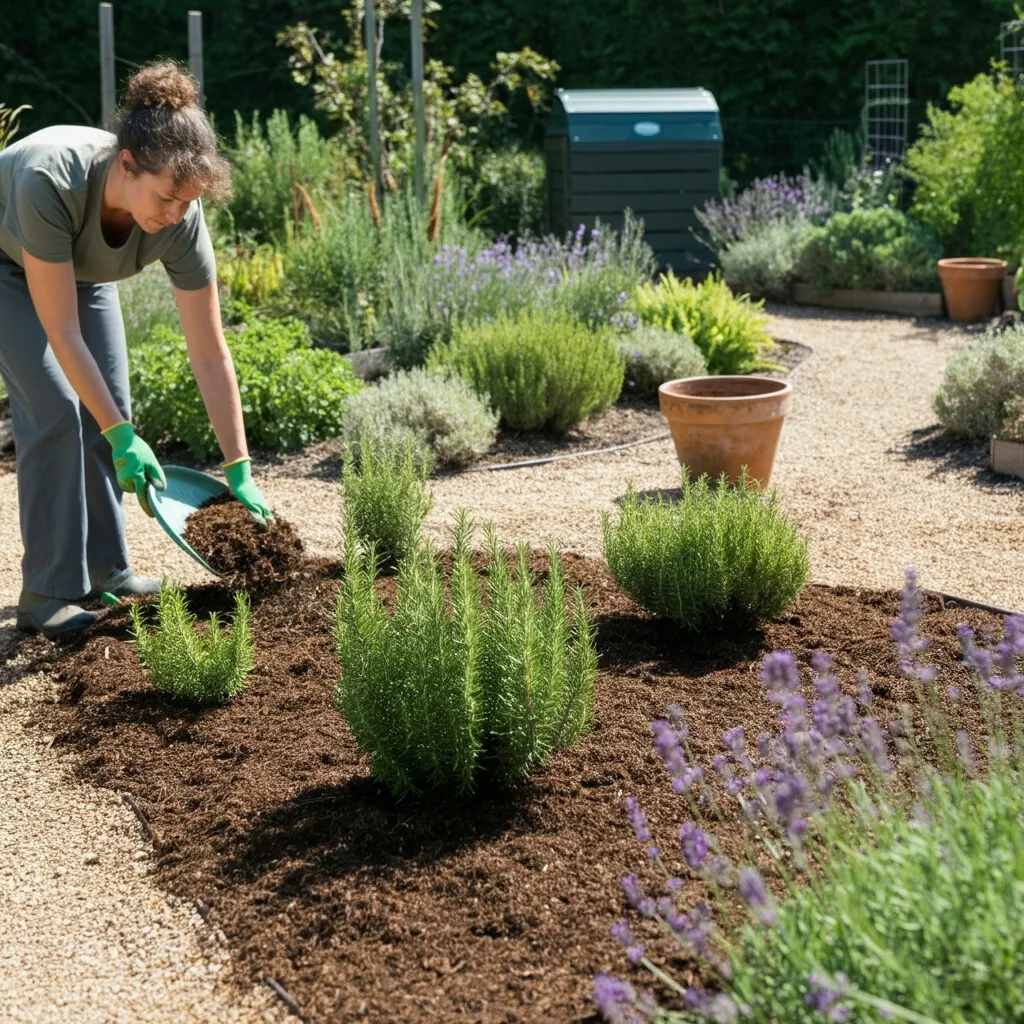
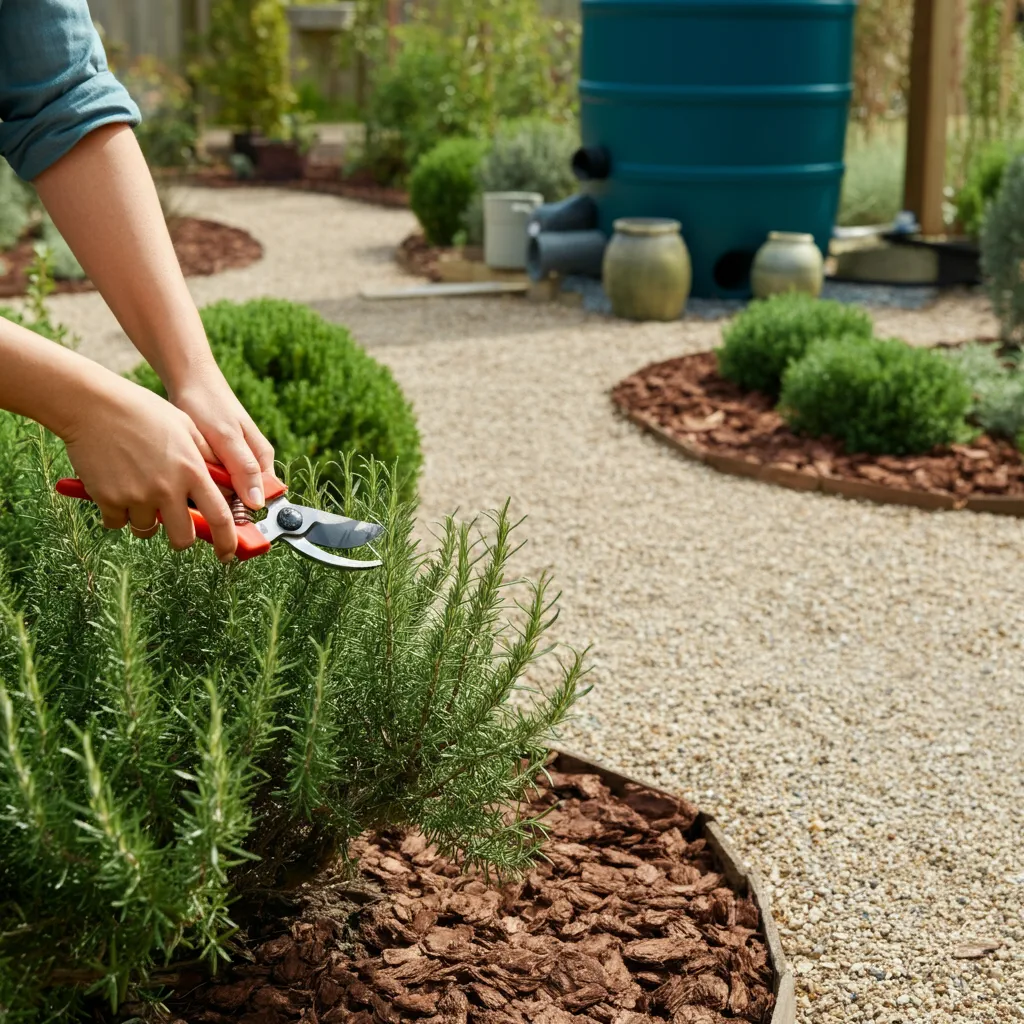
If you do only one thing to make your garden more water-wise, make it mulching. A 5-7cm layer of organic mulch (like bark chips, wood chippings, or leaf mould) spread over the soil surface works wonders. It suppresses weeds that compete for water, insulates the soil to keep it cool, and, most importantly, reduces water evaporation by up to 70%.
As an alternative, consider "living mulches." These are low-growing, spreading ground cover plants like Thymus serpyllum (Creeping Thyme) or Vinca minor (Lesser Periwinkle) that carpet the soil, providing the same benefits as traditional mulch while adding another layer of texture and beauty.
Capture and Direct Rainwater
Your garden can be designed to act like a sponge. Creating shallow depressions or "rain gardens" in lower-lying areas allows rainwater to pool and slowly soak into the ground, recharging soil moisture. On sloped gardens, terracing or contouring can slow the flow of water, preventing runoff and erosion while giving it time to penetrate the soil. Even your pathways can contribute. Using permeable materials like gravel, bark, or stepping stones with ground cover in between allows rainfall to seep into the soil rather than running off into drains.
Smart Plant Choices for British Gardens
The heart of a beautiful, drought-tolerant garden is its plants. Choosing varieties that are naturally adapted to the UK's climate is the key to creating a resilient and low-maintenance landscape.
Embrace Native and Adapted Plants
Native British plants have evolved to thrive in our specific conditions, making them an excellent choice for a sustainable garden. Plants like Digitalis purpurea (Foxglove), Geranium sanguineum (Bloody Crane's-bill), and various ornamental grasses require minimal intervention once established.
Many non-native plants from similar climates also perform brilliantly. Mediterranean plants like Lavandula (Lavender), Salvia (Sage), and Cistus (Rock Rose) are perfectly suited to the sun-baked, free-draining conditions found in many UK gardens.
A Seasonal Planting Calendar for Water-Wise Gardens
- Spring: Plant drought-tolerant perennials like Achillea (Yarrow), Nepeta (Catmint), and Eryngium (Sea Holly). They will have time to establish their root systems before the summer heat arrives.
- Summer: Focus on maintaining your garden. Add Mediterranean herbs to sunny spots.
- Autumn: This is the ideal time to plant shrubs and trees. The warm soil and increasing rainfall help them establish strong roots over the winter. Consider Ceanothus (California Lilac) or Arbutus unedo (Strawberry Tree).
- Winter: Plan your garden layout and order seeds. It's a great time for succession planting, plotting out how different plants will provide interest throughout the year.
Succession planting ensures your garden remains vibrant year-round. As one plant's display fades, another comes into its prime, providing continuous colour and texture with minimal water input.
Water-Saving Systems That Actually Work
Even in the most carefully designed water-wise garden, some supplemental watering will be necessary, especially for new plants or during extreme droughts. Using efficient irrigation methods ensures that every drop counts.
Targeted Irrigation Methods
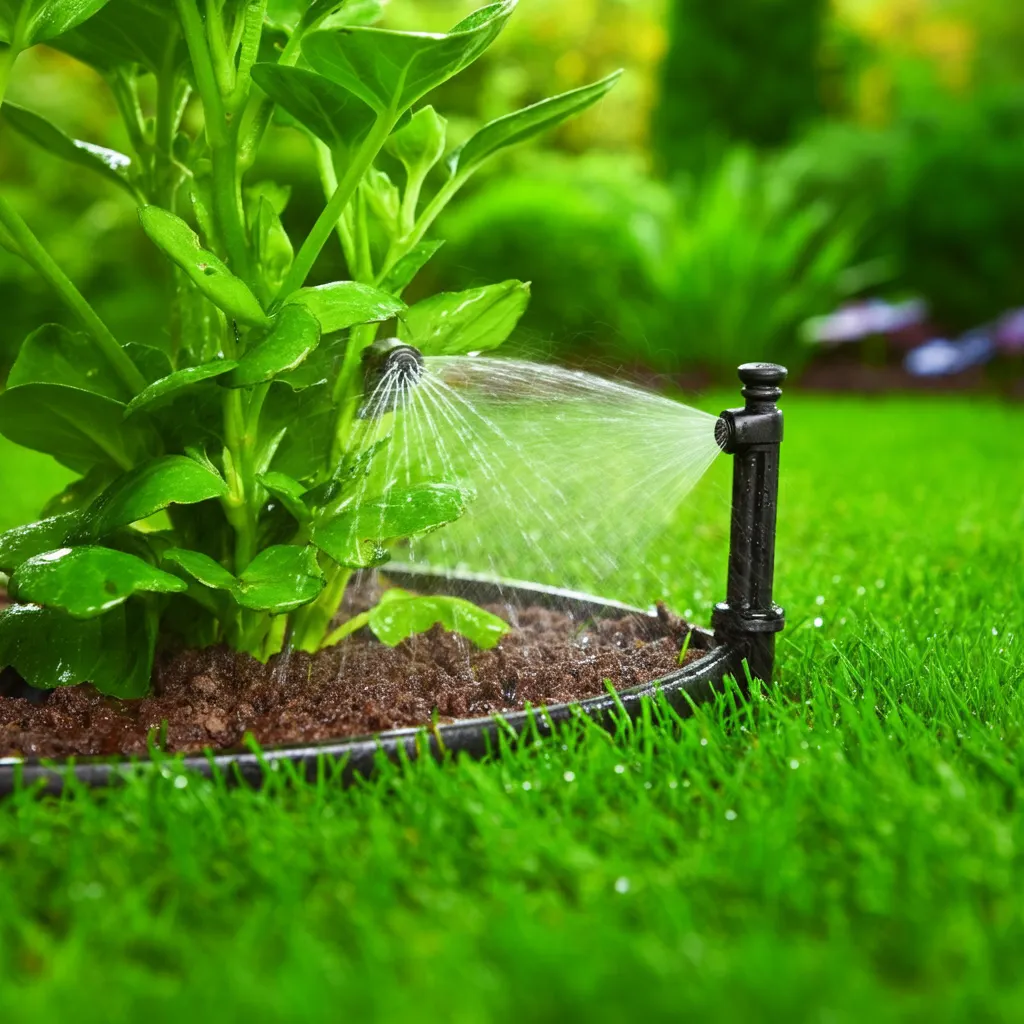
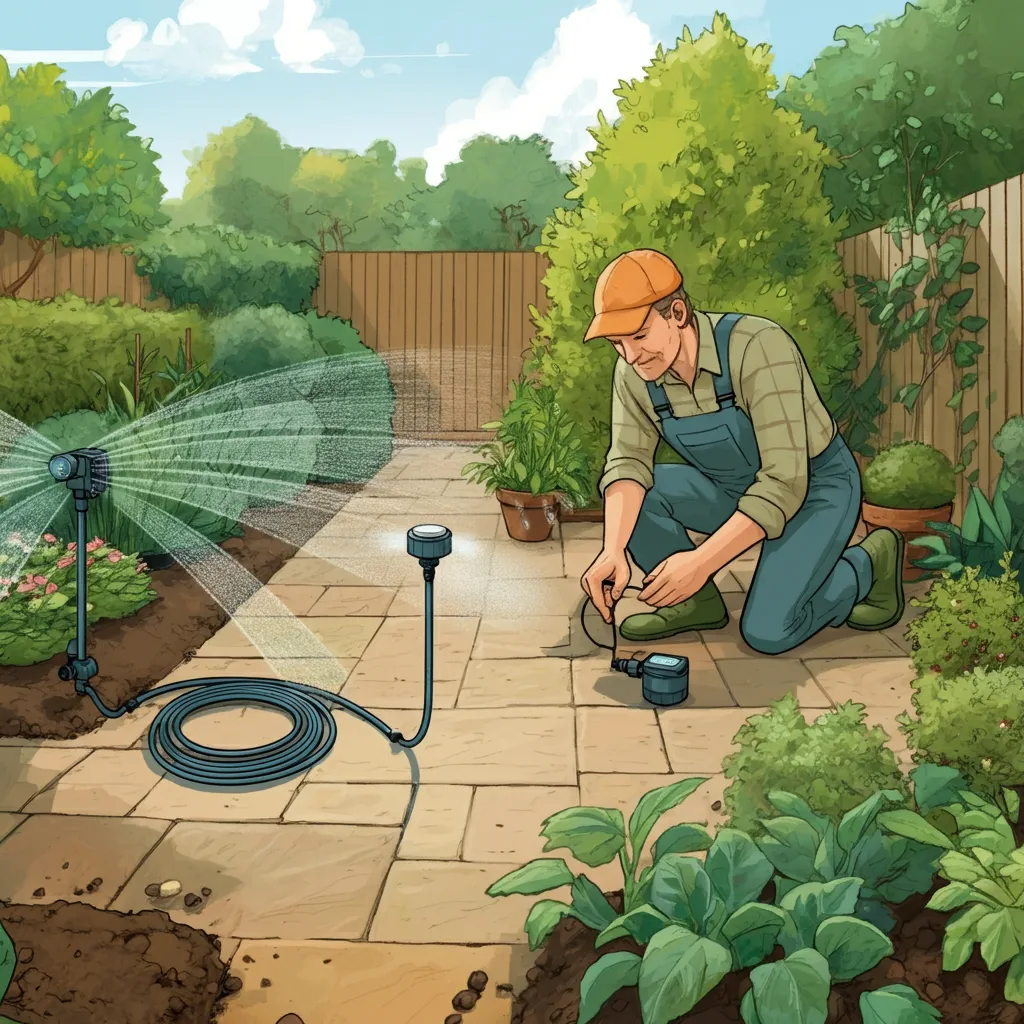
Forget wasteful sprinklers that spray water into the air where it evaporates. The best methods deliver water directly to the plant's roots.
- Drip Systems: These networks of tubes with small emitters release water slowly and precisely at the base of each plant.
- Soaker Hoses: These porous hoses ooze water along their entire length, ideal for watering rows of plants or hedges.
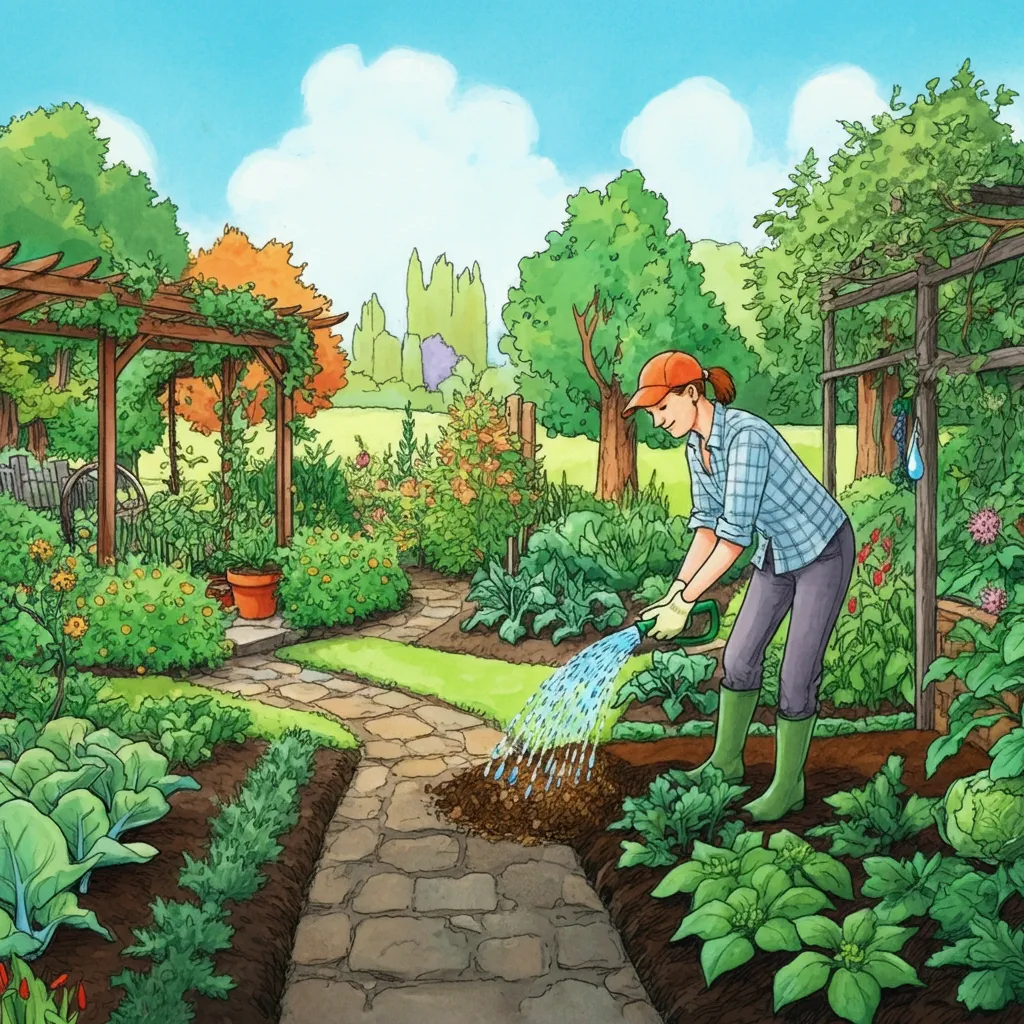
When you do water, do it deeply but infrequently to encourage deep root growth. The best time is early in the morning, which minimises evaporation and allows leaves to dry before nightfall, reducing the risk of fungal diseases.
Harvest Nature's Bounty: Rain and Greywater
A simple water butt connected to a downpipe is an essential tool for any UK gardener, providing a free, soft water source for your plants. For larger gardens, consider linking multiple butts or installing a more advanced rainwater harvesting system.
You can also reuse greywater—wastewater from baths, showers, and washing machines. As long as you use eco-friendly soaps and detergents without harsh chemicals, this water is perfectly safe for irrigating ornamental plants.

Your Water-Wise Journey Starts Now
Creating a water-wise garden is an empowering journey that rewards you with a beautiful, resilient, and environmentally friendly space. It’s an investment in the long-term health of your garden and a positive contribution to a more sustainable future. The key principles are simple: understand your garden, group plants wisely, make smart plant choices, and water efficiently.
Don't feel you have to transform your entire garden overnight. Start small. Pick one sunny bed, improve the soil, add some mulch, and plant a few drought-tolerant perennials. Once you see them thriving with minimal effort, you’ll be inspired to do more.
Connect with local gardening groups, visit demonstration gardens, and share your experiences. By joining the growing community of sustainable gardeners, you are helping to redefine what a beautiful British garden can be—one that is not only stunning but also smart, savvy, and perfectly in tune with our changing world.
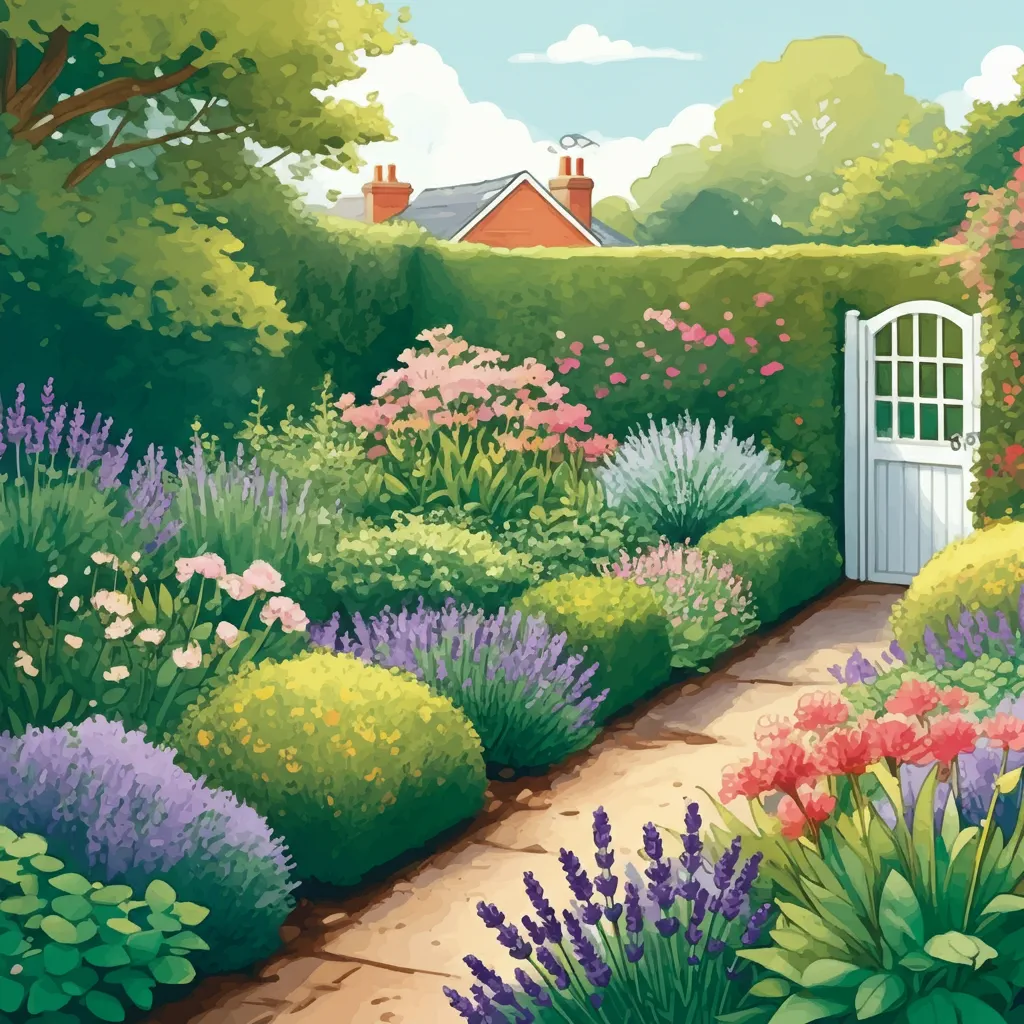
Create a Lush Oasis: Your Water-Wise Gardening Guide
Just last summer, many of us watched our vibrant green lawns turn a sad shade of beige under the relentless sun. The familiar hiss of the sprinkler became a memory as hosepipe bans swept across the UK, leaving our gardens parched and our prize-winning petunias wilting.
From Thirsty to Thriving: A Water-Wise Garden Blueprint
The familiar sight of a summer hosepipe ban is becoming an annual reality for many UK gardeners. As our climate changes, bringing hotter, drier summers, water scarcity is a growing concern that directly impacts our green spaces.

Drought Tolerant Plants for UK Gardens
Water restrictions, unpredictable rainfall, and soaring water bills have many UK gardeners rethinking their approach to garden design. But here's the exciting part: creating a drought-tolerant garden doesn't mean sacrificing beauty or colour.
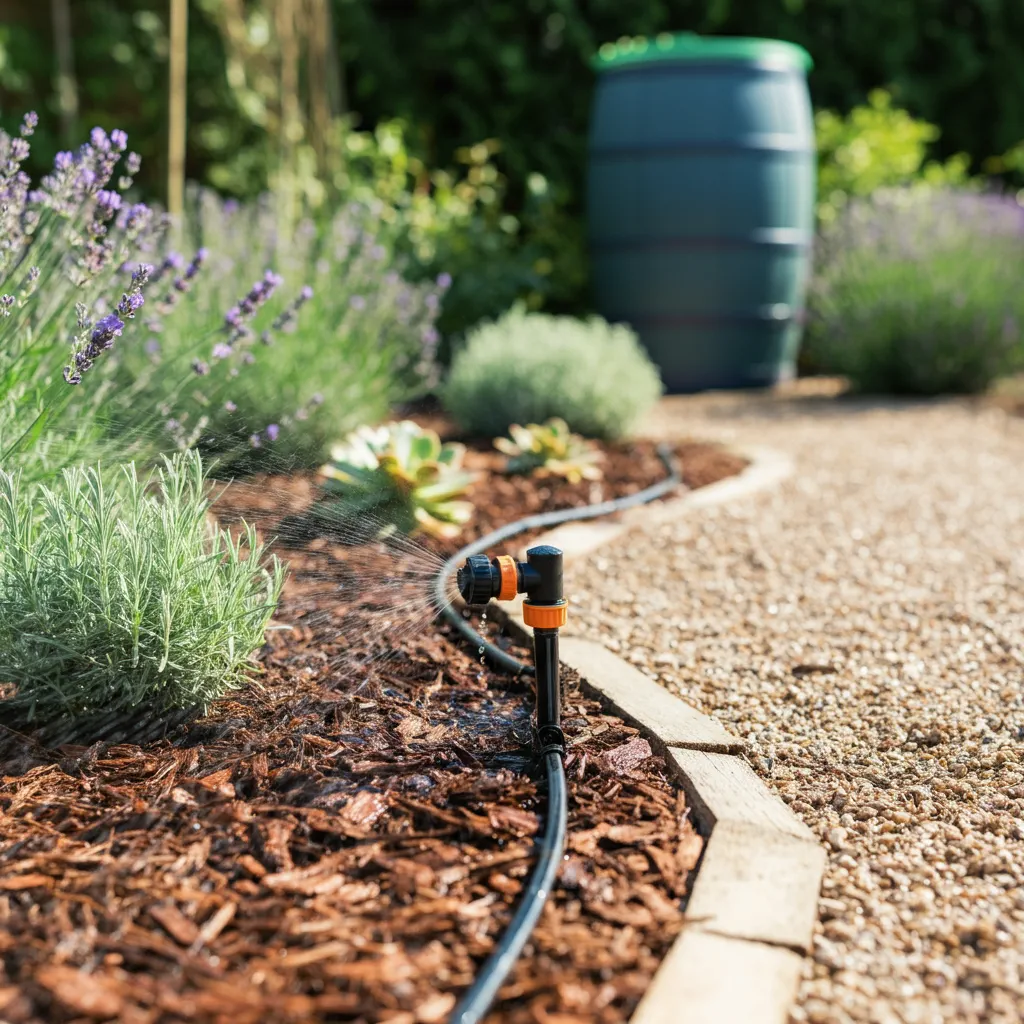
Smart Watering Secrets That Saves you Water and Money
With water bills rising and hosepipe bans becoming increasingly common across the UK, efficient garden irrigation has never been more important. Yet many gardeners unknowingly waste up to 50% of their water through poor watering practices.
The Magic of Mulching Your Garden
The summer sun beats down mercilessly on your prize roses, and the soil looks as parched as a desert floor. Sound familiar? Every UK gardener has faced those unexpectedly scorching days when the weather forecast promises weeks without rain, and you're left wondering how on earth you'll keep your beloved plants alive?

Water-Wise Garden Care Guide
With climate change bringing unpredictable weather patterns and water restrictions becoming increasingly common across the UK, more gardeners are discovering the benefits of drought-resistant gardening. Creating a water-wise garden filled with resilient plants is an excellent first step




Community Feedback