
The summer sun beats down mercilessly on your prize roses, and the soil looks as parched as a desert floor. Sound familiar? Every UK gardener has faced those unexpectedly scorching days when the weather forecast promises weeks without rain, and you're left wondering how on earth you'll keep your beloved plants alive without bankrupting yourself on water bills.
Enter mulch—your garden's ultimate superhero. This simple yet transformative technique acts like a protective shield for your soil, dramatically reducing water loss whilst fighting off weeds and safeguarding your plants from temperature extremes. The best part? You've probably got everything you need already sitting in your garden shed or compost bin.
Mulching isn't just another gardening chore to add to your weekend to-do list. It's a game-changing strategy that can slash your watering time by up to 70%, virtually eliminate weeding, and create the kind of thriving garden that makes your neighbours peek enviously over the fence. Whether you're a seasoned green thumb or someone who's just discovered the joy of growing your own veg, this comprehensive guide will walk you through everything you need to know about harnessing the magic of mulch.
From understanding what mulch actually is to mastering the simple three-step application process, you'll discover how this ancient gardening technique can transform your outdoor space into a water-wise, low-maintenance haven that flourishes even during the driest spells.
What Exactly is Garden Mulch?
Garden mulch is essentially a protective blanket that you spread over the soil's surface around your plants. Think of it as nature's own armour—a barrier that shields the earth from the harsh elements whilst quietly working behind the scenes to create optimal growing conditions for everything you've planted.
This protective layer comes in two main varieties, each with distinct advantages for different garden situations and aesthetic preferences.
Organic Mulch: Nature's Recycling System
Organic mulch consists of natural materials that gradually break down over time, enriching your soil as they decompose. For UK gardeners, the most popular and readily available options include:
Bark chips remain the gold standard for many gardeners. These chunky, attractive pieces last for months whilst slowly releasing nutrients into the soil. Cedar and pine bark chips also offer natural pest-deterrent properties.
Compost from your own bin represents the ultimate in sustainable gardening. That kitchen waste you've been diligently composting transforms into rich, dark mulch that plants absolutely adore. Plus, there's something deeply satisfying about creating a complete cycle in your own backyard.
Leaf mould costs nothing but your time. Simply rake up autumn leaves, stuff them into wire cages or black bags with holes, and wait 12-18 months for them to break down into gorgeous, crumbly mulch that woodland plants particularly love.
Straw works brilliantly for vegetable gardens, especially around strawberry plants (hence the name!). It's lightweight, easy to apply, and breaks down relatively quickly to feed hungry crops.
Grass clippings offer another free option, though they should be used sparingly and never applied thickly when fresh, as they can create a slimy, anaerobic mess.
Inorganic Mulch: The Long-Term Solution
Inorganic mulches don't decompose, making them ideal for areas where you want a permanent, low-maintenance solution. These materials excel in specific garden contexts:
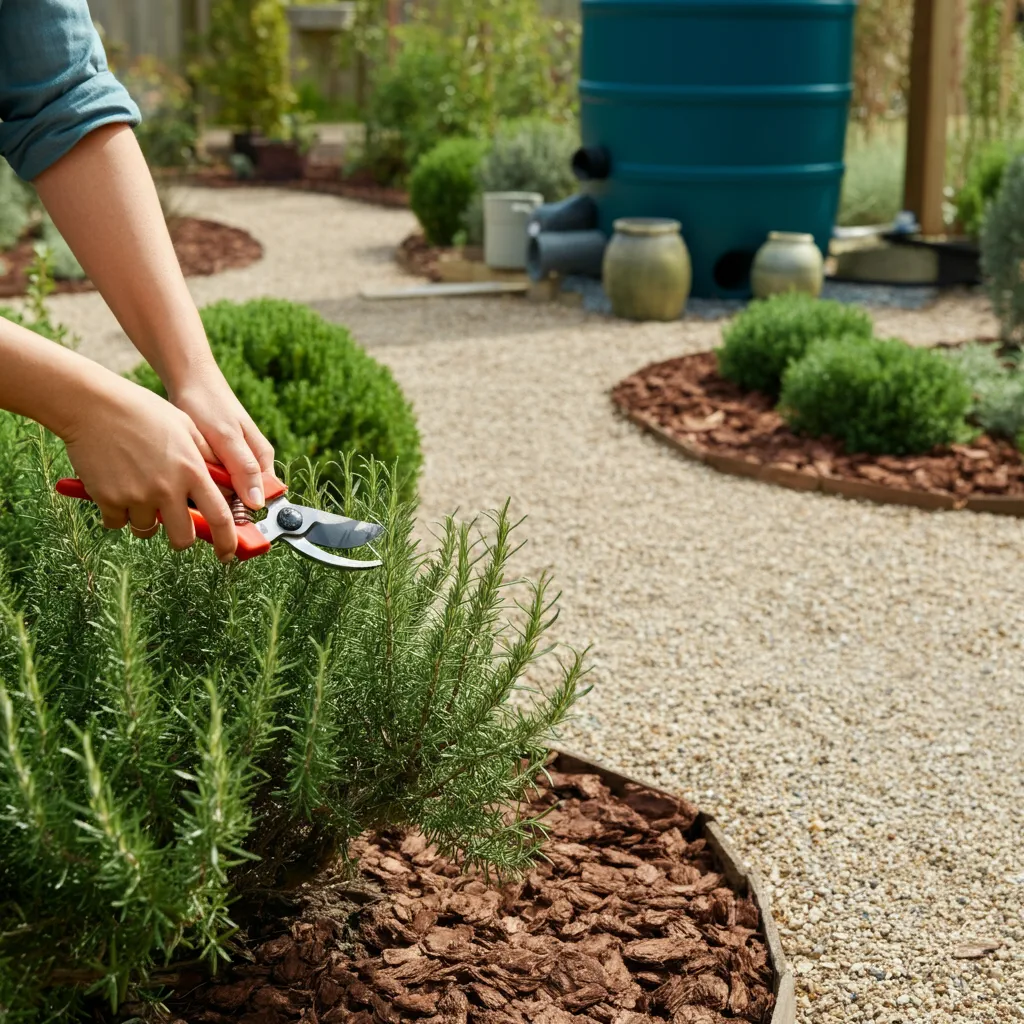
Gravel and slate chippings create stunning visual impact in contemporary garden designs. They're particularly effective around Mediterranean plants like lavender and rosemary, which prefer well-drained conditions.
Decorative stones work beautifully in rockeries, alpine gardens, and around architectural plants where you want to create a clean, modern aesthetic.
Landscape fabric covered with decorative mulch offers the ultimate weed suppression, though it prevents organic matter from enriching the soil below.
The choice between organic and inorganic mulch often depends on your garden's style, maintenance preferences, and specific plant needs. Many successful gardeners use both types strategically throughout their outdoor spaces.
The Top 3 Benefits of Mulching Your Garden

Understanding why mulching works so effectively helps you appreciate just how transformative this simple technique can be. These three core benefits explain why experienced gardeners swear by mulching and why you should start implementing it immediately.
1. It's a Plant Thirst-Quencher (Retains Soil Moisture)
Mulch acts like an insulating blanket over your soil, dramatically reducing the amount of water lost through evaporation. When the sun beats down and winds whip across your garden beds, exposed soil loses moisture at an alarming rate. A proper layer of mulch can reduce water loss by up to 70%—that's a staggering saving that translates directly into lower water bills and less time spent dragging hosepipes around your garden.
This moisture retention creates consistently favourable conditions for plant roots, which no longer have to endure the stress of alternating between bone-dry and waterlogged conditions. Plants grown in mulched soil develop stronger, more extensive root systems because they can rely on steady moisture availability.
For UK gardeners facing increasingly unpredictable weather patterns, this benefit alone makes mulching invaluable. During those unexpectedly dry spells that seem to arrive more frequently each year, mulched gardens continue thriving whilst unmulched plots struggle and wilt.
2. It's a Natural Weed Warrior (Suppresses Weeds)
Every gardener knows the soul-crushing feeling of spending hours weeding, only to see fresh green invaders popping up within days. Mulch breaks this cycle by creating an impenetrable barrier that blocks sunlight from reaching weed seeds, preventing them from germinating in the first place.
This light-blocking effect works incredibly effectively against annual weeds like chickweed, groundsel, and hairy bittercress—those opportunistic plants that seem to appear overnight and spread like wildfire. Even persistent perennial weeds struggle to push through a thick mulch layer.
The weed suppression benefit extends beyond simply reducing your workload. Fewer weeds means less competition for water and nutrients, allowing your chosen plants to access everything they need for optimal growth. Your prize dahlias won't have to battle dandelions for resources, and your vegetable crops can channel all available nutrition into producing the bumper harvests you're dreaming of.
Additionally, the time you save on weeding can be redirected towards more enjoyable gardening activities—like actually appreciating the beautiful space you've created or planning exciting new additions to your plant collection.
3. It's a Soil Thermostat (Regulates Soil Temperature)
Soil temperature fluctuations cause significant stress to plant roots, particularly during extreme weather conditions that seem increasingly common across the UK. Mulch provides crucial insulation that moderates these temperature swings, keeping soil cooler during scorching summer days and warmer during unexpected late frosts.
This temperature regulation proves especially valuable for tender plants and newly established specimens that haven't yet developed robust root systems. Young plants in mulched soil show significantly better survival rates and faster establishment compared to those in bare soil.
The insulating properties also extend the growing season by protecting roots during shoulder seasons. Your autumn crops continue producing longer, and spring plantings get off to stronger starts because their roots aren't shocked by sudden temperature changes.
For plants that originated in woodland environments—like hostas, astilbes, and many ferns—mulch recreates the natural leaf litter that would cover forest floors, providing the stable, moderate conditions these plants have evolved to thrive in.
How to Mulch Your Garden in 3 Simple Steps
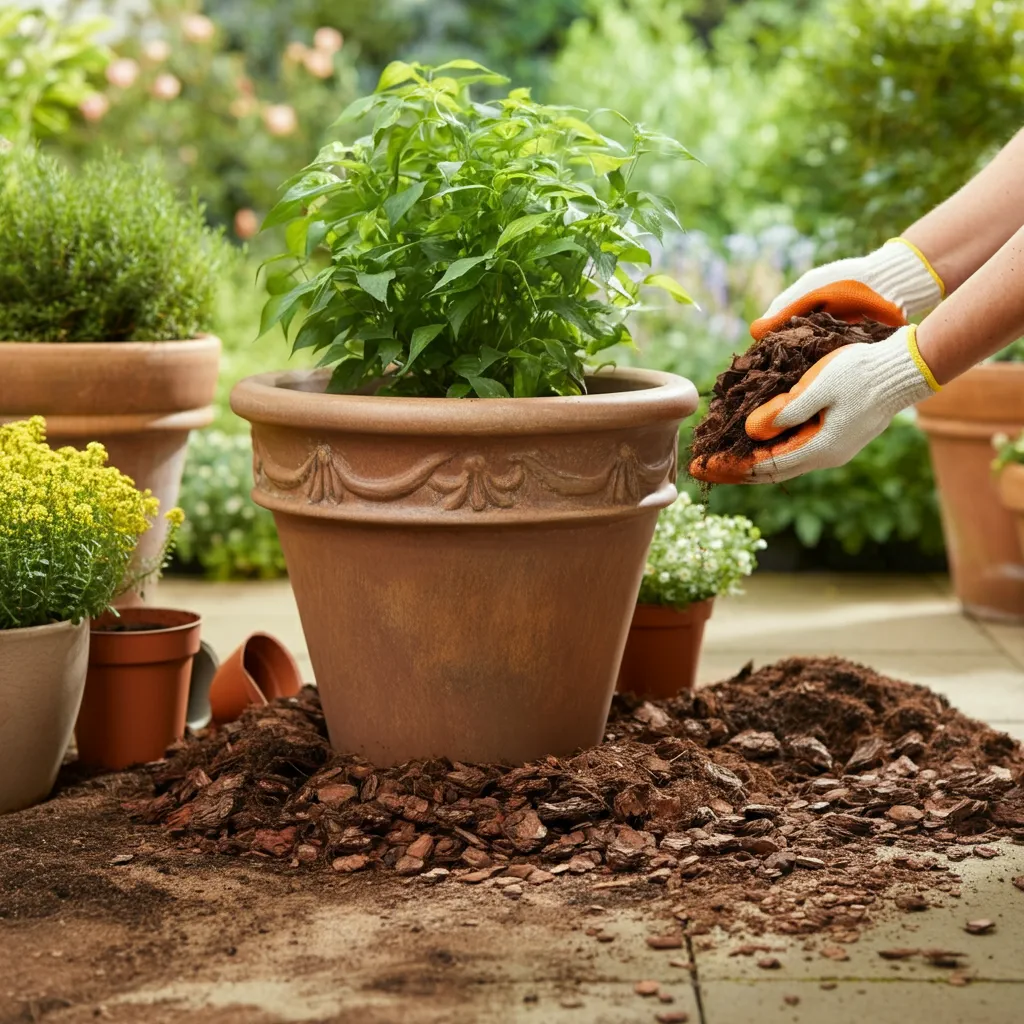
Effective mulching doesn't require advanced gardening skills or expensive equipment. Following these straightforward steps ensures you get maximum benefits from your mulching efforts whilst avoiding common mistakes that can actually harm your plants.
Step 1: Prep Your Patch
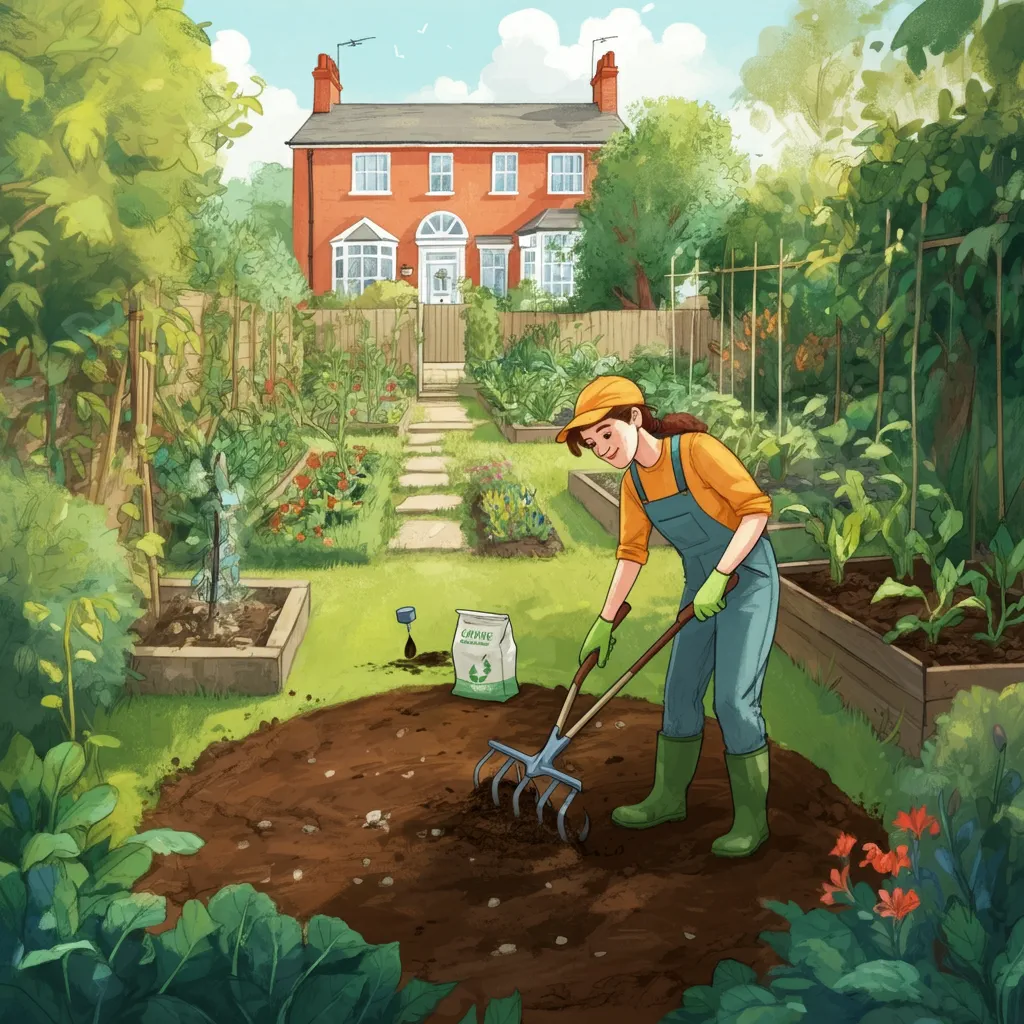
Proper preparation sets the foundation for mulching success. Begin by thoroughly weeding the target area—this crucial step prevents existing weeds from growing up through your mulch layer. Hand-pull or carefully dig out established weeds, ensuring you remove as much root material as possible.
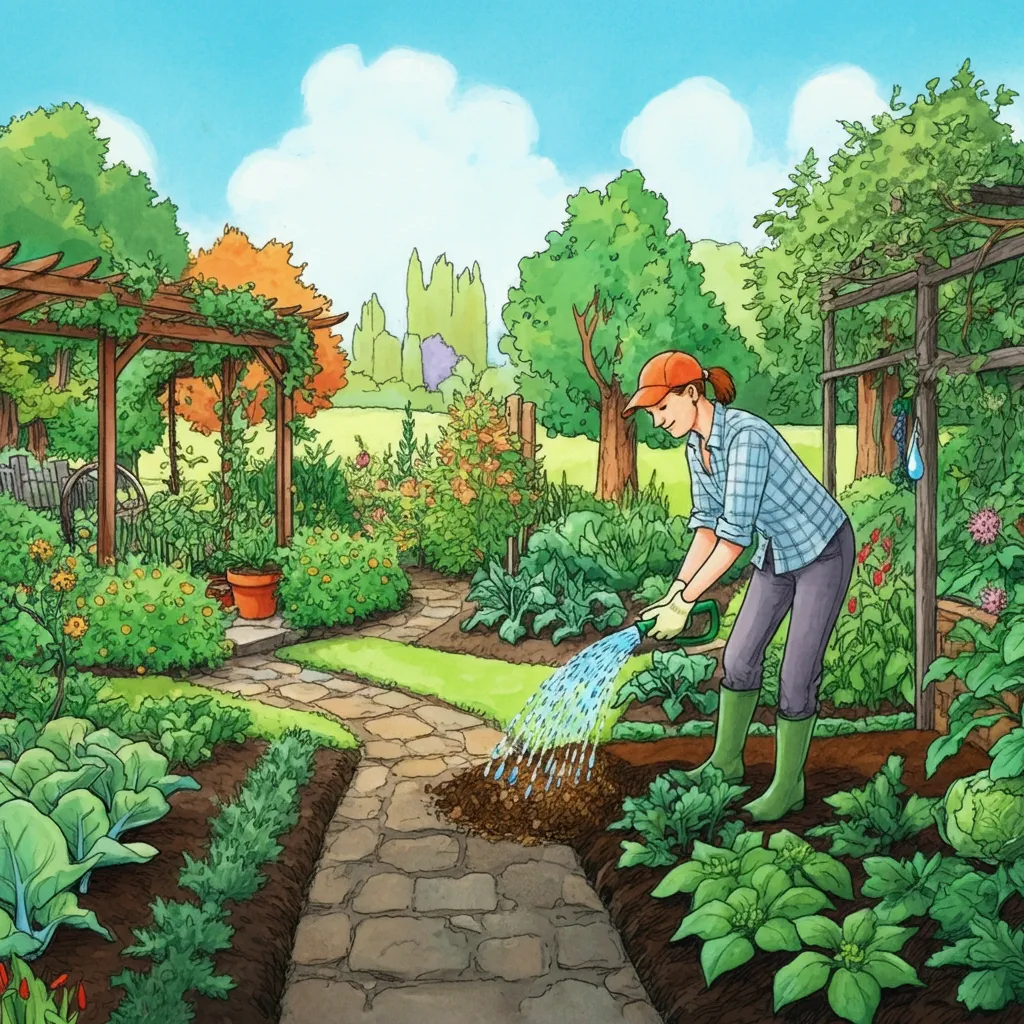
Once you've cleared the weeds, give the soil a thorough watering. This pre-watering strategy "locks in" moisture beneath the mulch, creating an immediate reservoir that plants can access. Don't skip this step, even if rain is forecast—you want to ensure the soil is genuinely moist throughout the root zone, not just damp on the surface.
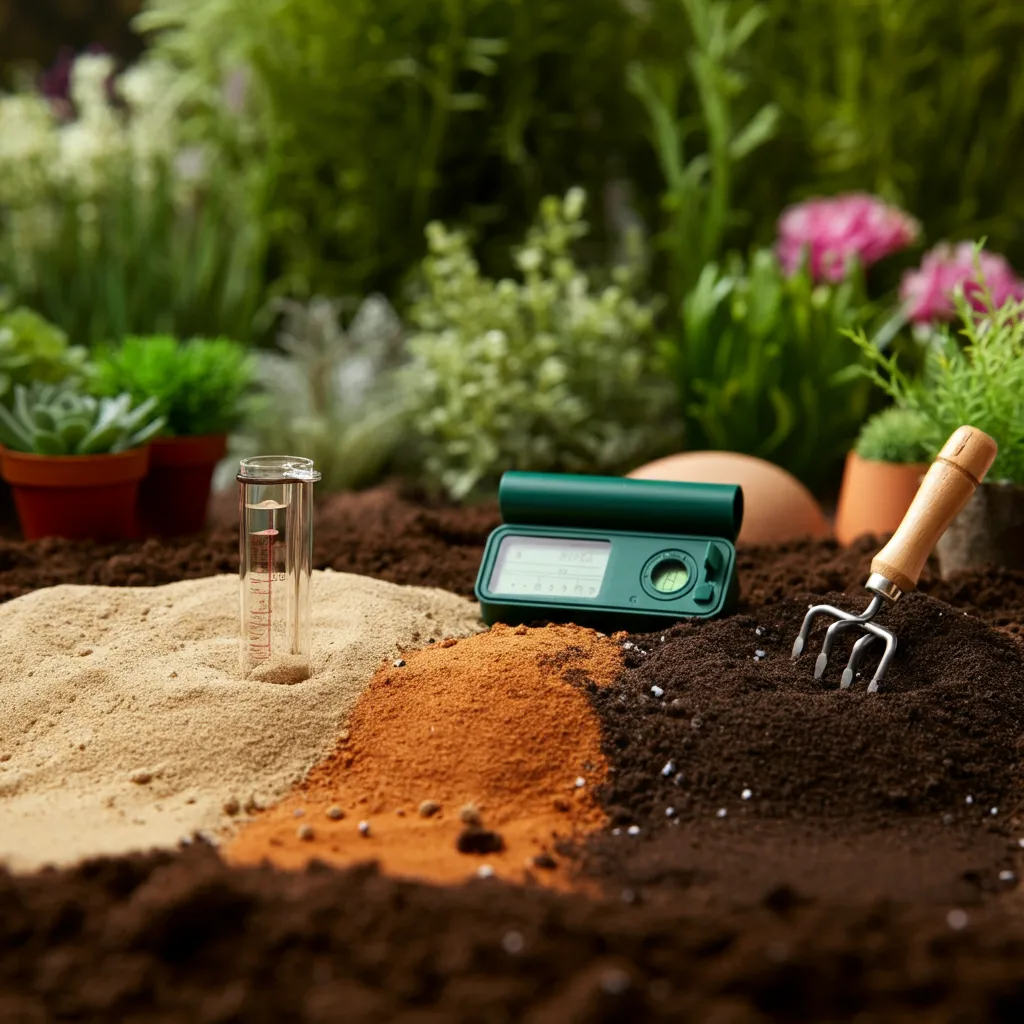
Check the soil condition whilst you're weeding and watering. If the ground is compacted, gently fork it over to improve drainage and air circulation. However, avoid disturbing the soil more than necessary, as excessive cultivation can actually encourage more weed seeds to germinate.
Step 2: Spread it Thick
Apply your chosen mulch in a generous layer measuring 5-7cm deep—roughly the thickness of a good slice of Victoria sponge. This depth provides effective weed suppression and moisture retention without creating problems for plant growth.
Work systematically across your garden bed, spreading mulch evenly with a rake or your hands. Pay attention to corners and edges where weeds often establish first. The goal is complete coverage that eliminates any gaps where opportunistic weeds might sneak through.
Different mulch materials require slightly different techniques. Bark chips and similar chunky materials spread easily and stay put well. Lighter materials like straw may need gentle pressing down to prevent them blowing away in strong winds. Grass clippings should be applied more thinly—about 2-3cm—as they compact significantly and can create anaerobic conditions if piled too thickly.
Remember that organic mulches will gradually break down and need replenishing. Plan to top up your mulch layer once or twice per year, depending on the material used and local conditions.
Step 3: Give Your Plants Some Space
Here's where many well-intentioned gardeners go wrong: they pile mulch directly against plant stems like little volcanic mounds. This creates moisture traps that encourage fungal diseases, pest problems, and stem rot.
Instead, leave a small "doughnut" gap around the base of each plant—roughly 5cm for smaller perennials and up to 15cm for shrubs and trees. This breathing space allows air circulation around the crown whilst still providing all the benefits of mulching.
For trees, never create mulch volcanoes around the trunk. Keep mulch several inches away from the bark, extending the layer out to the drip line if possible. This technique protects the root zone whilst preventing bark damage and rodent problems.
With herbaceous perennials, be particularly careful around plants that emerge from ground level each spring. Thick mulch over dormant crowns can delay emergence and occasionally smother plants entirely.
Seasonal Mulching Strategies
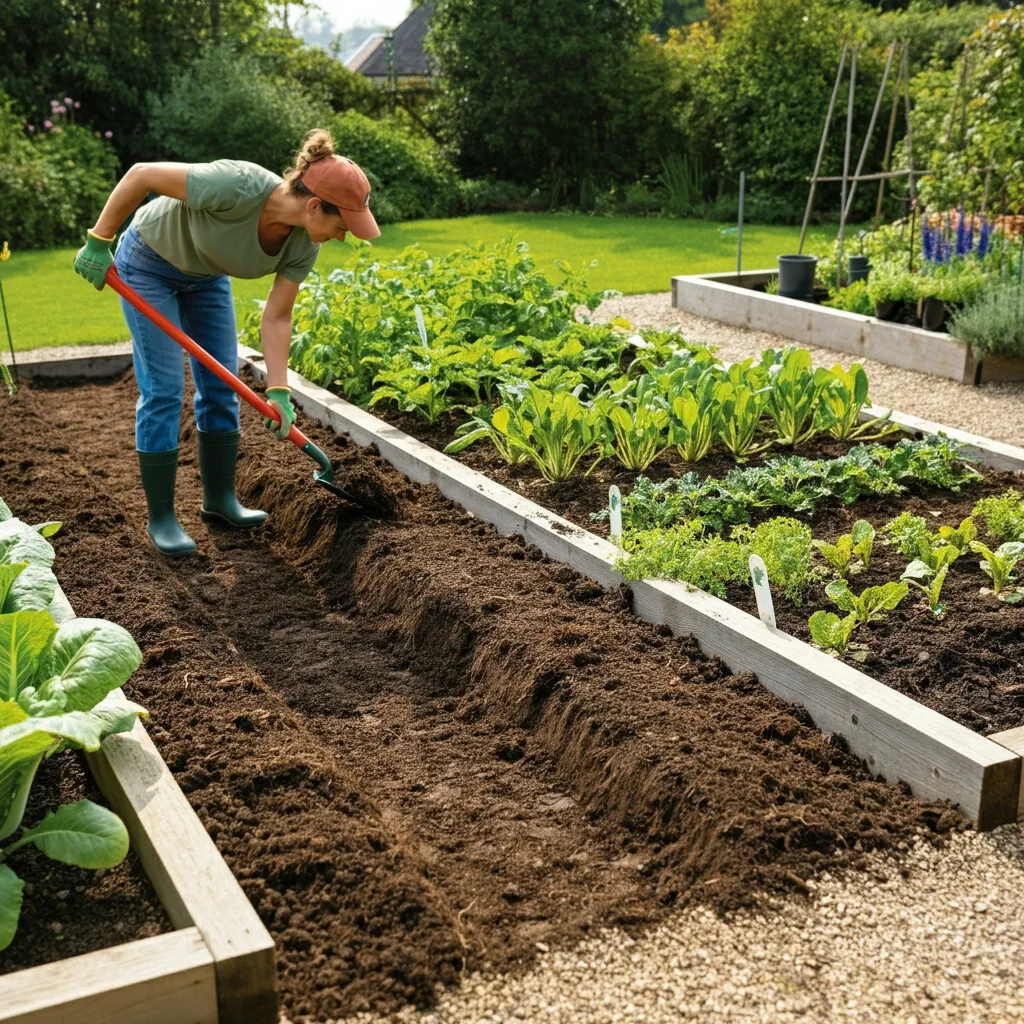
Timing your mulching efforts strategically throughout the year maximises benefits whilst avoiding potential problems. Different seasons offer unique opportunities and considerations for mulching success.
Spring Mulching
Early spring presents the ideal time for major mulching projects. Soil temperatures are rising, plants are beginning active growth, and you can clearly see where gaps need attention after winter weathering.
Wait until the soil has warmed slightly and dried out from winter saturation before applying fresh mulch. Mulching over cold, wet soil can delay warming and create sluggish growing conditions. Most UK gardens are ready for spring mulching by mid to late March, though this varies with local conditions and specific garden microclimates.
Spring is also perfect for refreshing existing mulch layers. Organic materials will have settled and partially decomposed over winter, so topping up with fresh material reinvigorates the protective barrier.
Summer Mulching
Summer mulching focuses on crisis management and water conservation. If you've missed the spring window, don't despair—mulching during dry spells still provides immediate benefits, particularly for moisture retention.
Water thoroughly before applying summer mulch, then maintain regular watering schedules until plants establish in their new growing conditions. Summer-applied mulch works harder to retain existing moisture than spring applications, which can take advantage of seasonal rainfall patterns.
Consider lighter-coloured mulches during extreme heat waves, as dark materials can absorb significant heat and potentially stress plant roots.
Autumn Mulching
Autumn represents an excellent opportunity for free mulching materials. Fallen leaves provide abundant organic matter that costs nothing beyond collection effort.
However, avoid using diseased leaves or those from problematic plants like walnut trees, which can inhibit other plant growth. Shred large leaves to prevent them matting into impermeable layers that shed water rather than allowing it to penetrate.
Autumn mulching also provides winter protection for marginally hardy plants and helps insulate root systems during temperature fluctuations.
Advanced Mulching Techniques
Once you've mastered basic mulching principles, several advanced techniques can further enhance your garden's performance and appearance.
Living Mulches
Living mulches consist of low-growing plants that cover soil whilst providing additional benefits. Creeping thyme creates aromatic groundcover that suppresses weeds whilst attracting beneficial insects. Wild strawberries offer edible fruit alongside effective soil coverage.
These plant-based mulches work particularly well in areas where traditional mulching materials might look out of place or where you want year-round coverage that changes with the seasons.
Combination Mulching
Layering different mulch types creates synergistic benefits. Start with a base layer of compost or well-rotted manure to feed the soil, then top with decorative bark chips or gravel for aesthetic appeal and longevity.
This approach combines the soil-improving qualities of organic materials with the durability and visual impact of inorganic options.
Seasonal Rotation
Some gardeners employ different mulch materials throughout the year, capitalising on seasonal availability and specific plant needs. Fresh grass clippings work well during rapid spring growth, transitioning to more stable materials like bark chips for summer and autumn coverage.
Common Mulching Mistakes to Avoid
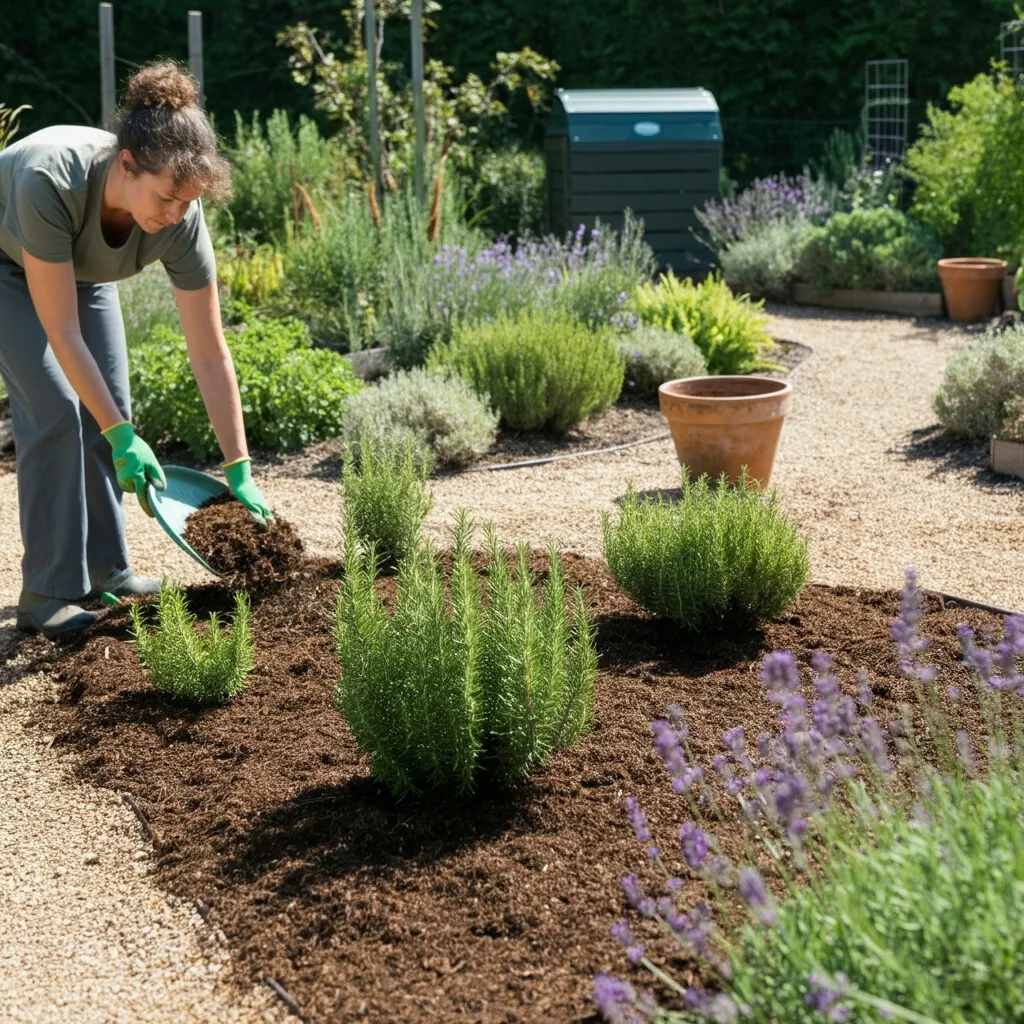
Even experienced gardeners sometimes fall into mulching traps that reduce effectiveness or actually harm plants. Recognising these common errors helps you avoid frustrating setbacks.
Over-Mulching
More isn't always better with mulching. Excessive mulch depth can create anaerobic conditions, encourage pest problems, and prevent water penetration. Stick to recommended depths and resist the urge to create thick, impressive-looking layers.
Wrong Material Choices
Fresh wood chips can temporarily tie up soil nitrogen as they decompose, potentially starving plants of this essential nutrient. Always use properly aged or composted wood products, or supplement with additional nitrogen sources when using fresh materials.
Similarly, avoid using grass clippings from recently treated lawns, as herbicide residues can damage garden plants.
Timing Errors
Mulching too early in spring can delay soil warming and slow plant growth. Conversely, waiting too late means missing the opportunity to suppress early-season weeds effectively.
Observe your garden's patterns and local climate conditions to develop optimal timing strategies for your specific situation.
Transform Your Garden Starting Today
Mulching represents one of the most effective, economical, and environmentally friendly techniques available to UK gardeners. The trinity of benefits—dramatic water savings, natural weed suppression, and temperature regulation—transforms ordinary gardens into thriving, low-maintenance landscapes that continue performing beautifully even during challenging weather conditions.
The beauty of mulching lies in its simplicity and accessibility. Whether you're working with expensive bark chips or free autumn leaves, homemade compost or purchased gravel, the fundamental principles remain the same. A protective layer over your soil creates the stable growing conditions that plants crave whilst significantly reducing your workload.
Starting your mulching journey requires nothing more than choosing appropriate materials, following the straightforward three-step process, and maintaining realistic expectations about timing and coverage. The investment of a single weekend can yield benefits that last throughout the growing season and beyond.
Ready to give your garden the protective blanket it deserves? Grab a bag of bark chips from your local garden centre, raid that compost bin you've been nurturing, or collect those autumn leaves that need clearing anyway. Your plants will thank you with stronger growth, fewer pest problems, and the kind of resilient health that makes gardening truly rewarding.
For more water-wise gardening strategies, explore our comprehensive guides to drought-tolerant planting and rainwater harvesting techniques that complement your mulching efforts perfectly.
Create a Lush Oasis: Your Water-Wise Gardening Guide
Just last summer, many of us watched our vibrant green lawns turn a sad shade of beige under the relentless sun. The familiar hiss of the sprinkler became a memory as hosepipe bans swept across the UK, leaving our gardens parched and our prize-winning petunias wilting.
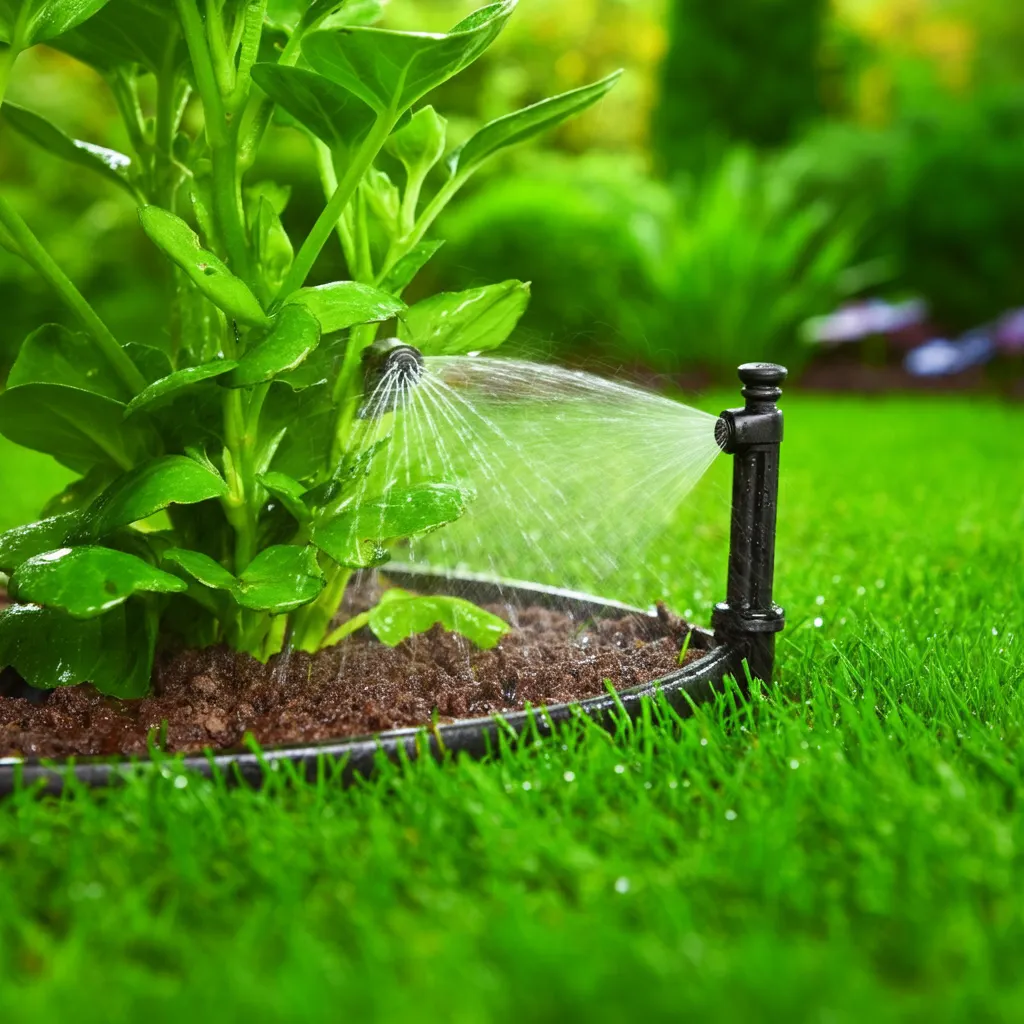
From Thirsty to Thriving: A Water-Wise Garden Blueprint
The familiar sight of a summer hosepipe ban is becoming an annual reality for many UK gardeners. As our climate changes, bringing hotter, drier summers, water scarcity is a growing concern that directly impacts our green spaces.

Drought Tolerant Plants for UK Gardens
Water restrictions, unpredictable rainfall, and soaring water bills have many UK gardeners rethinking their approach to garden design. But here's the exciting part: creating a drought-tolerant garden doesn't mean sacrificing beauty or colour.
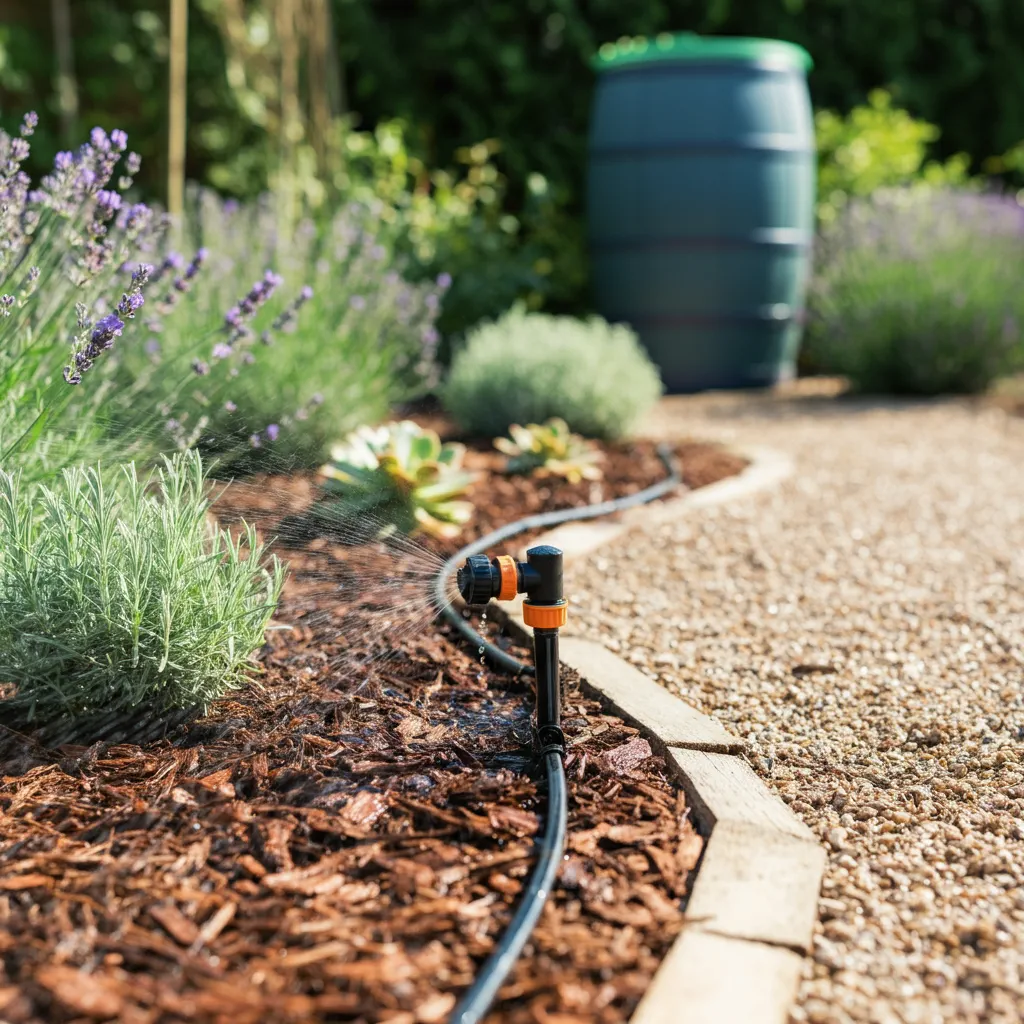
Smart Watering Secrets That Saves you Water and Money
With water bills rising and hosepipe bans becoming increasingly common across the UK, efficient garden irrigation has never been more important. Yet many gardeners unknowingly waste up to 50% of their water through poor watering practices.
The Magic of Mulching Your Garden
The summer sun beats down mercilessly on your prize roses, and the soil looks as parched as a desert floor. Sound familiar? Every UK gardener has faced those unexpectedly scorching days when the weather forecast promises weeks without rain, and you're left wondering how on earth you'll keep your beloved plants alive?

Water-Wise Garden Care Guide
With climate change bringing unpredictable weather patterns and water restrictions becoming increasingly common across the UK, more gardeners are discovering the benefits of drought-resistant gardening. Creating a water-wise garden filled with resilient plants is an excellent first step





Community Feedback