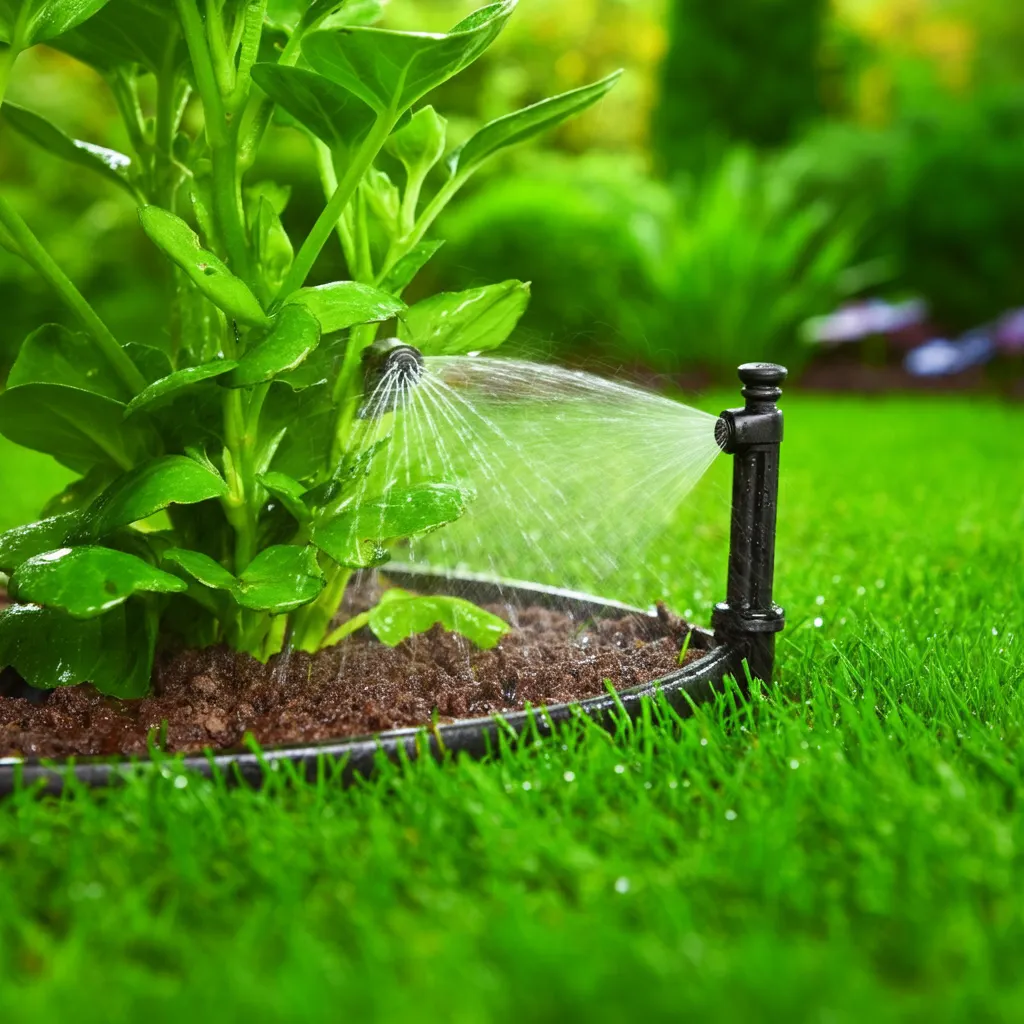
Water restrictions, unpredictable rainfall, and soaring water bills have many UK gardeners rethinking their approach to garden design. But here's the exciting part: creating a drought-tolerant garden doesn't mean sacrificing beauty or colour. With the right plant selection and design principles, you can cultivate a vibrant, resilient garden that looks spectacular while using minimal water.
Drought-tolerant gardening represents a shift towards sustainable practices that work with nature rather than against it. These gardens are designed to thrive during dry spells, reduce maintenance requirements, and create habitats that support local wildlife. The best part? Many drought-tolerant plants are actually more interesting and diverse than their water-hungry counterparts.
Whether you're dealing with a sun-baked south-facing border, sandy soil that drains quickly, or simply want to reduce your environmental impact, understanding how to select and grow drought-tolerant plants will transform your gardening experience. Let's explore how to build a garden that stays beautiful through Britain's increasingly unpredictable weather patterns.
Understanding what makes plants drought-tolerant
The secret to successful drought gardening lies in understanding how certain plants have adapted to survive with minimal water. These remarkable adaptations didn't happen overnight—they're the result of thousands of years of evolution in challenging climates around the world.
Silver or grey foliage serves as nature's sunscreen. Plants like lavender and lamb's ear have developed light-coloured leaves that reflect harsh sunlight rather than absorbing it. This clever adaptation keeps the plant cooler and reduces water loss through transpiration. When you see these silvery leaves glistening in your garden, you're witnessing a masterclass in natural engineering.
Leaf structure tells another fascinating story. Small, hairy, or waxy leaves might not sound glamorous, but they're incredibly efficient water-conservation systems. The tiny hairs on plants like rosemary create a microclimate around the leaf surface, reducing air movement and moisture loss. Waxy coatings act like natural waterproofing, sealing in precious moisture during hot, dry periods.
Perhaps most impressive are the plants with deep taproots. While surface roots struggle when the top few inches of soil dry out, these underground explorers can reach moisture reserves far below. Eryngium, with its striking architectural form above ground, maintains an extensive root system that can access water long after other plants have wilted.
Stunning perennials for year-round interest

The backbone of any successful drought-tolerant garden consists of reliable perennials that return year after year with minimal fuss. These workhorses provide structure, colour, and texture throughout the seasons while requiring far less water than traditional border plants.
Lavender remains the undisputed champion of water-wise gardening. Beyond its obvious beauty and fragrance, lavender offers incredible versatility. Plant it as low hedging, use it to create informal drifts, or position single specimens as focal points. The key to success with lavender lies in providing excellent drainage and avoiding overly rich soils. A sunny, well-drained spot will reward you with years of aromatic pleasure and clouds of purple flowers that bees absolutely adore.
Verbena bonariensis brings vertical drama without overwhelming smaller plants. Its tall, wiry stems create what garden designers call "see-through" planting—you can look through the stems to appreciate plants behind while still enjoying the clusters of purple flowers at eye level. This South American native self-seeds freely, creating natural drifts that look effortlessly wild yet sophisticated.
Sedum varieties prove that succulents can be sophisticated garden plants. These fleshy-leaved perennials store water in their leaves and stems, making them virtually drought-proof once established. The late-summer flower heads provide crucial nectar when many other plants have finished flowering, supporting butterflies and beneficial insects when they need it most.
Eryngium, or sea holly, adds architectural punctuation to softer plantings. The metallic blue flower heads and spiky foliage create dramatic contrasts, while the plant's deep roots make it incredibly resilient. Cut flowers last beautifully in arrangements and can be dried for winter displays.
Hardy shrubs that anchor your design
Shrubs provide the permanent structure that makes drought-tolerant gardens look established and intentional rather than sparse. These woody plants often have extensive root systems that help them access deep soil moisture, making them some of the most reliable performers during dry spells.
Rosemary offers the perfect combination of beauty and practicality. This evergreen Mediterranean native produces delicate blue, white, or pink flowers while providing aromatic foliage for cooking. Different varieties offer varying growth habits—from prostrate forms perfect for cascading over walls to upright varieties that can reach impressive heights. The key to growing rosemary successfully in the UK is ensuring sharp drainage, particularly during winter months.
Cistus, commonly known as rock rose, creates spectacular seasonal displays that rival any traditional flowering shrub. The papery flowers, reminiscent of single roses, appear in abundance during early summer in shades of white, pink, and purple. Many varieties also feature aromatic, resinous leaves that release their fragrance on warm days. These Mediterranean natives are perfectly adapted to UK conditions and require virtually no maintenance once established.
Ceanothus delivers some of the most intense blue flowers found in the plant kingdom. Whether you choose spring-flowering evergreen varieties or summer-flowering deciduous types, these Californian natives create breathtaking displays that stop visitors in their tracks. The key is providing a sheltered spot, as strong winds can damage the somewhat brittle stems.
Architectural grasses for movement and texture

Ornamental grasses bring a completely different aesthetic to drought-tolerant gardens. They introduce movement, sound, and changing seasonal interest while requiring minimal water once established. These plants also provide valuable wildlife habitat and winter structure.
Stipa tenuissima, affectionately known as 'Ponytails', captures every breath of air with its ultra-fine foliage. This grass creates an almost ethereal quality in borders, particularly when planted in large drifts where individual plants merge into flowing masses. The foliage changes colour throughout the seasons, from green through gold to bleached blonde, extending the period of interest far beyond traditional flowering plants.
Festuca glauca, or blue fescue, forms neat, architectural clumps that provide year-round colour and structure. The intense silver-blue foliage works beautifully as punctuation between other plants or massed together for greater impact. This grass remains compact and tidy, making it excellent for formal designs or smaller gardens where space is at a premium.
Ground cover solutions for challenging spots
Every garden has those tricky areas where grass won't grow or other plants struggle to establish. Drought-tolerant ground cover plants solve these problems while adding another layer of interest to your garden design.
Thyme varieties create fragrant carpets that release their aromatic oils when walked upon. Beyond their practical applications in the kitchen, thymes produce clouds of tiny flowers beloved by bees and butterflies. Different species offer varying heights, flower colours, and foliage textures, allowing you to create sophisticated tapestries of complementary varieties.
Stachys byzantina, or lamb's ear, provides the ultimate sensory experience with its incredibly soft, woolly leaves. Children and adults alike find the silvery foliage irresistible to touch. This plant excels in difficult spots where other ground covers might struggle, spreading to create effective weed suppression while maintaining its attractive appearance throughout most of the year.
Choosing plants for your specific conditions
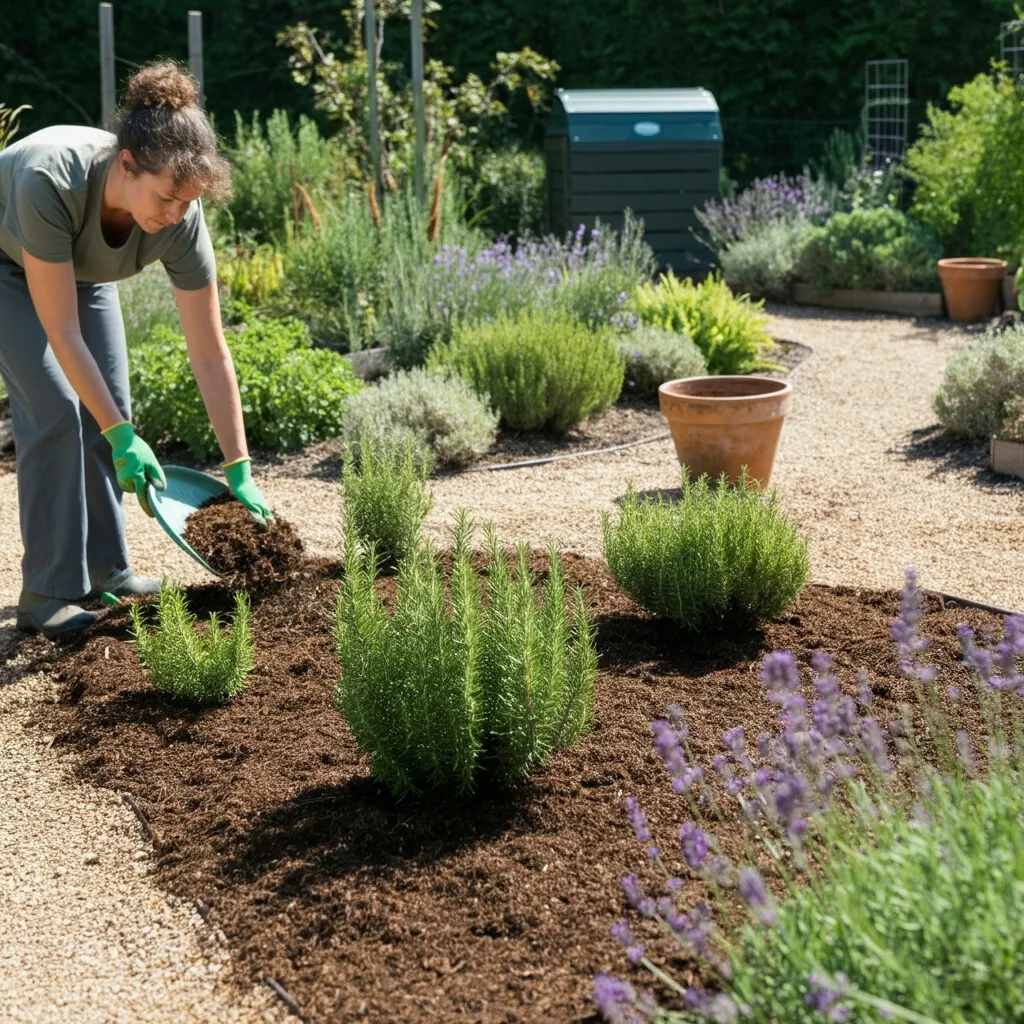
The key to creating a successful drought-tolerant garden lies in matching plants to your specific site conditions. Not all drought-tolerant plants are suitable for every location, and understanding these nuances will dramatically improve your success rate.
Consider your soil type carefully. Heavy clay soils that become waterlogged in winter can kill Mediterranean plants that would thrive in well-draining conditions. In these situations, consider improving drainage by adding grit and organic matter, or create raised beds that provide the sharp drainage these plants require.
Exposure matters enormously. A south-facing garden will support different plants than a north-facing slope. Similarly, coastal gardens can grow tender plants that would struggle inland, thanks to the moderating influence of the sea. Wind exposure is another crucial factor—many drought-tolerant plants appreciate shelter from strong winds, even if they can handle dry conditions.
Visiting local garden centres provides invaluable insight into which plants are thriving in your area. Staff can offer specific advice about varieties that perform well in local conditions, and you can see mature specimens to understand their eventual size and character.
Public gardens and open garden schemes offer another excellent resource. Seeing drought-tolerant plants in established garden settings helps you understand their long-term performance and how they combine with other plants. Many gardens now feature dedicated dry gardens or Mediterranean-style plantings that demonstrate the possibilities.
Creating your water-wise paradise
Building a drought-tolerant garden requires patience, but the rewards are immense. These plants typically take a full growing season to establish their root systems, after which they become increasingly self-sufficient. During establishment, regular watering helps plants develop the deep root systems that will sustain them through future dry periods.
Start with the largest elements—shrubs and architectural plants—then fill in with perennials and grasses. This approach ensures your garden has good structure from the beginning while allowing flexibility to adjust planting combinations as you discover what works best in your specific conditions.
Remember that drought-tolerant doesn't mean maintenance-free. These plants still benefit from occasional feeding, deadheading spent flowers, and periodic renovation to keep them looking their best. However, the overall workload is significantly less than traditional high-maintenance border plants.
Most importantly, embrace the unique aesthetic that drought-tolerant plants offer. These gardens have a different rhythm and beauty compared to traditional British borders. They celebrate texture over constant flower colour, architectural form over lush abundance, and seasonal change over evergreen uniformity.

Create a Lush Oasis: Your Water-Wise Gardening Guide
Just last summer, many of us watched our vibrant green lawns turn a sad shade of beige under the relentless sun. The familiar hiss of the sprinkler became a memory as hosepipe bans swept across the UK, leaving our gardens parched and our prize-winning petunias wilting.
From Thirsty to Thriving: A Water-Wise Garden Blueprint
The familiar sight of a summer hosepipe ban is becoming an annual reality for many UK gardeners. As our climate changes, bringing hotter, drier summers, water scarcity is a growing concern that directly impacts our green spaces.
Drought Tolerant Plants for UK Gardens
Water restrictions, unpredictable rainfall, and soaring water bills have many UK gardeners rethinking their approach to garden design. But here's the exciting part: creating a drought-tolerant garden doesn't mean sacrificing beauty or colour.
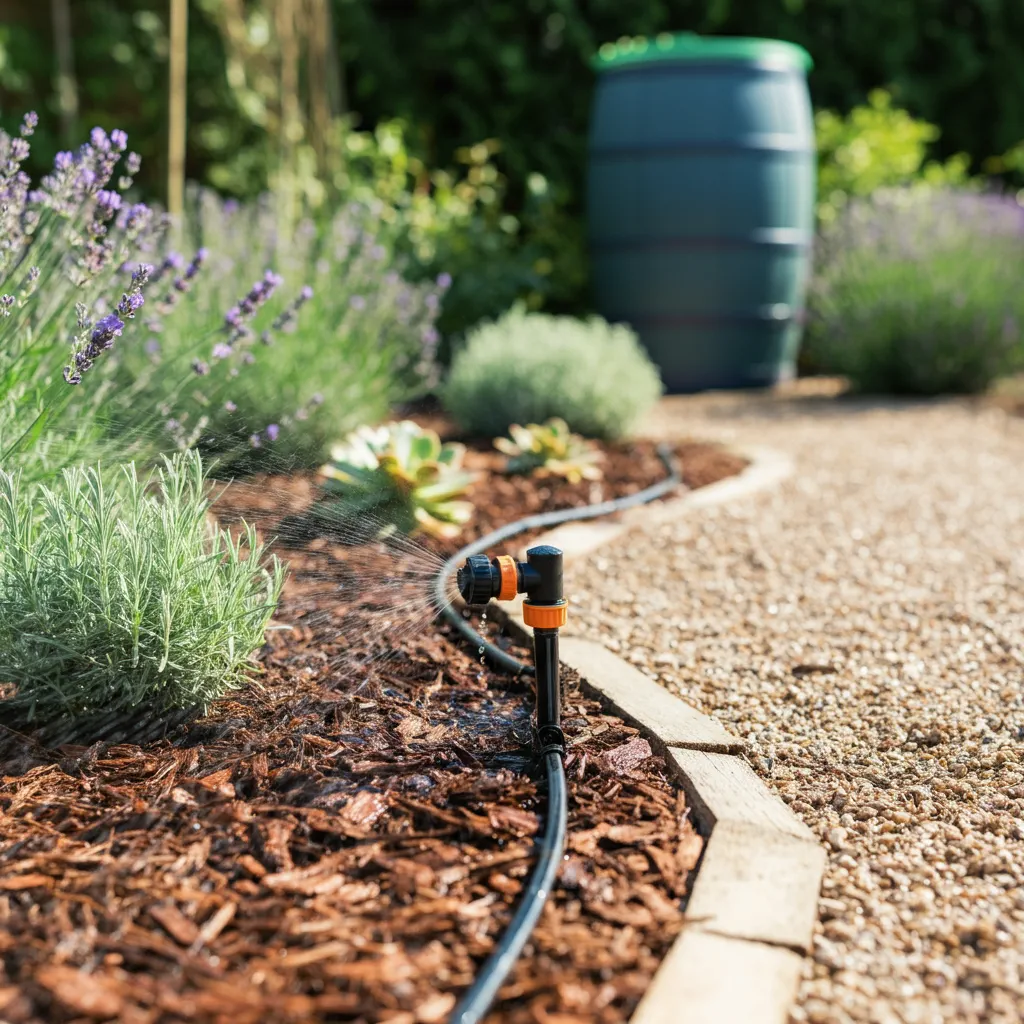
Smart Watering Secrets That Saves you Water and Money
With water bills rising and hosepipe bans becoming increasingly common across the UK, efficient garden irrigation has never been more important. Yet many gardeners unknowingly waste up to 50% of their water through poor watering practices.
The Magic of Mulching Your Garden
The summer sun beats down mercilessly on your prize roses, and the soil looks as parched as a desert floor. Sound familiar? Every UK gardener has faced those unexpectedly scorching days when the weather forecast promises weeks without rain, and you're left wondering how on earth you'll keep your beloved plants alive?

Water-Wise Garden Care Guide
With climate change bringing unpredictable weather patterns and water restrictions becoming increasingly common across the UK, more gardeners are discovering the benefits of drought-resistant gardening. Creating a water-wise garden filled with resilient plants is an excellent first step














Community Feedback