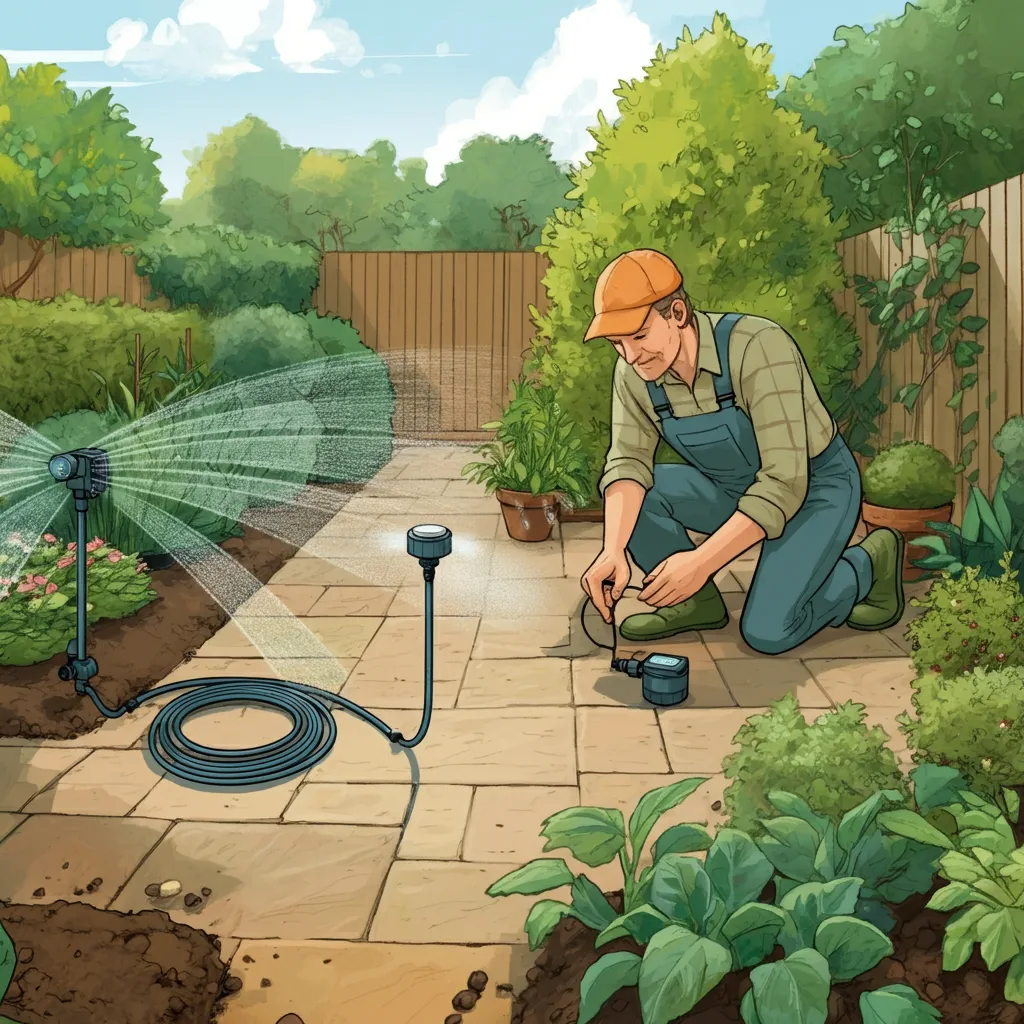
Smart Watering Secrets That Saves you Water and Money
With water bills rising and hosepipe bans becoming increasingly common across the UK, efficient garden irrigation has never been more important. Yet many gardeners unknowingly waste up to 50% of their water through poor watering practices, watching their hard-earned money literally drain away.
Smart watering techniques offer a solution that goes far beyond saving money on your water bill. These methods create healthier, more resilient plants that can weather unpredictable British summers and unexpected dry spells. When you understand the science behind efficient watering, you'll discover how to work with nature rather than against it.
Throughout this guide, we'll explore proven timing techniques that maximise water absorption, cost-effective irrigation systems suitable for every budget, and sustainable water collection methods that any gardener can implement. Whether you're tending a small patio garden or managing sprawling borders, these water-wise strategies will transform how you nurture your outdoor space.
The best part? Most of these techniques require minimal investment but deliver substantial long-term benefits for both your plants and your wallet.
The Science Behind Smart Watering: Why Less is More
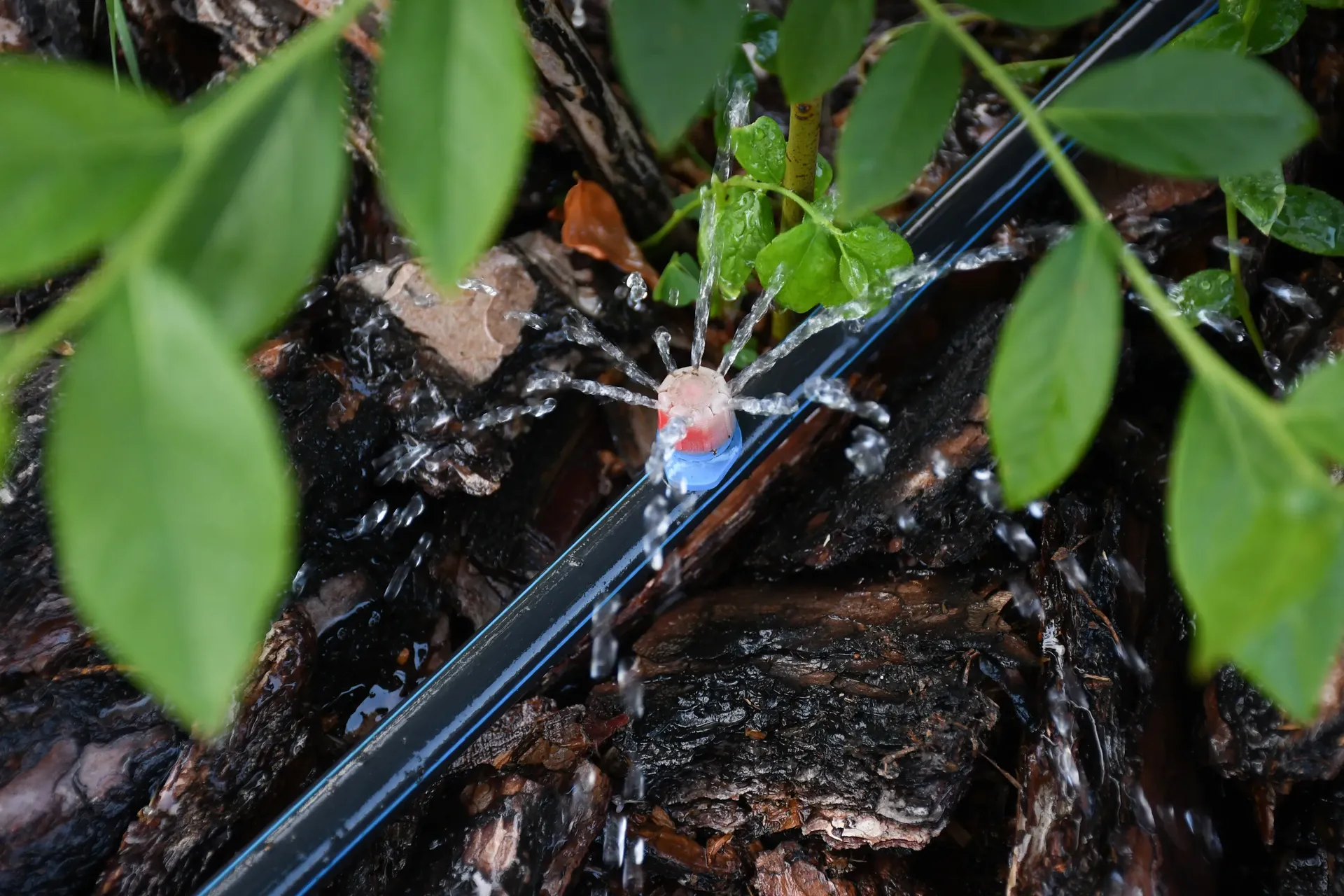
The foundation of water-efficient gardening lies in understanding a simple principle: deep and infrequent watering creates stronger, more drought-resistant plants than frequent shallow watering.
When you water little and often, plant roots concentrate near the soil surface, seeking the moisture they've come to expect. These shallow root systems become dependent on constant irrigation and struggle during dry periods. However, when you water thoroughly but less frequently, roots are encouraged to grow deeper, accessing moisture and nutrients from lower soil layers.
Consider two identical tomato plants: one watered daily with a light sprinkle, another watered twice weekly with a thorough soaking. After six weeks, the daily-watered plant develops roots primarily in the top 10-15cm of soil. The twice-weekly plant, meanwhile, develops roots reaching 30-40cm deep. During a week-long dry spell, the shallow-rooted plant wilts within days, whilst the deep-rooted plant continues thriving.
This principle applies across most garden plants, from vegetables to perennials. Deep-rooted plants can access water reserves that surface irrigation never reaches, making them naturally more resilient. They're also better equipped to absorb nutrients, as many essential minerals concentrate in deeper soil layers.
The transformation doesn't happen overnight. Plants need 2-3 weeks to adjust their root growth patterns, but once established, this approach requires less water whilst producing healthier, more productive plants.
Master the Art of Timing: When to Water for Maximum Impact
Timing can make the difference between efficient watering and wasteful water loss. The best time to water your garden is early morning, ideally between 6-8am, when temperatures are cool and winds are typically calm.
Morning watering allows plants to absorb moisture before the day's heat arrives, reducing evaporation losses significantly. Plants can then use this water throughout the day for photosynthesis and cooling. Additionally, morning watering ensures foliage dries before evening, reducing the risk of fungal diseases that thrive in prolonged damp conditions.
Evening watering, whilst better than midday irrigation, comes with trade-offs. Water absorption is good when temperatures drop, but wet conditions overnight can attract slugs and snails. If evening is your only option, aim for early evening (6-7pm) rather than late evening, giving plants some drying time before nightfall.
Midday watering should be avoided except in emergencies. Up to 30% of water applied during peak sun hours is lost to evaporation before reaching plant roots. Additionally, water droplets on leaves can act as magnifying glasses, potentially causing leaf scorch on sensitive plants.
Seasonal timing adjustments are crucial for UK gardens:
Spring: Water newly planted items every 2-3 days, established plants weekly
Summer: Increase frequency during heatwaves but maintain deep watering principles
Autumn: Reduce watering as temperatures drop and rainfall typically increases
Irrigation Systems That Actually Work: From Budget to Premium
Drip Irrigation: The Professional's Choice
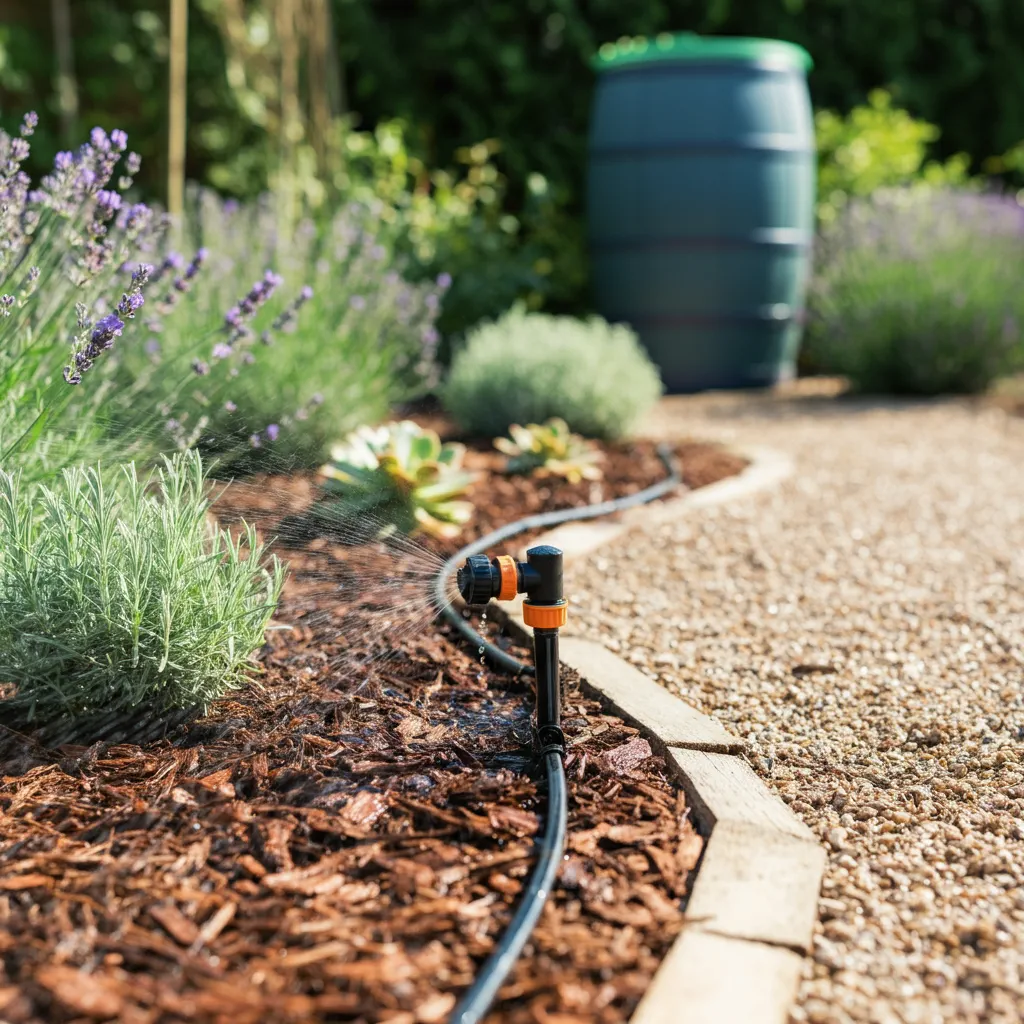
Drip irrigation systems deliver water directly to plant root zones through a network of tubes, emitters, and dripper heads. This targeted approach is approximately 70% more water-efficient than traditional sprinklers, making it the gold standard for sustainable gardening.
How drip systems work is elegantly simple: water flows slowly through small emitters positioned near each plant, applying moisture at a rate soil can absorb without runoff. This eliminates waste from evaporation, wind drift, and watering areas between plants.
The initial investment for a basic drip irrigation kit ranges from £50-150 for an average garden, whilst professional installation might cost £300-800. However, the water savings quickly offset these costs. A typical UK household can save £100-200 annually on water bills, with the system typically paying for itself within 2-3 years.
Installing a basic drip irrigation system is surprisingly straightforward:
- Plan your layout - Map your garden beds and identify plant locations
- Install the timer - Connect to your outdoor tap with an automatic timer
- Lay main tubing - Run 13mm tubing along your garden beds
- Add branch lines - Connect 4mm tubing to reach individual plants
- Install emitters - Add appropriate drippers for each plant type
- Test and adjust - Run the system and fine-tune flow rates

For UK gardeners, recommended starter kits include the Hozelock Micro Irrigation Starter Set and the Gardena MicroDrip System, both offering good value and reliable performance.
Soaker Hoses: The Affordable Middle Ground
Soaker hoses provide an excellent compromise between efficiency and affordability. These perforated hoses release water slowly along their entire length, making them ideal for watering rows of vegetables or long border plantings.
Modern soaker hoses are manufactured from recycled materials or porous rubber that allows water to seep through gradually. Unlike traditional sprinklers that spray water into the air, soaker hoses deliver moisture directly to soil level, reducing evaporation losses by 40-50%.
The key to successful soaker hose irrigation lies in proper layout and pressure regulation. Hoses work best in straight runs or gentle curves, with lengths limited to 30-45 metres to ensure even water distribution. For vegetable gardens, lay hoses between plant rows and cover with mulch to further reduce evaporation.
Material choice affects longevity significantly. Recycled rubber hoses typically last 3-5 years and cost £15-25 per 15-metre length. Flat soaker hoses made from recycled plastic are lighter and easier to store but generally last 2-3 years before requiring replacement. Available on Amazon
Maintenance is minimal but important: flush hoses monthly during growing season, store indoors during winter, and check for clogs at season's start. Proper care extends hose lifespan whilst ensuring consistent water distribution.
Traditional Tools with Modern Wisdom
The humble watering can shouldn't be dismissed in our rush toward automated irrigation. For small gardens, containers, and delicate plantings, hand-watering offers precision that automated systems can't match.
Modern watering techniques with traditional tools focus on application rate and placement. Use a rose attachment for seedlings and delicate plants, removing it for established plants that benefit from direct soil application. A 9-litre watering can serves most garden needs whilst remaining manageable when full.
Hand-watering is actually more efficient than automated systems in several scenarios: when watering containers (you can assess individual plant needs), during plant establishment (you can adjust amount based on plant response), and for seasonal plantings that don't warrant permanent irrigation installation.
Container gardening requires special attention, as pots dry out much faster than ground plantings. Terra cotta pots need daily watering during summer, whilst glazed ceramic or plastic containers retain moisture longer. The finger test remains the most reliable moisture assessment: insert your finger 2-3cm into the soil—if it's dry, it's time to water.
Rainwater Harvesting: Your Free Water Source
Rainwater collection offers UK gardeners access to naturally soft, chlorine-free water whilst reducing reliance on mains supplies. An average UK house roof can collect 24,000 litres annually—enough to maintain a substantial garden through most growing seasons.
The calculation is straightforward: roof area (square metres) × annual rainfall (typically 800-1200mm in most UK regions) × 0.8 (accounting for losses) = potential collection in litres. A modest 100-square-metre roof in an area receiving 1000mm annual rainfall can collect approximately 80,000 litres yearly.
Water butts range from 100-litre space-saving models (£30-50) suitable for small gardens to 1000-litre systems (£150-300) for larger properties. Plastic water butts are lightweight and affordable, whilst wooden barrels offer aesthetic appeal but require more maintenance.
Installation typically involves connecting a downpipe diverter kit to your existing guttering system. These kits cost £15-30 and can be fitted by most gardeners in under an hour. The diverter channels rainwater into your storage whilst automatically redirecting overflow when the container is full.
Rainwater provides several advantages over mains water: it's naturally soft (better for acid-loving plants), contains no chlorine or fluoride (which can stress sensitive plants), and maintains a pH closer to what plants prefer. Additionally, rainwater is typically 2-3 degrees warmer than mains water, reducing thermal shock to plant roots.
Common Watering Mistakes That Cost You Money
Understanding frequent watering errors can prevent both plant problems and unnecessary water waste. The most common mistake is overwatering, which kills more houseplants and garden plants than drought.
Overwatering symptoms include yellowing leaves (starting with lower leaves), soft or mushy stems, fungal growth around soil surface, and a sour smell from waterlogged soil. Conversely, underwatered plants display wilting despite adequate soil moisture, brown leaf edges, and stunted growth.
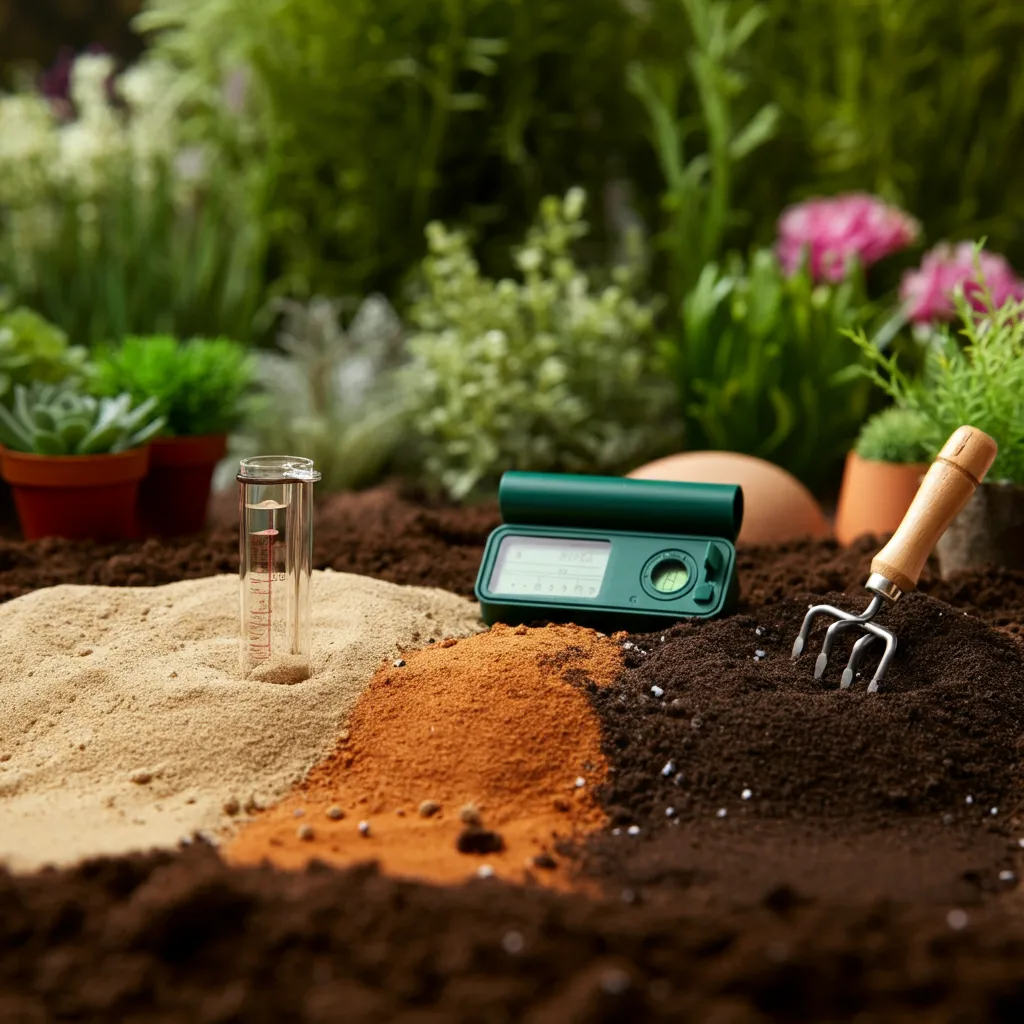
Soil type dramatically affects watering requirements. Clay soils hold water longer but can become waterlogged, requiring less frequent but thorough watering. Sandy soils drain quickly, needing more frequent applications but smaller amounts. Loamy soils—the gardener's gold standard—balance drainage with moisture retention.
Testing your soil drainage helps determine optimal watering schedules. Dig a 30cm deep hole and fill with water. If water remains after 24 hours, you have slow-draining soil requiring less frequent watering. If water drains within 2-3 hours, you're dealing with fast-draining soil needing more regular attention.
Timing errors compound water waste. Watering during windy conditions increases evaporation losses, whilst watering immediately before predicted rainfall wastes both water and money. Most smartphone weather apps provide hourly forecasts, helping you avoid these costly timing mistakes.
Smart Watering for Different Garden Areas
Different garden areas have distinct watering requirements that efficient irrigation must address. Lawns, despite popular belief, rarely need daily watering. Established grass develops deep roots when watered thoroughly once or twice weekly rather than lightly each day.
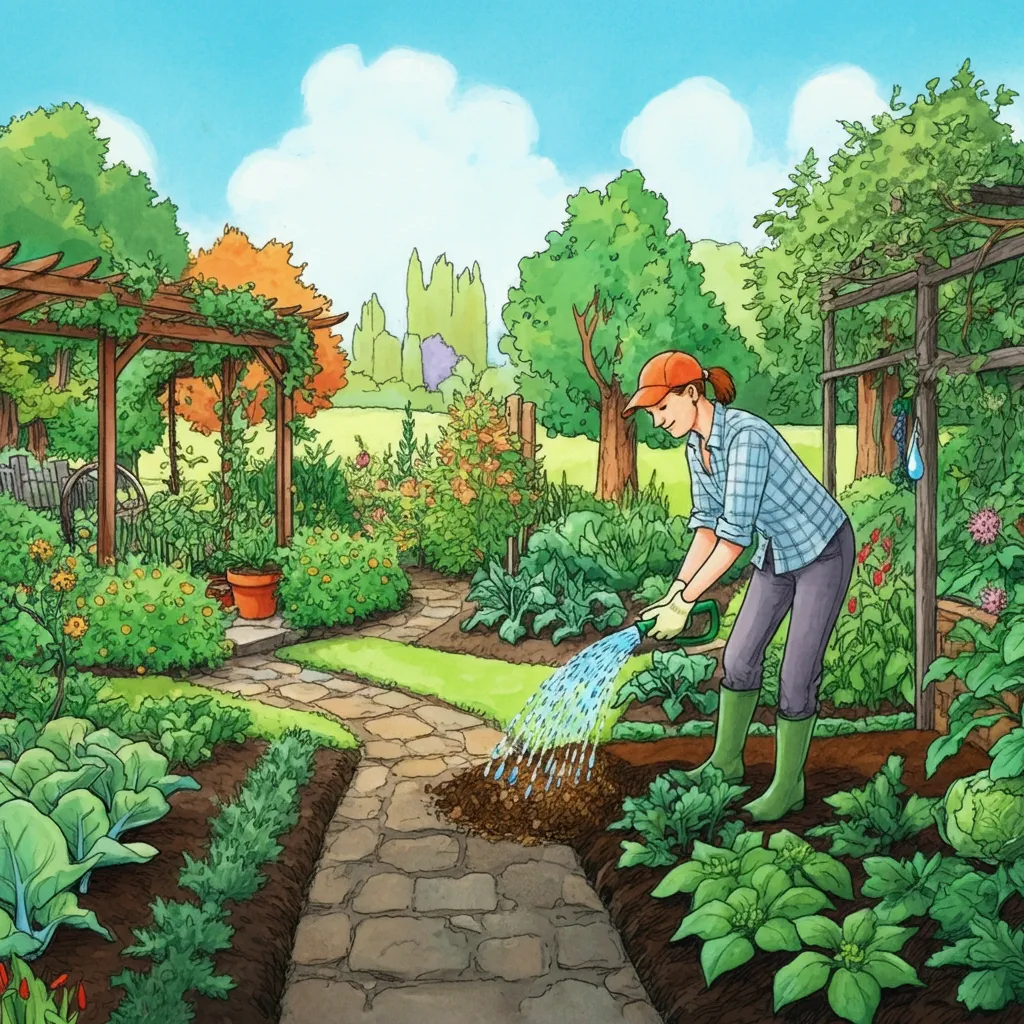
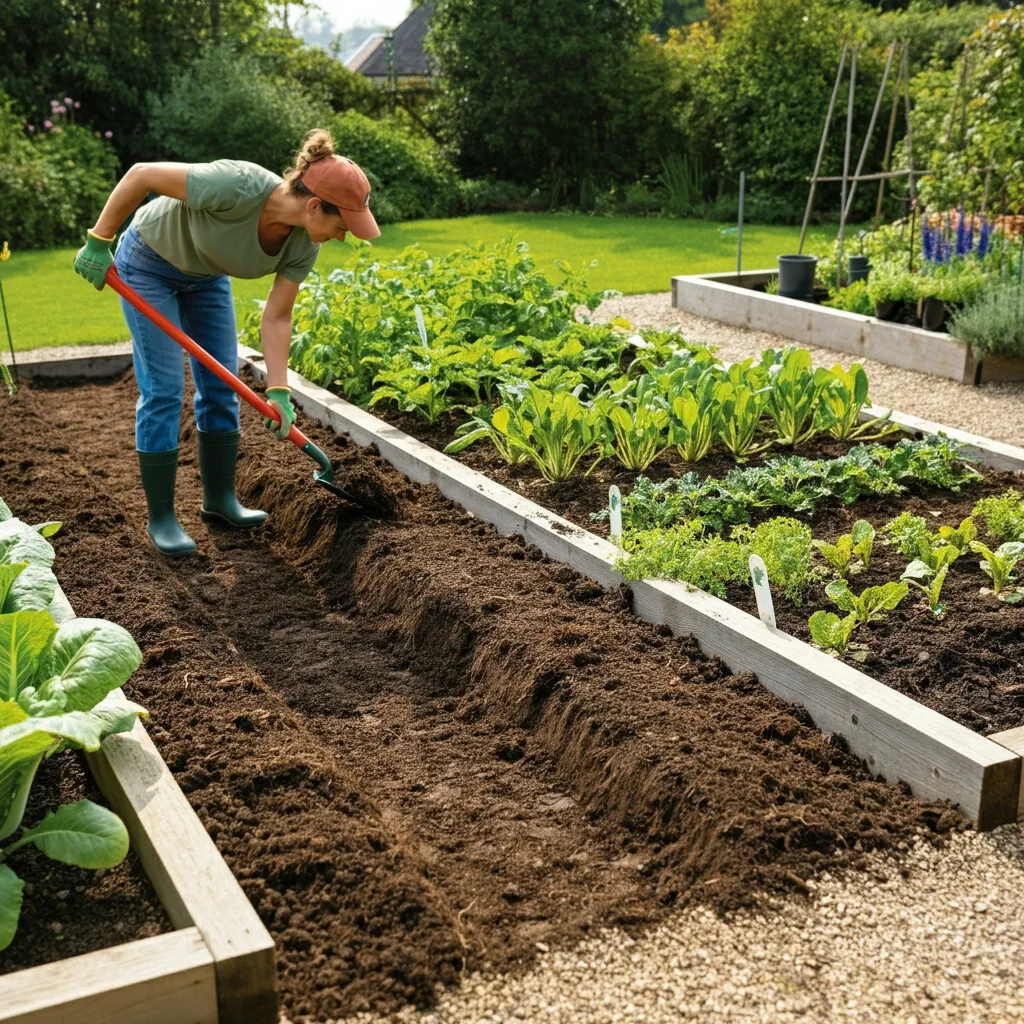
Vegetable patches benefit from targeted watering that delivers moisture directly to root zones whilst keeping foliage dry. Drip irrigation or soaker hoses work excellently here, reducing disease pressure whilst maintaining consistent soil moisture that vegetables require for steady growth.
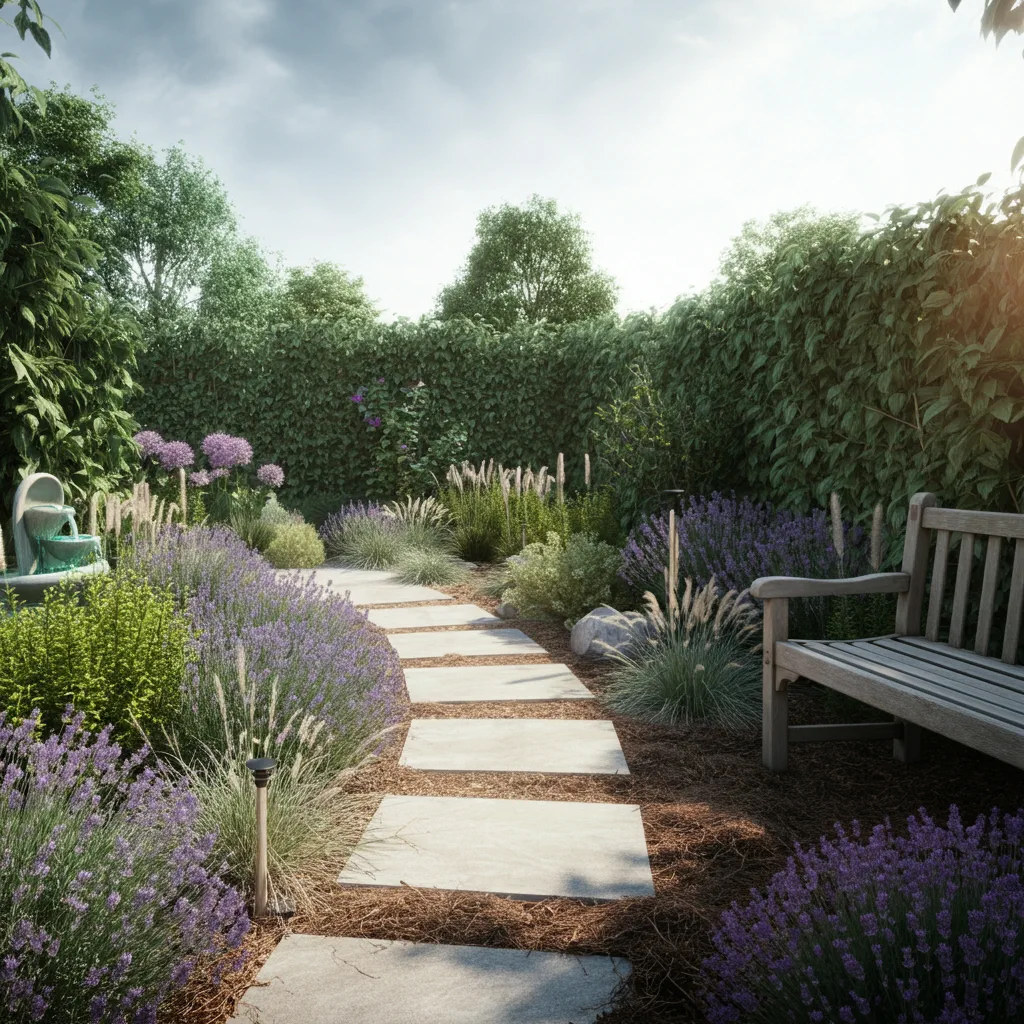
Flower borders present unique challenges, as different plants have varying water requirements. Group plants with similar needs together—Mediterranean herbs and lavender in well-drained areas, moisture-loving hostas and astilbe in naturally damper spots. This zoning approach allows targeted watering without overwatering drought-tolerant plants or underwatering thirsty specimens.
Container gardening requires the most attention, as pots dry out much faster than ground plantings. Large containers (30+ litres) retain moisture longer than small pots, whilst grouping containers creates a beneficial microclimate that reduces individual plant water stress.
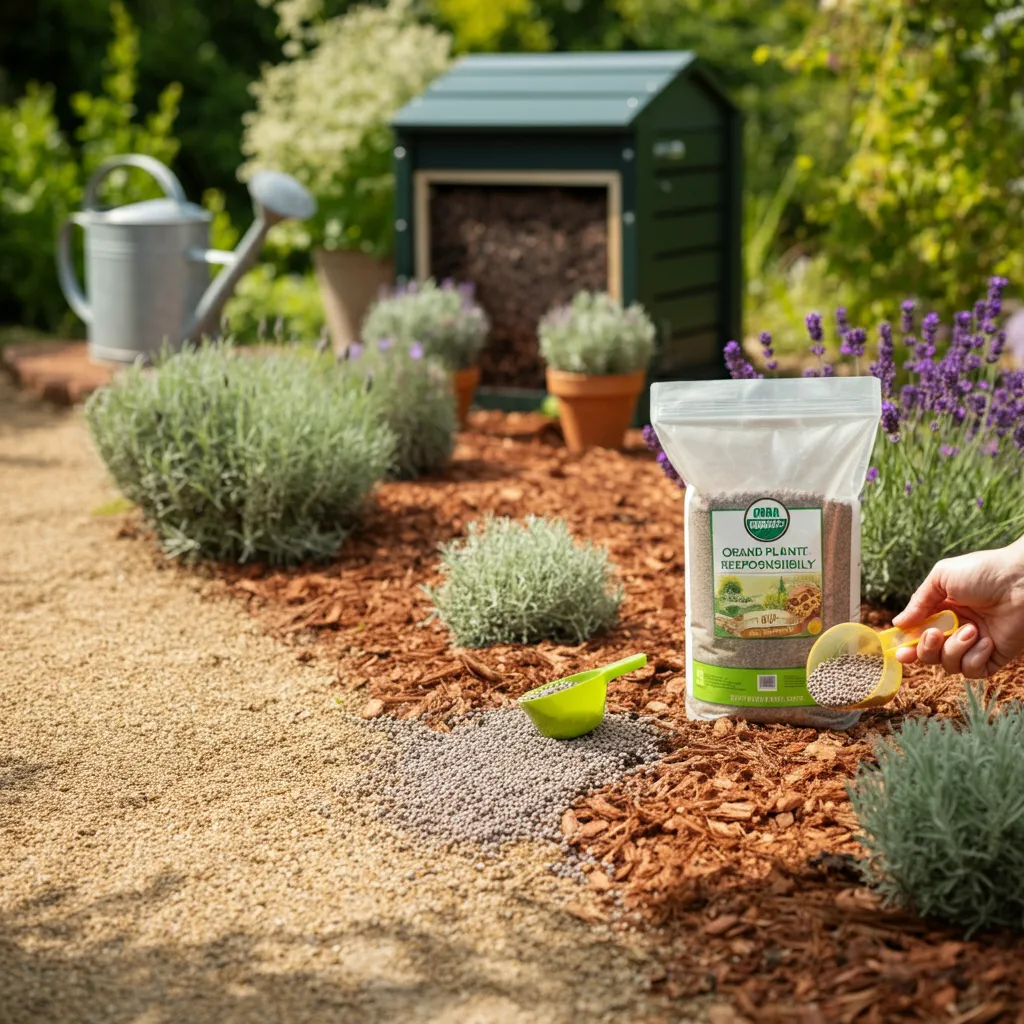
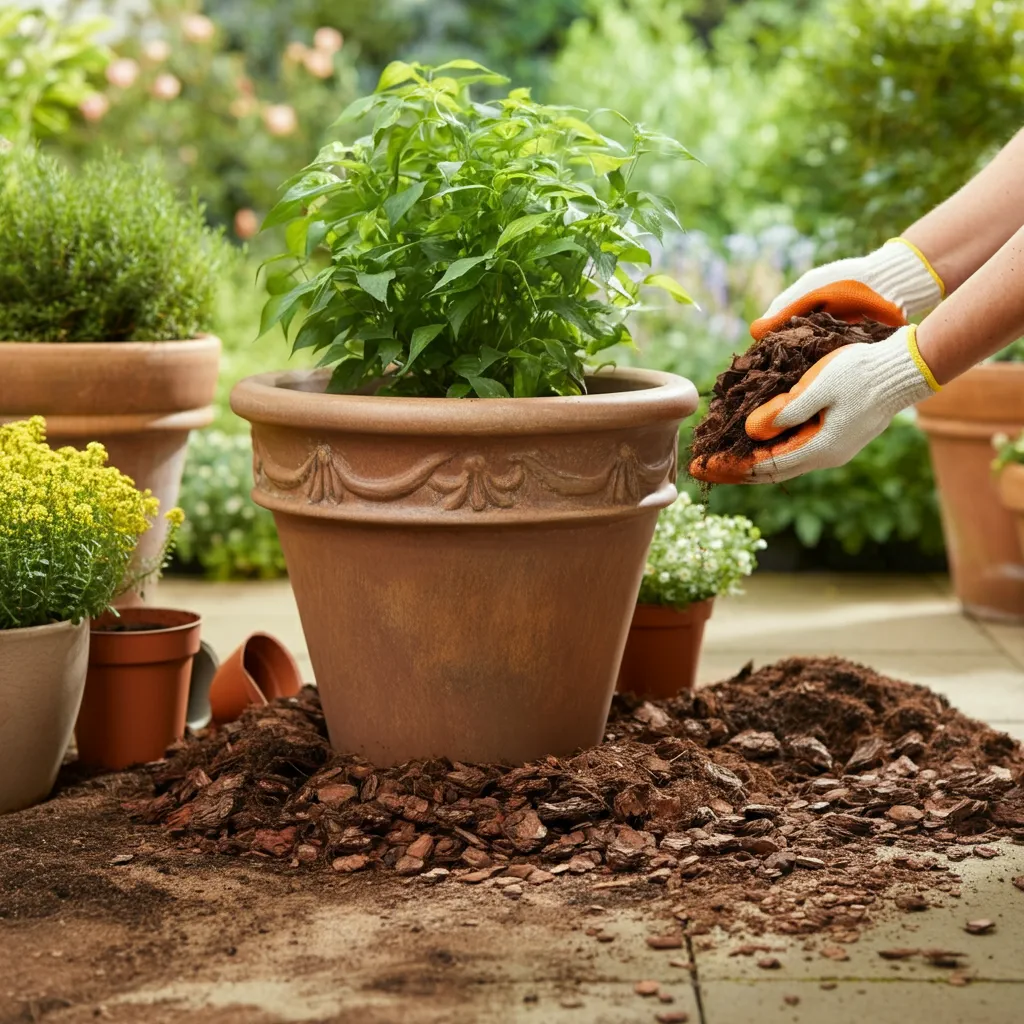
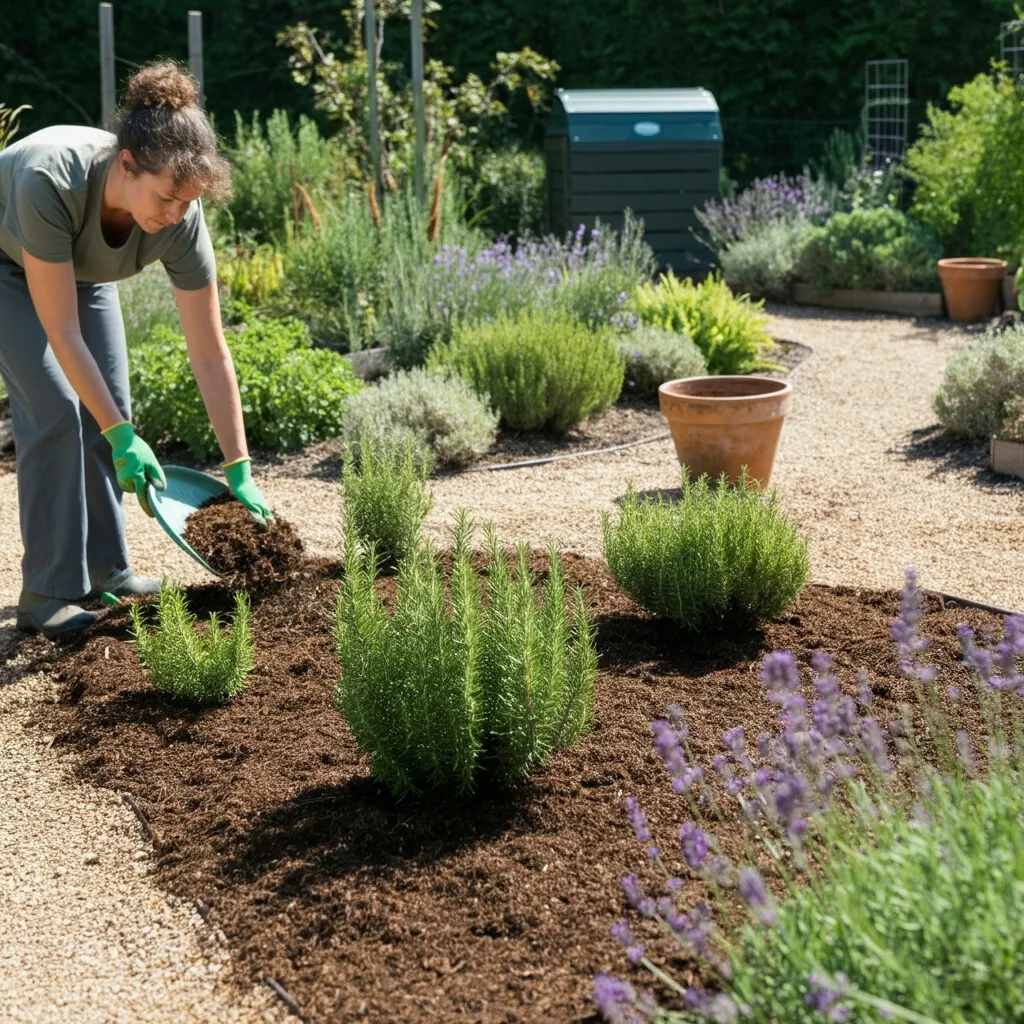
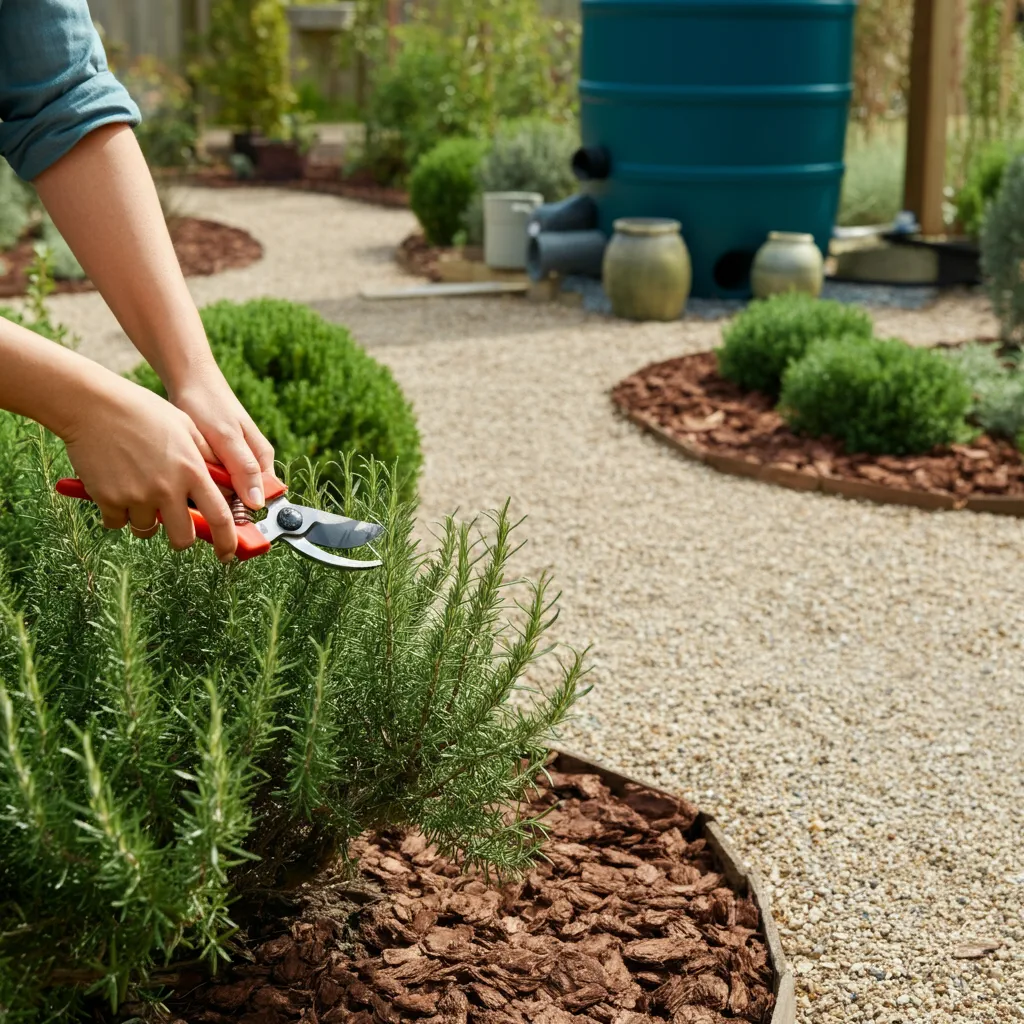
Mulching deserves special mention as a water-conservation superstar. A 5-7cm layer of organic mulch (compost, bark chips, or straw) around plants reduces evaporation by up to 70% whilst suppressing weeds that compete for moisture. Mulch also moderates soil temperature, creating more stable growing conditions.
Newly planted areas need special consideration during their establishment period. Recent transplants haven't developed extensive root systems, requiring more frequent watering until established. Generally, maintain consistent moisture for the first 4-6 weeks, then gradually reduce frequency whilst increasing application depth.
Your Water-Wise Garden Starts Today
Implementing efficient garden irrigation doesn't require a complete garden overhaul or significant investment. The benefits—reduced water bills, healthier plants, and environmental responsibility—compound over time, making water-wise gardening one of the most impactful changes you can make.
Start with these three immediate actions:
Week 1: Adjust your watering timing to early morning and switch from daily light watering to twice-weekly deep watering for established plants.
Month 1: Install a water butt to begin collecting rainwater, and add mulch to your most water-hungry areas.
Season 1: Evaluate your garden's performance and consider installing drip irrigation or soaker hoses in areas that would benefit most.
Remember that transitioning to water-efficient gardening is a gradual process. Plants need time to adjust their root systems, and you'll need time to observe how your garden responds to these changes. Start with one area or technique, master it, then expand your water-wise practices.
The most successful gardeners approach irrigation as a skill to be developed rather than a chore to be automated. By understanding your plants' needs, working with natural rainfall patterns, and choosing appropriate irrigation methods, you'll create a thriving garden that's both beautiful and sustainable.
Your water-wise garden journey begins with a single step. Which technique will you try first?
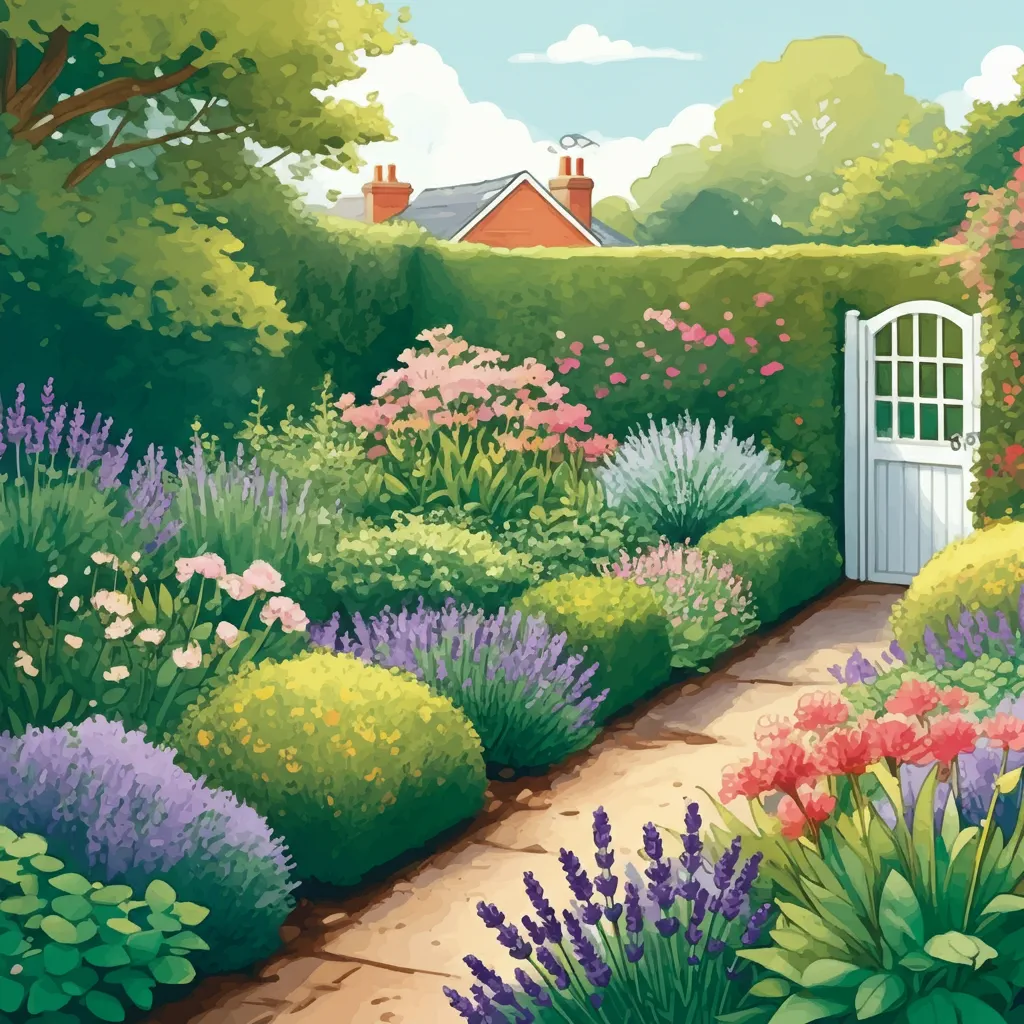
Create a Lush Oasis: Your Water-Wise Gardening Guide
Just last summer, many of us watched our vibrant green lawns turn a sad shade of beige under the relentless sun. The familiar hiss of the sprinkler became a memory as hosepipe bans swept across the UK, leaving our gardens parched and our prize-winning petunias wilting.
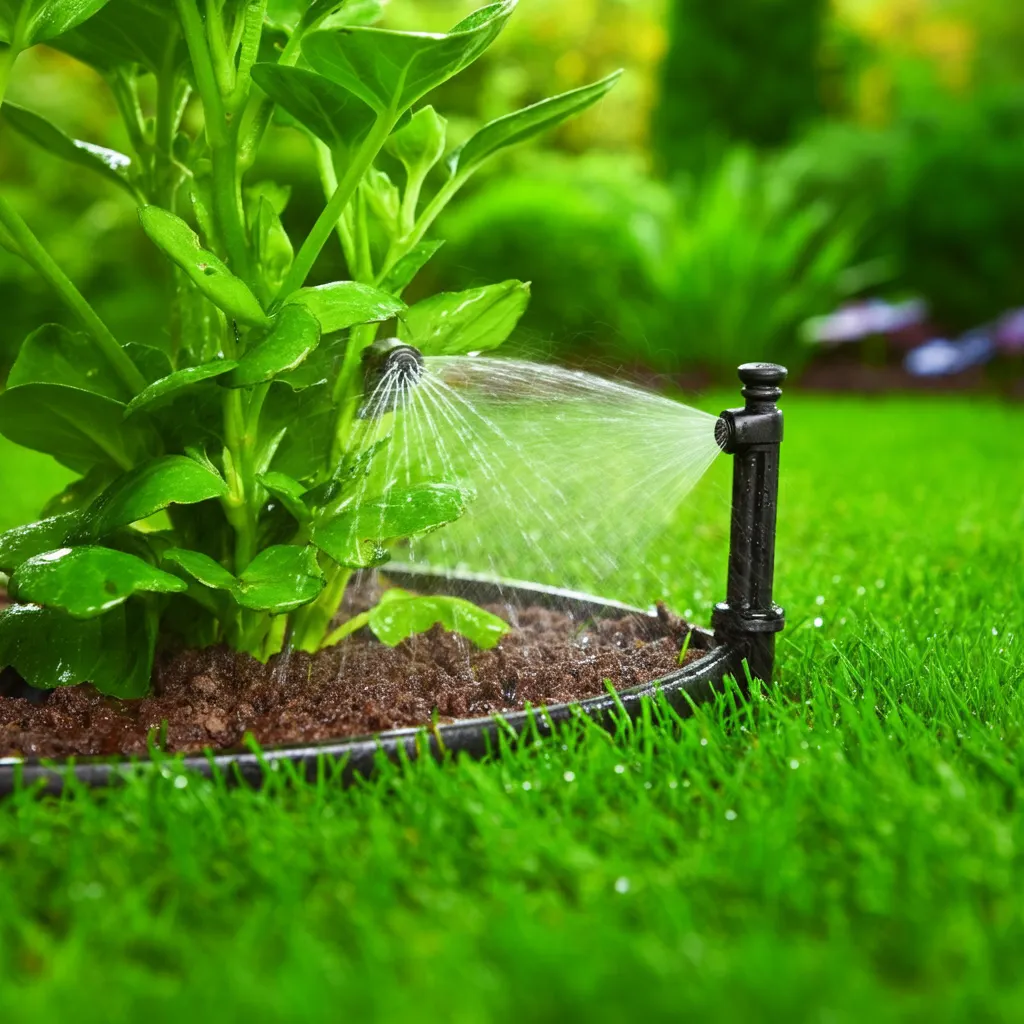
From Thirsty to Thriving: A Water-Wise Garden Blueprint
The familiar sight of a summer hosepipe ban is becoming an annual reality for many UK gardeners. As our climate changes, bringing hotter, drier summers, water scarcity is a growing concern that directly impacts our green spaces.

Drought Tolerant Plants for UK Gardens
Water restrictions, unpredictable rainfall, and soaring water bills have many UK gardeners rethinking their approach to garden design. But here's the exciting part: creating a drought-tolerant garden doesn't mean sacrificing beauty or colour.
Smart Watering Secrets That Saves you Water and Money
With water bills rising and hosepipe bans becoming increasingly common across the UK, efficient garden irrigation has never been more important. Yet many gardeners unknowingly waste up to 50% of their water through poor watering practices.
The Magic of Mulching Your Garden
The summer sun beats down mercilessly on your prize roses, and the soil looks as parched as a desert floor. Sound familiar? Every UK gardener has faced those unexpectedly scorching days when the weather forecast promises weeks without rain, and you're left wondering how on earth you'll keep your beloved plants alive?

Water-Wise Garden Care Guide
With climate change bringing unpredictable weather patterns and water restrictions becoming increasingly common across the UK, more gardeners are discovering the benefits of drought-resistant gardening. Creating a water-wise garden filled with resilient plants is an excellent first step






Community Feedback