An A-Z Guide on how to Identify, Prevent and Treat Codling Moths for Gardeners and Farmers in the UK
A Comprehensive Guide to Identifying, Preventing, and Treating Codling Moths
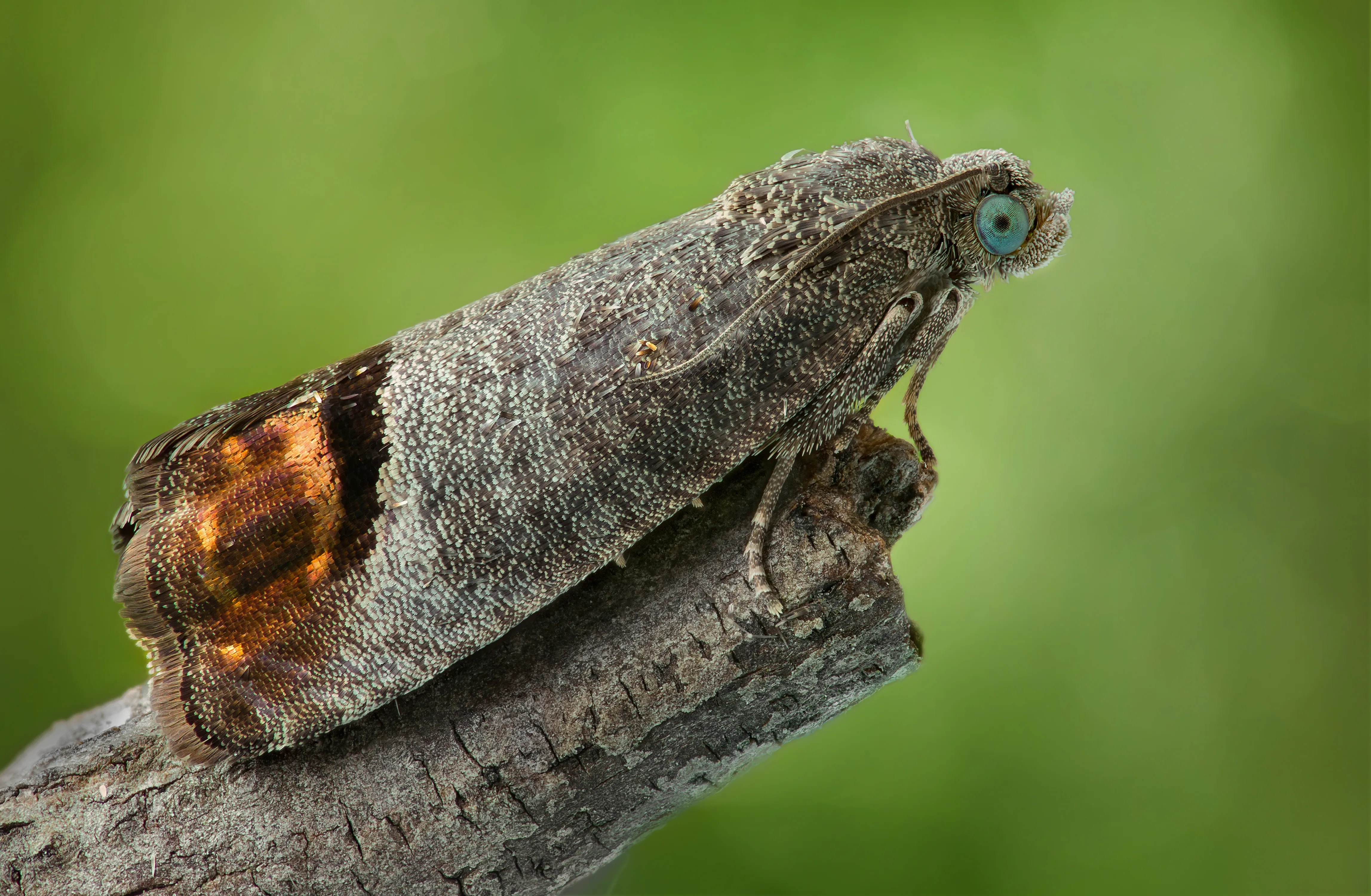
The codling moth (Cydia pomonella), a danger pest
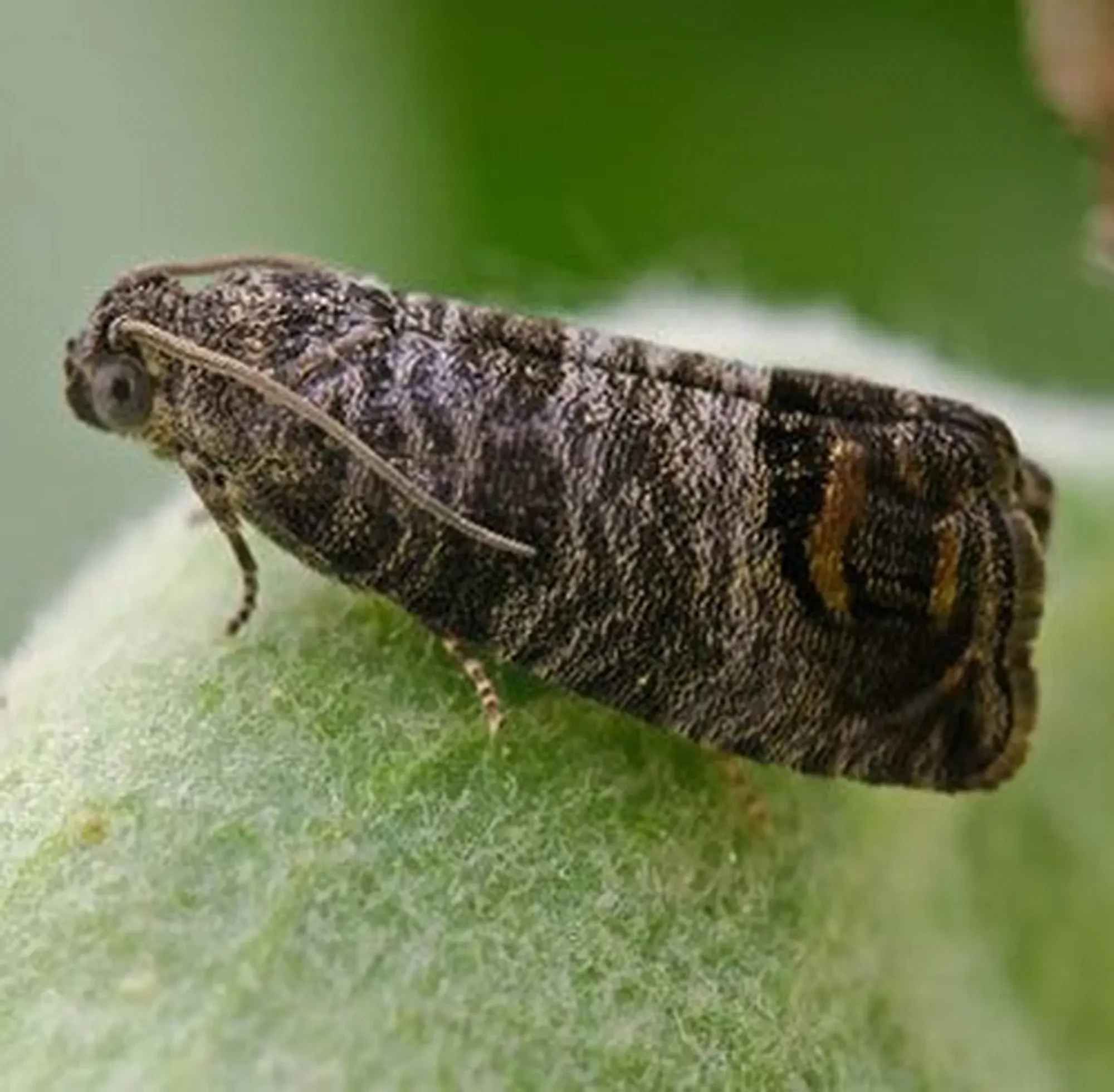
The Codling Moth
Codling moths are a common pest in the UK, and can cause significant damage to fruit trees and other crops. They are small, greyish-brown moths with a wingspan of about 1.5 cm, and can be found in gardens and orchards throughout the country. The larvae of the codling moth feed on the fruit of the tree, leaving behind a tell-tale sign of their presence - a small, round hole in the fruit. In order to protect your crops from codling moths, it is important to understand how to identify, prevent and treat them. This guide will provide an A-Z guide on how to do just that.
By understanding the lifecycle of the codling moth, you can better identify and prevent them from damaging your crops. The adult moths lay their eggs on the leaves of the tree, and the larvae then hatch and feed on the fruit. The larvae then pupate in the soil, and the adult moths emerge in the spring. Knowing this lifecycle can help you to identify the presence of codling moths and take steps to prevent them from damaging your crops.
What are Codling Moths and their Life Cycle
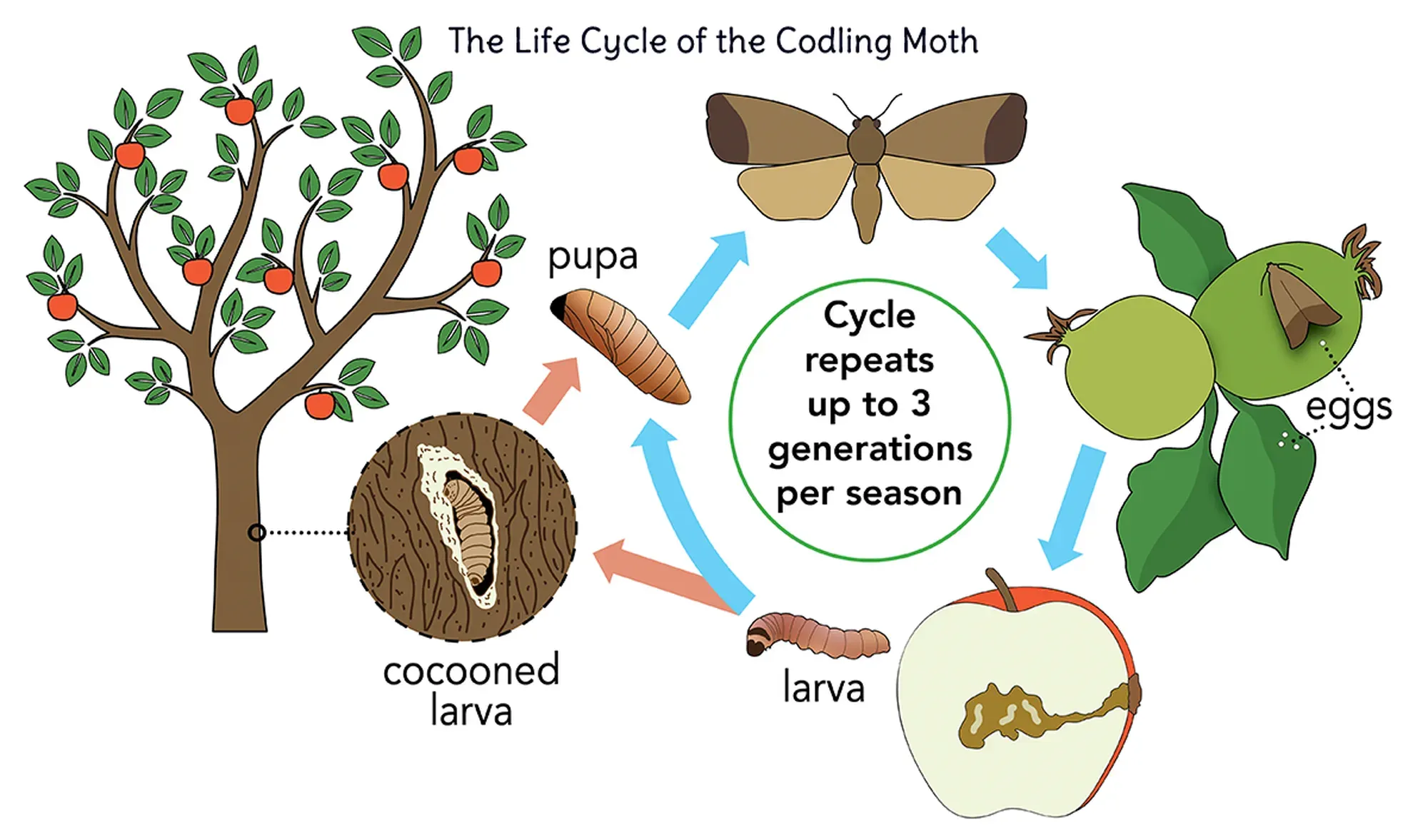
The Life Cycle of the Codling Moth
Codling moths are a common pest in the UK, particularly for gardeners and farmers. They are small, greyish-brown moths with a wingspan of around 1.5 cm. The larvae of the codling moth feed on the fruit of apple trees, making them a major pest for orchards. The larvae bore into the fruit, leaving behind a tell-tale sign of a small hole and frass (insect droppings). To prevent codling moths from damaging your crops, it is important to identify them early and take steps to control them.
The life cycle of the codling moth is relatively short, with the larvae hatching from eggs in late spring and pupating in late summer. The adult moths emerge in late summer and lay eggs on the leaves and fruit of apple trees. The eggs hatch in late spring and the larvae feed on the fruit until they pupate in late summer. To control codling moths, it is important to monitor the trees for signs of infestation and take steps to reduce the population. This can include removing infested fruit, pruning the trees, and using insecticides.
Life Cycle, Habitat, and Control of Codling Moths
Introduction Codling moths (Cydia pomonella) are a significant pest for fruit trees, particularly apple and pear trees. Understanding their life cycle, habitat, and host preferences can help in devising effective control strategies. This report aims to provide a comprehensive overview of these aspects.Life Cycle of Codling Moths
- Mating and Egg Laying Adult Codling moths emerge from their pupae in late spring or early summer. After mating, females lay their eggs individually on the leaves or fruit of host trees. A single female can lay up to 100 eggs.
- Larval Development The eggs hatch into larvae after about one to two weeks. The larvae then penetrate the fruit, where they feed on the pulp and seeds, causing extensive damage. They continue to grow over several weeks, undergoing five instar stages.
- Pupation After feeding, the mature larvae exit the fruit to find a suitable site for pupation. They typically seek sheltered areas, such as under tree bark or in leaf litter. The pupal stage lasts about two weeks before adult moths emerge, completing the life cycle. This cycle repeats 2-3 times per growing season, leading to multiple generations per year.
Habitat and Geographic Range
Codling moths are found worldwide, particularly in regions where apples and pears are grown. They prefer orchards and gardens where their preferred host trees are available.
Host Preferences
While apples and pears are their preferred hosts, Codling moths can also infest other soft fruits like peaches, nectarines, and sometimes walnuts.
Pest Control
Several products can be used to control Codling moths.
- Pheromone Traps: These traps attract and capture male moths, disrupting mating and reducing the population.
- Insecticides: Products containing Bacillus thuringiensis (Bt) or spinosad can be sprayed on trees when larvae are expected to hatch.
-
Horticultural Oils: These can be applied to smother eggs before they hatch.
Remember, safety is paramount when using any pest control products. Always follow manufacturer instructions and consider potential impacts on non-target organisms and the environment.
Effective management of Codling moths requires a deep understanding of their life cycle, habitat, and host preferences. By employing appropriate control measures, we can minimize the damage these pests cause and ensure healthy, productive fruit trees.
Identifying Codling Moths and the Damage They Cause
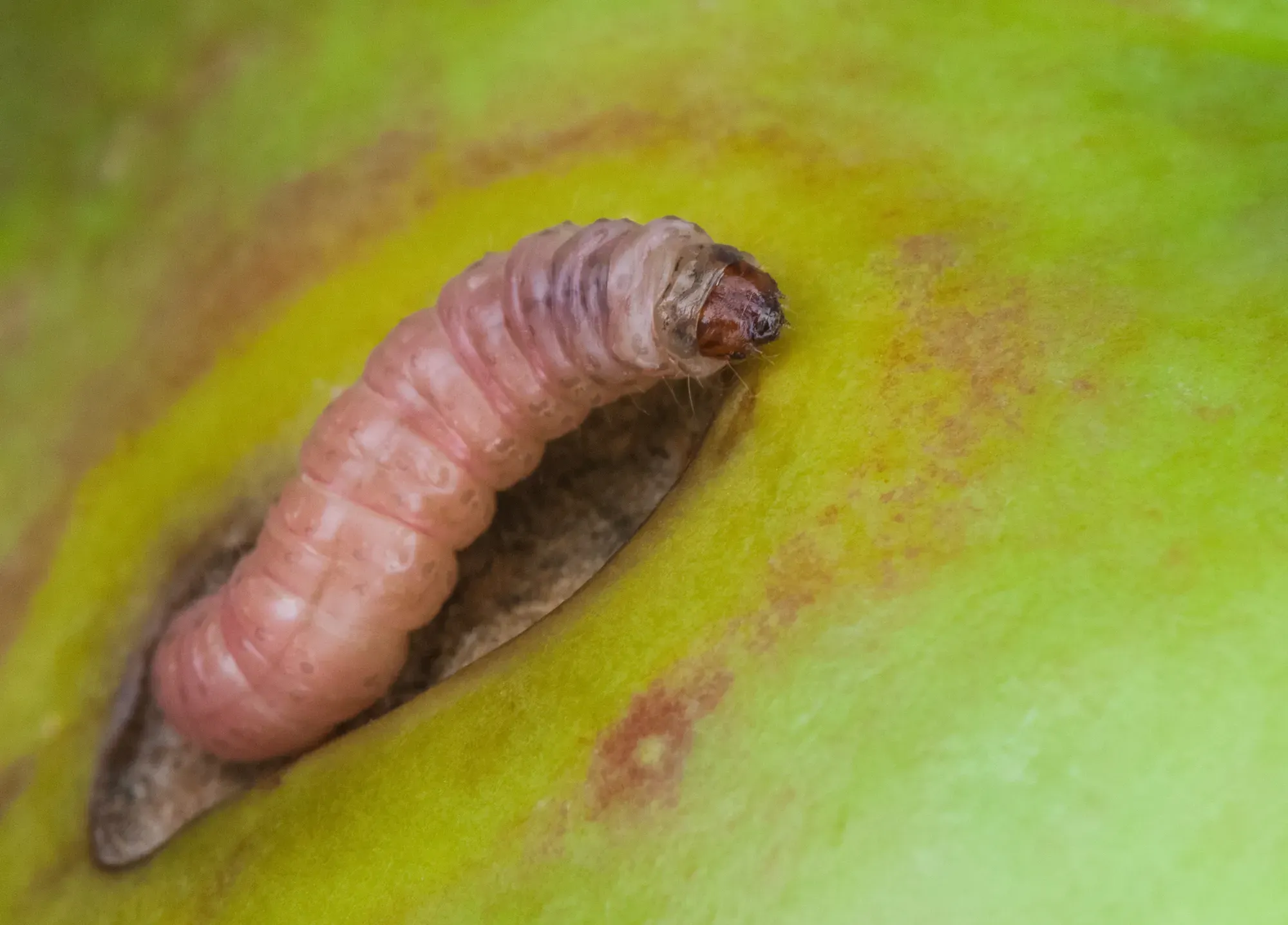
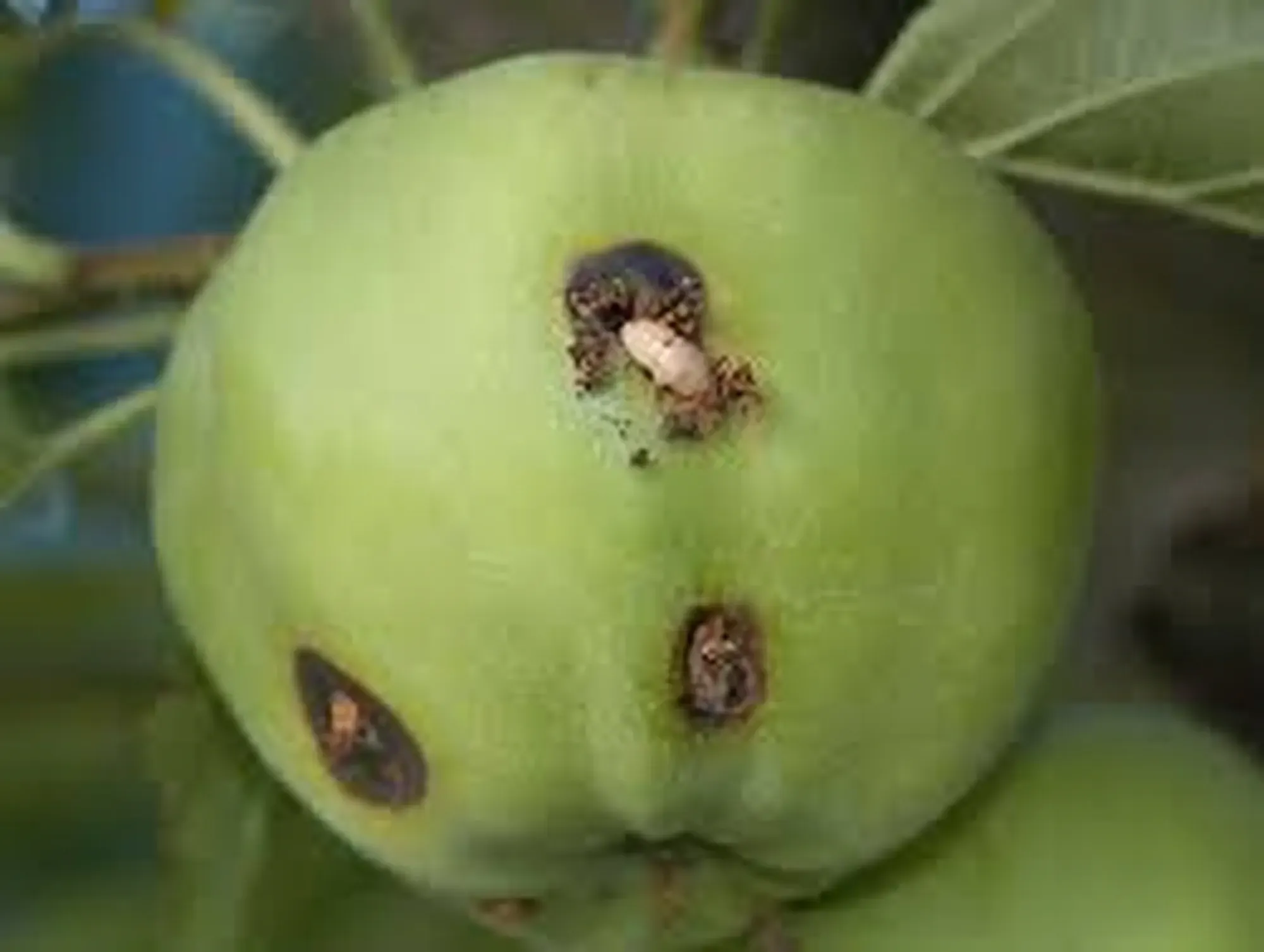
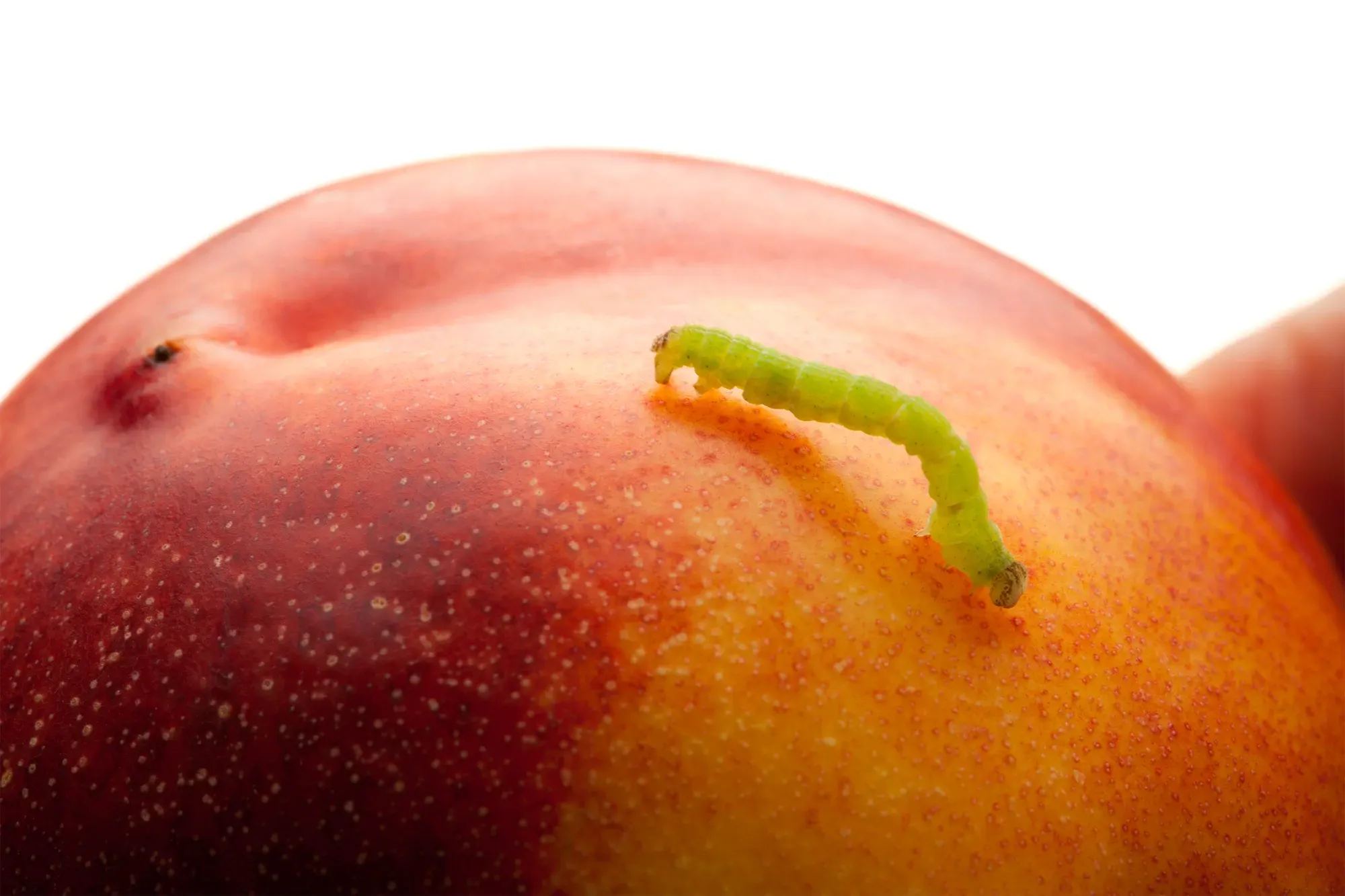
Caterpillar pest Codling moth crawls on a green apple fruit.
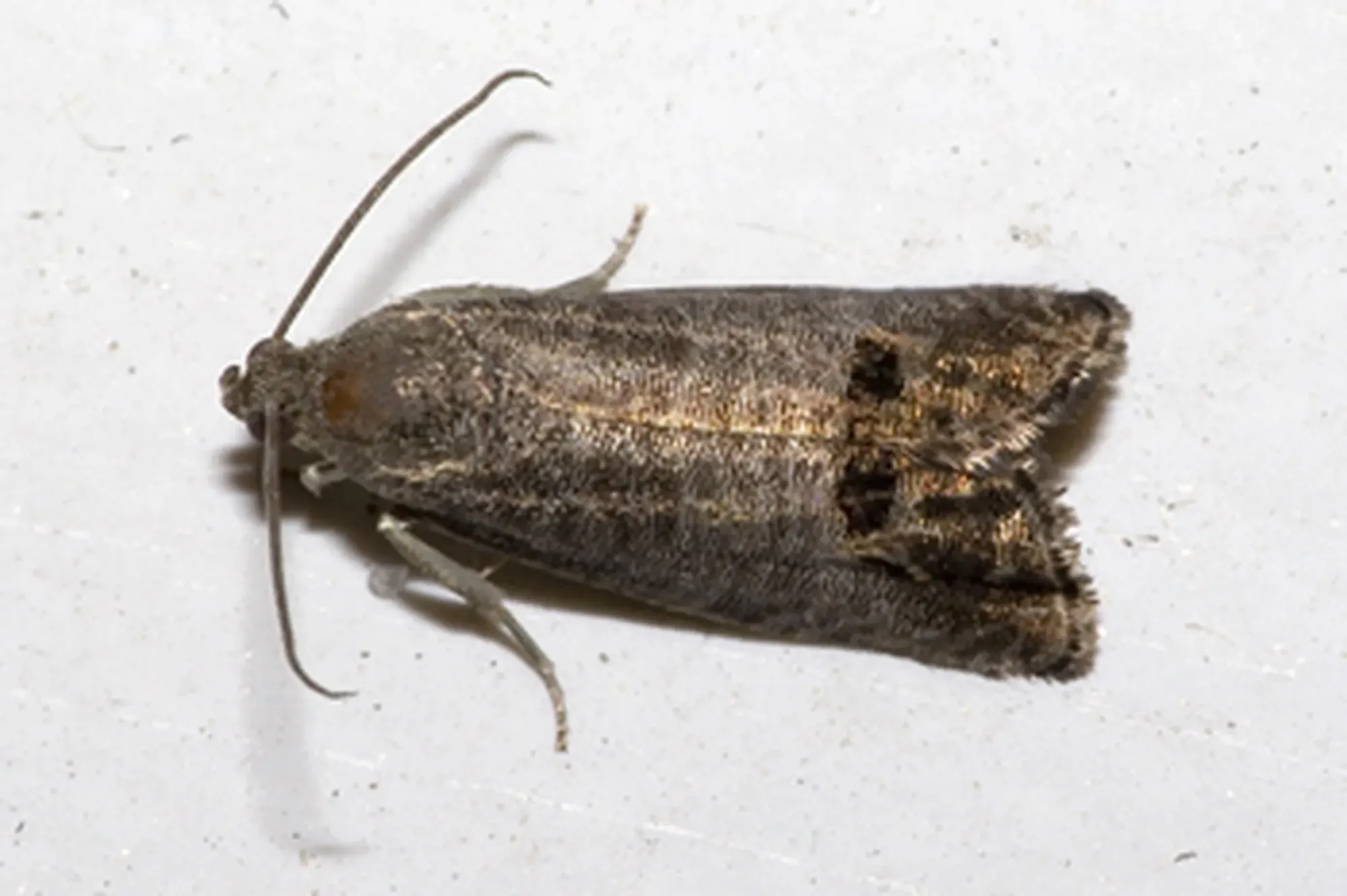
Codling moths are a common pest in the UK, and can cause significant damage to fruit trees and other crops. They are small, greyish-brown moths with a wingspan of around 1.5 cm, and can be identified by their distinctive white markings on the wings. The larvae of the codling moth feed on the fruit of the tree, leaving behind a tell-tale sign of a small hole in the fruit. To prevent codling moths from damaging your crops, it is important to regularly inspect your trees for signs of the moths and their larvae. If you find any, you should remove them by hand or use a pesticide to kill them. If the infestation is severe, you may need to prune the affected branches or even remove the entire tree. In addition, you can also use traps to catch the moths and prevent them from laying eggs on your trees. Finally, you should also practice good hygiene in your garden or farm, such as removing fallen fruit and debris, to reduce the chances of codling moths infesting your crops.
Comprehensive Guide on Codling Moths: Identification, Damage, and Control
Introduction The codling moth (Cydia pomonella) is a notorious pest in the world of agriculture, causing significant damage to fruit crops, particularly apples and pears. Recognizing and managing this pest effectively is crucial to maintain the health and productivity of your orchard.What Are Codling Moths?
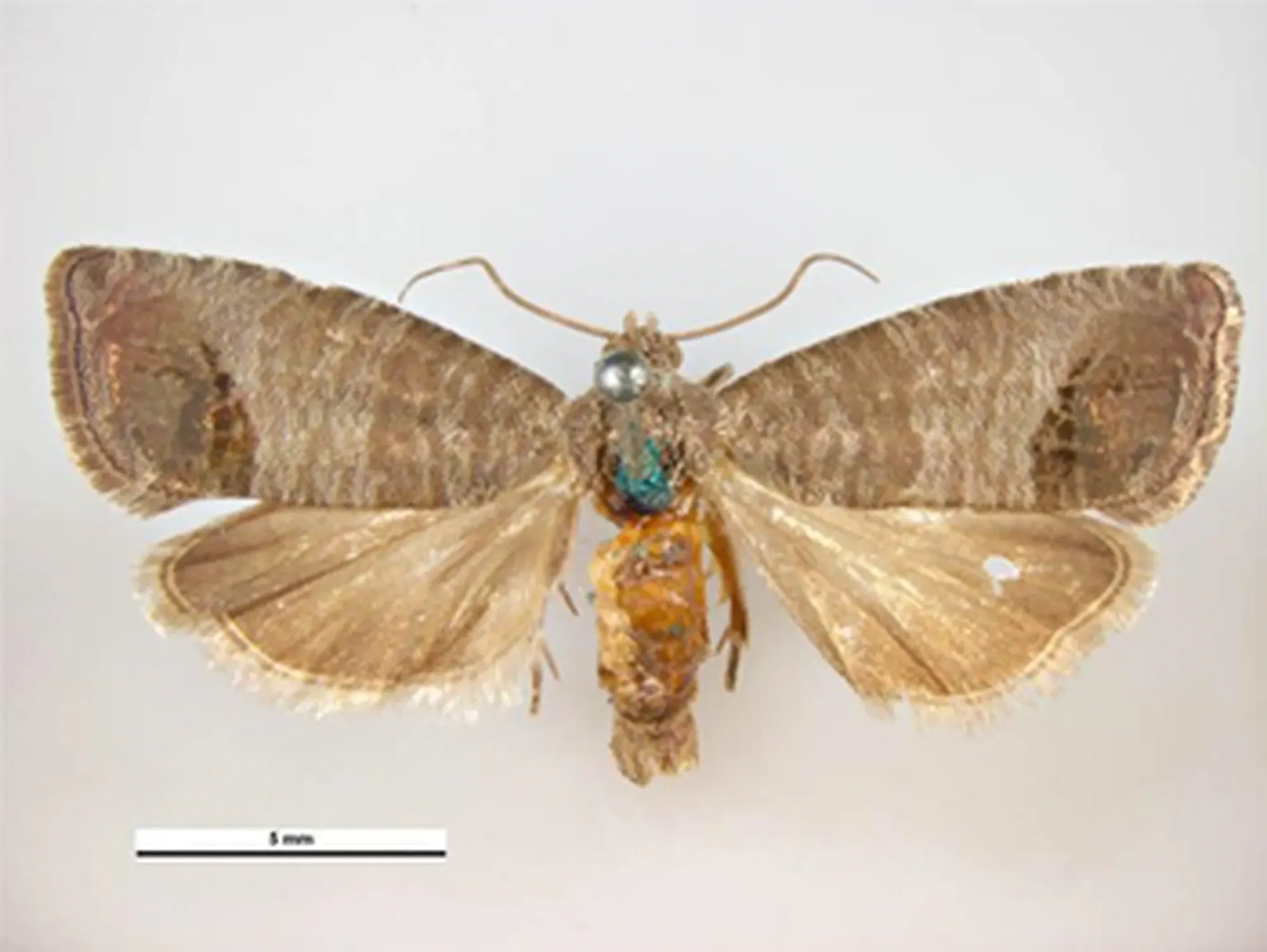
Codling moths are small, grey-colored moths that are a major pest for apple, pear, and other pome fruit trees. The larvae of these moths cause the most damage, as they bore into the fruit to feed, leaving behind extensive damage and rendering the fruit unmarketable.How to Identify Codling Moths?
Adult codling moths are about 1/2 inch long with mottled gray wings that they hold tent-like over their bodies when at rest. They have a coppery colored band on the tip of their wings. The larvae are the damaging stage of this pest. They are white to light pink "worms" with a dark brown head, reaching up to 1/2 inch in length when fully grown.Life Cycle and Behavior
Codling moths have 2-3 generations per year. They overwinter as full-grown larvae within thick, silken cocoons in the bark crevices of trees or in the soil beneath. In spring, they pupate, and adult moths emerge to mate and lay eggs on the fruit or leaves. After hatching, the larvae burrow into the fruit where they feed until they're ready to pupate.Identifying Damage Caused by Codling Moths
Signs of codling moth infestation include:- Entry holes: Look for small, round holes often surrounded by frass (insect excrement). This is where the larva has bored into the fruit. Tunneling: As the larva feeds, it creates a tunnel filled with frass through the core of the fruit. Premature fruit drop: Infested fruits often fall to the ground prematurely.
Prevention and Control Techniques
- Monitoring: Use pheromone traps to monitor the presence of adult moths. This can help you time your control measures more effectively. Sanitation: Clean up fallen fruit and remove it from the orchard promptly. This helps eliminate potential sites for larvae to pupate. Tree banding: Wrap bands of corrugated cardboard around tree trunks to provide a place for larvae to spin their cocoons. Remove and destroy these bands regularly to kill any pupating larvae. Chemical control: Apply insecticides when the majority of eggs are hatching. Products containing Bacillus thuringiensis (Bt) or spinosad can be effective. Always follow label instructions when using pesticides. Biological control: Encourage natural predators in your orchard. Birds, spiders, and certain beetles can help keep codling moth populations in check.
Remember, an integrated approach combining several techniques will give the best results. Always consult with a local extension service or pest management professional for tailored advice.
Preventive Measures to Keep Codling Moths at Bay
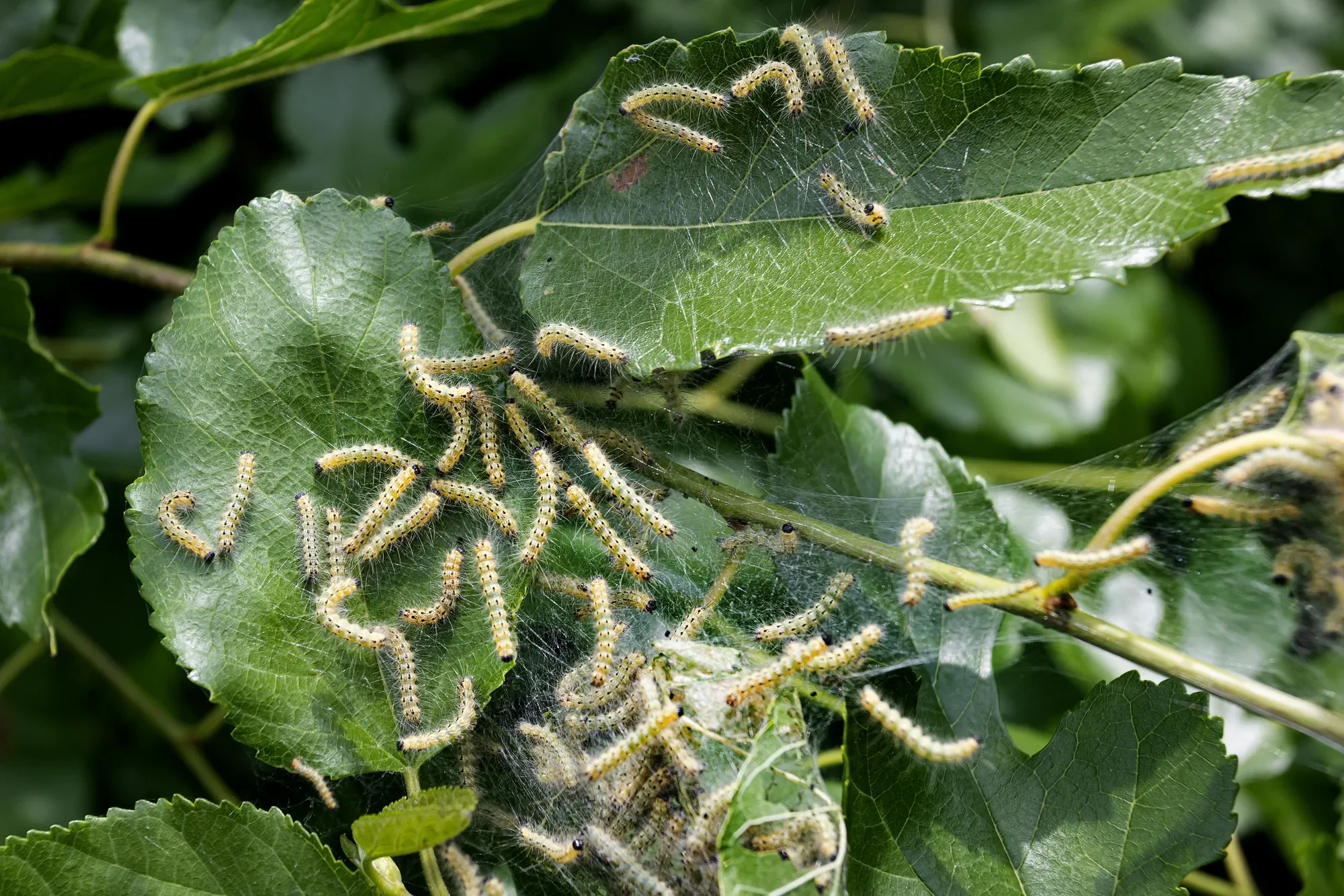
Codling moth caterpillars in silky web on an apple tree branch. Tent silkworm caterpillars in special silk tents land on tree leaves and devour. Selective focus. Agricultural crop pests. Fruit pests
Preventive measures are key to keeping codling moths at bay. The first step is to identify the signs of an infestation. These include the presence of small, white moths, as well as the presence of larvae in the fruit. If you spot any of these signs, it is important to take action quickly.
One of the most effective preventive measures is to use pheromone traps. These traps attract the moths and trap them, preventing them from laying eggs on the fruit. Additionally, it is important to keep the area around the fruit trees clean and free of debris, as this can provide a breeding ground for the moths. Finally, it is important to inspect the fruit regularly and remove any that show signs of infestation.
By following these preventive measures, gardeners and farmers in the UK can help to keep codling moths at bay and protect their crops.
Preventive Measures Against Codling Moths for Healthy Fruit Trees
Codling moths (Cydia pomonella) are a significant threat to fruit trees. Understanding their lifecycle and potential damage is the first step towards effective prevention.
Lifecycle and Damage
Codling moths have 2-3 generations per year, with adults emerging in late spring or early summer. After mating, females lay eggs on fruit or leaves. The hatched larvae burrow into the fruit to feed, causing extensive damage internally. They then exit the fruit to pupate and transform into adults, repeating the cycle.
Damage by codling moths includes entry holes on the fruit surface, internal tunnels filled with frass, and premature fruit drop.
Preventive Measures
-
1. Pheromone Traps
Pheromone traps attract male moths, disrupting mating and reducing the population. Hang these traps in trees in early spring to catch the first generation of moths. -
2. Natural Pesticides
Natural pesticides like Bacillus thuringiensis (Bt) and spinosad can be effective when applied during the egg-hatching period. Always follow manufacturer’s instructions. -
3. Promoting Bird Activity
Birds are natural predators of codling moths. Installing bird houses and feeders can attract more birds to your orchard, helping control the moth population naturally. -
4. Horticultural Oils
Horticultural oils smother eggs before they hatch. Apply these in late winter or early spring before buds open. -
5. Parasitic Wasps
Parasitic wasps are natural enemies of codling moths. They lay their eggs inside codling moth larvae, killing them. Encourage these beneficial insects by planting flowering plants that provide them with nectar.
-
1. Regular Cleaning
Clean up fallen fruit and leaves regularly. This eliminates potential breeding sites and interrupts the moth's lifecycle. -
2. Pruning
Prune your trees to allow sunlight to penetrate, making it less hospitable for codling moths. -
3. Regular Monitoring
Inspect your trees often for signs of infestation. Early detection allows for more effective control.
By understanding the lifecycle of codling moths and using these preventive measures, farmers and gardeners can protect their fruit trees from damage and maintain a healthy orchard. Always consult with a local agricultural extension service or pest management professional for advice tailored to your specific situation.
Organic Treatment Options for Codling Moth Infestations

Wilting Large Purple Clematis Flower
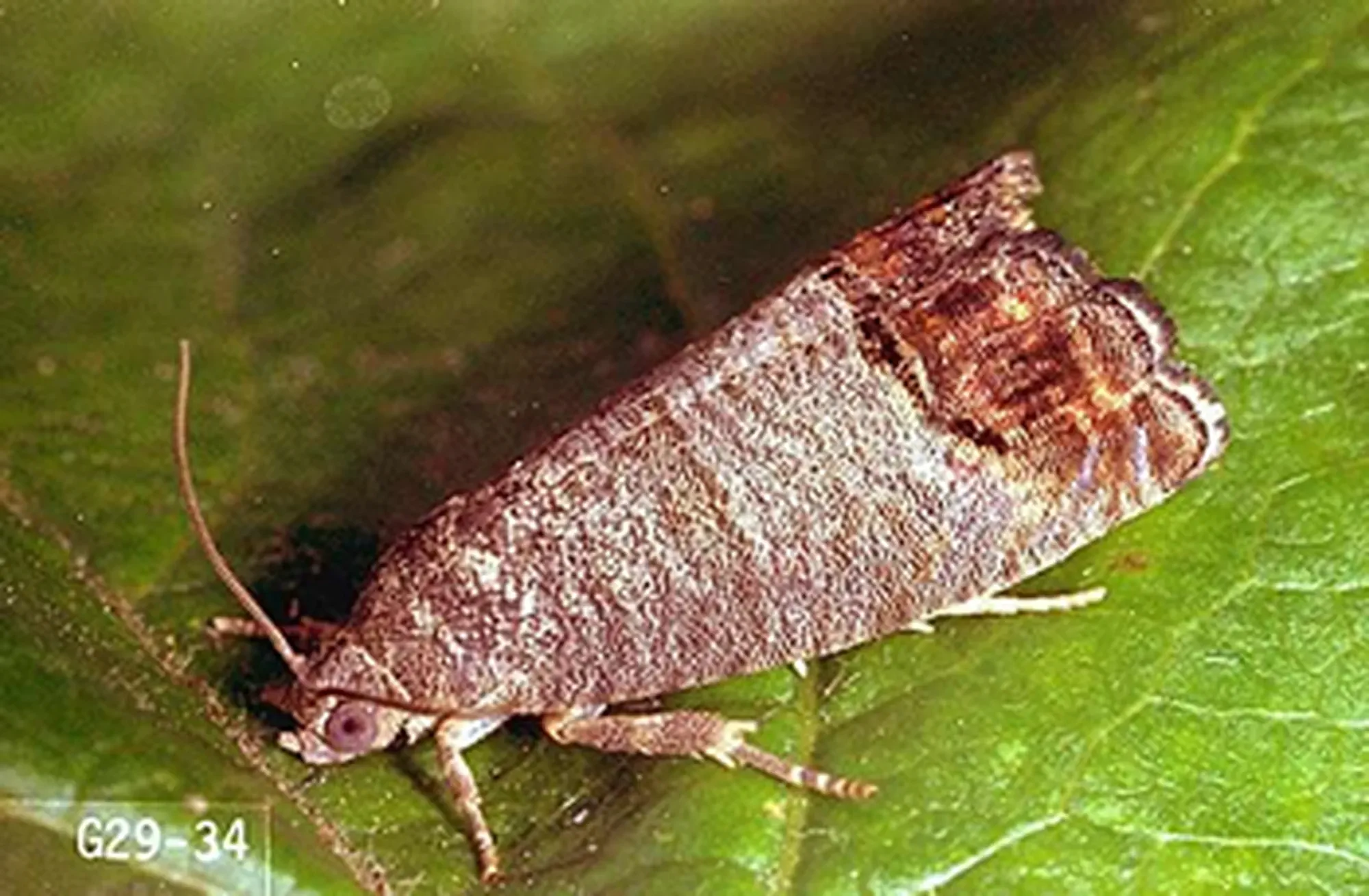
Organic treatment options for codling moths are becoming increasingly popular among gardeners and farmers in the UK. These treatments are designed to be safe for the environment and effective in controlling codling moths. One of the most popular organic treatments is the use of pheromone traps. These traps are designed to attract and capture male codling moths, preventing them from mating with female moths and laying eggs. This can be an effective way to reduce the population of codling moths in an area. Additionally, some gardeners and farmers have had success with using natural predators such as parasitic wasps to control codling moths. These wasps lay their eggs in the codling moth larvae, killing them before they can mature and lay eggs. Finally, some gardeners and farmers have had success with using natural repellents such as garlic or neem oil to keep codling moths away from their plants. These repellents can be applied directly to the plants or sprayed around the perimeter of the garden or farm.
Organic Treatment Options for Codling Moth Infestations in Fruit Trees
-
1. Pheromone Traps
- Pros: Pheromone traps, which use a synthetic version of the female codling moth's sex pheromone to lure in males, are an effective way to monitor populations and reduce mating success.
- Cons: They may not be sufficient to control large infestations.
- Application: Hang traps in trees in early spring to catch the first generation of moths. Replace lures as per manufacturer's instructions.
-
2. Bacillus thuringiensis (Bt)
- Pros: Bt is a naturally occurring soil bacterium that kills codling moth larvae when ingested. It's safe for humans and most beneficial insects.
- Cons: Bt must be ingested by the larvae so timing is crucial. It can be washed off by rain and degrade in sunlight.
- Application: Spray Bt on the foliage and fruit when you first notice moths or eggs, typically in late spring or early summer. Repeat after significant rainfall.
-
3. Kaolin Clay (Surround)
- Pros: Kaolin clay acts as a physical barrier, deterring female moths from laying eggs on the fruit. It's non-toxic and safe for beneficial insects.
- Cons: It leaves a visible residue on fruits, although this can be washed off. It needs to be reapplied regularly and after heavy rain.
- Application: Spray the trees thoroughly, coating all surfaces of the leaves and fruit. Begin application in late spring or early summer and reapply every 7-14 days.
-
4. Horticultural Oils
- Pros: These oils can suffocate eggs and small larvae. They're generally safe for beneficial insects and have minimal environmental impact.
- Cons: They can cause leaf burn if used improperly or in hot weather. They also need to be reapplied regularly.
- Application: Apply as a dormant spray in late winter or early spring before buds open, and/or during the growing season, following label instructions.
-
5. Codling Moth Granulosis Virus (Cyd-X, Carpovirusine)
- Pros: This is a naturally occurring virus that specifically infects codling moths, causing fatal disease in the larvae. It's safe for humans, pets, and beneficial insects.
- Cons: It's more expensive than other options and requires precise timing to infect newly hatched larvae.
- Application: Begin spraying when moths first appear and repeat every 7-10 days during periods of moth flight.
Chemical Treatment Options for Codling Moth Infestations
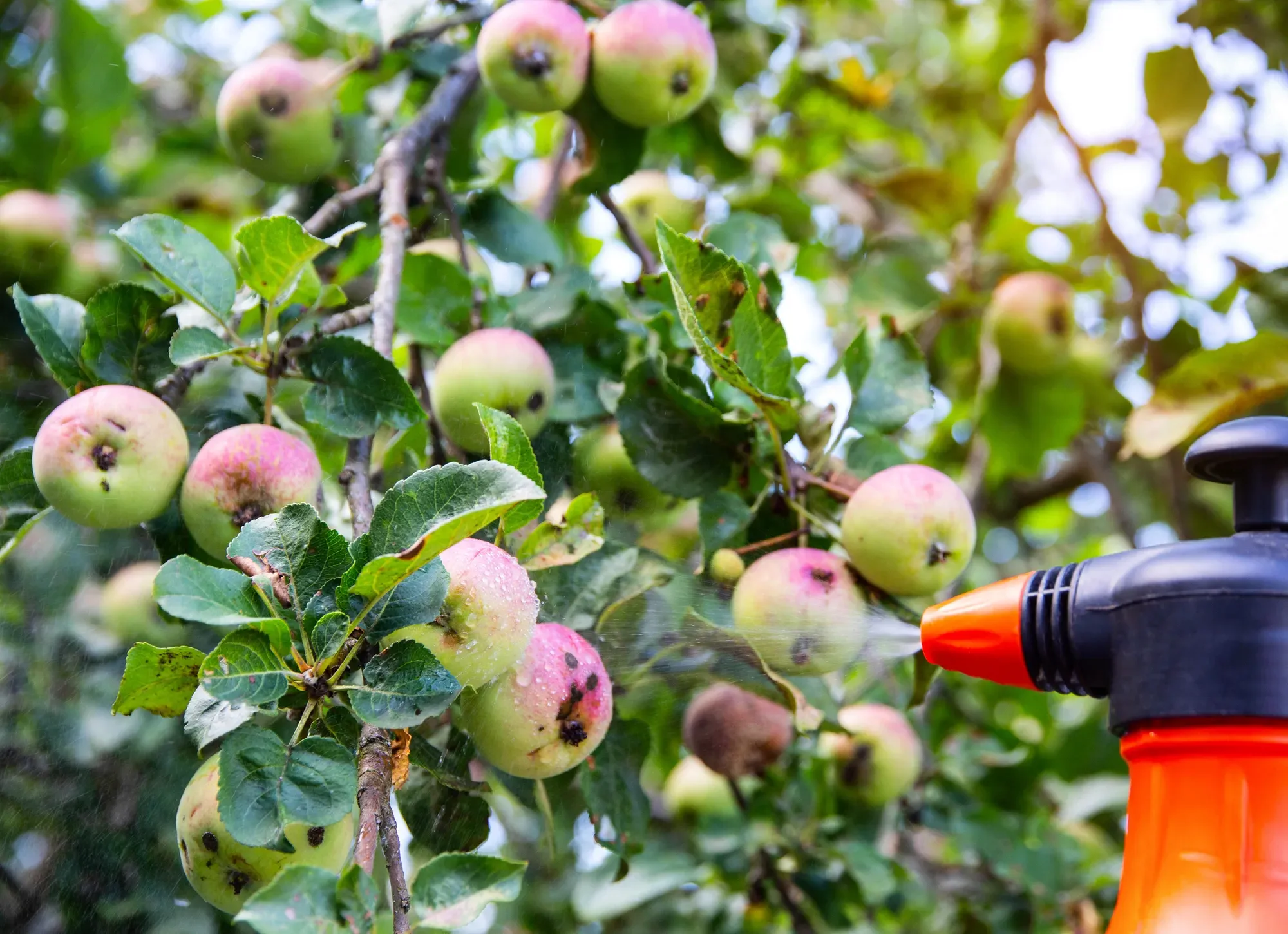
Spraying an apple tree with fruits from codling moth and aphids. Treatment of apple trees with copper sulphate and ammonia.
Chemical treatment options are a popular choice for dealing with codling moth infestations. These treatments are designed to kill the larvae and adult moths, as well as disrupt the reproductive cycle of the moths. Common chemical treatments include insecticides, such as pyrethrin, spinosad, and neem oil. These insecticides are applied directly to the affected plants and can be used as a preventative measure or to treat an existing infestation. It is important to follow the instructions on the product label and to use the correct dosage for the size of the infestation. Additionally, it is important to note that chemical treatments may not be effective against all codling moth species, so it is important to identify the species of codling moth before selecting a chemical treatment.
-
Spinosad:
This is an organic compound that acts as a neurotoxin, causing paralysis and death in targeted insects. It's derived from a naturally occurring soil bacterium and is often used in organic farming. -
Bacillus thuringiensis var kurstaki (Btk):
A naturally occurring soil bacterium, Btk produces toxins harmful to certain insects, including codling moths. It's considered safe for humans and most beneficial insects. -
Horticultural Oil:
These oils can suffocate eggs and small larvae, preventing them from maturing into damaging pests. They're generally safe for beneficial insects and have minimal environmental impact. -
Pyrethroid Insecticides:
These provide moderate control of codling moth and have a broad activity spectrum. However, they're generally avoided because their use can lead to resistance and negatively impact non-target species. -
Organophosphate Compounds:
These include chemicals like Guthion, which act as neurotoxins to kill codling moth larvae. However, they're highly toxic and their use is increasingly limited due to environmental and health concerns. -
Codlemone:
This is a synthetic pheromone used to disrupt codling moth mating, thereby reducing populations. It's often applied in orchard treatments over the entire growing season for effective control.
Remember, it's crucial to follow all label instructions and safety precautions when using chemical treatments. Consider consulting with a local extension service or pest management professional for advice tailored to your specific situation.
Conclusion
In conclusion, codling moths can be a serious problem for gardeners and farmers in the UK. It is important to be able to identify them and the damage they cause in order to take the necessary steps to prevent and treat them. There are both organic and chemical treatment options available, depending on the severity of the infestation. By following the steps outlined in this A-Z guide, gardeners and farmers can effectively manage codling moths and protect their crops. Taking preventive measures and being aware of the signs of an infestation can help to reduce the risk of codling moths and keep gardens and farms healthy and productive.
Frequently Asked Questions
Wilting Large Purple Clematis Flower
FAQ Questions and Answers:
Q: What are codling moths? A: Codling moths are small, grayish-brown moths that are found in gardens and orchards throughout the UK. They are a major pest of apples, pears, and other fruit trees, as their larvae feed on the fruit, causing damage and reducing yields.
Q: What is the life cycle of codling moths? A: The codling moth has four stages in its life cycle: egg, larva, pupa, and adult. The eggs are laid on the leaves or fruit of the host plant, and the larvae feed on the fruit, causing damage. The larvae then pupate in the soil or in crevices in the bark of the tree, and the adult moths emerge in the spring.
Q: How can I identify codling moths and the damage they cause? A: Codling moths can be identified by their grayish-brown color and distinctive markings. The larvae are small, white caterpillars with brown heads. The damage they cause is visible on the fruit, which will have small holes and tunnels where the larvae have been feeding.
Q: What preventive measures can I take to keep codling moths at bay? A: There are several preventive measures that can be taken to reduce the risk of codling moth infestations. These include removing fallen fruit from the ground, pruning trees to improve air circulation, and using pheromone traps to monitor for adult moths.
Q: Are there any organic treatment options for codling moth infestations? A: Yes, there are several organic treatment options for codling moth infestations. These include using beneficial insects such as parasitic wasps to attack the larvae, using insecticidal soaps or oils to kill the larvae, and using sticky traps to capture adult moths.
Q: Are there any chemical treatment options for codling moth infestations? A: Yes, there are several chemical treatment options for codling moth infestations. These include using insecticides such as pyrethroids or organophosphates to kill the larvae, and using pheromone traps to disrupt the mating cycle of the adult moths.
Q: What should I do if I have a codling moth infestation? A: If you have a codling moth infestation, it is important to take action immediately. Remove any fallen or damaged fruit from the ground and prune trees to improve air circulation. Consider using organic or chemical treatment options to control the infestation.
How to Prune Climbing Vines
List by Variety
- How to Prune Actinidia
- How to Prune Akebia
- How to Prune Bougainvillea
- How to Prune Campsis
- How to Prune Celastrus
- How to Prune Chilean Glory Vine
- How to Prune Clematis Armandii
- How to Prune Clematis Montana
- How to Prune Climbing Rose
- How to Prune Hedera GoldHeart
- How to Prune Honeysuckle
- How to Prune Hydrangea Petiolaris
- How to Prune Ivy
- How to Prune Japanese Wisteria
- How to Prune Morning Glory
- How to Prune Parthenocissus
- How to Prune Persian Ivy Hedera Colchica
- How to Prune Schisandra
- How to Prune Star Jasmine
- How to Prune Sweet Peas
- How to Prune True Jasmine
- How to Prune Virginia Creeper
- How to Prune Wisteria
How to Prune Hedges
List by Variety
- How to Prune an Arborvitae Hedge
- How to Prune a Barberry Hedge
- How to Prune a Beech Hedge
- How to Prune a Boxwood Hedge
- How to Prune a Butterfly Bush Hedge
- How to Prune a Cotoneaster Hedge
- How to Prune an English Lavender Hedge
- How to Prune an Escallonia Hedge
- How to Prune an Euonymus-Hedge
- How to Prune a Firethorn Hedge
- How to Prune a Forsythia Hedge
- How to Prune a Griselinia Hedge
- How to Prune a Hawthorn Hedge
- How to Prune a Holly Hedge
- How to Prune a Hornbeam Hedge
- How to Prune a Juniper Hedge
- How to Prune a Laurel Hedge
- How to Prune a Leylandii Hedge
- How to Prune a Lilac Hedge
- How to Prune a Maple Leaf Viburnum Hedge
- How to Prune a Photinia Hedge
- How to Prune a Pink Ramanus Rose Hedge
- How to Prune a Privet Hedge
- How to Prune a Pyracantha Hedge
- How to Prune a Spirea Hedge
- How to Prune a Thuja Hedge
- How to Prune a Viburnum Hedge
- How to Prune a Western Red Cedar Hedge
- How to Prune a Yew Hedge
How to Prune Shrubs
List by Variety
- How to Prune an Abelia Shrub
- How to Prune an Abutilon
- How to Prune an Acer / Japanese-Maple
- How to Prune an Amelanchiers
- How to Prune an Apple-Tree
- How to Prune an Arbovitae Shrub
- How to Prune an Arbutus
- How to Prune an Aucuba
- How to Prune a Azalea Mollis
- How to Prune Azaleas
- How to Prune a Bay Tree Shrub
- How to Prune a Berberis Darwinii
- How to Prune Berberis Deciduous Types
- How to Prune a Boxwood Shrubs
- How to Prune a Brachyglottis Senecio
- How to Prune a Buddleia Alternifolia
- How to Prune Buddleias Butterfly Bushes
- How to Prune a Buddleja Globosa
- How to Prune a Callicarpa
- How to Prune a Camellia
- How to Prune a Caryopteris
- How to Prune a Catalpa Bignonioides Aurea
- How to Prune Ceanothus Deciduous Types
- How to Prune Ceanothus Evergreen Types
- How to Prune a Ceratostigma
- How to Prune a Chaenomeles
- How to Prune a Choisya
- How to Prune a Cistus
- How to Prune a Clematis
- How to Prune a Cornus
- How to Prune a Cotinus Royal Purple
- How to Prune a Cytisus Scoparius
- How to Prune a Exochorda x Macrantha
- How to Prune a Forsythia
- How to Prune a Hebe
- How to Prune a Hydrangeas
- How to Prune Juniper Shrubs
- How to Prune a Lavatera
- How to Prune Lilac Bushes
- How to Prune a Mugo Pine
- How to Prune Rose Bushes
- How to Prune Ribes
- How to Prune Spirea Shrubs
- How to Prune Viburnum Shrubs
- How to Prune a Weigela
- How to Prune a Yew
How to Prune Trees
List by Variety
- How to Prune a Apple Tree
- How to Prune a Apricot Tree
- How to Prune a Ash Tree
- How to Prune a Birch Tree
- How to Prune a Cherry Tree
- How to Prune a Elm Tree
- How to Prune a Fig Tree
- How to Prune a Grape Tree
- How to Prune a Hickory Tree
- How to Prune a Maple Tree
- How to Prune a Oak Tree
- How to Prune an Olive Tree
- How to Prune a Peach Tree
- How to Prune a Pear Tree
- How to Prune a Plum Tree
- How to Prune a Poplar Tree
- How to Prune a Walnut Tree
How to Prune Climbing Vines
List by Variety
- How to Prune Actinidia
- How to Prune Akebia
- How to Prune Bougainvillea
- How to Prune Campsis
- How to Prune Celastrus
- How to Prune Chilean Glory Vine
- How to Prune Clematis Armandii
- How to Prune Clematis Montana
- How to Prune Climbing Rose
- How to Prune Hedera GoldHeart
- How to Prune Honeysuckle
- How to Prune Hydrangea Petiolaris
- How to Prune Ivy
- How to Prune Japanese Wisteria
- How to Prune Morning Glory
- How to Prune Parthenocissus
- How to Prune Persian Ivy Hedera Colchica
- How to Prune Schisandra
- How to Prune Star Jasmine
- How to Prune Sweet Peas
- How to Prune True Jasmine
- How to Prune Virginia Creeper
- How to Prune Wisteria
How to Prune Hedges
List by Variety
- How to Prune an Arborvitae Hedge
- How to Prune a Barberry Hedge
- How to Prune a Beech Hedge
- How to Prune a Boxwood Hedge
- How to Prune a Butterfly Bush Hedge
- How to Prune a Cotoneaster Hedge
- How to Prune an English Lavender Hedge
- How to Prune an Escallonia Hedge
- How to Prune an Euonymus-Hedge
- How to Prune a Firethorn Hedge
- How to Prune a Forsythia Hedge
- How to Prune a Griselinia Hedge
- How to Prune a Hawthorn Hedge
- How to Prune a Holly Hedge
- How to Prune a Hornbeam Hedge
- How to Prune a Juniper Hedge
- How to Prune a Laurel Hedge
- How to Prune a Leylandii Hedge
- How to Prune a Lilac Hedge
- How to Prune a Maple Leaf Viburnum Hedge
- How to Prune a Photinia Hedge
- How to Prune a Pink Ramanus Rose Hedge
- How to Prune a Privet Hedge
- How to Prune a Pyracantha Hedge
- How to Prune a Spirea Hedge
- How to Prune a Thuja Hedge
- How to Prune a Viburnum Hedge
- How to Prune a Western Red Cedar Hedge
- How to Prune a Yew Hedge
How to Prune Shrubs
List by Variety
- How to Prune an Abelia Shrub
- How to Prune an Abutilon
- How to Prune an Acer / Japanese-Maple
- How to Prune an Amelanchiers
- How to Prune an Apple-Tree
- How to Prune an Arbovitae Shrub
- How to Prune an Arbutus
- How to Prune an Aucuba
- How to Prune a Azalea Mollis
- How to Prune Azaleas
- How to Prune a Bay Tree Shrub
- How to Prune a Berberis Darwinii
- How to Prune Berberis Deciduous Types
- How to Prune a Boxwood Shrubs
- How to Prune a Brachyglottis Senecio
- How to Prune a Buddleia Alternifolia
- How to Prune Buddleias Butterfly Bushes
- How to Prune a Buddleja Globosa
- How to Prune a Callicarpa
- How to Prune a Camellia
- How to Prune a Caryopteris
- How to Prune a Catalpa Bignonioides Aurea
- How to Prune Ceanothus Deciduous Types
- How to Prune Ceanothus Evergreen Types
- How to Prune a Ceratostigma
- How to Prune a Chaenomeles
- How to Prune a Choisya
- How to Prune a Cistus
- How to Prune a Clematis
- How to Prune a Cornus
- How to Prune a Cotinus Royal Purple
- How to Prune a Cytisus Scoparius
- How to Prune a Exochorda x Macrantha
- How to Prune a Forsythia
- How to Prune a Hebe
- How to Prune a Hydrangeas
- How to Prune Juniper Shrubs
- How to Prune a Lavatera
- How to Prune Lilac Bushes
- How to Prune a Mugo Pine
- How to Prune Rose Bushes
- How to Prune Ribes
- How to Prune Spirea Shrubs
- How to Prune Viburnum Shrubs
- How to Prune a Weigela
- How to Prune a Yew
How to Prune Trees
List by Variety
- How to Prune a Apple Tree
- How to Prune a Apricot Tree
- How to Prune a Ash Tree
- How to Prune a Birch Tree
- How to Prune a Cherry Tree
- How to Prune a Elm Tree
- How to Prune a Fig Tree
- How to Prune a Grape Tree
- How to Prune a Hickory Tree
- How to Prune a Maple Tree
- How to Prune a Oak Tree
- How to Prune an Olive Tree
- How to Prune a Peach Tree
- How to Prune a Pear Tree
- How to Prune a Plum Tree
- How to Prune a Poplar Tree
- How to Prune a Walnut Tree
Gallery
Necessitatibus eius consequatur ex aliquid fuga eum quidem sint consectetur velit


Michael Carter
Vestibulum ante ipsum primis in faucibus orci luctus et ultrices posuere cubilia curae; Donec vel erat in nulla efficitur tempor non ut nisl. Integer venenatis eros ut dui viverra fermentum.
Sophie Wilson
Nam ut turpis hendrerit, varius nunc vel, elementum dui. Morbi vulputate dolor sit amet scelerisque egestas. Vestibulum eleifend nunc ut bibendum fermentum.
Alex Morgan
Cras non velit nec purus tempor rhoncus. Sed non mauris vitae erat consequat auctor eu in elit. Class aptent taciti sociosqu ad litora torquent per conubia nostra.