How and When to Prune Choisya Shrubs
An Overview of Growing and Maintaining Choisya Shrubs in the UK
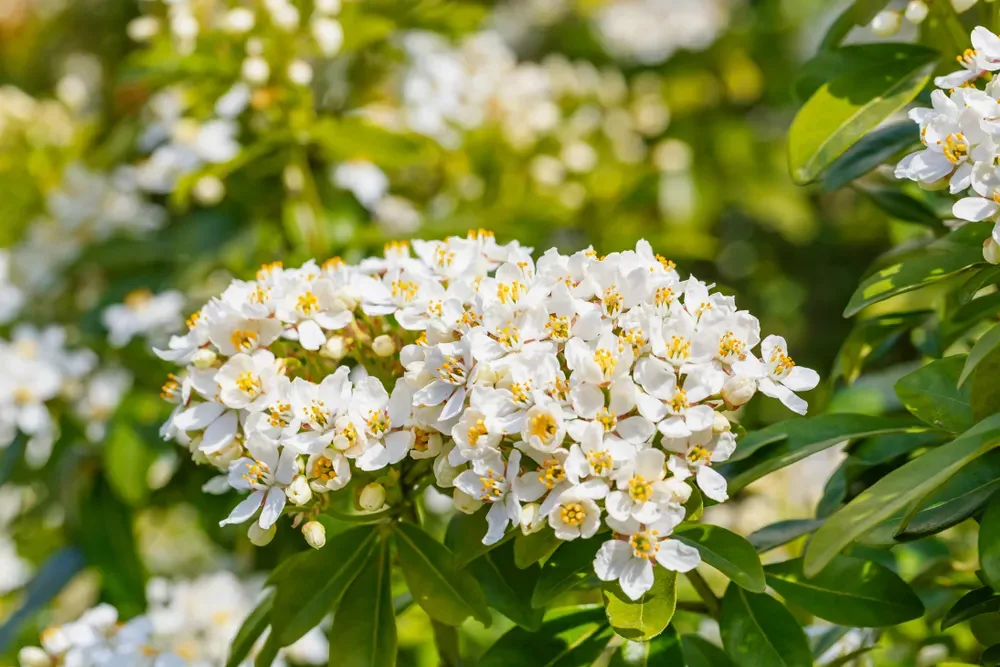
Are you looking for a beautiful, hardy shrub option for your garden? Choisya may be the perfect choice! This evergreen shrub is commonly found across Europe and North American, making it an ideal option for UK gardens. Whether you’re growing them in well-drained soil or brightening up a dull corner of your outdoor space with its rich foliage, caring for Choisya plants is relatively simple – if you know what to look out for! In this article we'll take a deeper dive into all the essentials when it comes to planting and maintaining these stunning shrubs.
Choisya shrubs, also known as Mexican Orange Blossom, are a fascinating group of evergreen plants that offer a unique blend of attractive foliage, fragrant flowers, and hardy growth habits. Originating from the southwestern parts of the USA to Mexico, these versatile shrubs have become a staple in many gardens across the globe.
Unique Characteristics Choisya shrubs are appreciated for their glossy, aromatic, palmate leaves that release a pleasant citrus-like aroma when crushed. The shrubs typically grow to a height of around 2-3 meters and display clusters of star-shaped, white or pink flowers in late spring and early summer. They're often used for hedging, specimen plants, or in mixed borders due to their year-round interest.
Species and Cultivars There are several species and cultivars of Choisya, each with its unique characteristics:
- - Choisya ternata: This is the most common species, known for its bright green foliage and profuse white flowers.
- - Choisya 'Aztec Pearl': This cultivar boasts narrow, dark green leaves and pink-tinged flowers.
- - Choisya 'Sundance': Recognized by its vibrant golden-yellow leaves, it's less hardy but provides excellent contrast in the garden.
- - Choisya 'Goldfingers': With slender, finger-like leaves that are bright yellow when young, maturing to a softer green.
- Choisya shrubs prefer well-drained soil and a sunny or partially shaded position. They're drought-tolerant once established but appreciate regular watering during dry spells.
- When planting, space them about 1.5-2 meters apart to allow room for growth. Apply a layer of mulch around the base to retain moisture and suppress weeds.
- Pruning isn't generally necessary, but to maintain shape or control size, prune after flowering, removing older wood and shaping as needed.
- Choisya is generally pest-free but watch out for diseases like leaf spot and root rot, which can occur in poorly drained soils.
Incorporating Choisya into Landscape Design Choisya shrubs work well as part of a mixed border, providing year-round interest with their glossy foliage and fragrant flowers. They're also effective when used as hedging or as standalone specimen plants. The 'Sundance' cultivar, with its golden leaves, provides excellent contrast against darker foliage.
The History of a Choisya Shrub in the UK
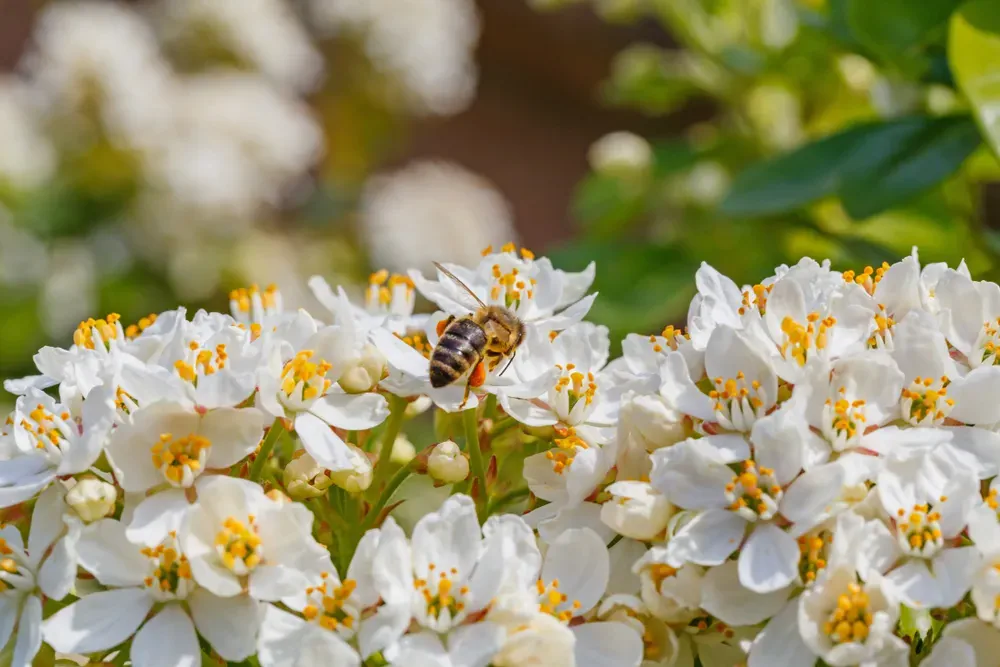
The Choisya Shrub, specifically the Choisya ternata Sundance, is a plant with a rich history and significance in the UK. Its journey began when it was introduced from Mexico into the UK in 1825. Named after Swiss botanist Jacques Denis Choisy, the Choisya has since become an integral part of British horticulture.
One of the earliest instances of its cultural significance in the UK can be traced back to when Choisya ternata Sundance became one of the first shrubs to be protected by Plant Breeders' Rights in Britain. This marked a significant milestone in recognizing the value of preserving unique plant species.
Choisya's popularity grew over time due to its unique characteristics. As an evergreen shrub, it can grow up to 3 m (10 feet) in height, and its leaves are aromatic, releasing a pleasant smell. Furthermore, it's hardy nature made it suitable for most UK conditions, despite originating from the rocky slopes of SW USA into Mexico.
In the 1980s, the plant's popularity surged when UK nurseryman Peter Catt introduced the Choisya ternata Sundance. This was a selection of the original species discovered by chance and then painstakingly propagated. It's bright golden leaves set it apart from other plants and made it a popular choice for gardeners worldwide.
The Choisya shrub doesn't just have aesthetic qualities; it also possesses potential medicinal properties. However, more research is needed in this area to fully understand the extent of these benefits.
Despite its popularity, there are some controversies surrounding the Choisya shrub. Some environmentalists argue that non-native plants like the Choisya could potentially impact native plants and biodiversity. However, others argue that its hardiness and low maintenance make it an ideal plant for urban and suburban landscaping.
In conclusion, the Choisya shrub's journey in the UK has been marked by appreciation for its unique characteristics and debates about its impact on native biodiversity. Its story is a testament to how plants can traverse borders, enhancing our landscapes and sparking important conversations along the way.
What is a Choisya Shrub and why it is beneficial to grow them in the UK

If you're looking for a shrub that's a low-maintenance but adds a pop of greenery to your garden, then you might want to consider planting a Choisya. Also known as Mexican orange blossom, these shrubs are native to Mexico and are popular for their glossy, evergreen leaves and fragrant flowers. They're also great for biodiversity as their flowers attract pollinators such as bees and butterflies. In the UK, they're well suited to temperate environments and can thrive in both sun and partial shade. These resilient shrubs can tolerate dry soil and are relatively easy to care for, making them a great choice for novice gardeners. Plus, the sweet scent that wafts from their flowers is a lovely bonus for any garden.
Choisya Shrubs: A Must-Have For UK Gardens
Choisya shrubs, commonly known as the Mexican Orange Blossom, are a versatile and vibrant addition to any UK garden. With their fragrant flowers, resilient nature, and minimal maintenance needs, they offer a wealth of benefits that make them an excellent choice for both beginner and seasoned gardeners. Resilience and Versatility Choisya shrubs are incredibly hardy and can thrive in a wide range of locations around the garden[^1^]. They're not only frost-resistant but also drought-tolerant, making them well-suited to the UK's variable climate. For gardeners in coastal areas, Choisya ternata is particularly beneficial due to its ability to withstand harsh conditions such as exposure to salty sea winds. Sensory Appeal These evergreen shrubs are a feast for the senses. From April to June, they produce clusters of star-shaped white flowers that emit a sweet, orange-like fragrance. Even when not in bloom, their glossy, aromatic leaves provide year-round visual interest and a pleasant scent. Easy Maintenance Choisya shrubs are an excellent value choice for beginners as they're neat, compact, and require minimal upkeep. They prefer well-drained soil and can tolerate periods of drought once established. Pruning isn't generally necessary, but if you wish to maintain a specific shape or control size, it can be done after flowering. Design Versatility Choisya shrubs offer numerous design possibilities. They work well as standalone feature plants, adding structure and year-round interest. Their dense growth makes them ideal for hedging, providing privacy and a sensory appeal with their scented foliage and flowers. For urban gardens, the 'Sundance' variety with its bright yellow foliage can serve as a vibrant hedge. They are also great for planting near patios or doorways, where their summer fragrance can be fully appreciated. In terms of companion plants, Choisya pairs well with other sun-loving plants such as Roses, Lavender, and Salvia, allowing for diverse and attractive garden designs.
The best soil type, environment and location for planting Choisya Shrubs
When it comes to planting Choisya shrubs, it is important to consider the soil type, environment and location. These factors can greatly influence the growth and development of your shrub. Choisya shrubs prefer well-drained soil that is not too dry or too wet. They thrive in environments with plenty of sunlight, but also require a bit of shade during the hottest parts of the day. It is best to plant Choisya shrubs in an area that is sheltered from strong winds and extreme temperature fluctuations. By taking these factors into consideration, you can create the ideal conditions for your Choisya shrub to flourish.
How to care for Choisya Shrubs
- pest control, pruning and fertilizing
If you're looking for a low-maintenance shrub for your garden, Choisya shrubs are a great option. Despite being relatively easy to care for, it's important to understand the basics of pest control, pruning, and fertilizing in order to keep them healthy and thriving. When it comes to pests, keep an eye out for Aphids and scale insects, which can both be controlled with insecticidal soap or horticultural oil. As for pruning, it's a good idea to trim your Choisya shrub after it finishes blooming in spring or early summer. When it comes to fertilizing, use a slow-release fertilizer in spring to provide your shrub with the necessary nutrients. With just a little bit of attention, your Choisya shrub can provide year-round beauty to your garden.
Common challenges of growing Choisya Shrubs in the UK and how to tackle them

Growing Choisya shrubs in the UK can be a delightful experience, but it also comes with its share of challenges. One of the most common issues faced by gardeners is the low tolerance of Choisya shrubs to frost. These shrubs prefer warmer climates and may struggle to survive harsh UK winters. However, by selecting a sheltered planting spot and covering the plant with frost-sensitive materials during the colder months, you can successfully protect your Choisya shrub. Another challenge is the tendency of the shrub to become leggy and sparse over time. Regular pruning can combat this problem, helping maintain the plant's shape and encouraging new growth. By being mindful of these challenges and taking proper care of your Choisya shrub, you can enjoy a beautiful and thriving addition to your garden.
Choisya shrubs, commonly known as Mexican Orange Blossom, are native to the southwestern parts of the USA and Mexico. They are evergreen shrubs that typically grow 2-3m high and wide, with glossy, aromatic leaves and clusters of fragrant, star-shaped flowers. The most common varieties found in the UK include the Choisya ternata, Choisya 'Aztec Pearl', and the golden-leaved Choisya 'Sundance'.
Common Challenges Growing Choisya shrubs can pose some challenges. They prefer well-drained soil and may struggle in heavy clay soils. Also, while they are drought-tolerant once established, they do need regular watering during dry spells. They also prefer full sun or partial shade.
Overcoming Challenges- Soil Type If your garden has heavy clay soil, you can improve its structure by adding organic matter, such as compost or well-rotted manure, which will enhance drainage and provide nutrients.
- Watering Water newly planted shrubs thoroughly and regularly during their first growing season. Once established, water them during extended dry periods.
- Sunlight Plant your Choisya in a location that receives full sun or partial shade. If you're planting the 'Sundance' variety, avoid placing it in full sun as its leaves can scorch.
Pest Management, Pruning, and Fertilization Choisya shrubs are generally pest-free, but keep an eye out for common garden pests like aphids. Pruning isn't usually necessary, but if you wish to maintain shape or control size, prune after flowering.
Fertilize in spring with a balanced, slow-release fertilizer to support healthy growth.
Creating an Ideal Environment The ideal planting location for Choisya shrubs is a well-drained border in full sun or partial shade. They can also be grown in containers with good-quality compost. The best planting season is typically spring or autumn.
Maintenance and Common Issues To keep your Choisya shrubs looking their best year-round, remove any dead or damaged wood in late spring. If the plant becomes too large, it can be cut back hard after flowering without harm.
Watch out for leaf spot and root rot diseases, which can occur in poorly drained soils. If you notice any signs of disease, consult a local garden centre or extension service for advice.
The best ways to propagate new Choisya Shrubs from existing ones
If you're looking to propagate new Choisya Shrubs from existing ones, there are a few methods you can try. One popular method is to take semi-hardwood cuttings in early summer. These cuttings can be around 4-6 inches long and should include a few leaves. Dip the cuttings in rooting hormone and plant them in potting soil. Keep the soil moist and the cuttings in a warm, bright location. Another option is to layer the existing shrub by bending a branch down to the ground and covering a section with soil. After several months, the buried section will develop roots and can be cut away from the parent plant. With a bit of patience and proper care, you can easily propagate new Choisya Shrubs from existing ones for a thriving and beautiful garden.
Propagating Choisya shrubs from a cutting is an easy way to add more of these stunning plants to your garden. Here's a step-by-step guide on how to do it:
- Start by choosing a healthy stem with at least 4-6 inches of new and mature growth. Make sure that the stem has no signs of disease or fungal infections and is free from pests and weeds.
- Cut off the stem, just beneath a bud, using sharp pruning shears or a knife.
- Remove any leaves or flowers from the lower two thirds of the cutting in order to reduce moisture loss as much as possible and create an optimal surface area for rooting.
- Prepare a potting mix containing equal parts perlite and peat moss or a proprietary cactus mix, which are both well suited for propagating Choisya cuttings .
- Plant the cutting into the potting soil, making sure that it stands upright and that its top buds are slightly above ground level. Water generously but be sure not to overdo it as too much water can cause rotting of the roots before they form properly .
- Make sure you keep your cutting in an area with indirect light or filtered sunlight during propagation, such as under amature shade cloth or near an east/north facing window that doesn’t receive direct sun .
- Place a plastic bag over the pot to create humidity, and continue watering regularly until new shoots appear at the base of your cutting – this normally takes between 2-3 weeks .
How to Grow Choisya Shrubs from Seed

To grow Choisya shrubs from seed, you need to get some Choisya seeds. Put the seeds in a pot with soil and water them. Keep the pot in a place that is not too hot or cold and has some sunlight. The seeds will start to grow into small plants in a few weeks. Water them often so they stay healthy and keep growing.
Growing Choisya shrubs from seed is a great way to get your garden looking beautiful while also saving money. Here's a step-by-step guide on how to grow these lovely plants:
- Start by planting the seeds directly into the soil in late winter or early spring, when the temperature is still cool. Make sure you choose an area with good drainage and plenty of sun.
- Prepare the soil for optimal germination by removing any weeds, tilling it until it’s fine, then adding plenty of organic matter such as compost or aged manure.
- Plant the seeds about 1/4 inch deep in individual pots filled with moist soil mixtures specifically designed for growing flowers and vegetables from seed.
- Place the pots in a warm location with temperatures between 64-70 degrees Fahrenheit and keep them damp but not excessively wet to ensure good germination rates.
- Thin out any overcrowded seedlings once they reach 2 inches tall so only one plant remains in each pot and water regularly until new leaves emerge at the base of each plant.
- When outdoor temperatures have warmed up enough, move the Choisya shrub seedlings outdoors, making sure they are planted at least 12 inches apart from one another . Acclimate them to direct sunlight over a period of 7-10 days before fully transplanting them into their permanent locations in your garden bed or containers .
- Once established, Choisya shrubs need regular watering and fertilization throughout their growing season to promote healthy growth and flowering .
The top 7 most common varieties of Choisya shrubs

The Choisya Shrub, originally from Mexico, is a popular garden plant in the UK due to its attractive foliage and sweetly scented flowers. The plant was introduced to the UK in the mid-1800s, during a time when the British were enthusiastically collecting botanical specimens from around the world.
The original Choisya variety, named Choisya ternata, was the first to be imported into the UK, and it remains the most commonly found variety in British gardens. Choisya ternata has shiny, dark green leaves that are made up of three leaflets and produces beautiful white flowers that smell like oranges.
Over time, other varieties of Choisya have been cultivated, including the Choisya 'Aztec Pearl', which has highly fragrant pink-tinted white flowers, and the Choisya 'Goldfinger', which has bright yellow leaves and fragrant white flowers.
In addition to their beauty, Choisya shrubs are also resilient and drought tolerant, making them an excellent choice for gardeners in the UK who want a low maintenance plant. Choisya shrubs can grow up to six feet tall and wide, making them an excellent choice for both small and large gardens.
In summary, the Choisya shrub has a rich history in the UK, dating back to the mid-1800s. Today, the shrub can be found in a variety of different varieties, each with its own unique characteristics and beauty. Consider trying a Choisya shrub if you're looking for an easy-to-care-for, beautiful plant for your garden.
The top 7 most common varieties of Choisya shrubs are:
- Mexican Orange Blossom (Choisya ternata): This is the most popular variety and it's easy to see why. It has glossy green foliage that turns bronze in winter with fragrant white flowers produced throughout the Spring and Summer months. When mature, it can attain a maximum height of 6-12 feet.
- Sundance (Choisya ternata ‘Sundance’): A cultivar with bright golden leaves which turn yellow in fall along with fragrant white flowers during early summer. Reaching heights of up to 5-6 feet when fully grown, it's an ideal choice for adding bright colours to any garden.
- Goldfingers (Choisya ternata ‘Goldfingers’): This variety has small, slender foliage that emerges pale yellow before turning a deep green as the seasons change. It's a fast growing evergreen shrub, reaching heights up to 10 feet when fully grown .
- Aztec Pearl (Choisya ovalifolia ‘Aztec Pearl’): A larger version of Choisya Ternta which produces large clusters of star shaped white blooms during late spring or early summer followed by edible greenish-yellow fruits later on in the year. Its mature size ranges between 5-7 feet tall and 3-5 feet wide .
- Lime Surprise (Choysia aurantiaca x dewitteana ‘Lime Surprise’): A hybrid cultivar with lush lime green foliage which turns yellow in autumn and produces cream coloured flowers in springtime. It produces few fruits but is otherwise highly tolerant and can reach heights of up to 8 feet when mature .
- White Dazzler (Choysia Aurantiaca x Mexicana ‘White Dazzler’): As its name suggests, this variety produces white flowers from April until June followed by small orange/yellow fruits ripening from August until October. Growing up to 4-6 feet high, it prefers full sun and requires minimal maintenance .
- Hogarth (Choysia Aurantiaca x Mexicana 'Hogarth'): The last on our list is this low maintenance evergreen shrub whose branches are covered with dense clusters of creamy white blossoms throughout the Spring months followed by small round red/orange fruits later on in Summer and Autumn. It reaches a maximum size of 4-6 feet tall once maturity is reached .
In conclusion, Choisya Shrubs are an incredibly versatile and attractive choice for gardening in the UK. They can be placed in almost any spot and provide a pleasant ambiance to any space. Choisya Shrubs can be purchased during the winter or as dormant cuttings in spring, but make sure to find a good, healthy specimen for the best soil, sunlight, and location you can provide. For easy care of your new shrubbery, regularly prune them and use pest control methods in case of insect infestations. Finally, if you want to propagate more Choisya shrubs from existing ones, you will have maximal success with a cutting or layering method of propagation instead of sowing seeds. With these tips in mind and the proper care allotted to it, you’ll have many years to enjoy a stunning array of blossoms which offer not just beauty but also form and structure throughout different stages of their growth!
How and When to Prune Choisya Shrubs in the UK

Pruning shrubs is an important task for any gardener, especially when it comes to choisya shrubs. Known as Mexican Orange Blossoms, these evergreen plants produce striking blooms during the spring and summer months – but require careful maintenance in order to remain healthy and attractive. With this blog post, you will learn all about how and when to prune your UK-based choisya shrub so that you can maintain its appearance while ensuring optimal growth throughout the seasons. Read on for our tips on proper pruning techniques!
Pruning Choisya shrubs can seem overwhelming at first, but with the right knowledge and a little bit of patience it doesn't have to be. Here is a comprehensive step-by-step guide on how to properly prune Choisya shrubs:
- Identify which part of the shrub needs pruning: First and foremost, you'll need to identify which specific area(s) of the plant requires pruning—this can include dead or diseased branches or even otherwise healthy branches that may be overgrowing in certain areas.
- Cut back any dead or diseased branches: Using bypass hand pruners, carefully cut away any dead or diseased branches so as to eliminate them from spreading disease or infestations throughout the shrub. Once this has been done, you should then use loppers to make precise cuts closer to the trunk of the plant.
- Remove old stems and thin out congested areas: Old stems that have become woody should be removed completely using loppers, while congested areas should be thinned out using shears. Be sure to remove any newly developed shoots near the base of the plant too as these do not produce flowers and only serve to overcrowd the bush.
- Shape your Choisya Shrub: Depending on your desired aesthetic, you may want to shape your Choisya Shrub into a columnar form, pyramid shape or conical tree form by removing any overgrown branches around the edges that are competing for sunlight with inner branches. It's important not to cut back more than one third of new growth however as this could stress the plant too much and result in poor flowering/ fruit yields in future years.
- Feed your shrub after pruning: After making all necessary cuts wait until late winter/early spring (the following year), when growth begins again, before applying an all purpose fertilizer with micronutrients specifically designed for shrubs such as those produced by Miracle Gro®. This will help promote healthier foliage and better flowering/fruit yields once again .
- By following these simple steps you will soon have a neat and tidy looking Choisya Shrub that is sure to attract attention!
Hard Pruning Guide for Choisya Shrubs

Hard pruning Choisya shrubs can revitalize the plant, stimulate growth, and keep it healthy. Here's a step-by-step guide to hard prune your Choisya shrub.
- Step 1: Timing is Key The best time to hard prune a Choisya shrub is in late spring or early summer, after it has finished blooming. This ensures that the plant has ample time to recover before it enters its dormant winter state.
- Step 2: Gather Your Tools For hard pruning, you'll need a pair of sturdy garden gloves, sharp and clean secateurs for smaller branches, and a pruning saw for larger stems. Always ensure your tools are clean to reduce the risk of introducing diseases.
- Step 3: Assess the Plant Before you start cutting, inspect your Choisya shrub. Identify any dead, diseased, or damaged branches, as well as any that are crossing or rubbing against each other.
- Step 4: Start Pruning Begin by removing the branches identified in step 3. Cut them back to their base or to a healthy outward-facing bud. This helps to improve the shrub's overall health and shape.
- Step 5: Hard Prune For a hard prune, reduce the remaining branches by about one-third to one-half, depending on the size and condition of the shrub. Make your cuts at a slight angle, about 1/4 inch above a bud that is facing the direction you want the branch to grow.
- Step 6: Clean Up Dispose of the pruned branches properly by composting them or placing them in your green waste bin. Leaving them around the shrub can attract pests and diseases.
- Step 7: Post-Pruning Care Water the shrub well after pruning and consider applying a balanced, slow-release fertilizer to support new growth. Keep an eye on the plant to ensure it recovers well from the hard prune.
- Step 8: Repeat as Necessary Hard pruning should be done sparingly, typically once every few years or when the shrub has become overgrown. Regular light pruning or shaping can be done annually if desired.
Suitable Pruning Techniques

- When and how to prune without damaging the plant Maintaining a garden can be a soothing and fulfilling experience, but it requires effort and skills to ensure the plants remain healthy and vibrant. One of the critical aspects of gardening is pruning, as it helps to remove damaged or diseased parts of the plant, improve their shape, and stimulate growth. However, pruning can be a delicate process that requires attention to timing and technique, as improper cuts can harm the plant or make it more vulnerable to diseases. Therefore, it's essential to learn suitable pruning techniques, such as identifying the right time to prune based on the plant's growth and knowing how to cut without damaging the bark or creating jagged edges. By mastering these skills, you can enjoy a beautiful, healthy garden year-round.
Tools Needed for Pruning

- How to choose the right tools for a successful prune Pruning is an essential gardening technique that not only improves the appearance of plants but also encourages healthier growth. However, choosing the right tool for the job can be overwhelming, especially as there are various types of pruners for different plants and cuts. To ensure a successful prune, it is crucial to invest in the necessary tools, such as hand pruners, loppers, pruning saws, and hedge shears. Hand pruners are ideal for small branches, while loppers can handle thicker branches. Pruning saws are designed to cut dense and large branches, and hedge shears are best suited for shaping hedges and shrubs. Selecting the right tools for your plants will help you achieve the desired results and make your pruning experience enjoyable.
Common Mistakes of Pruning Choisya Shrubs

- Avoiding over-pruning or incorrect timing Pruning is an essential task in maintaining the health and beauty of your Choisya shrubs. However, it is easy to make mistakes that can harm the plant's growth and ultimately, its survival. One common mistake is over-pruning, cutting off too much foliage at once, which can cause stress to the plant and leave it susceptible to diseases and pests. Timing is also critical, as pruning at the wrong time of year can result in the removal of flower buds or new growth. To avoid these mistakes, it's essential to understand the proper techniques and timing for pruning Choisya shrubs. With a little knowledge and care, you can ensure your shrubs remain healthy and vibrant year after year.
Regular Maintenance Tips

- What methods should be used to keep your shrub healthy Shrubs are an important part of any garden, providing both aesthetic beauty and functional benefits. To keep your shrubs healthy, it is important to follow some regular maintenance tips. Firstly, make sure to prune your shrub regularly to remove any dead, damaged or diseased branches. This will improve the circulation of air and light, prevent the spread of disease, and promote healthy growth. Secondly, water your shrub deeply and regularly, especially during dry periods, to ensure it stays hydrated. Finally, feed your shrub with a balanced fertiliser, rich in nitrogen, phosphorus and potassium, to provide it with the necessary nutrients for healthy growth. Follow these tips and your shrub will thrive, giving your garden a beautiful focal point.
Benefits of Pruning Choisya Shrubs in the UK

- How will regular pruning help you achieve a beautiful garden
Regular pruning is essential for maintaining the health and beauty of your Choisya shrubs in the UK, and there are plenty of reasons to make it a regular activity in your gardening routine. Pruning enables the shrubs to receive better air circulation and sunlight, which can lead to more vigorous growth and overall better-looking plants. It also helps to remove dead, diseased or damaged branches, reducing the risk of diseases and pests spreading through your plants. Furthermore, pruning can help shape your shrub to achieve the desired architectural or decorative effect that fits with your garden's overall design. All in all, regular pruning is a simple yet effective way to keep your Choisya shrubs healthy and looking their best, while simultaneously elevating the overall aesthetic of your garden.
To summarize, Choisya shrubs are a versatile plant, great for any UK garden. Pruning these bushes is essential for good health and optimum growth, making them an excellent choice for anyone looking to add a splash of colour or scent to their outdoor space. Understanding exactly when and how to prune can seem intimidating at first but with the right tools, techniques and maintenance guidance it doesn't have to be! Regularly pruning your Choisya shrub will drastically improve its appearance and health, promote vigorous soil fertility, reduce diseases or pests from spreading, save you from having to invest in energy costs by avoiding unnecessary re-landscaping projects and overall enhance the beauty of your outdoor area. So what are you waiting for? Get pruning your Choisya shrub today and enjoy the benefits!
How to Grow Choisya as a Hedge

Choisya, commonly known as Mexican orange blossom, is a popular evergreen shrub that grows well in the UK. Its glossy green leaves and fragrant white flowers make it an attractive addition to any garden, and it can also be grown as a hedge. However, growing Choisya as a hedge requires careful planning and maintenance in order to achieve a healthy, attractive border. In this article, we will discuss how to grow Choisya as a hedge, including site selection, planting, pruning, and maintenance tips.
Site Selection
Before you start planting Choisya as a hedge, it's important to choose the right site. Choisya grows best in well-drained soil that is rich in organic matter, so avoid areas that are prone to waterlogging. It also prefers a sunny or partially shaded location, and can tolerate wind and salt spray, making it ideal for coastal gardens. When selecting a site, keep in mind that mature Choisya plants can reach up to 2.5m in height and 1.5m in width, so ensure that you have enough space for your hedge to grow.
Planting Choisya as a Hedge

Once you have selected your site, it's time to start planting. Choisya can be planted in the autumn or spring, but avoid planting during periods of drought or extreme cold. Start by preparing the soil, removing any weeds or debris and adding compost or well-rotted manure to improve soil fertility. Dig a hole that is slightly larger than the root ball of your Choisya plant and add some mycorrhizal fungi to the planting hole to help with root growth. Place the Choisya plant in the hole, backfill with soil and water well.
When planting Choisya shrubs to create a hedge, it is important to space them correctly. The ideal spacing between each shrub will depend on the variety you are planting but generally speaking, they should be planted at least 3-5 feet apart. For example, Mexican Orange Blossom (Choisya ternata) should be planted at least 4 feet apart while Sundance (Choisya ternata ‘Sundance’) should be planted at least 3 feet apart.
It's also important to keep in mind that the distance between each shrub needs to be maintained over time as this will determine how effective the hedging effect is—if you want a more dense hedge, then it may require more pruning and closer spacing between plants.
Pruning the Choisya as a Hedge

Pruning is an important part of growing Choisya as a hedge. To maintain a neat, compact shape, prune your Choisya hedge in the spring and then again in the summer. Start by removing any dead or diseased wood, and then use sharp pruning shears to cut back the new growth to the desired shape and size. Avoid over-pruning, as this can stress the plant and impact its growth and health.
Pruning a Choisya hedge with a hedge trimmer is an effective and efficient way to keep this beautiful shrub looking neat and tidy. Here's how you do it:
- Identify the area: The first step is to identify which areas of the hedge need pruning—this could include sections that are overgrown or have dead/diseased branches. This will enable you to focus your efforts where they’re most needed.
- Prepare your trimmer: Before you begin, make sure your hedge trimmer is in good working order and all safety precautions are taken (i.e. wearing gloves and eye protection). It's also a good idea to sharpen the blade for more precise cutting and better results.
- Cut back any dead or diseased branches: Using the trimmer, carefully remove any dead or diseased branches so as to eliminate them from spreading disease or infestations throughout the shrub. Once this has been done, you should then use loppers to make precise cuts closer to the trunk of the plant.
- Trim back overgrown sections: To maintain a uniform shape throughout your Choisya Hedge, use your trimmer to trim back any overgrown sections that have become too thick or bushy. Make sure not to cut back any newly developed shoots near the base of the plant as these do not produce flowers and only serve to overcrowd the bush.
- Feed Your Hedge After Trimming: After making all necessary cuts wait until late winter/early spring (the following year), when growth begins again, before applying an all purpose fertilizer with micronutrients specifically designed for shrubs such as those produced by Miracle Gro®. This will help promote healthier foliage and better flowering/fruit yields once again .
By following these simple steps you can ensure that your Choisya Hedge stays neat and tidy while maintaining its beautiful aesthetic appeal!
Maintenance Tips for Prunig Choisya
In addition to regular pruning, there are several other maintenance tips that can help you grow a healthy Choisya hedge. Water your hedge deeply during dry periods, especially during the first growing season, to help establish a strong root system. Feed your hedge with a balanced fertiliser in the spring to provide it with the nutrients it needs for healthy growth. Mulching around the base of your hedge can also help to conserve moisture and suppress weeds.
In conclusion, growing Choisya as a hedge can be a rewarding and attractive addition to any garden. By selecting the right site, planting properly, pruning regularly, and following maintenance tips, you can grow a healthy and vibrant Choisya hedge that will add beauty and interest to your outdoor space for years to come. Whether you're looking to create a formal boundary or a more informal screen, Choisya is an excellent choice for any UK garden.
How to Prune Climbing Vines
List by Variety
- How to Prune Actinidia
- How to Prune Akebia
- How to Prune Bougainvillea
- How to Prune Campsis
- How to Prune Celastrus
- How to Prune Chilean Glory Vine
- How to Prune Clematis Armandii
- How to Prune Clematis Montana
- How to Prune Climbing Rose
- How to Prune Hedera GoldHeart
- How to Prune Honeysuckle
- How to Prune Hydrangea Petiolaris
- How to Prune Ivy
- How to Prune Japanese Wisteria
- How to Prune Morning Glory
- How to Prune Parthenocissus
- How to Prune Persian Ivy Hedera Colchica
- How to Prune Schisandra
- How to Prune Star Jasmine
- How to Prune Sweet Peas
- How to Prune True Jasmine
- How to Prune Virginia Creeper
- How to Prune Wisteria
How to Prune Hedges
List by Variety
- How to Prune an Arborvitae Hedge
- How to Prune a Barberry Hedge
- How to Prune a Beech Hedge
- How to Prune a Boxwood Hedge
- How to Prune a Butterfly Bush Hedge
- How to Prune a Cotoneaster Hedge
- How to Prune an English Lavender Hedge
- How to Prune an Escallonia Hedge
- How to Prune an Euonymus-Hedge
- How to Prune a Firethorn Hedge
- How to Prune a Forsythia Hedge
- How to Prune a Griselinia Hedge
- How to Prune a Hawthorn Hedge
- How to Prune a Holly Hedge
- How to Prune a Hornbeam Hedge
- How to Prune a Juniper Hedge
- How to Prune a Laurel Hedge
- How to Prune a Leylandii Hedge
- How to Prune a Lilac Hedge
- How to Prune a Maple Leaf Viburnum Hedge
- How to Prune a Photinia Hedge
- How to Prune a Pink Ramanus Rose Hedge
- How to Prune a Privet Hedge
- How to Prune a Pyracantha Hedge
- How to Prune a Spirea Hedge
- How to Prune a Thuja Hedge
- How to Prune a Viburnum Hedge
- How to Prune a Western Red Cedar Hedge
- How to Prune a Yew Hedge
How to Prune Shrubs
List by Variety
- How to Prune an Abelia Shrub
- How to Prune an Abutilon
- How to Prune an Acer / Japanese-Maple
- How to Prune an Amelanchiers
- How to Prune an Apple-Tree
- How to Prune an Arbovitae Shrub
- How to Prune an Arbutus
- How to Prune an Aucuba
- How to Prune a Azalea Mollis
- How to Prune Azaleas
- How to Prune a Bay Tree Shrub
- How to Prune a Berberis Darwinii
- How to Prune Berberis Deciduous Types
- How to Prune a Boxwood Shrubs
- How to Prune a Brachyglottis Senecio
- How to Prune a Buddleia Alternifolia
- How to Prune Buddleias Butterfly Bushes
- How to Prune a Buddleja Globosa
- How to Prune a Callicarpa
- How to Prune a Camellia
- How to Prune a Caryopteris
- How to Prune a Catalpa Bignonioides Aurea
- How to Prune Ceanothus Deciduous Types
- How to Prune Ceanothus Evergreen Types
- How to Prune a Ceratostigma
- How to Prune a Chaenomeles
- How to Prune a Choisya
- How to Prune a Cistus
- How to Prune a Clematis
- How to Prune a Cornus
- How to Prune a Cotinus Royal Purple
- How to Prune a Cytisus Scoparius
- How to Prune a Exochorda x Macrantha
- How to Prune a Forsythia
- How to Prune a Hebe
- How to Prune a Hydrangeas
- How to Prune Juniper Shrubs
- How to Prune a Lavatera
- How to Prune Lilac Bushes
- How to Prune a Mugo Pine
- How to Prune Rose Bushes
- How to Prune Ribes
- How to Prune Spirea Shrubs
- How to Prune Viburnum Shrubs
- How to Prune a Weigela
- How to Prune a Yew
How to Prune Trees
List by Variety
- How to Prune a Apple Tree
- How to Prune a Apricot Tree
- How to Prune a Ash Tree
- How to Prune a Birch Tree
- How to Prune a Cherry Tree
- How to Prune a Elm Tree
- How to Prune a Fig Tree
- How to Prune a Grape Tree
- How to Prune a Hickory Tree
- How to Prune a Maple Tree
- How to Prune a Oak Tree
- How to Prune an Olive Tree
- How to Prune a Peach Tree
- How to Prune a Pear Tree
- How to Prune a Plum Tree
- How to Prune a Poplar Tree
- How to Prune a Walnut Tree
How to Prune Climbing Vines
List by Variety
- How to Prune Actinidia
- How to Prune Akebia
- How to Prune Bougainvillea
- How to Prune Campsis
- How to Prune Celastrus
- How to Prune Chilean Glory Vine
- How to Prune Clematis Armandii
- How to Prune Clematis Montana
- How to Prune Climbing Rose
- How to Prune Hedera GoldHeart
- How to Prune Honeysuckle
- How to Prune Hydrangea Petiolaris
- How to Prune Ivy
- How to Prune Japanese Wisteria
- How to Prune Morning Glory
- How to Prune Parthenocissus
- How to Prune Persian Ivy Hedera Colchica
- How to Prune Schisandra
- How to Prune Star Jasmine
- How to Prune Sweet Peas
- How to Prune True Jasmine
- How to Prune Virginia Creeper
- How to Prune Wisteria
How to Prune Hedges
List by Variety
- How to Prune an Arborvitae Hedge
- How to Prune a Barberry Hedge
- How to Prune a Beech Hedge
- How to Prune a Boxwood Hedge
- How to Prune a Butterfly Bush Hedge
- How to Prune a Cotoneaster Hedge
- How to Prune an English Lavender Hedge
- How to Prune an Escallonia Hedge
- How to Prune an Euonymus-Hedge
- How to Prune a Firethorn Hedge
- How to Prune a Forsythia Hedge
- How to Prune a Griselinia Hedge
- How to Prune a Hawthorn Hedge
- How to Prune a Holly Hedge
- How to Prune a Hornbeam Hedge
- How to Prune a Juniper Hedge
- How to Prune a Laurel Hedge
- How to Prune a Leylandii Hedge
- How to Prune a Lilac Hedge
- How to Prune a Maple Leaf Viburnum Hedge
- How to Prune a Photinia Hedge
- How to Prune a Pink Ramanus Rose Hedge
- How to Prune a Privet Hedge
- How to Prune a Pyracantha Hedge
- How to Prune a Spirea Hedge
- How to Prune a Thuja Hedge
- How to Prune a Viburnum Hedge
- How to Prune a Western Red Cedar Hedge
- How to Prune a Yew Hedge
How to Prune Shrubs
List by Variety
- How to Prune an Abelia Shrub
- How to Prune an Abutilon
- How to Prune an Acer / Japanese-Maple
- How to Prune an Amelanchiers
- How to Prune an Apple-Tree
- How to Prune an Arbovitae Shrub
- How to Prune an Arbutus
- How to Prune an Aucuba
- How to Prune a Azalea Mollis
- How to Prune Azaleas
- How to Prune a Bay Tree Shrub
- How to Prune a Berberis Darwinii
- How to Prune Berberis Deciduous Types
- How to Prune a Boxwood Shrubs
- How to Prune a Brachyglottis Senecio
- How to Prune a Buddleia Alternifolia
- How to Prune Buddleias Butterfly Bushes
- How to Prune a Buddleja Globosa
- How to Prune a Callicarpa
- How to Prune a Camellia
- How to Prune a Caryopteris
- How to Prune a Catalpa Bignonioides Aurea
- How to Prune Ceanothus Deciduous Types
- How to Prune Ceanothus Evergreen Types
- How to Prune a Ceratostigma
- How to Prune a Chaenomeles
- How to Prune a Choisya
- How to Prune a Cistus
- How to Prune a Clematis
- How to Prune a Cornus
- How to Prune a Cotinus Royal Purple
- How to Prune a Cytisus Scoparius
- How to Prune a Exochorda x Macrantha
- How to Prune a Forsythia
- How to Prune a Hebe
- How to Prune a Hydrangeas
- How to Prune Juniper Shrubs
- How to Prune a Lavatera
- How to Prune Lilac Bushes
- How to Prune a Mugo Pine
- How to Prune Rose Bushes
- How to Prune Ribes
- How to Prune Spirea Shrubs
- How to Prune Viburnum Shrubs
- How to Prune a Weigela
- How to Prune a Yew
How to Prune Trees
List by Variety
- How to Prune a Apple Tree
- How to Prune a Apricot Tree
- How to Prune a Ash Tree
- How to Prune a Birch Tree
- How to Prune a Cherry Tree
- How to Prune a Elm Tree
- How to Prune a Fig Tree
- How to Prune a Grape Tree
- How to Prune a Hickory Tree
- How to Prune a Maple Tree
- How to Prune a Oak Tree
- How to Prune an Olive Tree
- How to Prune a Peach Tree
- How to Prune a Pear Tree
- How to Prune a Plum Tree
- How to Prune a Poplar Tree
- How to Prune a Walnut Tree
Gallery
Necessitatibus eius consequatur ex aliquid fuga eum quidem sint consectetur velit


Michael Carter
Vestibulum ante ipsum primis in faucibus orci luctus et ultrices posuere cubilia curae; Donec vel erat in nulla efficitur tempor non ut nisl. Integer venenatis eros ut dui viverra fermentum.
Sophie Wilson
Nam ut turpis hendrerit, varius nunc vel, elementum dui. Morbi vulputate dolor sit amet scelerisque egestas. Vestibulum eleifend nunc ut bibendum fermentum.
Alex Morgan
Cras non velit nec purus tempor rhoncus. Sed non mauris vitae erat consequat auctor eu in elit. Class aptent taciti sociosqu ad litora torquent per conubia nostra.