A Complete Guide to Planting, Pruning and Caring for an Apricot Tree
Overview of the Apricot Tree in the UK

If you're looking to add some natural beauty to your garden, why not look into planting an apricot tree? Not only will this add a distinctive touch of colour and fragrance to any outdoor space but also provide you with the nutritious benefits of fresh fruit for years to come. This comprehensive guide offers everything from advice on how to select the right variety of apricot tree for your UK climate, tips for successful planting and maintenance through all four seasons, as well as insight into when best you can expect a harvest of sweet juicy apricots! So whether you've been gardening for many years or are just starting out on your own greenery journey, this guide is here to help ensure success in growing and caring for an apricot tree in the UK.
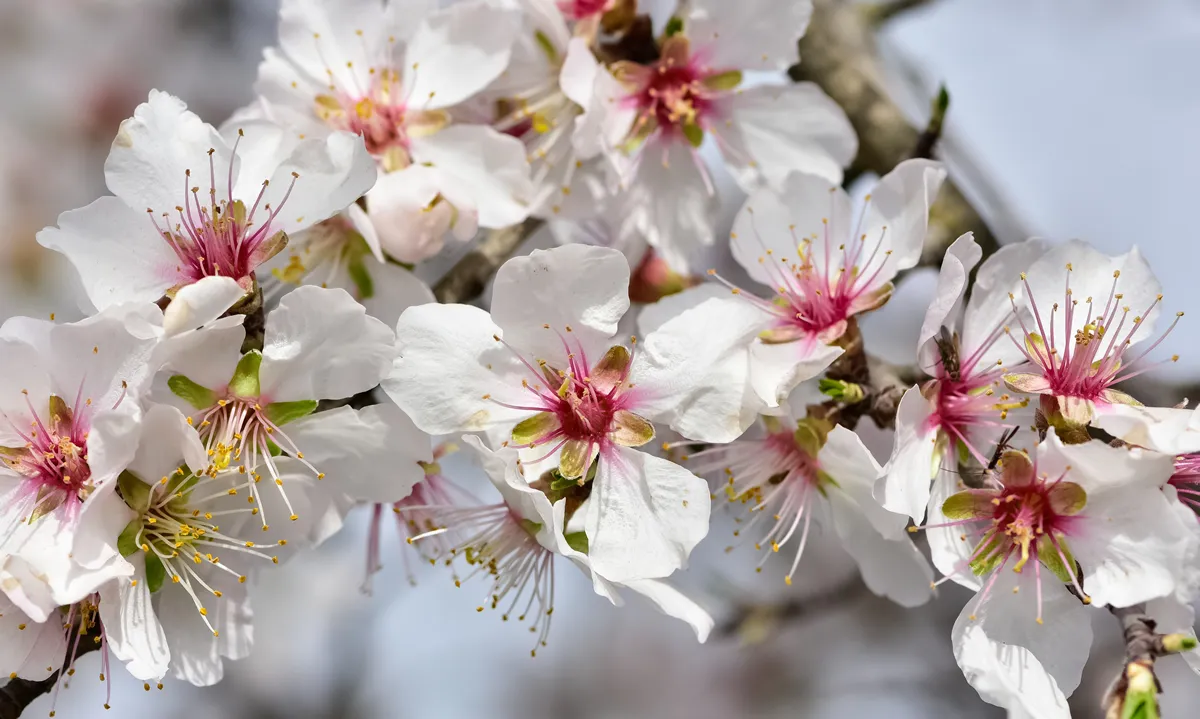
Gardening enthusiasts will be pleased to learn that the apricot tree is not only a beautiful addition to any garden, but also a fruitful one! With its luscious green foliage and delicate pink blossoms, this tree is a sight to behold. But, it's not just for aesthetics - the apricot tree thrives in warm climates that receive plenty of sunshine, making it an ideal choice for many gardeners. As for bearing fruit, this tree is no slouch: it typically takes 2-4 years before the tree produces its first crop of apricots. So, if you're looking to add a splash of color and flavor to your garden, look no further than the apricot tree.
Introducing the Apricot Tree - Facts and Figures
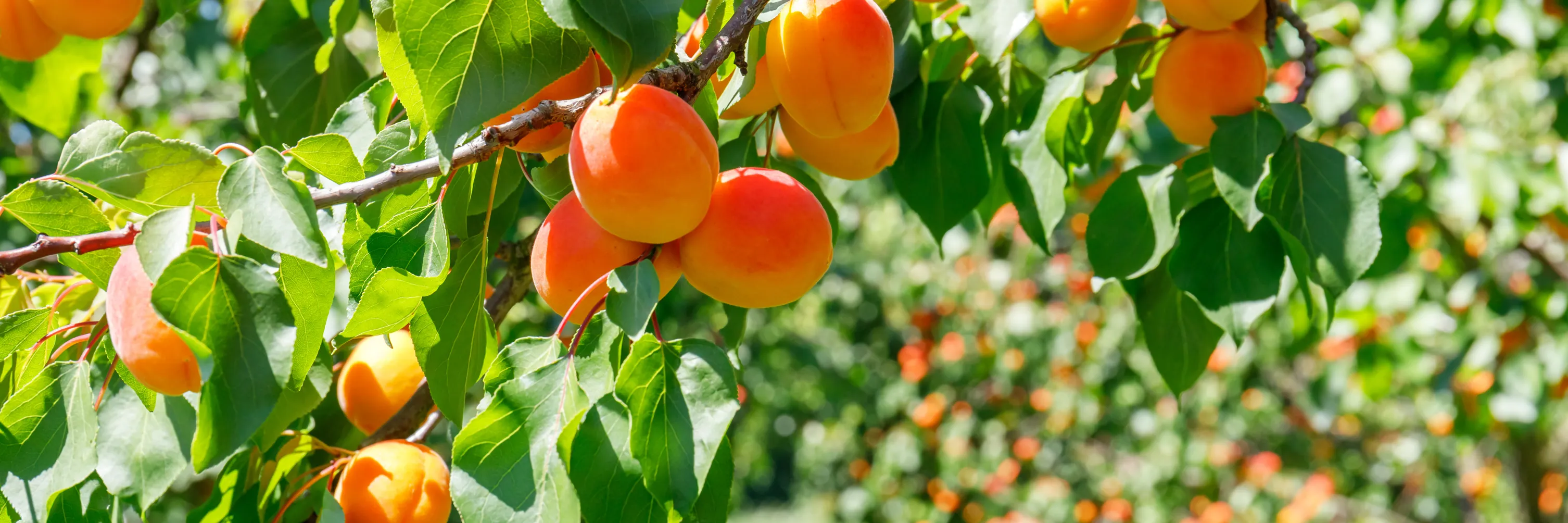
 A bunch of ripe apricots on a branch
Picture this: a warm, sunlit garden where the air is sweet with the promise of summer, and there, standing proudly among the blooms and bees, is an apricot tree. This enchanting fruit-bearing plant, with its roots deeply embedded in the rich tapestry of history, began its journey thousands of years ago in the vast landscapes of China. Fast forward to today, and the apricot tree has gracefully found its way into gardens across Europe, Asia, and America, enchanting gardeners and fruit lovers alike with its beauty and bounty.
The apricot tree, despite its unassuming size, is a marvel of productivity. It's the perfect gem for backyard orchards, where space is precious but the ambition to cultivate is boundless. Imagine the joy of watching a branch weighed down with a cluster of ripe, golden apricots, each one a little sunburst of flavor waiting to be savored. In a single year, an apricot tree can gift us with up to 100 of these succulent fruits, turning a quiet corner of the garden into a vibrant showcase of nature’s generosity.
But the apricot's appeal goes beyond its beauty and abundance. These fruits are a powerhouse of nutrition, packed with vitamins A, C, and E, alongside a treasure trove of minerals. Integrating apricots into your diet is not just a treat for the taste buds; it's a boon for your health, offering a delicious way to nourish your body.
For those with a passion for gardening, whether you're seasoned with wisdom or green with enthusiasm, the apricot tree stands as a testament to the joys of horticulture. It's not merely a plant; it's a companion on your gardening adventure, offering challenges, rewards, and the sweet taste of success. Adding an apricot tree to your garden isn’t just about growing fruit; it’s about cultivating beauty, health, and a deep connection to the earth's ancient gardening traditions.
In essence, the apricot tree embodies the spirit of gardening itself – an endeavor that is at once timeless and filled with new discoveries. Whether basking in the shade of its branches or savoring the fruits of your labor, the apricot tree is a delightful addition to any garden, promising a world of flavor, vitality, and joy.
The History of the Apricot Tree in the UK

Apricot trees have an interesting history in the UK. Although they are thought to have originated from China, they were introduced to the UK during the Roman Empire’s rule, where they were grown in walled gardens. In the 18th century, apricots became increasingly popular thanks to the grafting techniques that allowed for them to be grown in colder climates, making them more accessible to a wider audience. Today, Kent is the largest producer of apricots in the UK, with their trees producing a variety of juicy and flavoursome fruits. The apricot tree has certainly come a long way since its introduction to the UK over two thousand years ago, and their popularity only continues to grow.
The history of the apricot tree in the UK is both interesting and relatively recent compared to other fruit trees. Although apricots have been cultivated for thousands of years, their introduction into the UK is a much more recent event.
Apricots are believed to have originated in China around 4,000 years ago. Over time, they spread to other parts of the world, including Europe, through trade routes such as the Silk Road. However, it wasn't until the 16th century that apricots were first recorded in England.
In the 18th century, an apricot variety known as the 'Early Moorpark' was raised in South Hertfordshire, UK by Lord Anson. This variety, supposedly introduced from the Luxembourg Gardens in Paris, became quite famous.
Despite these early introductions, commercial cultivation of apricots in the UK didn't truly begin until the 21st century. Around 2005, apricots were introduced to the UK on a larger scale, with commercial production kicking off in 2012. This was made possible by hardier breeding stocks developed in New Zealand and the US that were more suited to the UK's climate.
In 2013, UK supermarkets started selling English-grown apricots for the first time. By 2022, it was reported that 10 years had passed since the first English-grown apricots had appeared in UK supermarkets.
Today, apricot trees are grown successfully in the UK, particularly in areas with warmer microclimates such as the south of England and parts of Wales, although they require a very warm, sheltered location and lots of sunshine to crop well.
Understanding Variations of Species of Apricot Tree ideal for UK Conditions

Apricots are unique fruits with a one-of-a-kind flavour and texture. However, not all apricot trees are created equal. In order to thrive in the UK's specific climate and soil conditions, it is important to understand the variations of species of apricot trees available on the market. By selecting a species that is well-suited to our environment, we can ensure that our trees will last for years to come and produce an abundant harvest of delicious apricots. With a little knowledge and consideration, we can enjoy all the wonderful benefits that apricot trees have to offer.
Growing apricots in the UK can be challenging due to the country's cool and often damp climate. However, several varieties have been bred to be hardier and more suited to the UK's conditions. Here are some of the best apricot tree varieties for the UK:
- Moorpark: Named after its origin in Moor Park, Hertfordshire in the 18th century, this is a traditional variety that's well-suited to the UK's climate. It produces large, sweet fruit and is self-fertile.
- Flavorcot: Bred specifically for cooler climates, Flavorcot apricot trees produce large, flavorful fruits that mature in late July. The tree is also resistant to late spring frosts.
- Tomcot: This is another variety that has been bred for colder climates. Tomcot apricots are large and sweet, and the trees are hardy and reliable producers.
- Goldcot: An American variety that fares well in the UK, Goldcot trees are hardy and resistant to Leaf Spot. They produce golden-colored fruits that are both sweet and tart.
- Aprigold: Perfect for small gardens or growing in pots, Aprigold is a dwarf variety that doesn't skimp on fruit size or flavor. It's also self-fertile and frost-resistant.
- Alfred: Known for its heavy crops of medium-sized fruits, Alfred is a self-fertile variety that's resistant to disease and does well in the UK's climate.
- Early Moorpark: This variety ripens earlier than the standard Moorpark and is known for its juicy, sweet fruits.
Remember that even these hardy varieties require a sunny, sheltered location to thrive in the UK. Also, keep in mind that apricot trees are self-fertile, so you only need one tree for a good crop.
Step-by-Step Guide on How to Plant an Apricot Tree in the UK - including which soil type is best, when to plant, and how deep to plant

Are you looking to add an apricot tree to your garden in the UK? With a little bit of preparation, you can enjoy the delicious fruit right from your backyard. When planting an apricot tree, it's important to choose the right soil type for optimal growth. Sandy or loamy soil with good drainage is ideal. Timing is also essential. Plant your apricot tree in early spring, after the last frost. When it comes to planting depth, aim for the root ball to be level with the soil. Follow these simple steps and you'll be enjoying fresh apricots in no time!
Apricot trees are a delightful addition to any garden, providing both aesthetic beauty and delicious fruit. Although apricot trees are traditionally grown in warmer climates, they can indeed be successfully grown in the UK with the right care. Here's a step-by-step guide on how to plant an apricot tree in the UK.
- Step 1: Choose the Right Variety Firstly, it's crucial to select an apricot variety suitable for the UK's climate. Some recommended varieties include 'Flavorcot' and 'Tomcot', which are bred for colder climates.
- Step 2: Purchase a Healthy Tree Buy a healthy young tree from a reputable nursery. Look for a tree that's about one or two years old, as these are easier to establish.
- Step 3: Select the Right Site Choose a planting location that's sunny, sheltered, and with well-drained soil. Apricot trees need at least six hours of sun each day. They also prefer slightly alkaline soil, so you may need to add lime if your soil is too acidic.
- Step 4: Prepare the Ground Dig a hole that's twice as wide and just as deep as the root ball of your apricot tree. If your soil is heavy clay, add some organic matter, like well-rotted compost, to improve its texture and drainage.
- Step 5: Plant the Tree Place the apricot tree in the hole, making sure it's at the same depth it was in its pot. Backfill the hole with soil, firming gently around the base of the tree.
- Step 6: Water and Mulch After planting, water your apricot tree thoroughly and apply a layer of mulch around the base of the tree. This helps retain moisture and suppress weeds.
- Step 7: Stake the Tree Stake the tree for the first couple of years to provide support and prevent wind-rock. Use a tree tie to secure the tree to the stake, but ensure it's not too tight and check regularly.
- Step 8: Prune and Care In late spring or early summer, prune your tree to encourage a 'vase' shape, which allows light into the center of the tree. Water regularly during dry spells, especially in the first few years.
- Step 9: Protect from Frost Protect your apricot tree from late frosts by covering it with fleece. Apricot trees bloom early and the blossoms can be susceptible to frost damage.
By following these steps, you'll be well on your way to enjoying your very own home-grown apricots in the UK. Happy gardening!
Tips for Caring for Your Newly Planted Apricot Tree - including watering schedule and pruning techniques

If you've recently planted an apricot tree, congratulations! You're one step closer to enjoying the sweet and juicy fruits that these trees produce. But with great reward comes great responsibility - caring for your new tree properly is crucial to its growth and survival. One of the most important aspects of caring for your apricot tree is watering it consistently and at the right time intervals. It's also important to know how to prune your tree correctly for optimal growth and productivity. With a bit of knowledge and care, you'll be able to enjoy the delicious fruits of your labor for years to come.
Caring for a newly planted apricot tree requires patience, attention, and a bit of knowledge about the tree's needs. Here are some tips to help your apricot tree thrive:
- Watering: After planting, make sure to water the tree thoroughly. During the first few years, it's crucial to water your tree regularly, especially during dry spells. Apricot trees like consistently moist soil, but not waterlogged conditions.
- Mulching: Apply a layer of mulch around the base of the tree. This helps retain moisture in the soil, suppresses weed growth, and protects the roots from temperature extremes.
- Feeding: Apricot trees will benefit from a balanced fruit tree fertilizer applied in early spring. This provides essential nutrients for growth and fruit development.
- Pruning: In late spring or early summer, prune your tree to maintain a 'vase' shape, which allows light into the center of the tree and encourages better fruit production. Remove any dead or diseased branches, and thin out overcrowded areas to improve air circulation.
- Frost Protection: Apricot trees bloom early and can be susceptible to frost damage. Protect your tree from late frosts by covering it with horticultural fleece or another form of frost protection.
- Pest and Disease Control: Keep an eye out for common pests like Aphids and diseases such as leaf curl. If you notice any issues, use appropriate organic or chemical controls as needed.
- Staking: Young apricot trees may need staking for the first couple of years to provide support and prevent wind-rock. Check the tree tie regularly to ensure it's not too tight.
- Patience: Remember, it can take a few years before your apricot tree starts producing fruit. Be patient and give your tree the care it needs to grow strong and healthy.
By following these tips, you'll increase the chances of your apricot tree thriving and producing a bountiful harvest. Enjoy the process and soon enough, you'll enjoy the fruits of your labour!
Potential Problems When Growing an Apricot Tree in the UK and Solutions - such as pest infestations, disease, and weather damage

Growing an apricot tree can be a rewarding experience in the UK, but can also pose some challenges. Pest infestations, diseases and weather damage are potential problems that can cause disappointment and frustration to gardeners. For instance, the lack of frost-free days can affect the fruit-setting process, while wet weather can lead to fungal infections and Root Rot. As for pests, Aphids, mites and fruit flies can make their way into the apricot tree, causing damage to leaves and fruits. However, with proper care and attention, these issues can be prevented or mitigated. Choosing the right apricot variety, providing adequate protection and taking precautions against pests and diseases can help ensure a thriving apricot tree and a bountiful harvest.
Growing an apricot tree in the UK can come with a few challenges due to the climate and potential pests and diseases. Here are some common problems and their solutions:
- Lack of Fruit: This could be due to insufficient sunshine, poor pollination, or late frosts damaging the blossoms. Make sure the tree is in a sunny, sheltered location, consider attracting pollinators to your garden, and protect the blossoms from frost with horticultural fleece.
- Frost Damage: Apricots flower early and can be susceptible to damage from late frosts. Protect the blossoms by covering the tree with horticultural fleece on frosty nights.
- Fungal Diseases: In humid climates, apricots often develop problems with fungal diseases such as Brown Rot. Prevent this by ensuring good air circulation around the tree through correct planting and pruning, and if necessary, use a fungicide.
- Pests: Common pests include Aphids and various caterpillars. Keep the area around the tree clean to reduce places for pests to hide and breed, encourage beneficial insects which are natural predators, and if necessary, use an appropriate pesticide.
- Bacterial Canker and Silver Leaf: These are two diseases that can affect apricot trees. Prune in summer when the tree is growing strongly to reduce the risk, sterilize pruning tools between cuts, and if you suspect your tree is infected, seek advice from a tree specialist.
- Poorly Draining Soil: Apricots need well-drained soil to thrive. If your soil is heavy clay, incorporate some organic matter, such as well-rotted compost or manure, to improve its texture and drainage.
Remember, regular care and monitoring of your apricot tree will help you spot potential problems early and deal with them effectively.
Growing a Apricot Tree From Seed


Growing an apricot tree from seed can be both fun and rewarding. Apricots are not only tasty and nutritious, but they also make for a beautiful addition to any garden or yard. To start, you need to obtain a fresh apricot seed that has not been dried out or damaged. Once you have your seed, it's time to prepare it for planting. You'll need to crack the hard outer shell of the seed and remove the inner kernel, being careful not to damage it. From there, it's a matter of planting the kernel in soil, providing it with sufficient sunlight and water, and waiting patiently for your apricot tree to grow. While it may take some patience and effort, the joy of watching your tree bloom and produce delicious fruit is well worth it.
Step-by-Step Guide on How to Grow an Apricot Tree from Seed
Growing an apricot tree from seed can be a rewarding experience, although it requires patience as it may take several years before you see any fruit. Here's a step-by-step guide on how to do it.
- Step 1: Obtain Apricot Seeds Start with a fresh apricot. Remove the stone or pit from the apricot carefully without cracking it open. Clean off any remaining fruit.
- Step 2: Stratify the Seed Apricot seeds require a period of cold stratification to germinate. Wrap the cleaned seed in a damp paper towel and place it inside a plastic bag or container. Seal it and put it in the refrigerator for about 3 months. Check occasionally to make sure the paper towel remains moist.
- Step 3: Prepare the Pot Fill a pot with a mix of potting soil and compost. The pot should have drainage holes to prevent waterlogging.
- Step 4: Plant the Seed After stratification, remove the seed from the refrigerator. Plant it in the prepared pot, placing it 2-3 inches deep. Cover the seed with soil and water thoroughly.
- Step 5: Provide Proper Care Place the pot in a sunny spot and keep the soil moist but not soggy. The seed should germinate in a few weeks.
- Step 6: Transplant the Seedling Once the seedling has developed a few sets of true leaves, it can be transplanted to a larger pot or directly into the garden, if the weather is suitable.
- Step 7: Care for the Growing Tree Water regularly, especially during dry periods. Protect the young tree from harsh weather conditions and pests.
- Step 8: Prune the Tree Pruning helps shape the tree and encourages better fruit production. Start pruning after the first year of growth, ideally during late spring or early summer.
Remember, trees grown from seed may not produce fruit that's identical to the parent tree due to pollination variability. Nonetheless, the process of growing an apricot tree from seed can be a fun and educational project.
How to Propagate a Apricot Tree


If you're looking to propagate an apricot tree, it's important to follow a few key steps. First, start by choosing a healthy tree from which to take cuttings. You'll want to take cuttings that are about 6 to 8 inches long and have at least two sets of leaves. Before planting, make sure to remove any leaves from the bottom of the cutting to prevent rotting. Then, dip the base of the cutting in rooting hormone and plant in a well-draining soil mixture. Keep the soil moist and in a warm, sunny spot and you should see new growth within a few weeks. Patience is key when it comes to propagating trees, but with a little bit of care and attention, you'll be well on your way to growing your very own apricot tree!
Step-by-Step Guide on How to Propagate an Apricot Tree Using the Cutting Method
Propagating an apricot tree using the cutting method allows you to create a new tree that's genetically identical to the parent tree. Here's how you can do it:
- Step 1: Select the Right Cutting Choose a healthy branch from your apricot tree that is about as thick as a pencil and has grown in the past year. The best time to take cuttings is in the late fall or early winter when the tree is dormant.
- Step 2: Prepare the Cutting Cut a piece from the branch that is about 6-9 inches long. Make a straight cut at the top of the cutting and a slanted cut at the bottom to help you remember which end is which.
- Step 3: Treat the Cutting Dip the bottom end of the cutting in a rooting hormone. This will stimulate root growth once the cutting is planted.
- Step 4: Plant the Cutting Fill a pot with a mix of half peat and half perlite, which provides good drainage. Insert the bottom end of the cutting into the pot, burying about two-thirds of the cutting in the mix.
- Step 5: Care for the Cutting Water the cutting thoroughly and place a plastic bag over the pot to create a mini greenhouse, which helps maintain humidity. Keep the pot in a warm, bright place but out of direct sunlight.
- Step 6: Check for Root Growth After about 6-8 weeks, gently tug on the cutting. If it resists, it has likely developed roots. Remove the plastic bag gradually over a week to acclimate the cutting to less humid conditions.
- Step 7: Transplant the Cutting Once the cutting has developed a robust root system, it can be transplanted into a larger pot or directly into the ground.
Remember, not every cutting will successfully root, so you may want to start with several cuttings. With patience and care, you'll soon have a new apricot tree to enjoy!
Choosing the Right Location to Plant Out your Apricot Tree


Planting a fruit tree can be an exciting experience, but choosing the right location for your apricot tree is crucial. Before jumping into digging a hole, consider the amount of sunlight, the soil type, and even the surrounding environment. Apricots require full sun, so pick a spot that gets at least 6 hours of direct sunlight each day.
Additionally, apricot trees thrive in well-draining soil so avoid areas with standing water or compacted soil. If you're planting multiple apricot trees, make sure they are spaced at least 15 feet apart to prevent overcrowding. By taking the time to select the perfect location for your apricot tree, you'll be rewarded with delicious fruit in the years to come.
Guide to Selecting the Suitable Location for Planting Apricot Trees
Apricot trees require a specific set of environmental conditions to grow and produce high-quality fruit. Here's a guide to selecting the right location for planting an apricot tree, including soil requirements, environmental factors, and care tips.
Soil RequirementsApricot trees grow best in well-drained soils with a pH between 6.0 and 7.0. The soil should be rich in organic matter and have good drainage. Heavy soils like clay can be improved by adding organic matter like compost or well-rotted manure.
Environmental FactorsApricot trees need a lot of sunlight to thrive and produce fruit. Ideally, they should be planted in a location that gets at least 6 hours of direct sunlight each day. They also require protection from strong winds, which can damage the tree and its fruit.
Soil moisture is another critical factor. Apricot trees prefer consistently moist but not waterlogged soil. Avoid planting in areas that are prone to flooding or standing water.
Temperature is also important. Apricot trees require a certain amount of cold weather during the winter to break dormancy and encourage flowering. However, they also need warm temperatures during the growing season. In general, apricot trees do well in areas with mild winters and warm summers.
Planting TimeThe ideal time to plant an apricot tree is in late winter or early spring when the tree is still dormant. This allows the roots to establish before the tree starts putting energy into leaf and fruit development. Avoid planting during hot, dry weather, as this can stress the young tree.
Care TipsOnce planted, it's essential to care for your apricot tree properly to ensure its health and productivity. Prune the tree every year during the dormant season to remove any dead or diseased wood. This also helps shape the tree and encourages better fruit production.
Water your apricot tree regularly during the growing season, especially during dry periods. Mulch around the base of the tree to help maintain soil moisture and suppress weed growth.
Fertilize your apricot tree every spring with a balanced fertilizer to provide essential nutrients for growth and fruit development.
Additional Tips and Tricks- Consider planting varieties that are bred specifically for your climate.
- Plant apricot trees at the same depth they were grown in the nursery.
- Thin out fruit when it reaches the size of a nickel to ensure larger, healthier fruit.
- Protect young trees from pests and diseases with appropriate controls.
- Harvest your apricots when they're ripe but still firm to the touch, then let them ripen further indoors.
By following these tips, you'll be able to select the ideal location for your apricot tree and care for it properly, ensuring a bountiful harvest for years to come.
When Do you Plant Out out a Apricot Tree?

Apricot trees are a welcomed addition to any garden and can provide a bounty of delicious fruit. However, knowing when to plant them out can be tricky. The best time to plant an apricot tree is in the late winter or early spring, when the ground is still soft and has not yet frozen. This allows the tree to establish its root system before the heat of summer sets in. Be sure to choose a sunny spot in your garden with well-draining soil to ensure your apricot tree will thrive. Whether you're a seasoned gardener or a first-time tree planter, growing your own apricot tree can be a rewarding experience that yields not only tasty fruit, but a beautiful addition to your landscape.
Preparing the Soil for Planting a Apricot Tree

Before planting an apricot tree, it is important to prepare the soil properly to ensure that your tree has the best possible start. One essential step to take is to ensure that the soil is well-drained, as apricot trees cannot thrive in water-logged soil. Additionally, it is beneficial to enrich the soil with organic matter, such as compost or well-rotted manure, as this helps to improve the soil's nutrient content and structure. Before planting, be sure to remove any weeds, rocks, or other debris from the planting site. Lastly, take note of the tree's sunlight requirements and ensure that it is planted in an area that receives enough light to thrive. With these steps taken, your apricot tree will have a solid foundation and a greater chance of flourishing for years to come.
Watering Your Apricot Tree Regularly

Apricot trees are a beautiful addition to any garden, but they require special care to thrive. One of the most important aspects of maintaining a healthy Apricot tree is watering it regularly. While it may seem like a small detail, watering plays a crucial role in the life of your tree. Without enough water, the tree cannot produce the fruit that we all love so much. That's why it's essential to make sure your Apricot tree is being watered on a consistent basis. By doing this, you can ensure that your tree will be healthy and productive for years to come. So, take the time to care for your Apricot tree and watch as it rewards you with delicious fruit.
A Comprehensive Guide to Watering an Apricot Tree
Watering an apricot tree is not as simple as just turning on a hose. There are several factors to consider, including climate, time of year, soil type and more. In this guide, we'll walk you through everything you need to know about watering your apricot tree properly.
Frequency of WateringApricot trees require deep watering once or twice a week during the growing season and less frequent watering during dormancy. However, this can vary depending on the climate and soil type.
In arid climates, watering may be necessary more frequently. Conversely, in wetter climates, less frequent watering might be needed. The key is to maintain consistent soil moisture at a depth of 24 to 36 inches.
Techniques for WateringWhen watering your apricot tree, it's important to water deeply and thoroughly. This encourages the roots to grow deeper into the soil, which can help protect the tree during periods of drought.
Start by watering the area around the base of the tree, extending out to the edge of the canopy. Avoid watering the leaves, as this can lead to fungal diseases.
Use a soaker hose or drip irrigation system to deliver water directly to the root zone, reducing evaporation and waste. If using a watering can, pour slowly and evenly around the base of the tree.
Potential ProblemsOverwatering is a common problem when caring for apricot trees. This can lead to Root Rot and other diseases. Underwatering can also be problematic, leading to wilting and reduced fruit yield.
To avoid these issues, check the soil moisture regularly. The soil should be moist but not soggy. If the top 1-2 inches of soil are dry, it's time to water.
Common MistakesOne of the most common mistakes people make when watering an apricot tree is watering too frequently but not deeply enough. This encourages shallow root growth, making the tree more susceptible to drought and instability.
Another mistake is watering at the wrong time of day. Watering in the early morning or late evening reduces evaporation and ensures the water reaches the roots.
Benefits of Specific Irrigation SystemsDrip irrigation systems are highly beneficial for apricot trees. They deliver water directly to the root zone, reducing waste and ensuring the tree gets the water it needs.
Soaker hoses are another good option. They deliver water slowly and evenly, reducing runoff and allowing the water to penetrate deeply into the soil.
To sum up, watering an apricot tree properly involves considering the climate, time of year, and soil type. By watering deeply and consistently, avoiding common mistakes, and using an efficient irrigation system, you can ensure your apricot tree thrives and produces a bountiful harvest.
What is the Best Fertilizer Feed for a Apricot Tree and When to Apply it?

To keep your apricot tree healthy and thriving, it's important to provide it with the best possible nutrients. When it comes to fertilizer feed, choosing the right one can make all the difference. For apricot trees, a balanced fertilizer with a 10-10-10 or 16-16-16 ratio is ideal. This will provide the tree with the necessary nitrogen, phosphorus, and potassium it needs to grow strong and produce healthy fruit. When to apply the fertilizer is also crucial - it's best to do so at the beginning of the growing season and then again in the summer. Of course, soil conditions can vary, so be sure to test your soil regularly to ensure your apricot tree is getting everything it needs to thrive.
A Comprehensive Guide to Fertilizing an Apricot Tree
The nutrition of an apricot tree plays a crucial role in its health, growth, and fruit production. Understanding the nutritional needs of your tree and the right type and timing of fertilizer application can help you achieve a healthy and bountiful harvest.
Nutritional Requirements of an Apricot TreeApricot trees require a balanced diet of macronutrients and micronutrients for optimal growth. These include:
- Nitrogen (N): Essential for leaf growth and overall vigor.
- Phosphorus (P): Important for root development and fruit production.
- Potassium (K): Helps in disease resistance and general hardiness.
- Calcium (Ca) and Magnesium (Mg): They are necessary for cell wall structure and chlorophyll production, respectively.
An all-purpose fruit tree fertilizer is often a good choice for apricot trees. Look for a balanced fertilizer with a ratio around 10-10-10 (N-P-K).
If your soil is deficient in calcium or magnesium, consider a fertilizer that includes these elements, or add a separate supplement. You can determine soil deficiencies through a soil test.
When and How to Apply FertilizerThe best time to fertilize apricot trees is in the early spring, just before new growth begins. This gives the tree the nutrients it needs to produce new leaves, flowers, and eventually fruit.
Here's a general timeline for fertilizer application:
- Early Spring (pre-bloom): Apply a balanced 10-10-10 fertilizer at the base of the tree, but avoid direct contact with the trunk.
- Late Spring (post-bloom): If the tree appears healthy and is producing well, additional fertilization may not be necessary. If the tree appears weak or has poor fruit set, a second application of fertilizer may be beneficial.
- Summer and Fall: Generally, no additional fertilization is needed during these seasons. Over-fertilization can lead to excessive vegetative growth at the expense of fruit production.
When applying fertilizer, spread it evenly under the canopy of the tree, extending slightly beyond the drip line. Water thoroughly after application to help the fertilizer penetrate the soil and reach the roots.
In areas with heavy rainfall, you may need to apply fertilizer more frequently as nutrients can be leached from the soil. Similarly, in sandy soils, more frequent light applications may be beneficial to prevent nutrients from being washed away.
Remember, too much of a good thing can be harmful. Over-fertilization can lead to excessive vegetative growth, reduced fruit production, and increased susceptibility to pests and diseases. Always follow the recommended rates on the fertilizer package and adjust based on the health and growth of your tree.
With proper fertilization, your apricot tree can provide you with a delicious and plentiful harvest for many years to come.
When Do Apricot Trees start to Produce Fruit?

Apricot trees are beloved for their juicy, sweet fruit that makes for the perfect summer snack. But, when exactly can you expect these trees to start producing fruit? The answer to this question depends on a few factors. Firstly, the age of the tree plays a role. Most apricot trees will begin to produce fruit between three to six years after being planted. Additionally, the climate and weather conditions in your area can impact when your trees will bear fruit. As a general guideline, apricot trees typically produce fruit in late spring to early summer. However, it's always a good idea to keep an eye on your trees and monitor their growth to ensure a bountiful harvest.
A Comprehensive Guide to Troubleshooting Apricot Trees That Do Not Produce Fruit
If your apricot tree is not producing fruit, there could be a variety of reasons, from environmental factors to pest infestations. Here is a step-by-step guide on how to diagnose and resolve this issue.
Understanding Why the Problem OccursSeveral factors can prevent an apricot tree from bearing fruit:
- Insufficient light: Fruit trees need plenty of sunlight to produce fruit, ideally at least 6 hours a day.
- Improper pruning: Over-pruning can remove the buds that will turn into fruit.
- Lack of pollination: Apricot trees are self-pollinating but can benefit from cross-pollination.
- Nutrient deficiencies or soil issues: Poor soil conditions can affect fruit production.
- Pest or disease problems: Various pests and diseases can prevent fruiting.
- Tree age: Young trees may not be mature enough to bear fruit.
- Check Sunlight Exposure: Ensure your tree gets at least 6 hours of sunlight each day. If it doesn't, consider pruning surrounding trees to allow more light in or relocate the tree to a sunnier spot.
- Pruning Techniques: Prune your apricot tree during late winter or early spring when the tree is dormant. Remove dead or diseased wood, suckers, and thin out crowded branches to allow sunlight and air circulation. Make sure to keep most of the buds that will turn into fruit.
- Fertilization Strategies: Conduct a soil test to check nutrient levels. If the soil lacks nutrients, apply a balanced fertilizer (like a 10-10-10) in early spring. Remember not to over-fertilize, as this can lead to lush foliage growth at the expense of fruit production.
- Pest and Disease Control: Check regularly for signs of pests or disease. Treat with appropriate organic or chemical controls if necessary and prune out any diseased wood.
- Cross-Pollination: Although apricot trees are self-pollinating, planting another apricot variety nearby can enhance pollination and fruit set.
Regular maintenance can help prevent future fruiting problems. Water consistently, especially in dry periods. Mulch around the base of the tree to conserve moisture and suppress weeds. Regularly check for pests and diseases, and address any issues promptly.
Encouraging Fruit Growth and ProductionEncourage healthy fruit production by providing optimal care for your apricot tree:
- Watering: Keep the soil consistently moist, but never waterlogged.
- Feeding: Apply a balanced fertilizer annually in early spring.
- Pruning: Prune correctly and at the right time to promote fruiting.
- Patience: Remember that it can take several years for a new apricot tree to start producing fruit.
With proper care and attention, your apricot tree should eventually reward you with a bountiful harvest. Should problems persist, consider reaching out to a local cooperative extension service or a professional arborist for help.
How Fast do Apricot Trees Grow

Apricot trees are known for their delicious fruit, but have you ever wondered how fast they grow? Well, the growth rate of apricot trees can vary depending on various factors such as location, soil, climate, and pruning. Generally, apricot trees can grow up to 1-2 feet per year until they reach maturity in about 3-5 years.
However, this growth rate can be accelerated with proper care and management. It is important to note that well-pruned apricot trees tend to grow faster than those that are left unruly. With regular pruning and maintenance, you can encourage your apricot tree to grow at a healthy and desirable rate. So, if you're thinking of planting an apricot tree, just remember that they can grow quickly if you give them the right conditions to thrive.
How do you know When it is the right time to Harvest a Apricot Tree?

Harvesting an apricot tree is an art that requires patience and experience. Knowing when the time is right can be challenging, but there are a few signs you can look for. Firstly, the fruit should be fully grown, soft, and slightly fragrant. Secondly, the tree should stop producing new fruit and leaves, as this indicates that it is directing all its energy towards ripening the existing fruit. Lastly, the color of the fruit should be a golden-orange, indicating that it is fully ripe and ready to be picked. Remember to handle the fruit with care to avoid causing any damage to the tree or the fruit itself. Happy harvesting!
The Best Preservation methods and storage of your Harvested Apricot Tree
The sweet and succulent apricots that you have harvested from your own tree are worth preserving. The best way to ensure that your harvest remains fresh and delicious is through proper storage methods. Start by selecting fully ripe apricots and washing them thoroughly. You can choose to preserve them through various techniques like canning, dehydrating, freezing or making them into jams and preserves. To make sure that your apricots don't spoil, store them in a cool and dry place, away from direct sunlight. Mason jars or air-tight containers are ideal for preserving them. With a little bit of effort, you can enjoy your apricots in many ways and for a long time to come.
How To Harvest Your Apricots When They Are Ripe - including when they are ready to be picked and storage tips

Apricots are one of the tastiest and most colorful fruits of the summer season. However, learning how to harvest them properly can be a bit tricky if you're new to the task. The secret to harvesting apricots is to pick them when they are fully ripe, but not overripe. You'll know they're ready when the fruit is slightly soft to the touch and the colour is a deep, golden orange. Once you've picked your apricots, you'll want to store them correctly so they will stay fresh longer. To do this, keep them in a cool, dry place, and avoid storing them with other fruits like apples and bananas, as these can cause the apricots to ripen too quickly. With these tips, you'll soon be enjoying fresh apricots in all your favorite summer recipes!
Recipes That Use Freshly Picked Apricots - both sweet and savory dishes that showcase the deliciousness of apricots grown in the UK!

Apricots are a delicious and versatile fruit that are perfect for showcasing in both sweet and savory dishes. When you have freshly picked apricots from the UK, you know you're in for a real treat! From apricot tartlets to grilled apricot and chicken skewers, there are a wide variety of recipes that can be made with the sweet and tangy taste of apricots. Whether you're looking for a summer dessert or a savory dinner option, apricots are a delicious choice that are sure to please everyone at the table. So go ahead and start experimenting with fresh apricots in your cooking – you won't be disappointed!
Fresh Apricot Recipes
Apricots are a versatile fruit that can be used in a variety of dishes, from appetizers and main courses to desserts and drinks. Here are some healthy and delicious recipes that highlight the unique taste of freshly picked apricots.
-
1. Apricot Salsa
A fresh and tangy salsa that pairs perfectly with grilled chicken or fish.
Ingredients:- 2 cups chopped fresh apricots
- 1/4 cup finely chopped red onion
- 1 jalapeno pepper, seeded and finely chopped
- 2 tablespoons chopped fresh cilantro
- Juice of 1 lime
- Salt to taste
- Combine all ingredients in a bowl.
- Let sit for at least 30 minutes to allow flavors to meld.
- Serve with grilled chicken or fish.
-
2. Apricot Glazed Chicken
This sweet and savory dish is sure to impress.
Ingredients:- 4 boneless, skinless chicken breasts
- Salt and pepper to taste
- 1 cup apricot preserves
- 1 tablespoon Dijon mustard
- 1 tablespoon soy sauce
- Preheat oven to 375 degrees F.
- Season chicken with salt and pepper and place in a baking dish.
- In a small bowl, mix together apricot preserves, Dijon mustard, and soy sauce.
- Pour glaze over chicken.
- Bake for 25-30 minutes, or until chicken is cooked through.
-
3. Fresh Apricot Bars
A delightful dessert or snack perfect for any time of day.
Ingredients:- 1 cup rolled oats
- 1 cup whole wheat flour
- 1/2 cup brown sugar
- 1/4 teaspoon salt
- 6 tablespoons unsalted butter, melted
- 1 cup chopped fresh apricots
- 1/4 cup apricot preserves
- Preheat oven to 350 degrees F. Grease a square baking dish.
- In a bowl, combine oats, flour, sugar, and salt.
- Stir in melted butter until crumbly.
- Press half of the mixture into the bottom of the prepared dish.
- Spread apricots over the crust, then dollop preserves on top.
- Sprinkle remaining oat mixture over the apricots.
- Bake for 35-40 minutes, or until golden brown.
-
4. Apricot Smoothie
A refreshing and nutritious drink perfect for hot summer days.
Ingredients:- 1 cup fresh apricots, pitted
- 1 banana, peeled
- 1/2 cup Greek yogurt
- 1/2 cup almond milk
- 1 tablespoon honey
- Combine all ingredients in a blender.
- Blend until smooth.
- Pour into a glass and enjoy!
These recipes showcase the versatility of apricots and provide a range of options for incorporating this delicious fruit into your meals. Enjoy the sweet and slightly tart flavor of fresh apricots in these healthy and tasty dishes!
The Common Diseases and Pests which Affect the Apricot Tree

Apricot trees are known to be susceptible to a variety of diseases and pests, which can cause damage to both the tree and its fruit. Among the most common diseases affecting apricot trees are bacterial canker, which can cause branch dieback and cankers on the trunk, and Powdery Mildew, which appears as a white coating on the leaves and fruit. Additionally, apricot trees are often plagued by a variety of pests, including Aphids, Spider Mites, and peach twig borers. These pests can cause significant damage to the apricot tree's leaves, fruit, and branches, which can weaken the tree and make it more susceptible to disease. As such, it is important for apricot growers to be vigilant in monitoring their trees for signs of disease and pest infestations. With proper care and attention, however, apricot trees can thrive and produce a bountiful harvest for years to come.
Apricot trees can be susceptible to a variety of diseases and pests. Here's a list of some of the most common ones:
Diseases:- Coryneum Blight (Shothole): This fungal disease causes red spots on leaves, twigs, and fruit, which eventually fall out leaving a "shothole" appearance.
- Gummosis: A disease that results in oozing of sap or "gum" from the apricot tree's bark, often caused by fungal or bacterial infections, or physical damage to the tree.
- Perennial Canker: This disease leads to sunken areas or cankers on the tree's branches or trunk. Over time, these cankers can girdle branches, leading to wilting and dieback.
- Brown Rot: A fungal disease that causes browning, rotting fruit often covered with tan spore masses.
- Powdery Mildew: Characterized by white powdery growth on leaves and fruit.
- Verticillium Wilt: A soil-borne fungal disease that causes wilting and yellowing of leaves, often leading to tree death.
- Aphids: These small, sap-sucking insects can cause curled and yellowed leaves. They also excrete a sticky substance called honeydew, which can lead to sooty mold growth.
- Leafrollers: The larvae of certain moth species, they roll leaves together with silk for protection, feeding inside these structures and potentially causing significant defoliation.
- Mealybugs: Small, soft-bodied insects that feed on plant juices, causing weakened growth, yellowing leaves, and leaf drop.
- scale insects: These pests attach themselves to branches and twigs, feeding on plant sap and weakening the tree.
- Oriental Fruit Moth: The larvae of this moth bore into shoots causing wilting and into fruit causing premature fruit drop.
Each of these pests and diseases can pose a significant threat to apricot trees, but with proper care and management, they can often be effectively controlled or prevented.
A Complete Guide to Pruning a Apricot Tree in the UK
Many gardeners in the UK are increasingly fond of apricots and it's not hard to see why. These juicy and sweet fruits make for a great addition to jams, tarts, and other desserts. But, if you want to enjoy a good harvest, you'll need to properly prune your apricot tree. Pruning is essential to promote growth, health, and to prevent diseases. However, it can be hard to know where to start. That's why we've put together a complete guide to prune your apricot tree. By following these tips, you'll be able to maintain a healthy tree and get the most out of your apricot harvest.
Why Do we Need to Prune a Apricot Tree?

Apricot trees require regular pruning to ensure their health and productivity. As they grow, branches can become overcrowded, leading to poor fruit development and disease. Pruning the tree also helps to shape it and maintain an optimal height for easy fruit picking. By removing dead, damaged or diseased branches, the tree's overall strength and aesthetic appeal are improved. Additionally, pruning provides an opportunity for gardeners to inspect the tree's structure and check for signs of pests or diseases. Proper pruning techniques can produce a stronger, healthier and more fruitful apricot tree that will provide delicious fruit for years to come.
When is the Best Time to Prune a Apricot Tree?

Pruning an apricot tree is essential for its growth and fruit production. But, do you know when the best time is to prune an apricot tree? The ideal time to prune an apricot tree is during the winter, specifically in late January or early February before the buds start swelling. Pruning at this time of year ensures that the tree is dormant and less susceptible to damage. During pruning, it's essential to remove any dead or damaged branches and thin out overcrowded areas to allow sunlight and air circulation to the tree's fruiting areas. With careful and timely pruning, your apricot tree will flourish and produce sweet and juicy fruit for years to come.
A Step by Step Guide on How to Prune a Apricot Tree

Apricot trees are a delightful addition to any garden or orchard, providing us with sweet and juicy fruit. However, keeping them healthy and productive can require a bit of effort on our part. One essential task is pruning, which should be done annually to encourage new growth, remove dead or diseased branches, and prevent overcrowding. Listed here are the essential steps to follow when pruning an apricot tree. With a little bit of patience and practice, you'll be able to prune like a pro in no time!
A Step-by-Step Guide to Pruning an Apricot Tree
Pruning is essential for maintaining the health, productivity, and appearance of your apricot tree. Proper pruning improves air circulation and light penetration, encourages the growth of new fruiting wood, and helps manage pests and diseases. Here's a comprehensive guide on how to prune an apricot tree.
Tools Needed for Pruning- Hand Pruners: For small branches less than 1 inch in diameter.
- Loppers: For branches 1 to 2 inches in diameter.
- Pruning Saw: For larger branches over 2 inches in diameter.
- Pole Pruner: For high branches that are hard to reach.
- Gloves and Safety Glasses: To protect your hands and eyes.
The best time to prune an apricot tree is late winter or early spring when the tree is still dormant but the threat of extreme cold has passed. This allows wounds to heal quickly without being exposed to severe winter temperatures.
Pruning Techniques- Thinning Cuts: These are used to remove entire branches or limbs. Thinning opens up the tree canopy, allowing more light and air movement.
- Stub Cuts: These cuts are used to remove diseased or dead branches. Cut back to a point of healthy wood.
- Heading Cuts: These cuts shorten branches or twigs and encourage bushier growth. Make heading cuts just above a bud facing the direction you want the new growth to go.
- Remove all dead, diseased, or damaged wood: This should be your first priority. Make sure to cut back to a point of healthy wood.
- Prune to shape: Remove any branches that cross or rub against each other, as these can create wounds and entry points for disease.
- Thin out the canopy: Remove some of the central branches to allow light and air to penetrate the canopy. This helps reduce the incidence of disease.
- Shorten long branches: Use heading cuts to control the size of the tree and encourage bushier growth.
- Trim suckers and water sprouts: These vigorous shoots arise from the base of the tree or along branches and can drain energy from the tree.
Apricot trees, like all prunus species, are prone to certain diseases that can enter through pruning wounds. To help speed up the healing process, make clean cuts and avoid tearing the bark. Do not apply wound dressings, as modern research shows they often do more harm than good.
After Pruning CareWater and fertilize your tree after pruning to help it recover from the stress of pruning. Monitor the tree regularly for signs of disease and pest infestations.
By following these steps, you can keep your apricot tree healthy and productive for many years to come. Remember, each cut has the potential to change the growth of the tree, so always prune with a purpose.
How Much can I Prune Away a Mature Apricot Tree

When it comes to pruning a mature apricot tree, it's important to know how much is too much. While it can be tempting to trim away all of the overgrown branches, doing so can actually harm the tree and reduce fruit production. It's recommended that you trim away no more than a third of the tree's branches each year to promote healthy growth and fruit production. By following this rule of thumb, you can maintain the overall health of your apricot tree and enjoy a bountiful harvest for years to come.
Yes, you can hard prune an apricot tree, but it should be done with caution. Hard pruning involves removing a significant portion of the tree's branches and can be a shock to the tree's system. This method is usually used to rejuvenate old or neglected trees, or to drastically reduce the size of the tree.
Here are some guidelines to follow:
- Time of Year: The best time for hard pruning is late winter or early spring, before new growth starts but after the worst of the winter cold has passed.
- Amount to Remove: Don't remove more than 1/3 of the tree's total volume in a single year. If more pruning is necessary, plan to do it over several years.
- Branch Selection: Start by removing any dead, diseased, or damaged wood. Then, focus on branches that are crossing or rubbing against others, as well as those that are growing inward toward the center of the tree.
- Cut Location: Make your cuts just outside the branch collar – the swollen area where the branch joins another branch or the trunk. Do not leave a stub, but also avoid cutting into the branch collar.
- Aftercare: After hard pruning, the tree will need extra care. Water it well, especially during dry periods, and consider applying a balanced fertilizer to help it recover.
Remember, the goal of pruning is to create a balanced, productive tree. Even when hard pruning, try to maintain the tree's natural shape and balance.
How to Care for a Apricot Tree after Pruning

Apricot trees require proper care after pruning to ensure they continue to thrive. After pruning, it is essential to remove any debris or fallen branches around the tree to prevent the spread of diseases and pests. A gentle application of fertilizer may also be necessary to provide the tree with the necessary nutrients for healthy growth. To further promote growth, ensure the tree receives adequate sunlight and water. If any new growth sprouts from the pruned branches, it is important to prune them back to prevent any overcrowding or twisting of the tree's first branches. With proper care, your apricot tree will continue to produce delicious fruit for years to come.
Post-Pruning Care for Apricot Trees: A Detailed Guide
After pruning your apricot tree, it's crucial to provide proper care to ensure healthy growth and maximum fruit yield. Here are the steps required to care for the tree after pruning.
Watering
Watering is important after pruning because it helps the tree recover and promotes healing of the pruned areas. Water the tree deeply but infrequently, aiming to keep the soil consistently moist, but not waterlogged. How often you'll need to water will depend on your local climate and soil type, but a good rule of thumb is to water when the top 1-2 inches of soil are dry.
Feeding
Feeding or fertilizing your apricot tree is also essential after pruning. Apply a balanced fertilizer (like 10-10-10) in early spring, just before new growth begins. This gives the tree the nutrients it needs to produce new leaves and eventually fruit. Remember not to over-fertilize, as this can lead to lush foliage growth at the expense of fruit production.
Monitoring Tree Health
In the weeks and months following pruning, keep a close eye on your apricot tree. Look out for signs of disease or pest infestation, such as discolored leaves, oozing sap, or visible insects. If you notice anything unusual, seek advice from a local extension service or horticultural professional.
Monitor the growth of new shoots, ensuring that the tree is maintaining a balanced, open shape that allows light and air to penetrate the canopy. This helps reduce the risk of fungal diseases.
Troubleshooting Issues
If you notice slower than expected growth after pruning, it could be due to a number of issues. The tree may be under-watered or over-watered, lacking in necessary nutrients, or experiencing a disease or pest problem.
Address watering and feeding issues first, as these are most easily corrected. If problems persist, consider a soil test to identify any nutrient deficiencies. In case of disease or pest problems, identify the specific issue and treat accordingly with organic or chemical controls.
In conclusion, post-pruning care for an apricot tree involves careful watering and feeding, regular monitoring of tree health, and prompt troubleshooting of any issues. With these measures, your apricot tree will be well set to recover from pruning and produce a bountiful harvest.
How to avoid Pruning too Much off my Apricot Tree

Apricots are a delicious fruit that many people love to grow in their own gardens. However, it's important to know how to properly care for your apricot tree so that you don't accidentally prune too much off of it. Pruning is necessary to keep the tree healthy and encourage growth, but going overboard can lead to stunted growth and fewer fruits. The best way to avoid pruning too much off of your apricot tree is to understand the tree's growth habits and prune accordingly. It's also important to prune at the right time of year and to use proper pruning techniques, such as cutting at a 45-degree angle and leaving a small amount of the branch collar intact. With the right care and attention, your apricot tree will provide a bountiful harvest for years to come.
What to Do if my Apricot Tree stops Producing Fruit

Apricot trees are a great addition to any garden. They produce beautiful flowers in the spring and delicious fruit in the summer. But what do you do when your apricot tree suddenly stops producing fruit? Don't panic yet! There are a few things you can do to try and revive your tree. First, check if it's suffering from any disease or pest infestation. If so, treat it accordingly. Next, make sure the tree is getting enough water and nutrients. Consider applying fertilizer or compost to the soil. Finally, prune the tree in the early spring to promote new growth. With some care and attention, your apricot tree will be back to producing sweet and juicy fruit in no time!
A Comprehensive Guide to Troubleshooting Apricot Trees That Do Not Produce Fruit
If your apricot tree is not producing fruit, there could be a variety of reasons, from environmental factors to pest infestations. Here is a step-by-step guide on how to diagnose and resolve this issue.
Understanding Why the Problem OccursSeveral factors can prevent an apricot tree from bearing fruit:
- Insufficient light: Fruit trees need plenty of sunlight to produce fruit, ideally at least 6 hours a day.
- Improper pruning: Over-pruning can remove the buds that will turn into fruit.
- Lack of pollination: Apricot trees are self-pollinating but can benefit from cross-pollination.
- Nutrient deficiencies or soil issues: Poor soil conditions can affect fruit production.
- Pest or disease problems: Various pests and diseases can prevent fruiting.
- Tree age: Young trees may not be mature enough to bear fruit.
- Check Sunlight Exposure: Ensure your tree gets at least 6 hours of sunlight each day. If it doesn't, consider pruning surrounding trees to allow more light in or relocate the tree to a sunnier spot.
- Pruning Techniques: Prune your apricot tree during late winter or early spring when the tree is dormant. Remove dead or diseased wood, suckers, and thin out crowded branches to allow sunlight and air circulation. Make sure to keep most of the buds that will turn into fruit.
- Fertilization Strategies: Conduct a soil test to check nutrient levels. If the soil lacks nutrients, apply a balanced fertilizer (like a 10-10-10) in early spring. Remember not to over-fertilize, as this can lead to lush foliage growth at the expense of fruit production.
- Pest and Disease Control: Check regularly for signs of pests or disease. Treat with appropriate organic or chemical controls if necessary and prune out any diseased wood.
- Cross-Pollination: Although apricot trees are self-pollinating, planting another apricot variety nearby can enhance pollination and fruit set.
Regular maintenance can help prevent future fruiting problems. Water consistently, especially in dry periods. Mulch around the base of the tree to conserve moisture and suppress weeds. Regularly check for pests and diseases, and address any issues promptly.
Encouraging Fruit Growth and ProductionEncourage healthy fruit production by providing optimal care for your apricot tree:
- Watering: Keep the soil consistently moist, but never waterlogged.
- Feeding: Apply a balanced fertilizer annually in early spring.
- Pruning: Prune correctly and at the right time to promote fruiting.
- Patience: Remember that it can take several years for a new apricot tree to start producing fruit.
With proper care and attention, your apricot tree should eventually reward you with a bountiful harvest. Should problems persist, consider reaching out to a local cooperative extension service or a professional arborist for help.
An Overview of Pruning a Apricot Tree

Pruning your apricot tree is an essential part of ensuring healthy growth and a bountiful harvest. It involves selectively removing branches and buds from your tree to promote fruit-bearing later in the season. By pruning correctly, you can also encourage new shoots to grow, which can help to thicken your tree's structure and reduce the risk of damage during strong winds. However, it's important to understand that apricot trees require a different approach to pruning than other fruit trees like apples or pears. By following a few simple steps and understanding the unique needs of your apricot tree, you can help ensure a productive growing season and a healthy, thriving fruit tree for years to come.
In conclusion, we explored the incredible and diverse world of apricot trees. From start to finish, we went over what makes them unique, how to successfully plant one in the UK, what challenges may arise when caring for one, how to properly harvest the fruit, and finally, some recipes that feature fresh UK-grown apricots! This blog post sought out to give you an analysis on this sweet and unique tree and hopefully provided insightful information for you if you're looking to make the apricot your newest addition to your garden. While it can certainly be a bit challenging growing an apricot tree in the UK due to conditions such as pests and disease, with proper care and attention your tree can turn into a beautiful source of sustenance. Whether it's for yourself or shared with friends and family; a freshly picked apricot is no doubt a treat!
How to Prune Climbing Vines
List by Variety
- How to Prune Actinidia
- How to Prune Akebia
- How to Prune Bougainvillea
- How to Prune Campsis
- How to Prune Celastrus
- How to Prune Chilean Glory Vine
- How to Prune Clematis Armandii
- How to Prune Clematis Montana
- How to Prune Climbing Rose
- How to Prune Hedera GoldHeart
- How to Prune Honeysuckle
- How to Prune Hydrangea Petiolaris
- How to Prune Ivy
- How to Prune Japanese Wisteria
- How to Prune Morning Glory
- How to Prune Parthenocissus
- How to Prune Persian Ivy Hedera Colchica
- How to Prune Schisandra
- How to Prune Star Jasmine
- How to Prune Sweet Peas
- How to Prune True Jasmine
- How to Prune Virginia Creeper
- How to Prune Wisteria
How to Prune Hedges
List by Variety
- How to Prune an Arborvitae Hedge
- How to Prune a Barberry Hedge
- How to Prune a Beech Hedge
- How to Prune a Boxwood Hedge
- How to Prune a Butterfly Bush Hedge
- How to Prune a Cotoneaster Hedge
- How to Prune an English Lavender Hedge
- How to Prune an Escallonia Hedge
- How to Prune an Euonymus-Hedge
- How to Prune a Firethorn Hedge
- How to Prune a Forsythia Hedge
- How to Prune a Griselinia Hedge
- How to Prune a Hawthorn Hedge
- How to Prune a Holly Hedge
- How to Prune a Hornbeam Hedge
- How to Prune a Laurel Hedge
- How to Prune a Leylandii Hedge
- How to Prune a Lilac Hedge
- How to Prune a Maple Leaf Viburnum Hedge
- How to Prune a Photinia Hedge
- How to Prune a Pink Ramanus Rose Hedge
- How to Prune a Privet Hedge
- How to Prune a Pyracantha Hedge
- How to Prune a Spirea Hedge
- How to Prune a Thuja Hedge
- How to Prune a Viburnum Hedge
- How to Prune a Western Red Cedar Hedge
- How to Prune a Yew Hedge
How to Prune Shrubs
List by Variety
- How to Prune an Abelia Shrub
- How to Prune an Abutilon
- How to Prune an Acer / Japanese-Maple
- How to Prune an Amelanchiers
- How to Prune an Apple-Tree
- How to Prune an Arbovitae Shrub
- How to Prune an Arbutus
- How to Prune an Aucuba
- How to Prune a Azalea Mollis
- How to Prune Azaleas
- How to Prune a Bay Tree Shrub
- How to Prune a Berberis Darwinii
- How to Prune Berberis Deciduous Types
- How to Prune a Boxwood Shrubs
- How to Prune a Brachyglottis Senecio
- How to Prune a Buddleia Alternifolia
- How to Prune Buddleias Butterfly Bushes
- How to Prune a Buddleja Globosa
- How to Prune a Callicarpa
- How to Prune a Camellia
- How to Prune a Caryopteris
- How to Prune a Catalpa Bignonioides Aurea
- How to Prune Ceanothus Deciduous Types
- How to Prune Ceanothus Evergreen Types
- How to Prune a Ceratostigma
- How to Prune a Chaenomeles
- How to Prune a Choisya
- How to Prune a Cistus
- How to Prune a Clematis
- How to Prune a Cornus
- How to Prune a Cotinus Royal Purple
- How to Prune a Cytisus Scoparius
- How to Prune a Exochorda x Macrantha
- How to Prune a Forsythia
- How to Prune a Hebe
- How to Prune a Hydrangeas
- How to Prune Juniper Shrubs
- How to Prune a Lavatera
- How to Prune Lilac Bushes
- How to Prune a Mugo Pine
- How to Prune Rose Bushes
- How to Prune Spirea Shrubs
- How to Prune Viburnum Shrubs
- How to Prune a Weigela
- How to Prune a Yew
How to Prune Trees
List by Variety
- How to Prune a Apple Tree
- How to Prune a Apricot Tree
- How to Prune a Ash Tree
- How to Prune a Birch Tree
- How to Prune a Cherry Tree
- How to Prune a Elm Tree
- How to Prune a Fig Tree
- How to Prune a Grape Tree
- How to Prune a Hickory Tree
- How to Prune a Maple Tree
- How to Prune a Oak Tree
- How to Prune an Olive Tree
- How to Prune a Peach Tree
- How to Prune a Pear Tree
- How to Prune a Plum Tree
- How to Prune a Poplar Tree
- How to Prune a Walnut Tree
How to Prune Climbing Vines
List by Variety
- How to Prune Actinidia
- How to Prune Akebia
- How to Prune Bougainvillea
- How to Prune Campsis
- How to Prune Celastrus
- How to Prune Chilean Glory Vine
- How to Prune Clematis Armandii
- How to Prune Clematis Montana
- How to Prune Climbing Rose
- How to Prune Hedera GoldHeart
- How to Prune Honeysuckle
- How to Prune Hydrangea Petiolaris
- How to Prune Ivy
- How to Prune Japanese Wisteria
- How to Prune Morning Glory
- How to Prune Parthenocissus
- How to Prune Persian Ivy Hedera Colchica
- How to Prune Schisandra
- How to Prune Star Jasmine
- How to Prune Sweet Peas
- How to Prune True Jasmine
- How to Prune Virginia Creeper
- How to Prune Wisteria
How to Prune Hedges
List by Variety
- How to Prune an Arborvitae Hedge
- How to Prune a Barberry Hedge
- How to Prune a Beech Hedge
- How to Prune a Boxwood Hedge
- How to Prune a Butterfly Bush Hedge
- How to Prune a Cotoneaster Hedge
- How to Prune an English Lavender Hedge
- How to Prune an Escallonia Hedge
- How to Prune an Euonymus-Hedge
- How to Prune a Firethorn Hedge
- How to Prune a Forsythia Hedge
- How to Prune a Griselinia Hedge
- How to Prune a Hawthorn Hedge
- How to Prune a Holly Hedge
- How to Prune a Hornbeam Hedge
- How to Prune a Laurel Hedge
- How to Prune a Leylandii Hedge
- How to Prune a Lilac Hedge
- How to Prune a Maple Leaf Viburnum Hedge
- How to Prune a Photinia Hedge
- How to Prune a Pink Ramanus Rose Hedge
- How to Prune a Privet Hedge
- How to Prune a Pyracantha Hedge
- How to Prune a Spirea Hedge
- How to Prune a Thuja Hedge
- How to Prune a Viburnum Hedge
- How to Prune a Western Red Cedar Hedge
- How to Prune a Yew Hedge
How to Prune Shrubs
List by Variety
- How to Prune an Abelia Shrub
- How to Prune an Abutilon
- How to Prune an Acer / Japanese-Maple
- How to Prune an Amelanchiers
- How to Prune an Apple-Tree
- How to Prune an Arbovitae Shrub
- How to Prune an Arbutus
- How to Prune an Aucuba
- How to Prune a Azalea Mollis
- How to Prune Azaleas
- How to Prune a Bay Tree Shrub
- How to Prune a Berberis Darwinii
- How to Prune Berberis Deciduous Types
- How to Prune a Boxwood Shrubs
- How to Prune a Brachyglottis Senecio
- How to Prune a Buddleia Alternifolia
- How to Prune Buddleias Butterfly Bushes
- How to Prune a Buddleja Globosa
- How to Prune a Callicarpa
- How to Prune a Camellia
- How to Prune a Caryopteris
- How to Prune a Catalpa Bignonioides Aurea
- How to Prune Ceanothus Deciduous Types
- How to Prune Ceanothus Evergreen Types
- How to Prune a Ceratostigma
- How to Prune a Chaenomeles
- How to Prune a Choisya
- How to Prune a Cistus
- How to Prune a Clematis
- How to Prune a Cornus
- How to Prune a Cotinus Royal Purple
- How to Prune a Cytisus Scoparius
- How to Prune a Exochorda x Macrantha
- How to Prune a Forsythia
- How to Prune a Hebe
- How to Prune a Hydrangeas
- How to Prune Juniper Shrubs
- How to Prune a Lavatera
- How to Prune Lilac Bushes
- How to Prune a Mugo Pine
- How to Prune Rose Bushes
- How to Prune Spirea Shrubs
- How to Prune Viburnum Shrubs
- How to Prune a Weigela
- How to Prune a Yew
How to Prune Trees
List by Variety
- How to Prune a Apple Tree
- How to Prune a Apricot Tree
- How to Prune a Ash Tree
- How to Prune a Birch Tree
- How to Prune a Cherry Tree
- How to Prune a Elm Tree
- How to Prune a Fig Tree
- How to Prune a Grape Tree
- How to Prune a Hickory Tree
- How to Prune a Maple Tree
- How to Prune a Oak Tree
- How to Prune an Olive Tree
- How to Prune a Peach Tree
- How to Prune a Pear Tree
- How to Prune a Plum Tree
- How to Prune a Poplar Tree
- How to Prune a Walnut Tree
Gallery
Necessitatibus eius consequatur ex aliquid fuga eum quidem sint consectetur velit


Michael Carter
Vestibulum ante ipsum primis in faucibus orci luctus et ultrices posuere cubilia curae; Donec vel erat in nulla efficitur tempor non ut nisl. Integer venenatis eros ut dui viverra fermentum.
Sophie Wilson
Nam ut turpis hendrerit, varius nunc vel, elementum dui. Morbi vulputate dolor sit amet scelerisque egestas. Vestibulum eleifend nunc ut bibendum fermentum.
Alex Morgan
Cras non velit nec purus tempor rhoncus. Sed non mauris vitae erat consequat auctor eu in elit. Class aptent taciti sociosqu ad litora torquent per conubia nostra.