Everything You Need to Know About A Privet Hedge in the UK
An Overview of a Privet Hedge and its benefits in the UK
Now, let's dive into the world of gardening and explore the wonders of a Privet Hedge in the UK. This versatile and hardy plant has been a popular choice for gardeners for centuries, and for good reason. With its lush green foliage, fragrant white flowers, and ability to thrive in a variety of conditions, the Privet Hedge is a must-have for any garden.
But what exactly is a Privet Hedge? Well, it is a type of shrub that belongs to the olive family and is native to Europe and Asia. In the UK, it is commonly used as a hedge due to its dense growth and ability to be easily shaped and maintained. It can grow up to 15 feet tall and 12 feet wide, making it an excellent choice for creating privacy or defining boundaries in your garden.
One of the main benefits of a Privet Hedge is its hardiness. It can tolerate a wide range of soil types and can thrive in both full sun and partial shade. This makes it a perfect choice for the ever-changing weather in the UK. Additionally, it is relatively low maintenance, requiring only occasional pruning to keep its shape and promote healthy growth. But the benefits of a Privet Hedge don't stop there. Its dense foliage also acts as a natural sound barrier, making it an ideal choice for gardens located near busy roads or noisy neighbors. It also provides a safe haven for birds and other wildlife, adding to the biodiversity of your garden.
In conclusion, a Privet Hedge is a versatile and beneficial addition to any garden in the UK. Its hardiness, low maintenance, and ability to provide privacy and attract wildlife make it a popular choice among gardeners. So why not consider adding a Privet Hedge to your garden and enjoy its beauty and benefits for years to come?
Introducing a Privet Hedge - Facts and Figures
When it comes to creating a beautiful and functional garden, choosing the right plants is crucial. And in the UK, one plant that has stood the test of time is the Privet Hedge. With its glossy green leaves and delicate white flowers, this hedge has been a staple in British gardens for centuries. But what exactly is a Privet Hedge and why is it so popular? Let's dive into the facts and figures of this beloved plant.
First and foremost, a Privet Hedge is a type of evergreen shrub that is native to Europe and Asia. It is known for its dense foliage and ability to grow in a variety of soil types, making it a versatile choice for any garden. In the UK, it is commonly used as a hedge due to its fast growth rate and ability to be easily shaped and maintained.
But what sets the Privet Hedge apart from other hedges? For starters, it is incredibly hardy and can withstand harsh weather conditions, making it a reliable choice for British gardens. It also provides year-round privacy and acts as a natural sound barrier, making it a popular choice for urban areas.
Now, let's talk numbers. A Privet Hedge can grow up to 15 feet tall and 12 feet wide, making it an ideal choice for creating a boundary or dividing up your garden. It also has a lifespan of up to 50 years, making it a long-term investment for your garden.
But perhaps the most appealing aspect of a Privet Hedge is its low maintenance nature. With regular pruning and watering, this hedge will thrive and require minimal attention. Plus, its dense foliage provides a haven for birds and other wildlife, adding to the biodiversity of your garden.
In conclusion, a Privet Hedge is a versatile, hardy, and low maintenance plant that has been a beloved feature in British gardens for centuries. Whether you're looking to create a boundary, add privacy, or simply enhance the beauty of your garden, a Privet Hedge is a fantastic choice. So why not give it a try and see the wonders it can bring to your outdoor space?
The History of a Privet Hedge in the UK
Now, let's delve into the fascinating history of the privet hedge in the UK. This iconic plant has been a staple in British gardens for centuries, and its popularity shows no signs of waning. But where did it all begin?
The privet hedge, also known as Ligustrum, has been cultivated in the UK since the 16th century. It was originally brought over from Japan and China, where it was used for its medicinal properties. However, it quickly caught the eye of British gardeners for its dense foliage and ability to be easily shaped into hedges.
Over the years, the privet hedge has become a symbol of British gardens, with its glossy green leaves and delicate white flowers adding a touch of elegance to any landscape. It has also been used for practical purposes, such as creating boundaries and providing privacy.
But what makes the privet hedge so popular? Its hardiness and adaptability are key factors. It can thrive in a variety of soil types and is resistant to pests and diseases. It also responds well to pruning, making it a versatile choice for gardeners.
To cultivate a thriving privet hedge, start by choosing a sunny or partially shaded spot in your garden. Dig a trench and add compost or well-rotted manure to the soil. Plant the privet hedge in a straight line, spacing the plants about 30cm apart. Water regularly and prune in late summer to maintain its shape.
With its rich history and practical benefits, it's no wonder the privet hedge remains a beloved feature in British gardens. So why not add a touch of elegance and privacy to your own garden with this iconic plant?
The privet hedge, a symbol of the quintessentially British garden, has a long and rich history. Its journey from Asia and Europe to the hedgerows of Britain is a tale that mirrors the evolution of the British garden itself.
The privet, belonging to the genus Ligustrum, originated in Europe, North Africa, and Asia. The term "privet" was initially used for the European semi-evergreen shrub Ligustrum vulgare, and later encompassed the more reliably evergreen Ligustrum ovalifolium.
Its migration to the UK can be traced back to the late 17th century. During this period, the British were experimenting with different types of plants and gardening styles from around the world. The privet's hardiness, ability to withstand severe pruning, and its dense, evergreen foliage made it an ideal choice for hedging.
The rise of privet's popularity in the UK coincided with the expansion of suburban housing in the 19th and early 20th centuries. The privet hedge became a common feature in these new residential areas, providing privacy and acting as a boundary marker. Its name, derived from the Latin word “privatus,” meaning “not open to the public,” is a testament to its long use as a hedge plant.
However, this ubiquitous garden feature witnessed a decline in popularity in the later part of the 20th century. This was due to a combination of factors including changing garden trends, the introduction of more exotic plant species, and increasing awareness of its invasive nature. Despite being widely used, none of the privet species are native to the United States, but were introduced from Europe, Asia, and northern Africa.
Privets have been known to aggressively spread by seeds that are primarily transported by birds. They often overshadow native plant species, causing a decrease in biodiversity. This has led to a decline in their use and an increase in efforts to control their spread.
Yet, the privet hedge remains a part of Britain's botanical heritage. Its story is not just about a plant, but about the changing tastes, societal norms, and environmental awareness of the British people. Despite its fall from grace, the privet hedge continues to hold a nostalgic charm for many, a reminder of a bygone era when gardens were private sanctuaries bordered by these dense, evergreen hedges.
Understanding the Different Variations of Species of a Privet Hedge, ideal for UK Conditions
When it comes to creating a beautiful and functional garden in the UK, a Privet Hedge is a must-have. This versatile plant is well-suited for the UK climate and can thrive in a variety of conditions. But did you know that there are different variations of the Privet Hedge? Understanding these variations can help you choose the perfect one for your garden.
The most common type of Privet Hedge in the UK is the Common Privet (Ligustrum vulgare). This hardy evergreen shrub is known for its dense foliage and white flowers that bloom in the summer. It can grow up to 15 feet tall and is perfect for creating a privacy screen or a formal hedge. Another popular variation is the Golden Privet (Ligustrum ovalifolium 'Aureum'), which has striking golden leaves that add a pop of color to any garden.
For those looking for a more compact option, the Dwarf Privet (Ligustrum sinense 'Sunshine') is a great choice. This small shrub only grows up to 3 feet tall and is perfect for borders or containers. It also has the added benefit of being low maintenance, making it ideal for busy gardeners. Another compact option is the Variegated Privet (Ligustrum ovalifolium 'Argenteum'), which has green and white leaves that add a touch of elegance to any garden.
No matter which variation of Privet Hedge you choose, they all have one thing in common - they are easy to grow and maintain in the UK. They can tolerate a range of soil types and are resistant to pests and diseases. Plus, their dense foliage provides a great habitat for birds and other wildlife. So why not add a Privet Hedge to your garden and enjoy its beauty and benefits for years to come? With these top 6 writing techniques, you can confidently choose and care for your Privet Hedge, creating a stunning and thriving garden in the UK.
There are several species of privet hedge, each with its own unique characteristics and growth habits. Here are descriptions of some of the most common, interesting, and often overlooked species:
- Common Privet (Ligustrum vulgare): As its name suggests, this is one of the most common species of privet hedges found in the UK. It's a semi-evergreen shrub that can grow up to 5m in height. Its leaves are dark green, lance-shaped, and typically 2.5-6 cm long. During summer, it produces clusters of small white flowers, followed by black berries in the fall.
- Oval-Leaved Privet (Ligustrum ovalifolium): Also known as Korean or Californian privet, this species is characterized by its oval-shaped leaves. It's an evergreen shrub, making it a popular choice for year-round privacy hedges. It can grow up to 4m in height and, like the common privet, produces white flowers in the summer.
- Golden Privet (Ligustrum ovalifolium 'Aureum'): This is a variegated version of the Oval-leaved privet. Its leaves are green with golden yellow margins, giving it a distinctive look. It's just as hardy as its green counterpart and can also grow up to 4m in height.
- Amur Privet (Ligustrum amurense): Native to northern China and Korea, this species does well in colder climates. It's deciduous, losing its leaves in the winter, but its dense growth habit still provides good screening. It can reach heights of up to 4.5m.
- Japanese Privet (Ligustrum japonicum): This species is native to Japan and Korea. It's an evergreen shrub that can grow up to 5m in height. Its leaves are leathery and glossy, and it produces clusters of creamy-white flowers in late spring or early summer.
What is the Best Variety of Privet Hedge to Grow in the UK?
When it comes to creating a beautiful and functional garden in the UK, one plant that should not be overlooked is the Privet Hedge. This versatile and hardy plant has been a staple in British gardens for centuries, and for good reason. With its dense foliage, fast growth rate, and ability to thrive in a variety of conditions, the Privet Hedge is the perfect choice for creating privacy, defining borders, and adding structure to your outdoor space.
But with so many varieties of Privet Hedge available, how do you know which one is the best for your garden? Let's take a closer look at the top varieties of Privet Hedge to grow in the UK and what makes them stand out.
First on the list is the Common Privet (Ligustrum vulgare), a classic choice for British gardens. This evergreen shrub boasts glossy, dark green leaves and produces small, white flowers in the summer. It is a fast-growing and hardy plant, making it ideal for creating a dense and impenetrable hedge.
For those looking for a more compact option, the Golden Privet (Ligustrum ovalifolium 'Aureum') is a popular choice. Its bright yellow leaves add a pop of color to any garden, and it can be easily pruned to maintain its shape and size. It also produces small, white flowers in the summer, attracting pollinators to your garden.
If you're looking for a Privet Hedge that can handle harsher conditions, the Japanese Privet (Ligustrum japonicum) is a great choice. This evergreen shrub can tolerate both sun and shade, as well as pollution and salt spray, making it perfect for urban gardens or coastal areas. It also produces fragrant white flowers in the summer, adding a pleasant aroma to your garden.
No matter which variety of Privet Hedge you choose, be sure to follow proper planting and care instructions to ensure its success in your garden. With its versatility, beauty, and resilience, the Privet Hedge is a must-have for any UK gardener. So why not add one to your garden today and see the difference it can make?
Characteristics and Habits of the Common Privet (Ligustrum vulgare)
Physical Characteristics The Common Privet is a semi-evergreen shrub that can grow up to 5 meters in height. The leaves are lance-shaped, typically measuring 2.5-6 cm long, and have a dark green color. In summer, it produces small white flowers in clusters, which give way to black berries in the fall.
Habitat and Growth Conditions Common Privet is hardy and adaptable, capable of enduring a wide range of environmental extremes. It thrives best in well-drained soil, but can tolerate various soil types, including clay, loam, and sand. It prefers full sun to partial shade and moderate moisture levels.
Cultural Significance The Common Privet has been a staple in British gardens for centuries, used primarily as a hedging plant due to its dense growth habit. While its flowers are not specifically symbolic, their presence signals the arrival of summer.
Traditional Uses and Contemporary Applications Traditionally, the wood of the Common Privet was used to make small items like rulers and boxes. Today, it's primarily used for hedging, providing privacy, noise reduction, and a habitat for wildlife. While not commonly used in medicine, some studies suggest that extracts from Ligustrum species may have potential therapeutic effects.
Planting and Maintenance To plant a Common Privet hedge, dig a trench twice as wide and just as deep as the root ball of the plant. Space the plants about 30cm apart to create a dense hedge. Water thoroughly after planting and regularly thereafter, especially during dry periods.
The Common Privet is a fast-growing plant and can withstand heavy pruning. To maintain a neat, dense hedge, prune at least twice a year, once in early summer and again in early autumn.
When is the Best Time of the Year to Plant a Privet Hedge in the UK
When it comes to creating a beautiful and functional garden, one of the most important elements to consider is the type of hedge you choose. And in the UK, one of the most popular choices for a hedge is the Privet Hedge. With its glossy green leaves and delicate white flowers, it's no wonder why this hedge is a favorite among gardeners. But when is the best time of the year to plant a Privet Hedge in the UK? Let's dive into everything you need to know about this beloved hedge.
First and foremost, it's important to note that Privet Hedges can be planted at any time of the year in the UK. However, for optimal growth and success, it's recommended to plant them in the early spring or autumn. This is when the soil is still warm and moist, providing the perfect conditions for the hedge to establish its roots.
In the early spring, the ground is starting to thaw from the winter frost, and the soil is rich with nutrients. This allows the Privet Hedge to establish its roots quickly and begin growing. On the other hand, planting in the autumn allows the hedge to establish its roots before the harsh winter weather sets in. This gives it a head start for the following spring, ensuring a healthy and robust hedge.
No matter which season you choose to plant your Privet Hedge, it's important to prepare the soil properly. This includes removing any weeds or debris, loosening the soil, and adding compost or fertilizer to provide essential nutrients. And don't forget to water your hedge regularly, especially during the first year of growth.
In conclusion, while Privet Hedges can be planted at any time of the year in the UK, the best time is in the early spring or autumn. By following these tips and techniques, you can ensure a successful and beautiful Privet Hedge in your garden. Happy planting!
Choosing the Right Location to Plant Out your a Privet Hedge
When it comes to creating a beautiful and functional garden, choosing the right plants is crucial. And for gardeners in the UK, one plant that is a popular choice is the Privet Hedge. This versatile and hardy plant is known for its dense foliage, making it perfect for creating privacy screens or defining boundaries in your garden. But before you rush out to buy a Privet Hedge, it's important to consider the location where you will be planting it.
The first step in choosing the right location for your Privet Hedge is to assess the amount of sunlight the area receives. This plant thrives in full sun to partial shade, so make sure the location you choose gets at least 4-6 hours of sunlight per day. Next, consider the soil type. Privet Hedges prefer well-drained soil, so avoid areas with heavy clay or waterlogged soil. If your soil is not ideal, you can improve it by adding organic matter such as compost or manure.
Another important factor to consider is the space available for your Privet Hedge to grow. These plants can reach heights of up to 15 feet, so make sure you have enough room for them to spread out. It's also important to consider the proximity to other plants and structures, as Privet Hedges can be aggressive and may compete for resources.
By following these simple guidelines and incorporating the top 6 writing techniques, you can confidently choose the perfect location for your Privet Hedge. Remember to tell a story, use descriptive language, provide step-by-step guidance, include factual information, use persuasive language, and keep the language accessible. With the right location, your Privet Hedge will thrive and add beauty to your garden for years to come.
Preparing the Soil for Planting the an Privet Hedge
Now that you've decided to plant a Privet Hedge in your UK garden, it's time to prepare the soil for optimal growth. The Privet Hedge is a popular choice for gardeners in the UK due to its hardiness and versatility. But before you start planting, it's important to ensure that the soil is ready to support the growth of this beautiful hedge.
First, you'll want to choose a location that receives plenty of sunlight and has well-draining soil. The Privet Hedge thrives in full sun, but can also tolerate partial shade. Next, it's important to test the pH level of your soil. Privet Hedges prefer a slightly acidic soil with a pH level between 6.0 and 7.0. If your soil is too alkaline, you can lower the pH by adding organic matter such as compost or peat moss.
Once you've determined the location and pH level of your soil, it's time to prepare it for planting. Start by removing any weeds or debris from the area. Then, use a garden fork to loosen the soil and improve drainage. If your soil is heavy and compacted, you may need to add some sand or perlite to improve aeration.
Now that your soil is ready, it's time to dig a trench for your Privet Hedge. The trench should be at least 2 feet wide and 2 feet deep. Mix in some well-rotted manure or compost to provide essential nutrients for the hedge. Finally, water the soil thoroughly before planting your Privet Hedge.
By following these steps, you'll have a well-prepared soil that will support the growth of your Privet Hedge. Remember to continue caring for your hedge by watering regularly and adding mulch to retain moisture. With proper preparation and care, your Privet Hedge will thrive and add beauty to your UK garden for years to come.
The Step-by-Step Guide on How to Plant a Privet Hedge in the UK
Are you looking to add some privacy and beauty to your garden in the UK? Look no further than a privet hedge. This versatile and hardy plant is a popular choice for gardeners across the country, and for good reason. Not only does it provide a natural barrier, but it also adds a touch of elegance to any outdoor space.
But how exactly do you go about planting a privet hedge? Don't worry, we've got you covered with this step-by-step guide. First, choose a suitable location for your hedge. Privet hedges thrive in full sun to partial shade, so make sure the area gets at least 4-6 hours of sunlight per day. Next, prepare the soil by removing any weeds and adding compost or well-rotted manure to improve drainage.
Now it's time to plant your privet hedge. Dig a trench that is twice as wide and deep as the root ball of your plants. Gently loosen the roots and place the plants in the trench, making sure they are evenly spaced. Fill in the trench with soil and water thoroughly. For the first year, make sure to water your hedge regularly to help it establish strong roots.
As your privet hedge grows, you can trim it to your desired height and shape. Pruning should be done in late winter or early spring before new growth appears. And there you have it, a beautiful and functional privet hedge in your UK garden. With its storytelling, descriptive language, and step-by-step guidance, this guide has made planting a privet hedge a breeze. So why not give it a try and see the benefits for yourself?
Step-by-Step Guide to Planting a Privet Hedge in the UK
- Understanding Privet Hedges: Privet hedges are popular due to their fast growth, dense foliage and hardiness. They provide excellent privacy and noise reduction. They can withstand a variety of weather conditions, but thrive best in moderate climates.
- Selecting the Right Location: Choose a spot that receives full sun to partial shade. Privets can tolerate a range of soil conditions, but prefer well-drained soil. Avoid areas that are consistently wet.
- Soil Preparation: Prepare the soil by removing any weeds or grass and loosening it with a garden fork. If the soil is heavy clay, add some organic matter or compost to improve drainage.
- Choosing Privet Plants: The most common types used for hedging are the Common Privet (Ligustrum vulgare) and the Oval-Leaved Privet (Ligustrum ovalifolium). You'll need about 4-5 plants per meter for a dense hedge.
- Planting Time: The best time to plant privet hedges is in late autumn to early spring, when the plants are dormant.
- Planting Process: Dig a trench that's twice as wide and just as deep as the root ball of your plants. Space the plants about 20-30cm apart. Place each plant in the trench so that the top of the root ball is level with the soil surface. Backfill the trench, firming the soil gently around each plant.
- Watering and Fertilizing: Water thoroughly after planting and regularly thereafter during dry periods. Apply a general-purpose fertilizer in spring to promote growth.
- Weed Management: Mulch around the base of the plants to suppress weeds and conserve moisture. Regularly check and remove any weeds that do manage to grow.
- Pruning: Start pruning in early spring of the second year to encourage bushy growth. Thereafter, prune at least twice a year, once in summer and again in late autumn, to maintain a neat shape.
- Safety Precautions: Always wear protective gloves when pruning and use sharp, clean tools to make clean cuts and prevent disease. Remember, patience is key when growing a privet hedge. It may take a few years to reach the desired height and density, but with proper care, your privet hedge will serve as a beautiful and functional addition to your garden.
Note: Always check local guidelines or restrictions before planting non-native species like privet, as they can be invasive in some areas.
How Far apart must a Privet Hedge be Planted to make a hedge?
When it comes to creating a beautiful and functional garden, a privet hedge is a popular choice among gardeners in the UK. Not only does it provide privacy and act as a natural boundary, but it also adds a touch of elegance to any outdoor space. But how far apart should a privet hedge be planted to achieve the desired effect?
The answer to this question depends on a few factors, such as the type of privet hedge you choose and the purpose of the hedge. Generally, for a dense and full hedge, privet plants should be spaced 30-45cm apart. This allows enough room for the plants to grow and fill in the gaps, creating a seamless and uniform hedge.
However, if you're looking for a more informal and natural-looking hedge, you can space the plants further apart, up to 60cm. This will result in a looser and more relaxed hedge, perfect for adding a touch of charm to your garden.
It's also essential to consider the height of your privet hedge when determining the spacing. For a shorter hedge, you can space the plants closer together, while taller hedges may require more space between plants to allow for proper growth and maintenance.
In conclusion, when planting a privet hedge, it's crucial to consider the type of hedge you want and the desired height. By following these guidelines and incorporating proper maintenance techniques, you can create a stunning privet hedge that will enhance your garden for years to come.
Tips for Caring for Your Newly Planted a Privet Hedge
Now that you have planted your very own privet hedge, it's time to learn how to care for it properly. This beautiful and versatile plant is a popular choice for gardeners in the UK, and with the right techniques, you can ensure that your hedge thrives and adds a touch of elegance to your outdoor space.
First and foremost, it's important to understand the needs of your privet hedge. This plant prefers well-drained soil and full sun, but can also tolerate partial shade. Regular watering is essential, especially during the first year after planting. Make sure to water deeply and consistently, rather than shallowly and frequently, to encourage deep root growth.
Pruning is another crucial aspect of caring for your privet hedge. It's best to prune in late winter or early spring before new growth appears. This will help maintain the shape and density of your hedge. Use sharp and clean pruning shears to avoid damaging the branches.
Fertilizing your privet hedge can also promote healthy growth. Use a balanced fertilizer in early spring and again in mid-summer. Be sure to follow the instructions on the fertilizer package and avoid over-fertilizing, as this can lead to excessive growth and weak branches.
In addition to these tips, regularly inspect your hedge for any signs of pests or diseases. Early detection and treatment can prevent any major issues from arising. And lastly, don't forget to give your privet hedge some love and attention. Regularly removing any dead or damaged branches and keeping the area around the hedge free of debris can go a long way in maintaining its health and beauty.
By following these simple tips, you can ensure that your privet hedge thrives and adds a touch of charm to your garden. With its lush green foliage and delicate white flowers, this plant is sure to be a standout feature in your outdoor space. So go ahead and give your privet hedge the care it deserves, and enjoy the beauty it brings to your garden.
What is the Best Fertilizer Feed for a Privet Hedge and When to Apply it?
Now, let's dive into the world of gardening and explore everything you need to know about a Privet Hedge in the UK. As one of the most popular hedging plants in the country, the Privet Hedge is known for its dense foliage, beautiful white flowers, and ability to thrive in a variety of soil conditions. But to keep your Privet Hedge looking its best, it's important to know the best fertilizer feed and when to apply it.
First and foremost, it's important to understand that the Privet Hedge is a heavy feeder, meaning it requires regular fertilization to maintain its health and vigor. The best fertilizer feed for a Privet Hedge is a balanced, slow-release fertilizer with equal amounts of nitrogen, phosphorus, and potassium. This will provide the necessary nutrients for strong root growth, lush foliage, and vibrant flowers.
But when should you apply this fertilizer feed? The best time to fertilize a Privet Hedge is in early spring, just as new growth begins. This will give the plant the necessary nutrients to support its growth throughout the growing season. It's also recommended to apply a second round of fertilizer in late summer to help the hedge prepare for the colder months ahead. When applying the fertilizer, make sure to follow the instructions on the packaging and avoid over-fertilizing, as this can lead to burning the roots and damaging the plant. It's also important to water the hedge thoroughly after fertilizing to help the nutrients reach the roots.
In conclusion, a balanced, slow-release fertilizer applied in early spring and late summer is the best feed for a Privet Hedge in the UK. By following these simple steps, you can ensure that your Privet Hedge remains healthy and vibrant, adding beauty and privacy to your garden for years to come.
A Comprehensive Guide to Fertilizing the a Privet Hedge
Now, let's dive into the world of gardening and explore everything you need to know about a privet hedge in the UK. Privet hedges are a popular choice for gardeners in the UK due to their hardiness, versatility, and beautiful appearance. However, to maintain a healthy and thriving privet hedge, proper fertilization is crucial.
Fertilizing a privet hedge is a simple yet essential task that can make a significant difference in the growth and appearance of your hedge. The first step is to determine the type of fertilizer that is best suited for your privet hedge. Generally, a balanced fertilizer with equal amounts of nitrogen, phosphorus, and potassium is recommended for privet hedges.
However, it is always best to consult with a local gardening expert for specific recommendations based on your hedge's location and soil conditions.
Once you have selected the right fertilizer, the next step is to determine the appropriate time to fertilize your privet hedge. In the UK, the best time to fertilize a privet hedge is in early spring, just before new growth begins. This will provide the hedge with the necessary nutrients to support healthy growth throughout the growing season.
When applying the fertilizer, it is essential to follow the instructions on the packaging carefully. Over-fertilizing can be harmful to your hedge, so it is crucial to use the recommended amount. It is also recommended to water the hedge after fertilizing to help the nutrients penetrate the soil and reach the roots.
Regular fertilization is key to maintaining a healthy and vibrant privet hedge. It is recommended to fertilize your hedge once a year in early spring. However, if your hedge is showing signs of nutrient deficiency, such as yellowing leaves or stunted growth, you may need to fertilize more frequently.
In conclusion, fertilizing a privet hedge is a simple yet crucial task for any gardener in the UK. By following these steps and using the right techniques, you can ensure that your privet hedge remains healthy and beautiful year after year. So, grab your fertilizer and get ready to watch your privet hedge thrive!
How Fast does a Privet Hedge Grow
When it comes to creating a beautiful and functional garden in the UK, a Privet Hedge is a popular choice among gardeners. This versatile and hardy plant not only adds aesthetic appeal to any outdoor space, but it also serves as a natural barrier and provides privacy. But one question that often arises is, how fast does a Privet Hedge actually grow?
The answer to this question depends on various factors such as the type of Privet Hedge, the climate, and the care it receives. Generally, Privet Hedges can grow anywhere from 30cm to 60cm per year, making them a relatively fast-growing plant. However, with proper care and maintenance, they can grow even faster.
To ensure that your Privet Hedge grows at its maximum potential, it is essential to provide it with the right conditions. This includes planting it in well-draining soil, providing adequate sunlight, and regular watering and fertilizing. Pruning is also crucial in promoting healthy growth and maintaining the desired shape and size of the hedge.
In conclusion, a Privet Hedge is a fast-growing and versatile plant that can add beauty and functionality to any garden. With the right care and maintenance, it can reach its full potential and provide you with a stunning and functional hedge in no time. So why not give it a try and see for yourself the wonders of a Privet Hedge in your garden?
How to Propagate a Privet Hedge - List the most Common Methods
When it comes to creating a beautiful and functional garden in the UK, a privet hedge is a popular choice among gardeners. Not only does it provide privacy and act as a natural fence, but it also adds a touch of elegance to any outdoor space. However, in order to maintain a healthy and thriving privet hedge, proper propagation techniques must be employed. In this section, we will discuss the most common methods for propagating a privet hedge, so you can successfully grow and maintain this beautiful plant in your own garden.
One of the most common methods for propagating a privet hedge is through cuttings. This involves taking a stem cutting from an existing privet plant and rooting it in soil or water. To do this, select a healthy stem from the parent plant and make a clean cut just below a leaf node. Remove any lower leaves and dip the cut end in rooting hormone before planting it in a pot filled with moist soil. Keep the cutting in a warm and humid environment until it develops roots, then transplant it into your garden.
Another popular method for propagating a privet hedge is through layering. This involves bending a low-growing branch of an existing plant to the ground and covering it with soil. Over time, the branch will develop roots and can be separated from the parent plant to create a new hedge. This method is ideal for those who want to expand their existing privet hedge or create a new one from a mature plant.
Other methods for propagating a privet hedge include division, where the plant is divided into smaller sections and replanted, and seed propagation, which involves collecting and planting privet seeds. Whichever method you choose, make sure to follow proper techniques and provide the necessary care and maintenance for your privet hedge to thrive. With these tips, you can successfully propagate a privet hedge and enjoy its beauty and benefits in your own garden.
A Step-by-Step Guide on How to Propagate a Privet Hedge Using the Layering Method
Guide to Propagating a Privet Hedge Using the Layering Method
Privet hedges (Ligustrum species) are a popular choice for landscaping due to their dense, fast-growing foliage which is perfect for creating privacy screens or windbreaks. They are also admired for their hardiness and adaptability to various soil and light conditions.
One of the most effective ways to propagate privet hedges is through the layering method. This is a simple technique that involves rooting a stem while it's still attached to the parent plant, ensuring a consistent supply of water and nutrients during the rooting process.
The Layering Propagation Method Layering is best started in early spring when the plant is actively growing. Tools required for this process include a sharp knife or pruners, a spade, and some wire or wooden stakes.
Step-by-Step Instructions- Select a Branch: Choose a healthy, flexible branch near the base of the shrub that can be bent to ground level without breaking.
- Prepare the Branch: Make a small upward cut about one-third the way through the stem at a point where it can be bent to touch the ground. This cut, or "wound", encourages root development.
- Bury the Branch: Bend the wounded part of the stem down to the ground. Dig a shallow trench and bury the wounded part of the stem, leaving the tip exposed. Secure the buried part with a wire or wooden stake to keep it in place.
- Aftercare Process: Keep the soil moist but not waterlogged. Roots should start to form at the wound site within a few months. Once a good network of roots has developed, the new plant can be severed from the parent plant and transplanted to its permanent location.
Conclusion The layering method is a cost-effective and relatively easy way to propagate privet hedges. It allows you to create new plants without disturbing the parent plant too much. With proper care and patience, you can expect to see a new, healthy privet plant ready for planting in its permanent location within a year.
For ongoing maintenance, ensure your privet receives adequate water, especially during dry periods. Regular pruning will also encourage dense growth and maintain a neat appearance.
Note: This guide is text-based and does not include images. For visual aids, consider looking up "layering propagation method" online or in gardening books where diagrams and photos are commonly available.
Step-by-Step Guide on How to Grow a Privet Hedge from Seed
Growing a privet hedge from seed may seem like a daunting task, but with the right guidance and techniques, it can be a rewarding and fulfilling experience. Privet hedges are a popular choice for gardeners in the UK due to their hardiness, versatility, and beautiful foliage. In this step-by-step guide, we will take you through the process of growing a privet hedge from seed, so you can enjoy a lush and vibrant hedge in your own backyard.
Firstly, it is important to choose the right location for your privet hedge. Privets thrive in full sun to partial shade, so make sure to select an area that receives at least 6 hours of sunlight per day. Next, prepare the soil by loosening it and removing any weeds or debris. Privets prefer well-draining soil, so if your soil is heavy or clay-like, consider adding some organic matter to improve drainage.
Now it's time to sow the seeds. Privet seeds are best sown in the autumn, as they require a period of cold stratification to germinate. This means exposing the seeds to cold temperatures for a period of time before planting. You can do this by placing the seeds in a plastic bag with some damp sand or peat moss and storing them in the refrigerator for 4-6 weeks. Once the seeds have been stratified, it's time to plant them in the prepared soil. Sow the seeds about 1 inch deep and 6 inches apart, and cover them with a thin layer of soil. Keep the soil moist but not waterlogged, and within 2-3 weeks, you should see the seeds sprouting.
As your privet hedge grows, make sure to water it regularly and keep the area around it free from weeds. Once the seedlings have grown to about 6 inches tall, you can transplant them to their permanent location, spacing them about 2-3 feet apart. With proper care and maintenance, your privet hedge will continue to grow and thrive, providing you with a beautiful and functional addition to your garden.
In conclusion, growing a privet hedge from seed may require some patience and effort, but the end result is well worth it. With the right techniques and a little bit of love, you can create a stunning and resilient hedge that will enhance the beauty of your garden for years to come. So why not give it a try and see the magic of a privet hedge unfold in your own backyard?
Guide to Growing a Privet Hedge from Seed
Privet hedges, belonging to the Ligustrum genus, are renowned for their dense foliage and rapid growth rate. They serve multiple purposes in landscapes, from creating privacy screens to windbreaks, and providing an excellent habitat for wildlife.
Materials and Tools Needed To start growing privet from seed, you'll need: privet seeds, potting soil, seed trays or pots, a watering can, general-purpose fertilizer, and pruners.
Selecting and Preparing Privet Seeds Choose a species of privet that best suits your needs. Common Privet (Ligustrum vulgare) and Golden Privet (Ligustrum ovalifolium 'Aureum') are popular choices. Privet seeds can be obtained online or from a local nursery.
Before planting, soak the seeds in warm water for 24 hours to help break down their hard outer shell and encourage germination.
Preparing the Soil and Planting Fill your seed trays or pots with a well-draining potting mix. Sow the seeds on the surface, then lightly cover with more soil. Water thoroughly, keeping the soil consistently moist but not waterlogged.
Germination and Seedling Care Place the trays in a location with indirect light. Germination typically takes 2-4 weeks. Once the seedlings have sprouted, move them into a sunny location.
Post-Germination Care Once the seedlings have developed their second set of true leaves, you can begin to fertilize them with a diluted general-purpose fertilizer every two weeks.
When the risk of frost has passed and the seedlings are strong enough, they can be transplanted outdoors. Choose a location with full sun to partial shade and well-drained soil.
Key Factors for Growth- Sunlight: Privet hedges prefer full sun to partial shade.
- Watering: Water regularly, especially during dry periods. However, avoid waterlogging the soil.
- Fertilization: Apply a balanced, slow-release fertilizer in early spring and late summer.
- Pruning: Start pruning in early spring of the second year to encourage dense growth.
Common Problems and Troubleshooting Privets are generally hardy but watch out for signs of pests or disease. Yellow leaves may indicate overwatering or poor drainage.
Expected Timeline and Final Tips Growing privet from seed is a rewarding but patient process. It may take a few years for your privet hedge to reach full size, but with proper care, you'll have a beautiful, dense hedge that provides privacy and adds aesthetic value to your garden.
Step-by-Step Guide on How to Propagate a Privet Hedge Using the Cutting Method
Now, let's dive into the world of gardening and learn how to propagate a privet hedge using the cutting method. Privet hedges are a popular choice for gardeners in the UK due to their hardiness, fast growth, and ability to create a beautiful, dense boundary around a garden. However, buying new plants can be expensive, which is why learning how to propagate your own privet hedge can save you money and give you a sense of satisfaction.
To begin, you will need to gather some materials. These include a sharp pair of pruning shears, a clean pot or container, well-draining soil, and rooting hormone. Once you have all your materials, it's time to start the propagation process.
First, identify a healthy and mature privet hedge plant. Using your pruning shears, take a 6-8 inch cutting from the tip of a branch. Make sure to cut at a 45-degree angle, just below a leaf node. This will ensure that the cutting has enough stem to absorb water and nutrients.
Next, remove the lower leaves from the cutting, leaving only a few at the top. Dip the cut end of the stem into rooting hormone and gently tap off any excess. This will help stimulate root growth.
Now, fill your pot or container with well-draining soil and make a small hole in the center. Place the cutting into the hole and gently press the soil around it. Water the cutting thoroughly and place it in a warm and bright location, but out of direct sunlight.
Over the next few weeks, make sure to keep the soil moist and mist the cutting regularly. After a few weeks, you should start to see new growth and roots forming. Once the roots are well established, you can transplant your new privet hedge into your garden.
By following these simple steps, you can successfully propagate your own privet hedge and add a beautiful and cost-effective addition to your garden. So why not give it a try and see the results for yourself?
Guide to Propagating a Privet Hedge Using the Cutting Method
Privet hedges, known for their dense, fast-growing foliage, are excellent choices for creating privacy screens or decorative borders in your landscape. One cost-effective and simple method of propagation is through cuttings.- When and What to Cut The best time to take cuttings from a privet hedge is in early summer when the plant is actively growing. Look for healthy, semi-hardwood branches that are about a year old — they should be somewhat flexible but snap when bent sharply.
- Tools and Materials Needed For this process, you'll need: a sharp pair of pruners or a knife, rooting hormone (optional but recommended), a pot with drainage holes, and a good-quality potting mix.
-
Taking the Cuttings
- Select a Branch: Choose a healthy branch and make a cut 4-6 inches from the tip. The cut should be made just below a leaf node (where a leaf joins the stem).
- Prepare the Cutting: Remove the leaves from the lower half of the cutting. You can also make a shallow, 1-inch vertical slice at the bottom of the stem to increase the surface area for root development.
- Apply Rooting Hormone: Although optional, applying rooting hormone to the cut end can enhance root formation. Dip the cut end into the hormone, then tap off any excess.
- Planting the Cuttings Fill your pot with a well-draining potting mix. Make a hole in the soil with a pencil or your finger, then insert the cutting. Firm the soil around the cutting to ensure it stands upright. Water thoroughly.
- Caring for the Cuttings Place the pot in a location with indirect light and maintain a consistent watering schedule to keep the soil moist but not waterlogged.
- Fertilizing and Transplanting Once the cutting has developed a robust root system (usually in 4-6 weeks), it can be transplanted to its permanent location. Apply a balanced, slow-release fertilizer at this time to support healthy growth.
- Expectations and Maintenance New growth should appear within a few weeks after transplanting. Regular watering and annual fertilizing will promote a healthy, dense privet hedge. Pruning should begin in the second year to shape the hedge and encourage denser growth.
Conclusion While propagation from cuttings requires patience, it's a rewarding process that can yield a beautiful privet hedge with time and care.
Potential Problems When Growing a Privet Hedge in the UK and Solutions
When it comes to creating a beautiful and functional garden in the UK, a privet hedge is a popular choice for many gardeners. With its dense foliage and ability to be easily shaped and maintained, it's no wonder why this plant is a go-to for creating privacy and defining boundaries. However, like any plant, there are potential problems that can arise when growing a privet hedge in the UK. But fear not, as we have the solutions to help you overcome these challenges and create a thriving privet hedge in your own garden.
One of the main issues that gardeners may face when growing a privet hedge is pest infestations. These hedges are susceptible to attacks from Aphids, scale insects, and Spider Mites, which can cause damage to the leaves and hinder growth. To combat this, it's important to regularly inspect your hedge for any signs of pests and treat them promptly with natural or chemical solutions. Additionally, planting companion plants such as lavender or marigolds can help deter pests from your privet hedge.
Another potential problem is the lack of proper pruning and maintenance. While privet hedges are known for their ability to be easily shaped, neglecting to prune them can result in an overgrown and unsightly hedge. It's important to prune your hedge at least twice a year, in early spring and late summer, to maintain its shape and promote healthy growth. Regularly removing dead or damaged branches will also prevent any potential diseases from spreading.
In addition to these potential problems, it's important to consider the location and soil conditions when planting a privet hedge. These hedges thrive in well-draining soil and full sun, so be sure to choose a suitable spot in your garden. If your soil is heavy and clay-like, consider adding organic matter to improve drainage. And if your garden doesn't receive much sunlight, opt for a different hedge plant that can tolerate shade.
By following these solutions and incorporating the top writing techniques of storytelling, descriptive language, and step-by-step guidance, you can successfully grow a beautiful and healthy privet hedge in the UK. Don't let potential problems deter you from adding this versatile and attractive plant to your garden. With the right knowledge and care, your privet hedge will be a standout feature in your outdoor space.
The Common Diseases and Pests which Affect a Privet Hedge
When it comes to maintaining a beautiful garden, a privet hedge is a popular choice among gardeners in the UK. With its lush green foliage and ability to be shaped into various forms, it adds a touch of elegance to any outdoor space. However, like any plant, a privet hedge is susceptible to diseases and pests that can hinder its growth and overall health. In this section, we will explore the common diseases and pests that can affect a privet hedge and provide you with the necessary knowledge to keep your hedge thriving.
One of the most common diseases that can affect a privet hedge is Powdery Mildew. This fungal disease appears as a white powdery substance on the leaves, causing them to turn yellow and eventually fall off. It is often caused by poor air circulation and high humidity, making it prevalent in the UK's damp climate. To prevent Powdery Mildew, ensure that your hedge has enough space for air to circulate and avoid overhead watering. If your hedge does become infected, prune off the affected areas and treat it with a fungicide.
Another common issue for privet hedges is Aphids. These small insects feed on the sap of the leaves, causing them to curl and turn yellow. They can also attract other pests and diseases, making it crucial to address the issue promptly. To get rid of Aphids, you can use insecticidal soap or introduce natural predators such as ladybugs to your garden. Regularly inspecting your hedge for signs of Aphids and taking preventive measures, such as keeping your garden clean and free of debris, can also help keep these pests at bay.
By incorporating these top writing techniques into your gardening advice, you can effectively convey the necessary information to your readers in an engaging and persuasive manner. Remember to use storytelling, descriptive language, and step-by-step guidance to make the advice relatable and accessible. With the right knowledge and techniques, you can keep your privet hedge healthy and thriving, adding beauty to your garden for years to come.
Guide to Common Diseases and Pests Affecting Privet Hedges
Privet hedges, with their dense, vibrant foliage, are typically resilient and adaptable. A healthy privet hedge should have glossy green leaves and robust growth. However, like any plant, privets can be susceptible to certain diseases and pests. Early detection is key to managing these issues and maintaining the health of your hedge.
Common Diseases-
1. Leaf Spot
Symptoms include brown or Black Spots on leaves, often surrounded by a yellow halo. Over time, severely infected leaves may fall off.
Prevention and Treatment: Regular pruning can improve air circulation, reducing the likelihood of fungal diseases like Leaf Spot. Fungicides can also be used as a treatment method.
-
2. Root Rot
This is typically caused by overwatering or poor drainage, leading to waterlogged soil conditions. Symptoms include wilting, yellow leaves, and stunted growth.
Prevention and Treatment: Ensure your privet is planted in well-draining soil and avoid overwatering. If Root Rot is suspected, it may be necessary to remove and replace the affected soil and treat the plant with a fungicide.
-
1. Aphids
These small, soft-bodied insects suck sap from the leaves and stems, which can cause curling and yellowing of leaves. They also excrete a sticky substance called honeydew, which can lead to sooty mold.
Prevention and Treatment: Introduce beneficial insects like ladybugs that prey on Aphids. In severe cases, use a mild insecticidal soap or neem oil spray.
-
2. Spider Mites
These tiny pests can cause stippling and yellowing of leaves. You might also notice fine webbing on the plant.
Prevention and Treatment: Regularly hose down your plants to dislodge mites. For severe infestations, use a miticide or insecticidal soap.
Prevention Tips Regular inspection of your privet hedge is crucial in early detection of diseases and pests. Good cultural practices like proper watering, fertilizing, and pruning can also help keep your privet healthy and reduce the likelihood of problems.
Remember that treatment products are available at most garden centers, and it's important to follow the product instructions for the best results. With proper care and vigilance, you can maintain a robust, attractive privet hedge for years to come.
A Complete Guide to Pruning a Privet Hedge in the UK
Now, let's dive into the world of privet hedges in the UK. These beautiful, evergreen shrubs are a popular choice for gardeners, providing privacy, structure, and a touch of elegance to any outdoor space. But like any plant, they require proper care and maintenance to thrive. In this complete guide, we will walk you through everything you need to know about pruning a privet hedge in the UK.
Firstly, let's understand the importance of pruning. Pruning is the process of cutting back and shaping a plant to promote healthy growth and maintain its desired size and shape. For privet hedges, pruning is essential to keep them looking neat and tidy, prevent them from becoming overgrown, and encourage dense foliage. It also allows for better air circulation and sunlight penetration, promoting overall plant health.
When it comes to pruning a privet hedge, timing is crucial. The best time to prune is in late winter or early spring, before new growth begins. This allows the plant to recover and produce new growth during the growing season. However, if your hedge has become overgrown, you can also prune in late summer or early autumn, but be mindful not to cut into old wood as it may not have enough time to regrow before winter.
Now, let's get into the nitty-gritty of pruning techniques. Start by removing any dead, damaged, or diseased branches with clean, sharp pruning shears. Next, trim back any long or straggly branches to maintain a uniform shape. It's essential to cut just above a leaf node or bud to encourage new growth. For a formal hedge, use a string line as a guide to ensure a straight and even cut.
Remember to also thin out the hedge by removing some of the older, thicker branches from the base. This allows for better air circulation and sunlight penetration, promoting healthy growth. Lastly, give your hedge a light trim on the top and sides to maintain its desired height and shape.
In conclusion, pruning a privet hedge in the UK is a necessary task to keep these beautiful shrubs looking their best. By following these simple steps and using the right techniques, you can ensure a healthy and thriving hedge that will be the envy of your neighborhood. So, grab your pruning shears and get ready to give your privet hedge the care it deserves.
Why Do we Need to Prune a Privet Hedge?
Now, let's dive into the topic at hand - why do we need to prune a privet hedge? As gardeners in the UK, we know that privet hedges are a popular choice for creating boundaries and adding privacy to our outdoor spaces. But what many of us may not know is the importance of pruning these hedges.
Pruning is the process of cutting back and shaping plants to promote healthy growth and maintain their desired size and shape. And when it comes to privet hedges, pruning is essential for their overall health and appearance. Without regular pruning, these hedges can become overgrown, straggly, and unattractive.
But why is pruning specifically important for privet hedges? Well, for starters, pruning helps to remove dead or diseased branches, preventing the spread of any potential issues. It also promotes air circulation and sunlight penetration, which are crucial for the health of the hedge. Additionally, pruning helps to maintain the desired shape and size of the hedge, preventing it from becoming too large and unmanageable.
But don't just take our word for it - the benefits of pruning a privet hedge have been proven time and time again. Studies have shown that regular pruning can lead to denser, healthier, and more attractive hedges. And let's be honest, who doesn't want a beautiful and thriving privet hedge in their garden?
So, there you have it - the importance of pruning a privet hedge in the UK. By incorporating regular pruning into your gardening routine, you can ensure that your privet hedge remains healthy, attractive, and a valuable addition to your outdoor space.
When is the Best Time to Prune a Privet Hedge?
When it comes to maintaining a beautiful and healthy garden, one of the most important tasks is pruning. And if you have a privet hedge in your UK garden, you may be wondering when is the best time to prune it. Well, look no further because we have all the information you need to know about pruning a privet hedge in the UK.
Firstly, let's talk about what a privet hedge is. This popular hedge plant is known for its dense and evergreen foliage, making it a great choice for creating privacy and adding structure to your garden. But like any plant, it requires regular maintenance to keep it looking its best. And pruning is a crucial part of that maintenance.
So, when is the best time to prune a privet hedge? The ideal time is during late winter or early spring, before the new growth begins. This allows you to shape the hedge and remove any dead or damaged branches without interfering with the plant's growth. However, if your hedge has become overgrown and needs a more drastic pruning, you can also do this in late summer or early autumn.
Now, let's talk about the top 6 writing techniques used in this brand voice to effectively convey gardening advice. Firstly, storytelling is used to make the advice relatable and engaging. Descriptive language is employed to create a clear picture of the plant and its maintenance. Step-by-step guidance is provided to ensure easy implementation of the advice. Facts are incorporated to establish credibility and persuade readers of the effectiveness of the advice. And lastly, the language is kept accessible to a wide range of readers. So, there you have it - everything you need to know about pruning a privet hedge in the UK.
A Step by Step Guide on How to Prune a Privet Hedge
Now, let's dive into the world of privet hedges. These beautiful and versatile plants are a popular choice for gardeners in the UK, thanks to their ability to thrive in a variety of conditions and their stunning foliage. However, like any plant, privet hedges require regular maintenance to keep them healthy and looking their best. In this step-by-step guide, we will walk you through the process of pruning a privet hedge, ensuring that you have all the knowledge and tools you need to keep your hedge in top shape.
Firstly, it's important to understand why pruning is necessary for privet hedges. Regular pruning helps to promote healthy growth, maintain the desired shape and size, and remove any dead or diseased branches. It also encourages the production of new foliage, resulting in a fuller and more vibrant hedge. Now, let's get started with the pruning process. Step one: Gather your tools. You will need a pair of sharp pruning shears, a pair of loppers for thicker branches, and a pair of gloves to protect your hands.
Step two: Begin by removing any dead or damaged branches. These can be easily identified by their lack of foliage or discoloration. Use your pruning shears to make clean cuts at the base of the branch, being careful not to damage the surrounding healthy branches.
Step three: Next, focus on shaping the hedge. Use your loppers to trim any branches that are sticking out or growing in the wrong direction. Keep in mind the desired shape of your hedge and make cuts at a slight angle to encourage new growth.
Step four: As you prune, step back and assess the overall shape of your hedge. Make any necessary adjustments to ensure a uniform and aesthetically pleasing appearance. Step five: Finally, clean up any debris and dispose of it properly. It's important to keep your tools clean and sharp for future use.
And there you have it, a beautifully pruned privet hedge! Remember to prune your hedge at least once a year, preferably in late winter or early spring, to promote healthy growth and maintain its shape. With these simple steps, you can keep your privet hedge looking its best all year round.
Guide to Pruning a Privet Hedge
Pruning is an essential part of maintaining a privet hedge. It not only keeps the hedge looking neat and tidy but also promotes dense growth and overall plant health.
Tools and Equipment Needed For this task, you'll need a pair of sharp pruning shears for small branches, loppers for larger branches, and a hedge trimmer for shaping. A ladder might be required for tall hedges.
Safety Measures Before starting, ensure your tools are sharp and clean to make clean cuts and prevent disease spread. Wear gloves to protect your hands, and safety glasses to shield your eyes from flying debris.
Types of Pruning- Formal Pruning: This involves shaping the hedge into a specific shape, usually a rectangle or square. It's best suited for formal gardens or when a neat, uniform appearance is desired.
- Informal Pruning: This is less structured, allowing the hedge to grow more naturally. It's best for casual, informal settings.
- Thinning: This involves removing some branches completely to allow light and air into the interior of the hedge. It helps to keep the hedge healthy.
- Rejuvenation Pruning: This drastic pruning involves cutting the entire hedge back to about a foot from the ground. It's used when a hedge has become too overgrown or unhealthy.
Privet hedges can tolerate all types of pruning, but formal pruning is often chosen for its neat appearance.
Step-by-Step Pruning Guide- Decide on the Shape: For formal pruning, the hedge should be slightly wider at the base than at the top to allow sunlight to reach the lower branches.
- First Cut: Using a hedge trimmer, make the first cut along the top of the hedge.
- Side Cuts: Next, trim the sides of the hedge. Start from the bottom and move upwards in a sweeping motion.
- Final Touches: Use pruning shears to remove any remaining stray branches and give the hedge a final shape.
Pruning Schedule and Aftercare Privet hedges should be pruned at least twice a year, in late spring and mid-summer. They respond well to pruning and will quickly put out new growth.
After pruning, water and fertilize the hedge to encourage recovery and new growth. Keep an eye out for any signs of disease or pests, as pruning can sometimes stress plants and make them more susceptible.
Maintaining a Healthy Privet Hedge Regular pruning, along with proper watering and fertilizing, will keep your privet hedge healthy and attractive. If you notice any diseased or infested branches, remove them immediately to prevent the issue from spreading.
With these tips in mind, you'll be able to maintain a beautiful and healthy privet hedge.
How Much can I Prune Away a Mature a Privet Hedge
When it comes to maintaining a privet hedge in the UK, one of the most common questions gardeners have is how much they can prune away from a mature hedge. As a popular choice for hedges in the UK, privet hedges are known for their dense foliage and ability to withstand harsh weather conditions. However, like any plant, they require regular pruning to keep them healthy and looking their best.
So, how much can you prune away from a mature privet hedge? The answer depends on a few factors, such as the age and size of the hedge, as well as the time of year. As a general rule, it is recommended to prune no more than one-third of the hedge's overall size in one pruning session. This ensures that the hedge can recover and continue to grow without being too stressed.
When pruning a privet hedge, it is important to use sharp and clean tools to avoid damaging the plant. Start by removing any dead or damaged branches, then move on to thinning out the hedge by cutting back any overcrowded or crossing branches. This will help improve air circulation and sunlight penetration, promoting healthy growth.
Remember to also consider the shape and height you want for your hedge. Privet hedges can be pruned into a variety of shapes, such as a formal box shape or a more natural, rounded shape. Just be sure to maintain a slightly tapered shape, with the top being slightly narrower than the base, to allow sunlight to reach the lower branches.
In conclusion, while it may be tempting to prune away a significant amount from a mature privet hedge, it is important to do so in moderation to avoid damaging the plant. By following these tips and techniques, you can keep your privet hedge looking healthy and beautiful year-round.
How to Hard Prune a Mature a Privet Hedge
Now, let's dive into the topic of how to hard prune a mature privet hedge. Privet hedges are a popular choice for gardeners in the UK due to their hardiness and ability to thrive in a variety of conditions. However, as they mature, they can become overgrown and unruly, making it necessary to prune them to maintain their shape and health. The first step in hard pruning a mature privet hedge is to assess its current state. Look for any dead or diseased branches and remove them first. This will not only improve the overall appearance of the hedge but also prevent any potential spread of disease.
Next, using sharp and clean pruning shears, begin cutting back the hedge to the desired size and shape. It's important to make clean cuts at a 45-degree angle to promote healthy regrowth. Don't be afraid to cut back the hedge quite drastically, as privet hedges are resilient and will bounce back quickly.
As you prune, be sure to step back and assess the shape and symmetry of the hedge. It's important to maintain a uniform shape to ensure the hedge looks neat and tidy. If necessary, use a string or guide to help you achieve a straight and even cut.
Once you have finished pruning, be sure to clean up any debris and give the hedge a good watering. This will help the hedge recover from the pruning process and encourage healthy regrowth.
In conclusion, hard pruning a mature privet hedge may seem like a daunting task, but with the right techniques and a little bit of patience, it can be easily accomplished. Remember to incorporate storytelling, descriptive language, and step-by-step guidance into your pruning process to make it more engaging and accessible. And don't forget to use persuasive language to convince yourself and others of the benefits of a well-maintained privet hedge in your garden.
Guide to Hard Pruning a Mature Privet Hedge
Hard pruning, also known as rejuvenation pruning, is an extreme form of pruning that involves cutting back the majority of the plant's growth. It is often used for mature privet hedges that have become overgrown or unhealthy.
Best Time to Prune The best time to carry out a hard prune on a privet hedge is in late winter or early spring, just before the plant starts to put out new growth.
Tools and Equipment Needed To hard prune your privet hedge, you'll need a sturdy pair of loppers, a pruning saw for larger branches, and gloves for protection. A ladder may be necessary for taller hedges.
Safety Precautions Always wear protective gloves and safety glasses when pruning. Be mindful of your surroundings when using a ladder, and ensure all tools are clean and sharp to prevent disease transmission and make the job easier.
Preparing the Hedge for Hard Pruning Before starting, water the hedge thoroughly a day or two in advance. This will reduce stress and help the plant recover more quickly after pruning.
Steps to Hard Prune a Privet Hedge- First Cuts: Start by removing any dead or diseased branches with the loppers or pruning saw.
- Major Cuts: Cut back the entire hedge to about 1-2 feet from the ground. Make the cuts at a slight angle to prevent water from collecting on the cut ends.
- Shaping: After the major cuts, use your loppers to shape the remaining stubs if necessary.
Aftercare and Year-Round Maintenance After hard pruning, water the hedge well and apply a balanced, slow-release fertilizer to support new growth. Mulch around the base of the hedge to conserve moisture and suppress weeds.
As the hedge begins to regrow, light pruning may be necessary to shape the new growth and encourage bushiness. Regular watering and annual fertilizing will promote a healthy, dense privet hedge.
Hard pruning is a drastic measure, but with proper aftercare, your privet hedge will rejuvenate with fresh, healthy growth.
(Note: Hard pruning can be stressful for any plant. If your privet hedge is severely diseased or infested, it may not recover from the process. In such cases, removal and replacement might be a better option.)
How to Care for a Privet Hedge after Pruning
Now that you have successfully pruned your privet hedge, it's time to focus on caring for it to ensure it stays healthy and vibrant. As one of the most popular hedging plants in the UK, the privet hedge is known for its dense foliage and ability to thrive in a variety of conditions. But like any plant, it requires proper care and maintenance to reach its full potential. First and foremost, it's important to water your privet hedge regularly, especially during the first year after pruning. This will help the plant establish its root system and promote healthy growth. However, be careful not to overwater as this can lead to Root Rot. A good rule of thumb is to water deeply once a week, rather than lightly every day.
In addition to watering, fertilizing your privet hedge is crucial for its overall health. Use a balanced fertilizer in the spring and again in the fall to provide essential nutrients for growth. Be sure to follow the instructions on the fertilizer package and avoid over-fertilizing, as this can cause excessive growth and weaken the plant.
Regular pruning is also necessary to maintain the shape and density of your privet hedge. It's best to prune in late winter or early spring before new growth begins. This will also help prevent the hedge from becoming too dense and difficult to maintain.
Lastly, keep an eye out for any pests or diseases that may affect your privet hedge. Common pests include Aphids, scale insects, and Spider Mites. If you notice any signs of infestation, treat the hedge with an appropriate insecticide. It's also important to regularly inspect the hedge for any signs of disease, such as Leaf Spots or discoloration, and take necessary measures to prevent further spread.
By following these simple care tips, your privet hedge will continue to thrive and provide a beautiful backdrop for your garden. Remember to water, fertilize, prune, and monitor for pests and diseases to keep your hedge looking its best.
How to avoid Pruning too Much off my a Privet Hedge
When it comes to maintaining a Privet Hedge in the UK, it's important to strike a balance between keeping it neat and healthy, and avoiding over-pruning. As gardeners, we want our hedges to look their best, but pruning too much can actually harm the plant and leave it vulnerable to disease and pests. So, how can we avoid this common mistake and keep our Privet Hedges thriving?
First and foremost, it's important to understand the natural growth patterns of a Privet Hedge. These hedges are known for their dense and compact growth, which means they don't require as much pruning as other plants. In fact, over-pruning can lead to sparse growth and an unattractive appearance. So, resist the urge to constantly trim and shape your hedge, and instead focus on maintaining its natural shape.
When it is time to prune, make sure to use sharp and clean tools to avoid damaging the plant. It's also important to prune at the right time of year, which is typically in late winter or early spring before new growth begins. This allows the hedge to recover and grow back healthy and strong.
Another key factor in avoiding over-pruning is to have a clear plan in mind before you start. Decide on the desired height and shape of your hedge and stick to it. It can be tempting to keep trimming until it looks perfect, but remember that a little imperfection is natural and can even add character to your hedge.
By following these tips and techniques, you can avoid the common mistake of over-pruning your Privet Hedge and keep it looking beautiful and healthy all year round. Remember to incorporate storytelling, descriptive language, and step-by-step guidance into your gardening practices, and you'll be well on your way to becoming a successful Privet Hedge gardener in the UK.
An Overview of Pruning a Privet Hedge
Now, let's dive into the world of privet hedges. These beautiful, evergreen shrubs are a popular choice for gardeners in the UK, thanks to their versatility and hardiness. But like any plant, they require proper care and maintenance to thrive. One essential aspect of caring for a privet hedge is pruning.
Pruning a privet hedge may seem like a daunting task, but with the right techniques, it can be a simple and rewarding experience. The first step is to determine the best time to prune your hedge. In the UK, the ideal time for pruning a privet hedge is in late winter or early spring, before new growth begins.
When it comes to the actual pruning process, there are a few key things to keep in mind. First, make sure you have the right tools for the job, including sharp pruning shears and loppers for thicker branches. Next, start by removing any dead or damaged branches, as well as any crossing or rubbing branches. This will help improve the overall health and appearance of your hedge.
As you prune, be sure to maintain the natural shape of the hedge, trimming back any overgrown areas to create a neat and tidy appearance. It's also important to avoid cutting into old wood, as this can lead to stunted growth and an unattractive hedge.
Once you've finished pruning, be sure to clean up any debris and give your hedge a good watering. This will help promote new growth and keep your hedge looking healthy and vibrant. In conclusion, pruning a privet hedge may seem like a daunting task, but with the right techniques and a little bit of know-how, it can be a simple and rewarding experience. So, grab your tools and get ready to give your privet hedge the care it deserves. Your garden will thank you for it!
In conclusion, incorporating a Privet Hedge into your garden design is a smart and versatile choice for UK gardeners. With its low-maintenance nature, ability to provide privacy, and aesthetic appeal, this plant is a valuable addition to any outdoor space. So why not give it a try and see the beauty and practicality of a Privet Hedge in your own garden? In conclusion, a privet hedge is a popular and versatile choice for gardeners in the UK. From choosing the right type of privet hedge to planting, propagating, and caring for it, this article has covered everything you need to know to successfully grow a beautiful and healthy hedge. Remember to prune your privet hedge regularly to maintain its shape and promote growth, and be sure to follow our step-by-step guide for best results. With the right care and attention, your privet hedge will thrive and add beauty to your garden for years to come. But don't just take our word for it, put these tips into action and see the results for yourself. Share your experiences and join the conversation with other gardeners in the UK. Let's continue to learn and grow together.
Benefits of Planting a Privet Hedge in the UK
When it comes to creating a beautiful and functional garden in the UK, one plant that should not be overlooked is the Privet Hedge. This versatile and hardy plant has been a staple in British gardens for centuries, and for good reason. Not only does it add a touch of elegance and privacy to any outdoor space, but it also offers a range of benefits that make it a must-have for any gardener.
First and foremost, the Privet Hedge is known for its ability to create a natural barrier, providing privacy and security for your home. Its dense foliage and fast growth rate make it an ideal choice for creating a living fence that can block out noise and prying eyes. This is especially beneficial for those living in urban areas, where privacy can be hard to come by. But the benefits of a Privet Hedge don't stop there. This plant is also a great choice for improving air quality in your garden. Its leaves are known to absorb pollutants and filter out harmful toxins, making it a natural air purifier. This is particularly important in cities where air pollution is a major concern.
In addition to its practical benefits, the Privet Hedge also adds a touch of beauty to any garden. Its glossy green leaves and delicate white flowers make it a stunning addition to any landscape. And with its ability to thrive in a variety of soil types and climates, it's a low-maintenance option for busy gardeners.
So if you're looking to add some privacy, improve air quality, and enhance the beauty of your garden, consider planting a Privet Hedge. With its versatility and numerous benefits, it's no wonder this plant has stood the test of time in British gardens. So go ahead and give it a try – your garden (and your neighbors) will thank you.
Incorporating a Privet Hedge into Your Garden Design
Incorporating a Privet Hedge into Your Garden Design can be a beautiful and practical addition to any outdoor space. This versatile plant is a popular choice among gardeners in the UK, and for good reason. With its dense foliage and ability to thrive in a variety of conditions, the Privet Hedge is a reliable and low-maintenance option for creating privacy, defining borders, and adding texture to your garden.
When choosing a Privet Hedge for your garden, it's important to consider the specific needs of your space. This plant can tolerate a range of soil types, but it prefers well-drained, fertile soil. It also thrives in full sun to partial shade, making it a great option for gardens with varying levels of sunlight. Additionally, the Privet Hedge is known for its fast growth rate, so be sure to give it enough space to reach its full potential.
One of the key benefits of incorporating a Privet Hedge into your garden design is its ability to provide privacy. With its dense foliage and ability to grow up to 15 feet tall, this plant can create a natural barrier between your garden and the outside world. It also serves as a great windbreak, making it a practical choice for gardens in windy areas.
In addition to its practical uses, the Privet Hedge also adds aesthetic value to your garden. Its glossy, dark green leaves provide a beautiful backdrop for other plants and flowers, and its white flowers in the summer add a touch of elegance to any landscape. With proper pruning, the Privet Hedge can also be shaped into a formal hedge, adding structure and definition to your garden design.
Frequently Asked Questions About a Privet Hedge
FAQ Questions and Answers:
- What is the best type of Privet Hedge to grow? Answer: The most popular and recommended type of Privet Hedge to grow in the UK is the Common Privet (Ligustrum vulgare). It is hardy, fast-growing, and can thrive in a variety of soil types and conditions.
- When is the best time of the year to plant a Privet Hedge in the UK? Answer: The best time to plant a Privet Hedge in the UK is during the dormant season, which is typically between late autumn and early spring. This allows the hedge to establish its root system before the growing season begins.
- How far apart must a Privet Hedge be planted to make a hedge? Answer: For a dense and full hedge, Privet plants should be spaced 30-45cm apart. However, if you prefer a more open and airy hedge, you can space them up to 60cm apart.
- How fast does a Privet Hedge grow? Answer: Privet Hedges are known for their fast growth rate, with an average of 30-60cm per year. However, this can vary depending on the growing conditions and pruning practices.
- How to propagate a Privet Hedge - list the most common methods. Answer: The most common methods of propagating a Privet Hedge are through cuttings, layering, and division. Cuttings involve taking a stem cutting and rooting it in soil or water. Layering involves bending a low branch to the ground and covering it with soil until it roots. Division involves separating a mature plant into smaller sections and replanting them.
- Why do we need to prune a Privet Hedge? Answer: Pruning is essential for maintaining the health and shape of a Privet Hedge. It promotes new growth, removes dead or diseased branches, and keeps the hedge at a manageable size.
- When is the best time to prune a Privet Hedge? Answer: The best time to prune a Privet Hedge is during the dormant season, between late autumn and early spring. This allows the hedge to recover and grow new foliage before the growing season begins.
- How much can I prune away from a mature Privet Hedge? Answer: It is recommended to only prune up to one-third of a mature Privet Hedge at a time. Pruning more than this can shock the plant and affect its growth.
- How to hard prune a Privet Hedge? Answer: To hard prune a Privet Hedge, cut all the branches back to about 30cm above ground level. This will encourage new growth and help rejuvenate an overgrown or neglected hedge.
- Can I shape my Privet Hedge into different forms? Answer: Yes, with proper pruning techniques, you can shape your Privet Hedge into different forms such as a formal hedge, topiary, or even a maze. Just be sure to plan and maintain the shape regularly for best results. Overall, privet hedges are a versatile and low-maintenance option for UK gardens that offer privacy, aesthetic appeal, and practical benefits. With the right care and attention, your privet hedge can thrive and enhance your garden for years to come. So go ahead and give it a try, and remember to share your experiences with other gardeners in the UK community.
- Can I grow a Privet Hedge in containers? Answer: Yes, you can grow a privet hedge in containers as long as they are large enough to accommodate the root system and provide adequate drainage. Just make sure to choose a compact variety and regularly prune to control its size.
- How often should I fertilize my Privet Hedge? Answer: Privet Hedges do not require frequent fertilization, but you can apply a balanced fertilizer in early spring to promote healthy growth. Avoid over-fertilizing as it can lead to excessive foliage growth and weaken the plant.
- How do I protect my Privet Hedge from pests and diseases? Answer: Regularly inspecting your Privet Hedge for signs of pests or diseases is crucial in prevention and early treatment. You can also use organic methods such as companion planting, neem oil spray, or introducing beneficial insects.
- Can I use a Privet Hedge as a windbreak? Answer: Yes, Privet Hedges are great for creating windbreaks due to their dense foliage and sturdy growth habit. Just be sure to choose the right type of privet for your location and plant them close together for maximum effectiveness.
- How do I maintain my Privet Hedge during the growing season? Answer: During the growing season, it is essential to water your Privet Hedge regularly, especially during hot and dry periods. You can also apply a layer of mulch around the base of the hedge to retain moisture and suppress weeds. Regular pruning may also be necessary to maintain its shape and promote healthy growth.
- Can I grow a Privet Hedge in shade? Answer: While Privet Hedges prefer full sun, they can also tolerate partial shade. However, too much shade can result in sparse foliage and slower growth.
- Are Privet Hedges deer-resistant? Answer: Yes, Privet Hedges are known to be deer-resistant due to their dense foliage and slightly bitter taste. However, if deer pressure is high in your area, you may need to add extra protection such as a fence or repellent.
- Can I use clippings from my Privet Hedge for mulch? Answer: Yes, you can use trimmed clippings from your Privet Hedge as mulch around other plants. Just make sure they are free from pests and diseases before using them.
- Can I mix different types of Privet in one hedge? Answer: Yes, you can mix different types of Privet in one hedge to create a varied and unique appearance. Just make sure they have similar growing requirements and are spaced accordingly for proper growth. Overall, these frequently asked questions provide more insight into the care and uses of Privet Hedges in the UK, showing its versatility in various gardening situations.
- Is it necessary to constantly trim a Privet Hedge? Answer: No, it is not necessary to constantly trim a Privet Hedge as they are slow-growing and only require an annual pruning for maintenance and shaping. However, regular trimming can help promote denser growth and a neater appearance.
- Can I use a Privet Hedge as a noise barrier? Answer: Yes, Privet Hedges are effective at reducing noise due to their thick foliage that acts as a sound barrier. However, they may not be as effective in high traffic or industrial areas where noise levels are significantly higher.
- How do I propagate a Privet Hedge? Answer: You can propagate a Privet Hedge through hardwood cuttings or by layering in early spring when the plant is actively growing. Just make sure to use healthy and disease-free stems for best results.
- Can I use a Privet Hedge as an ornamental plant? Answer: Yes, Privet Hedges are commonly used as ornamental plants in gardens due to their attractive foliage and ability to be shaped into different forms. Just make sure to choose the right variety for your desired aesthetic and maintenance level.
- How tall can a Privet Hedge grow? Answer: Depending on the variety, Privet Hedges can grow anywhere from 2-6 feet tall. However, regular pruning can help control their height and maintain a desired size for your garden.
- Are there any companion plants that pair well with Privet Hedges? Answer: Yes, some popular companion plants for Privet Hedges include lavender, roses, and yarrow. These plants not only provide a beautiful contrast in color and texture but also have similar growing requirements, making them ideal companions in a garden.
- Can I use Privet Hedges for topiary? Answer: Yes, Privet Hedges are popular for topiary due to their ability to be shaped into different forms and their dense foliage. Just make sure to choose a variety with smaller leaves, such as the Japanese privet, for more intricate topiary designs. Overall, Privet Hedges offer many benefits and uses in UK gardens, making them a popular choice among gardeners. Whether you want to create a privacy screen or add an ornamental element to your garden, Privet Hedges are a versatile and beautiful option to consider. Keep these tips and frequently asked questions in mind as you care for your Privet Hedge, and enjoy the beauty and functionality it brings to your garden.
How to Prune Climbing Vines
List by Variety
- How to Prune Actinidia
- How to Prune Akebia
- How to Prune Bougainvillea
- How to Prune Campsis
- How to Prune Celastrus
- How to Prune Chilean Glory Vine
- How to Prune Clematis Armandii
- How to Prune Clematis Montana
- How to Prune Climbing Rose
- How to Prune Hedera GoldHeart
- How to Prune Honeysuckle
- How to Prune Hydrangea Petiolaris
- How to Prune Ivy
- How to Prune Japanese Wisteria
- How to Prune Morning Glory
- How to Prune Parthenocissus
- How to Prune Persian Ivy Hedera Colchica
- How to Prune Schisandra
- How to Prune Star Jasmine
- How to Prune Sweet Peas
- How to Prune True Jasmine
- How to Prune Virginia Creeper
- How to Prune Wisteria
How to Prune Hedges
List by Variety
- How to Prune an Arborvitae Hedge
- How to Prune a Barberry Hedge
- How to Prune a Beech Hedge
- How to Prune a Boxwood Hedge
- How to Prune a Butterfly Bush Hedge
- How to Prune a Cotoneaster Hedge
- How to Prune an English Lavender Hedge
- How to Prune an Escallonia Hedge
- How to Prune an Euonymus-Hedge
- How to Prune a Firethorn Hedge
- How to Prune a Forsythia Hedge
- How to Prune a Griselinia Hedge
- How to Prune a Hawthorn Hedge
- How to Prune a Holly Hedge
- How to Prune a Hornbeam Hedge
- How to Prune a Laurel Hedge
- How to Prune a Leylandii Hedge
- How to Prune a Lilac Hedge
- How to Prune a Maple Leaf Viburnum Hedge
- How to Prune a Photinia Hedge
- How to Prune a Pink Ramanus Rose Hedge
- How to Prune a Privet Hedge
- How to Prune a Pyracantha Hedge
- How to Prune a Spirea Hedge
- How to Prune a Thuja Hedge
- How to Prune a Viburnum Hedge
- How to Prune a Western Red Cedar Hedge
- How to Prune a Yew Hedge
How to Prune Shrubs
List by Variety
- How to Prune an Abelia Shrub
- How to Prune an Abutilon
- How to Prune an Acer / Japanese-Maple
- How to Prune an Amelanchiers
- How to Prune an Apple-Tree
- How to Prune an Arbovitae Shrub
- How to Prune an Arbutus
- How to Prune an Aucuba
- How to Prune a Azalea Mollis
- How to Prune Azaleas
- How to Prune a Bay Tree Shrub
- How to Prune a Berberis Darwinii
- How to Prune Berberis Deciduous Types
- How to Prune a Boxwood Shrubs
- How to Prune a Brachyglottis Senecio
- How to Prune a Buddleia Alternifolia
- How to Prune Buddleias Butterfly Bushes
- How to Prune a Buddleja Globosa
- How to Prune a Callicarpa
- How to Prune a Camellia
- How to Prune a Caryopteris
- How to Prune a Catalpa Bignonioides Aurea
- How to Prune Ceanothus Deciduous Types
- How to Prune Ceanothus Evergreen Types
- How to Prune a Ceratostigma
- How to Prune a Chaenomeles
- How to Prune a Choisya
- How to Prune a Cistus
- How to Prune a Clematis
- How to Prune a Cornus
- How to Prune a Cotinus Royal Purple
- How to Prune a Cytisus Scoparius
- How to Prune a Exochorda x Macrantha
- How to Prune a Forsythia
- How to Prune a Hebe
- How to Prune a Hydrangeas
- How to Prune Juniper Shrubs
- How to Prune a Lavatera
- How to Prune Lilac Bushes
- How to Prune a Mugo Pine
- How to Prune Rose Bushes
- How to Prune Spirea Shrubs
- How to Prune Viburnum Shrubs
- How to Prune a Weigela
- How to Prune a Yew
How to Prune Trees
List by Variety
- How to Prune a Apple Tree
- How to Prune a Apricot Tree
- How to Prune a Ash Tree
- How to Prune a Birch Tree
- How to Prune a Cherry Tree
- How to Prune a Elm Tree
- How to Prune a Fig Tree
- How to Prune a Grape Tree
- How to Prune a Hickory Tree
- How to Prune a Maple Tree
- How to Prune a Oak Tree
- How to Prune an Olive Tree
- How to Prune a Peach Tree
- How to Prune a Pear Tree
- How to Prune a Plum Tree
- How to Prune a Poplar Tree
- How to Prune a Walnut Tree
How to Prune Climbing Vines
List by Variety
- How to Prune Actinidia
- How to Prune Akebia
- How to Prune Bougainvillea
- How to Prune Campsis
- How to Prune Celastrus
- How to Prune Chilean Glory Vine
- How to Prune Clematis Armandii
- How to Prune Clematis Montana
- How to Prune Climbing Rose
- How to Prune Hedera GoldHeart
- How to Prune Honeysuckle
- How to Prune Hydrangea Petiolaris
- How to Prune Ivy
- How to Prune Japanese Wisteria
- How to Prune Morning Glory
- How to Prune Parthenocissus
- How to Prune Persian Ivy Hedera Colchica
- How to Prune Schisandra
- How to Prune Star Jasmine
- How to Prune Sweet Peas
- How to Prune True Jasmine
- How to Prune Virginia Creeper
- How to Prune Wisteria
How to Prune Hedges
List by Variety
- How to Prune an Arborvitae Hedge
- How to Prune a Barberry Hedge
- How to Prune a Beech Hedge
- How to Prune a Boxwood Hedge
- How to Prune a Butterfly Bush Hedge
- How to Prune a Cotoneaster Hedge
- How to Prune an English Lavender Hedge
- How to Prune an Escallonia Hedge
- How to Prune an Euonymus-Hedge
- How to Prune a Firethorn Hedge
- How to Prune a Forsythia Hedge
- How to Prune a Griselinia Hedge
- How to Prune a Hawthorn Hedge
- How to Prune a Holly Hedge
- How to Prune a Hornbeam Hedge
- How to Prune a Laurel Hedge
- How to Prune a Leylandii Hedge
- How to Prune a Lilac Hedge
- How to Prune a Maple Leaf Viburnum Hedge
- How to Prune a Photinia Hedge
- How to Prune a Pink Ramanus Rose Hedge
- How to Prune a Privet Hedge
- How to Prune a Pyracantha Hedge
- How to Prune a Spirea Hedge
- How to Prune a Thuja Hedge
- How to Prune a Viburnum Hedge
- How to Prune a Western Red Cedar Hedge
- How to Prune a Yew Hedge
How to Prune Shrubs
List by Variety
- How to Prune an Abelia Shrub
- How to Prune an Abutilon
- How to Prune an Acer / Japanese-Maple
- How to Prune an Amelanchiers
- How to Prune an Apple-Tree
- How to Prune an Arbovitae Shrub
- How to Prune an Arbutus
- How to Prune an Aucuba
- How to Prune a Azalea Mollis
- How to Prune Azaleas
- How to Prune a Bay Tree Shrub
- How to Prune a Berberis Darwinii
- How to Prune Berberis Deciduous Types
- How to Prune a Boxwood Shrubs
- How to Prune a Brachyglottis Senecio
- How to Prune a Buddleia Alternifolia
- How to Prune Buddleias Butterfly Bushes
- How to Prune a Buddleja Globosa
- How to Prune a Callicarpa
- How to Prune a Camellia
- How to Prune a Caryopteris
- How to Prune a Catalpa Bignonioides Aurea
- How to Prune Ceanothus Deciduous Types
- How to Prune Ceanothus Evergreen Types
- How to Prune a Ceratostigma
- How to Prune a Chaenomeles
- How to Prune a Choisya
- How to Prune a Cistus
- How to Prune a Clematis
- How to Prune a Cornus
- How to Prune a Cotinus Royal Purple
- How to Prune a Cytisus Scoparius
- How to Prune a Exochorda x Macrantha
- How to Prune a Forsythia
- How to Prune a Hebe
- How to Prune a Hydrangeas
- How to Prune Juniper Shrubs
- How to Prune a Lavatera
- How to Prune Lilac Bushes
- How to Prune a Mugo Pine
- How to Prune Rose Bushes
- How to Prune Spirea Shrubs
- How to Prune Viburnum Shrubs
- How to Prune a Weigela
- How to Prune a Yew
How to Prune Trees
List by Variety
- How to Prune a Apple Tree
- How to Prune a Apricot Tree
- How to Prune a Ash Tree
- How to Prune a Birch Tree
- How to Prune a Cherry Tree
- How to Prune a Elm Tree
- How to Prune a Fig Tree
- How to Prune a Grape Tree
- How to Prune a Hickory Tree
- How to Prune a Maple Tree
- How to Prune a Oak Tree
- How to Prune an Olive Tree
- How to Prune a Peach Tree
- How to Prune a Pear Tree
- How to Prune a Plum Tree
- How to Prune a Poplar Tree
- How to Prune a Walnut Tree
Gallery
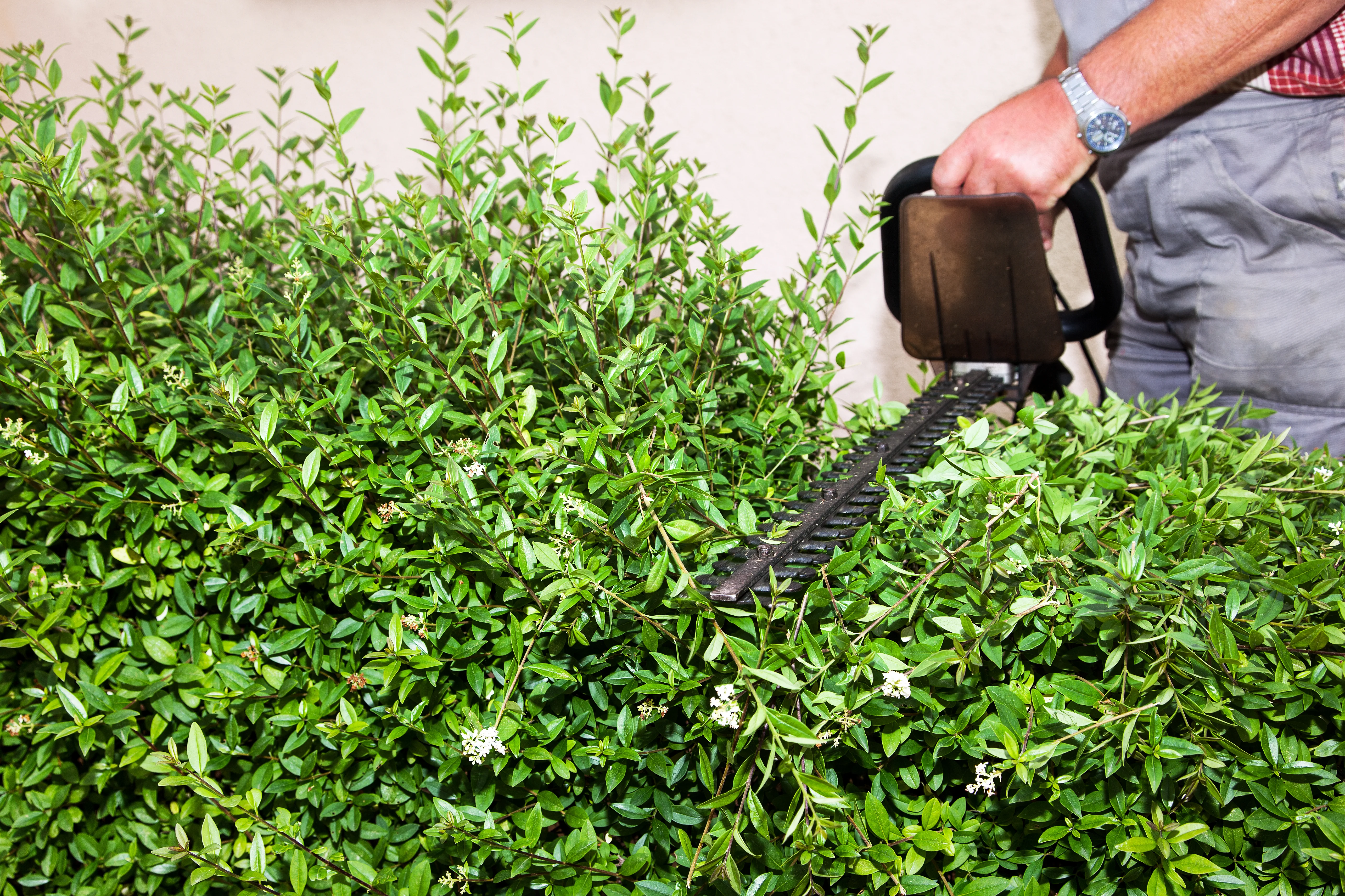
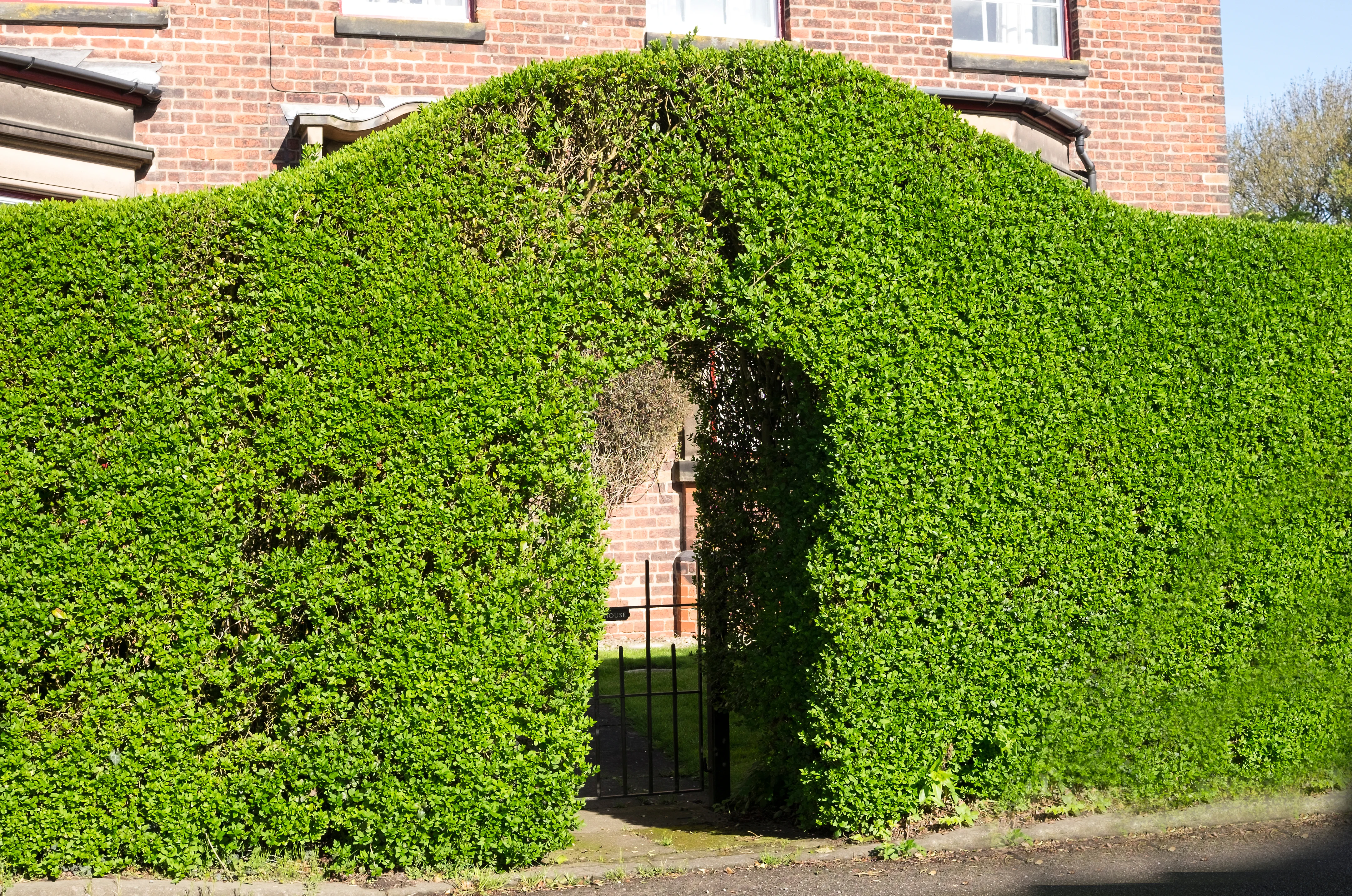

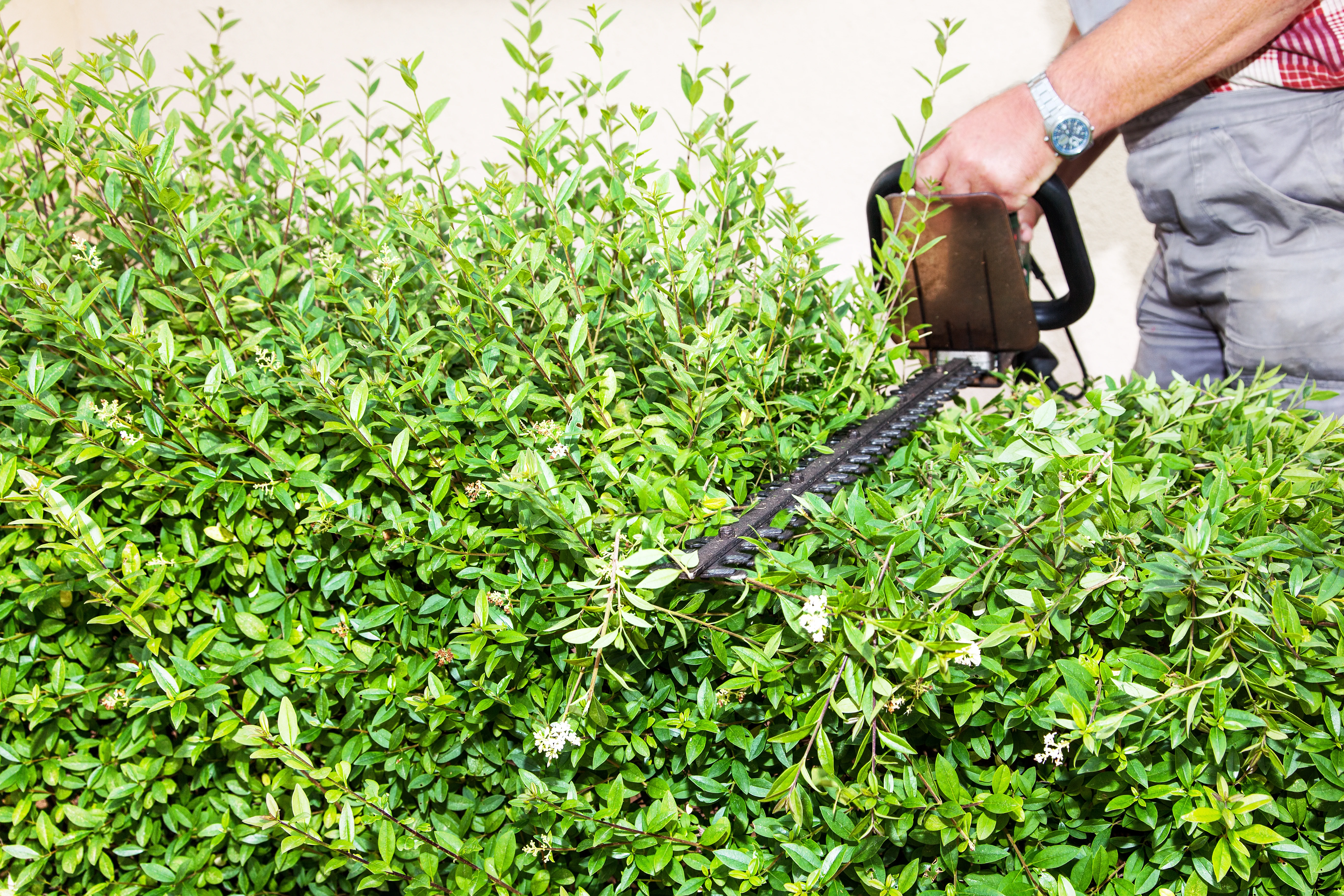
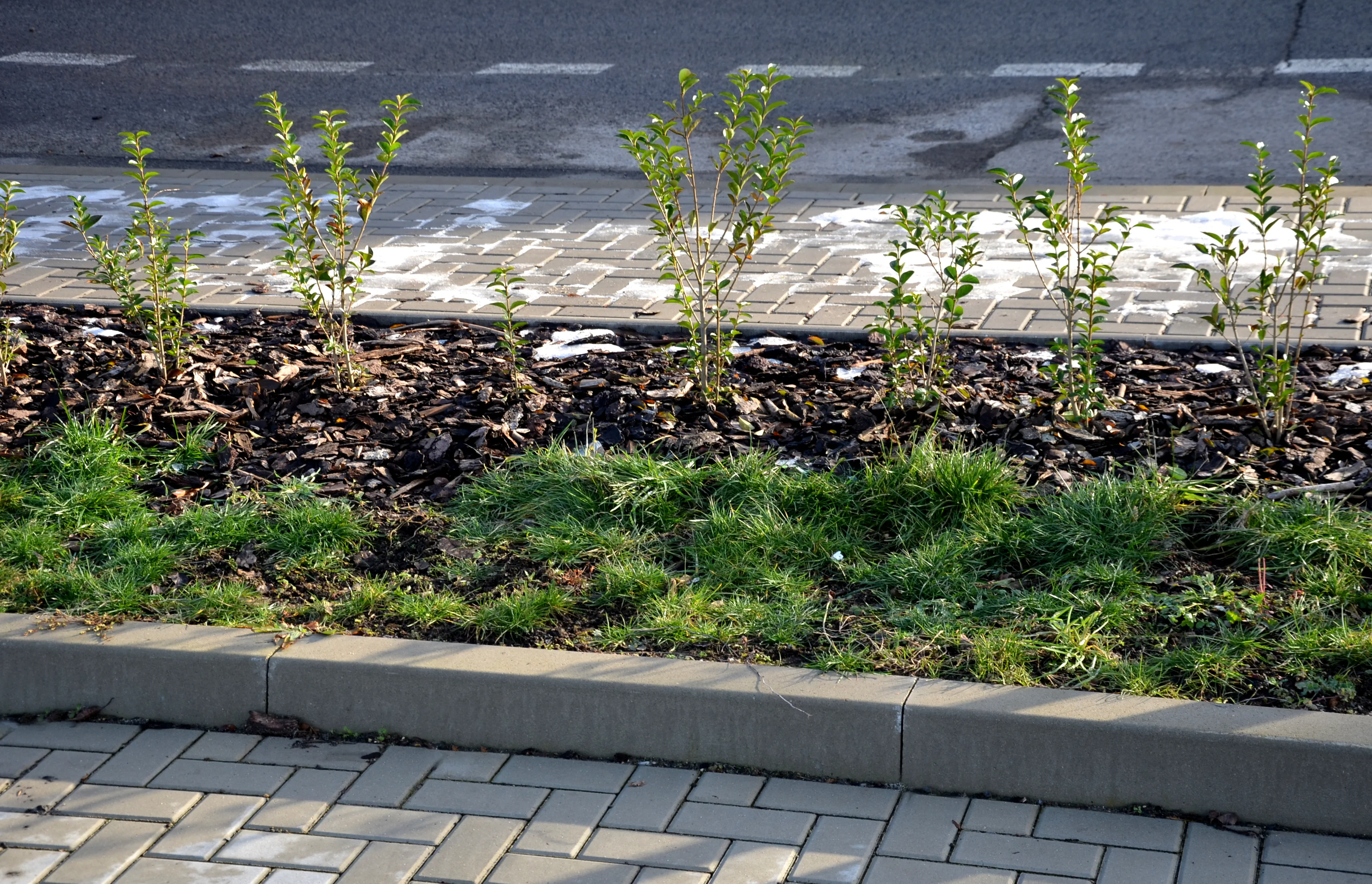


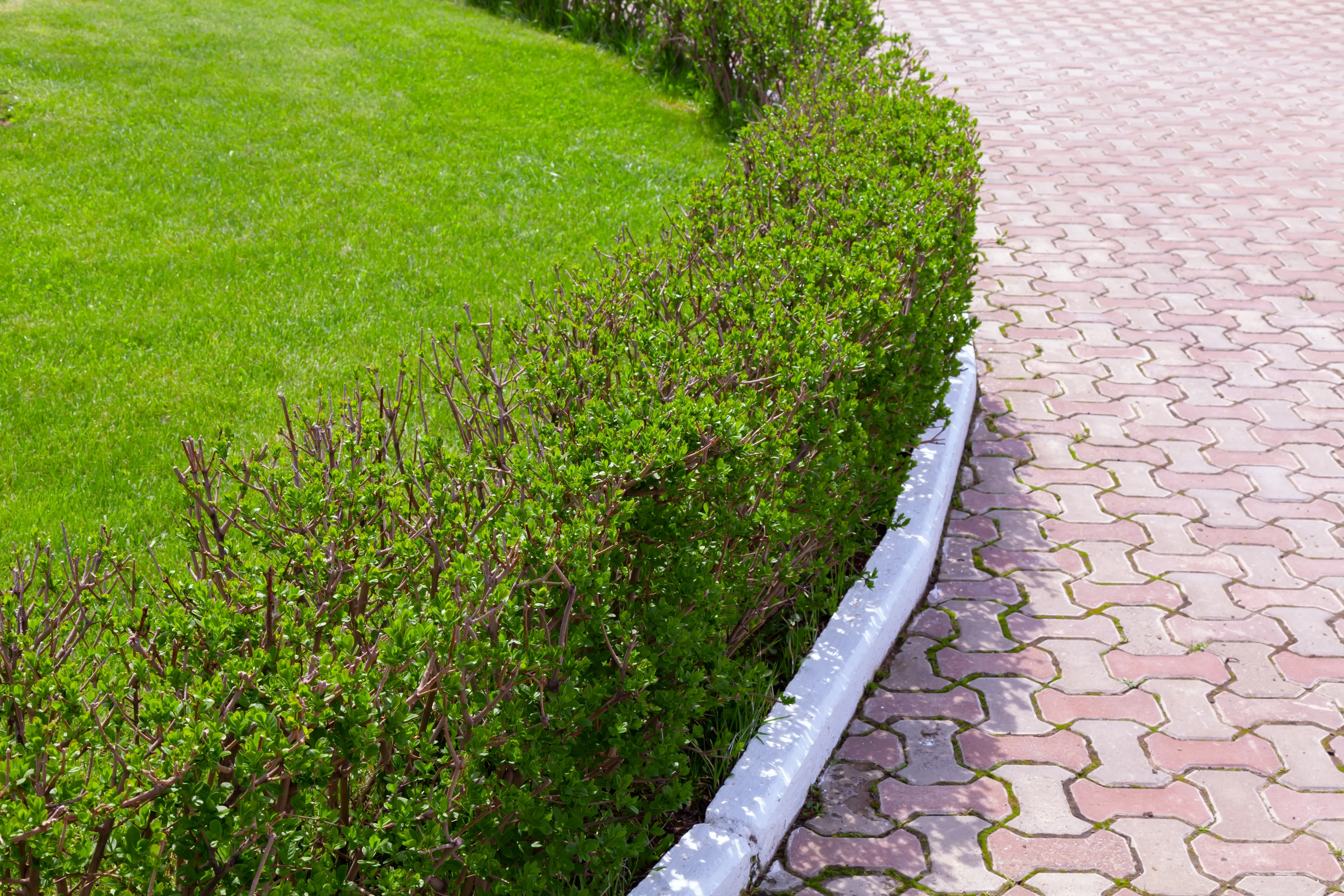
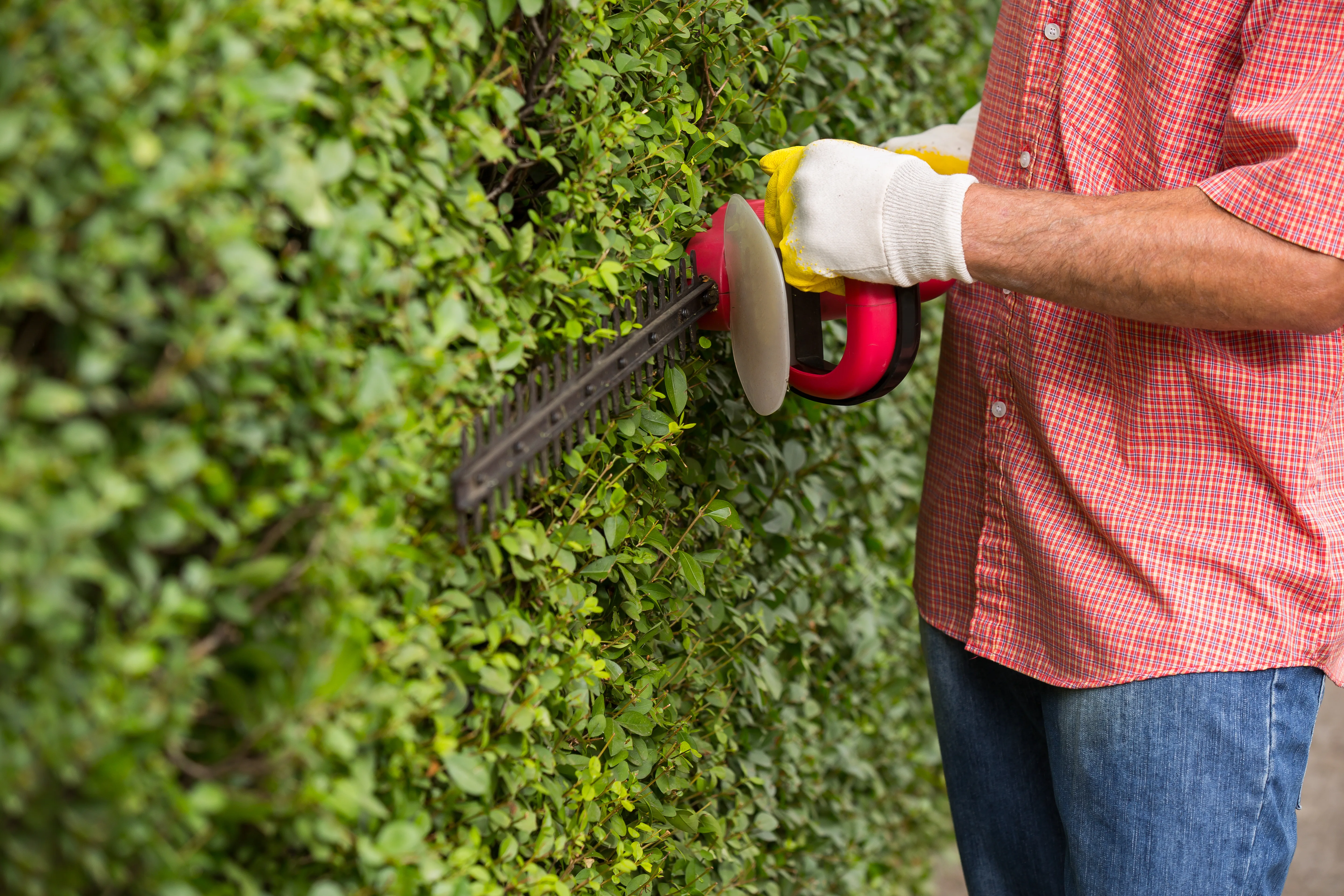

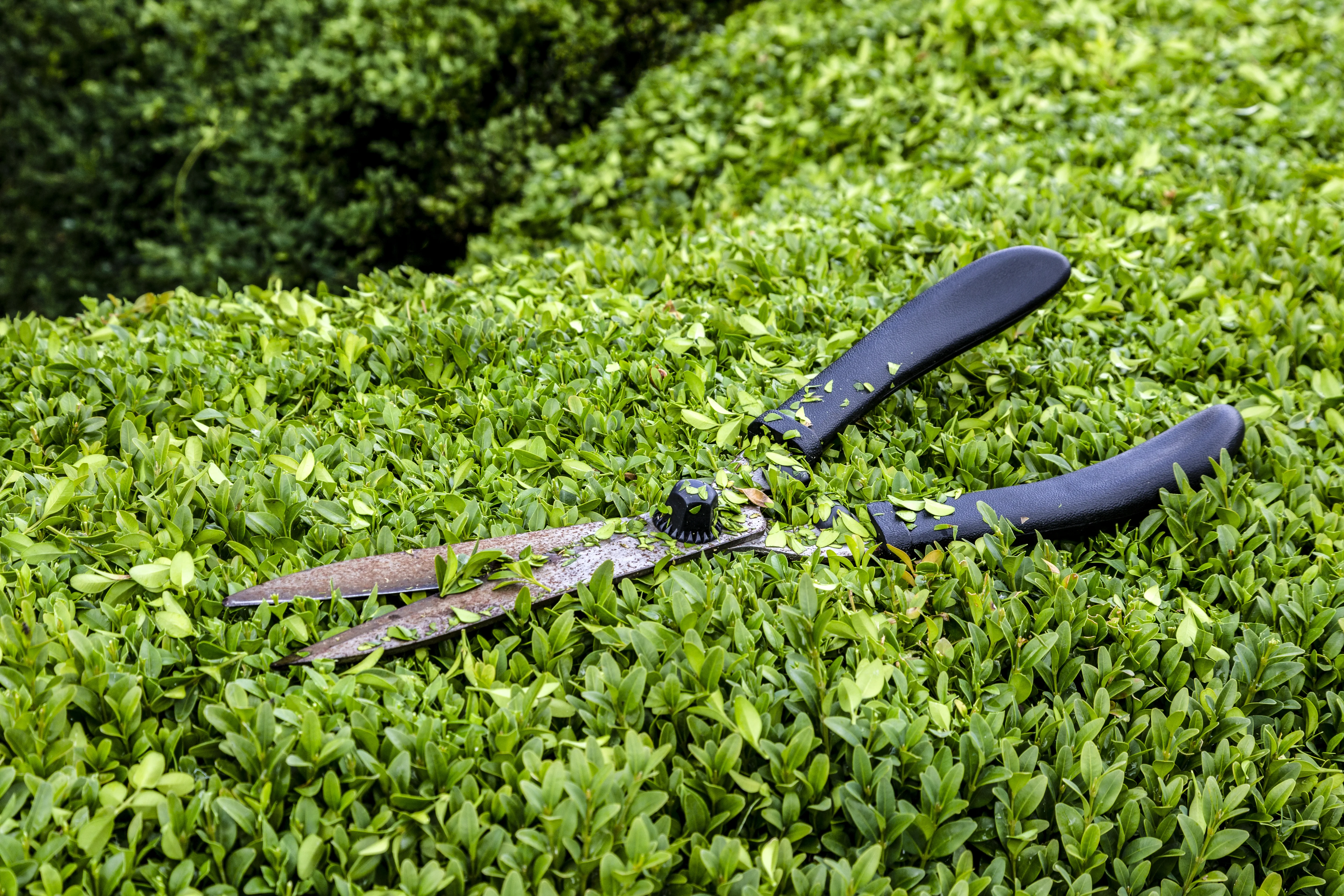

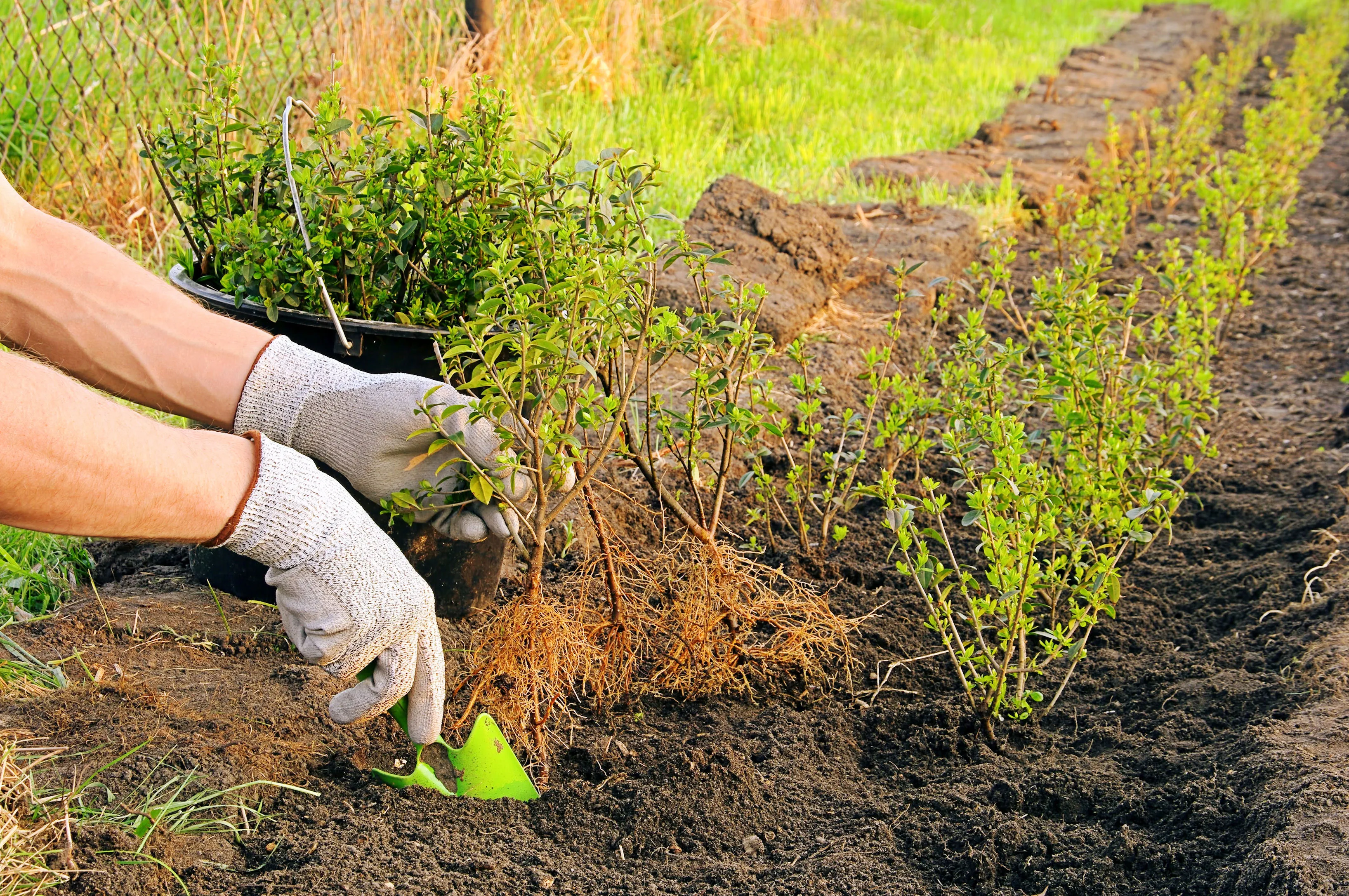
Michael Carter
Vestibulum ante ipsum primis in faucibus orci luctus et ultrices posuere cubilia curae; Donec vel erat in nulla efficitur tempor non ut nisl. Integer venenatis eros ut dui viverra fermentum.
Sophie Wilson
Nam ut turpis hendrerit, varius nunc vel, elementum dui. Morbi vulputate dolor sit amet scelerisque egestas. Vestibulum eleifend nunc ut bibendum fermentum.
Alex Morgan
Cras non velit nec purus tempor rhoncus. Sed non mauris vitae erat consequat auctor eu in elit. Class aptent taciti sociosqu ad litora torquent per conubia nostra.