Everything You Need to Know About a Ceratostigma Shrubs in the UK
An Overview of Growing and Maintaining Ceratostigma Shrubs in the UK
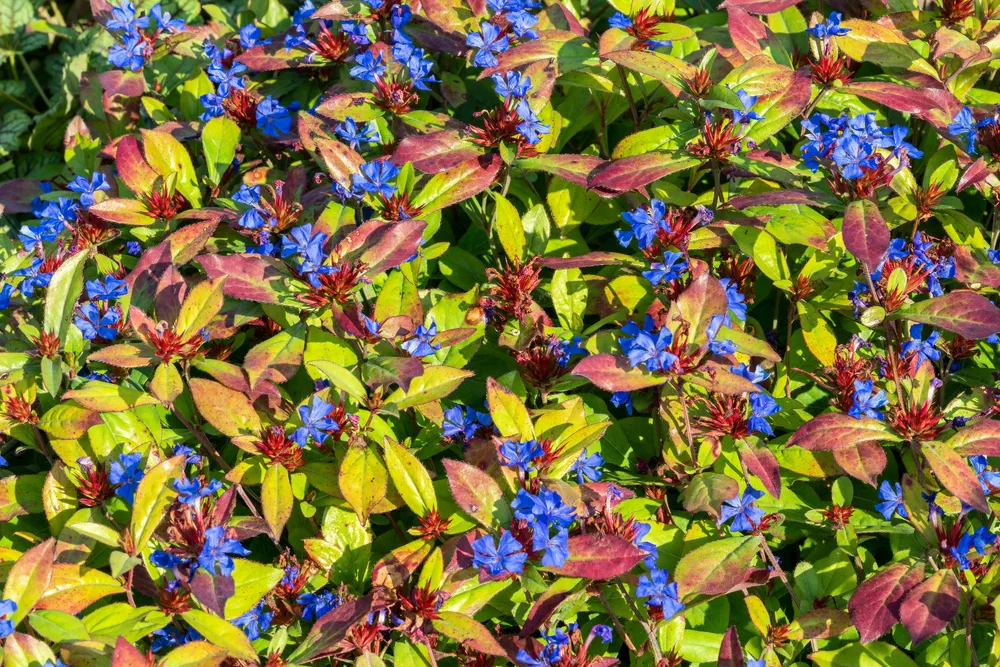
Are you intrigued by the idea of owning a beautiful ceratostigma shrub in your garden? Whether you’re a novice or experienced gardener, growing and maintaining these low-maintenance plants can be both enjoyable and rewarding. With their pretty blue/purple flowers blooming throughout summer, they will be sure to bring vibrant colours to any outdoor space. In this blog post we will explore the basics of growing ceratostigma shrubs in the UK, providing an overview on where they thrive best, how often they should be watered, when they should be pruned and more – giving you all the information you need so that these shrubs become a lasting addition to your garden!
Ceratostigma shrubs are a striking addition to any garden, with their vibrant blue flowers and deep green foliage. Belonging to the plumbago family, these shrubs are native to China and are known for their hardy nature and ability to thrive in a variety of soil types. In the UK, you can find them growing in both private and public gardens, as well as in parks and nature reserves. With their stunning blooms and attractive foliage, Ceratostigma shrubs are a great choice for anyone looking to add some colour and texture to their garden.
Growing and maintaining Ceratostigma shrubs, specifically Ceratostigma plumbaginoides (known as hardy plumbago or leadwort), can be a rewarding endeavor. This guide will provide you with practical tips to help ensure your shrubs thrive.
- Ideal Growing Zones Hardy plumbago is best suited for USDA hardiness zones 5 through 9. It prefers full sun to partial shade.
- When to Plant The best time to plant Ceratostigma plumbaginoides is in the spring or early fall when the weather is cool but not freezing.
- Soil and Fertilizer Requirements Ceratostigma plumbaginoides prefers well-drained soil with a pH between 5.5 and 7.5. You can enhance your soil with organic matter like compost before planting. A slow-release fertilizer can be applied in the spring to encourage healthy growth.
- Watering and Care Water your shrubs deeply once a week during the first growing season to establish an extensive root system. Once established, they are somewhat drought tolerant. However, they will benefit from supplemental watering during prolonged dry periods.
- Pruning Techniques Prune back your Ceratostigma shrubs in late winter or early spring. This will encourage new growth and help maintain a compact shape.
- Pest Control Ceratostigma shrubs are generally pest-free. However, watch out for common garden pests like aphids and spider mites. If you notice any infestation, use an insecticidal soap or neem oil spray.
- Propagating Ceratostigma Ceratostigma plumbaginoides can be propagated by division in the spring. To do this, dig up the entire plant and gently separate it into smaller sections. Each section should have a good amount of roots attached. Replant these sections immediately in prepared soil.
Remember, growing Ceratostigma shrubs can be a fun and rewarding experience. With the right care and attention, these beautiful blue-flowering plants can thrive in your garden.
The History of Ceratostigma Shrubs in the UK
The History of Ceratostigma Shrubs in the UK

Ceratostigma shrubs, commonly known as the leadwort, are native to China and were introduced to the UK in the early 1900s. They were initially grown as ornamental plants due to their attractive flowers and foliage.
The plant derives its name from the Greek words for "horn" and "stigma," referencing the horn-shaped stigma on the flower's ovary. The leadwort's flowers bloom in late summer, usually in shades of blue or purple, making them a popular choice amongst gardeners.
These shrubs are admired not only for their beauty but also their hardiness. They are generally low-maintenance and can tolerate a range of soil types, including clay, and will grow well in full sun or partial shade. Ceratostigma shrubs are also resistant to pests and diseases, making them a great addition to any garden.
The leadwort has also been used for medicinal purposes in traditional Chinese medicine. The roots and leaves of the plant are used to treat a variety of ailments, including bronchitis, menstrual cramps, and arthritis.Ceratostigma shrubs, part of the Plumbaginaceae family, have a rich history and play an essential role in various ecosystems. While they are often associated with the Qinghai-Tibet Plateau and North China, their presence in the UK has been documented as well.
The genus Ceratostigma is known for its diversity, including shrubs, subshrubs, and herbs. The evolutionary history of Ceratostigma is tied to its adaptation to different habitats and climates, which is evident in its wide distribution today.
Historical records indicate that one species, Ceratostigma griffithii, was found in Bhutan and has since been introduced into the UK. The Natural History Museum and the University of Cambridge have documented this.
Today, Ceratostigma shrubs are used in garden designs in the UK, appreciated for their attractive blue flowers that add colour and contrast to landscapes (Google Books, n.d.). However, the changes in landscape and human activities may have impacted their distribution patterns.
Climate change, habitat loss, and the introduction of non-native species are common threats to native flora, and Ceratostigma shrubs could be no exception. Conservation measures should include preserving existing habitats, controlling invasive species, and possibly creating seed banks for future reintroductions if necessary.
Despite these challenges, Ceratostigma shrubs continue to contribute to biodiversity. They serve as food and shelter for various insects and birds, contributing to the overall health and balance of the ecosystem. Additionally, some Ceratostigma species have been noted for their resistance to deer, making them a practical choice for areas where deer browsing can decimate other plants.
In conclusion, while more research is needed to determine the exact status and trends of Ceratostigma shrubs in the UK, it is clear that these plants have a significant role to play in the country's biodiversity and horticultural practices. Their history, adaptability, and ecological contributions make them a fascinating subject of study.
The Benefits of Growing Ceratostigma Shrubs

- attractive, low maintenance, easy to care for
Ceratostigma shrubs are a fantastic addition to any garden or landscape. Not only are they visually striking with their bright blue flowers and glossy green leaves, but they are also incredibly low maintenance and easy to care for. Unlike some plants that require constant pruning and trimming, Ceratostigma shrubs can thrive with minimal attention. They are tolerant of poor soil conditions and can even handle some periods of drought, making them a versatile choice for any climate. So, whether you're a seasoned gardener or just starting out, consider adding a Ceratostigma shrub to your outdoor space for a beautiful and hassle-free addition.
Planting a variety of flora alongside Ceratostigma shrubs can yield numerous benefits, from creating a visually pleasing garden to fostering a healthier ecosystem. Here's a list of plants that complement Ceratostigma shrubs well:
-
1. Echinacea purpurea (Purple Coneflower)
This plant offers a striking contrast to Ceratostigma's blue flowers with its vibrant purple blooms. It's also a fantastic source of nectar for pollinators.
- - Planting Conditions: Full sun, well-drained soil.
- - Care Tips: Drought-tolerant once established. Deadhead spent flowers to encourage more blooms.
- - Benefits: Attracts pollinators and adds color contrast.
-
2. Festuca glauca (Blue Fescue)
This ornamental grass adds texture and a unique blue-green color that complements Ceratostigma's foliage.
- - Planting Conditions: Full sun, well-drained soil.
- - Care Tips: Water regularly during the first growing season. Trim back in early spring.
- - Benefits: Adds texture and color contrast.
-
3. Sedum 'Autumn Joy' (Stonecrop)
The pink flowers of this succulent bloom in late summer when Ceratostigma is starting to fade, extending the color show in your garden.
- - Planting Conditions: Full sun, well-drained soil.
- - Care Tips: Drought-tolerant. Cut back in spring.
- - Benefits: Extends blooming season and attracts pollinators.
-
4. Narcissus 'Tete-a-Tete' (Daffodil)
These early spring bloomers can provide a splash of color before your Ceratostigma starts growing in earnest.
- - Planting Conditions: Full sun to part shade, well-drained soil.
- - Care Tips: Allow foliage to die back naturally after blooming.
- - Benefits: Adds early spring color and attracts pollinators.
-
5. Lavandula angustifolia (English Lavender)
The scent of lavender can deter pests, and its purple flowers look beautiful next to Ceratostigma's blue ones.
- - Planting Conditions: Full sun, well-drained soil.
- - Care Tips: Prune lightly after flowering to maintain shape.
- - Benefits: Deters pests and adds color contrast.
-
6. Helianthus 'Lemon Queen' (Perennial Sunflower)
These tall, yellow-flowering plants can provide a vertical interest in the garden and look stunning behind a border of Ceratostigma.
- - Planting Conditions: Full sun, well-drained soil.
- - Care Tips: May need staking. Deadhead spent flowers to encourage more blooms.
- - Benefits: Adds height and color contrast.
Selecting the Right Variety for Your Garden

- tips on choosing the right variety for your landscape
Selecting the right variety for your garden can be a daunting task, but with a little bit of knowledge and research, you can easily make the right choice. The first and most important step is to determine what kind of plants will thrive in your particular climate and soil type. You should also consider factors such as sun exposure, space availability, and your personal preference when it comes to foliage and bloom colours. Another important consideration is the maintenance requirements of each plant - make sure you select varieties that fit your schedule and resources. By taking all of these factors into account, you'll be well on your way to creating a beautiful, thriving garden that you can enjoy for years to come.
The Ceratostigma shrub is a breathtaking addition to any garden, with its vibrant blue flowers and dark green leaves. Here are the most common varieties of the Ceratostigma shrub and their characteristics:
- Ceratostigma Plumbaginoides – This is a low-growing, creeping shrub that can reach up to 30 cm in height. It has stunning blue flowers that bloom in the late summer and fall, and its foliage turns a beautiful burgundy colour in the autumn. This variety prefers well-drained soil and full to partial sun exposure.
- Ceratostigma Griffithii – This variety is slightly taller than the plumbaginoides, reaching up to 60 cm in height. It features blue-violet flowers and dark green foliage that turns a brilliant red-purple in the autumn. It prefers fertile, well-drained soil and partial to full sun exposure.
- Ceratostigma Willmottianum – This variety grows up to 1.5 m in height and features beautiful blue flowers and glossy green foliage. It is a great choice for hedges and borders and prefers well-drained soil in partial to full sun exposure.
- Ceratostigma Myricoides – This variety is a taller shrub, reaching up to 2 m in height. It features deep blue flowers and dark green foliage. It prefers fertile, well-drained soil and full sun exposure.
- Ceratostigma Plumbaginoides ‘Tornos’ – This variety is a compact, low-growing shrub that reaches up to 20 cm in height. It features striking blue flowers and deep green foliage that turns a beautiful bronzy-red colour in the autumn. It prefers well-drained soil and partial to full sun exposure.
In summary, the Ceratostigma shrub is a beautiful and low-maintenance addition to any garden. With a variety of colours and sizes to choose from, there is a perfect variety for any landscape. Consider adding this stunning shrub to your outdoor space for a vibrant and hassle-free addition.
Preparing the Soil for Planting
- overview of soil needs and how to prepare it for planting
Preparing the soil for planting is a crucial step in ensuring a successful and bountiful garden. Soil needs to be rich in nutrients, with good drainage and aeration, for plants to thrive. Before planting, it's important to test the soil to understand its composition and identify any deficiencies. Once you know what your soil needs, you can take steps to improve it by adding organic matter, such as compost or manure, or using fertilizers to boost nutrient levels. Preparing the soil may also involve removing any weeds or debris and loosening the soil to allow for roots to grow deep. By taking the time to prepare the soil before planting, you'll give your plants the best possible chance for healthy growth and a fruitful harvest.
Plant Care and Maintenance
- water requirements, fertilizing, pruning and other important tasks
Taking care of plants requires more than just watering them occasionally. Each plant has specific water requirements that need to be met to keep them healthy. Overwatering or underwatering can be detrimental to their growth. Fertilizing is another important aspect of plant care, and it is essential to use the appropriate type of fertilizer at the right time. Pruning is also crucial, as it helps to maintain the plant's shape and promote healthy growth. Other important tasks include removing dead leaves and inspecting the plant for pests or diseases. By following these essential plant care and maintenance tasks, you can ensure a thriving and beautiful garden.
Controlling Pests and Diseases

- prevention techniques and treatments available
Controlling pests and diseases is every gardener's ultimate goal since they can end up causing significant damage to your plants. One of the best ways to prevent pests and diseases is to invest in plant varieties that are naturally resistant to them. Choosing healthy plants at purchase and giving them ideal environmental conditions, such as the right amount of water, sunlight, and soil will also help to deter pests and diseases. However, when prevention efforts fail, there are several treatment options like biological controls, organic sprays, and chemicals that can be used to combat and eliminate pests and diseases. It's important to research each method and choose the best one for your situation to ensure effective results without harming the surrounding environment. By taking preventative measures and using the correct treatment methods, controlling pests and diseases can be manageable, and your garden will remain healthy and thriving.
Ceratostigma shrubs are prone to several pests and diseases, which can cause significant damage and impact the plant's vitality. Below are some of the most common pests and diseases of the Ceratostigma shrub, along with their early signs of damage, prevention measures, and treatment methods.
- Spider Mites - Spider Mites are tiny arachnids that live on the undersides of leaves and suck the sap out of the plant, causing yellowing, browning, and wilting of leaves. Prevention measures include maintaining a humid environment, watering regularly, and avoiding over-fertilization. Treatment methods include spraying the plant with insecticidal soap, horticultural oil, or neem oil.
- Powdery Mildew - Powdery Mildew is a fungal disease that appears as a white powdery coating on the leaves, stems, and flowers of the plant. Early signs of damage include distorted growth and yellowing leaves. Prevention measures include avoiding overhead watering and promoting good air circulation. Treatment methods include spraying the plant with a fungicidal spray, pruning infected leaves, and avoiding overcrowding.
- scale insects - scale insects are small, oval-shaped insects that attach themselves to the bark, stems, and leaves of the plant and suck sap, causing stunted growth, yellowing, and dropping of leaves. Prevention measures include pruning infected branches, using sticky traps, and maintaining proper humidity levels. Treatment methods include spraying the plant with insecticidal soap or horticultural oil.
- Leaf Spot - Leaf Spot is a fungal disease that appears as brown, black, or gray spots on the leaves, which can cause defoliation and stunted growth. Prevention measures include promoting good air circulation, avoiding overhead watering, and removing infected leaves promptly. Treatment methods include applying a fungicidal spray or copper-based fungicide, trimming infected areas, and promoting good overall plant health.
In conclusion, proper care and maintenance are crucial in preventing and treating pests and diseases in Ceratostigma shrubs. By identifying the early signs of damage, implementing preventive measures, and using appropriate treatment methods, gardeners can ensure the health and vitality of their plants. Regular inspection, pruning, and promoting good environmental conditions will result in a thriving and beautiful garden.
How to Grow Ceratostigma Shrubs from Seed

To grow Ceratostigma shrubs from seed, you will need some seeds, a pot or container, soil and water. First, fill the pot with soil and spread the seeds across the top. Then, add a thin layer of soil to cover them up. Make sure to keep the container in an area that gets plenty of sunlight. Water your plant regularly and wait for it to grow! Once it starts growing taller and has more leaves, you can transplant it into your garden or yard.
Growing Ceratostigma shrubs can be a rewarding experience. Here is a step-by-step guide on how to do this from seed:
- Start by filling a container of potting soil, adding some peat moss for extra moisture retention and a bit of compost for nutrition.
- Scatter the seeds across the surface of the soil and press lightly but firmly; it is not necessary to cover the seeds with soil.
- Water the container until the surface of the soil is evenly moist, then keep it in a warm spot where it will get lots of natural light but out of direct sunlight.
- Once germination takes place, thin out any overcrowded seedlings so that each one has enough space to grow without competition from other plants.
- During dry periods, water regularly to help keep their roots hydrated and maintain even moisture levels in the soil; add mulch around them if you want extra protection from drought conditions.
- Once they have reached an appropriate size, transplant each individual shrub into its own separate spot in your garden or landscape and enjoy watching them grow!
Ceratostigma shrubs are a great choice for gardens in the UK, due to their low-maintenance and long blooming seasons. With a wide range of varieties available and different features to consider, it’s important to find the right variety for your garden. Once you’ve chosen one, taking care of your plant is key to its beauty and longevity, which includes weighing up soil needs when planting and tending to it throughout its lifecycle with proper watering, feeding, pruning and pest control procedures. We hope this blog post has provided you with some useful information on Ceratostigma shrubs – enjoying your beautiful plants should be effortless work!
Growing Ceratostigma shrubs from seeds can be a rewarding process, but it requires patience and careful attention to detail. Here's a comprehensive guide to help you successfully cultivate these beautiful blue-flowering shrubs.
Seed Germination- Seed Stratification: Ceratostigma seeds benefit from a process called stratification, which involves exposing them to cold and moist conditions to break dormancy. Mix the seeds with moistened peat moss or sand and place them in a sealed plastic bag. Store this in the refrigerator for about 4 to 6 weeks.
- Sowing: After stratification, sow the seeds in a seed tray filled with a good quality seed compost. Cover them lightly with additional compost or vermiculite.
- Germination Environment: Place the seed tray in a warm, well-lit area but out of direct sunlight. The ideal temperature for germination is around 70-75°F (21-24°C).
- Watering: Keep the compost consistently moist but not waterlogged.
- Growth: Expect germination within 2 to 3 weeks. Once seedlings are large enough to handle, usually when they have two sets of true leaves, transplant them into individual pots.
- Soil and Fertilizer: Ceratostigma prefers well-drained soil with a pH between 5.5 and 7.5. Before planting, enrich your soil with organic matter like compost. A slow-release fertilizer can be applied in the spring to promote healthy growth.
- Watering: Water your shrubs deeply once a week during the first growing season to establish a deep, extensive root system. Once established, they are somewhat drought-tolerant but will benefit from supplemental watering during prolonged dry periods.
- Light: These shrubs thrive in full sun to partial shade.
- Transplanting: Once your seedlings have grown to about 4-6 inches and the last frost date has passed, they can be transplanted outdoors. Space them about 18-24 inches apart.
- Pests and Diseases: Ceratostigma shrubs are generally pest-free but watch out for common garden pests like aphids and spider mites. If you notice any infestation, use an insecticidal soap or neem oil spray.
- Overwatering: While these shrubs like consistent moisture, overwatering can lead to root rot. Ensure your soil is well-draining and adjust watering during rainy periods.
Remember, the key to successful gardening is patience and persistence. With the right care, you'll be rewarded with vibrant blue blooms from your Ceratostigma shrubs.
How and When to Prune Ceratostigma Shrubs in the UK

Gardening is an art, and knowing when and how to prune your shrubs is a crucial part of that! Ceratostigma shrubs add beautiful colour to any garden, but it can be daunting for the novice gardener not sure when or how to prune them properly. From choosing the right time of year and preparing your pruning tools beforehand; to deciding what shape you would like your shrubbery, there are many factors worth considering before starting on this project. In this blog post we will discuss all the relevant details regarding how, why and when you should go about pruning Ceratostigma Shrubs in UK gardens. Get ready as we dive into everything you need to know about caring for these glorious flowers!
Understanding Ceratostigma Shrubs and the Benefits of Pruning
Ceratostigma shrubs may not be the most well-known plants around, but they have a lot of benefits to offer. These shrubs are known for their vibrant blue flowers that bloom in the late summer and fall, adding a pop of colour to any garden. Not only are they beautiful, but they are also drought tolerant and can survive in various soil types. However, to keep them healthy and looking their best, it is important to know the benefits of pruning. Pruning allows for better air circulation, helps control the plant's size, and encourages new growth. By understanding how to properly care for ceratostigma shrubs, you can enjoy their beauty for years to come.
The Best Time to Prune Ceratostigma Shrubs in the UK

If you're the proud owner of a ceratostigma shrub, it's important to know when to prune it in order to keep it healthy and thriving. In the UK, the best time to prune ceratostigma shrubs is in early Spring, just as the new growth starts to appear. This will allow you to shape the plant and encourage new growth without damaging any of the existing shoots. Pruning is also a great way to control the size of the shrub and prevent it from getting too large for your space. With timely and careful pruning, your ceratostigma shrub will be a striking addition to your garden for years to come.
Preparing Tools and Materials for Pruning
Proper preparation is key to successful pruning. Before starting any pruning task, it's important to gather the necessary tools and materials. This includes sharp pruning shears, loppers, a saw, gloves, safety glasses, and disinfectant. Ensure that all equipment is in good working condition and is clean to prevent the spread of disease between plants. Consider the size and age of the plant being pruned and choose the appropriate tools accordingly. Taking the time to gather the right tools and materials will make the pruning process easier and safer, and lead to a neatly trimmed and healthy plant.
Steps to Take When Pruning Ceratostigma Shrubs

Pruning is an essential aspect of maintaining the health and beauty of your Ceratostigma shrubs. However, it can be intimidating to tackle the pruning process without knowing the proper steps to take. Fortunately, with a bit of knowledge and careful planning, you can prune your shrubs like a pro. Start by assessing the shrub's overall shape and removing any damaged or dead branches. Then, prune back any overly tall or dense areas to promote healthy growth and airflow throughout the plant. It's also important to sanitize your pruning tools to prevent the spread of disease. By following these steps, you'll be well on your way to keeping your Ceratostigma shrubs looking their best.
Pruning Ceratostigma shrubs is essential for keeping them healthy and helping them to reach their full potential. Here is a step-by-step guide on how to do this:
- Begin pruning by removing any dead or diseased branches, making sure that all cuts are made cleanly at their base.
- For vigorous growing shrubs, the next step would be to thin out the top of the plant so that more light and air can get through; make sure to leave enough leaves near the tips of each branch for photosynthesis.
- If you want to promote bushier growth, cut back side branches that have grown too long; this will encourage new shoots from below in its place.
- Also remove any crossing branches, as these can rub against each other and cause damage over time if not kept trimmed away.
- Finally, shape and clip any unruly stems into a tidy form if desired; use sharp scissors or pruners for best results!
Step 2 of pruning Ceratostigma Shrubs is to thin out the top of the plant, allowing more light and air to reach the inner parts. Make sure to leave enough leaves near the tips of each branch for photosynthesis – otherwise, without adequate leaf coverage, shrubs will not be able to produce enough energy for proper growth. Prune back any branches that have grown too long, but consider leaving them slightly longer if you want bushier growth from these areas. It’s also critical to make sure to remove any crossing or rubbing branches, as these can cause damage over time if not kept managed.
Tips and Tricks to Make Pruning Easier

Pruning is an essential task for any gardener, but it can be challenging and time-consuming. However, with a few tips and tricks, this task can be made much easier. First, it is important to have the right tools for the job. A good pair of pruning shears and a saw are essential for cutting through thick branches. It is also important to consider the timing of when to prune. Pruning during the dormant season will help plants recover more quickly, while pruning during the growing season will encourage new growth. Additionally, it is vital to make clean cuts and avoid damaging the bark or leaving jagged edges. By following these tips and tricks, pruning will become a much more manageable task, and your plants will flourish as a result.
Aftercare Tips for Your Newly-Pruned Ceratostigma Shrub

Pruning your Ceratostigma shrub may initially feel daunting, but with the right aftercare, your plant will thrive in no time. One crucial aftercare tip is to water your shrub thoroughly after the pruning session to help it recover. It is also important to avoid over-fertilizing during the first few weeks after pruning as it may cause harm to the strained plant. Adding organic matter to the soil can provide additional nutrients that your Ceratostigma shrub needs. Finally, inspect your shrub frequently and remove any dead or damaged branches to allow new growth to flourish. With these aftercare tips, your freshly pruned Ceratostigma shrub will reward you with beautiful blooms and lush foliage.
Pruning Ceratostigma shrubs can have multiple benefits, including enhancing the structure and look of the plant. Pruning should be done once a year in the UK before new growth starts to occur. When preparing for pruning, you will need specific tools and materials to make sure everything goes as smoothly as possible. During pruning, it is important that you take your time and be careful about which parts of the plant your are trimming back or removing. There are numerous tips and tricks that can make pruning easier if you want to use them; however, most of all, remember to enjoy the process - provided that you follow safety precautions! Finally, after pruning has been completed, caring for your newly-pruned Ceratostigma shrub is essential - these plants will need regular watering and fertilizing to ensure they remain healthy and vibrant. Ultimately, following these steps and guidelines when it comes to pruning Ceratostigma shrubs will help keep your garden safe and beautiful.
How to Prune Climbing Vines
List by Variety
- How to Prune Actinidia
- How to Prune Akebia
- How to Prune Bougainvillea
- How to Prune Campsis
- How to Prune Celastrus
- How to Prune Chilean Glory Vine
- How to Prune Clematis Armandii
- How to Prune Clematis Montana
- How to Prune Climbing Rose
- How to Prune Hedera GoldHeart
- How to Prune Honeysuckle
- How to Prune Hydrangea Petiolaris
- How to Prune Ivy
- How to Prune Japanese Wisteria
- How to Prune Morning Glory
- How to Prune Parthenocissus
- How to Prune Persian Ivy Hedera Colchica
- How to Prune Schisandra
- How to Prune Star Jasmine
- How to Prune Sweet Peas
- How to Prune True Jasmine
- How to Prune Virginia Creeper
- How to Prune Wisteria
How to Prune Hedges
List by Variety
- How to Prune an Arborvitae Hedge
- How to Prune a Barberry Hedge
- How to Prune a Beech Hedge
- How to Prune a Boxwood Hedge
- How to Prune a Butterfly Bush Hedge
- How to Prune a Cotoneaster Hedge
- How to Prune an English Lavender Hedge
- How to Prune an Escallonia Hedge
- How to Prune an Euonymus-Hedge
- How to Prune a Firethorn Hedge
- How to Prune a Forsythia Hedge
- How to Prune a Griselinia Hedge
- How to Prune a Hawthorn Hedge
- How to Prune a Holly Hedge
- How to Prune a Hornbeam Hedge
- How to Prune a Juniper Hedge
- How to Prune a Laurel Hedge
- How to Prune a Leylandii Hedge
- How to Prune a Lilac Hedge
- How to Prune a Maple Leaf Viburnum Hedge
- How to Prune a Photinia Hedge
- How to Prune a Pink Ramanus Rose Hedge
- How to Prune a Privet Hedge
- How to Prune a Pyracantha Hedge
- How to Prune a Spirea Hedge
- How to Prune a Thuja Hedge
- How to Prune a Viburnum Hedge
- How to Prune a Western Red Cedar Hedge
- How to Prune a Yew Hedge
How to Prune Shrubs
List by Variety
- How to Prune an Abelia Shrub
- How to Prune an Abutilon
- How to Prune an Acer / Japanese-Maple
- How to Prune an Amelanchiers
- How to Prune an Apple-Tree
- How to Prune an Arbovitae Shrub
- How to Prune an Arbutus
- How to Prune an Aucuba
- How to Prune a Azalea Mollis
- How to Prune Azaleas
- How to Prune a Bay Tree Shrub
- How to Prune a Berberis Darwinii
- How to Prune Berberis Deciduous Types
- How to Prune a Boxwood Shrubs
- How to Prune a Brachyglottis Senecio
- How to Prune a Buddleia Alternifolia
- How to Prune Buddleias Butterfly Bushes
- How to Prune a Buddleja Globosa
- How to Prune a Callicarpa
- How to Prune a Camellia
- How to Prune a Caryopteris
- How to Prune a Catalpa Bignonioides Aurea
- How to Prune Ceanothus Deciduous Types
- How to Prune Ceanothus Evergreen Types
- How to Prune a Ceratostigma
- How to Prune a Chaenomeles
- How to Prune a Choisya
- How to Prune a Cistus
- How to Prune a Clematis
- How to Prune a Cornus
- How to Prune a Cotinus Royal Purple
- How to Prune a Cytisus Scoparius
- How to Prune a Exochorda x Macrantha
- How to Prune a Forsythia
- How to Prune a Hebe
- How to Prune a Hydrangeas
- How to Prune Juniper Shrubs
- How to Prune a Lavatera
- How to Prune Lilac Bushes
- How to Prune a Mugo Pine
- How to Prune Rose Bushes
- How to Prune Ribes
- How to Prune Spirea Shrubs
- How to Prune Viburnum Shrubs
- How to Prune a Weigela
- How to Prune a Yew
How to Prune Trees
List by Variety
- How to Prune a Apple Tree
- How to Prune a Apricot Tree
- How to Prune a Ash Tree
- How to Prune a Birch Tree
- How to Prune a Cherry Tree
- How to Prune a Elm Tree
- How to Prune a Fig Tree
- How to Prune a Grape Tree
- How to Prune a Hickory Tree
- How to Prune a Maple Tree
- How to Prune a Oak Tree
- How to Prune an Olive Tree
- How to Prune a Peach Tree
- How to Prune a Pear Tree
- How to Prune a Plum Tree
- How to Prune a Poplar Tree
- How to Prune a Walnut Tree
How to Prune Climbing Vines
List by Variety
- How to Prune Actinidia
- How to Prune Akebia
- How to Prune Bougainvillea
- How to Prune Campsis
- How to Prune Celastrus
- How to Prune Chilean Glory Vine
- How to Prune Clematis Armandii
- How to Prune Clematis Montana
- How to Prune Climbing Rose
- How to Prune Hedera GoldHeart
- How to Prune Honeysuckle
- How to Prune Hydrangea Petiolaris
- How to Prune Ivy
- How to Prune Japanese Wisteria
- How to Prune Morning Glory
- How to Prune Parthenocissus
- How to Prune Persian Ivy Hedera Colchica
- How to Prune Schisandra
- How to Prune Star Jasmine
- How to Prune Sweet Peas
- How to Prune True Jasmine
- How to Prune Virginia Creeper
- How to Prune Wisteria
How to Prune Hedges
List by Variety
- How to Prune an Arborvitae Hedge
- How to Prune a Barberry Hedge
- How to Prune a Beech Hedge
- How to Prune a Boxwood Hedge
- How to Prune a Butterfly Bush Hedge
- How to Prune a Cotoneaster Hedge
- How to Prune an English Lavender Hedge
- How to Prune an Escallonia Hedge
- How to Prune an Euonymus-Hedge
- How to Prune a Firethorn Hedge
- How to Prune a Forsythia Hedge
- How to Prune a Griselinia Hedge
- How to Prune a Hawthorn Hedge
- How to Prune a Holly Hedge
- How to Prune a Hornbeam Hedge
- How to Prune a Juniper Hedge
- How to Prune a Laurel Hedge
- How to Prune a Leylandii Hedge
- How to Prune a Lilac Hedge
- How to Prune a Maple Leaf Viburnum Hedge
- How to Prune a Photinia Hedge
- How to Prune a Pink Ramanus Rose Hedge
- How to Prune a Privet Hedge
- How to Prune a Pyracantha Hedge
- How to Prune a Spirea Hedge
- How to Prune a Thuja Hedge
- How to Prune a Viburnum Hedge
- How to Prune a Western Red Cedar Hedge
- How to Prune a Yew Hedge
How to Prune Shrubs
List by Variety
- How to Prune an Abelia Shrub
- How to Prune an Abutilon
- How to Prune an Acer / Japanese-Maple
- How to Prune an Amelanchiers
- How to Prune an Apple-Tree
- How to Prune an Arbovitae Shrub
- How to Prune an Arbutus
- How to Prune an Aucuba
- How to Prune a Azalea Mollis
- How to Prune Azaleas
- How to Prune a Bay Tree Shrub
- How to Prune a Berberis Darwinii
- How to Prune Berberis Deciduous Types
- How to Prune a Boxwood Shrubs
- How to Prune a Brachyglottis Senecio
- How to Prune a Buddleia Alternifolia
- How to Prune Buddleias Butterfly Bushes
- How to Prune a Buddleja Globosa
- How to Prune a Callicarpa
- How to Prune a Camellia
- How to Prune a Caryopteris
- How to Prune a Catalpa Bignonioides Aurea
- How to Prune Ceanothus Deciduous Types
- How to Prune Ceanothus Evergreen Types
- How to Prune a Ceratostigma
- How to Prune a Chaenomeles
- How to Prune a Choisya
- How to Prune a Cistus
- How to Prune a Clematis
- How to Prune a Cornus
- How to Prune a Cotinus Royal Purple
- How to Prune a Cytisus Scoparius
- How to Prune a Exochorda x Macrantha
- How to Prune a Forsythia
- How to Prune a Hebe
- How to Prune a Hydrangeas
- How to Prune Juniper Shrubs
- How to Prune a Lavatera
- How to Prune Lilac Bushes
- How to Prune a Mugo Pine
- How to Prune Rose Bushes
- How to Prune Ribes
- How to Prune Spirea Shrubs
- How to Prune Viburnum Shrubs
- How to Prune a Weigela
- How to Prune a Yew
How to Prune Trees
List by Variety
- How to Prune a Apple Tree
- How to Prune a Apricot Tree
- How to Prune a Ash Tree
- How to Prune a Birch Tree
- How to Prune a Cherry Tree
- How to Prune a Elm Tree
- How to Prune a Fig Tree
- How to Prune a Grape Tree
- How to Prune a Hickory Tree
- How to Prune a Maple Tree
- How to Prune a Oak Tree
- How to Prune an Olive Tree
- How to Prune a Peach Tree
- How to Prune a Pear Tree
- How to Prune a Plum Tree
- How to Prune a Poplar Tree
- How to Prune a Walnut Tree
Gallery
Necessitatibus eius consequatur ex aliquid fuga eum quidem sint consectetur velit


Michael Carter
Vestibulum ante ipsum primis in faucibus orci luctus et ultrices posuere cubilia curae; Donec vel erat in nulla efficitur tempor non ut nisl. Integer venenatis eros ut dui viverra fermentum.
Sophie Wilson
Nam ut turpis hendrerit, varius nunc vel, elementum dui. Morbi vulputate dolor sit amet scelerisque egestas. Vestibulum eleifend nunc ut bibendum fermentum.
Alex Morgan
Cras non velit nec purus tempor rhoncus. Sed non mauris vitae erat consequat auctor eu in elit. Class aptent taciti sociosqu ad litora torquent per conubia nostra.