How and When to Prune Abutilon Flowering Maple Shrubs
An Overview of the Abutilon Flowering Maple Shrub
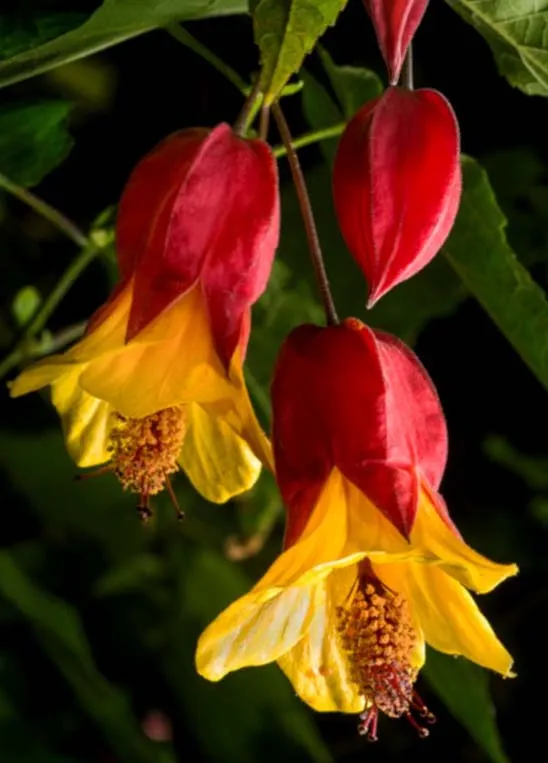
The Abutilon Flowering Maple shrub is an attractive evergreen plant with unique bell-shaped, yellow or orange blooms. Native to Brazil and other tropical regions, this lovely shrub is known for its flowering throughout the spring and summer months. With a hardy nature, the Abutilon thrives in sunny, warm climates that provide a good amount of humidity and water.
The Abutilon can be grown as a bush or a small tree and has drooping branches that produce delicate leaves. With pruning, it can be shaped into a traditional columnar form or trained to climb up walls and trellises. The vibrant blooms come in shades of yellow, orange and red and create a stunning contrast when combined with green foliage.
When taken care of properly, the Abutilon shrub will reward you with gorgeous blossoms every spring season! It’s important to note that the Abutilon needs protection from extreme cold – it should be kept indoors during winter months if temperatures dip too low. Pruning is also very important to promote healthy growth while shaping the bush into desired forms. Additionally, regular fertilizing in the springtime will help your Abutilon reach its fullest potential!
Do you have an Abutilon flowering maple shrub in your garden? In order to keep this beautiful and showy plant healthy, it needs regular pruning. While some gardeners may be hesitant to snip away at the pretty flowers of these shrubs, with a little knowledge and care, pruning can actually help make them more attractive while increasing their lifespan. So if you're wondering when and how to prune an Abutilon flowering maple shrub, look no further! Our blog post today will let you know just what steps to take for successful results.
The Abutilon Flowering Maple shrub is a gardening favorite, sought out for its unique maple leaf-shaped foliage and prolific blooms of bell-shaped flowers. It's a tall, trussing variety that typically grows three to four feet high, with delicate upright stems and an upright form. This deciduous shrub has minimal care requirements; it thrives in moist well-drained soil, part shade or full sun conditions and can tolerate moderate droughts once established. Pruning should be kept light as too much can reduce flowering the following year. To encourage continued blooming, deadhead faded flowers regularly throughout the growing season. These vibrantly colourful blossoms make the Abutilon a superior addition to any gardening space!
Planting Tips for the Abutilon Flowering Maple Shrub
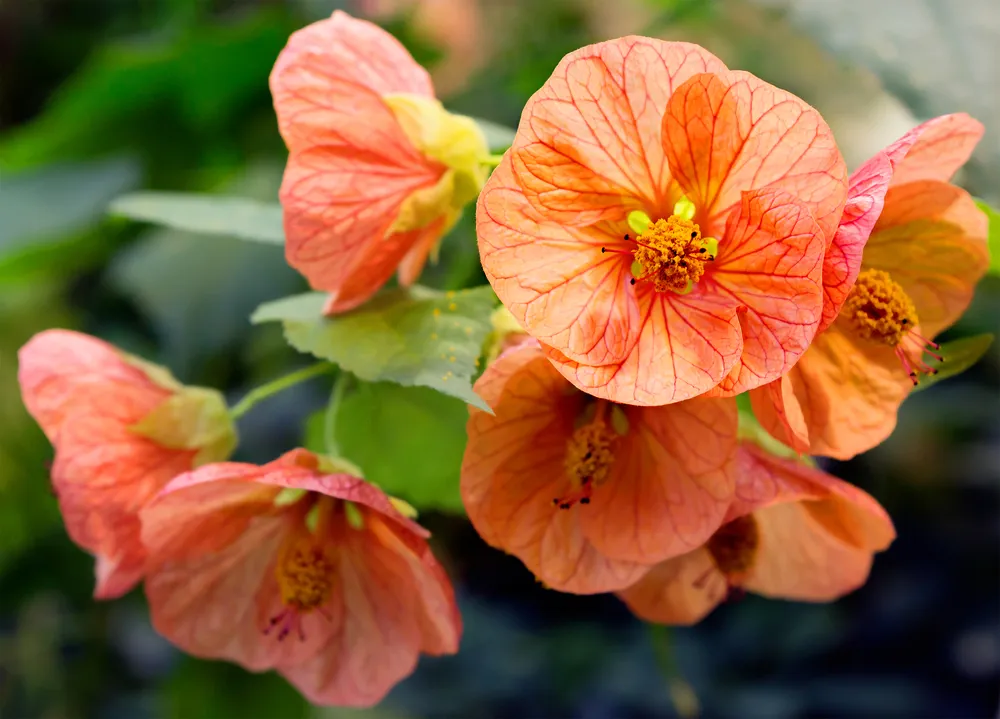
– Ideal soil, sunlight, and water conditions Gardening is a rewarding experience which requires attention and care. Abutilon flowering maple shrub is a beautiful addition to any garden, however, it needs ideal conditions to thrive. For prosperous results, plant the Abutilon in soil that is moist, well-draining and humus-rich. It also does well when exposed to at least six hours of full sun daily, although some partial shade may be beneficial for younger trees. When first planted keep the shrub lightly moist until it gets established then water occasionally but deeply to encourage strong roots. Follow these tips and your Abutilon will stay healthy and blossom with ease.
Care Requirements for the Abutilon Flowering Maple Shrub
– What fertilizer to use and a list of fertilizers designed for flowering plants like Abutilon
Abutilon, also known as flowering maple shrubs, is a beautiful gardening staple that can greatly enhance any outdoor décor. But what many gardening enthusiasts may not realize is that caring for this shrub takes a bit of effort to ensure it remains in full bloom. Specifically, it’s important to use the right fertilizer for its specific needs. While many fertilizers designed for general vegetative growth will do the trick, for those looking for optimal performance, opting for ones specially designed for flowering plants like Abutilon is key. Such options include ammonium sulfate or calcium nitrate fertlizers - both of which provide essential nutrition tailored to the needs of a flowering maple shrub - and both can help ensure you get beautiful blooms year after year.
Common Challenges with Growing an Abutilon Flowering Maple Shrub

– Potential pests and diseases you should be aware of
As gardening has become a popular pastime for many, gardening with flowering shrubs to add an aesthetic appeal to the backyard has become increasingly commonplace. Abutilon Flowering Maples are no exception, however they come with their own challenges and potential pests and diseases that you should be aware of. It is important to research which pests and diseases can affect your region before purchasing a particular species. While some gardening knowledge may help, there are still potential issues you need to look out for. Regularly inspecting your shrub will help catch any issues early, before they spread or do too much damage. Additionally, it is wise to use gardening pesticides on these plants in order to prevent any pest infestations or disease outbreaks - particularly during the peak summer months in your area. Keep in mind that although gardening with shrubs can be rewarding, having knowledge about common challenges beforehand can make your gardening journey less stressful overall.
The Benefits of Having an Abutilon Flowering Maple Shrub in Your Garden
– How this shrub can add colour and texture year round
The Abutilon Flowering Maple Shrub is an excellent gardening choice for adding vibrant colour and texture to any home garden in the UK. With its semi-evergreen nature, this shrub’s beauty will persist year round with each season bringing something new to your gardening canvas - from delicate pink and white Australian native flowers during springtime that add a lovely fragrant aroma, to bright oranges and yellows during the summer months, down to the deep reds of autumn that compliment the falling leaves. Equally suitable for planters or direct ground planting, this particular shrub has many advantages in providing a stunning display of panache whatever time of year.
The History of a Abutilon Flowering Maple Shrub in the UK
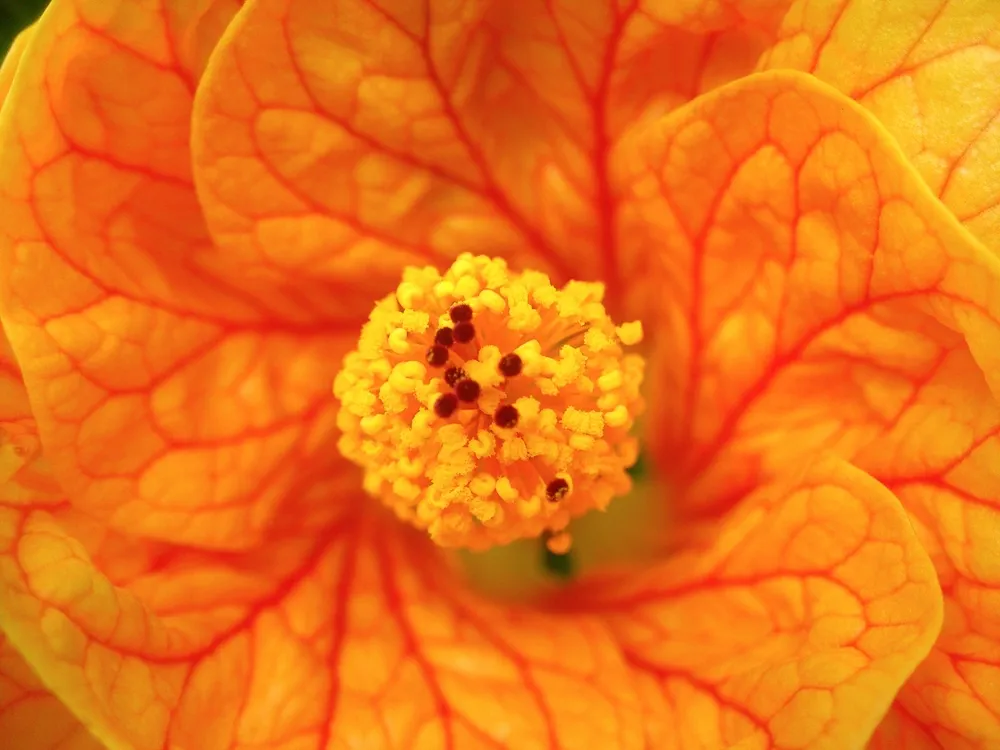
The Abutilon flowering maple shrub, also known as the Chinese lantern plant, has a rich history in the United Kingdom. This beautiful shrub, with its vibrant bell-shaped flowers and maple-like leaves, has been a popular choice among gardeners for centuries. Its origins can be traced back to China, where it was first discovered and brought to Europe in the 18th century.
In the UK, the Abutilon flowering maple shrub has become a beloved addition to gardens, thanks to its hardiness and versatility. It can thrive in a variety of climates and soil types, making it a great choice for gardeners across the country. Its stunning flowers, which come in shades of red, orange, yellow, and pink, add a pop of colour to any garden.
But growing and pruning an Abutilon flowering maple shrub in the UK requires some knowledge and care. To ensure your shrub reaches its full potential, it's important to understand its growth patterns and pruning needs. Regular pruning will not only keep your shrub looking neat and tidy, but it will also promote healthy growth and more abundant blooms.
When pruning your Abutilon flowering maple shrub, it's important to remove any dead or damaged branches, as well as any crossing or rubbing branches. This will allow for better air circulation and prevent disease. It's also recommended to prune in late winter or early spring, before new growth begins.
With its rich history and stunning beauty, the Abutilon flowering maple shrub is a must-have for any UK garden. By understanding its history and proper pruning techniques, you can ensure your shrub thrives and continues to add beauty to your outdoor space for years to come. So why not add this charming shrub to your garden and enjoy its colourful blooms and rich history?
Understanding the Different Variations of Species of a Abutilon Flowering Maple Shrub, ideal for UK Conditions

Abutilon flowering maple shrubs are a beautiful addition to any garden, and with their vibrant colours and unique shape, it's no wonder they have become a popular choice for gardeners in the UK. But did you know that there are actually several different variations of this species? Each one has its own unique characteristics and requirements, making it important to understand the differences in order to successfully grow and prune these shrubs in the UK.
One of the most common variations of the Abutilon flowering maple shrub is the 'Bella' variety. This shrub is known for its compact size and stunning bell-shaped flowers that come in a range of colours, from bright red to soft pink. It is also a hardy shrub, making it ideal for the UK's unpredictable weather conditions. Another popular variation is the 'Lucky Lantern' shrub, which is known for its long-lasting blooms and ability to thrive in both sun and shade. With its delicate, lantern-like flowers, it adds a touch of elegance to any garden.
When it comes to growing and pruning these shrubs, it's important to keep in mind their specific needs. Abutilon flowering maple shrubs prefer well-drained soil and regular watering, but be careful not to overwater as this can lead to root rot. Pruning should be done in late winter or early spring, before new growth begins. This will help maintain the shrub's shape and promote healthy growth.
In conclusion, understanding the different variations of Abutilon flowering maple shrubs is key to successfully growing and pruning them in the UK. With their stunning colours and unique characteristics, these shrubs are sure to add a touch of beauty to any garden. So why not give them a try and see for yourself the wonders they can bring to your outdoor space?
In summary, the Abutilon Flowering Maple Shrub is a wonderful garden addition that will provide colour and texture year round. It originates from the UK and is a very low maintenance shrub that requires minimal care. Although there are some common challenges faced when growing this shrub – such as pests and disease – with the right soil, sunlight, water, and pruning conditions, it is an easy shrub to grow and maintain. Not only does it bring a vibrant range of colour to your garden but also provides great structure for other plants to thrive alongside. All in all, this flowering maple shrub is an excellent feature to include in any British garden!
There are several varieties of Abutilon shrubs, including:
- Abutilon megapotamicum (Dwarf Brazilian Jasmine)
- Abutilon hybridum (Flowering Maple)
- Abutilon pictum (Chinese Lantern Bush)
- Abutilon vitifolium (Vine Leaf Maple)
- Abutilon x suntense ('Gloire de Lyon')
- Abutilon x milleri (Canary Belle)
- Abutilon 'Bella'
What is the Best Variety of Abutilon Flowering Maple Shrub to Grow in the UK?
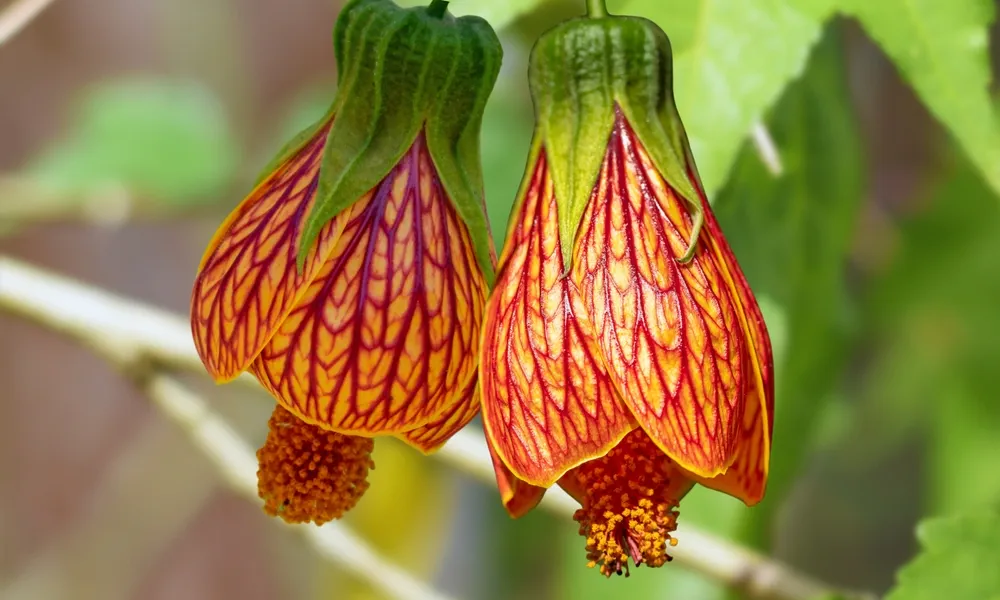
Abutilon flowering maple shrubs are a stunning addition to any garden, with their vibrant blooms and unique maple-like leaves. But with so many varieties to choose from, it can be overwhelming to decide which one is best suited for your garden in the UK. Fear not, as we have compiled the ultimate guide to help you choose and care for the perfect abutilon shrub. First and foremost, it is important to understand that abutilon shrubs are not native to the UK and therefore require some extra care and attention. However, with the right variety and proper pruning techniques, these shrubs can thrive in the UK climate. One of the best varieties to grow in the UK is the Abutilon megapotamicum, also known as the Brazilian bellflower. This variety is hardy and can withstand the cooler temperatures and occasional frost in the UK.
Detailed Description of the Abutilon Megapotamicum (Brazilian Bellflower)
Abutilon megapotamicum, commonly known as Brazilian bellflower or trailing abutilon, is a captivating plant that has won the hearts of many gardeners in the UK. Originating from South America, particularly Brazil and Argentina, this shrub boasts unique physical characteristics and an enchanting floral display.
The Brazilian bellflower is a semi-evergreen shrub that grows up to 2.5 meters in height. It features slender, arching branches adorned with small, oval-shaped leaves of a deep green hue. The real showstopper, however, are the flowers. Dangling like ornate lanterns, the blooms are a striking combination of red calyces and yellow petals, providing a vibrant contrast against the foliage.
This shrub is a fast-growing, trailing plant that prefers a sheltered, sunny spot. It thrives best in well-drained soil and requires regular watering during dry periods. While it's relatively low maintenance, it does need protection from frost and may require overwintering indoors in colder regions. Common pests include aphids and whiteflies, but these can be managed with regular monitoring and prompt treatment.
Despite these considerations, the benefits of planting the Brazilian bellflower are numerous. Its ornamental value is undeniable, with its cascading branches and colourful lantern-like flowers making it a standout feature in any garden. Furthermore, some traditional medicine systems attribute anti-inflammatory and antispasmodic properties to the plant, although more research is needed in this area.
The Brazilian bellflower has become a favourite in the UK for several reasons. Its exotic appeal, coupled with its versatility and resilience, makes it a desirable choice for UK gardeners. Additionally, it provides a long flowering period, often from July to October, offering colour and interest when many other plants are past their prime.
When it comes to showcasing the Brazilian bellflower in a garden setting, here are a few design tips:
- Plant it near a wall or fence: This not only provides the necessary shelter from wind but also allows the plant's trailing habit to be fully appreciated.
- Use it in containers: The Brazilian bellflower's cascading growth makes it an excellent choice for container gardening. It can add a touch of tropical charm to patios and balconies.
- Pair with contrasting plants: The vibrant colours of the Brazilian bellflower can be complemented by plants with dark foliage or different flowering times to create a dynamic display throughout the seasons.
In conclusion, the Abutilon megapotamicum is more than just a pretty face. Its unique features, coupled with its adaptability and lengthy flowering period, make it a valuable addition to any UK garden.
When is the Best Time of the Year to Plant a Abutilon Flowering Maple Shrub in the UK
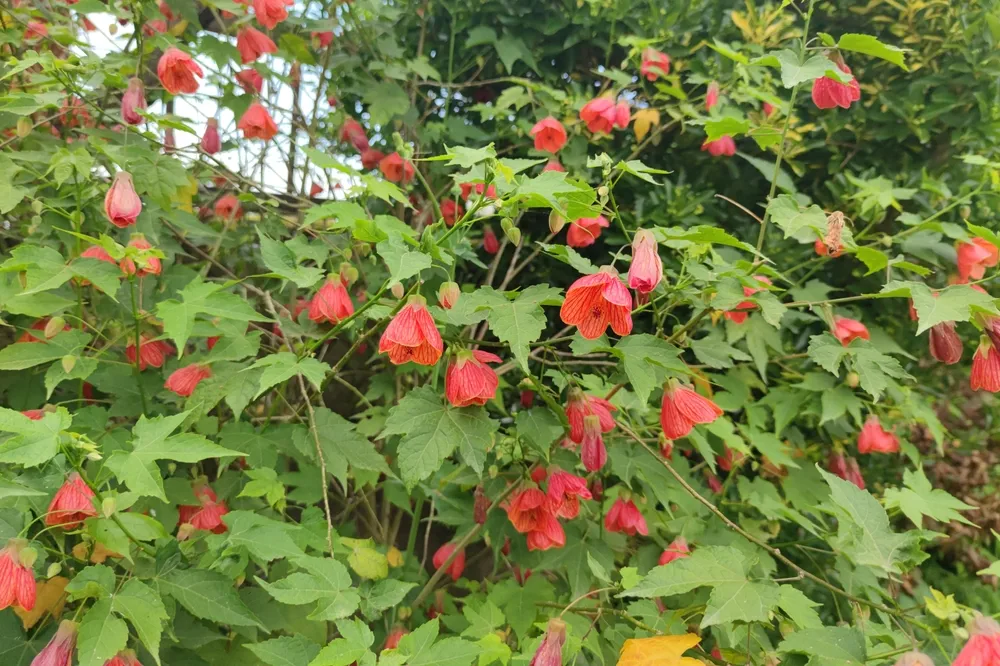
The Abutilon flowering maple shrub is a stunning addition to any garden, with its vibrant blooms and unique maple-like leaves. But when is the best time to plant this beautiful shrub in the UK? As with any plant, timing is crucial for the success of your Abutilon. Let's dive into the ultimate guide for growing and pruning Abutilon flowering maple shrubs in the UK.
First and foremost, it's important to note that Abutilon flowering maple shrubs thrive in mild climates, making the UK an ideal location for their growth. However, they are not frost-resistant, so it's best to avoid planting them during the winter months. The ideal time to plant your Abutilon is in the spring, after the last frost has passed. This will give the shrub enough time to establish its roots before the colder months arrive.
Once your Abutilon is planted, it's important to provide it with proper care and maintenance. Regular watering and fertilizing will help promote healthy growth and vibrant blooms. As the shrub grows, it's also important to prune it regularly to maintain its shape and encourage new growth. Pruning should be done in the late winter or early spring, before new growth begins.
In conclusion, the best time to plant an Abutilon flowering maple shrub in the UK is in the spring, after the last frost. With proper care and maintenance, this stunning shrub will thrive in your garden and bring joy with its beautiful blooms. So why wait? Get your hands on an Abutilon and add a touch of beauty to your outdoor space today.
Choosing the Right Location to Plant Out your a Abutilon Flowering Maple Shrub
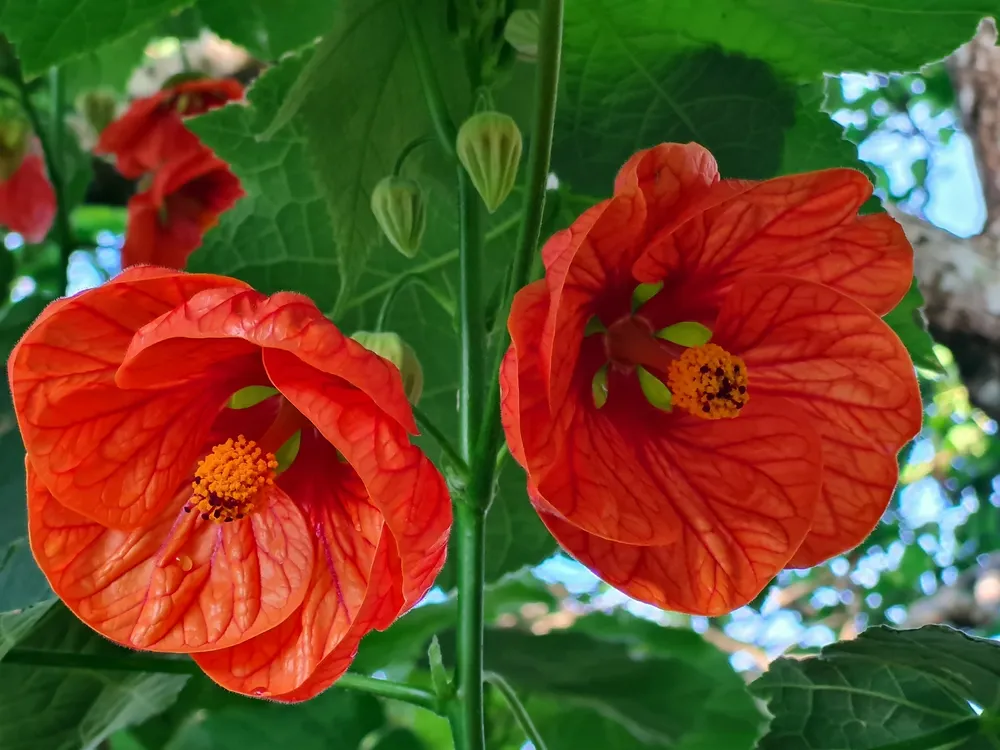
When it comes to choosing the perfect location for your Abutilon Flowering Maple Shrub, there are a few key factors to consider. These beautiful shrubs, also known as Chinese Lanterns, are native to tropical and subtropical regions, but can also thrive in the UK with the right care. The first thing to keep in mind is that Abutilon Flowering Maple Shrubs love sunlight. They require at least 6 hours of direct sunlight each day, so be sure to choose a spot in your garden that receives plenty of sun.
In addition to sunlight, it's important to consider the soil conditions for your Abutilon Flowering Maple Shrub. These shrubs prefer well-draining soil that is rich in organic matter. If your soil is heavy and clay-like, consider adding some compost or peat moss to improve drainage. It's also a good idea to test the pH level of your soil, as Abutilon Flowering Maple Shrubs prefer a slightly acidic soil with a pH of 5.5-6.5.
Another important factor to keep in mind is the climate in your area. While Abutilon Flowering Maple Shrubs can tolerate cooler temperatures, they are not frost-resistant. If you live in a colder region, it's best to plant your shrub in a sheltered area or consider growing it in a pot that can be brought indoors during the winter months.
Once you've chosen the perfect location for your Abutilon Flowering Maple Shrub, it's important to properly prune and care for it to ensure healthy growth and beautiful blooms. Regular pruning will help maintain the shrub's shape and promote new growth. Be sure to remove any dead or damaged branches, as well as any crossing or crowded branches. With the right location and care, your Abutilon Flowering Maple Shrub will thrive and add a touch of tropical beauty to your garden.
Preparing the Soil for Planting the an Abutilon Flowering Maple Shrub
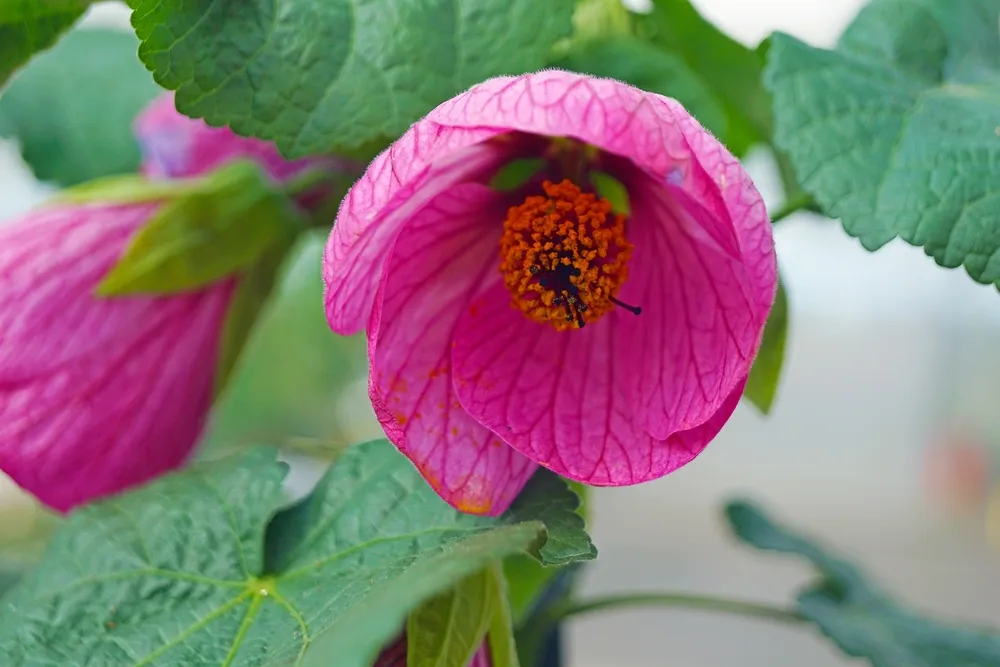
Abutilon flowering maple shrubs are a beautiful addition to any garden, with their vibrant blooms and unique foliage. However, in order to ensure that these shrubs thrive and reach their full potential, it is crucial to properly prepare the soil before planting. In this guide, we will take you through the steps of preparing the soil for your abutilon flowering maple shrub, so that you can enjoy a healthy and flourishing plant in your UK garden.
First and foremost, it is important to choose the right location for your abutilon shrub. These plants prefer a spot with partial shade, as direct sunlight can cause their delicate leaves to scorch. Additionally, the soil should be well-draining and rich in organic matter. This can be achieved by adding compost or well-rotted manure to the soil before planting. Next, it is essential to dig a hole that is twice as wide and deep as the root ball of your abutilon shrub. This will allow the roots to spread out and establish themselves in the soil. Before placing the shrub in the hole, gently loosen the roots and remove any damaged or tangled ones. This will promote healthy growth and prevent any potential issues in the future. Once the shrub is in place, backfill the hole with the soil you removed, making sure to gently firm it down around the roots. Water the plant thoroughly to help settle the soil and eliminate any air pockets. It is also recommended to add a layer of mulch around the base of the shrub to retain moisture and suppress weed growth.
In order to maintain the health and shape of your abutilon flowering maple shrub, regular pruning is necessary. This should be done in late winter or early spring, before new growth begins. Remove any dead, damaged, or crossing branches, and trim back any overly long or leggy stems. This will encourage new growth and promote a fuller, more compact shrub. By following these simple steps, you can ensure that your abutilon flowering maple shrub will thrive in your UK garden. With proper soil preparation and regular pruning, you can enjoy the stunning blooms and unique foliage of this beautiful plant for years to come. So go ahead and add an abutilon shrub to your garden, and watch it flourish with the right care and attention.
The Step-by-Step Guide on How to Plant a Abutilon Flowering Maple Shrub in the UK

Abutilon flowering maple shrubs are a beautiful addition to any garden in the UK. With their vibrant, bell-shaped flowers and glossy green leaves, they are sure to catch the eye of any passerby. But how do you go about planting and caring for these stunning shrubs? Look no further, as we have put together the ultimate guide to growing and pruning abutilon flowering maple shrubs in the UK.
First and foremost, it is important to choose the right location for your abutilon shrub. These plants thrive in full sun to partial shade, so make sure to select a spot in your garden that receives at least 6 hours of sunlight per day. Additionally, abutilon shrubs prefer well-draining soil, so be sure to amend the soil with compost or organic matter if necessary. Once you have chosen the perfect spot, it's time to get your hands dirty and start planting. Dig a hole that is twice as wide and deep as the root ball of your shrub. Gently remove the shrub from its container and loosen the roots before placing it in the hole. Fill in the hole with soil and gently tamp it down to remove any air pockets.
Now comes the fun part – caring for your abutilon shrub. These plants require regular watering, especially during the hot summer months. Make sure to water deeply, allowing the water to reach the roots. Fertilizing once a month with a balanced fertilizer will also help promote healthy growth and vibrant blooms.
As your abutilon shrub grows, it is important to prune it regularly to maintain its shape and promote new growth. Pruning should be done in late winter or early spring, before new growth appears. Remove any dead or damaged branches, as well as any crossing or crowded branches. This will not only improve the appearance of your shrub but also increase air circulation and prevent disease.
A Beginner's Guide to Planting an Abutilon Flowering Maple Shrub
Abutilon, also known as the flowering maple, is a delightful shrub known for its vibrant, bell-shaped flowers. Here's a simple, step-by-step guide on how to plant one in your yard.
- Step 1: Choose Your Location Abutilon prefers a location with full sun to partial shade. Morning sun and afternoon shade is an ideal combination. The plant should be sheltered from strong winds which can damage its delicate branches.
- Step 2: Prepare the Soil Abutilon thrives in well-drained soil. If your soil is heavy clay or very sandy, amend it with compost or well-rotted manure to improve its texture and fertility.
- Step 3: Dig the Hole Dig a hole that is twice as wide and just as deep as the root ball of your Abutilon. This gives the roots room to spread and grow.
- Step 4: Plant the Shrub Place the shrub in the hole, making sure the top of the root ball is level with the soil surface. Backfill the hole with the amended soil, firming it gently around the base of the plant.
- Step 5: Water Thoroughly After planting, water the shrub thoroughly. This helps settle the soil around the roots and removes any air pockets.
- Step 6: Mulch Around the Base Apply a 2-3 inch layer of organic mulch around the base of the plant. This helps retain moisture and suppress weeds.
- Watering: Keep the soil consistently moist, but not waterlogged. Water deeply once a week, or more often during hot, dry periods.
- Pruning: Prune in early spring to maintain shape and encourage bushier growth. Remove any dead or damaged wood at this time.
- Fertilizing: Feed your Abutilon in spring and again in mid-summer with a balanced, slow-release fertilizer.
- Pest control: Keep an eye out for common pests like aphids and whiteflies. Use a gentle insecticidal soap or neem oil spray to control these pests.
- Winter care: If you live in a region with cold winters, consider moving potted Abutilon indoors. For in-ground plants in borderline hardiness zones, protect with a layer of straw or mulch in winter.
Planting an Abutilon flowering maple shrub can be a rewarding experience. With its beautiful flowers and attractive foliage, it's sure to be a standout in your garden.
In conclusion, with the right location, proper planting techniques, and regular care and pruning, your abutilon flowering maple shrub will thrive in the UK. So why not add this stunning shrub to your garden and enjoy its beauty for years to come?
How Far apart must a Abutilon Flowering Maple Shrub be Planted to make a hedge?
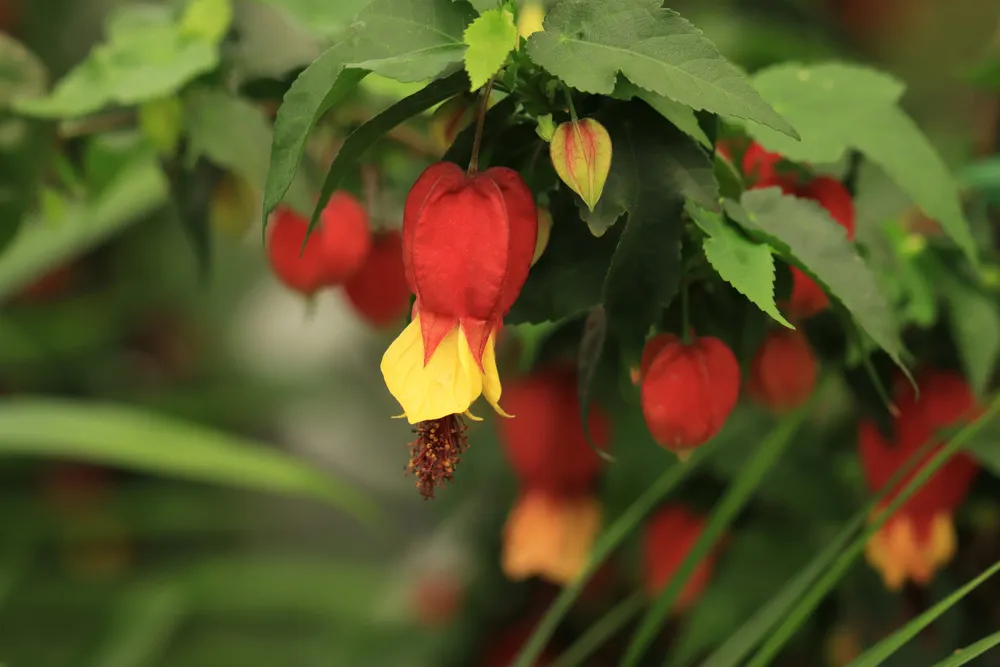
Abutilon flowering maple shrubs are a beautiful addition to any garden, with their vibrant blooms and lush foliage. But did you know that these shrubs can also be used to create a stunning hedge? If you're looking to add some privacy or structure to your outdoor space, planting abutilon shrubs as a hedge is a great option. But how far apart should these shrubs be planted to achieve the perfect hedge? Let's dive into the ultimate guide to growing and pruning abutilon flowering maple shrubs in the UK.
First and foremost, it's important to choose the right location for your abutilon shrubs. These shrubs thrive in full sun to partial shade, so make sure to select an area in your garden that receives at least 6 hours of sunlight per day. Once you have the perfect spot, it's time to start planting. When creating a hedge, it's recommended to space abutilon shrubs 2-3 feet apart. This will allow enough room for the shrubs to grow and fill in, creating a dense and beautiful hedge.
But spacing isn't the only factor to consider when planting abutilon shrubs as a hedge. It's also important to properly prune and maintain the shrubs to ensure they grow into a cohesive and healthy hedge. Regular pruning will help promote new growth and keep the shrubs at a manageable size. It's best to prune abutilon shrubs in late winter or early spring, before new growth begins. This will also help prevent any damage to the shrubs during the colder months.
In conclusion, abutilon flowering maple shrubs make for a stunning and versatile hedge in any UK garden. By planting them 2-3 feet apart and regularly pruning, you can create a beautiful and functional addition to your outdoor space. So why not give it a try and see the beauty of abutilon shrubs as a hedge for yourself?
Tips for Caring for Your Newly Planted a Abutilon Flowering Maple Shrub
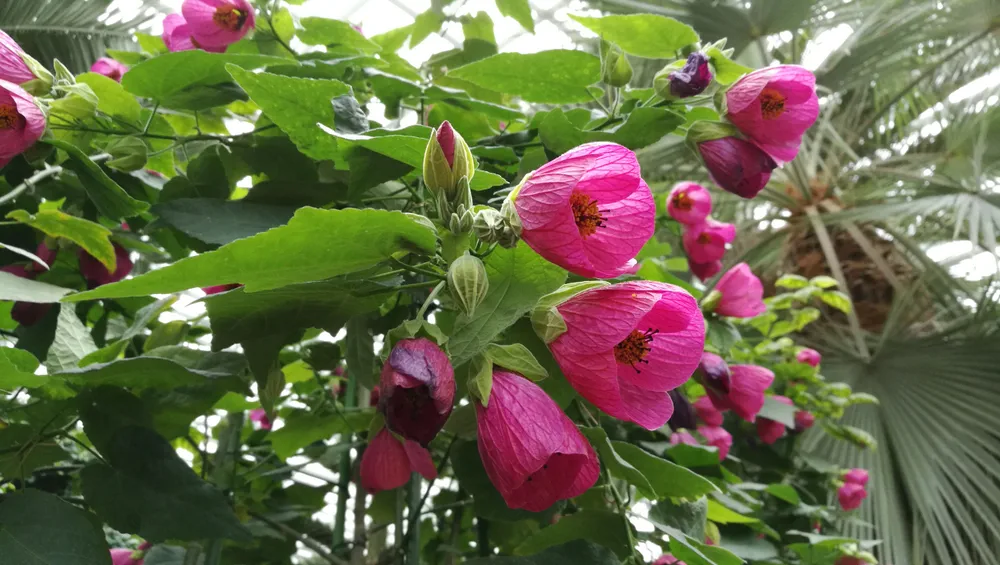
Abutilon flowering maple shrubs are a beautiful addition to any garden, with their vibrant blooms and lush foliage. However, caring for these shrubs can be a bit daunting, especially for those who are new to gardening. But fear not, as we have compiled the ultimate guide to growing and pruning abutilon flowering maple shrubs in the UK.
First and foremost, it is important to choose the right location for your abutilon shrub. These plants thrive in well-draining soil and prefer partial shade, making them perfect for gardens in the UK. Once you have found the perfect spot, it's time to plant your shrub. Make sure to dig a hole that is twice the size of the root ball and mix in some compost to provide essential nutrients for your plant.
Now, onto the care and maintenance of your abutilon shrub. Regular watering is crucial, especially during the hot summer months. However, be careful not to overwater as this can lead to root rot. Fertilizing your shrub once a month with a balanced fertilizer will also help promote healthy growth and vibrant blooms.
When it comes to pruning, it is best to do so in late winter or early spring before new growth appears. Remove any dead or damaged branches, as well as any crossing or crowded branches to improve air circulation and prevent disease. Pruning will also help maintain the shape and size of your shrub.
In conclusion, with the right location, regular watering, and proper pruning, your abutilon flowering maple shrub will thrive in your UK garden. So go ahead and add this stunning plant to your collection, and enjoy its beauty for years to come.
What is the Best Fertilizer Feed for a Abutilon Flowering Maple Shrub and When to Apply it?
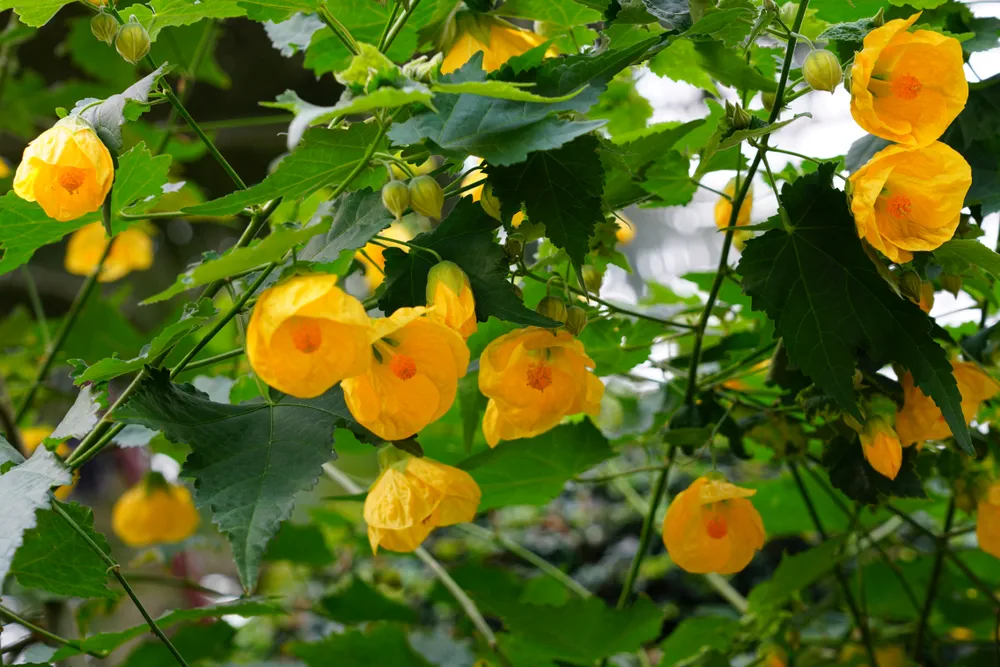
Abutilon flowering maple shrubs are a beautiful addition to any garden, with their vibrant blooms and delicate foliage. However, in order to keep these shrubs looking their best, it is important to provide them with the right nutrients. The best fertilizer feed for abutilon flowering maple shrubs is a balanced, slow-release fertilizer with a ratio of 10-10-10. This means that the fertilizer contains equal amounts of nitrogen, phosphorus, and potassium, which are essential for healthy plant growth.
When it comes to applying fertilizer to your abutilon flowering maple shrubs, timing is key. The best time to apply fertilizer is in the spring, just as the shrub is coming out of its dormant period. This will give the plant the necessary nutrients to support its growth and flowering throughout the summer months. It is important to avoid fertilizing in the fall, as this can encourage new growth that may not have enough time to harden off before the colder winter months.
In addition to providing the right fertilizer, proper pruning is also essential for maintaining the health and appearance of your abutilon flowering maple shrubs. Pruning should be done in the late winter or early spring, before new growth begins. This will help to shape the shrub and promote healthy growth. It is important to remove any dead or damaged branches, as well as any crossing or crowded branches that may hinder air circulation and sunlight.
By providing your abutilon flowering maple shrubs with the right fertilizer and proper pruning, you can ensure that they will continue to thrive and bring beauty to your garden for years to come. So don't wait any longer, give your shrubs the care they deserve and watch them flourish into stunning displays of colour and foliage. Your garden will thank you for it.
A Comprehensive Guide to Fertilizing the a Abutilon Flowering Maple Shrub

Abutilon flowering maple shrubs are a beautiful addition to any garden, with their vibrant blooms and unique foliage. However, in order to keep these shrubs healthy and thriving, proper fertilization is crucial. In this comprehensive guide, we will take you through everything you need to know about fertilizing your abutilon flowering maple shrubs in the UK.
First and foremost, it is important to understand the specific needs of abutilon flowering maple shrubs. These shrubs prefer a well-draining soil that is rich in nutrients. Therefore, it is recommended to use a balanced fertilizer with equal amounts of nitrogen, phosphorus, and potassium. This will provide your shrubs with the necessary nutrients for healthy growth and blooming.
When it comes to the timing of fertilization, it is best to do so in the spring, just as new growth begins. This will give your shrubs a boost of nutrients to support their growth and blooming throughout the season. Additionally, a second round of fertilization can be done in the summer to maintain the health and vigor of the shrubs.
Now, let's talk about the actual process of fertilizing your abutilon flowering maple shrubs. It is important to evenly spread the fertilizer around the base of the shrub, avoiding direct contact with the stems and leaves. This will prevent any potential burning of the plant. After applying the fertilizer, make sure to water the shrub thoroughly to help the nutrients reach the roots.
In addition to fertilizing, proper pruning is also essential for the health and appearance of your abutilon flowering maple shrubs. Pruning should be done in the late winter or early spring, before new growth begins. This will help shape the shrub and promote new growth and blooming.
In conclusion, fertilizing and pruning are crucial steps in maintaining the health and beauty of your abutilon flowering maple shrubs. By following these tips and guidelines, you can ensure that your shrubs will continue to thrive and bring joy to your garden for years to come.
How Fast does a Abutilon Flowering Maple Shrub Grow
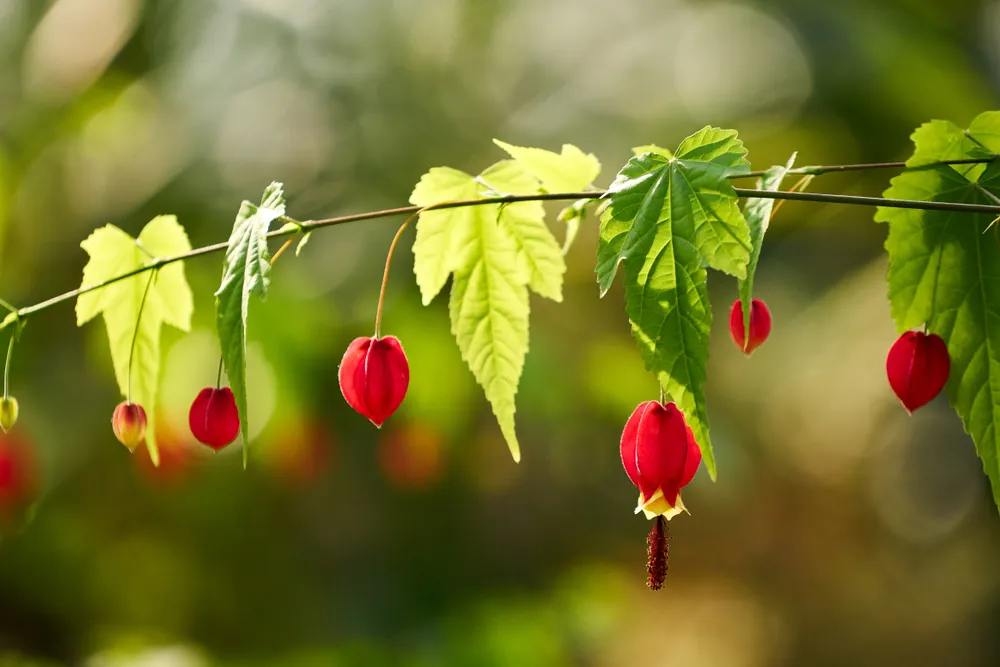
Abutilon flowering maple shrubs are a beautiful addition to any garden, with their vibrant blooms and unique maple-like leaves. But for those looking to add this stunning shrub to their outdoor space, one question often comes to mind: how fast does it actually grow? Well, the answer may surprise you.
Abutilon flowering maple shrubs are known for their relatively fast growth rate, especially in the UK climate. With proper care and maintenance, these shrubs can reach heights of up to 6 feet in just a few short years. This makes them a great choice for those looking to add some height and colour to their garden in a relatively short amount of time.
But what sets abutilon flowering maple shrubs apart from other fast-growing plants is their ability to maintain their shape and structure. With regular pruning, these shrubs can be kept at a manageable size and shape, making them a versatile addition to any garden. Plus, with their long blooming period from late spring to early fall, you can enjoy their stunning flowers for months on end.
So, whether you're a seasoned gardener or just starting out, abutilon flowering maple shrubs are a must-have for any garden. With their fast growth rate and easy maintenance, they are sure to add a touch of beauty and charm to your outdoor space. So why not give them a try and see for yourself just how fast and stunning these shrubs can grow.
How to Propagate a Abutilon Flowering Maple Shrub - List the most Common Methods
Abutilon flowering maple shrubs are a beautiful addition to any garden, with their vibrant flowers and lush foliage. But did you know that you can easily propagate these shrubs to create even more of these stunning plants? In this section, we will explore the most common methods for propagating abutilon flowering maple shrubs, so you can expand your garden and share the beauty of these shrubs with others.
One of the most popular methods for propagating abutilon flowering maple shrubs is through stem cuttings. This involves taking a cutting from a healthy, established plant and rooting it in soil or water. To do this, choose a stem that is about 4-6 inches long and has at least two sets of leaves. Remove the bottom set of leaves and dip the cut end in rooting hormone before placing it in a pot filled with moist potting soil. Keep the soil consistently moist and in a warm, bright location, and in a few weeks, you should see new growth indicating successful rooting.
Another method for propagating abutilon flowering maple shrubs is through layering. This involves bending a low-growing branch to the ground and covering it with soil, leaving the tip of the branch exposed. Over time, roots will form along the buried portion of the branch, and once they are well-established, you can cut the branch from the parent plant and transplant it to a new location. This method is great for creating new plants without disturbing the parent plant.
Lastly, you can also propagate abutilon flowering maple shrubs through division. This method involves separating a clump of the shrub into smaller sections, each with its own set of roots. This is best done in early spring when the plant is just starting to grow. Gently dig up the clump and use a sharp knife to divide it into smaller sections, making sure each section has a good amount of roots. Replant the sections in their desired location, and with proper care, they will grow into new abutilon flowering maple shrubs.
With these common methods for propagating abutilon flowering maple shrubs, you can easily expand your garden and share the beauty of these shrubs with others. Whether you choose to use stem cuttings, layering, or division, with a little patience and care, you can create a stunning display of these vibrant and eye-catching plants in your own backyard. So why not give it a try and see the magic of propagation for yourself?
Growing a Abutilon Flowering Maple Shrub From Seed
Abutilon flowering maple shrubs are a beautiful addition to any garden, with their vibrant blooms and delicate foliage. But did you know that you can easily grow these shrubs from seed? In this guide, we will take you through the steps of growing and pruning abutilon flowering maple shrubs in the UK, so you can enjoy these stunning plants in your own backyard.
First, let's talk about the basics of abutilon flowering maple shrubs. These shrubs are native to South America and are also known as Chinese lanterns or parlor maples. They are hardy in the UK and can thrive in both full sun and partial shade. The flowers come in a variety of colours, including red, orange, yellow, and pink, making them a popular choice for gardeners looking to add a pop of colour to their landscape.
Now, onto the exciting part – growing abutilon flowering maple shrubs from seed. The best time to sow the seeds is in late winter or early spring, as this will give them enough time to establish before the growing season begins. Start by filling a pot with a good quality potting mix and moisten it with water. Then, sprinkle the seeds on top of the soil and lightly cover them with a thin layer of soil. Keep the soil moist but not waterlogged, and place the pot in a warm and bright location.
In about 2-3 weeks, you should start to see tiny seedlings emerging from the soil. Once they have grown a few inches tall, you can transplant them into individual pots or directly into your garden. When planting in the garden, make sure to space the shrubs at least 3 feet apart to allow for proper growth and air circulation.
As your abutilon flowering maple shrubs grow, it's important to prune them regularly to maintain their shape and promote healthy growth. Pruning should be done in late winter or early spring, before new growth begins. Remove any dead or damaged branches, as well as any crossing or overcrowded branches. This will not only improve the appearance of the shrub but also prevent any potential diseases.
In conclusion, growing and pruning abutilon flowering maple shrubs in the UK is a rewarding experience that will add beauty and colour to your garden. With a little bit of patience and care, you can easily grow these shrubs from seed and enjoy their stunning blooms for years to come. So why not give it a try and add a touch of
Step-by-Step Guide on How to Grow a Abutilon Flowering Maple Shrub from Seed
Abutilon flowering maple shrubs are a beautiful addition to any garden, with their vibrant blooms and delicate foliage. If you're looking to add this stunning shrub to your own garden, you may be wondering how to grow it from seed. Well, look no further! In this step-by-step guide, we'll take you through the process of growing and pruning abutilon flowering maple shrubs in the UK.
First things first, you'll need to gather your supplies. You'll need a pot or container, potting soil, and of course, abutilon flowering maple seeds. These can be purchased from your local garden center or online. Once you have everything you need, it's time to get started.
Start by filling your pot or container with potting soil, leaving about an inch of space at the top. Then, gently press the seeds into the soil, making sure they are evenly spaced. Cover the seeds with a thin layer of soil and lightly water them. Place the pot in a warm, sunny spot and keep the soil moist.
In about 2-3 weeks, you should start to see tiny sprouts emerging from the soil. Once the seedlings have grown a few inches tall, it's time to transplant them into a larger pot or directly into your garden. When choosing a spot for your abutilon flowering maple shrub, make sure it gets plenty of sunlight and has well-draining soil.
As your shrub grows, you'll need to prune it to maintain its shape and encourage healthy growth. Pruning should be done in late winter or early spring, before new growth begins. Remove any dead or damaged branches, as well as any crossing or crowded branches. This will help promote air circulation and prevent disease.
With proper care and maintenance, your abutilon flowering maple shrub will continue to thrive and bring beauty to your garden for years to come. So why not give it a try and add this stunning shrub to your collection?
A Step-by-Step Guide to Growing an Abutilon Flowering Maple Shrub from Seeds
Growing an Abutilon Flowering Maple Shrub from seeds can be a rewarding experience. Here is a comprehensive guide to help you through the process.
- Step 1: Seed Propagation Start with fresh seeds for best results. You can purchase them from a reputable nursery or online seed supplier.
- Step 2: Preparing the Right Environment Abutilon seeds prefer a warm, humid environment for germination. Fill a seed tray with a mix of half perlite and half peat moss, which will retain moisture while providing good drainage.
- Step 3: Sowing the Seeds Sow the seeds on the surface of the soil mix. Don't cover them, as they need light to germinate. Mist the surface with water to moisten it, then cover the tray with a clear plastic lid or plastic wrap to create a mini greenhouse. Place the tray in a warm, bright location but out of direct sunlight.
- Step 4: Germination Keep the soil consistently moist but not waterlogged. The seeds should sprout within 2-3 weeks. Once the seedlings appear, remove the plastic covering.
- Step 5: Growth and Pruning When the seedlings have developed their first set of true leaves, thin them out, leaving the strongest ones. Once they're about 4 inches tall, pinch out the top growth to encourage bushier development.
- Step 6: Transplanting When the risk of frost has passed and the seedlings are at least 6 inches tall, they're ready to be planted outside. Choose a sunny or semi-shaded spot with well-drained soil. Dig a hole twice the size of the root ball, place the plant in, and backfill, firming the soil gently around the base.
- Step 7: Aftercare Water thoroughly after planting and keep the soil moist until the plant is established. Apply a balanced fertilizer in spring and mid-summer to promote healthy growth.
- Step 8: Pest and Disease Management Monitor the plants for common pests such as aphids and whiteflies. Use a gentle insecticidal soap or neem oil spray to control these pests. Proper spacing and good air circulation can help prevent fungal diseases.
In conclusion, growing an Abutilon Flowering Maple Shrub from seeds requires patience and care, but the reward of beautiful, bell-shaped flowers is well worth the effort.
Step-by-Step Guide on How to Propagate a Abutilon Flowering Maple Shrub Using the Cutting Method
Abutilon flowering maple shrubs are a beautiful addition to any garden, with their vibrant flowers and lush foliage. If you're looking to expand your garden and add some colour, why not try propagating your own abutilon shrubs using the cutting method? Not only is it a cost-effective way to grow more plants, but it also allows you to have full control over the growth and health of your shrubs. In this step-by-step guide, we'll take you through the process of propagating abutilon flowering maple shrubs, so you can enjoy these stunning plants in your own backyard.
Firstly, it's important to choose a healthy and mature abutilon shrub to take cuttings from. Look for a plant with strong stems and plenty of new growth. Using sharp and clean pruning shears, take 4-6 inch cuttings from the tips of the stems. Make sure to cut just below a node, which is where the leaves meet the stem. This is where the new roots will form. Next, remove the lower leaves from the cutting, leaving only a few at the top. This will help the cutting focus its energy on growing new roots instead of sustaining the leaves. Dip the cut end of the stem in rooting hormone, which will encourage root growth. Then, place the cutting in a pot filled with well-draining potting soil. Make sure to keep the soil moist, but not waterlogged.
Now comes the waiting game. It can take anywhere from 4-8 weeks for the cutting to develop roots. During this time, make sure to keep the soil moist and provide the cutting with indirect sunlight. Once the roots have formed, you can transplant the cutting into a larger pot or directly into your garden.
To ensure the health and longevity of your abutilon shrub, it's important to prune it regularly. This will promote new growth and keep the plant looking full and healthy. Prune in the early spring before new growth appears, and remove any dead or damaged branches. You can also shape the shrub to your desired size and shape.
With these simple steps, you can easily propagate your own abutilon flowering maple shrubs and enjoy their beauty in your garden. Not only is it a rewarding process, but it also allows you to have full control over the growth and health of your plants. So why not give it a try and add some vibrant colour to your garden with these stunning shrubs?
Step-by-Step Guide to Propagating an Abutilon Flowering Maple Shrub
The Abutilon, commonly referred to as the flowering maple shrub, is a charming plant loved for its lantern-like blooms and maple-like leaves. With its long blooming period and ability to attract hummingbirds, it's no wonder gardeners are eager to propagate this delightful shrub.
Here’s a comprehensive guide to propagate an Abutilon flowering maple shrub using the cutting method:
- Step 1: Select the Right Time and Cuttings The best time to take cuttings is in late spring or early summer. Choose a healthy branch with new growth — it should be flexible but snap when bent. A cutting of about 4-6 inches long is ideal.
- Step 2: Prepare Your Tools You'll need a sharp, clean pair of secateurs to make a clean cut without damaging the parent plant. You'll also need a pot, potting soil, rooting hormone (optional), and a plastic bag or cover to create a mini greenhouse.
- Step 3: Make the Cut Make a cut just below a leaf node (where the leaf joins the stem) at a 45-degree angle. This is where the new roots will form. Remove the lower leaves, leaving only a couple at the top of the cutting.
- Step 4: Apply Rooting Hormone While not essential, applying rooting hormone to the cut end can enhance root development. Simply dip the cut end into the hormone powder, shaking off any excess.
- Step 5: Prepare the Potting Mix Fill your pot with a mixture of half perlite and half peat moss. This ensures good drainage and aeration, promoting healthy root growth.
- Step 6: Plant the Cutting Make a hole in the potting mix with a pencil or finger, insert the cutting, and firm the soil around it. Water thoroughly.
- Step 7: Create a Humid Environment Place a clear plastic bag or cover over the pot to create a humid environment, which encourages root growth. Ensure the plastic doesn't touch the cutting.
- Step 8: Choose the Right Location Place your cutting in a warm location with bright, indirect light. Avoid direct sunlight, which can scorch the cutting and dry out the soil.
- Step 9: Care for Your New Plant Check the cutting regularly to ensure the soil stays moist but not waterlogged. If condensation builds up inside the bag, air it out occasionally to prevent mould growth.
In about 4-6 weeks, the cutting should have developed roots. You can check by gently tugging on the cutting; if you feel resistance, roots are forming. At this point, you can gradually remove the plastic cover and introduce the plant to more light.
Key Pointers:- Always use clean tools to avoid disease transmission.
- Avoid taking cuttings from plants that look unhealthy or show signs of disease.
- Be patient. Not all cuttings will take, so don't be discouraged if you need a few attempts to succeed.
By following these steps and pointers, you'll be well on your way to propagating your own Abutilon flowering maple shrubs successfully.
Potential Problems When Growing a Abutilon Flowering Maple Shrub in the UK and Solutions
Abutilon flowering maple shrubs are a beautiful addition to any garden, with their vibrant blooms and unique foliage. However, as with any plant, there are potential problems that may arise when growing them in the UK. In this section, we will discuss some of the common issues that may occur and provide solutions to help you successfully grow and prune your abutilon shrubs.
One of the main problems that gardeners may face when growing abutilon flowering maple shrubs in the UK is the unpredictable weather. These shrubs are native to warmer climates and may struggle to thrive in the cooler and wetter conditions of the UK. To combat this, it is important to choose a sheltered spot for your shrub, preferably against a south-facing wall or fence. This will provide protection from harsh winds and help to create a warmer microclimate for your plant.
Another potential problem is pests and diseases. Abutilon shrubs are susceptible to aphids, spider mites, and whiteflies, which can cause damage to the leaves and flowers. Regularly inspect your shrub for any signs of infestation and treat with an appropriate insecticide if necessary. Additionally, make sure to keep the area around your shrub clean and free of debris, as this can attract pests and diseases.
When it comes to pruning, improper techniques can also lead to problems with abutilon flowering maple shrubs. It is important to prune these shrubs in late winter or early spring, before new growth begins. Use clean and sharp pruning shears to remove any dead, damaged, or crossing branches. Avoid pruning too heavily, as this can reduce the number of blooms your shrub produces.
By being aware of these potential problems and following these solutions, you can ensure that your abutilon flowering maple shrub thrives in the UK. With proper care and maintenance, you will be rewarded with a stunning and healthy shrub that will bring beauty to your garden for years to come.
The Common Diseases and Pests which Affect a Abutilon Flowering Maple Shrub
Abutilon flowering maple shrubs are a beautiful addition to any garden, with their vibrant blooms and delicate foliage. However, like any plant, they are susceptible to diseases and pests that can hinder their growth and overall health. As a gardener in the UK, it is important to be aware of the common diseases and pests that can affect your abutilon shrubs, and how to prevent and treat them.
One of the most common diseases that can affect abutilon flowering maple shrubs is powdery mildew. This fungal disease appears as a white powdery substance on the leaves and stems of the plant, and can cause stunted growth and yellowing of the leaves. To prevent powdery mildew, make sure to plant your shrubs in well-draining soil and provide adequate air circulation. If your shrubs do become infected, remove the affected leaves and treat with a fungicide.
Another pesky pest that can cause damage to abutilon shrubs is the aphid. These small insects feed on the sap of the plant, causing distorted growth and yellowing of the leaves. To prevent aphids, regularly inspect your shrubs and remove any infested leaves. You can also introduce natural predators, such as ladybugs, to your garden to help control the aphid population.
Proper pruning is also essential in maintaining the health of your abutilon flowering maple shrubs. Regularly removing dead or diseased branches will not only improve the appearance of your shrubs, but also prevent the spread of diseases. It is best to prune in late winter or early spring, before new growth begins.
By being aware of the common diseases and pests that can affect abutilon flowering maple shrubs, and taking preventative measures such as proper planting and pruning, you can ensure that your shrubs will thrive in your UK garden. With their stunning blooms and lush foliage, these shrubs are a must-have for any gardener looking to add a touch of beauty to their outdoor space.
- Abutilon Mosaic Virus: This virus causes yellow to whitish blotches on the leaves of the shrub. It's caused by the pathogen Abutilon mosaic bigeminivirus. There's no known cure for this virus, but you can manage it by removing and destroying infected plants to prevent the disease from spreading.
- Root Rot: Root rot typically occurs when the plant is overwatered or if the soil doesn't drain well. The roots of the plant become soft and brown, and the plant may wilt or show stunted growth. To treat root rot, remove the affected plant parts, improve soil drainage, and avoid overwatering.
- Rust: Rust is a fungal disease that causes orange-brown pustules on the undersides of leaves. Infected leaves may drop prematurely. To control rust, remove and destroy infected leaves and apply a suitable fungicide.
- Alternaria and Cercospora Leaf Spot: These fungal diseases cause dark spots on leaves. Good air circulation, proper watering, and fungicides can help control these diseases.
- Aster Yellows: This disease is caused by a phytoplasma and can result in yellowing and stunting of the plant. There's no known cure for aster yellows, but you can manage it by controlling leafhopper populations (the insects that spread the disease) and removing infected plants.
- Aphids: Aphids are small insects that feed on plant sap, causing leaves to curl and yellow. They can be controlled using insecticidal soap or by introducing natural predators like ladybugs.
- Scale Insects: These pests look like small blisters on the undersides of leaves. They can be removed manually or treated with horticultural oil.
- Mites and Mealybugs: These pests can also cause damage to the Abutilon shrub. They can be controlled using insecticidal soap.
To prevent these diseases and pests, ensure good air circulation around your plants, avoid overwatering, and regularly inspect your plants for signs of disease or pests. Use appropriate fungicides and insecticides as necessary, and consider introducing beneficial insects to your garden to help control pest populations.
How to Prune the Abutilon Flowering Maple Shrub in the UK

If you're a gardener in the United Kingdom, then you may already be familiar with Abutilon flowering maple shrubs, which are known for their bright and vibrant blooms. But do you know how and when to prune this particular variety of shrubbery? Pruning is a vital part of any garden's maintenance, so knowing how and when to go about it can make the difference between a flourishing landscape or an overgrown mess! In this blog post we'll take a look at the basics of pruning Abutilon flowering maple shrubs - from why its important to helping identify the best time to get started. So grab your clippers and let's dive into understanding proper pruning techniques for Abutilon Flowering Maples!
Introducing Abutilon Flowering Maple Shrubs – An Overview
Abutilon Flowering Maple Shrubs (Abutilon x hybridum) are a gardening must-have for enthusiasts in the United Kingdom. Famous for their bright and abundant flowers and bright foliage, these shrubs are surprisingly easy to care for. Although they can grow up to 10 feet tall, they generally require very little pruning and maintenance, making them ideal for gardening without the hassle of regular upkeep. Along with its enduring bloom, Abutilon is also pleasingly fragrant, adding an extra layer of delight and creating an impressive display that’s sure to be enjoyed by neighbours far and wide.
The Basics of Pruning Abutilon Flowering Maple Shrubs

Gardening in the United Kingdom is an age-old tradition, yet even experts must continually hone their skills to keep up with the ever-changing and evolving gardening techniques. Pruning Abutilon flowering maply shrubs is a perfect example of this, requiring gardening enthusiasts to familiarise themselves with the basics of pruning. By understanding and acting on when and how to trim these beloved shrubs, gardening lovers across the United Kingdom can help keep this gardening tradition alive by maintaining abutilon flowering maple shrubs in beautiful condition.
Best Time of Year to Prune Abutilon Flowering Maple Shrubs
Gardening in the United Kingdom can be a fruitful experience if done correctly. Pruning Abutilon Flowering Maple shrubs is an essential part of any well-kept garden. For shrubs located in the United Kingdom, the best time of year to prune is late February or early March as that has proven to bring about the bushiest, healthiest re-growth during the warmer months when these shrubs will be flowering. Gardening in the UK should always take climate into consideration and for these specific species of shrub, this would be no exception - timing your pruning correctly results in the best possible look and growth for your garden.
Tools Needed for Pruning Abutilon Flowering Maple Shrubs
Gardening in the United Kingdom, especially with shrubs like Abutilon Flowering Maple, is both a skill and an art. Pruning these plants at the right time of year is perhaps the most important gardening skill, as it sets up the plant for success. Knowing which pruning tools are needed to get the job will help ensure your gardening skills result in rewarding results. Common tools used for pruning Abutilon Flowering Maple shrubs include sharp shears or loppers – to cut stems and branches – and small saws when cutting tougher, wider branches. All gardening tools should be checked prior to use to ensure they're clean, sharp and free of rust. Finally, gloves when handling thorns are always a must!
Step-by-Step Guide to Pruning Abutilon Flowering Maple Shrubs

Gardening lovers in the UK, rejoice! Pruning Abutilon Flowering Maple Shrubs is a gardening task that's easy to accomplish with some simple steps for a beautiful and healthy plant. Our step-by-step guide will help you master this skill, so follow along and let's get pruning. Firstly, it is important to prepare the tools you need - gardening shears, hand pruners, or loppers. Then you can move on to the fun part; using these tools in careful strokes, remove branches that are crossing over each other or dead or damaged branches from the shrub. This will help promote healthier growth for your plant and a beautiful shape for your shrub. Now that you've read our trusty pruning guide for your investment in gardening, why not try taking on pruning Abutilon Flowering Maple Shrubs yourself?
A step-by-step guide to pruning your Abutilon (Flowering Maple) Shrub
Tools Needed:- Pruning Shears: For cutting branches less than 3/4 inch in diameter.
- Loppers: For larger branches.
- Gloves: To protect your hands from sharp tools and branches.
- Rubbing Alcohol or a Bleach Solution: For sterilizing your tools before and after use.
- Timing: The best time to prune an Abutilon is in early spring before new growth begins, but after the risk of frost has passed. This allows the plant to focus its energy on producing fresh, healthy growth.
- Preparation: Clean your pruning shears and loppers with rubbing alcohol or a bleach solution to prevent the spread of disease.
- Assess the Plant: Look at the overall shape and health of the shrub. Identify any dead, diseased, or damaged branches. These should be removed first.
- Start Pruning: Using your shears, make clean cuts close to the main stem or to an outward-facing bud. This encourages new growth in a desirable outward direction.
- Shape the Shrub: After removing the unhealthy wood, prune for shape. Abutilons can be pruned heavily to maintain a desired size and shape. Try to create an evenly spaced, vase-like shape to improve air circulation and sunlight penetration.
- Final Touches: Once you've achieved the desired shape, remove any remaining dead leaves or branches.
Post-Pruning Care: After pruning, water the plant thoroughly and consider applying a balanced slow-release fertilizer to support vigorous new growth.
Benefits of Regular Pruning: Regular pruning promotes healthier plants by removing dead or diseased wood and encouraging new growth. It also helps maintain the plant's shape and size, improves flowering, and can prevent disease by improving air circulation within the shrub.
Additional Tips: Prune your Abutilon regularly to keep it under control and maintain its shape. They can grow quite large if left unattended. Always make sure your tools are sharp. Dull tools can damage the plant and make pruning more difficult.
How to Hard Prune the Abutilon Flowering Maple Shrub in the UK
Gardening in the UK can be a challenging yet rewarding pursuit. Hard pruning of an Abutilon Flowering Maple Shrub is one such task that, while daunting at first to the novice gardener, can be achieved with great results. Great care must be taken when hard pruning as it involves cutting back branches and stems to ground level which must be done in early spring before buds begin emerging. The shrub will initially look much more bare than before, however hard pruning should stimulate stronger growth, improved flowering and a better-shaped plant for the season ahead.
Tips and Tricks for Maintaining Abutilon Flowering Maple Shrubs in the United Kingdom
Gardening in the United Kingdom is a passion for many, and Abutilon flowering maple shrubs can add an unexpected touch of beauty to any outdoor area. The trick to keeping these colourful additions flourishing is to understand their particular needs. To ensure your Abutilon shrubs are healthy, keep them sheltered during the winter season by stationing them in a spot that is protected from harsh winds. During the spring when it's time for growth, provide plenty of sun and nutrients like mulch and compost to jump-start blooming. Last but not least, make sure to water regularly and never let the soil dry out completely. Follow these tips and tricks and you will be rewarded with vibrant Abutilon flowering maple shrubs in no time!
Pruning Abutilon flowering maple shrubs may seem daunting at first, but with the right tools and some helpful tips, it can be a rewarding experience. Knowing when and how to prune in the United Kingdom is essential for ensuring optimum growth, health, and blooming of your Abutilon. Follow simple steps, like disinfecting all your pruning tools and cutting out dead or severely damaged branches first. Be aware of late spring frosts when choosing the best time to perform hard pruning activities. Remember to use the right tools for the job, keep your plants well-watered and fertilized, monitor for pests and diseases regularly, and most importantly take care not to over-prune. With a bit of effort and dedication you'll have beautiful flowering maple shrubs in no time!
In conclusion, growing and pruning Abutilon flowering maple shrubs in the UK can be a rewarding and enjoyable experience. By understanding the different variations of species and choosing the right variety for your specific conditions, you can ensure a successful and thriving shrub. Remember to plant in the optimal time of year and in a suitable location, following our step-by-step guide for planting. Proper fertilization is key to promoting healthy growth, and being aware of common diseases and pests will help you maintain a beautiful shrub. So why not add a touch of vibrant colour to your garden with an Abutilon flowering maple shrub? Start your journey today and see the stunning results for yourself.
Frequently Asked Questions About the Abutilon Flowering Maple
- What is the Best Variety of Abutilon Flowering Maple Shrub to Grow in the UK? Answer: The best variety of Abutilon Flowering Maple Shrub to grow in the UK is the Abutilon megapotamicum, also known as the Brazilian Bellflower. It is a hardy and compact shrub that can withstand the UK's climate and produces beautiful bell-shaped flowers.
- When is the Best Time of the Year to Plant a Abutilon Flowering Maple Shrub in the UK? Answer: The best time to plant a Abutilon Flowering Maple Shrub in the UK is in the spring, after the last frost has passed. This will give the shrub enough time to establish its roots before the colder months.
- Choosing the Right Location to Plant Out your a Abutilon Flowering Maple Shrub Answer: When choosing a location for your Abutilon Flowering Maple Shrub, make sure it receives full sun to partial shade and is protected from strong winds. It also thrives in well-draining soil with good moisture retention.
-
The Step-by-Step Guide on How to Plant a Abutilon Flowering Maple Shrub in the UK
- Answer: Step 1: Prepare the planting site by loosening the soil and removing any weeds.
- Step 2: Dig a hole twice as wide and deep as the root ball of the shrub.
- Step 3: Gently remove the shrub from its container and loosen the roots.
- Step 4: Place the shrub in the hole and backfill with soil, making sure the top of the root ball is level with the ground.
- Step 5: Water thoroughly and add a layer of mulch around the base of the shrub.
- How Far apart must a Abutilon Flowering Maple Shrub be Planted to make a hedge? Answer: To make a hedge, Abutilon Flowering Maple Shrubs should be planted 2-3 feet apart. This will allow enough space for the shrubs to grow and create a dense and beautiful hedge.
- What is the Best Fertilizer Feed for a Abutilon Flowering Maple Shrub and When to Apply it? Answer: A balanced fertilizer with equal amounts of nitrogen, phosphorus, and potassium is best for Abutilon Flowering Maple Shrubs. It is recommended to apply the fertilizer in early spring and again in mid-summer for optimal growth. Remember to always follow the instructions on the fertilizer packaging.
- What can I do to prevent diseases and pests in my Abutilon Flowering Maple Shrub? Answer: To prevent diseases and pests, make sure to plant your shrub in well-draining soil with adequate air circulation. Regularly inspect your shrubs for any signs of infestation or disease and remove affected leaves. You can also introduce natural predators, such as ladybugs, to help control pests in your garden. Proper pruning and maintenance of your shrubs will also help prevent the spread of diseases. Overall, being proactive and attentive with your shrubs will greatly reduce the risk of diseases and pests.
- Can I grow Abutilon Flowering Maple Shrubs in containers? Answer: Yes, Abutilon Flowering Maple Shrubs can be grown in containers. Make sure to choose a container with good drainage and use well-draining potting soil. Keep the shrub in a sunny location and water regularly to keep the soil moist but not waterlogged. Fertilize once a month during the growing season. Remember to repot the shrub every 2-3 years to ensure healthy growth. With proper care, your Abutilon Flowering Maple Shrub will thrive in a container and add a touch of beauty to any balcony or patio.
- How often should I prune my Abutilon Flowering Maple Shrub? Answer: Abutilon Flowering Maple Shrubs should be pruned regularly to promote healthy growth and maintain a desired shape. It is best to prune in late winter or early spring, before new growth begins. Remove any dead or diseased branches, as well as any weak or crossing branches. Avoid pruning during the blooming season to avoid disrupting flower production. Overall, pruning your shrub once a year should suffice, but you can also do light pruning throughout the year to maintain its shape. Remember to use clean and sharp pruners to prevent the spread of diseases.
- What is the lifespan of an Abutilon Flowering Maple Shrub? Answer: The lifespan of an Abutilon Flowering Maple Shrub can vary depending on environmental factors and maintenance. Generally, they can live up to 10-15 years but with proper care and maintenance, they can live even longer. Pruning regularly and providing adequate fertilization will help prolong the lifespan of your shrub. Enjoy its beauty for many years to come!
- Can I propagate my Abutilon Flowering Maple Shrub? Answer: Yes, Abutilon Flowering Maple Shrubs can be propagated through cuttings. Take 4-6 inch semi-hardwood cuttings in the early summer, dip them in rooting hormone, and plant them in a well-draining potting mix. Keep the cuttings moist and provide indirect sunlight until they root. Once rooted, you can transplant into larger containers or directly into your garden. With some patience and care, you can easily propagate your Abutilon Flowering Maple Shrub and share its beauty with others.
- What other plants pair well with Abutilon Flowering Maple Shrubs? Answer: Abutilon Flowering Maple Shrubs pair well with a variety of plants such as lavender, salvia, hydrangeas, and roses. These plants not only complement the striking bell-shaped flowers of the shrub but also have similar growing requirements, making them perfect companions in your garden. Additionally, pairing with different types of plants can add texture and interest to your garden design. Experiment and see what combinations work best for you!
How to Prune Climbing Vines
List by Variety
- How to Prune Actinidia
- How to Prune Akebia
- How to Prune Bougainvillea
- How to Prune Campsis
- How to Prune Celastrus
- How to Prune Chilean Glory Vine
- How to Prune Clematis Armandii
- How to Prune Clematis Montana
- How to Prune Climbing Rose
- How to Prune Hedera GoldHeart
- How to Prune Honeysuckle
- How to Prune Hydrangea Petiolaris
- How to Prune Ivy
- How to Prune Japanese Wisteria
- How to Prune Morning Glory
- How to Prune Parthenocissus
- How to Prune Persian Ivy Hedera Colchica
- How to Prune Schisandra
- How to Prune Star Jasmine
- How to Prune Sweet Peas
- How to Prune True Jasmine
- How to Prune Virginia Creeper
- How to Prune Wisteria
How to Prune Hedges
List by Variety
- How to Prune an Arborvitae Hedge
- How to Prune a Barberry Hedge
- How to Prune a Beech Hedge
- How to Prune a Boxwood Hedge
- How to Prune a Butterfly Bush Hedge
- How to Prune a Cotoneaster Hedge
- How to Prune an English Lavender Hedge
- How to Prune an Escallonia Hedge
- How to Prune an Euonymus-Hedge
- How to Prune a Firethorn Hedge
- How to Prune a Forsythia Hedge
- How to Prune a Griselinia Hedge
- How to Prune a Hawthorn Hedge
- How to Prune a Holly Hedge
- How to Prune a Hornbeam Hedge
- How to Prune a Juniper Hedge
- How to Prune a Laurel Hedge
- How to Prune a Leylandii Hedge
- How to Prune a Lilac Hedge
- How to Prune a Maple Leaf Viburnum Hedge
- How to Prune a Photinia Hedge
- How to Prune a Pink Ramanus Rose Hedge
- How to Prune a Privet Hedge
- How to Prune a Pyracantha Hedge
- How to Prune a Spirea Hedge
- How to Prune a Thuja Hedge
- How to Prune a Viburnum Hedge
- How to Prune a Western Red Cedar Hedge
- How to Prune a Yew Hedge
How to Prune Shrubs
List by Variety
- How to Prune an Abelia Shrub
- How to Prune an Abutilon
- How to Prune an Acer / Japanese-Maple
- How to Prune an Amelanchiers
- How to Prune an Apple-Tree
- How to Prune an Arbovitae Shrub
- How to Prune an Arbutus
- How to Prune an Aucuba
- How to Prune a Azalea Mollis
- How to Prune Azaleas
- How to Prune a Bay Tree Shrub
- How to Prune a Berberis Darwinii
- How to Prune Berberis Deciduous Types
- How to Prune a Boxwood Shrubs
- How to Prune a Brachyglottis Senecio
- How to Prune a Buddleia Alternifolia
- How to Prune Buddleias Butterfly Bushes
- How to Prune a Buddleja Globosa
- How to Prune a Callicarpa
- How to Prune a Camellia
- How to Prune a Caryopteris
- How to Prune a Catalpa Bignonioides Aurea
- How to Prune Ceanothus Deciduous Types
- How to Prune Ceanothus Evergreen Types
- How to Prune a Ceratostigma
- How to Prune a Chaenomeles
- How to Prune a Choisya
- How to Prune a Cistus
- How to Prune a Clematis
- How to Prune a Cornus
- How to Prune a Cotinus Royal Purple
- How to Prune a Cytisus Scoparius
- How to Prune a Exochorda x Macrantha
- How to Prune a Forsythia
- How to Prune a Hebe
- How to Prune a Hydrangeas
- How to Prune Juniper Shrubs
- How to Prune a Lavatera
- How to Prune Lilac Bushes
- How to Prune a Mugo Pine
- How to Prune Rose Bushes
- How to Prune Ribes
- How to Prune Spirea Shrubs
- How to Prune Viburnum Shrubs
- How to Prune a Weigela
- How to Prune a Yew
How to Prune Trees
List by Variety
- How to Prune a Apple Tree
- How to Prune a Apricot Tree
- How to Prune a Ash Tree
- How to Prune a Birch Tree
- How to Prune a Cherry Tree
- How to Prune a Elm Tree
- How to Prune a Fig Tree
- How to Prune a Grape Tree
- How to Prune a Hickory Tree
- How to Prune a Maple Tree
- How to Prune a Oak Tree
- How to Prune an Olive Tree
- How to Prune a Peach Tree
- How to Prune a Pear Tree
- How to Prune a Plum Tree
- How to Prune a Poplar Tree
- How to Prune a Walnut Tree
How to Prune Climbing Vines
List by Variety
- How to Prune Actinidia
- How to Prune Akebia
- How to Prune Bougainvillea
- How to Prune Campsis
- How to Prune Celastrus
- How to Prune Chilean Glory Vine
- How to Prune Clematis Armandii
- How to Prune Clematis Montana
- How to Prune Climbing Rose
- How to Prune Hedera GoldHeart
- How to Prune Honeysuckle
- How to Prune Hydrangea Petiolaris
- How to Prune Ivy
- How to Prune Japanese Wisteria
- How to Prune Morning Glory
- How to Prune Parthenocissus
- How to Prune Persian Ivy Hedera Colchica
- How to Prune Schisandra
- How to Prune Star Jasmine
- How to Prune Sweet Peas
- How to Prune True Jasmine
- How to Prune Virginia Creeper
- How to Prune Wisteria
How to Prune Hedges
List by Variety
- How to Prune an Arborvitae Hedge
- How to Prune a Barberry Hedge
- How to Prune a Beech Hedge
- How to Prune a Boxwood Hedge
- How to Prune a Butterfly Bush Hedge
- How to Prune a Cotoneaster Hedge
- How to Prune an English Lavender Hedge
- How to Prune an Escallonia Hedge
- How to Prune an Euonymus-Hedge
- How to Prune a Firethorn Hedge
- How to Prune a Forsythia Hedge
- How to Prune a Griselinia Hedge
- How to Prune a Hawthorn Hedge
- How to Prune a Holly Hedge
- How to Prune a Hornbeam Hedge
- How to Prune a Juniper Hedge
- How to Prune a Laurel Hedge
- How to Prune a Leylandii Hedge
- How to Prune a Lilac Hedge
- How to Prune a Maple Leaf Viburnum Hedge
- How to Prune a Photinia Hedge
- How to Prune a Pink Ramanus Rose Hedge
- How to Prune a Privet Hedge
- How to Prune a Pyracantha Hedge
- How to Prune a Spirea Hedge
- How to Prune a Thuja Hedge
- How to Prune a Viburnum Hedge
- How to Prune a Western Red Cedar Hedge
- How to Prune a Yew Hedge
How to Prune Shrubs
List by Variety
- How to Prune an Abelia Shrub
- How to Prune an Abutilon
- How to Prune an Acer / Japanese-Maple
- How to Prune an Amelanchiers
- How to Prune an Apple-Tree
- How to Prune an Arbovitae Shrub
- How to Prune an Arbutus
- How to Prune an Aucuba
- How to Prune a Azalea Mollis
- How to Prune Azaleas
- How to Prune a Bay Tree Shrub
- How to Prune a Berberis Darwinii
- How to Prune Berberis Deciduous Types
- How to Prune a Boxwood Shrubs
- How to Prune a Brachyglottis Senecio
- How to Prune a Buddleia Alternifolia
- How to Prune Buddleias Butterfly Bushes
- How to Prune a Buddleja Globosa
- How to Prune a Callicarpa
- How to Prune a Camellia
- How to Prune a Caryopteris
- How to Prune a Catalpa Bignonioides Aurea
- How to Prune Ceanothus Deciduous Types
- How to Prune Ceanothus Evergreen Types
- How to Prune a Ceratostigma
- How to Prune a Chaenomeles
- How to Prune a Choisya
- How to Prune a Cistus
- How to Prune a Clematis
- How to Prune a Cornus
- How to Prune a Cotinus Royal Purple
- How to Prune a Cytisus Scoparius
- How to Prune a Exochorda x Macrantha
- How to Prune a Forsythia
- How to Prune a Hebe
- How to Prune a Hydrangeas
- How to Prune Juniper Shrubs
- How to Prune a Lavatera
- How to Prune Lilac Bushes
- How to Prune a Mugo Pine
- How to Prune Rose Bushes
- How to Prune Ribes
- How to Prune Spirea Shrubs
- How to Prune Viburnum Shrubs
- How to Prune a Weigela
- How to Prune a Yew
How to Prune Trees
List by Variety
- How to Prune a Apple Tree
- How to Prune a Apricot Tree
- How to Prune a Ash Tree
- How to Prune a Birch Tree
- How to Prune a Cherry Tree
- How to Prune a Elm Tree
- How to Prune a Fig Tree
- How to Prune a Grape Tree
- How to Prune a Hickory Tree
- How to Prune a Maple Tree
- How to Prune a Oak Tree
- How to Prune an Olive Tree
- How to Prune a Peach Tree
- How to Prune a Pear Tree
- How to Prune a Plum Tree
- How to Prune a Poplar Tree
- How to Prune a Walnut Tree
Gallery
Michael Carter
Vestibulum ante ipsum primis in faucibus orci luctus et ultrices posuere cubilia curae; Donec vel erat in nulla efficitur tempor non ut nisl. Integer venenatis eros ut dui viverra fermentum.
Sophie Wilson
Nam ut turpis hendrerit, varius nunc vel, elementum dui. Morbi vulputate dolor sit amet scelerisque egestas. Vestibulum eleifend nunc ut bibendum fermentum.
Alex Morgan
Cras non velit nec purus tempor rhoncus. Sed non mauris vitae erat consequat auctor eu in elit. Class aptent taciti sociosqu ad litora torquent per conubia nostra.