Everything You Need to Know About Bougainvillea
Discover how to prune Bougainvillea vines with our expert guide. Learn the best techniques to promote vibrant blooms and maintain healthy, stunning climbing plants.
Bougainvillea is a beautiful and vibrant flowering plant that is native to South America, but can be found in many parts of the UK. It is a popular choice for gardeners and landscapers alike, as it is easy to care for and can add a splash of colour to any outdoor space. Pruning is an important part of caring for bougainvillea, as it helps to keep the plant healthy and encourages new growth. Pruning should be done in the spring and summer months, when the plant is actively growing. When pruning, it is important to remove any dead or damaged branches, as well as any branches that are growing in an undesirable direction. This will help to keep the plant looking neat and tidy, and will also help to promote new growth.
The Bougainvillea Vine, a vibrant and striking plant native to South America, has a rich history that extends across continents and centuries. Its journey from the tropical regions of Brazil to the gardens of the United Kingdom is marked by botanical exploration, cultivation, and adaptation.
Originating in eastern South America, from Brazil to Peru and southern Argentina, the Bougainvillea was first discovered in Rio de Janeiro in 1768 by French naturalist Dr. Philibert Commerçon. The plant's vividly coloured bracts and hardy nature quickly caught the attention of botanists and garden enthusiasts alike.
The spread of the Bougainvillea Vine to the United Kingdom can be attributed to the era of botanical exploration during the 18th and 19th centuries. European explorers, including those from the UK, traveled extensively to uncover new plant species. Their journeys led to the introduction of many exotic plants, including the Bougainvillea, into European gardens.
In the UK, the Bougainvillea found a new home in greenhouses and conservatories, where their vibrant colours brought a touch of the tropics to the cooler climate. Over time, different cultivars of the plant have been developed, allowing it to adapt to various conditions and broadening its appeal.
The Bougainvillea Vine's cultural significance in the UK extends beyond its aesthetic appeal. It symbolizes a sense of exploration and fascination with the natural world, reflecting the nation's historical engagement in botanical discovery. Moreover, the plant's resilience and ability to thrive in varied conditions mirror the adaptability and endurance often associated with the British spirit.
From a practical perspective, the Bougainvillea has become a popular choice for household and garden decoration, thanks to its vibrant colour and robust nature. Some cultivars are also used in traditional medicine, although this practice is more common in the plant's native regions.
In conclusion, the Bougainvillea Vine's journey from the coasts of Brazil to the UK is a fascinating tale of exploration, adaptation, and enduring beauty. Its vibrant presence continues to add a touch of tropical charm to homes and gardens, while its rich history serves as a reminder of the UK's enduring fascination with the natural world.
What is Bougainvillea?
Bougainvillea is a beautiful flowering plant that is native to South America, but can be found in many parts of the world, including the UK. It is a popular choice for gardeners due to its vibrant colours and hardy nature. The plant is also known for its ability to thrive in a variety of climates, making it a great choice for those looking to add a splash of colour to their garden.
When it comes to pruning Bougainvillea, it is important to remember that the plant is a climber and will need to be pruned regularly to keep it in check. Pruning should be done in the spring and summer months, and it is important to remove any dead or damaged branches. This will help to encourage new growth and ensure that the plant remains healthy and vibrant. Additionally, pruning will help to keep the plant from becoming overgrown and will help to keep it looking its best.
The Bougainvillea Vine, belonging to the Nyctaginaceae family, is an exotic and vibrant plant originating in South America. It was first discovered in Brazil by French botanist Dr. Philibert Commerçon in 1768. The plant is most commonly found in tropical and subtropical regions of the world, including South America, Central America, and Southeast Asia.
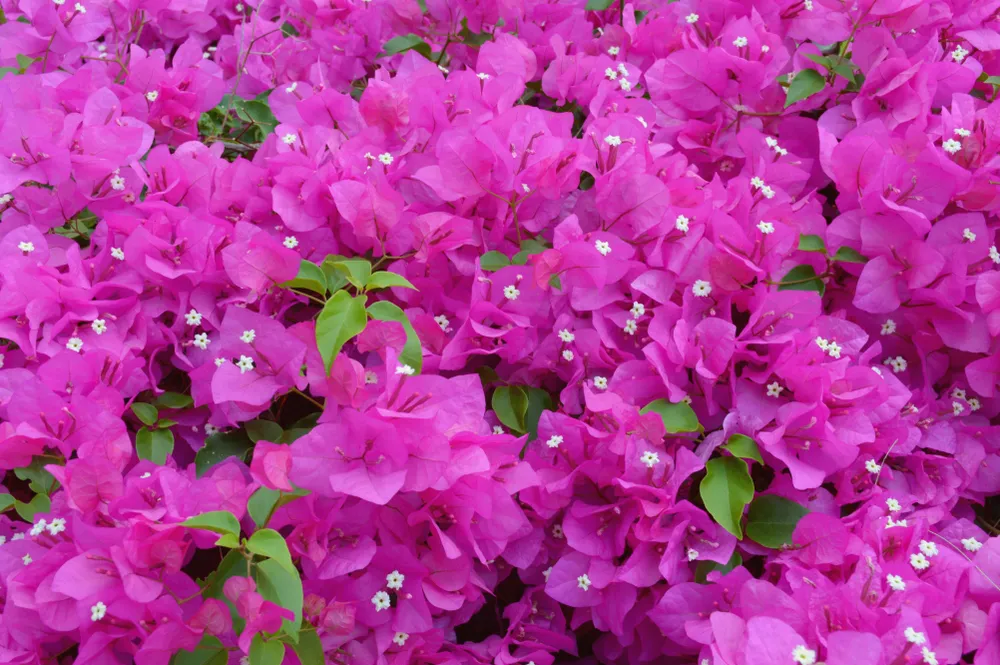
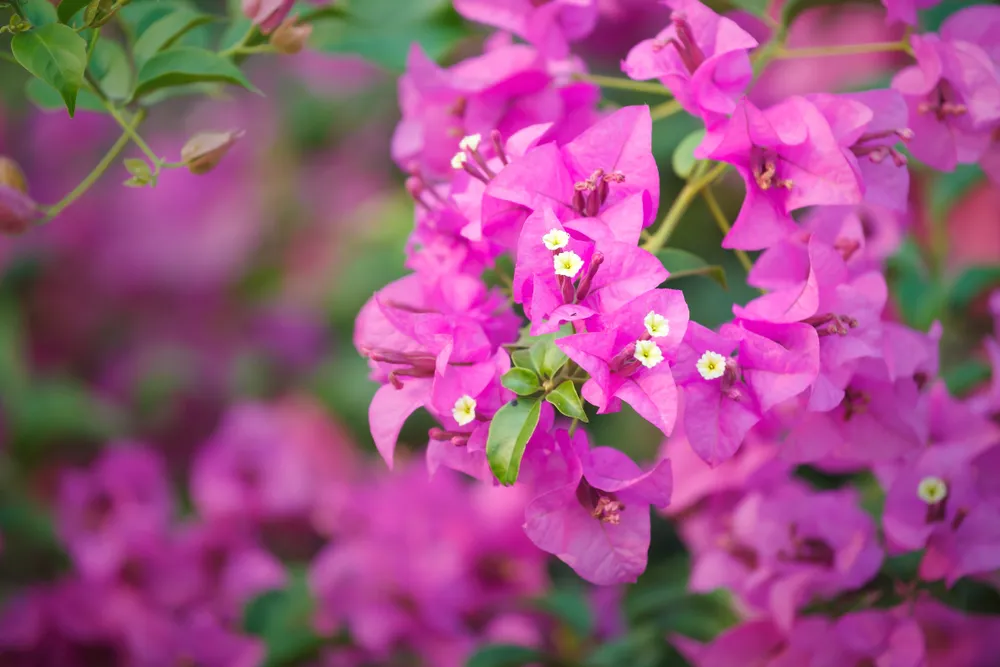
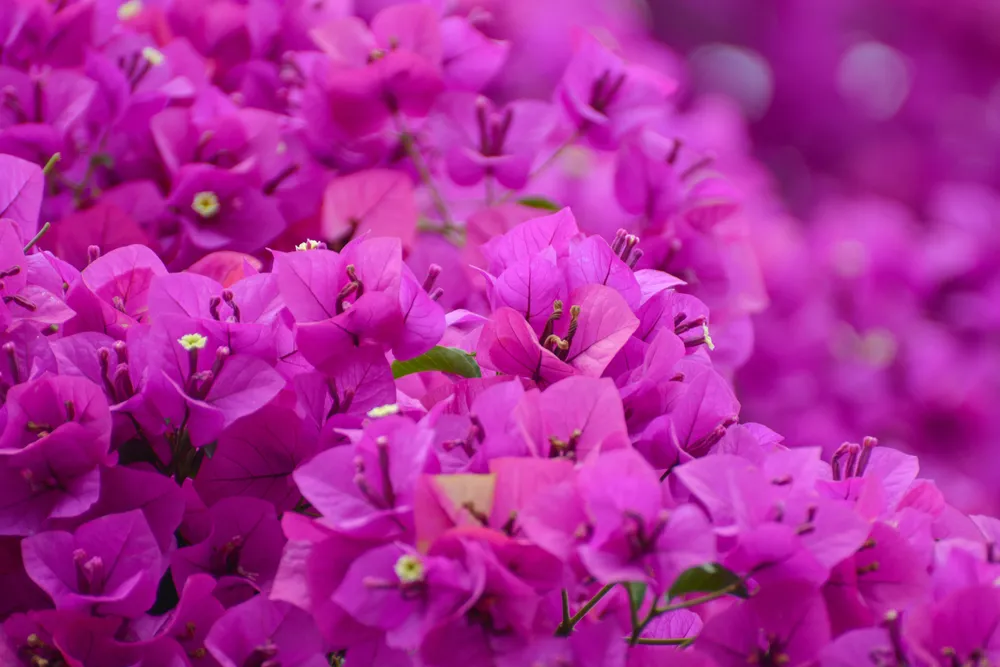
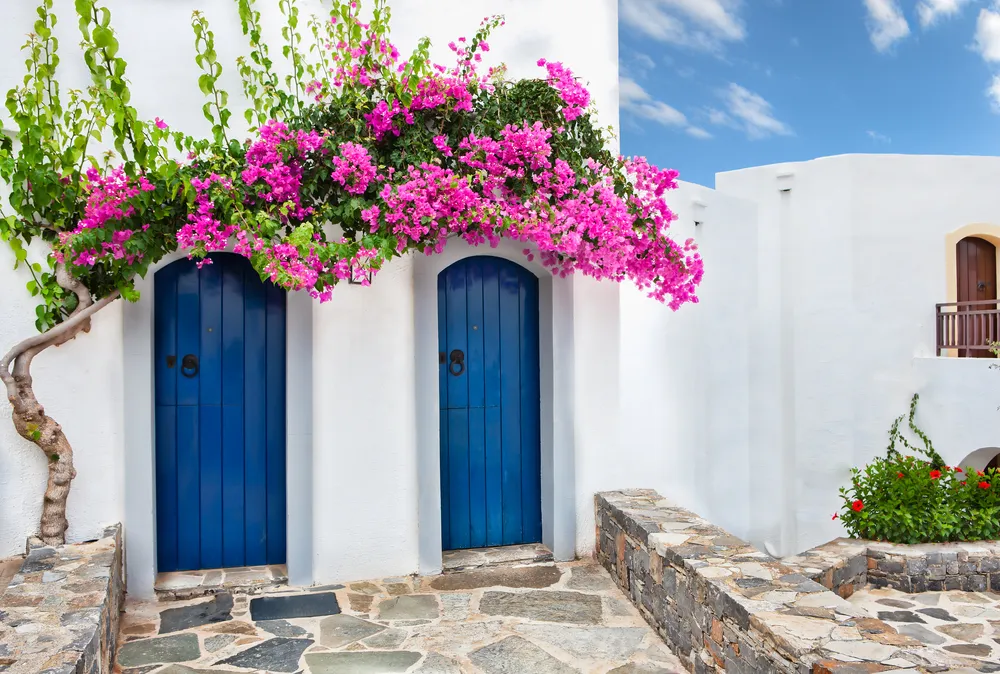
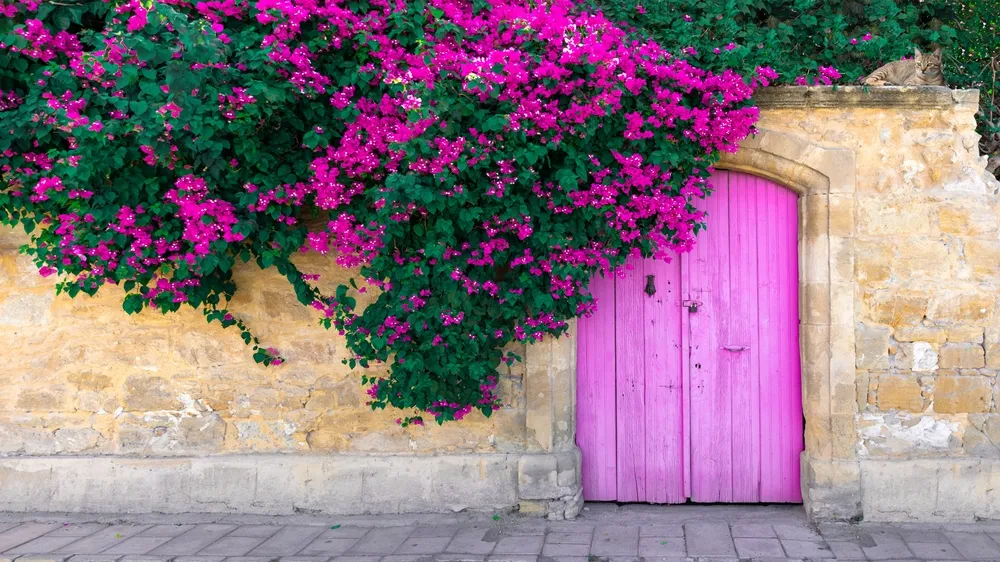
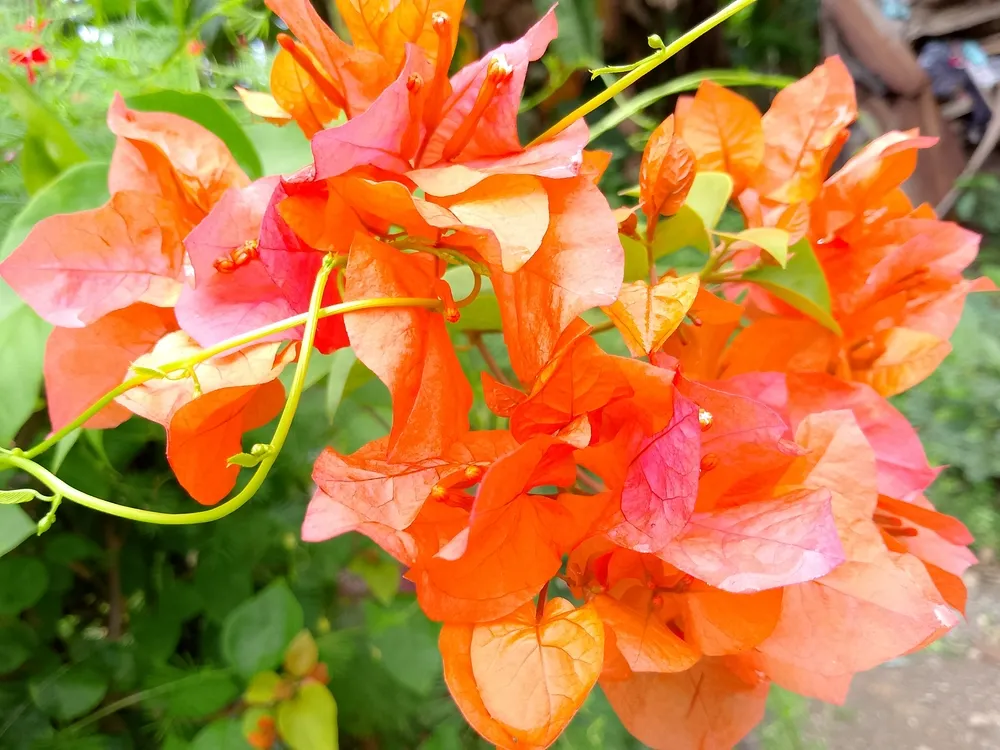
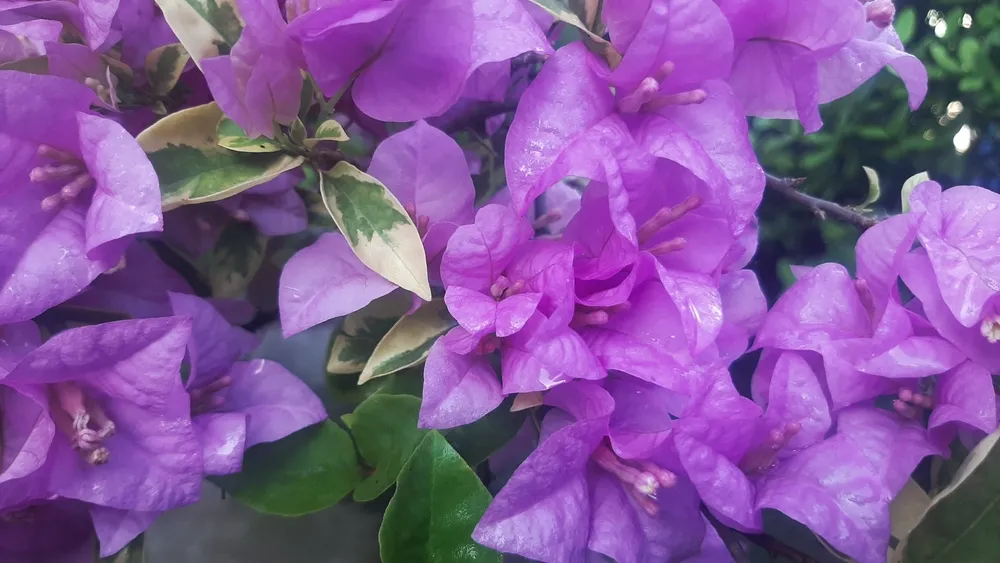
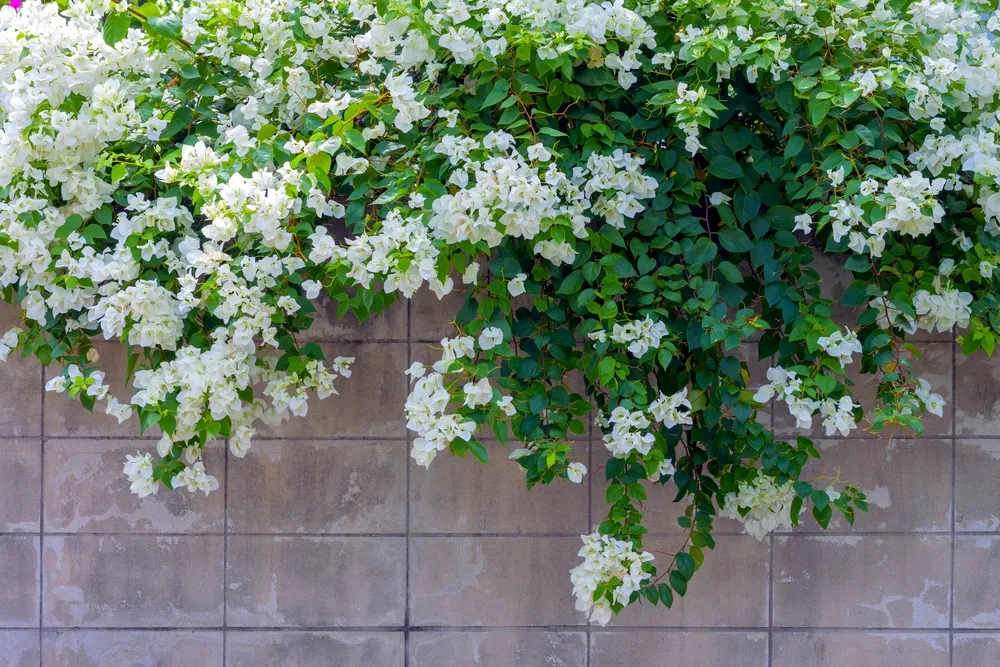
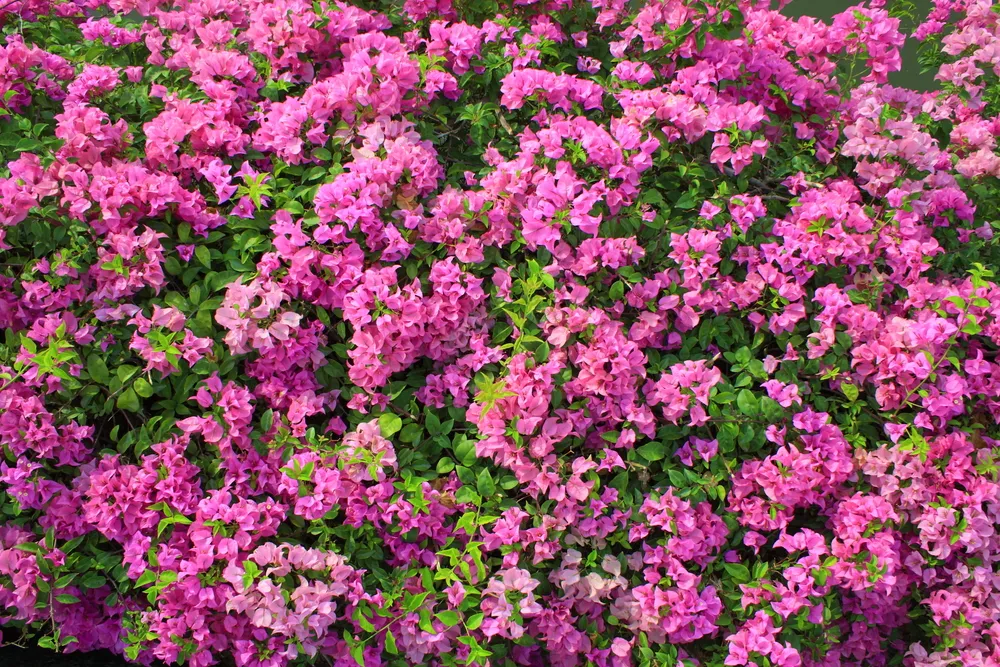
Physically, the Bougainvillea Vine is a robust perennial vine that can grow anywhere from 1 to 12 meters tall, depending on the species and conditions. Its most distinctive feature is its brightly coloured bracts, which are often mistaken for flowers. These bracts, which can be pink, red, orange, purple, or white, surround the actual flowers, which are small and generally white.
Bougainvillea Vines prefer a warm climate and full sunlight. They are drought-tolerant and prefer well-drained soil. The plant is known for its rapid growth and can become quite large if not regularly pruned.
Cultivating Bougainvillea Vine comes with both benefits and drawbacks. On the positive side, the plant's vibrant colours and fast growth make it a great choice for adding quick colour to gardens and landscapes. It’s also relatively easy to maintain once established. On the downside, Bougainvillea can be invasive if not properly managed, and its thorns can make pruning a challenge.
For successful growth, it’s important to provide Bougainvillea with plenty of sunlight and well-drained soil. Regular pruning can help manage its size and promote more prolific blooming.
The uses of Bougainvillea Vine are numerous. Its vibrant bracts make it a popular choice for decoration in homes and gardens. In traditional medicine, especially in its native regions, it has been used to treat various ailments, including coughs, diabetes, and high blood pressure. More recently, research has been conducted into the plant's potential as a source of natural antioxidants.
In conclusion, the Bougainvillea Vine is a captivating plant with a rich history and a wide range of uses. Its vibrant colours and adaptability have made it a favorite among gardeners, while its potential medicinal properties continue to attract interest from the scientific community.
Origin and Varieties of Bougainvillea
Bougainvillea is a beautiful flowering plant that is native to South America and is now widely grown in the UK. It is a popular choice for gardeners due to its vibrant colours and hardy nature. Pruning is an important part of caring for bougainvillea, as it helps to keep the plant healthy and encourages new growth. Pruning should be done in late winter or early spring, when the plant is dormant. It is important to remove any dead or damaged branches, as well as any that are growing in an undesirable direction. This will help to keep the plant looking neat and tidy, and will also encourage new growth. Bougainvillea comes in a variety of colours, from bright pink to deep purple. It is also available in a range of sizes, from small shrubs to large climbers. Whatever your garden needs, there is sure to be a bougainvillea that will fit the bill.
Bougainvillea is an enchanting genus of thorny, vine-like plants native to South America. It's renowned for its vibrant, paper-like bracts that surround the plant's actual flowers. Although there are only four recognized species of Bougainvillea, over 300 varieties have been identified due to widespread cultivation and hybridization.
Species and Characteristics
- Bougainvillea spectabilis: This is the most common and well-known species, often reaching up to 12 meters in height with large, rounded leaves. The bracts can be pink, red, or purple.
- Bougainvillea glabra: Often known as "paper flower", it has a smoother leaf texture and smaller bracts than B. spectabilis. It's a more compact plant that grows up to 5 meters tall, with white or purple bracts.
- Bougainvillea peruviana: A smaller species with slender, elongated leaves and bracts that range from magenta to deep purple. It typically grows between 2-4 meters in height.
- Bougainvillea spinosa: A less common species with small, spinose leaves and tiny clusters of white or yellowish bracts.
Foliage, Flowers, and Growth Habits
Bougainvillea's foliage is usually bright green, with leaves that can be rounded, elongated, or pointed depending on the species. The true flowers are small, tubular, and generally white, nestled within the brightly coloured bracts.
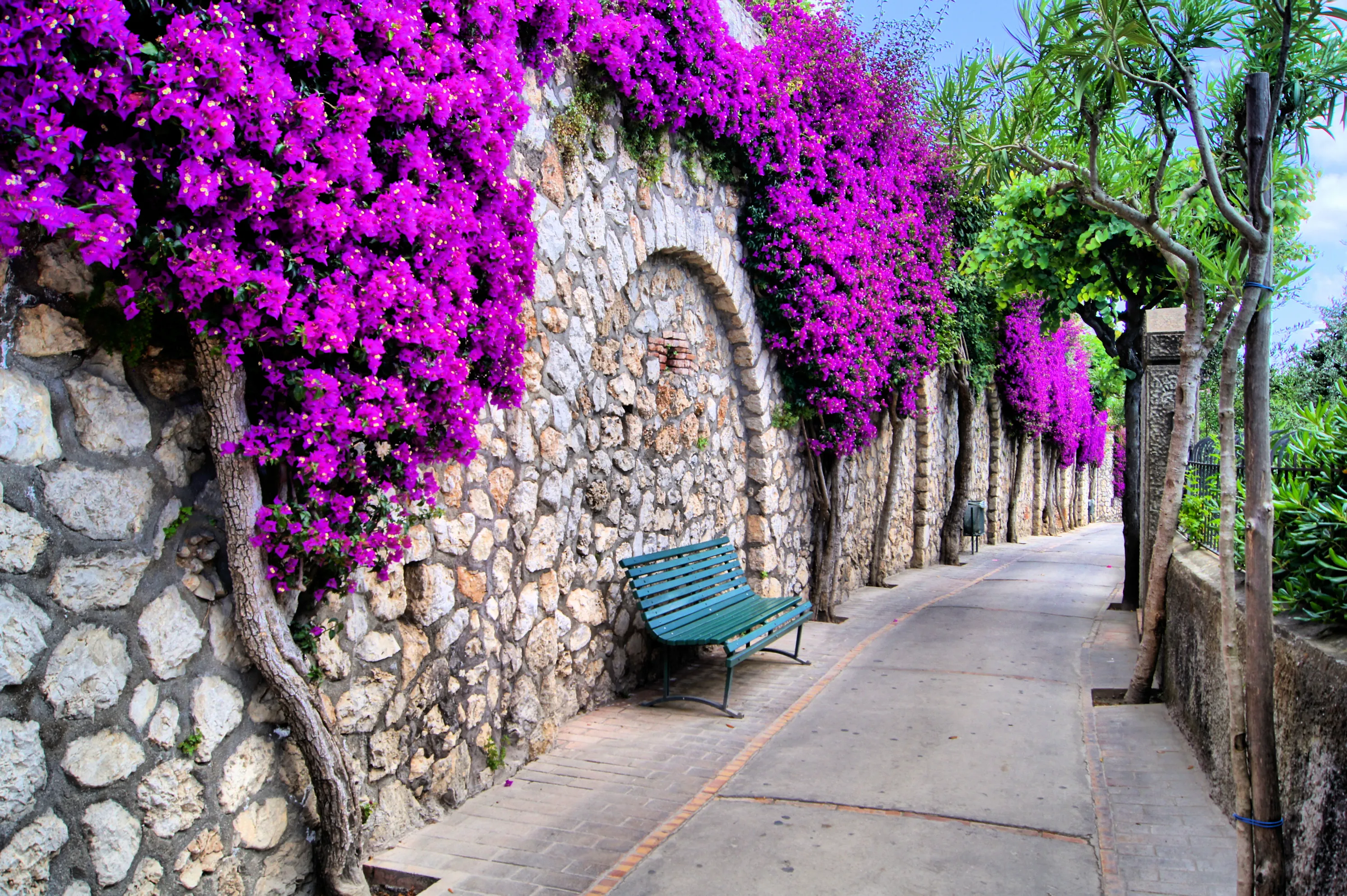
Bougainvilleas are vigorous growers, often climbing, sprawling, or trailing over walls and structures. They can range from compact, bushy plants to sprawling vines reaching upwards of 12 meters.
Growing Conditions
Bougainvilleas thrive in full sun and well-drained soil. They prefer a slightly acidic pH and can tolerate drought once established. However, young plants require regular watering. They're tropical plants, so they prefer warm temperatures, but mature plants can tolerate occasional light frosts.
Care and Propagation
Bougainvilleas require minimal care once established. Regular pruning encourages more prolific blooming and helps control size. Overwatering can lead to Root Rot, so allow the soil to dry out between waterings.
Bougainvilleas propagate well from cuttings. Take a cutting of about 15-20 cm from a healthy plant, remove the lower leaves, and plant it in a pot with well-draining soil. Keep the soil moist until the cutting has rooted.
In conclusion, Bougainvillea is a versatile and vibrant plant that adds a burst of colour to gardens, terraces, or pots. With minimal care and the right conditions, this plant can be a beautiful addition to any landscape.
The Look and Growth of Bougainvillea
Bougainvillea is a beautiful and vibrant flowering plant that is perfect for adding a splash of colour to any garden. It is a popular choice for UK gardens due to its hardiness and ability to thrive in the British climate. To ensure your Bougainvillea looks its best, it is important to provide it with the right care and attention.
Pruning is an important part of caring for Bougainvillea. Pruning helps to keep the plant healthy and encourages new growth. It is best to prune Bougainvillea in the spring or summer, when the plant is actively growing. This will help to ensure that the plant remains full and lush.
Bougainvillea also needs plenty of sunlight to thrive. It is best to plant it in a sunny spot in the garden, where it will receive at least six hours of direct sunlight each day. If you are growing Bougainvillea indoors, make sure to place it near a window that receives plenty of sunlight.
Finally, Bougainvillea needs regular fertilizing to stay healthy and vibrant. Fertilize your Bougainvillea every two weeks during the growing season with a balanced fertilizer. This will help to ensure that your Bougainvillea has all the nutrients it needs to grow and flourish.
By following these simple tips, you can ensure that your Bougainvillea looks its best and continues to grow and thrive in the UK climate.
Care Procedures for Bougainvillea
Bougainvillea is a beautiful and vibrant flowering plant that can add a splash of colour to any garden. However, in order to keep your Bougainvillea looking its best, it is important to follow a few simple care procedures. Pruning is an important part of Bougainvillea care, as it helps to keep the plant healthy and encourages new growth. Prune your Bougainvillea in the spring and summer months, removing any dead or damaged branches. Fertilizing is also important for Bougainvillea, as it helps to keep the soil healthy and provides the plant with the nutrients it needs to thrive. Use a balanced fertilizer every two to three months during the growing season. Finally, Bougainvillea needs plenty of sunlight to thrive, so make sure to place it in a sunny spot in your garden. With the right care, your Bougainvillea will be a beautiful addition to your garden for years to come.
Bougainvillea is a vibrant and hardy vine that can bring a touch of tropical colour to any UK garden. Here's a comprehensive guide on how to care for this plant in the UK.
Climate and Soil
Bougainvilleas are tropical plants, so they thrive in full sun and warm conditions. In the UK, where temperatures can drop significantly in winter, it's best to grow Bougainvillea in a pot that can be moved indoors or into a greenhouse during colder months.
The ideal soil for Bougainvillea is well-draining and slightly acidic. A mix of equal parts potting soil, perlite, and peat moss is often recommended.
Watering and Fertilization
Bougainvilleas are drought-tolerant once established and prefer to dry out between waterings. Overwatering can lead to Root Rot. In summer, watering once a week should suffice; in winter, reduce watering to once every 3-4 weeks.
Fertilize Bougainvillea with a high-potassium fertilizer every 4-6 weeks during the growing season to encourage blooming. Avoid high-nitrogen fertilizers, as they will promote leaf growth at the expense of flowers.
Pruning and Pests
Prune your Bougainvillea in early spring to keep its size manageable and encourage more prolific blooming. Remove dead or weak branches and trim back to a shape that suits your space.
Common pests include Aphids, caterpillars, and mealybugs. These can usually be controlled with regular inspection and treatment with a suitable insecticide if infestations occur.
TriviaIn their native South America, Bougainvilleas often sprawl over buildings and trees, adding a burst of colour to the landscape. They're also used in traditional medicine and have been studied for their potential antioxidant properties.
In conclusion, while Bougainvillea requires a bit of care to thrive in the UK's cooler climate, the results are well worth it. With the right conditions and care, you can enjoy a burst of tropical colour in your own garden.
Potential Benefits of Growing Bougainvillea
Bougainvillea is a beautiful and vibrant flowering plant that can add a splash of colour to any garden. Pruning is an important part of caring for bougainvillea, as it helps to keep the plant healthy and encourages new growth. Pruning should be done in the spring and summer months, when the plant is actively growing. When pruning, it is important to remove any dead or damaged branches, as well as any branches that are growing in an undesirable direction. This will help to keep the plant looking neat and tidy, and will also help to promote new growth. Pruning can also help to encourage more blooms, as it helps to stimulate the plant's flowering process.
Bougainvillea Vine, with its vibrant, colourful bracts and hardy nature, offers numerous benefits to gardeners and the environment. Here are some of the main advantages of growing this plant:
- 1. Versatile Growth Patterns: Bougainvillea can grow as a vine, bush, or tree, making it suitable for various landscaping needs. Its sprawling growth pattern is ideal for covering trellises, fences, walls, and pergolas.
- 2. Attractive Appearance: The bright, paper-like bracts of Bougainvillea add a burst of tropical colour to any garden. These bracts, which can be pink, red, purple, or white, are often mistaken for flowers and provide a long-lasting display of colour.
- 3. Beneficial to Pollinators: Bougainvillea attracts beneficial pollinators like butterflies, contributing to biodiversity and the health of the local ecosystem.
- 4. Drought Tolerance: Once established, Bougainvillea is highly drought-tolerant, making it a good choice for gardens in drier areas.
- 5. Security Feature: The thorny stems of Bougainvillea can deter intruders when planted around homes and along fences. They also provide a natural deterrent to deer and rabbits.
- 6. Potential Health Benefits: Research has suggested that Bougainvillea may possess various health benefits, including anticancer, antidiabetic, anti-inflammatory, and antioxidant properties.
Growing Bougainvillea Vine
For optimal growth, Bougainvillea requires full sun and well-drained soil. It prefers slightly acidic soil, but can tolerate a range of soil types provided they are well-draining.
Watering should be reduced during the winter months, and the plant should be allowed to dry out between waterings. A high-potassium fertilizer can be used every 4-6 weeks during the growing season to promote blooming.
Challenges and MisconceptionsOne common misconception about Bougainvillea is that the colourful bracts are its flowers. In reality, the true flowers are small, white, and tubular, surrounded by the vibrant bracts.
A potential challenge when growing Bougainvillea is managing its size and ensuring it doesn't become invasive. Regular pruning can help control its growth and also promotes more prolific blooming.
In conclusion, Bougainvillea Vine is a beautiful, versatile plant that offers numerous benefits to both gardeners and the environment. With the right care and attention, it can be a stunning addition to any garden.
Risks of Growing Bougainvillea
When it comes to growing Bougainvillea in the UK, there are a few risks to consider. Pruning is essential for Bougainvillea to thrive, as it encourages new growth and helps to keep the plant healthy. However, pruning should be done with caution, as Bougainvillea can be quite sensitive to over-pruning. If you prune too much, you may end up with a plant that is stunted and unable to produce flowers. Additionally, Bougainvillea can be prone to pests and diseases, so it's important to keep an eye out for any signs of infestation or infection. Finally, Bougainvillea can be quite sensitive to cold temperatures, so it's important to make sure it is planted in a sheltered spot that is protected from the elements.
Interesting Facts About Bougainvillea
Bougainvillea is a popular flowering plant in the UK, and it's easy to see why. With its vibrant colours and lush foliage, it's a great addition to any garden. But did you know that Bougainvillea needs regular pruning to keep it looking its best? Pruning helps to keep the plant healthy and encourages new growth. It's important to prune Bougainvillea regularly, as it can become overgrown and unruly if left unchecked. Pruning should be done in the spring and summer months, when the plant is actively growing. When pruning, it's important to remove any dead or damaged branches, as well as any branches that are growing in an undesirable direction. This will help to keep the plant looking neat and tidy.
The Various Ways to propagate Bougainvillea Vine
Bougainvillea Vine is indeed a breathtaking ornamental plant that can be propagated in several ways. The most common methods are through stem cuttings, layering, and grafting. Let's delve into each of these methods:
-
1. Stem Cuttings
This is the most common method used to propagate Bougainvillea.- Select a healthy, disease-free branch of about 15-20 cm long.
- Make a clean cut just below a node (where leaves join the stem).
- Remove the leaves from the lower half of the cutting.
- Dip the cut end into rooting hormone powder to encourage root development.
- Plant the cutting in a pot filled with a well-draining potting mix, such as a mixture of peat moss and perlite.
- Keep the soil lightly moist and place the pot in a warm, bright location, but out of direct sunlight.
- After 4-6 weeks, the cutting should have rooted. You can check by gently tugging on the cutting; if it resists, roots have formed.
-
2. Layering
Layering is another effective method, particularly for mature Bougainvillea plants.- Select a flexible, healthy stem that can be bent to the ground without breaking.
- Make a small, upward-slanting cut about one-third of the way through the stem at a point where it can be covered with soil when bent to the ground.
- Apply rooting hormone to the cut.
- Bend the stem down to the ground and cover the cut section with soil, leaving the end of the stem exposed.
- Secure the stem in place with a U-shaped stake.
- Over time, the buried section should develop roots. Once this happens, the new plant can be severed from the parent plant and transplanted.
-
3. Grafting
Grafting is a more advanced propagation technique that involves joining a shoot of one plant (the scion) onto the root system of another plant (the rootstock).- Select a rootstock plant and a scion from a desirable Bougainvillea variety.
- Make a slanting cut on both the rootstock and scion.
- Join the two cut surfaces together and secure them with grafting tape or a rubber band.
- Keep the grafted plant in a high-humidity environment until the graft has taken, which usually takes a few weeks.
-
Tips for Successful Propagation
- Always use sharp, clean tools to make cuts. This prevents damage and reduces the risk of disease.
- Keep the growing medium moist but not waterlogged.
- Patience is key. It can take several weeks for roots to form.
- Once your new plant is established, care for it as you would any other Bougainvillea: provide plenty of light, allow the soil to dry out between waterings, and fertilize regularly during the growing season.
How to Grow the Bougainvillea from Seed
Bougainvillea is a tropical vine known for its vibrant, paper-like bracts. It comes in several varieties, each with its unique color, ranging from pink and purple to red, orange, and white. This plant thrives in warm climates, full sun, and well-draining soil.
Growing Bougainvillea from Seed
Here's a step-by-step guide on how to grow Bougainvillea from seed:- Seed Preparation: Bougainvillea seeds have a hard outer coating. To expedite germination, soak the seeds in lukewarm water for 24 hours before planting.
- Planting the Seeds: Fill a seed tray or pots with a mixture of equal parts peat moss, perlite, and compost. This provides a well-draining, nutrient-rich medium for your seeds. Place the seeds on the surface and lightly cover with soil. Do not bury them deeply as they need light to germinate.
- Germination: Cover the tray or pots with plastic wrap or a plastic dome to create a humid environment, which aids germination. Place the tray in a warm, bright location, but out of direct sunlight. Germination should occur within 2-3 weeks.
- Watering: Keep the soil lightly moist but never waterlogged. Overwatering can cause the seeds to rot.
- Transplanting: Once the seedlings have developed two sets of true leaves, they can be transplanted into individual pots. Continue to keep them in a bright, warm location.
Once your Bougainvillea is established, it requires minimal care. Water when the top inch of soil is dry and fertilize every 4-6 weeks during the growing season with a high-potassium fertilizer to promote blooming.
Prune your Bougainvillea in early spring to keep its size manageable and encourage more prolific blooming. Remove dead or weak branches and trim back to a shape that suits your space.
Common Problems and Solutions- Overwatering: Bougainvillea is susceptible to Root Rot if overwatered. Always let the top inch of soil dry out between waterings.
- Insufficient Light: If your Bougainvillea isn't blooming, it may not be getting enough light. Make sure it's in a location where it gets at least 6 hours of sunlight each day.
- Pests: Common pests include Aphids, caterpillars, and mealybugs. These can usually be controlled with regular inspection and treatment with a suitable insecticide.
How to Purchase and Cultivate Bougainvillea in the UK
Bougainvillea is a beautiful and vibrant flowering plant that can add a splash of colour to any garden. If you're looking to purchase and cultivate Bougainvillea in the UK, there are a few things you should know.
First, Bougainvillea needs plenty of sunlight to thrive. Make sure to place it in a spot that gets at least 6 hours of direct sunlight each day. Additionally, Bougainvillea needs to be fertilized regularly. Use a balanced fertilizer with a ratio of 10-10-10 or 20-20-20 to ensure your plant is getting the nutrients it needs.
Finally, Bougainvillea needs to be pruned regularly. Pruning helps to keep the plant healthy and encourages new growth. Prune your Bougainvillea in the spring and summer months, removing any dead or damaged branches. This will help to keep your plant looking its best.
By following these simple steps, you can ensure that your Bougainvillea will thrive in the UK. With the right care and attention, you can enjoy the beauty of this vibrant flowering plant for years to come.
In conclusion, Bougainvillea is a beautiful and vibrant flowering plant that can be grown in the UK. It is a hardy plant that can thrive in a variety of climates and soil types, and it is relatively easy to care for. It can provide a range of benefits, including adding colour and texture to your garden, providing a natural privacy screen, and even helping to reduce air pollution. However, it is important to be aware of the potential risks associated with growing Bougainvillea, such as its invasive nature and potential for causing skin irritation. With the right care and pruning, Bougainvillea can be a great addition to any garden in the UK. If you are interested in growing Bougainvillea, make sure to research the best varieties for your climate and soil type, and purchase from a reputable seller. With the right knowledge and care, you can enjoy the beauty of Bougainvillea in your garden for years to come.
Everything You Need to Know About Pruning the Bougainvillea Vine
Pruning the Bougainvillea Vine is an essential part of keeping your plant healthy and vibrant. Pruning helps to promote new growth, encourages flowering, and keeps the plant in shape. It's important to understand the basics of pruning before you get started, so you can ensure your Bougainvillea Vine looks its best. With the right pruning techniques, you can keep your Bougainvillea Vine looking beautiful and healthy for years to come.
When it comes to pruning the Bougainvillea Vine, timing is key. Pruning should be done in the late winter or early spring, when the plant is dormant. This will help to ensure that the new growth is strong and healthy. It's also important to use the right tools when pruning. A sharp pair of pruning shears is essential for making clean, precise cuts. Make sure to remove any dead or diseased branches, as well as any branches that are growing in an undesirable direction. Pruning the Bougainvillea Vine can be a rewarding experience, and with the right techniques, you can keep your plant looking beautiful for years to come.
Bougainvillea Vine, a vibrant and hardy flowering plant, is renowned for its showy, colorful bracts that bloom throughout the year in tropical and subtropical climates. This versatile plant can be trained to grow as a vine, shrub, or tree, and is an excellent choice for adding a splash of color to landscapes and gardens.
Why Prune Your Bougainvillea Vine?
Pruning is a critical aspect of Bougainvillea care with numerous benefits:
- Promotes Flowering: Regular pruning encourages the growth of new branches, which in turn results in more blooms. By removing old and non-flowering shoots, you stimulate the plant to produce fresh growth1.
- Shapes the Plant: Pruning helps control the size and shape of your Bougainvillea, allowing you to train it as a bush, vine, or tree according to your landscaping needs.
- Enhances Plant Health: Removing dead or diseased wood helps prevent the spread of diseases and pests. It also improves air circulation and sunlight penetration, promoting overall plant health.
- Prevents Overgrowth: Left unchecked, Bougainvillea can become invasive. Regular pruning keeps the plant manageable and prevents it from overtaking other plants or structures.
The Consequences of Not Pruning
Without regular pruning, a Bougainvillea can become leggy and unkempt, with fewer flowers. Overgrown vines can take over your garden or damage structures they're growing on. Additionally, dense, unpruned foliage can harbor pests and diseases, leading to a decline in the plant's health.Pruning Tips for Bougainvillea Vine
- When to Prune: The best time to prune Bougainvillea is in early spring, after the last frost but before the plant has fully leafed out. This allows you to see the structure of the plant clearly and minimizes stress.
- Tools: Use sharp, clean pruning shears or loppers for larger branches. Disinfect your tools before and after use to prevent the spread of diseases.
- Pruning Method: Begin by removing dead, diseased, or damaged wood. Then cut back overgrown branches and thin out congested growth. Finally, shape the plant as desired. Remember that Bougainvillea flowers on new growth, so don't be afraid to cut back hard.
- Safety: Bougainvillea has sharp thorns, so wear protective clothing, including gloves and long sleeves, when pruning.
In conclusion, regular pruning is crucial for maintaining a healthy, attractive Bougainvillea Vine. With the right techniques and timing, you can enjoy a spectacular display of blooms year after year.
Pruning Basics for the Bougainvillea Vine
Pruning the Bougainvillea Vine is an important part of keeping it healthy and vibrant. Pruning helps to promote new growth and encourages the vine to produce more flowers. It is important to prune the vine regularly, as it can become overgrown and unruly if left unchecked. When pruning the Bougainvillea Vine, it is important to use sharp, clean pruning shears and to make sure to remove any dead or diseased branches. It is also important to prune the vine in the early spring, before the new growth begins. This will help to ensure that the vine is healthy and will produce plenty of flowers. Pruning the Bougainvillea Vine can be a bit tricky, but with a bit of practice and patience, you can have a beautiful and healthy vine in no time.
Tools and Materials Needed for Pruning
Pruning the Bougainvillea Vine is an important part of keeping your plant healthy and vibrant. To ensure a successful pruning, you'll need the right tools and materials. Start by gathering a pair of sharp pruning shears, a pair of gloves, and a bucket. Pruning shears are essential for cutting away dead or damaged branches, while gloves will protect your hands from the thorns of the Bougainvillea Vine. A bucket is also necessary for collecting the clippings.
Once you have the necessary tools and materials, you can begin pruning. Start by removing any dead or damaged branches, then shape the vine to your desired look. Make sure to cut at a 45-degree angle, and avoid cutting too close to the main stem. Pruning the Bougainvillea Vine is a great way to keep your plant healthy and looking its best. With the right tools and materials, you can easily achieve the desired look.
When is the Best Time to Prune the Bougainvillea Vine?
Pruning the Bougainvillea Vine is an important part of keeping it healthy and vibrant. The best time to prune the Bougainvillea Vine is in the late winter or early spring, when the plant is dormant. Pruning during this time will help to promote new growth and encourage the plant to produce more flowers. It is important to prune the vine carefully, as it can be easily damaged. Start by removing any dead or diseased branches, then trim back any overgrown branches. This will help to keep the vine in shape and encourage new growth. Be sure to use sharp pruning shears and make clean cuts to avoid damaging the plant. After pruning, it is important to fertilize the plant to help it recover and promote healthy growth.
How to Prune the Bougainvillea Vine
Pruning the Bougainvillea Vine is an important part of keeping your plant healthy and vibrant. Pruning helps to promote new growth and encourages the plant to produce more flowers. To prune your Bougainvillea Vine, start by removing any dead or damaged branches. This will help to keep the plant looking neat and tidy. Next, use pruning shears to trim back any branches that are growing too long or too wide. Be sure to make clean cuts and avoid leaving any jagged edges. Finally, prune the vine back to the desired shape and size. This will help to keep the plant looking neat and tidy and will also help to promote new growth. With regular pruning, your Bougainvillea Vine will stay healthy and vibrant for years to come.
Bougainvillea, a vibrant flowering plant, is known for its stunning, paper-like bracts that come in a variety of colors. Pruning Bougainvillea is essential to promote healthy growth, abundant blooming, and maintain the desired shape and size of the plant.
The Importance of Pruning and Timing
Pruning helps to remove dead or diseased wood, encourages new growth, and improves the overall appearance of the plant. The best time to prune Bougainvillea is in early spring, after the last frost but before the plant has fully leafed out.
Tools and Safety Measures
You'll need sharp, clean pruning shears or loppers for larger branches. Disinfect your tools before and after use to prevent the spread of diseases. Bougainvillea has sharp thorns, so wear protective gloves, long sleeves, and safety glasses to protect yourself during the process.
Step-by-Step Guide on Pruning Bougainvillea
- Examine the Plant: Start by looking at the entire plant. Identify dead, diseased, or damaged branches that need to be removed.
- Choosing Branches: Remove any branches that are growing in unwanted directions, rubbing against each other, or crossing over one another.
- Making the Cuts: Cut the branches at a 45-degree angle, just above a leaf node or bud. This encourages new growth and helps the plant heal faster.
- Promoting Growth: If you want to encourage more blooms, cut back non-flowering shoots and leave the ones with buds intact.
- Using a Ladder Safely: If your Bougainvillea is large and you need to use a ladder, ensure it's secure and have someone spot you if possible.
- Disposing of Debris: Collect all the clippings and dispose of them properly to prevent the spread of diseases.
Additional Tips, FAQs, and Precautions
- Over Pruning: Avoid over-pruning as it could lead to fewer blooms. Bougainvillea flowers on new growth, so it's best to cut back about a third of the plant at a time.
- FAQs: One common question is "Why isn't my Bougainvillea blooming?" This could be due to insufficient sunlight, overwatering, or lack of pruning.
- Precautions: Always disinfect your tools before moving to another plant to prevent the spread of diseases.
With this comprehensive guide, you should be well-equipped to prune your Bougainvillea vine successfully.
Best Practices for Maintaining the Bougainvillea Vine
Pruning the Bougainvillea Vine is an important part of maintaining its health and beauty. Pruning helps to keep the vine in shape, encourages new growth, and prevents the vine from becoming overgrown. To prune the Bougainvillea Vine, start by removing any dead or damaged branches. This will help to keep the vine healthy and promote new growth. Next, trim back any branches that are growing too long or too wide. This will help to keep the vine in shape and prevent it from becoming overgrown. Finally, use sharp pruning shears to trim back any branches that are growing in an undesirable direction. This will help to keep the vine looking neat and tidy. With regular pruning, the Bougainvillea Vine will remain healthy and beautiful for years to come.
Potential Challenges, Diseases, and Pests
Pruning the Bougainvillea Vine is an important part of keeping it healthy and vibrant. However, there are potential challenges, diseases, and pests that can affect the plant. It is important to be aware of these issues and take steps to prevent them.
One of the most common diseases that can affect the Bougainvillea Vine is Powdery Mildew. This is a fungal disease that can cause the leaves to become covered in a white, powdery substance. To prevent this, it is important to prune the vine regularly to ensure good air circulation and to keep the leaves dry.
Another potential challenge is pests. Aphids, mealybugs, and scale insects can all feed on the Bougainvillea Vine and cause damage. To prevent this, it is important to inspect the plant regularly and take steps to remove any pests that are present.
Finally, it is important to prune the Bougainvillea Vine correctly. Pruning too much or too little can cause the plant to become weak and unhealthy. It is important to prune the vine in the spring and summer months, and to remove any dead or diseased branches.
Pruning the Bougainvillea Vine is an important part of keeping it healthy and vibrant. By being aware of potential challenges, diseases, and pests, and taking steps to prevent them, you can ensure that your Bougainvillea Vine will remain healthy and beautiful for years to come.
Bougainvillea, scientifically known as Bougainvillea spectabilis, is a tropical perennial shrubby vine that's appreciated for its vibrant, colorful blooms. Despite its hardiness, Bougainvillea is susceptible to certain environmental challenges, diseases, and pests.
Environmental Aspects- Light: Bougainvillea requires high light intensities to flower profusely. Insufficient light can lead to poor blooming and leggy growth.
- Temperature: It thrives in moderate temperatures and might suffer in extreme cold or heat.
- Humidity: Low indoor humidity may slow down the growth of Bougainvillea.
- Soil: Bougainvillea prefers well-drained soil. Constantly wet soil can lead to Root Rot.
- Fungal Diseases: Fungal pathogens can cause Leaf Spot and Root Rot. Overwatering and poor air circulation often contribute to these issues.
- Pests: Aphids, mealybugs, and caterpillars can infest Bougainvillea, leading to discolored leaves and stunted growth.
- Viral Infections: Bougainvillea can be affected by the Bougainvillea chlorotic vein-banding virus, causing yellowing and banding on leaves.
- Light and Temperature: Ensure your Bougainvillea gets at least 6 hours of sunlight daily and protect it from extreme temperatures.
- Humidity: If growing indoors, maintain good humidity levels. Consider using a humidifier if necessary.
- Soil: Plant your Bougainvillea in well-drained soil and avoid overwatering.
- Fungal Diseases: Improve air circulation, reduce watering, and consider using a fungicide if necessary.
- Pests: Regularly check your plant for pests. Use a mild insecticidal soap or neem oil to treat infestations.
- Viral Infections: There's no cure for viral infections. Remove and dispose of infected plants to prevent the spread.
By understanding these potential challenges and taking preventative measures, you can ensure your Bougainvillea vine remains healthy and vibrant.
Tips and Tricks for Pruning the Bougainvillea Vine
Pruning the Bougainvillea Vine is an important part of keeping your plant healthy and vibrant. Pruning helps to promote new growth and encourages the plant to produce more flowers. To get the best results, it is important to prune the vine correctly. Here are some tips and tricks to help you get the most out of your pruning efforts.
First, it is important to prune the vine at the right time. The best time to prune is in the late winter or early spring, when the plant is dormant. This will help to ensure that the new growth is strong and healthy. It is also important to use sharp pruning shears to ensure a clean cut.
Second, it is important to prune the vine correctly. Start by removing any dead or diseased branches, as well as any branches that are growing in an undesirable direction. Then, prune the vine back to the desired shape. Be sure to leave enough foliage to ensure the plant has enough energy to produce new growth.
Finally, it is important to fertilize the vine after pruning. This will help to promote new growth and ensure that the plant is healthy and vibrant.
By following these tips and tricks, you can ensure that your Bougainvillea Vine is healthy and vibrant. Pruning the vine correctly will help to promote new growth and ensure that your plant is looking its best.
In conclusion, pruning the Bougainvillea vine is an important part of maintaining a healthy and vibrant plant. With the right tools, materials, and knowledge, you can easily prune your Bougainvillea vine to keep it looking its best. It is important to prune at the right time of year, and to be aware of potential challenges, diseases, and pests that may affect your plant. By following the best practices for pruning and maintaining the Bougainvillea vine, you can ensure that your plant will remain healthy and beautiful for years to come. So, take the time to learn the basics of pruning the Bougainvillea vine and start enjoying the beauty of this vibrant and colourful plant.
Frequently Asked Questions About the Bougainvillea Vine
FAQ Questions and Answers:
- Q: What is Bougainvillea? A: Bougainvillea is a genus of flowering plants native to South America. It is a woody, evergreen vine that produces colourful bracts in shades of pink, purple, red, orange, yellow, and white.
- Q: What are the origins and varieties of Bougainvillea? A: Bougainvillea is native to South America, but it has been cultivated and grown in many other parts of the world. There are over 300 varieties of Bougainvillea, each with its own unique characteristics.
- Q: What does Bougainvillea look like and how does it grow? A: Bougainvillea is a woody, evergreen vine that can grow up to 30 feet in length. It produces colourful bracts in shades of pink, purple, red, orange, yellow, and white. The bracts are the showy part of the plant, while the actual flowers are small and white.
- Q: What care procedures should I follow for Bougainvillea? A: Bougainvillea requires full sun and well-drained soil. It should be watered regularly and fertilized every few months. Pruning is also important to keep the plant healthy and encourage new growth.
- Q: What are the potential benefits of growing Bougainvillea? A: Bougainvillea is a beautiful and vibrant plant that can add colour and life to any garden. It is also a fast-growing plant that can provide privacy and shade.
- Q: What risks are associated with growing Bougainvillea? A: Bougainvillea can be invasive and can spread quickly if not properly managed. It can also be susceptible to pests and diseases, so it is important to monitor the plant regularly.
- Q: What are some interesting facts about Bougainvillea? A: Bougainvillea is named after the French explorer Louis Antoine de Bougainville. It is also the national flower of the Philippines and is often used in landscaping in tropical climates.
- Q: What is pruning? A: Pruning is the process of removing dead, diseased, or overgrown branches and stems from a plant in order to promote healthy growth and development. Pruning the Bougainvillea vine can help to keep it looking its best and encourage new growth.
- Q: What tools and materials do I need to prune the Bougainvillea vine? A: Pruning the Bougainvillea vine requires a few basic tools and materials. You will need a pair of sharp pruning shears, gloves, and a ladder if the vine is too high to reach.
- Q: When is the best time to prune the Bougainvillea vine? A: The best time to prune the Bougainvillea vine is in the late winter or early spring before new growth begins. This will help to ensure that the vine has plenty of time to recover and produce new growth.
- Q: How do I prune the Bougainvillea vine? A: Pruning the Bougainvillea vine is relatively simple. Start by removing any dead, diseased, or overgrown branches and stems. Then, trim back any remaining branches to the desired shape and size.
- Q: What are some best practices for maintaining the Bougainvillea vine? A: The best practices for maintaining the Bougainvillea vine include regular pruning, fertilizing, and watering. Additionally, it is important to keep the vine free of pests and diseases.
- Q: What are some potential challenges, diseases, and pests that I should be aware of when pruning the Bougainvillea vine? A: Potential challenges, diseases, and pests that you should be aware of when pruning the Bougainvillea vine include Aphids, mealybugs, scale insects, and Powdery Mildew. It is important to inspect the vine regularly for signs of these pests and diseases and take appropriate action if necessary.
- Q: What tips and tricks can I use to make pruning the Bougainvillea vine easier? A: Tips and tricks for pruning the Bougainvillea vine include using sharp pruning shears, wearing gloves, and using a ladder if the vine is too high to reach. Additionally, it is important to prune the vine in the late winter or early spring before new growth begins.
How to Prune Climbing Vines
List by Variety
- How to Prune Actinidia
- How to Prune Akebia
- How to Prune Bougainvillea
- How to Prune Campsis
- How to Prune Celastrus
- How to Prune Chilean Glory Vine
- How to Prune Clematis Armandii
- How to Prune Clematis Montana
- How to Prune Climbing Rose
- How to Prune Hedera GoldHeart
- How to Prune Honeysuckle
- How to Prune Hydrangea Petiolaris
- How to Prune Ivy
- How to Prune Japanese Wisteria
- How to Prune Morning Glory
- How to Prune Parthenocissus
- How to Prune Persian Ivy Hedera Colchica
- How to Prune Schisandra
- How to Prune Star Jasmine
- How to Prune Sweet Peas
- How to Prune True Jasmine
- How to Prune Virginia Creeper
- How to Prune Wisteria
How to Prune Hedges
List by Variety
- How to Prune an Arborvitae Hedge
- How to Prune a Barberry Hedge
- How to Prune a Beech Hedge
- How to Prune a Boxwood Hedge
- How to Prune a Butterfly Bush Hedge
- How to Prune a Cotoneaster Hedge
- How to Prune an English Lavender Hedge
- How to Prune an Escallonia Hedge
- How to Prune an Euonymus-Hedge
- How to Prune a Firethorn Hedge
- How to Prune a Forsythia Hedge
- How to Prune a Griselinia Hedge
- How to Prune a Hawthorn Hedge
- How to Prune a Holly Hedge
- How to Prune a Hornbeam Hedge
- How to Prune a Laurel Hedge
- How to Prune a Leylandii Hedge
- How to Prune a Lilac Hedge
- How to Prune a Maple Leaf Viburnum Hedge
- How to Prune a Photinia Hedge
- How to Prune a Pink Ramanus Rose Hedge
- How to Prune a Privet Hedge
- How to Prune a Pyracantha Hedge
- How to Prune a Spirea Hedge
- How to Prune a Thuja Hedge
- How to Prune a Viburnum Hedge
- How to Prune a Western Red Cedar Hedge
- How to Prune a Yew Hedge
How to Prune Shrubs
List by Variety
- How to Prune an Abelia Shrub
- How to Prune an Abutilon
- How to Prune an Acer / Japanese-Maple
- How to Prune an Amelanchiers
- How to Prune an Apple-Tree
- How to Prune an Arbovitae Shrub
- How to Prune an Arbutus
- How to Prune an Aucuba
- How to Prune a Azalea Mollis
- How to Prune Azaleas
- How to Prune a Bay Tree Shrub
- How to Prune a Berberis Darwinii
- How to Prune Berberis Deciduous Types
- How to Prune a Boxwood Shrubs
- How to Prune a Brachyglottis Senecio
- How to Prune a Buddleia Alternifolia
- How to Prune Buddleias Butterfly Bushes
- How to Prune a Buddleja Globosa
- How to Prune a Callicarpa
- How to Prune a Camellia
- How to Prune a Caryopteris
- How to Prune a Catalpa Bignonioides Aurea
- How to Prune Ceanothus Deciduous Types
- How to Prune Ceanothus Evergreen Types
- How to Prune a Ceratostigma
- How to Prune a Chaenomeles
- How to Prune a Choisya
- How to Prune a Cistus
- How to Prune a Clematis
- How to Prune a Cornus
- How to Prune a Cotinus Royal Purple
- How to Prune a Cytisus Scoparius
- How to Prune a Exochorda x Macrantha
- How to Prune a Forsythia
- How to Prune a Hebe
- How to Prune a Hydrangeas
- How to Prune Juniper Shrubs
- How to Prune a Lavatera
- How to Prune Lilac Bushes
- How to Prune a Mugo Pine
- How to Prune Rose Bushes
- How to Prune Spirea Shrubs
- How to Prune Viburnum Shrubs
- How to Prune a Weigela
- How to Prune a Yew
How to Prune Trees
List by Variety
- How to Prune a Apple Tree
- How to Prune a Apricot Tree
- How to Prune a Ash Tree
- How to Prune a Birch Tree
- How to Prune a Cherry Tree
- How to Prune a Elm Tree
- How to Prune a Fig Tree
- How to Prune a Grape Tree
- How to Prune a Hickory Tree
- How to Prune a Maple Tree
- How to Prune a Oak Tree
- How to Prune an Olive Tree
- How to Prune a Peach Tree
- How to Prune a Pear Tree
- How to Prune a Plum Tree
- How to Prune a Poplar Tree
- How to Prune a Walnut Tree
How to Prune Climbing Vines
List by Variety
- How to Prune Actinidia
- How to Prune Akebia
- How to Prune Bougainvillea
- How to Prune Campsis
- How to Prune Celastrus
- How to Prune Chilean Glory Vine
- How to Prune Clematis Armandii
- How to Prune Clematis Montana
- How to Prune Climbing Rose
- How to Prune Hedera GoldHeart
- How to Prune Honeysuckle
- How to Prune Hydrangea Petiolaris
- How to Prune Ivy
- How to Prune Japanese Wisteria
- How to Prune Morning Glory
- How to Prune Parthenocissus
- How to Prune Persian Ivy Hedera Colchica
- How to Prune Schisandra
- How to Prune Star Jasmine
- How to Prune Sweet Peas
- How to Prune True Jasmine
- How to Prune Virginia Creeper
- How to Prune Wisteria
How to Prune Hedges
List by Variety
- How to Prune an Arborvitae Hedge
- How to Prune a Barberry Hedge
- How to Prune a Beech Hedge
- How to Prune a Boxwood Hedge
- How to Prune a Butterfly Bush Hedge
- How to Prune a Cotoneaster Hedge
- How to Prune an English Lavender Hedge
- How to Prune an Escallonia Hedge
- How to Prune an Euonymus-Hedge
- How to Prune a Firethorn Hedge
- How to Prune a Forsythia Hedge
- How to Prune a Griselinia Hedge
- How to Prune a Hawthorn Hedge
- How to Prune a Holly Hedge
- How to Prune a Hornbeam Hedge
- How to Prune a Laurel Hedge
- How to Prune a Leylandii Hedge
- How to Prune a Lilac Hedge
- How to Prune a Maple Leaf Viburnum Hedge
- How to Prune a Photinia Hedge
- How to Prune a Pink Ramanus Rose Hedge
- How to Prune a Privet Hedge
- How to Prune a Pyracantha Hedge
- How to Prune a Spirea Hedge
- How to Prune a Thuja Hedge
- How to Prune a Viburnum Hedge
- How to Prune a Western Red Cedar Hedge
- How to Prune a Yew Hedge
How to Prune Shrubs
List by Variety
- How to Prune an Abelia Shrub
- How to Prune an Abutilon
- How to Prune an Acer / Japanese-Maple
- How to Prune an Amelanchiers
- How to Prune an Apple-Tree
- How to Prune an Arbovitae Shrub
- How to Prune an Arbutus
- How to Prune an Aucuba
- How to Prune a Azalea Mollis
- How to Prune Azaleas
- How to Prune a Bay Tree Shrub
- How to Prune a Berberis Darwinii
- How to Prune Berberis Deciduous Types
- How to Prune a Boxwood Shrubs
- How to Prune a Brachyglottis Senecio
- How to Prune a Buddleia Alternifolia
- How to Prune Buddleias Butterfly Bushes
- How to Prune a Buddleja Globosa
- How to Prune a Callicarpa
- How to Prune a Camellia
- How to Prune a Caryopteris
- How to Prune a Catalpa Bignonioides Aurea
- How to Prune Ceanothus Deciduous Types
- How to Prune Ceanothus Evergreen Types
- How to Prune a Ceratostigma
- How to Prune a Chaenomeles
- How to Prune a Choisya
- How to Prune a Cistus
- How to Prune a Clematis
- How to Prune a Cornus
- How to Prune a Cotinus Royal Purple
- How to Prune a Cytisus Scoparius
- How to Prune a Exochorda x Macrantha
- How to Prune a Forsythia
- How to Prune a Hebe
- How to Prune a Hydrangeas
- How to Prune Juniper Shrubs
- How to Prune a Lavatera
- How to Prune Lilac Bushes
- How to Prune a Mugo Pine
- How to Prune Rose Bushes
- How to Prune Spirea Shrubs
- How to Prune Viburnum Shrubs
- How to Prune a Weigela
- How to Prune a Yew
How to Prune Trees
List by Variety
- How to Prune a Apple Tree
- How to Prune a Apricot Tree
- How to Prune a Ash Tree
- How to Prune a Birch Tree
- How to Prune a Cherry Tree
- How to Prune a Elm Tree
- How to Prune a Fig Tree
- How to Prune a Grape Tree
- How to Prune a Hickory Tree
- How to Prune a Maple Tree
- How to Prune a Oak Tree
- How to Prune an Olive Tree
- How to Prune a Peach Tree
- How to Prune a Pear Tree
- How to Prune a Plum Tree
- How to Prune a Poplar Tree
- How to Prune a Walnut Tree
Gallery
Necessitatibus eius consequatur ex aliquid fuga eum quidem sint consectetur velit










Michael Carter
Vestibulum ante ipsum primis in faucibus orci luctus et ultrices posuere cubilia curae; Donec vel erat in nulla efficitur tempor non ut nisl. Integer venenatis eros ut dui viverra fermentum.
Sophie Wilson
Nam ut turpis hendrerit, varius nunc vel, elementum dui. Morbi vulputate dolor sit amet scelerisque egestas. Vestibulum eleifend nunc ut bibendum fermentum.
Alex Morgan
Cras non velit nec purus tempor rhoncus. Sed non mauris vitae erat consequat auctor eu in elit. Class aptent taciti sociosqu ad litora torquent per conubia nostra.