How and When to Prune Mugo Pine
A Complete Guide to Planting and Caring for the Mugo Pine

Gardening is a great way to enjoy the beauty of nature and improve your outdoor space. But in order for gardens to stay beautiful and healthy, gardeners need to understand proper planting and care techniques that are specific to certain types of plants. For those looking for a year-round green look with minimal maintenance requirements, the mugo pine is an excellent option. In this comprehensive guide, we'll cover everything you need to know about planting and caring for the mugo pine so that you can create a lush, vibrant landscape without any hassle!
The Mugo pine is a popular and hardy shrub that can add beauty to any garden or landscape. To ensure the health and longevity of this majestic tree, careful pruning, trimming, fertilizing, and propagation methods are essential. Root cuttings have proven to be an effective way to propagate the Mugo pine.
In addition, it is important to be aware of pests, diseases, and other threats that can affect this species. With proper care and attention, the Mugo pine will continue to bring beauty to your yard for years to come. By following these tips, you can create a stunning evergreen paradise in no time!
What is a Mugo Pine and where does it come from
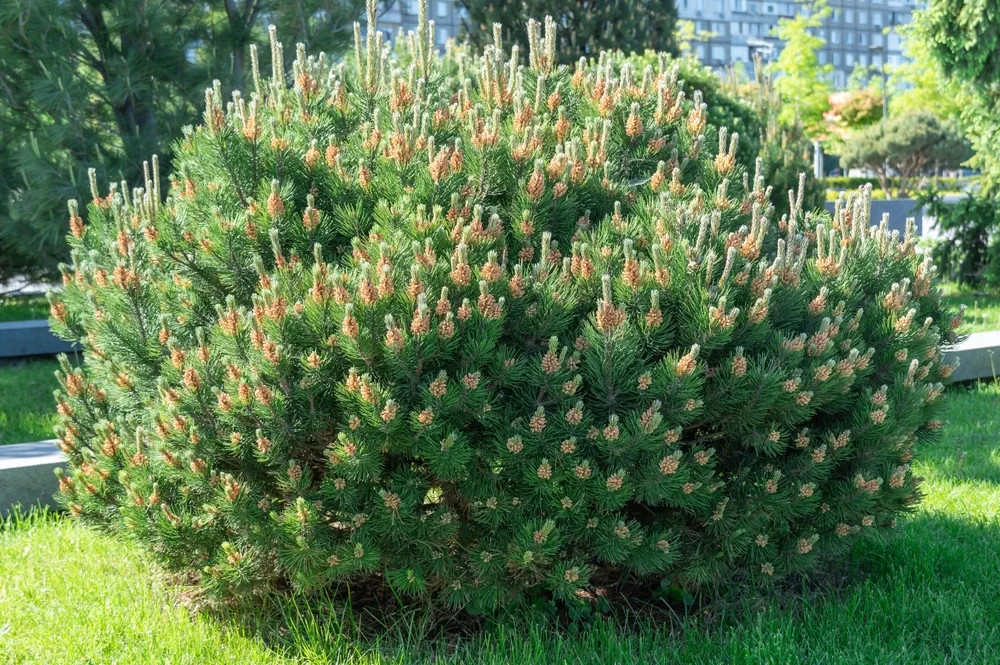
Mugo Pine, also known as Pinus mugo, is a small-sized evergreen tree native to the mountainous regions of Central and Southern Europe. Its striking features include dark green needle-like leaves and cone-shaped structures that house its seeds. The Mugo Pine has become a favorite amongst garden enthusiasts and landscape designers due to its natural beauty and versatility. It is often used in rock gardens, as borders along driveways and walkways, and even as bonsai trees. With its adaptability to different soil types and climates, the Mugo Pine is a beloved addition to gardens and parks all over the world.
The Mugo Pine, scientifically known as Pinus mugo, belongs to the Pinaceae family. The taxonomy of the Mugo Pine is as follows:
- - Kingdom: Plantae
- - Division: Pinophyta
- - Class: Pinopsida
- - Order: Pinales
- - Family: Pinaceae
- - Genus: Pinus
- - Species: P. mugo
Geographically, the Mugo Pine is native to the mountainous regions of southern and central Europe, particularly in the Pyrenees, the Alps, the Erzgebirge, the Carpathians, the Balkan Peninsula mountains, and the High Tatras.
This tree prefers high-elevation habitats and is incredibly resilient, thriving in a variety of conditions - from rocky alpine soils to well-drained garden soil. It can tolerate poor soil, drought, and even salt, making it a robust choice for many landscapes.
Physically, the Mugo Pine is a dwarf, bushy evergreen tree that usually grows 3-5 meters tall but can reach up to 8 meters. Its shape is variable, often sprawling and irregular, with a broad-rounded to flat-topped crown. The branches are thick and sturdy, and the bark is gray-brown and scaly.
The foliage consists of dark green needles that are 3-7 cm long, stiff, and arranged in pairs. The flowers are inconspicuous, but the cones are more noticeable, measuring 2-6 cm long, brown, and often remain on the tree for several years.
Caring for a Mugo Pine involves ensuring it's planted in well-drained soil and a location that receives full sun. It is drought-tolerant once established, but watering during prolonged dry spells will help keep it healthy.
Pruning should be minimal and is best done in late winter or early spring before new growth begins. This can help maintain a compact shape if desired. Fertilization isn't usually necessary unless the soil is deficient in nutrients.
Propagation is typically done through seed, but it can also be propagated via cuttings, although this is more challenging and less commonly done.
The Mugo Pine has several uses. Its compact and rugged growth habit makes it an excellent choice for rock gardens, foundations, or as a specimen plant. It is also used for bonsai. In traditional medicine, various parts of the tree, such as the resin, have been used for their antiseptic properties. The seeds are edible and can be consumed raw or cooked.
Please note that while the Mugo Pine is generally a hardy and adaptable tree, it's always important to consider local environmental conditions and potential impacts on native ecosystems before planting non-native species.
The History of the Mugo Pine in the UK

The Mugo Pine, also known as Pinus mugo, is a species of evergreen pine tree that has been enjoyed in the UK for many years. Though native to the Alps and the Carpathians, this species has been cultivated and grown in the UK since the early 1700s. It is a beautiful tree with a unique appearance, and has been used in a variety of settings including parks, gardens, and even as a bonsai tree. Over the years, many different cultivars of the Mugo Pine have been developed, each with their own distinct shape, colour, and growth habit. With its enduring popularity and rich history in the UK, the Mugo Pine is sure to remain a beloved tree for years to come.
The Mugo Pine, scientifically known as Pinus mugo, is a conifer native to high-elevation habitats from southern to central Europe. Its specific epithet 'mugo' originates from the Italian 'pino mugo', meaning "small mountain pine".
The introduction of Mugo Pine into Britain is not precisely documented, but it's believed to have been brought over due to its attractive qualities and resilience in various climatic conditions. It was used extensively for soil stabilisation and as a pioneer species in parts of Denmark, Sweden and Norway.
In the UK, the Mugo Pine has adapted well to the climate, flourishing particularly in the colder regions. Its ability to withstand harsh weather conditions, combined with its small size and unique aesthetic, has made it popular in landscaping.
Despite its relatively small stature, often only a metre or two high, Mugo Pine has long zigzag stems that occasionally root at the nodes, making it an effective tool for erosion control. Furthermore, it's been used in preventing avalanches due to its sturdy nature.
Historically, Mugo Pines have also found use in construction, given their robust and durable wood. Although not as common as other types of pine in the UK, they have contributed to the country's timber industry.
Ecologically, while the Mugo Pine is not native to the UK, it seems to have integrated into the ecosystem without becoming invasive. It provides shelter and food for various wildlife species and contributes to the biodiversity of the areas where it grows.
However, like many non-native species, the Mugo Pine has had some ecological impact. In some places, it has spread as an invasive species, such as in New Zealand and coastal Denmark.
In conclusion, the Mugo Pine, while not native to the UK, has become a part of the landscape, contributing to both the economy and ecology. It stands as a testament to the adaptability of nature, and the intricate ways in which species can integrate into new environments.
Overview on the Mugo Pine and its Benefits

The Mugo Pine, also known as Pinus mugo, is a species of pine tree that is native to the mountainous regions of central and southern Europe. This evergreen tree is highly valued for its versatility, adaptability, and aesthetic appeal.
The Mugo Pine is a slow-growing tree that can grow up to 20 feet tall and 15 feet wide, making it an excellent choice for small gardens, container gardens, or as a border plant. It also has a unique and attractive appearance, featuring short, dark green needles arranged in tufts and small, cylindrical cones that turn brown and release seeds in the fall. One of the significant benefits of the Mugo Pine is that it requires very little maintenance and is highly resistant to pests and diseases.
Additionally, this tree is known for its ability to improve soil quality and prevent erosion. Whether used as a focal point, texture element, or hedge, the Mugo Pine is an excellent addition to any landscape.
The Mugo Pine, scientifically known as Pinus mugo, is a compact, bushy evergreen tree that can grow anywhere between 3-5 meters tall, although some varieties can reach up to 8 meters. Its shape is typically rounded to flat-topped, with thick, sturdy branches. The needles are dark green, stiff, and arranged in pairs, providing a dense foliage year-round. The cones are brown and often remain on the tree for several years, adding visual interest.
Now, let's delve into the numerous advantages of planting a Mugo Pine.
- Privacy: Thanks to its dense foliage, the Mugo Pine can act as an excellent natural privacy screen, making it a great choice for boundary planting in both home gardens and commercial landscapes.
- Weather Resistance: Mugo Pines are highly resilient and can withstand harsh weather conditions including drought and cold temperatures. This makes them ideal for locations with challenging climates.
- Low Maintenance: Mugo Pines are relatively low maintenance. They're tolerant to a variety of soil conditions, require minimal pruning, and are resistant to most pests and diseases. This makes them a practical choice for those seeking a low-care option for their landscape.
- Ecosystem Benefits: Despite being non-native to many areas, Mugo Pines can contribute to local biodiversity by providing shelter and food for various wildlife species.
- Aesthetic Appeal: With their unique, rugged appearance and evergreen needles, Mugo Pines can add year-round beauty and interest to any landscape.
Types of Mugo Pines for Different Landscapes

Mugo pines are popular evergreen trees for landscaping due to their versatility and low maintenance. There are many different types of mugo pines available on the market, each with their unique features and characteristics that make them well-suited for particular landscapes. For instance, the dwarf mugo pine is ideal for small gardens or rockeries, while the pumilio mugo pine is perfect for pathways and borders due to its dense and compact habit.
On the other hand, the mops mugo pine is a great choice for larger gardens or as a focal point due to its striking yellow foliage. No matter what kind of landscape you have, there is a mugo pine variety that can enhance its beauty and appeal.
A list of Different Varieties of Mugo Pines
- along with a brief paragraph on each:
Mugo Pine 'Mops'
: This dwarf cultivar grows up to 3 feet tall and 4 feet wide. It is characterized by its dense, compact growth and a rounded form. Its needles are dark green and shorter than other Mugo Pine varieties, with lengths of around 1 inch. 'Mops' is a slow-grower, adding only around 2 inches of growth per year.
Mugo Pine 'Slowmound'
: This popular cultivar is known for its compact, round-growing habit. It grows up to 3-4 feet tall and wide, with short, drooping needles of bright green color. The 'Slowmound' Mugo Pine grows very slowly, only adding an inch of height each year.
Mugo Pine 'Gnom'
: This dwarf variety only grows to about 2-3 feet tall and 3-4 feet wide. It has dark needles of about 1 to 1 ½ inches, forming a low, mounding habit. The 'Gnom' Mugo Pine is a slow grower and prefers full sun to partial shade, and well-drained soil.
Mugo Pine 'Compacta'
: Growing to a height of about 5-6 feet and a spread of 8-10 feet, the 'Compacta' variety of Mugo Pine has a compact and uniform growth habit. The needles are around 2 inches long and come in a dark green color. It prefers full sun and well-drained soil, and spectrums a moderate growth rate.
Mugo Pine 'Sherwood Compact'
: This Mugo Pine is a slow-growing miniature type, with a maximum of 1 foot of height at maturity and a spread of about 2 feet. It has bright green needles, and its long branches have a weeping habit. The 'Sherwood Compact' variety prefers well-drained soil and full sun.
Mugo Pine 'Varella'
: This is a unique Mugo Pine cultivar with twisted needles that come in a bright yellow-green color. It grows in a columnar shape with a height of 10-12 feet and 5-6 feet wide. 'Varella' Mugo Pine has a moderate growth rate and prefers well-drained soil in full sun.
Mugo Pine 'Carstens Wintergold'
: This slow-growing Mugo Pine cultivar has yellow-green needles that turn golden during the winter months. It's dwarf, compact and has a rounded growth habit, reaching around 3 feet tall and 4 feet wide at maturity. 'Carstens Wintergold' prefers full sun with well-drained soil.
Mugo Pine 'Pumilio'
: This dwarf cultivar of Mugo Pine grows to about 3 feet tall and 4 feet wide with short and dense needles and a bushy habit. 'Pumilio' Mugo Pine offers needle colors ranging from green and yellow-green needles that turn golden in cold weather conditions. It prefers full sun and well-drained, moist soil.
Mugo Pine 'Humpy'
: This slow-growing Mugo Pine has a unique shape with irregular and compact growth patterns. It measures 2-3 feet tall and wide at maturity, with blue-green needles. 'Humpy' is known for its distinctive shape, forming a dense mound. It prefers full sun to partial shade and well-drained soils.
Mugo Pine 'Mughus'
: This cultivar of Mugo Pine offers a shrubby and low-growing habit, growing to about 2-3 feet tall and 4-5 feet wide at maturity. It has short needles of about 1-1.5 inches in length that are dark green in color. 'Mughus' Mugo Pine is a slow grower and prefers full sun with well-drained soil.The Characteristics of the Mugo Pine, The Shrub, The Tree and Bonsai

The Mugo Pine is a versatile plant that can be found in several forms including shrubs, trees, and bonsai. Each of these forms has characteristics that make them unique and valuable additions to any garden or landscape. The shrub form of the Mugo Pine is a compact and durable plant that is perfect for low hedges or borders in rock gardens. The tree form, on the other hand, is more imposing with its tall stature and wide spread, making it a great focal point in any large landscape design. The bonsai form is a smaller, more delicate version of the Mugo Pine, carefully pruned and crafted into a miniature work of art. With its many forms and unique characteristics, the Mugo Pine is a plant that can be enjoyed by anyone, from novice gardeners to experienced landscapers.
Mugo Pine (Pinus mugo) Guide: Shrubs, Trees, and Bonsai The Mugo Pine, or Pinus mugo, is a versatile species that can be grown as shrubs, trees, or even as bonsai. This evergreen conifer is native to the mountainous regions of Central and Southern Europe but has been widely cultivated in various parts of the world due to its resilience and aesthetic appeal.
-
1. Mugo Pine as Shrubs
- Mugo Pines are often grown as shrubs due to their compact, bushy growth habit. They typically grow 3-5 meters tall and wide, although dwarf varieties can be much smaller. The foliage is dark green, with stiff, paired needles that remain year-round. The flowers are inconspicuous, but the small, brown cones add visual interest.
- Shrub forms of Mugo Pine thrive in full sun and well-drained soil. They are drought-tolerant once established and can withstand harsh weather conditions, making them ideal for rock gardens, borders, or foundation plantings. Minimal pruning is required, mainly to maintain shape and size.
-
2. Mugo Pine as Trees
- When grown as trees, Mugo Pines can reach up to 8 meters in height. They have a broad-rounded to flat-topped crown, with thick, sturdy branches. The bark is gray-brown and scaly.
- Tree forms prefer similar conditions to the shrub forms - full sun and well-drained soil. They are equally resilient and require little maintenance beyond occasional watering during dry spells and minimal pruning.
-
3. Mugo Pine as Bonsai
- Mugo Pines make excellent bonsai due to their compact growth habit and attractive foliage. Bonsai specimens often mimic the rugged, windswept appearance of pines found in high alpine environments.
- Bonsai Mugo Pines prefer a sunny location with good air circulation. They require a well-draining bonsai soil mix and regular watering, but should not be overwatered as this can lead to root rot. Pruning and wiring can be done to maintain shape and size, but care should be taken not to damage the bark.
Special Features and Uses Mugo Pines, in all forms, are known for their resilience and adaptability. They are resistant to deer, drought, air pollution, and salt, making them suitable for urban planting or coastal areas. Their dense foliage provides excellent shelter for birds and other wildlife.
In landscaping, Mugo Pines are valued for their year-round interest and low maintenance requirements. They can be used as specimen plants, in group plantings, or as privacy screens. The tree form is ideal for windbreaks or noise barriers, while the shrub form is perfect for smaller gardens or borders. The bonsai form offers an opportunity for creativity and can be a beautiful addition to a patio, balcony, or indoor space.
Remember, while Mugo Pines are generally easy to grow, it's important to consider your specific environmental conditions and adjust care practices accordingly. Always ensure that the plants have adequate drainage to prevent waterlogging and potential root diseases.
A Comprehensive Guide to Successfully Cultivating and Growing the Mugo Pine as a Shrub, a Tree, or a Bonsai Plant
.The Essential Differences Between Shrubs, Trees, and Bonsai Plants:
A shrub is a plant that typically has multiple stems and grows lower to the ground, whereas a tree has a single trunk and grows taller. Bonsai plants are simply dwarfed versions of trees, grown and shaped in a shallow container.
The different forms of Mugo Pine require different growing strategies due to their unique growth habits. Mugo Pine shrubs are best pruned to maintain their compact, bushy form. Mugo Pine trees need more space to grow tall and must be pruned to maintain their shape. Bonsai Mugo Pines require specific pruning techniques to create the desired miniature form.
Conditions for Cultivating the Mugo Pine
- : Soil type: Mugo Pine prefers well-draining soil that is slightly acidic to neutral (between 5.0 and 7.0 pH).
- Amount of sunlight: Mugo Pine thrives in full sun to partial shade.
- Fertilizer: Add a balanced fertilizer in the spring, just as new growth begins to emerge, and again in the fall before winter sets in. Mugo Pine benefits from a slow-release fertilizer.
- Watering schedules: Water deeply once a week, ensuring that the soil drains well. Water more often during hot summer months and less often in the winter. Watering can be aided by the use of mulch, which will help retain moisture in the soil.
- Pest control techniques: Mugo Pine is generally pest-free, but occasionally, it can fall prey to Spider Mites, bark beetles, and scale insects. Keeping the plant healthy will prevent pests from targeting the tree. In the event of an infestation, treat the tree with insecticidal soap or neem oil.
Planting:
- Select the desired form of Mugo Pine (shrub, tree, or Bonsai) and choose an appropriate location. Bonsai requires a shallow pot, while shrubs and trees require a larger hole.
- Dig a hole twice the width of the plant and as deep as the container, if planting a tree or shrub. Add organic material to the soil and mix it well.
- Gently remove the Mugo Pine from its container and place it in the hole. Fill in any gaps with the soil mixture and press down gently.
- Water your newly planted Mugo Pine deeply.
Pruning and Shaping:
- Mugo Pine shrubs: Prune in late winter or early spring before new growth emerges. Cut back one-third of the previous year's growth to encourage bushiness.
- Mugo Pine trees: Prune in early spring, before new growth appears. Remove dead, diseased, or crossing branches, to maintain a central leader and maintain the shape of the tree.
- Bonsai Mugo Pines: Pinch new growth in the spring to maintain the desired shape. Cut back branches to maintain the desired form, and carefully wire larger branches to shape them.
Maintaining:
- Fertilize as discussed above.
- Mulch your Mugo Pine to conserve moisture and regulate soil temperature.
- Check your Mugo Pine regularly for pests and diseases.
- Watch for signs of nutrient deficiencies and adjust fertilization as needed.
Tips and Tricks:
- Mugo Pine is slow-growing and low-maintenance, making it an ideal plant for beginners.
- Overwatering is one of the most common mistakes that can cause Mugo Pines to fail.
- During the first two years of growth, avoid overfeeding as excessive growth can create stress in the plant.
- Prune and shape Mugo Pine in late winter or early spring, before new growth appears.
Preparing the Soil for Planting

Before planting anything in your garden, it's essential to prepare the soil properly. The health of your plants depends on the quality of soil they're planted in.
You'll want to start by testing the soil and examining its nutrient content. Depending on what the test results show, you may need to add certain amendments to improve the soil's fertility.
This could include things like compost, manure, or lime. Once you've added any necessary amendments, it's time to loosen the soil to improve aeration and drainage.
You can do this by tilling the soil with a spade or hoe or by using a garden fork to loosen it up manually.
Once the soil is thoroughly worked, you're ready to start planting. Taking the time to properly prepare the soil will pay off in the long run with healthier, sturdier plants and a more bountiful harvest.
In gardening, tilling is the act of breaking up and loosening the soil to prepare it for planting. The process of tilling can be done by either hand tools or with mechanical equipment.
When the soil is tilled, it is broken up into smaller, finer particles, allowing for better water and nutrient absorption. Tilling also helps to remove any weeds, rocks, or other debris from the soil.
Tilling can be beneficial in many ways such as allowing for better root growth and penetration into the soil, increasing the soil's ability to hold water, and improving the soil's fertility. Tilling also helps to release nutrients locked up in the soil, making them more available to the plants.
Overall, tilling is an essential process in gardening, as it helps to create the optimal growing environment for plants. It's important to note that excessive tilling can also cause problems such as soil erosion, compaction, and loss of organic matter, so it's important to find the right balance for your specific garden.
How to Plant the Mugo Pine

Planting the Mugo Pine might seem like a daunting task, but with a few simple steps, you'll have a thriving tree in your yard in no time. First things first, choose a location that provides full to partial sunlight and has well-draining soil.
Dig a hole twice as wide as the root ball and deep enough that the top of the root ball sits slightly above the soil level. Mix the soil you've removed with compost or peat moss to enrich it before returning it to the hole.
Place the Mugo Pine in the hole, being careful not to damage the roots, and backfill with the amended soil. Water thoroughly and mulch around the tree to retain moisture. With proper care and maintenance, your Mugo Pine will flourish and provide beauty to your outdoor space for years to come.
A Comprehensive Guide for Planting Mugo Pine:
Materials:- Mugo Pine sapling
- Shovel or garden spade
- Organic matter like peat moss or compost (optional)
- Choose a location with full sun or partial shade, and well-draining soil. Mugo Pines prefer slightly acidic to neutral soil with a pH range of 5.0 and 7.0.
- Dig a hole twice the width of the pot or existing root ball from the Mugo Pine sapling and make sure the hole is deep enough to accommodate the root ball.
- If the soil in the area is clay-heavy or dense, mix in some organic matter like peat moss or compost into the soil to improve drainage. Alternatively, you can add some drainage material like gravel or small pebbles at the bottom of the hole to improve drainage.
- Gently remove the Mugo Pine sapling from the pot or container and loosen any tangled roots. If the Mugo Pine sapling has a lot of wrapper roots circling in the container, be sure to untangle and spread apart the roots before planting.
- Place the Mugo Pine sapling in the center of the prepared hole, making sure it’s planted at the same depth as it was in the pot or container.
- Backfill around the Mugo Pine sapling with the excavated soil, making sure it’s firm and snug around the base of the tree.
- Water the Mugo Pine sapling deeply to help alleviate any air pockets around the small roots.
- Once the ground has settled or the soil has compacted, add a layer of mulch around the planted tree to help reduce water loss and retain moisture.
- When planting multiple Mugo Pines, leave at least two to three feet of space between the trees to provide ample growing space.
- Water regularly during the first few weeks and months after planting.
- For container-grown Mugo Pines, plant them in the fall or winter when the tree is dormant.
- For bare root Mugo Pines, plant them when they are in their dormant period.
By following these simple steps, you should be able to successfully plant and grow a healthy Mugo Pine tree.
Tips on Watering and Fertilizing Your Tree

To keep your trees healthy and thriving, proper watering and fertilization are essential. When it comes to watering, it's important to give your trees a deep, thorough watering rather than light, frequent sprays. This will help the roots to grow deep and strong, making the tree more resilient to drought.
Fertilizing should be done in the spring and fall, using a slow-release fertilizer that will provide nutrients to the tree over a longer period of time. Be careful not to over-fertilize, as this can actually harm the tree.
By following these tips, you can ensure that your trees grow strong and healthy for years to come.
Here are some tips on watering and fertilizing your Mugo Pine to ensure it stays healthy and vibrant:
Watering:- Mugo Pines prefer well-drained soil, so be sure not to overwater them, as standing water can lead to Root Rot.
- Water deeply once a week, ensuring that the soil drains well, rather than frequent shallow watering.
- During hot summer months, you may need to water more often, while in the winter, you may need to water less frequently.
- Watering can be aided by the use of mulch, which will help retain moisture in the soil.
- Fertilize your Mugo Pine in early spring, just as new growth begins to emerge.
- Mugo Pines benefit from a slow-release fertilizer, which will provide nutrients over an extended period.
- Use a balanced fertilizer that contains an equal ratio of nitrogen, phosphorus, and potassium.
- Avoid over-fertilizing your Mugo Pine, as this can cause rapid growth and stress on the plant.
- Organic fertilizers like compost and aged manure can also be used to offer nutrients to the soil and the Mugo Pine.
Following these tips on watering and fertilizing your Mugo Pine will help ensure that it receives the necessary nutrients and moisture it needs to thrive. Be sure to monitor your Mugo Pine's growth and adjust your watering and fertilizing schedules as needed.
Pests, Diseases and Threats to the Mugo Pine

The Mugo Pine is a beautiful and popular choice for landscaping due to its hardy nature and ability to be shaped into unique forms. However, like all plants, it is vulnerable to pests, diseases, and other threats. One particularly damaging pest is the sawfly, which can strip the needles from the tree and stunt its growth. Diseases such as Root Rot and Needle Blight can also harm the Mugo Pine.
In addition to these dangers, the increasing threat of climate change and air pollution can also negatively impact this species. Nevertheless, with proper care and attention, these threats can be minimized, allowing the Mugo Pine to continue to thrive in gardens and landscapes for years to come.
To conclude, the Mugo Pine is a hardy and resilient species with many practical uses in landscaping and for the home. Its deep roots make it a great choice for windy areas, while its attractive and diverse ornamentals deliver year-round interest. With careful planning and maintenance, the Mugo Pine can thrive in any UK climate, providing a majestic backdrop to any garden or outdoor space. For those looking to create an evergreen paradise of their own, the Mugo Pine is a superb choice. With its low maintenance, versatile form and low cost, it’s undoubtedly one of the best mugos you can buy - offering something truly unique for your landscape oasis! You can have faith in the little shrub that has been mostly forgotten but will always be remembered as one of nature's favorite choices!
A comprehensive list of pests, diseases, and environmental threats that can affect the health of the Mugo Pine tree
: Pests:
- Pine Sawflies: Sawflies are caterpillar-like insects that feed on the needles of the Mugo Pine tree, causing defoliation and stunting of new growth. They can be identified by their green or grayish color and narrow waist.
- Pine Needle Scale: These insects attach themselves to the needles and suck the sap from the tree's twigs, causing stunted growth and yellowing of the needles. They are small, flattened, and covered with a white or grayish scale.
- Pine Shoot Beetle: These beetles bore into the shoots of the Mugo Pine tree and can cause the death of the new shoots. Adult beetles are reddish-brown and about 1/4 inch long.
- Spider Mites: These tiny insects are difficult to detect but can cause yellow stippling on the needles of the Mugo Pine tree. They are usually found on the undersides of the needles and can be identified by their webbing.
- Pine Wilt Disease: A soil-borne fungus that infects the roots and trunk of the Mugo Pine tree, causing yellowing, wilting, and death of the tree over time. Infected trees usually have a reddish-brown discoloration in their sapwood.
- Needle Cast: A fungal disease that causes the death of needles on the lower branches of the Mugo Pine tree, leading to the thinning of foliage and stunted growth. Needles infected with needle cast will turn yellow or brown and fall off.
- Canker Diseases: These fungal diseases cause sunken areas or lesions on the bark of the Mugo Pine tree, which can eventually lead to branch dieback or death of the entire tree. Symptoms include oozing of sap, wilting of needles, and browning of the bark.
- Rust Diseases: These fungal diseases cause yellow or brown spots on the needles of the Mugo Pine tree, as well as the eventual death of the needles. Rust diseases can also cause the formation of galls, which are abnormal growths on the stems of the tree.
- Poor Soil Quality: Mugo Pines prefer well-drained soil that is slightly acidic to neutral. Soil with poor drainage or high alkalinity can stunt the growth of the tree and make it more susceptible to diseases.
- Air Pollution: Mugo Pines are especially sensitive to air pollution and can suffer from reduced growth rates and overall health. Pollutants in the air can also weaken the tree's immune system, making it more susceptible to pests and diseases.
- Drought: Mugo Pines need regular watering, especially during hot and dry periods. A lack of water can cause the tree's needles to turn brown and fall off, as well as stunt its growth.
- Winter Burn: Winter burn occurs when the needles of the Mugo Pine tree dry out due to exposure to harsh winter winds and sunlight. Symptoms include brown or rust-colored needles and needle drop.
By taking preventive measures such as regular watering, maintaining healthy soil quality, and monitoring tree health, gardeners can help to prevent and treat these common pests, diseases, and environmental threats.
The Most Successful Propagation methods of the Mugo Pine

The Mugo Pine is a popular shrub that can add a touch of elegance to any garden. One of the keys to success with this plant is propagation methods. While there are many techniques you can try, some have proven to be more successful than others.
Root cuttings, for example, are an effective way to propagate the Mugo Pine.
Another method is grafting, which can help to speed up the growth process and create a stronger plant. Whatever method you choose, it's important to remember that careful attention and patience are essential for success. By taking the time to learn about propagation methods, you can ensure that your Mugo Pine will thrive and bring beauty to your yard for years to come.
The Complete Guide, How to Propagate the Mugo Pine using the Root Cutting Method

Are you looking for an easy way to propagate the Mugo Pine? Or maybe you've been curious to learn more about this classic evergreen conifer, and would like to see some of your own grown at home. We’re here to help take the guesswork out - and make propagation possible! Follow our complete guide on how to propagate the Mugo Pine using root cutting. With a few simple steps, you can soon be harvesting these beautiful winter greens in your garden! Let's get started!
What You'll Need Before Starting the Propagation Process

Before beginning the propagation process, it's important to ensure that you have all the necessary supplies on hand. Firstly, you'll need to have a clean pair of shears or pruning scissors. These tools are essential for taking cuttings from the parent plant and will make a clean cut to prevent any damage to the stem. Secondly, you'll need a rooting hormone. This product promotes root growth in cuttings and can be applied directly to the stem before planting in soil. Additionally, you'll need small pots or containers for planting the cuttings in, as well as soil or a soilless mix. Finally, it's important to have a warm, well-lit area to place the cuttings while they root. By having all these supplies on hand and ready to go, you'll be one step closer to successfully propagating your plants.
Step-by-Step Guide on How to Propagate the Mugo Pine using the Root Cutting Method

The Mugo Pine is a stunning evergreen shrub that can bring a touch of natural beauty to any landscape. If you're interested in propagating this plant, the root cutting method is an effective and reliable way to do it. To start, you'll need to choose a healthy and vibrant Mugo Pine to take root cuttings from.
Then, carefully dig up the roots near the base of the plant and cut them into sections that are 3-4 inches long. Next, prepare pots filled with well-draining soil and plant the cuttings about an inch deep.
Finally, place the pots in a warm and sunny location and water them regularly. With time and patience, your Mugo Pine cuttings will begin to sprout new growth and develop into beautiful new plants. Propagating plants through root cuttings is a rewarding and exciting way to watch nature work its magic.
A step-by-step guide on how to propagate Mugo Pine using the root cutting method:

Equipment and tools needed:
- A sharp, clean pair of pruning shears
- Garden gloves
- Rooting hormone powder
- Perlite or coarse sand
- Peat moss or vermiculite
- Small containers with drainage holes (2-4 inches in diameter)
- Plastic wrap or bag
- Watering can or spray bottle
Step-by-Step Guide:
- Choose a healthy and well-established Mugo Pine tree to take the root cuttings from. Cutting the roots will cause some stress to the plant, so it's important to select a tree that is strong and in good health.
- In early spring or early autumn, when the plant is dormant, use pruning shears to cut a few small sections of roots from the end of one of the tree's lateral roots. These sections should be about 2 inches long and 1/4 inch in diameter. Make sure each section has at least one small root attached.
- Immediately dust the cut ends of the root cuttings with rooting hormone powder to help stimulate growth.
- Choose a well-draining potting mix for your containers. A mixture of equal parts perlite or coarse sand and peat moss or vermiculite is ideal for rooting pine cuttings.
- Fill the small containers with the potting mix and water it thoroughly.
- Use a pencil or small stick to create a hole in the center of each container, deep enough to accommodate the cutting.
- Gently insert each cutting into a hole and press the soil around it to make sure it's in firm contact with the mix. Be sure to label each container with the name and date.
- Cover the containers with plastic wrap or a plastic bag to create a mini greenhouse-like environment and keep the cuttings moist. Place the containers in an area with indirect sunlight, in temperatures around 70°F (21°C).
- Water the cuttings regularly to keep the soil moist but not waterlogged. Use a spray bottle to avoid disturbing the cuttings.
- After a few weeks, new growth should appear on the cuttings. At this stage, remove the plastic wrap or bag to allow the cuttings to adjust to the new environment.
- Regularly monitor the progress of the new plants by checking the soil moisture and new growth. Water regularly and make sure the potting mix stays moist.
- After two to three months, when the new plants are well established and have a good root system, they can be transplanted into larger containers or planted outside into a permanent location.
Helpful tips and tricks:
- Always use a sharp, clean pair of pruning shears to avoid damaging the plant or spreading disease.
- Using rooting hormone powder is not necessary, but it can help increase the success rate of your root cuttings.
- Keep the containers in a warm, humid environment to promote the growth of new roots.
- Be patient! It may take several months before you see new growth on your cuttings.
Possible issues and solutions:
- If the soil mix is too wet, the cuttings may rot before they have a chance to root. To avoid this, make sure the potting mix is well-draining and that the containers have good drainage holes.
- If the cuttings start to wilt or look unhealthy, this could be a sign that they need more or less water. Adjust the watering schedule accordingly.
- If the cuttings are not showing any signs of new growth after a few weeks, they may be dead. If this happens, try taking new cuttings and starting the process again.
- With this guide, you should now be able to successfully propagate Mugo Pine using the root cutting method. Enjoy watching your new plants grow!
Tips for Maximizing Success with this Method

If you're new to this method, or have been using it for a while without getting the results you were hoping for, fear not. Here are some tips that can help you maximize your success. Firstly, be consistent in your efforts. This means setting aside regular time to practice the method, rather than just doing it sporadically. It also means putting in the effort to really understand the concepts behind the method, rather than just following instructions blindly. Secondly, make sure you're taking care of yourself. Success requires energy and focus, so make sure you're eating well, getting enough sleep, and taking breaks when needed. Lastly, don't be afraid to ask for help. Whether it's from a colleague, friend, or online community, getting feedback and support can be invaluable in helping you overcome obstacles and reach your goals. With these tips in mind, you'll be well on your way to mastering this method and achieving success.
Identifying Potential Disease and Insect Problems with Mature Mugo Pines
As one of the most frequently grown species in gardens and landscapes across the country, Mugo Pines are cherished by many gardeners for their evergreen foliage and ability to thrive in a variety of conditions. However, just like any other plant, they are prone to disease and insect attacks. Identifying potential problems early on is key to keeping your pine trees healthy and strong. One way to do this is to regularly examine the needles, branches, and bark of your Mugo Pines for any signs of discoloration, damage, or unusual growth patterns. Keep a watchful eye out for pests such as Spider Mites, scale insects, and pine tip moths, which can cause significant harm if left untreated. By staying vigilant and taking immediate action when needed, you can help your mature Mugo Pines flourish for years to come.
Wrapping Up - A Final Checklist of To-Dos for Optimal Results

As we near the end of a project, it's important to have a final checklist of to-dos to ensure optimal results. Taking the time to review and wrap up loose ends can make all the difference in delivering a successful outcome. From quality control checks to final edits, each step is crucial to guarantee the best possible outcome. Creating a systematic approach to your final checklist can help to streamline the process and ensure that no important steps are missed. By taking the extra time and effort to ensure everything is in order, you can rest easy knowing that your project is set up for long-term success. Congratulations! You've now taken the necessary steps to propagate Mugo Pine through root cutting. This relatively simple process is sure to yield great results and provide you with the perfect addition to your garden, if carried out properly. Remember, selecting disease-resistant stock is essential for a healthy mature Mugo Pine. Furthermore, watering regularly, removing dead branches and needles, treating insect infestations promptly, and adding fertilizer on occasion will help create and maintain an attractive evergreen for your outdoor space. Taking these precautions can ensure that your propagation efforts are successful in the long-term and it will provide you with a beautiful Mugo Pine for years to come!
A Complete Guide to Pruning the Mugo Pine in the UK

Pruning a Mugo Pine can be an intimidating task, especially if you're a novice gardener in the UK. After all, selecting and executing the right pruning process is vital to maintain healthy growth and preserve the best shape of your specimen. Whether you’re new to pruning trees or need a refresher on Mugo Pine care, this complete guide will provide insight into the essential techniques for keeping your pine tree beautiful and thriving year-round!
Understanding the Needs of the Mugo Pine Tree

The Mugo Pine tree, also known as the Swiss Mountain Pine, is a popular and resilient species that is often used for landscaping and gardening purposes. Understanding the specific needs of this unique tree is essential for its optimal growth and health. The Mugo Pine thrives in well-drained soil and prefers full sunlight or light shade. It also requires moderate watering, especially during the hot and dry months of summer.
Additionally, pruning and shaping the tree can help to maintain its size and overall appearance. With the right care and attention, the Mugo Pine tree can flourish and add charm and character to any outdoor space.
Identifying the Ideal Growing Conditions for a Mugo Pine
The Mugo Pine is a beautiful and resilient tree that can thrive in a variety of conditions, but it's important to understand its ideal growing environment to ensure it reaches its full potential. This evergreen is native to the alpine forests of Central Europe and prefers cooler temperatures and humidity. It enjoys well-drained soil that's slightly acidic and adequate sunlight. The tree is also low-maintenance and can withstand some neglect, making it a perfect addition to any garden or landscape. By identifying the ideal growing conditions for a Mugo Pine, you can ensure it's healthy, happy, and brings joy to your outdoor space for years to come.
Examining the Different Pruning Techniques for a Mugo Pine

Pruning your Mugo Pine can be a daunting task, but with the right technique, it can improve your plant's health and aesthetic appeal. One technique is the natural pruning method, which involves removing dead, diseased, or damaged branches. This technique is simple and effective, ensuring the health and longevity of your plant.
Another technique is the selective pruning method, which gives you greater control over your plant's shape and structure. With this method, you can target specific branches that are growing too tall or too wide, and sculpt your Mugo Pine to your desired shape.
Understanding these different pruning techniques will help you give your Mugo Pine the care it needs to thrive.
Preparing for Pruning - Tools and Supplies Needed

As the seasons change, it's time to think about pruning your trees and shrubs. While pruning can seem overwhelming, having the right tools and supplies can make the job much easier. First and foremost, investing in a good pair of pruning shears is essential. These will allow you to easily snip small branches and stems. For larger branches, a pruning saw is necessary.
Additionally, be sure to have a ladder or step stool on hand to reach the higher branches. Gloves can protect your hands from thorns and other hazards, and a tarp or drop cloth is helpful for collecting and disposing of debris. By having these tools and supplies ready, you'll be able to tackle your pruning with ease and confidence.
Pruning and Trimming Mugo Pines

The Mugo pine is a beautiful and popular evergreen that can add a stunning touch to any garden or landscape. However, like all trees and plants, it needs to be properly maintained in order to thrive. Pruning and trimming Mugo pines is an essential part of caring for these majestic trees.
When done correctly, it not only ensures the tree's health and longevity, but also enhances its natural beauty. Knowing how and when to trim your Mugo pine can be a challenge, but by following a few simple guidelines, you can take the necessary steps to maintain its health and vibrant appearance for many years to come.
How to Prune your Mugo Pine Correctly in Three Steps

Mugo pines are great additions to any garden with their dense, bushy foliage and low-maintenance requirements. However, like any plant, they require occasional pruning to ensure they stay healthy and attractive. Learning how to prune your mugo pine correctly might seem like a daunting task, but with just three easy steps, you can keep your pine in tip-top shape.
First, identify any dead or diseased branches and remove them as close to the trunk as possible.
Next, thin out any crossing or crowded branches, being careful not to remove more than a third of the total growth.
Lastly, prune the remaining branches back to a desirable length and shape, taking care to maintain the natural form of the tree. With these simple steps, you'll have a beautiful and healthy mugo pine that will continue to thrive for years to come.
Pruning is an essential maintenance practice for any tree and shrub, including the Mugo pine. Pruning helps to remove dead, diseased, or damaged branches and shape the tree, giving it a neat and attractive appearance. Additionally, pruning promotes healthy growth by allowing light and air to reach the inner parts of the tree.
Before you start pruning your Mugo Pine, you'll need several tools. These include:
- Hand pruners
- Loppers
- Pruning saw
- Pole pruners (for taller trees)
Make sure that all your tools are sharp and clean to avoid damaging the tree. You may also want to wear protective clothing and gloves to protect your hands.
Here are the three crucial steps to prune a Mugo Pine successfully:
Step 1: Identify Dead, Diseased, and Damaged Branches
Start by identifying any dead, diseased, or damaged branches on the Mugo pine. These branches can be easily spotted as they will have no needles or may be discolored. Use your hand pruners to cut off any dead, diseased, or damaged branches as close to the trunk as possible to prevent any further damage to the tree.
Step 2: Thin Out Overcrowded Branches
Next, thin out any overcrowded branches, especially those growing towards the center of the tree. Overcrowded branches prevent light and air from reaching the inner parts of the tree and can lead to poor growth and disease. Use your loppers or pruning saw to remove any overcrowded branches. Make sure that you don't remove more than one-third of the total branches to avoid stressing the tree.
Step 3: Shape the Tree
Finally, shape the Mugo Pine by trimming back any long or unruly branches. This will give the tree a neat and uniform appearance. Use your hand pruners or loppers to trim back any long or unruly branches. Make sure that you maintain the natural shape of the tree while shaping it.
The best time to prune a Mugo Pine is in late winter or early spring, before new growth starts. After pruning, make sure that you water the tree adequately and fertilize it with a balanced fertilizer to promote healthy growth.
Here are some tips and tricks to maintain the health of your Mugo Pine:
- Avoid overwatering the tree, as this can lead to Root Rot.
- Mulch around the base of the tree to retain moisture and prevent weed growth.
- Monitor the tree regularly for any signs of disease or pests and take action immediately to prevent further damage.
- Prune the tree regularly to promote healthy growth and maintain its shape.
By following these steps and tips, you can successfully prune your Mugo Pine and maintain its health for years to come.
Aftercare Tips for Your Recently Pruned Mugo Pine Tree

Now that your Mugo Pine tree has been pruned, it's essential to provide it with proper aftercare to ensure it stays healthy and vibrant. Remember to water the tree deeply and thoroughly, at least once a week, especially during dry periods of the year. Avoid fertilizing the tree until next spring, as it can disrupt its natural growth cycle.
Be careful not to damage the bark when mowing around the base of the tree, as this can cause serious harm. Finally, make sure to keep an eye out for any signs of disease or pests and take action promptly if you notice any issues. By following these aftercare tips, you can help your Mugo Pine tree thrive for years to come.
In conclusion, the mugo pine tree is a very versatile evergreen shrub that adds gorgeous texture and beauty to the landscape. You now have all the knowledge you need to successfully understand and care for your mugo pines. Knowing its needs, ensuring the right growing conditions and pruning at regular intervals will help keep them healthy and thriving year round.
Taking into account the timeline and steps to properly prune your mugo pines allows for better structure, health, shape, and even greater aesthetic value. With regular trimming practices in place, you can rest assured knowing that your efforts have allowed your precious evergreens to look and feel their best for many years to come!
How to Prune Climbing Vines
List by Variety
- How to Prune Actinidia
- How to Prune Akebia
- How to Prune Bougainvillea
- How to Prune Campsis
- How to Prune Celastrus
- How to Prune Chilean Glory Vine
- How to Prune Clematis Armandii
- How to Prune Clematis Montana
- How to Prune Climbing Rose
- How to Prune Hedera GoldHeart
- How to Prune Honeysuckle
- How to Prune Hydrangea Petiolaris
- How to Prune Ivy
- How to Prune Japanese Wisteria
- How to Prune Morning Glory
- How to Prune Parthenocissus
- How to Prune Persian Ivy Hedera Colchica
- How to Prune Schisandra
- How to Prune Star Jasmine
- How to Prune Sweet Peas
- How to Prune True Jasmine
- How to Prune Virginia Creeper
- How to Prune Wisteria
How to Prune Hedges
List by Variety
- How to Prune an Arborvitae Hedge
- How to Prune a Barberry Hedge
- How to Prune a Beech Hedge
- How to Prune a Boxwood Hedge
- How to Prune a Butterfly Bush Hedge
- How to Prune a Cotoneaster Hedge
- How to Prune an English Lavender Hedge
- How to Prune an Escallonia Hedge
- How to Prune an Euonymus-Hedge
- How to Prune a Firethorn Hedge
- How to Prune a Forsythia Hedge
- How to Prune a Griselinia Hedge
- How to Prune a Hawthorn Hedge
- How to Prune a Holly Hedge
- How to Prune a Hornbeam Hedge
- How to Prune a Juniper Hedge
- How to Prune a Laurel Hedge
- How to Prune a Leylandii Hedge
- How to Prune a Lilac Hedge
- How to Prune a Maple Leaf Viburnum Hedge
- How to Prune a Photinia Hedge
- How to Prune a Pink Ramanus Rose Hedge
- How to Prune a Privet Hedge
- How to Prune a Pyracantha Hedge
- How to Prune a Spirea Hedge
- How to Prune a Thuja Hedge
- How to Prune a Viburnum Hedge
- How to Prune a Western Red Cedar Hedge
- How to Prune a Yew Hedge
How to Prune Shrubs
List by Variety
- How to Prune an Abelia Shrub
- How to Prune an Abutilon
- How to Prune an Acer / Japanese-Maple
- How to Prune an Amelanchiers
- How to Prune an Apple-Tree
- How to Prune an Arbovitae Shrub
- How to Prune an Arbutus
- How to Prune an Aucuba
- How to Prune a Azalea Mollis
- How to Prune Azaleas
- How to Prune a Bay Tree Shrub
- How to Prune a Berberis Darwinii
- How to Prune Berberis Deciduous Types
- How to Prune a Boxwood Shrubs
- How to Prune a Brachyglottis Senecio
- How to Prune a Buddleia Alternifolia
- How to Prune Buddleias Butterfly Bushes
- How to Prune a Buddleja Globosa
- How to Prune a Callicarpa
- How to Prune a Camellia
- How to Prune a Caryopteris
- How to Prune a Catalpa Bignonioides Aurea
- How to Prune Ceanothus Deciduous Types
- How to Prune Ceanothus Evergreen Types
- How to Prune a Ceratostigma
- How to Prune a Chaenomeles
- How to Prune a Choisya
- How to Prune a Cistus
- How to Prune a Clematis
- How to Prune a Cornus
- How to Prune a Cotinus Royal Purple
- How to Prune a Cytisus Scoparius
- How to Prune a Exochorda x Macrantha
- How to Prune a Forsythia
- How to Prune a Hebe
- How to Prune a Hydrangeas
- How to Prune Juniper Shrubs
- How to Prune a Lavatera
- How to Prune Lilac Bushes
- How to Prune a Mugo Pine
- How to Prune Rose Bushes
- How to Prune Ribes
- How to Prune Spirea Shrubs
- How to Prune Viburnum Shrubs
- How to Prune a Weigela
- How to Prune a Yew
How to Prune Trees
List by Variety
- How to Prune a Apple Tree
- How to Prune a Apricot Tree
- How to Prune a Ash Tree
- How to Prune a Birch Tree
- How to Prune a Cherry Tree
- How to Prune a Elm Tree
- How to Prune a Fig Tree
- How to Prune a Grape Tree
- How to Prune a Hickory Tree
- How to Prune a Maple Tree
- How to Prune a Oak Tree
- How to Prune an Olive Tree
- How to Prune a Peach Tree
- How to Prune a Pear Tree
- How to Prune a Plum Tree
- How to Prune a Poplar Tree
- How to Prune a Walnut Tree
How to Prune Climbing Vines
List by Variety
- How to Prune Actinidia
- How to Prune Akebia
- How to Prune Bougainvillea
- How to Prune Campsis
- How to Prune Celastrus
- How to Prune Chilean Glory Vine
- How to Prune Clematis Armandii
- How to Prune Clematis Montana
- How to Prune Climbing Rose
- How to Prune Hedera GoldHeart
- How to Prune Honeysuckle
- How to Prune Hydrangea Petiolaris
- How to Prune Ivy
- How to Prune Japanese Wisteria
- How to Prune Morning Glory
- How to Prune Parthenocissus
- How to Prune Persian Ivy Hedera Colchica
- How to Prune Schisandra
- How to Prune Star Jasmine
- How to Prune Sweet Peas
- How to Prune True Jasmine
- How to Prune Virginia Creeper
- How to Prune Wisteria
How to Prune Hedges
List by Variety
- How to Prune an Arborvitae Hedge
- How to Prune a Barberry Hedge
- How to Prune a Beech Hedge
- How to Prune a Boxwood Hedge
- How to Prune a Butterfly Bush Hedge
- How to Prune a Cotoneaster Hedge
- How to Prune an English Lavender Hedge
- How to Prune an Escallonia Hedge
- How to Prune an Euonymus-Hedge
- How to Prune a Firethorn Hedge
- How to Prune a Forsythia Hedge
- How to Prune a Griselinia Hedge
- How to Prune a Hawthorn Hedge
- How to Prune a Holly Hedge
- How to Prune a Hornbeam Hedge
- How to Prune a Juniper Hedge
- How to Prune a Laurel Hedge
- How to Prune a Leylandii Hedge
- How to Prune a Lilac Hedge
- How to Prune a Maple Leaf Viburnum Hedge
- How to Prune a Photinia Hedge
- How to Prune a Pink Ramanus Rose Hedge
- How to Prune a Privet Hedge
- How to Prune a Pyracantha Hedge
- How to Prune a Spirea Hedge
- How to Prune a Thuja Hedge
- How to Prune a Viburnum Hedge
- How to Prune a Western Red Cedar Hedge
- How to Prune a Yew Hedge
How to Prune Shrubs
List by Variety
- How to Prune an Abelia Shrub
- How to Prune an Abutilon
- How to Prune an Acer / Japanese-Maple
- How to Prune an Amelanchiers
- How to Prune an Apple-Tree
- How to Prune an Arbovitae Shrub
- How to Prune an Arbutus
- How to Prune an Aucuba
- How to Prune a Azalea Mollis
- How to Prune Azaleas
- How to Prune a Bay Tree Shrub
- How to Prune a Berberis Darwinii
- How to Prune Berberis Deciduous Types
- How to Prune a Boxwood Shrubs
- How to Prune a Brachyglottis Senecio
- How to Prune a Buddleia Alternifolia
- How to Prune Buddleias Butterfly Bushes
- How to Prune a Buddleja Globosa
- How to Prune a Callicarpa
- How to Prune a Camellia
- How to Prune a Caryopteris
- How to Prune a Catalpa Bignonioides Aurea
- How to Prune Ceanothus Deciduous Types
- How to Prune Ceanothus Evergreen Types
- How to Prune a Ceratostigma
- How to Prune a Chaenomeles
- How to Prune a Choisya
- How to Prune a Cistus
- How to Prune a Clematis
- How to Prune a Cornus
- How to Prune a Cotinus Royal Purple
- How to Prune a Cytisus Scoparius
- How to Prune a Exochorda x Macrantha
- How to Prune a Forsythia
- How to Prune a Hebe
- How to Prune a Hydrangeas
- How to Prune Juniper Shrubs
- How to Prune a Lavatera
- How to Prune Lilac Bushes
- How to Prune a Mugo Pine
- How to Prune Rose Bushes
- How to Prune Ribes
- How to Prune Spirea Shrubs
- How to Prune Viburnum Shrubs
- How to Prune a Weigela
- How to Prune a Yew
How to Prune Trees
List by Variety
- How to Prune a Apple Tree
- How to Prune a Apricot Tree
- How to Prune a Ash Tree
- How to Prune a Birch Tree
- How to Prune a Cherry Tree
- How to Prune a Elm Tree
- How to Prune a Fig Tree
- How to Prune a Grape Tree
- How to Prune a Hickory Tree
- How to Prune a Maple Tree
- How to Prune a Oak Tree
- How to Prune an Olive Tree
- How to Prune a Peach Tree
- How to Prune a Pear Tree
- How to Prune a Plum Tree
- How to Prune a Poplar Tree
- How to Prune a Walnut Tree
Gallery
Necessitatibus eius consequatur ex aliquid fuga eum quidem sint consectetur velit


Michael Carter
Vestibulum ante ipsum primis in faucibus orci luctus et ultrices posuere cubilia curae; Donec vel erat in nulla efficitur tempor non ut nisl. Integer venenatis eros ut dui viverra fermentum.
Sophie Wilson
Nam ut turpis hendrerit, varius nunc vel, elementum dui. Morbi vulputate dolor sit amet scelerisque egestas. Vestibulum eleifend nunc ut bibendum fermentum.
Alex Morgan
Cras non velit nec purus tempor rhoncus. Sed non mauris vitae erat consequat auctor eu in elit. Class aptent taciti sociosqu ad litora torquent per conubia nostra.