Everything You Need to Know About Viburnum Shrubs in the UK
An Overview of a Viburnum Shrub and its benefits in the UK
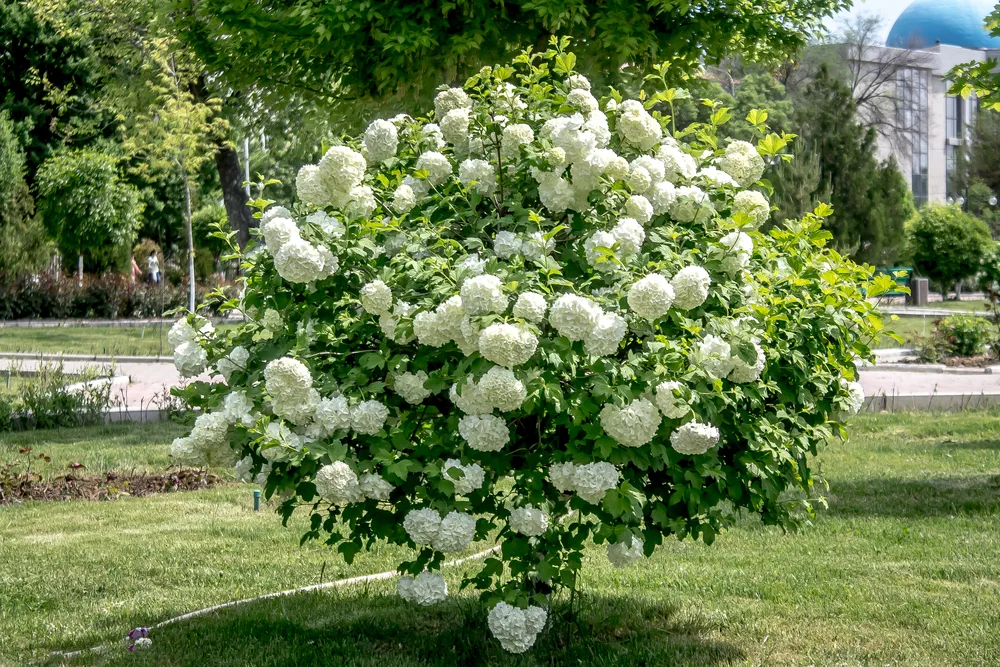
Bush with white flowers buldenezh
Viburnum shrubs are a popular choice for gardeners in the UK, offering a range of benefits that make them an ideal addition to any landscape. These shrubs are known for their hardiness and ability to thrive in a variety of climates, making them a great choice for gardeners in the UK. Viburnum shrubs are also known for their beautiful blooms, which can range from white to pink to deep purple. These blooms are often fragrant, adding a pleasant scent to any garden. Additionally, viburnum shrubs are known for their ability to attract birds and other wildlife, making them a great choice for gardeners looking to create a wildlife-friendly environment. Finally, viburnum shrubs are easy to care for and require minimal maintenance, making them a great choice for busy gardeners.
In conclusion, viburnum shrubs are a great choice for gardeners in the UK, offering a range of benefits that make them an ideal addition to any landscape. With their hardiness, beautiful blooms, ability to attract wildlife, and low maintenance requirements, viburnum shrubs are a great choice for any gardener looking to add a touch of beauty and life to their garden.
Introducing a Viburnum Shrub - Facts and Figures
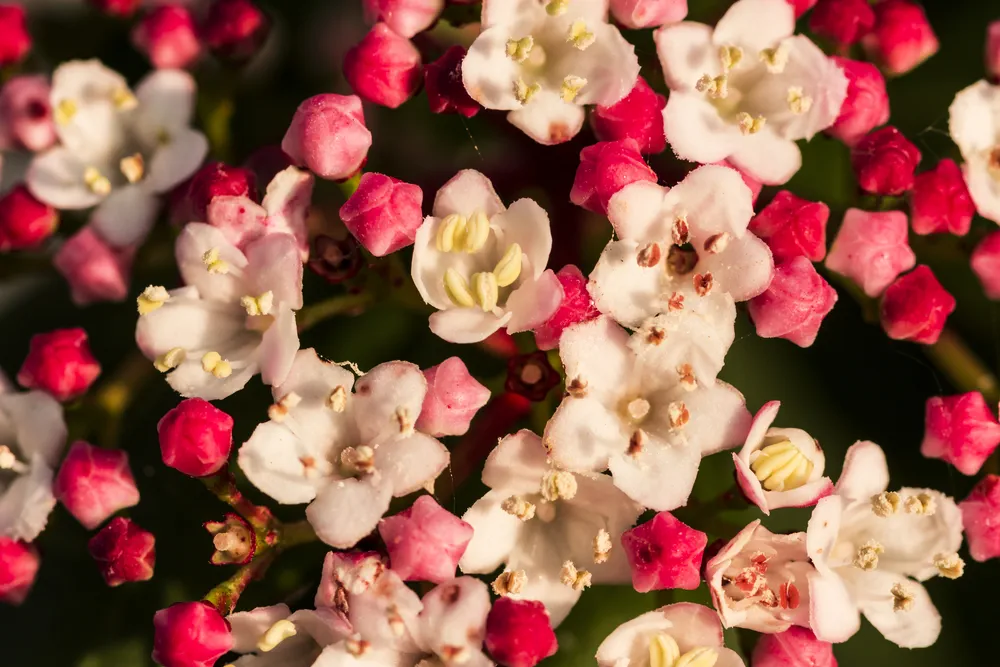
Tender white Viburnum Tinus flowers blooming under the sun. The flower is native in the Mediterranean, Europe and North Africa.
Viburnum shrubs are a popular choice for gardeners in the UK, and for good reason. These hardy shrubs are easy to care for and can provide a beautiful backdrop to any garden. They are also incredibly versatile, with a wide range of varieties that can be used to create a stunning display of colour and texture. Viburnum shrubs are also incredibly resilient, able to withstand harsh weather conditions and thrive in a variety of soil types. With the right care and attention, these shrubs can provide a stunning addition to any garden.
When it comes to planting and caring for viburnum shrubs, there are a few key things to keep in mind. Firstly, it is important to choose the right variety for your garden. Different varieties of viburnum shrubs have different requirements when it comes to soil type, sunlight, and water. It is also important to ensure that the shrub is planted in a well-drained area, as viburnum shrubs are prone to Root Rot if the soil is too wet. Lastly, it is important to prune the shrub regularly to ensure that it remains healthy and grows to its full potential. By following these simple steps, you can ensure that your viburnum shrub will thrive in your garden. With the right care and attention, these hardy shrubs can provide a stunning addition to any landscape.
The History of a Viburnum Shrub in the UK

Green Viburnum Shrub with white flowers
Viburnum shrubs have been a popular choice for gardeners in the UK for centuries. These hardy shrubs are known for their beautiful blooms and lush foliage, making them a great addition to any garden. Viburnum shrubs are also incredibly versatile, as they can be used as a hedge, a border, or a specimen plant. They are also relatively low-maintenance, requiring minimal pruning and fertilizing.
The history of Viburnum shrubs in the UK dates back to the 16th century, when they were first introduced to the country by Dutch traders. Since then, they have become a staple of British gardens, with many varieties being bred specifically for the UK climate. Today, Viburnum shrubs are a popular choice for gardeners looking to add a touch of beauty and elegance to their outdoor spaces. With their vibrant blooms and lush foliage, these shrubs are sure to bring a touch of life and colour to any garden.
The Viburnum Shrub, a genus of about 150-175 species of flowering plants in the moschatel family, Adoxaceae, has a long and illustrious history in the United Kingdom. Its cultivation has been prized for centuries, even before plant hunters discovered the glory of wintersweet and hamamelis.
The earliest known records suggest that Viburnum tinus was one of the first species to be cultivated in the UK. This variety is still highly admired today for its hardiness, evergreen nature, and clusters of white or pink flowers that bloom through the winter.
Another early arrival to the UK was the Guelder Rose (Viburnum opulus). This species has been cherished not only for its attractive flowerheads and bright berries but also for its ornamental value. It's a versatile plant that grows well in various conditions, from full sun to light shade, and prefers moist, well-drained soil.
The late 19th and early 20th century saw an increase in the introduction of new Viburnum species, often brought back by plant collectors from expeditions to Asia and North America. One such collector was Reginald Farrer, who discovered Viburnum farreri in Northern China and wrote of it as the 'most glorious of shrubs'.
An important milestone in the history of Viburnum Shrub cultivation in the UK was the creation of the Viburnum x bodnantense. This hybrid was a cross between Viburnum farreri and Viburnum grandiflorum, made by Charles Puddle in 1935. This cultivar, particularly the 'Dawn' variety, has become a popular choice for gardeners due to its fragrant pink flowers that bloom in winter.
Today, there are many cultivars of Viburnum available, each with its unique attributes. For instance, 'Chippewah', introduced by the U.S. National Arboretum in 1987, is a hybrid cross of V. japonicum and V. dilatatum. These newer cultivars have expanded the appeal and versatility of Viburnum, enabling it to be used in a wider range of garden settings.
In conclusion, the history of Viburnum Shrub cultivation in the UK is a testament to the plant's adaptability, beauty, and enduring popularity. From its early cultivation centuries ago to the introduction of diverse cultivars, Viburnum has firmly rooted itself in the British landscape. Ongoing advancements in cultivation techniques and breeding efforts ensure that this beloved shrub will continue to flourish in the UK for years to come.
Understanding the Different Variations of Species of a Viburnum Shrub, ideal for UK Conditions

Fragrant Snowball Viburnum x bodnantense 'Dawn'
When it comes to understanding the different variations of species of Viburnum shrubs ideal for UK conditions, there are a few key points to consider. Viburnum shrubs are a popular choice for UK gardens due to their hardiness and ability to thrive in a variety of climates. They come in a range of shapes and sizes, from small, compact shrubs to larger, more sprawling varieties. Depending on the species, they can produce fragrant flowers in the spring and summer months, as well as attractive berries in the autumn and winter. When selecting a Viburnum shrub for your garden, it is important to consider the size, shape, and climate requirements of the species to ensure that it is well suited to your garden. With the right care and attention, Viburnum shrubs can provide a beautiful and low-maintenance addition to any UK garden.
The Viburnum genus is a versatile group of shrubs with a wide variety of species that can thrive in the United Kingdom's climate. Here are some of the most popular Viburnum species that are well-suited to UK gardens, along with their characteristics and care requirements:
- Burkwood Viburnum (Viburnum x burkwoodii): This hybrid viburnum is a medium-sized deciduous shrub that produces clusters of strongly fragrant pink-white flowers in the spring. It prefers full sun to partial shade and well-drained soil. Pruning should be minimal, only to maintain shape and remove dead or damaged wood.
- Cinnamon Viburnum (Viburnum cinnamomifolium): Native to China, this evergreen shrub boasts large, dark green leaves and clusters of white flowers in spring. It prefers well-drained soil and partial to full sun. Prune after flowering to maintain size and shape.
- David Viburnum (Viburnum davidii): Known for its metallic blue fruits and leathery leaves, this evergreen shrub prefers well-drained soil and partial shade. Prune lightly in early spring to maintain a compact shape.
- Arrowwood Viburnum (Viburnum dentatum): This hardy shrub features white flowers and dark blue berries, and it can tolerate a range of soil types. It prefers full sun to partial shade. Prune immediately after flowering as it blooms on old wood.
- Korean Spice Viburnum (Viburnum carlesii): Named for its fragrant spring blossoms, this deciduous shrub prefers well-drained soil and full sun to partial shade. Prune after flowering to maintain a compact shape.
- Snowball Viburnum (Viburnum opulus 'Roseum'): Known for its large, snowball-like clusters of flowers, this hardy shrub can tolerate various soil types. It prefers full sun to partial shade. Prune lightly in early spring.
- 'Bailey's Compact' Viburnum (Viburnum trilobum 'Bailey's Compact'): This dwarf cultivar is perfect for small gardens. It produces white flowers in the spring followed by red fruits. It prefers well-drained soil and full sun to partial shade. Prune lightly in early spring.
- 'Blue Muffin' Viburnum (Viburnum dentatum 'Blue Muffin'): A more compact form of the Arrowwood Viburnum, this variety produces clusters of white flowers followed by blue berries. It thrives in well-drained soil and full sun to partial shade. Prune immediately after flowering.
The versatility of Viburnum makes it an excellent choice for any garden or landscape project in the UK. Whether you're creating a wildlife-friendly garden or looking for a flowering hedge, there's a Viburnum species that will suit your needs.
What is the Best Variety of Viburnum Shrub to Grow in the UK?

Viburnum carlcephalum - fragrant snowball
When it comes to growing Viburnum shrubs in the UK, there are a few varieties that stand out as the best options. Viburnum tinus is a popular choice, as it is a hardy evergreen shrub that can tolerate a wide range of temperatures and soil types. It produces fragrant white flowers in the winter and is a great choice for adding year-round interest to the garden. Viburnum opulus is another popular variety, as it is a deciduous shrub that produces clusters of white flowers in the spring and bright red berries in the autumn. It is also a great choice for providing seasonal interest and colour to the garden. Lastly, Viburnum plicatum is a great option for those looking for a more compact shrub, as it is a slow-growing variety that can be easily pruned and shaped. It produces white flowers in the spring and is a great choice for adding structure and texture to the garden.
When it comes to choosing the best variety of Viburnum shrub to grow in the UK, there are a few options to consider. Viburnum tinus, Viburnum opulus, and Viburnum plicatum are all great choices for adding year-round interest and colour to the garden. Each variety has its own unique characteristics and benefits, so it is important to research and choose the one that best suits your needs. With the right care and attention, these shrubs can provide a beautiful and vibrant addition to any garden.
-
Viburnum tinus:
- Physical Characteristics: This evergreen shrub typically grows to a height of 2-4 meters with a similar spread. It has dark green, glossy leaves and clusters of small, fragrant white or pink flowers that bloom from late winter through spring. These are followed by small blue-black berries.
- Geographic Distribution: Viburnum tinus is native to the Mediterranean region and western Asia.
- Climate: It thrives in temperate climates and can handle cooler temperatures but is not frost hardy. It prefers full sun to partial shade and well-drained soil.
- Uses: It's often used for hedging and screening in landscaping due to its dense foliage. In traditional medicine, its leaves were used to treat asthma and respiratory issues.
-
Viburnum opulus:
- Physical Characteristics: Also known as Guelder Rose, this deciduous shrub grows to a height of 4-5 meters with a similar spread. It has maple-like, hand-shaped, lobed leaves that turn beautiful shades of purple and red in the fall. The shrub produces clusters of white flowers in spring, which are followed by bright red berries in the fall.
- Geographic Distribution: Viburnum opulus is native to Europe, northern Africa, and central Asia.
- Climate: It thrives in cool, temperate climates and can withstand frost. It prefers full sun to partial shade and moist, well-drained soil.
- Uses: It's popular in landscaping as an ornamental plant due to its attractive foliage and berries. The berries have been used in jams and jellies, although they are mildly toxic if eaten raw.
-
Viburnum plicatum:
- Physical Characteristics: Known as Japanese Snowball, this deciduous shrub grows to a height of 2-4 meters with a similar spread. It has dark green, deeply veined leaves that turn red-purple in the fall. The shrub is known for its stunning, snowball-like clusters of white flowers that bloom in spring. It does not bear fruit.
- Geographic Distribution: Viburnum plicatum is native to Japan, China, and Taiwan.
- Climate: It thrives in temperate climates, prefers full sun to partial shade, and can tolerate a range of soil types as long as they're well-drained.
- Uses: Due to its beautiful, showy flowers, it's often used as an ornamental plant in landscaping.
In summary, while these three Viburnum species share similarities such as their general size and preference for temperate climates, they each have distinct physical characteristics, native distributions, and uses. For instance, Viburnum tinus stands out for its evergreen nature and medicinal use, Viburnum opulus is notable for its bright red berries and edible use, and Viburnum plicatum is distinguished by its snowball-like flower clusters and lack of fruit.
When is the Best Time of the Year to Plant a Viburnum Shrub in the UK

Viburnum carlcephalum - fragrant snowball
When it comes to planting a Viburnum shrub in the UK, timing is key. Viburnum shrubs are best planted in the late spring or early summer, when the soil is warm and moist. This will give the shrub plenty of time to establish its roots before the cold winter months. Planting in the fall is not recommended, as the cold temperatures can damage the shrub and stunt its growth. Additionally, it is important to ensure that the soil is well-drained and that the shrub is planted in a sunny spot. This will ensure that the shrub receives the necessary nutrients and sunlight to thrive. With the right timing and care, Viburnum shrubs can be a beautiful addition to any UK garden.
Choosing the Right Location to Plant Out your a Viburnum Shrub

A bee on tender white Viburnum Tinus
When it comes to choosing the right location to plant out your Viburnum shrub, there are a few key factors to consider. Firstly, Viburnum shrubs prefer a sunny spot with well-drained soil. They can tolerate partial shade, but will not thrive in full shade. Secondly, Viburnum shrubs need plenty of space to grow, so make sure to give them enough room to spread out. Lastly, Viburnum shrubs are hardy and can tolerate a wide range of temperatures, but they will not survive in areas that experience extreme cold or heat. With these factors in mind, you can easily find the perfect spot to plant your Viburnum shrub and ensure that it will thrive in the UK climate.
Preparing the Soil for Planting the an Viburnum Shrub

Laurustinus (Viburnum tinus)
When it comes to planting a Viburnum shrub in the UK, the most important step is preparing the soil. To ensure that your Viburnum shrub has the best chance of thriving, it is essential to create the ideal soil conditions. Start by digging a hole that is twice as wide and twice as deep as the root ball of the shrub. Then, mix in a generous amount of compost or well-rotted manure to the soil. This will help to improve the soil structure and provide essential nutrients for the shrub. Finally, water the soil thoroughly before planting the shrub. This will help to ensure that the soil is moist and well-drained, creating the perfect environment for your Viburnum shrub to thrive.
The Step-by-Step Guide on How to Plant a Viburnum Shrub in the UK

Snowball flowers Guelder rose blooming
Now that you know the brand voice, let's get into the step-by-step guide on how to plant a Viburnum shrub in the UK. Viburnum shrubs are a popular choice for UK gardeners due to their hardy nature and attractive foliage. To ensure that your Viburnum shrub thrives, it's important to follow the correct planting procedure. First, choose a spot in your garden that receives partial shade and has well-draining soil. Dig a hole that is twice as wide as the root ball of the shrub and just as deep. Place the shrub in the hole and backfill with soil, making sure to firm the soil around the roots. Water the shrub thoroughly and mulch around the base to help retain moisture. Finally, prune the shrub in late winter or early spring to encourage new growth and maintain its shape.
By following these steps, you can successfully plant a Viburnum shrub in your UK garden. With the right care and attention, your Viburnum shrub will thrive and provide you with beautiful foliage and flowers for years to come.
Tools and Materials Required:- Viburnum shrub
- Gardening gloves
- Spade or shovel
- Compost or well-rotted manure
- Mulch
- Watering can or hose
- Step 1: Choose the Right Spot Viburnum shrubs generally prefer full sun to partial shade and a well-drained soil. Some species can tolerate heavy clay soils, but it's always best to check the specific requirements of the variety you have.
- Step 2: Prepare the Planting Hole Using your spade, dig a hole that's twice as wide and just as deep as the root ball of your Viburnum shrub. This gives the roots plenty of room to spread out. If your soil is heavy clay, you might want to add some grit at the bottom of the hole for improved drainage.
- Step 3: Plant the Shrub Remove the Viburnum shrub from its pot. Gently tease out the roots if they're compacted. Place the shrub in the hole, ensuring that the top of the root ball is level with the soil surface. Backfill the hole with a mix of garden soil and compost or well-rotted manure, firming it gently around the base of the shrub.
- Step 4: Water the Shrub Water the shrub thoroughly after planting. This helps settle the soil around the roots and gets your plant off to a good start.
- Step 5: Mulch Around the Base Apply a layer of mulch around the base of the shrub. This helps retain moisture, suppress weeds, and improve soil structure over time.
- Watering: Viburnum shrubs are relatively drought tolerant once established, but they'll need regular watering during dry spells in the first couple of years.
- Feeding: Apply a general-purpose fertilizer in spring to promote healthy growth.
- Pruning: Pruning requirements vary depending on the species. However, most Viburnums benefit from light pruning to maintain their shape and remove any dead or diseased wood. This is best done in late winter or early spring.
Remember, every garden and every plant can have unique needs. Always observe your Viburnum's growth and adjust your care routine as necessary.
How Far apart must a Viburnum Shrub be Planted to make a hedge?

The red leaves of the Viburnum plicatum
When it comes to planting Viburnum shrubs to create a hedge, the spacing between each shrub is an important factor to consider. Viburnum shrubs are a popular choice for hedges in the UK, as they are hardy and easy to maintain. To create a dense and attractive hedge, it is recommended that Viburnum shrubs be planted at least 1.5 metres apart. This will allow the shrubs to grow and fill out, creating a lush and full hedge. If you are looking for a more formal hedge, you can plant the shrubs closer together, at around 1 metre apart. This will create a more structured and uniform hedge.
When planting Viburnum shrubs, it is important to ensure that they are planted in well-draining soil and in a sunny spot. This will ensure that the shrubs have the best chance of thriving and creating a beautiful hedge. With the right care and attention, Viburnum shrubs can create a stunning and low-maintenance hedge that will last for years to come.
Tips for Caring for Your Newly Planted a Viburnum Shrub

White flowers of Japanese Snowball
When it comes to caring for your newly planted Viburnum shrub, there are a few key steps you should take to ensure it thrives in the UK climate. Firstly, it's important to choose the right location for your shrub. Viburnum shrubs prefer a sunny spot with well-drained soil, so make sure to select a spot that meets these requirements. Secondly, water your shrub regularly, especially during dry spells. Viburnum shrubs need plenty of water to stay healthy and vibrant, so make sure to check the soil moisture levels regularly. Lastly, prune your shrub regularly to encourage healthy growth and remove any dead or damaged branches. Pruning should be done in late winter or early spring, and it's important to use sharp, clean tools to ensure a neat and tidy finish.
By following these simple steps, you can ensure that your Viburnum shrub will thrive in the UK climate. With the right care and attention, your shrub will be a beautiful addition to your garden for years to come.
What is the Best Fertilizer Feed for a Viburnum Shrub and When to Apply it?

The sweet viburnum tree hedges
When it comes to caring for Viburnum shrubs in the UK, the best fertilizer feed to use is a balanced fertilizer with a ratio of 10-10-10. This fertilizer contains equal parts of nitrogen, phosphorus, and potassium, which are essential nutrients for healthy plant growth. It is important to apply the fertilizer in the spring and again in the summer, as this will ensure that the shrub has enough nutrients to thrive throughout the growing season. When applying the fertilizer, make sure to spread it evenly around the base of the shrub and water it in thoroughly. This will ensure that the nutrients are absorbed into the soil and can be taken up by the roots of the plant.
A Comprehensive Guide to Fertilizing the a Viburnum Shrub

Decorative viburnum buldenezh
When it comes to fertilizing a Viburnum shrub, it's important to understand the basics of plant nutrition and the specific needs of the Viburnum. Viburnum shrubs are a popular choice for UK gardens, as they are hardy and easy to care for. To ensure that your Viburnum shrub is healthy and thriving, it's important to fertilize it regularly. Fertilizing your Viburnum shrub will help it to grow strong and produce beautiful blooms.
When fertilizing your Viburnum shrub, it's important to choose the right fertilizer for the job. A balanced fertilizer with a ratio of 10-10-10 is ideal for Viburnum shrubs, as it will provide the necessary nutrients for healthy growth. It's also important to apply the fertilizer at the right time of year. The best time to fertilize your Viburnum shrub is in the spring, when the plant is beginning to grow and bloom. Applying fertilizer in the fall can also be beneficial, as it will help the plant to store energy for the winter months. By following these simple steps, you can ensure that your Viburnum shrub is healthy and thriving. Fertilizing your Viburnum shrub regularly will help it to grow strong and produce beautiful blooms. With the right fertilizer and a bit of care, you can enjoy a beautiful Viburnum shrub in your garden for years to come.
How Fast does a Viburnum Shrub Grow

White Snow ball Viburnum Flowers
When it comes to Viburnum shrubs, many gardeners in the UK are curious about how quickly they grow. The answer is that Viburnum shrubs can grow quite quickly, depending on the variety and the conditions in which they are planted. For example, some varieties of Viburnum can reach a height of up to 3 metres in just a few years, while others may take a bit longer. The key to encouraging fast growth is to ensure that the shrub is planted in a sunny spot with well-draining soil and plenty of water. With the right conditions, Viburnum shrubs can be a great addition to any garden, providing a beautiful backdrop of lush foliage and fragrant blooms.
How to Propagate a Viburnum Shrub - List the most Common Methods

red leaves of Viburnum
When it comes to propagating Viburnum shrubs, there are a few different methods that gardeners in the UK can use. The most common methods are layering, cuttings, and division. Layering is a simple and effective way to propagate Viburnum shrubs, as it involves taking a low-lying branch and burying it in the soil. The branch will then form roots and can be separated from the parent plant. Cuttings are another popular method, as they involve taking a cutting from the parent plant and planting it in a pot of soil. The cutting will then form roots and can be transplanted into the garden. Lastly, division is a great way to propagate Viburnum shrubs, as it involves dividing the root system of the parent plant and replanting the sections. All of these methods are easy to do and can be used to propagate Viburnum shrubs in the UK.
A Step-by-Step Guide on How to Propagate a Viburnum Shrub Using the Layering Method

White Snowball Viburnum Carlesii Flowers
Layering is a simple and effective method for propagating many types of shrubs, including Viburnum. It involves encouraging a stem to produce roots while still attached to the parent plant. This method is particularly useful for Viburnum shrubs, as they have flexible stems that can easily be bent down to ground level.
Here's a step-by-step guide to propagate a Viburnum shrub using the layering method:
Tools and Materials Required:- A healthy Viburnum shrub
- A sharp knife
- A spade or trowel
- Wire or twist ties
- Organic compost or well-rotted manure Mulch
- Step 1: Choose the Right Stem Choose a healthy, lower branch on the Viburnum shrub that can be bent down to soil level without breaking. The branch should ideally be from the current season's growth.
- Step 2: Prepare the Stem Make a small upward slanting cut halfway through the stem at a point where it can touch the ground. This is known as the "heel". Gently bend the stem to open up the cut slightly.
- Step 3: Prepare the Soil Dig a small hole in the ground beneath the cut in the stem. Enrich the hole with some organic compost or well-rotted manure.
- Step 4: Layer the Stem Bend the stem down into the hole so that the cut (or "heel") is buried. Secure the stem in place with a piece of wire or a twist tie.
- Step 5: Cover with Soil Backfill the hole with soil, ensuring the "heel" is well covered but the tip of the stem is still exposed and upright. Firm the soil down gently around the base of the stem.
- Step 6: Aftercare Water the layered stem thoroughly. Apply a layer of mulch around the base to help retain moisture. Keep the soil moist but not waterlogged, and watch for signs of new growth.
Over time, the buried part of the stem will develop roots. This can take a few months or up to a year, depending on the plant and the conditions. Once a good root system has developed, the new plant can be severed from the parent plant and transplanted to a new location.
Tips for Success:- The best time to do layering is in late winter or early spring, when the plant is still dormant but about to burst into growth.
- Be patient. Layering is not a quick propagation method, but it has a high success rate.
- Keep the layered area well-watered, especially during dry spells.
Remember, propagation is as much an art as it is a science. Don't be discouraged if your first attempt doesn't succeed. With practice and patience, you'll soon be propagating Viburnum shrubs like a pro.
Step-by-Step Guide on How to Grow a Viburnum Shrub from Seed

Viburnum tinus,laurustinus, laurustine or laurestine
If you're looking to grow a Viburnum shrub from seed, then you've come to the right place. Growing a Viburnum shrub from seed is a rewarding and enjoyable experience, and with the right guidance, you can have a beautiful and healthy shrub in no time. To get started, you'll need to purchase Viburnum seeds from a reputable supplier. Once you have your seeds, you'll need to prepare the soil for planting. Make sure to mix in plenty of compost and organic matter to ensure that the soil is rich and fertile. Once the soil is ready, you can sow the seeds directly into the ground. Make sure to keep the soil moist and provide plenty of sunlight for the seeds to germinate. Once the seedlings have sprouted, you can thin them out and transplant them into larger pots or into the ground. With regular watering and fertilizing, your Viburnum shrub will soon be thriving and ready to enjoy.
Viburnum shrubs are popular among gardeners for their attractive foliage, fragrant flowers, and vibrant berries. They're also relatively easy to grow and maintain, which makes them a great choice for both novice and experienced gardeners.
Here's a detailed guide on how to grow a Viburnum shrub from seed:
Materials and Equipment Required:- Viburnum seeds
- Seed compost
- Pots or seed trays
- Plastic bag or propagator
- General-purpose compost
- Garden spade or trowel
- Watering can or hose
- Step 1: Seed Preparation Viburnum seeds usually require a period of cold stratification to break dormancy. This involves mixing the seeds with damp seed compost, placing them in a plastic bag, and storing them in the fridge for about 3 months.
- Step 2: Sowing the Seeds After stratification, sow the seeds in pots or seed trays filled with seed compost. Cover the seeds with a thin layer of compost, then water well.
- Step 3: Germination Place the pots or trays in a propagator or cover them with a plastic bag to maintain humidity, then place them in a bright, warm location. The seeds should germinate in a few weeks.
- Step 4: Seedling Care Once the seedlings are large enough to handle, transplant them into individual pots filled with general-purpose compost. Keep them in a sheltered spot outdoors, and water regularly.
- Step 5: Planting Out When the young plants have grown strong enough (usually in the following spring), they can be planted out in the garden. Choose a sunny to partially shaded spot with well-drained soil.
- Step 6: Aftercare Water the plants regularly during dry spells. Apply a general-purpose fertilizer in spring to promote healthy growth.
- Step 7: Pruning and Pest Control Pruning requirements vary depending on the species, but most Viburnums benefit from light pruning to maintain their shape and remove any dead or diseased wood. This is best done in late winter or early spring. Keep an eye out for pests like Aphids and viburnum beetle, and treat as necessary.
- Patience is key when growing Viburnum from seed, as it can take several years for the plants to reach maturity and start flowering.
- Avoid overwatering, as this can lead to Root Rot.
- Ensure that your Viburnum shrubs are planted in well-draining soil to prevent waterlogging, which can damage the roots.
With careful attention to these details, you should be able to successfully grow beautiful Viburnum shrubs from seed.
Step-by-Step Guide on How to Propagate a Viburnum Shrub Using the Cutting Method

White Guelder Rose or Viburnum opulus Sterilis
For gardeners in the UK, propagating a Viburnum shrub using the cutting method is a great way to add a beautiful and vibrant addition to your garden. To get started, you'll need to select a healthy stem from an existing Viburnum shrub. Cut the stem at a 45-degree angle, just below a node, and remove any leaves from the lower half of the stem. Dip the cut end of the stem in rooting hormone and place it in a pot filled with moist soil. Cover the pot with a plastic bag and place it in a warm, sunny spot. Water the soil regularly and wait for the stem to take root. Once the stem has rooted, you can transplant it into your garden and enjoy the vibrant blooms of your new Viburnum shrub. With this step-by-step guide, you can easily propagate a Viburnum shrub and add a beautiful and vibrant addition to your garden.
Propagating Viburnum shrubs from cuttings is a cost-effective way to increase your stock of these versatile plants. It also allows you to clone a particularly beautiful or healthy specimen, ensuring that its desirable characteristics are preserved in the new plants.
Here's a comprehensive guide on how to propagate a Viburnum shrub using the cutting method:
Materials Required:- A healthy Viburnum shrub
- Sharp secateurs
- Rooting hormone powder
- Pots
- Compost or well-rotted manure
- Clear plastic bag or propagator
- Watering can
- Step 1: When and How to Take Cuttings The best time to take cuttings is in early summer when the current season's growth has hardened slightly. Choose a healthy branch of about 15cm long and make a clean cut just below a leaf node.
- Step 2: Preparing the Cutting Remove the lower leaves from the cutting, leaving only a couple of pairs at the top. Dip the cut end in rooting hormone powder, which will encourage root formation.
- Step 3: Planting the Cutting Fill a pot with compost or well-rotted manure and insert the cut end of the cutting into the pot. You can put several cuttings in one pot, but ensure they have enough space to grow without touching each other.
- Step 4: Creating a Rooting Environment Cover the pot with a clear plastic bag or place it in a propagator to maintain humidity. Place the pot in a bright, warm location out of direct sunlight.
- Step 5: Caring for the Cuttings Keep the compost moist, but not waterlogged. After a few weeks, you can start checking for root formation by gently tugging on the cuttings. If they resist, it's a good sign that roots are forming.
- Step 6: Potting On Once the cuttings have formed a good root system, they can be transplanted into individual pots filled with general-purpose compost.
- Step 7: Planting Out When the young plants are well established (usually in the following spring), they can be planted out in the garden.
- Avoid taking cuttings from diseased or stressed plants, as this can reduce your chances of success.
- Be patient. Rooting can take several weeks or even months.
- Once planted out, keep the young plants well watered during dry spells and protect them from harsh weather conditions until they're fully established.
With careful attention to these details, you should be able to successfully propagate beautiful Viburnum shrubs from cuttings.
Potential Problems When Growing a Viburnum Shrub in the UK and Solutions

Viburnum (viburnum opulus) berries
When it comes to growing Viburnum shrubs in the UK, there are a few potential problems that gardeners should be aware of. Viburnum shrubs are susceptible to frost damage, so it is important to choose a variety that is hardy enough to withstand the cold temperatures of the UK climate. Additionally, Viburnum shrubs require well-drained soil and plenty of sunlight, so it is important to choose a location that meets these requirements. Lastly, Viburnum shrubs are prone to pests and diseases, so it is important to monitor the shrub regularly and take action if any issues arise.
Fortunately, there are a few simple solutions to these potential problems. To protect Viburnum shrubs from frost damage, choose a variety that is hardy enough to withstand the cold temperatures of the UK climate. To ensure that the shrub has access to well-drained soil and plenty of sunlight, choose a location that meets these requirements. Lastly, to protect the shrub from pests and diseases, monitor it regularly and take action if any issues arise. By following these simple steps, gardeners in the UK can successfully grow and maintain Viburnum shrubs in their gardens.
The Common Diseases and Pests which Affect a Viburnum Shrub

Pyrrhalta viburni on damage leaf of viburnum
Viburnum shrubs are a popular choice among gardeners in the UK, thanks to their beautiful foliage and fragrant blooms. However, like any plant, they are susceptible to various diseases and pests that can threaten their health and beauty. Knowing how to identify and treat these common issues is essential for maintaining the vitality of your viburnum shrubs. One of the most common diseases that affect viburnum shrubs is Powdery Mildew. This fungal infection appears as a white, powdery coating on the leaves, stems, and flowers of the plant. It can cause stunted growth, leaf curling, and premature leaf drop if left untreated. To combat Powdery Mildew, you can spray your viburnum shrubs with a fungicide specifically designed for this purpose. Additionally, pruning any infected branches and improving air circulation around the plants can help prevent the spread of this disease.
Another common pest that targets viburnum shrubs is the viburnum beetle. These small, slender insects have a voracious appetite for the leaves of viburnum plants, causing defoliation and weakening the overall health of the shrub. To control viburnum beetles, you can manually remove them from the plant using a gloved hand or a brush and dispose of them in soapy water. Insecticidal sprays can also be used as a preventive measure, especially during the early spring when adult beetles are active.
By being vigilant and proactive in addressing common diseases and pests that affect viburnum shrubs, you can ensure the continued beauty and vitality of these beloved plants in your garden. Regular inspections, appropriate treatments, and maintaining optimal growing conditions are the keys to keeping your viburnum shrubs healthy and thriving year after year.
Viburnum shrubs are generally quite hardy, but they can still be affected by certain diseases and pests. Here are some of the most common issues you might encounter, along with their symptoms and methods for prevention and treatment:
- 1. Fungal Leaf Spots: These are caused by a variety of fungi and appear as small dark spots on the leaves. To prevent this disease, ensure good air circulation around your plants and avoid wetting the leaves when watering. Infected leaves should be removed and destroyed.
- 2. Algal Leaf Spot: This appears as raised, rough, greenish-brown spots on the leaves. It's often a cosmetic issue and doesn't require treatment. However, heavily infected leaves can be removed to improve the plant's appearance.
- 3. Powdery Mildew: This is a common fungal disease that causes a white, powdery coating on the leaves. It can be prevented by ensuring good air circulation and avoiding overhead watering. Fungicides can be used if necessary.
- 4. Downy Mildew: Similar to Powdery Mildew, Downy Mildew causes a white to grayish fuzzy growth on the undersides of leaves. It can be controlled by improving air circulation and applying fungicides.
- 5. Botryosphaeria Dieback & Canker: This is a serious disease that causes wilting, dieback, and large cankers on the stems. Prune and destroy infected branches, and ensure the plant is not stressed by drought or poor soil conditions.
- 6. Armillaria Root Rot: This fungal disease causes stunted growth, yellowing leaves, and premature leaf drop. There's no effective treatment, so prevention is key. Avoid planting in areas where Root Rot has been a problem, and ensure the soil drains well.
- 7. Aphids: These small insects suck sap from the plant, causing distorted growth and a sticky substance on the leaves. They can be controlled with insecticidal soap or by encouraging natural predators like ladybirds.
- 8. Flower Thrips: These tiny insects feed on the flowers, causing them to discolor and drop prematurely. They can be difficult to control, but insecticides may help in severe infestations.
- Regularly inspect your plants for signs of disease or pests.
- Ensure your plants have the right growing conditions, including well-drained soil and the right amount of sunlight.
- Avoid overhead watering, which can spread diseases.
- Keep the area around your plants clean to reduce the chance of disease.
Remember, healthy plants are more resistant to diseases and pests, so good cultural practices are the best prevention.
The Gallery of Common Diseases and Pests which Affect a Viburnum Shrub


A Complete Guide to Pruning a Viburnum Shrub in the UK

Viburnum plicatum f. tomentosum 'Mariesii'
When it comes to pruning a Viburnum shrub in the UK, there are a few key steps to follow. First, it's important to identify the type of Viburnum shrub you have. Different varieties of Viburnum require different pruning techniques, so it's important to know which type you have before you begin. Once you've identified the type of Viburnum, you can begin pruning. Start by removing any dead, diseased, or damaged branches. Then, thin out the shrub by removing any overcrowded branches. Finally, shape the shrub by cutting back any branches that are growing too long or too wide. Be sure to use sharp, clean pruning shears to ensure a clean cut and avoid damaging the shrub. With these simple steps, you can easily prune your Viburnum shrub and keep it looking its best.
Why Do we Need to Prune a Viburnum Shrub?

Berries of European cranberrybush or Guelder Rose
When it comes to pruning a Viburnum shrub, it is important to understand why it is necessary and how to do it correctly. Pruning a Viburnum shrub is essential for its health and growth, as it helps to promote new growth and encourage flowering. Pruning also helps to keep the shrub looking neat and tidy, and can help to reduce the risk of disease. To prune a Viburnum shrub correctly, it is important to use the correct tools and techniques. Start by removing any dead, diseased, or damaged branches, then trim back any overgrown branches to encourage new growth. Finally, thin out the shrub to allow more light and air to reach the inner branches. Pruning a Viburnum shrub correctly will help to keep it healthy and looking its best.
When is the Best Time to Prune a Viburnum Shrub?

Viburnum berries
When it comes to pruning viburnum shrubs, timing is key. Pruning at the wrong time can cause damage to the shrub and reduce its flowering potential. To ensure that your viburnum shrub is healthy and blooms to its fullest potential, it is important to prune it at the right time. In the UK, the best time to prune viburnum shrubs is in late winter or early spring, before the new growth begins. This will ensure that the shrub is pruned before the new growth begins, allowing it to focus its energy on producing healthy and vibrant blooms. Pruning at this time will also help to shape the shrub and encourage it to grow in the desired direction.
When pruning viburnum shrubs, it is important to use sharp and clean pruning tools. This will help to ensure that the shrub is not damaged during the pruning process. It is also important to remove any dead or diseased branches, as well as any branches that are growing in an undesirable direction. Pruning should be done carefully and with precision, as viburnum shrubs are delicate and can be easily damaged.
By following these tips, you can ensure that your viburnum shrub is healthy and blooms to its fullest potential. Pruning at the right time and using the correct tools will help to ensure that your viburnum shrub is healthy and vibrant for years to come.
A Step by Step Guide on How to Prune a Viburnum Shrub

Viburnum (guelder rose) decorative flowering
Now that you know the brand voice, let's dive into the topic of pruning viburnum shrubs. Pruning viburnum shrubs is an important part of keeping them healthy and vibrant. It helps to promote new growth and encourages the shrub to produce more flowers. To get started, you'll need a pair of sharp pruning shears and a pair of gloves. Start by removing any dead or diseased branches, then trim back any overgrown branches to the desired shape. Next, thin out the shrub by removing any branches that are crossing or growing too close together. Finally, remove any suckers or water sprouts that are growing from the base of the shrub. With these simple steps, you can keep your viburnum shrub looking its best!
Pruning Viburnum shrubs is an important part of their maintenance and can help to keep them healthy, tidy, and blooming beautifully. Here's a comprehensive guide on how to prune a Viburnum shrub:
Importance of Pruning: Pruning helps to maintain the shape of the shrub, promote blooming, and remove any dead or diseased branches. It also allows for better air circulation and light penetration, which can help to prevent disease.
Tools Required:- Sharp, clean secateurs for smaller branches
- Loppers for larger branches
- Pruning saw for very large branches
- Gloves to protect your hands
When and Weather Condition to Prune: The best time to prune depends on when the shrub flowers. For those flowering in spring, prune immediately after flowering. For those flowering in summer and autumn, prune in early spring. A dry day is ideal for pruning to prevent the spread of disease.
Types of Pruning Techniques:- Light Pruning: This involves simply removing the spent flowers and any dead or diseased wood. Make your cuts just above a leaf node or bud.
- Rejuvenation Pruning: If your Viburnum has become overgrown, you may need to do a more drastic prune. This involves cutting back the entire plant to about a foot from the ground in early spring. This will encourage new, vigorous growth.
- Start by removing any dead, diseased, or damaged branches at their base or back to a healthy offshoot.
- For light pruning, cut back the spent flowers to just above a leaf node.
- For rejuvenation pruning, cut back the entire plant to about a foot from the ground.
- Always make your cuts at a slight angle to prevent water from sitting on the cut surface, which can encourage disease.
- After pruning, water the plant well and apply a balanced fertilizer to help it recover.
- Keep an eye out for pests and diseases, especially in the weeks following pruning.
- If you've done a heavy prune, the plant may take a couple of years to start flowering again.
Remember, every cut you make is a wound to the plant, so always prune with care and consideration.
How Much can I Prune Away a Mature a Viburnum Shrub

Red Viburnum berries in autumn
When it comes to pruning a mature Viburnum shrub, it's important to understand the basics of pruning and the specific needs of the shrub. Viburnum shrubs are a popular choice for UK gardens, as they are hardy and easy to maintain. Pruning is essential for keeping the shrub healthy and looking its best. However, it's important to understand how much you can prune away without damaging the shrub.
When pruning a mature Viburnum shrub, it's best to start by removing any dead, diseased, or damaged branches. This will help to keep the shrub healthy and encourage new growth. You can then prune away any branches that are growing in an undesirable direction or are overcrowding the shrub. It's important to remember that you should never prune away more than one-third of the shrub's total foliage. Pruning away too much can damage the shrub and stunt its growth. Additionally, it's important to use sharp pruning shears and make clean cuts to avoid damaging the shrub.
By following these tips, you can ensure that your Viburnum shrub remains healthy and looking its best. Pruning is an essential part of maintaining a mature Viburnum shrub, but it's important to understand how much you can prune away without damaging the shrub. With the right knowledge and tools, you can keep your Viburnum shrub looking its best for years to come.
How to Hard Prune a Mature a Viburnum Shrub

Red berries of viburnum on a bush
When it comes to hard pruning a mature Viburnum shrub, it's important to understand the basics of pruning and the specific needs of Viburnum shrubs. Viburnum shrubs are a popular choice for UK gardens, as they are easy to maintain and provide a beautiful display of flowers in the spring. Hard pruning is a technique used to reduce the size of a shrub and encourage new growth. It should be done in late winter or early spring, when the shrub is dormant.
To begin, remove any dead, diseased, or damaged branches. Then, cut back the remaining branches to the desired size, making sure to leave at least two buds on each branch. This will encourage new growth and help the shrub to maintain its shape. Finally, use sharp pruning shears to make clean cuts and avoid damaging the branches. With proper care and hard pruning, your Viburnum shrub will be a beautiful addition to your garden for years to come.
Hard pruning a mature Viburnum shrub can help rejuvenate the plant, stimulate new growth, and maintain its overall health and appearance. Here's a detailed guide on how to properly hard prune a mature Viburnum:
Best Time for Pruning: The best time to hard prune a Viburnum shrub is in early spring, just before the start of the new growth season.
Tools Required:- Hand pruners for smaller branches
- Loppers for mid-sized branches
- Pruning saw for large branches
- Gloves and safety glasses for protection
Before Making Any Cut: You need to take into account the plant's growth habit, overgrowth, and any unwanted branches. For Viburnums that have become too large or overgrown, hard pruning will bring them back to a manageable size.
Pruning Process:- Identify the Branches: Start by identifying the oldest, thickest branches that are contributing to the overgrown state of the shrub.
- Measurement & Angle of Cutting: Using your pruning saw or loppers, cut these branches back to about one-third of their length, making the cut at a 45-degree angle to promote water runoff.
- Duration and Frequency: This hard pruning should be done over the course of three years, removing one-third of the old wood each year. This gradual approach prevents shocking the plant and allows it to recover more easily.
- Soil Type: Viburnums prefer well-drained soil with a slightly acidic to slightly alkaline pH.
- Fertilizing: After pruning, apply a slow-release shrub & tree food in early spring that contains a balanced ratio of nitrogen, phosphorus, and potassium to promote recovery and new growth.
- Watering: Water the viburnum regularly during dry periods for the first year after pruning. Once established, they are relatively drought tolerant but will perform best with regular water.
By following these steps and taking care of the aftercare, your Viburnum shrub should recover well from the hard prune and continue to thrive and grow healthily.
How to Care for a Viburnum Shrub after Pruning

Beautiful Snowball Bush (Viburnum opulus)
When it comes to caring for a Viburnum shrub after pruning, there are a few key steps to follow. First, it's important to prune the shrub correctly. Make sure to use sharp, clean pruning shears and cut back any dead or diseased branches. This will help to promote healthy growth and encourage the shrub to produce more flowers. After pruning, it's important to water the shrub regularly. This will help to keep the soil moist and ensure that the shrub has enough nutrients to thrive.
Additionally, it's important to fertilize the shrub every few weeks to provide it with the necessary nutrients. Finally, it's important to mulch the shrub to help retain moisture and protect the roots from extreme temperatures. By following these steps, you can ensure that your Viburnum shrub will remain healthy and vibrant for years to come.
How to avoid Pruning too Much off my a Viburnum Shrub

Viburnum blossom, early bloom in january
When it comes to pruning Viburnum shrubs, it's important to be mindful of how much you prune. Viburnum shrubs are a popular choice for UK gardens, as they are hardy and easy to maintain. However, if you prune too much, you can damage the shrub and reduce its flowering potential. To avoid this, start by removing any dead, diseased, or damaged branches. Then, prune back any branches that are growing in an awkward direction or are too long. Finally, thin out the shrub by removing any branches that are overcrowding the centre of the shrub. This will help to promote air circulation and ensure that the shrub is healthy and blooms to its full potential.
An Overview of Pruning a Viburnum Shrub

Close up of Viburnum lantana
When it comes to pruning a Viburnum shrub, the key is to start early and prune regularly. Viburnum shrubs are a popular choice for UK gardens, as they are easy to maintain and provide a beautiful display of flowers in the spring. Pruning is an important part of keeping your Viburnum shrub healthy and looking its best. Pruning should be done in late winter or early spring, before the shrub begins to produce new growth. Start by removing any dead or diseased branches, then thin out the shrub to allow for better air circulation and light penetration.
Finally, shape the shrub by cutting back any branches that are growing too long or too wide. With regular pruning, your Viburnum shrub will remain healthy and vibrant for years to come.
In conclusion, Viburnum shrubs are a great addition to any garden in the UK. When planting, it is important to choose the right type of shrub, the right location, and the right time of year. Additionally, it is important to understand how to properly prune and care for the shrub in order to ensure its health and longevity. By following the advice outlined in this article, gardeners in the UK can successfully grow and maintain a beautiful Viburnum shrub.
Frequently Asked Questions About the Viburnum shrub
Tender white Viburnum Tinus flowers
FAQ Questions and Answers:
- Q: What is the best type of Viburnum shrub to grow in the UK? A: The best type of Viburnum shrub to grow in the UK is the Viburnum opulus, also known as the Guelder Rose. This shrub is hardy and can tolerate a wide range of temperatures and soil types. It is also known for its attractive white flowers and bright red berries, making it a great choice for any garden.
- Q: When is the best time of the year to plant a Viburnum shrub in the UK? A: The best time of the year to plant a Viburnum shrub in the UK is in the spring or autumn. Planting in the spring will give the shrub plenty of time to establish itself before the winter, while planting in the autumn will give it a head start in the spring.
- Q: Choosing the right location to plant out your a Viburnum shrub? A: When choosing a location to plant out your Viburnum shrub, it is important to consider the amount of sunlight and shade the area receives. Viburnum shrubs prefer full sun to partial shade, so it is best to choose a spot that receives at least 6 hours of direct sunlight per day.
- Q: How far apart must a Viburnum shrub be planted to make a hedge? A: When planting a Viburnum shrub to make a hedge, it is best to space the shrubs about 1.5-2 metres apart. This will ensure that the hedge is dense and full, and will also allow for adequate air circulation between the shrubs.
- Q: How fast does a Viburnum shrub grow? A: Viburnum shrubs typically grow at a moderate rate, reaching a height of 1-2 metres in 3-5 years. The rate of growth can vary depending on the variety of Viburnum shrub and the growing conditions.
- Q: How to propagate a Viburnum shrub - list the most common methods? A: The most common methods of propagating a Viburnum shrub are by seed, cuttings, or layering. To propagate by seed, collect the ripe berries from the shrub and sow them in a pot of moist soil. To propagate by cuttings, take a 10-15 cm cutting from the shrub and plant it in moist soil. To propagate by layering, bend a low-growing branch of the shrub to the ground and bury a section of it in soil until it roots. Once rooted, you can separate the new plant from the mother plant and transplant it. Overall, propagating by cuttings and layering tend to have a higher success rate than sowing seeds. Always make sure to research the specific propagation methods for the particular variety of Viburnum shrub you are trying to propagate.
- Q: How often should I prune my Viburnum shrub? A: Viburnum shrubs should be pruned once a year, in late winter or early spring before new growth begins. However, you can also do minor pruning throughout the year to remove any dead or damaged branches. Regular pruning helps to keep the shrub healthy and promote better flowering.
- Q: How do I know if my Viburnum shrub is diseased? A: Signs of disease on a Viburnum shrub can include discoloured or distorted leaves, wilting or drooping branches, and insect infestations. If you notice any of these symptoms, it is best to consult a professional gardener or plant expert for proper diagnosis and treatment.
- Q: Can I grow a Viburnum shrub in a container? A: Yes, Viburnum shrubs can be grown in containers as long as the container is large enough to accommodate the root system and provides adequate drainage. It is important to choose a smaller variety of Viburnum shrub and provide regular fertilization and pruning for optimal growth. Additionally, it may be necessary to repot the shrub every few years in order to refresh the soil and promote healthy growth.
- Q: Can I use the pruned branches of my Viburnum shrub for anything? A: Yes, you can use the pruned branches of a Viburnum shrub in various ways. The branches can be used as mulch or compost to add nutrients to your garden soil. They can also be used as kindling for firewood or even as decorative elements in floral arrangements. Just be sure to properly dispose of any diseased branches to prevent the spread of disease in your garden. Overall, pruning can help keep your Viburnum shrub healthy and also provide some useful materials for other gardening projects. So don't let those pruned branches go to waste!
- Q: Can I grow a Viburnum shrub indoors? A: Viburnum shrubs are best suited for outdoor growing in the UK. They require a period of dormancy during the winter months, which is difficult to achieve indoors. Additionally, they can grow quite large and may not be suitable for indoor spaces. It is recommended to keep Viburnum shrubs as outdoor plants in order to ensure their health and longevity.
- Q: What is the symbolism of Viburnum shrubs? A: In traditional English folklore, Viburnum shrubs are often associated with protection and warding off evil spirits. This belief stems from the shrub's bright red berries, which were believed to have protective powers. Additionally, in some cultures, Viburnum shrubs symbolize love, affection, and fidelity. They are often given as gifts for weddings, anniversaries, and other special occasions. Whether you choose to believe in the symbolism or not, Viburnum shrubs certainly add beauty and charm to any garden. So why not try growing one yourself? With the right care and conditions, you can successfully grow a beautiful Viburnum shrub in your UK garden. Enjoy the stunning flowers and cheerful berries that this shrub has to offer!
How to Prune Climbing Vines
List by Variety
- How to Prune Actinidia
- How to Prune Akebia
- How to Prune Bougainvillea
- How to Prune Campsis
- How to Prune Celastrus
- How to Prune Chilean Glory Vine
- How to Prune Clematis Armandii
- How to Prune Clematis Montana
- How to Prune Climbing Rose
- How to Prune Hedera GoldHeart
- How to Prune Honeysuckle
- How to Prune Hydrangea Petiolaris
- How to Prune Ivy
- How to Prune Japanese Wisteria
- How to Prune Morning Glory
- How to Prune Parthenocissus
- How to Prune Persian Ivy Hedera Colchica
- How to Prune Schisandra
- How to Prune Star Jasmine
- How to Prune Sweet Peas
- How to Prune True Jasmine
- How to Prune Virginia Creeper
- How to Prune Wisteria
How to Prune Hedges
List by Variety
- How to Prune an Arborvitae Hedge
- How to Prune a Barberry Hedge
- How to Prune a Beech Hedge
- How to Prune a Boxwood Hedge
- How to Prune a Butterfly Bush Hedge
- How to Prune a Cotoneaster Hedge
- How to Prune an English Lavender Hedge
- How to Prune an Escallonia Hedge
- How to Prune an Euonymus-Hedge
- How to Prune a Firethorn Hedge
- How to Prune a Forsythia Hedge
- How to Prune a Griselinia Hedge
- How to Prune a Hawthorn Hedge
- How to Prune a Holly Hedge
- How to Prune a Hornbeam Hedge
- How to Prune a Juniper Hedge
- How to Prune a Laurel Hedge
- How to Prune a Leylandii Hedge
- How to Prune a Lilac Hedge
- How to Prune a Maple Leaf Viburnum Hedge
- How to Prune a Photinia Hedge
- How to Prune a Pink Ramanus Rose Hedge
- How to Prune a Privet Hedge
- How to Prune a Pyracantha Hedge
- How to Prune a Spirea Hedge
- How to Prune a Thuja Hedge
- How to Prune a Viburnum Hedge
- How to Prune a Western Red Cedar Hedge
- How to Prune a Yew Hedge
How to Prune Shrubs
List by Variety
- How to Prune an Abelia Shrub
- How to Prune an Abutilon
- How to Prune an Acer / Japanese-Maple
- How to Prune an Amelanchiers
- How to Prune an Apple-Tree
- How to Prune an Arbovitae Shrub
- How to Prune an Arbutus
- How to Prune an Aucuba
- How to Prune a Azalea Mollis
- How to Prune Azaleas
- How to Prune a Bay Tree Shrub
- How to Prune a Berberis Darwinii
- How to Prune Berberis Deciduous Types
- How to Prune a Boxwood Shrubs
- How to Prune a Brachyglottis Senecio
- How to Prune a Buddleia Alternifolia
- How to Prune Buddleias Butterfly Bushes
- How to Prune a Buddleja Globosa
- How to Prune a Callicarpa
- How to Prune a Camellia
- How to Prune a Caryopteris
- How to Prune a Catalpa Bignonioides Aurea
- How to Prune Ceanothus Deciduous Types
- How to Prune Ceanothus Evergreen Types
- How to Prune a Ceratostigma
- How to Prune a Chaenomeles
- How to Prune a Choisya
- How to Prune a Cistus
- How to Prune a Clematis
- How to Prune a Cornus
- How to Prune a Cotinus Royal Purple
- How to Prune a Cytisus Scoparius
- How to Prune a Exochorda x Macrantha
- How to Prune a Forsythia
- How to Prune a Hebe
- How to Prune a Hydrangeas
- How to Prune Juniper Shrubs
- How to Prune a Lavatera
- How to Prune Lilac Bushes
- How to Prune a Mugo Pine
- How to Prune Rose Bushes
- How to Prune Ribes
- How to Prune Spirea Shrubs
- How to Prune Viburnum Shrubs
- How to Prune a Weigela
- How to Prune a Yew
How to Prune Trees
List by Variety
- How to Prune a Apple Tree
- How to Prune a Apricot Tree
- How to Prune a Ash Tree
- How to Prune a Birch Tree
- How to Prune a Cherry Tree
- How to Prune a Elm Tree
- How to Prune a Fig Tree
- How to Prune a Grape Tree
- How to Prune a Hickory Tree
- How to Prune a Maple Tree
- How to Prune a Oak Tree
- How to Prune an Olive Tree
- How to Prune a Peach Tree
- How to Prune a Pear Tree
- How to Prune a Plum Tree
- How to Prune a Poplar Tree
- How to Prune a Walnut Tree
How to Prune Climbing Vines
List by Variety
- How to Prune Actinidia
- How to Prune Akebia
- How to Prune Bougainvillea
- How to Prune Campsis
- How to Prune Celastrus
- How to Prune Chilean Glory Vine
- How to Prune Clematis Armandii
- How to Prune Clematis Montana
- How to Prune Climbing Rose
- How to Prune Hedera GoldHeart
- How to Prune Honeysuckle
- How to Prune Hydrangea Petiolaris
- How to Prune Ivy
- How to Prune Japanese Wisteria
- How to Prune Morning Glory
- How to Prune Parthenocissus
- How to Prune Persian Ivy Hedera Colchica
- How to Prune Schisandra
- How to Prune Star Jasmine
- How to Prune Sweet Peas
- How to Prune True Jasmine
- How to Prune Virginia Creeper
- How to Prune Wisteria
How to Prune Hedges
List by Variety
- How to Prune an Arborvitae Hedge
- How to Prune a Barberry Hedge
- How to Prune a Beech Hedge
- How to Prune a Boxwood Hedge
- How to Prune a Butterfly Bush Hedge
- How to Prune a Cotoneaster Hedge
- How to Prune an English Lavender Hedge
- How to Prune an Escallonia Hedge
- How to Prune an Euonymus-Hedge
- How to Prune a Firethorn Hedge
- How to Prune a Forsythia Hedge
- How to Prune a Griselinia Hedge
- How to Prune a Hawthorn Hedge
- How to Prune a Holly Hedge
- How to Prune a Hornbeam Hedge
- How to Prune a Juniper Hedge
- How to Prune a Laurel Hedge
- How to Prune a Leylandii Hedge
- How to Prune a Lilac Hedge
- How to Prune a Maple Leaf Viburnum Hedge
- How to Prune a Photinia Hedge
- How to Prune a Pink Ramanus Rose Hedge
- How to Prune a Privet Hedge
- How to Prune a Pyracantha Hedge
- How to Prune a Spirea Hedge
- How to Prune a Thuja Hedge
- How to Prune a Viburnum Hedge
- How to Prune a Western Red Cedar Hedge
- How to Prune a Yew Hedge
How to Prune Shrubs
List by Variety
- How to Prune an Abelia Shrub
- How to Prune an Abutilon
- How to Prune an Acer / Japanese-Maple
- How to Prune an Amelanchiers
- How to Prune an Apple-Tree
- How to Prune an Arbovitae Shrub
- How to Prune an Arbutus
- How to Prune an Aucuba
- How to Prune a Azalea Mollis
- How to Prune Azaleas
- How to Prune a Bay Tree Shrub
- How to Prune a Berberis Darwinii
- How to Prune Berberis Deciduous Types
- How to Prune a Boxwood Shrubs
- How to Prune a Brachyglottis Senecio
- How to Prune a Buddleia Alternifolia
- How to Prune Buddleias Butterfly Bushes
- How to Prune a Buddleja Globosa
- How to Prune a Callicarpa
- How to Prune a Camellia
- How to Prune a Caryopteris
- How to Prune a Catalpa Bignonioides Aurea
- How to Prune Ceanothus Deciduous Types
- How to Prune Ceanothus Evergreen Types
- How to Prune a Ceratostigma
- How to Prune a Chaenomeles
- How to Prune a Choisya
- How to Prune a Cistus
- How to Prune a Clematis
- How to Prune a Cornus
- How to Prune a Cotinus Royal Purple
- How to Prune a Cytisus Scoparius
- How to Prune a Exochorda x Macrantha
- How to Prune a Forsythia
- How to Prune a Hebe
- How to Prune a Hydrangeas
- How to Prune Juniper Shrubs
- How to Prune a Lavatera
- How to Prune Lilac Bushes
- How to Prune a Mugo Pine
- How to Prune Rose Bushes
- How to Prune Ribes
- How to Prune Spirea Shrubs
- How to Prune Viburnum Shrubs
- How to Prune a Weigela
- How to Prune a Yew
How to Prune Trees
List by Variety
- How to Prune a Apple Tree
- How to Prune a Apricot Tree
- How to Prune a Ash Tree
- How to Prune a Birch Tree
- How to Prune a Cherry Tree
- How to Prune a Elm Tree
- How to Prune a Fig Tree
- How to Prune a Grape Tree
- How to Prune a Hickory Tree
- How to Prune a Maple Tree
- How to Prune a Oak Tree
- How to Prune an Olive Tree
- How to Prune a Peach Tree
- How to Prune a Pear Tree
- How to Prune a Plum Tree
- How to Prune a Poplar Tree
- How to Prune a Walnut Tree
Gallery
Necessitatibus eius consequatur ex aliquid fuga eum quidem sint consectetur velit


Michael Carter
Vestibulum ante ipsum primis in faucibus orci luctus et ultrices posuere cubilia curae; Donec vel erat in nulla efficitur tempor non ut nisl. Integer venenatis eros ut dui viverra fermentum.
Sophie Wilson
Nam ut turpis hendrerit, varius nunc vel, elementum dui. Morbi vulputate dolor sit amet scelerisque egestas. Vestibulum eleifend nunc ut bibendum fermentum.
Alex Morgan
Cras non velit nec purus tempor rhoncus. Sed non mauris vitae erat consequat auctor eu in elit. Class aptent taciti sociosqu ad litora torquent per conubia nostra.