How and When to Prune Aucuba Shrubs
A Gardeners Guide to Planting, Caring and Maintaining the Aucuba Shrub in the UK
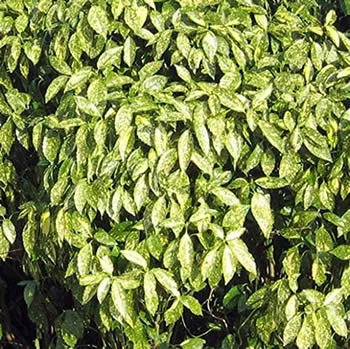
Are you keen to bring a little bit of colour and life into your garden? The Aucuba is the perfect shrub for British gardeners looking for something vibrant within their outdoor space. With its evergreen leaves, oval-shaped structure and decorative clusters of flowers, this colourful plant is sure to make an eye catching addition to any area! In this blog post, we’ll guide you on how to choose the ideal location, provide care instructions and even share tips on how best to maintain your Aucuba throughout the UK seasons. So get ready - let’s introduce you to the wonderful world that is the Aucuba Shrub!
Learn About the Aucuba Shrub and its Benefits
The Aucuba shrub is an excellent addition to any garden and it offers a variety of advantages. This evergreen shrub can come in varieties known for its striking yellow spotted leaves, or solid green with smaller spiky leaves. It makes an attractive hedge, as it can grow up to 10 feet tall, and requires very little maintenance.Additionally, it thrives in shade and accepts heavy pruning once per year if needed. It also provides valuable privacy screening from adjacent properties as part of a natural garden installation.
Property owners may consider planting multiple shrubs together for a dense hedge for increased noise protection, fragrance, and vibrancy with year-round colour.
Landscapers can also choose to adorn this shrub with climbing plants for a truly unique look in their garden designs. With year-round foliage, the Aucuba is a great matching addition for other plants that give sporadic bursts of beauty only when blooming.
The Climate and Growing Conditions for the Aucuba shrubs in the UK
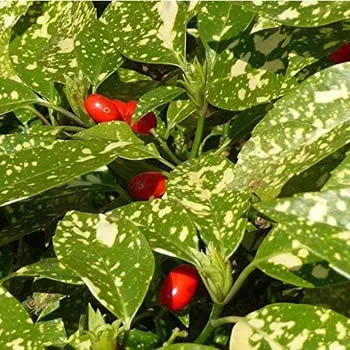
With its bright green leaves, the Aucuba shrub is a great addition to any garden. When choosing which variety to add, there are several things to consider. First, think about your climate; some varieties do well in warmer climates while others prefer cooler temperatures. Second, take into account the amount of available sunlight in your garden or yard; some varieties need more direct sunlight than others. Thirdly, consider how much space you have dedicated to gardening; some types of Aucuba can grow quite large if not pruned regularly. Taking these three factors into account when selecting the right variety of this hardy evergreen will help ensure it thrives for years to come!
There are several varieties of Aucuba shrubs that can add an attractive and colorful touch to any garden or landscape. Here's a list of the most popular varieties and a brief overview of their characteristics and habits:
- Aucuba japonica 'Picturata': This variety is an evergreen shrub with variegated, glossy leaves that can reach a height of up to 8 feet. It prefers full sun but will tolerate partial shade. It's low-maintenance and requires pruning only once in awhile to keep its shape.
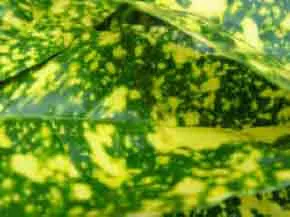
- Aucuba japonica 'Variegata': This variety is also an evergreen shrub, but with yellow-dotted leaves instead of green ones. It grows to about 4-5 feet tall and does well in either full sun or partial shade. Like the Picturata variety, it doesn't require frequent pruning.
- Aucuba japonica 'Crotonifolia': This variety has deep green oval or lance-shaped leaves which turn reddish-purple in wintertime. It prefers full sun but will tolerate partial shade and grows up to 10 feet tall. Pruning should be done regularly to promote vigorous growth.
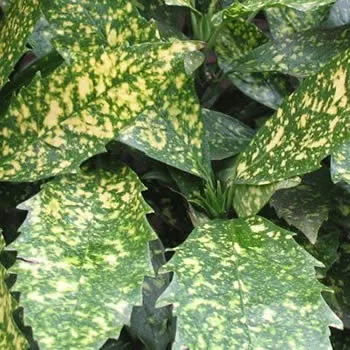
- Aucuba japonica 'Rozannie': This variety is perfect for smaller gardens as it reaches a maximum height of only 3 feet and has dark green foliage with yellow flecks that appear on each leaf throughout the year. It likes full sun but will tolerate partial shade and requires regular pruning to keep its shape tidy.
Identifying a Suitable Location for Planting
Gardening is a rewarding experience that can bring many benefits to any environment. A key factor to consider when selecting a suitable location for planting is the amount of sunlight the spot will receive. It's important to find a site that gets at least 6 hours of sun each day, as this will ensure plants are able to get enough light for strong growth and healthy blooms. Other factors that should be taken into account include soil type and drainage, as well as accessibility for watering and trimming plants. When all criteria are taken into consideration, gardeners can enjoy their new growing project in the location most beneficial for success.
Correct Soil Conditions for Optimal Growth

One of the keys to successful gardening is ensuring that your soil has the correct conditions for optimal plant growth. The three primary soil components important for healthy plants are calcium, nitrogen, and phosphorus; it's also beneficial to test for other necessary nutrients, such as potassium and magnesium. You can adjust pH balance with fertilizer or lime if needed. Aeration should be a regular process to provide oxygen and allow water drainage into the ground. Additionally, proper drainage must be determined in order to avoid waterlogging of roots. Knowing how to identify and address an unfavorable soil condition can create just the right environment gardens need to yield bountiful harvests.
Preparing the Soil for Planting
Gardening is a wonderful and rewarding activity, but it's important to make sure that you're preparing the soil properly before planting day. Soil preparation is about making sure the conditions for the plants you've chosen are just right so that they have the best opportunity for growth and health. It involves analysing soil composition, pH levels, organic content, drainage and accessibility of nutrients. Having an understanding of these elements will give your garden or crops the best chance of success, so it's important to do some research and be informed before beginning any planting project.
Tips on Watering, Feeding and Mulching the Aucuba Shrub

Gardening can be an incredibly fulfilling task, but with the added responsibility of caring for a shrub like the Aucuba comes specific instructions to ensure healthy growth and development. Watering is key as this species loves regular and consistent watering, especially during hot spells. This should not consist of too much at one time regardless; over watering also has the potential to do just as much damage as under-watering. Feeding your Aucuba once in Spring and again in Summer will provide it with plenty of nutrition needed to bloom and continue thriving outdoors. Lastly, mulching is recommended each year around late springtime or early summer; this will preserve moisture crucial to keeping the soil hydrated throughout the less hospitable months.
Common Diseases and Pests Affecting the Aucuba Shrub
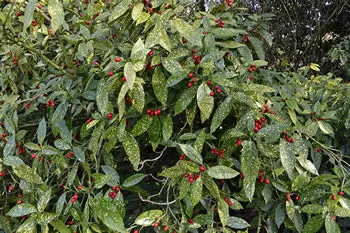
One of the most common gardening issues that can affect the Aucuba shrub, is pest infestations. These can be anything from Aphids to mealybugs, or whiteflies to caterpillars - all which can damage or kill the plant. Diseases are also a problem for Aucuba shrubs, with Powdery Mildew and various blights being common worries for gardeners. However, many people are unaware of some of the newer and lesser known diseases that could potentially threaten this species. Rhizoctonia canker is a concerning problem, as well as Aucuba japonica virus 2 and Petiole chlorosis - all which should be monitored closely in order to protect the health and safety of your plants. With regular checking and protective measures, you should be able to greatly reduce any potential problems in your garden.
Aphids, mealybugs, whiteflies and caterpillars are some of the most common pests that can affect Aucuba plants in the UK. They feed on plant sap and cause yellowing and curling of the leaves as well as stunted growth. The best solution is to use a horticultural oil or insecticidal soap to get rid of them.
Rhizoctonia canker is a fungus that affects the roots and base of Aucuba trees, causing them to become weak and unable to absorb nutrients from the soil. The best way to prevent this disease is by maintaining good drainage around your tree and ensuring it has enough room for air circulation. Pruning away any dead or weakened branches can also help reduce the spread of Rhizoctonia canker.
Petiole chlorosis is a fungal disease characterized by yellowish or off-colored leaves which are caused by poor nutrition uptake from the soil. To reduce its impact on your Aucuba trees, it's important to make sure they have access to adequate water during dry periods as well as adequate fertilizer during growth periods. Applying mulch around their roots can also help improve soil fertility and retain moisture levels.
The Best Propagation Methods for the Aucuba Shrub
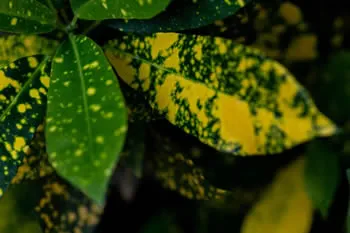
The Aucuba shrub is a stunning addition to the garden, with its charactersitic green and yellow spotted foliage. Propagation of Aucuba is usually achieved through semi-hardwood cuttings taken in late summer or early autumn. Taking several 3-6 inch cuttings with an angled cut just below a node is recommended, as these offer the best chances of successful rooting. Place the cuttings into moist potting soil, making sure they are spaced appropriately and placed away from direct sunlight. Then use a sterile rooting hormone to create a good root system. Make sure to water the cuttings during periods when there is no rainfall to maintain adequate humidity for successful growth. In addition, cover the cutting with mulch or burlap to retain heat and moisture before it takes root. Once the new plant’s root system is established, it can be transplanted away from its pot and into an outdoor location for further growth. With patience and proper care, propagating an Aucuba shrub can bring wonderful results for any gardener's landscape!
Propagating Aucuba Shrubs is a great way to increase your garden’s natural beauty and variety. Here is a step-by-step guide on how to do it.
- Select healthy semi-hardwood cuttings from the Aucuba shrub, taking care to remove any dead or diseased wood.
- Prepare the cuttings by slicing 5-6 cm long pieces from the semi-hardwood shoots and removing the bottom leaves. Dip them in rooting hormone for better success rates then place them into a pot filled with moistened perlite or vermiculite. Alternatively, you could use an equal mixture of sand, peat moss and perlite to create a sterile environment perfect for rooting. Place several cuttings into one pot or container making sure that they are spaced apart evenly with plenty of room around them.
- Cover the cuttings using clear polythene to help maintain humidity levels around them during rooting and ensure that they don’t dry out too quickly. Place them in bright, indirect sunlight but not direct sun as this may cause the leaves to scorch. Water lightly every few days so that the soil remains moist but never waterlogged; using small pebbles on top can help keep moisture levels consistent throughout the day.
- Check on your cuttings regularly and wait for new growth to appear before transplanting them into individual pots or your garden beds as necessary once they’ve fully rooted and grown new foliage and shoots
How to Grow the Aucuba in Containers
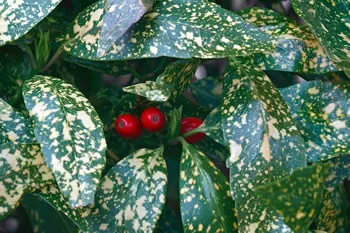
Gardening with the Aucuba, also known as Japanese Laurel or Spotted Laurel, is especially rewarding when the vibrant yellow-green foliage of this evergreen shrub adorns a sunny patio or a balcony. Growing in containers offers more control and flexibility over the environment where it will be exposed. With adequate soil, sunlight, water and fertilizer, appropriately sized containers that provide good drainage can be used to make sure your Aucuba thrives. Keep in mind that an area with shade protection is ideal for its growth. Feed it regularly during the growing season from April to August using general purpose liquid fertilizer diluted as directed by the manufacturer's instructions. Pruning isn't necessary but if you want to keep its size down on smaller plants, prune in late summer to maintain tight foliage near stems.
In conclusion, the Aucuba shrub is an incredibly rewarding plant to grow. It can brighten up any landscape with its lush foliage and colorful berries. With the right location and soil conditions, proper water and feeding, as well as pruning and mulching, it can thrive for many years to come. But it's also important to be aware of common diseases and pests that can easily affect the Aucuba shrub, so regular preventative measures need to be taken in order to ensure its longevity. Additionally, there are a variety of different propagation methods available for propagating the Aucuba shrub such us sowing seeds or taking cuttings from existing plants, which can help expand its reach in your garden. Finally, if you don't have ample outdoor gardening space, the Aucuba shrub also makes a great addition to containers where it can still showcase its beauty without taking over your backyard. Growing an Aucuba shrub may seem intimidating at first but in no time you'll find that it was worth all the effort!
How and When to Prune Aucuba Shrubs in the UK
If you’re a UK-based gardener looking to prune your Aucuba shrubs, then you’ve come to the right place! Known for their captivating yellow and green variegated foliage, Aucuba are resistant to most pests and diseases, making them ideal specimens in any garden.
Pruning should be an essential part of a healthy yearly maintenance routine which not only contributes to the health of your plants but can also dramatically improve their beauty. But before getting started on this process, there are some important things about how and when to properly prune Aucubas that must first be taken into consideration. Let's take a look at what these guidelines involve so you can make sure your Aucuba shrubs stay healthy for many years to come!
Understanding the purpose of pruning Aucuba shrubs in the UK

Gardening in the UK often requires pruning shrubs such as Aucuba. Pruning helps to shape the shrub, maintain a desirable size and promote growth of healthy foliage.
Additionally by reducing overcrowding of branches, pruning ensures that enough sunlight can reach them all. When done properly, pruning Aucuba shrubs improves the overall health of the plant and keeps it aesthetically pleasing in the landscape. Generally, it is suggested to prune your Aucuba shrubs twice a year for best results: once when flowers bloom in March/April and again during autumn or winter months.
Preparing to prune your Aucuba shrub - what tools you will need
The Aucuba shrub can be a great addition to a garden, however, it will require periodic pruning in order to maintain its shape and health. Before getting started, the first step is to make sure you have all of the necessary tools on hand. You'll need a pair of sharp pruning shears or a lopper to accurately trim down the branches, as well as gloves to protect your hands from any sap or pests that might be present on the shrub.
Additionally, if you don't already have one, you should invest in a good pair of pruners so you can easily and accurately snip off dead or diseased limbs. With all of these tools ready for use, you're now prepared properly prune your Aucuba shrub!
Choosing the right season for pruning your Aucuba shrub

Proper pruning of an Aucuba shrub is an essential part of gardening that must be done correctly in order to keep your shrub healthy and thriving. When finding the right time to carry out pruning, it is important to choose a season that promotes the best results. Generally speaking, late winter or late summer are the optimal seasons for pruning Aucuba shrubs as they are outside their active growth period at this time and won’t be harmed as easily by the process.
Additionally, rapid new growth after pruning can become too much for the bush to handle which is why it is especially important to take note of your region’s seasonal changes when deciding when to prune.
Step-by-step guide on how to prune your Aucuba shrub in the most effective way
Gardening is a great hobby that can help maintain the environment, but without proper knowledge and care it can be easy to do more harm than good. To ensure your Aucuba shrub looks its best while maintaining its health, it is important to prune it in the right way. Pruning is the technique of removing dead or weak branches from a tree in order to promote new growth and rejuvenation. Follow these step-by-step steps for successful pruning of your Aucuba shrub: examine the entire shrub for poor form and damaged branches, select branches which are weak or diseased when cutting, make sure all cuts are clean and above a food bud, then finally dispose of clippings correctly by adding them to compost. With proper pruning techniques you can ensure a healthier, better looking Aucuba shrub!
Pruning your Aucuba shrub is an important part of keeping it healthy and strong. Here is a step-by-step guide on how to do it:
- Choose the right time of year to prune – the best times of the year to prune your Aucuba shrub are in early spring or late summer.
- Use sharpened shears or loppers - make sure that your tools are sharpened before you begin to prevent any tearing or damage to the branches.
- Start by removing dead, diseased, damaged wood or crossing branches so that new growth can be encouraged.
- Thin out overcrowded shoots – when pruning, focus on thinning out rather than cutting back heavily as this will help promote new growth and encourage bushiness across the entire shrub.
- Don’t over-prune – only remove up to one third of the main branches each season as too much pruning in one go can shock your plant which will lead to poor growth and flowering performance in future years.
- Carefully cut off all superfluous foliage – trim off any straggly twigs and stems at ground level where necessary and always use a 45 degree angle for cuts just above a leaf node; cutting too close can cause water stress for the plant which can lead to dieback at a later date.
- Finally, take into account what kind of shape you want for your Aucuba shrub – shaping your shrub regularly will ensure that it remains neat, tidy and aesthetically pleasing throughout all seasons of the year!
Benefits of regularly pruning an Aucuba shrub
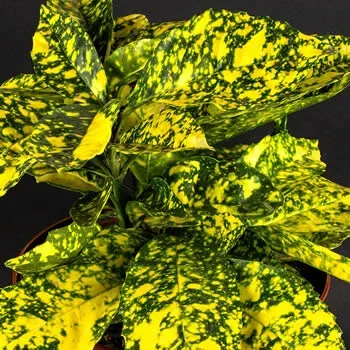
Regular pruning of Aucuba shrubs is essential for the overall health and well-being of the plant. Pruning helps promote healthy growth by removing overgrown, crossing and dead branches. Additionally, it keeps the plant a manageable size as heavy or large canopies can lead to branch diseases. Pruning should be done in colder months, such as December or January when the shrub is dormant. Before you begin pruning, familiarize yourself with a pruning guide specific to your Aucuba since this will direct you on what types of trimming your specific Aucuba needs. Gardening enthusiasts must note that pruned Aucubas may produce few flowers initially due to shock but eventually will come back fuller and stronger than before if done regularly and correctly.
Pruning is certainly beneficial for all varieties of Aucuba shrubs, as it will help them remain healthy and attractive. However, some varieties may require more frequent pruning than others in order to maintain their structure or keep certain features intact. For example, the Aucuba japonica 'Crotonifolia' requires regular pruning to promote vigorous growth and the Aucuba japonica 'Rozannie' needs regular pruning to keep its shape tidy.
Common mistakes when pruning an Aucuba shrub and how to avoid them

Pruning an Aucuba shrub, or Japanese laurel, can be a tricky process. Many homeowners are prone to making mistakes that can damage this versatile and ornamental shrub. One of the most common mistakes is not pruning correctly according to the plant species. While some shrubs should be pruned at specific times of year, Aucuba doesn't need special timing – it can safely be pruned all throughout the growing season. It's also important to avoid removing more than a quarter of the total growth yearly; taking too much at once weakens and slows the plant’s growth rate. With proper care and patience, gardening enthusiasts will find that pruning an Aucuba is relatively simple and yields rewarding results.
Pruning your Aucuba shrub is an important part of keeping it healthy and looking great. By understanding the purpose, gathering the right tools, selecting the correct season to prune, and knowing how to properly prune it step-by-step, you can take good care of your Aucuba shrub and reap all its benefits for many years to come. Don’t forget that most mistakes when pruning can be avoided if you have a clear plan in place. As long as you do some research, prepare everything you need in advance, and apply your knowledge carefully, you are sure to enjoy a healthy and attractive Aucuba shrub in no time! Pruning has never been easier now that you know all this essential information - go ahead and start taking care of yours today!
How to Prune Climbing Vines
List by Variety
- How to Prune Actinidia
- How to Prune Akebia
- How to Prune Bougainvillea
- How to Prune Campsis
- How to Prune Celastrus
- How to Prune Chilean Glory Vine
- How to Prune Clematis Armandii
- How to Prune Clematis Montana
- How to Prune Climbing Rose
- How to Prune Hedera GoldHeart
- How to Prune Honeysuckle
- How to Prune Hydrangea Petiolaris
- How to Prune Ivy
- How to Prune Japanese Wisteria
- How to Prune Morning Glory
- How to Prune Parthenocissus
- How to Prune Persian Ivy Hedera Colchica
- How to Prune Schisandra
- How to Prune Star Jasmine
- How to Prune Sweet Peas
- How to Prune True Jasmine
- How to Prune Virginia Creeper
- How to Prune Wisteria
How to Prune Hedges
List by Variety
- How to Prune an Arborvitae Hedge
- How to Prune a Barberry Hedge
- How to Prune a Beech Hedge
- How to Prune a Boxwood Hedge
- How to Prune a Butterfly Bush Hedge
- How to Prune a Cotoneaster Hedge
- How to Prune an English Lavender Hedge
- How to Prune an Escallonia Hedge
- How to Prune an Euonymus-Hedge
- How to Prune a Firethorn Hedge
- How to Prune a Forsythia Hedge
- How to Prune a Griselinia Hedge
- How to Prune a Hawthorn Hedge
- How to Prune a Holly Hedge
- How to Prune a Hornbeam Hedge
- How to Prune a Juniper Hedge
- How to Prune a Laurel Hedge
- How to Prune a Leylandii Hedge
- How to Prune a Lilac Hedge
- How to Prune a Maple Leaf Viburnum Hedge
- How to Prune a Photinia Hedge
- How to Prune a Pink Ramanus Rose Hedge
- How to Prune a Privet Hedge
- How to Prune a Pyracantha Hedge
- How to Prune a Spirea Hedge
- How to Prune a Thuja Hedge
- How to Prune a Viburnum Hedge
- How to Prune a Western Red Cedar Hedge
- How to Prune a Yew Hedge
How to Prune Shrubs
List by Variety
- How to Prune an Abelia Shrub
- How to Prune an Abutilon
- How to Prune an Acer / Japanese-Maple
- How to Prune an Amelanchiers
- How to Prune an Apple-Tree
- How to Prune an Arbovitae Shrub
- How to Prune an Arbutus
- How to Prune an Aucuba
- How to Prune a Azalea Mollis
- How to Prune Azaleas
- How to Prune a Bay Tree Shrub
- How to Prune a Berberis Darwinii
- How to Prune Berberis Deciduous Types
- How to Prune a Boxwood Shrubs
- How to Prune a Brachyglottis Senecio
- How to Prune a Buddleia Alternifolia
- How to Prune Buddleias Butterfly Bushes
- How to Prune a Buddleja Globosa
- How to Prune a Callicarpa
- How to Prune a Camellia
- How to Prune a Caryopteris
- How to Prune a Catalpa Bignonioides Aurea
- How to Prune Ceanothus Deciduous Types
- How to Prune Ceanothus Evergreen Types
- How to Prune a Ceratostigma
- How to Prune a Chaenomeles
- How to Prune a Choisya
- How to Prune a Cistus
- How to Prune a Clematis
- How to Prune a Cornus
- How to Prune a Cotinus Royal Purple
- How to Prune a Cytisus Scoparius
- How to Prune a Exochorda x Macrantha
- How to Prune a Forsythia
- How to Prune a Hebe
- How to Prune a Hydrangeas
- How to Prune Juniper Shrubs
- How to Prune a Lavatera
- How to Prune Lilac Bushes
- How to Prune a Mugo Pine
- How to Prune Rose Bushes
- How to Prune Ribes
- How to Prune Spirea Shrubs
- How to Prune Viburnum Shrubs
- How to Prune a Weigela
- How to Prune a Yew
How to Prune Trees
List by Variety
- How to Prune a Apple Tree
- How to Prune a Apricot Tree
- How to Prune a Ash Tree
- How to Prune a Birch Tree
- How to Prune a Cherry Tree
- How to Prune a Elm Tree
- How to Prune a Fig Tree
- How to Prune a Grape Tree
- How to Prune a Hickory Tree
- How to Prune a Maple Tree
- How to Prune a Oak Tree
- How to Prune an Olive Tree
- How to Prune a Peach Tree
- How to Prune a Pear Tree
- How to Prune a Plum Tree
- How to Prune a Poplar Tree
- How to Prune a Walnut Tree
How to Prune Climbing Vines
List by Variety
- How to Prune Actinidia
- How to Prune Akebia
- How to Prune Bougainvillea
- How to Prune Campsis
- How to Prune Celastrus
- How to Prune Chilean Glory Vine
- How to Prune Clematis Armandii
- How to Prune Clematis Montana
- How to Prune Climbing Rose
- How to Prune Hedera GoldHeart
- How to Prune Honeysuckle
- How to Prune Hydrangea Petiolaris
- How to Prune Ivy
- How to Prune Japanese Wisteria
- How to Prune Morning Glory
- How to Prune Parthenocissus
- How to Prune Persian Ivy Hedera Colchica
- How to Prune Schisandra
- How to Prune Star Jasmine
- How to Prune Sweet Peas
- How to Prune True Jasmine
- How to Prune Virginia Creeper
- How to Prune Wisteria
How to Prune Hedges
List by Variety
- How to Prune an Arborvitae Hedge
- How to Prune a Barberry Hedge
- How to Prune a Beech Hedge
- How to Prune a Boxwood Hedge
- How to Prune a Butterfly Bush Hedge
- How to Prune a Cotoneaster Hedge
- How to Prune an English Lavender Hedge
- How to Prune an Escallonia Hedge
- How to Prune an Euonymus-Hedge
- How to Prune a Firethorn Hedge
- How to Prune a Forsythia Hedge
- How to Prune a Griselinia Hedge
- How to Prune a Hawthorn Hedge
- How to Prune a Holly Hedge
- How to Prune a Hornbeam Hedge
- How to Prune a Juniper Hedge
- How to Prune a Laurel Hedge
- How to Prune a Leylandii Hedge
- How to Prune a Lilac Hedge
- How to Prune a Maple Leaf Viburnum Hedge
- How to Prune a Photinia Hedge
- How to Prune a Pink Ramanus Rose Hedge
- How to Prune a Privet Hedge
- How to Prune a Pyracantha Hedge
- How to Prune a Spirea Hedge
- How to Prune a Thuja Hedge
- How to Prune a Viburnum Hedge
- How to Prune a Western Red Cedar Hedge
- How to Prune a Yew Hedge
How to Prune Shrubs
List by Variety
- How to Prune an Abelia Shrub
- How to Prune an Abutilon
- How to Prune an Acer / Japanese-Maple
- How to Prune an Amelanchiers
- How to Prune an Apple-Tree
- How to Prune an Arbovitae Shrub
- How to Prune an Arbutus
- How to Prune an Aucuba
- How to Prune a Azalea Mollis
- How to Prune Azaleas
- How to Prune a Bay Tree Shrub
- How to Prune a Berberis Darwinii
- How to Prune Berberis Deciduous Types
- How to Prune a Boxwood Shrubs
- How to Prune a Brachyglottis Senecio
- How to Prune a Buddleia Alternifolia
- How to Prune Buddleias Butterfly Bushes
- How to Prune a Buddleja Globosa
- How to Prune a Callicarpa
- How to Prune a Camellia
- How to Prune a Caryopteris
- How to Prune a Catalpa Bignonioides Aurea
- How to Prune Ceanothus Deciduous Types
- How to Prune Ceanothus Evergreen Types
- How to Prune a Ceratostigma
- How to Prune a Chaenomeles
- How to Prune a Choisya
- How to Prune a Cistus
- How to Prune a Clematis
- How to Prune a Cornus
- How to Prune a Cotinus Royal Purple
- How to Prune a Cytisus Scoparius
- How to Prune a Exochorda x Macrantha
- How to Prune a Forsythia
- How to Prune a Hebe
- How to Prune a Hydrangeas
- How to Prune Juniper Shrubs
- How to Prune a Lavatera
- How to Prune Lilac Bushes
- How to Prune a Mugo Pine
- How to Prune Rose Bushes
- How to Prune Ribes
- How to Prune Spirea Shrubs
- How to Prune Viburnum Shrubs
- How to Prune a Weigela
- How to Prune a Yew
How to Prune Trees
List by Variety
- How to Prune a Apple Tree
- How to Prune a Apricot Tree
- How to Prune a Ash Tree
- How to Prune a Birch Tree
- How to Prune a Cherry Tree
- How to Prune a Elm Tree
- How to Prune a Fig Tree
- How to Prune a Grape Tree
- How to Prune a Hickory Tree
- How to Prune a Maple Tree
- How to Prune a Oak Tree
- How to Prune an Olive Tree
- How to Prune a Peach Tree
- How to Prune a Pear Tree
- How to Prune a Plum Tree
- How to Prune a Poplar Tree
- How to Prune a Walnut Tree
Gallery


Michael Carter
Vestibulum ante ipsum primis in faucibus orci luctus et ultrices posuere cubilia curae; Donec vel erat in nulla efficitur tempor non ut nisl. Integer venenatis eros ut dui viverra fermentum.
Sophie Wilson
Nam ut turpis hendrerit, varius nunc vel, elementum dui. Morbi vulputate dolor sit amet scelerisque egestas. Vestibulum eleifend nunc ut bibendum fermentum.
Alex Morgan
Cras non velit nec purus tempor rhoncus. Sed non mauris vitae erat consequat auctor eu in elit. Class aptent taciti sociosqu ad litora torquent per conubia nostra.