Climbing Rose Pruning Guide: Care for Gorgeous Blooms in the UK
Master the art of pruning climbing roses with our expert guide. Learn essential tips to promote healthy growth, vibrant blooms, and a stunning garden display.
Overview of a Climbing Rose and its benefits in the UK
Climbing roses are a beautiful addition to any garden in the UK. With their vibrant colours and fragrant blooms, they can add a touch of elegance to any outdoor space. Not only are they aesthetically pleasing, but they also provide a number of benefits. Climbing roses are hardy and can tolerate a variety of climates, making them ideal for the UK. They are also low maintenance and require minimal pruning and fertilizing. Additionally, they can be trained to grow up walls, fences, and other structures, providing a unique and eye-catching feature. With their long-lasting blooms and easy care, climbing roses are a great choice for any garden.
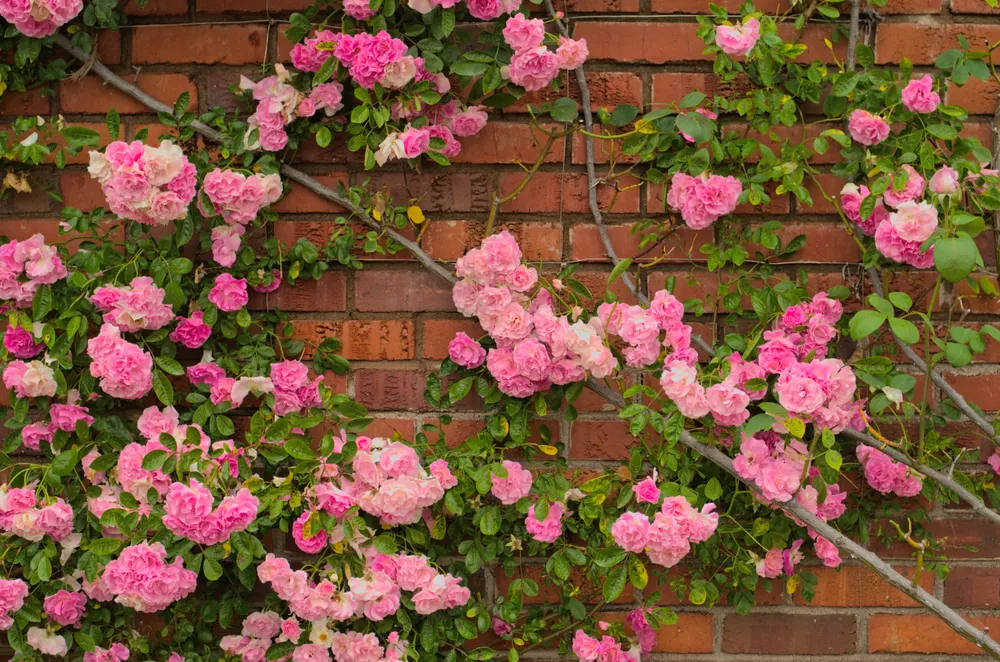
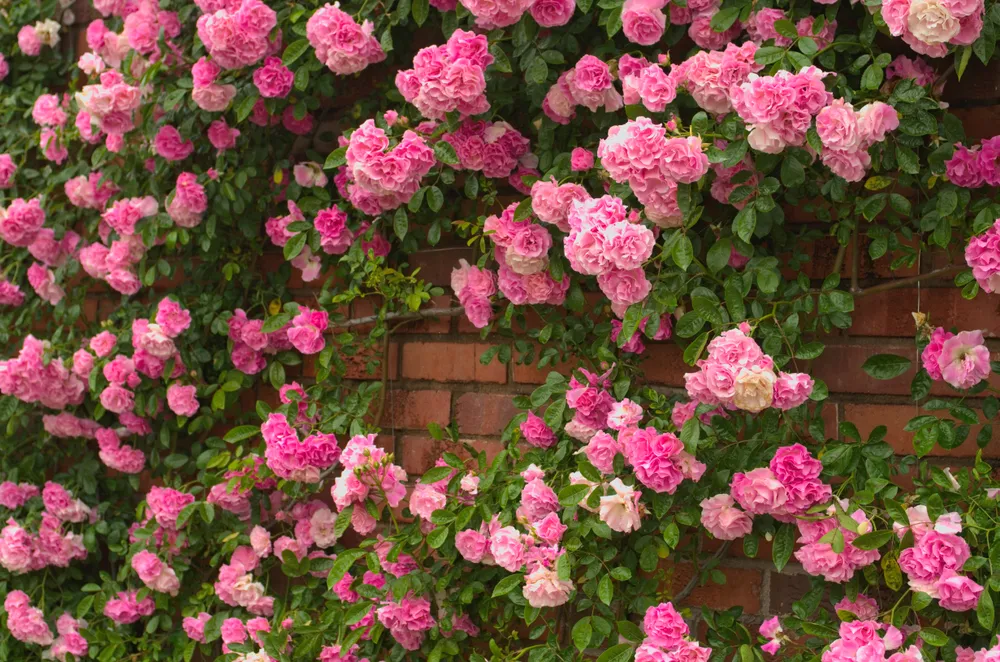
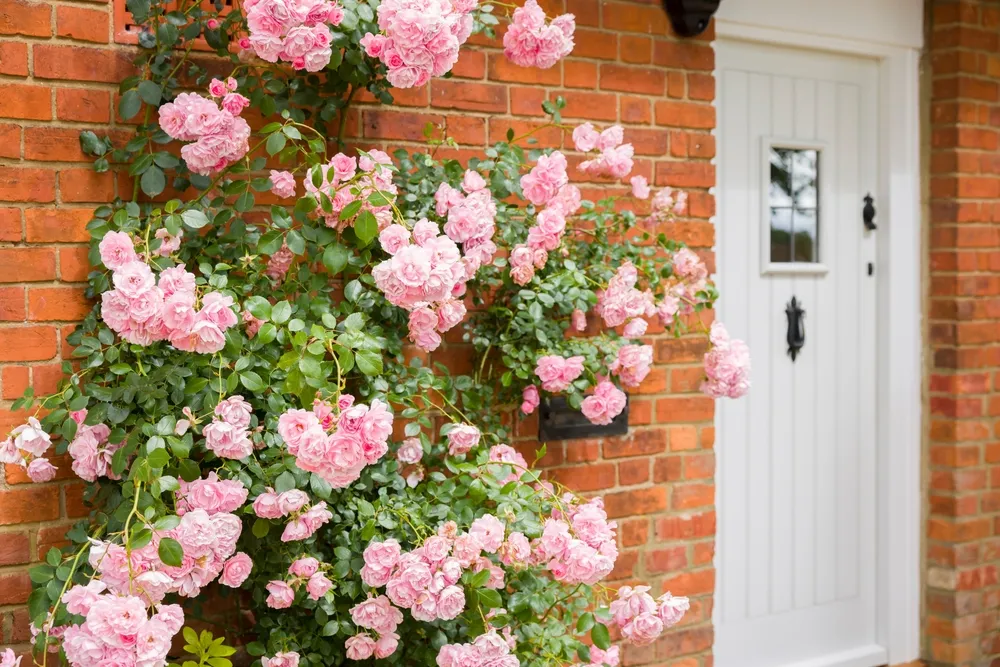
Climbing roses, a favourite among British gardeners, are a group of rose varieties that have been bred to have long, arching stems that can be trained along walls or fences. They're not true climbers like ivy or clematis, but with a little support and guidance, they can cover a large vertical or horizontal area.
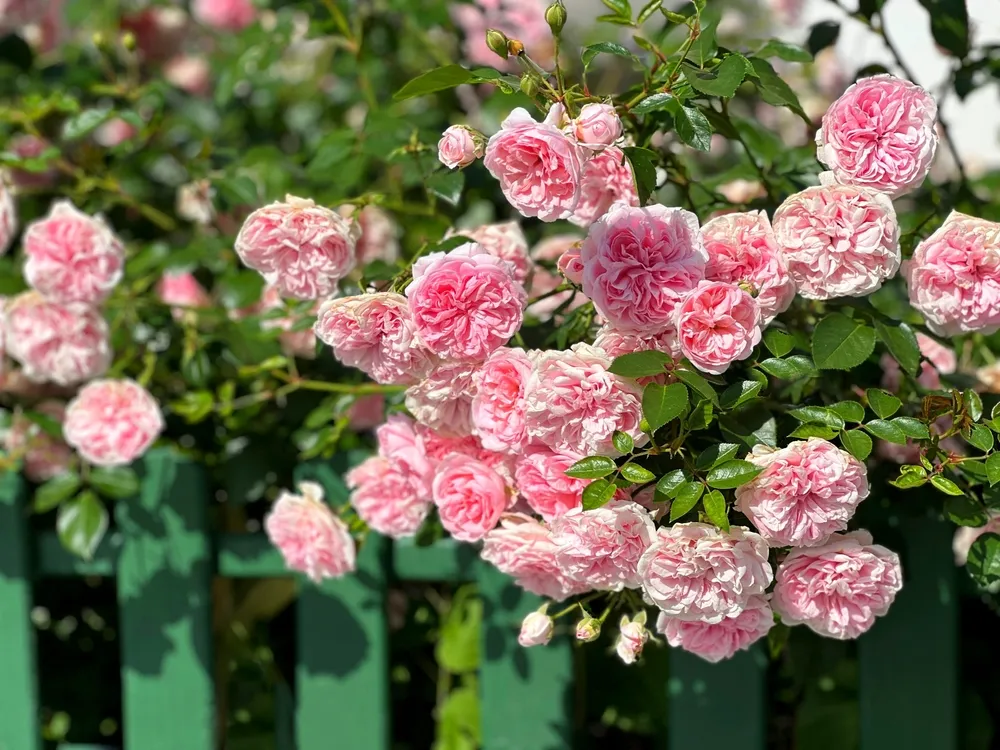
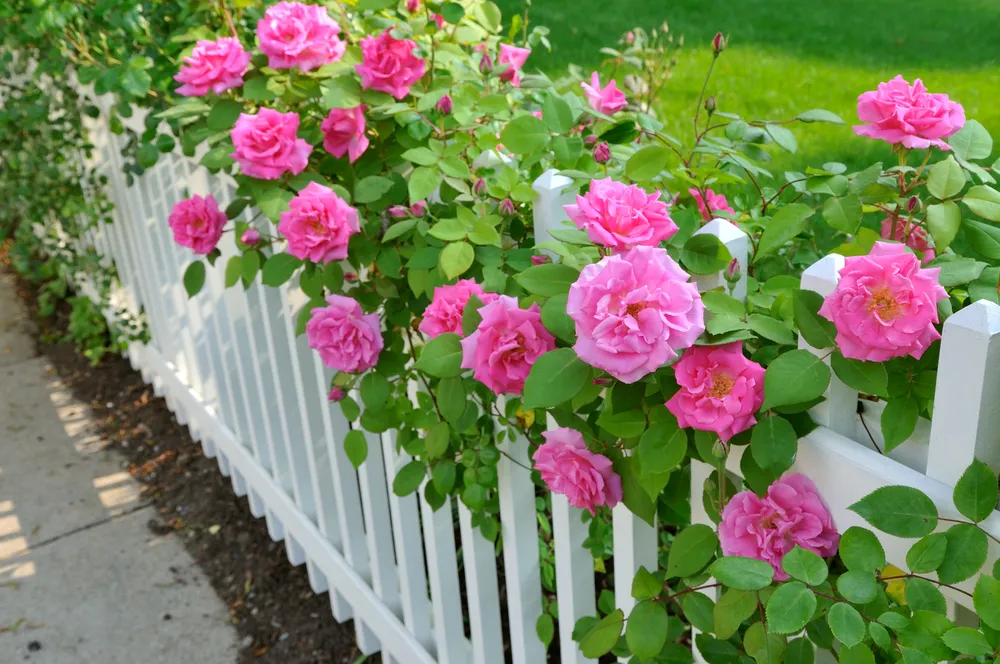
Physically, these rose bushes are vigorous growers, often reaching heights of 10 to 20 feet. Their flowers, which bloom from early summer until the first autumn frost, can be single or double, small or large, and come in an array of colours from soft whites and pinks to vibrant reds and yellows. The growth pattern of climbing roses is generally upward and outward, creating a draping effect that's quite enchanting.
Specific Information - Hardiness, Disease Tolerance, and Optimal Growing Conditions
Climbing roses are known for their hardiness. Many varieties are rated for UK hardiness zones 4 through 9, meaning they can withstand temperatures as low as -30°C. They're also moderately disease-tolerant, although they may be susceptible to common rose diseases like blackspot and Powdery Mildew if not properly cared for.
In terms of growing conditions, climbing roses prefer a sunny location with well-drained, fertile soil. They do well in both acidic and alkaline soils, making them versatile for different garden conditions in the UK.
Benefits of Climbing Roses
Climbing roses offer numerous benefits. Aesthetically, they add a touch of classic beauty and romance to any landscape design. With their diverse colour palette and generous bloom, they can transform walls, fences, and trellises into living art displays.
In terms of soil improvement, roses have a deep root system which helps in breaking up the soil, thereby improving its texture and drainage. And, as they drop their leaves in autumn, these leaves decompose to enrich the soil with organic matter.
Planting, Care, and Maintenance
To plant a climbing rose, choose a site with at least six hours of sun each day. Dig a hole wide and deep enough to accommodate the root system. Place the rose in the hole, backfill with soil, and water thoroughly.
Climbing roses require regular watering, especially during dry periods. They also benefit from a layer of mulch to retain moisture and suppress weeds.
Pruning is essential for maintaining the health and shape of your climbing rose. The best time to prune is in late winter or early spring, removing dead or damaged wood and thinning out older canes to encourage new growth.
With proper care and attention, climbing roses can be a vibrant, enduring part of your UK garden, providing beauty and enjoyment season after season.
Introducing a Climbing Rose - Facts and Figures
Climbing roses are a beautiful addition to any garden. With their lush foliage and vibrant blooms, they can add a touch of elegance to any outdoor space. But before you add a climbing rose to your garden, it's important to know the facts and figures about this type of rose. Here are some key facts and figures about climbing roses that you should know.
First, climbing roses are a type of shrub rose that can grow up to 10 feet tall. They are also known for their long, arching canes that can be trained to climb up trellises, arbors, and other structures. This makes them a great choice for adding height and interest to your garden.
In terms of care, climbing roses require regular pruning and fertilizing to keep them healthy and blooming. They also need plenty of sunlight and well-draining soil to thrive. Additionally, they are susceptible to pests and diseases, so it's important to inspect them regularly and take steps to prevent any issues.
Finally, climbing roses come in a variety of colours and sizes, so you can find one that fits your garden's aesthetic. Whether you're looking for a classic white rose or a vibrant pink one, there's a climbing rose for you.
With these facts and figures in mind, you can make an informed decision about whether a climbing rose is the right choice for your garden.
The History of a Climbing Rose in the UK
The climbing rose is a beloved flower in the UK, with a long and storied history. It is believed to have been introduced to the country in the 13th century, and since then it has become a popular choice for gardeners and flower enthusiasts alike. The climbing rose is a hardy plant that can thrive in a variety of climates, and it is known for its beautiful blooms and fragrant scent. It is also a great choice for those looking to add a touch of colour and beauty to their garden. The climbing rose is a versatile plant that can be trained to grow up walls, fences, and other structures, making it a great choice for those looking to add a bit of height and texture to their garden. With proper care and maintenance, the climbing rose can provide years of beauty and enjoyment.
The Enchanting Saga of Climbing Roses in the UKThe history of roses in the UK is as rich and colourful as the blossoms themselves. As we trace back their roots, we find ourselves intertwined in a fascinating narrative of royalty, horticultural innovation, and enduring beauty.
The Royal IntroductionThe story of roses in England begins with Eleanor of Provence in 1236, who took the white rose as her royal symbol when she married Henry III. This marked the beginning of the rose's association with nobility and elegance, a legacy that continues today.
The Evolution of CultivationThe cultivation of roses has evolved significantly over centuries. Early rose varieties were often simple, single-flowered forms. But with time, breeders began to cross different species to create more diverse and impressive varieties. One such breeder was Dr. Van Fleet, who developed a climbing rose by crossing a tea rose with Rosa wichuraiana.
In the UK, the most vigorous of the Climbing Roses is the Kiftsgate Rose, Rosa filipes 'Kiftsgate', named after the house garden where Graham Stuart Thomas noticed its growth.
Climbing Roses in Culture and SocietyRoses have played a significant role in UK culture and society. They have graced royal gardens, inspired poets, and served as symbols in heraldry. The rose garden at Sissinghurst originated as a kitchen garden, but today it stands as a testament to the timeless appeal of roses.
Species of Climbing Roses in the UKThere are several species of climbing roses in the UK, each with its unique characteristics. Notable among them are the Noisettes, hybrids introduced by crossing early Noisettes with Tea roses to produce climbing roses with large flowers.
Historical and Modern GardensHistorical rose gardens such as Alnwick Castle and Barrington Court feature a variety of climbing roses. More recently, David Austin Roses in Albrighton has introduced over 190 rose cultivars since its founding in 1969, showcasing the continual evolution and adaptation of these beautiful plants.
Comparison with Other FlowersCompared to other flowers, climbing roses are known for their hardiness and versatility. They require regular care and feeding, and while they can be susceptible to pests like Aphids and diseases like blackspot, with proper attention they can thrive for many years.
In conclusion, the history of climbing roses in the UK is a tale of beauty, resilience, and continual adaptation. From royal emblems to backyard blooms, these enchanting flowers continue to captivate us with their timeless charm.
Understanding Variations of Species of Climbing Rose ideal for UK Conditions
Climbing roses are a popular choice for gardeners in the UK, as they are able to thrive in the temperate climate. There are many variations of climbing roses, each with their own unique characteristics. It is important to understand the differences between the species of climbing roses to ensure you choose the right one for your garden.
The most popular species of climbing rose is the Rosa Banksiae, which is known for its fragrant white flowers and its ability to thrive in a variety of climates. This species is also known for its hardiness and its ability to tolerate cold temperatures. Another popular species is the Rosa Wichuraiana, which is known for its large, bright pink flowers and its ability to tolerate wet conditions. Finally, the Rosa Multiflora is known for its abundant clusters of small, fragrant flowers and its ability to tolerate shade.
No matter which species of climbing rose you choose, it is important to understand the unique characteristics of each one. With the right knowledge, you can ensure that your climbing rose will thrive in the UK climate and provide you with beautiful blooms for years to come.
Climbing roses are a popular choice for gardeners in the UK due to their versatility, hardiness, and the beauty they add to any space. Here are ten varieties of climbing roses that thrive in the UK climate:
- 'Danse Du Feu' (Rosa 'Danse Du Feu'): This climber is known for its vibrant red flowers and glossy foliage. It prefers full sun and well-drained soil. Regular pruning will encourage more blooms.
- Souvenir Du Docteur Jamain (Rosa 'Souvenir du Docteur'): This variety produces fragrant, deep crimson flowers. It thrives in partial shade but requires good air circulation to prevent disease.
- Bridge of Sighs (Rosa 'Harglowing'): This rose has apricot-orange flowers and is highly disease-resistant. It prefers a sunny location.
- 'Compassion': Known for its large, fragrant, salmon-pink flowers, this rose is both hardy and disease-resistant. It prefers full sun and fertile soil.
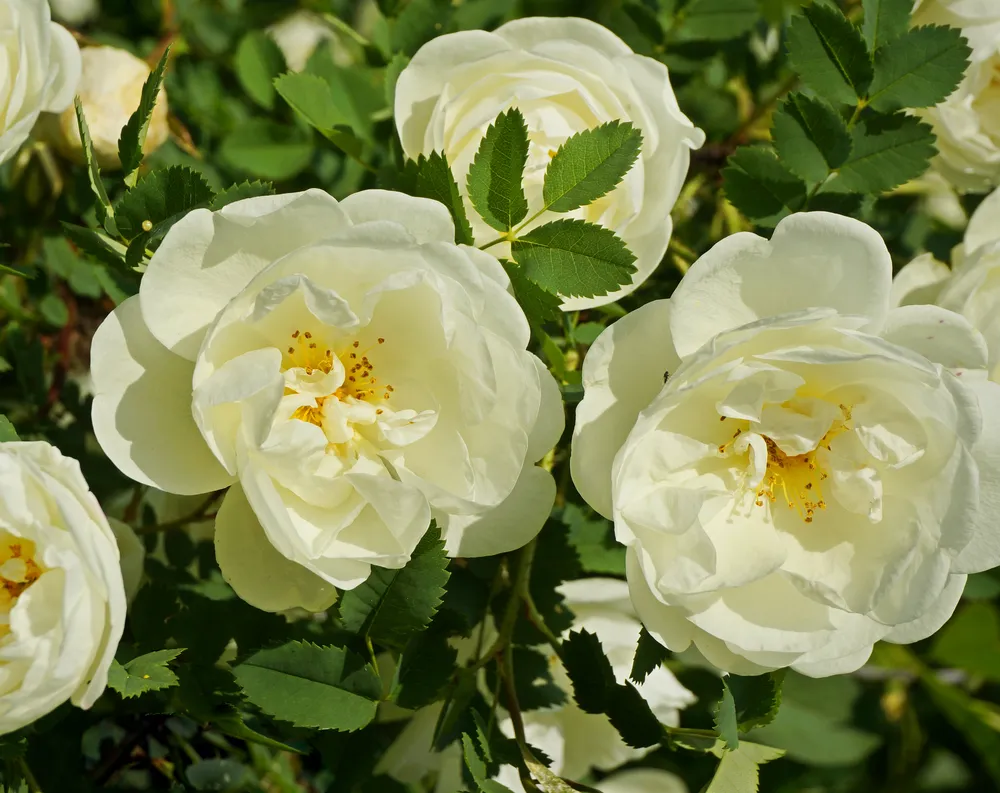
- Claire Austin (Rosa 'Harxel'): Named after the daughter of famed rose breeder David Austin, this variety features creamy-white, fragrant flowers. It prefers a sunny or partially shaded spot.
- New Dawn Climbing Rose: This variety is known for its soft pink flowers and vigorous growth. It's highly disease-resistant and thrives in a range of soils.
- Don Juan Climbing Rose: This rose is known for its large, fragrant, dark red flowers. It prefers full sun and well-drained soil.
- Iceberg Climbing Rose: A popular choice due to its hardiness and prolific white blooms. It's also disease-resistant.
- Florentina: Known for its intense red, double flowers and light fragrance. It can grow up to 3 metres and prefers a sunny spot.
- 'The Generous Gardener': This rose features large, soft pink, fragrant flowers. It's disease-resistant and ideal for growing over arches and pergolas
The best time to plant a Climbing Rose in the UK
The best time to plant a Climbing Rose in the UK is during the spring months. This is when the soil is warm and moist, and the days are getting longer. Planting in the spring will give the rose plenty of time to establish itself before the winter months. It is important to make sure the soil is well-drained and that the rose is planted in a sunny spot. When planting, make sure to dig a hole that is twice as wide as the root ball and just as deep. Add some compost or manure to the soil to help the rose get established. Water the rose regularly and mulch around the base to help retain moisture. With the right care and attention, your Climbing Rose will be blooming in no time!
Choosing the Right Location to Plant Out your Climbing Rose
When it comes to choosing the right location to plant out your climbing rose, there are a few key factors to consider. Firstly, you need to make sure that the area you choose is well-drained and receives plenty of sunlight. Climbing roses need at least six hours of direct sunlight each day in order to thrive. Secondly, you should ensure that the area you choose is sheltered from strong winds, as this can damage the delicate petals of the rose. Finally, you should make sure that the soil is rich in organic matter and has a pH level of 6.5-7.5. This will help to ensure that your climbing rose has the best chance of thriving.
Preparing the Soil for Planting a Climbing Rose
When it comes to planting a climbing rose, the most important step is preparing the soil. The soil should be well-draining and rich in organic matter. To achieve this, mix in a generous amount of compost and fertilizer. This will help to ensure that the soil has the right pH balance for the rose to thrive. Additionally, it will provide the rose with the nutrients it needs to grow and bloom. If you are unsure of the pH balance of your soil, you can purchase a soil testing kit to determine the exact levels. Once you have the soil prepared, you can begin planting your climbing rose.
Step-by-Step Guide on How to Plant a Climbing Rose in the UK
Planting a climbing rose in the UK is a great way to add a beautiful and fragrant addition to your garden. To ensure your climbing rose is planted correctly, it is important to follow a few key steps.
First, you will need to choose the right soil for your climbing rose. The soil should be well-draining and rich in organic matter. You can also add a slow-release fertilizer to the soil to help the rose get off to a good start.
Once the soil is prepared, it is time to plant the rose. Dig a hole that is twice as wide as the root ball of the rose and just as deep. Place the rose in the hole and fill it with soil. Make sure to firm the soil around the rose and water it thoroughly.
Finally, you will need to prune your climbing rose. Pruning should be done in late winter or early spring before the rose begins to bloom. Pruning will help to promote healthy growth and encourage more blooms.
By following these steps, you can ensure that your climbing rose is planted correctly and will thrive in your garden.
As a versatile and colourful addition to any garden, climbing roses are a favourite among UK gardeners. Here's a step-by-step guide to planting a climbing rose using a trellis.
- 1. Select the Right Rose and Trellis Varieties such as 'Danse Du Feu', 'New Dawn', or 'The Generous Gardener' are well-suited to the UK climate. Choose a sturdy trellis that can support the weight of the rose as it grows.
- 2. Gather Your Tools You'll need a spade, gardening gloves, a sturdy trellis, compost or well-rotted manure, and a good quality rose food or slow-release fertiliser.
- 3. Prepare the Soil Choose a location with at least six hours of sun each day. The soil should be well-draining. Dig a hole wide and deep enough to accommodate the rose's root ball (usually around 40-60cm wide and deep). Add some compost or well-rotted manure to the base of the hole.
- 4. Plant the Rose Bush Place the rose bush in the hole, ensuring that the bud union (the swollen part of the stem where the rose was grafted) is level with or slightly above the soil surface. Backfill the hole with soil, firming gently around the base of the plant.
- 5. Attach the Plant to the Trellis Carefully attach the rose to the trellis using soft garden twine. The aim is to spread the branches out to cover the trellis and encourage more flowers.
- 6. Watering and Feeding Water thoroughly after planting, and keep the soil consistently moist (but not waterlogged) during the first growing season. Feed with a rose or slow-release fertiliser in early spring, following the package instructions.
- 7. Pruning In late winter or early spring, prune back the plant to a set of strong buds, removing any dead or diseased wood. As the rose grows, continue to tie new growth onto the trellis.
By following these steps, even amateur gardeners can successfully plant and enjoy the beauty of climbing roses in their UK gardens
Tips for Caring for Your Newly Planted Climbing Rose
When it comes to planting a climbing rose, it's important to choose the right spot. Make sure the area is well-drained and receives at least six hours of direct sunlight each day. Plant the rose at least two feet away from any other plants or structures, and dig a hole that is twice as wide and deep as the root ball. Once the rose is planted, water it thoroughly and mulch around the base to help retain moisture.
When it comes to watering, it's important to keep the soil moist but not soggy. Water the rose deeply once a week, and more often during periods of extreme heat. If you live in an area with high humidity, you may need to water more frequently.
Pruning is an important part of caring for a climbing rose. Prune the rose in late winter or early spring, removing any dead or diseased branches and cutting back any overly long canes. This will help promote healthy growth and encourage more blooms.
Fertilizing is also important for a healthy climbing rose. Use a balanced fertilizer in early spring and again in mid-summer. Follow the instructions on the package for the correct amount to use.
By following these tips, you can ensure your climbing rose will thrive and provide you with beautiful blooms for years to come.
What is the Best Fertilizer Feed for a Climbing Rose and When to Apply it?
Fertilizing a climbing rose is an important part of keeping it healthy and blooming. The best fertilizer feed for a climbing rose is one that is high in nitrogen, phosphorus, and potassium. Nitrogen helps promote healthy foliage, phosphorus helps promote strong root growth, and potassium helps promote strong stems and flowers. When applying fertilizer, it is best to do so in the early spring and then again in the late summer. This will ensure that the rose has enough nutrients to sustain it throughout the growing season. Additionally, it is important to water the rose after applying fertilizer to help it absorb the nutrients. With the right fertilizer feed and proper application, your climbing rose will be sure to thrive!
To maintain a lush, vibrant, and healthy climbing rose bush, it's crucial to understand the nutrient requirements of these magnificent plants and how to select the right fertilizer.
Nutrient Requirements of Climbing RosesClimbing roses require key nutrients to thrive: nitrogen (N), phosphorus (P), and potassium (K). Nitrogen promotes healthy foliage, phosphorus encourages strong root growth and flower development, and potassium enhances overall plant health and disease resistance.
During the initial growing period, a higher proportion of nitrogen can promote leafy growth. However, once the plant is established, a balanced formula will provide all the necessary nutrients for both foliage and flowering.
Understanding Fertilizer Products- Rose Food: Products like Miracle-Gro Rose Food are specifically designed for roses, providing balanced nutrition with added micronutrients.
- Fish, Blood and Bone Meal: This is an organic option that provides a slow-release source of all the primary nutrients.
- Bone Meal: Rich in phosphorus, it's great for promoting root and bloom development.
Fertilizer labels indicate the proportion of N-P-K in the product. For example, a 10-10-10 fertilizer contains 10% each of nitrogen, phosphorus, and potassium. A balanced formula like this is generally suitable for climbing roses.
Applying FertilizerThe best time to start fertilizing climbing roses is in early spring when new growth starts to appear. Here's how to do it:
- Frequency: Apply fertilizer every 4-6 weeks during the growing season (from early spring to late summer).
- Rate of Application: Follow the instructions on the fertilizer package. Over-fertilizing can be as harmful as under-fertilizing.
- Method: Spread the fertilizer evenly around the base of the plant, avoiding direct contact with the stems. Water thoroughly after applying to help the nutrients soak into the soil.
By understanding the nutrient needs of your climbing roses and selecting the right fertilizer, you can promote vigorous growth and abundant flowering in these stunning plants.
A Comprehensive Guide to Fertilizing a Climbing Rose
When it comes to caring for a climbing rose, the most important elements are soil, fertilizer, water, and sunlight. The soil should be well-draining and rich in organic matter. Fertilizer should be applied in the spring and summer months, and should be tailored to the specific needs of the rose. Watering should be done regularly, but not too often, as too much water can cause Root Rot. Finally, climbing roses need plenty of sunlight to thrive, so make sure to plant them in a sunny spot. With the right combination of soil, fertilizer, water, and sunlight, your climbing rose will be sure to bloom beautifully.
How Fast do Climbing Roses Grow
Climbing roses are a beautiful addition to any garden, but how fast do they grow? The answer depends on the variety of rose you choose, as well as the climate and soil conditions. Generally, climbing roses can grow up to 10 feet in a single season, with some varieties reaching up to 20 feet. The growth rate of a climbing rose can also be affected by the amount of sunlight it receives, as well as the amount of water and fertilizer it is given. With proper care and maintenance, a climbing rose can reach its full potential in just a few years.
When planting a climbing rose, it is important to choose a variety that is suited to your climate and soil conditions. Some varieties are more tolerant of cold temperatures, while others are better suited to warmer climates. Additionally, it is important to provide the rose with plenty of sunlight and water, as well as regular pruning and fertilizing. With the right care, a climbing rose can provide you with years of beauty and enjoyment.
How to Propagate a Climbing Rose
Climbing roses are a beautiful addition to any garden, and with the right care, they can thrive for years. To ensure your climbing rose is healthy and blooms beautifully, it's important to understand the basics of propagation. Pruning is essential for climbing roses, as it helps to promote new growth and encourages the plant to produce more flowers. Prune your climbing rose in late winter or early spring, removing any dead or diseased branches and cutting back the stems to a manageable size. Fertilizing your climbing rose is also important, as it helps to provide the nutrients the plant needs to grow and bloom. Use a balanced fertilizer and apply it in the spring and summer months.
In addition to pruning and fertilizing, it's important to make sure your climbing rose is getting enough sunlight and is planted in the right soil. Climbing roses need at least six hours of direct sunlight each day, so make sure to plant them in a sunny spot. The soil should be well-draining and rich in organic matter, such as compost or manure. If the soil is too sandy or clay-like, add some organic matter to help improve drainage and aeration. With the right care and attention, your climbing rose will thrive and bring beauty to your garden for years to come.
Propagating Climbing Roses: A Comprehensive Guide
Propagating climbing roses can be a rewarding process, allowing you to produce new plants from existing ones. Here are the common methods used:
1. Stem CuttingsThis is the most straightforward method. Select a healthy stem of about 15-20cm long, with at least three leaf sets. Cut just below a bud at a 45-degree angle. Remove the lower leaves and dip the cut end in rooting hormone. Plant the cutting in a pot filled with a mix of perlite and peat moss. Keep the soil moist and the cutting in a shaded place until it develops roots.
- Best Time: Late summer to early autumn.
- Potential Problems: Rotting or drying out. Overcome this by maintaining proper moisture levels and using a clear plastic bag to create a mini greenhouse.
- Benefits: Easy and cost-effective.
Bend a low-growing, flexible stem to the ground. Nick the stem slightly or wound it, then bury this part in soil, leaving the tip exposed. After a season, the buried part should develop roots. Cut it from the parent plant and plant it separately.
- Best Time: Early spring or late autumn.
- Potential Problems: Failure to root. Ensure the wounded part is in contact with the soil.
- Benefits: Higher success rate compared to cuttings.
This involves attaching a piece of a rose stem (scion) to a vigorous rootstock. The scion will grow and produce flowers true to the parent plant. This method requires some skill.
- Best Time: Late winter to early spring.
- Potential Problems: Failure to 'take'. Ensure cuts are clean and the scion and rootstock are securely bound together until the graft heals.
- Benefits: Allows you to combine the best traits of two different plants.
Germinating roses from seeds can be a lengthy process and the resulting plant may not resemble the parent plant. However, it can be an interesting experiment.
- Best Time: Autumn.
- Potential Problems: Low germination rate and variable results. Overcome this by providing stratification (cold treatment) to the seeds before planting.
- Benefits: Allows for the creation of new rose varieties.
When selecting cuttings or stems for propagation, choose healthy, disease-free specimens. The success of these methods can depend on the rose variety, local climate, and soil conditions, so it's worth trying different techniques to see what works best in your situation.
Step-by-Step Guide on How to Propagate a Climbing Rose Using the Stem Cutting Method
Propagating a climbing rose using the cutting method is a great way to increase your rose collection without having to purchase new plants. To get started, you will need a cutting from an existing rose bush, a rooting hormone, potting soil, a container, and water.
First, take a cutting from the existing rose bush that is about 4-6 inches long. Make sure the cutting has at least two sets of leaves and a few buds. Dip the cutting in a rooting hormone to help promote root growth. Then, fill a container with potting soil and make a hole in the center. Place the cutting in the hole and press the soil around it. Water the soil and place the container in a warm, sunny spot. Make sure to keep the soil moist and check the cutting every few days for signs of root growth. Once the roots have grown, you can transplant the cutting into a larger pot or directly into the ground. With a little patience and care, you will soon have a beautiful climbing rose of your own.
Propagating Climbing Roses with Stem Cuttings: A Step-by-Step Guide
Stage 1: Preparation- Time of Year: The best time to take cuttings from a climbing rose is in late summer or early autumn when the new growth has matured.
- Supplies Needed: You'll need sharp, clean pruning shears, rooting hormone, a pot, and a mix of perlite and peat moss (or any well-draining potting mix).
- Identifying a Suitable Stem: Look for a healthy, disease-free stem that has just finished blooming. The stem should be mature but not old, typically this season's growth is best.
- Cutting the Stem: Using your pruning shears, cut a length of stem about 15-20cm long. Make sure it has at least three sets of leaves. Cut just below a leaf node (where the leaf joins the stem), as this is where roots are most likely to form.
- Preparing the Stem: Remove the leaves from the lower half of the cutting. Dip the cut end into rooting hormone. This step isn't absolutely necessary but can help stimulate root development.
- Planting the Cutting: Fill your pot with the potting mix. Make a hole in the center with a pencil or your finger, then insert the cutting, ensuring that the lower leaf nodes are covered by the soil. Firm the soil around the cutting.
- Light and Water Requirements: Place the pot in a location with bright, indirect light. Keep the soil consistently moist but not waterlogged.
- Monitoring Growth: In about 4-6 weeks, the cutting should start to develop roots. Tug gently on the stem - if you feel resistance, it means roots have formed.
- Transplanting: Once the cutting has developed a strong root system, it can be transplanted to a larger pot or an outdoor spot. Choose a location with good soil and full sun to part shade.
Step-by-Step Guide on How to Propagate a Climbing Rose through the Layering Method
Layering is a propagation method that encourages a stem to develop roots while still attached to the parent plant, providing it with nutrients as it forms a new plant. Here's how to do it:
Materials Needed: You'll need a healthy climbing rose bush, a sharp knife, garden wire or twine, a small wooden stake, and compost-rich soil.- Step 1: Choose the Stem Start by selecting a long, healthy, flexible stem that can easily be bent down to the ground. Ideally, this should be a stem from the current season's growth.
- Step 2: Prepare the Stem About a foot from the tip of the stem, make a small upward sloping cut about one-third of the way through the stem. This wound will stimulate root growth.
- Step 3: Bend and Secure the Stem Gently bend the stem down so the wounded part touches a prepared hole in the ground filled with compost-rich soil. Use a stake to secure the stem in place. The tip of the stem should still be pointing upwards - you can use garden wire or twine to secure it to another stake.
-
Step 4: Cover the Stem
Cover the wounded part of the stem with soil, leaving the tip exposed. Water it well.
Climate and Soil Conditions: This process can be done in any climate where roses thrive. The soil should be well-draining and rich in organic matter.
- Step 5: Wait for Roots to Develop This is the hardest part - waiting! It usually takes a full growing season for roots to develop. Be patient and keep the soil moist.
- Watering: Keep the soil consistently moist but not waterlogged.
- Pruning: Prune the new plant to encourage bushier growth. Cut back any dead or diseased stems.
- Pest Control: Keep an eye out for common rose pests like Aphids and Black Spot. Use a mild pesticide or organic controls as necessary.
However, rest assured that this method is time-tested and widely used by gardeners around the world. With patience and care, you'll soon have a new climbing rose plant to enjoy!
A Step-by-Step Guide on How to Graft a Climbing Rose
A Comprehensive Guide to Grafting Climbing Roses
Grafting is a horticultural technique used to join two plants together such that they grow as a single plant. It allows gardeners to combine the best traits of different varieties. For example, a climbing rose with beautiful flowers but weak roots can be grafted onto a rootstock with strong roots but less attractive flowers.
Here's a step-by-step guide to grafting: Materials Needed:- Two healthy rose plants (one for the scion, one for the rootstock)
- Sharp grafting knife or pruning shears
- Grafting tape or twine
- Grafting wax or sealant
-
Step 1: Prepare the Rootstock and Scion
- Rootstock: Choose a healthy rose plant with strong roots and vigorous growth. Cut off the top of the rootstock, leaving a stem of about 30cm. Make a vertical split down the center of the stem to create a 'V' shape. This is where the scion will be inserted.
- Scion: Select a stem from a rose plant that has the characteristics you desire (such as flower color or fragrance). The stem should be of the same season's growth and about the same thickness as the rootstock. Cut a section about 10-15cm long, ensuring it has at least three buds. Shape the base into a wedge that will fit into the 'V' of the rootstock.
- Step 2: Join the Rootstock and Scion Slide the wedge-shaped base of the scion into the split in the rootstock. Ensure the cambium layers (the green layer beneath the bark) of both the scion and rootstock align, as this is where the growth will occur.
- Step 3: Secure the Graft Wrap the graft tightly with grafting tape or twine, starting below the graft and working upwards. This will hold the scion in place and prevent air pockets. Cover the graft with grafting wax or sealant to prevent drying out.
-
Step 4: Aftercare
Keep the grafted plant in a sheltered location out of direct sunlight. Water it regularly but do not let it become waterlogged. Once the scion starts to grow, gradually expose it to more light.
- Pest Protection: Watch for pests and diseases. Treat with appropriate pesticides or fungicides if necessary.
- Pruning: Once the graft has taken and new growth appears, prune the plant to encourage stronger growth. Remove any growth from below the graft, as this is from the rootstock and will not have the desired characteristics.
Grafting can be challenging for beginners, but with practice, you can create your own unique rose plants.
Growing a Climbing Rose From Seed
Growing a climbing rose from seed is a rewarding experience that can bring a beautiful addition to your garden. To ensure success, it is important to understand the basics of how to care for a climbing rose.
The soil for a climbing rose should be well-draining and rich in organic matter. It is also important to ensure that the soil is slightly acidic, with a pH of 6.5 or lower. Additionally, the soil should be kept moist but not soggy.
Climbing roses need plenty of sunlight to thrive. Aim for at least six hours of direct sunlight each day. If your garden does not get enough sunlight, you can supplement with artificial lighting.
Watering is also an important part of caring for a climbing rose. Water deeply and regularly, making sure to keep the soil moist but not soggy. If the soil is too dry, the rose will not be able to absorb the nutrients it needs to grow.
Finally, pruning is essential for a healthy climbing rose. Prune the rose in late winter or early spring to remove dead or diseased branches and encourage new growth. Pruning will also help to keep the rose in shape and promote flowering.
Step-by-Step Guide on How to Grow a Climbing Rose from Seed
Growing a climbing rose from seed is a rewarding experience that can bring beauty and joy to your garden. To ensure success, it is important to understand the basics of how to properly care for your climbing rose. Here is a step-by-step guide on how to grow a climbing rose from seed.
First, you will need to choose the right soil for your climbing rose. The soil should be well-draining and rich in organic matter. You can also add a slow-release fertilizer to the soil to help the rose get the nutrients it needs.
Next, you will need to provide your climbing rose with plenty of sunlight. Place the rose in an area that receives at least six hours of direct sunlight each day. This will help the rose to thrive and produce beautiful blooms.
It is also important to water your climbing rose regularly. Make sure to water the soil deeply and evenly, and avoid overwatering. You can also add a layer of mulch around the base of the rose to help retain moisture.
Finally, you should fertilize your climbing rose every few weeks. Use a balanced fertilizer that is specifically designed for roses. This will help to ensure that your climbing rose has all the nutrients it needs to grow and bloom.
By following these steps, you can successfully grow a beautiful climbing rose from seed. With the right soil, sunlight, water, and fertilizer, you can enjoy the beauty of a climbing rose in your garden for years to come.
Cultivating a Climbing Rose from Seed: A Step-by-Step Guide
Growing a climbing rose from seed can be a rewarding process, though it requires patience as roses can take time to germinate and grow. Here's a step-by-step guide:
-
Stage 1: Preparation
- Ideal Conditions: Roses prefer a location with full sun (at least six hours of direct sunlight each day) and well-draining soil.
- Best Time to Plant: The best time to plant rose seeds is in late winter or early spring.
- Seed Preparation: Soak the seeds in a bowl of water for 24 hours. This will help break down the seed coat and encourage germination.
- Soil Preparation: Prepare a pot or seed tray with a mix of equal parts compost and sharp sand or perlite. This mix will provide nutrients and ensure good drainage.
- Stage 2: Planting the Seeds Plant the seeds about 1/4 inch deep and cover them lightly with soil. Water thoroughly.
- Stage 3: Germination Place the pot or tray in a cold frame or unheated greenhouse. Keep the soil moist but not waterlogged. Germination can take anywhere from one month to a year!
- Stage 4: Growing On Once the seedlings are large enough to handle, transplant them into individual pots. Continue to keep them in a sheltered location until they're well established.
- Stage 5: Planting Out Once the risk of frost has passed, you can plant your young roses in their final location. Space them about 1.5 meters apart to allow room for growth.
-
Stage 6: Care and Maintenance
- Pruning and Training: Prune in late winter or early spring, removing dead or diseased wood and any crossing branches. Train your climbing rose up a trellis or wall to encourage it to produce more flowers.
- Pests and Diseases: Watch out for common rose problems like Black Spot, rust, and Aphids. Treat with a suitable pesticide or fungicide as necessary.
- Additional Advice: Remember that roses grown from seed won't necessarily be true to type - they may not have the same flower color or form as the parent plant. But that's part of the fun of growing roses from seed - you never know what you might get!
Patience is key when growing roses from seed. It can take several years for your rose to start flowering, but the satisfaction of seeing your very own rose blooming is worth the wait.
Potential Problems When Growing a Climbing Rose in the UK and Solutions
Growing a climbing rose in the UK can be a rewarding experience, but it can also come with its own set of challenges. One of the most common problems is the risk of fungal diseases, which can be caused by wet and humid conditions. To prevent this, it is important to ensure that the rose is planted in a sunny spot with good air circulation. Additionally, it is important to water the rose at the base of the plant and not on the leaves, as this can encourage fungal growth.
Another potential problem is the risk of pests, such as Aphids and Spider Mites. To prevent this, it is important to regularly inspect the rose for signs of infestation and to take action if any pests are found. This can include using insecticidal soap or neem oil to treat the affected areas. Additionally, it is important to keep the area around the rose free of debris and weeds, as these can provide a breeding ground for pests.
The Common Diseases and Pests which Affect a Climbing Rose
Climbing roses are a beautiful addition to any garden, but they can be susceptible to certain diseases and pests. Common diseases that affect climbing roses include Black Spot, Powdery Mildew, and rust. Black Spot is a fungal disease that causes dark spots on the leaves and can eventually lead to defoliation. Powdery Mildew is a white, powdery substance that appears on the leaves and stems of the rose. Rust is a fungal disease that causes orange spots on the leaves and can stunt the growth of the rose.
In addition to diseases, climbing roses can also be affected by pests such as Aphids, Spider Mites, and Japanese Beetles. Aphids are small, soft-bodied insects that feed on the sap of the rose and can cause distorted growth. Spider Mites are tiny, eight-legged creatures that feed on the leaves of the rose and can cause yellowing and discolouration. Japanese Beetles are metallic green beetles that feed on the foliage of the rose and can cause significant damage.
By being aware of the common diseases and pests that affect climbing roses, you can take the necessary steps to protect your rose and keep it healthy.
Common Diseases and Pests in Climbing Roses: Identification and Control
Climbing roses can be affected by a range of diseases and pests. Here's an overview:
Diseases:- Black Spot: This fungal disease causes Black Spots on leaves which eventually turn yellow and drop off. It's transmitted through water, so avoid overhead watering. To control it, remove and dispose of infected leaves and apply a fungicide.
- Powdery Mildew: This appears as a white powdery coating on leaves, stems and buds. It's more common in dry, humid conditions. Increase air circulation around your roses and consider using a fungicide.
- Rust: This causes orange or yellow spots on the underside of leaves. It can spread rapidly in wet weather. To control it, remove infected leaves and apply a fungicide.
- Rose Mosaic Virus: This causes yellow patterns on leaves. It's usually spread through grafting infected material. There's no cure, so remove and destroy infected plants to prevent it spreading.
- Aphids: These small green or black insects suck sap from the rose. They can cause distorted growth and spread viral diseases. Control them with insecticidal soap or natural predators like ladybugs.
- Black Spot Beetle: These beetles eat holes in rose leaves. Handpick them off or use an appropriate insecticide.
- Rose Sawfly (Rose Slug): The larvae of these insects eat the leaves of roses, often leaving just the veins. Use an insecticidal soap or remove them by hand.
- Japanese Beetles: These beetles eat both the leaves and flowers of roses. They can be controlled by handpicking or using a beetle trap.
- Water roses in the morning at the base of the plant to reduce the chance of fungal diseases.
- Prune regularly to increase air circulation and reduce the chance of disease.
- Regularly check your roses for signs of pests or disease. Early detection makes treatment easier.
- Consider using a regular preventative spray that combats both fungal diseases and pests.
- Feed your roses regularly with a balanced rose food to keep them healthy and more resistant to pests and diseases.
Remember, healthy roses are less likely to be affected by pests and diseases, so good cultural practices are the best defense.
A Complete Guide to Pruning a Climbing Rose in the UK
Pruning a climbing rose is an important part of keeping it healthy and looking its best. In the UK, there are a few key steps to follow when pruning a climbing rose. First, it is important to remove any dead, diseased, or damaged wood. This will help to prevent the spread of disease and encourage healthy growth. Next, it is important to thin out the rose bush, removing any overcrowded branches and thinning out the center of the bush. This will help to promote air circulation and light penetration. Finally, it is important to prune the rose bush back to a manageable size. This will help to keep the rose bush from becoming overgrown and unmanageable. Following these steps will help to ensure that your climbing rose looks its best and remains healthy for years to come.
Why Do we Need to Prune a Climbing Rose?
Pruning is an essential part of caring for a climbing rose. Without regular pruning, the rose can become overgrown and unruly, leading to a decrease in blooms and an increase in disease. Pruning helps to keep the rose healthy and encourages new growth. It also helps to keep the rose in a manageable size and shape.
When pruning a climbing rose, it is important to remove any dead or diseased branches, as well as any branches that are crossing over each other. This will help to promote air circulation and reduce the risk of disease. It is also important to remove any weak or spindly growth, as this can lead to a decrease in blooms. Finally, it is important to prune the rose back to a manageable size and shape. This will help to keep the rose looking neat and tidy.
Pruning a climbing rose is a simple process that can help to keep the rose healthy and blooming. With regular pruning, you can ensure that your climbing rose will remain healthy and beautiful for years to come.
When is the Best Time to Prune a Climbing Rose?
Pruning is an important part of caring for a climbing rose. Pruning helps to promote healthy growth and encourages the rose to produce more flowers. The best time to prune a climbing rose is in late winter or early spring, before the rose begins to produce new growth. This will help to ensure that the rose is not damaged by the cold weather. When pruning, it is important to remove any dead or diseased branches, as well as any branches that are growing in an undesirable direction. It is also important to remove any branches that are crossing over each other, as this can cause the rose to become overcrowded. Pruning should be done carefully, as it can be damaging to the rose if done incorrectly.
The Best Time to Prune Climbing Roses: A Detailed Guide
Pruning climbing roses is an essential gardening task that helps ensure the health, vitality, and aesthetics of your plants. The timing of pruning can vary based on the type of climbing rose you have.
Types of Climbing Roses: There are two main types of climbing roses:- Once-Blooming Climbing Roses: These roses bloom once a year, typically in the summer, on old wood (last year’s growth).
- Repeat-Blooming Climbing Roses: These roses bloom multiple times throughout the growing season on both old and new wood.
- Once-Blooming Climbing Roses: Prune these roses after they finish blooming in the summer. This gives the plant plenty of time to establish new growth for next year's flowers.
- Repeat-Blooming Climbing Roses: Prune these roses in late winter or early spring when the plants are dormant but about to enter their growth phase.
- Step 1: Start by removing any dead, diseased or damaged wood. Cut these at the base.
- Step 2: For overgrown plants, remove one or two of the oldest canes right back to the base to stimulate new growth.
- Step 3: Trim back side shoots on the remaining canes to two or three buds. This encourages more blooms.
- Step 4: Dispose of cuttings properly. Don’t compost diseased wood as it can spread disease to other plants.
Importance of Pruning: Pruning promotes healthy growth, increases air circulation, reduces disease, and stimulates the production of blooms. If not done correctly, your rose can become overgrown, less vigorous, and more susceptible to disease.
Pruning and Weather Conditions: Avoid pruning during a hard freeze. The best weather for pruning is dry and mild. If you live in a colder climate, you might want to delay pruning until the danger of a hard frost has passed to protect new growth.
Remember, pruning can seem like a daunting task, but with practice, you'll become more comfortable and your roses will thank you for it!
A Step by Step Guide on How to Prune a Climbing Rose
Pruning is an essential part of caring for a climbing rose. Pruning helps to promote healthy growth and encourages the rose to produce more flowers. To prune a climbing rose, start by removing any dead or diseased branches. Then, cut back any branches that are growing too long or too close together. This will help to keep the rose bush looking neat and tidy. After pruning, it is important to fertilize the rose bush with a balanced fertilizer. This will help to ensure that the rose bush has all the nutrients it needs to thrive. Finally, make sure that the rose bush is getting enough sunlight. Climbing roses need at least six hours of direct sunlight each day in order to produce healthy blooms. With the right care and attention, a climbing rose can be a beautiful addition to any garden.
Pruning Climbing Roses: A Comprehensive Guide
Pruning is an essential part of rose care that encourages healthy growth and flowering. Specifically, for climbing roses like 'New Dawn', 'Cecile Brunner', 'Climbing Iceberg', etc., pruning helps maintain the shape and size of the plant, promotes air circulation, and reduces the risk of disease.
Tools Needed:- Bypass pruners
- Long-handled loppers (for thicker canes)
- Thick gardening gloves (roses are thorny!)
Best Time to Prune: For most climbing roses, the best time to prune is in late winter or early spring when the plants are dormant but about to enter their growth phase. However, this may vary depending on your local climate and the specific variety of rose.
Step-by-Step Pruning Process:- Step 1: Start by removing any dead, diseased or damaged canes. Cut these off at their base using your pruners or loppers.
- Step 2: Look for old, woody canes that didn't produce many flowers last year - these are unlikely to be productive in the future, so remove them at the base.
- Step 3: Now focus on the remaining healthy canes. If your rose is already the size you want it, cut back last year's growth by about one third to one half. If you want your rose to grow larger, only lightly trim the tips of the canes.
- Step 4: To encourage new growth, make your cuts just above an outward-facing bud. This encourages the plant to grow outwards rather than inwards, improving air circulation.
- Step 5: Finally, to maintain a pleasing shape, tie in the canes horizontally to their support. This encourages more flower production.
Post-Pruning Rose Care: After pruning, apply a balanced rose fertilizer to encourage strong, healthy growth. Mulch around the base of the plant to retain moisture and suppress weeds, but ensure the mulch doesn't touch the canes as this can promote disease.
Remember that climbing roses are usually pruned less heavily than other roses - their long canes are needed to provide the 'climbing' effect. The goal of pruning is to maintain a pleasing shape, encourage fresh growth and flowering, and keep the plant healthy.
How Much can I Prune Away a Mature Climbing Rose
Pruning a mature climbing rose can be a daunting task, but it is essential for the health and longevity of the plant. Pruning helps to promote new growth and encourages the rose to produce more flowers. It is important to understand the basics of pruning a mature climbing rose before attempting to do so.
When pruning a mature climbing rose, it is important to remove any dead, diseased, or damaged branches. This will help to prevent the spread of disease and encourage new growth. Additionally, it is important to remove any branches that are growing in an undesirable direction. This will help to keep the rose looking neat and tidy.
When pruning a mature climbing rose, it is important to remember to not prune away too much. Pruning away too much can cause the rose to become weak and can even lead to death. It is best to prune away no more than one-third of the total branches. This will help to ensure that the rose remains healthy and strong.
By following these simple tips, you can ensure that your mature climbing rose remains healthy and vibrant for years to come. Pruning is an essential part of caring for a mature climbing rose, and understanding the basics of pruning can help you to keep your rose looking its best.
Hard Pruning Climbing Roses: A Detailed Guide
Hard pruning is a gardening technique that involves cutting back the plant more severely than regular annual pruning. This can be beneficial for climbing roses to stimulate vigorous new growth, to rejuvenate old plants, or to reduce size.
Timing for Hard Pruning: The best time for hard pruning climbing roses is in late winter or early spring when the plant is dormant but just before the burst of spring growth.
Preparing the Plant for Pruning: Before you begin, make sure your pruning tools are clean and sharp to ensure clean cuts and minimize damage to the plant.
Identifying Which Stems to Cut: The main aim of hard pruning is to create a framework of strong, healthy stems. Look for old, woody stems that bore few flowers last year and any dead or diseased wood. These are the stems to cut.
Step-by-Step Instructions for Hard Pruning:- Step 1: Wear thick gloves and long sleeves to protect yourself from thorns.
- Step 2: Begin by removing any dead or diseased wood. Cut this at the base using bypass pruners or loppers for thicker stems.
- Step 3: Identify old, woody stems that bore few flowers last year. Cut these right back to the base to encourage new growth.
- Step 4: For the remaining healthy stems, cut back last year's growth by about two-thirds. Make your cuts just above a bud to encourage new growth.
- Step 5: Tie in the remaining stems horizontally to their support. This will encourage more blooms.
Tips for Encouraging Healthy Regrowth: After hard pruning, give the rose a feed with a balanced rose fertilizer and mulch around the base of the plant. This gives the plant a boost and helps it recover from the hard prune.
Creating the Desired Shape: When tying in the stems, consider the shape you want your rose to have. Training the stems horizontally encourages flowering along the stem and can create a fuller shape.
Remember, hard pruning is a more drastic measure and should not be done every year. In subsequent years, a lighter prune, removing about one-third of the previous year's growth, should be sufficient.
How to Care for a Climbing Rose after Pruning
Pruning is an essential part of caring for a climbing rose. Pruning helps to promote healthy growth and encourages the rose to produce more flowers. After pruning, it is important to take the proper steps to ensure the rose continues to thrive. Here are some tips for caring for a climbing rose after pruning:
Water the rose deeply and regularly. This will help the rose to recover from the pruning and encourage new growth. Make sure to water the rose at the base of the plant, rather than from above, to avoid wetting the foliage.
Fertilize the rose with a balanced fertilizer. This will help to replenish the nutrients that were lost during pruning and provide the rose with the nutrients it needs to grow.
Mulch the rose with organic material such as compost or bark chips. This will help to retain moisture and keep the soil cool.
Remove any dead or diseased branches. This will help to prevent the spread of disease and keep the rose healthy.
Finally, keep an eye out for pests and diseases. If you notice any signs of pests or disease, take action immediately to prevent further damage.
How to avoid Pruning too Much off my Climbing Rose
Pruning is an important part of caring for a climbing rose, but it is important to avoid pruning too much. Pruning too much can cause the rose to become weak and unhealthy. To avoid pruning too much, it is important to understand the basics of pruning. First, it is important to prune the rose in the early spring, before the buds begin to open. This will help to ensure that the rose is not pruned too late in the season. Second, it is important to prune the rose in a way that encourages growth. This means pruning away any dead or diseased branches, as well as any branches that are growing in an undesirable direction. Finally, it is important to prune the rose in a way that will promote air circulation. This will help to prevent the rose from becoming too crowded and will help to keep it healthy. By following these simple steps, you can ensure that your climbing rose will remain healthy and beautiful for years to come.
An Overview of Pruning a Climbing Rose
Pruning a climbing rose is an important part of keeping it healthy and beautiful. Pruning helps to promote new growth and encourages the rose to produce more flowers. It also helps to keep the rose bush from becoming overgrown and unmanageable. To prune a climbing rose, start by removing any dead or diseased branches. Then, cut back any branches that are growing in an undesirable direction. Finally, thin out the bush by removing any branches that are crossing over each other or growing too close together. This will help to promote air circulation and light penetration, which will help the rose to thrive. Pruning a climbing rose can be a daunting task, but with the right tools and techniques, it can be done with ease.
Helpful Tips and Tricks for Growing Climbing Roses
Climbing roses are a beautiful addition to any garden, and with the right care and attention, they can thrive and produce stunning blooms. Pruning is an important part of caring for climbing roses, as it helps to promote healthy growth and encourages more flowers. Prune your climbing roses in the spring, removing any dead or diseased branches and cutting back the canes to encourage new growth. Fertilizing your climbing roses is also important, as it helps to provide the nutrients they need to grow and bloom. Use a balanced fertilizer in the spring and again in the summer to ensure your roses are getting the nutrients they need.
When it comes to sunlight, climbing roses need at least six hours of direct sunlight each day. If your roses are not getting enough sunlight, they may not bloom as much as they should. Make sure to choose a spot in your garden that gets plenty of sunlight and avoid shady areas. Additionally, make sure your soil is well-draining and rich in organic matter. Adding compost or mulch to your soil can help to improve its quality and provide your roses with the nutrients they need. With the right care and attention, your climbing roses will be sure to thrive and produce beautiful blooms.
Recommended Products for Growing Climbing Roses in the UK
Climbing roses are a beautiful addition to any garden, and they can be grown in the UK climate with the right care. To ensure your climbing roses thrive, it is important to use the right fertilizer and pruning techniques. Fertilizer should be applied in the spring and autumn, and pruning should be done in the winter. This will help the roses to grow strong and healthy. Additionally, climbing roses need plenty of sunlight, so make sure to plant them in a sunny spot in your garden. With the right care, your climbing roses will be a stunning addition to your garden.
In conclusion, a Climbing Rose is a beautiful and versatile addition to any garden in the UK. With its unique characteristics and ability to thrive in UK conditions, it is a great choice for gardeners of all levels. Planting a Climbing Rose is a relatively simple process, but it is important to understand the best time to plant, the right location, and how to prepare the soil. Additionally, it is important to know the best fertilizer feed for a Climbing Rose and when to apply it. With the right care and attention, a Climbing Rose can provide a stunning display of colour and fragrance for many years to come. So, if you are looking to add a Climbing Rose to your garden, now is the perfect time to get started!
Frequently Asked Questions About a Climbing Rose
FAQ Questions and Answers:
- Q: What is a Climbing Rose? A: A Climbing Rose is a type of rose that is trained to grow up a trellis, wall, or other structure. It is a popular choice for gardeners in the UK due to its ability to provide a beautiful display of flowers and foliage.
- Q: What are the benefits of growing a Climbing Rose in the UK? A: Climbing Roses are a great choice for UK gardeners as they are hardy and can tolerate the cooler temperatures of the UK climate. They also provide a stunning display of flowers and foliage, and can be trained to grow up walls, trellises, and other structures.
- Q: What is the history of Climbing Roses in the UK? A: Climbing Roses have been grown in the UK since the 16th century. They were initially used to decorate the walls of castles and manor houses, and have since become a popular choice for gardeners in the UK.
- Q: What are the different variations of Climbing Roses ideal for UK conditions? A: There are many different varieties of Climbing Roses that are suitable for UK conditions. Some popular varieties include 'Climbing Iceberg', 'Climbing New Dawn', 'Climbing Golden Showers', and 'Climbing Paul's Scarlet'.
- Q: What is the best time to plant a Climbing Rose in the UK? A: The best time to plant a Climbing Rose in the UK is in the spring or autumn. This will give the rose plenty of time to establish itself before the cold winter months.
- Q: What is the best location to plant out a Climbing Rose? A: The best location to plant out a Climbing Rose is in an area that receives full sun for at least 6 hours a day. It should also be in an area that is sheltered from strong winds.
- Q: What is the best way to prepare the soil for planting a Climbing Rose? A: The best way to prepare the soil for planting a Climbing Rose is to dig a hole that is twice as wide and twice as deep as the root ball of the rose. The soil should be mixed with compost or well-rotted manure to provide nutrients for the rose.
- Q: How often should a Climbing Rose be fertilized in the UK? A: A Climbing Rose should be fertilized twice a year in the UK – once in the spring and again in the autumn. This will ensure it has enough nutrients to grow and produce flowers.
- Q: What are some common problems that may arise when growing a Climbing Rose in the UK? A: Some common problems when growing a Climbing Rose in the UK include pests such as Aphids and diseases such as Black Spot. Other issues can include poor growth, lack of flowering, or wilting due to incorrect care or environmental factors.
How to Prune Climbing Vines
List by Variety
- How to Prune Actinidia
- How to Prune Akebia
- How to Prune Bougainvillea
- How to Prune Campsis
- How to Prune Celastrus
- How to Prune Chilean Glory Vine
- How to Prune Clematis Armandii
- How to Prune Clematis Montana
- How to Prune Climbing Rose
- How to Prune Hedera GoldHeart
- How to Prune Honeysuckle
- How to Prune Hydrangea Petiolaris
- How to Prune Ivy
- How to Prune Japanese Wisteria
- How to Prune Morning Glory
- How to Prune Parthenocissus
- How to Prune Persian Ivy Hedera Colchica
- How to Prune Schisandra
- How to Prune Star Jasmine
- How to Prune Sweet Peas
- How to Prune True Jasmine
- How to Prune Virginia Creeper
- How to Prune Wisteria
How to Prune Hedges
List by Variety
- How to Prune an Arborvitae Hedge
- How to Prune a Barberry Hedge
- How to Prune a Beech Hedge
- How to Prune a Boxwood Hedge
- How to Prune a Butterfly Bush Hedge
- How to Prune a Cotoneaster Hedge
- How to Prune an English Lavender Hedge
- How to Prune an Escallonia Hedge
- How to Prune an Euonymus-Hedge
- How to Prune a Firethorn Hedge
- How to Prune a Forsythia Hedge
- How to Prune a Griselinia Hedge
- How to Prune a Hawthorn Hedge
- How to Prune a Holly Hedge
- How to Prune a Hornbeam Hedge
- How to Prune a Laurel Hedge
- How to Prune a Leylandii Hedge
- How to Prune a Lilac Hedge
- How to Prune a Maple Leaf Viburnum Hedge
- How to Prune a Photinia Hedge
- How to Prune a Pink Ramanus Rose Hedge
- How to Prune a Privet Hedge
- How to Prune a Pyracantha Hedge
- How to Prune a Spirea Hedge
- How to Prune a Thuja Hedge
- How to Prune a Viburnum Hedge
- How to Prune a Western Red Cedar Hedge
- How to Prune a Yew Hedge
How to Prune Shrubs
List by Variety
- How to Prune an Abelia Shrub
- How to Prune an Abutilon
- How to Prune an Acer / Japanese-Maple
- How to Prune an Amelanchiers
- How to Prune an Apple-Tree
- How to Prune an Arbovitae Shrub
- How to Prune an Arbutus
- How to Prune an Aucuba
- How to Prune a Azalea Mollis
- How to Prune Azaleas
- How to Prune a Bay Tree Shrub
- How to Prune a Berberis Darwinii
- How to Prune Berberis Deciduous Types
- How to Prune a Boxwood Shrubs
- How to Prune a Brachyglottis Senecio
- How to Prune a Buddleia Alternifolia
- How to Prune Buddleias Butterfly Bushes
- How to Prune a Buddleja Globosa
- How to Prune a Callicarpa
- How to Prune a Camellia
- How to Prune a Caryopteris
- How to Prune a Catalpa Bignonioides Aurea
- How to Prune Ceanothus Deciduous Types
- How to Prune Ceanothus Evergreen Types
- How to Prune a Ceratostigma
- How to Prune a Chaenomeles
- How to Prune a Choisya
- How to Prune a Cistus
- How to Prune a Clematis
- How to Prune a Cornus
- How to Prune a Cotinus Royal Purple
- How to Prune a Cytisus Scoparius
- How to Prune a Exochorda x Macrantha
- How to Prune a Forsythia
- How to Prune a Hebe
- How to Prune a Hydrangeas
- How to Prune Juniper Shrubs
- How to Prune a Lavatera
- How to Prune Lilac Bushes
- How to Prune a Mugo Pine
- How to Prune Rose Bushes
- How to Prune Spirea Shrubs
- How to Prune Viburnum Shrubs
- How to Prune a Weigela
- How to Prune a Yew
How to Prune Trees
List by Variety
- How to Prune a Apple Tree
- How to Prune a Apricot Tree
- How to Prune a Ash Tree
- How to Prune a Birch Tree
- How to Prune a Cherry Tree
- How to Prune a Elm Tree
- How to Prune a Fig Tree
- How to Prune a Grape Tree
- How to Prune a Hickory Tree
- How to Prune a Maple Tree
- How to Prune a Oak Tree
- How to Prune an Olive Tree
- How to Prune a Peach Tree
- How to Prune a Pear Tree
- How to Prune a Plum Tree
- How to Prune a Poplar Tree
- How to Prune a Walnut Tree
How to Prune Climbing Vines
List by Variety
- How to Prune Actinidia
- How to Prune Akebia
- How to Prune Bougainvillea
- How to Prune Campsis
- How to Prune Celastrus
- How to Prune Chilean Glory Vine
- How to Prune Clematis Armandii
- How to Prune Clematis Montana
- How to Prune Climbing Rose
- How to Prune Hedera GoldHeart
- How to Prune Honeysuckle
- How to Prune Hydrangea Petiolaris
- How to Prune Ivy
- How to Prune Japanese Wisteria
- How to Prune Morning Glory
- How to Prune Parthenocissus
- How to Prune Persian Ivy Hedera Colchica
- How to Prune Schisandra
- How to Prune Star Jasmine
- How to Prune Sweet Peas
- How to Prune True Jasmine
- How to Prune Virginia Creeper
- How to Prune Wisteria
How to Prune Hedges
List by Variety
- How to Prune an Arborvitae Hedge
- How to Prune a Barberry Hedge
- How to Prune a Beech Hedge
- How to Prune a Boxwood Hedge
- How to Prune a Butterfly Bush Hedge
- How to Prune a Cotoneaster Hedge
- How to Prune an English Lavender Hedge
- How to Prune an Escallonia Hedge
- How to Prune an Euonymus-Hedge
- How to Prune a Firethorn Hedge
- How to Prune a Forsythia Hedge
- How to Prune a Griselinia Hedge
- How to Prune a Hawthorn Hedge
- How to Prune a Holly Hedge
- How to Prune a Hornbeam Hedge
- How to Prune a Laurel Hedge
- How to Prune a Leylandii Hedge
- How to Prune a Lilac Hedge
- How to Prune a Maple Leaf Viburnum Hedge
- How to Prune a Photinia Hedge
- How to Prune a Pink Ramanus Rose Hedge
- How to Prune a Privet Hedge
- How to Prune a Pyracantha Hedge
- How to Prune a Spirea Hedge
- How to Prune a Thuja Hedge
- How to Prune a Viburnum Hedge
- How to Prune a Western Red Cedar Hedge
- How to Prune a Yew Hedge
How to Prune Shrubs
List by Variety
- How to Prune an Abelia Shrub
- How to Prune an Abutilon
- How to Prune an Acer / Japanese-Maple
- How to Prune an Amelanchiers
- How to Prune an Apple-Tree
- How to Prune an Arbovitae Shrub
- How to Prune an Arbutus
- How to Prune an Aucuba
- How to Prune a Azalea Mollis
- How to Prune Azaleas
- How to Prune a Bay Tree Shrub
- How to Prune a Berberis Darwinii
- How to Prune Berberis Deciduous Types
- How to Prune a Boxwood Shrubs
- How to Prune a Brachyglottis Senecio
- How to Prune a Buddleia Alternifolia
- How to Prune Buddleias Butterfly Bushes
- How to Prune a Buddleja Globosa
- How to Prune a Callicarpa
- How to Prune a Camellia
- How to Prune a Caryopteris
- How to Prune a Catalpa Bignonioides Aurea
- How to Prune Ceanothus Deciduous Types
- How to Prune Ceanothus Evergreen Types
- How to Prune a Ceratostigma
- How to Prune a Chaenomeles
- How to Prune a Choisya
- How to Prune a Cistus
- How to Prune a Clematis
- How to Prune a Cornus
- How to Prune a Cotinus Royal Purple
- How to Prune a Cytisus Scoparius
- How to Prune a Exochorda x Macrantha
- How to Prune a Forsythia
- How to Prune a Hebe
- How to Prune a Hydrangeas
- How to Prune Juniper Shrubs
- How to Prune a Lavatera
- How to Prune Lilac Bushes
- How to Prune a Mugo Pine
- How to Prune Rose Bushes
- How to Prune Spirea Shrubs
- How to Prune Viburnum Shrubs
- How to Prune a Weigela
- How to Prune a Yew
How to Prune Trees
List by Variety
- How to Prune a Apple Tree
- How to Prune a Apricot Tree
- How to Prune a Ash Tree
- How to Prune a Birch Tree
- How to Prune a Cherry Tree
- How to Prune a Elm Tree
- How to Prune a Fig Tree
- How to Prune a Grape Tree
- How to Prune a Hickory Tree
- How to Prune a Maple Tree
- How to Prune a Oak Tree
- How to Prune an Olive Tree
- How to Prune a Peach Tree
- How to Prune a Pear Tree
- How to Prune a Plum Tree
- How to Prune a Poplar Tree
- How to Prune a Walnut Tree
Gallery
Necessitatibus eius consequatur ex aliquid fuga eum quidem sint consectetur velit

















Michael Carter
Vestibulum ante ipsum primis in faucibus orci luctus et ultrices posuere cubilia curae; Donec vel erat in nulla efficitur tempor non ut nisl. Integer venenatis eros ut dui viverra fermentum.
Sophie Wilson
Nam ut turpis hendrerit, varius nunc vel, elementum dui. Morbi vulputate dolor sit amet scelerisque egestas. Vestibulum eleifend nunc ut bibendum fermentum.
Alex Morgan
Cras non velit nec purus tempor rhoncus. Sed non mauris vitae erat consequat auctor eu in elit. Class aptent taciti sociosqu ad litora torquent per conubia nostra.