Everything You Need to Know About Pruning Hydrangea Petiolaris in the UK
Overview of a Climbing Hydrangea Petiolaris and its benefits in the UK
Hydrangea Petiolaris, also known as the Climbing Hydrangea, is a beautiful and hardy flowering vine that is native to the UK. It is a deciduous climber that can reach heights of up to 10 metres, and is perfect for covering walls, fences, and trellises. The Hydrangea Petiolaris produces white flowers in the summer, and its foliage turns a deep red in the autumn. It is a great choice for gardeners looking to add a touch of colour and texture to their outdoor space. The Hydrangea Petiolaris is a low-maintenance plant that is easy to care for. It prefers moist, well-drained soil and partial shade, and can tolerate a wide range of temperatures. It is also resistant to most pests and diseases, making it a great choice for those who want a hassle-free garden. The Hydrangea Petiolaris is a great choice for those looking to add a touch of colour and texture to their outdoor space.
Climbing Hydrangea Overview
The Climbing Hydrangea, scientifically known as Hydrangea anomala subsp. petiolaris, is a plant species with an intriguing history and unique characteristics. It's native to the woodlands of Japan, the Korean peninsula, and eastern Siberia. The plant was first introduced to Europe in the early 19th century and later made its way to North America where it has since gained popularity for its ornamental value.
The Climbing Hydrangea is often admired for its distinctive features. It can grow up to 50 feet high, clinging to surfaces with aerial rootlets. It's a deciduous woody vine that offers visual interest throughout the year. In spring and summer, it showcases lush green leaves with a heart shape, and in fall, these leaves turn a vibrant yellow before they drop. The leaves have a slightly rough texture due to their serrated edges.
One striking feature of the Climbing Hydrangea is its beautiful lacecap flowers which bloom from late spring to early summer. These flowers are typically white and about 8-10 inches in diameter, consisting of a central cluster of tiny, fertile flowers surrounded by a ring of larger, sterile flowers.
The Climbing Hydrangea is a slow to moderate grower, often taking several years to establish but is known for its longevity. Once established, it spreads out extensively, making it ideal for covering walls, fences, and other structures.
This plant thrives in well-drained, moist soil rich in organic matter. It prefers a climate with cool summers and mild winters, and it can tolerate full sun to partial shade. However, in hotter climates, it does better in partial shade. It is also known to be somewhat salt tolerant, which makes it suitable for coastal gardens.
While primarily used for decorative purposes, Climbing Hydrangea has also been used in traditional medicine. In Asian cultures, it has been used to treat various ailments such as malaria and tumor growths. However, it's important to note that all parts of the plant are considered toxic if ingested and can cause gastrointestinal problems.
In culinary use, the plant doesn't have a significant role, but its flowers can be used to make a sweet, fragrant syrup that can be used in desserts or cocktails.
In conclusion, the Climbing Hydrangea is a versatile plant that offers tremendous ornamental value, unique growth patterns, and even some medicinal uses. However, care must be taken due to its toxicity when ingested. Its ability to adapt to different climates and soils makes it a favorite among gardeners worldwide.
Introducing a Climbing Hydrangea Petiolaris - Facts and Figures
Hydrangea Petiolaris is a climbing hydrangea native to the UK and is a popular choice for gardeners looking to add a touch of beauty to their outdoor space. This climbing hydrangea is a deciduous shrub that can reach heights of up to 10 metres, making it an ideal choice for covering walls, fences, and trellises. It is also known for its beautiful white flowers that bloom in the summer months. The Hydrangea Petiolaris is a hardy plant that can tolerate a wide range of temperatures and soil types, making it a great choice for any garden. It is also relatively low maintenance, requiring only occasional pruning and fertilizing. With its stunning foliage and flowers, the Hydrangea Petiolaris is a great addition to any garden.
Discover the Climbing Hydrangea Petiolaris: An Ornamental Gem for Your Garden
Are you looking to add a touch of elegance and charm to your garden? Look no further than the Climbing Hydrangea Petiolaris. This versatile plant offers not only aesthetic appeal but also air purification benefits, making it a must-have for any green thumb.
Native to the woodlands of Japan, Korea, and eastern Siberia, the Climbing Hydrangea Petiolaris is a deciduous woody vine that can reach up to 50 feet in height. Its lush green heart-shaped leaves and striking lacecap flowers make it an eye-catching addition to any outdoor space.
The Climbing Hydrangea Petiolaris is known for its slow to moderate growth rate. It's a patient gardener's dream - taking several years to establish, but once it does, it spreads beautifully, covering walls, fences, and other structures with a blanket of green foliage and white flowers.
But the Climbing Hydrangea Petiolaris isn't just about looks. It's also an excellent air purifier. Its leaves absorb pollutants from the air, improving the overall air quality in your garden and home.
Caring for this plant requires a well-drained, moist soil rich in organic matter. It can tolerate a range of climates, thriving in cool summers and mild winters, and can handle full sun to partial shade. In hotter climates, it's best kept in partial shade.
When planting your Climbing Hydrangea Petiolaris, it's important to give it plenty of room to grow. Plant it at least 3 feet away from any structures to allow for proper air circulation and growth. Regular pruning will help maintain its shape and promote vigorous growth.
While the Climbing Hydrangea Petiolaris is generally safe around pets, it's important to note that all parts of the plant are considered toxic if ingested. Therefore, it's best to keep it out of reach from curious pets.
In conclusion, the Climbing Hydrangea Petiolaris is a multifaceted plant that offers aesthetic appeal, air purification benefits, and a unique growth pattern. With the right care and maintenance, it can be a beautiful addition to your garden. So why wait? Start your journey with the Climbing Hydrangea Petiolaris today!
The History of a Climbing Hydrangea Petiolaris in the UK
Hydrangea Petiolaris, also known as the Climbing Hydrangea, is a species of flowering plant native to the UK. It is a deciduous climber that can reach heights of up to 10 metres, and is known for its beautiful white flowers that bloom in the summer months. The plant has been a popular choice for gardeners in the UK for centuries, and its history dates back to the Victorian era. During this time, the plant was used to adorn walls and trellises, and was often seen in the gardens of the wealthy. Today, the Climbing Hydrangea is still a popular choice for gardeners, and is often used to create a stunning backdrop for other plants. Its ability to climb walls and trellises makes it a great choice for those looking to add a touch of beauty to their outdoor space.
The History of Climbing Hydrangea Petiolaris in the UK
The climbing hydrangea petiolaris, scientifically known as Hydrangea anomala subsp. petiolaris, is a beautiful and versatile plant that has been gracing the gardens of the United Kingdom for many years. Originally native to the woodlands of Japan, Korea, and eastern Siberia, this climbing plant has found a home in the UK, where it has become an admired feature in many gardens.
Origins and Introduction to the UKThe climbing hydrangea petiolaris is part of the Hydrangeaceae family, which has a heritage dating back over 23 million years. This particular species, Hydrangea petiolaris, hails from East Asia, specifically Japan, Korea, and Taiwan. It has long been admired for its vigorous woody shoots, ovate dark green leaves, and stunning lacecap flowers.
The exact details of when and how the climbing hydrangea petiolaris was first introduced to the UK are somewhat unclear. However, it is documented that hydrangeas as a genus have been present in the UK since at least the 18th century, likely brought over by explorers and botanists who were captivated by their beauty and versatility. Over time, the climbing hydrangea petiolaris became established in the UK, where it found the cool summers and mild winters to be an ideal climate.
Varieties and Unique FeaturesToday, several varieties of the climbing hydrangea petiolaris are grown across the UK. Each variety has unique features that make them desirable to gardeners. For example, Hydrangea seemannii and H. serratifolia are vigorous evergreen climbers that need a sheltered spot and milder climates.
The climbing hydrangea petiolaris is revered for its ability to cling to surfaces via aerial roots, allowing it to cover walls, fences, and even trees with its lush green foliage. It's also known for its slow to moderate growth rate, taking several years to establish but then spreading beautifully.
Institutions and AdvocacyVarious institutions and organizations in the UK have advocated for the use of climbing hydrangea petiolaris in horticulture and landscaping. The Royal Horticultural Society (RHS), one of the UK's leading gardening charities, provides detailed information on how to care for this plant. Gardeners' World, a long-running BBC television programme about gardening, also features the climbing hydrangea petiolaris.
Future ProspectsAs climate change continues to alter weather patterns, the future of the climbing hydrangea petiolaris in the UK and other areas around the world could be impacted. However, its adaptability to different climates and its ability to thrive in a variety of conditions make it a resilient choice for future gardens.
Moreover, its aesthetic appeal and air purification benefits continue to endear it to gardeners and landscapers alike. As such, the climbing hydrangea petiolaris is likely to remain a popular choice in the UK and beyond.
With continued research and cultivation, we can expect to see new varieties of this versatile plant, each with their own unique features and adaptations. The history of the climbing hydrangea petiolaris in the UK is still being written, and its future looks as bright as its beautiful blooms.
Understanding Variations of Species of Climbing Hydrangea Petiolaris ideal for UK Conditions
Hydrangea Petiolaris is a species of climbing hydrangea that is native to the UK and is ideal for growing in the UK climate. It is a deciduous climber that can reach up to 10m in height and is known for its beautiful white flowers that bloom in the summer. It is a hardy plant that can tolerate a wide range of temperatures and is relatively easy to care for. It is also a great choice for those looking to add a bit of colour to their garden.
A Comprehensive Guide to Climbing Hydrangea in the UK
Climbing hydrangeas are an excellent choice for the UK climate, known for their vigorous growth, stunning flowers, and ability to thrive in a variety of conditions. Here's a closer look at some of the most popular varieties that flourish in the typical UK climate:
-
Hydrangea anomala subsp. petiolaris
This is the standard climbing hydrangea, admired for its dark green leaves and white lacecap flowers. It's a deciduous climber that clings by aerial rootlets along the stems. This variety is frost-tolerant and performs well in both full sun and partial shade. -
Hydrangea anomala
This is the most common variety of climbing hydrangea in the UK. It yields white flowers and has excellent frost and heat tolerance. It prefers well-drained soil and can grow in full sun to partial shade. -
Hydrangea petiolaris 'Miranda' (or 'Firefly')
This variety is noted for its variegated leaves with creamy margins. It's a hardy plant that can tolerate colder temperatures and offers a unique aesthetic appeal. -
Hydrangea hydrangeoides (Japanese Hydrangea Vine)
This species is native to Japan and is known for its stunning white flowers. It's more suited to shady areas and requires moist, well-drained soil. -
Hydrangea barbara
This variety is less common in the UK but can still thrive in the right conditions. It produces white flowers and prefers well-drained soil in partial to full shade. -
Pileostegia viburnoides
Although not a true hydrangea, this evergreen climber is closely related and often grouped with hydrangeas. It's hardy in zones 7-9 and produces dense white foam-like flowers.
Each of these varieties has its own unique features and requirements, so it's important to choose the one that best suits your garden's conditions. They all offer stunning visual appeal and are relatively easy to care for, making them a great choice for both novice and experienced gardeners.
In terms of soil, most climbing hydrangeas prefer well-drained soil rich in organic matter. They can tolerate a range of pH levels, from slightly acidic to slightly alkaline.
When it comes to sunlight and shade, most varieties can tolerate full sun to partial shade, but in hotter climates or during particularly hot summers, they may appreciate a bit more shade.
Finally, in terms of temperature, climbing hydrangeas are generally quite hardy and can tolerate a range of temperatures, though extreme heat or cold can be damaging.
In conclusion, climbing hydrangeas are a fantastic addition to any UK garden, offering beauty, versatility, and relative ease of care.
The best time to plant a Climbing Hydrangea Petiolaris in the UK
The Climbing Hydrangea Petiolaris is a beautiful and hardy plant that is perfect for the UK climate. It is a deciduous climber that can reach up to 10 metres in height and is covered in white lacecap flowers in the summer months. It is a great choice for a garden feature, as it can be trained to climb walls, fences, and trellises. The best time to plant a Climbing Hydrangea Petiolaris in the UK is in the spring, when the soil is warm and moist. This will give the plant the best chance to establish itself and grow strong. It is important to ensure that the soil is well-drained and that the plant is in a sunny spot. It is also important to water the plant regularly, especially during dry spells. With the right care, a Climbing Hydrangea Petiolaris can thrive in the UK climate and provide a beautiful addition to any garden.
Choosing the Right Location to Plant Out your Climbing Hydrangea Petiolaris
When it comes to choosing the right location to plant out your climbing Hydrangea Petiolaris, there are a few key things to consider. Firstly, Hydrangea Petiolaris is a deciduous climber, so it needs a sunny spot in order to thrive. It is best to plant it in a sheltered spot, as it is quite sensitive to strong winds. Secondly, Hydrangea Petiolaris needs a well-drained soil, so it is important to choose a spot that is not prone to waterlogging. Finally, Hydrangea Petiolaris is a vigorous climber, so it needs plenty of space to grow. It is best to choose a spot that has plenty of room for the plant to spread out and reach its full potential. With the right location, your Hydrangea Petiolaris will be sure to thrive and bring beauty to your garden for many years to come.
Preparing the Soil for Planting a Climbing Hydrangea Petiolaris
When it comes to planting a climbing Hydrangea Petiolaris in the UK, it is important to prepare the soil correctly. This type of hydrangea is a vigorous climber, so it needs a well-drained soil that is rich in organic matter. To ensure the soil is suitable for planting, it is important to dig a hole that is twice as wide and deep as the root ball of the plant. Once the hole is dug, it should be filled with a mixture of compost and soil. This will help to provide the Hydrangea Petiolaris with the nutrients it needs to thrive. Additionally, it is important to add a slow-release fertilizer to the soil to ensure the plant has a steady supply of nutrients throughout the growing season. With the right soil preparation, your Hydrangea Petiolaris will be sure to thrive in the UK climate.
Step-by-Step Guide on How to Plant a Climbing Hydrangea Petiolaris in the UK
Hydrangea Petiolaris is a beautiful climbing hydrangea that is native to the UK. It is a deciduous shrub that can grow up to 10 metres in height and is perfect for adding a touch of elegance to any garden. Planting a Hydrangea Petiolaris is a great way to add a unique and eye-catching feature to your garden. Here is a step-by-step guide on how to plant a Hydrangea Petiolaris in the UK.
First, you will need to choose a suitable location for your Hydrangea Petiolaris. It should be in a sunny spot with well-drained soil. You should also make sure that the area is sheltered from strong winds. Once you have chosen the perfect spot, you can start to prepare the soil. Dig a hole that is twice as wide as the root ball of the Hydrangea Petiolaris and mix in some compost or manure to improve the soil quality.
Next, you can plant your Hydrangea Petiolaris. Place the root ball into the hole and fill in the sides with soil. Make sure that the root ball is level with the ground and press down firmly to ensure that the plant is secure. Water the Hydrangea Petiolaris thoroughly and add a layer of mulch to help retain moisture. Finally, you should prune the Hydrangea Petiolaris in late winter or early spring to encourage new growth. With the right care and attention, your Hydrangea Petiolaris will thrive and bring beauty to your garden for years to come.
Step-by-Step Guide to Planting Climbing Hydrangea Petiolaris in the UK
Planting a Climbing Hydrangea Petiolaris can seem like a daunting task, but with the right preparation and care, you can create a stunning garden feature. Here's a step-by-step guide to help you plant your hydrangea successfully:
- 1. Preparation Choose a location with partial shade, as Climbing Hydrangea Petiolaris can struggle in full sun, especially during hot summers. The soil should be well-drained and rich in organic matter. It should also be slightly acidic to neutral (pH 5.5-7). Make sure the plant will have enough space to grow, ideally at least 3 feet away from any structures.
- 2. Tools and Equipment You'll need a spade for digging, gardening gloves to protect your hands, and a watering can or hose.
- 3. Planting Dig a hole about twice the size of the root ball. Place the plant in the hole, ensuring the top of the root ball is level with the ground surface. Backfill the hole with the removed soil, firming it gently around the base of the plant.
- 4. Watering Water thoroughly after planting, and continue to water regularly, especially during dry spells. However, be careful not to overwater, as this can lead to Root Rot.
- 5. Additional Care Mulch around the base of the plant with organic material to help retain moisture and suppress weeds. Keep an eye out for pests and diseases, such as Powdery Mildew and Vine Weevils, and treat as necessary.
- 6. Pruning Climbing Hydrangea Petiolaris requires minimal pruning. If needed, prune in late winter or early spring to control growth and maintain shape.
- 7. Fertilizing Feed with a slow-release, balanced fertilizer in early spring.
Common Mistakes and Tips A common mistake is planting in a spot that gets too much sun or has poor drainage. Make sure your chosen location meets the plant's requirements. It's also important to be patient. Climbing Hydrangea Petiolaris can take a few years to establish and begin flowering.
Post-Planting Precautions Monitor the health of your plant regularly. Yellowing leaves can indicate overwatering or poor drainage. If the plant seems to be struggling, check its environment and care routine.
Remember, Climbing Hydrangea Petiolaris is a beautiful but slow-growing plant. With patience and proper care, it can become a stunning feature in your garden.
How to Grow a Climbing Hydrangea Petiolaris in a Container?
Growing Climbing Hydrangea Petiolaris in a container is an excellent option when you want to add vertical interest without the need for garden space. Here's a detailed guide:
- 1. Container Selection Choose a large, sturdy container with ample drainage holes to prevent waterlogging. As this plant grows quite large, the container should be at least 1-2 feet in diameter.
- 2. Soil Mixture Use a well-draining potting mix that's rich in organic matter. A mix of compost, coarse sand, and loamy soil can work well.
- 3. Sunlight This plant prefers part shade to full sun. Too much direct sunlight can scorch the leaves, while too little light can hinder flowering.
- 4. Watering Water thoroughly when the top inch of soil feels dry to the touch. Be careful not to overwater, as this can lead to Root Rot.
- 5. Planting Time and Technique Spring is the best time to plant. Fill the container with your soil mixture, place the plant in the center, and fill in around it, making sure the top of the root ball is level with the soil surface.
- 6. Care Ensure the plant is well-watered, especially during dry spells. Mulch the surface of the soil to help retain moisture and keep the roots cool.
- 7. Fertilization Feed with a balanced, slow-release fertilizer in early spring and again in mid-summer.
- 8. Pruning Prune after flowering, removing any dead or diseased wood and shaping as desired.
- 9. Pests and Diseases Be vigilant for signs of common pests like Aphids and scale insects, and diseases like Powdery Mildew. Use appropriate treatments as necessary.
- 10. Preventing Root Rot Ensure the container has good drainage, and be careful not to overwater. Consider using a soil mix with added perlite or grit to improve drainage.
- 11. Soil Nutrient Deficiencies Yellowing leaves can indicate a nutrient deficiency. Use a balanced fertilizer and consider supplementing with iron if chlorosis (yellowing) persists.
In conclusion, with the right care and attention, you can successfully grow Climbing Hydrangea Petiolaris in a container, enjoying its lush foliage and stunning blooms.
How to Grow and Maintain Climbing Hydrangea Petiolaris Against Walls, Fences, and Trellises
Climbing Hydrangea Petiolaris is a perfect plant for adding vertical interest to your garden. Here's how to grow and maintain it successfully:
- 1. Ideal Locations and Soil Conditions This plant thrives in part shade to full sun, but too much direct sunlight can scorch the leaves1. It prefers well-drained soil that's rich in organic matter. A slightly acidic to neutral pH is ideal.
- 2. Planting Dig a hole twice as wide and as deep as the root ball. Add compost or well-rotted manure to the bottom of the hole, place the plant in, and backfill, ensuring the top of the root ball is level with the soil surface.
- 3. Fertilizers and Soil Amendments Feed with a slow-release, balanced fertilizer in early spring and again in mid-summer. To improve poor soil, add organic matter like compost or well-rotted manure.
- 4. Training the Vines In the first few years, you may need to tie the vines to your wall, fence, or trellis to guide them. As they mature, they'll cling naturally using aerial roots.
- 5. Weaving Into Structure Weave the vines in and out of your structure as they grow, filling in gaps and providing even coverage.
- 6. Pruning Prune after flowering, removing any dead or diseased wood and shaping as desired. Be aware that this plant blooms on old wood, so avoid heavy pruning.
- 7. Moisture Levels Water thoroughly when the top inch of soil feels dry to the touch. During hot, dry spells, extra watering may be needed.
- 8. Pest and Disease Precautions Watch for common pests like Aphids and scale insects, and diseases like Powdery Mildew. Use appropriate treatments as necessary. Regular inspection and early treatment can prevent minor issues from becoming major problems.
Remember, patience is key with Climbing Hydrangea Petiolaris. It may take a few years to establish and start blooming, but once it does, it's well worth the wait.
Tips for Caring for Your Newly Planted Climbing Hydrangea Petiolaris
Caring for your newly planted Hydrangea Petiolaris is an important part of ensuring it thrives in the UK climate. This climbing hydrangea is a beautiful addition to any garden, and with the right care, it can provide years of enjoyment. Here are some tips to help you get the most out of your Hydrangea Petiolaris.
First, it's important to understand the climate in the UK. Hydrangea Petiolaris prefers a cool, moist climate, so it's important to keep the soil moist and well-drained. If you live in an area with a dry climate, you may need to water your Hydrangea Petiolaris more often. Additionally, it's important to provide your Hydrangea Petiolaris with plenty of sunlight. This will help it to grow and thrive.
It's also important to prune your Hydrangea Petiolaris regularly. Pruning will help to keep the plant healthy and encourage new growth. When pruning, be sure to remove any dead or damaged branches, as well as any branches that are growing in an undesirable direction. Additionally, you should fertilize your Hydrangea Petiolaris once a year to ensure it has the nutrients it needs to stay healthy.
By following these tips, you can ensure that your Hydrangea Petiolaris will thrive in the UK climate. With the right care, your Hydrangea Petiolaris will provide years of beauty and enjoyment.
What is the Best Fertilizer Feed for a Climbing Hydrangea Petiolaris and When to Apply it?
When it comes to Hydrangea Petiolaris, the best fertilizer feed to use is one that is specifically designed for climbing plants. This type of fertilizer will provide the necessary nutrients for the plant to thrive and grow. It is important to apply the fertilizer in the spring and summer months when the plant is actively growing. This will ensure that the plant has the necessary nutrients to reach its full potential. Additionally, it is important to water the plant regularly and to prune it back in the winter months to encourage new growth. With the right care and attention, Hydrangea Petiolaris can be a beautiful addition to any garden.
A Comprehensive Guide to Fertilizing a Climbing Hydrangea Petiolaris
Hydrangea Petiolaris is a beautiful climbing shrub that is native to the UK. It is a popular choice for gardeners looking to add a touch of elegance to their outdoor space. However, it is important to understand the needs of this particular species in order to ensure it thrives. Fertilizing is an important part of caring for Hydrangea Petiolaris, and it is essential to get the balance right. The best way to do this is to use a balanced fertilizer that is specifically designed for Hydrangea Petiolaris. This should be applied in the spring and summer months, and should be done in moderation. Too much fertilizer can cause the plant to become over-fertilized, which can lead to leaf burn and other issues. It is also important to ensure that the fertilizer is applied evenly, as this will help to ensure that the plant is receiving the nutrients it needs.
How Fast do Climbing Hydrangea Petiolariss Grow
Hydrangea Petiolaris, also known as the Climbing Hydrangea, is a popular choice for gardeners in the UK. This species of hydrangea is known for its fast growth rate and its ability to climb up walls and fences. It is a deciduous climber that can reach heights of up to 10 metres, and its foliage is a deep green colour. The flowers of the Hydrangea Petiolaris are white and appear in late summer.
The Climbing Hydrangea is a fast-growing plant, and it can reach its full height in just a few years. It is a hardy plant that can tolerate a wide range of temperatures and soil types. It is also relatively low maintenance, and it does not require much pruning or fertilising. The Hydrangea Petiolaris is a great choice for gardeners who want to add a touch of colour and texture to their garden without having to spend too much time caring for it.
How to Propagate a Climbing Hydrangea Petiolaris
Propagating a climbing Hydrangea Petiolaris is a great way to add a beautiful, flowering vine to your garden. This species of hydrangea is native to the UK and is a popular choice for gardeners looking to add a touch of colour and texture to their outdoor space. The Hydrangea Petiolaris is a vigorous climber, with large, glossy leaves and fragrant white flowers in the summer. It can be propagated from cuttings or layering, and with the right care and attention, you can have a thriving Hydrangea Petiolaris in your garden in no time.
When propagating from cuttings, it is important to take cuttings from the Hydrangea Petiolaris in the spring or summer when the plant is actively growing. Cuttings should be taken from the tips of the stems and should be around 10-15cm in length. Place the cuttings in a pot filled with moist, well-draining soil and keep them in a warm, bright spot. Water regularly and keep the soil moist, and in a few weeks, you should see new growth.
Layering is another great way to propagate Hydrangea Petiolaris. To do this, select a low-growing stem and bend it down to the ground. Make a shallow cut in the stem and cover it with soil. Keep the soil moist and in a few weeks, you should see new roots forming. Once the roots have formed, you can cut the stem from the parent plant and pot it up. With the right care and attention, you should have a thriving Hydrangea Petiolaris in your garden in no time.
Propagation Methods for Climbing Hydrangea Petiolaris
Climbing Hydrangea Petiolaris can be propagated in several ways, including through cuttings, seeds, and layering. Each method has its own set of requirements and ideal conditions for success. Here's an overview:
-
1. Propagation through Cuttings
The most common method of propagating Climbing Hydrangea Petiolaris is through stem cuttings. This method is most successful in the early summer when the plant is actively growing.
- Choose a healthy stem and cut a 6-8 inch piece, ideally with a few sets of leaves on it.
- Remove the lower leaves, dip the cutting in rooting hormone, and plant it in a pot filled with a mix of peat and perlite or a similar well-draining medium.
- Keep the cutting moist and in a bright but not directly sunlit location. It should root in about 4 to 6 weeks.
-
2. Propagation through Seeds
Climbing Hydrangea Petiolaris can also be grown from seeds, although this method requires more patience as germination can be slow and unpredictable.
- Harvest seeds from mature flowers and sow them in a tray filled with a good-quality seed compost.
- Keep the tray in a cool, shaded area and maintain consistent moisture until germination occurs, which could take several weeks or even months.
-
3. Layering
Layering is another effective way to propagate Climbing Hydrangea Petiolaris. This technique works best in late winter or early spring.
- Choose a low-growing branch and make a small cut on the underside.
- Bury the cut section in the soil while still attached to the mother plant, securing it with a wire loop or stone.
- The buried section should develop roots over the growing season and can be severed from the parent plant in the following autumn or spring.
Regardless of the propagation method, Climbing Hydrangea Petiolaris prefers well-drained soil and a location with partial shade. Regular watering is essential, but avoid waterlogging as this can lead to Root Rot.
For most gardeners, propagation through cuttings or layering would be the most effective methods due to their higher success rates and shorter time frames. Seed propagation can be more challenging and time-consuming but could be an interesting project for more patient horticulturists.
Remember, Climbing Hydrangea Petiolaris is a slow grower, so patience is key in any propagation method. With proper care, you'll be rewarded with a beautiful climbing plant that adds charm and elegance to your garden.
Growing a Climbing Hydrangea Petiolaris From Seed
Hydrangea Petiolaris is a beautiful climbing shrub native to the UK. It is a popular choice for gardeners looking to add a touch of elegance to their outdoor space. Growing Hydrangea Petiolaris from seed is a great way to get started with this stunning plant. The process is relatively simple and can be done in a few easy steps.
First, you will need to purchase Hydrangea Petiolaris seeds from a reputable supplier. Once you have the seeds, you will need to prepare the soil for planting. Make sure the soil is well-draining and has plenty of organic matter. You can also add a slow-release fertilizer to the soil to help the seeds germinate. Once the soil is ready, you can plant the seeds about 1/4 inch deep and cover them with a thin layer of soil. Water the soil regularly and keep it moist until the seeds germinate.
Once the seeds have germinated, you will need to provide the Hydrangea Petiolaris with plenty of sunlight and water. Make sure to water the plant regularly and prune it back to encourage new growth. With proper care, your Hydrangea Petiolaris will soon be thriving and providing you with a beautiful display of blooms.
Step-by-Step Guide on How to Grow a Climbing Hydrangea Petiolaris from Seed
Growing a climbing Hydrangea Petiolaris from seed is a rewarding experience that can bring a unique beauty to your garden. Hydrangea Petiolaris is a species of flowering vine native to the UK, and it is known for its large, white blooms and its ability to climb up walls and trellises. Here is a step-by-step guide on how to grow a Hydrangea Petiolaris from seed in the UK.
First, you will need to purchase Hydrangea Petiolaris seeds from a reputable nursery or online store. Once you have the seeds, you will need to prepare the soil for planting. Make sure the soil is well-draining and rich in organic matter. You can also add a slow-release fertilizer to the soil to help the Hydrangea Petiolaris grow.
Next, you will need to sow the Hydrangea Petiolaris seeds in the prepared soil. Plant the seeds about 1/4 inch deep and cover them with a thin layer of soil. Water the soil lightly and keep it moist until the seeds germinate. Once the seedlings have emerged, you can thin them out to give the strongest plants more room to grow.
Finally, you will need to provide the Hydrangea Petiolaris with plenty of sunlight and water. Make sure to water the plants regularly and provide them with a trellis or wall to climb. With the right care, your Hydrangea Petiolaris will soon be blooming with beautiful white flowers.
Step-by-Step Guide to Growing Climbing Hydrangea Petiolaris from Seed
Climbing Hydrangea Petiolaris, with its beautiful lacy white flowers and glossy green leaves, is a charming addition to any garden. Here's a comprehensive guide on how to grow this plant from seed:
- 1. Seed Collection Collect seeds from mature Hydrangea Petiolaris flowers in late summer or early autumn. Look for ripe seed pods that are starting to split open.
- 2. Preparing the Seeds Some experts recommend stratifying the seeds by placing them in a sealed plastic bag with moist sand or peat moss and refrigerating for up to 4 weeks. This mimics the winter conditions and can help improve germination rates.
- 3. Planting the Seeds Sow the seeds in a tray filled with good-quality seed compost. Lightly cover the seeds with compost or vermiculite, as they need light to germinate.
- 4. Ideal Growing Conditions Keep the tray in a cool (around 15-20°C), shaded area and maintain consistent moisture. Avoid waterlogging as it can cause the seeds to rot.
- 5. Germination Germination can take several weeks or even months, so patience is key. Once the seedlings emerge, keep them well-watered and protect them from extreme weather conditions.
- 6. Transplanting Once the seedlings have at least two sets of true leaves and are large enough to handle, they can be transplanted into individual pots. Continue to grow them in a sheltered spot until they are robust enough to be planted outside.
- 7. Planting Outdoors Choose a location with partial shade and well-drained soil. The best time to plant out is in spring or autumn.
- 8. Maintenance Water regularly, especially during dry spells, and feed with a slow-release fertilizer in early spring. Pruning is not usually necessary, but if required, it can be done in late winter or early spring.
Challenges and Solutions One of the main challenges with growing Climbing Hydrangea Petiolaris from seed is the slow and often unpredictable germination process. Maintaining consistent moisture and patience are key. Additionally, watch out for common pests like Aphids and Vine Weevils and treat as necessary.
Timeline for Growth Climbing Hydrangea Petiolaris is a slow grower, and it may take several years for plants grown from seed to reach maturity and start flowering.
In conclusion, growing Climbing Hydrangea Petiolaris from seed can be a rewarding process, but it requires patience and care. With the right conditions and proper maintenance, you'll be rewarded with a stunning climbing plant that will enhance your garden's beauty.
Step-by-Step Guide on How to Propagate a Climbing Hydrangea Petiolaris Using the Cutting Method
Hydrangea Petiolaris is a popular climbing hydrangea species in the UK, and propagating it using the cutting method is a great way to increase your stock of this beautiful plant. Here is a step-by-step guide on how to propagate Hydrangea Petiolaris using the cutting method.
First, you will need to select a healthy stem from the Hydrangea Petiolaris plant. Make sure the stem is at least 10 cm long and has at least two sets of leaves. Cut the stem just below a leaf node, and remove the lower leaves. Dip the cut end of the stem in rooting hormone, and then place it in a pot filled with moist potting soil. Cover the pot with a plastic bag to create a humid environment, and place it in a warm, sunny spot.
Check the soil regularly to make sure it is moist, and mist the leaves with water if needed. After a few weeks, you should see new roots forming. Once the roots are established, you can transplant the Hydrangea Petiolaris cutting into a larger pot or into the garden. With proper care, your Hydrangea Petiolaris cutting will soon become a beautiful, healthy plant.
Step-by-Step Guide to Propagate Climbing Hydrangea Petiolaris Using Cuttings
Propagating the Climbing Hydrangea Petiolaris through cuttings is a popular method due to its relative ease and high success rate. Here's a detailed guide:
- 1. Tools and Timing You'll need a sharp pair of pruning shears or a knife to make clean cuts, reducing the risk of disease. Early summer is the ideal time for taking cuttings, as the plant is in active growth.
- 2. Taking Cuttings Select a healthy, vigorous stem from the plant. Make a cut 6-8 inches from the tip, ensuring there are several sets of leaves on the cutting. Each cutting should ideally have 2-3 pairs of leaves.
- 3. Preparing the Cutting Remove the lower leaves, leaving just the top pair. This will reduce moisture loss and focus the plant's energy on root development.
- 4. Rooting Hormone Dip the cut end of the stem in rooting hormone. This step isn't essential but can help stimulate faster root growth.
- 5. Planting Plant the cutting in a pot filled with a well-draining medium such as a mix of peat and perlite. Insert the cutting so that the node where the leaves were removed is below the soil surface.
- 6. Watering and Lighting Water the cutting thoroughly and place it in a location with bright, indirect light. The soil should be kept moist but not waterlogged.
- 7. Covering Cover the cutting with a plastic bag or place it in a propagator to maintain high humidity, which aids in rooting.
- 8. Root Development Roots should begin to develop within 4-6 weeks. You can gently tug on the cutting to feel for resistance, which indicates root growth.
- 9. Fertilizing Once roots have formed, begin feeding with a balanced, water-soluble fertilizer every two weeks.
- 10. Transplanting Once the cutting has developed a robust root system, it can be potted up into a larger container or planted out in the garden.
Tips and Mistakes to Avoid Avoid taking cuttings from flowering stems, as these are less likely to root successfully. The cutting's environment should be stable, avoiding extreme temperature fluctuations.
Growth Timeline Climbing Hydrangea Petiolaris is a slow grower. It may take several years for a plant grown from a cutting to reach maturity and start flowering.
In conclusion, with patience and proper care, you can successfully propagate Climbing Hydrangea Petiolaris from cuttings and enjoy this beautiful climber in your garden.
Step-by-Step Guide on How to Propagate a Climbing Hydrangea Petiolaris Using the Layering Method

Step-by-Step Guide to Propagate Climbing Hydrangea Petiolaris Using the Layering Method
Layering is a straightforward and effective method of propagating Climbing Hydrangea Petiolaris. Here is a detailed guide:
- 1. Equipment and Materials Needed You will need a gardening knife, wire or a U-shaped pin, and optionally, rooting hormone.
- 2. Selecting a Branch Choose a healthy, flexible stem that can be bent to the ground without breaking. It's best to select a stem that's close to the ground for easy layering.
- 3. Preparing the Branch In late winter or early spring, make a small upward cut on the underside of the branch, about 12 inches from the tip. The cut should be around one-third of the stem's diameter.
- 4. Applying Rooting Hormone While this step is optional, applying rooting hormone to the cut can stimulate root development.
- 5. Layering Bend the cut section down to the ground, ensuring the cut portion is in contact with the soil. Secure it with a wire loop or U-shaped pin.
- 6. Covering Cover the secured section with soil, leaving the tip of the stem exposed.
- 7. Watering Water the layered section thoroughly and continue to keep it moist throughout the growing season.
- 8. Checking for Root Development By the end of the growing season, roots should have developed at the cut site. You can gently unearth the stem to check for roots.
- 9. Separating the New Plant Once sufficient roots have developed, usually by the following autumn or spring, you can sever the new plant from the parent stem.
- 10. Transplanting Gently dig up the newly rooted plant, being careful not to damage the roots, and transplant it to a new location or pot.
Tips and Tricks Ensure the layered section is kept moist but not waterlogged. Consider mulching the area to help retain moisture. Patience is key as root development can take several months.
In conclusion, layering is a simple and effective method of propagating Climbing Hydrangea Petiolaris. With patience and care, you can create new plants from your existing one.
Potential Problems When Growing a Climbing Hydrangea Petiolaris in the UK and Solutions
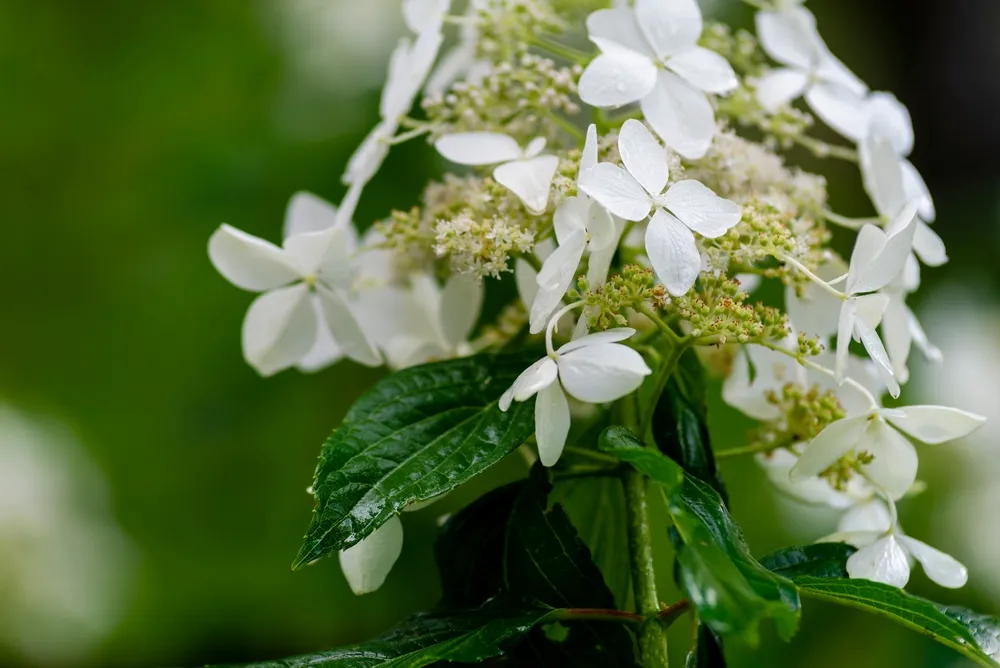
When it comes to growing Hydrangea Petiolaris in the UK, there are a few potential problems that gardeners should be aware of. The most common issue is that the plant can be prone to frost damage, especially during the winter months. To protect the plant from frost damage, it is important to provide it with a sheltered spot in the garden, such as against a wall or fence. Additionally, it is important to ensure that the soil is well-drained and not too wet, as this can lead to Root Rot.
Another potential problem is that Hydrangea Petiolaris can be susceptible to pests and diseases. To prevent this, it is important to regularly inspect the plant for signs of pests or disease and take appropriate action if necessary. Additionally, it is important to prune the plant regularly to promote healthy growth and remove any dead or damaged branches. This will help to keep the plant looking its best and ensure it remains healthy.
The Common Diseases and Pests which Affect a Climbing Hydrangea Petiolaris

When it comes to Hydrangea Petiolaris, one of the most common diseases and pests that can affect it are Powdery Mildew and Aphids. Powdery Mildew is a fungal disease that can cause the leaves of the Hydrangea Petiolaris to become covered in a white, powdery substance. This can cause the leaves to become distorted and discolored, and can eventually lead to the death of the plant. Aphids are small, sap-sucking insects that can cause damage to the leaves and stems of the Hydrangea Petiolaris. They can also spread diseases and weaken the plant, making it more susceptible to other pests and diseases. To prevent these pests and diseases from affecting your Hydrangea Petiolaris, it is important to regularly inspect the plant for signs of damage and to take appropriate action if any is found. Regular pruning and fertilizing can also help to keep your Hydrangea Petiolaris healthy and strong.
Common Diseases and Pests of Climbing Hydrangea Petiolaris
Climbing Hydrangea Petiolaris is a hardy plant, but like any other plant, it can be susceptible to certain diseases and pests. Here are some of the most common issues:
- 1. Powdery Mildew: This fungal disease appears as a white or gray powdery substance on leaves. It's usually caused by high humidity or poor air circulation.
- 2. Leaf Spot Disease: This fungal problem presents as brown or Black Spots on leaves. It's often caused by watering overhead or planting in full sun.
- 3. Aphids and scale insects: These pests suck sap from plants, weakening them and potentially spreading diseases. scale insects can also leave a sticky residue called honeydew, which can lead to sooty mold.
- 1. Maintain Good Air Circulation: Give your plant plenty of space to grow. This helps to prevent fungal diseases by allowing air to circulate freely, reducing humidity around the plant.
- 2. Water Correctly: Water at the base of the plant rather than overhead to avoid creating a damp environment that encourages fungal growth.
- 3. Regular Inspection: Regularly check your plant for signs of pests or disease. Early detection makes treatment much easier.
- 4. Use of Fungicides and Pesticides: If diseases or pests are detected, use appropriate fungicides or pesticides. Always follow the manufacturer's instructions.
- 5. Promote Overall Plant Health: Healthy plants are more resistant to diseases and pests. Ensure your Climbing Hydrangea Petiolaris gets the right amount of light, water, and nutrients. Prune appropriately to promote vigorous growth.
In conclusion, while Climbing Hydrangea Petiolaris can be affected by certain diseases and pests, with the right care and attention, you can keep your plant healthy and thriving.
A Complete Guide to Pruning a Climbing Hydrangea Petiolaris in the UK
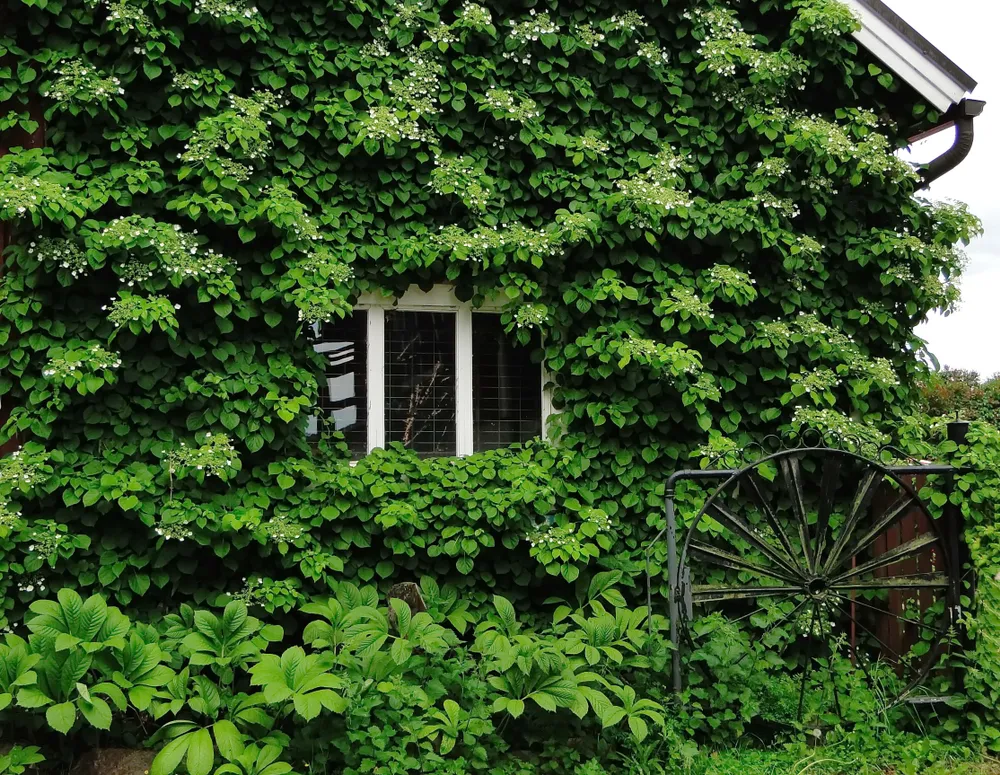
Hydrangea Petiolaris is a beautiful climbing shrub that is native to the UK. It is a popular choice for gardeners looking to add a touch of elegance to their outdoor space. Pruning is an important part of caring for a Hydrangea Petiolaris, and it is important to understand the best practices for pruning this particular species.
The best time to prune a Hydrangea Petiolaris is in late winter or early spring, when the plant is dormant. This will help to ensure that the plant has enough time to recover and grow back healthy and strong. When pruning, it is important to remove any dead or damaged branches, as well as any branches that are growing in an undesirable direction. It is also important to thin out the plant, removing any overcrowded branches to allow for better air circulation and light penetration. Finally, it is important to prune the plant back to a manageable size, as Hydrangea Petiolaris can grow quite large.
By following these simple steps, you can ensure that your Hydrangea Petiolaris will remain healthy and beautiful for years to come. With proper pruning, you can enjoy the beauty of this climbing shrub in your garden for many years to come.
Why Do we Need to Prune a Climbing Hydrangea Petiolaris?

Pruning is an essential part of caring for a climbing Hydrangea Petiolaris. This type of hydrangea is a vigorous climber, and it can quickly become overgrown and unruly if it is not pruned regularly. Pruning helps to keep the plant healthy and encourages it to produce more flowers. It also helps to keep the plant in a manageable size and shape. Pruning should be done in late winter or early spring, before the plant starts to produce new growth. When pruning, it is important to remove any dead or diseased branches, as well as any branches that are growing in an undesirable direction. It is also important to remove any shoots that are growing from the base of the plant, as these can quickly become overgrown and cause the plant to become unstable. Pruning a climbing Hydrangea Petiolaris is a great way to keep it looking its best and ensure it continues to thrive in the UK.
When is the Best Time to Prune a Climbing Hydrangea Petiolaris?
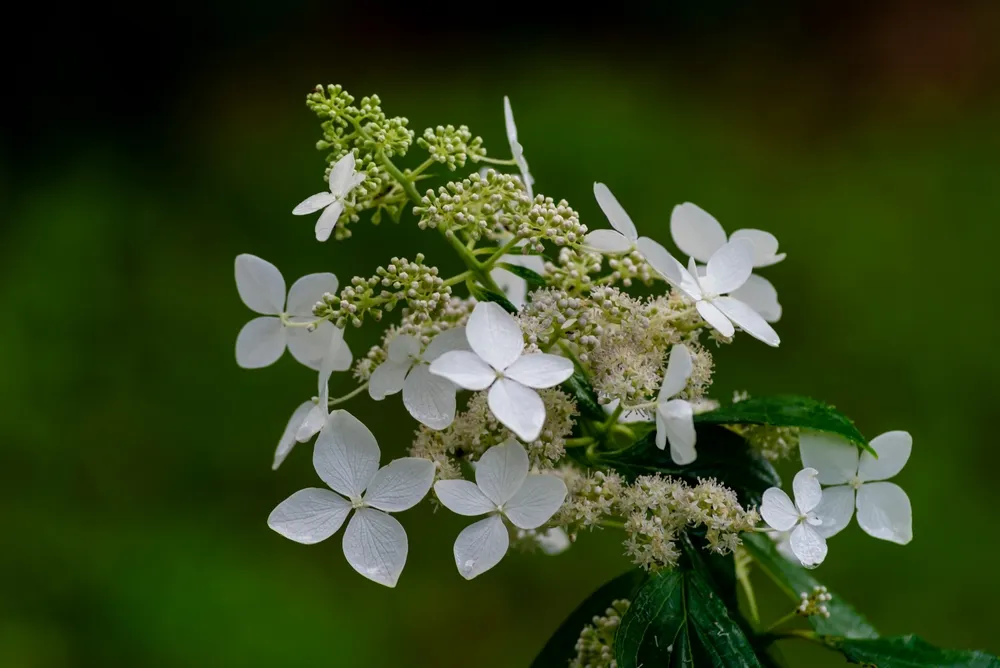
When it comes to pruning Hydrangea Petiolaris, timing is everything. This climbing hydrangea is a popular choice for gardeners in the UK, and it's important to know when the best time to prune is. Generally, the best time to prune Hydrangea Petiolaris is in late winter or early spring, before the new growth begins. This will help to ensure that the plant has plenty of time to recover and produce healthy new growth. It's also important to remember that Hydrangea Petiolaris should only be pruned when necessary, as it can be damaged by over-pruning. When pruning, it's important to remove any dead or damaged branches, as well as any branches that are growing in an undesirable direction. This will help to keep the plant healthy and looking its best.
A Step by Step Guide on How to Prune a Climbing Hydrangea Petiolaris

Hydrangea Petiolaris is a beautiful climbing hydrangea that is native to the UK. It is a popular choice for gardeners looking to add a touch of elegance to their outdoor space. Pruning is an important part of caring for this plant, and it is essential to do it correctly in order to ensure the health and longevity of your Hydrangea Petiolaris. Here is a step by step guide on how to prune your Hydrangea Petiolaris:
- Start by removing any dead or damaged branches. This will help to keep the plant healthy and encourage new growth.
- Cut back any branches that are growing too long or too close together. This will help to keep the shape of the plant and ensure that it is not overcrowded.
- Prune the Hydrangea Petiolaris in late winter or early spring. This is the best time to prune as it will help to encourage new growth and flowering.
- When pruning, make sure to use sharp, clean pruning shears. This will help to ensure that the cuts are clean and will not damage the plant.
- Finally, make sure to water the Hydrangea Petiolaris after pruning. This will help to keep the plant healthy and encourage new growth.
By following these steps, you can ensure that your Hydrangea Petiolaris is healthy and blooming for years to come. Pruning is an important part of caring for this beautiful climbing hydrangea, and it is essential to do it correctly in order to ensure the health and longevity of your Hydrangea Petiolaris.
How Much can I Prune Away a Mature Climbing Hydrangea Petiolaris

Hydrangea Petiolaris is a beautiful climbing hydrangea that is native to the UK. It is a deciduous shrub that can grow up to 10 metres in height and is known for its large, white flowers that bloom in the summer. It is a popular choice for gardeners looking to add a touch of beauty to their outdoor space. But how much can you prune away a mature Hydrangea Petiolaris? The answer is that you can prune away as much as you need to, as long as you do it correctly. Pruning should be done in the late winter or early spring, when the plant is dormant. You should remove any dead or diseased branches, as well as any that are crossing over each other or growing in an awkward direction. You can also prune away any branches that are too long or too thick. However, it is important to remember that Hydrangea Petiolaris is a slow-growing plant, so you should not prune away too much at once.
How to Care for a Climbing Hydrangea Petiolaris after Pruning
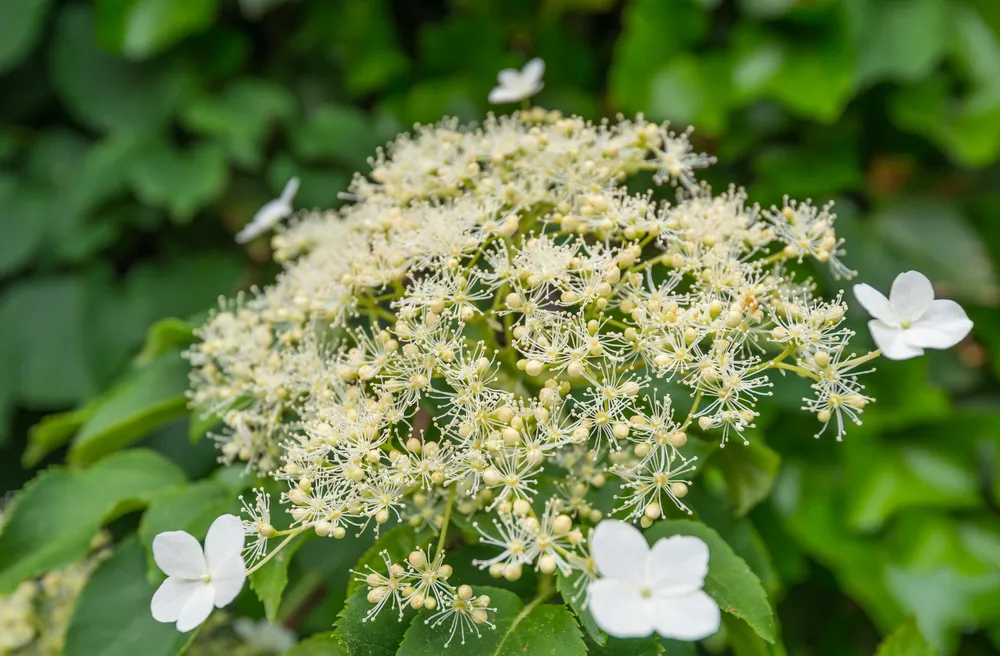
Hydrangea Petiolaris, also known as the Climbing Hydrangea, is a popular choice for gardeners in the UK. This evergreen climber is a great addition to any garden, providing year-round interest with its lush foliage and fragrant white flowers. Pruning is an important part of caring for a Climbing Hydrangea, and it's important to know how to do it correctly. Here are some tips for caring for your Hydrangea Petiolaris after pruning:
- First, it's important to prune your Hydrangea Petiolaris at the right time. Pruning should be done in late winter or early spring, before the plant starts to produce new growth. This will help ensure that the plant is healthy and vigorous.
- Once you've pruned your Hydrangea Petiolaris, it's important to provide it with the right care. Make sure to water it regularly, as this will help the plant to recover from pruning.
- Additionally, you should fertilize your Hydrangea Petiolaris with a balanced fertilizer to help promote healthy growth.
- Finally, it's important to keep an eye on your Hydrangea Petiolaris for signs of disease or pests. If you notice any signs of disease or pests, it's important to take action quickly to prevent further damage.
By following these tips, you can ensure that your Hydrangea Petiolaris is healthy and vigorous after pruning. With the right care, your Climbing Hydrangea will be a beautiful addition to your garden for years to come.
How to avoid Pruning too Much off my Climbing Hydrangea Petiolaris
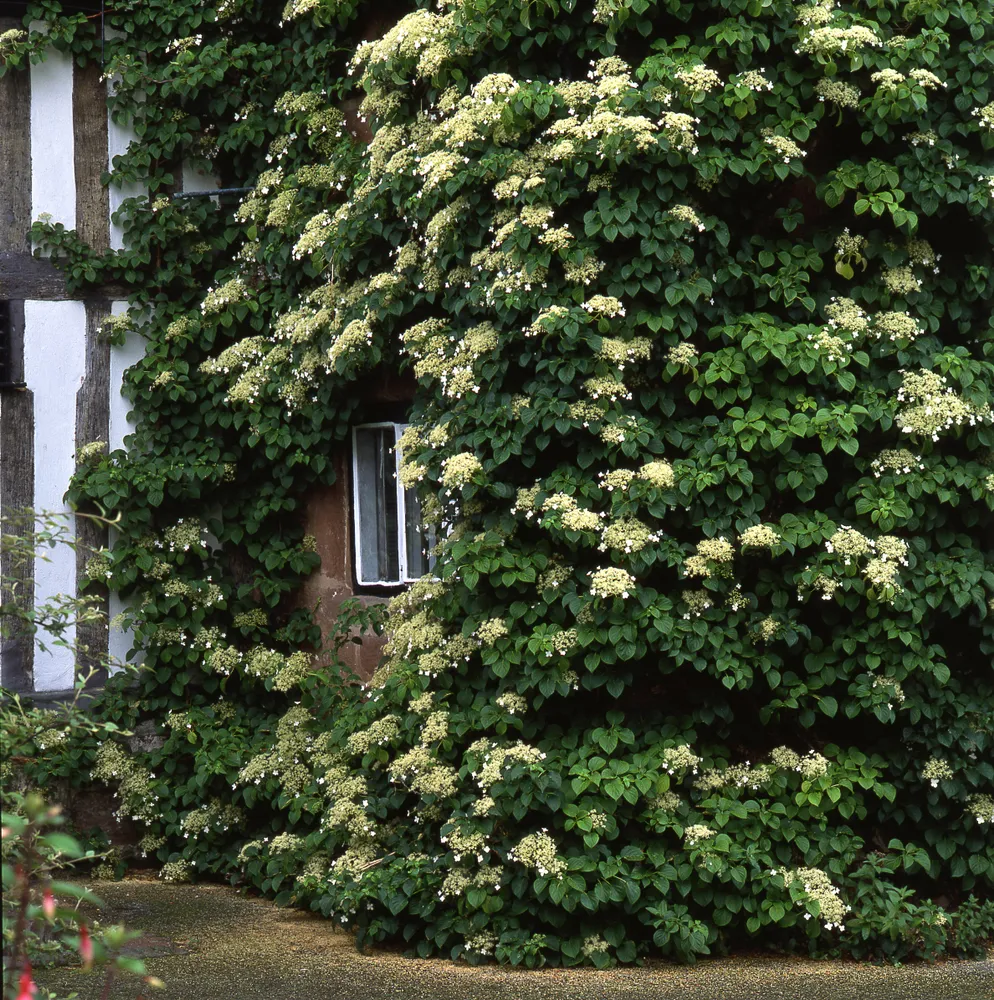
Hydrangea Petiolaris is a beautiful climbing shrub that is native to the UK. It is a popular choice for gardeners looking to add a touch of elegance to their outdoor space. However, it is important to be aware of the potential risks of pruning too much off your Hydrangea Petiolaris.
The most important thing to remember when pruning your Hydrangea Petiolaris is to not prune too much. If you prune too much, you risk damaging the plant and reducing its growth potential. It is best to prune only the dead or damaged branches, and to leave the healthy ones alone. Additionally, it is important to prune at the right time of year. Pruning in the spring or summer can cause the plant to become stressed and can reduce its flowering potential. The best time to prune is in the late summer or early autumn. By following these simple tips, you can ensure that your Hydrangea Petiolaris remains healthy and vibrant for years to come. With proper care and attention, your Hydrangea Petiolaris will be a beautiful addition to your garden.
An Overview of Pruning a Climbing Hydrangea Petiolaris
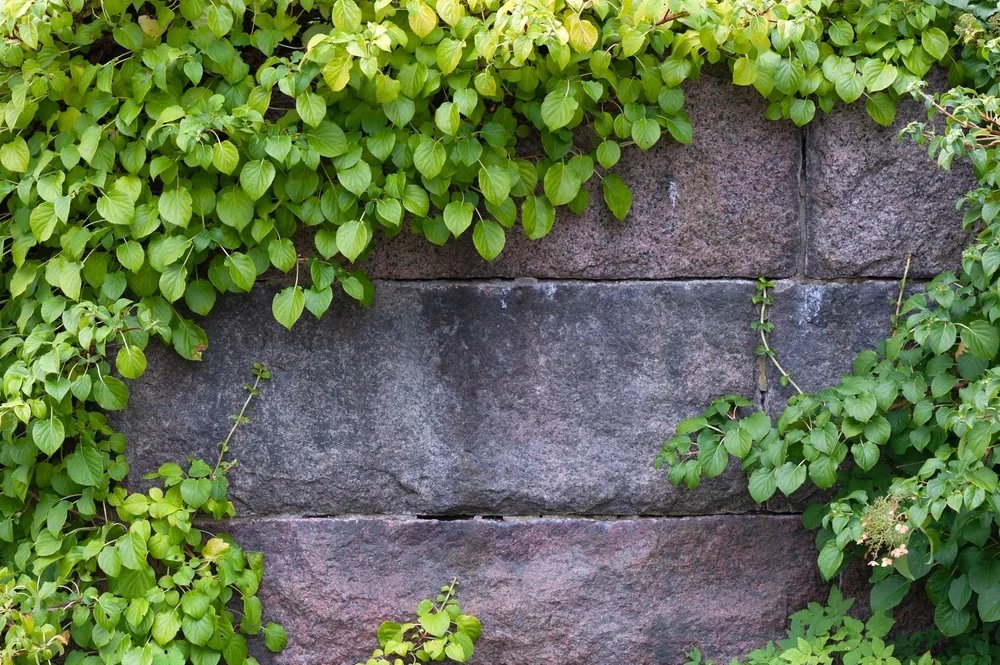
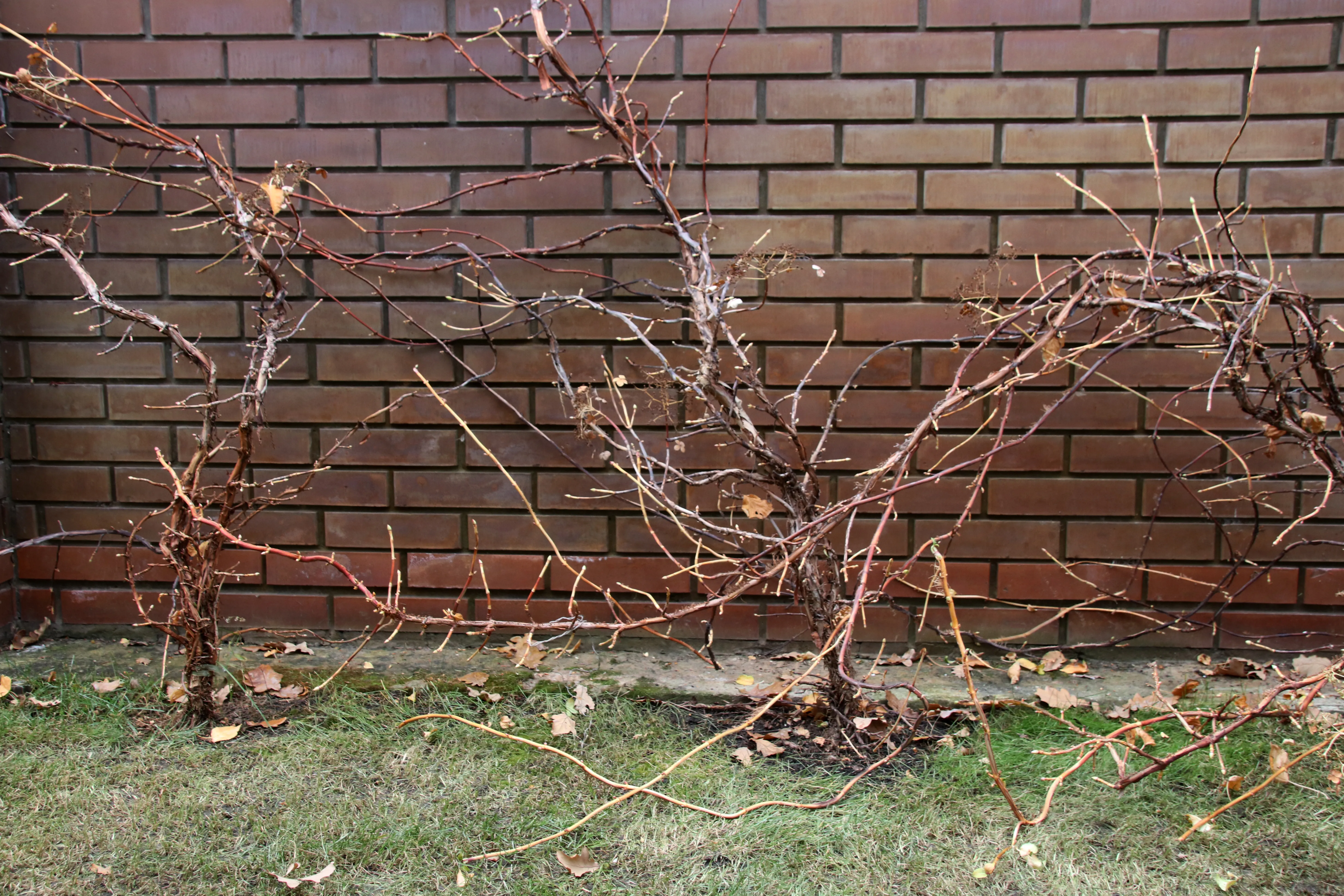
Pruning a climbing Hydrangea Petiolaris is an important part of keeping this beautiful plant healthy and looking its best. This type of hydrangea is a vigorous climber, and it can quickly become overgrown if not pruned regularly. Pruning should be done in late winter or early spring, before the new growth begins. It is important to remove any dead or damaged branches, as well as any that are crossing over each other. This will help to keep the plant looking neat and tidy. Additionally, it is important to prune back any shoots that are growing too far away from the main stem, as this can cause the plant to become unbalanced. Finally, it is important to prune back any shoots that are growing too close to the ground, as this can cause the plant to become top-heavy. With regular pruning, your Hydrangea Petiolaris will remain healthy and beautiful for many years to come.
In conclusion, Hydrangea Petiolaris is a beautiful and hardy climbing plant that can be grown in the UK. It is important to choose the right location to plant out your Hydrangea Petiolaris and to follow the step-by-step guide on how to plant it. It is also important to be aware of the common diseases and pests that can affect the plant, and to prune it correctly. With the right care and attention, Hydrangea Petiolaris can be a stunning addition to any garden. So, if you are looking for a beautiful and hardy climbing plant, Hydrangea Petiolaris is the perfect choice.
Frequently Asked Questions About a Climbing Hydrangea Petiolaris

FAQ Questions and Answers:
- Q1: What is the best time to plant a Climbing Hydrangea Petiolaris in the UK? A1: The best time to plant a Climbing Hydrangea Petiolaris in the UK is during the spring or early summer months. This is when the soil is warm and moist, and the temperatures are mild.
- Q2: What is the best location to plant out my Climbing Hydrangea Petiolaris? A2: The best location to plant out your Climbing Hydrangea Petiolaris is in a spot that receives partial shade and is sheltered from strong winds. The soil should be well-drained and rich in organic matter.
- Q3: How fast do Climbing Hydrangea Petiolariss grow? A3: Climbing Hydrangea Petiolariss can grow up to 10 feet in height and spread up to 8 feet in width. They can grow up to 1 foot per year, depending on the conditions.
- Q4: How can I propagate a Climbing Hydrangea Petiolaris? A4: You can propagate a Climbing Hydrangea Petiolaris by taking cuttings from the stems in the summer months. Place the cuttings in a pot filled with moist soil and keep them in a warm, bright spot.
- Q5: Is it possible to grow a Climbing Hydrangea Petiolaris from seed? A5: Yes, it is possible to grow a Climbing Hydrangea Petiolaris from seed. You will need to collect the seeds from the flowers in the summer months and sow them in a pot filled with moist soil. Keep the pot in a warm, bright spot and water regularly.
- Q6: What are the common diseases and pests which affect a Climbing Hydrangea Petiolaris? A6: Common diseases and pests which affect a Climbing Hydrangea Petiolaris include Powdery Mildew, Aphids, and scale insects. To prevent these, make sure to keep the plant well-watered and prune away any dead or diseased branches.
- Q7: Why do we need to prune a Climbing Hydrangea Petiolaris? A7: Pruning a Climbing Hydrangea Petiolaris is important to maintain its shape and size, as well as to encourage healthy growth. It also helps to remove any dead or damaged branches, which can attract pests and diseases. So, regular pruning is necessary to keep the plant healthy and looking its best.
- Q8: Can a Climbing Hydrangea Petiolaris be grown in a container? A8: Yes, a Climbing Hydrangea Petiolaris can be grown in a container, as long as the container is large enough to accommodate its growth and has good drainage. Make sure to fertilize and water the plant regularly if grown in a container. It may also need additional support for its climbing branches. So, it is important to choose the right size of container and provide proper care for the plant to thrive.
- Q9: How often should I fertilize my Climbing Hydrangea Petiolaris? A9: It is recommended to fertilize your Climbing Hydrangea Petiolaris once a year in late winter or early spring, with a balanced fertilizer. Be sure to follow the instructions on the fertilizer packaging for proper application.
- Q10: Can I grow other plants or flowers around a Climbing Hydrangea Petiolaris? A10: Yes, you can grow other plants or flowers around a Climbing Hydrangea Petiolaris as long as they are not competing for space and nutrients. It is best to choose shade-loving plants that will not overshadow the hydrangea. Some options include hostas, ferns, and astilbes. So, choose companion plants that will complement the beauty of the Climbing Hydrangea Petiolaris and not hinder its growth.
How to Prune Climbing Vines
List by Variety
- How to Prune Actinidia
- How to Prune Akebia
- How to Prune Bougainvillea
- How to Prune Campsis
- How to Prune Celastrus
- How to Prune Chilean Glory Vine
- How to Prune Clematis Armandii
- How to Prune Clematis Montana
- How to Prune Climbing Rose
- How to Prune Hedera GoldHeart
- How to Prune Honeysuckle
- How to Prune Hydrangea Petiolaris
- How to Prune Ivy
- How to Prune Japanese Wisteria
- How to Prune Morning Glory
- How to Prune Parthenocissus
- How to Prune Persian Ivy Hedera Colchica
- How to Prune Schisandra
- How to Prune Star Jasmine
- How to Prune Sweet Peas
- How to Prune True Jasmine
- How to Prune Virginia Creeper
- How to Prune Wisteria
How to Prune Hedges
List by Variety
- How to Prune an Arborvitae Hedge
- How to Prune a Barberry Hedge
- How to Prune a Beech Hedge
- How to Prune a Boxwood Hedge
- How to Prune a Butterfly Bush Hedge
- How to Prune a Cotoneaster Hedge
- How to Prune an English Lavender Hedge
- How to Prune an Escallonia Hedge
- How to Prune an Euonymus-Hedge
- How to Prune a Firethorn Hedge
- How to Prune a Forsythia Hedge
- How to Prune a Griselinia Hedge
- How to Prune a Hawthorn Hedge
- How to Prune a Holly Hedge
- How to Prune a Hornbeam Hedge
- How to Prune a Laurel Hedge
- How to Prune a Leylandii Hedge
- How to Prune a Lilac Hedge
- How to Prune a Maple Leaf Viburnum Hedge
- How to Prune a Photinia Hedge
- How to Prune a Pink Ramanus Rose Hedge
- How to Prune a Privet Hedge
- How to Prune a Pyracantha Hedge
- How to Prune a Spirea Hedge
- How to Prune a Thuja Hedge
- How to Prune a Viburnum Hedge
- How to Prune a Western Red Cedar Hedge
- How to Prune a Yew Hedge
How to Prune Shrubs
List by Variety
- How to Prune an Abelia Shrub
- How to Prune an Abutilon
- How to Prune an Acer / Japanese-Maple
- How to Prune an Amelanchiers
- How to Prune an Apple-Tree
- How to Prune an Arbovitae Shrub
- How to Prune an Arbutus
- How to Prune an Aucuba
- How to Prune a Azalea Mollis
- How to Prune Azaleas
- How to Prune a Bay Tree Shrub
- How to Prune a Berberis Darwinii
- How to Prune Berberis Deciduous Types
- How to Prune a Boxwood Shrubs
- How to Prune a Brachyglottis Senecio
- How to Prune a Buddleia Alternifolia
- How to Prune Buddleias Butterfly Bushes
- How to Prune a Buddleja Globosa
- How to Prune a Callicarpa
- How to Prune a Camellia
- How to Prune a Caryopteris
- How to Prune a Catalpa Bignonioides Aurea
- How to Prune Ceanothus Deciduous Types
- How to Prune Ceanothus Evergreen Types
- How to Prune a Ceratostigma
- How to Prune a Chaenomeles
- How to Prune a Choisya
- How to Prune a Cistus
- How to Prune a Clematis
- How to Prune a Cornus
- How to Prune a Cotinus Royal Purple
- How to Prune a Cytisus Scoparius
- How to Prune a Exochorda x Macrantha
- How to Prune a Forsythia
- How to Prune a Hebe
- How to Prune a Hydrangeas
- How to Prune Juniper Shrubs
- How to Prune a Lavatera
- How to Prune Lilac Bushes
- How to Prune a Mugo Pine
- How to Prune Rose Bushes
- How to Prune Spirea Shrubs
- How to Prune Viburnum Shrubs
- How to Prune a Weigela
- How to Prune a Yew
How to Prune Trees
List by Variety
- How to Prune a Apple Tree
- How to Prune a Apricot Tree
- How to Prune a Ash Tree
- How to Prune a Birch Tree
- How to Prune a Cherry Tree
- How to Prune a Elm Tree
- How to Prune a Fig Tree
- How to Prune a Grape Tree
- How to Prune a Hickory Tree
- How to Prune a Maple Tree
- How to Prune a Oak Tree
- How to Prune an Olive Tree
- How to Prune a Peach Tree
- How to Prune a Pear Tree
- How to Prune a Plum Tree
- How to Prune a Poplar Tree
- How to Prune a Walnut Tree
How to Prune Climbing Vines
List by Variety
- How to Prune Actinidia
- How to Prune Akebia
- How to Prune Bougainvillea
- How to Prune Campsis
- How to Prune Celastrus
- How to Prune Chilean Glory Vine
- How to Prune Clematis Armandii
- How to Prune Clematis Montana
- How to Prune Climbing Rose
- How to Prune Hedera GoldHeart
- How to Prune Honeysuckle
- How to Prune Hydrangea Petiolaris
- How to Prune Ivy
- How to Prune Japanese Wisteria
- How to Prune Morning Glory
- How to Prune Parthenocissus
- How to Prune Persian Ivy Hedera Colchica
- How to Prune Schisandra
- How to Prune Star Jasmine
- How to Prune Sweet Peas
- How to Prune True Jasmine
- How to Prune Virginia Creeper
- How to Prune Wisteria
How to Prune Hedges
List by Variety
- How to Prune an Arborvitae Hedge
- How to Prune a Barberry Hedge
- How to Prune a Beech Hedge
- How to Prune a Boxwood Hedge
- How to Prune a Butterfly Bush Hedge
- How to Prune a Cotoneaster Hedge
- How to Prune an English Lavender Hedge
- How to Prune an Escallonia Hedge
- How to Prune an Euonymus-Hedge
- How to Prune a Firethorn Hedge
- How to Prune a Forsythia Hedge
- How to Prune a Griselinia Hedge
- How to Prune a Hawthorn Hedge
- How to Prune a Holly Hedge
- How to Prune a Hornbeam Hedge
- How to Prune a Laurel Hedge
- How to Prune a Leylandii Hedge
- How to Prune a Lilac Hedge
- How to Prune a Maple Leaf Viburnum Hedge
- How to Prune a Photinia Hedge
- How to Prune a Pink Ramanus Rose Hedge
- How to Prune a Privet Hedge
- How to Prune a Pyracantha Hedge
- How to Prune a Spirea Hedge
- How to Prune a Thuja Hedge
- How to Prune a Viburnum Hedge
- How to Prune a Western Red Cedar Hedge
- How to Prune a Yew Hedge
How to Prune Shrubs
List by Variety
- How to Prune an Abelia Shrub
- How to Prune an Abutilon
- How to Prune an Acer / Japanese-Maple
- How to Prune an Amelanchiers
- How to Prune an Apple-Tree
- How to Prune an Arbovitae Shrub
- How to Prune an Arbutus
- How to Prune an Aucuba
- How to Prune a Azalea Mollis
- How to Prune Azaleas
- How to Prune a Bay Tree Shrub
- How to Prune a Berberis Darwinii
- How to Prune Berberis Deciduous Types
- How to Prune a Boxwood Shrubs
- How to Prune a Brachyglottis Senecio
- How to Prune a Buddleia Alternifolia
- How to Prune Buddleias Butterfly Bushes
- How to Prune a Buddleja Globosa
- How to Prune a Callicarpa
- How to Prune a Camellia
- How to Prune a Caryopteris
- How to Prune a Catalpa Bignonioides Aurea
- How to Prune Ceanothus Deciduous Types
- How to Prune Ceanothus Evergreen Types
- How to Prune a Ceratostigma
- How to Prune a Chaenomeles
- How to Prune a Choisya
- How to Prune a Cistus
- How to Prune a Clematis
- How to Prune a Cornus
- How to Prune a Cotinus Royal Purple
- How to Prune a Cytisus Scoparius
- How to Prune a Exochorda x Macrantha
- How to Prune a Forsythia
- How to Prune a Hebe
- How to Prune a Hydrangeas
- How to Prune Juniper Shrubs
- How to Prune a Lavatera
- How to Prune Lilac Bushes
- How to Prune a Mugo Pine
- How to Prune Rose Bushes
- How to Prune Spirea Shrubs
- How to Prune Viburnum Shrubs
- How to Prune a Weigela
- How to Prune a Yew
How to Prune Trees
List by Variety
- How to Prune a Apple Tree
- How to Prune a Apricot Tree
- How to Prune a Ash Tree
- How to Prune a Birch Tree
- How to Prune a Cherry Tree
- How to Prune a Elm Tree
- How to Prune a Fig Tree
- How to Prune a Grape Tree
- How to Prune a Hickory Tree
- How to Prune a Maple Tree
- How to Prune a Oak Tree
- How to Prune an Olive Tree
- How to Prune a Peach Tree
- How to Prune a Pear Tree
- How to Prune a Plum Tree
- How to Prune a Poplar Tree
- How to Prune a Walnut Tree
Gallery












.webp)
Michael Carter
Vestibulum ante ipsum primis in faucibus orci luctus et ultrices posuere cubilia curae; Donec vel erat in nulla efficitur tempor non ut nisl. Integer venenatis eros ut dui viverra fermentum.
Sophie Wilson
Nam ut turpis hendrerit, varius nunc vel, elementum dui. Morbi vulputate dolor sit amet scelerisque egestas. Vestibulum eleifend nunc ut bibendum fermentum.
Alex Morgan
Cras non velit nec purus tempor rhoncus. Sed non mauris vitae erat consequat auctor eu in elit. Class aptent taciti sociosqu ad litora torquent per conubia nostra.