How and When to Prune A Barberry Hedge
A Complete Guide to Growing and Planting a Barberry Hedge in the UK
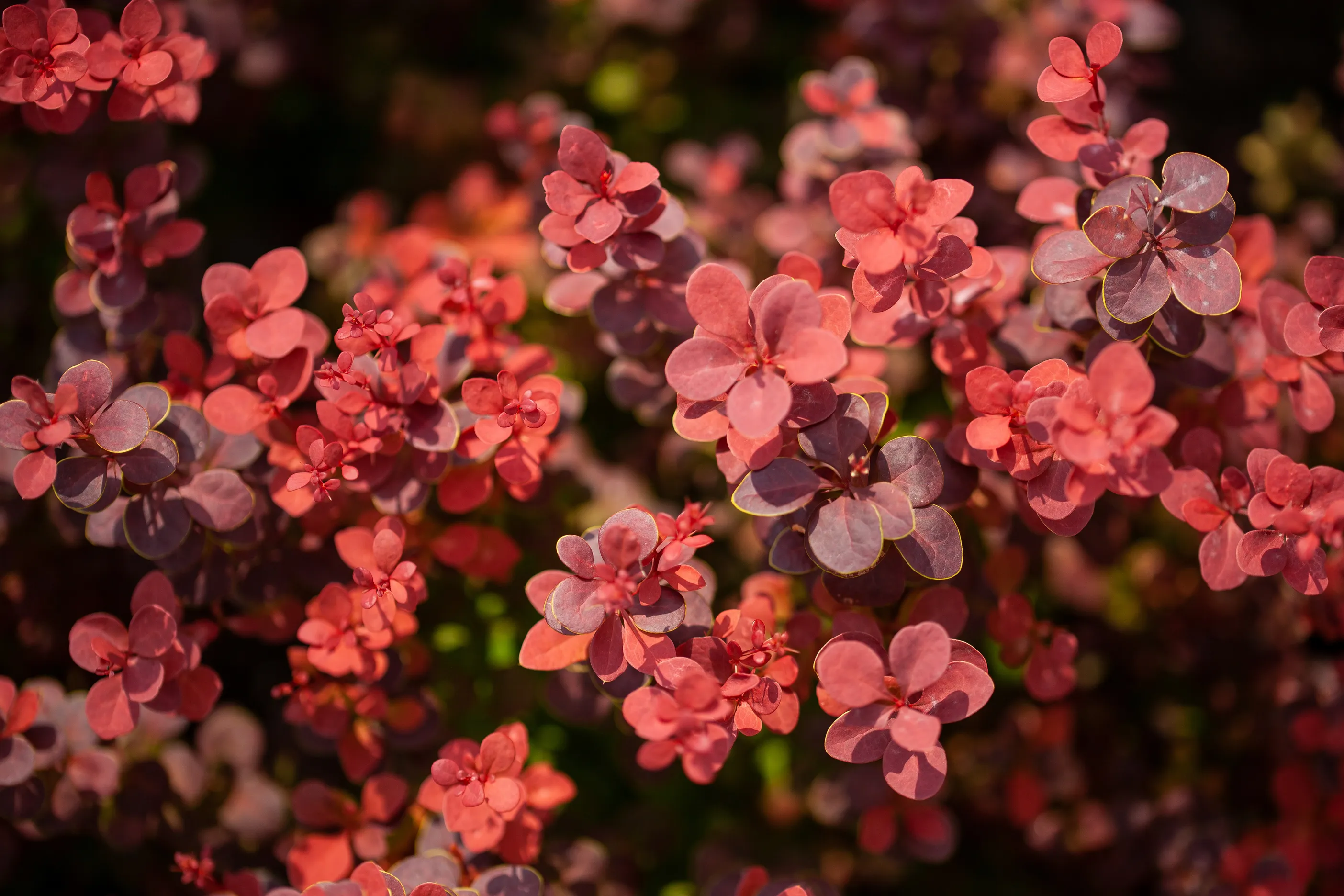
Barberry bush - The Japanese barberry

Have you ever wanted to add a living border of beauty and privacy to your garden? A barberry hedge is the perfect solution! Not only are these hedges visually stunning, with their vibrant seasonal colours from flowers, red or yellow berries and fiery foliage in fall; but they provide an effective barrier for both wildlife and noise. This guide will take you through everything you need to know about planting and growing a barberry hedge in the UK, from the different varieties available up until maintaining it year round. By following our tips your barrier-hedge dreams can be easily achieved whilst keeping its maintenance minimal!
By following our complete guide to growing and planting a Barberry Hedge in the UK, you can add structure and definition to your garden while keeping it secure. With all the information given, we hope you feel confident enough to go out and create the perfect Barberry Hedge for your space, no matter how big or small it may be.
When selecting the variety of your Barberry Hedge, consider the climate and soil type in which you will be planting it. The most common types are Japanese barberries, which can tolerate both damp and dry conditions. Consider also if you prefer a deciduous or evergreen style hedge as this will determine the optimal colouring and planting season.
The next step is to choose a location for your hedge and decide how dense you would like it to be. The ideal spot should receive direct sunlight for at least 6 hours a day, however partial shade can also work if the conditions are right. You must keep in mind that taller hedges may require more light than shorter ones, so always keep this in mind when selecting a location.
Once you have chosen the perfect spot, it’s time to prepare the soil. Clear any weeds or debris and dig a shallow trench along where your hedge will be planted. Adding compost or aged manure will ensure your Barberry Hedge has an extra boost of nutrients
Understand the Basics of Barberry Hedges
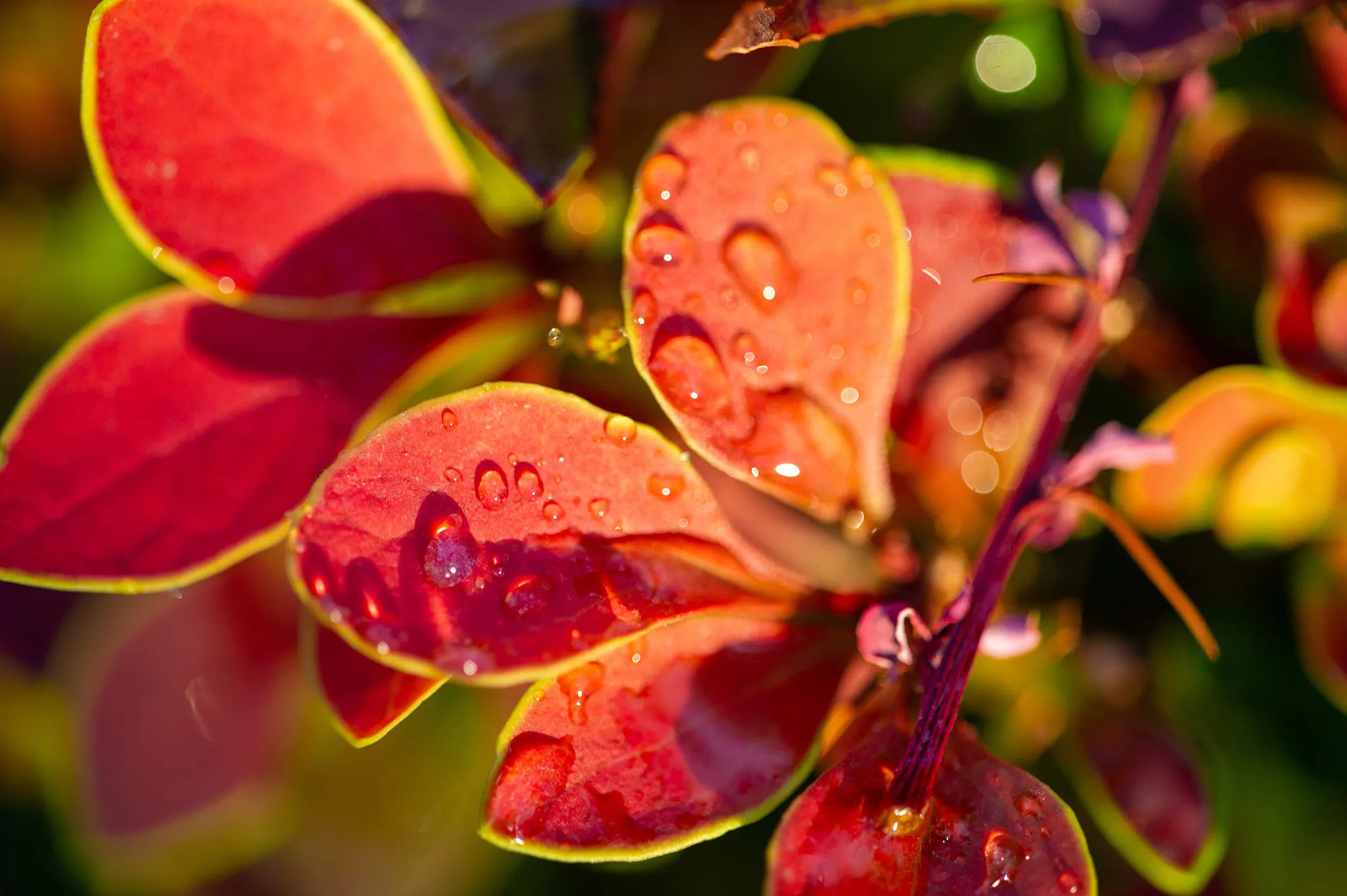 Decorative barberry. Adds colour and texture to any garden or landscape Low maintenance plant that is pest and disease resistant. Ideal for hedges, borders or as a yard accent.

– Learn about growth rates, sunlight requirements and optimal soil pH levels
Barberry hedges are a popular choice for gardeners and landscapers alike. These hedges can add structure and depth to any outdoor space, but before planting them, it's important to understand their basic care requirements. One of the most important factors is growth rate, as some varieties can grow up to two feet per year.
Additionally, barberry hedges require a good amount of sunlight to thrive, so planting them in a location that receives at least six hours of direct sunlight daily is ideal.
Finally, optimal soil pH levels for barberry hedges range from 5.5 to 7.5, so it's essential to test your soil before planting. With the right conditions, barberry hedges can grow into a beautiful addition to any landscape.
Buy the Right Plants for Your Site
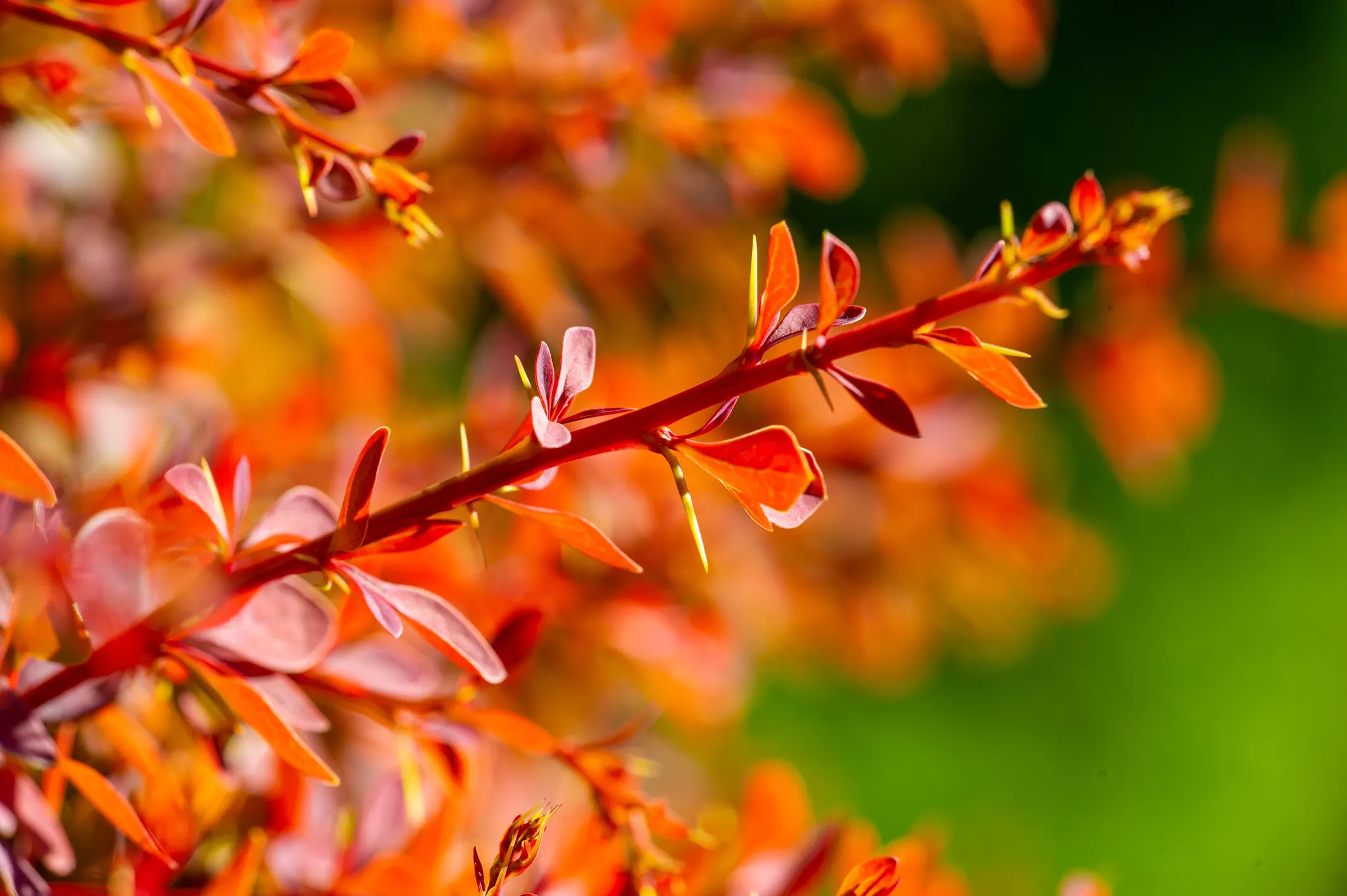
Decorative barberry. Adds beauty and colour to any landscape Drought tolerant and low maintenance Can be used as a hedge.border.or focal point in gardens

– Consider factors such as size, colour, and shape when selecting your hedge type
When it comes to creating the perfect hedge for your space, there are several factors to consider. One variety that should be on your radar is the barberry hedge. Known for its vibrant and eye-catching colours, these plants come in a range of hues, from burgundy and gold to green and purple.
Additionally, barberry hedges can grow to be either tall and narrow or short and wide, making them a versatile choice for landscaping. Whether you're looking to add a pop of colour to your yard or create a barrier between your property and your neighbors', a barberry hedge could be the perfect solution.
Barberry plants have been used for years to create beautiful and functional hedges. They are known for their vibrant foliage colors and hardiness, making them a popular choice for gardeners and landscapers alike. Barberry hedges are versatile, providing privacy, security, and a natural barrier against wind and noise pollution. They also attract birds, butterflies, and other beneficial insects to your garden. In this guide, we will discuss different types of Barberry plants that can be used for creating hedges, their characteristics, growing requirements, and the best conditions for planting and maintaining them.
Types of Barberry plants for creating hedges:
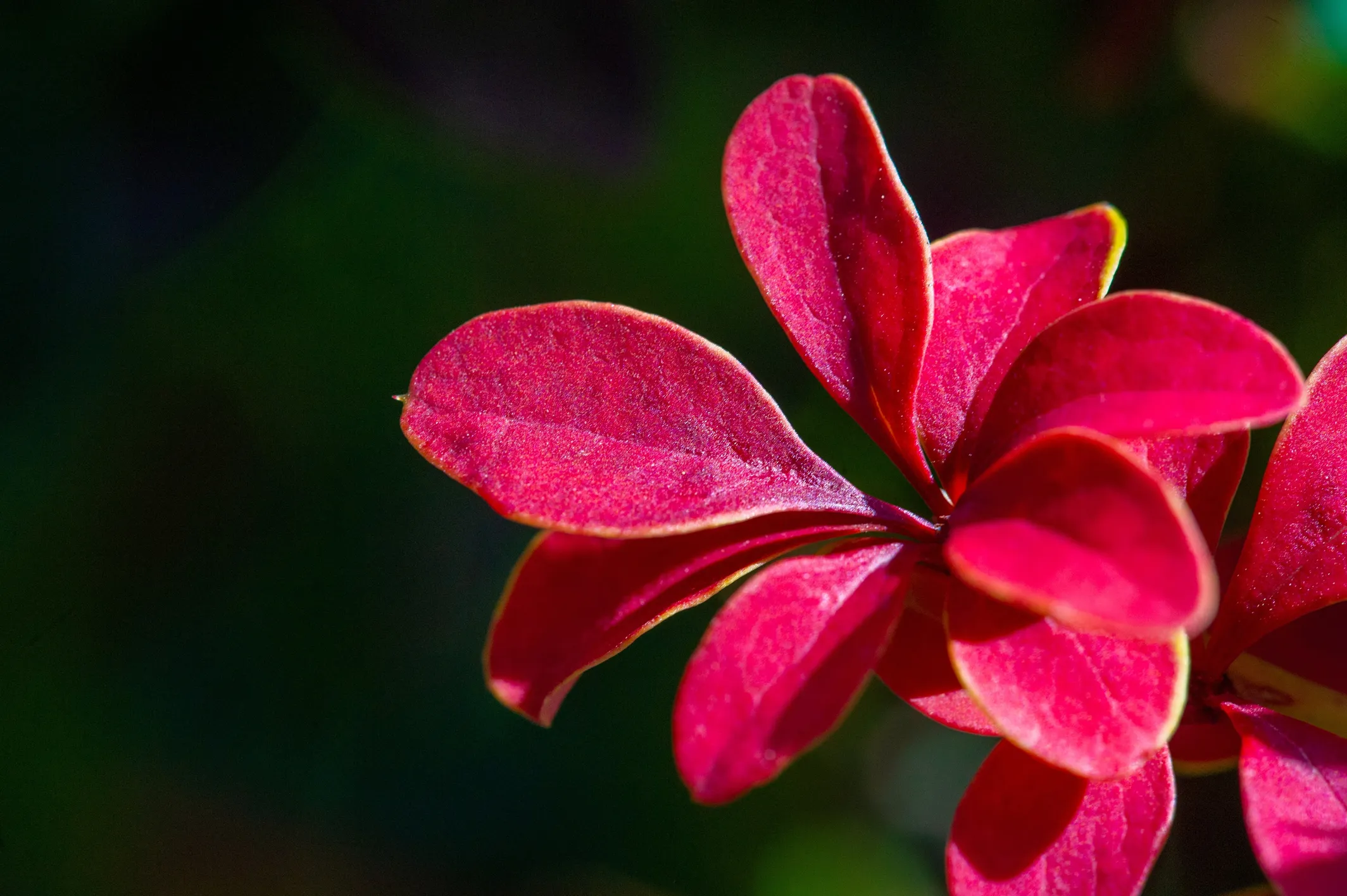
Decorative barberry. Adds vibrant color to any landscape. Drought resistant and does not require special care. Provides year-round interest with its colorful foliage. Great for hedges,
Crimson Pygmy Barberry
The Crimson Pygmy Barberry is a dwarf-sized plant with deep red-purple foliage. It grows up to 2-3 feet tall and wide, making it ideal for small hedges or as edging plants. It requires full sun exposure and well-drained soil. The plant is extremely drought-tolerant but needs regular watering during hot summers.
Golden Barberry
The Golden Barberry is a medium-sized plant with bright yellow foliage that turns dark orange in fall. It grows up to 5-6 feet tall and wide, making it suitable for larger hedges. It prefers full sun to partial shade and well-drained soil. The plant is hardy and can tolerate extreme weather conditions.
Rose Glow Barberry
The Rose Glow Barberry is a compact shrub with variegated pink and purple foliage. It grows up to 5 feet tall and wide, making it perfect for medium-sized hedges. It prefers full sun to partial shade and well-drained soil. The plant requires regular pruning to maintain its shape and should be protected from harsh winter winds.
Japanese Barberry
The Japanese Barberry is a thorny, deciduous plant with green leaves that turn brilliant red in the fall. It grows up to 6-8 feet tall and wide, making it ideal for larger hedges or garden borders. It prefers full sun to partial shade and well-drained soil. The plant is hardy and can tolerate poor soil conditions but needs regular pruning to avoid overgrowth.
Orange Rocket Barberry
The Orange Rocket Barberry is a tall, narrow plant with bright orange-red foliage that turns red-purple in the fall. It grows up to 4-5 feet tall and only 1-2 feet wide, making it perfect for tall, narrow hedges or as a vertical accent in yards. It prefers full sun exposure and well-drained soil. The plant is drought-tolerant and low-maintenance, but needs regular pruning to maintain its shape.
Best conditions for planting and maintaining a Barberry Hedge:
Barberry plants prefer well-drained soil with a pH level between 5.0 and 7.5. They can tolerate a range of soil types, including sandy, loamy, and clay soils, but avoid planting them in wet or waterlogged areas. Barberry plants require full sun to partial shade exposure, and regular watering during hot summers. They are generally low-maintenance, but require occasional pruning to maintain their shape and prevent overgrowth.
Top picks for creating a Barberry Hedge:
Golden Barberry: It is hardy, easy to grow, and adds a pop of colour to any landscape.
Crimson Pygmy Barberry: It is great for small hedges or as edging plants due to its compact size and deep red-purple foliage.
Rose Glow Barberry: It is ideal for medium-sized hedges and adds a dramatic touch of pink and purple to any garden.
Japanese Barberry: It is perfect for larger hedges or garden borders due to its thorny nature and brilliant fall color.
Orange Rocket Barberry: It is perfect for tall, narrow hedges or as a vertical accent in yards due to its unique shape and bright orange-red foliage.
Barberry hedges are an excellent choice for adding beauty, privacy, and protection to any landscape. There are many types of Barberry plants available, each with its unique characteristics and growing requirements. By choosing the right plant for your needs and following proper planting and maintenance techniques, you can create a beautiful and functional Barberry Hedge that will enhance the beauty of your outdoor space for years to come.
Planting Process Overview
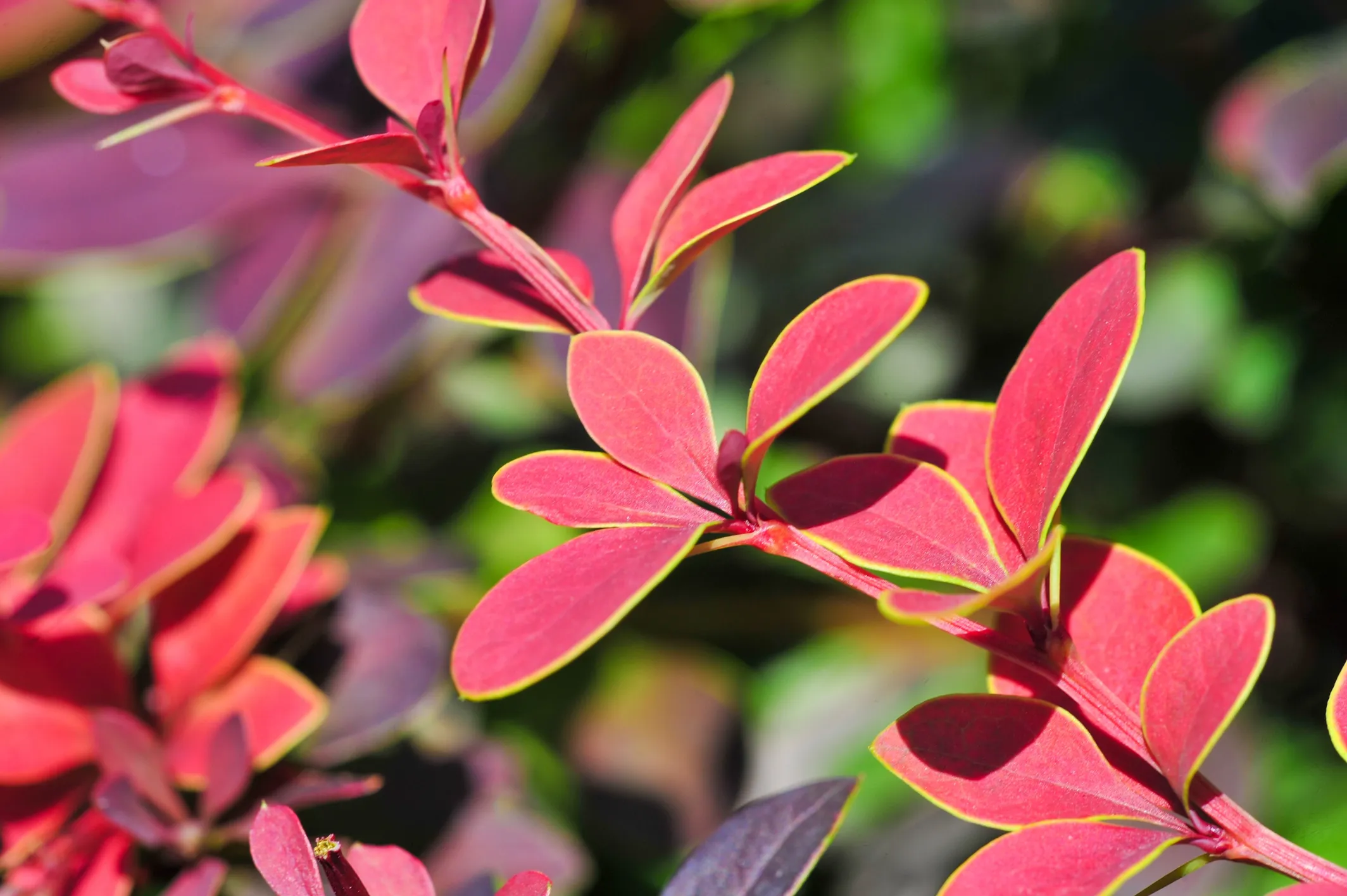 Decorative barberry. Adds a pop of colour and texture to any garden or landscape Drought resistant and low maintenance plant option Can be used for hedges, borders or as standalone focal points

- Follow a step-by-step guide to ensure successful planting of your barberry hedge
Creating a beautiful barberry hedge can be a rewarding gardening project, but it's important to make sure you follow the proper planting process to ensure success. First, choose a location that receives adequate sunlight and has well-draining soil. Then, prepare the area by removing any weeds or grass and tilling the soil to a depth of at least 12 inches.
Next, dig holes that are slightly larger than the root balls of your barberry bushes, and make sure they are evenly spaced. Finally, gently place each bush in its hole, backfill with soil, and water thoroughly. With proper care and attention, your barberry hedge will thrive and provide a beautiful backdrop in your garden for years to come.
- Choose the right barberry variety: Select a suitable barberry variety for your hedge, considering factors such as size, growth rate, and color. Some popular choices include Japanese barberry (Berberis thunbergii) and European barberry (Berberis vulgaris).
- Select the planting site: Choose a well-drained area with full sun or partial shade. Barberry can tolerate a wide range of soil types but prefers slightly acidic to neutral soil (pH 6.0-7.0). Ensure there is enough space for the hedge to grow to its mature size.
- Prepare the soil: Remove any weeds, grass, or debris from the planting area. Loosen the soil to a depth of at least 12-15 inches (30-38 cm) using a garden fork or tiller. If needed, amend the soil with organic matter, such as compost, to improve drainage and fertility.
- Determine the spacing: Space the barberry plants according to their mature width. For a dense hedge, plant them about half of their mature width apart. For example, if the mature width is 4 feet, plant them 2 feet apart.
- Dig the planting holes: Dig holes that are twice as wide and just as deep as the root balls of your barberry plants. Space the holes according to the determined spacing in step 4.
- Plant the barberry shrubs: Gently remove the plants from their containers, being careful not to damage the roots. Place each plant in the center of a hole, ensuring the top of the root ball is level with the surrounding soil. Fill in the hole with soil, gently pressing it down to eliminate air pockets.
- Water the plants: Water the newly planted barberry shrubs thoroughly to help settle the soil around the roots. Keep the soil consistently moist, but not waterlogged, for the first few weeks after planting.
- Apply mulch: Spread a 2-3 inch (5-7.5 cm) layer of organic mulch around the base of each plant to help retain moisture, suppress weeds, and regulate soil temperature. Keep the mulch a few inches away from the stems to prevent rot.
- Fertilize (optional): If desired, apply a balanced, slow-release fertilizer in the spring, following the package instructions. Avoid over-fertilizing, as this can lead to excessive growth and reduced cold-hardiness.
- Prune for shape: Prune the barberry hedge to maintain its desired shape and size. The best time to prune is in late winter or early spring before new growth begins. Remove any dead, damaged, or crossing branches, and trim the remaining branches to encourage bushy growth.
- Monitor for pests and diseases: Keep an eye out for common barberry pests, such as Aphids and scale insects, as well as diseases like Powdery Mildew and rust. Treat any issues promptly with appropriate cultural or chemical controls.
By following these steps, you can ensure the successful planting and growth of your barberry hedge, creating an attractive and functional garden feature.
Useful Tips for Optimal Growth
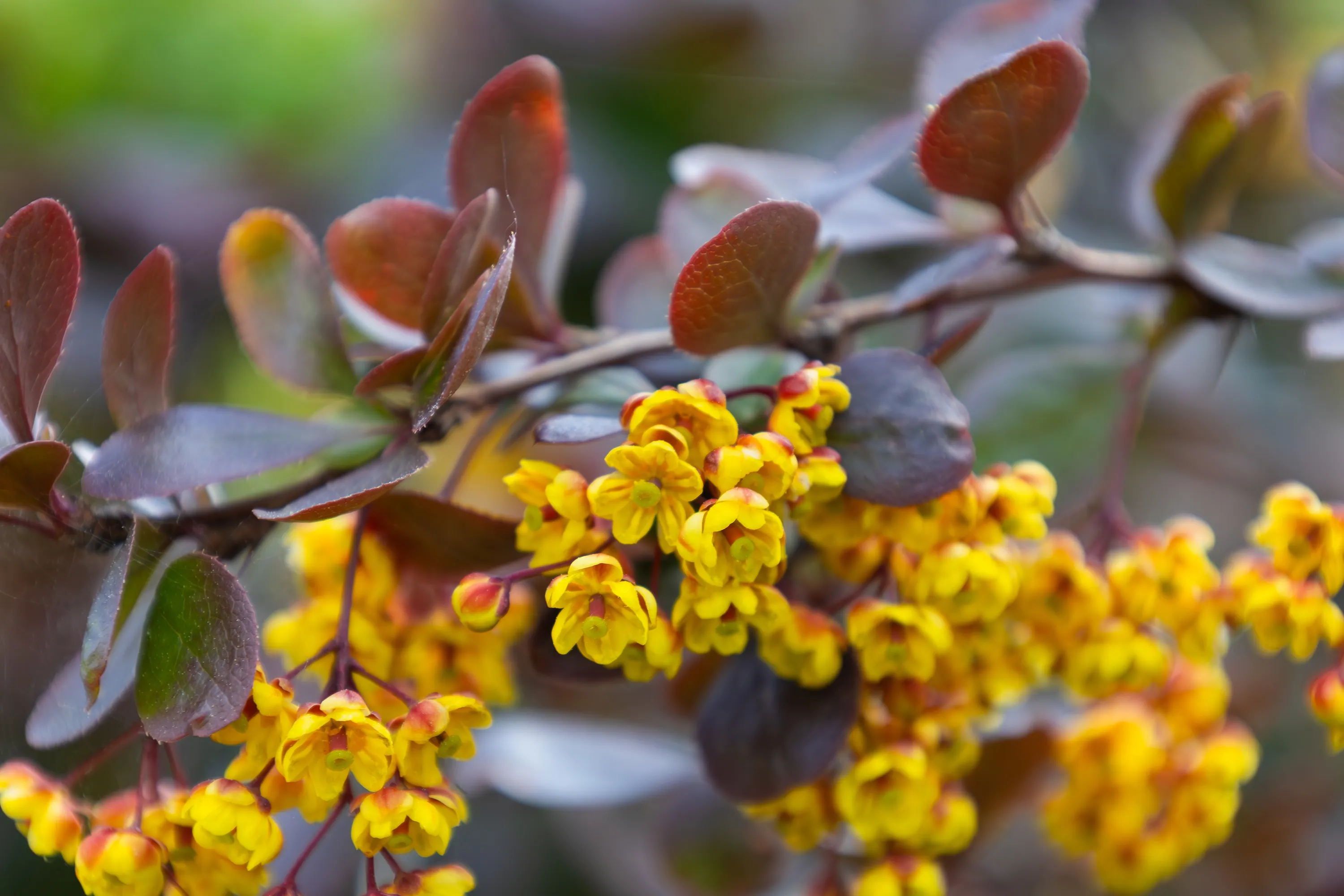
Bright yellow flowers on the branch of Berberis thunbergii in spring. Natural beauty of elegant twig of red barberry. Soft focus. Seasonal wallpaper for design. Blossom of Japanese barberry.

- Discover techniques such as pruning and fertilizing to maximize disease and pest prevention
If you're looking for tips to ensure the optimal growth of your barberry hedges, you're in the right place. Barberry hedges are not only a beautiful addition to your garden but also provide an added layer of security to your home. To make sure your hedges stay healthy, you'll need to employ techniques such as pruning and fertilizing. Regular pruning will encourage healthy growth while keeping pests at bay. Fertilizing with the right nutrients will strengthen the hedge's immune system and prevent the onset of diseases. By following these simple tips, you're sure to have the most stunning and healthy barberry hedges in your neighborhood.
Guidelines For Maintenance
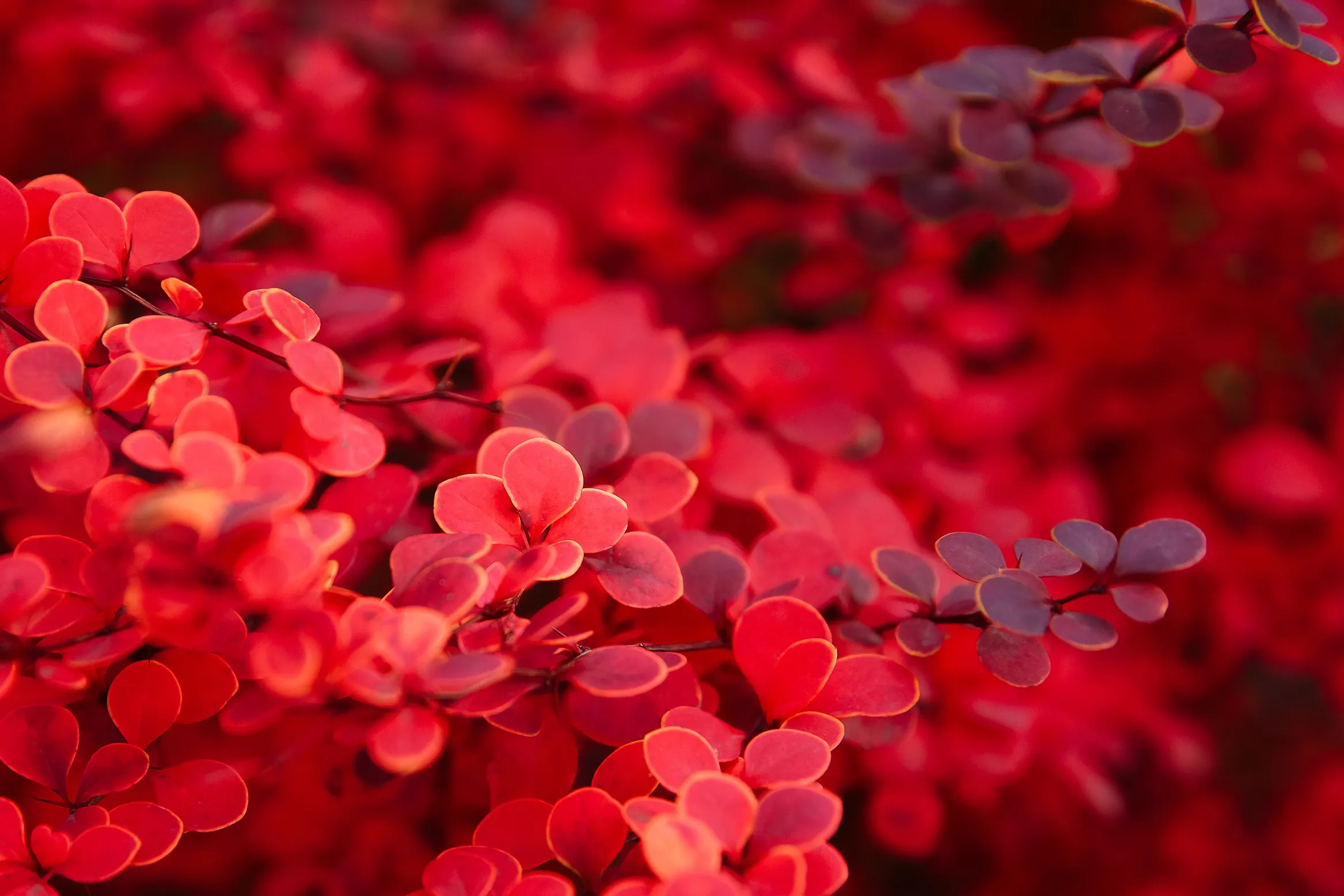
red leaves of Berberis thunbergii erecta in autumn

- Learn how to keep your barberry hedge looking beautiful year-round with practical tips on mulching, watering, and weeding
Barberry hedges are a beautiful addition to any yard. But, like any other plant, they require some maintenance to keep them looking their best. You may wonder how to achieve that year-round breathtaking barberry hedge. The answer is simple! Mulching, watering and weeding are critical for the survival of your hedge. Mulching keeps the soil moist by reducing the rate of soil evaporation, water holds water and deters weed growth. Weeding is crucial as it removes any unwanted plants growing around the hedge. With these practical tips, you can ensure that your barberry hedge remains beautiful and healthy throughout the seasons.
Troubleshooting Common Issues
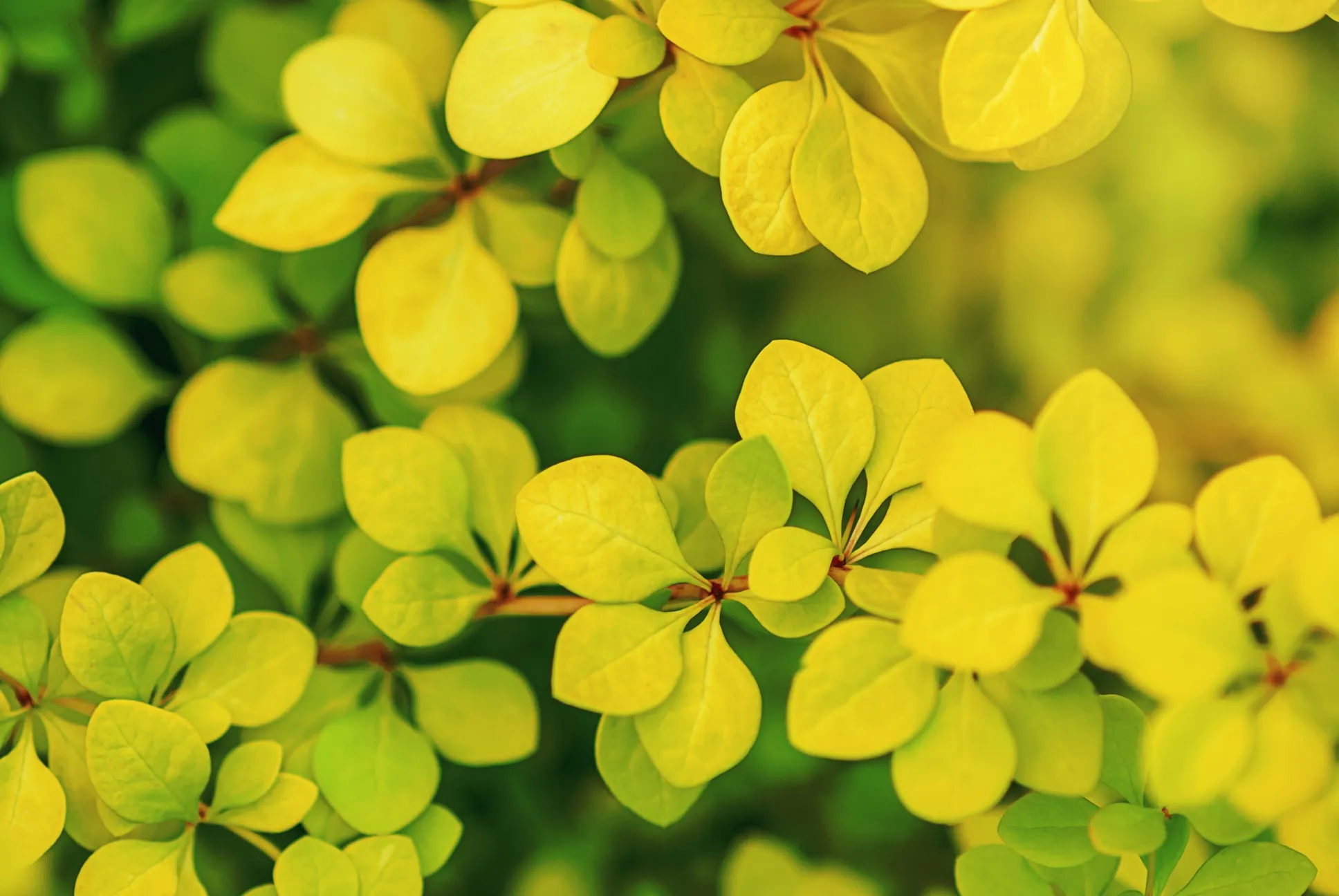
Japanese barberry (Berberis Thunbergii Aurea) yellowish-green leaves closeup

- Identify potential problems such as wilting or discoloration, then learn how to solve them quickly and effectively
Barberry hedges are not immune to common issues that can arise in plants. Among the problems that one might face with barberry hedges, wilting and discoloration are some of the most common ones. It can be a frustrating experience to see your once lush and thriving hedges, now withering away. Fortunately, with the right approach, it is possible to identify the root cause of these issues and solve them quickly and effectively. By understanding the reasons behind wilting or discoloration in your barberry hedges, you can take corrective measures that will bring your plants back to a healthy and vibrant state.
As a horticulturist with a focus on plant pathology and pest management, I've compiled a comprehensive list of common diseases, pests, and environmental threats that can potentially affect the Barberry Hedge (Berberis spp.).
Common Diseases:
Powdery Mildew (Erysiphe berberidis): This fungal disease appears as a white, powdery coating on leaves and stems. It can cause leaf distortion, yellowing, and premature leaf drop. To prevent and manage Powdery Mildew, maintain good air circulation around the plants, avoid overhead watering, and use fungicides labeled for Powdery Mildew control if necessary.
Rust (Puccinia spp.): Rust is another fungal disease that can affect barberry hedges. It appears as orange or rust-colored pustules on the undersides of leaves. Infected leaves may turn yellow and drop prematurely. Prune out infected branches, remove fallen leaves, and apply a fungicide labeled for rust control to manage this disease.
Pests:
Aphids: These small, sap-sucking insects can cause leaf curling, yellowing, and stunted growth. They also produce a sticky substance called honeydew, which can lead to sooty mold growth. Control Aphids by releasing beneficial insects, like ladybugs, or applying insecticidal soap or neem oil.
scale insects: scale insects are small, immobile pests that attach themselves to stems and leaves, sucking sap and causing yellowing, leaf drop, and stunted growth. Treat scale infestations with horticultural oil, insecticidal soap, or systemic insecticides.
Environmental Threats:
Drought: Barberry hedges can tolerate some drought, but prolonged dry periods can cause leaf scorch, wilting, and reduced growth. To prevent drought stress, water your barberry hedge deeply and regularly during dry spells, and apply mulch to help retain soil moisture.
Nutrient Deficiencies: Nutrient deficiencies can lead to poor growth, leaf discoloration, and overall plant decline. Conduct a soil test to determine if any nutrient imbalances are present and amend the soil accordingly. Apply a balanced, slow-release fertilizer in the spring to provide essential nutrients.
Proactive Measures, Treatments, and Preventive Measures:
Proper Planting and Care: Ensure your barberry hedge is planted in well-draining soil with adequate sunlight. Water and fertilize as needed, and prune regularly to maintain good air circulation and overall plant health.
Monitor for Pests and Diseases: Regularly inspect your barberry hedge for signs of pests or diseases, and treat any issues promptly using appropriate cultural, biological, or chemical controls.
Sanitation: Remove and dispose of any fallen leaves, branches, or other debris near your barberry hedge to reduce the risk of disease spread. Prune out any dead, diseased, or damaged branches to maintain overall plant health.
Encourage Beneficial Insects: Attract beneficial insects, such as ladybugs, Lacewings, and parasitic wasps, to your garden by planting a variety of flowering plants. These beneficial insects can help control pest populations naturally.
By following these guidelines and taking proactive measures, homeowners and gardeners can ensure their barberry hedges remain healthy and thriving.
Frequently Asked Questions
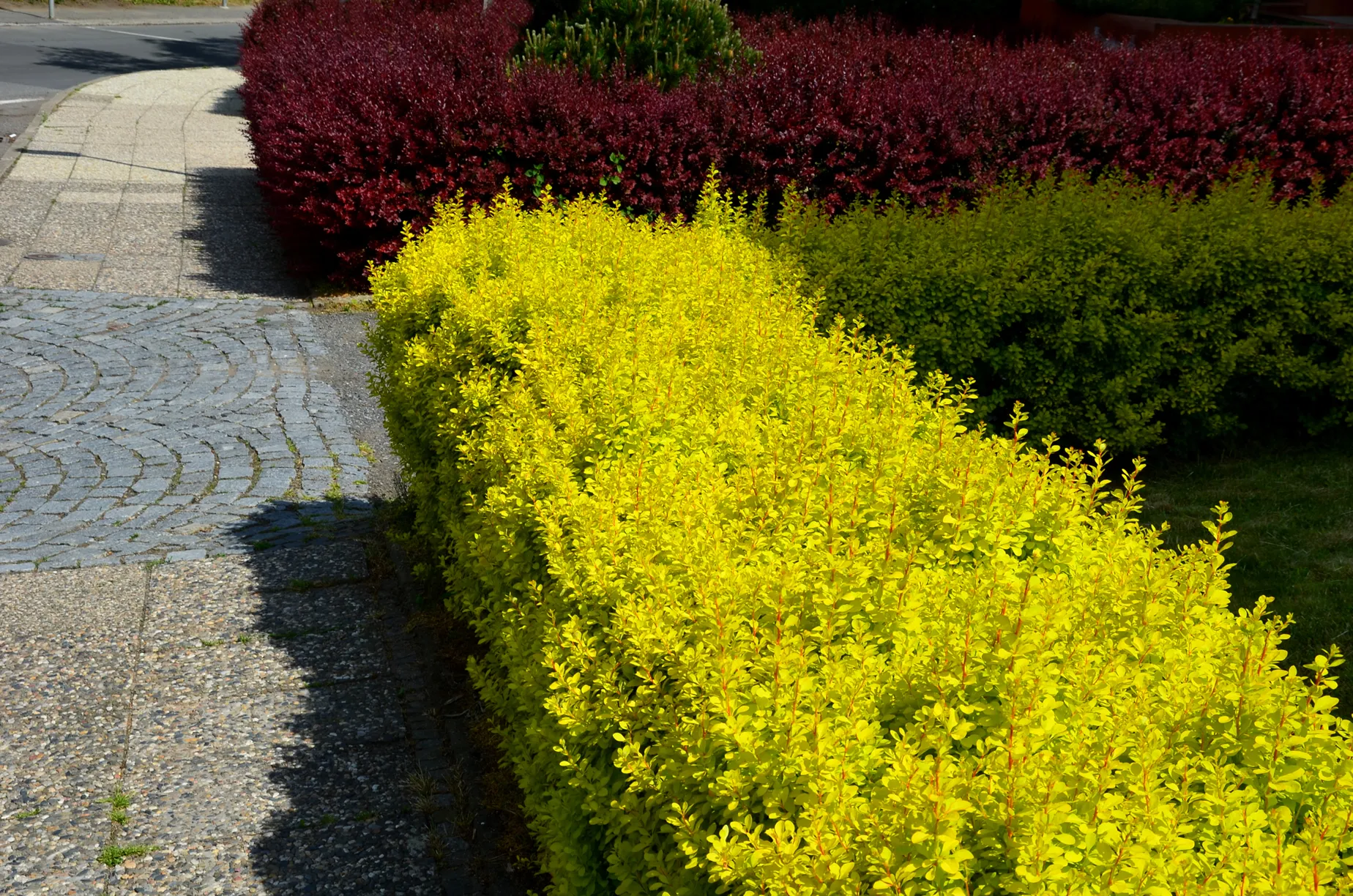
golden leaves do not burn in the sun if the plant is well rooted and has enough attractiveness when it changes to fiery red, orange and salmon from the bottom up.

Many homeowners love the timeless charm of barberry hedges, but they often have questions about how to care for them. While there is no one-size-fits-all answer to every question, there are several helpful tips that can keep your barberry hedges looking their best. You may be asking yourself, "how often should I prune my barberry hedge?" or "what's the best way to combat pests and diseases?" These are all common concerns and the good news is that with a little bit of knowledge, you can keep your hedges thriving and looking great year-round. So whether you're a seasoned green thumb or a beginner gardener, don't be afraid to ask your local nursery for advice when it comes to your beloved barberry hedges.
All in all, barberry hedges provide a great way to beautify one's landscaping. With proper knowledge of barberry hedge basics, the right plants, and a good understanding of the planting process and troubleshooting common issues, you'll have a beautiful addition to your garden in no time. Don't forget practical tips—these simple steps can keep your barberry hedge looking fresh for years. Lastly, although there is some legwork involved in selecting, planting and maintaining a barberry hedge, it is well worth the investment. After taking the time to do do all of this work, you will be able to proudly display and boast about your beautiful barberry hedge! A Complete Guide to Pruning the barberry hedges in the UK
- What is a barberry hedge?
- What are the benefits of planting a barberry hedge?
- How do I plant a barberry hedge?
- How do I care for a barberry hedge?
- What are some of the best barberry varieties for hedges?
- How do I prune a barberry hedge?
- What are some common problems with barberry hedges?
Understanding the Basics – What are Barberry Hedges and How to Prune Them
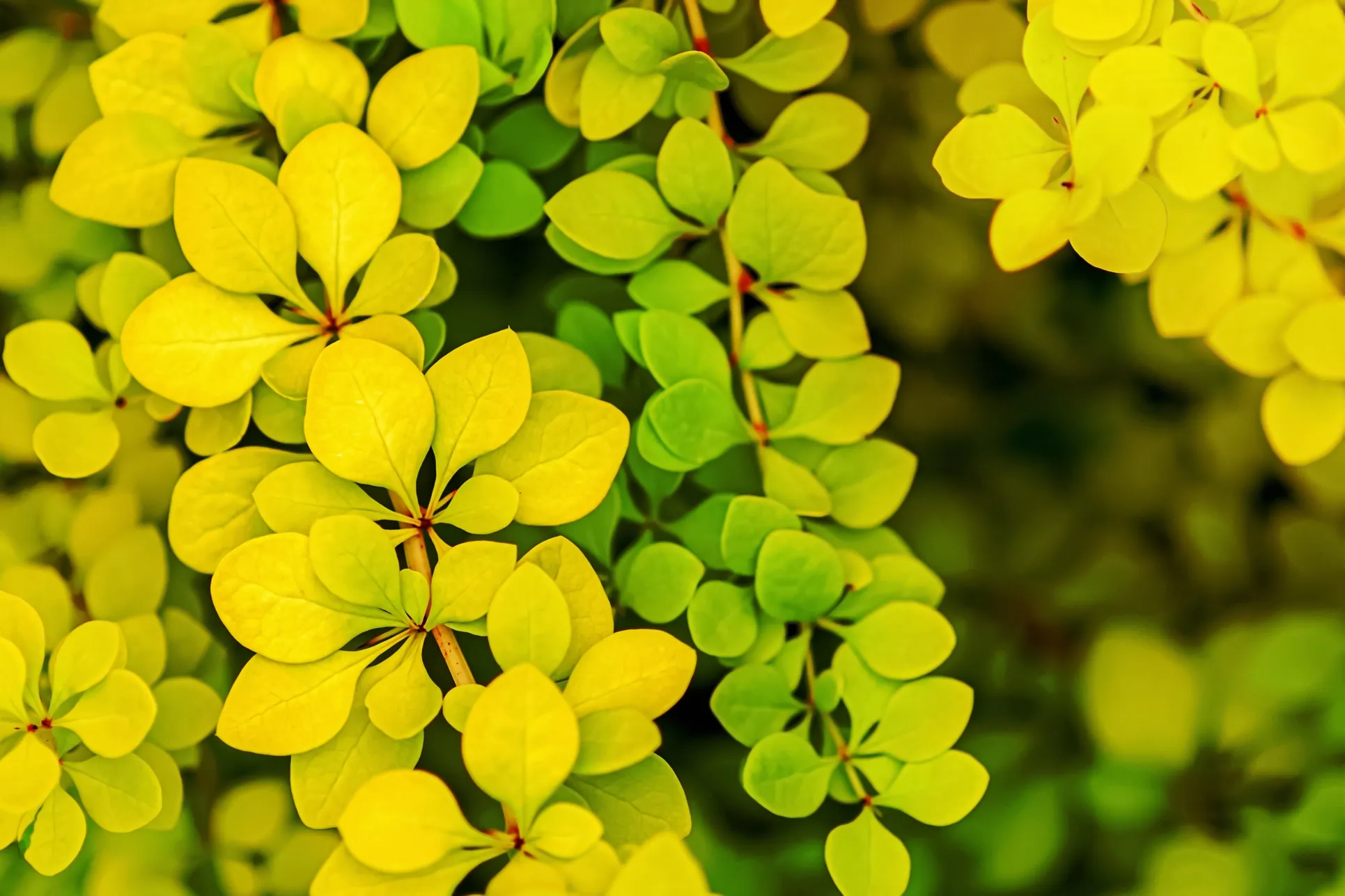
Golden Japanese barberry yellow green leaves, Berberis thunbergii Aurea foliage background

Barberry hedges are a type of shrub commonly used for hedging due to their thorny nature, making them an excellent deterrent to unwanted visitors. However, they are not just practical but also beautiful with their striking foliage that turns into vibrant shades of red, orange, and yellow in the autumn. To keep them looking their best, pruning is necessary and should be done in the dormant season between late winter and early spring. Keep in mind that barberry hedges should not be over-pruned as this can lead to the death of the plant. By understanding the basics of barberry hedges and how to prune them correctly, you can enjoy a beautiful, healthy, and secure hedge for years to come.
Choosing the Right Tools for the Job
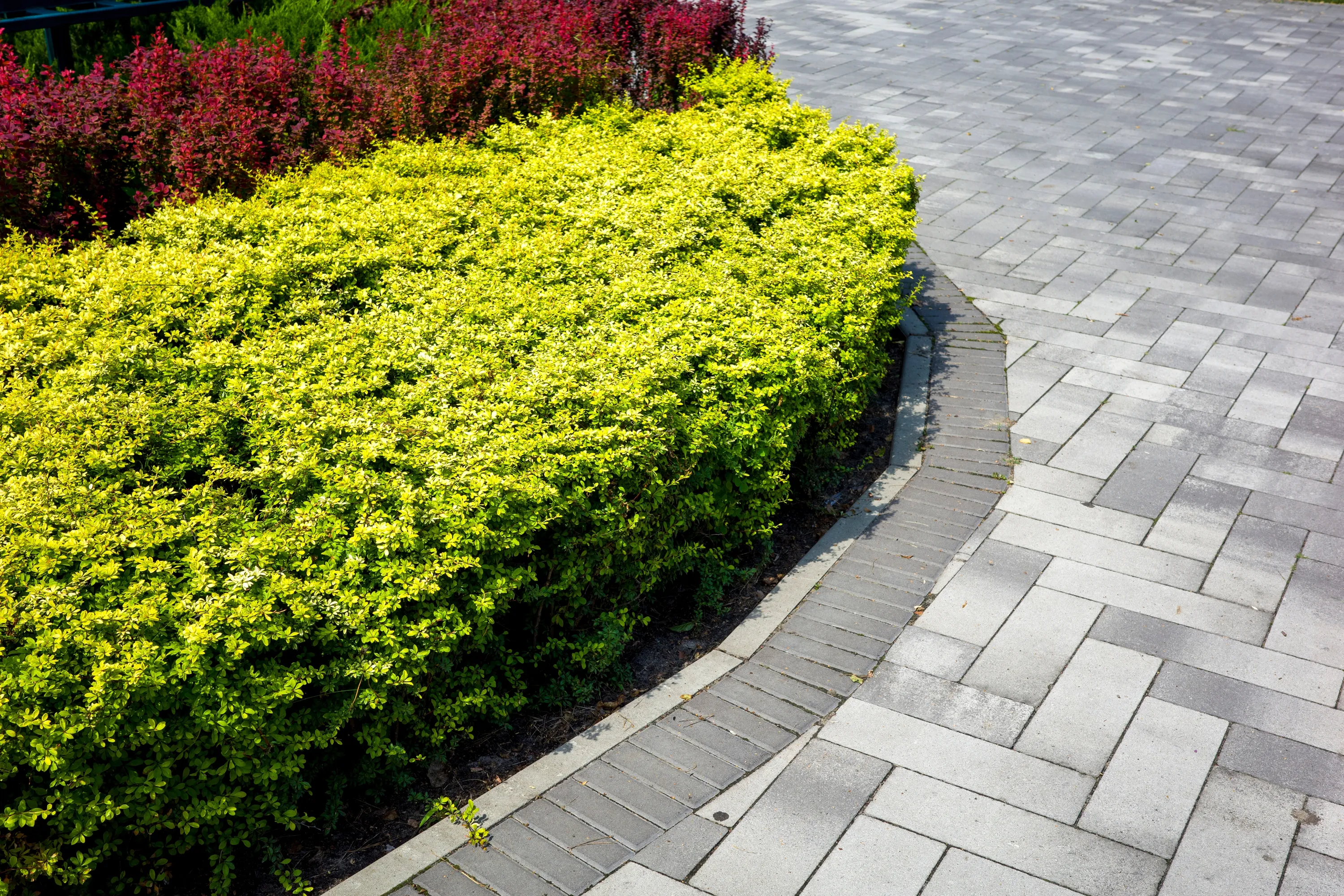
evergreen trees and shrubs with a flower bed in a landscaped recreation park with juniper and barberry bushes along a tiled walkway

Choosing the right tools for any job is crucial to achieving success. Whether you are a carpenter, a chef, or a software developer, having the right tools will make the job easier and produce better results. Imagine trying to cut a piece of wood with a dull saw or create a masterpiece meal with a broken oven. It's frustrating and ultimately ineffective. The same goes for programming. Using the right programming language, software, or IDE can make all the difference in a project's success. With so many options available, it's important to do your research and choose the tools that work best for you and your specific needs. Don't settle for mediocre results when the right tools can elevate your work to the next level.
To maintain a healthy and attractive barberry hedge, you'll need the following tools for pruning:
Hand Pruners: These are also known as secateurs or clippers, and they are essential for cutting small branches with a diameter of up to 3/4 inch (2 cm). Choose a pair of hand pruners with sharp, bypass-style blades that provide clean and precise cuts, reducing plant damage.
Loppers: Loppers are similar to hand pruners, but their long handles make them useful for cutting larger branches with a diameter of up to 2 inches (5 cm). Choose loppers with bypass-style blades and comfortable grips to make the pruning process more manageable.
Hedge Shears: These pruning tools are suitable for trimming and shaping hedges and feature two long, straight blades and handles. They are ideal for making quick, even cuts along the top and sides of a barberry hedge. Choose hedge shears with sharp, durable blades and comfortable handles for extended use.
Pruning Saw: Use a pruning saw for removing larger branches that are too big for loppers. A pruning saw should have a curved, narrow blade specifically designed for cutting green wood, as well as a comfortable handle for easy maneuvering.
Gloves and Safety Gear: When pruning a barberry hedge, it's always best to wear gloves and protective gear to avoid injury from thorns or cuts from the sharp blades of your pruning tools. Wear heavy-duty, puncture-resistant gloves and goggles to protect your hands and eyes.
With the right set of tools and proper technique, pruning your barberry hedge can be a manageable and rewarding task. Remember to clean and sharpen your pruning tools regularly, and ensure that all cuts are made just above a leaf node or bud to encourage healthy growth.
Preparing for Pruning – Identifying Which Parts Need To Be Cut
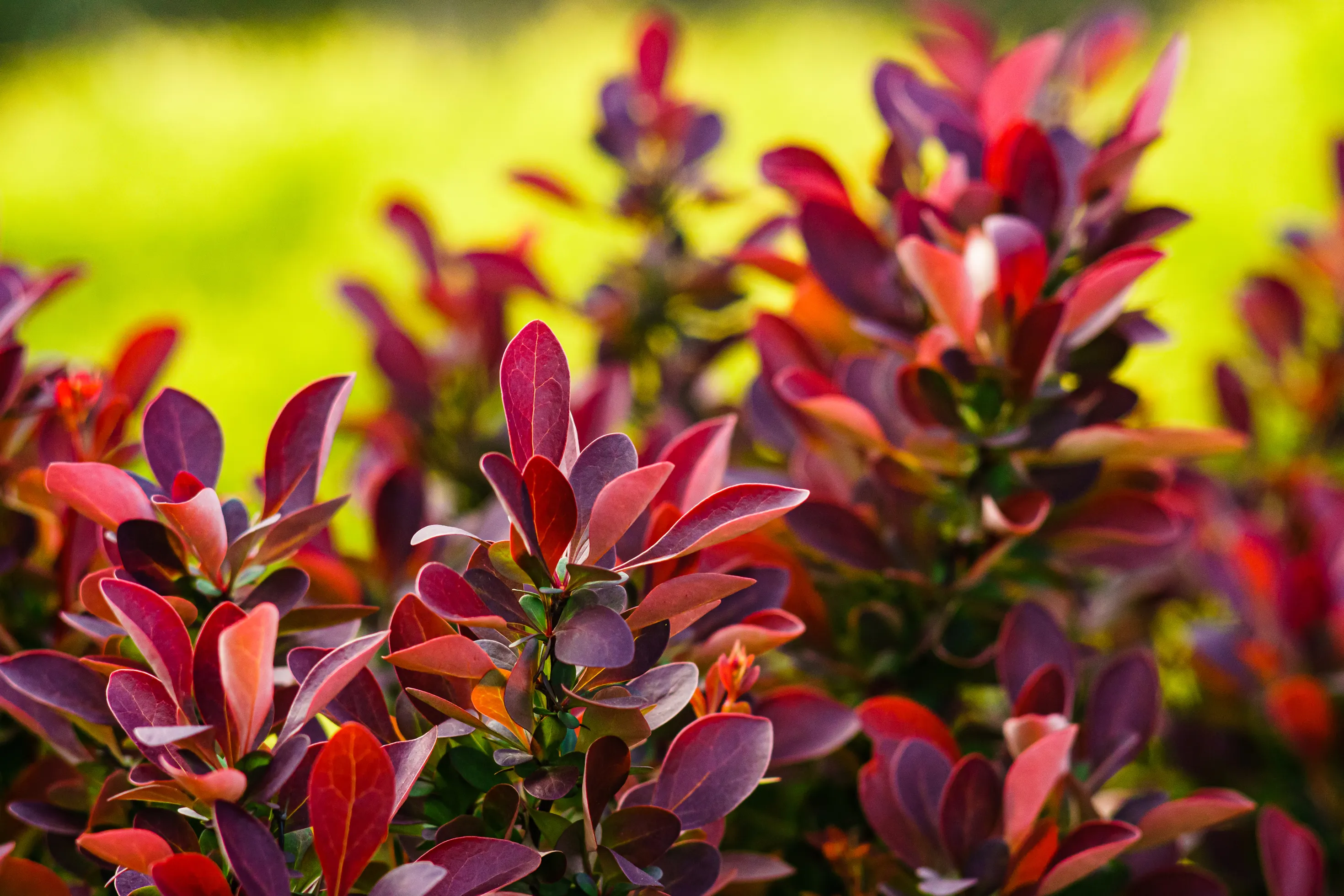
Berberis thunbergii 'Fireball'. Shrub with Burgundy-Red Foliage in springtime. Bright plant for landscaping

When it comes to pruning your garden or trees, it's important to identify which parts need to be cut to ensure healthy growth. Before beginning, it's important to have the proper tools and knowledge on how to properly prune. As you examine the landscape, look for damaged or diseased limbs, as well as those that are crossing or rubbing against each other. These should be removed to prevent further damage and potential hazards.
Additionally, identifying larger branches that are taking too much energy away from the rest of the plant can help redirect growth and improve overall health. Taking the time to prepare and identify what needs to be cut will result in a more productive and flourishing garden.
Timing is Everything – When is the Best Time To Prune Barberry Hedges in the UK
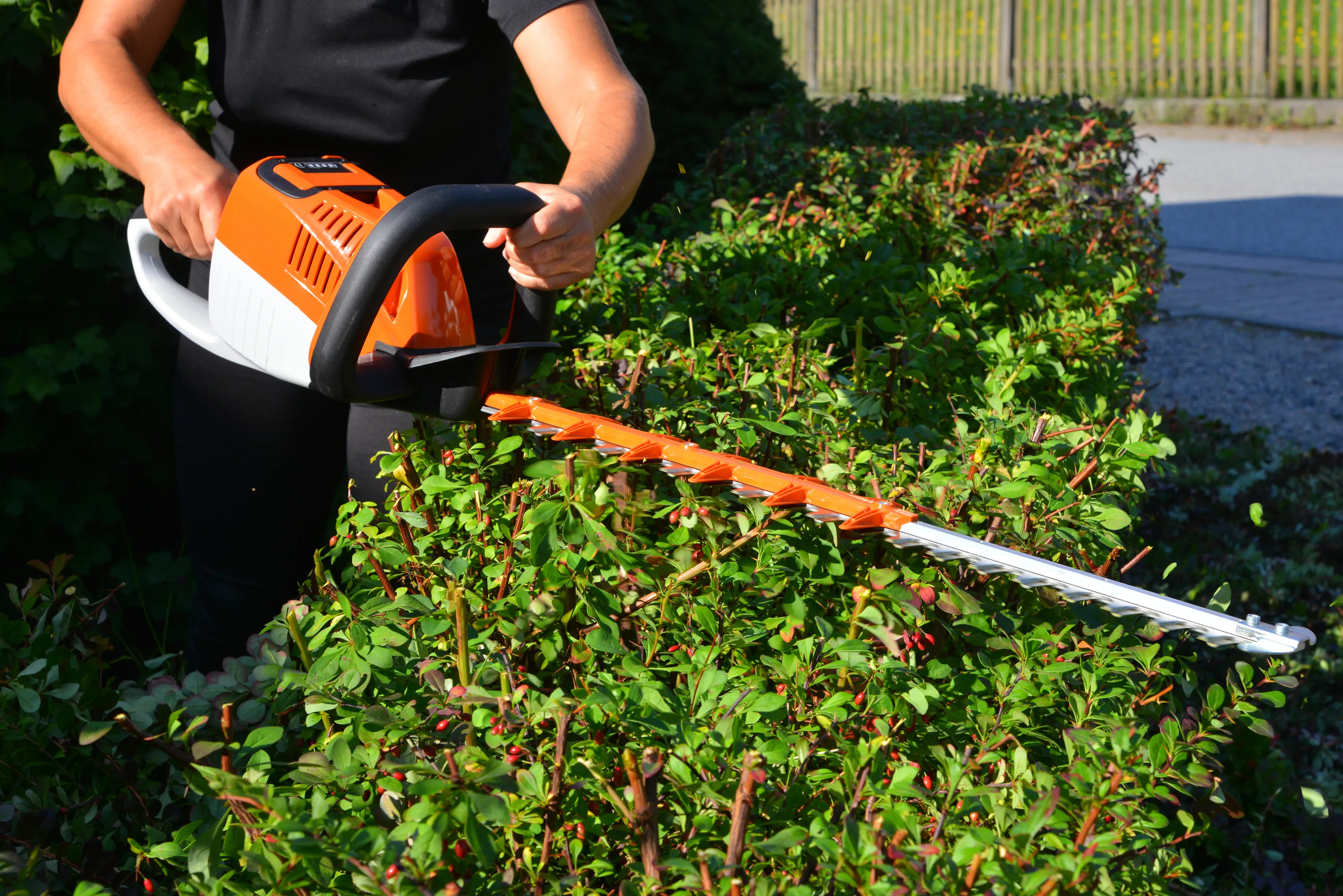
Reneval Pruning of a Garden Hedge of Barberry by a Lithium Ion Accumulator Hedge Trimmer
Barberry hedges are an attractive addition to any garden, but when it comes to pruning, timing is crucial if you want to maintain their beauty. The perfect timing depends on several factors such as weather conditions and growth patterns, but generally, barberry hedges should be pruned in late winter or early spring. Pruning at this time will encourage new growth and help the hedges maintain their shape throughout the summer. However, keep in mind that pruning too late may damage the plant's ability to flower. So if you want to achieve the best results for your barberry hedges, it's essential to know when to prune and leave the rest to nature.
The Professional Way – How to Safely Remove Branches Without Damaging Your Hedge
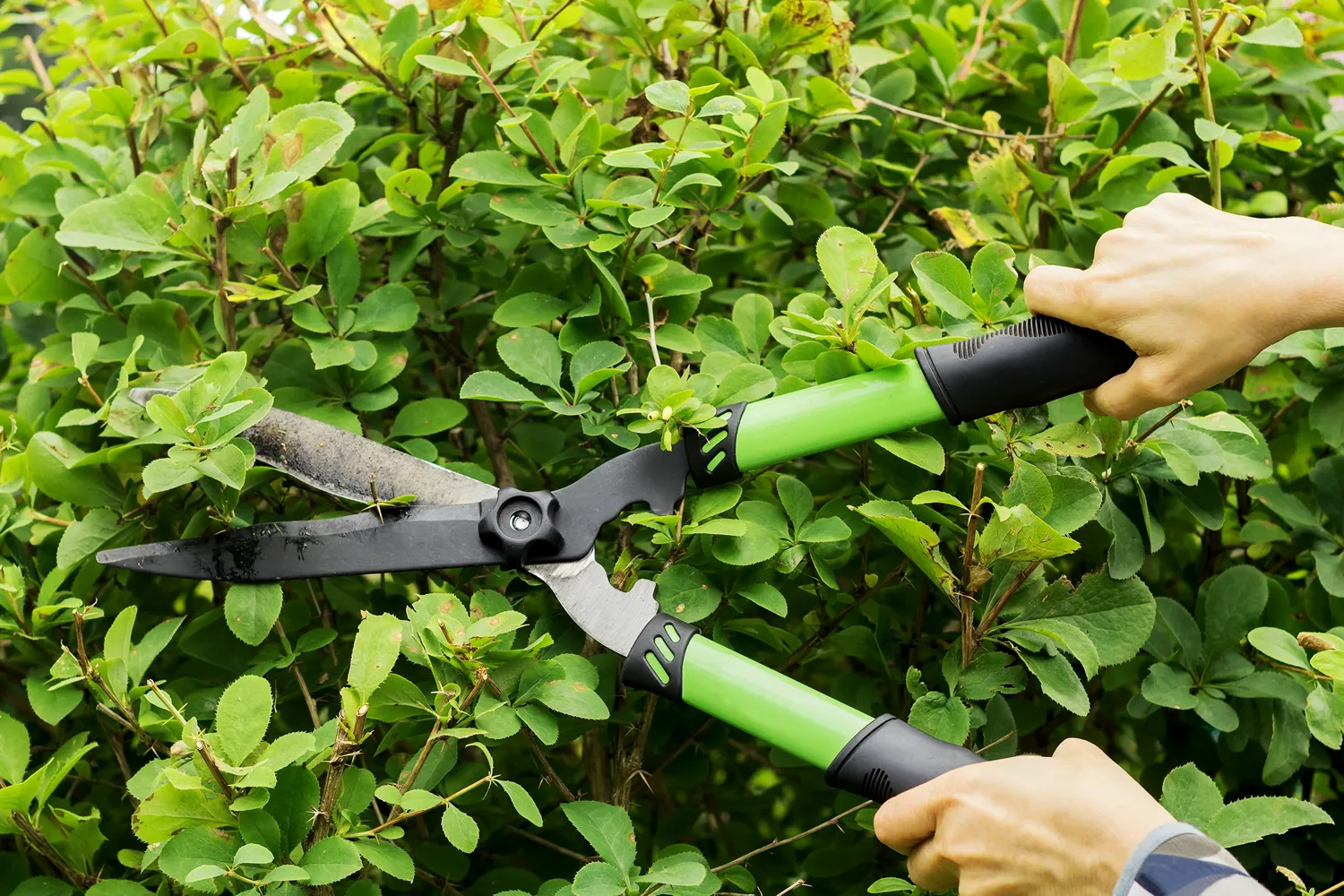
In women's hands, large garden shears cut a barberry bush to shape the crown.
Maintaining a well-manicured hedge is no small feat; it takes time, effort and patience. However, removing branches from hedges can be a bit complicated, especially if you're worried about harming the bush. But worry not! There are ways to safely remove branches without causing any damage. First, make sure your shears are sharp and clean. Starting from the base, cut the most substantial or the oldest branch first. Take your time, and remember to stand back and observe the shape of the hedge frequently to ensure you’re not over-cutting, creating bald spots, or uneven shapes. By following these simple steps, you'll be well on your way to achieving a professionally trimmed and healthy hedge.
After Care Tips – How to Keep your Barberry Hedge Looking its Best
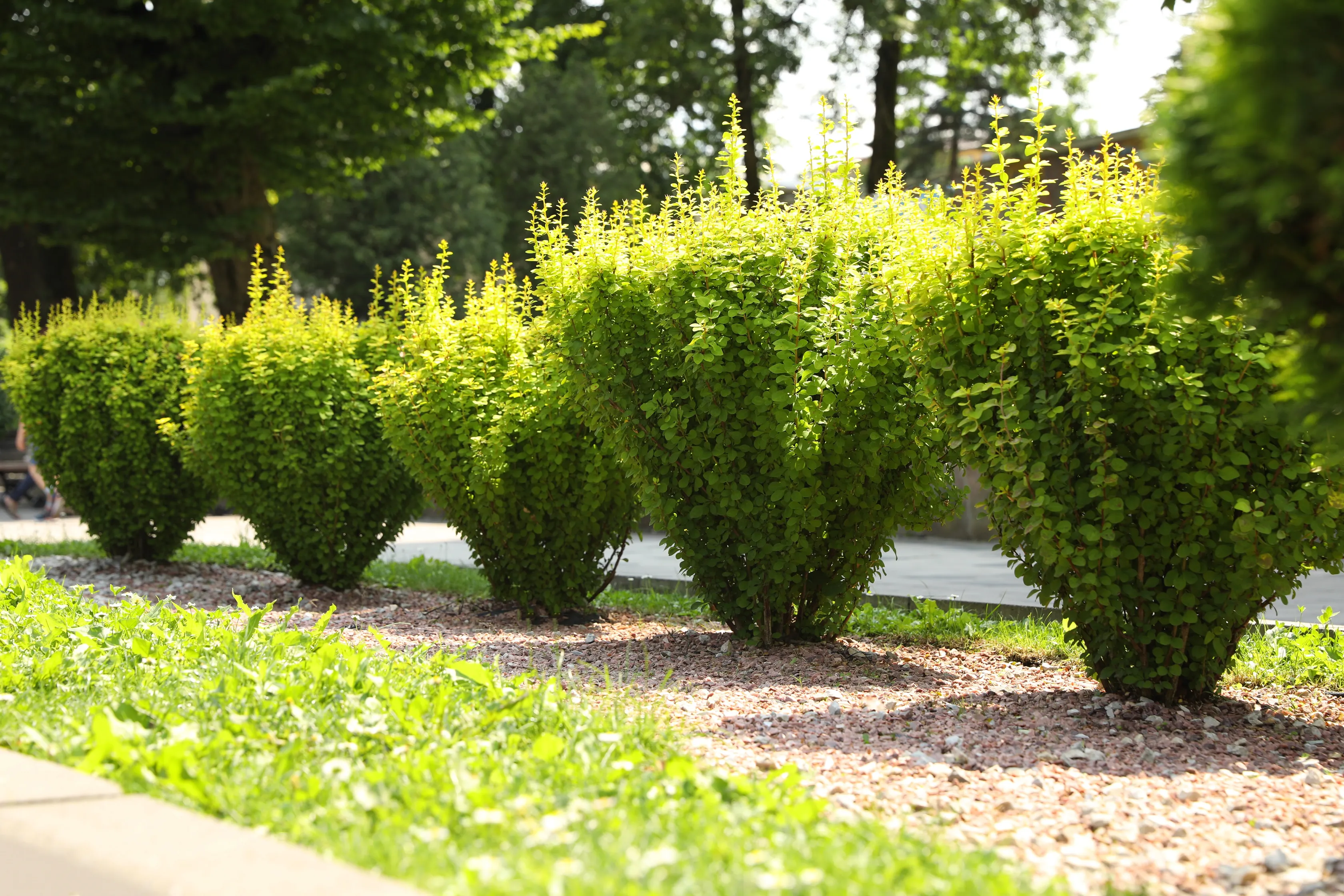
Barberry shrubs growing outdoors. Gardening and landscaping
Barberry hedges are an excellent addition to any garden, offering bold colours and striking foliage. To keep them looking their best, it's essential to follow some simple aftercare tips. Firstly, regular watering is crucial, especially during the dry summer months. Giving your hedge a generous drink every week will help it thrive and maintain its health. Secondly, pruning is essential for growth and shape maintenance. This should be done annually in late winter or early spring. Finally, applying mulch around the base of your hedge will not only add nutrients to the soil but also help retain moisture in the roots. With these aftercare tips, your barberry hedge will be sure to dazzle all year round.
An Overview on How to Prune your Barberry Hedge
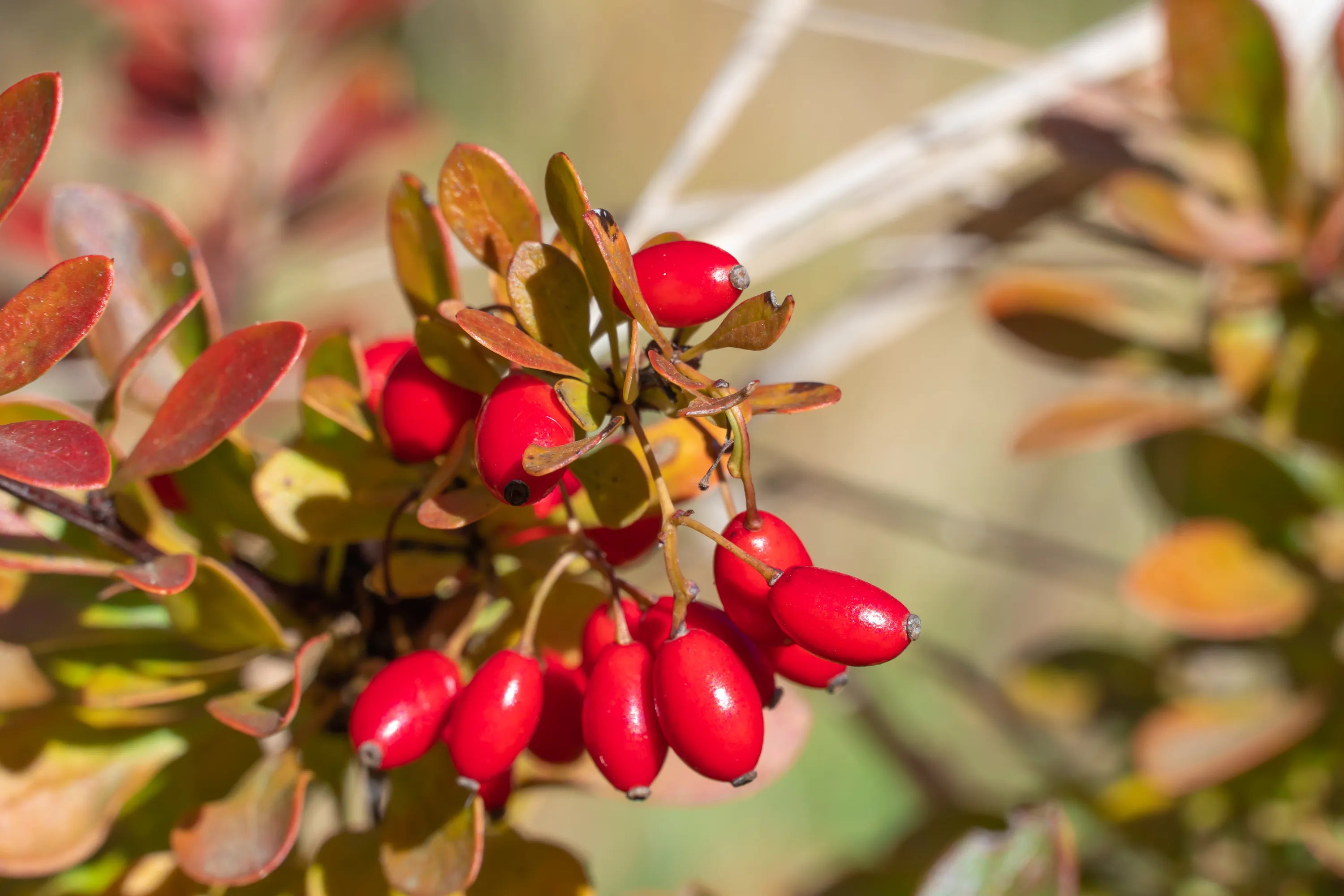
Bunches of ripe red berry barberry in autumn garden. Thunberg berberis fruits bitter in taste and inedible. Ornamental plant used in hedges and border plants. Acidic spice. Alternative medicine.
Barberry hedges are known for their colorful foliage, hardiness, and ability to provide privacy. In this guide, we'll cover everything you need to know about selecting, maintaining, and pruning a barberry hedge. We'll also discuss the do's and don'ts of hedging, and best practices to keep your hedge healthy and thriving.
Selecting and Maintaining a Barberry Hedge
Selection
- Choose the right species: There are several species of barberry available, with varying sizes, colors, and growth habits. The most common species is Berberis thunbergii, which has many cultivars with different foliage colors.
- Consider the location: Barberry hedges grow well in full sun to partial shade. They can tolerate various soil types but prefer well-drained soil.
- Assess the space requirements: Depending on the species and cultivar, barberry hedges can grow between 3 and 6 feet tall and wide. Make sure you have enough space for the mature size of the hedge.
Maintenance
- Watering: Barberry hedges are drought-tolerant once established. However, they will benefit from regular watering during the first year of planting and during extended periods of drought.
- Fertilizing: Apply a balanced, slow-release fertilizer in early spring to encourage healthy growth.
- Pest and disease control: Barberry hedges are generally resistant to pests and diseases, but monitor them regularly for any signs of infestation or illness.
Equipment and Techniques for Pruning a Barberry Hedge
Equipment
- Pruning shears: For small branches and precise cuts.
- Loppers: For larger branches up to 2 inches in diameter.
- Hedge trimmers (manual or electric): For shaping the hedge and maintaining a uniform appearance.
- Gloves: To protect your hands from the barberry's sharp thorns.
- Safety goggles: To protect your eyes from flying debris.
Techniques
- Timing: The best time to prune a barberry hedge is in late winter or early spring, before new growth begins. Light pruning can also be done during the growing season to maintain the desired shape. Initial pruning: When planting a new barberry hedge, trim back the plants by about one-third to encourage bushy growth. Regular pruning: Prune annually to maintain the desired shape and size. Remove any dead, damaged, or diseased branches first, then trim the remaining branches to create a uniform appearance. Rejuvenation pruning: If your barberry hedge becomes overgrown or unhealthy, you can perform rejuvenation pruning by cutting back the entire hedge to 12-18 inches above ground level. This will encourage new, vigorous growth.
Do's and Don'ts of Hedging
Do's
- Do select the right species and cultivar for your space and climate.
- Do water and fertilize your hedge regularly to promote healthy growth.
- Do inspect your hedge frequently for signs of pests, diseases, or other issues.
- Do prune at the appropriate times to maintain the desired shape and size.
Don'ts
- Don't plant a barberry hedge too close to walkways or high-traffic areas, as the thorns can be hazardous.
- Don't over-prune your hedge, as this can stress the plants and make them more susceptible to pests and diseases.
- Don't use dull or dirty pruning tools, as this can cause damage to the plants and introduce pathogens.
Best Practices for Keeping Your Hedge Healthy and Thriving
- Choose the right location with proper sunlight and well-draining soil.
- Space the plants appropriately to provide adequate air circulation and room for growth.
- Water, fertilize, and monitor your hedge regularly to address any issues promptly.
- Prune your hedge using the proper techniques and equipment to maintain its health and appearance.
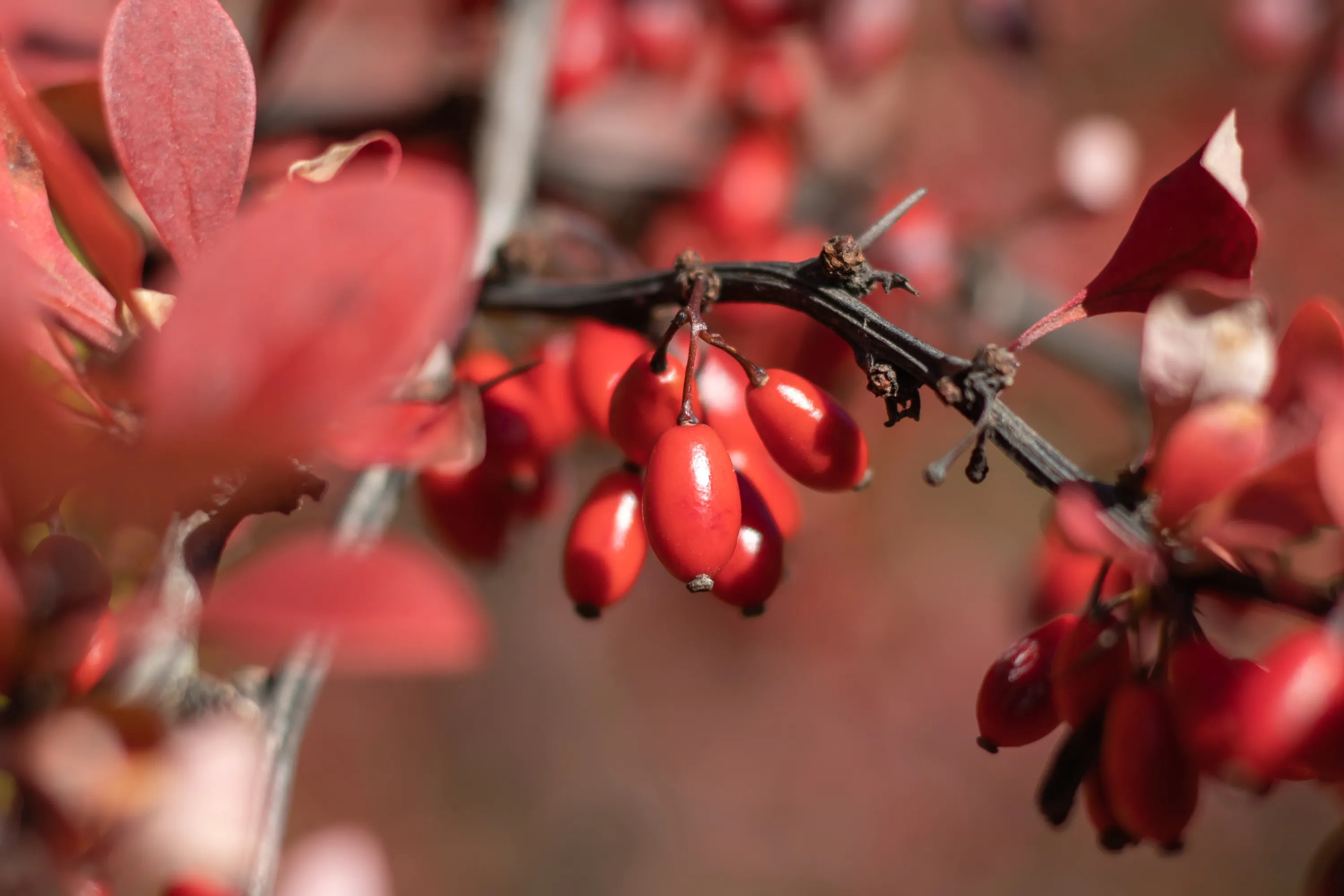
Bunches of ripe red berry barberry in autumn garden. Thunberg berberis fruits bitter in taste and inedible. Ornamental plant used in hedges and border plants. Acidic spice. Alternative medicine.
While images and diagrams cannot be provided within this text-based guide, you can search online for visual references to help with the pruning process. By following these steps and best practices, you'll be able to maintain a beautiful, healthy barberry hedge that adds value and privacy to your landscape.
To conclude, pruning Barberry Hedges in the UK requires knowledge and skill. In order to effectively and safely prune your hedge, it is important to understand what a Barberry hedge is as well as to choose the right tools for the job. Once you have identified which parts of your Barberry hedge need to be cut, it's time to put your skills into action. Proper timing is key for success; the best time to prune depends on the specific climate conditions of where you live in the UK. The professional way of removing branches involves cutting cleanly and slowly working down from the top while understanding how tight you can go without damaging your Barberry hedge. Finally, aftercare tips such as fertilizing occasionally or using a ground cover around your base are essential in order to keep your Barberry Hedge looking its best throughout the seasons. With these few tips in mind, you should now have a better understanding of how to properly care for and maintain a beautiful Barberry Hedge in the UK.
How to Prune Climbing Vines
List by Variety
- How to Prune Actinidia
- How to Prune Akebia
- How to Prune Bougainvillea
- How to Prune Campsis
- How to Prune Celastrus
- How to Prune Chilean Glory Vine
- How to Prune Clematis Armandii
- How to Prune Clematis Montana
- How to Prune Climbing Rose
- How to Prune Hedera GoldHeart
- How to Prune Honeysuckle
- How to Prune Hydrangea Petiolaris
- How to Prune Ivy
- How to Prune Japanese Wisteria
- How to Prune Morning Glory
- How to Prune Parthenocissus
- How to Prune Persian Ivy Hedera Colchica
- How to Prune Schisandra
- How to Prune Star Jasmine
- How to Prune Sweet Peas
- How to Prune True Jasmine
- How to Prune Virginia Creeper
- How to Prune Wisteria
How to Prune Hedges
List by Variety
- How to Prune an Arborvitae Hedge
- How to Prune a Barberry Hedge
- How to Prune a Beech Hedge
- How to Prune a Boxwood Hedge
- How to Prune a Butterfly Bush Hedge
- How to Prune a Cotoneaster Hedge
- How to Prune an English Lavender Hedge
- How to Prune an Escallonia Hedge
- How to Prune an Euonymus-Hedge
- How to Prune a Firethorn Hedge
- How to Prune a Forsythia Hedge
- How to Prune a Griselinia Hedge
- How to Prune a Hawthorn Hedge
- How to Prune a Holly Hedge
- How to Prune a Hornbeam Hedge
- How to Prune a Laurel Hedge
- How to Prune a Leylandii Hedge
- How to Prune a Lilac Hedge
- How to Prune a Maple Leaf Viburnum Hedge
- How to Prune a Photinia Hedge
- How to Prune a Pink Ramanus Rose Hedge
- How to Prune a Privet Hedge
- How to Prune a Pyracantha Hedge
- How to Prune a Spirea Hedge
- How to Prune a Thuja Hedge
- How to Prune a Viburnum Hedge
- How to Prune a Western Red Cedar Hedge
- How to Prune a Yew Hedge
How to Prune Shrubs
List by Variety
- How to Prune an Abelia Shrub
- How to Prune an Abutilon
- How to Prune an Acer / Japanese-Maple
- How to Prune an Amelanchiers
- How to Prune an Apple-Tree
- How to Prune an Arbovitae Shrub
- How to Prune an Arbutus
- How to Prune an Aucuba
- How to Prune a Azalea Mollis
- How to Prune Azaleas
- How to Prune a Bay Tree Shrub
- How to Prune a Berberis Darwinii
- How to Prune Berberis Deciduous Types
- How to Prune a Boxwood Shrubs
- How to Prune a Brachyglottis Senecio
- How to Prune a Buddleia Alternifolia
- How to Prune Buddleias Butterfly Bushes
- How to Prune a Buddleja Globosa
- How to Prune a Callicarpa
- How to Prune a Camellia
- How to Prune a Caryopteris
- How to Prune a Catalpa Bignonioides Aurea
- How to Prune Ceanothus Deciduous Types
- How to Prune Ceanothus Evergreen Types
- How to Prune a Ceratostigma
- How to Prune a Chaenomeles
- How to Prune a Choisya
- How to Prune a Cistus
- How to Prune a Clematis
- How to Prune a Cornus
- How to Prune a Cotinus Royal Purple
- How to Prune a Cytisus Scoparius
- How to Prune a Exochorda x Macrantha
- How to Prune a Forsythia
- How to Prune a Hebe
- How to Prune a Hydrangeas
- How to Prune Juniper Shrubs
- How to Prune a Lavatera
- How to Prune Lilac Bushes
- How to Prune a Mugo Pine
- How to Prune Rose Bushes
- How to Prune Spirea Shrubs
- How to Prune Viburnum Shrubs
- How to Prune a Weigela
- How to Prune a Yew
How to Prune Trees
List by Variety
- How to Prune a Apple Tree
- How to Prune a Apricot Tree
- How to Prune a Ash Tree
- How to Prune a Birch Tree
- How to Prune a Cherry Tree
- How to Prune a Elm Tree
- How to Prune a Fig Tree
- How to Prune a Grape Tree
- How to Prune a Hickory Tree
- How to Prune a Maple Tree
- How to Prune a Oak Tree
- How to Prune an Olive Tree
- How to Prune a Peach Tree
- How to Prune a Pear Tree
- How to Prune a Plum Tree
- How to Prune a Poplar Tree
- How to Prune a Walnut Tree
How to Prune Climbing Vines
List by Variety
- How to Prune Actinidia
- How to Prune Akebia
- How to Prune Bougainvillea
- How to Prune Campsis
- How to Prune Celastrus
- How to Prune Chilean Glory Vine
- How to Prune Clematis Armandii
- How to Prune Clematis Montana
- How to Prune Climbing Rose
- How to Prune Hedera GoldHeart
- How to Prune Honeysuckle
- How to Prune Hydrangea Petiolaris
- How to Prune Ivy
- How to Prune Japanese Wisteria
- How to Prune Morning Glory
- How to Prune Parthenocissus
- How to Prune Persian Ivy Hedera Colchica
- How to Prune Schisandra
- How to Prune Star Jasmine
- How to Prune Sweet Peas
- How to Prune True Jasmine
- How to Prune Virginia Creeper
- How to Prune Wisteria
How to Prune Hedges
List by Variety
- How to Prune an Arborvitae Hedge
- How to Prune a Barberry Hedge
- How to Prune a Beech Hedge
- How to Prune a Boxwood Hedge
- How to Prune a Butterfly Bush Hedge
- How to Prune a Cotoneaster Hedge
- How to Prune an English Lavender Hedge
- How to Prune an Escallonia Hedge
- How to Prune an Euonymus-Hedge
- How to Prune a Firethorn Hedge
- How to Prune a Forsythia Hedge
- How to Prune a Griselinia Hedge
- How to Prune a Hawthorn Hedge
- How to Prune a Holly Hedge
- How to Prune a Hornbeam Hedge
- How to Prune a Laurel Hedge
- How to Prune a Leylandii Hedge
- How to Prune a Lilac Hedge
- How to Prune a Maple Leaf Viburnum Hedge
- How to Prune a Photinia Hedge
- How to Prune a Pink Ramanus Rose Hedge
- How to Prune a Privet Hedge
- How to Prune a Pyracantha Hedge
- How to Prune a Spirea Hedge
- How to Prune a Thuja Hedge
- How to Prune a Viburnum Hedge
- How to Prune a Western Red Cedar Hedge
- How to Prune a Yew Hedge
How to Prune Shrubs
List by Variety
- How to Prune an Abelia Shrub
- How to Prune an Abutilon
- How to Prune an Acer / Japanese-Maple
- How to Prune an Amelanchiers
- How to Prune an Apple-Tree
- How to Prune an Arbovitae Shrub
- How to Prune an Arbutus
- How to Prune an Aucuba
- How to Prune a Azalea Mollis
- How to Prune Azaleas
- How to Prune a Bay Tree Shrub
- How to Prune a Berberis Darwinii
- How to Prune Berberis Deciduous Types
- How to Prune a Boxwood Shrubs
- How to Prune a Brachyglottis Senecio
- How to Prune a Buddleia Alternifolia
- How to Prune Buddleias Butterfly Bushes
- How to Prune a Buddleja Globosa
- How to Prune a Callicarpa
- How to Prune a Camellia
- How to Prune a Caryopteris
- How to Prune a Catalpa Bignonioides Aurea
- How to Prune Ceanothus Deciduous Types
- How to Prune Ceanothus Evergreen Types
- How to Prune a Ceratostigma
- How to Prune a Chaenomeles
- How to Prune a Choisya
- How to Prune a Cistus
- How to Prune a Clematis
- How to Prune a Cornus
- How to Prune a Cotinus Royal Purple
- How to Prune a Cytisus Scoparius
- How to Prune a Exochorda x Macrantha
- How to Prune a Forsythia
- How to Prune a Hebe
- How to Prune a Hydrangeas
- How to Prune Juniper Shrubs
- How to Prune a Lavatera
- How to Prune Lilac Bushes
- How to Prune a Mugo Pine
- How to Prune Rose Bushes
- How to Prune Spirea Shrubs
- How to Prune Viburnum Shrubs
- How to Prune a Weigela
- How to Prune a Yew
How to Prune Trees
List by Variety
- How to Prune a Apple Tree
- How to Prune a Apricot Tree
- How to Prune a Ash Tree
- How to Prune a Birch Tree
- How to Prune a Cherry Tree
- How to Prune a Elm Tree
- How to Prune a Fig Tree
- How to Prune a Grape Tree
- How to Prune a Hickory Tree
- How to Prune a Maple Tree
- How to Prune a Oak Tree
- How to Prune an Olive Tree
- How to Prune a Peach Tree
- How to Prune a Pear Tree
- How to Prune a Plum Tree
- How to Prune a Poplar Tree
- How to Prune a Walnut Tree
Gallery
Michael Carter
Vestibulum ante ipsum primis in faucibus orci luctus et ultrices posuere cubilia curae; Donec vel erat in nulla efficitur tempor non ut nisl. Integer venenatis eros ut dui viverra fermentum.
Sophie Wilson
Nam ut turpis hendrerit, varius nunc vel, elementum dui. Morbi vulputate dolor sit amet scelerisque egestas. Vestibulum eleifend nunc ut bibendum fermentum.
Alex Morgan
Cras non velit nec purus tempor rhoncus. Sed non mauris vitae erat consequat auctor eu in elit. Class aptent taciti sociosqu ad litora torquent per conubia nostra.