How and When to Prune Clematis Shrubs
An Overview of Growing and Maintaining Clematis Shrubs in the UK
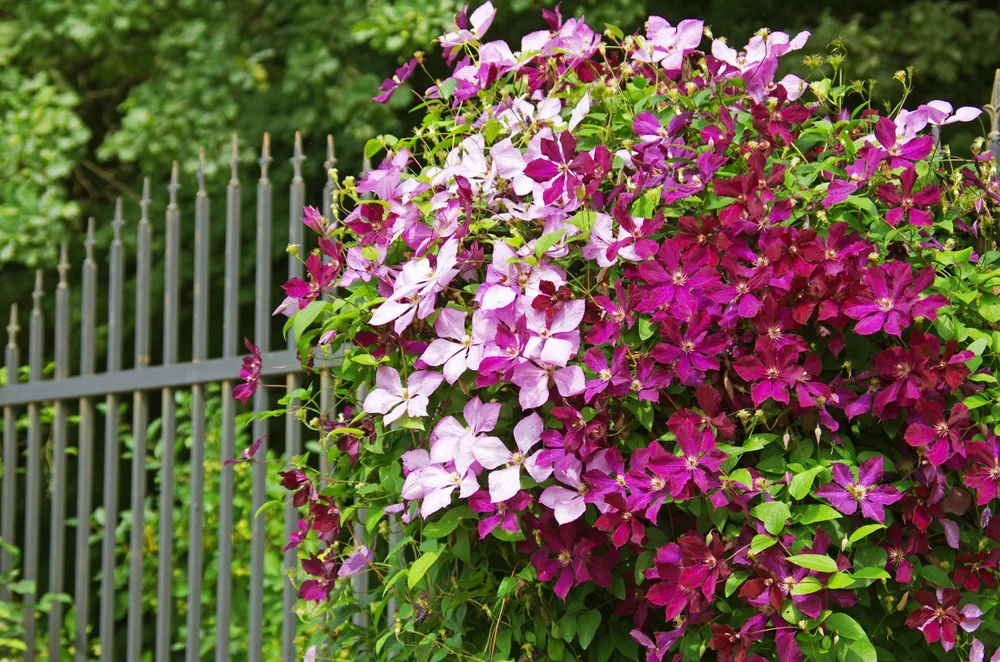
An Overview of Growing and Maintaining Clematis Shrubs in the UK
If you're looking to spruce up your garden with some bright, eye-catching blooms, then look no further: the undeniably beautiful and versatile clematis shrub is a great choice. Whether you are an experienced gardener or a novice just starting out on their path to green-thumb glory, growing and maintaining clematis will bring a lovely splash of colour to any outdoor space. Read on for our overview of how best to plant and care for these delicate yet resilient climbers in the UK climate!
Clematis shrubs are a beautiful addition to any garden or backyard. These vines come in a variety of types, with some blooming in the summer and others in the autumn. Colours range from vibrant purples and pinks to soft whites and yellows.
Proper care is essential for these plants to thrive, which includes regular watering, pruning, and fertilizing. When planting, it is important to choose a location that receives adequate sunlight and support for the plant to climb. With the right care, clematis shrubs can provide stunning blooms and enhance the overall aesthetic of your outdoor space.
Clematis shrubs are a beloved addition to many gardens in the United Kingdom, known for their vibrant colours and climbing nature. This guide will help you understand how to grow and care for these beautiful plants in your own garden.
Different Types of Clematis in the UK There are many types of Clematis that can thrive in the UK climate. Some popular species include:
- 1. Clematis montana: Known for its vigorous growth and abundant white or pink flowers.
- 2. Clematis 'Nelly Moser': Offers large, light pink flowers with dark pink stripes.
- 3. Clematis armandii: An evergreen variety with white, fragrant flowers.
- 4. Clematis 'The President': Features striking, deep purple-blue flowers.
- 5. Clematis 'Generał Sikorski': Produces beautiful large blue-purple flowers.
Ideal Conditions for Growing Clematis Clematis prefer a location with full sun or partially shaded area. They thrive best in well-drained soil that is rich in organic matter. The base and roots of the plant appreciate cool, shady conditions, while the vine and flowers enjoy the sun.
Soil Preparation Before planting, enrich the soil with compost or well-rotted manure. Clematis prefer a neutral to slightly alkaline pH, so if your soil is acidic, you might need to add some garden lime.
Watering Requirements Water regularly during dry spells, ensuring the soil remains moist but not waterlogged. Mulching around the base of the plant can also help retain moisture and keep the roots cool.
Fertilizing and Pruning Clematis benefit from regular feeding. Use a balanced, slow-release fertilizer in early spring and again in mid-summer. Pruning depends on the type of clematis, but generally, it helps to encourage new growth and more flowers.
Common Pests and Diseases Clematis can be affected by pests like aphids and caterpillars, and diseases such as clematis wilt and powdery mildew. Regularly check your plants for signs of these problems. If detected, treat with an appropriate pesticide or fungicide, or contact a local horticulturalist for advice.
Planting Ideas Clematis are versatile and can be used in various ways in your garden:
- 1. Trellises and Arches: Clematis are natural climbers. Train them up a trellis or garden arch to create a stunning floral display.
- 2. Mixed Borders: Plant clematis alongside other shrubs or perennials to create depth and interest in your borders.
- 3. Containers: Smaller varieties of clematis can thrive in pots, making them perfect for patios or balconies.
In conclusion, growing Clematis shrubs in the UK can be a rewarding endeavour. With the correct care and attention, these beautiful plants can thrive and provide a spectacular display of colour in your garden.
The History of Clematis Shrubs in the UK
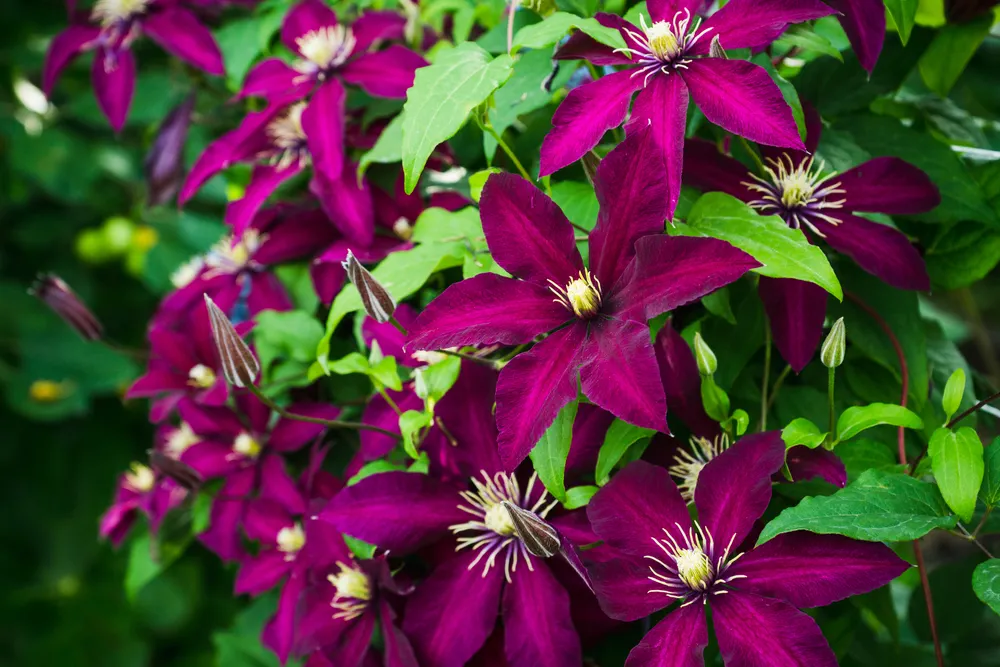
Clematis shrubs have a rich history in the United Kingdom, dating back centuries. These vibrant and colourful plants were first introduced to the UK from China in the mid-19th century and quickly gained popularity among gardeners for their stunning flowers and easy-to-grow nature. Over time, a wide range of cultivars have been developed, each with its unique set of characteristics and benefits.
Today, clematis plants are a common sight in many UK gardens, providing a striking and versatile addition to any outdoor space. Understanding the history of these beloved plants can provide a fascinating insight into the evolution of gardening in the UK.
The history of Clematis Shrubs in the UK is a fascinating tale that intertwines botany, culture, and horticulture. Originating from various parts of the globe including Asia and Europe, this plant species has a rich and diverse history that has significantly influenced the UK's landscape and horticultural practices.
The earliest record of Clematis in the UK dates back to 1836 when the species Kazaguruma was introduced by Philipp Franz Balthasar von Siebold. However, the Clematis davidiana, another species of Clematis, was reported in British collections as early as April 15, 1902. Early plant collectors were intrigued by the Clematis species and often brought examples back to Europe, enriching its flora.
The Clematis montana, a Sino-Himalayan species, is notably one of the best-known Himalayan plants in British gardens. Over time, different species of Clematis have been cultivated and introduced, such as the Clematis 'Generał Sikorski' which produces an abundance of beautiful large mid-mauve blue flowers.
Another notable species is the Traveller's Joy (Clematis vitalba), a scrambling plant native to the south of England but has since spread across many areas of the UK. Most Clematis are climbers, with the exceptions of species like C. heracleifolia and C. integrifolia.
The popularity of Clematis through different periods in UK history is largely due to its versatility and beauty. The Clematis flower is available in a wide range of hues, adding to its charm. Its long history dating back centuries is reflected in its presence throughout the world, including Europe, Asia, and North America.
Culturally, the Clematis holds significant meaning. It originates from the Greek word 'klema', which translates to 'vine branch'. In the language of flowers, Clematis symbolizes mental beauty or ingenuity.
In terms of influence on the landscape and horticulture practices, Clematis has played a significant role. Its climbing nature makes it an ideal plant for trellises and walls, adding vertical interest to gardens. The introduction of various species has also enriched the UK's biodiversity.
Looking towards the future, Clematis Shrubs continue to hold a prominent place in UK horticulture. The evolution of hybrids can be traced back to the original species, emphasizing the plant's adaptability and enduring appeal. As climate change continues to impact our environment, the resilience and adaptability of Clematis may play an integral part in the future of agriculture and culture in the UK.
In conclusion, the history of Clematis Shrubs in the UK is a rich tapestry of botanical discovery, cultural significance, and horticultural innovation. From its introduction in the 19th century to its enduring popularity today, Clematis has woven itself into the fabric of the UK's landscape and culture.
Best Growing Conditions for Clematis Shrubs in the UK

Clematis shrubs are stunningly beautiful, and with the right growing conditions, they can be an easy-to-maintain addition to any UK garden. The ideal temperatures for clematis growth range from 59°F to 68°F, so try planting in a sheltered spot that receives full sun throughout the day. Clematis thrive in fertile, well-draining soil that is slightly acidic with a pH level between 6.5 and 7.0.
Organic matter such as compost, leaf mould, or well-rotted farmyard manure can help improve soil composition. When planting, be sure to dig a hole at least twice the width of the root system and deep enough to accommodate the root ball. With the proper care and attention to detail, the outcome will be a stunning display of flowers in various shades and sizes from late spring through to autumn.
Tips for Maintaining Clematis Shrubs in the UK

Clematis shrubs are undoubtedly one of the most exquisite plants you can grow in your garden. These flowering climbers are a real showstopper with their vivid blooms in various colours and sizes. To ensure the beauty of your clematis shrub lasts, you must take proper care of them. Pruning is crucial to keep the plant healthy and promote growth, as well as to maintain a good shape.
Fertilising your plant regularly will add to its vigour and increase flower production. However, be careful not to overdo it - too much fertiliser can damage the plant. Last but not least, keeping an eye out for any signs of pests, such as Aphids or slugs, will allow you to act quickly and prevent infestations from causing harm to your clematis shrub. By following these tips, you will be able to enjoy the glorious beauty of your clematis for years to come.
Best Practices for Producing Healthy Blooms from your Clematis Shrub

Clematis shrubs can provide an abundance of beautiful blooms when cared for properly. One of the best practices for producing healthy blooms is staking your plant if needed. Clematis can grow quite tall and their vines can become heavy with large flowers, causing them to bend or even break. Staking your plant will help provide additional support so your clematis can grow to its full potential without becoming damaged.
Additionally, proper watering is crucial for producing healthy blooms. Clematis prefer consistently moist soil, so be sure to water regularly and deeply. Avoid over-watering as this can lead to Root Rot, which can impact the overall health of your plant. Practice these best practices and soon you'll be enjoying a breathtaking display of blooms from your clematis shrub.
Final Thoughts and Considerations for Growing and Maintaining a Healthy Clematis Shrub in the UK As one of the most popular perennials in the UK, growing and maintaining a healthy clematis shrub requires patience and dedication. To start, choose the right location where the plant can receive full sun exposure while also being sheltered from extreme weather conditions like strong winds. Once planted, make sure to water the shrub deeply and regularly, ensuring the soil is consistently moist.
Additionally, controlling the plant's growth and keeping it tidy is essential for a healthy and vibrant clematis. Finally, be mindful of pests and diseases that can damage the shrub, and take preventative measures to keep your clematis thriving for years to come. With these considerations in mind, anyone can successfully grow and maintain a beautiful clematis that will make their garden the envy of the neighbourhood.
Common Problems When Growing Clematis Shrubs in the UK

The Clematis shrub, known for its stunning blooms, can be a challenge to grow in the UK. In addition to requiring ample sunlight and well-draining soil, Clematis is susceptible to a variety of issues. Bacterial blight, for instance, can cause sudden wilting and blackened stems. Fungal issues, such as Clematis Wilt and Powdery Mildew, can also plague this plant. But don't be discouraged - with proper care and attention, these common problems can be avoided or treated effectively. Regular pruning and feeding, as well as preventative measures such as using fungicides when necessary, can help your Clematis flourish in your UK garden.
There are a number of diseases and pests that can affect the clematis shrub. Here is a list of the top most common ones, as well as a brief overview of each one:
- Crown Rot - This fungal disease is caused by overly wet soil conditions which can lead to rotting at the base of the plant. It affects the roots and stems, leading to wilting and eventual death of the plant if left unchecked.
- Powdery Mildew - This fungal disease leads to white powdery patches on leaves and stems which can cause further discoloration and defoliation if left untreated. To control this disease use fungicides with sulfur or neem oil.
- Clematis Wilt - This devastating disease causes stems to suddenly collapse, looking almost like they have been cut off with scissors. There is no known cure and all affected plants should be removed immediately to prevent further spread.
- Slugs and Snails - These mollusks love to feed on tender young buds and leaves which can stunt growth or lead to complete defoliation if left unchecked. The best way to control these pests is by using Slug Bait or another type of insecticide containing Iron Phosphate as an active ingredient.
By being aware of what threats your clematis shrub may face, you can better protect it against any potential infestations or diseases!
The Most Common Varieties of Clematis Shrubs Grown in the UK

Clematis shrubs are a popular choice amongst gardeners in the UK due to their stunning range of colours and ease of maintenance. The most common varieties include the 'Nelly Moser', which boasts bold pink striped flowers, and the 'Jackmanii', which features deep purple blooms. Another popular choice is the 'Arabella', which produces an abundance of small, star-shaped flowers in a beautiful shade of lavender-blue. For those seeking a more unusual option, the 'Alpina' clematis produces small, bell-shaped flowers in shades of pink or blue. Whatever your preference, there is a clematis variety to suit every taste and garden style.
The UK is home to a large number of clematis shrub varieties. Here is a list of the top 8 most common ones, as well as a brief overview of each one:
- 'The President' - This variety produces large, velvety dark pink flowers and grows up to 8 feet tall. It is one of the most popular flowering vines in the UK due to its reliable performance year after year.
- 'Jackmanii' - As mentioned above, this variety is one of the most widely grown and has large, velvety purple flowers with yellow anthers. Its long blooming season makes it a great addition to any garden or landscaping design.
- 'Ville de Lyon' - This classic old-world variety has rich violet-purple flowers with pinkish tips on each petal. It blooms from mid-summer into autumn and can reach heights of up to 15 feet if given proper support structure.
- 'Markham's Pink' - This pretty pink summer bloomer grows between 10 and 12 feet in height and produces masses of stunning double pink flowers all season long.
- 'Neilson's Variety' - Featuring bold red-pink flower buds that open to reveal white inner sepals, this variety will bring dramatic contrast to your garden or landscape in the summer months! It reaches heights of up to 10 feet tall when mature.
- 'Huldine' - This variety produces dainty blush-pink star-shaped flowers which give way to attractive pods later in the season when mature plants reach heights of around 8 feet tall.
- 'Star Of India' - Vibrant deep blue flowers are produced by this unusual variety from early summer onwards along with ivory coloured anthers visible through the petals for added effect. It can reach 12 feet high if given good support structure in place.
- 'Sieboldii' - Rich frilly lilac-blue saucer shaped florets are produced by this old favourite continuously throughout late spring and summer months making it ideal for adding colour contrast and texture in any space! Growing up to around 9 feet tall at maturity, it takes kindly to pruning after flowering has finished if needed.
There are several different varieties of the climbing clematis shrub. Here is a list of the top most popular ones, as well as a brief overview of each one:
- 'Jackmanii' - This variety is one of the most widely grown and has large, velvety purple flowers with yellow anthers. It is extremely vigorous and can reach up to 20 feet in height if given proper support.
- 'Early Sensation' - As its name suggests, this variety blooms earlier than most other types of clematis and it produces stunningly beautiful pink-tinged white flowers. Its growth habit tends to be more compact than other varieties, making it ideal for smaller gardens.
- 'General Sikorski' - This showy variety has deep blue-purple flowers with creamy yellow stamens that appear in mid-summer. Its habit is upright and vigorous so it will need some good support while growing to keep it contained.
- 'Nellie Moser' - Growing up to 20 feet in height, this is one of the longest bloomers among all varieties of clematis plants and bears pale pink flowers throughout summer months with some occasional reblooming in autumn if conditions permit.
No matter which type you choose for your garden, you are sure to enjoy the beautiful displays these climbing clematis shrubs will provide!


How to Grow Clematis Shrubs from Seed

If you are a gardening enthusiast, clematis shrubs are a perfect addition to your collection. These vibrant plants produce beautiful flowers in different shades of pink, purple, blue, and even white. If you are looking to add some variety to your garden, you can grow clematis shrubs from seed. To start, you will need to collect the seeds by letting the flowers fade and produce seed pods.
Once you have the seeds, you need to store them in a cool and dry place until the right time to plant them.
Planting clematis seeds will require some patience, as they can take up to three years to mature. But with the right care and attention, your efforts will pay off with a stunning display of colourful blooms.
Planting clematis shrubs from seed is a rewarding experience, and not as difficult to achieve as one may think! Here’s a comprehensive step-by-step guide on how to grow clematis plants from seed:
- Gather your supplies: You will need potting mix, planting containers, clematis seeds and water.
- Prepare the containers: Fill each container with potting mix and make sure there are some drainage holes in the bottom for excess water to escape. Gently firm down the soil before sowing the seeds.
- Sow the Seeds: Place two or three seeds on top of each container and push them gently into the potting mix until they are lightly covered. Do not cover them completely as they need light to germinate.
- Water regularly: Keep the soil evenly moist until the seedlings emerge which can take up to 3 weeks but this varies depending upon temperature and moisture levels in your area.
- Transplant Seedlings: When your clematis seedlings are ready for transplanting (usually 4-6 inches high) carefully dig them out of their containers and transfer them into their own individual pots with fresh potting mix, taking care not to damage the tender roots in transit.
- Harden off Transplants: To ensure successful transition from indoor to outdoor environment, place your transplanted plants in an area that is semi-shady and gradually increase exposure over a period of 7-14 days so they can adapt to full sun before replanting in permanent location outdoors.
- Care for Adult Plants: Regularly feed adult plants once per month with an all-purpose fertilizer such as fish emulsion or liquid seaweed extract and keep well watered (a soaking once per week should be enough). Clematis plants benefit greatly from pruning – remove dead or damaged stems annually at least one third of their total height – this encourages vigorous new growth which accounts for beautiful blooms!
When is the Best Time to Plant Out the Clematis Shrubs

Gardener planting clematis plant in the garden
Clematis shrubs are a beautiful addition to any garden or landscape. But when is the best time to plant them out? The answer depends on the variety of clematis you have. For most types, it's best to plant them in the early spring when the ground has thawed and the weather is starting to warm up. This will allow the roots to establish themselves before the heat of summer arrives.
However, some clematis varieties can also be planted in the fall, as this gives them time to develop strong roots over the winter months. Regardless of when you choose to plant your clematis, make sure to provide them with a support structure and plenty of water to help them thrive.
Where is the Best Place to Plant Out the Clematis Shrubs
Clematis shrubs are a popular choice for gardeners due to their vibrant flowers and ease of care. When deciding on the best place to plant these lovely climbing plants, a few factors come into play.
Firstly, clematis shrubs thrive in sunny and partially shaded areas, making them a great addition to trellises or fences facing south or west.
Secondly, they prefer soil that is moist but well-draining, so planting them in areas with good drainage is crucial. Lastly, clematis shrubs appreciate a bit of protection from the wind, which can damage their delicate flowers.
By taking these factors into consideration, you can ensure that your clematis shrubs will thrive and add beauty to your outdoor space for years to come.
How to Plant and Grow the Clematis Shrubs in Pots and Containers

Clematis shrubs, with their gorgeous and colourful blooms, can make a striking addition to any garden or patio. Growing them in pots or containers is a great way to keep these plants compact and easier to manage.
To start, choose a pot that is deep and wide enough to accommodate the roots and provide good drainage. Next, fill the pot with well-draining soil and add organic matter such as compost or peat moss to promote healthy growth. Once you have placed the clematis in the pot, make sure to water it thoroughly and keep it in a spot that receives plenty of sunlight. By following these steps and giving your clematis appropriate care, you can enjoy their beauty and elegance for years to come.
Planting clematis in pots or containers is a great way to enjoy these beautiful flowering plants even if you have limited outdoor space. Here’s a comprehensive step-by-step guide on how to plant and grow the clematis shrubs in pots and containers:
- Gather your supplies: You will need potting mix, planting containers, clematis plants, stakes or trellis (optional), sharp scissors and water.
- Prepare the Containers: Fill each container with potting mix and make sure there are some drainage holes in the bottom for excess water to escape. Gently firm down the soil before planting the clematis.
- Install Stakes or Trellis: Place your stakes or trellises near each container (optional) and make sure they are firmly secured in the ground - this will support your plants as they grow up along it over time if necessary.
- Plant Clematis Plants: Choose a spot that receives partial sun but is also protected from strong winds – carefully dig a hole twice as wide but no deeper than the root ball of your plant before placing it inside – backfill with surrounding soil then press down gently with your hands for better contact between plant roots and soil underneath.
- Water After Planting: Once planted, water thoroughly at least once per week (more if temperatures are particularly high) until established (usually around 4–6 weeks). When fully grown attach main stems loosely onto stakes or trellises for extra support if necessary but avoid tying too tightly as this can damage delicate stems of young plants over time!
- Feed Regularly: Feed once every month with an all-purpose fertilizer such as fish emulsion or liquid seaweed extract.
- Care for Adult Plants: Clematis plants benefit greatly from pruning – remove dead or damaged stems annually at least one third of their total height – this encourages vigorous new growth which accounts for beautiful blooms!
Growing Clematis as a Climbing Plant

Clematis is a popular climbing plant among garden enthusiasts as it adds lovely colours and textures to any garden. With over 300 different varieties, this plant comes in a range of shapes and sizes, making it a versatile choice for any space. The key to successfully growing clematis is to select the right variety for your climate, prepare the soil with organic matter, and provide adequate support. Clematis prefers cool roots, which can be achieved by planting it in a shady spot and mulching the base. With a little bit of care, your clematis plant can grow up to 20 feet in length and produce an abundance of beautiful blooms. Follow these tips to ensure your clematis thrives and becomes a stunning addition to your garden.
Read More on: How To Grow Clematis Armandii as a Climbing Plant
Read More on: How To Grow Clematis Montana as a Climbing Plant
Planting Clematis against a Fence or Trellis

Clematis is a climbing plant that can add a touch of elegance and charm to any garden. Planting clematis against a fence or trellis can create a beautiful feature in your garden space. To ensure that your clematis receives the support it needs to grow, it is essential to choose a strong fence or trellis. The ideal planting time for clematis is during spring or autumn, and it is essential to ensure that the plant receives adequate sunlight and water. Clematis requires proper care and maintenance, such as regular pruning, to maintain its glory throughout the year. By following these simple steps, you can create a stunning garden feature that will be the envy of your neighbours.
Planting clematis against a fence or trellis is an easy and beautiful way to add colour and texture to your outdoor space. Here’s a comprehensive step-by-step guide on how to plant clematis against a fence or trellis:
- Gather your supplies: You will need potting mix, planting containers, clematis plants, stakes or trellis, sharp scissors and water.
- Prepare the Containers: Fill each container with potting mix and make sure there are some drainage holes in the bottom for excess water to escape. Gently firm down the soil before planting the clematis.
- Install Stakes or Trellis: Place your stakes or trellis near each container and make sure they are firmly secured in the ground - this will support your plants as they grow up along it over time.
- Plant Clematis Plants: Choose a location close to your stakes or trellisses that receives partial sun but is also protected from strong winds – carefully dig a hole twice as wide but no deeper than the root ball of your plant before placing it inside – backfill with surrounding soil then press down gently with your hands for better contact between plant roots and soil underneath.
- Water After Planting: Once planted, water thoroughly at least once per week (more if temperatures are particularly high) until established (usually around 4–6 weeks). When fully grown attach main stems loosely onto stakes or trellises for support but avoid tying too tightly as this can damage delicate stems of young plants over time!
- Feed Regularly: Feed once every month with an all-purpose fertilizer such as fish emulsion or liquid seaweed extract.
- Care for Adult Plants: Clematis plants benefit greatly from pruning – remove dead or damaged stems annually at least one third of their total height – this encourages vigorous new growth which accounts for beautiful blooms!
How to Grow Clematis from Cuttings

Clematis is a lovely addition to any garden, but did you know that you can grow them from cuttings? It's true, and it's easier than you might think! First, choose a healthy stem that is about 6-8 inches long and has at least two sets of leaves. Cut the stem at a 45-degree angle just below a set of leaves, remove any leaves on the bottom half of the cutting, and dip the cut end in rooting hormone. Then, insert the cutting into moist potting soil, covering the bottom half of the stem. Place a plastic bag over the pot to create a mini greenhouse and keep the soil moist. In a few weeks, you should see roots starting to form, and once they are well-established, you can transplant your new clematis plant into your garden. With a little patience and care, you'll have a beautiful new plant to enjoy!
Propagating clematis from cuttings is an easy and effective way to increase your collection of these beautiful flowering plants! Here’s a comprehensive step-by-step guide on how to propagate clematis shrubs from a cutting:
- Gather your supplies: You will need rooting hormone, small containers or pots, moistened potting mix, sharp scissors and a gardening trowel.
- Prepare your Cuttings: Select healthy stems that have recently flowered and make sure they have at least 2 nodes (swollen areas) on them. Using the sharp scissors cut below the lower node at a 45 degree angle and remove any leaves at the base of the cutting.
- Dip in Rooting Hormone: Dip the end of each cutting into the rooting hormone (available from garden centers or online), making sure it is fully coated before tapping off any excess powder.
- Plant Cuttings in Pots: Use a small trowel to make a hole in the middle of each container filled with moistened potting mix and then insert the end of your cuttings into these holes until only half their length remains above ground level, firm down gently with your fingers for better contact with soil and water if necessary.
- Place Cuttings in Ideal Conditions: Keep potted cuttings away from direct sunlight but do not allow them to dry out completely – mist lightly daily and/or group together under plastic sheeting as this helps to retain moisture levels while also providing protection from harsh elements outdoors such as wind or rain.
- Transplant when Established: Check progress by gently tugging on each stem – once you feel some resistance, it means they have rooted successfully – now prepare new larger pots with fresh potting mix ready for transplanting when strong enough (usually around 4–6 weeks).
- Care for Adult Plants: Once established in their new location, regularly feed adult plants once per month with an all-purpose fertilizer such as fish emulsion or liquid seaweed extract and keep well watered (a soaking once per week should be enough). Clematis plants benefit greatly from pruning – remove dead or damaged stems annually at least one third of their total height – this encourages vigorous new growth which accounts for beautiful blooms!
What are Best Soil Conditions for Planting Clematis in Pots

When it comes to planting clematis in pots, the type of soil that you use is an important factor to consider. Clematis thrive in fertile, well-draining soil that is rich in organic matter. A good quality potting soil mix that contains perlite and peat moss is a great choice for potting clematis. You want to make sure that the soil drains well, but also retains enough moisture to keep the plant hydrated.
In addition, it’s recommended to add some slow-release fertiliser to the soil mix before planting to provide nutrients to the plant over an extended period. By selecting the right soil conditions, you can ensure that your clematis will grow and thrive in your potted garden.
How fast does Clematis Grow

Clematis is a beautiful and popular plant known for its stunning flowers that bloom in a variety of colours. If you are looking to add this plant to your garden, one thing you may be wondering is how fast it will grow. The growth rate of Clematis can vary depending on a few different factors. These factors include the variety of Clematis, the conditions in which it is grown, and the care it receives.
On average, this plant can grow anywhere from 6 inches to 20 feet per year. To ensure the optimal growth rate of your Clematis, make sure it is planted in well-draining soil, receives sufficient sunlight and water, and is properly pruned. With a little bit of care and patience, you can enjoy the stunning blooms of this plant for years to come.
There are a number of fast-growing varieties of clematis shrubs in the UK. Here’s a brief overview of some of the fastest growing varieties:
- The ‘Early Sensation’ variety is one of the fastest-growing clematis, producing large and pure white flowers on average within 18-20 weeks. It is highly resistant to disease and has an upright, bushy growth making it ideal for growing against walls and fences.
- The 'Jackmanii’ variety is another great choice for quick growth, producing rich purple/blue coloured flowers in late spring/early summer on average within 16 - 20 weeks of planting. It can be grown as a climber or left unsupported as a bush.
- The 'Ville de Lyon' variety is again one of the most popular clematis out there and features deep crimson blooms from July to October on average within 18 – 22 weeks depending upon soil quality and climate conditions. This variety also looks stunning against walls and fences, with its vivid red colour adding much vibrancy!
- The ‘Duke Of York’ variety is another fast-growing favourite, featuring bright purple blooms with yellow centres quickly producing thick foliage within 14 - 16 weeks typically after planting. The plant does best in areas with partial shade and requires tying when grown up trellises or other support structures for optimal growth potential!
To conclude, it’s clear that there is much to learn and consider when growing a clematis shrub in the UK. From understanding the basics of clematis shrubs, to knowing which varieties are most commonly grown in the UK, thorough knowledge and care can result in glorious blooms.
Furthermore, familiarizing yourself with tips for maintenance, as well as best practices for avoiding common problems and diseases, is vital for successful cultivation. Finally, it is worth noting the visually stunning history behind this fantastic plant and its wide range of varieties – something that any gardener can truly appreciate.
Growing a clematis shrub in the UK may require dedication but with the right approach, you’ll be rewarded tremendously with beautiful blossoms all year round.
How and When to Prune Clematis Shrubs

If you love the look of clematis blooming along fences and up trellises, you're in luck! With proper pruning and care, these vines can grace your garden with lush beauty every season. The trick is knowing how and when to prune them correctly. In this blog post, we'll take a detailed look at the best ways to encourage healthy growth while still keeping your climbing clematis attractive!
Identify any dead or diseased parts of the clematis and prune them away Clematis plants are a classic addition to any garden or outdoor space. However, just like any living thing, they require proper care to thrive. If you notice any dead or diseased parts of your clematis, it's essential to take action and prune them away immediately. Not only will this improve the overall health of your plant, but it'll also enhance their appearance. By following this simple step, you can ensure that your clematis stays healthy and vibrant, so you can continue to enjoy their beauty throughout the season.
Prune the Clematis Just After Flowering

– this encourages new growth and larger blooms Pruning your plants can be an intimidating task, but with the right techniques, it can lead to big rewards. If you’re looking to encourage new growth and enhance the size of your blooms, consider pruning just after flowering. By doing this, you’re allowing your plant to focus its energy on producing new, healthy shoots instead of trying to maintain old, worn-out growth. Not only will this benefit the overall health of your plants, but it will also lead to a more lush and vibrant garden. So grab your pruning shears and get ready to see your plants flourish like never before!
For large-flowered and small-flowered clematis

, prune back to two or three buds in early spring
Clematis is a gorgeous and popular flowering plant that can take your garden to the next level. If you have large-flowered clematis, it's important to give them a good pruning in the early spring. By cutting back to just two or three buds, you'll encourage healthy growth and plenty of blooms. It may seem daunting to cut back your beloved plants, but trust us, it's worth it! With proper pruning, your clematis will thrive and lend a stunning touch to your outdoor space. So grab your shears and get to work - your clematis will thank you for it!
For small-flowered varieties and evergreen clematis
, prune lightly but regularly throughout the growing season If you're lucky enough to have small-flowered clematis in your garden, be sure to give it the TLC it deserves. These dainty blooms may be delicate, but with regular pruning throughout the growing season, they can flourish beautifully. And don't forget about evergreen clematis, either.
These stunning vines require the same delicate touch, but with a bit of care, they can remain a vibrant part of your landscape all year long. So don't be afraid to take up the pruning shears and give your clematis plenty of attention. Your efforts are sure to be rewarded with a gorgeous display of flowers that will be the envy of the neighborhood.


Pruning Clematis Plants in General

is an important part of ensuring healthy and beautiful blooms. Here’s a comprehensive step-by-step guide on how to prune the clematis shrubs in general:
- Determine Pruning Time: The best time to prune your clematis plants is late winter/early spring when buds just begin to swell – this will help you identify dead or damaged branches that need removal and keep flowering consistent.
- Remove Dead or Damaged Stems: Start by removing all dead, diseased or damaged stems as close as possible to the base of the plant – be sure to use sharp scissors for a clean cut!
- Prune Non-flowering Shrubs: If your shrub is non-flowering then it can be pruned back hard up until about 1 foot above ground level in order to encourage fresh new growth from lower down on the plant - do this carefully and make sure not to remove any live shoots when doing so!
- Prune Flowering Shrubs: For flowering shrubs, care must be taken – lightly prune only those buds where flowers have gone over (or are about to) and take off no more than a third of their total height for best results - do not remove any live stems in the process!
- Tidy Up After Pruning: After you’re done, give your clematis some gentle tidying up by removing any twigs or leaves that may have fallen around them while pruning – this helps create an overall neat appearance and stops debris from accumulating around the base of each plant which can cause rot or disease if left unchecked.
How to Hard Prune the Clematis

is a challenging task, so it’s important to prepare properly beforehand. Here are some tips on how to get started:
- Understand the Plant: Before you begin hard pruning, make sure you understand the clematis shrub’s growth habit and form. This will help you decide which branches need to be removed for optimal results.
- Prepare your Tools: Make sure you have all the right tools ready – sharp scissors or shears work best for this job as they provide a clean cut on each stem and reduce the risk of damaging the plant.
- Identify Dead Wood: Start by identifying any dead wood that needs removal – this should be done prior to cutting back any live stems as it can be difficult to tell between them after hard pruning!
- Follow Proper Pruning Techniques: Make sure you follow proper pruning techniques such as cutting back no further than one foot above ground level for non-flowering varieties and taking off no more than a third of their total height for flowering shrubs.
- Tidy Up Afterward: Once done, give your clematis plants a gentle tidying up by removing any fallen twigs or leaves from around them - this helps create an overall neat appearance and stops debris from accumulating at their base which can cause rot or disease if left unchecked.
Mulch around the base of the shrub to conserve moisture and protect from extreme weather conditions The key to a happy and healthy shrub lies in proper care and maintenance. One simple yet effective way to achieve this is by mulching around its base. Mulching not only conserves moisture in the soil but also acts as a protective layer against extreme weather conditions. Whether it's intense heat or cold, your shrub will be shielded from the harsh elements so it can continue to flourish. Don't think of mulching as just another chore, it's an investment in the longevity of your shrub. Take the time to mulch and enjoy the beautiful results.
Move established plants away from walls in late autumn to encourage air flow, reduce disease risk, and improve flowering As the days grow shorter and the temperatures begin to drop, it's time to think about giving your plants a bit of TLC in preparation for winter. One simple but effective way to do this is to move established plants away from walls in late autumn. Not only will this encourage air flow around the plant, reducing the risk of disease, but it can also improve flowering in the spring. By ensuring that your plants have access to plenty of sunlight and fresh air, you'll be helping them to thrive no matter what the weather throws your way. So why not take a few extra moments to move your plants away from those walls and give them the chance to flourish this autumn?
Pruning and mulching your clematis trees and shrubs is essential to ensure they remain healthy and attractive all year round. Dead or diseased portions of the tree must be removed, while it’s also important to prune your clematis right after flowering occurs so that new growth can follow. For large-flowered varieties, focus on pruning back two or three buds in early spring. Meanwhile, evergreen and small-flowered varieties must be lightly pruned regularly to promote growth and fullness of foliage throughout the season.
Lastly, you'll want to mulch the base of the tree with an organic mulch to keep moisture in and protect against unfortunate weather. Moving these plants away from walls at least once a year is also advised as it allows for improved air flow which helps prevent disease outbreaks and encourages the fullness of flowering each spring! From proper pruning techniques to regular mulching - following these care tips for your clematis will help to ensure your plant will always look captivating!


How to Prune Climbing Vines
List by Variety
- How to Prune Actinidia
- How to Prune Akebia
- How to Prune Bougainvillea
- How to Prune Campsis
- How to Prune Celastrus
- How to Prune Chilean Glory Vine
- How to Prune Clematis Armandii
- How to Prune Clematis Montana
- How to Prune Climbing Rose
- How to Prune Hedera GoldHeart
- How to Prune Honeysuckle
- How to Prune Hydrangea Petiolaris
- How to Prune Ivy
- How to Prune Japanese Wisteria
- How to Prune Morning Glory
- How to Prune Parthenocissus
- How to Prune Persian Ivy Hedera Colchica
- How to Prune Schisandra
- How to Prune Star Jasmine
- How to Prune Sweet Peas
- How to Prune True Jasmine
- How to Prune Virginia Creeper
- How to Prune Wisteria
How to Prune Hedges
List by Variety
- How to Prune an Arborvitae Hedge
- How to Prune a Barberry Hedge
- How to Prune a Beech Hedge
- How to Prune a Boxwood Hedge
- How to Prune a Butterfly Bush Hedge
- How to Prune a Cotoneaster Hedge
- How to Prune an English Lavender Hedge
- How to Prune an Escallonia Hedge
- How to Prune an Euonymus-Hedge
- How to Prune a Firethorn Hedge
- How to Prune a Forsythia Hedge
- How to Prune a Griselinia Hedge
- How to Prune a Hawthorn Hedge
- How to Prune a Holly Hedge
- How to Prune a Hornbeam Hedge
- How to Prune a Juniper Hedge
- How to Prune a Laurel Hedge
- How to Prune a Leylandii Hedge
- How to Prune a Lilac Hedge
- How to Prune a Maple Leaf Viburnum Hedge
- How to Prune a Photinia Hedge
- How to Prune a Pink Ramanus Rose Hedge
- How to Prune a Privet Hedge
- How to Prune a Pyracantha Hedge
- How to Prune a Spirea Hedge
- How to Prune a Thuja Hedge
- How to Prune a Viburnum Hedge
- How to Prune a Western Red Cedar Hedge
- How to Prune a Yew Hedge
How to Prune Shrubs
List by Variety
- How to Prune an Abelia Shrub
- How to Prune an Abutilon
- How to Prune an Acer / Japanese-Maple
- How to Prune an Amelanchiers
- How to Prune an Apple-Tree
- How to Prune an Arbovitae Shrub
- How to Prune an Arbutus
- How to Prune an Aucuba
- How to Prune a Azalea Mollis
- How to Prune Azaleas
- How to Prune a Bay Tree Shrub
- How to Prune a Berberis Darwinii
- How to Prune Berberis Deciduous Types
- How to Prune a Boxwood Shrubs
- How to Prune a Brachyglottis Senecio
- How to Prune a Buddleia Alternifolia
- How to Prune Buddleias Butterfly Bushes
- How to Prune a Buddleja Globosa
- How to Prune a Callicarpa
- How to Prune a Camellia
- How to Prune a Caryopteris
- How to Prune a Catalpa Bignonioides Aurea
- How to Prune Ceanothus Deciduous Types
- How to Prune Ceanothus Evergreen Types
- How to Prune a Ceratostigma
- How to Prune a Chaenomeles
- How to Prune a Choisya
- How to Prune a Cistus
- How to Prune a Clematis
- How to Prune a Cornus
- How to Prune a Cotinus Royal Purple
- How to Prune a Cytisus Scoparius
- How to Prune a Exochorda x Macrantha
- How to Prune a Forsythia
- How to Prune a Hebe
- How to Prune a Hydrangeas
- How to Prune Juniper Shrubs
- How to Prune a Lavatera
- How to Prune Lilac Bushes
- How to Prune a Mugo Pine
- How to Prune Rose Bushes
- How to Prune Ribes
- How to Prune Spirea Shrubs
- How to Prune Viburnum Shrubs
- How to Prune a Weigela
- How to Prune a Yew
How to Prune Trees
List by Variety
- How to Prune a Apple Tree
- How to Prune a Apricot Tree
- How to Prune a Ash Tree
- How to Prune a Birch Tree
- How to Prune a Cherry Tree
- How to Prune a Elm Tree
- How to Prune a Fig Tree
- How to Prune a Grape Tree
- How to Prune a Hickory Tree
- How to Prune a Maple Tree
- How to Prune a Oak Tree
- How to Prune an Olive Tree
- How to Prune a Peach Tree
- How to Prune a Pear Tree
- How to Prune a Plum Tree
- How to Prune a Poplar Tree
- How to Prune a Walnut Tree
How to Prune Climbing Vines
List by Variety
- How to Prune Actinidia
- How to Prune Akebia
- How to Prune Bougainvillea
- How to Prune Campsis
- How to Prune Celastrus
- How to Prune Chilean Glory Vine
- How to Prune Clematis Armandii
- How to Prune Clematis Montana
- How to Prune Climbing Rose
- How to Prune Hedera GoldHeart
- How to Prune Honeysuckle
- How to Prune Hydrangea Petiolaris
- How to Prune Ivy
- How to Prune Japanese Wisteria
- How to Prune Morning Glory
- How to Prune Parthenocissus
- How to Prune Persian Ivy Hedera Colchica
- How to Prune Schisandra
- How to Prune Star Jasmine
- How to Prune Sweet Peas
- How to Prune True Jasmine
- How to Prune Virginia Creeper
- How to Prune Wisteria
How to Prune Hedges
List by Variety
- How to Prune an Arborvitae Hedge
- How to Prune a Barberry Hedge
- How to Prune a Beech Hedge
- How to Prune a Boxwood Hedge
- How to Prune a Butterfly Bush Hedge
- How to Prune a Cotoneaster Hedge
- How to Prune an English Lavender Hedge
- How to Prune an Escallonia Hedge
- How to Prune an Euonymus-Hedge
- How to Prune a Firethorn Hedge
- How to Prune a Forsythia Hedge
- How to Prune a Griselinia Hedge
- How to Prune a Hawthorn Hedge
- How to Prune a Holly Hedge
- How to Prune a Hornbeam Hedge
- How to Prune a Juniper Hedge
- How to Prune a Laurel Hedge
- How to Prune a Leylandii Hedge
- How to Prune a Lilac Hedge
- How to Prune a Maple Leaf Viburnum Hedge
- How to Prune a Photinia Hedge
- How to Prune a Pink Ramanus Rose Hedge
- How to Prune a Privet Hedge
- How to Prune a Pyracantha Hedge
- How to Prune a Spirea Hedge
- How to Prune a Thuja Hedge
- How to Prune a Viburnum Hedge
- How to Prune a Western Red Cedar Hedge
- How to Prune a Yew Hedge
How to Prune Shrubs
List by Variety
- How to Prune an Abelia Shrub
- How to Prune an Abutilon
- How to Prune an Acer / Japanese-Maple
- How to Prune an Amelanchiers
- How to Prune an Apple-Tree
- How to Prune an Arbovitae Shrub
- How to Prune an Arbutus
- How to Prune an Aucuba
- How to Prune a Azalea Mollis
- How to Prune Azaleas
- How to Prune a Bay Tree Shrub
- How to Prune a Berberis Darwinii
- How to Prune Berberis Deciduous Types
- How to Prune a Boxwood Shrubs
- How to Prune a Brachyglottis Senecio
- How to Prune a Buddleia Alternifolia
- How to Prune Buddleias Butterfly Bushes
- How to Prune a Buddleja Globosa
- How to Prune a Callicarpa
- How to Prune a Camellia
- How to Prune a Caryopteris
- How to Prune a Catalpa Bignonioides Aurea
- How to Prune Ceanothus Deciduous Types
- How to Prune Ceanothus Evergreen Types
- How to Prune a Ceratostigma
- How to Prune a Chaenomeles
- How to Prune a Choisya
- How to Prune a Cistus
- How to Prune a Clematis
- How to Prune a Cornus
- How to Prune a Cotinus Royal Purple
- How to Prune a Cytisus Scoparius
- How to Prune a Exochorda x Macrantha
- How to Prune a Forsythia
- How to Prune a Hebe
- How to Prune a Hydrangeas
- How to Prune Juniper Shrubs
- How to Prune a Lavatera
- How to Prune Lilac Bushes
- How to Prune a Mugo Pine
- How to Prune Rose Bushes
- How to Prune Ribes
- How to Prune Spirea Shrubs
- How to Prune Viburnum Shrubs
- How to Prune a Weigela
- How to Prune a Yew
How to Prune Trees
List by Variety
- How to Prune a Apple Tree
- How to Prune a Apricot Tree
- How to Prune a Ash Tree
- How to Prune a Birch Tree
- How to Prune a Cherry Tree
- How to Prune a Elm Tree
- How to Prune a Fig Tree
- How to Prune a Grape Tree
- How to Prune a Hickory Tree
- How to Prune a Maple Tree
- How to Prune a Oak Tree
- How to Prune an Olive Tree
- How to Prune a Peach Tree
- How to Prune a Pear Tree
- How to Prune a Plum Tree
- How to Prune a Poplar Tree
- How to Prune a Walnut Tree
Gallery
Necessitatibus eius consequatur ex aliquid fuga eum quidem sint consectetur velit


Michael Carter
Vestibulum ante ipsum primis in faucibus orci luctus et ultrices posuere cubilia curae; Donec vel erat in nulla efficitur tempor non ut nisl. Integer venenatis eros ut dui viverra fermentum.
Sophie Wilson
Nam ut turpis hendrerit, varius nunc vel, elementum dui. Morbi vulputate dolor sit amet scelerisque egestas. Vestibulum eleifend nunc ut bibendum fermentum.
Alex Morgan
Cras non velit nec purus tempor rhoncus. Sed non mauris vitae erat consequat auctor eu in elit. Class aptent taciti sociosqu ad litora torquent per conubia nostra.