Everything You Need to Know About Bagworms

Bagworms are a type of insect that can cause significant damage to trees and shrubs. They are found in many parts of the world, including North America, Europe, and Asia. Bagworms are small, caterpillar-like creatures that feed on the leaves of trees and shrubs. They create a protective bag-like structure around themselves, which is made of silk and bits of leaves. This bag provides protection from predators and the elements. Bagworms can cause significant damage to trees and shrubs if left unchecked, as they can quickly defoliate entire plants. It is important to be aware of the signs of bagworm infestation and to take steps to control them. In this blog, we will discuss everything you need to know about bagworms, including their life cycle, signs of infestation, and how to control them.
What are Bagworms and What Do They Look Like?
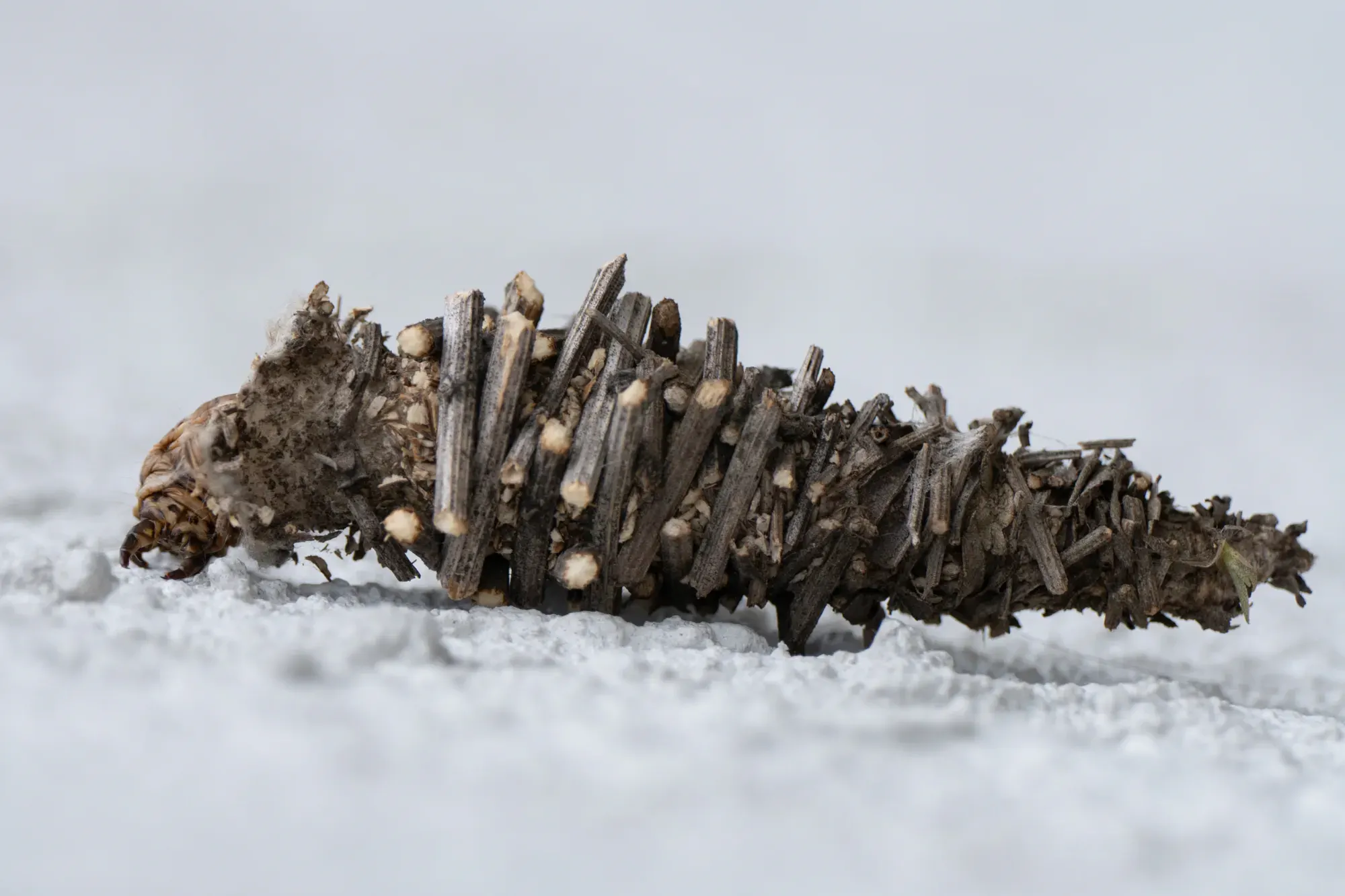
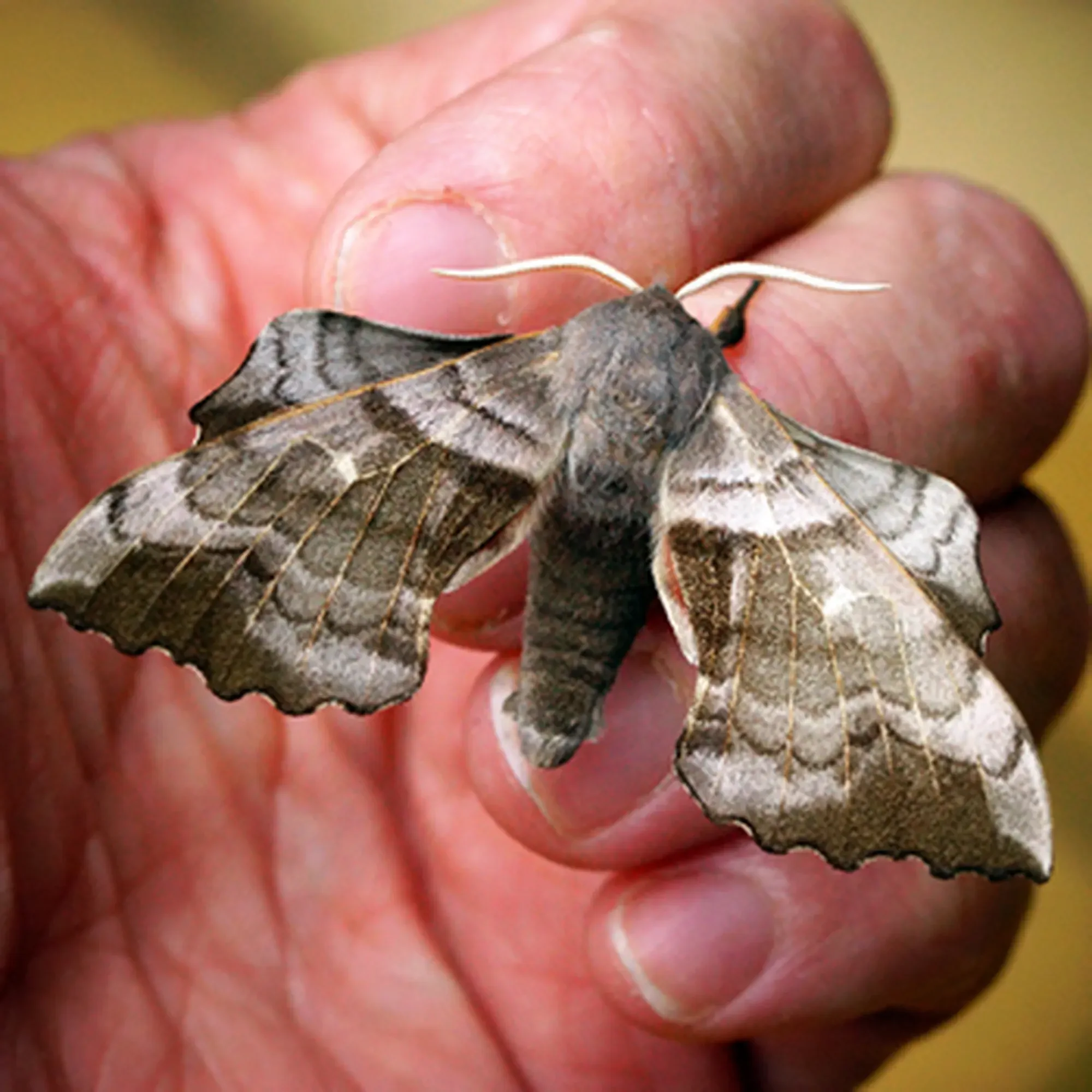
A Bagworm Moth
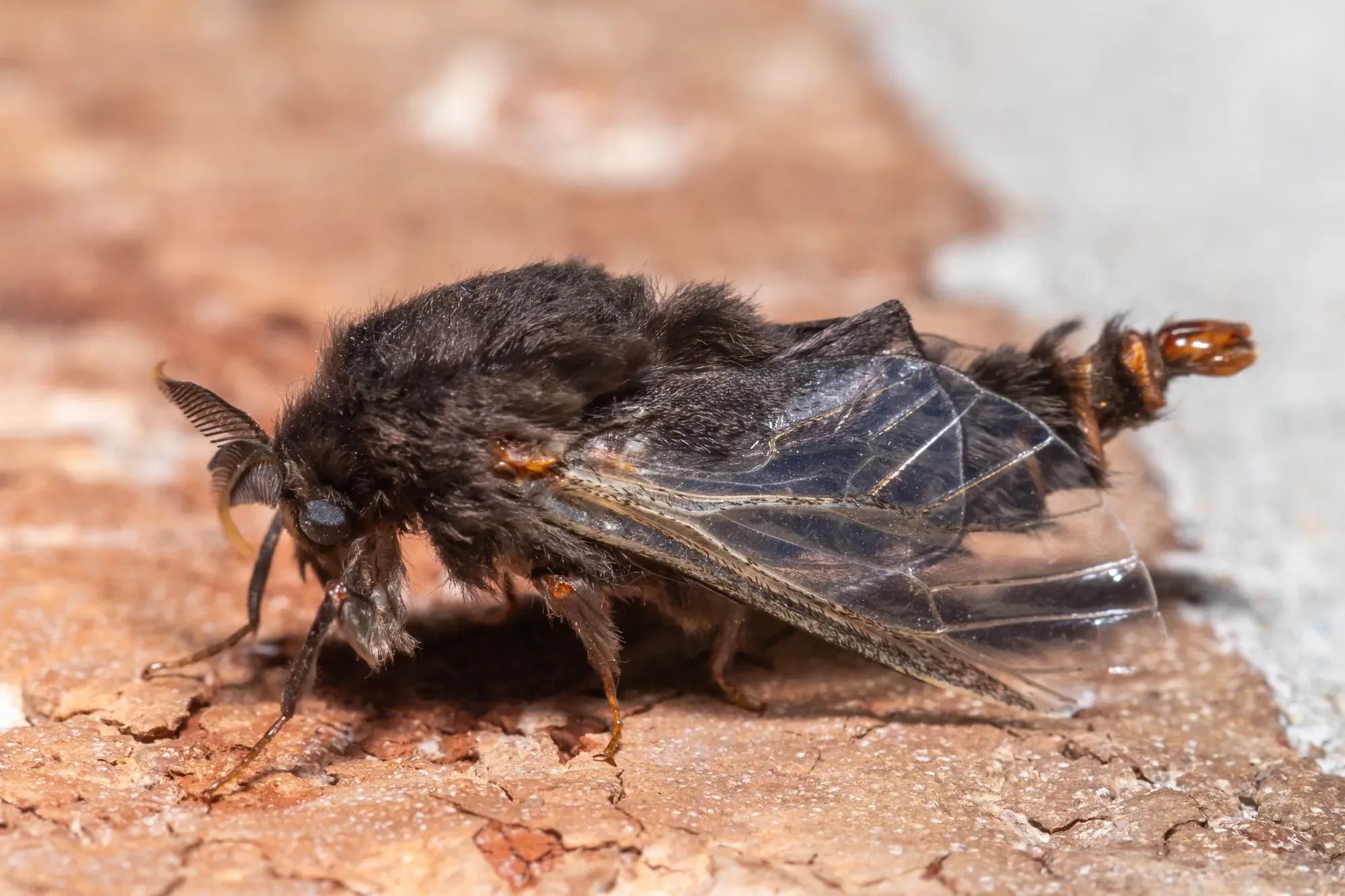
Bagworms are a type of moth that can be found in many parts of the world. They are small, cylindrical caterpillars that are usually found in trees and shrubs. Bagworms are most commonly seen in the summer months, when they are actively feeding on the foliage of their host plants. The larvae of the bagworm construct a protective bag-like structure around themselves, which is made of silk and bits of plant material. This bag serves as a shelter and a means of protection from predators.
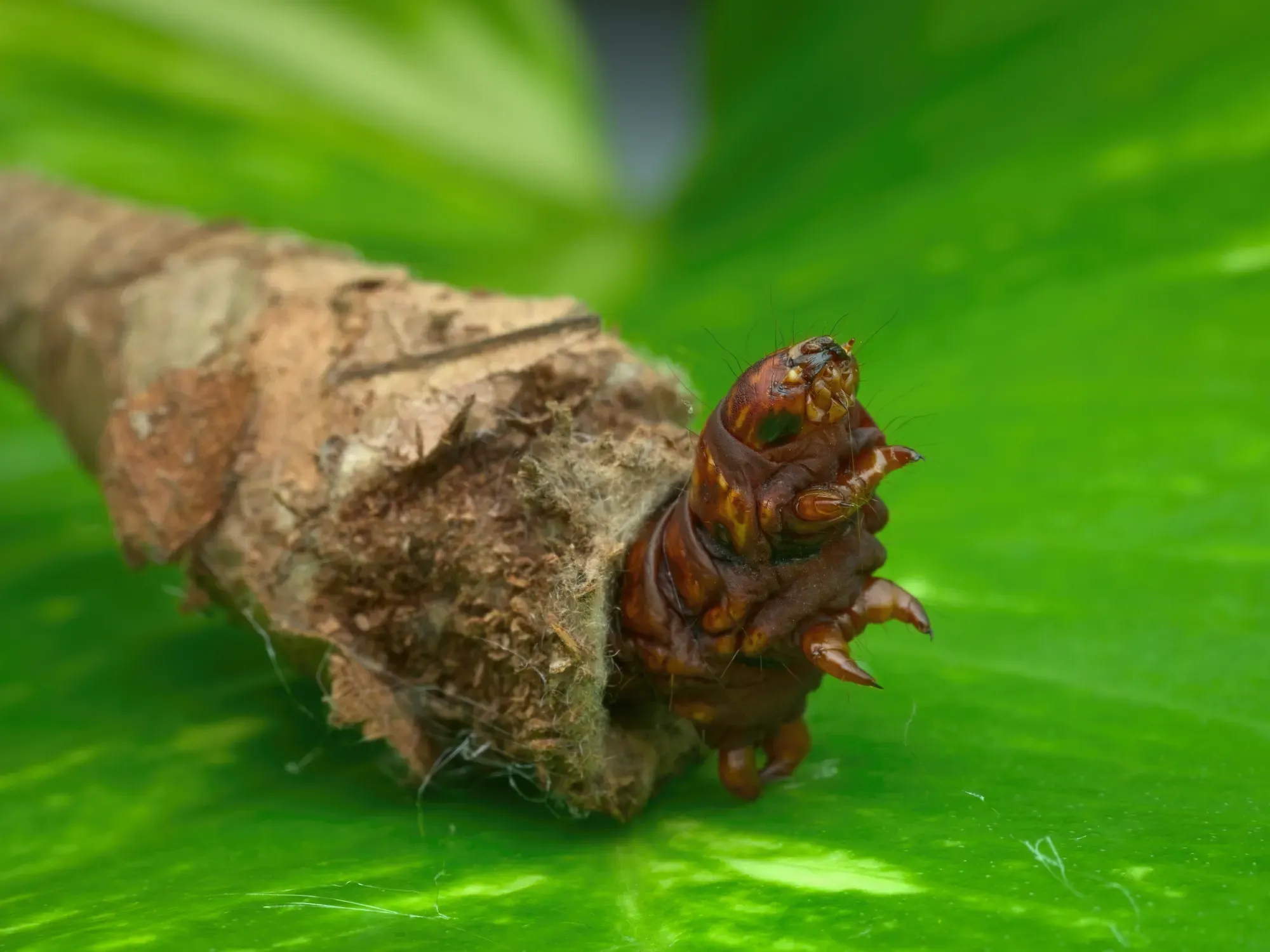
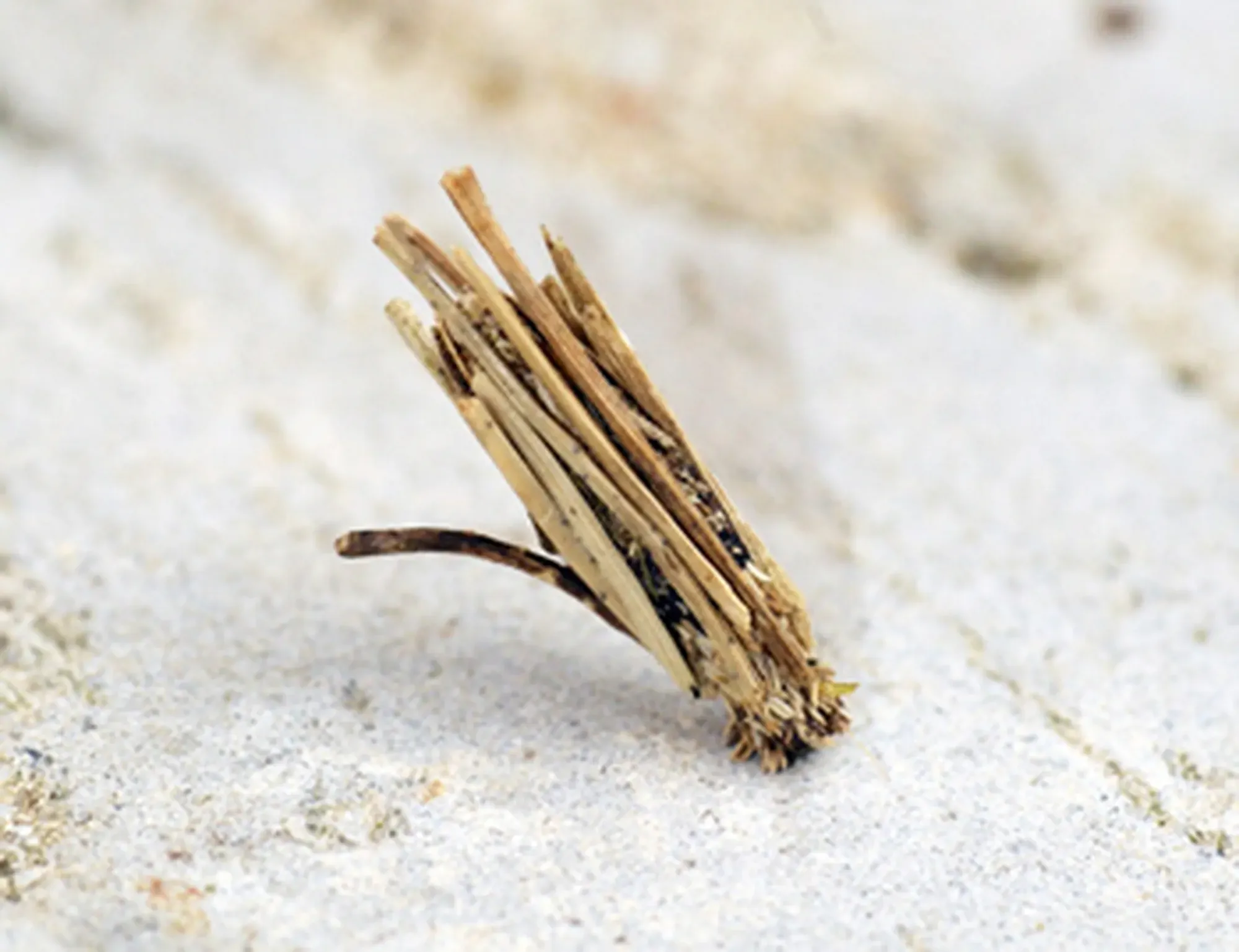
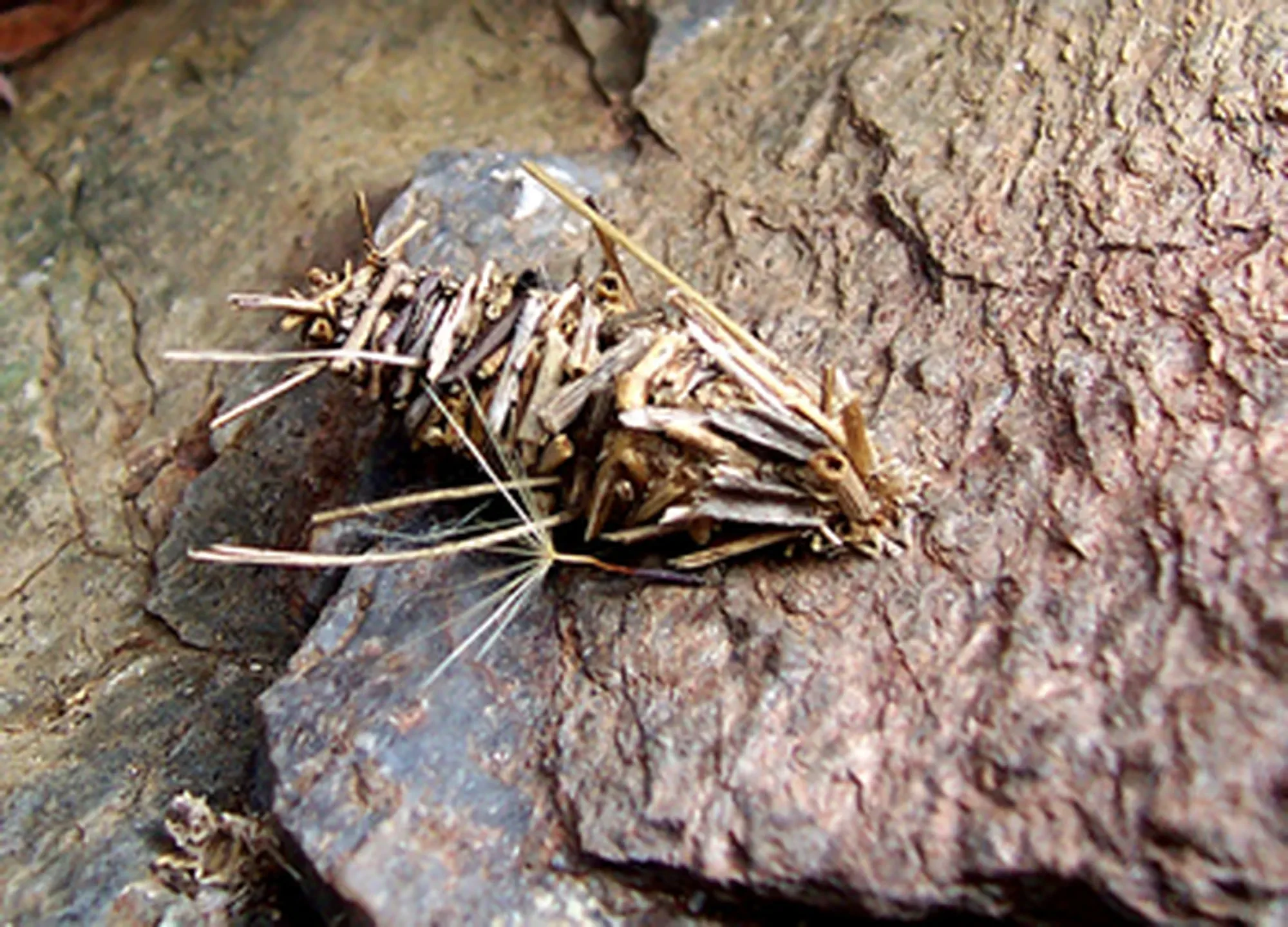
Bagworms, or Thyridopteryx ephemeraeformis, are a type of moth in their larvae stage. They are known for the spindle-shaped "bags" they create and live within, hence the name. These bags are constructed from silk and bits of twigs, leaves, and other plant material, making them well-camouflaged within their environment.
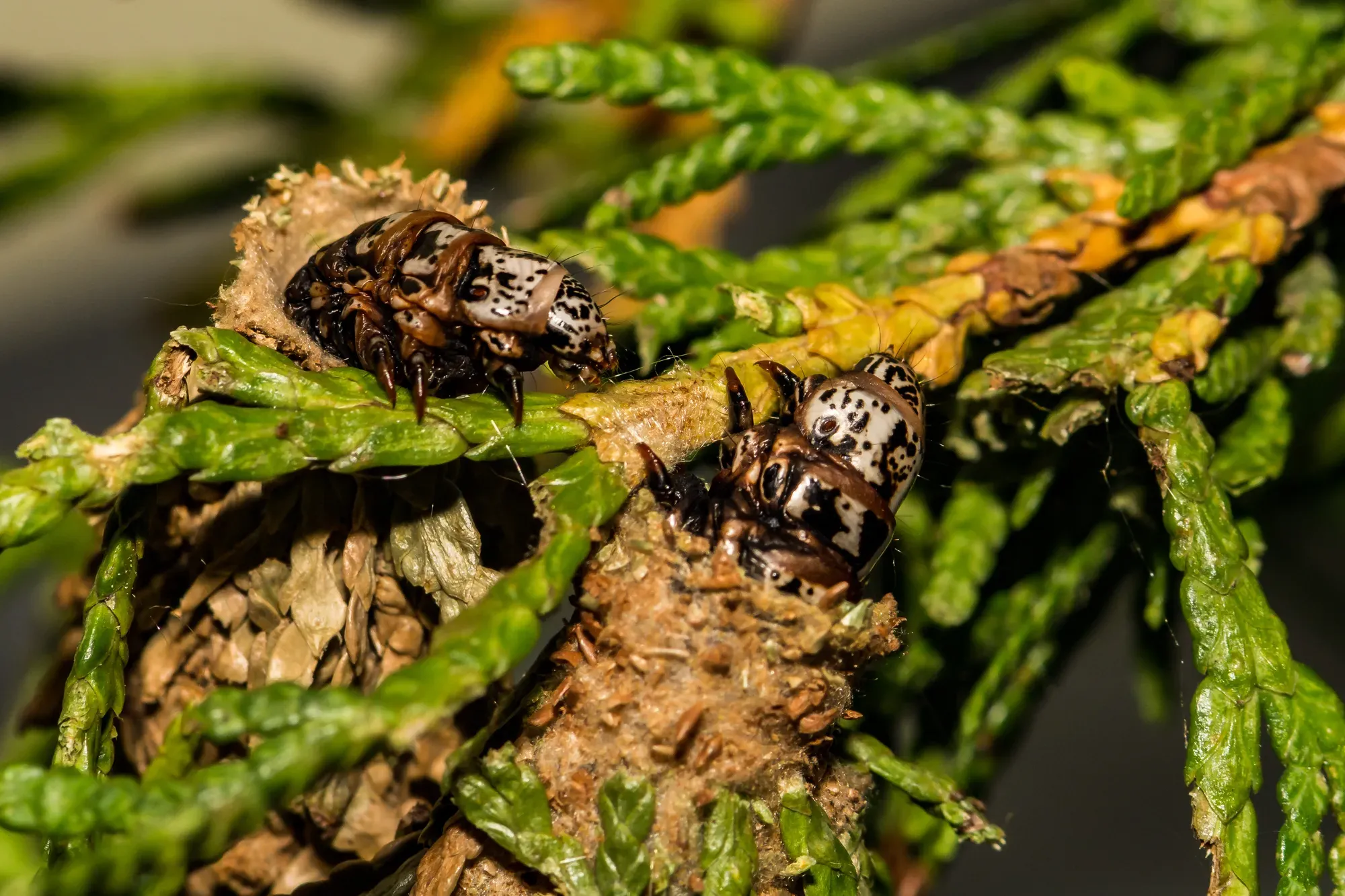
Bagworms can range in size from 1/2 inch to 2 inches in length. They are usually brown or gray in colour, with a few species having a more colourful appearance. The larvae have a distinct head and thorax, and their bodies are covered in short hairs. The larvae also have two pairs of legs near the head and two pairs of prolegs near the rear of the body. The larvae also have two long, thin antennae that are used to detect food sources.
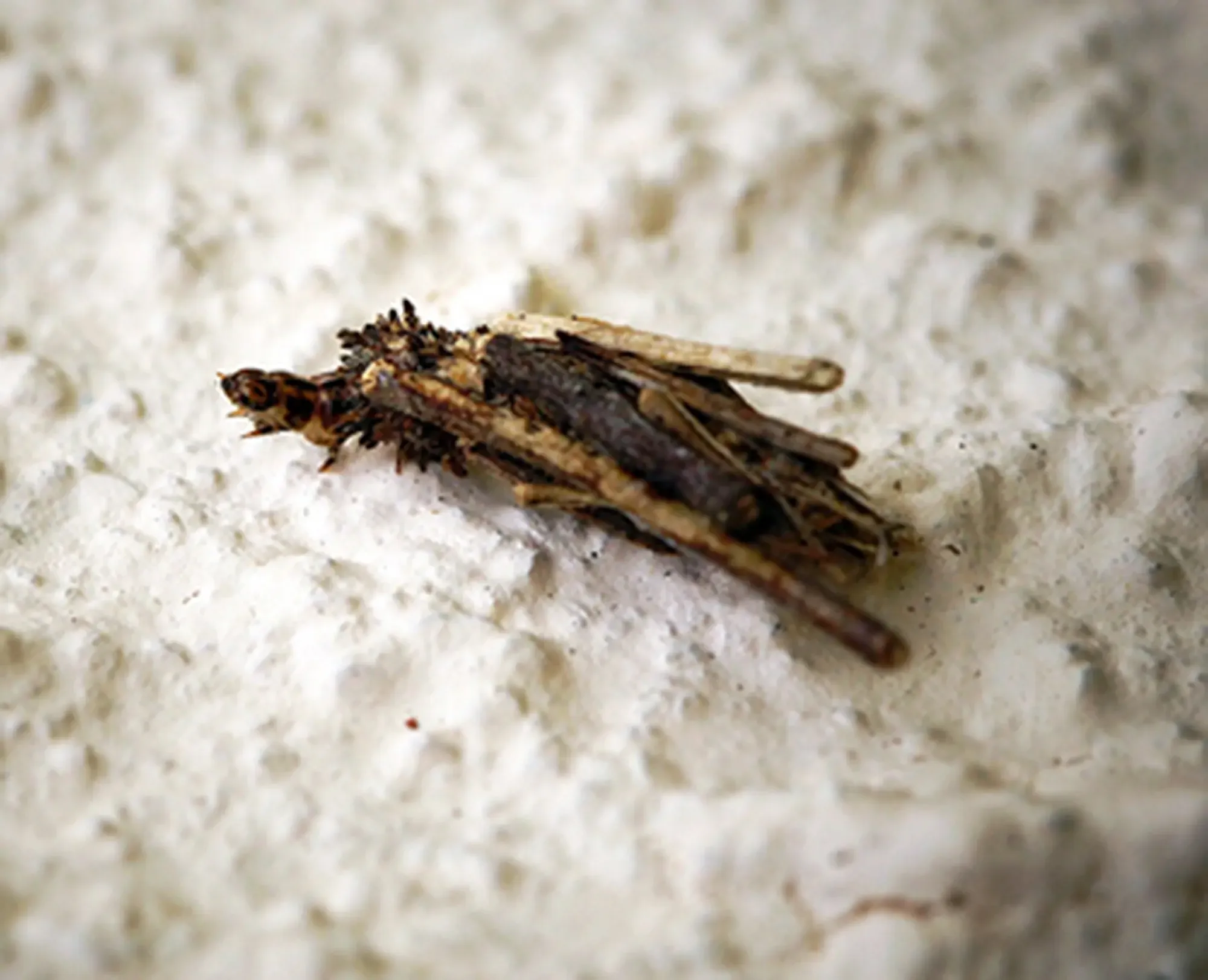
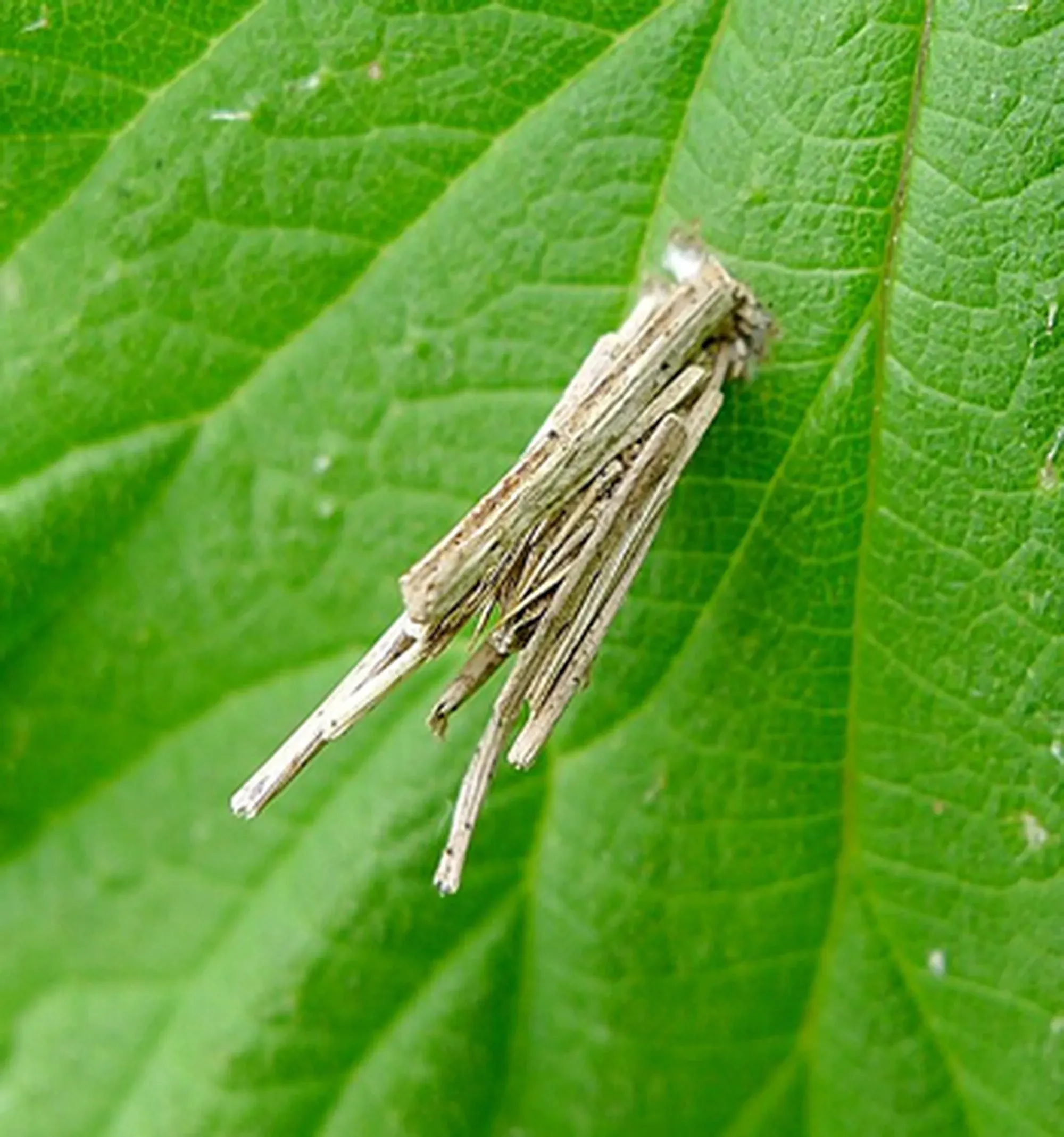
Bagworms are often mistaken for small pine cones or other plant structures. Their bags can be up to 2 inches long, and they are usually found hanging from the undersides of branches. The larvae themselves are caterpillar-like creatures, with dark, segmented bodies.
Overview of the Damage Caused by Bagworms
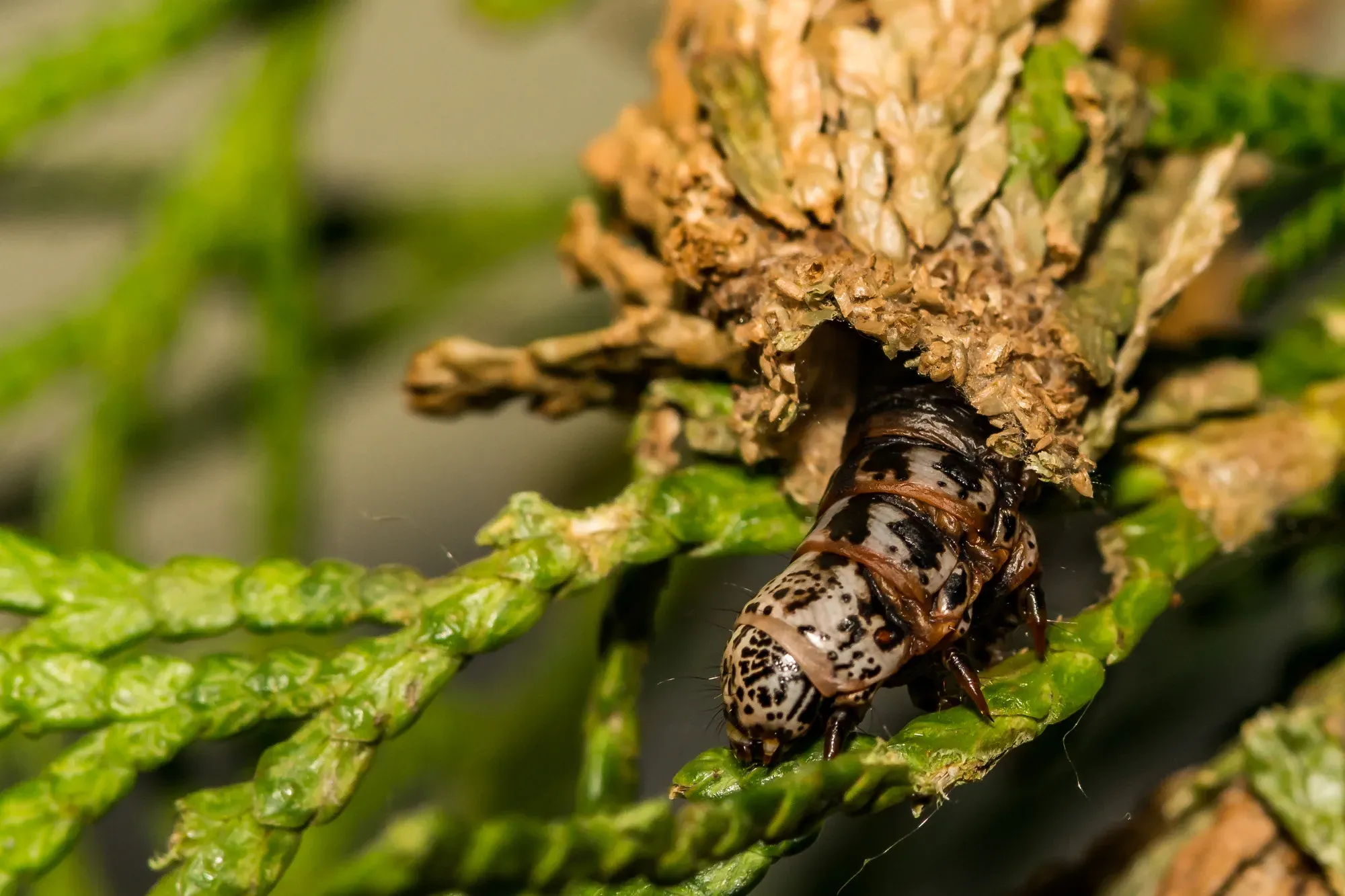
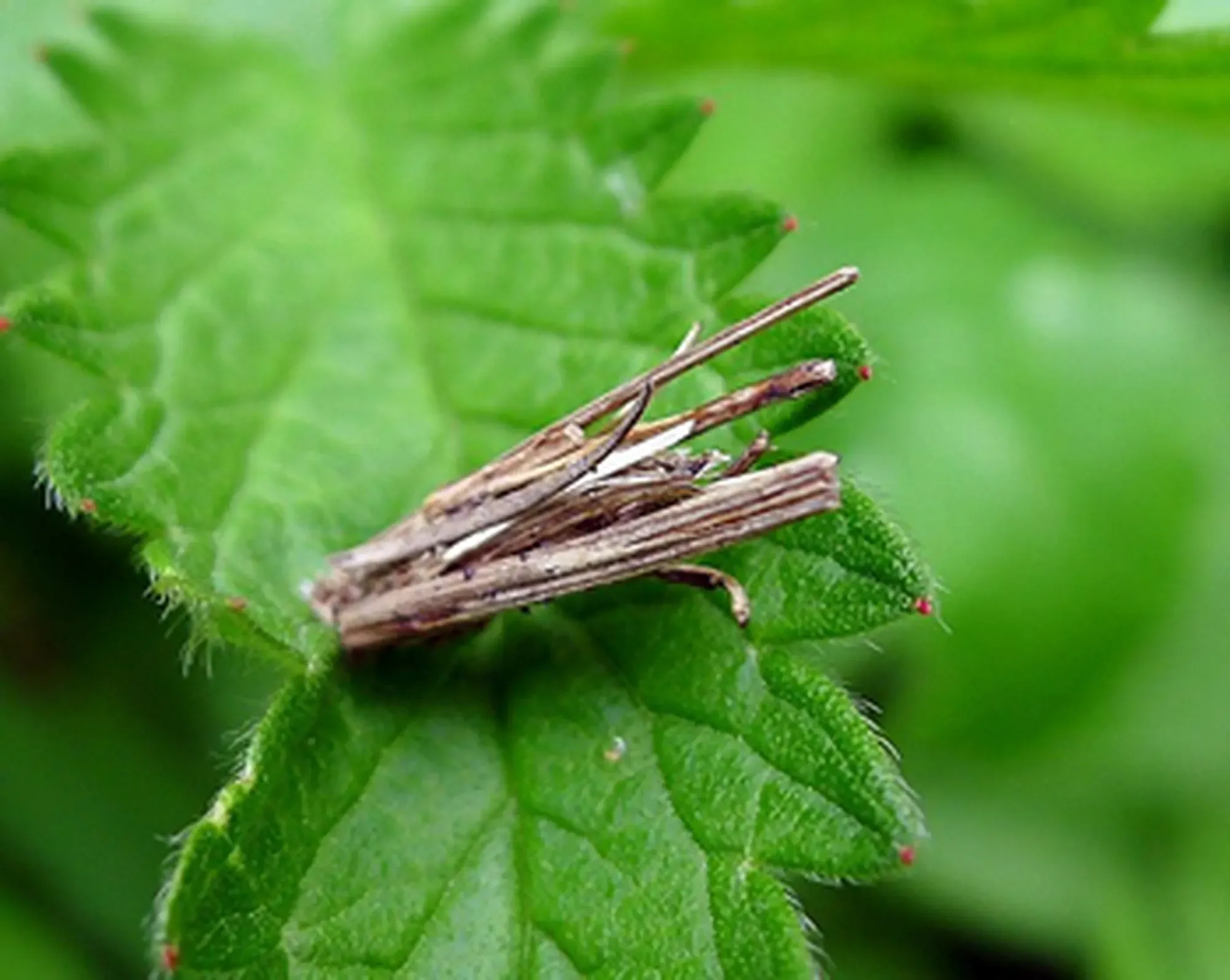
A Bagworm Lava
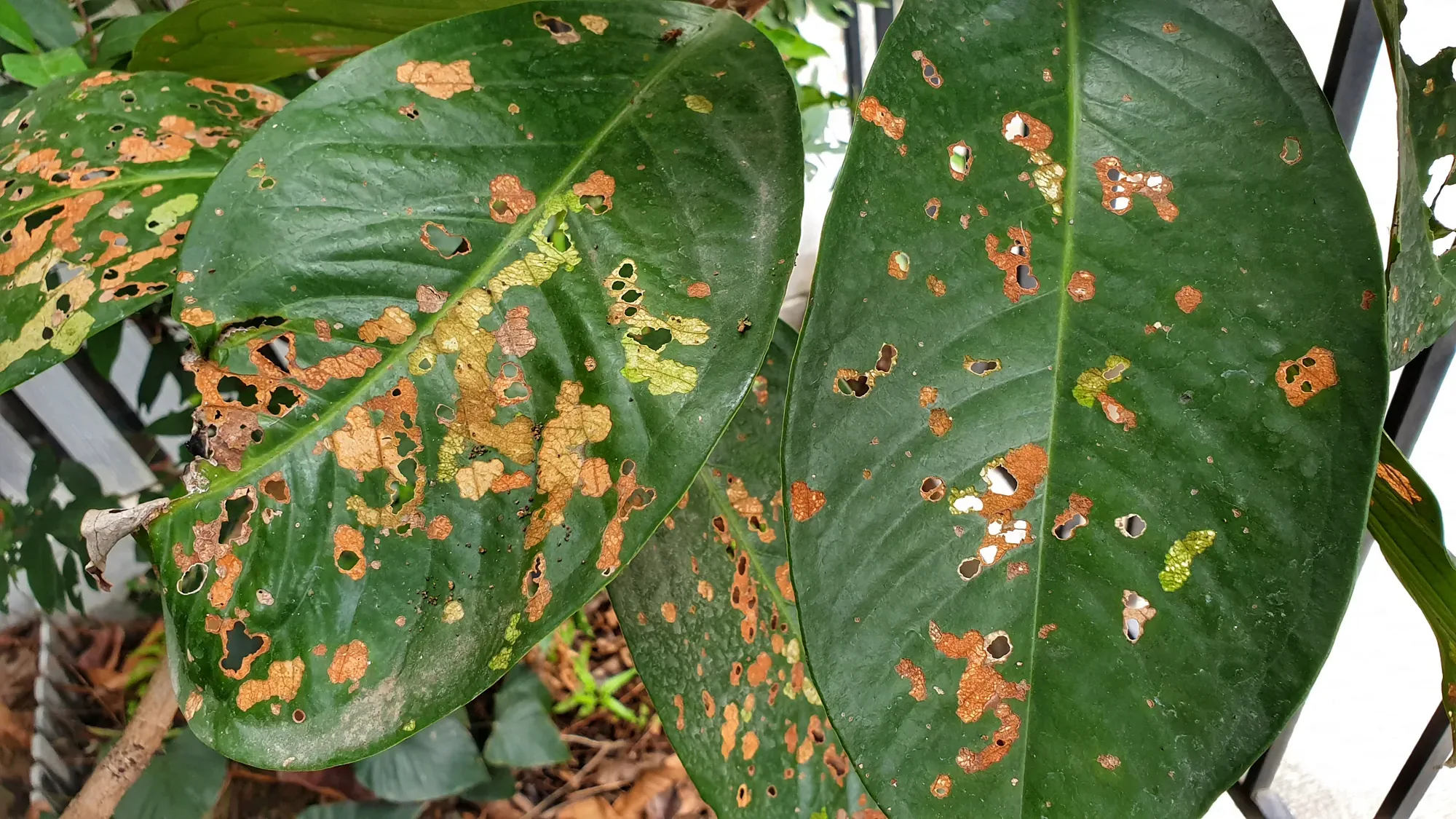
Bagworms are voracious eaters and can cause significant damage to a wide variety of trees and shrubs. They feed on needles and leaves, causing defoliation and even death of the plant if the infestation is severe enough. Evergreens are particularly susceptible to bagworm damage as they cannot regrow their foliage as quickly as deciduous trees.
Bagworms are a type of caterpillar that can cause significant damage to trees and shrubs. They feed on the foliage of plants, leaving behind a skeletonized appearance. Bagworms can be found in many parts of the world, including North America, Europe, and Asia. The larvae of the bagworm feed on the foliage of trees and shrubs, leaving behind a skeletonized appearance. The damage caused by bagworms can be severe, leading to the death of the plant if left untreated. Bagworms can also spread to other plants, causing further damage. In order to prevent the spread of bagworms, it is important to identify and treat infestations as soon as possible. Treatment options include manual removal, chemical sprays, and biological control. It is important to note that bagworms can be difficult to control, so it is important to consult a professional if you suspect an infestation.
How to Detect and Identify Bagworms
A Bagworm Moth
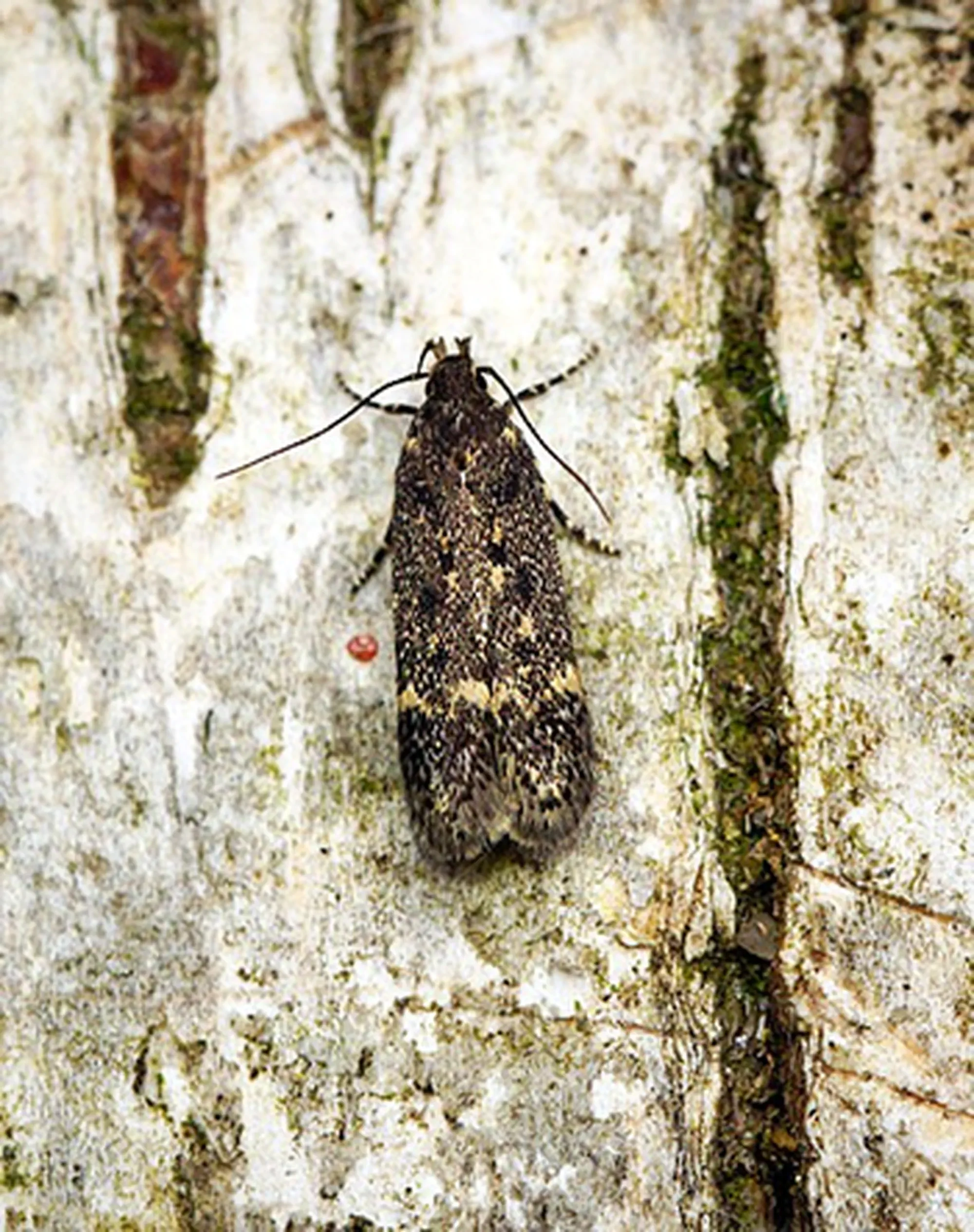
Bagworms are a type of caterpillar that can cause significant damage to trees and shrubs. They are easily identifiable by their small, bag-like cocoons, which they use to protect themselves from predators. The cocoons are made of silk and bits of foliage, and can be found on the branches of trees and shrubs. Bagworms can be difficult to detect, as they often blend in with their surroundings. However, there are a few signs that can help you identify them.
The first sign of a bagworm infestation is the presence of small, bag-like cocoons on the branches of trees and shrubs. These cocoons are usually about an inch long and are made of silk and bits of foliage. They can be found in clusters or singly, and may be difficult to spot due to their camouflage. Another sign of a bagworm infestation is the presence of small, black caterpillars. These caterpillars are the larvae of the bagworm, and can be seen crawling around the branches of trees and shrubs.
Early detection is key to managing a bagworm infestation. Look for the telltale bags hanging from your plants, especially during late spring or early summer when bagworms are most active. You may also notice areas of brown or missing foliage.
If you suspect that your trees and shrubs are infested with bagworms, it is important to take action quickly. Bagworms can cause significant damage to trees and shrubs, so it is important to identify and remove them as soon as possible. If you are unsure of how to identify and remove bagworms, it is best to contact a professional pest control company for assistance.
Treatment Options for Bagworms
A Bagworm Moth
Bagworms are a common pest that can cause significant damage to trees and shrubs. They feed on the foliage of plants, leaving behind a web-like covering that can be unsightly and damaging. Fortunately, there are a variety of treatment options available to help control and prevent bagworms from infesting your plants.
One of the most effective treatments for bagworms is the use of insecticides. Insecticides can be applied directly to the foliage of the plant, or they can be sprayed onto the ground around the plant to prevent the bagworms from entering the area. Insecticides are generally safe to use and can be effective in controlling bagworm populations.
Another option for controlling bagworms is to physically remove them from the plant. This can be done by hand or with a vacuum cleaner. This method is often more labor-intensive, but it can be effective in removing large numbers of bagworms from the plant.
Finally, biological control methods can also be used to control bagworms. These methods involve introducing natural predators, such as ladybugs, Lacewings, and parasitic wasps, into the area to feed on the bagworms. This method is often more environmentally friendly than using insecticides, but it may take longer to see results.
No matter which treatment option you choose, it is important to monitor your plants regularly for signs of bagworm infestation. By taking the necessary steps to control and prevent bagworms, you can help keep your plants healthy and beautiful.
Treatment Options
Bagworms can be challenging to control due to their protective bags. Here are some treatment options:- Handpicking: If the infestation is small, handpicking can be an effective method. Make sure to destroy the bags to kill the larvae inside.
- Biological Control: Certain birds and insects are natural predators of bagworms. Attract these species to your garden to help control the population.
- Pesticides: For larger infestations, pesticides may be necessary. Choose a product specifically designed for bagworms and follow the package instructions carefully.
- Natural Remedies: Some gardeners have found success using a mixture of water and dish soap. Spray this solution on the bags to kill the larvae.
Comprehensive Guide to Chemical Treatment of Bagworms in the United Kingdom
Introduction to BagwormsBagworms, scientifically known as Thyridopteryx ephemeraeformis, are a type of moth in their larvae stage. They construct bag-like structures from silk and plant material, hence the name. These pests can cause significant damage to a wide variety of trees and shrubs by feeding on their leaves and needles, leading to defoliation and potentially death of the plant.
Chemical Treatment Options for Bagworms
-
1. Spinosad
- How it Works: Spinosad is derived from a naturally occurring soil bacterium. It works by affecting the nervous system of bagworms, causing paralysis and death.
- Usage: Typically, you would dilute the spinosad with water and apply it using a sprayer. Make sure to spray both the upper and lower surfaces of the leaves.
- Precautions: Avoid spraying during the heat of the day to prevent leaf burn. Also, while spinosad is relatively safe for humans and animals, it can be toxic to bees and other beneficial insects, so use it judiciously.
- Advantages: It's effective and has minimal impact on the environment.
- Disadvantages: It can harm beneficial insects.
-
2. Bacillus thuringiensis (Bt)
- How it Works: Bt is a bacterium that produces toxins harmful to many types of caterpillars, including bagworms.
- Usage: Like spinosad, Bt is usually mixed with water and sprayed onto the foliage. It should be applied when bagworms are young and actively feeding.
- Precautions: Bt is highly specific and only affects caterpillars that eat it, so it won't harm beneficial insects or mammals. However, it can kill non-target caterpillar species, so use it carefully.
- Advantages: It's safe for humans, pets, and most beneficial insects.
- Disadvantages: It can kill non-target caterpillar species.
-
3. Pyrethroids (e.g., bifenthrin, cyfluthrin)
- How it Works: Pyrethroids are synthetic chemicals that act like natural extracts from the chrysanthemum flower. They work by disrupting the nervous system of bagworms.
- Usage: Pyrethroids are available in many forms, including sprays and granules. Follow the manufacturer's instructions for application.
- Precautions: While pyrethroids are generally safe for humans and mammals, they can be highly toxic to fish and other aquatic organisms. Avoid using near bodies of water.
- Advantages: They're very effective against a broad range of pests.
- Disadvantages: They can harm non-target species, including beneficial insects and aquatic life.
Top Tips for Chemical Treatment of Bagworms
- Always follow the manufacturer's instructions when applying pesticides.
- The best time to treat for bagworms is in late spring or early summer when the larvae are small and feeding.
- Regularly inspect your plants for signs of bagworms to catch infestations early.
With the right knowledge and tools, you can effectively manage bagworm infestations and keep your garden healthy and beautiful.
Natural Remedies for Bagworms

A Bagworm Lava
Bagworms are a common pest that can cause significant damage to trees and shrubs. They are small, caterpillar-like insects that feed on the foliage of plants, leaving behind a web-like material that can cause the plant to become weak and eventually die. Fortunately, there are several natural remedies that can be used to control bagworms and protect your plants.
One of the most effective natural remedies for bagworms is to manually remove them from the plant. This can be done by hand or with a pair of tweezers. It is important to remove the bagworm and its webbing from the plant as soon as possible to prevent further damage. Additionally, you can use a spray bottle filled with water to knock the bagworms off the plant.
Another natural remedy for bagworms is to use beneficial insects such as ladybugs, Lacewings, and parasitic wasps. These insects feed on the bagworms and can help to reduce their population. Additionally, you can use natural insecticides such as neem oil or insecticidal soap to kill the bagworms. These products are safe to use on plants and can be effective in controlling bagworm populations.
Finally, you can use natural repellents such as garlic, pepper, or citrus oils to keep bagworms away from your plants. These repellents can be sprayed directly onto the foliage of the plant or applied to the soil around the plant.
By using these natural remedies, you can help to protect your plants from bagworms and keep them healthy.
Eco-Friendly Remedies for Bagworms in UK Gardens
Bagworms can be a nuisance to gardeners, but there are several natural remedies that can help control these pests without resorting to chemical pesticides. Here are some eco-friendly solutions to treat bagworms in your UK garden:
-
1. Neem Oil Spray
Neem oil is a natural insecticide derived from the neem tree. It disrupts the life cycle of bagworms, eventually leading to their death.
- How to Use: Mix 1½ tsp of neem oil with ½ tsp. liquid soap and a quart of water. Spray this mixture onto affected plants. Repeat this process every week until you see a reduction in bagworm population.
- Drawbacks: Neem oil can be harmful to beneficial insects if not used carefully.
-
2. Hand Removal
This is a simple and effective method for controlling bagworm infestations.
- How to Use: Physically remove the bagworm bags from the plants and dispose of them in a sealed bag. This method is most effective in winter when the bagworms are dormant.
- Drawbacks: This method can be time-consuming and may not be practical for large infestations or tall trees.
-
3. Beneficial Insects
Certain insects, such as parasitic wasps, are natural predators of bagworms. Encouraging these beneficial insects can help control bagworm populations.
- How to Use: Plant flowers and herbs that attract parasitic wasps, such as yarrow, dill, and fennel. Avoid using broad-spectrum pesticides that can harm these beneficial insects.
- Drawbacks: This method requires time and patience as it relies on the natural ecosystem.
-
4. Homemade Soap Spray
While not as effective as other methods, a soap spray can help manage small bagworm infestations.
- How to Use: Mix a few tablespoons of liquid soap with a quart of water and spray onto affected plants4. Be aware that some plants are sensitive to soap, so test a small area first.
- Drawbacks: Soap sprays can harm beneficial insects and may not be effective against large infestations.
-
5. Bacillus thuringiensis (Bt)
Bt is a naturally occurring bacterium that kills leaf and needle-eating caterpillars, including bagworms.
- How to Use: Spray a Bt solution onto the foliage of affected plants. It should be applied when bagworms are young and actively feeding.
- Drawbacks: Bt can kill non-target caterpillar species, so use it carefully.
Prevention is always better than cure. Regularly inspect your plants for signs of bagworms to catch infestations early. Maintain plant health as healthy plants are less susceptible to pests. Encourage biodiversity in your garden to promote a balanced ecosystem.
Remember, every garden is unique, so you may need to try different methods to see what works best for you. Always prioritize eco-friendly practices to maintain a healthy and sustainable garden.
Tips for Preventing and Lessening Damage Caused by Bagworms
A Bagworm Lava
Bagworms are a common pest that can cause significant damage to trees and shrubs. They feed on the foliage of plants, leaving behind a skeletonized appearance. To prevent and lessen the damage caused by bagworms, it is important to take proactive steps.
The first step is to inspect your plants regularly for signs of bagworms. Look for small, silken bags that are attached to the foliage. These bags are the larvae of the bagworm and can be easily removed by hand. If you find any, it is important to remove them as soon as possible to prevent further damage.
Another important step is to use an insecticide to kill the bagworms. There are several insecticides available that are specifically designed to target bagworms. Be sure to follow the instructions on the label carefully and apply the insecticide according to the manufacturer’s instructions.
Finally, it is important to prune any affected branches or foliage. Pruning will help to reduce the amount of damage caused by the bagworms and will also help to promote healthy growth.
By following these steps, you can help to prevent and lessen the damage caused by bagworms. Regular inspections, the use of insecticides, and pruning can all help to keep your plants healthy and free from bagworm damage.
Frequently Asked Questions (FAQs) About Bagworms
A Bagworm Lava
Bagworms are a type of moth that can cause significant damage to trees and shrubs. They are most commonly found in the eastern United States, but can be found in other parts of the world as well. Bagworms feed on the foliage of trees and shrubs, and can cause extensive damage if left unchecked. Here are some frequently asked questions about bagworms and how to control them.
What do bagworms look like? Bagworms are small, caterpillar-like insects that are usually about an inch long. They have a hard, brownish-gray shell that looks like a bag, hence their name. The larvae are usually green or brown in colour and have a tuft of hairs at the end of their body.
How do bagworms damage plants? Bagworms feed on the foliage of trees and shrubs, which can cause extensive damage if left unchecked. They can defoliate entire plants, leaving them vulnerable to other pests and diseases.
How can I control bagworms? The best way to control bagworms is to remove them by hand. If the infestation is too large, you can use insecticides to kill the larvae. It is important to follow the instructions on the label carefully to ensure the safety of your plants.
What should I do if I find bagworms on my plants? If you find bagworms on your plants, it is important to act quickly. Remove the bagworms by hand or use an insecticide to kill them. You should also inspect your plants regularly to check for any new infestations.
Frequently Asked Questions

A Bagworm Lava
-
Q1: What are bagworms and what do they look like?
A1: Bagworms are small, moth-like insects that feed on the foliage of trees and shrubs. They are typically brown or gray in colour and have a hard, spindle-shaped body. The larvae of the bagworm create a protective bag or cocoon around themselves, which is made of silk and bits of foliage. The bag can range in size from 1/2 inch to 2 inches in length.
-
Q2: What kind of damage do bagworms cause?
A2: Bagworms can cause significant damage to trees and shrubs, as they feed on the foliage. This can lead to defoliation, which can weaken the plant and make it more susceptible to disease and pests. In extreme cases, the damage caused by bagworms can even lead to the death of the plant.
-
Q3: How can I detect and identify bagworms?
A3: Bagworms can be identified by their distinctive bags, which are made of silk and bits of foliage. The bags can range in size from 1/2 inch to 2 inches in length. In addition, you may also notice the presence of small, black droppings around the base of the plant, which is a sign that bagworms are present.
-
Q4: What are some treatment options for bagworms?
A4: There are a variety of treatment options available for bagworms, including chemical insecticides, biological insecticides, and natural remedies. It is important to consult with a professional to determine the best course of action for your particular situation.
-
Q5: Are there any natural remedies for bagworms?
A5: Yes, there are a number of natural remedies that can be used to treat bagworms. These include using insecticidal soaps, horticultural oils, and beneficial nematodes. It is important to consult with a professional to determine the best course of action for your particular situation.
-
Q6: What tips can I use to prevent and lessen the damage caused by bagworms?
A6: There are a number of steps you can take to prevent and lessen the damage caused by bagworms. These include regularly inspecting your plants for signs of bagworms, pruning off affected branches, and using natural remedies such as insecticidal soaps, horticultural oils, and beneficial nematodes.
In conclusion, bagworms can be a nuisance to homeowners and gardeners alike. They can cause significant damage to plants and trees, and can be difficult to detect and identify. Fortunately, there are a variety of treatment options available, including natural remedies, to help control and prevent bagworm infestations. By following the tips outlined in this article, you can help protect your plants and trees from the damage caused by bagworms. If you have any further questions about bagworms, please refer to the FAQs section for more information. Taking the necessary steps to prevent and control bagworm infestations can help ensure the health and longevity of your plants and trees.
How to Prune Climbing Vines
List by Variety
- How to Prune Actinidia
- How to Prune Akebia
- How to Prune Bougainvillea
- How to Prune Campsis
- How to Prune Celastrus
- How to Prune Chilean Glory Vine
- How to Prune Clematis Armandii
- How to Prune Clematis Montana
- How to Prune Climbing Rose
- How to Prune Hedera GoldHeart
- How to Prune Honeysuckle
- How to Prune Hydrangea Petiolaris
- How to Prune Ivy
- How to Prune Japanese Wisteria
- How to Prune Morning Glory
- How to Prune Parthenocissus
- How to Prune Persian Ivy Hedera Colchica
- How to Prune Schisandra
- How to Prune Star Jasmine
- How to Prune Sweet Peas
- How to Prune True Jasmine
- How to Prune Virginia Creeper
- How to Prune Wisteria
How to Prune Hedges
List by Variety
- How to Prune an Arborvitae Hedge
- How to Prune a Barberry Hedge
- How to Prune a Beech Hedge
- How to Prune a Boxwood Hedge
- How to Prune a Butterfly Bush Hedge
- How to Prune a Cotoneaster Hedge
- How to Prune an English Lavender Hedge
- How to Prune an Escallonia Hedge
- How to Prune an Euonymus-Hedge
- How to Prune a Firethorn Hedge
- How to Prune a Forsythia Hedge
- How to Prune a Griselinia Hedge
- How to Prune a Hawthorn Hedge
- How to Prune a Holly Hedge
- How to Prune a Hornbeam Hedge
- How to Prune a Juniper Hedge
- How to Prune a Laurel Hedge
- How to Prune a Leylandii Hedge
- How to Prune a Lilac Hedge
- How to Prune a Maple Leaf Viburnum Hedge
- How to Prune a Photinia Hedge
- How to Prune a Pink Ramanus Rose Hedge
- How to Prune a Privet Hedge
- How to Prune a Pyracantha Hedge
- How to Prune a Spirea Hedge
- How to Prune a Thuja Hedge
- How to Prune a Viburnum Hedge
- How to Prune a Western Red Cedar Hedge
- How to Prune a Yew Hedge
How to Prune Shrubs
List by Variety
- How to Prune an Abelia Shrub
- How to Prune an Abutilon
- How to Prune an Acer / Japanese-Maple
- How to Prune an Amelanchiers
- How to Prune an Apple-Tree
- How to Prune an Arbovitae Shrub
- How to Prune an Arbutus
- How to Prune an Aucuba
- How to Prune a Azalea Mollis
- How to Prune Azaleas
- How to Prune a Bay Tree Shrub
- How to Prune a Berberis Darwinii
- How to Prune Berberis Deciduous Types
- How to Prune a Boxwood Shrubs
- How to Prune a Brachyglottis Senecio
- How to Prune a Buddleia Alternifolia
- How to Prune Buddleias Butterfly Bushes
- How to Prune a Buddleja Globosa
- How to Prune a Callicarpa
- How to Prune a Camellia
- How to Prune a Caryopteris
- How to Prune a Catalpa Bignonioides Aurea
- How to Prune Ceanothus Deciduous Types
- How to Prune Ceanothus Evergreen Types
- How to Prune a Ceratostigma
- How to Prune a Chaenomeles
- How to Prune a Choisya
- How to Prune a Cistus
- How to Prune a Clematis
- How to Prune a Cornus
- How to Prune a Cotinus Royal Purple
- How to Prune a Cytisus Scoparius
- How to Prune a Exochorda x Macrantha
- How to Prune a Forsythia
- How to Prune a Hebe
- How to Prune a Hydrangeas
- How to Prune Juniper Shrubs
- How to Prune a Lavatera
- How to Prune Lilac Bushes
- How to Prune a Mugo Pine
- How to Prune Rose Bushes
- How to Prune Ribes
- How to Prune Spirea Shrubs
- How to Prune Viburnum Shrubs
- How to Prune a Weigela
- How to Prune a Yew
How to Prune Trees
List by Variety
- How to Prune a Apple Tree
- How to Prune a Apricot Tree
- How to Prune a Ash Tree
- How to Prune a Birch Tree
- How to Prune a Cherry Tree
- How to Prune a Elm Tree
- How to Prune a Fig Tree
- How to Prune a Grape Tree
- How to Prune a Hickory Tree
- How to Prune a Maple Tree
- How to Prune a Oak Tree
- How to Prune an Olive Tree
- How to Prune a Peach Tree
- How to Prune a Pear Tree
- How to Prune a Plum Tree
- How to Prune a Poplar Tree
- How to Prune a Walnut Tree
How to Prune Climbing Vines
List by Variety
- How to Prune Actinidia
- How to Prune Akebia
- How to Prune Bougainvillea
- How to Prune Campsis
- How to Prune Celastrus
- How to Prune Chilean Glory Vine
- How to Prune Clematis Armandii
- How to Prune Clematis Montana
- How to Prune Climbing Rose
- How to Prune Hedera GoldHeart
- How to Prune Honeysuckle
- How to Prune Hydrangea Petiolaris
- How to Prune Ivy
- How to Prune Japanese Wisteria
- How to Prune Morning Glory
- How to Prune Parthenocissus
- How to Prune Persian Ivy Hedera Colchica
- How to Prune Schisandra
- How to Prune Star Jasmine
- How to Prune Sweet Peas
- How to Prune True Jasmine
- How to Prune Virginia Creeper
- How to Prune Wisteria
How to Prune Hedges
List by Variety
- How to Prune an Arborvitae Hedge
- How to Prune a Barberry Hedge
- How to Prune a Beech Hedge
- How to Prune a Boxwood Hedge
- How to Prune a Butterfly Bush Hedge
- How to Prune a Cotoneaster Hedge
- How to Prune an English Lavender Hedge
- How to Prune an Escallonia Hedge
- How to Prune an Euonymus-Hedge
- How to Prune a Firethorn Hedge
- How to Prune a Forsythia Hedge
- How to Prune a Griselinia Hedge
- How to Prune a Hawthorn Hedge
- How to Prune a Holly Hedge
- How to Prune a Hornbeam Hedge
- How to Prune a Juniper Hedge
- How to Prune a Laurel Hedge
- How to Prune a Leylandii Hedge
- How to Prune a Lilac Hedge
- How to Prune a Maple Leaf Viburnum Hedge
- How to Prune a Photinia Hedge
- How to Prune a Pink Ramanus Rose Hedge
- How to Prune a Privet Hedge
- How to Prune a Pyracantha Hedge
- How to Prune a Spirea Hedge
- How to Prune a Thuja Hedge
- How to Prune a Viburnum Hedge
- How to Prune a Western Red Cedar Hedge
- How to Prune a Yew Hedge
How to Prune Shrubs
List by Variety
- How to Prune an Abelia Shrub
- How to Prune an Abutilon
- How to Prune an Acer / Japanese-Maple
- How to Prune an Amelanchiers
- How to Prune an Apple-Tree
- How to Prune an Arbovitae Shrub
- How to Prune an Arbutus
- How to Prune an Aucuba
- How to Prune a Azalea Mollis
- How to Prune Azaleas
- How to Prune a Bay Tree Shrub
- How to Prune a Berberis Darwinii
- How to Prune Berberis Deciduous Types
- How to Prune a Boxwood Shrubs
- How to Prune a Brachyglottis Senecio
- How to Prune a Buddleia Alternifolia
- How to Prune Buddleias Butterfly Bushes
- How to Prune a Buddleja Globosa
- How to Prune a Callicarpa
- How to Prune a Camellia
- How to Prune a Caryopteris
- How to Prune a Catalpa Bignonioides Aurea
- How to Prune Ceanothus Deciduous Types
- How to Prune Ceanothus Evergreen Types
- How to Prune a Ceratostigma
- How to Prune a Chaenomeles
- How to Prune a Choisya
- How to Prune a Cistus
- How to Prune a Clematis
- How to Prune a Cornus
- How to Prune a Cotinus Royal Purple
- How to Prune a Cytisus Scoparius
- How to Prune a Exochorda x Macrantha
- How to Prune a Forsythia
- How to Prune a Hebe
- How to Prune a Hydrangeas
- How to Prune Juniper Shrubs
- How to Prune a Lavatera
- How to Prune Lilac Bushes
- How to Prune a Mugo Pine
- How to Prune Rose Bushes
- How to Prune Ribes
- How to Prune Spirea Shrubs
- How to Prune Viburnum Shrubs
- How to Prune a Weigela
- How to Prune a Yew
How to Prune Trees
List by Variety
- How to Prune a Apple Tree
- How to Prune a Apricot Tree
- How to Prune a Ash Tree
- How to Prune a Birch Tree
- How to Prune a Cherry Tree
- How to Prune a Elm Tree
- How to Prune a Fig Tree
- How to Prune a Grape Tree
- How to Prune a Hickory Tree
- How to Prune a Maple Tree
- How to Prune a Oak Tree
- How to Prune an Olive Tree
- How to Prune a Peach Tree
- How to Prune a Pear Tree
- How to Prune a Plum Tree
- How to Prune a Poplar Tree
- How to Prune a Walnut Tree
Gallery
Necessitatibus eius consequatur ex aliquid fuga eum quidem sint consectetur velit


Michael Carter
Vestibulum ante ipsum primis in faucibus orci luctus et ultrices posuere cubilia curae; Donec vel erat in nulla efficitur tempor non ut nisl. Integer venenatis eros ut dui viverra fermentum.
Sophie Wilson
Nam ut turpis hendrerit, varius nunc vel, elementum dui. Morbi vulputate dolor sit amet scelerisque egestas. Vestibulum eleifend nunc ut bibendum fermentum.
Alex Morgan
Cras non velit nec purus tempor rhoncus. Sed non mauris vitae erat consequat auctor eu in elit. Class aptent taciti sociosqu ad litora torquent per conubia nostra.