The Devastating Effects of Black Rot on UK Agriculture
Everything You Need to Know About a Black Rot in the UK
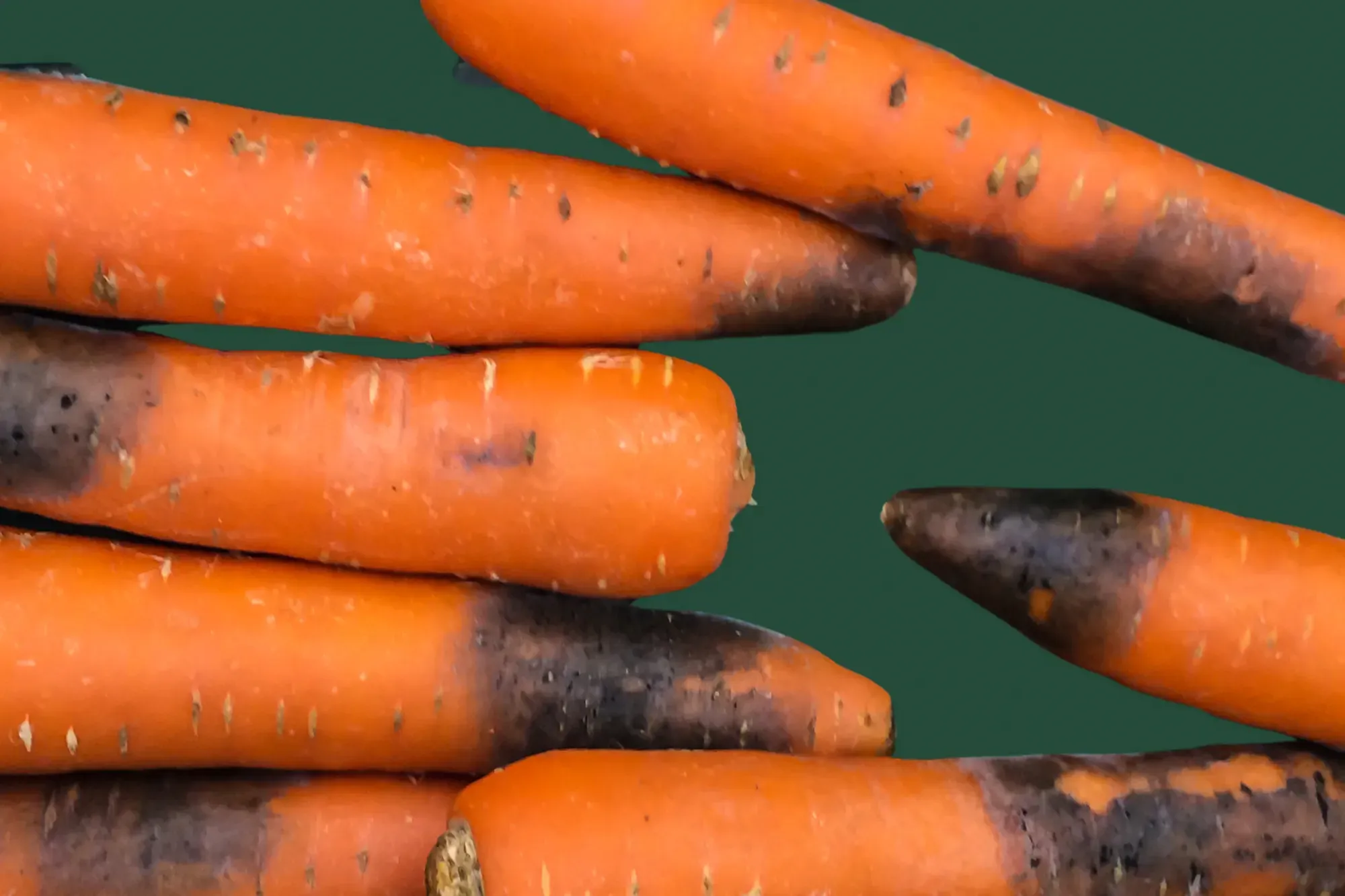
Introduction Welcome to our blog, where we will be delving into the mysterious world of black rot in the UK. This fungal disease has been causing quite a stir among farmers and gardeners alike, and we are here to provide you with all the information you need to know. So, grab a cup of tea and let's dive in.
Black rot, also known as Phomopsis viticola, is a common disease that affects a variety of plants, including grapes, apples, and stone fruits. It is caused by a fungus that thrives in warm and humid conditions, making the UK a perfect breeding ground. The first signs of black rot are small black spots on the leaves, which eventually spread to the fruit, causing it to rot and become inedible.
But don't let this disease discourage you from growing your own fruits and vegetables. With proper knowledge and preventative measures, black rot can be easily managed. One of the most effective ways to prevent black rot is by practicing good hygiene in your garden or farm. This includes removing any infected plant debris and avoiding overhead watering, as the fungus can spread through water droplets.
In the next section, we will be discussing the symptoms and treatment options for black rot, so stay tuned. Don't let this pesky fungus ruin your harvest, let's work together to keep our plants healthy and thriving.
Understanding Black Rot: Causes and Effects
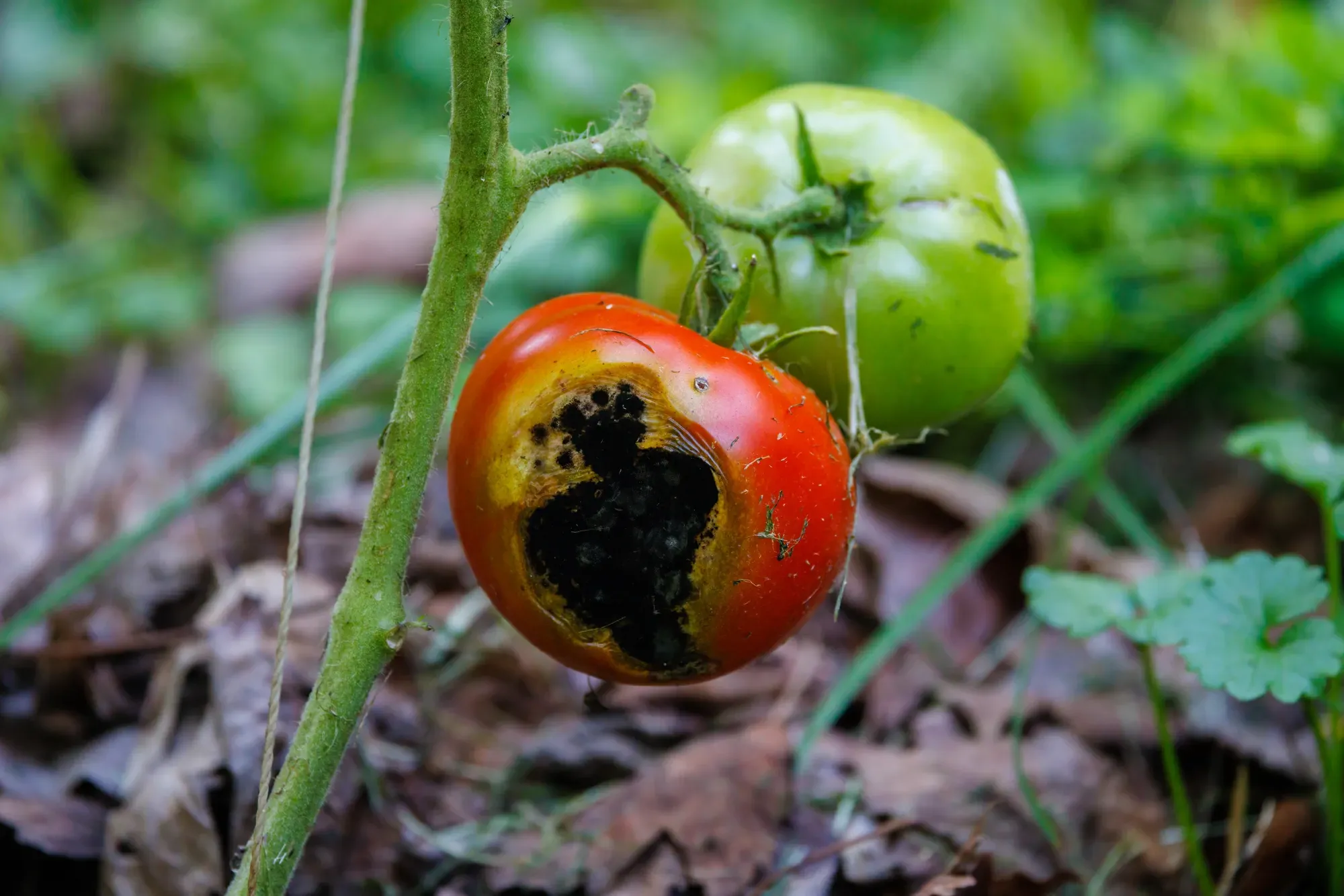
Black rot is a common fungal disease that affects a wide range of plants, including fruits, vegetables, and ornamental plants. It is caused by the fungus Botryosphaeria obtusa, which thrives in warm and humid conditions. This disease can have devastating effects on crops, leading to significant economic losses for farmers and gardeners alike. In this blog, we will delve into the causes and effects of black rot, and provide you with all the information you need to protect your plants from this destructive disease.
The first sign of black rot is the appearance of small, dark spots on the leaves, stems, and fruits of infected plants. These spots gradually enlarge and turn black, giving the disease its name. As the infection spreads, the affected plant tissues become dry and brittle, eventually leading to the death of the plant. This can have a domino effect on neighboring plants, as the fungus can easily spread through spores carried by wind or water.
So, what causes black rot? As mentioned earlier, warm and humid conditions are ideal for the growth and spread of the fungus. This is why black rot is more prevalent in the UK during the summer months. However, the disease can also be introduced through infected plant material or tools, making it important to practice good hygiene in your garden. Additionally, stressed or weakened plants are more susceptible to black rot, so it is crucial to maintain healthy and well-nourished plants to prevent this disease.
The effects of black rot can be devastating, not only for farmers and gardeners but also for the environment. The loss of crops can lead to food shortages and impact the economy. Furthermore, the use of fungicides to control black rot can have harmful effects on the environment and human health. Therefore, prevention is key when it comes to this disease. In conclusion, understanding the causes and effects of black rot is crucial in protecting your plants and preventing the spread of this destructive disease. By maintaining good hygiene practices and keeping your plants healthy, you can minimize the risk of black rot and ensure a thriving garden. Stay tuned for our next blog, where we will discuss effective methods for preventing and managing black rot in your garden.
The Impact of Black Rot on Agriculture and Food Production in the UK
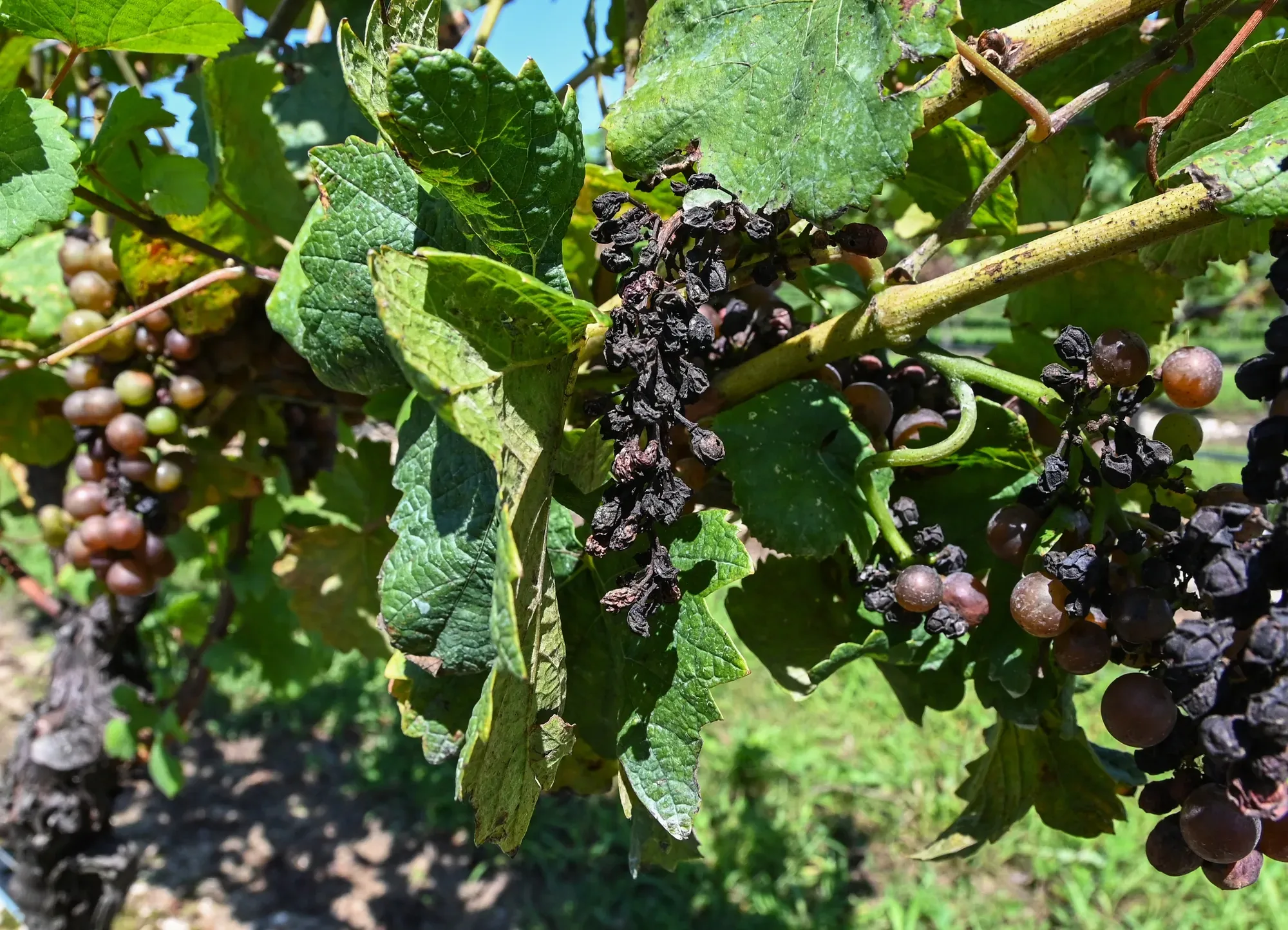
Black rot is a devastating disease that has been wreaking havoc on agriculture and food production in the UK. This fungal infection, caused by the pathogen Xanthomonas campestris, affects a wide range of crops including brassicas, such as cabbage, broccoli, and cauliflower, as well as other vegetables like turnips and radishes. The impact of black rot on these crops is significant, leading to yield losses of up to 50% in some cases.
The first signs of black rot are small, yellow V-shaped lesions on the leaves of the affected plants. As the disease progresses, these lesions turn brown and become more extensive, eventually causing the leaves to wilt and die. The fungus can also infect the stems and roots of the plants, leading to stunted growth and reduced quality of the produce. This not only affects the farmers who rely on these crops for their livelihood, but also has a ripple effect on the entire food production chain, ultimately impacting consumers.
One of the biggest challenges with black rot is its ability to survive in the soil for several years, making it difficult to control. The disease can also spread rapidly through contaminated seeds, tools, and equipment, as well as through wind and rain. This makes it crucial for farmers to implement strict sanitation measures and crop rotation strategies to prevent the spread of black rot.
In addition to these preventive measures, there are also various fungicides available to help control black rot. However, their effectiveness can be limited, and their use can have negative impacts on the environment. This is why it is essential for farmers to stay informed about the latest research and best practices for managing black rot. In conclusion, black rot is a serious threat to agriculture and food production in the UK. It is crucial for farmers to be vigilant and take necessary precautions to prevent and manage this disease. As consumers, we can also play a role by supporting local farmers and being mindful of the impact of our food choices on the environment. Together, we can work towards minimizing the impact of black rot and ensuring a sustainable future for our food supply.
Preventing the Spread of Black Rot in the UK
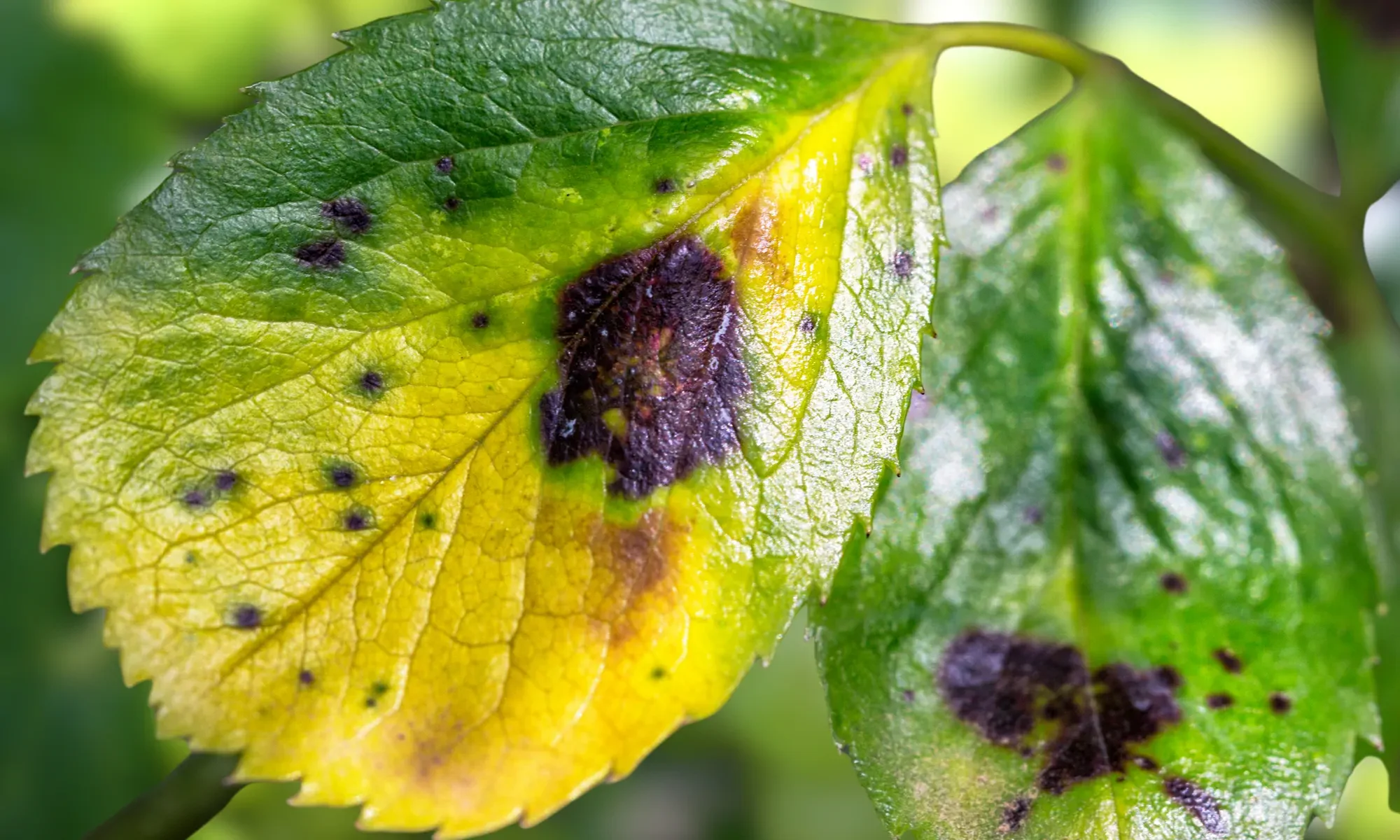
Black rot is a devastating disease that has been wreaking havoc on crops in the UK for decades. This fungal infection, caused by the pathogen Xanthomonas campestris, affects a wide range of plants, including fruits, vegetables, and ornamental plants. The name "black rot" comes from the characteristic black lesions that form on the leaves, stems, and fruits of infected plants. These lesions can quickly spread, causing the plant to wither and die.
But fear not, fellow gardeners and farmers, there are steps you can take to prevent the spread of black rot in the UK. The first and most important step is to practice good hygiene. This means regularly cleaning and disinfecting your gardening tools, as well as removing any infected plant debris from your garden. Black rot can survive on dead plant material, so it's crucial to remove it to prevent the disease from spreading.
Another key factor in preventing black rot is choosing disease-resistant plant varieties. While no plant is completely immune to black rot, some varieties have been bred to be more resistant to the disease. Do your research and choose plants that have a good track record of withstanding black rot.
In addition to good hygiene and choosing resistant plants, proper cultural practices can also help prevent the spread of black rot. This includes avoiding overhead watering, as the splashing water can spread the disease from plant to plant. Instead, opt for drip irrigation or watering at the base of the plant. It's also important to space out your plants to allow for good air circulation, as this can help prevent the spread of fungal diseases.
By following these simple steps, you can help protect your plants and prevent the spread of black rot in the UK. Remember, prevention is always better than trying to cure a disease once it has taken hold. So keep your garden clean, choose disease-resistant plants, and practice good cultural practices to keep black rot at bay. Your plants will thank you for it.
Identifying and Treating Black Rot in Crops and Plants
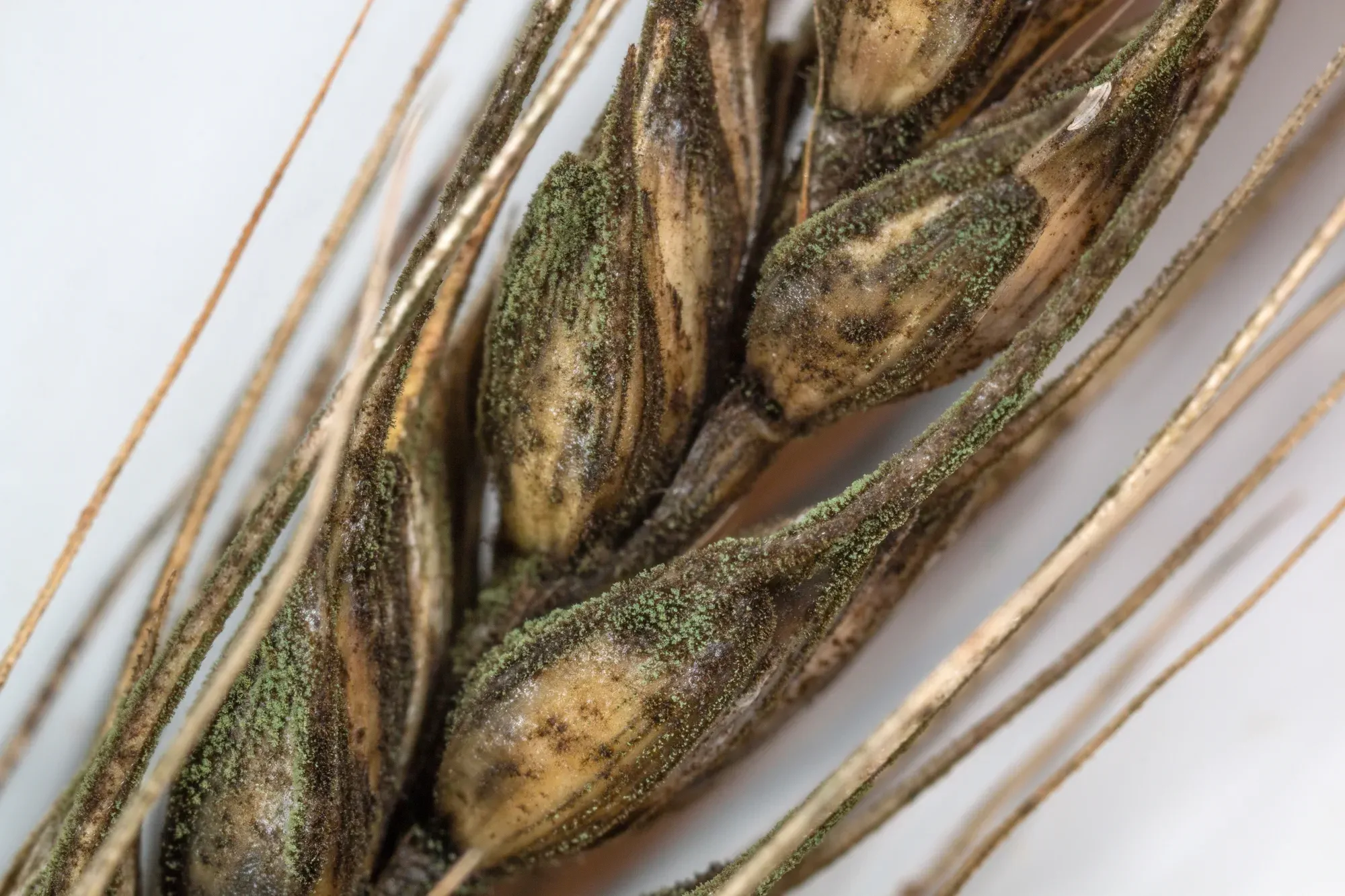
Black rot is a common and destructive disease that affects a wide range of crops and plants in the UK. This fungal infection is caused by the pathogen Xanthomonas campestris, and it can have devastating effects on agricultural production. The name "black rot" comes from the characteristic black lesions that form on the leaves, stems, and fruits of infected plants. These lesions can quickly spread and cause the affected plant to wither and die.
One of the most concerning aspects of black rot is its ability to survive in the soil for several years, making it difficult to eradicate once it has taken hold in a field or garden. This is why early detection and proper treatment are crucial in preventing the spread of this disease. If you notice any signs of black rot in your crops or plants, it is important to act quickly and take the necessary steps to control and treat the infection.
Prevention is always the best approach when it comes to black rot. This includes practicing good crop rotation, using disease-resistant varieties, and maintaining proper sanitation in your garden or farm. However, if your plants do become infected, there are several treatment options available. These include the use of fungicides, pruning and removing infected plant parts, and improving air circulation and drainage to prevent the spread of the disease.
In conclusion, black rot is a serious threat to crops and plants in the UK, but with proper identification and treatment, it can be managed effectively. By staying vigilant and taking preventative measures, we can protect our agricultural production and ensure the health of our plants. Remember, early detection and swift action are key in controlling and treating black rot. So keep an eye out for those tell-tale black lesions and take action to keep your crops and plants healthy and thriving.
Tips for Gardeners and Farmers to Prevent and Manage Black Rot

Black rot is a common and destructive disease that affects a wide range of plants, including fruits, vegetables, and ornamental plants. It is caused by a fungus called Xanthomonas campestris, which thrives in warm and humid conditions. If left unchecked, black rot can quickly spread and decimate entire crops, causing significant losses for gardeners and farmers. However, with the right knowledge and preventive measures, this disease can be managed effectively. In this blog, we will discuss everything you need to know about black rot and provide some useful tips for preventing and managing it in your garden or farm.
First and foremost, it is essential to understand the symptoms of black rot. The disease typically starts as small, dark spots on the leaves, which gradually enlarge and turn brown or black. As the infection progresses, the affected leaves may wilt and die, and the fruits may develop sunken, dark lesions. These lesions can also spread to the stems, causing them to rot and eventually killing the entire plant. By recognizing these signs early on, you can take prompt action to prevent the spread of black rot.
One of the most effective ways to prevent black rot is to maintain good hygiene in your garden or farm. This includes removing and destroying any infected plant debris, as well as practicing crop rotation to prevent the buildup of the fungus in the soil. Additionally, avoid overhead watering, as this can create the ideal conditions for the fungus to thrive. Instead, water at the base of the plants to keep the leaves dry. You can also use organic fungicides, such as copper-based sprays, to protect your plants from black rot.
In conclusion, black rot is a serious disease that can cause significant damage to your plants if not managed properly. By being vigilant and taking preventive measures, such as maintaining good hygiene and using organic fungicides, you can effectively control and manage black rot in your garden or farm. Don't let this destructive disease ruin your hard work and efforts – stay informed and take action to keep your plants healthy and thriving.
Conclusion
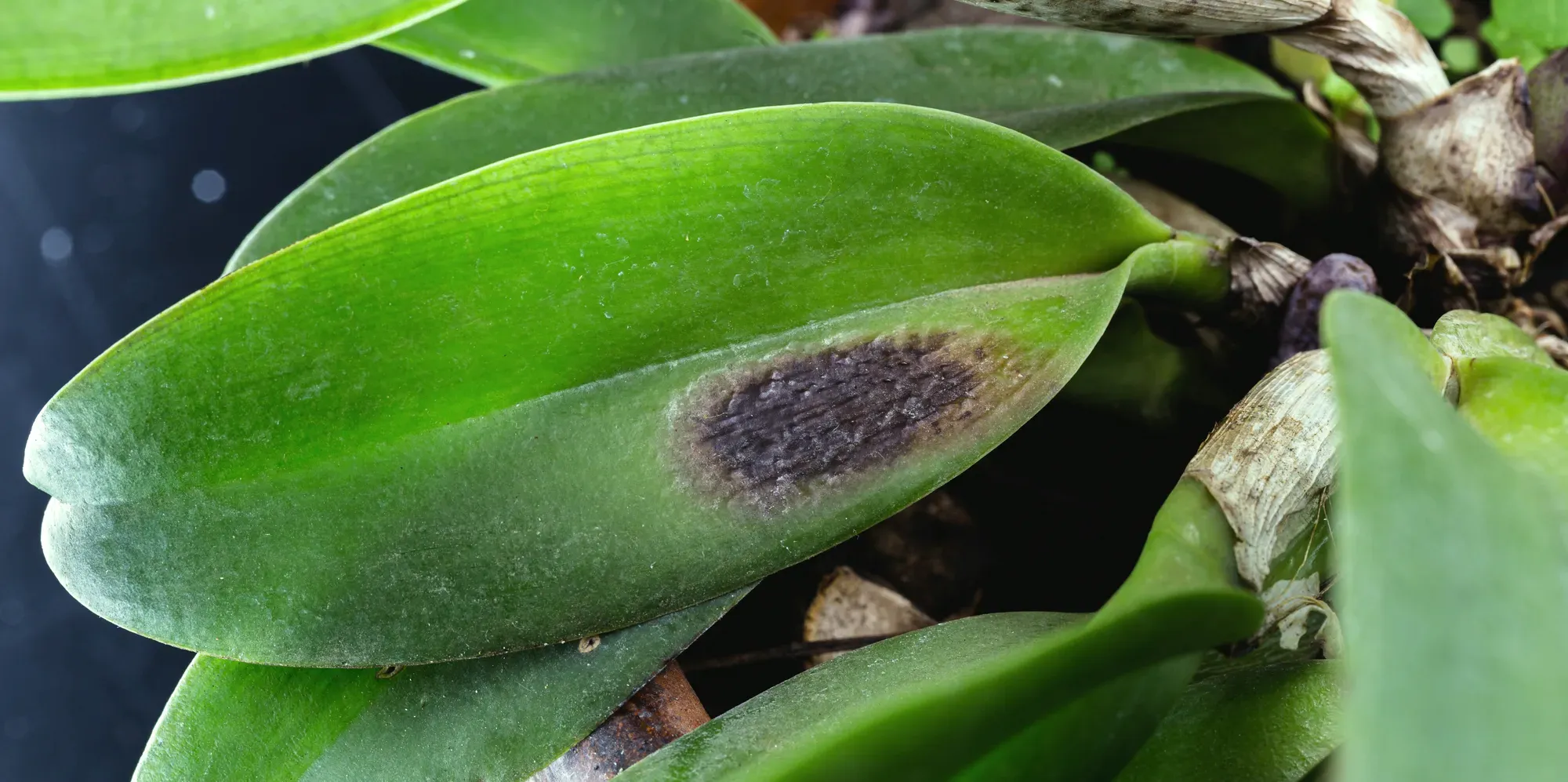
As we come to the end of our journey through the world of black rot in the UK, it's important to reflect on all that we've learned. From its devastating effects on crops to the measures being taken to prevent its spread, black rot is a serious issue that demands our attention. But what can we do to combat this destructive disease?
First and foremost, it's crucial to stay informed and educated about black rot. By understanding the signs and symptoms, as well as the methods of prevention, we can take proactive steps to protect our crops and livelihoods. Additionally, supporting local farmers and buying locally grown produce can help reduce the risk of black rot spreading through imported goods. But it's not just about individual actions. As a community, we must work together to address the issue of black rot. This means advocating for stricter regulations and protocols to prevent the introduction of infected plants into the UK. It also means supporting research and development for more effective treatments and solutions.
In conclusion, black rot is a serious threat to the agricultural industry in the UK. But by staying informed, taking action, and working together, we can make a difference in preventing its spread and protecting our crops. Let's continue to stay vigilant and proactive in the fight against black rot. Together, we can ensure a healthier and more sustainable future for our crops and our country.
In conclusion, black rot is a serious issue that affects agriculture and food production in the UK. It is caused by a fungus that thrives in warm and humid conditions, making it a common problem in the UK's climate. The effects of black rot can be devastating, leading to significant crop losses and economic impacts. However, there are steps that can be taken to prevent and manage black rot, such as proper crop rotation and sanitation practices. It is crucial for gardeners and farmers to be vigilant and take proactive measures to protect their crops and plants from this destructive disease. By working together and implementing these preventative measures, we can help stop the spread of black rot and ensure a healthy and sustainable future for our agriculture and food production. Let's take action now and safeguard our crops for generations to come.
Frequently Asked Questions About Black Rot
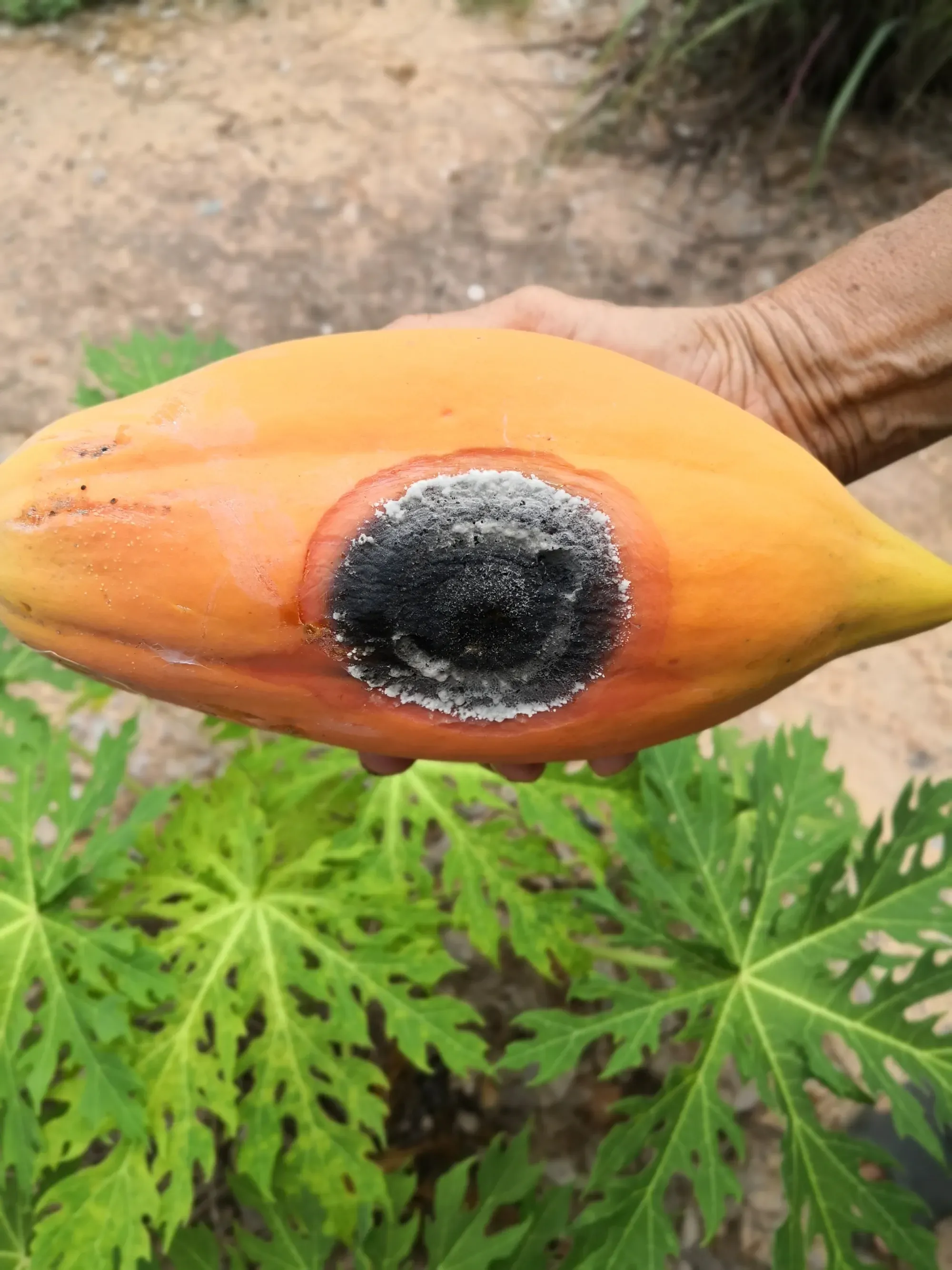
FAQ Questions and Answers:
- What is black rot and how does it affect crops and plants in the UK? Answer: Black rot is a fungal disease that affects a wide range of crops and plants in the UK. It is caused by the pathogen Xanthomonas campestris and can lead to significant yield losses and reduced quality of produce.
- What are the main causes of black rot in the UK? Answer: Black rot is primarily caused by warm and humid weather conditions, as well as poor sanitation and hygiene practices in agricultural settings. The disease can also be spread through contaminated seeds and plant debris.
- How does black rot impact agriculture and food production in the UK? Answer: Black rot can have a devastating impact on agriculture and food production in the UK. It can lead to significant crop losses, reduced marketable yield, and increased production costs for farmers. This can also result in a decrease in the availability and quality of produce for consumers.
- What can be done to prevent the spread of black rot in the UK? Answer: To prevent the spread of black rot, it is crucial to practice good sanitation and hygiene measures, such as cleaning and disinfecting equipment and tools, and removing infected plant debris. It is also essential to use disease-resistant varieties and rotate crops to reduce the risk of infection.
- How can black rot be identified and treated in crops and plants? Answer: Black rot can be identified by the appearance of dark, sunken lesions on leaves, stems, and fruits. If caught early, the disease can be treated with fungicides. However, in severe cases, infected plants may need to be removed and destroyed to prevent further spread.
- What are some tips for gardeners and farmers to prevent and manage black rot? Answer: Gardeners and farmers can prevent and manage black rot by practicing crop rotation, using disease-resistant varieties, and maintaining good sanitation and hygiene practices. It is also essential to monitor plants regularly for signs of infection and take prompt action if black rot is detected.
- Why is it important to address black rot in the UK? Answer: Black rot is a significant threat to agriculture and food production in the UK, and it is crucial to address it to ensure the availability and quality of produce for consumers. By understanding the causes, effects, and prevention methods of black rot, we can work towards reducing its impact and protecting our crops and plants.
How to Prune Climbing Vines
List by Variety
- How to Prune Actinidia
- How to Prune Akebia
- How to Prune Bougainvillea
- How to Prune Campsis
- How to Prune Celastrus
- How to Prune Chilean Glory Vine
- How to Prune Clematis Armandii
- How to Prune Clematis Montana
- How to Prune Climbing Rose
- How to Prune Hedera GoldHeart
- How to Prune Honeysuckle
- How to Prune Hydrangea Petiolaris
- How to Prune Ivy
- How to Prune Japanese Wisteria
- How to Prune Morning Glory
- How to Prune Parthenocissus
- How to Prune Persian Ivy Hedera Colchica
- How to Prune Schisandra
- How to Prune Star Jasmine
- How to Prune Sweet Peas
- How to Prune True Jasmine
- How to Prune Virginia Creeper
- How to Prune Wisteria
How to Prune Hedges
List by Variety
- How to Prune an Arborvitae Hedge
- How to Prune a Barberry Hedge
- How to Prune a Beech Hedge
- How to Prune a Boxwood Hedge
- How to Prune a Butterfly Bush Hedge
- How to Prune a Cotoneaster Hedge
- How to Prune an English Lavender Hedge
- How to Prune an Escallonia Hedge
- How to Prune an Euonymus-Hedge
- How to Prune a Firethorn Hedge
- How to Prune a Forsythia Hedge
- How to Prune a Griselinia Hedge
- How to Prune a Hawthorn Hedge
- How to Prune a Holly Hedge
- How to Prune a Hornbeam Hedge
- How to Prune a Juniper Hedge
- How to Prune a Laurel Hedge
- How to Prune a Leylandii Hedge
- How to Prune a Lilac Hedge
- How to Prune a Maple Leaf Viburnum Hedge
- How to Prune a Photinia Hedge
- How to Prune a Pink Ramanus Rose Hedge
- How to Prune a Privet Hedge
- How to Prune a Pyracantha Hedge
- How to Prune a Spirea Hedge
- How to Prune a Thuja Hedge
- How to Prune a Viburnum Hedge
- How to Prune a Western Red Cedar Hedge
- How to Prune a Yew Hedge
How to Prune Shrubs
List by Variety
- How to Prune an Abelia Shrub
- How to Prune an Abutilon
- How to Prune an Acer / Japanese-Maple
- How to Prune an Amelanchiers
- How to Prune an Apple-Tree
- How to Prune an Arbovitae Shrub
- How to Prune an Arbutus
- How to Prune an Aucuba
- How to Prune a Azalea Mollis
- How to Prune Azaleas
- How to Prune a Bay Tree Shrub
- How to Prune a Berberis Darwinii
- How to Prune Berberis Deciduous Types
- How to Prune a Boxwood Shrubs
- How to Prune a Brachyglottis Senecio
- How to Prune a Buddleia Alternifolia
- How to Prune Buddleias Butterfly Bushes
- How to Prune a Buddleja Globosa
- How to Prune a Callicarpa
- How to Prune a Camellia
- How to Prune a Caryopteris
- How to Prune a Catalpa Bignonioides Aurea
- How to Prune Ceanothus Deciduous Types
- How to Prune Ceanothus Evergreen Types
- How to Prune a Ceratostigma
- How to Prune a Chaenomeles
- How to Prune a Choisya
- How to Prune a Cistus
- How to Prune a Clematis
- How to Prune a Cornus
- How to Prune a Cotinus Royal Purple
- How to Prune a Cytisus Scoparius
- How to Prune a Exochorda x Macrantha
- How to Prune a Forsythia
- How to Prune a Hebe
- How to Prune a Hydrangeas
- How to Prune Juniper Shrubs
- How to Prune a Lavatera
- How to Prune Lilac Bushes
- How to Prune a Mugo Pine
- How to Prune Rose Bushes
- How to Prune Ribes
- How to Prune Spirea Shrubs
- How to Prune Viburnum Shrubs
- How to Prune a Weigela
- How to Prune a Yew
How to Prune Trees
List by Variety
- How to Prune a Apple Tree
- How to Prune a Apricot Tree
- How to Prune a Ash Tree
- How to Prune a Birch Tree
- How to Prune a Cherry Tree
- How to Prune a Elm Tree
- How to Prune a Fig Tree
- How to Prune a Grape Tree
- How to Prune a Hickory Tree
- How to Prune a Maple Tree
- How to Prune a Oak Tree
- How to Prune an Olive Tree
- How to Prune a Peach Tree
- How to Prune a Pear Tree
- How to Prune a Plum Tree
- How to Prune a Poplar Tree
- How to Prune a Walnut Tree
How to Prune Climbing Vines
List by Variety
- How to Prune Actinidia
- How to Prune Akebia
- How to Prune Bougainvillea
- How to Prune Campsis
- How to Prune Celastrus
- How to Prune Chilean Glory Vine
- How to Prune Clematis Armandii
- How to Prune Clematis Montana
- How to Prune Climbing Rose
- How to Prune Hedera GoldHeart
- How to Prune Honeysuckle
- How to Prune Hydrangea Petiolaris
- How to Prune Ivy
- How to Prune Japanese Wisteria
- How to Prune Morning Glory
- How to Prune Parthenocissus
- How to Prune Persian Ivy Hedera Colchica
- How to Prune Schisandra
- How to Prune Star Jasmine
- How to Prune Sweet Peas
- How to Prune True Jasmine
- How to Prune Virginia Creeper
- How to Prune Wisteria
How to Prune Hedges
List by Variety
- How to Prune an Arborvitae Hedge
- How to Prune a Barberry Hedge
- How to Prune a Beech Hedge
- How to Prune a Boxwood Hedge
- How to Prune a Butterfly Bush Hedge
- How to Prune a Cotoneaster Hedge
- How to Prune an English Lavender Hedge
- How to Prune an Escallonia Hedge
- How to Prune an Euonymus-Hedge
- How to Prune a Firethorn Hedge
- How to Prune a Forsythia Hedge
- How to Prune a Griselinia Hedge
- How to Prune a Hawthorn Hedge
- How to Prune a Holly Hedge
- How to Prune a Hornbeam Hedge
- How to Prune a Juniper Hedge
- How to Prune a Laurel Hedge
- How to Prune a Leylandii Hedge
- How to Prune a Lilac Hedge
- How to Prune a Maple Leaf Viburnum Hedge
- How to Prune a Photinia Hedge
- How to Prune a Pink Ramanus Rose Hedge
- How to Prune a Privet Hedge
- How to Prune a Pyracantha Hedge
- How to Prune a Spirea Hedge
- How to Prune a Thuja Hedge
- How to Prune a Viburnum Hedge
- How to Prune a Western Red Cedar Hedge
- How to Prune a Yew Hedge
How to Prune Shrubs
List by Variety
- How to Prune an Abelia Shrub
- How to Prune an Abutilon
- How to Prune an Acer / Japanese-Maple
- How to Prune an Amelanchiers
- How to Prune an Apple-Tree
- How to Prune an Arbovitae Shrub
- How to Prune an Arbutus
- How to Prune an Aucuba
- How to Prune a Azalea Mollis
- How to Prune Azaleas
- How to Prune a Bay Tree Shrub
- How to Prune a Berberis Darwinii
- How to Prune Berberis Deciduous Types
- How to Prune a Boxwood Shrubs
- How to Prune a Brachyglottis Senecio
- How to Prune a Buddleia Alternifolia
- How to Prune Buddleias Butterfly Bushes
- How to Prune a Buddleja Globosa
- How to Prune a Callicarpa
- How to Prune a Camellia
- How to Prune a Caryopteris
- How to Prune a Catalpa Bignonioides Aurea
- How to Prune Ceanothus Deciduous Types
- How to Prune Ceanothus Evergreen Types
- How to Prune a Ceratostigma
- How to Prune a Chaenomeles
- How to Prune a Choisya
- How to Prune a Cistus
- How to Prune a Clematis
- How to Prune a Cornus
- How to Prune a Cotinus Royal Purple
- How to Prune a Cytisus Scoparius
- How to Prune a Exochorda x Macrantha
- How to Prune a Forsythia
- How to Prune a Hebe
- How to Prune a Hydrangeas
- How to Prune Juniper Shrubs
- How to Prune a Lavatera
- How to Prune Lilac Bushes
- How to Prune a Mugo Pine
- How to Prune Rose Bushes
- How to Prune Ribes
- How to Prune Spirea Shrubs
- How to Prune Viburnum Shrubs
- How to Prune a Weigela
- How to Prune a Yew
How to Prune Trees
List by Variety
- How to Prune a Apple Tree
- How to Prune a Apricot Tree
- How to Prune a Ash Tree
- How to Prune a Birch Tree
- How to Prune a Cherry Tree
- How to Prune a Elm Tree
- How to Prune a Fig Tree
- How to Prune a Grape Tree
- How to Prune a Hickory Tree
- How to Prune a Maple Tree
- How to Prune a Oak Tree
- How to Prune an Olive Tree
- How to Prune a Peach Tree
- How to Prune a Pear Tree
- How to Prune a Plum Tree
- How to Prune a Poplar Tree
- How to Prune a Walnut Tree
Gallery
Necessitatibus eius consequatur ex aliquid fuga eum quidem sint consectetur velit


Michael Carter
Vestibulum ante ipsum primis in faucibus orci luctus et ultrices posuere cubilia curae; Donec vel erat in nulla efficitur tempor non ut nisl. Integer venenatis eros ut dui viverra fermentum.
Sophie Wilson
Nam ut turpis hendrerit, varius nunc vel, elementum dui. Morbi vulputate dolor sit amet scelerisque egestas. Vestibulum eleifend nunc ut bibendum fermentum.
Alex Morgan
Cras non velit nec purus tempor rhoncus. Sed non mauris vitae erat consequat auctor eu in elit. Class aptent taciti sociosqu ad litora torquent per conubia nostra.