The Ultimate Guide to Canker Diseases in the UK
The Ultimate Guide to Canker Diseases in the UK
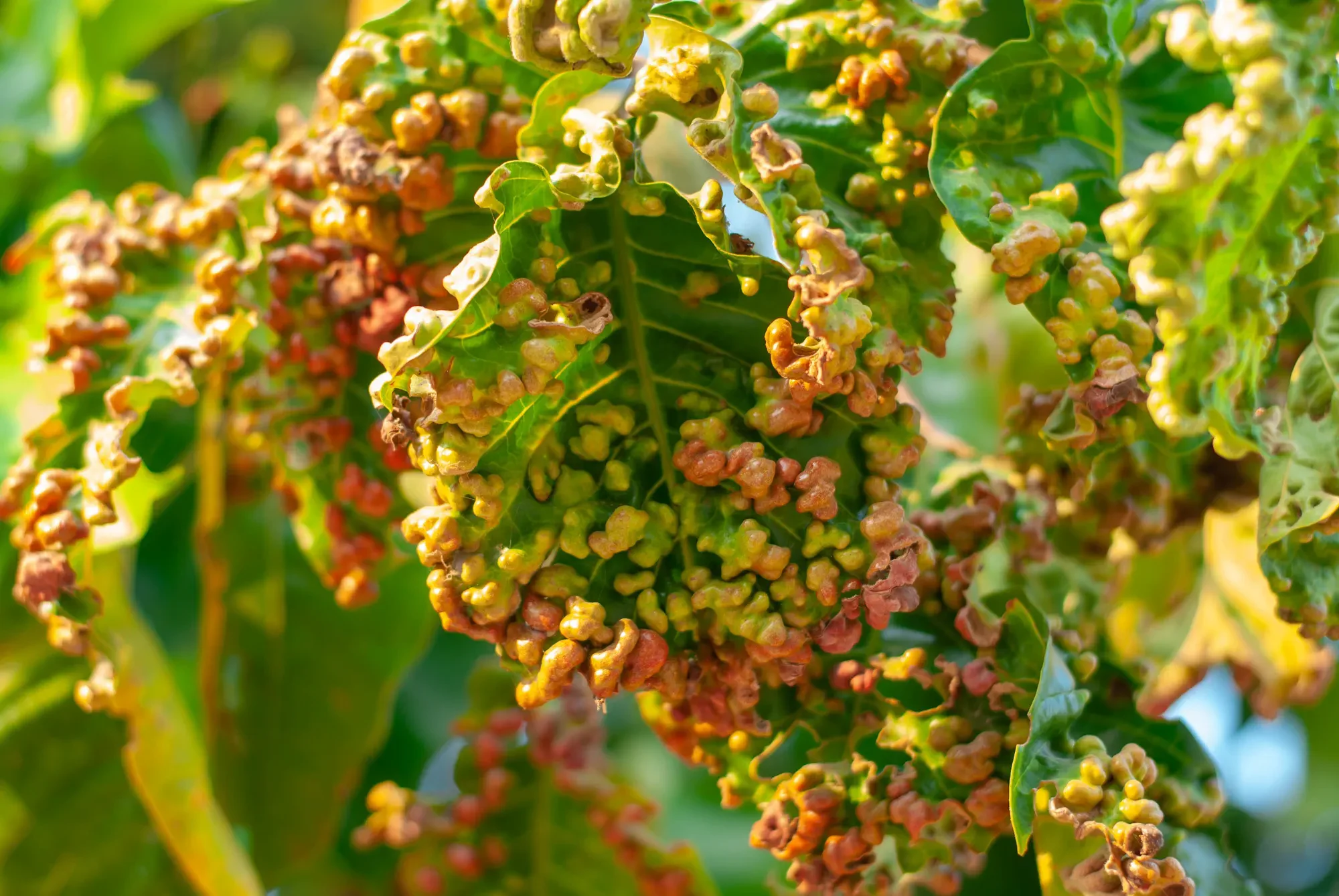
The leaf is bent and distorted due to leaf disease in plants. Canker disease due to a virus transmitted by sucking insects
Welcome to our ultimate guide to canker diseases in the UK! Canker diseases are a common problem that affects a wide range of plants and trees, causing damage and sometimes even death. In this blog, we will delve into the world of canker diseases, exploring their causes, symptoms, and most importantly, how to prevent and treat them.
Canker diseases are caused by various fungi and bacteria that infect the bark, branches, and sometimes even the roots of plants. These pathogens can enter through wounds or natural openings in the plant, and once inside, they start to multiply and spread, causing damage to the plant's tissues. This can lead to wilting, dieback, and in severe cases, the death of the plant.
One of the most common canker diseases in the UK is apple canker, which affects apple and pear trees. It is caused by the fungus Nectria galligena and can cause sunken, discoloured lesions on the bark and branches, as well as stunted growth and reduced fruit production. Other common canker diseases include ash dieback, which is caused by the fungus Hymenoscyphus fraxineus and affects ash trees, and bacterial canker, which affects a wide range of plants, including cherry, plum, and willow.
But don't worry, there are ways to prevent and treat canker diseases. Proper pruning and sanitation practices can help prevent the spread of pathogens, and applying fungicides or antibiotics can help control the disease. It's also important to choose disease-resistant plant varieties and to keep plants healthy and stress-free to prevent them from becoming susceptible to canker diseases.
In this guide, we will provide you with all the information you need to know about canker diseases in the UK, from identifying the different types of canker to effective prevention and treatment methods. So stay tuned and get ready to become a canker disease expert!
Understanding Canker Diseases: Types and Causes
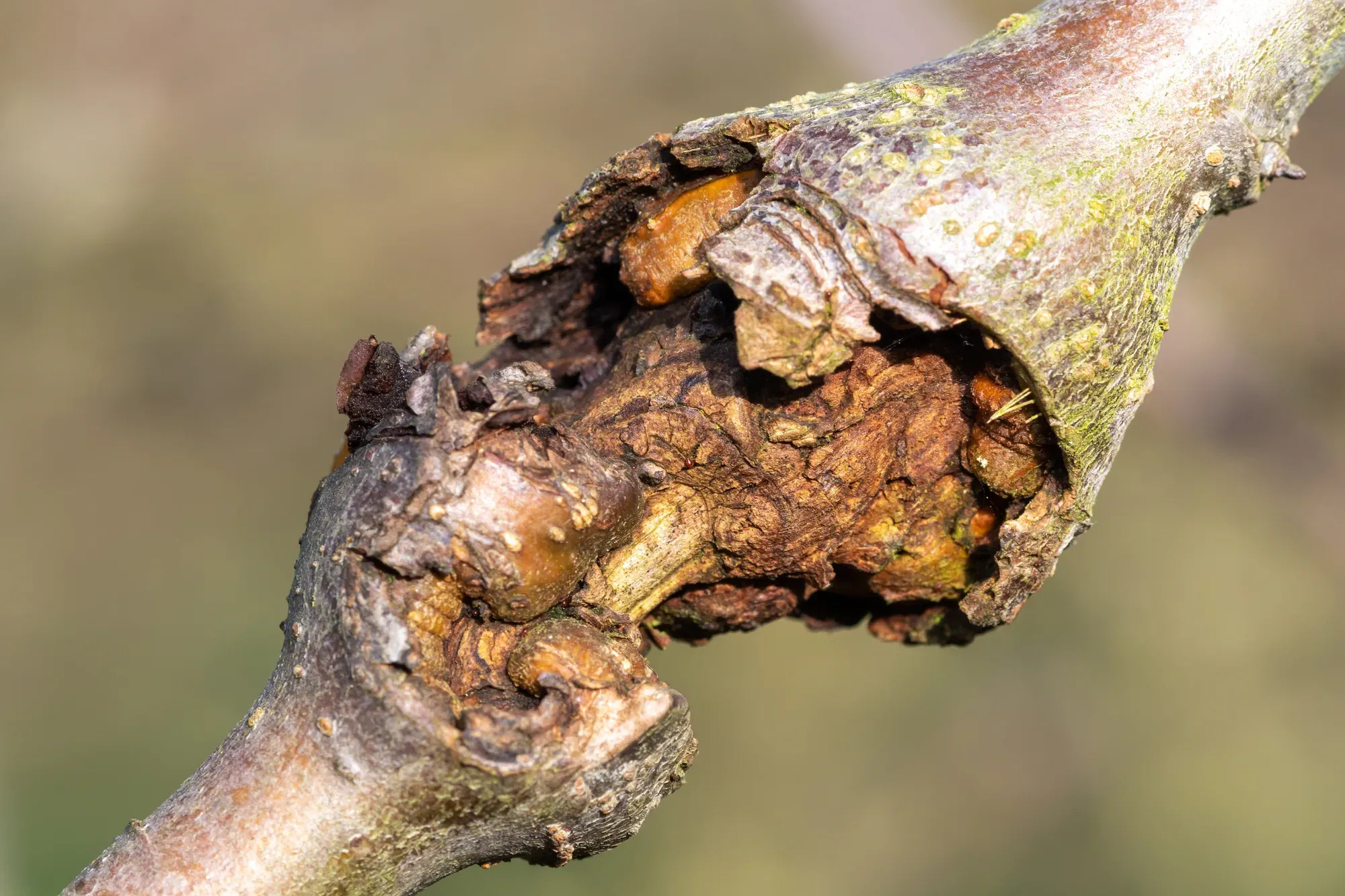
Close up of canker on an apple tree
Canker diseases are a common problem in the UK, affecting a wide range of plants and trees. These diseases can cause significant damage to our gardens and landscapes, and it's important to understand the different types and causes in order to effectively prevent and treat them. In this ultimate guide, we'll delve into the world of canker diseases and provide you with all the information you need to know.
Firstly, let's define what canker diseases actually are. Canker diseases are caused by a variety of fungi and bacteria that infect the bark, branches, and stems of plants. They often result in the formation of sunken, discoloured lesions on the affected areas, which can eventually lead to the death of the plant. Some of the most common types of canker diseases in the UK include apple canker, ash dieback, and silver leaf disease.
So, what causes these diseases to occur? There are a few key factors that contribute to the development of canker diseases. Poor pruning practices, such as leaving behind stubs or making cuts too close to the trunk, can create entry points for pathogens. Additionally, environmental stressors like drought, frost, and pollution can weaken plants and make them more susceptible to infection. It's also important to note that some plants are naturally more resistant to canker diseases than others.
Now that we have a better understanding of what canker diseases are and what causes them, it's time to discuss prevention and treatment. The best way to prevent canker diseases is to maintain healthy plants through proper pruning, watering, and fertilizing. It's also important to promptly remove any infected branches or trees to prevent the spread of the disease. In terms of treatment, there are various fungicides and bactericides available, but it's always best to consult a professional for proper diagnosis and treatment recommendations.
In conclusion, canker diseases are a serious issue in the UK that can have devastating effects on our plants and trees. By understanding the different types and causes, as well as implementing proper prevention and treatment methods, we can protect our gardens and landscapes from these destructive diseases. Stay tuned for our next blog post where we'll dive deeper into the specific types of canker diseases and how to identify them.
Types of Canker Diseases in the UK
Canker diseases are a common problem in the UK, affecting a wide range of plants and trees. These diseases are caused by various pathogens, including bacteria, fungi, and viruses, and can have devastating effects on the health and appearance of plants. In this section, we will explore the different types of canker diseases that are prevalent in the UK and how to identify and manage them.One of the most common types of canker diseases in the UK is bacterial canker, which primarily affects fruit trees such as cherries, plums, and apples. This disease is caused by the bacteria Pseudomonas syringae and can cause dark, sunken lesions on the bark and branches of trees. These lesions can eventually girdle the tree, leading to wilting and death. To prevent the spread of bacterial canker, it is important to prune infected branches and disinfect pruning tools between cuts.
Another type of canker disease that is widespread in the UK is fungal canker, caused by various species of fungi such as Nectria galligena and Neonectria ditissima. This disease affects a wide range of trees, including beech, oak, and sycamore, and can cause large, sunken cankers on the trunk and branches. Fungal canker can be managed by pruning infected branches and applying fungicides to prevent further spread.
Lastly, we have viral canker, which is caused by viruses such as apple mosaic virus and cherry leaf roll virus. This type of canker disease is often spread by insects and can cause stunted growth, yellowing leaves, and dieback in infected plants. Unfortunately, there is no cure for viral canker, so the best course of action is to remove and destroy infected plants to prevent the spread of the virus.
In conclusion, canker diseases are a serious threat to the health and vitality of plants in the UK. By understanding the different types of canker diseases and their symptoms, we can take proactive measures to prevent and manage these diseases. Regular monitoring, proper pruning techniques, and timely application of fungicides can go a long way in protecting our plants from the devastating effects of canker diseases.
Common Plants, Shrubs, and Trees Affected by Canker Diseases
Canker diseases are a common problem that affects a wide variety of plants, shrubs, and trees in the UK. These diseases are caused by a type of fungus that attacks the bark and wood of the plant, leading to cankers or lesions on the affected areas. These cankers can be unsightly and can also weaken the plant, making it more susceptible to other diseases and pests. In this section, we will explore some of the most common plants, shrubs, and trees that are affected by canker diseases and how to identify and treat them.One of the most commonly affected plants by canker diseases is the apple tree. These trees are particularly vulnerable to a type of canker called apple canker, which is caused by the fungus Nectria galligena. This disease can cause large, sunken cankers on the trunk and branches of the tree, leading to stunted growth and reduced fruit production. To prevent and treat apple canker, it is important to prune infected branches and apply a fungicide to the affected areas.
Another plant that is often affected by canker diseases is the rose bush. Canker diseases in roses are caused by a fungus called Botryosphaeria dothidea and can lead to dark, sunken cankers on the stems and branches. These cankers can weaken the plant and make it more susceptible to other diseases, such as black spot. To prevent and treat canker diseases in roses, it is important to prune infected branches and apply a fungicide to the affected areas.
Shrubs, such as lilacs and hydrangeas, are also commonly affected by canker diseases. These plants can develop cankers on their stems and branches, which can cause dieback and reduce their overall health and appearance. To prevent and treat canker diseases in shrubs, it is important to prune infected branches and apply a fungicide to the affected areas. It is also important to maintain good air circulation around the plants to prevent the spread of the fungus.
In conclusion, canker diseases can affect a wide variety of plants, shrubs, and trees in the UK. These diseases can be unsightly and can weaken the affected plants, making them more susceptible to other issues. By learning to identify and treat canker diseases, we can help our plants stay healthy and thrive in our gardens. So keep an eye out for any signs of cankers and take action to prevent and treat them before they cause too much damage.
Symptoms of Canker Diseases
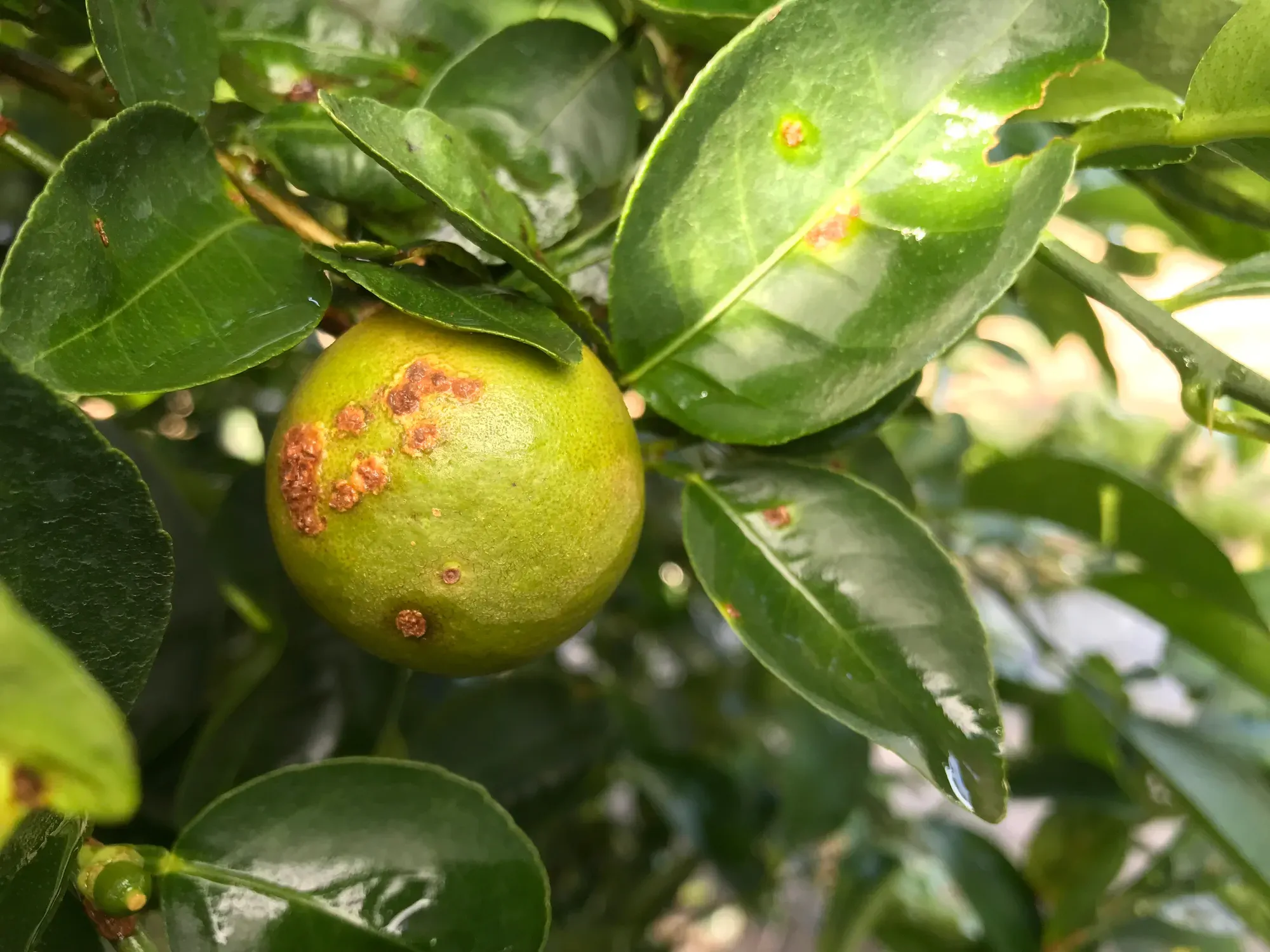
Canker diseases of citrus
Canker diseases are a common problem that affects many plants and trees in the UK. These diseases are caused by various types of fungi and bacteria, and can have a devastating impact on the health and appearance of your plants. As a gardener or plant enthusiast, it is important to be aware of the symptoms of canker diseases so that you can take the necessary steps to prevent and treat them.
One of the most noticeable symptoms of canker diseases is the appearance of lesions on the bark of your plants. These lesions can vary in size and shape, and may be discolored or sunken. They can also ooze a sticky substance or produce a foul odor. If left untreated, these lesions can spread and cause significant damage to the affected plant.
Another common symptom of canker diseases is the wilting or yellowing of leaves. This is often a sign that the disease has spread to the vascular system of the plant, hindering its ability to transport water and nutrients. In severe cases, the leaves may even fall off, leaving the plant weak and vulnerable.
In addition to these visible symptoms, canker diseases can also cause stunted growth, dieback of branches, and even death of the entire plant. It is important to keep a close eye on your plants and look out for any of these signs, especially during periods of high humidity and moisture.
In conclusion, canker diseases are a serious threat to the health and beauty of your plants. By being aware of the symptoms and taking prompt action, you can prevent these diseases from spreading and protect your beloved plants. Remember to regularly inspect your plants and seek professional help if you suspect a canker disease. With proper care and attention, you can keep your plants healthy and thriving.
Physical Symptoms
Canker diseases are a common ailment that affects many people in the UK. These diseases can cause a variety of physical symptoms that can be uncomfortable and even painful. If you are experiencing any of these symptoms, it is important to understand the causes and treatments for canker diseases.One of the most common physical symptoms of canker diseases is the appearance of small, painful sores in the mouth. These sores, also known as canker sores, can make it difficult to eat and speak, causing discomfort and frustration. They can also be accompanied by a burning or tingling sensation, making it hard to ignore their presence.
In addition to mouth sores, canker diseases can also cause other physical symptoms such as swollen lymph nodes, fever, and fatigue. These symptoms can be indicative of a more serious infection and should not be ignored. Seeking medical attention is crucial in order to properly diagnose and treat the underlying cause of these symptoms.
If you are experiencing any of these physical symptoms, it is important to consult with a healthcare professional. They can provide you with the necessary treatment to alleviate your discomfort and prevent further complications. Remember, early detection and treatment is key in managing canker diseases. Don't let these physical symptoms go unnoticed, take action and seek help today.
Visual Symptoms
Canker diseases are a common problem that affects many plants in the UK. These diseases can cause significant damage to crops and gardens, leading to a decrease in yield and overall health of the plants. One of the most noticeable and concerning symptoms of canker diseases is the visual symptoms that appear on the affected plants.The first visual symptom of canker diseases is the appearance of small, sunken lesions on the stems, branches, and trunks of plants. These lesions can vary in size and color, depending on the type of canker disease and the plant species. They may start as small, dark spots and gradually grow into larger, discolored areas that can girdle the plant and cause it to wilt and die.
Another common visual symptom of canker diseases is the presence of oozing sap or gum on the affected areas. This is a result of the plant's natural defense mechanism, trying to seal off the infected area and prevent the spread of the disease. However, this can also attract insects and other pests, further damaging the plant.
In some cases, canker diseases can also cause the leaves of the affected plants to wilt, turn yellow, or even drop prematurely. This is due to the disruption of the plant's vascular system, which is responsible for transporting water and nutrients throughout the plant. As a result, the affected plant may become weak and susceptible to other diseases and environmental stressors.
It is essential to keep an eye out for these visual symptoms of canker diseases and take immediate action if you notice them on your plants. Early detection and proper treatment can help prevent the spread of the disease and save your plants from further damage. So, be sure to regularly inspect your plants and consult a professional if you suspect a canker disease. Don't let these pesky diseases take over your garden – stay vigilant and keep your plants healthy and thriving.
Treating Canker Diseases
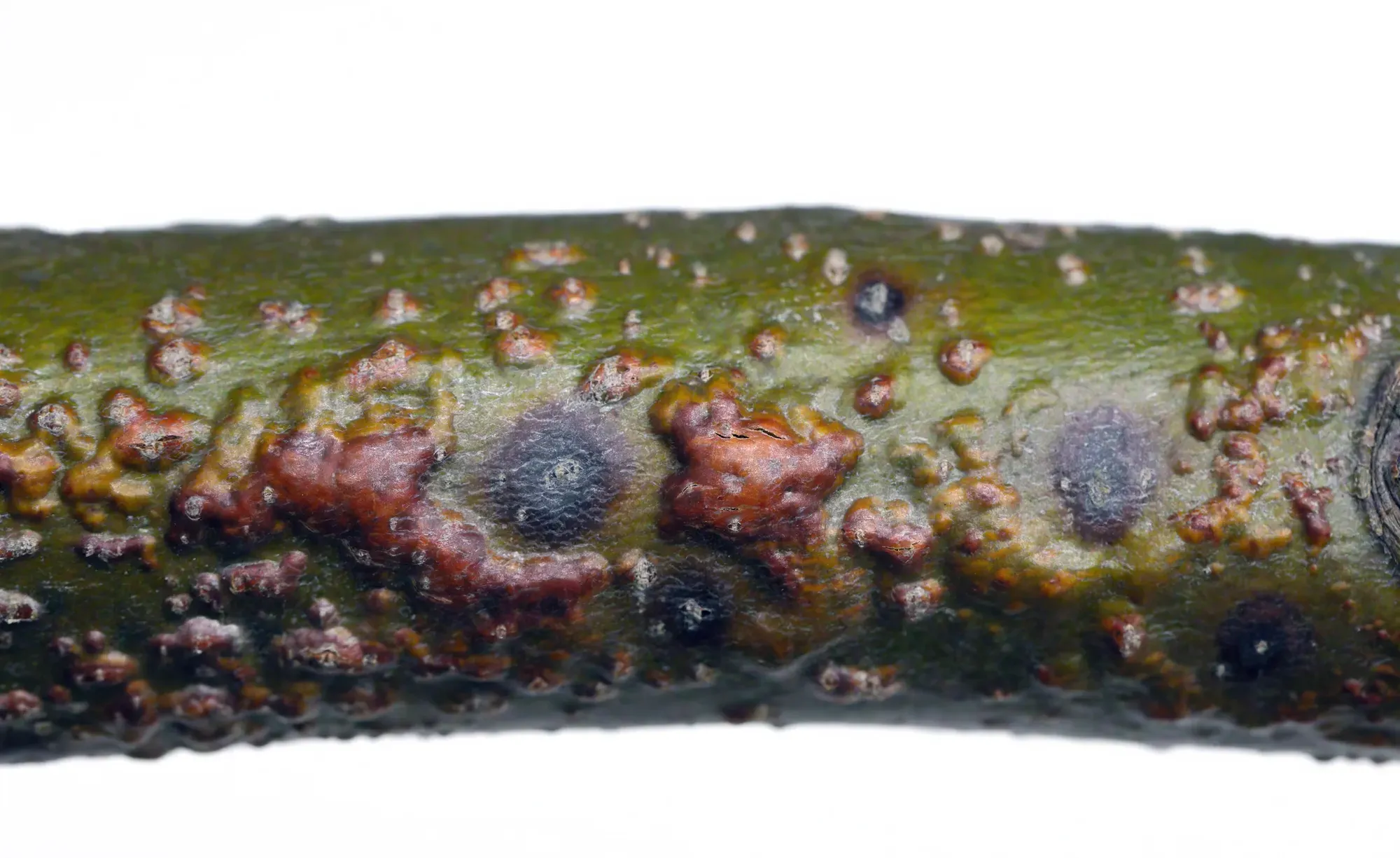
A branch of a linden (Tilia) tree with symptoms of disease - Canker, cancer. Golden Chain (Laburnum) Fusarium Canker. Caused by a complex of fungi from the genera Fusarium, Phoma and Phomopsis.
Canker diseases are a common problem that many gardeners in the UK face. These diseases can affect a wide range of plants, from fruit trees to ornamental shrubs. They are caused by a variety of fungal and bacterial pathogens, and can result in unsightly lesions, wilting, and even death of the plant. As a gardener, it is important to be aware of these diseases and know how to treat them effectively.
One of the most common types of canker diseases is apple canker, which affects apple trees and other fruit trees. This disease is caused by the fungus Nectria galligena and can result in sunken, dark lesions on the bark of the tree. If left untreated, it can lead to dieback of branches and reduced fruit production. To treat apple canker, it is important to prune off any infected branches and apply a fungicide to the affected areas.
Another common canker disease is fire blight, which affects a variety of plants including roses, pears, and hawthorns. This bacterial disease causes blackened, scorched-looking leaves and stems, and can quickly spread throughout the plant. To treat fire blight, it is important to prune off any infected branches and apply a bactericide to the affected areas. It is also important to practice good hygiene in the garden, such as disinfecting pruning tools, to prevent the spread of the disease.
Prevention is key when it comes to canker diseases. Keeping plants healthy and well-maintained can help prevent these diseases from taking hold. This includes proper watering, fertilizing, and pruning practices. It is also important to choose disease-resistant varieties when planting new plants in your garden.
In conclusion, canker diseases can be a frustrating and damaging problem for gardeners in the UK. However, with proper knowledge and treatment, they can be effectively managed. By being aware of the common types of canker diseases and taking preventative measures, you can ensure the health and vitality of your plants. Don't let canker diseases get the best of your garden – take action and keep your plants thriving.
Common Measures for Treating Cankers
Canker diseases are a common problem that many gardeners and farmers in the UK face. These diseases can affect a wide range of plants, from fruit trees to ornamental shrubs. They are caused by various fungi and bacteria, and can be quite destructive if left untreated. In this section, we will discuss some of the most common measures for treating canker diseases and how they can help you protect your plants.One of the most effective ways to treat canker diseases is through pruning. This involves removing the infected branches or stems from the plant. By doing so, you are not only removing the source of the disease, but also allowing more air and sunlight to reach the remaining healthy parts of the plant. This can help prevent the spread of the disease and promote new growth.
Another common measure for treating canker diseases is the use of fungicides. These are chemical sprays that can kill the fungi responsible for the disease. However, it is important to note that fungicides are not a cure-all solution and should be used in conjunction with other methods. It is also crucial to follow the instructions on the label and use them sparingly to avoid harming beneficial insects and pollinators.
In addition to pruning and fungicides, there are also cultural practices that can help prevent and treat canker diseases. These include proper sanitation, such as removing fallen leaves and debris, and avoiding overhead watering which can spread the disease. It is also important to choose disease-resistant plant varieties and to maintain good overall plant health through proper watering and fertilization.
In conclusion, canker diseases can be a major headache for gardeners and farmers, but with the right measures, they can be effectively treated and prevented. By incorporating pruning, fungicides, and cultural practices into your gardening routine, you can protect your plants and ensure a healthy and thriving garden. Don't let canker diseases get the best of your plants – take action and keep them at bay.
Scientifically-Proven Solutions for Combating Canker Diseases
Canker diseases are a common problem in the UK, affecting a wide range of plants and causing significant damage to crops and gardens. These diseases, caused by various fungi and bacteria, can lead to wilting, discoloration, and even death of plants if left untreated. But fear not, as there are scientifically-proven solutions to combat these pesky diseases. One of the most effective ways to prevent and control canker diseases is through proper sanitation practices. This includes removing and destroying any infected plant material, as well as regularly cleaning and disinfecting gardening tools and equipment. By eliminating potential sources of infection, you can greatly reduce the spread of canker diseases in your garden. Another solution is the use of resistant plant varieties. Many plant breeders have developed varieties that are resistant to specific canker-causing pathogens. By choosing these varieties, you can greatly reduce the risk of your plants becoming infected. Additionally, practicing crop rotation can also help prevent the buildup of pathogens in the soil, further reducing the chances of canker diseases.In cases where canker diseases have already taken hold, there are also effective treatments available. Fungicides and bactericides can be used to control the spread of the disease, but it is important to carefully follow the instructions and safety precautions when using these chemicals. Additionally, pruning infected branches and improving air circulation can also help control the spread of canker diseases.
In conclusion, while canker diseases may seem like a daunting problem, there are scientifically-proven solutions available to combat them. By practicing proper sanitation, choosing resistant plant varieties, and using effective treatments, you can keep your plants healthy and thriving. Don't let canker diseases get the best of your garden – take action and protect your plants today.
Preventing Canker Diseases
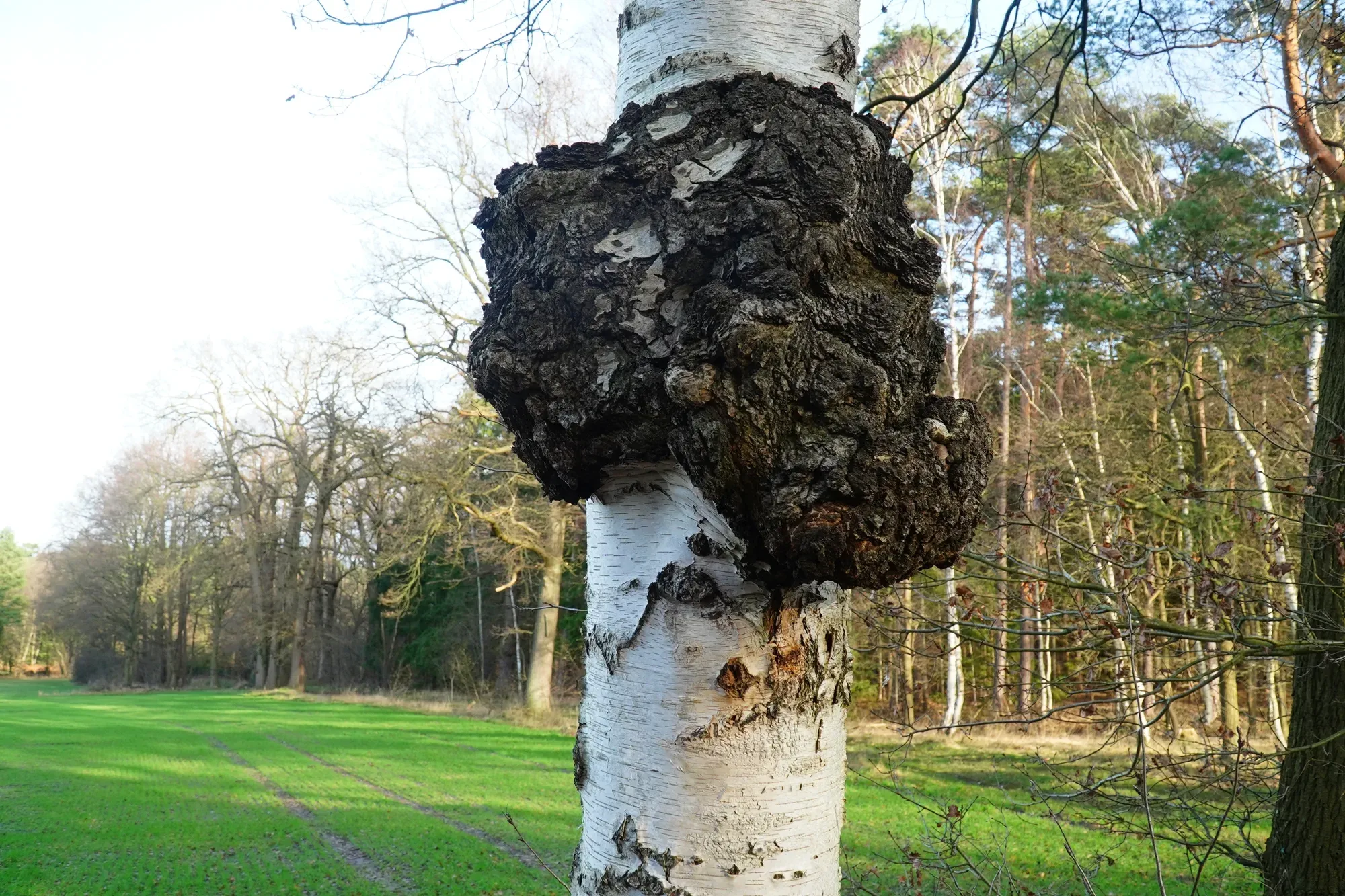
A form of the plant disease Canker on the trunk of a white birch tree (Betula, Betulaceae). This proliferation on the main stem has grown over several years. Garbsen, Germany.
Canker diseases are a common problem in the UK, affecting a wide range of plants and trees. These diseases can cause significant damage to our gardens and landscapes, leading to stunted growth, wilting leaves, and even death of the affected plants. As gardeners and plant enthusiasts, it is our responsibility to prevent and control these diseases to ensure the health and vitality of our green spaces.
One of the most effective ways to prevent canker diseases is through proper plant care and maintenance. This includes regular pruning to remove any dead or diseased branches, as well as keeping the plants well-watered and fertilized. It is also important to avoid overcrowding plants, as this can create a humid and damp environment that is ideal for the growth of canker-causing fungi.
Another key factor in preventing canker diseases is maintaining good hygiene in the garden. This means regularly cleaning and disinfecting gardening tools, as well as removing any fallen leaves or debris that may harbor disease-causing organisms. It is also important to avoid planting susceptible species in areas where canker diseases have previously been present. In addition to these preventative measures, there are also various fungicides and treatments available that can help control canker diseases. However, it is important to carefully follow the instructions and use these products sparingly, as overuse can lead to resistance and further spread of the disease.
By taking these steps and being proactive in our approach to plant care, we can effectively prevent and control canker diseases in our gardens and landscapes. Let's work together to keep our green spaces healthy and thriving.
Factors that Influence the Likelihood of Developing Cankers
Canker diseases are a common problem that affects many plants and trees in the UK. These diseases can cause unsightly and damaging cankers, which are areas of dead tissue on the bark or branches of a plant. While cankers can be caused by a variety of factors, there are certain key factors that greatly influence the likelihood of developing these diseases.One of the main factors that can increase the chances of developing cankers is environmental stress. This can include extreme weather conditions, such as drought or frost, as well as poor soil quality. When a plant is under stress, its immune system weakens, making it more susceptible to diseases like cankers. Therefore, it is important to ensure that your plants are well-watered and have access to nutrient-rich soil to help prevent canker diseases.
Another factor that can contribute to the development of cankers is physical damage to the plant. This can include wounds from pruning, insect infestations, or even accidental damage from gardening tools. When a plant is wounded, it creates an entry point for pathogens to enter and cause cankers. It is important to be careful when handling and caring for your plants to avoid any unnecessary damage.
Furthermore, the type of plant and its genetic makeup can also play a role in the likelihood of developing cankers. Some plants are naturally more resistant to canker diseases, while others may be more susceptible. It is important to research the specific needs and vulnerabilities of the plants in your garden to better protect them from cankers.
In conclusion, while canker diseases can be caused by a variety of factors, it is important to pay attention to environmental stress, physical damage, and the genetic makeup of your plants to prevent the development of cankers. By taking proper care of your plants and being aware of these influencing factors, you can help keep your garden free from these unsightly and damaging diseases.
Tips for Prevention and Management of Canker Diseases
Canker diseases are a common problem that many gardeners and farmers face in the UK. These diseases can affect a wide range of plants, from fruit trees to ornamental shrubs, and can cause significant damage if left untreated. As a gardener or farmer, it is important to be aware of the signs and symptoms of canker diseases and take proactive measures to prevent and manage them. In this section, we will discuss some useful tips for preventing and managing canker diseases in your garden or farm.First and foremost, it is crucial to understand what canker diseases are and how they spread. Canker diseases are caused by fungi or bacteria that infect the bark and wood of plants, leading to the formation of cankers or lesions. These cankers can disrupt the flow of nutrients and water, weakening the plant and making it more susceptible to other diseases and pests. To prevent the spread of canker diseases, it is essential to maintain good hygiene practices in your garden or farm. This includes regularly cleaning and disinfecting your tools and equipment, as well as removing any infected plant debris.
Another important tip for preventing canker diseases is to choose disease-resistant plant varieties. When selecting plants for your garden or farm, make sure to research their susceptibility to canker diseases. Opt for varieties that have shown resistance to these diseases in the past, as they are less likely to be affected. Additionally, proper plant spacing and pruning can also help prevent the spread of canker diseases. By providing adequate space between plants and removing any dead or diseased branches, you can improve air circulation and reduce the risk of infection.
In case your plants do get infected with canker diseases, it is crucial to take immediate action to manage the situation. One effective method is to prune and remove any infected branches or cankers. This will not only prevent the disease from spreading but also promote new growth and help the plant recover. It is also recommended to apply a fungicide or bactericide to the affected areas to further control the disease. However, it is important to note that prevention is always better than cure when it comes to canker diseases. In conclusion, canker diseases can be a significant threat to your garden or farm, but with the right knowledge and practices, they can be prevented and managed effectively. By maintaining good hygiene, choosing disease-resistant plants, and taking prompt action in case of an infection, you can keep your plants healthy and thriving. Remember, prevention is key, so be proactive and keep
Conclusion
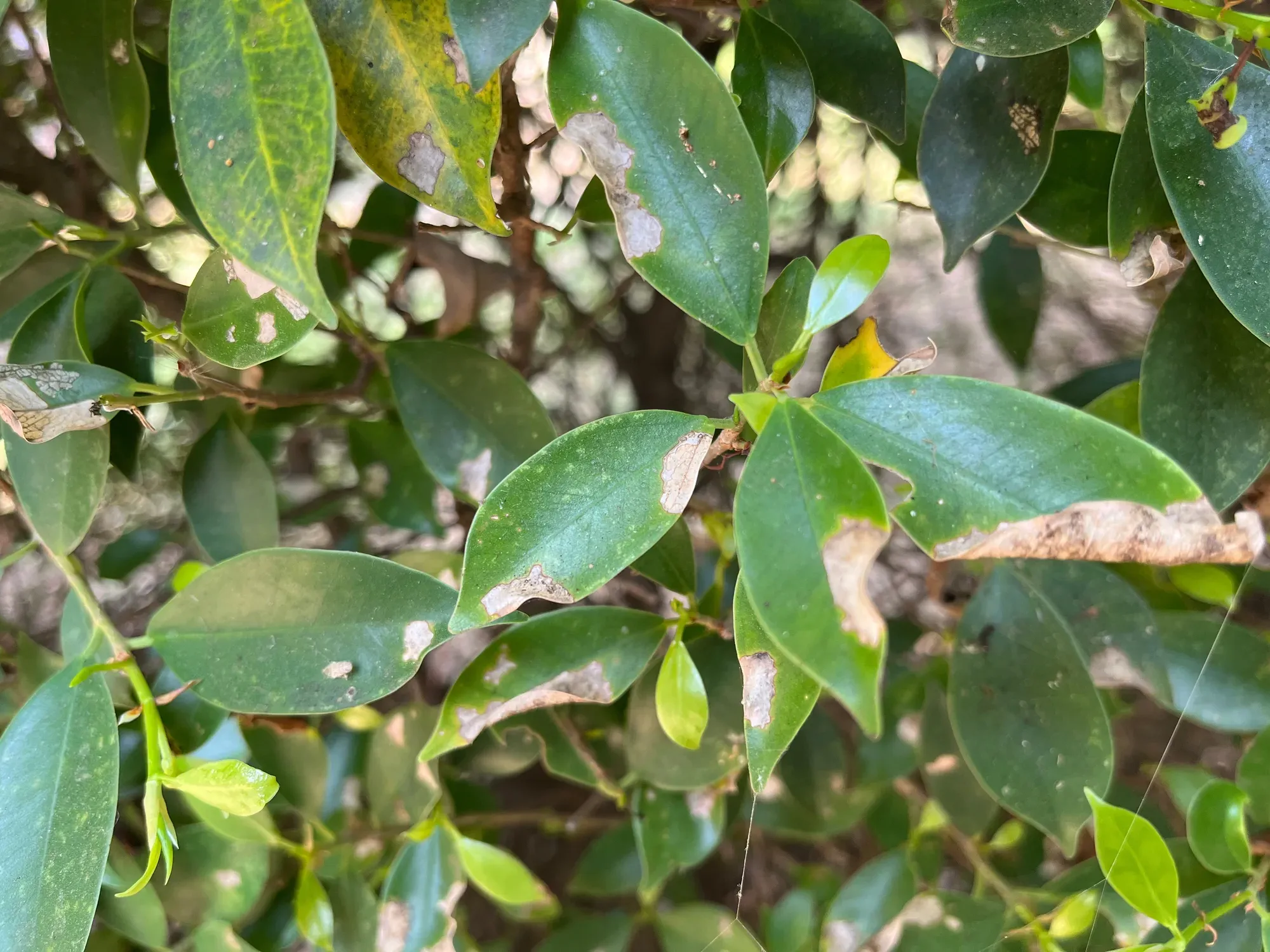
Citrus canker disease affecting Citrus species Infection causes lesions on the leaves
As we come to the end of our journey through the world of canker diseases in the UK, it's important to reflect on all that we've learned. From the different types of canker diseases to their causes and symptoms, we've covered it all. But what does this mean for us and our gardens?
First and foremost, it's crucial to understand that canker diseases are a common occurrence in the UK, affecting a wide range of plants and trees. They can be caused by various factors such as fungal or bacterial infections, environmental stress, or even improper pruning techniques. However, with proper knowledge and preventative measures, we can minimize the impact of these diseases on our beloved plants.
One of the key takeaways from our exploration of canker diseases is the importance of early detection and treatment. By regularly inspecting our plants for any signs of canker, such as sunken or discolored areas on the bark, we can catch the disease in its early stages and take necessary steps to prevent it from spreading. This could include removing infected branches or using fungicides to control the spread of the disease.
Furthermore, it's essential to maintain good gardening practices to keep our plants healthy and resilient against canker diseases. This includes proper pruning techniques, providing adequate water and nutrients, and keeping our gardens clean and free of debris that could harbor disease-causing organisms.
In conclusion, while canker diseases may seem daunting, they are manageable with the right knowledge and actions. By staying informed and taking preventative measures, we can ensure the health and longevity of our plants. So let's continue to nurture our gardens and keep them free from canker diseases. Happy gardening!
In conclusion, understanding the various types and causes of canker diseases is crucial for effectively managing and preventing them. From identifying physical and visual symptoms to implementing scientifically-proven solutions, there are steps that can be taken to combat these diseases. It is also important to be aware of the factors that increase the likelihood of developing cankers and to take preventative measures to protect plants, shrubs, and trees. By staying informed and taking action, we can work towards a healthier and more resilient environment. Let's join hands in the fight against canker diseases and preserve the beauty of our landscapes. Share your thoughts and experiences in the comments below and let's continue the conversation. Together, we can make a difference.
Frequently Asked Questions About Canker Diseases
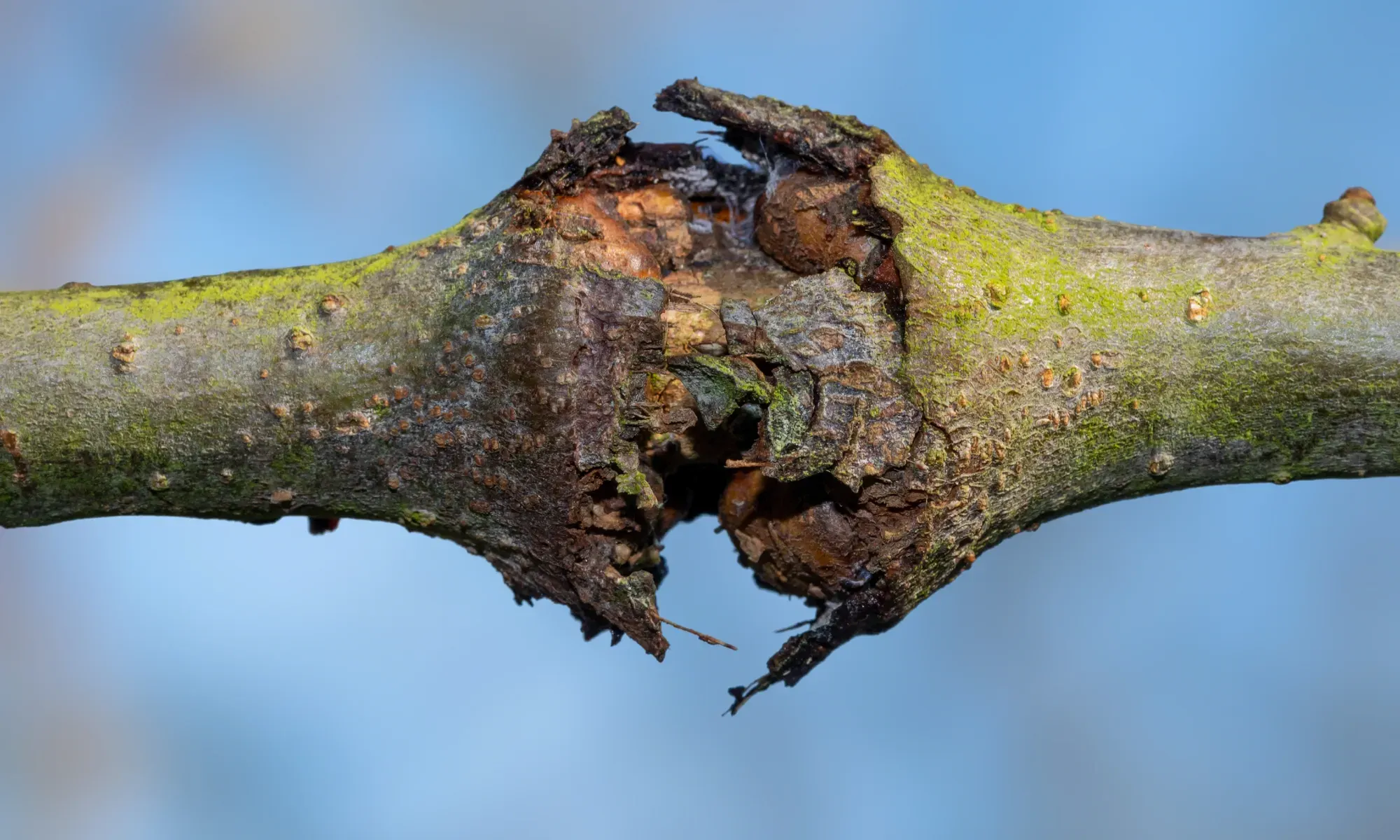
Close up of canker on an apple tree Images for apple Black rot canker
FAQ Questions and Answers:
- What are the different types of canker diseases found in the UK? Answer: There are several types of canker diseases that can affect plants, shrubs, and trees in the UK, including bacterial canker, fungal canker, and phytoplasma canker. Each type has its own unique characteristics and treatment methods.
- How do canker diseases develop and what are the common causes? Answer: Canker diseases can develop due to various factors such as environmental stress, poor pruning practices, and insect infestations. They can also be caused by pathogens that enter through wounds or weak spots in the plant's defense system.
- What are the physical symptoms of canker diseases? Answer: Physical symptoms of canker diseases include sunken or discolored areas on the bark, wilting or dieback of branches, and oozing of sap or gum from the affected area. These symptoms may vary depending on the type of canker disease.
- How can I visually identify canker diseases in my plants? Answer: Look for signs of discoloration, lesions, or cracks on the bark, as well as abnormal growth patterns or changes in foliage. It is also important to inspect the plant's overall health and compare it to healthy plants of the same species.
- What are some common measures for treating canker diseases? Answer: Pruning infected branches, improving cultural practices, and using fungicides or antibiotics are some common measures for treating canker diseases. However, the effectiveness of these methods may vary depending on the type and severity of the disease.
- Are there any scientifically-proven solutions for combating canker diseases? Answer: Yes, there are several research-backed solutions for managing canker diseases, such as using biological control agents, implementing proper sanitation practices, and selecting disease-resistant plant varieties.
- How can I prevent and manage canker diseases in my garden? Answer: To prevent canker diseases, it is important to maintain good plant health, practice proper pruning techniques, and avoid introducing infected plants into your garden. Regularly monitoring and promptly addressing any signs of disease can also help manage canker diseases effectively.
How to Prune Climbing Vines
List by Variety
- How to Prune Actinidia
- How to Prune Akebia
- How to Prune Bougainvillea
- How to Prune Campsis
- How to Prune Celastrus
- How to Prune Chilean Glory Vine
- How to Prune Clematis Armandii
- How to Prune Clematis Montana
- How to Prune Climbing Rose
- How to Prune Hedera GoldHeart
- How to Prune Honeysuckle
- How to Prune Hydrangea Petiolaris
- How to Prune Ivy
- How to Prune Japanese Wisteria
- How to Prune Morning Glory
- How to Prune Parthenocissus
- How to Prune Persian Ivy Hedera Colchica
- How to Prune Schisandra
- How to Prune Star Jasmine
- How to Prune Sweet Peas
- How to Prune True Jasmine
- How to Prune Virginia Creeper
- How to Prune Wisteria
How to Prune Hedges
List by Variety
- How to Prune an Arborvitae Hedge
- How to Prune a Barberry Hedge
- How to Prune a Beech Hedge
- How to Prune a Boxwood Hedge
- How to Prune a Butterfly Bush Hedge
- How to Prune a Cotoneaster Hedge
- How to Prune an English Lavender Hedge
- How to Prune an Escallonia Hedge
- How to Prune an Euonymus-Hedge
- How to Prune a Firethorn Hedge
- How to Prune a Forsythia Hedge
- How to Prune a Griselinia Hedge
- How to Prune a Hawthorn Hedge
- How to Prune a Holly Hedge
- How to Prune a Hornbeam Hedge
- How to Prune a Juniper Hedge
- How to Prune a Laurel Hedge
- How to Prune a Leylandii Hedge
- How to Prune a Lilac Hedge
- How to Prune a Maple Leaf Viburnum Hedge
- How to Prune a Photinia Hedge
- How to Prune a Pink Ramanus Rose Hedge
- How to Prune a Privet Hedge
- How to Prune a Pyracantha Hedge
- How to Prune a Spirea Hedge
- How to Prune a Thuja Hedge
- How to Prune a Viburnum Hedge
- How to Prune a Western Red Cedar Hedge
- How to Prune a Yew Hedge
How to Prune Shrubs
List by Variety
- How to Prune an Abelia Shrub
- How to Prune an Abutilon
- How to Prune an Acer / Japanese-Maple
- How to Prune an Amelanchiers
- How to Prune an Apple-Tree
- How to Prune an Arbovitae Shrub
- How to Prune an Arbutus
- How to Prune an Aucuba
- How to Prune a Azalea Mollis
- How to Prune Azaleas
- How to Prune a Bay Tree Shrub
- How to Prune a Berberis Darwinii
- How to Prune Berberis Deciduous Types
- How to Prune a Boxwood Shrubs
- How to Prune a Brachyglottis Senecio
- How to Prune a Buddleia Alternifolia
- How to Prune Buddleias Butterfly Bushes
- How to Prune a Buddleja Globosa
- How to Prune a Callicarpa
- How to Prune a Camellia
- How to Prune a Caryopteris
- How to Prune a Catalpa Bignonioides Aurea
- How to Prune Ceanothus Deciduous Types
- How to Prune Ceanothus Evergreen Types
- How to Prune a Ceratostigma
- How to Prune a Chaenomeles
- How to Prune a Choisya
- How to Prune a Cistus
- How to Prune a Clematis
- How to Prune a Cornus
- How to Prune a Cotinus Royal Purple
- How to Prune a Cytisus Scoparius
- How to Prune a Exochorda x Macrantha
- How to Prune a Forsythia
- How to Prune a Hebe
- How to Prune a Hydrangeas
- How to Prune Juniper Shrubs
- How to Prune a Lavatera
- How to Prune Lilac Bushes
- How to Prune a Mugo Pine
- How to Prune Rose Bushes
- How to Prune Ribes
- How to Prune Spirea Shrubs
- How to Prune Viburnum Shrubs
- How to Prune a Weigela
- How to Prune a Yew
How to Prune Trees
List by Variety
- How to Prune a Apple Tree
- How to Prune a Apricot Tree
- How to Prune a Ash Tree
- How to Prune a Birch Tree
- How to Prune a Cherry Tree
- How to Prune a Elm Tree
- How to Prune a Fig Tree
- How to Prune a Grape Tree
- How to Prune a Hickory Tree
- How to Prune a Maple Tree
- How to Prune a Oak Tree
- How to Prune an Olive Tree
- How to Prune a Peach Tree
- How to Prune a Pear Tree
- How to Prune a Plum Tree
- How to Prune a Poplar Tree
- How to Prune a Walnut Tree
How to Prune Climbing Vines
List by Variety
- How to Prune Actinidia
- How to Prune Akebia
- How to Prune Bougainvillea
- How to Prune Campsis
- How to Prune Celastrus
- How to Prune Chilean Glory Vine
- How to Prune Clematis Armandii
- How to Prune Clematis Montana
- How to Prune Climbing Rose
- How to Prune Hedera GoldHeart
- How to Prune Honeysuckle
- How to Prune Hydrangea Petiolaris
- How to Prune Ivy
- How to Prune Japanese Wisteria
- How to Prune Morning Glory
- How to Prune Parthenocissus
- How to Prune Persian Ivy Hedera Colchica
- How to Prune Schisandra
- How to Prune Star Jasmine
- How to Prune Sweet Peas
- How to Prune True Jasmine
- How to Prune Virginia Creeper
- How to Prune Wisteria
How to Prune Hedges
List by Variety
- How to Prune an Arborvitae Hedge
- How to Prune a Barberry Hedge
- How to Prune a Beech Hedge
- How to Prune a Boxwood Hedge
- How to Prune a Butterfly Bush Hedge
- How to Prune a Cotoneaster Hedge
- How to Prune an English Lavender Hedge
- How to Prune an Escallonia Hedge
- How to Prune an Euonymus-Hedge
- How to Prune a Firethorn Hedge
- How to Prune a Forsythia Hedge
- How to Prune a Griselinia Hedge
- How to Prune a Hawthorn Hedge
- How to Prune a Holly Hedge
- How to Prune a Hornbeam Hedge
- How to Prune a Juniper Hedge
- How to Prune a Laurel Hedge
- How to Prune a Leylandii Hedge
- How to Prune a Lilac Hedge
- How to Prune a Maple Leaf Viburnum Hedge
- How to Prune a Photinia Hedge
- How to Prune a Pink Ramanus Rose Hedge
- How to Prune a Privet Hedge
- How to Prune a Pyracantha Hedge
- How to Prune a Spirea Hedge
- How to Prune a Thuja Hedge
- How to Prune a Viburnum Hedge
- How to Prune a Western Red Cedar Hedge
- How to Prune a Yew Hedge
How to Prune Shrubs
List by Variety
- How to Prune an Abelia Shrub
- How to Prune an Abutilon
- How to Prune an Acer / Japanese-Maple
- How to Prune an Amelanchiers
- How to Prune an Apple-Tree
- How to Prune an Arbovitae Shrub
- How to Prune an Arbutus
- How to Prune an Aucuba
- How to Prune a Azalea Mollis
- How to Prune Azaleas
- How to Prune a Bay Tree Shrub
- How to Prune a Berberis Darwinii
- How to Prune Berberis Deciduous Types
- How to Prune a Boxwood Shrubs
- How to Prune a Brachyglottis Senecio
- How to Prune a Buddleia Alternifolia
- How to Prune Buddleias Butterfly Bushes
- How to Prune a Buddleja Globosa
- How to Prune a Callicarpa
- How to Prune a Camellia
- How to Prune a Caryopteris
- How to Prune a Catalpa Bignonioides Aurea
- How to Prune Ceanothus Deciduous Types
- How to Prune Ceanothus Evergreen Types
- How to Prune a Ceratostigma
- How to Prune a Chaenomeles
- How to Prune a Choisya
- How to Prune a Cistus
- How to Prune a Clematis
- How to Prune a Cornus
- How to Prune a Cotinus Royal Purple
- How to Prune a Cytisus Scoparius
- How to Prune a Exochorda x Macrantha
- How to Prune a Forsythia
- How to Prune a Hebe
- How to Prune a Hydrangeas
- How to Prune Juniper Shrubs
- How to Prune a Lavatera
- How to Prune Lilac Bushes
- How to Prune a Mugo Pine
- How to Prune Rose Bushes
- How to Prune Ribes
- How to Prune Spirea Shrubs
- How to Prune Viburnum Shrubs
- How to Prune a Weigela
- How to Prune a Yew
How to Prune Trees
List by Variety
- How to Prune a Apple Tree
- How to Prune a Apricot Tree
- How to Prune a Ash Tree
- How to Prune a Birch Tree
- How to Prune a Cherry Tree
- How to Prune a Elm Tree
- How to Prune a Fig Tree
- How to Prune a Grape Tree
- How to Prune a Hickory Tree
- How to Prune a Maple Tree
- How to Prune a Oak Tree
- How to Prune an Olive Tree
- How to Prune a Peach Tree
- How to Prune a Pear Tree
- How to Prune a Plum Tree
- How to Prune a Poplar Tree
- How to Prune a Walnut Tree
Gallery
Necessitatibus eius consequatur ex aliquid fuga eum quidem sint consectetur velit


Michael Carter
Vestibulum ante ipsum primis in faucibus orci luctus et ultrices posuere cubilia curae; Donec vel erat in nulla efficitur tempor non ut nisl. Integer venenatis eros ut dui viverra fermentum.
Sophie Wilson
Nam ut turpis hendrerit, varius nunc vel, elementum dui. Morbi vulputate dolor sit amet scelerisque egestas. Vestibulum eleifend nunc ut bibendum fermentum.
Alex Morgan
Cras non velit nec purus tempor rhoncus. Sed non mauris vitae erat consequat auctor eu in elit. Class aptent taciti sociosqu ad litora torquent per conubia nostra.