The Devastating Effects of Crown Gall Disease on UK Crops
Everything You Need to Know About a Crown Gall Disease in the UK

Crown Gall Close-up: An irregular growth on wild rose stems is called crow gall or rose cancer
Welcome to our blog on everything you need to know about Crown Gall Disease in the UK. This disease, caused by the bacterium Agrobacterium tumefaciens, is a major concern for farmers and gardeners alike. It affects a wide range of plants, including fruit trees, ornamentals, and vegetables, and can cause significant economic losses. In this section, we will delve into the details of this disease and provide you with all the information you need to protect your plants.
Crown Gall Disease, also known as Crown Wart or Root Gall, is a plant disease that causes abnormal growths or galls on the roots, stems, and branches of infected plants. These galls can vary in size and shape, but they are usually round, woody, and can range in color from light brown to dark black. The bacterium responsible for this disease enters the plant through wounds or natural openings, such as leaf scars or root tips, and then hijacks the plant's genetic material to produce the galls.
One of the most concerning aspects of Crown Gall Disease is its ability to spread quickly and easily. The bacterium can survive in the soil for several years, making it difficult to control once it has established itself in an area. It can also be transmitted through contaminated tools, equipment, and even by insects. This makes it crucial for gardeners and farmers to be aware of the disease and take preventive measures to protect their plants.
In the following sections, we will discuss the symptoms, causes, and management strategies for Crown Gall Disease in more detail. We will also provide you with tips on how to prevent the disease from spreading and how to treat infected plants. Stay tuned for more information on this destructive disease and how you can keep your plants safe.
Understanding Crown Gall Disease: Definition, Symptoms, and Causes

Crown gall disease in trees is caused by the bacterium Rhizobium radiobacter, formerly known as Agrobacterium tumefaciens.
Crown Gall Disease, also known as Agrobacterium tumefaciens, is a common bacterial infection that affects a wide range of plants in the UK. This disease is caused by a soil-borne bacterium that enters the plant through wounds or natural openings, such as leaf scars or root tips. Once inside the plant, the bacterium causes abnormal growths, known as galls, to form on the roots, stems, and sometimes even the leaves of the infected plant.
The symptoms of Crown Gall Disease can vary depending on the type of plant and the severity of the infection. In some cases, the galls may be small and barely noticeable, while in others they can grow to be several inches in diameter. These galls can also vary in color, from white to pink to dark brown, and can have a rough or smooth texture. As the disease progresses, the galls can hinder the plant's ability to absorb water and nutrients, leading to stunted growth and even death.
So, what causes this disease to occur? As mentioned earlier, Crown Gall Disease is caused by a bacterium that is commonly found in the soil. However, it is important to note that not all plants are susceptible to this infection. Certain plants, such as roses, grapes, and fruit trees, are more prone to Crown Gall Disease due to their high susceptibility to the bacterium. Additionally, any wounds or injuries to the plant, whether caused by pruning or environmental factors, can provide an entry point for the bacterium to infect the plant.
In order to prevent and manage Crown Gall Disease, it is important to practice good gardening techniques. This includes avoiding any unnecessary damage to plants, properly disposing of infected plants, and using disease-resistant varieties when possible. If you suspect that your plants may be infected with Crown Gall Disease, it is best to consult a professional for proper diagnosis and treatment options.
In conclusion, understanding Crown Gall Disease is crucial for any gardener or plant enthusiast in the UK. By being aware of the definition, symptoms, and causes of this disease, you can take the necessary steps to prevent and manage its spread. Remember, a healthy and thriving garden starts with proper care and attention to potential threats, such as Crown Gall Disease.
Origins of Crown Gall Disease and its Spread in the UK
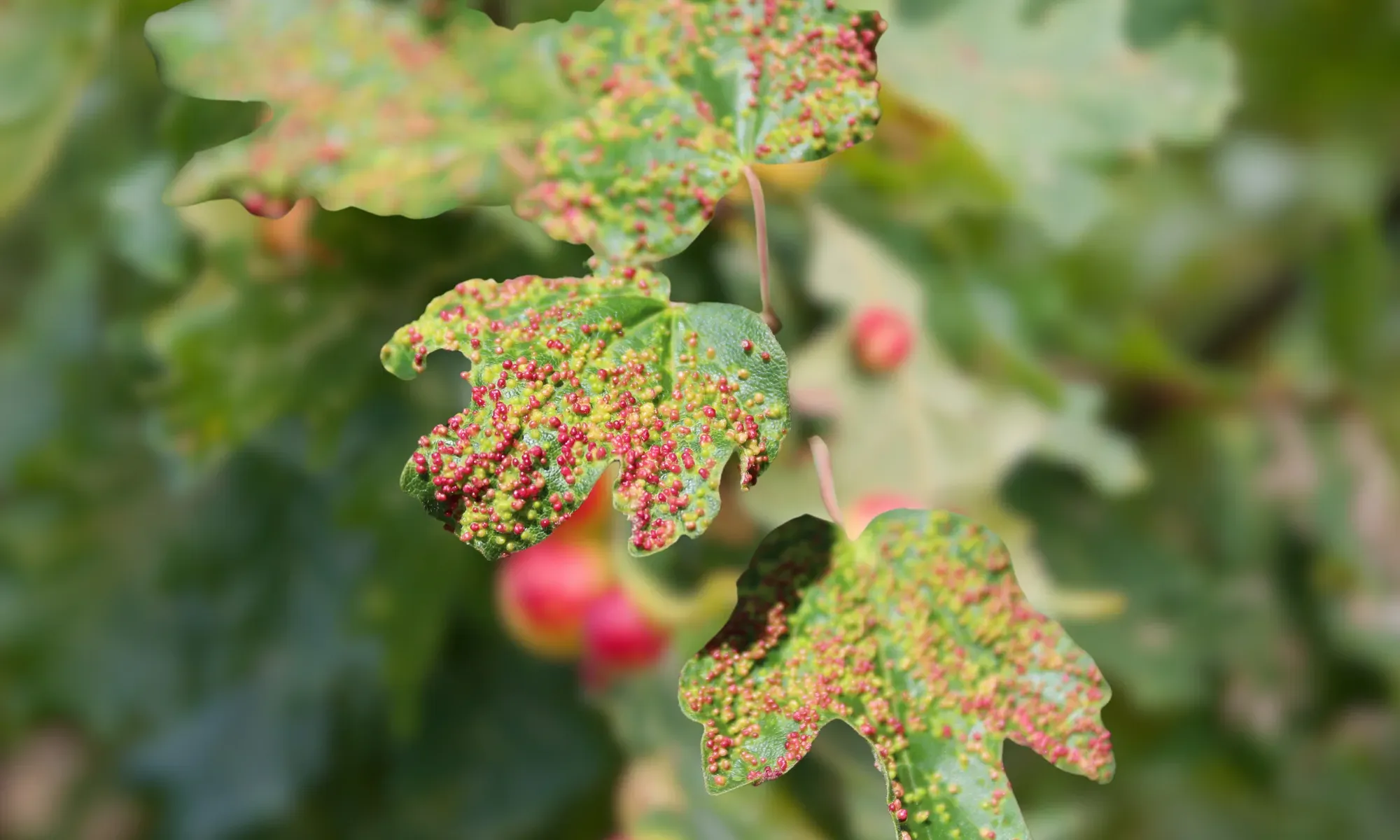
Crown gall is caused by a bacterium that produces galls at the base of the stem, root crown, or other plant parts. Crown gall is caused by the soil-inhabiting bacterium, Agrobacterium tumefaciens.
Crown Gall Disease, also known as Agrobacterium tumefaciens, is a bacterial infection that affects a wide range of plants, including fruit trees, ornamental plants, and even some vegetables. This disease has been a major concern for farmers and gardeners in the UK, as it can cause significant damage to crops and plants. But where did this disease originate from and how did it spread to the UK?
The origins of Crown Gall Disease can be traced back to the late 19th century, when it was first discovered in North America. It is believed that the disease was introduced to the UK through imported plants and infected soil. The bacteria responsible for this disease can survive in the soil for several years, making it easy for it to spread to new areas through contaminated soil or infected plant material.
Once the disease was introduced to the UK, it quickly spread throughout the country, affecting a wide range of plants and causing significant economic losses for farmers. The bacteria responsible for Crown Gall Disease can enter a plant through wounds or natural openings, such as leaf scars or root tips. Once inside the plant, it causes abnormal growths or galls, which can hinder the plant's ability to absorb nutrients and water, ultimately leading to stunted growth and reduced yield.
To prevent the spread of Crown Gall Disease, it is important for farmers and gardeners to practice good sanitation measures, such as disinfecting tools and equipment, and avoiding the use of infected soil or plant material. It is also recommended to purchase plants from reputable sources to ensure they are free from any diseases.
In conclusion, Crown Gall Disease has been a major concern for the agricultural industry in the UK, with its origins dating back to North America. Through proper prevention and management techniques, we can work towards reducing the spread of this disease and protecting our crops and plants. Stay informed and take necessary precautions to keep your plants healthy and thriving.
Impact of Crown Gall Disease on Crops and the Agriculture Industry
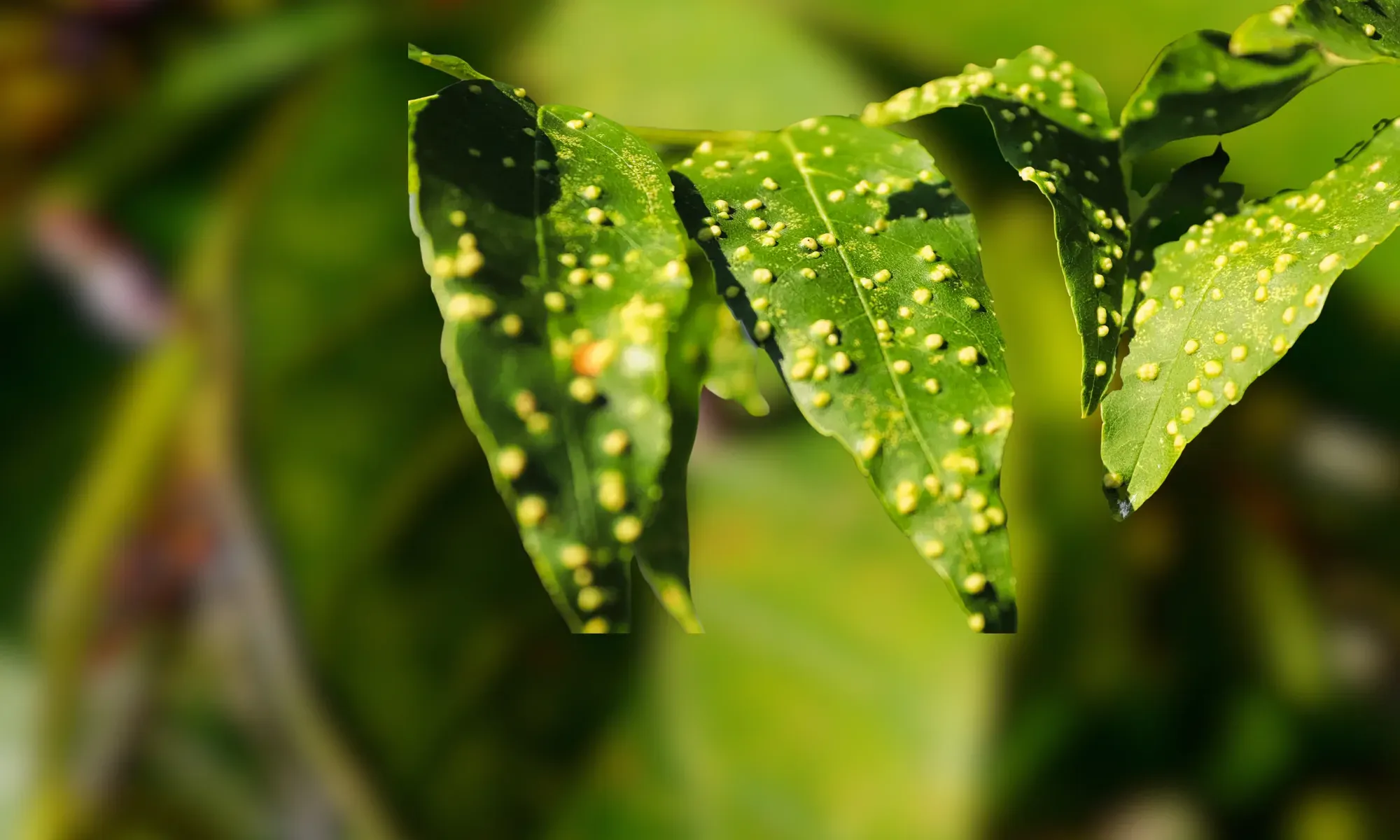
Crown Gall Disease, also known as Agrobacterium tumefaciens, is a bacterial infection that affects a wide range of crops, including fruits, vegetables, and ornamental plants. This disease has been a major concern for farmers and the agriculture industry in the UK, as it can cause significant damage to crops and result in economic losses. In this blog, we will delve into the impact of Crown Gall Disease on crops and the agriculture industry, and why it is crucial to take preventive measures to combat this destructive disease.
Crown Gall Disease is caused by a soil-borne bacterium that enters the plant through wounds or natural openings, such as leaf scars or root tips. Once inside the plant, the bacterium causes abnormal growths or galls, which can vary in size and appearance depending on the type of plant. These galls disrupt the plant's normal functions, leading to stunted growth, reduced yield, and even death in severe cases. This not only affects the farmers' income but also has a ripple effect on the entire agriculture industry, as it can lead to a shortage of crops and an increase in prices.
The UK has been facing a significant threat from Crown Gall Disease, with reports of outbreaks in various regions. This has prompted the government and agricultural organizations to take action and raise awareness about the disease. Farmers are being encouraged to practice good crop management techniques, such as proper sanitation and crop rotation, to prevent the spread of the disease. Additionally, using disease-resistant plant varieties and implementing biological control methods have shown promising results in reducing the impact of Crown Gall Disease.
In conclusion, Crown Gall Disease is a serious threat to crops and the agriculture industry in the UK. It is essential for farmers to be vigilant and take preventive measures to protect their crops from this destructive disease. By working together and implementing effective strategies, we can minimize the impact of Crown Gall Disease and ensure a sustainable future for our agriculture industry.
Efforts to Combat Crown Gall Disease in the UK

infected plant and close-up of Agrobacterium tumefaciens. agrobacterium transfer dna between itself and plants. genetic engineering. illustration for biological, science, and medical use.
Crown Gall Disease, also known as Agrobacterium tumefaciens, is a bacterial infection that affects a wide range of plants, including fruit trees, ornamental plants, and even some vegetables. This disease is caused by a soil-borne bacterium that enters the plant through wounds or natural openings, such as leaf scars or root tips. Once inside the plant, the bacterium causes abnormal growths or galls, which can severely damage the plant and even lead to its death.
In the UK, Crown Gall Disease has been a major concern for farmers and gardeners alike. The disease has been known to affect a variety of crops, including grapes, apples, and roses. These galls not only reduce the aesthetic value of the plants but also hinder their ability to absorb nutrients and water, resulting in stunted growth and reduced yield. As a result, efforts have been made to combat this disease and protect the UK's agricultural industry.
One of the most effective ways to combat Crown Gall Disease is through prevention. This includes using disease-free planting material, avoiding wounds during pruning or transplanting, and practicing good sanitation in the garden or farm. Additionally, researchers have been working on developing resistant plant varieties through genetic engineering, which can greatly reduce the risk of infection.
Another approach to combat this disease is through the use of biological control agents. These are naturally occurring microorganisms that can suppress the growth of the bacteria responsible for Crown Gall Disease. By introducing these beneficial microorganisms into the soil, they can outcompete the harmful bacteria and prevent infection. In conclusion, Crown Gall Disease is a serious threat to the UK's agriculture and horticulture industries. However, with the efforts being made to prevent and control its spread, there is hope for a future where this disease is no longer a major concern. By staying informed and implementing proper prevention and control measures, we can all play a role in protecting our plants and ensuring a healthy and thriving environment.
Preventative Measures for Farmers and the Agriculture Industry
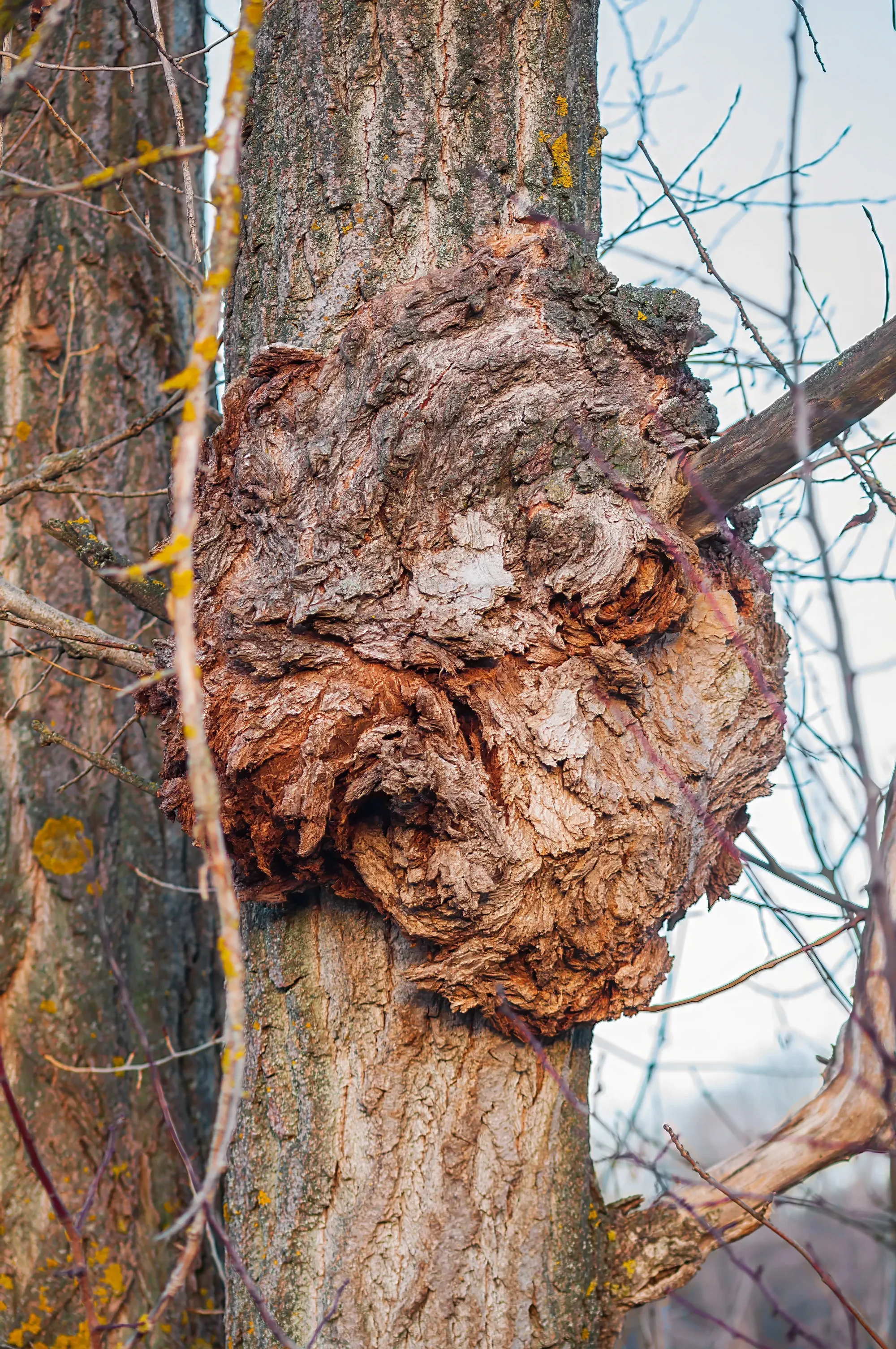
Agrobacterium radiobacter on bark, a unique tree ailment
Crown gall disease is a common and destructive bacterial infection that affects a wide range of plants, including those in the agriculture industry. This disease is caused by the bacterium Agrobacterium tumefaciens, which enters the plant through wounds or natural openings and causes the formation of galls, or abnormal growths, on the roots, stems, and branches. These galls can severely hinder the plant's ability to absorb nutrients and water, leading to stunted growth and reduced crop yields.
For farmers, preventing crown gall disease is crucial to maintaining a healthy and productive crop. One of the most effective preventative measures is to carefully inspect and sanitize all equipment and tools before using them in the field. This includes pruning shears, shovels, and even tractor tires, as the bacteria can easily spread from one plant to another through contaminated equipment. Additionally, farmers should avoid planting susceptible crops in areas where crown gall disease has previously been present, as the bacteria can survive in the soil for several years.
Another important step in preventing crown gall disease is to choose resistant plant varieties whenever possible. Many plant breeders have developed varieties that are less susceptible to the disease, making them a valuable tool for farmers. It is also recommended to rotate crops and practice good crop management techniques, such as proper irrigation and fertilization, to keep plants healthy and less susceptible to infection.
In the UK, crown gall disease has been a growing concern for farmers in recent years. With the rise of global trade and the introduction of new plant varieties, the risk of introducing new strains of the bacteria has increased. That's why it's crucial for farmers to stay informed and educated about this disease and its preventative measures. By taking proactive steps to prevent crown gall disease, farmers can protect their crops and ensure a successful harvest season. So let's work together to keep our plants healthy and thriving, and say goodbye to crown gall disease for good.
Detecting and Handling Crown Gall Disease: Tips and Best Practices
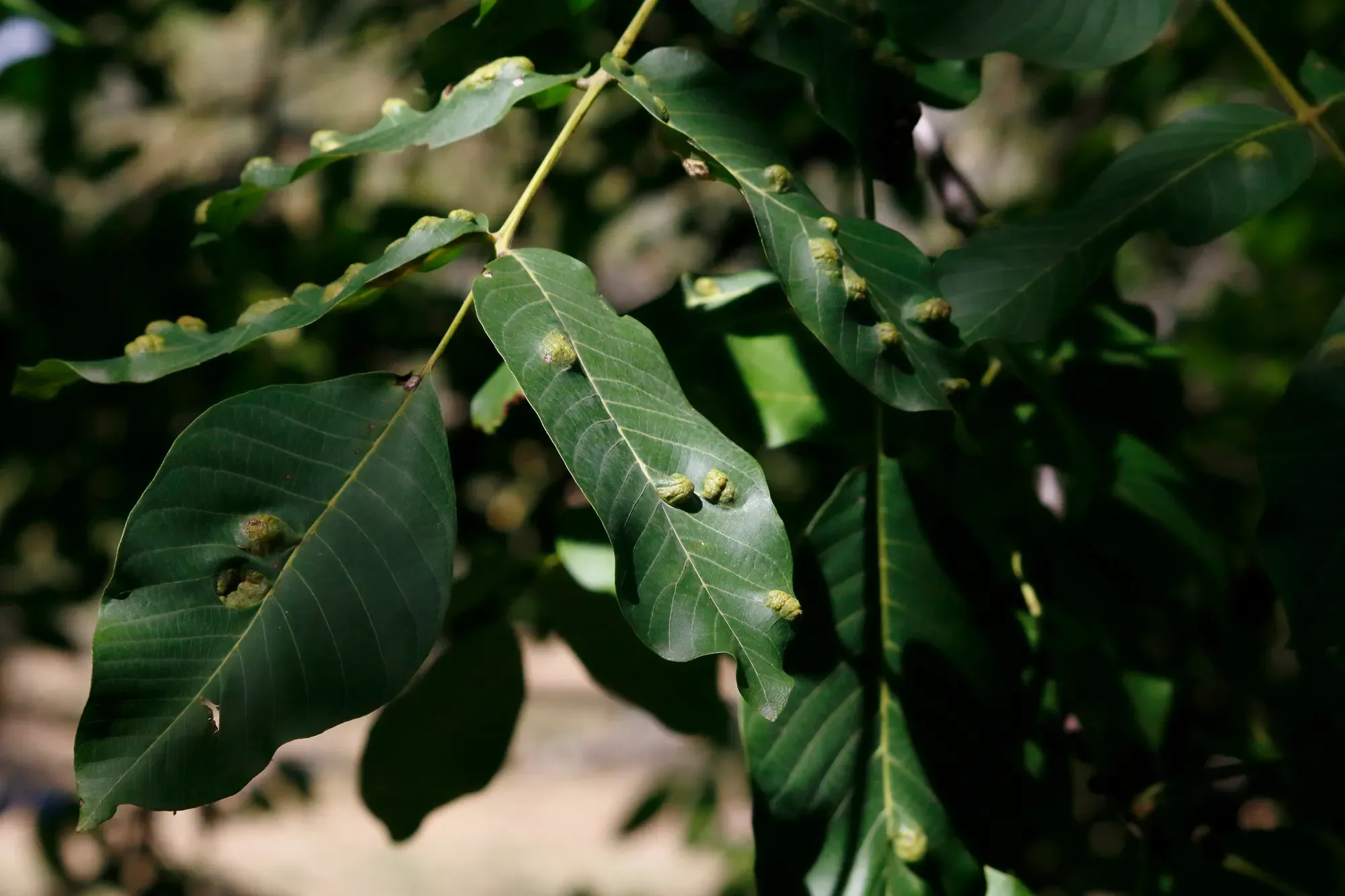
Walnut, walnut tree with leaves infested with gall, gall mite
Crown Gall Disease, also known as Agrobacterium tumefaciens, is a common bacterial disease that affects a wide range of plants, including fruit trees, ornamental plants, and vegetables. This disease is caused by a soil-borne bacterium that enters the plant through wounds or natural openings, such as leaf scars or root tips. Once inside the plant, the bacterium causes abnormal growths or galls to form, which can severely damage the plant's health and productivity.
One of the key factors in detecting Crown Gall Disease is being able to identify the symptoms early on. These galls can appear as small, round, or irregularly shaped swellings on the roots, stems, or branches of the plant. They can range in size from a few millimeters to several centimeters and can be either soft or hard to the touch. In some cases, the galls may also have a rough, corky texture and can vary in color from white to brown or even black. If you suspect that your plants may be infected with Crown Gall Disease, it is crucial to act quickly and take the necessary steps to handle the situation. The first step is to remove and destroy any infected plants or plant parts to prevent the spread of the disease. It is also essential to disinfect any tools or equipment that may have come into contact with the infected plants to avoid further contamination.
Prevention is always better than cure when it comes to Crown Gall Disease. To minimize the risk of infection, it is essential to maintain good plant hygiene and avoid any unnecessary wounds or injuries to the plants. Additionally, using disease-resistant plant varieties and practicing crop rotation can also help prevent the spread of this disease.
In conclusion, Crown Gall Disease can be a significant threat to your plants' health and productivity. By being able to identify the symptoms and taking prompt action, you can effectively handle and prevent the spread of this disease. Remember to always practice good plant hygiene and take necessary precautions to keep your plants healthy and thriving.
In conclusion, Crown Gall Disease is a serious threat to the agriculture industry in the UK. This bacterial infection can have devastating effects on crops, leading to significant economic losses for farmers. As we have learned, the disease is caused by the bacterium Agrobacterium tumefaciens and can be spread through contaminated soil, water, and plant material. However, with proper preventative measures and early detection, the spread of Crown Gall Disease can be minimized. It is crucial for farmers and the agriculture industry to stay vigilant and implement best practices to prevent and handle this disease. Let us work together to protect our crops and ensure a thriving agriculture industry in the UK. Remember, prevention is key, and early detection can save your crops. Stay informed and take action to combat Crown Gall Disease.
Frequently Asked Questions About Crown Gall Disease
FAQ Questions and Answers:
- What is Crown Gall Disease and how does it affect crops in the UK? Crown Gall Disease is a bacterial infection that affects a wide range of plants, including fruits, vegetables, and ornamental plants. It causes abnormal growths or galls on the roots, stems, and branches of infected plants, leading to reduced yield and quality of crops.
- What are the symptoms of Crown Gall Disease and how can farmers identify it? The most common symptoms of Crown Gall Disease include the formation of galls on the plant's surface, stunted growth, and wilting of leaves. Farmers can also look for discoloration or swelling on the plant's roots and stems as early signs of infection.
- What are the main causes of Crown Gall Disease and how does it spread? Crown Gall Disease is caused by the bacterium Agrobacterium tumefaciens, which enters the plant through wounds or natural openings. It can spread through contaminated soil, infected plant material, and even through insects and farming equipment.
- How has Crown Gall Disease impacted the agriculture industry in the UK? Crown Gall Disease has been a major concern for farmers in the UK, as it can lead to significant economic losses due to reduced crop yield and quality. It also poses a threat to the sustainability of the agriculture industry and food security in the country.
- What measures are being taken to combat Crown Gall Disease in the UK? The UK government and agricultural organizations have been actively researching and implementing strategies to control and prevent the spread of Crown Gall Disease. This includes developing resistant plant varieties, promoting good farming practices, and providing education and resources to farmers.
- What can farmers do to prevent Crown Gall Disease on their crops? Prevention is key in managing Crown Gall Disease. Farmers can take measures such as using disease-free seeds and plants, practicing crop rotation, and maintaining proper hygiene and sanitation in their farming practices to reduce the risk of infection.
- How can farmers detect and handle Crown Gall Disease effectively? Early detection is crucial in managing Crown Gall Disease. Farmers should regularly inspect their crops for any signs of infection and remove and destroy any infected plants to prevent the spread. It is also essential to consult with agricultural experts for proper handling and treatment of infected plants.
How to Prune Climbing Vines
List by Variety
- How to Prune Actinidia
- How to Prune Akebia
- How to Prune Bougainvillea
- How to Prune Campsis
- How to Prune Celastrus
- How to Prune Chilean Glory Vine
- How to Prune Clematis Armandii
- How to Prune Clematis Montana
- How to Prune Climbing Rose
- How to Prune Hedera GoldHeart
- How to Prune Honeysuckle
- How to Prune Hydrangea Petiolaris
- How to Prune Ivy
- How to Prune Japanese Wisteria
- How to Prune Morning Glory
- How to Prune Parthenocissus
- How to Prune Persian Ivy Hedera Colchica
- How to Prune Schisandra
- How to Prune Star Jasmine
- How to Prune Sweet Peas
- How to Prune True Jasmine
- How to Prune Virginia Creeper
- How to Prune Wisteria
How to Prune Hedges
List by Variety
- How to Prune an Arborvitae Hedge
- How to Prune a Barberry Hedge
- How to Prune a Beech Hedge
- How to Prune a Boxwood Hedge
- How to Prune a Butterfly Bush Hedge
- How to Prune a Cotoneaster Hedge
- How to Prune an English Lavender Hedge
- How to Prune an Escallonia Hedge
- How to Prune an Euonymus-Hedge
- How to Prune a Firethorn Hedge
- How to Prune a Forsythia Hedge
- How to Prune a Griselinia Hedge
- How to Prune a Hawthorn Hedge
- How to Prune a Holly Hedge
- How to Prune a Hornbeam Hedge
- How to Prune a Juniper Hedge
- How to Prune a Laurel Hedge
- How to Prune a Leylandii Hedge
- How to Prune a Lilac Hedge
- How to Prune a Maple Leaf Viburnum Hedge
- How to Prune a Photinia Hedge
- How to Prune a Pink Ramanus Rose Hedge
- How to Prune a Privet Hedge
- How to Prune a Pyracantha Hedge
- How to Prune a Spirea Hedge
- How to Prune a Thuja Hedge
- How to Prune a Viburnum Hedge
- How to Prune a Western Red Cedar Hedge
- How to Prune a Yew Hedge
How to Prune Shrubs
List by Variety
- How to Prune an Abelia Shrub
- How to Prune an Abutilon
- How to Prune an Acer / Japanese-Maple
- How to Prune an Amelanchiers
- How to Prune an Apple-Tree
- How to Prune an Arbovitae Shrub
- How to Prune an Arbutus
- How to Prune an Aucuba
- How to Prune a Azalea Mollis
- How to Prune Azaleas
- How to Prune a Bay Tree Shrub
- How to Prune a Berberis Darwinii
- How to Prune Berberis Deciduous Types
- How to Prune a Boxwood Shrubs
- How to Prune a Brachyglottis Senecio
- How to Prune a Buddleia Alternifolia
- How to Prune Buddleias Butterfly Bushes
- How to Prune a Buddleja Globosa
- How to Prune a Callicarpa
- How to Prune a Camellia
- How to Prune a Caryopteris
- How to Prune a Catalpa Bignonioides Aurea
- How to Prune Ceanothus Deciduous Types
- How to Prune Ceanothus Evergreen Types
- How to Prune a Ceratostigma
- How to Prune a Chaenomeles
- How to Prune a Choisya
- How to Prune a Cistus
- How to Prune a Clematis
- How to Prune a Cornus
- How to Prune a Cotinus Royal Purple
- How to Prune a Cytisus Scoparius
- How to Prune a Exochorda x Macrantha
- How to Prune a Forsythia
- How to Prune a Hebe
- How to Prune a Hydrangeas
- How to Prune Juniper Shrubs
- How to Prune a Lavatera
- How to Prune Lilac Bushes
- How to Prune a Mugo Pine
- How to Prune Rose Bushes
- How to Prune Ribes
- How to Prune Spirea Shrubs
- How to Prune Viburnum Shrubs
- How to Prune a Weigela
- How to Prune a Yew
How to Prune Trees
List by Variety
- How to Prune a Apple Tree
- How to Prune a Apricot Tree
- How to Prune a Ash Tree
- How to Prune a Birch Tree
- How to Prune a Cherry Tree
- How to Prune a Elm Tree
- How to Prune a Fig Tree
- How to Prune a Grape Tree
- How to Prune a Hickory Tree
- How to Prune a Maple Tree
- How to Prune a Oak Tree
- How to Prune an Olive Tree
- How to Prune a Peach Tree
- How to Prune a Pear Tree
- How to Prune a Plum Tree
- How to Prune a Poplar Tree
- How to Prune a Walnut Tree
How to Prune Climbing Vines
List by Variety
- How to Prune Actinidia
- How to Prune Akebia
- How to Prune Bougainvillea
- How to Prune Campsis
- How to Prune Celastrus
- How to Prune Chilean Glory Vine
- How to Prune Clematis Armandii
- How to Prune Clematis Montana
- How to Prune Climbing Rose
- How to Prune Hedera GoldHeart
- How to Prune Honeysuckle
- How to Prune Hydrangea Petiolaris
- How to Prune Ivy
- How to Prune Japanese Wisteria
- How to Prune Morning Glory
- How to Prune Parthenocissus
- How to Prune Persian Ivy Hedera Colchica
- How to Prune Schisandra
- How to Prune Star Jasmine
- How to Prune Sweet Peas
- How to Prune True Jasmine
- How to Prune Virginia Creeper
- How to Prune Wisteria
How to Prune Hedges
List by Variety
- How to Prune an Arborvitae Hedge
- How to Prune a Barberry Hedge
- How to Prune a Beech Hedge
- How to Prune a Boxwood Hedge
- How to Prune a Butterfly Bush Hedge
- How to Prune a Cotoneaster Hedge
- How to Prune an English Lavender Hedge
- How to Prune an Escallonia Hedge
- How to Prune an Euonymus-Hedge
- How to Prune a Firethorn Hedge
- How to Prune a Forsythia Hedge
- How to Prune a Griselinia Hedge
- How to Prune a Hawthorn Hedge
- How to Prune a Holly Hedge
- How to Prune a Hornbeam Hedge
- How to Prune a Juniper Hedge
- How to Prune a Laurel Hedge
- How to Prune a Leylandii Hedge
- How to Prune a Lilac Hedge
- How to Prune a Maple Leaf Viburnum Hedge
- How to Prune a Photinia Hedge
- How to Prune a Pink Ramanus Rose Hedge
- How to Prune a Privet Hedge
- How to Prune a Pyracantha Hedge
- How to Prune a Spirea Hedge
- How to Prune a Thuja Hedge
- How to Prune a Viburnum Hedge
- How to Prune a Western Red Cedar Hedge
- How to Prune a Yew Hedge
How to Prune Shrubs
List by Variety
- How to Prune an Abelia Shrub
- How to Prune an Abutilon
- How to Prune an Acer / Japanese-Maple
- How to Prune an Amelanchiers
- How to Prune an Apple-Tree
- How to Prune an Arbovitae Shrub
- How to Prune an Arbutus
- How to Prune an Aucuba
- How to Prune a Azalea Mollis
- How to Prune Azaleas
- How to Prune a Bay Tree Shrub
- How to Prune a Berberis Darwinii
- How to Prune Berberis Deciduous Types
- How to Prune a Boxwood Shrubs
- How to Prune a Brachyglottis Senecio
- How to Prune a Buddleia Alternifolia
- How to Prune Buddleias Butterfly Bushes
- How to Prune a Buddleja Globosa
- How to Prune a Callicarpa
- How to Prune a Camellia
- How to Prune a Caryopteris
- How to Prune a Catalpa Bignonioides Aurea
- How to Prune Ceanothus Deciduous Types
- How to Prune Ceanothus Evergreen Types
- How to Prune a Ceratostigma
- How to Prune a Chaenomeles
- How to Prune a Choisya
- How to Prune a Cistus
- How to Prune a Clematis
- How to Prune a Cornus
- How to Prune a Cotinus Royal Purple
- How to Prune a Cytisus Scoparius
- How to Prune a Exochorda x Macrantha
- How to Prune a Forsythia
- How to Prune a Hebe
- How to Prune a Hydrangeas
- How to Prune Juniper Shrubs
- How to Prune a Lavatera
- How to Prune Lilac Bushes
- How to Prune a Mugo Pine
- How to Prune Rose Bushes
- How to Prune Ribes
- How to Prune Spirea Shrubs
- How to Prune Viburnum Shrubs
- How to Prune a Weigela
- How to Prune a Yew
How to Prune Trees
List by Variety
- How to Prune a Apple Tree
- How to Prune a Apricot Tree
- How to Prune a Ash Tree
- How to Prune a Birch Tree
- How to Prune a Cherry Tree
- How to Prune a Elm Tree
- How to Prune a Fig Tree
- How to Prune a Grape Tree
- How to Prune a Hickory Tree
- How to Prune a Maple Tree
- How to Prune a Oak Tree
- How to Prune an Olive Tree
- How to Prune a Peach Tree
- How to Prune a Pear Tree
- How to Prune a Plum Tree
- How to Prune a Poplar Tree
- How to Prune a Walnut Tree
Gallery
Necessitatibus eius consequatur ex aliquid fuga eum quidem sint consectetur velit


Michael Carter
Vestibulum ante ipsum primis in faucibus orci luctus et ultrices posuere cubilia curae; Donec vel erat in nulla efficitur tempor non ut nisl. Integer venenatis eros ut dui viverra fermentum.
Sophie Wilson
Nam ut turpis hendrerit, varius nunc vel, elementum dui. Morbi vulputate dolor sit amet scelerisque egestas. Vestibulum eleifend nunc ut bibendum fermentum.
Alex Morgan
Cras non velit nec purus tempor rhoncus. Sed non mauris vitae erat consequat auctor eu in elit. Class aptent taciti sociosqu ad litora torquent per conubia nostra.