Protect Your Trees: Understanding and Preventing Dutch Elm Disease
Everything You Need to Know About a Dutch Elm Disease in the UK
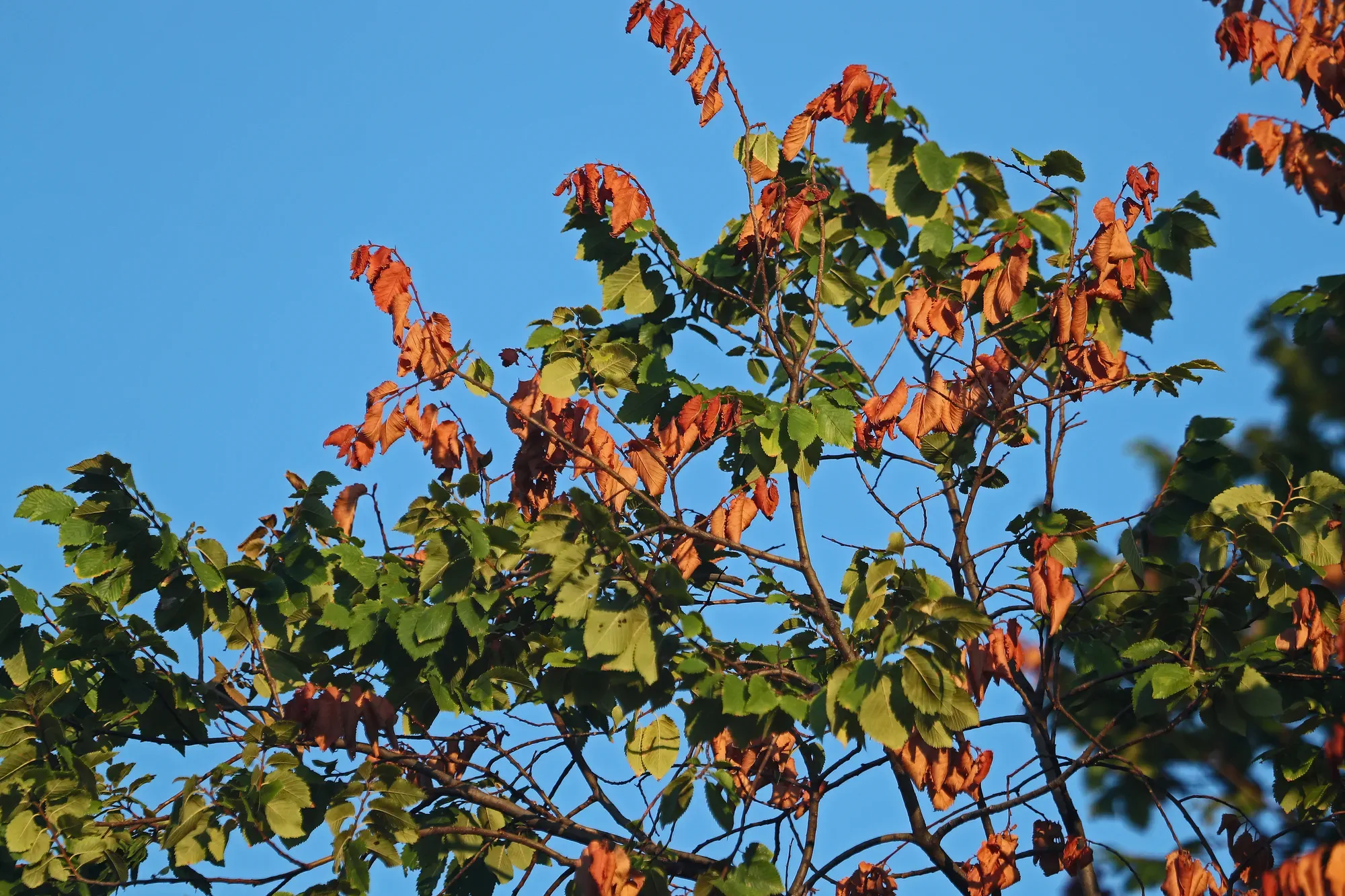
dead leaves on a dying elm tree Latin ulmus or frondibus ulmi suffering from dutch elm disease also called grafiosi del olmo in Italy
Welcome to our blog on Dutch Elm Disease in the UK! If you're a nature lover or a tree enthusiast, you may have heard of this devastating disease that has affected millions of trees in the UK. But for those who are not familiar, let us introduce you to this destructive force that has been plaguing our beloved elm trees.
Dutch Elm Disease, also known as DED, is a fungal disease that affects elm trees. It was first discovered in the Netherlands in the early 1900s and has since spread to other parts of Europe, including the UK. The disease is caused by a fungus called Ophiostoma novo-ulmi, which is spread by elm bark beetles. These beetles carry the fungus from infected trees to healthy ones, causing the disease to spread rapidly.
The impact of Dutch Elm Disease in the UK has been devastating. It is estimated that over 25 million elm trees have been lost since the disease first appeared in the country in the 1960s. This has not only affected the aesthetic value of our landscapes, but it has also had a significant impact on the ecosystem. Elm trees are an important food source for many insects and birds, and their loss has disrupted the balance of our natural environment.
But why is this disease so destructive? The fungus attacks the tree's water-conducting vessels, causing them to clog and preventing the tree from receiving essential nutrients and water. This leads to wilting, yellowing of leaves, and eventually, death. The disease can spread quickly, and unfortunately, there is no known cure for it.
In the next sections of our blog, we will dive deeper into the history, symptoms, and management of Dutch Elm Disease in the UK. We hope to provide you with all the information you need to understand and combat this disease. Stay tuned for more!
Understanding Dutch Elm Disease: Causes and Spread
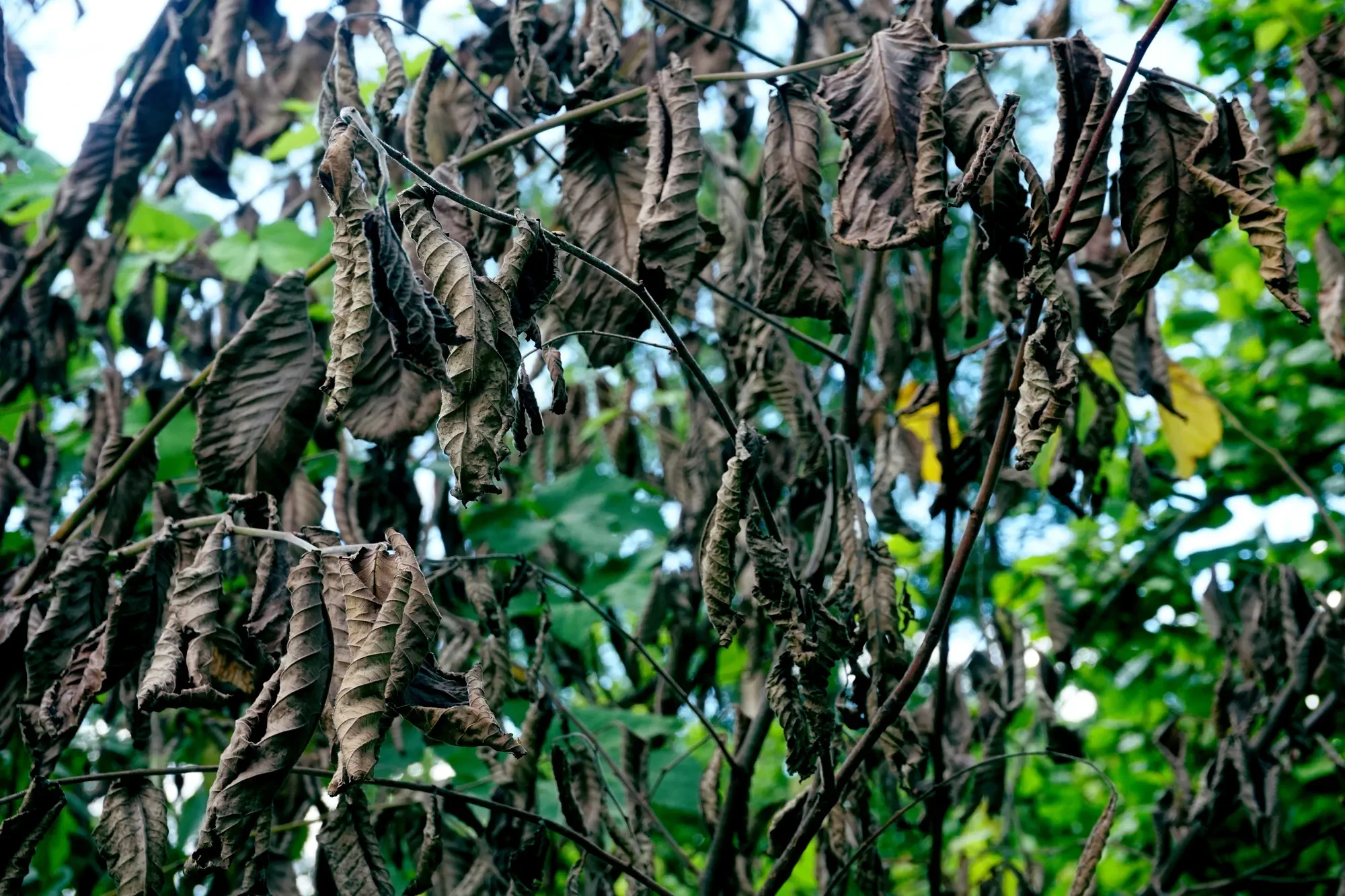
Branches with dead leaves on a dying elm tree suffering from dutch elm disease. Green leaves background
Dutch Elm Disease, also known as DED, is a devastating fungal disease that has been wreaking havoc on the UK's elm tree population for decades. This disease is caused by a fungus called Ophiostoma novo-ulmi, which is spread by elm bark beetles. The disease first appeared in the UK in the 1920s and has since spread rapidly, causing the loss of millions of elm trees.
The spread of Dutch Elm Disease is a complex process that involves both the fungus and the elm bark beetles. The fungus enters the tree through wounds in the bark, such as those caused by pruning or insect damage. Once inside, the fungus multiplies and clogs the tree's water-conducting vessels, causing the tree to wilt and eventually die. The elm bark beetles then feed on the infected tree, picking up the fungus and spreading it to other healthy trees.
One of the main reasons why Dutch Elm Disease has been so devastating in the UK is due to the country's large population of elm trees. These trees were once a common sight in the UK's landscape, but now they are a rare and treasured sight. The disease has not only caused the loss of these beautiful trees, but it has also had a significant impact on the ecosystem. Elm trees provide food and shelter for a variety of wildlife, and their loss has disrupted the balance of many ecosystems.
In order to prevent the spread of Dutch Elm Disease, it is crucial to identify and remove infected trees as soon as possible. This not only helps to protect other healthy trees, but it also reduces the number of elm bark beetles in the area, as they rely on infected trees for food. It is also important to properly dispose of infected wood to prevent the spread of the fungus.
In conclusion, Dutch Elm Disease is a serious threat to the UK's elm tree population and the ecosystem as a whole. By understanding the causes and spread of this disease, we can take necessary steps to prevent its further spread and protect our remaining elm trees. Let's work together to preserve these beautiful and important trees for future generations to enjoy.
Symptoms of Dutch Elm Disease in UK Trees
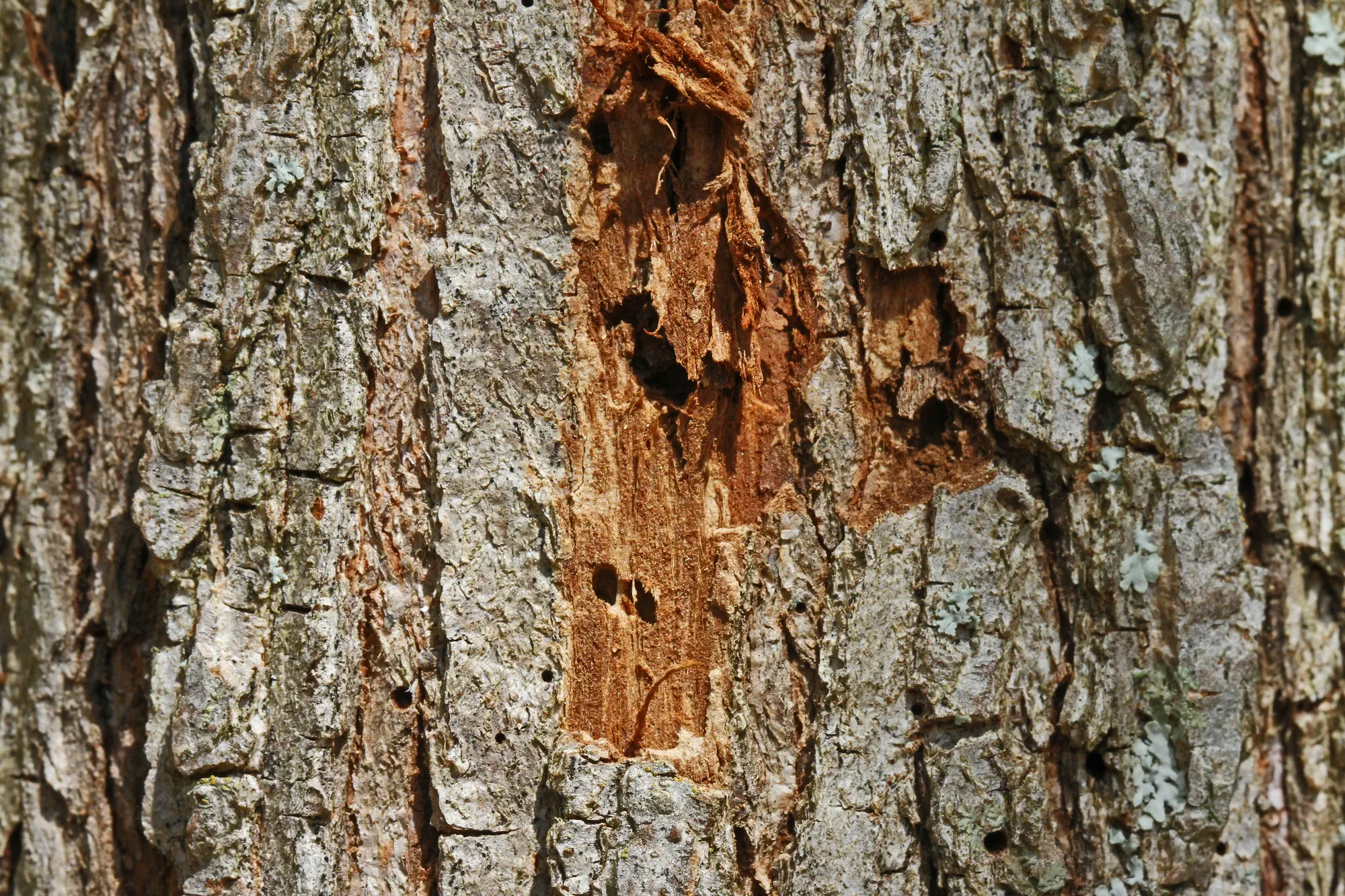
bark on an elm tree Latin ulmus or frondibus ulmi showing the start of dutch elm disease also called grafiosi del olmo with the beetle having bored into the trunk of the dying tree in Italy
Dutch Elm Disease, also known as DED, is a devastating fungal disease that has been wreaking havoc on trees in the UK for decades. This disease is caused by a fungus called Ophiostoma novo-ulmi, which is spread by elm bark beetles. The disease primarily affects elm trees, causing them to wilt and eventually die. If you're a tree lover or a homeowner with elm trees on your property, it's important to be aware of the symptoms of Dutch Elm Disease so you can take action to protect your trees.
One of the most noticeable symptoms of Dutch Elm Disease is the wilting and yellowing of leaves. This is caused by the fungus blocking the tree's water-conducting vessels, preventing essential nutrients from reaching the leaves. As a result, the leaves will start to turn yellow and eventually brown, giving the tree a sickly appearance. Another telltale sign of DED is the presence of brown streaks on the bark of the tree. These streaks are caused by the fungus and can be seen on the trunk and branches of the tree.
In addition to these visible symptoms, there are also some less obvious signs of Dutch Elm Disease. One of these is the presence of small holes on the bark of the tree, which are made by the elm bark beetles as they feed and lay their eggs. These beetles are the primary carriers of the fungus and can spread it from tree to tree. Another less obvious symptom is the presence of wilted and dead branches on the tree. This is a result of the fungus blocking the tree's water supply, causing certain parts of the tree to die off.
If you notice any of these symptoms on your elm trees, it's important to take action immediately. Dutch Elm Disease is highly contagious and can spread quickly, causing widespread damage to trees in the surrounding area. Contact a professional arborist to assess the health of your trees and determine the best course of action. With proper care and treatment, it is possible to save infected trees and prevent the spread of this destructive disease. Don't wait until it's too late – be on the lookout for these symptoms and protect your trees from Dutch Elm Disease.
Environmental and Economic Impacts of Dutch Elm Disease
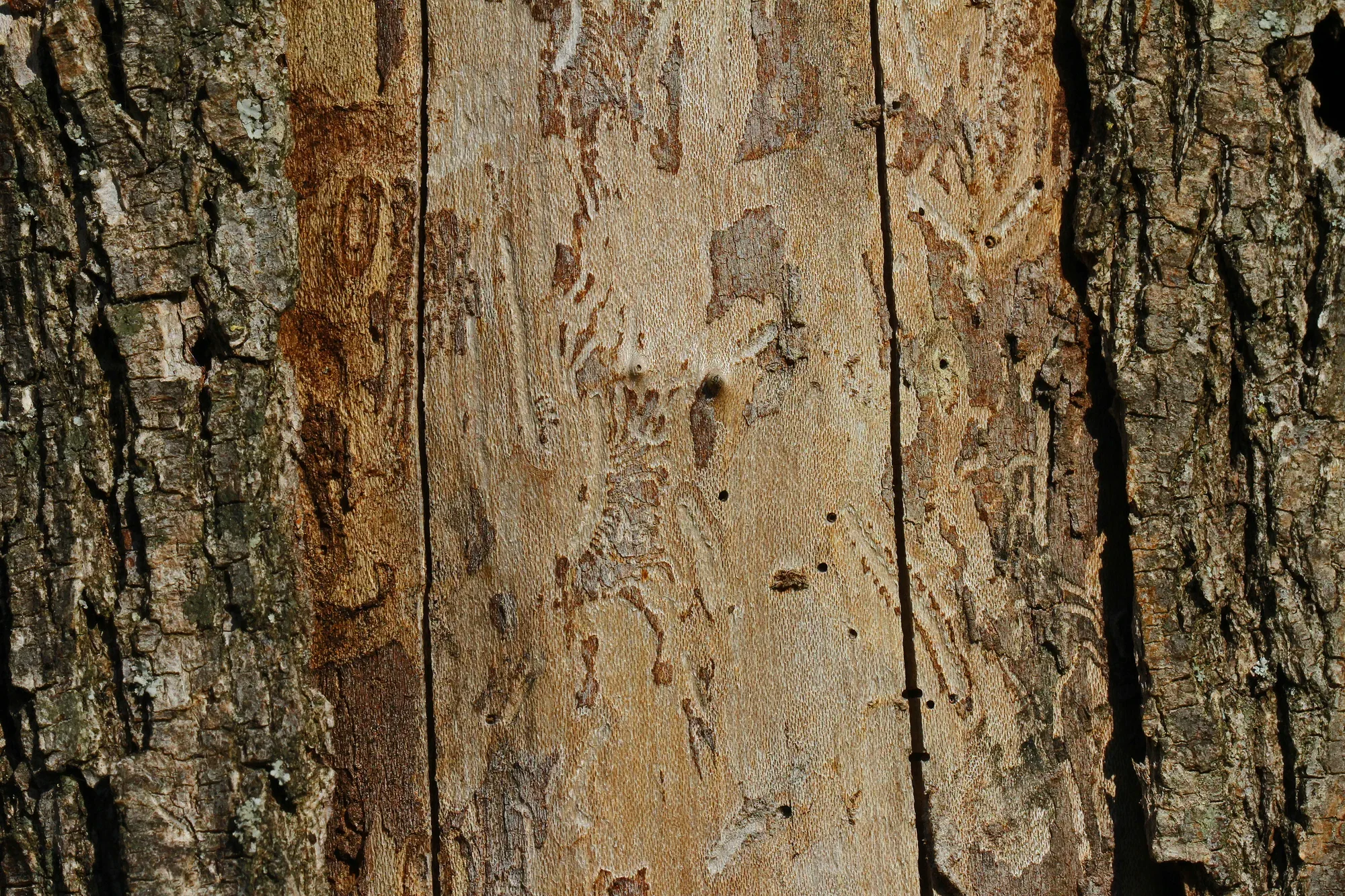
trunk of an elm tree Latin ulmus or frondibus ulmi showing the effect of Dutch elm disease also called grafiosi del olmo and the pattern the beetle has made by boring into the trunk of the dying tree
Dutch Elm Disease, also known as DED, has been a major concern for the UK's environment and economy for decades. This fungal disease, caused by the pathogen Ophiostoma novo-ulmi, has been responsible for the death of millions of elm trees across the country. The impact of this disease has been devastating, not only for the environment but also for the economy.
The environmental impact of Dutch Elm Disease is undeniable. Elm trees are an important part of the UK's landscape, providing shade, shelter, and beauty to our parks, gardens, and streets. With the loss of these trees, there has been a significant decline in biodiversity, as many species rely on elm trees for food and habitat. The loss of these trees has also affected the air quality, as they are known to absorb pollutants and release oxygen into the atmosphere.
But the impact of Dutch Elm Disease goes beyond the environment. The economic consequences of this disease have been significant as well. The loss of elm trees has resulted in a decline in the timber industry, as elm wood is highly valued for its strength and durability. The tourism industry has also been affected, as many people visit the UK to see its beautiful elm-lined streets and parks. With the loss of these trees, there has been a decline in tourism, resulting in a loss of revenue for local businesses.
It is clear that Dutch Elm Disease has had a profound impact on both the environment and the economy of the UK. But there is hope. Efforts are being made to control and prevent the spread of this disease, such as pruning infected trees and planting disease-resistant varieties. As individuals, we can also do our part by reporting any signs of DED and taking preventive measures in our own gardens. Together, we can work towards preserving the beauty and economic value of our beloved elm trees.
Treatment and Prevention Measures for Dutch Elm Disease
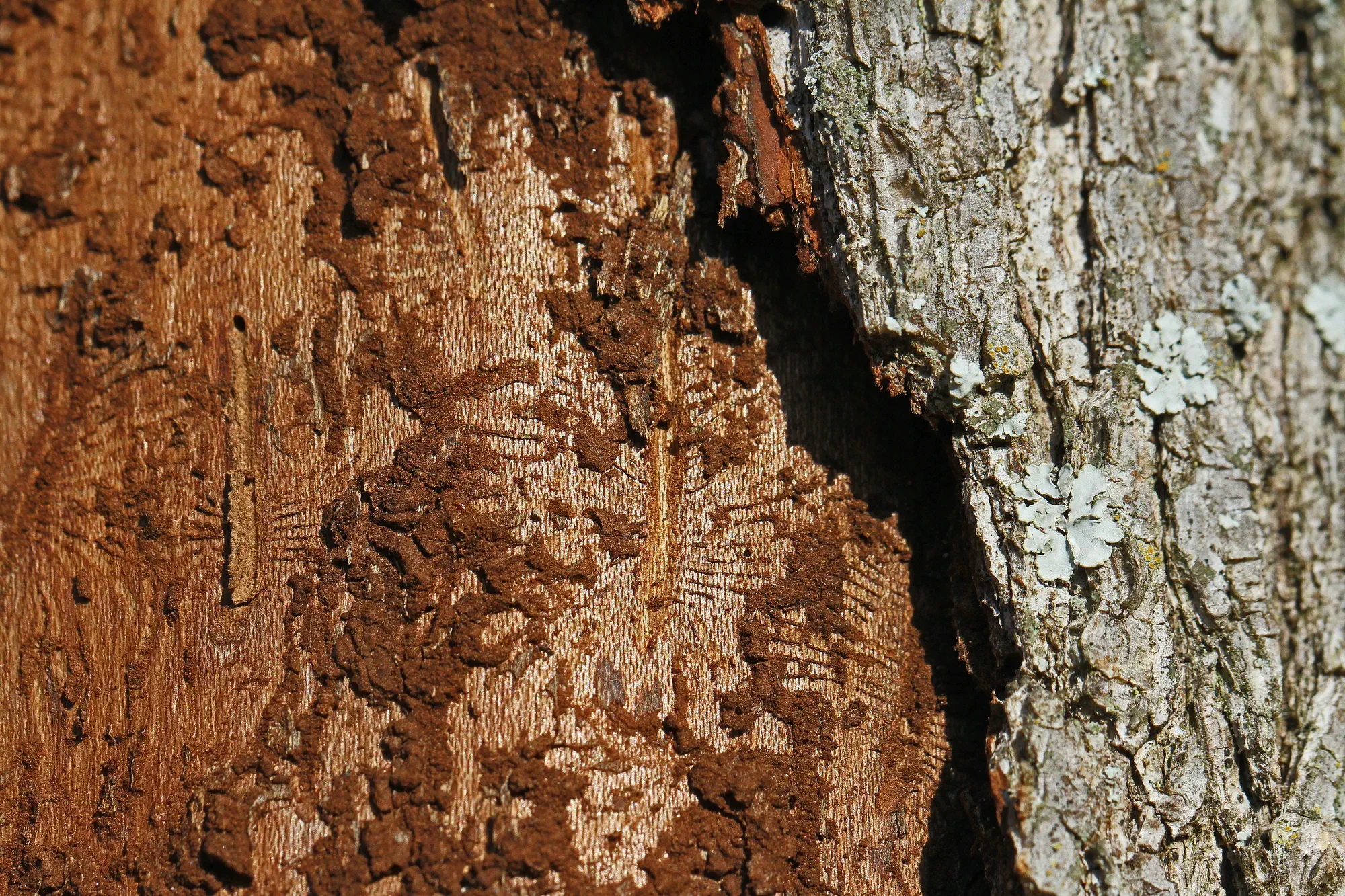
trunk of an elm tree Latin ulmus or frondibus ulmi showing the effect of Dutch elm disease also called grafiosi del olmo and the pattern the beetle has made by boring into the trunk of the dying tree
Dutch Elm Disease, also known as DED, is a devastating fungal disease that has been wreaking havoc on the UK's elm tree population for decades. This disease is caused by a fungus called Ophiostoma novo-ulmi, which is spread by elm bark beetles. The disease first appeared in the UK in the 1920s and has since spread rapidly, causing the loss of millions of elm trees.
The symptoms of Dutch Elm Disease are easy to spot, making it crucial for tree owners to be vigilant. The first sign is wilting and yellowing of leaves, followed by the death of branches and eventually the entire tree. If left untreated, DED can quickly spread to neighboring trees, leading to a devastating loss of the iconic elm trees that line our streets and parks.
But fear not, there are measures that can be taken to both treat and prevent Dutch Elm Disease. The most effective treatment is to inject the tree with a fungicide, which can help stop the spread of the disease and save the tree. However, prevention is always better than cure. Regularly inspecting your elm trees for signs of DED and promptly removing any infected trees can help prevent the spread of the disease.
In addition, there are steps that can be taken to make your elm trees less attractive to elm bark beetles, such as pruning and removing dead wood, as well as keeping the tree healthy and well-watered. It is also important to properly dispose of any infected wood to prevent the spread of the disease.
In conclusion, Dutch Elm Disease is a serious threat to the UK's elm tree population, but with proper treatment and prevention measures, we can work towards preserving these beautiful trees for future generations. So let's all do our part in keeping an eye out for DED and taking the necessary steps to protect our beloved elm trees.
Effectiveness of Different Treatment and Prevention Methods
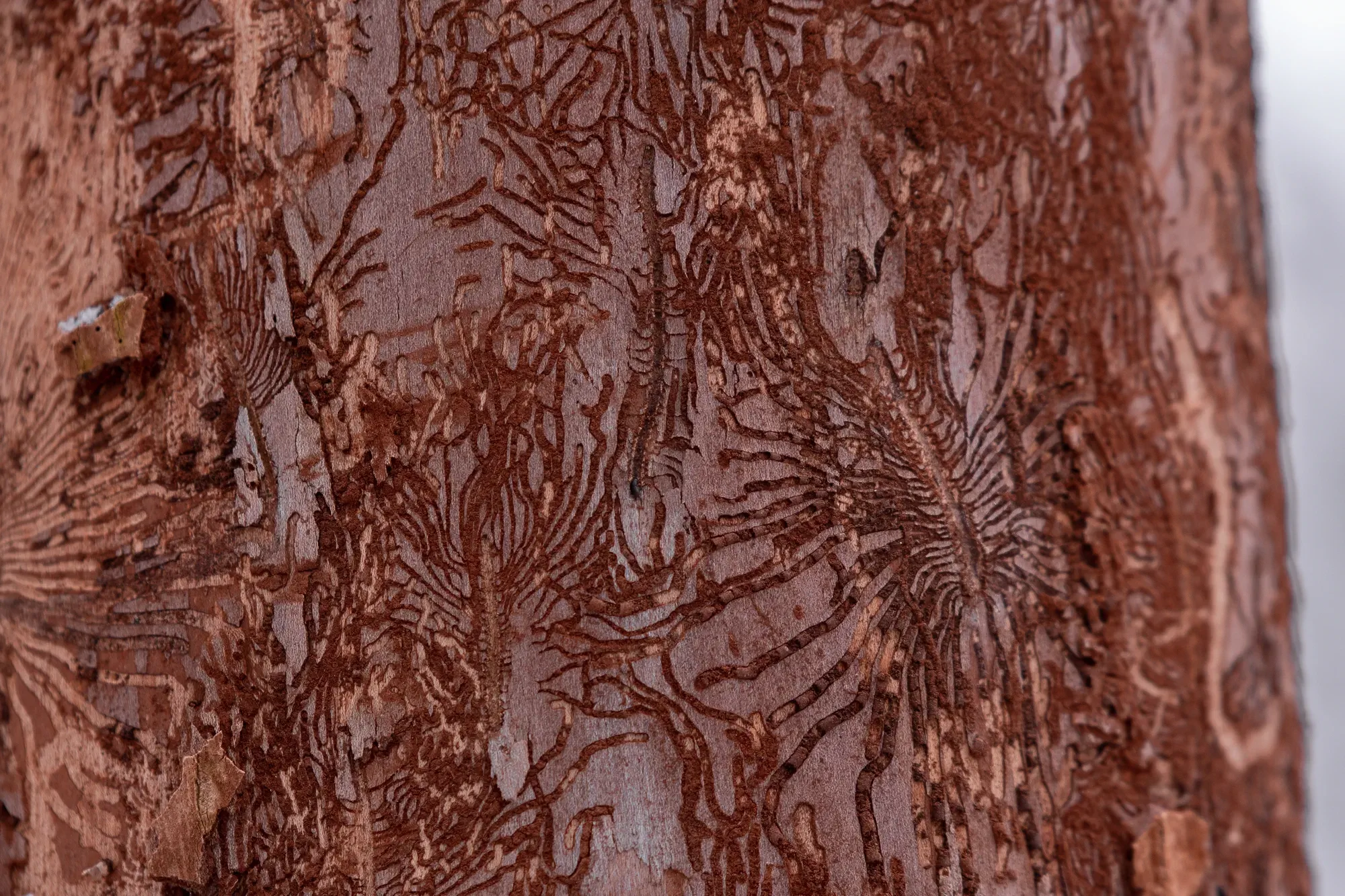
Elm from the Ulmaceae family attacked by pests in the winter season. Dry tree due to atmospheric conditions and climate change
Dutch Elm Disease, also known as DED, has been a major concern for the UK's elm tree population for decades. This fungal disease, caused by the pathogen Ophiostoma novo-ulmi, has been responsible for the decline of thousands of elm trees across the country. With its devastating effects on the environment and economy, it is crucial to understand the effectiveness of different treatment and prevention methods in combating this disease.
One of the most commonly used methods for treating DED is through the use of fungicides. These chemicals are applied to the tree's bark to prevent the fungus from spreading and causing further damage. While this method has shown some success in controlling the disease, it can be costly and may have negative impacts on the environment. Additionally, it is not a long-term solution as the fungus can develop resistance to the fungicides over time.
Another approach to managing DED is through the use of biological control methods. This involves introducing natural enemies of the fungus, such as parasitic wasps, to the affected trees. These natural enemies attack and kill the fungus, reducing its spread and allowing the tree to recover. This method has shown promising results in some areas, but it may not be effective in all cases and requires careful monitoring and management.
Prevention is always better than cure, and this holds true for DED as well. One of the most effective ways to prevent the spread of this disease is through proper sanitation practices. This includes removing and destroying infected trees, as well as pruning and disposing of infected branches. It is also important to avoid moving firewood or other materials from infected trees to uninfected areas.
In conclusion, there is no one-size-fits-all solution for managing Dutch Elm Disease in the UK. Each method has its own advantages and limitations, and the most effective approach may vary depending on the specific situation. However, by combining different treatment and prevention methods and implementing them in a timely and efficient manner, we can work towards preserving the UK's elm tree population and protecting our environment for future generations.
Tips for Protecting Your Trees and Preventing the Spread of Dutch Elm Disease
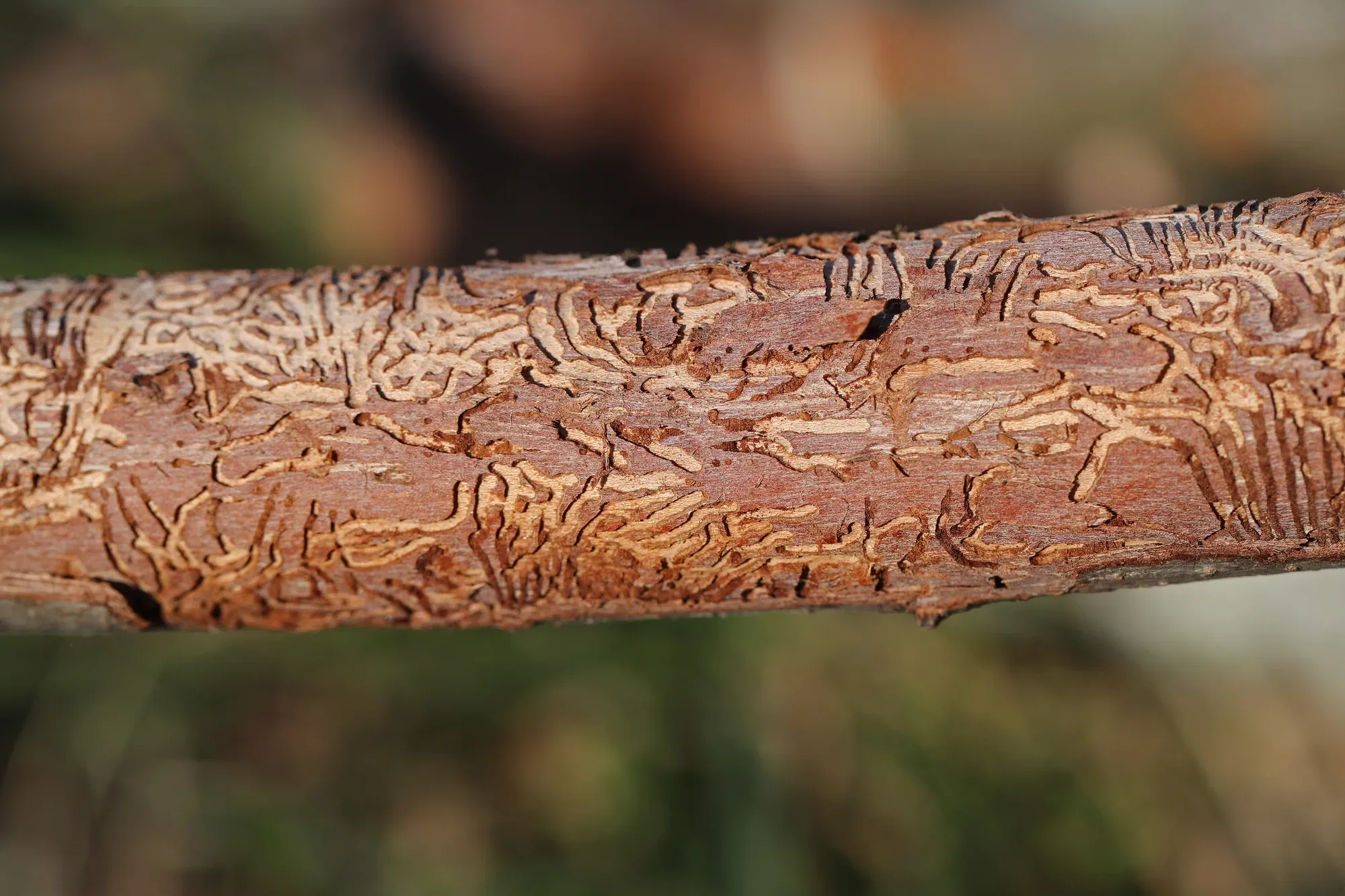
branch of an elm tree Latin ulmus or frondibus ulmi showing the effect of Dutch elm disease also called grafiosi del olmo and the pattern the beetle has made by boring into the trunk of the dying tree
Dutch Elm Disease, also known as DED, is a devastating fungal disease that has been wreaking havoc on trees in the UK for decades. This disease is caused by a fungus that is spread by elm bark beetles, and it can quickly kill off entire populations of elm trees. As a tree lover, it is important to take proactive measures to protect your trees and prevent the spread of this destructive disease. Here are some tips to help you keep your trees safe and healthy.
First and foremost, it is crucial to regularly inspect your trees for any signs of Dutch Elm Disease. Look for wilting or yellowing leaves, as well as dead branches or bark falling off the tree. If you notice any of these symptoms, it is important to act quickly and contact a professional arborist for proper diagnosis and treatment. Early detection is key in preventing the spread of DED.
Another important step in protecting your trees is to maintain their overall health. This means providing them with proper nutrients, water, and pruning when necessary. A healthy tree is less susceptible to diseases, including Dutch Elm Disease. Additionally, avoid any unnecessary damage to the tree's bark, as this can create entry points for the fungus and beetles.
In addition to taking care of your own trees, it is also important to be aware of the trees in your community. If you notice any trees showing signs of DED, report it to your local authorities so they can take appropriate action. It is also important to properly dispose of any infected trees or branches to prevent the spread of the disease.
By following these tips and staying vigilant, we can all do our part in protecting our beloved trees and preventing the spread of Dutch Elm Disease. Let's work together to keep our trees healthy and thriving for generations to come.
Conclusion
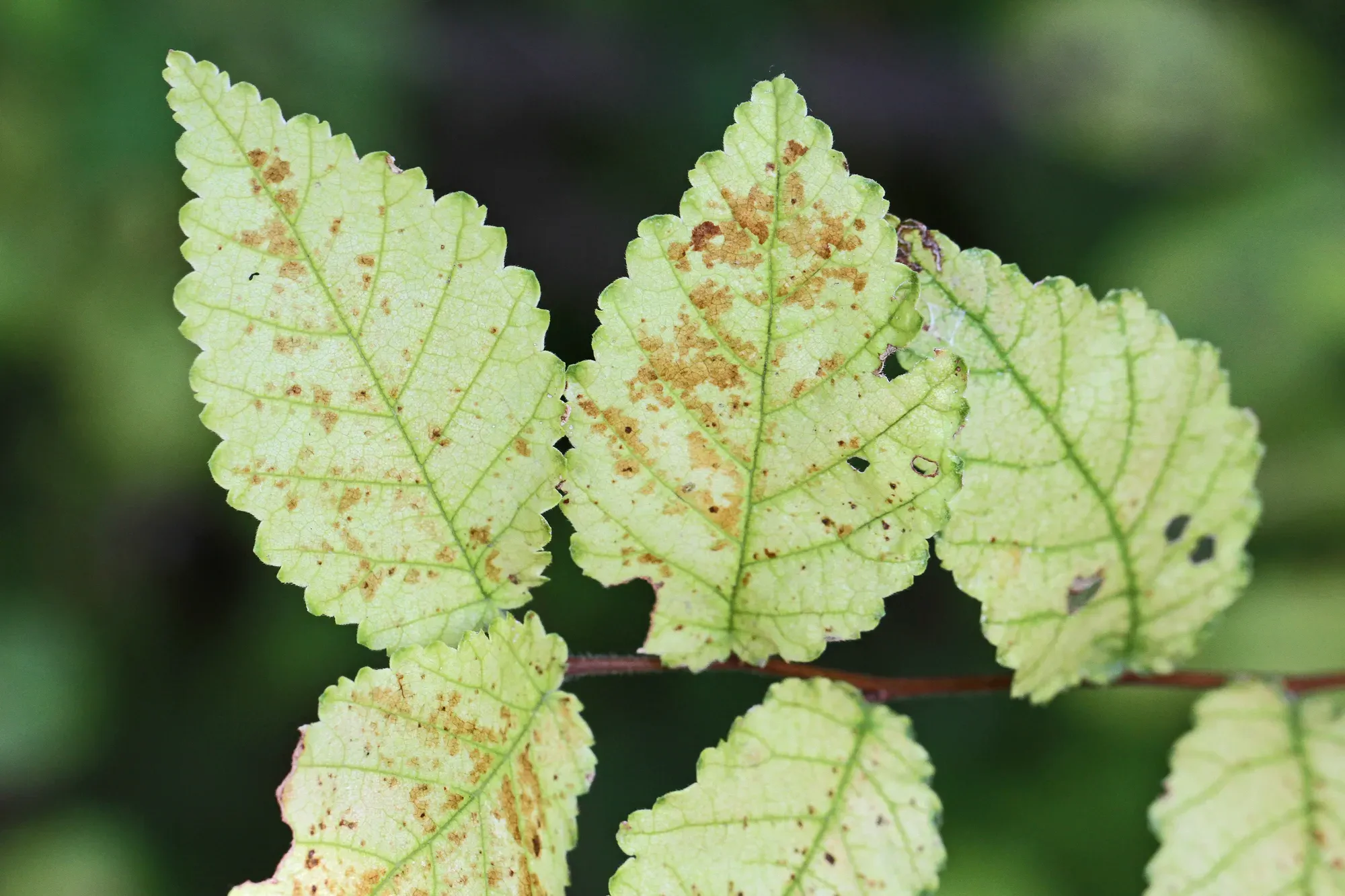
dying and diseased chloritic leaves on a dying elm tree Latin ulmus or frondibus ulmi suffering from dutch elm disease also called grafiosi del olmo in Italy
In conclusion, it is clear that Dutch Elm Disease has had a significant impact on the UK's elm tree population. This devastating disease, caused by the fungus Ophiostoma novo-ulmi, has resulted in the loss of thousands of elm trees across the country. The once iconic and abundant elm trees that lined the streets and countryside are now a rare sight.
But despite the challenges posed by Dutch Elm Disease, there is still hope for the future of elm trees in the UK. Thanks to ongoing research and efforts to control the spread of the disease, there are now resistant varieties of elm trees that are able to withstand the fungus. These resistant trees, such as the 'New Horizon' and 'Lutece' varieties, offer a glimmer of hope for the revival of the UK's elm tree population.
However, it is important to remember that prevention is key when it comes to Dutch Elm Disease. By being vigilant and reporting any signs of the disease, we can help to prevent its spread and protect our remaining elm trees. It is also crucial to properly dispose of infected trees and to avoid moving elm wood, as this can also contribute to the spread of the disease.
In the end, it is up to all of us to play our part in preserving the beauty and diversity of the UK's elm trees. By staying informed and taking action, we can ensure that future generations will be able to enjoy these majestic trees for years to come. Let's work together to combat Dutch Elm Disease and keep the UK's elm trees thriving.
In conclusion, Dutch Elm Disease is a devastating and widespread issue in the UK that affects our beloved trees and the environment as a whole. It is caused by a fungus that spreads rapidly and can have severe economic impacts. However, there are effective treatment and prevention measures available to combat this disease. From fungicide injections to proper tree maintenance, there are steps we can take to protect our trees and prevent the spread of Dutch Elm Disease. It is crucial for us to be proactive in our efforts to save our trees and preserve the beauty of our landscapes. Let us all do our part in protecting our trees and preventing the spread of this destructive disease. Together, we can make a difference and ensure a healthier and greener future for our environment. So, let's take action and spread awareness about Dutch Elm Disease to safeguard our trees for generations to come.
Frequently Asked Questions About Dutch Elm Disease
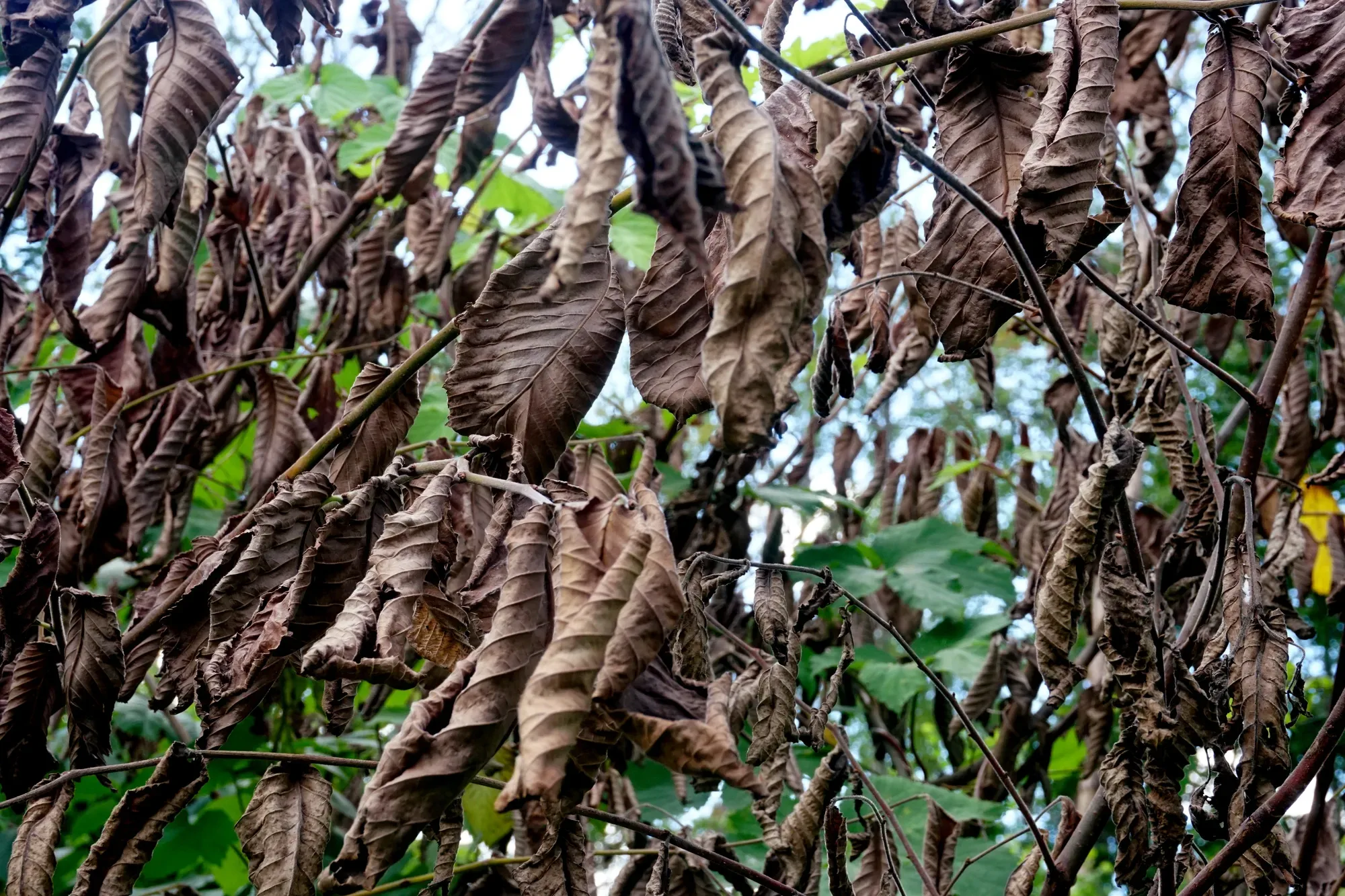
Branches with dead leaves on a dying elm tree suffering from dutch elm disease. Green leaves background
FAQ:
- What is Dutch Elm Disease and how does it affect trees in the UK? Dutch Elm Disease is a fungal infection that affects elm trees, causing them to wilt and eventually die. It is spread by a specific type of beetle and has had a significant impact on the elm tree population in the UK.
- How does Dutch Elm Disease spread and what can be done to prevent it? The disease is primarily spread by the elm bark beetle, which feeds on infected trees and then carries the fungus to healthy trees. To prevent the spread, it is important to remove and destroy infected trees and to regularly monitor and treat healthy trees.
- What are the symptoms of Dutch Elm Disease in UK trees? The most common symptoms of Dutch Elm Disease in UK trees include wilting and yellowing leaves, as well as the presence of small holes on the bark caused by the elm bark beetle. Infected trees may also have a distinctive "flagging" appearance, with one or more branches dying off.
- What are the environmental and economic impacts of Dutch Elm Disease? Dutch Elm Disease has had a significant impact on the environment, as it has led to the decline of elm trees in the UK. This has also had economic consequences, as elm trees are important for their aesthetic value and for providing shade and shelter.
- What are the most effective treatment and prevention measures for Dutch Elm Disease? The most effective treatment for Dutch Elm Disease is to remove and destroy infected trees. To prevent the spread of the disease, it is important to regularly monitor and treat healthy trees, as well as to create a buffer zone around infected trees to prevent the elm bark beetle from spreading.
- Are there any alternative methods for treating or preventing Dutch Elm Disease? Some alternative methods for treating and preventing Dutch Elm Disease include using fungicides, injecting healthy trees with a vaccine, and introducing natural predators of the elm bark beetle. However, these methods may not be as effective as removing and destroying infected trees.
- How can I protect my trees and prevent the spread of Dutch Elm Disease? To protect your trees, it is important to regularly inspect them for signs of Dutch Elm Disease and to promptly remove and destroy any infected trees. You can also help prevent the spread of the disease by not moving firewood from infected areas and by planting a diverse range of tree species in your area.
How to Prune Climbing Vines
List by Variety
- How to Prune Actinidia
- How to Prune Akebia
- How to Prune Bougainvillea
- How to Prune Campsis
- How to Prune Celastrus
- How to Prune Chilean Glory Vine
- How to Prune Clematis Armandii
- How to Prune Clematis Montana
- How to Prune Climbing Rose
- How to Prune Hedera GoldHeart
- How to Prune Honeysuckle
- How to Prune Hydrangea Petiolaris
- How to Prune Ivy
- How to Prune Japanese Wisteria
- How to Prune Morning Glory
- How to Prune Parthenocissus
- How to Prune Persian Ivy Hedera Colchica
- How to Prune Schisandra
- How to Prune Star Jasmine
- How to Prune Sweet Peas
- How to Prune True Jasmine
- How to Prune Virginia Creeper
- How to Prune Wisteria
How to Prune Hedges
List by Variety
- How to Prune an Arborvitae Hedge
- How to Prune a Barberry Hedge
- How to Prune a Beech Hedge
- How to Prune a Boxwood Hedge
- How to Prune a Butterfly Bush Hedge
- How to Prune a Cotoneaster Hedge
- How to Prune an English Lavender Hedge
- How to Prune an Escallonia Hedge
- How to Prune an Euonymus-Hedge
- How to Prune a Firethorn Hedge
- How to Prune a Forsythia Hedge
- How to Prune a Griselinia Hedge
- How to Prune a Hawthorn Hedge
- How to Prune a Holly Hedge
- How to Prune a Hornbeam Hedge
- How to Prune a Juniper Hedge
- How to Prune a Laurel Hedge
- How to Prune a Leylandii Hedge
- How to Prune a Lilac Hedge
- How to Prune a Maple Leaf Viburnum Hedge
- How to Prune a Photinia Hedge
- How to Prune a Pink Ramanus Rose Hedge
- How to Prune a Privet Hedge
- How to Prune a Pyracantha Hedge
- How to Prune a Spirea Hedge
- How to Prune a Thuja Hedge
- How to Prune a Viburnum Hedge
- How to Prune a Western Red Cedar Hedge
- How to Prune a Yew Hedge
How to Prune Shrubs
List by Variety
- How to Prune an Abelia Shrub
- How to Prune an Abutilon
- How to Prune an Acer / Japanese-Maple
- How to Prune an Amelanchiers
- How to Prune an Apple-Tree
- How to Prune an Arbovitae Shrub
- How to Prune an Arbutus
- How to Prune an Aucuba
- How to Prune a Azalea Mollis
- How to Prune Azaleas
- How to Prune a Bay Tree Shrub
- How to Prune a Berberis Darwinii
- How to Prune Berberis Deciduous Types
- How to Prune a Boxwood Shrubs
- How to Prune a Brachyglottis Senecio
- How to Prune a Buddleia Alternifolia
- How to Prune Buddleias Butterfly Bushes
- How to Prune a Buddleja Globosa
- How to Prune a Callicarpa
- How to Prune a Camellia
- How to Prune a Caryopteris
- How to Prune a Catalpa Bignonioides Aurea
- How to Prune Ceanothus Deciduous Types
- How to Prune Ceanothus Evergreen Types
- How to Prune a Ceratostigma
- How to Prune a Chaenomeles
- How to Prune a Choisya
- How to Prune a Cistus
- How to Prune a Clematis
- How to Prune a Cornus
- How to Prune a Cotinus Royal Purple
- How to Prune a Cytisus Scoparius
- How to Prune a Exochorda x Macrantha
- How to Prune a Forsythia
- How to Prune a Hebe
- How to Prune a Hydrangeas
- How to Prune Juniper Shrubs
- How to Prune a Lavatera
- How to Prune Lilac Bushes
- How to Prune a Mugo Pine
- How to Prune Rose Bushes
- How to Prune Ribes
- How to Prune Spirea Shrubs
- How to Prune Viburnum Shrubs
- How to Prune a Weigela
- How to Prune a Yew
How to Prune Trees
List by Variety
- How to Prune a Apple Tree
- How to Prune a Apricot Tree
- How to Prune a Ash Tree
- How to Prune a Birch Tree
- How to Prune a Cherry Tree
- How to Prune a Elm Tree
- How to Prune a Fig Tree
- How to Prune a Grape Tree
- How to Prune a Hickory Tree
- How to Prune a Maple Tree
- How to Prune a Oak Tree
- How to Prune an Olive Tree
- How to Prune a Peach Tree
- How to Prune a Pear Tree
- How to Prune a Plum Tree
- How to Prune a Poplar Tree
- How to Prune a Walnut Tree
How to Prune Climbing Vines
List by Variety
- How to Prune Actinidia
- How to Prune Akebia
- How to Prune Bougainvillea
- How to Prune Campsis
- How to Prune Celastrus
- How to Prune Chilean Glory Vine
- How to Prune Clematis Armandii
- How to Prune Clematis Montana
- How to Prune Climbing Rose
- How to Prune Hedera GoldHeart
- How to Prune Honeysuckle
- How to Prune Hydrangea Petiolaris
- How to Prune Ivy
- How to Prune Japanese Wisteria
- How to Prune Morning Glory
- How to Prune Parthenocissus
- How to Prune Persian Ivy Hedera Colchica
- How to Prune Schisandra
- How to Prune Star Jasmine
- How to Prune Sweet Peas
- How to Prune True Jasmine
- How to Prune Virginia Creeper
- How to Prune Wisteria
How to Prune Hedges
List by Variety
- How to Prune an Arborvitae Hedge
- How to Prune a Barberry Hedge
- How to Prune a Beech Hedge
- How to Prune a Boxwood Hedge
- How to Prune a Butterfly Bush Hedge
- How to Prune a Cotoneaster Hedge
- How to Prune an English Lavender Hedge
- How to Prune an Escallonia Hedge
- How to Prune an Euonymus-Hedge
- How to Prune a Firethorn Hedge
- How to Prune a Forsythia Hedge
- How to Prune a Griselinia Hedge
- How to Prune a Hawthorn Hedge
- How to Prune a Holly Hedge
- How to Prune a Hornbeam Hedge
- How to Prune a Juniper Hedge
- How to Prune a Laurel Hedge
- How to Prune a Leylandii Hedge
- How to Prune a Lilac Hedge
- How to Prune a Maple Leaf Viburnum Hedge
- How to Prune a Photinia Hedge
- How to Prune a Pink Ramanus Rose Hedge
- How to Prune a Privet Hedge
- How to Prune a Pyracantha Hedge
- How to Prune a Spirea Hedge
- How to Prune a Thuja Hedge
- How to Prune a Viburnum Hedge
- How to Prune a Western Red Cedar Hedge
- How to Prune a Yew Hedge
How to Prune Shrubs
List by Variety
- How to Prune an Abelia Shrub
- How to Prune an Abutilon
- How to Prune an Acer / Japanese-Maple
- How to Prune an Amelanchiers
- How to Prune an Apple-Tree
- How to Prune an Arbovitae Shrub
- How to Prune an Arbutus
- How to Prune an Aucuba
- How to Prune a Azalea Mollis
- How to Prune Azaleas
- How to Prune a Bay Tree Shrub
- How to Prune a Berberis Darwinii
- How to Prune Berberis Deciduous Types
- How to Prune a Boxwood Shrubs
- How to Prune a Brachyglottis Senecio
- How to Prune a Buddleia Alternifolia
- How to Prune Buddleias Butterfly Bushes
- How to Prune a Buddleja Globosa
- How to Prune a Callicarpa
- How to Prune a Camellia
- How to Prune a Caryopteris
- How to Prune a Catalpa Bignonioides Aurea
- How to Prune Ceanothus Deciduous Types
- How to Prune Ceanothus Evergreen Types
- How to Prune a Ceratostigma
- How to Prune a Chaenomeles
- How to Prune a Choisya
- How to Prune a Cistus
- How to Prune a Clematis
- How to Prune a Cornus
- How to Prune a Cotinus Royal Purple
- How to Prune a Cytisus Scoparius
- How to Prune a Exochorda x Macrantha
- How to Prune a Forsythia
- How to Prune a Hebe
- How to Prune a Hydrangeas
- How to Prune Juniper Shrubs
- How to Prune a Lavatera
- How to Prune Lilac Bushes
- How to Prune a Mugo Pine
- How to Prune Rose Bushes
- How to Prune Ribes
- How to Prune Spirea Shrubs
- How to Prune Viburnum Shrubs
- How to Prune a Weigela
- How to Prune a Yew
How to Prune Trees
List by Variety
- How to Prune a Apple Tree
- How to Prune a Apricot Tree
- How to Prune a Ash Tree
- How to Prune a Birch Tree
- How to Prune a Cherry Tree
- How to Prune a Elm Tree
- How to Prune a Fig Tree
- How to Prune a Grape Tree
- How to Prune a Hickory Tree
- How to Prune a Maple Tree
- How to Prune a Oak Tree
- How to Prune an Olive Tree
- How to Prune a Peach Tree
- How to Prune a Pear Tree
- How to Prune a Plum Tree
- How to Prune a Poplar Tree
- How to Prune a Walnut Tree
Gallery
Necessitatibus eius consequatur ex aliquid fuga eum quidem sint consectetur velit


Michael Carter
Vestibulum ante ipsum primis in faucibus orci luctus et ultrices posuere cubilia curae; Donec vel erat in nulla efficitur tempor non ut nisl. Integer venenatis eros ut dui viverra fermentum.
Sophie Wilson
Nam ut turpis hendrerit, varius nunc vel, elementum dui. Morbi vulputate dolor sit amet scelerisque egestas. Vestibulum eleifend nunc ut bibendum fermentum.
Alex Morgan
Cras non velit nec purus tempor rhoncus. Sed non mauris vitae erat consequat auctor eu in elit. Class aptent taciti sociosqu ad litora torquent per conubia nostra.