Protect Your Plum Trees from the Destructive Plum Fruit Moth | gardenseeker.co.uk
Everything You Need to Know About Plum Fruit Moth in the UK
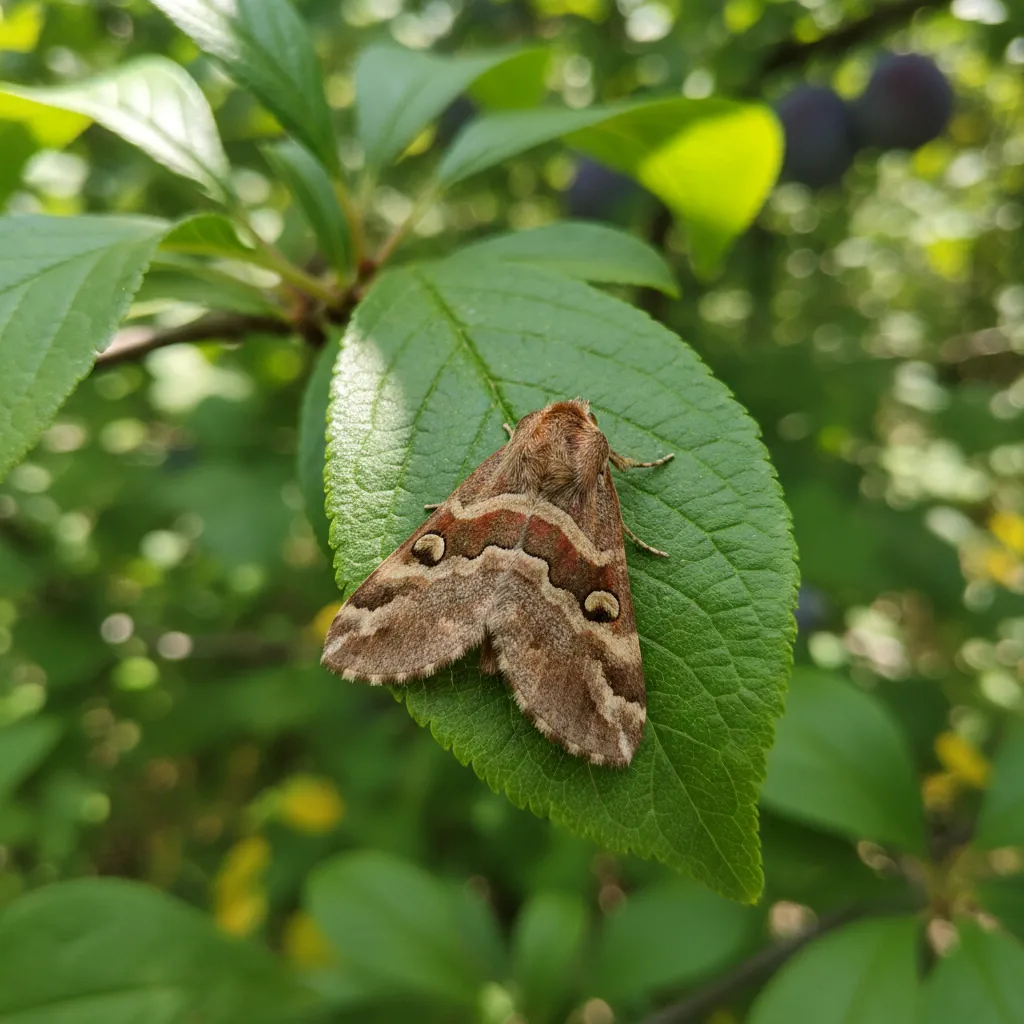
Welcome to our blog, where we will be delving into the world of the Plum Fruit Moth in the UK. This tiny but mighty insect has been causing quite a stir among fruit growers and gardeners alike. But fear not, we are here to provide you with all the information you need to know about this pesky pest.
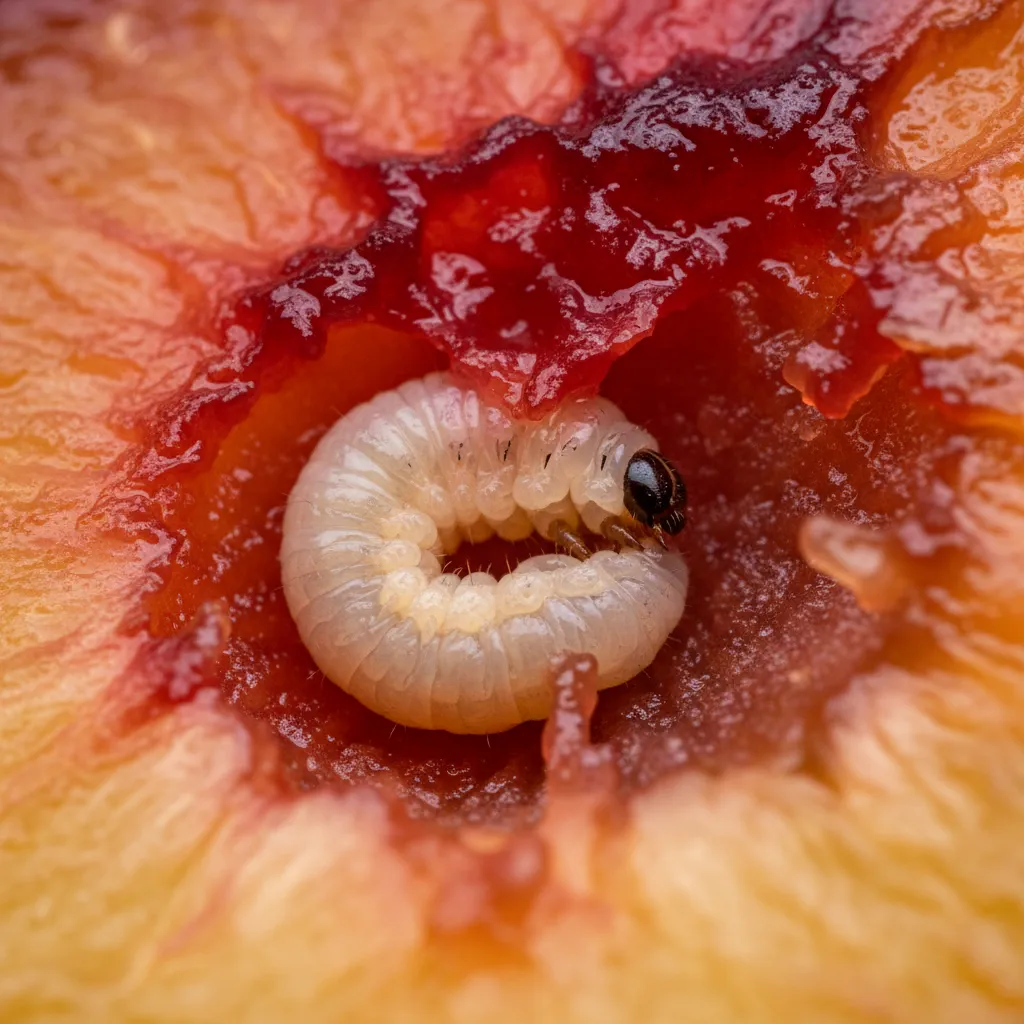
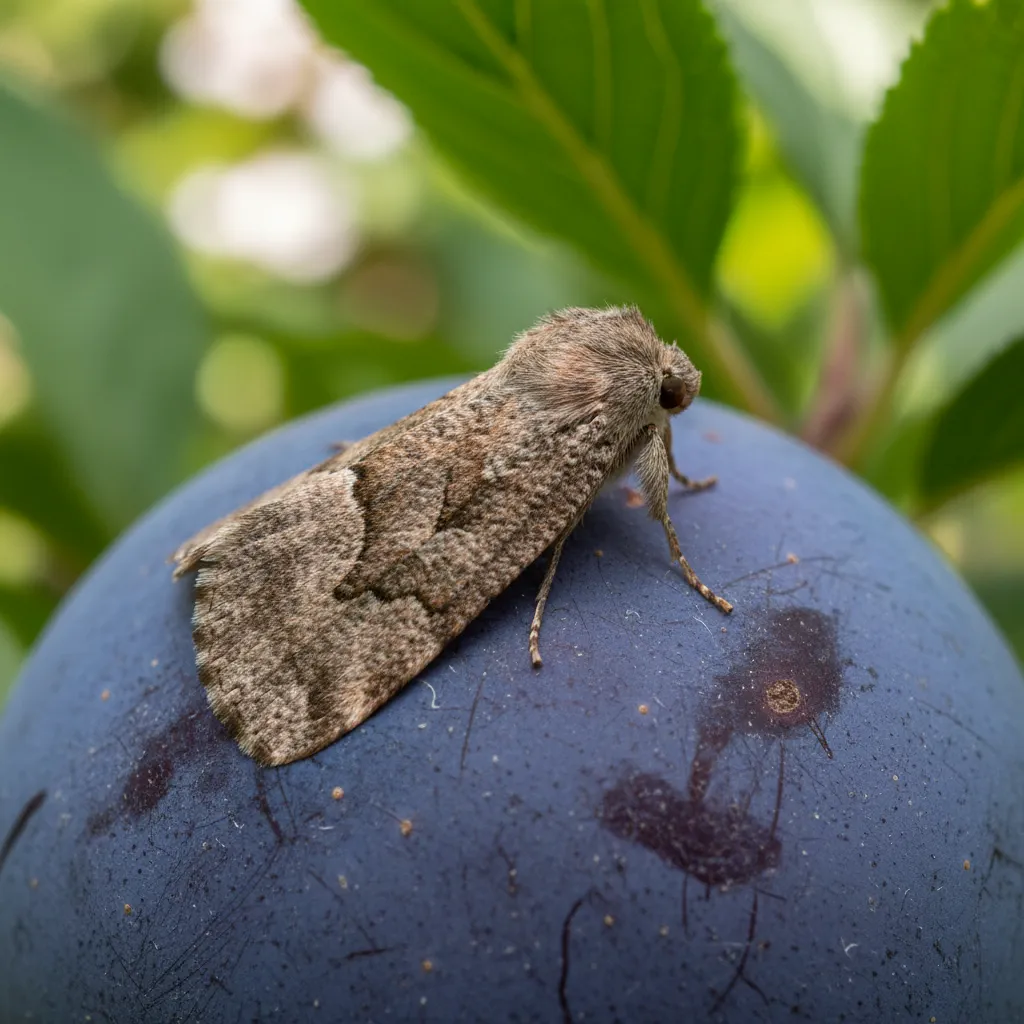
The Plum Fruit Moth, also known as Grapholita funebrana, is a common pest in the UK that primarily targets plum trees. These moths lay their eggs on the fruit, and once hatched, the larvae burrow into the fruit, causing damage and making it inedible. This can be devastating for fruit growers, as it can lead to a significant loss of crops.
But why is this moth becoming such a problem in the UK? Well, the mild and wet climate of the UK provides the perfect conditions for the Plum Fruit Moth to thrive. And with the increasing popularity of homegrown fruits, it's no surprise that more and more people are encountering this pest.
But don't let this discourage you from growing your own plums. There are various methods to control and prevent the Plum Fruit Moth, and we will be discussing them in detail in our upcoming blog posts. From natural remedies to chemical solutions, we've got you covered.
So stay tuned as we dive deeper into the world of the Plum Fruit Moth and equip you with the knowledge and tools to protect your plum trees and enjoy a bountiful harvest. Don't let this tiny insect ruin your love for plums, let's take control and keep our gardens thriving.
Understanding the Plum Fruit Moth: Habitat, Food Sources, and Life Cycle

The Plum Fruit Moth, also known as Grapholita funebrana, is a common pest in the UK that can cause significant damage to plum trees and other stone fruit crops. This small, grayish-brown moth may seem harmless, but its larvae can wreak havoc on fruit trees, leading to reduced yields and even death of the tree. In this blog, we will delve into the fascinating world of the Plum Fruit Moth, exploring its habitat, food sources, and life cycle.
First and foremost, let's talk about the habitat of this pesky moth. The Plum Fruit Moth is native to Europe and can be found in most parts of the UK. It thrives in warm and humid climates, making the summer months the peak season for its activity. These moths prefer to lay their eggs on the underside of leaves, where they are well-protected from predators and harsh weather conditions.
Now, let's move on to the food sources of the Plum Fruit Moth. As the name suggests, this moth primarily feeds on plum trees, but it is also known to infest other stone fruit trees such as cherries and peaches. The larvae of the Plum Fruit Moth feed on the fruit, causing it to rot and become inedible. This not only affects the quality of the fruit but also makes it susceptible to other diseases and pests.
Finally, let's take a closer look at the life cycle of the Plum Fruit Moth. The adult moths emerge from their cocoons in late spring and early summer, and the females immediately start laying eggs on the leaves of fruit trees. The eggs hatch into larvae, which then burrow into the fruit and feed on it for several weeks. Once fully grown, the larvae pupate and emerge as adult moths, completing the cycle.
In conclusion, the Plum Fruit Moth may seem like a small and insignificant insect, but it can cause significant damage to fruit trees. By understanding its habitat, food sources, and life cycle, we can take necessary measures to protect our beloved plum trees and other stone fruit crops. Stay tuned for our next blog, where we will discuss effective methods for controlling and preventing infestations of the Plum Fruit Moth.
Signs and Symptoms of Infestation: How to Identify and Monitor the Moth's Presence
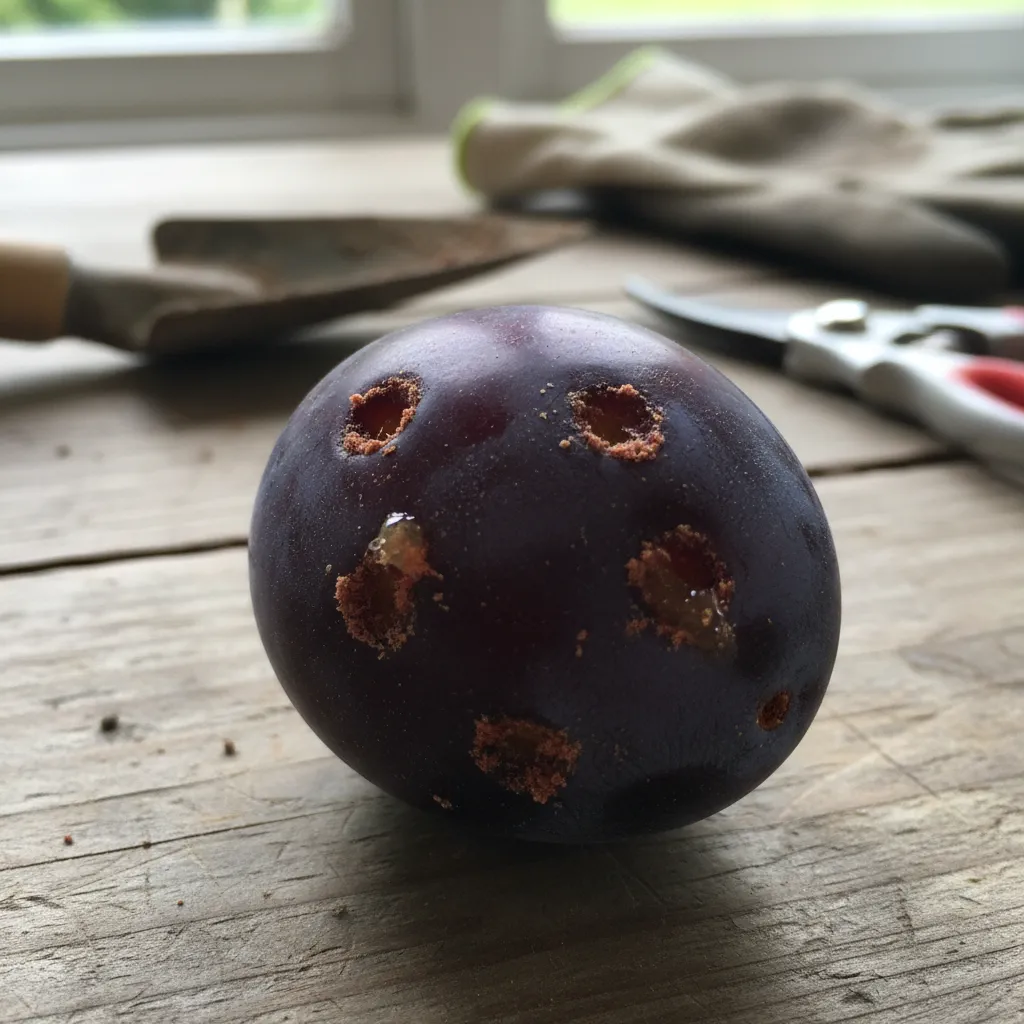
The Plum Fruit Moth, also known as the Grapholita funebrana, is a common pest in the UK that can cause significant damage to plum trees and other stone fruit crops. As a gardener or farmer, it is important to be able to identify and monitor the presence of these moths in order to prevent infestations and protect your harvest.
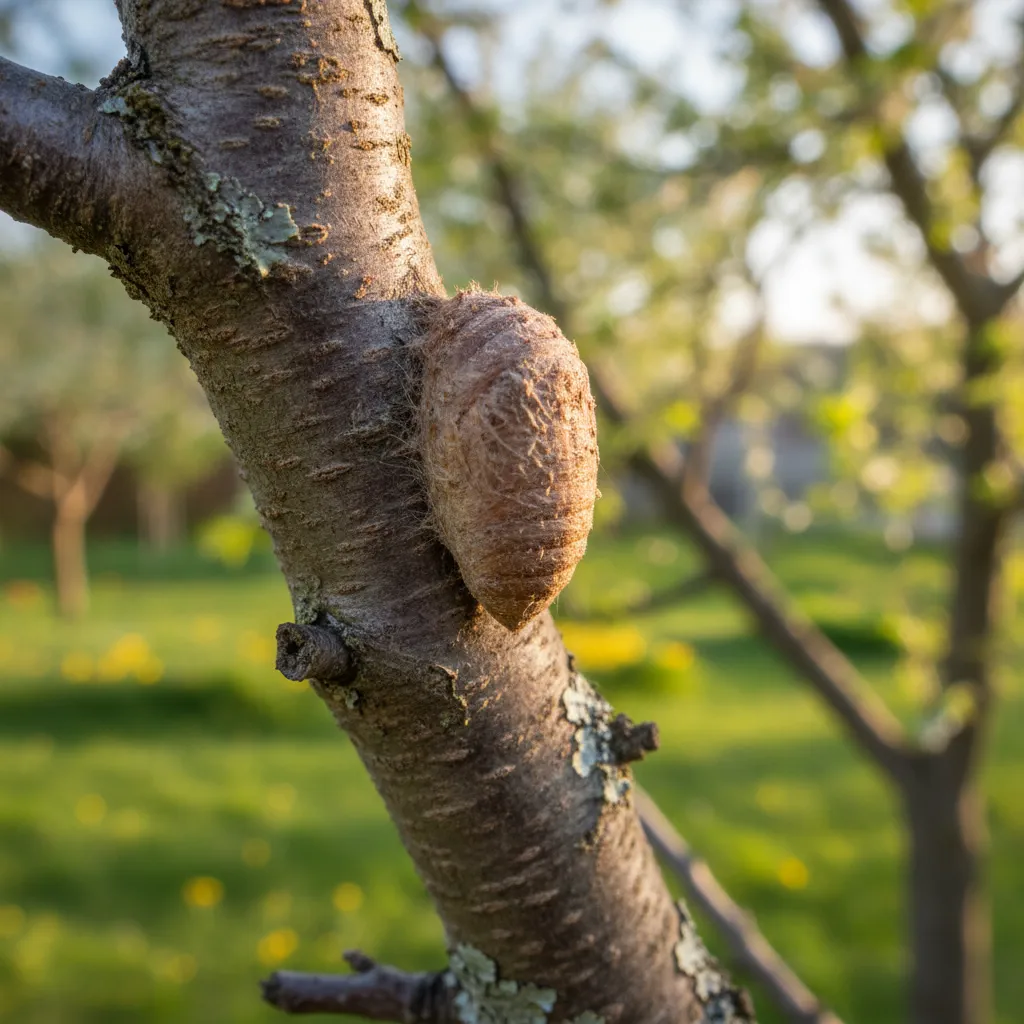
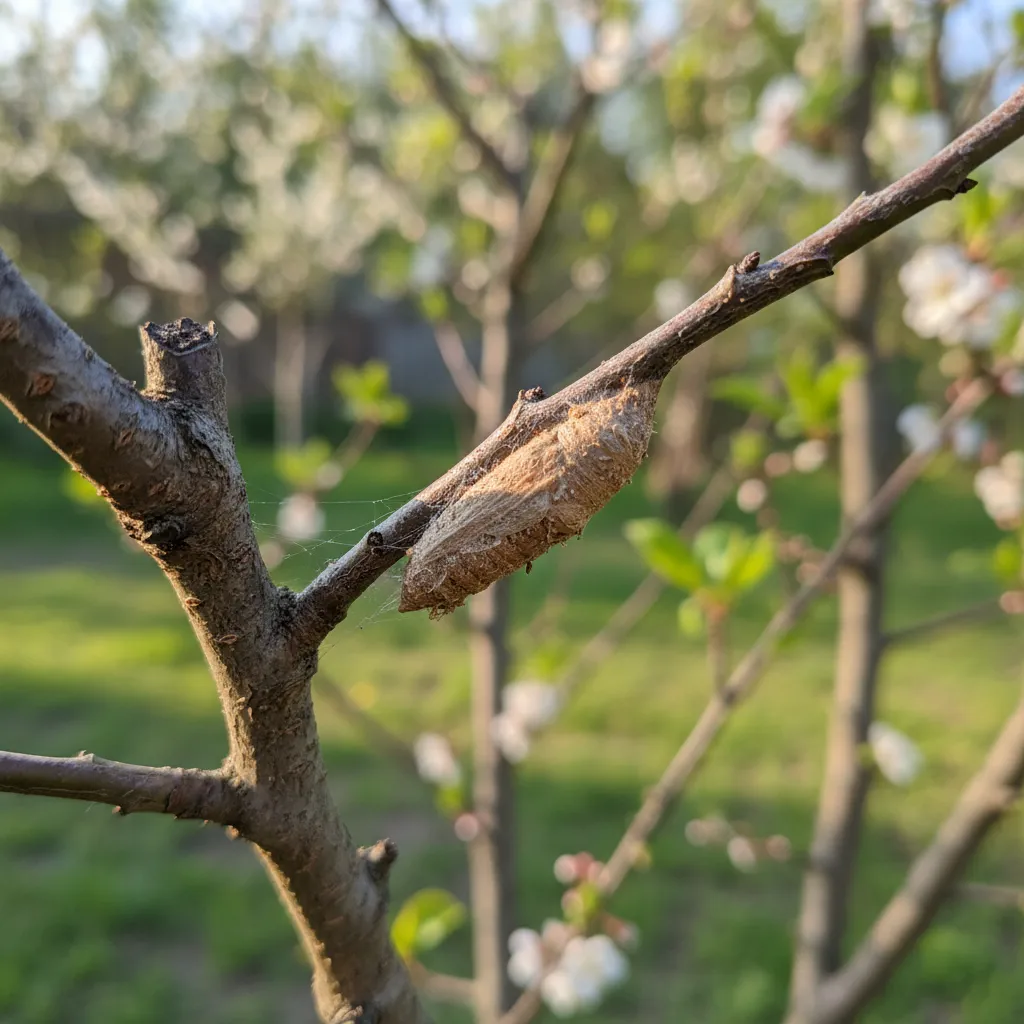
One of the most obvious signs of Plum Fruit Moth infestation is the presence of small holes in the fruit. These holes are caused by the larvae of the moth, which feed on the fruit and leave behind a trail of destruction. In addition to physical damage, you may also notice a sticky substance on the surface of the fruit, which is a result of the larvae's excrement. Another key indicator of Plum Fruit Moth infestation is the presence of webbing on the branches and leaves of the tree. This webbing is created by the larvae as they move from one fruit to another, and it can be easily spotted upon close inspection. Additionally, you may also see small cocoons attached to the branches or leaves, which are the pupal stage of the moth.
To effectively monitor the presence of Plum Fruit Moths, it is important to regularly check your trees for these signs and symptoms. You can also use pheromone traps, which attract male moths and can help you determine the severity of the infestation. By staying vigilant and taking proactive measures, you can prevent these pests from causing damage to your plum trees and ensure a bountiful harvest. Don't let the Plum Fruit Moth ruin your hard work – stay informed and take action to protect your crops.
Methods of Control: Cultural, Chemical, and Biological Controls
Plum fruit moth, also known as Grapholita funebrana, is a common pest that affects plum trees in the UK. This tiny insect may seem harmless, but it can cause significant damage to your plum trees if left unchecked. As a gardener or a fruit tree enthusiast, it is essential to understand the methods of control for this pesky moth. In this blog, we will discuss the three main methods of control: cultural, chemical, and biological, to help you effectively manage the plum fruit moth population in your orchard.
Cultural control involves implementing practices that discourage the growth and spread of plum fruit moths. One of the most effective cultural control methods is proper sanitation. This includes removing fallen fruits and pruning off any damaged or infested branches. By doing so, you eliminate potential breeding grounds for the moths and reduce their population. Additionally, planting trap crops, such as apple trees, can divert the moths away from your plum trees.
Chemical control is another method commonly used to manage plum fruit moths. This method involves the use of pesticides to kill or repel the moths. However, it is crucial to use pesticides responsibly and follow the instructions carefully to avoid harming beneficial insects and pollinators. It is also recommended to rotate between different types of pesticides to prevent the moths from developing resistance.
Lastly, biological control involves introducing natural enemies of the plum fruit moth to control their population. This method is environmentally friendly and can be highly effective. One example of a natural enemy is the Trichogramma wasp, which lays its eggs inside the moth eggs, preventing them from hatching. You can purchase these wasps from garden centers or online suppliers.
In conclusion, managing plum fruit moth infestations requires a combination of cultural, chemical, and biological controls. By implementing these methods, you can effectively reduce the population of these pests and protect your plum trees from damage. Remember to always follow the instructions and use these methods responsibly to maintain a healthy and thriving orchard.
Choosing the Right Control Method for Your Garden or Orchard

Plum fruit moth, also known as Grapholita funebrana, is a common pest that can wreak havoc on your garden or orchard if left unchecked. These small, grayish-brown moths lay their eggs on the leaves and fruits of plum trees, leading to damaged and unappetizing fruit. As a gardener or orchard owner, it is important to choose the right control method to protect your precious plum trees from these pesky insects.
One of the most effective ways to control plum fruit moth is through the use of pheromone traps. These traps emit a synthetic version of the female moth's sex pheromone, attracting male moths and preventing them from mating with the females. This disrupts the moth's breeding cycle and reduces their population, ultimately leading to fewer eggs being laid on your plum trees.
Another option for controlling plum fruit moth is through the use of insecticides. However, it is important to choose an insecticide that specifically targets this pest and does not harm beneficial insects. It is also crucial to follow the instructions carefully and avoid spraying during the blooming period to protect pollinators.
If you prefer a more natural approach, there are also biological control methods available. Trichogramma wasps, for example, are natural predators of plum fruit moth and can be released into your garden or orchard to control their population. These tiny wasps lay their eggs inside the moth eggs, preventing them from hatching and causing damage to your plum trees. In conclusion, when it comes to controlling plum fruit moth, there are various options available. Whether you choose pheromone traps, insecticides, or biological control methods, it is important to act promptly and consistently to protect your plum trees from these destructive pests. With the right control method, you can ensure a bountiful harvest of delicious plums for years to come.
Preventative Measures: Planting Resistant Cultivars and Using Pheromone Traps
Plum fruit moth, also known as Grapholita funebrana, is a common pest that can wreak havoc on plum trees in the UK. These tiny insects lay their eggs on the fruit, causing damage and reducing the quality of the harvest. But fear not, there are preventative measures you can take to protect your plum trees and ensure a bountiful harvest.
One effective method is planting resistant cultivars. These are plum tree varieties that have been specifically bred to be less susceptible to plum fruit moth infestations. By choosing resistant cultivars, you can significantly reduce the risk of your trees being attacked by these pesky insects. Some popular resistant cultivars in the UK include Avalon, Czar, and Victoria.
Another useful tool in the fight against plum fruit moth is the use of pheromone traps. These traps emit a synthetic version of the female moth's sex pheromone, which attracts male moths and prevents them from mating with females. This disrupts the moth's breeding cycle and reduces their population. Pheromone traps are a safe and environmentally friendly option for controlling plum fruit moth infestations.
In addition to these preventative measures, it's important to regularly monitor your plum trees for signs of infestation. Look out for small holes in the fruit, frass (insect excrement) on the leaves, and larvae inside the fruit. If you spot any of these signs, take action immediately to prevent further damage.
By planting resistant cultivars and using pheromone traps, you can effectively protect your plum trees from plum fruit moth infestations. These preventative measures not only help to preserve the health of your trees, but also ensure a plentiful harvest of delicious plums. So don't let plum fruit moth ruin your fruit, take action now and enjoy a thriving plum orchard.
Maintaining the Health and Wellbeing of Your Plum Trees: Tips and Advice
Plum trees are a beautiful addition to any garden, providing delicious fruit and a touch of elegance. However, like any living thing, they require proper care and attention to maintain their health and wellbeing. One of the biggest threats to plum trees in the UK is the Plum Fruit Moth. This pesky insect can cause significant damage to your trees and affect the quality of your fruit. In this blog, we will discuss everything you need to know about the Plum Fruit Moth and how to protect your plum trees from its destructive ways.
The Plum Fruit Moth, also known as Grapholita funebrana, is a small moth that lays its eggs on the developing fruit of plum trees. The larvae then feed on the fruit, causing it to rot and drop prematurely. This not only affects the quantity of your harvest but also the quality. The damaged fruit is not suitable for consumption, and the tree's overall health can be compromised if the infestation is severe.
So, how can you protect your plum trees from this troublesome moth? The first step is to monitor your trees regularly. Look for signs of infestation, such as small holes in the fruit or frass (insect excrement) on the branches. If you spot any of these, it's essential to take action immediately. You can use pheromone traps to catch the male moths and prevent them from mating with the females. Additionally, you can use organic insecticides or natural predators, such as birds and wasps, to control the population of Plum Fruit Moths.
In conclusion, the Plum Fruit Moth is a common pest that can cause significant damage to your plum trees and affect your harvest. However, with proper monitoring and proactive measures, you can protect your trees and enjoy a bountiful harvest of delicious plums. Remember to stay vigilant and take action at the first sign of infestation. Your plum trees will thank you for it.
In conclusion
The Plum Fruit Moth is a common pest in the UK that can cause significant damage to plum trees and their fruit. Understanding its habitat, food sources, and life cycle is crucial in effectively controlling and preventing infestations. By identifying and monitoring signs of infestation, such as damaged fruit and leaves, gardeners and orchard owners can take action to protect their trees. There are various methods of control available, including cultural, chemical, and biological options, but it is important to choose the right one for your specific garden or orchard. Additionally, planting resistant cultivars and using pheromone traps can help prevent future infestations. By following these tips and maintaining the health of your plum trees, you can ensure a bountiful harvest and a thriving garden. Don't let the Plum Fruit Moth ruin your hard work – take action now and protect your trees.Frequently Asked Questions About the Plum Fruit Moth
FAQ Questions and Answers:
- What is the Plum Fruit Moth and why is it a concern for gardeners and orchard owners in the UK? The Plum Fruit Moth is a common pest in the UK that feeds on plum trees, causing damage to the fruit and potentially reducing crop yields. It is a concern for gardeners and orchard owners as it can significantly impact the health and productivity of their trees.
- How can I identify if my plum trees are infested with Plum Fruit Moths? Look out for signs such as small holes in the fruit, frass (insect excrement) on the leaves and branches, and damaged or shriveled fruit. You can also use pheromone traps to monitor the presence of the moths in your garden or orchard.
- What are the different methods of controlling Plum Fruit Moths? There are three main methods of control: cultural, chemical, and biological. Cultural methods involve practices such as pruning and sanitation to reduce the moth's habitat. Chemical control involves the use of insecticides, while biological control uses natural predators to manage the moth population.
- Are there any preventative measures I can take to protect my plum trees from Plum Fruit Moths? Yes, planting resistant cultivars and using pheromone traps can help prevent infestations. Resistant cultivars are less attractive to the moths, and pheromone traps can disrupt their mating patterns, reducing their population.
- How do I choose the right control method for my garden or orchard? It is essential to consider factors such as the severity of the infestation, the size of your garden or orchard, and your personal preferences. It is also recommended to consult with a professional or do thorough research before deciding on a control method.
- Can Plum Fruit Moths be harmful to humans? No, Plum Fruit Moths are not harmful to humans. They only feed on plum trees and do not pose any health risks to humans.
- How can I maintain the health and wellbeing of my plum trees to prevent infestations? Regularly inspecting your trees for signs of infestation, practicing good sanitation, and providing proper care such as watering and fertilizing can help keep your plum trees healthy and less susceptible to Plum Fruit Moth infestations. It is also essential to promptly address any issues or concerns with your trees to prevent potential infestations.
How to Prune Climbing Vines
List by Variety
- How to Prune Actinidia
- How to Prune Akebia
- How to Prune Bougainvillea
- How to Prune Campsis
- How to Prune Celastrus
- How to Prune Chilean Glory Vine
- How to Prune Clematis Armandii
- How to Prune Clematis Montana
- How to Prune Climbing Rose
- How to Prune Hedera GoldHeart
- How to Prune Honeysuckle
- How to Prune Hydrangea Petiolaris
- How to Prune Ivy
- How to Prune Japanese Wisteria
- How to Prune Morning Glory
- How to Prune Parthenocissus
- How to Prune Persian Ivy Hedera Colchica
- How to Prune Schisandra
- How to Prune Star Jasmine
- How to Prune Sweet Peas
- How to Prune True Jasmine
- How to Prune Virginia Creeper
- How to Prune Wisteria
How to Prune Hedges
List by Variety
- How to Prune an Arborvitae Hedge
- How to Prune a Barberry Hedge
- How to Prune a Beech Hedge
- How to Prune a Boxwood Hedge
- How to Prune a Butterfly Bush Hedge
- How to Prune a Cotoneaster Hedge
- How to Prune an English Lavender Hedge
- How to Prune an Escallonia Hedge
- How to Prune an Euonymus-Hedge
- How to Prune a Firethorn Hedge
- How to Prune a Forsythia Hedge
- How to Prune a Griselinia Hedge
- How to Prune a Hawthorn Hedge
- How to Prune a Holly Hedge
- How to Prune a Hornbeam Hedge
- How to Prune a Juniper Hedge
- How to Prune a Laurel Hedge
- How to Prune a Leylandii Hedge
- How to Prune a Lilac Hedge
- How to Prune a Maple Leaf Viburnum Hedge
- How to Prune a Photinia Hedge
- How to Prune a Pink Ramanus Rose Hedge
- How to Prune a Privet Hedge
- How to Prune a Pyracantha Hedge
- How to Prune a Spirea Hedge
- How to Prune a Thuja Hedge
- How to Prune a Viburnum Hedge
- How to Prune a Western Red Cedar Hedge
- How to Prune a Yew Hedge
How to Prune Shrubs
List by Variety
- How to Prune an Abelia Shrub
- How to Prune an Abutilon
- How to Prune an Acer / Japanese-Maple
- How to Prune an Amelanchiers
- How to Prune an Apple-Tree
- How to Prune an Arbovitae Shrub
- How to Prune an Arbutus
- How to Prune an Aucuba
- How to Prune a Azalea Mollis
- How to Prune Azaleas
- How to Prune a Bay Tree Shrub
- How to Prune a Berberis Darwinii
- How to Prune Berberis Deciduous Types
- How to Prune a Boxwood Shrubs
- How to Prune a Brachyglottis Senecio
- How to Prune a Buddleia Alternifolia
- How to Prune Buddleias Butterfly Bushes
- How to Prune a Buddleja Globosa
- How to Prune a Callicarpa
- How to Prune a Camellia
- How to Prune a Caryopteris
- How to Prune a Catalpa Bignonioides Aurea
- How to Prune Ceanothus Deciduous Types
- How to Prune Ceanothus Evergreen Types
- How to Prune a Ceratostigma
- How to Prune a Chaenomeles
- How to Prune a Choisya
- How to Prune a Cistus
- How to Prune a Clematis
- How to Prune a Cornus
- How to Prune a Cotinus Royal Purple
- How to Prune a Cytisus Scoparius
- How to Prune a Exochorda x Macrantha
- How to Prune a Forsythia
- How to Prune a Hebe
- How to Prune a Hydrangeas
- How to Prune Juniper Shrubs
- How to Prune a Lavatera
- How to Prune Lilac Bushes
- How to Prune a Mugo Pine
- How to Prune Rose Bushes
- How to Prune Ribes
- How to Prune Spirea Shrubs
- How to Prune Viburnum Shrubs
- How to Prune a Weigela
- How to Prune a Yew
How to Prune Trees
List by Variety
- How to Prune a Apple Tree
- How to Prune a Apricot Tree
- How to Prune a Ash Tree
- How to Prune a Birch Tree
- How to Prune a Cherry Tree
- How to Prune a Elm Tree
- How to Prune a Fig Tree
- How to Prune a Grape Tree
- How to Prune a Hickory Tree
- How to Prune a Maple Tree
- How to Prune a Oak Tree
- How to Prune an Olive Tree
- How to Prune a Peach Tree
- How to Prune a Pear Tree
- How to Prune a Plum Tree
- How to Prune a Poplar Tree
- How to Prune a Walnut Tree
How to Prune Climbing Vines
List by Variety
- How to Prune Actinidia
- How to Prune Akebia
- How to Prune Bougainvillea
- How to Prune Campsis
- How to Prune Celastrus
- How to Prune Chilean Glory Vine
- How to Prune Clematis Armandii
- How to Prune Clematis Montana
- How to Prune Climbing Rose
- How to Prune Hedera GoldHeart
- How to Prune Honeysuckle
- How to Prune Hydrangea Petiolaris
- How to Prune Ivy
- How to Prune Japanese Wisteria
- How to Prune Morning Glory
- How to Prune Parthenocissus
- How to Prune Persian Ivy Hedera Colchica
- How to Prune Schisandra
- How to Prune Star Jasmine
- How to Prune Sweet Peas
- How to Prune True Jasmine
- How to Prune Virginia Creeper
- How to Prune Wisteria
How to Prune Hedges
List by Variety
- How to Prune an Arborvitae Hedge
- How to Prune a Barberry Hedge
- How to Prune a Beech Hedge
- How to Prune a Boxwood Hedge
- How to Prune a Butterfly Bush Hedge
- How to Prune a Cotoneaster Hedge
- How to Prune an English Lavender Hedge
- How to Prune an Escallonia Hedge
- How to Prune an Euonymus-Hedge
- How to Prune a Firethorn Hedge
- How to Prune a Forsythia Hedge
- How to Prune a Griselinia Hedge
- How to Prune a Hawthorn Hedge
- How to Prune a Holly Hedge
- How to Prune a Hornbeam Hedge
- How to Prune a Juniper Hedge
- How to Prune a Laurel Hedge
- How to Prune a Leylandii Hedge
- How to Prune a Lilac Hedge
- How to Prune a Maple Leaf Viburnum Hedge
- How to Prune a Photinia Hedge
- How to Prune a Pink Ramanus Rose Hedge
- How to Prune a Privet Hedge
- How to Prune a Pyracantha Hedge
- How to Prune a Spirea Hedge
- How to Prune a Thuja Hedge
- How to Prune a Viburnum Hedge
- How to Prune a Western Red Cedar Hedge
- How to Prune a Yew Hedge
How to Prune Shrubs
List by Variety
- How to Prune an Abelia Shrub
- How to Prune an Abutilon
- How to Prune an Acer / Japanese-Maple
- How to Prune an Amelanchiers
- How to Prune an Apple-Tree
- How to Prune an Arbovitae Shrub
- How to Prune an Arbutus
- How to Prune an Aucuba
- How to Prune a Azalea Mollis
- How to Prune Azaleas
- How to Prune a Bay Tree Shrub
- How to Prune a Berberis Darwinii
- How to Prune Berberis Deciduous Types
- How to Prune a Boxwood Shrubs
- How to Prune a Brachyglottis Senecio
- How to Prune a Buddleia Alternifolia
- How to Prune Buddleias Butterfly Bushes
- How to Prune a Buddleja Globosa
- How to Prune a Callicarpa
- How to Prune a Camellia
- How to Prune a Caryopteris
- How to Prune a Catalpa Bignonioides Aurea
- How to Prune Ceanothus Deciduous Types
- How to Prune Ceanothus Evergreen Types
- How to Prune a Ceratostigma
- How to Prune a Chaenomeles
- How to Prune a Choisya
- How to Prune a Cistus
- How to Prune a Clematis
- How to Prune a Cornus
- How to Prune a Cotinus Royal Purple
- How to Prune a Cytisus Scoparius
- How to Prune a Exochorda x Macrantha
- How to Prune a Forsythia
- How to Prune a Hebe
- How to Prune a Hydrangeas
- How to Prune Juniper Shrubs
- How to Prune a Lavatera
- How to Prune Lilac Bushes
- How to Prune a Mugo Pine
- How to Prune Rose Bushes
- How to Prune Ribes
- How to Prune Spirea Shrubs
- How to Prune Viburnum Shrubs
- How to Prune a Weigela
- How to Prune a Yew
How to Prune Trees
List by Variety
- How to Prune a Apple Tree
- How to Prune a Apricot Tree
- How to Prune a Ash Tree
- How to Prune a Birch Tree
- How to Prune a Cherry Tree
- How to Prune a Elm Tree
- How to Prune a Fig Tree
- How to Prune a Grape Tree
- How to Prune a Hickory Tree
- How to Prune a Maple Tree
- How to Prune a Oak Tree
- How to Prune an Olive Tree
- How to Prune a Peach Tree
- How to Prune a Pear Tree
- How to Prune a Plum Tree
- How to Prune a Poplar Tree
- How to Prune a Walnut Tree
Gallery
Necessitatibus eius consequatur ex aliquid fuga eum quidem sint consectetur velit

Michael Carter
Vestibulum ante ipsum primis in faucibus orci luctus et ultrices posuere cubilia curae; Donec vel erat in nulla efficitur tempor non ut nisl. Integer venenatis eros ut dui viverra fermentum.
Sophie Wilson
Nam ut turpis hendrerit, varius nunc vel, elementum dui. Morbi vulputate dolor sit amet scelerisque egestas. Vestibulum eleifend nunc ut bibendum fermentum.
Alex Morgan
Cras non velit nec purus tempor rhoncus. Sed non mauris vitae erat consequat auctor eu in elit. Class aptent taciti sociosqu ad litora torquent per conubia nostra.