All You Need to Know About Scale Insects and the Damage they Cause to a UK Garden
All You Need to Know About Scale Insects and the Damage they Cause to a UK Garden
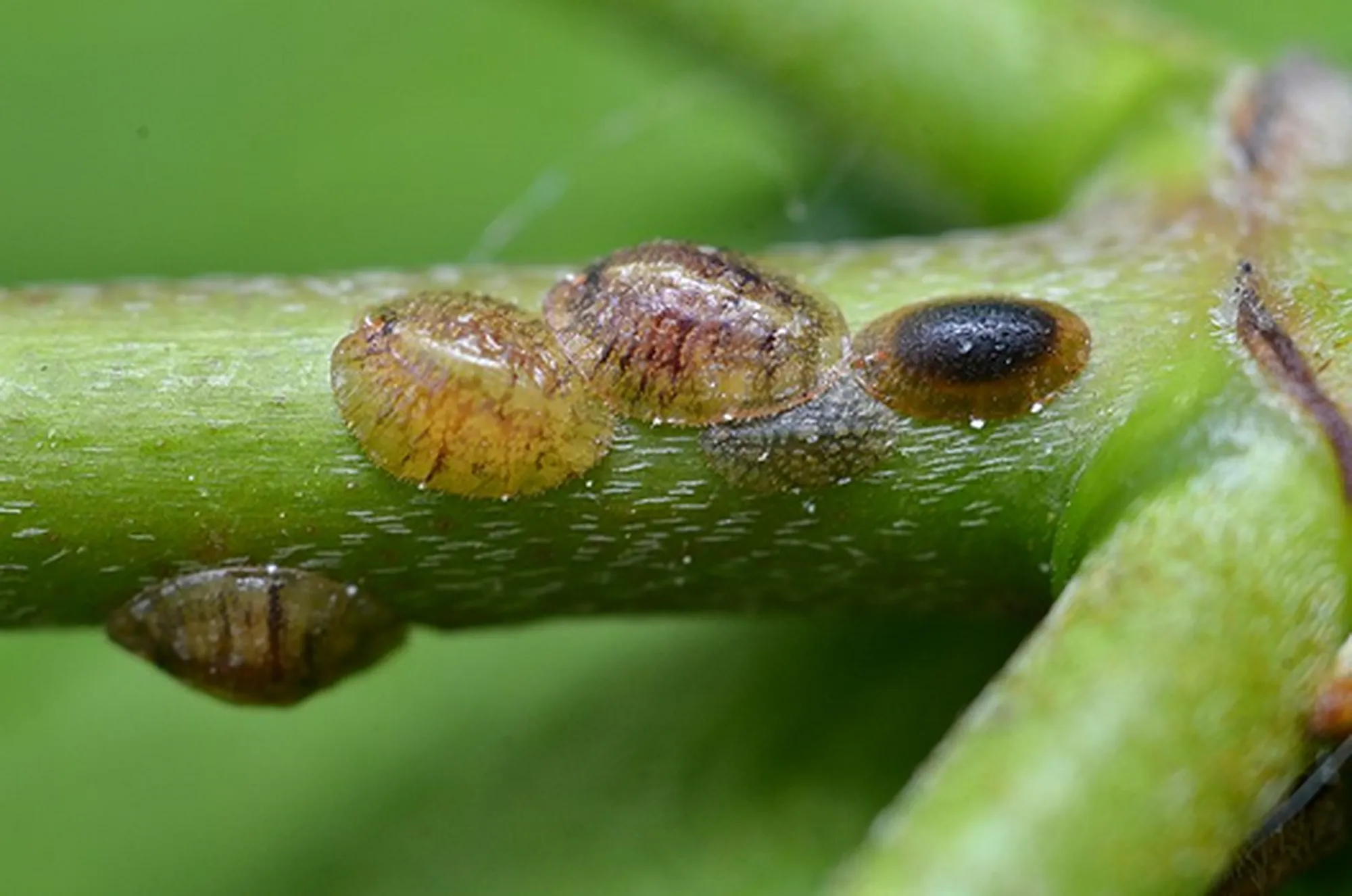
Scale Insects
Scale Insects are a type of pest that can cause significant damage to a UK garden. These small, sap-sucking insects feed on the sap of plants, leaving them weakened and vulnerable to other pests and diseases. They can also cause discoloration and distortion of leaves, stems, and flowers. Scale Insects are difficult to spot, as they are often hidden under the bark of trees or in the crevices of plants. They can be identified by their waxy, scale-like covering, which can range in colour from white to brown. In order to protect your garden from Scale Insects, it is important to be aware of the signs of infestation and to take steps to prevent them from taking hold.
An Overview
Identifying Scale Insects
Scale Insects belong to the superfamily Coccoidea and are known for their distinct physical attributes. They are small, usually 1-5mm long, and have a scale-like, waxy or shell-like covering that serves as a protective shield. This cover can vary in colour, ranging from white, brown, to even black.
The insects themselves are usually immobile and do not resemble typical insects as they lack visible legs or antennae. They are often found clinging to stems, leaves, and sometimes fruits of plants, appearing as tiny bumps or scales.
Signs of Infestation
Recognising an infestation early is key to managing Scale Insects effectively. Here are some signs:
- Discoloration and Distortion of Plant Parts: As Scale Insects suck sap from plants, they can cause yellowing or wilting of leaves, stunted growth, and deformation of flowers and fruits.
- Presence of Honeydew and Sooty Mould: Scale Insects excrete a sugary substance called honeydew, which can attract other pests like ants. The honeydew also encourages the growth of sooty mould, a black, powdery fungus that can further weaken the plant.
- Visible Presence of Insects: Although Scale Insects can be hard to spot due to their small size and static nature, a careful inspection might reveal their presence. Look for tiny, scale-like bumps on the plant's surface.
Prevention and Control
Preventing and controlling Scale Insects involves a combination of cultural, biological, and chemical methods:
- Cultural Control: Regularly inspect your plants for signs of Scale Insects. If an infestation is detected early, it may be possible to control it by simply pruning the infested parts or manually removing the insects.
- Biological Control: Some natural predators, such as ladybirds, Lacewings, and parasitic wasps, feed on Scale Insects and can help keep their population in check.
- Chemical Control: If an infestation is severe, it might be necessary to use chemical insecticides. Choose a product that is labelled for use against Scale Insects and follow the manufacturer's instructions carefully.
Remember, the key to managing Scale Insects effectively is early detection and intervention. So, keep a close watch on your garden and act promptly if you notice any signs of these pesky pests.
The History of Scale Insects in the UK
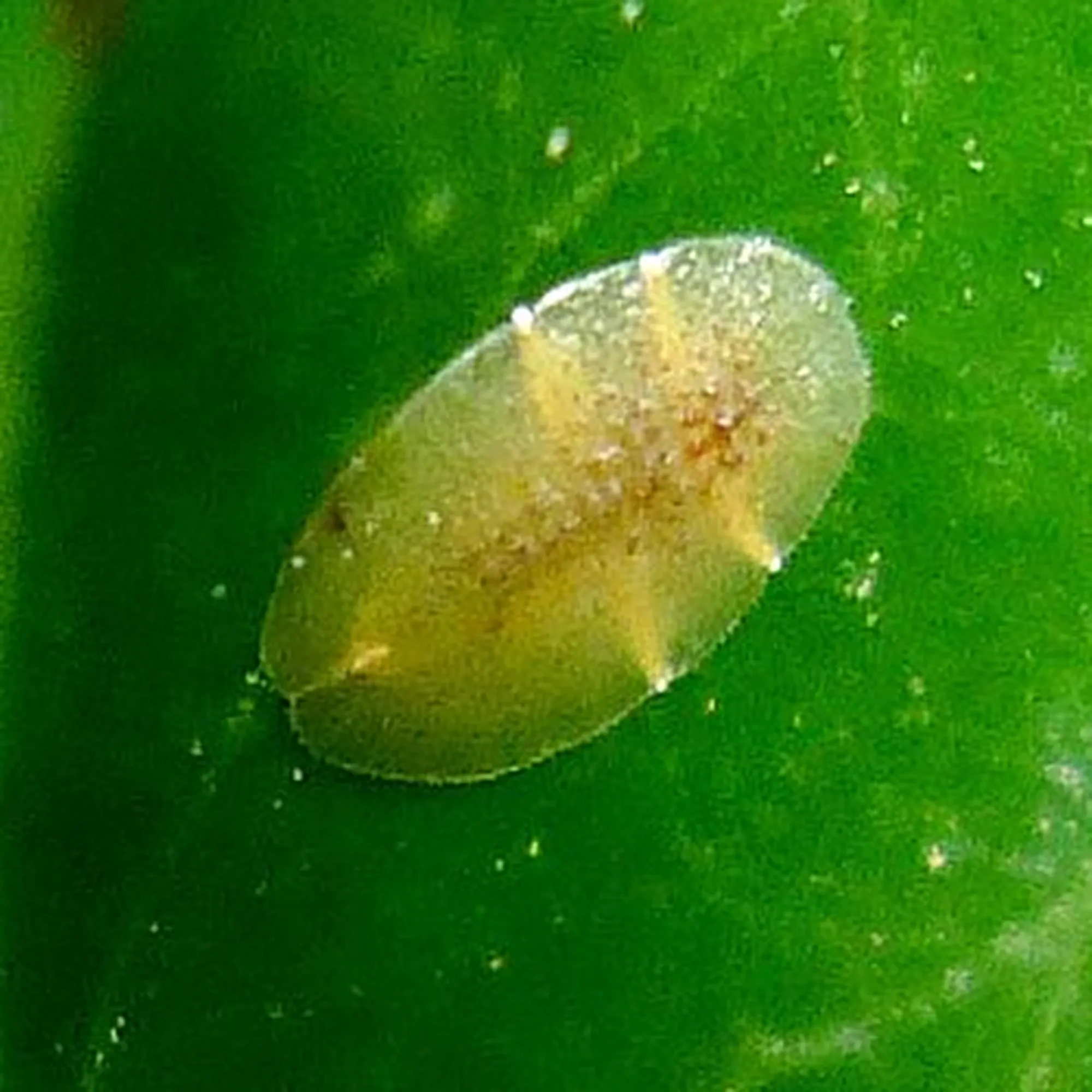
A Scale Insect
Scale Insects have been a problem in the UK for centuries. They are small, sap-sucking insects that feed on the leaves and stems of plants, causing damage to the foliage and reducing the plant's ability to photosynthesize. Scale Insects can be found on a variety of plants, including trees, shrubs, and even houseplants. In the UK, the most common species of Scale Insects are the Soft Scale, the Cottony Cushion Scale, and the Oystershell Scale.
Scale Insects can cause significant damage to a garden, as they feed on the sap of the plants, leaving them weakened and vulnerable to other pests and diseases. In addition, the honeydew they produce can attract other pests, such as ants and wasps, which can further damage the plants. To prevent Scale Insects from damaging your garden, it is important to regularly inspect your plants for signs of infestation and take steps to control the population. This can include pruning affected branches, using insecticides, or introducing beneficial insects such as ladybugs or Lacewings.
Origins and Migration of Scale Insects to the UK
Scale Insects, belonging to the order Hemiptera, suborder Sternorrhyncha, are not native to the UK. These small, sap-sucking pests have been introduced largely through the importation of plants. With over 60 species now identified in Britain and Ireland, their presence has become a significant issue for both the natural ecosystem and agriculture.
Species and Characteristics
There's a significant variation in the appearance and characteristics of different scale insect species. Some of the most common types include the horse chestnut scale (Pulvinaria regalis), the soft brown scale (Coccus hesperidum) and the mussel scale (Mytilaspis pomorum). They are typically recognised by their waxy, protective scale-like covering and their distinctive feeding behaviour, which involves piercing plant tissues to suck sap.
Impact on Ecosystem, Agriculture, and Forestry
Scale Insects can cause substantial damage to plants by depleting them of their sap, leading to yellowing or wilting of leaves, stunted growth, and deformation of flowers and fruits. Their honeydew excretions also encourage sooty mould growth, further weakening the plant and potentially making them unappealing in a commercial context.
In addition, certain invasive species like the Pulvinaria hydrangeae, first recorded in Europe, have shown potential to spread and establish themselves in the UK, posing an additional threat to native ecosystems.
Control Measures
To control and prevent the spread of Scale Insects, various measures have been adopted:
- Biological Control: Certain natural predators, such as ladybirds, Lacewings, and parasitic wasps, can help control scale insect populations.
- Chemical Control: In cases of severe infestation, chemical insecticides may be employed. However, these should be used judiciously to minimise harm to beneficial insects and the environment.
- Cultural Practices: Regular inspection and maintenance of plants, including manual removal of the pests and pruning of infested parts, can help manage scale insect populations.
Current Status and Future Outlook
Despite control efforts, Scale Insects remain a notable pest in the UK. The potential introduction of new species through global trade poses an ongoing risk. As such, it is crucial to maintain strict plant import regulations and continue research on more effective and environmentally friendly control methods.
It is also recommended that home gardeners and commercial growers remain vigilant, promptly reporting any sightings of unusual pests to relevant authorities. This will aid in early detection and control, helping to protect the UK's diverse flora from these damaging pests.
What are Scale Insects and How to Identify Them
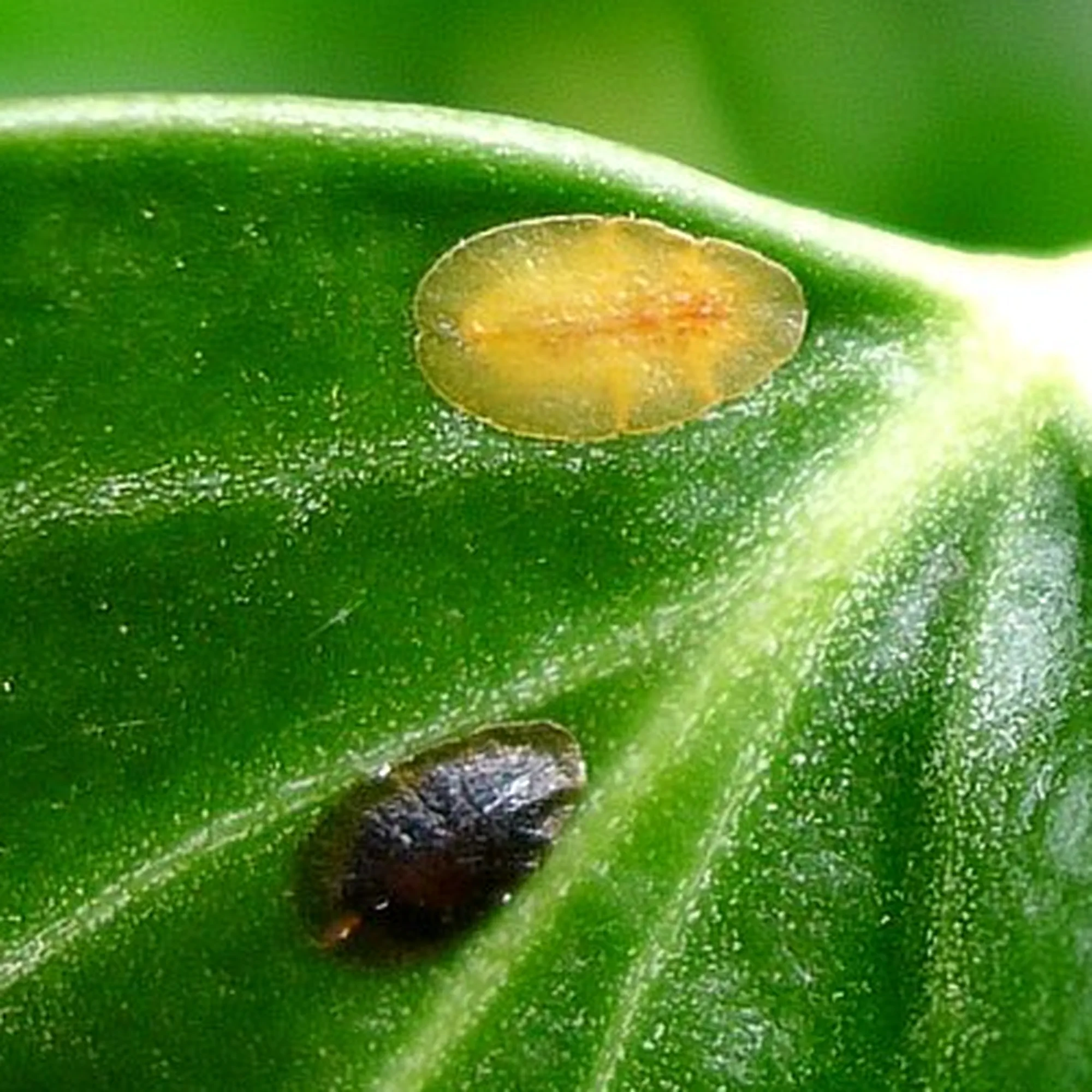
A Scale Insect
Scale Insects are a common pest in UK gardens, and can cause significant damage to plants and trees. These small, sap-sucking insects are usually found on the underside of leaves, and can be identified by their waxy, scale-like appearance. They feed on the sap of plants, which can cause yellowing of the leaves, stunted growth, and even death of the plant. In addition, they can also spread diseases and weaken the plant's defenses against other pests.
It is important to identify and treat Scale Insects as soon as possible, as they can quickly spread and cause significant damage to a UK garden. To identify them, look for small, waxy, scale-like bumps on the underside of leaves. If you find any, it is important to take action to remove them. This can be done by pruning affected branches, or by using insecticides or natural remedies such as neem oil. It is also important to keep an eye out for any new infestations, as they can quickly spread and cause further damage.
There are More than 25 different species of Scale Insects can be found in British gardens
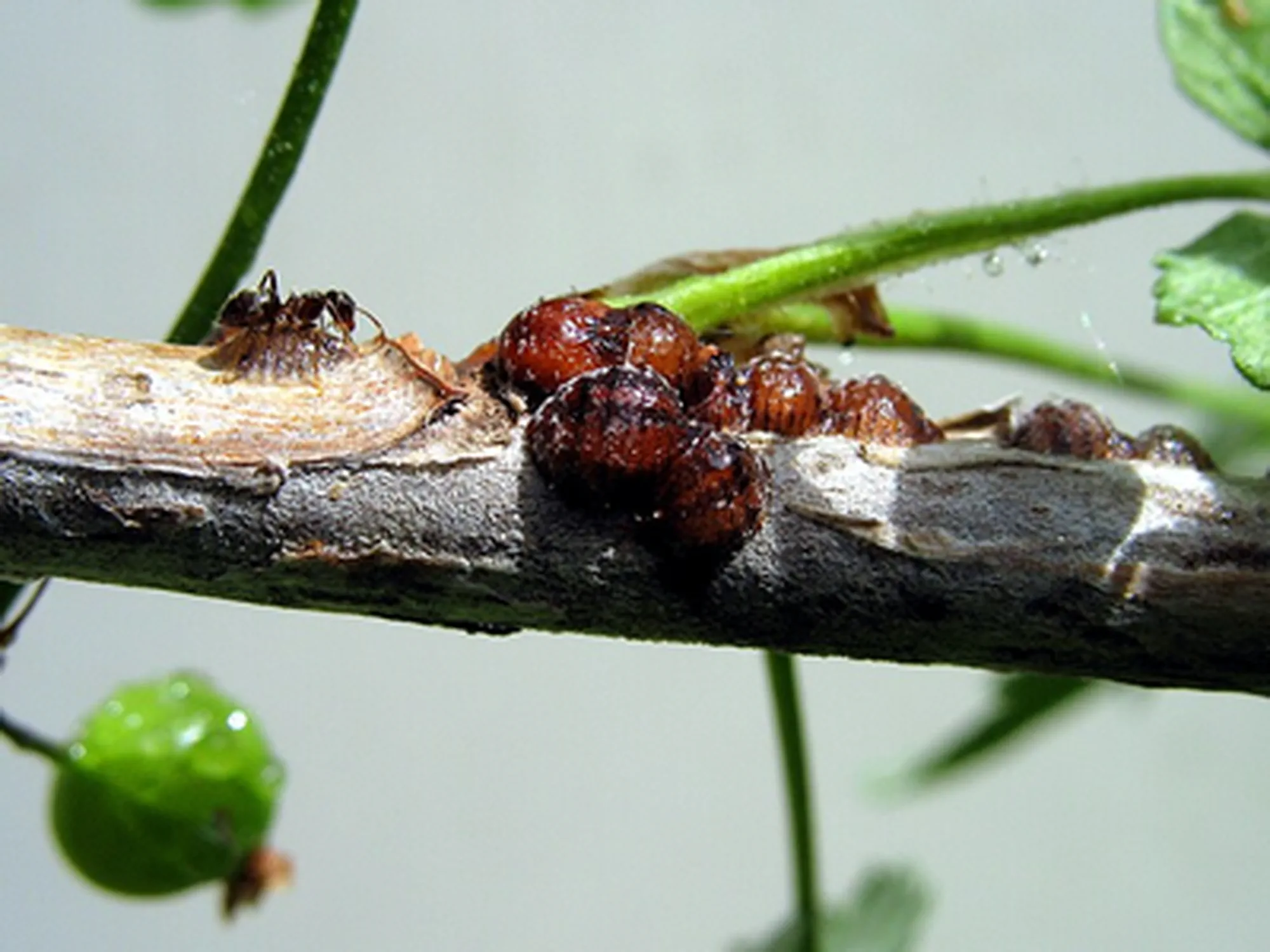
Scale Insects on red currant
Scale Insects are a common pest found in British gardens. They are small, sap-sucking insects that can cause significant damage to plants. There are more than 25 different species of Scale Insects that can be found in British gardens, and they can be difficult to identify. The most common species of Scale Insects are the Soft Scale, the Armored Scale, and the Mealybug.
Scale Insects feed on the sap of plants, which can cause the leaves to yellow and drop off. They also excrete a sticky substance called honeydew, which can attract other pests such as ants and wasps. In addition, Scale Insects can spread plant diseases, which can further damage the plants in your garden. It is important to identify and treat Scale Insects as soon as possible to prevent further damage to your garden.
The main species of Scale Insects that can be found in British gardens include:
- Brown Soft-scale (Coccus hesperidum): This is a widespread species that affects a variety of plants. It's characterized by its soft, brown, oval body.
- Viburnum Cushion Scale (Lichtensia viburni): This species primarily infests Viburnum plants and is recognized by its round, white, cushion-like scales.
- Nut Scale (Eulecanium tiliae): This species is typically found on lime trees and other deciduous trees. They are dark brown and have a smooth, shiny surface.
- European Fruit Lecanium (Parthenolecanium corni): This species is known to infest fruit trees and shrubs. They are larger than most Scale Insects and have a hemispherical shape.
- Balanococcus: This species is particularly found on New Zealand flax in urban gardens and parks.
Scale Insects Preferred Habitats
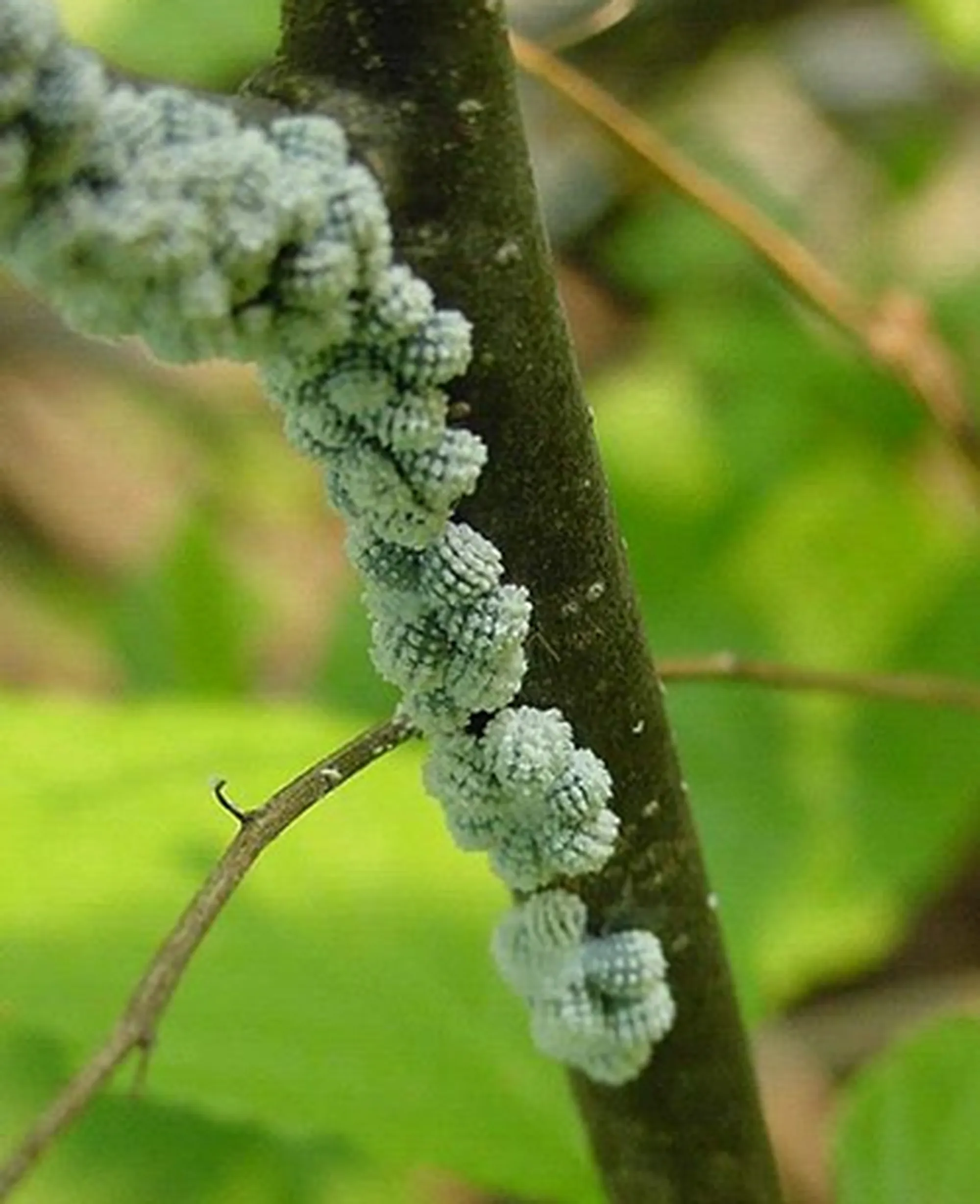
Scale Insects on a Beech Tree
Scale Insects are a common pest in UK gardens, and can cause significant damage to plants and trees. These small insects feed on the sap of plants, and can quickly multiply and spread to other plants in the garden. Scale Insects prefer warm, humid climates, and can be found in many parts of the UK. They are most commonly found on trees and shrubs, but can also be found on other plants. The damage caused by Scale Insects can range from discoloration of leaves to complete defoliation of the plant. In severe cases, the plant may die. To prevent Scale Insects from damaging your garden, it is important to regularly inspect your plants for signs of infestation and take steps to control the population.
How to Control and Prevent Scale Insect Infestations
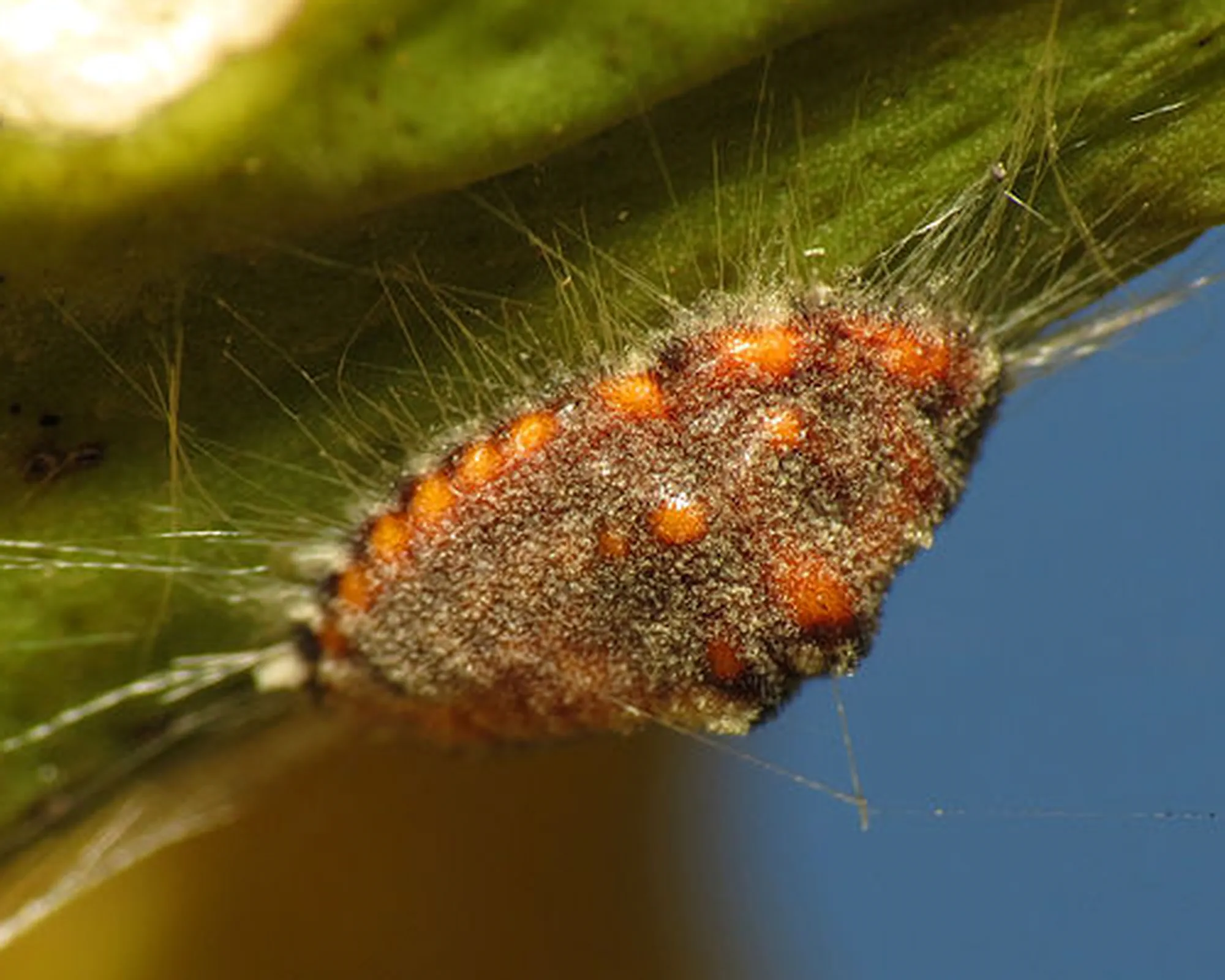
A Giant Scale Insect
Scale Insects may be tiny, but their presence in a UK garden can cause significant damage. These pests are notorious for attaching themselves to plants and trees, where they suck the sap out of leaves and stems. This feeding behavior weakens the plant and can lead to stunted growth, yellowing foliage, and even the death of the infested plant if left unchecked.
One common type of scale insect is the armored scale. As the name suggests, these insects have a hard, protective covering that can make them difficult to control. They often appear as small bumps or scales on the stems and branches of plants. Another type is the soft scale, which lacks a hard outer covering and generally appears more like a small, waxy blob.
Controlling and preventing scale insect infestations requires a multifaceted approach. Firstly, it's important to regularly inspect plants for any signs of infestation, such as sticky honeydew residue, sooty mold, or the presence of the insects themselves. If Scale Insects are detected, manual removal is a good first step. Gently scrubbing affected areas with a soft brush or cloth dipped in soapy water can help remove the insects from the plant. It's crucial to be thorough and repeat this process as necessary, as Scale Insects can cling tightly to plants.
In addition to manual removal, there are a few other methods that can be effective in controlling Scale Insects. Horticultural oils, such as neem oil or insecticidal soap, can suffocate and kill the insects and their eggs. These oils should be applied during the dormant season or when the plants are not actively growing to minimize any potential harm to beneficial insects.
Encouraging natural predators, such as ladybugs or Lacewings, can also help keep scale insect populations in check. These beneficial insects feed on Scale Insects and can provide a natural means of control. Creating a diverse and healthy garden ecosystem by planting a variety of native plants and providing food and habitat for beneficial insects can help attract and support these natural predators.
Prevention is key when it comes to scale insect infestations. Regularly inspecting plants, practicing good garden hygiene by removing any fallen leaves or debris that could harbor Scale Insects, and providing plants with proper care, including regular watering and fertilization, can help prevent infestations from occurring in the first place.
Scale Insects may pose a threat to UK gardens, but with proactive measures and a keen eye, it is possible to control and prevent their infestations. By staying vigilant and implementing the appropriate methods, gardeners can protect their plants from the damage caused by these notorious sap-suckers. So roll up your sleeves, inspect your plants, and take action to keep your garden thriving and free from the grasp of Scale Insects.
Damages Posed by Scale Insects to a UK Garden
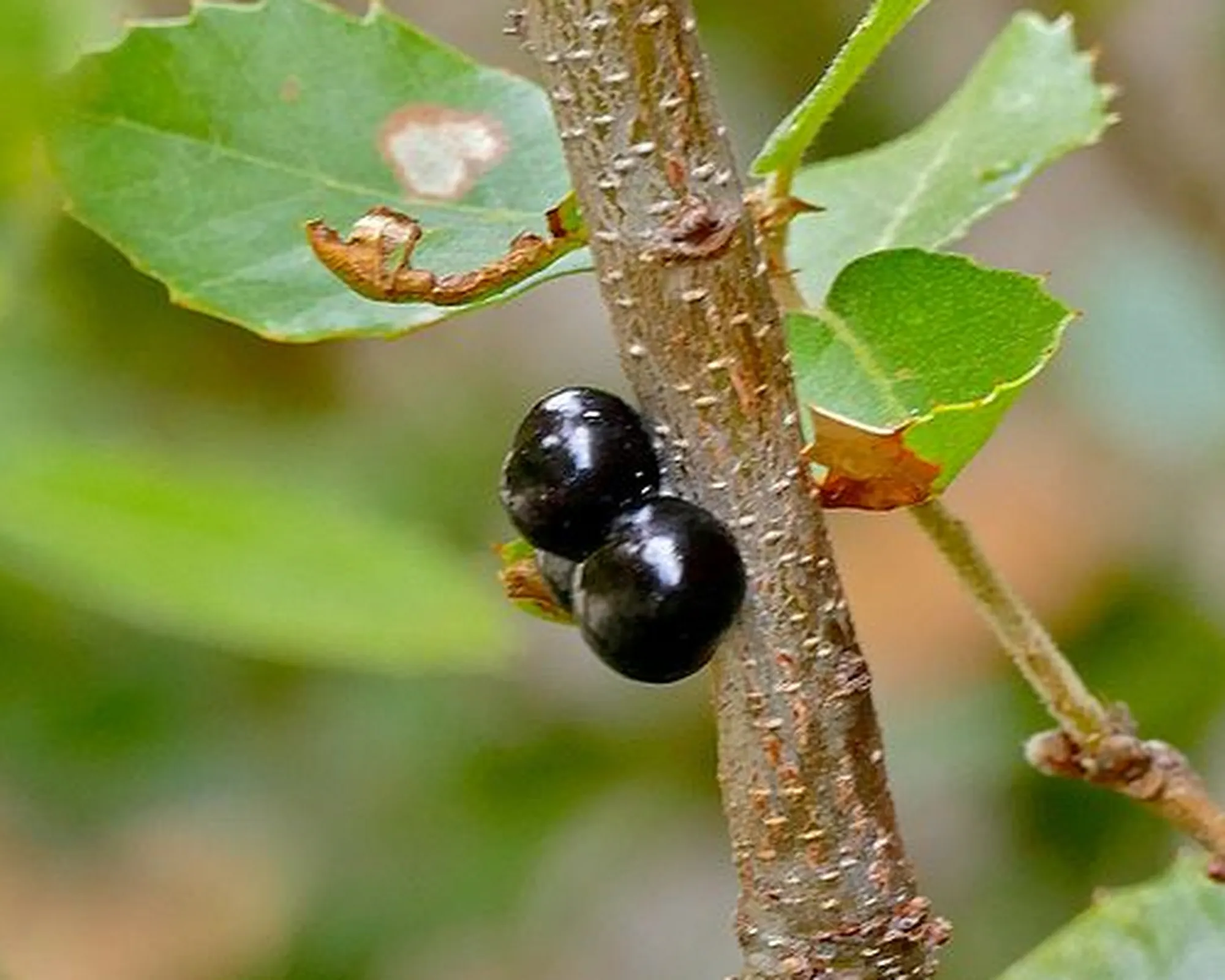
A Scale Insect on Holm Oak
Scale Insects are a common pest in UK gardens, and can cause significant damage to plants. These small, sap-sucking insects feed on the sap of plants, weakening them and making them more susceptible to disease. Scale Insects can be identified by their hard, waxy shells, which protect them from predators and the elements. They can be found on the stems and leaves of plants, and can be difficult to spot due to their small size.
Scale Insects can cause a variety of problems in a UK garden, including yellowing of leaves, wilting, and stunted growth. They can also spread diseases, such as sooty mould, which can further damage plants. If left untreated, Scale Insects can cause serious damage to a garden, leading to the death of plants. It is important to take action as soon as possible to prevent further damage.
Steps to Take if an Infestation of Scale Insects is Discovered
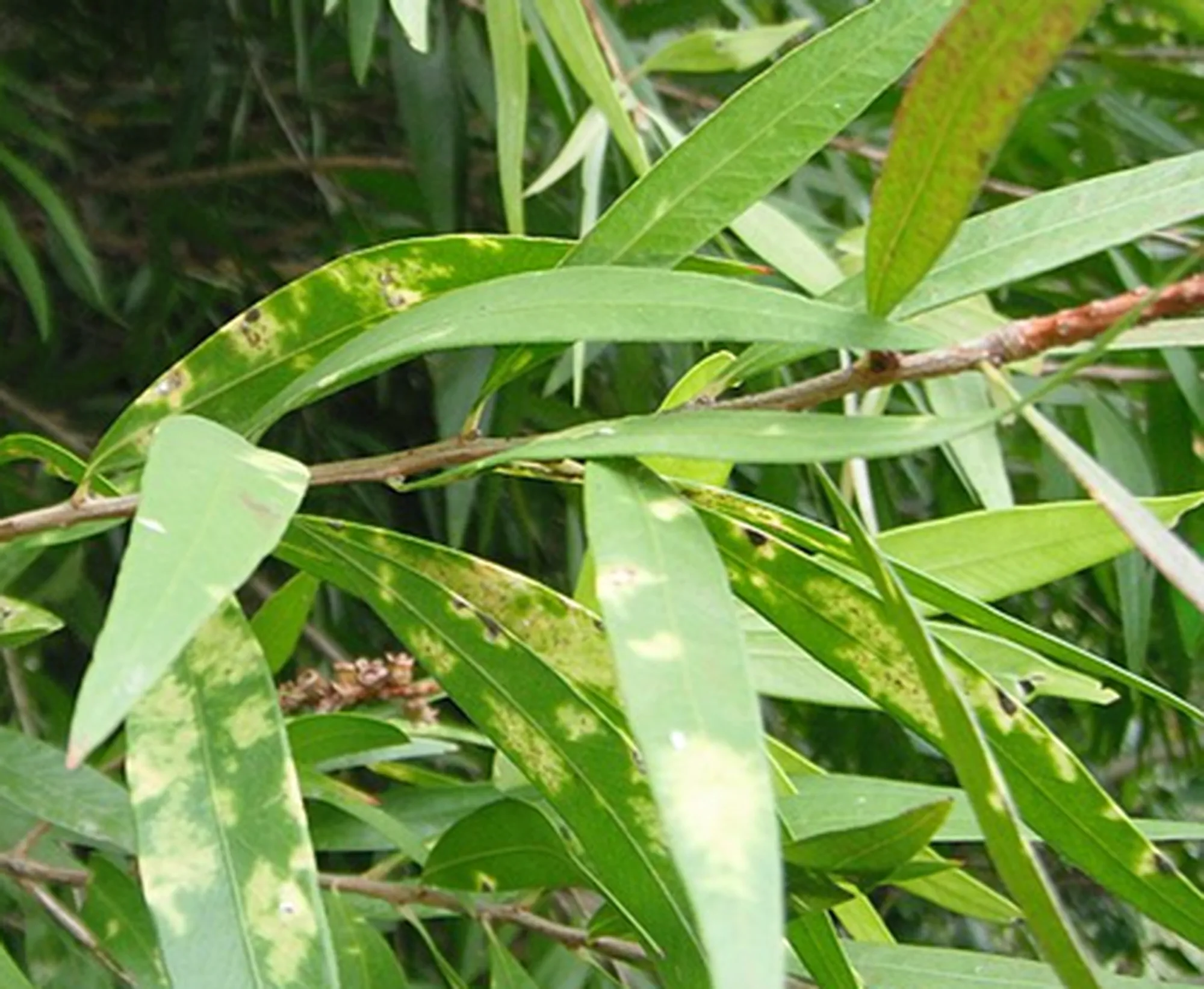
Scale insect damage on Paperbark Bottlebrush
Scale Insects are a common problem in UK gardens, and can cause significant damage to plants if left untreated. Identifying Scale Insects is the first step in treating an infestation. These pests are small, oval-shaped insects that can range in color from white to brown. They are often found on the stems and leaves of plants, and can be identified by their waxy, scale-like coating.
Once an infestation is identified, it is important to take steps to treat the problem. The most effective way to treat Scale Insects is to use an insecticide specifically designed for Scale Insects. This should be applied directly to the affected plants, and may need to be repeated several times to ensure the infestation is completely eliminated. Additionally, it is important to remove any dead or dying plants from the garden, as these can provide a breeding ground for Scale Insects.
By taking the time to identify and treat Scale Insects, gardeners can help protect their plants from the damage these pests can cause. With the right treatment, an infestation can be quickly eliminated and the garden can be restored to its former glory.
Step by Step Guide to Dealing with Scale Insects
-
Step 1: Identification of Scale Insects
Scale Insects are small, sap-sucking pests that often appear as bumps on the leaves and stems of plants. They vary in color from white to brown and are usually covered with a waxy or cottony protective coating. They are commonly found on the undersides of leaves and along the stems.
-
Step 2: Know Their Common Targets
Scale Insects attack a wide range of plants but are particularly fond of trees, shrubs, and houseplants. Some species also infest fruit trees and vegetable crops.
-
Step 3: Treatment Options
-
Chemical Treatment
Insecticides can be effective against Scale Insects. However, they should be used judiciously to minimize the impact on beneficial insects. Insecticides containing malathion, imidacloprid, or acephate are often recommended. Always follow label instructions for safe and effective use.
-
Natural Alternatives
- Biological Control: Encourage natural predators such as ladybirds, Lacewings, and parasitic wasps that feed on Scale Insects.
- Horticultural Oil: This can be sprayed on the plants to suffocate the insects.
- Insecticidal Soaps: These can effectively kill Scale Insects on contact.
-
-
Step 4: Prevention
To prevent future outbreaks, regular inspection of plants is crucial. Prune and dispose of infested branches, avoid over-fertilizing (which promotes succulent growth that Scale Insects prefer), and maintain overall plant health to make them less susceptible to infestation. -
Step 5: Monitoring and Evaluation
After treatment, continue to monitor the plants closely for signs of Scale Insects. If you still notice the presence of Scale Insects after a few weeks, reapplication of the treatment might be necessary. If infestations persist despite repeated treatments, consider consulting with a professional pest control service.
Remember, dealing with Scale Insects requires patience and persistence. With careful monitoring and timely intervention, it is possible to protect your plants from these damaging pests.
Examples of Chemical Products to Treat Scale Insect Infestations
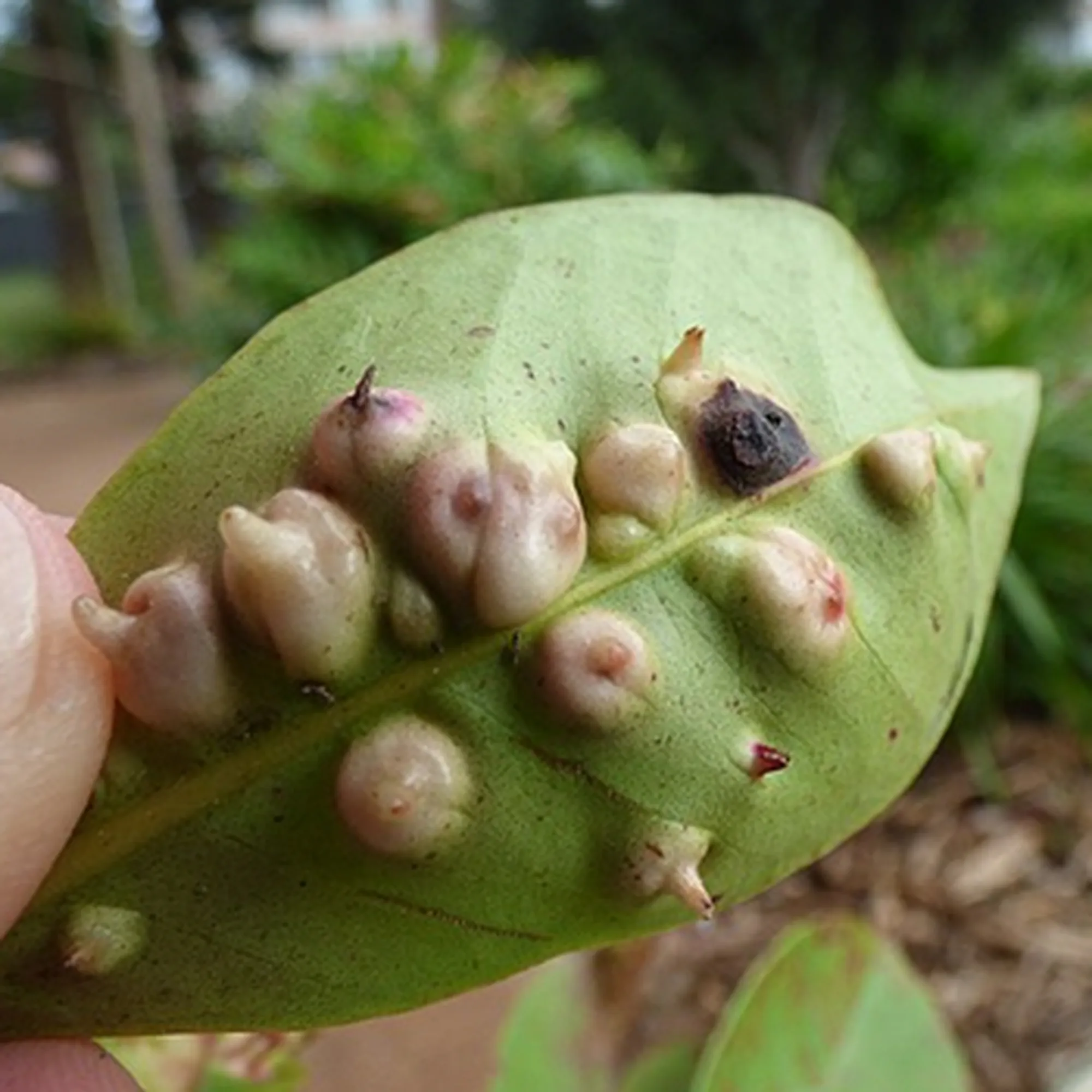
A Scale Insect Damage
Scale Insects are a common problem in UK gardens, and can cause significant damage to plants and trees. These pests feed on the sap of plants, and can cause yellowing of leaves, wilting, and even death of the plant. To prevent and treat scale insect infestations, chemical products are often used. These products are designed to kill the insects and prevent them from reproducing. Common chemical products used to treat scale insect infestations include insecticidal soaps, horticultural oils, and systemic insecticides. Insecticidal soaps are effective at killing Scale Insects, but must be applied directly to the insects. Horticultural oils are also effective, but must be applied to the entire plant, including the underside of leaves. Systemic insecticides are applied to the soil and taken up by the plant, killing the Scale Insects as they feed. All of these chemical products are available in the UK and can be used to effectively treat scale insect infestations in a UK garden.
Chemical Products for Scale Insect Control
Based on the research, here are some chemical products that can be used to combat scale insect infestations:- Acephate: This is a systemic insecticide that can be applied for crawler control. It should be mixed with water according to the label instructions and sprayed directly onto the infested areas. Always wear protective clothing and avoid contact with skin or eyes.
- Bifenthrin, Cyfluthrin, Cyhalothrin, Malathion, Permethrin: These insecticides can also be used for crawler control. Dilute as instructed on the product label and apply to infested plants. Remember to follow safety precautions mentioned on the label.
- Dominion 2L: This systemic insecticide is effective for large areas. It gets absorbed into treated plants, providing protection from the inside. Follow the manufacturer's instructions for dilution and application.
- Insecticidal soaps and Azadirachtin products: These are contact active insecticides. They need to be sprayed directly onto the insects to be effective. Follow label instructions for proper usage.
- Neonicotinoids: These are systemic insecticides that can help with scale on plants. However, they are known to be problematic for bees, so use them judiciously and follow all safety guidelines.
- Horticultural Oil Sprays: These insecticides contain oil in a form that will mix with water. They are safer and effective against Scale Insects. Always shake well before use and spray on a cloudy day or in late afternoon to avoid leaf burn.
- Thyme Guard®: This is a natural insecticide available in concentrate, dry, liquid, and ready-to-spray forms. Follow the label instructions for dilution and application.
Please note that the effectiveness of these treatments can vary depending on the scale insect species and the extent of infestation. Always follow the manufacturer's instructions and safety guidelines when using chemical products.
Examples of Organic Treatments to Stop Scale Insect Infestations
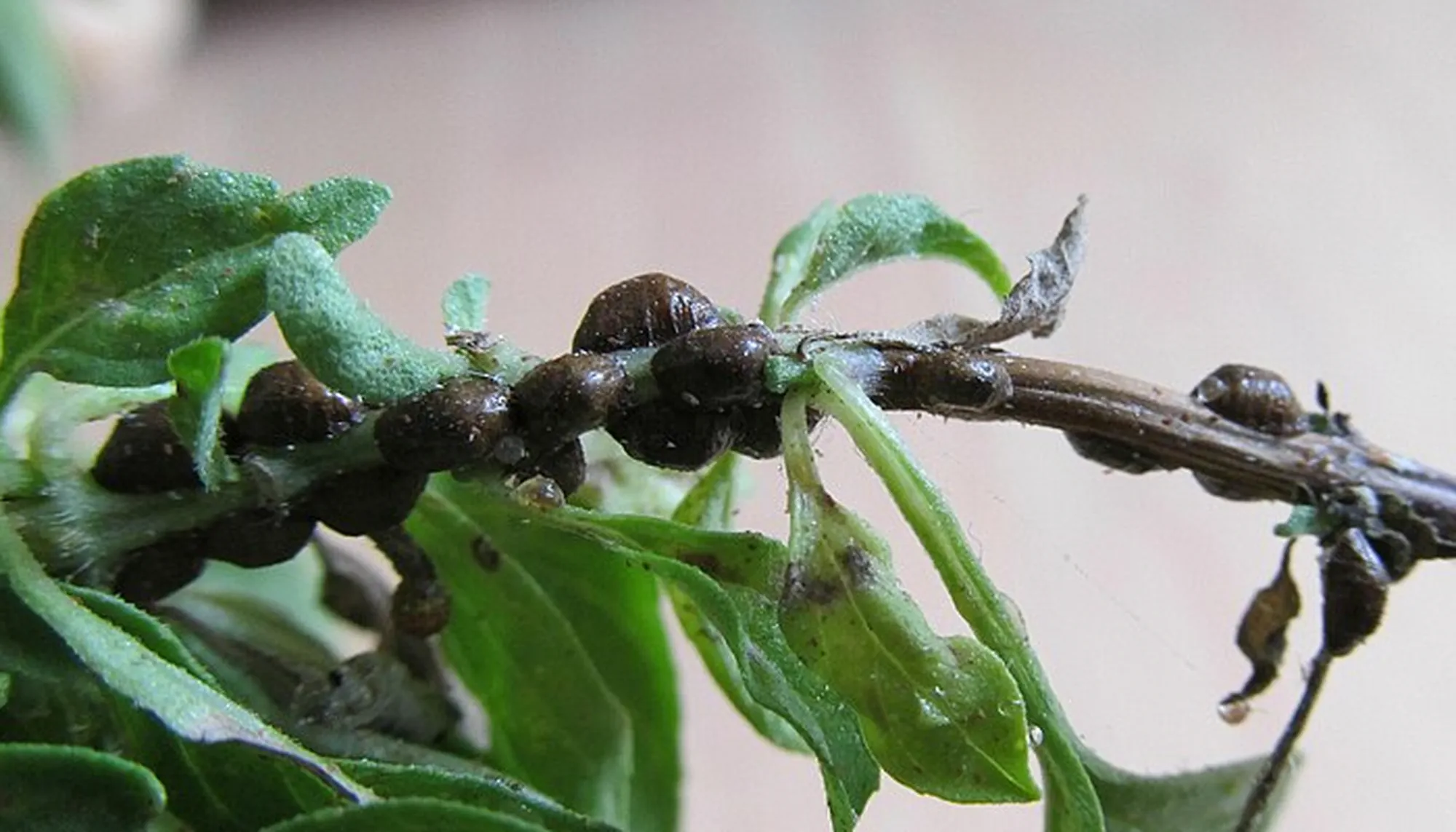
Scale Insects Coccids on Thai Basil
Scale Insects are a common pest in UK gardens, and can cause significant damage to plants. These small insects feed on the sap of plants, and can quickly cause wilting, yellowing, and even death of the plant. Fortunately, there are organic treatments available to help stop scale insect infestations.
One of the most effective organic treatments is to use a mixture of neem oil and water. Neem oil is a natural insecticide that is derived from the neem tree, and is effective at killing Scale Insects. To use this treatment, mix one part neem oil with four parts water, and spray the mixture onto the affected plants. This treatment should be repeated every two weeks until the scale insect infestation is gone.
Another organic treatment for Scale Insects is to use a mixture of soap and water. This mixture should be sprayed onto the affected plants, and should be repeated every two weeks until the infestation is gone. This treatment is effective at killing the Scale Insects, but it can also damage the plants if it is used too often.
Organic treatments are a great way to stop scale insect infestations without using harsh chemicals. By using neem oil or soap and water mixtures, gardeners can effectively get rid of Scale Insects and protect their plants from further damage.
Organic Treatments for Scale Insect Infestations
Scale Insects can wreak havoc on a wide range of plants, including ornamentals, fruit trees, and shrubs. Here are some organic methods to control these pests:-
1. Insecticidal Soap
Insecticidal soaps are an effective and eco-friendly solution against Scale Insects. They work by breaking down the insect's protective coating, causing it to dehydrate and die.
How to use: Mix the soap as per the instructions on the product label. Spray it thoroughly on all plant surfaces, paying particular attention to the undersides of leaves where scales often hide. Repeat every 4-7 days until the infestation is under control.
-
2. Neem Oil
Neem oil disrupts the life cycle of Scale Insects and reduces their ability to feed.
How to use: Dilute neem oil with water (usually 2 tablespoons per gallon of water) and spray it on all parts of the plant. Apply every 7-14 days for best results.
-
3. Horticultural Oils
Horticultural oils like jojoba oil or sesame oil can suffocate Scale Insects.
How to use: Follow the dilution instructions on the package. Spray the mixture on all parts of the plant, ensuring you cover the tops and bottoms of leaves, stems, and twigs.
-
4. Garlic Spray
Garlic contains sulfur, which is toxic to Scale Insects.
How to use: Blend two whole bulbs of garlic with a small amount of water and strain. Add this to a gallon of water with a quarter cup of liquid soap. Spray on infested plants every few days.
-
5. DIY Alcohol Spray
Isopropyl alcohol can kill Scale Insects on contact.
How to use: Mix equal parts of alcohol and water and spray directly onto the Scale Insects. Be cautious as this can also kill beneficial insects.
-
6. Beneficial Insects
Ladybugs, Lacewings, and parasitic wasps are natural predators of Scale Insects. Introducing these beneficial insects into your garden can help control scale populations.
Preventive Measures: Regular inspection of plants, maintaining plant health, and avoiding over-fertilization can help prevent scale infestations. If you notice Scale Insects, act promptly to prevent them from spreading to other plants.
Remember, it's essential to repeat treatments as most organic solutions only kill the pests they come into direct contact with and have no residual effect.
How much Damage will a Scale Insect Infestation cause to your Garden
A Scale Insect
Scale Insects are a common pest in UK gardens, and can cause a great deal of damage if left unchecked. These small, sap-sucking insects feed on the leaves and stems of plants, leaving them weakened and vulnerable to other pests and diseases. In severe cases, the infestation can cause the plant to die. Scale Insects can be identified by their hard, waxy shells, which protect them from predators and pesticides. They can be difficult to spot, as they often hide in the crevices of leaves and stems.
It is important to take action as soon as you notice a Scale Insect infestation in your garden. If left untreated, the infestation can spread quickly and cause significant damage to your plants. To prevent an infestation, it is important to regularly inspect your plants for signs of Scale Insects, such as yellowing leaves or sticky sap. If you do find an infestation, it is important to act quickly and use an appropriate pesticide to eliminate the pests.
Which Plants Attract Scale Insects
A Scale Insect
Scale Insects are a common problem in UK gardens, and can cause significant damage to plants. These small, sap-sucking insects can be found on a variety of plants, including roses, camellias, and holly. They are usually found in clusters on the stems and leaves of plants, and can be identified by their waxy, scale-like appearance. Scale Insects feed on the sap of plants, which can cause yellowing of the leaves, stunted growth, and even death of the plant. To prevent Scale Insects from damaging your garden, it is important to know which plants are most likely to attract them. Plants such as magnolia, hibiscus, and citrus trees are particularly susceptible to Scale Insects, and should be monitored closely for signs of infestation. Additionally, it is important to keep your garden free of debris and weeds, as these can provide a breeding ground for Scale Insects.
Conclusion: Scale Insects can cause significant damage to UK gardens if left untreated. It is important to be able to identify them and take the necessary steps to control and prevent infestations. There are both chemical and organic treatments available to treat scale insect infestations, and it is important to understand which plants attract Scale Insects in order to prevent them from entering your garden. Taking the time to understand Scale Insects and the damage they can cause is essential for any UK gardener. With the right knowledge and treatments, you can protect your garden from scale insect infestations and enjoy a beautiful, healthy garden.
Frequently Asked Questions About Scale Insects
A Scale Insect
FAQ Questions and Answers:
- Q: What are Scale Insects? A: Scale Insects are small, sap-sucking insects that feed on the leaves, stems, and other parts of plants. They are usually found in clusters and can range in color from white to brown. They have a hard, waxy outer shell that protects them from predators and the environment.
- Q: How can I identify Scale Insects? A: Scale Insects can be identified by their hard, waxy outer shell and their clusters on the leaves, stems, and other parts of plants. They can range in color from white to brown.
- Q: How many different species of Scale Insects can be found in British gardens? A: There are more than 25 different species of Scale Insects that can be found in British gardens.
- Q: What are the preferred habitats of Scale Insects? A: Scale Insects prefer warm, humid environments and can be found on a variety of plants, including trees, shrubs, and flowers.
- Q: How can I control and prevent Scale Insect infestations? A: To control and prevent Scale Insect infestations, it is important to regularly inspect your plants for signs of infestation and to remove any affected plants. Additionally, you can use chemical or organic treatments to stop the infestation.
- Q: How much damage will a Scale Insect infestation cause to my garden? A: The amount of damage caused by a Scale Insect infestation will depend on the severity of the infestation and the type of plant affected. Generally, Scale Insects can cause significant damage to plants, including yellowing of leaves, stunted growth, and even death of the plant.
- Q: Which plants attract Scale Insects? A: Scale Insects are attracted to a variety of plants, including trees, shrubs, and flowers. They are especially attracted to plants that are stressed or weakened due to environmental factors such as drought or extreme temperatures.
How to Prune Climbing Vines
List by Variety
- How to Prune Actinidia
- How to Prune Akebia
- How to Prune Bougainvillea
- How to Prune Campsis
- How to Prune Celastrus
- How to Prune Chilean Glory Vine
- How to Prune Clematis Armandii
- How to Prune Clematis Montana
- How to Prune Climbing Rose
- How to Prune Hedera GoldHeart
- How to Prune Honeysuckle
- How to Prune Hydrangea Petiolaris
- How to Prune Ivy
- How to Prune Japanese Wisteria
- How to Prune Morning Glory
- How to Prune Parthenocissus
- How to Prune Persian Ivy Hedera Colchica
- How to Prune Schisandra
- How to Prune Star Jasmine
- How to Prune Sweet Peas
- How to Prune True Jasmine
- How to Prune Virginia Creeper
- How to Prune Wisteria
How to Prune Hedges
List by Variety
- How to Prune an Arborvitae Hedge
- How to Prune a Barberry Hedge
- How to Prune a Beech Hedge
- How to Prune a Boxwood Hedge
- How to Prune a Butterfly Bush Hedge
- How to Prune a Cotoneaster Hedge
- How to Prune an English Lavender Hedge
- How to Prune an Escallonia Hedge
- How to Prune an Euonymus-Hedge
- How to Prune a Firethorn Hedge
- How to Prune a Forsythia Hedge
- How to Prune a Griselinia Hedge
- How to Prune a Hawthorn Hedge
- How to Prune a Holly Hedge
- How to Prune a Hornbeam Hedge
- How to Prune a Juniper Hedge
- How to Prune a Laurel Hedge
- How to Prune a Leylandii Hedge
- How to Prune a Lilac Hedge
- How to Prune a Maple Leaf Viburnum Hedge
- How to Prune a Photinia Hedge
- How to Prune a Pink Ramanus Rose Hedge
- How to Prune a Privet Hedge
- How to Prune a Pyracantha Hedge
- How to Prune a Spirea Hedge
- How to Prune a Thuja Hedge
- How to Prune a Viburnum Hedge
- How to Prune a Western Red Cedar Hedge
- How to Prune a Yew Hedge
How to Prune Shrubs
List by Variety
- How to Prune an Abelia Shrub
- How to Prune an Abutilon
- How to Prune an Acer / Japanese-Maple
- How to Prune an Amelanchiers
- How to Prune an Apple-Tree
- How to Prune an Arbovitae Shrub
- How to Prune an Arbutus
- How to Prune an Aucuba
- How to Prune a Azalea Mollis
- How to Prune Azaleas
- How to Prune a Bay Tree Shrub
- How to Prune a Berberis Darwinii
- How to Prune Berberis Deciduous Types
- How to Prune a Boxwood Shrubs
- How to Prune a Brachyglottis Senecio
- How to Prune a Buddleia Alternifolia
- How to Prune Buddleias Butterfly Bushes
- How to Prune a Buddleja Globosa
- How to Prune a Callicarpa
- How to Prune a Camellia
- How to Prune a Caryopteris
- How to Prune a Catalpa Bignonioides Aurea
- How to Prune Ceanothus Deciduous Types
- How to Prune Ceanothus Evergreen Types
- How to Prune a Ceratostigma
- How to Prune a Chaenomeles
- How to Prune a Choisya
- How to Prune a Cistus
- How to Prune a Clematis
- How to Prune a Cornus
- How to Prune a Cotinus Royal Purple
- How to Prune a Cytisus Scoparius
- How to Prune a Exochorda x Macrantha
- How to Prune a Forsythia
- How to Prune a Hebe
- How to Prune a Hydrangeas
- How to Prune Juniper Shrubs
- How to Prune a Lavatera
- How to Prune Lilac Bushes
- How to Prune a Mugo Pine
- How to Prune Rose Bushes
- How to Prune Ribes
- How to Prune Spirea Shrubs
- How to Prune Viburnum Shrubs
- How to Prune a Weigela
- How to Prune a Yew
How to Prune Trees
List by Variety
- How to Prune a Apple Tree
- How to Prune a Apricot Tree
- How to Prune a Ash Tree
- How to Prune a Birch Tree
- How to Prune a Cherry Tree
- How to Prune a Elm Tree
- How to Prune a Fig Tree
- How to Prune a Grape Tree
- How to Prune a Hickory Tree
- How to Prune a Maple Tree
- How to Prune a Oak Tree
- How to Prune an Olive Tree
- How to Prune a Peach Tree
- How to Prune a Pear Tree
- How to Prune a Plum Tree
- How to Prune a Poplar Tree
- How to Prune a Walnut Tree
How to Prune Climbing Vines
List by Variety
- How to Prune Actinidia
- How to Prune Akebia
- How to Prune Bougainvillea
- How to Prune Campsis
- How to Prune Celastrus
- How to Prune Chilean Glory Vine
- How to Prune Clematis Armandii
- How to Prune Clematis Montana
- How to Prune Climbing Rose
- How to Prune Hedera GoldHeart
- How to Prune Honeysuckle
- How to Prune Hydrangea Petiolaris
- How to Prune Ivy
- How to Prune Japanese Wisteria
- How to Prune Morning Glory
- How to Prune Parthenocissus
- How to Prune Persian Ivy Hedera Colchica
- How to Prune Schisandra
- How to Prune Star Jasmine
- How to Prune Sweet Peas
- How to Prune True Jasmine
- How to Prune Virginia Creeper
- How to Prune Wisteria
How to Prune Hedges
List by Variety
- How to Prune an Arborvitae Hedge
- How to Prune a Barberry Hedge
- How to Prune a Beech Hedge
- How to Prune a Boxwood Hedge
- How to Prune a Butterfly Bush Hedge
- How to Prune a Cotoneaster Hedge
- How to Prune an English Lavender Hedge
- How to Prune an Escallonia Hedge
- How to Prune an Euonymus-Hedge
- How to Prune a Firethorn Hedge
- How to Prune a Forsythia Hedge
- How to Prune a Griselinia Hedge
- How to Prune a Hawthorn Hedge
- How to Prune a Holly Hedge
- How to Prune a Hornbeam Hedge
- How to Prune a Juniper Hedge
- How to Prune a Laurel Hedge
- How to Prune a Leylandii Hedge
- How to Prune a Lilac Hedge
- How to Prune a Maple Leaf Viburnum Hedge
- How to Prune a Photinia Hedge
- How to Prune a Pink Ramanus Rose Hedge
- How to Prune a Privet Hedge
- How to Prune a Pyracantha Hedge
- How to Prune a Spirea Hedge
- How to Prune a Thuja Hedge
- How to Prune a Viburnum Hedge
- How to Prune a Western Red Cedar Hedge
- How to Prune a Yew Hedge
How to Prune Shrubs
List by Variety
- How to Prune an Abelia Shrub
- How to Prune an Abutilon
- How to Prune an Acer / Japanese-Maple
- How to Prune an Amelanchiers
- How to Prune an Apple-Tree
- How to Prune an Arbovitae Shrub
- How to Prune an Arbutus
- How to Prune an Aucuba
- How to Prune a Azalea Mollis
- How to Prune Azaleas
- How to Prune a Bay Tree Shrub
- How to Prune a Berberis Darwinii
- How to Prune Berberis Deciduous Types
- How to Prune a Boxwood Shrubs
- How to Prune a Brachyglottis Senecio
- How to Prune a Buddleia Alternifolia
- How to Prune Buddleias Butterfly Bushes
- How to Prune a Buddleja Globosa
- How to Prune a Callicarpa
- How to Prune a Camellia
- How to Prune a Caryopteris
- How to Prune a Catalpa Bignonioides Aurea
- How to Prune Ceanothus Deciduous Types
- How to Prune Ceanothus Evergreen Types
- How to Prune a Ceratostigma
- How to Prune a Chaenomeles
- How to Prune a Choisya
- How to Prune a Cistus
- How to Prune a Clematis
- How to Prune a Cornus
- How to Prune a Cotinus Royal Purple
- How to Prune a Cytisus Scoparius
- How to Prune a Exochorda x Macrantha
- How to Prune a Forsythia
- How to Prune a Hebe
- How to Prune a Hydrangeas
- How to Prune Juniper Shrubs
- How to Prune a Lavatera
- How to Prune Lilac Bushes
- How to Prune a Mugo Pine
- How to Prune Rose Bushes
- How to Prune Ribes
- How to Prune Spirea Shrubs
- How to Prune Viburnum Shrubs
- How to Prune a Weigela
- How to Prune a Yew
How to Prune Trees
List by Variety
- How to Prune a Apple Tree
- How to Prune a Apricot Tree
- How to Prune a Ash Tree
- How to Prune a Birch Tree
- How to Prune a Cherry Tree
- How to Prune a Elm Tree
- How to Prune a Fig Tree
- How to Prune a Grape Tree
- How to Prune a Hickory Tree
- How to Prune a Maple Tree
- How to Prune a Oak Tree
- How to Prune an Olive Tree
- How to Prune a Peach Tree
- How to Prune a Pear Tree
- How to Prune a Plum Tree
- How to Prune a Poplar Tree
- How to Prune a Walnut Tree
Gallery
Necessitatibus eius consequatur ex aliquid fuga eum quidem sint consectetur velit


Michael Carter
Vestibulum ante ipsum primis in faucibus orci luctus et ultrices posuere cubilia curae; Donec vel erat in nulla efficitur tempor non ut nisl. Integer venenatis eros ut dui viverra fermentum.
Sophie Wilson
Nam ut turpis hendrerit, varius nunc vel, elementum dui. Morbi vulputate dolor sit amet scelerisque egestas. Vestibulum eleifend nunc ut bibendum fermentum.
Alex Morgan
Cras non velit nec purus tempor rhoncus. Sed non mauris vitae erat consequat auctor eu in elit. Class aptent taciti sociosqu ad litora torquent per conubia nostra.