Everything you Need to Know about Spider Mites
How to Get Rid of Spider Mites: Complete UK Gardener's Guide
Spider mites can transform a thriving garden into a collection of yellowing, web-covered plants faster than you might expect. These microscopic pests punch well above their weight when it comes to plant damage, but the good news is that with the right knowledge and approach, you can win the battle against them.
Whether you're dealing with a few suspicious yellow spots on your houseplants or facing a full-scale infestation in your greenhouse, this comprehensive guide will equip you with everything you need to identify, treat, and prevent spider mite problems in your garden.
What Are Spider Mites?
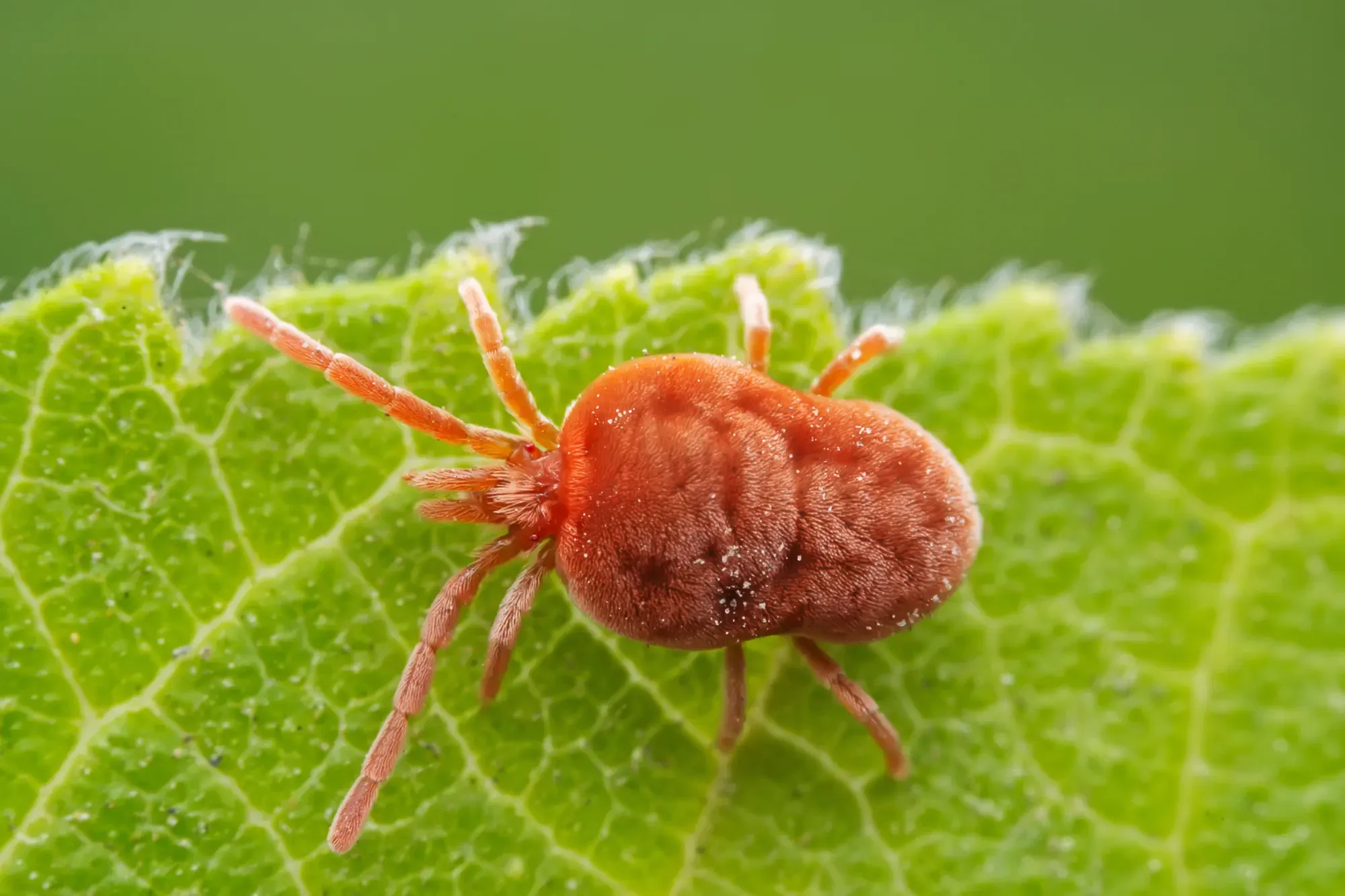
Spider mites are tiny arachnids, typically measuring just 0.2-0.5mm in size. Despite their minuscule stature, these sap-sucking pests can cause devastating damage to your plants. The most common species you'll encounter in the UK is the glasshouse red spider mite (Tetranychus urticae), also known as the two-spotted spider mite.
These prolific little creatures thrive in warm, dry conditions and can complete their entire life cycle in just 12 days when temperatures reach 21°C. A single female can lay up to 100 eggs, which hatch within three days under optimal conditions. This rapid reproduction rate means that small populations can quickly explode into serious infestations.
Interestingly, despite their common name, spider mites aren't actually red most of the time. During their active feeding period from spring through autumn, they're typically yellowish-green with two dark patches. They only turn reddish-orange during their winter dormancy period or when plants become too damaged to support them.
How to Identify Spider Mite Damage
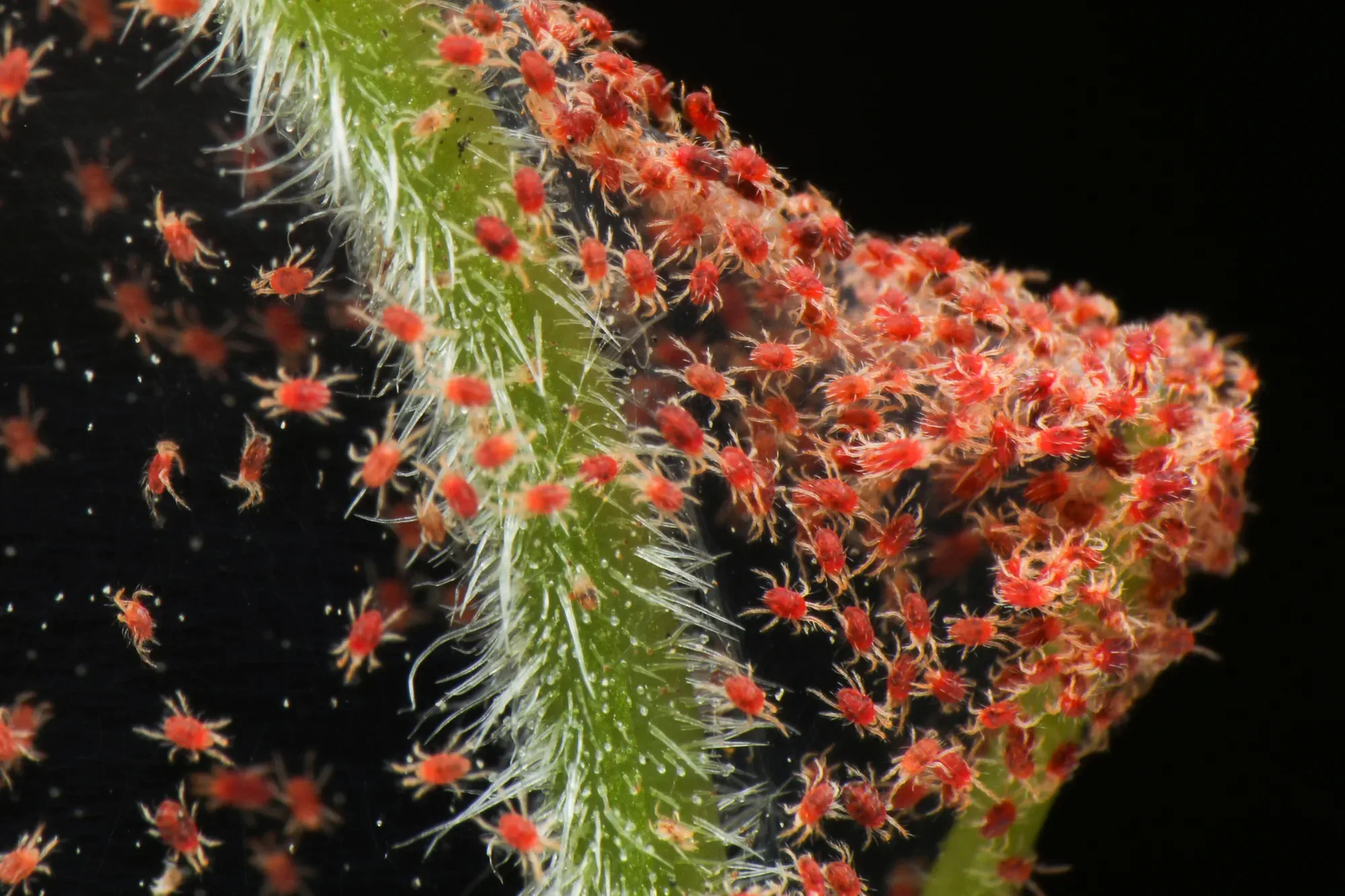
The challenge with spider mites is that they're virtually invisible to the naked eye. You'll almost always notice their damage before you spot the mites themselves. Here's what to look for:
Early Warning Signs
The first indication of spider mite activity is usually fine, pale mottling or stippling on the upper surface of leaves. These tiny white or yellow spots appear where the mites have pierced plant cells to feed on the nutritious sap inside.
As the infestation progresses, leaves may begin to turn yellow, bronze, or silver. The damage often starts on older, lower leaves before spreading upward through the plant. Severely affected leaves will eventually dry up and drop off entirely.
Advanced Symptoms
In heavy infestations, you may notice fine silk webbing covering parts of the plant. This webbing is particularly visible early in the morning when dew makes it glisten, or after misting plants with water. The webs often appear first where leaves meet stems or in the growing tips of plants.
If you examine the undersides of affected leaves with a magnifying glass, you might spot the tiny mites themselves, along with their spherical eggs and white cast-off skins. The mites tend to congregate in protected areas along leaf veins and in the angles where leaves join stems.
Plants Most at Risk
Spider mites have an incredibly broad host range, with few plants being completely immune. However, certain plants are particularly susceptible:
Greenhouse and Houseplants
- Orchids
- Rubber plants (Ficus elastica)
- Indoor palms
- Azaleas
- Ivy
- Pelargoniums
- Fuchsias
- Poinsettias
Edible Crops
- Tomatoes
- Cucumbers
- Aubergines
- Peppers
- Beans
- Strawberries
- Grapes
Garden Plants and Trees
- Roses
- Apple, pear, peach, and plum trees
- Raspberries
- Gooseberries
- Currants
Plants that are already stressed from drought, poor nutrition, or other pest problems are particularly vulnerable to spider mite attacks.
When Spider Mites Strike
Spider mites are most active from March through October, with peak activity during hot, dry summer months. However, in heated greenhouses and warm indoor environments, they can remain active year-round.
The pests particularly love the conditions found in conservatories, heated greenhouses, and centrally heated homes during winter. This is why houseplants often suffer from spider mite problems when outdoor temperatures drop and indoor heating systems create the warm, dry environments these pests prefer.
Natural Control Methods
@growinginthegarden I don’t stress about aphids on my roses each spring. I let the beneficial insects do the work. 🐞 Instead of spraying them off with water, I plant sweet alyssum all around my roses. It draws in lacewings, ladybugs, and bees—and they’ve totally taken over the job of pest control. The alyssum is blooming like crazy right now, and the whole bed is buzzing with life. I’ve seen a few aphids, but I’m not worried—they won’t last long. #CompanionPlanting #GardenPests #BeneficialInsects #NaturalPestControl #LowDesertGardening #ArizonaGardening #OrganicGardening #Ladybugs #GardenTips #GrowingInTheGarden
♬ original sound - Growing in the Garden
The key to successful spider mite control lies in understanding their preferences and weaknesses. These pests despise moisture and cool conditions, which forms the foundation of most effective treatment strategies.
Water: Your First Line of Defence
The simplest and often most effective initial treatment is water. Spider mites cannot tolerate high humidity or strong water pressure. For houseplants, try these approaches:
Start by isolating affected plants to prevent the mites from spreading to healthy specimens. Then, give plants a thorough shower with lukewarm water, paying particular attention to the undersides of leaves where mites congregate. A fine spray bottle works well for delicate plants, while hardier specimens can handle a more vigorous shower in the bathroom or outside with a garden hose.
For outdoor plants, early morning is the ideal time for water treatments. Use a garden hose with a spray attachment to thoroughly drench plants, ensuring you reach the undersides of leaves. The force of the water will dislodge many mites while the increased humidity makes the environment less hospitable for survivors.
Increasing Humidity
After the initial water treatment, maintaining higher humidity levels helps prevent reinfestation. For indoor plants, place water-filled saucers near affected plants or invest in a humidifier. Regular misting with a fine spray bottle also helps, but avoid doing this late in the evening as overnight moisture can encourage fungal problems.
In greenhouses, damp down floors and staging regularly, especially during hot weather. This simple practice can dramatically reduce spider mite populations and prevent new infestations from establishing.
Removing Affected Plant Material
Carefully prune away heavily infested leaves and branches, disposing of them in your green waste bin rather than your compost heap. This removes large numbers of mites and their eggs while improving air circulation around remaining healthy foliage.
When pruning, sterilise your tools between plants using rubbing alcohol or a dilute bleach solution to prevent spreading mites to unaffected plants.
DIY Treatment Solutions
@busychrisgardening Here is a shorter video on the homemade white oil concentrate. This has worked perfectly. If you want to see the documented versikn, you can find it in my profile. I sprayed black aphids on my garlic and green aphids on my rose #garlic #whiteoilconcentrate #howtogetridofaphids #busychrisgardening #curiousgardener #melbournegardener #southernhemispheregardening #whatwouldnaturedo ♬ Green Gramophone soundtrack from Hello Neighbour - timaeqq
Several homemade remedies can effectively combat spider mites:
Oil-Based Sprays
Mix two tablespoons of rapeseed oil or neem oil with one litre of water and a few drops of washing-up liquid (which acts as an emulsifier). Spray this solution thoroughly on affected plants, ensuring complete coverage of leaf undersides. The oil droplets coat and suffocate the mites while the solution disrupts their feeding behaviour.
Reapply every three to four days for two weeks to break the reproductive cycle. Always test spray solutions on a small area first and avoid applying in direct sunlight or during the hottest part of the day.
Nettle Tea Spray
Steep fresh nettles in water for 24 hours, then strain and use the resulting liquid as a foliar spray. This traditional remedy contains compounds that many gardeners swear by for deterring various pests, including spider mites.
Biological Control Options
Nature provides excellent allies in the fight against spider mites. Several predatory species are available commercially and can provide long-term control:
Phytoseiulus persimilis
This predatory mite is the gold standard for spider mite biological control. These beneficial mites are slightly larger than spider mites, with orange-red, pear-shaped bodies. They're incredibly efficient hunters, capable of consuming up to five spider mites per day while also eating their eggs.
Phytoseiulus thrives in the same warm conditions that spider mites prefer but requires humidity levels above 60%. Release them early in an infestation for best results, as they need an adequate food supply to establish and reproduce.
Amblyseius Species
Amblyseius californicus offers a more generalist approach to mite control. While not as specialised as Phytoseiulus, these predators can survive on various food sources including pollen, making them excellent for prevention and low-level infestations.
These mites are more tolerant of lower humidity and can survive when spider mite populations are reduced, providing ongoing protection against future outbreaks.
Feltiella acarisuga
This predatory midge is native to Britain and offers excellent control, particularly in cooler conditions where other biological controls might struggle. The adult flies are small and black, while the larvae do the pest control work, feeding voraciously on spider mites and their eggs.
Feltiella works best as a preventative measure in spring or for controlling light infestations. It's less effective during hot, dry summer
Commercial Treatment Options
When natural methods aren't sufficient, several commercial products can help:
Insecticidal Soaps
These specially formulated soaps work by disrupting the cellular membranes of soft-bodied pests like spider mites. They're relatively safe for beneficial insects when used correctly and break down quickly in the environment.
Apply insecticidal soaps in the early morning or evening to avoid leaf scorch, and ensure thorough coverage of all plant surfaces. Repeat applications every three to five days until the infestation is controlled.
Horticultural Oils
Products containing mineral oil or plant-based oils suffocate spider mites and disrupt their feeding. These treatments are particularly effective on fruit trees and woody plants that can tolerate heavier applications.
Targeted Miticides
For severe infestations, specific miticides may be necessary. However, spider mites can develop resistance to chemical controls quite rapidly, so it's essential to rotate between different active ingredients and combine chemical treatments with cultural controls.
Prevention Strategies
Preventing spider mite infestations is far easier than treating established populations:
Maintain Plant Health
Healthy, well-watered plants are much more resistant to spider mite damage. Ensure plants receive adequate nutrition, particularly potassium, which strengthens plant tissues and improves pest resistance.
Avoid over-fertilising with nitrogen, which can make plants more attractive to pests by promoting soft, succulent growth.
Environmental Management
In greenhouses, maintain good ventilation and avoid overcrowding plants. Clean growing environments regularly, removing plant debris and weeds that can harbour overwintering mites.
For fruit trees, practice good hygiene by removing loose bark in autumn and applying wound sealants to prevent pest overwintering
Regular Monitoring
Check your plants weekly, paying particular attention to the undersides of leaves. Early detection allows for prompt treatment before populations explode.
Keep records of when and where you find spider mites, as this information helps predict future problems and target prevention efforts.
Seasonal Management
Spring Preparation
As temperatures rise in March and April, conduct thorough inspections of greenhouse plants and houseplants. This is when overwintering female mites become active and begin laying eggs.
Clean greenhouse structures and replace or sterilise plant supports, canes, and ties that may harbour pests.
Summer Vigilance
Monitor plants daily during hot, dry spells when spider mite activity peaks. Increase watering frequency and consider shade cloth in greenhouses to reduce heat stress on plants.
Autumn Clean-Up
Remove plant debris promptly as temperatures drop. This eliminates overwintering sites and reduces next year's pest pressure.
Consider introducing biological controls in heated structures where spider mites remain active through winter.
Advanced Integrated Management
For serious gardeners dealing with recurring problems, an integrated pest management approach offers the best long-term results:
Combine cultural controls (proper watering, plant hygiene), biological controls (predatory mites), and selective use of appropriate pesticides. This multi-pronged approach reduces the likelihood of resistance development while maintaining effective control.
Monitor and record pest levels, beneficial insect populations, and environmental conditions to refine your management strategy over time.
Take Action Against Spider Mites Today
Spider mites may be tiny, but armed with the right knowledge and tools, you can effectively control these persistent pests. Start with simple water treatments and environmental modifications, then escalate to biological or chemical controls as needed.
Remember that consistency is key. Regular monitoring, prompt action at the first signs of infestation, and maintaining optimal growing conditions for your plants will give you the upper hand in this ongoing battle.
The most successful gardeners are those who view spider mite management as an ongoing process rather than a one-time treatment. By incorporating these strategies into your regular garden routine, you'll not only control current infestations but prevent future problems from taking hold.
How to Prune Climbing Vines
List by Variety
- How to Prune Actinidia
- How to Prune Akebia
- How to Prune Bougainvillea
- How to Prune Campsis
- How to Prune Celastrus
- How to Prune Chilean Glory Vine
- How to Prune Clematis Armandii
- How to Prune Clematis Montana
- How to Prune Climbing Rose
- How to Prune Hedera GoldHeart
- How to Prune Honeysuckle
- How to Prune Hydrangea Petiolaris
- How to Prune Ivy
- How to Prune Japanese Wisteria
- How to Prune Morning Glory
- How to Prune Parthenocissus
- How to Prune Persian Ivy Hedera Colchica
- How to Prune Schisandra
- How to Prune Star Jasmine
- How to Prune Sweet Peas
- How to Prune True Jasmine
- How to Prune Virginia Creeper
- How to Prune Wisteria
How to Prune Hedges
List by Variety
- How to Prune an Arborvitae Hedge
- How to Prune a Barberry Hedge
- How to Prune a Beech Hedge
- How to Prune a Boxwood Hedge
- How to Prune a Butterfly Bush Hedge
- How to Prune a Cotoneaster Hedge
- How to Prune an English Lavender Hedge
- How to Prune an Escallonia Hedge
- How to Prune an Euonymus-Hedge
- How to Prune a Firethorn Hedge
- How to Prune a Forsythia Hedge
- How to Prune a Griselinia Hedge
- How to Prune a Hawthorn Hedge
- How to Prune a Holly Hedge
- How to Prune a Hornbeam Hedge
- How to Prune a Juniper Hedge
- How to Prune a Laurel Hedge
- How to Prune a Leylandii Hedge
- How to Prune a Lilac Hedge
- How to Prune a Maple Leaf Viburnum Hedge
- How to Prune a Photinia Hedge
- How to Prune a Pink Ramanus Rose Hedge
- How to Prune a Privet Hedge
- How to Prune a Pyracantha Hedge
- How to Prune a Spirea Hedge
- How to Prune a Thuja Hedge
- How to Prune a Viburnum Hedge
- How to Prune a Western Red Cedar Hedge
- How to Prune a Yew Hedge
How to Prune Shrubs
List by Variety
- How to Prune an Abelia Shrub
- How to Prune an Abutilon
- How to Prune an Acer / Japanese-Maple
- How to Prune an Amelanchiers
- How to Prune an Apple-Tree
- How to Prune an Arbovitae Shrub
- How to Prune an Arbutus
- How to Prune an Aucuba
- How to Prune a Azalea Mollis
- How to Prune Azaleas
- How to Prune a Bay Tree Shrub
- How to Prune a Berberis Darwinii
- How to Prune Berberis Deciduous Types
- How to Prune a Boxwood Shrubs
- How to Prune a Brachyglottis Senecio
- How to Prune a Buddleia Alternifolia
- How to Prune Buddleias Butterfly Bushes
- How to Prune a Buddleja Globosa
- How to Prune a Callicarpa
- How to Prune a Camellia
- How to Prune a Caryopteris
- How to Prune a Catalpa Bignonioides Aurea
- How to Prune Ceanothus Deciduous Types
- How to Prune Ceanothus Evergreen Types
- How to Prune a Ceratostigma
- How to Prune a Chaenomeles
- How to Prune a Choisya
- How to Prune a Cistus
- How to Prune a Clematis
- How to Prune a Cornus
- How to Prune a Cotinus Royal Purple
- How to Prune a Cytisus Scoparius
- How to Prune a Exochorda x Macrantha
- How to Prune a Forsythia
- How to Prune a Hebe
- How to Prune a Hydrangeas
- How to Prune Juniper Shrubs
- How to Prune a Lavatera
- How to Prune Lilac Bushes
- How to Prune a Mugo Pine
- How to Prune Rose Bushes
- How to Prune Ribes
- How to Prune Spirea Shrubs
- How to Prune Viburnum Shrubs
- How to Prune a Weigela
- How to Prune a Yew
How to Prune Trees
List by Variety
- How to Prune a Apple Tree
- How to Prune a Apricot Tree
- How to Prune a Ash Tree
- How to Prune a Birch Tree
- How to Prune a Cherry Tree
- How to Prune a Elm Tree
- How to Prune a Fig Tree
- How to Prune a Grape Tree
- How to Prune a Hickory Tree
- How to Prune a Maple Tree
- How to Prune a Oak Tree
- How to Prune an Olive Tree
- How to Prune a Peach Tree
- How to Prune a Pear Tree
- How to Prune a Plum Tree
- How to Prune a Poplar Tree
- How to Prune a Walnut Tree
How to Prune Climbing Vines
List by Variety
- How to Prune Actinidia
- How to Prune Akebia
- How to Prune Bougainvillea
- How to Prune Campsis
- How to Prune Celastrus
- How to Prune Chilean Glory Vine
- How to Prune Clematis Armandii
- How to Prune Clematis Montana
- How to Prune Climbing Rose
- How to Prune Hedera GoldHeart
- How to Prune Honeysuckle
- How to Prune Hydrangea Petiolaris
- How to Prune Ivy
- How to Prune Japanese Wisteria
- How to Prune Morning Glory
- How to Prune Parthenocissus
- How to Prune Persian Ivy Hedera Colchica
- How to Prune Schisandra
- How to Prune Star Jasmine
- How to Prune Sweet Peas
- How to Prune True Jasmine
- How to Prune Virginia Creeper
- How to Prune Wisteria
How to Prune Hedges
List by Variety
- How to Prune an Arborvitae Hedge
- How to Prune a Barberry Hedge
- How to Prune a Beech Hedge
- How to Prune a Boxwood Hedge
- How to Prune a Butterfly Bush Hedge
- How to Prune a Cotoneaster Hedge
- How to Prune an English Lavender Hedge
- How to Prune an Escallonia Hedge
- How to Prune an Euonymus-Hedge
- How to Prune a Firethorn Hedge
- How to Prune a Forsythia Hedge
- How to Prune a Griselinia Hedge
- How to Prune a Hawthorn Hedge
- How to Prune a Holly Hedge
- How to Prune a Hornbeam Hedge
- How to Prune a Juniper Hedge
- How to Prune a Laurel Hedge
- How to Prune a Leylandii Hedge
- How to Prune a Lilac Hedge
- How to Prune a Maple Leaf Viburnum Hedge
- How to Prune a Photinia Hedge
- How to Prune a Pink Ramanus Rose Hedge
- How to Prune a Privet Hedge
- How to Prune a Pyracantha Hedge
- How to Prune a Spirea Hedge
- How to Prune a Thuja Hedge
- How to Prune a Viburnum Hedge
- How to Prune a Western Red Cedar Hedge
- How to Prune a Yew Hedge
How to Prune Shrubs
List by Variety
- How to Prune an Abelia Shrub
- How to Prune an Abutilon
- How to Prune an Acer / Japanese-Maple
- How to Prune an Amelanchiers
- How to Prune an Apple-Tree
- How to Prune an Arbovitae Shrub
- How to Prune an Arbutus
- How to Prune an Aucuba
- How to Prune a Azalea Mollis
- How to Prune Azaleas
- How to Prune a Bay Tree Shrub
- How to Prune a Berberis Darwinii
- How to Prune Berberis Deciduous Types
- How to Prune a Boxwood Shrubs
- How to Prune a Brachyglottis Senecio
- How to Prune a Buddleia Alternifolia
- How to Prune Buddleias Butterfly Bushes
- How to Prune a Buddleja Globosa
- How to Prune a Callicarpa
- How to Prune a Camellia
- How to Prune a Caryopteris
- How to Prune a Catalpa Bignonioides Aurea
- How to Prune Ceanothus Deciduous Types
- How to Prune Ceanothus Evergreen Types
- How to Prune a Ceratostigma
- How to Prune a Chaenomeles
- How to Prune a Choisya
- How to Prune a Cistus
- How to Prune a Clematis
- How to Prune a Cornus
- How to Prune a Cotinus Royal Purple
- How to Prune a Cytisus Scoparius
- How to Prune a Exochorda x Macrantha
- How to Prune a Forsythia
- How to Prune a Hebe
- How to Prune a Hydrangeas
- How to Prune Juniper Shrubs
- How to Prune a Lavatera
- How to Prune Lilac Bushes
- How to Prune a Mugo Pine
- How to Prune Rose Bushes
- How to Prune Ribes
- How to Prune Spirea Shrubs
- How to Prune Viburnum Shrubs
- How to Prune a Weigela
- How to Prune a Yew
How to Prune Trees
List by Variety
- How to Prune a Apple Tree
- How to Prune a Apricot Tree
- How to Prune a Ash Tree
- How to Prune a Birch Tree
- How to Prune a Cherry Tree
- How to Prune a Elm Tree
- How to Prune a Fig Tree
- How to Prune a Grape Tree
- How to Prune a Hickory Tree
- How to Prune a Maple Tree
- How to Prune a Oak Tree
- How to Prune an Olive Tree
- How to Prune a Peach Tree
- How to Prune a Pear Tree
- How to Prune a Plum Tree
- How to Prune a Poplar Tree
- How to Prune a Walnut Tree
Gallery
Necessitatibus eius consequatur ex aliquid fuga eum quidem sint consectetur velit


Michael Carter
Vestibulum ante ipsum primis in faucibus orci luctus et ultrices posuere cubilia curae; Donec vel erat in nulla efficitur tempor non ut nisl. Integer venenatis eros ut dui viverra fermentum.
Sophie Wilson
Nam ut turpis hendrerit, varius nunc vel, elementum dui. Morbi vulputate dolor sit amet scelerisque egestas. Vestibulum eleifend nunc ut bibendum fermentum.
Alex Morgan
Cras non velit nec purus tempor rhoncus. Sed non mauris vitae erat consequat auctor eu in elit. Class aptent taciti sociosqu ad litora torquent per conubia nostra.