Everything You Need to Know About Twig Blight
Banish Twig Blight: The Ultimate UK Gardener's Guide
Banish Twig Blight: The Ultimate UK Gardener's Guide
Twig Blight
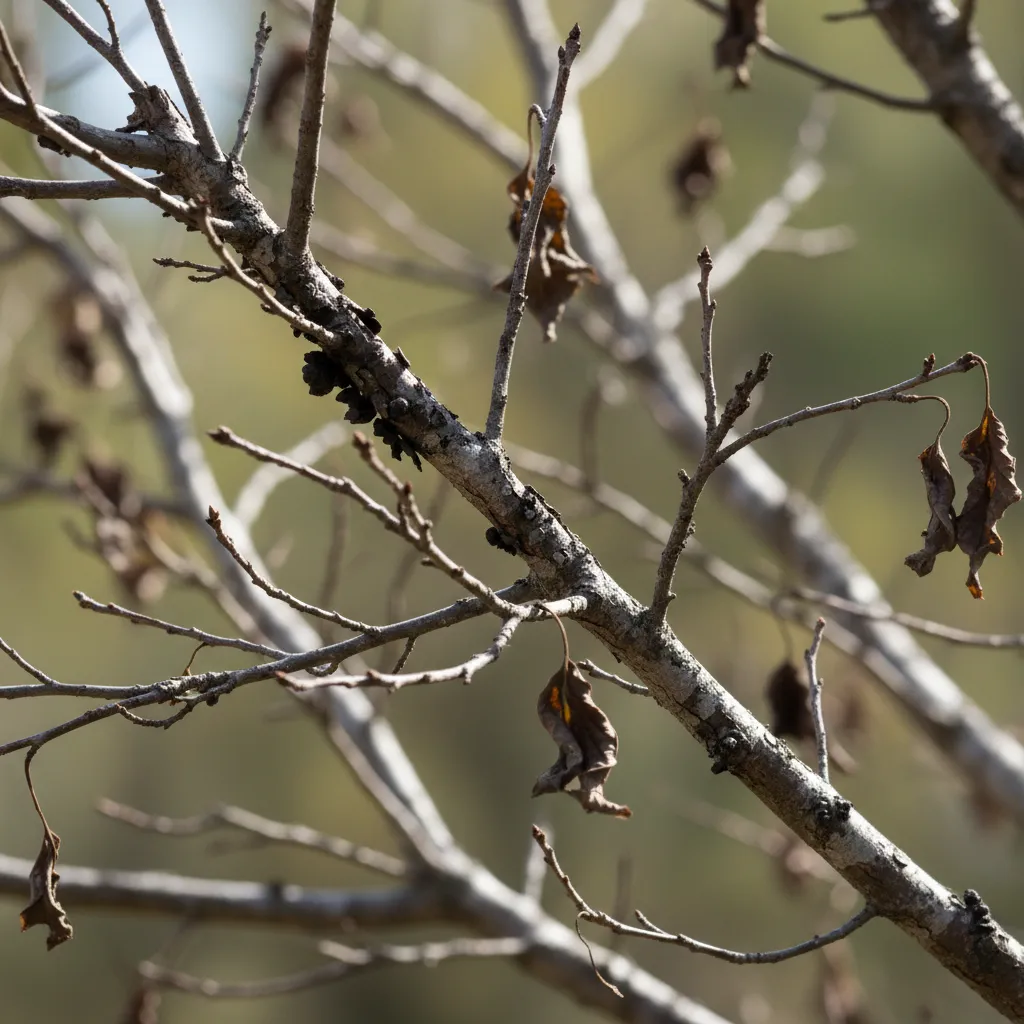
Stepping into your garden on a crisp UK morning, you might expect to be greeted by vibrant, healthy greenery. Finding the tips of your beloved junipers or apple trees turning a crispy, lifeless brown can be deeply disheartening. This frustrating and destructive sight is the classic hallmark of twig blight, a fungal menace that can wreak havoc on your carefully curated outdoor space.
Our famously damp British weather frequently creates the absolute perfect breeding ground for these stubborn fungal pathogens. Frequent rain, lingering morning dew, and high humidity give fungal spores exactly what they need to multiply. Because of this, staying vigilant and understanding the mechanics of fungal plant diseases is essential for maintaining a thriving, beautiful garden.
Fortunately, you do not have to watch helplessly as your favourite shrubs succumb to shoot dieback. This guide will provide a comprehensive overview of what this fungal disease is, how to spot it early, and the most effective ways to treat it. You will walk away with step-by-step guidance, organic treatment options, and preventative measures to keep your shrubs and trees in brilliant health all year round.
What Exactly is Twig Blight?
Twig Blight
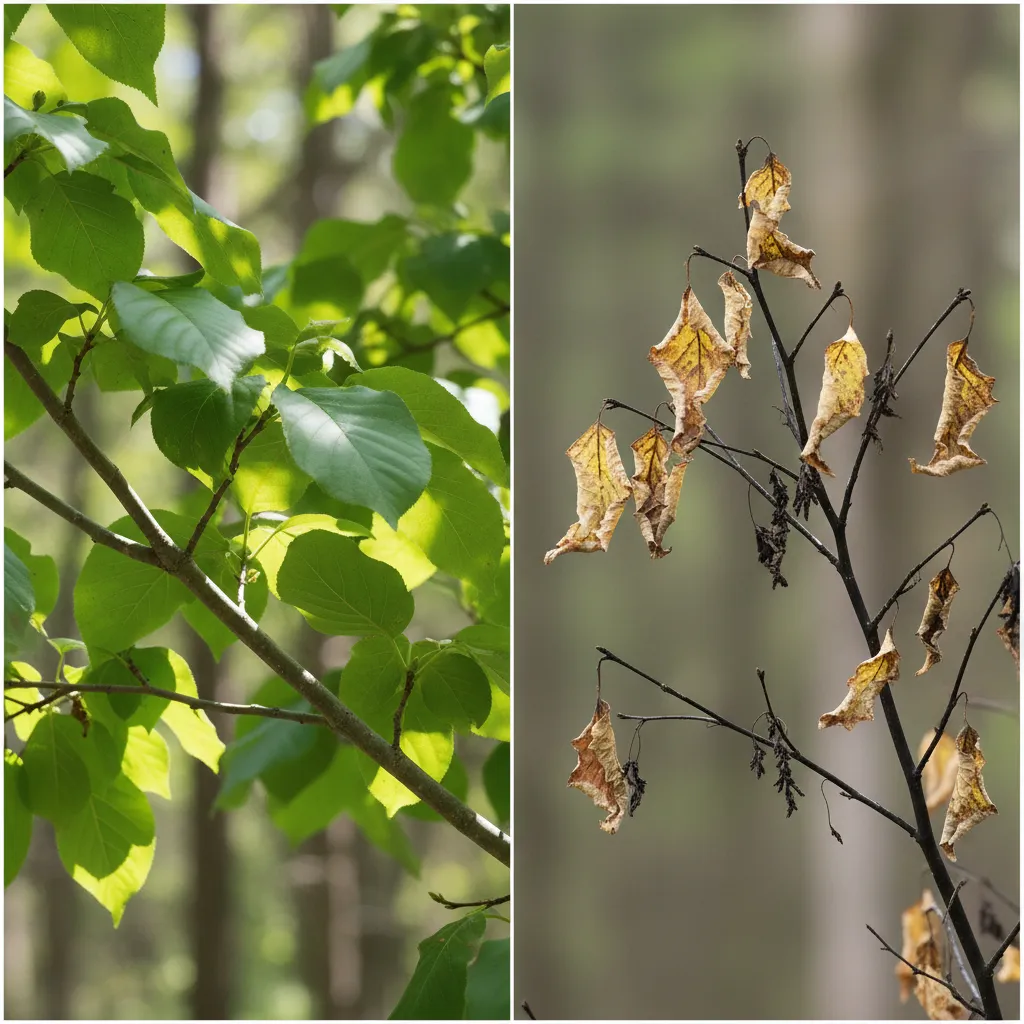
Twig blight is a highly destructive fungal disease that specifically targets the small branches and twigs of various trees and shrubs, ultimately causing severe dieback. Rather than attacking the trunk or the root system, the fungi responsible for this condition prefer the tender, vulnerable tips of new growth.
The mechanism of the disease is quite insidious. Fungal spores enter the plant through open wounds, pruning cuts, or even natural openings in the plant tissue. Once inside, they quickly colonise the vascular tissue. This internal blockade cuts off water and vital nutrients to the tips of the branches, essentially starving the foliage and causing the characteristic browning and death of the plant tips.
The spread of this disease relies heavily on environmental factors. Wet foliage, poor air circulation, and stressed plants provide an ideal recipe for disaster. When wind or rain splashes the microscopic spores from an infected branch onto a healthy one, the cycle begins anew, spreading rapidly through dense canopies if left unchecked.
Spotting the Enemy: Common Symptoms
Twig Blight
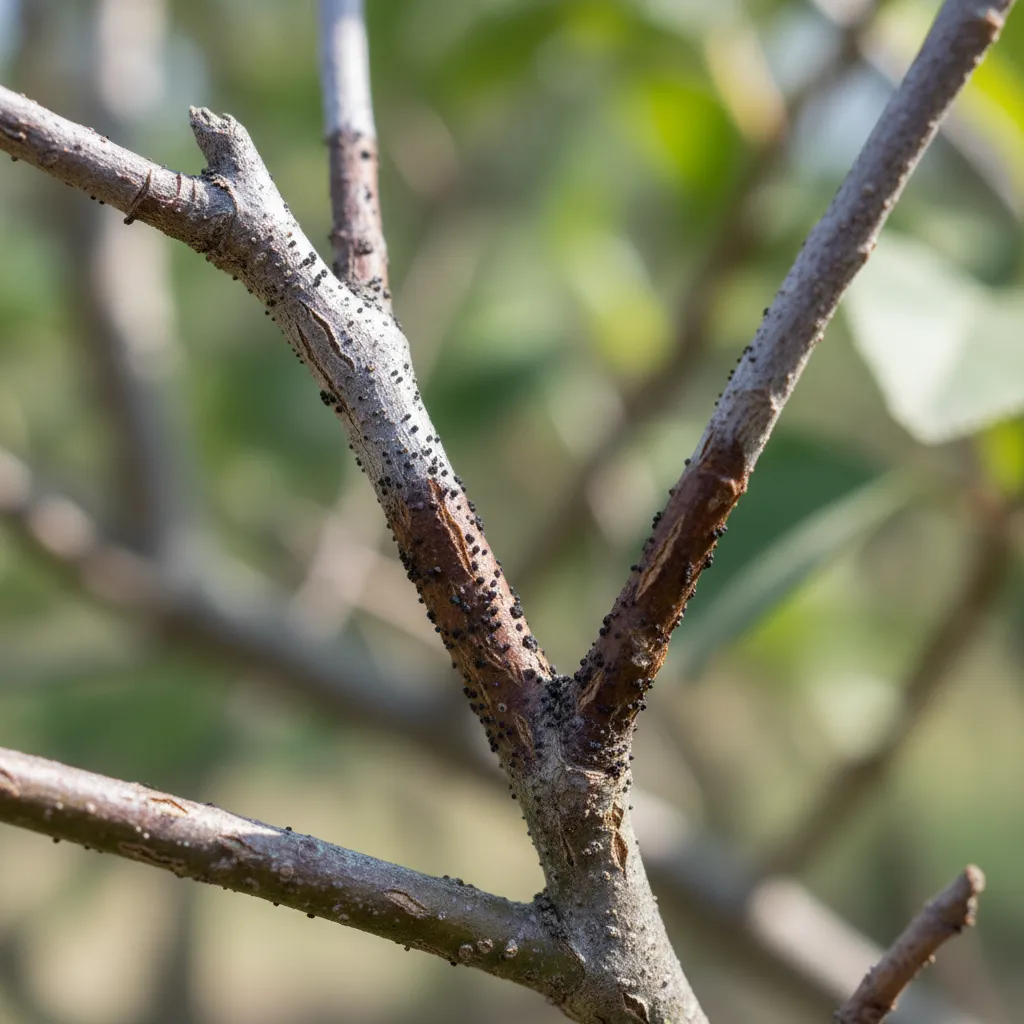
Catching twig blight early is your best defence against widespread garden damage. The earliest warning signs often appear in spring or late autumn, depending on the specific fungus. You will typically notice light green developing foliage rapidly turning ash grey, brown, or black at the very tips of small branches.
To confirm your suspicions, you must look closer for a few tell-tale signs. Examine the dead needles or leaves for tiny black spore-forming dots peppered across the surface. Additionally, you might spot sunken dead areas, known as cankers, right at the junction where the living green wood meets the dead brown wood.
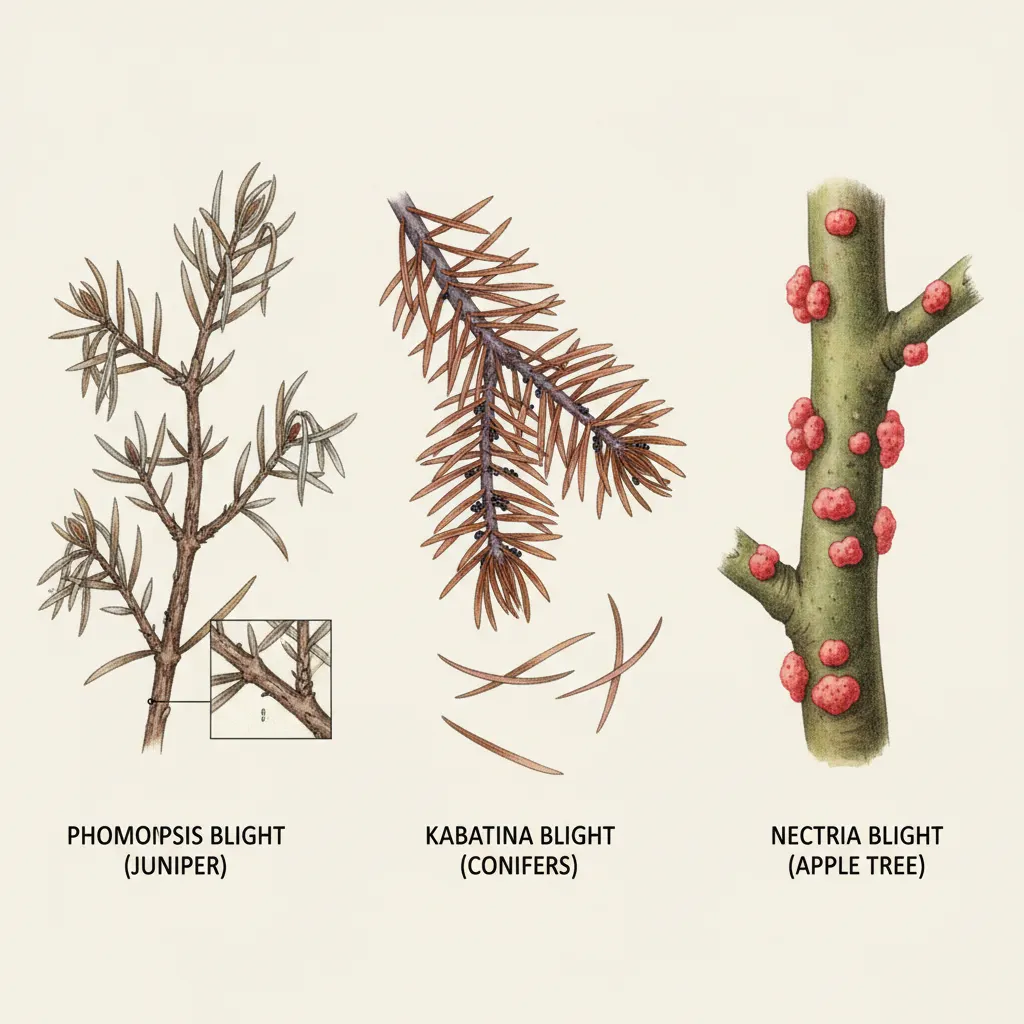
Different fungal strains offer specific visual cues. For example, if you are dealing with Nectria twig blight on apple trees, you might notice small pink or salmon-coloured nodules called sporodochia emerging from the decaying wood. Recognising the difference between normal seasonal dieback and an active fungal infection is a vital skill. Seasonal shedding usually happens uniformly across older foliage, whereas fungal blight aggressively targets the new growth at the tips of the branches.
The Main Culprits: Types of Twig Blight
Twig Blight
Understanding exactly which fungus is attacking your garden helps you tailor your treatment plan. Several different fungal strains cause shoot dieback, and they each have their own specific UK garden favourites.
Phomopsis and Kabatina
These two aggressive fungi absolutely devastate junipers, cedars, and arborvitae. Phomopsis juniperovora usually attacks lush new growth during the wet, mild conditions of spring. The spores germinate quickly, invading the needles and girdling small branches in a matter of weeks. On the other hand, Kabatina juniperi often infects wounded foliage in late autumn, though the frustrating damage only becomes visible the following spring.
Nectria Cinnabarina (Coral Spot)
Often referred to as Coral Spot due to its distinctive pink fruiting bodies, this opportunistic saprobe targets weakened broadleaf trees. Apple trees, crabapples, and maples are particularly susceptible. The fungus almost always enters the plant through pruning wounds, frost cracks, or broken branches, aggressively attacking wood that is already stressed or dying before moving into healthy tissue.
Diplodia Tip Blight
If you grow conifers, you need to watch out for Diplodia tip blight. This strain primarily targets severely stressed conifers, particularly two- and three-needled pines like Scots pine and Austrian pine. The fungus stunts the new shoots, turning them brown and causing the needles to remain permanently shortened and glued together by sticky resin.
Step-by-Step Prevention Tactics
Twig Blight
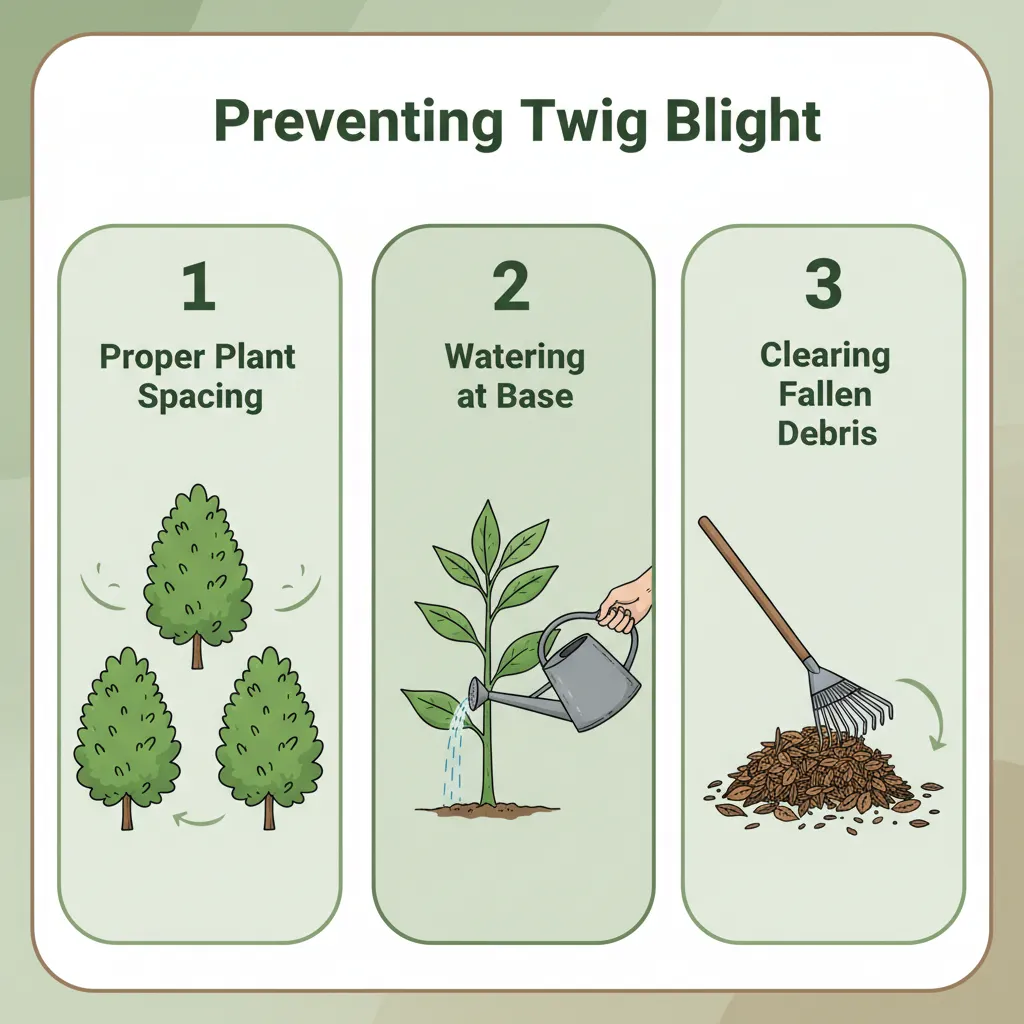
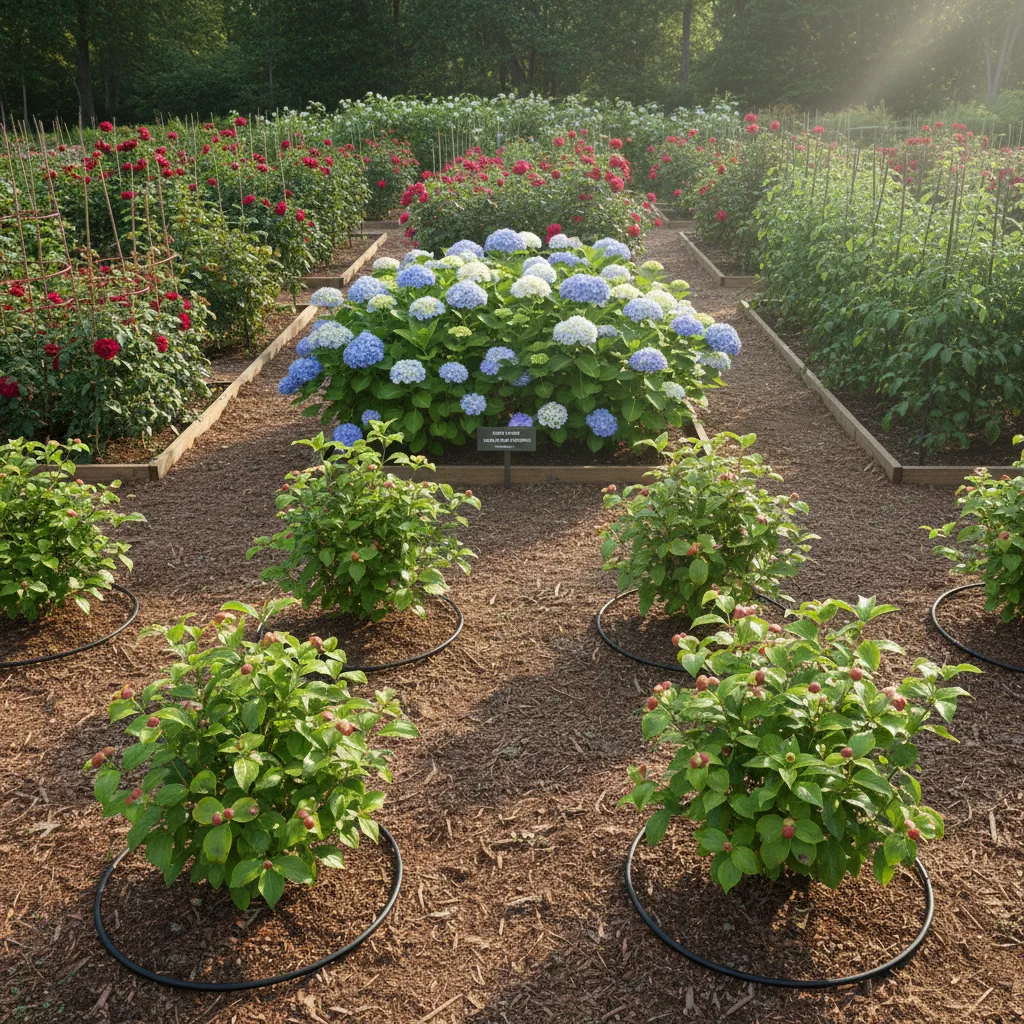
Prevention is undeniably the most effective cure when managing fungal plant diseases. By adjusting your daily gardening habits, you can create an environment where fungi struggle to survive. Proper plant spacing is your first line of defence. Giving your shrubs and trees plenty of room allows the wind to move through the branches, improving air circulation and keeping foliage dry.
Watering practices also play a massive role in disease prevention. You should always water at the base of the plant rather than using overhead sprinklers. Soaking the soil directly keeps the leaves dry. Furthermore, try to water your garden early in the morning. This allows the sun to evaporate any excess moisture that does happen to splash onto the leaves throughout the day.
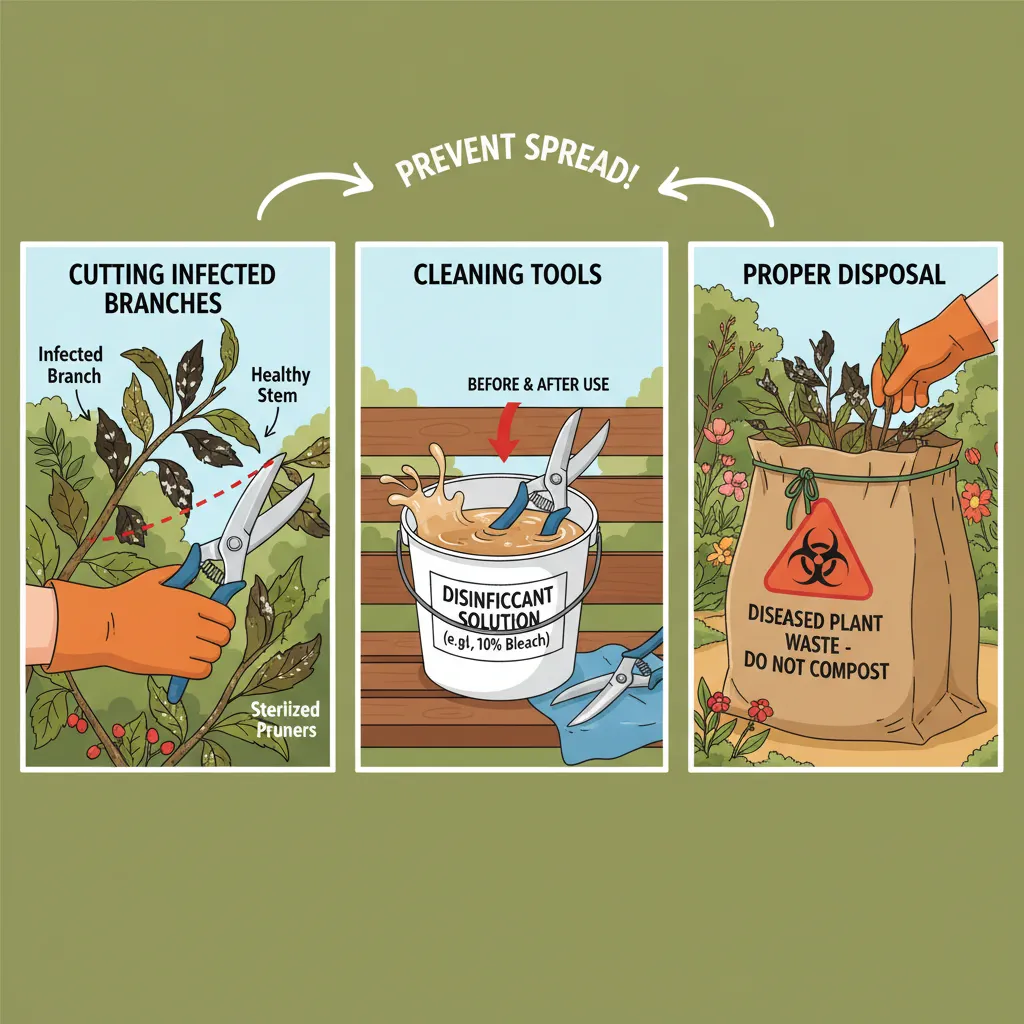
Garden hygiene is another critical factor. Fungal spores can survive the winter on fallen debris, ready to re-infect your plants when spring arrives. Always clear away fallen needles, dead leaves, and broken twigs. Crucially, you must sanitise your pruning shears with a mild bleach solution or rubbing alcohol between every single cut to stop spores in their tracks. Finally, when planning a new garden bed, always select disease-resistant plant varieties to give yourself a massive head start.
Effective Treatment and Management
Twig Blight
When prevention fails and twig blight infiltrates your garden, you must act swiftly. A combination of careful pruning and targeted treatments will help you regain control.
Pruning for Plant Health
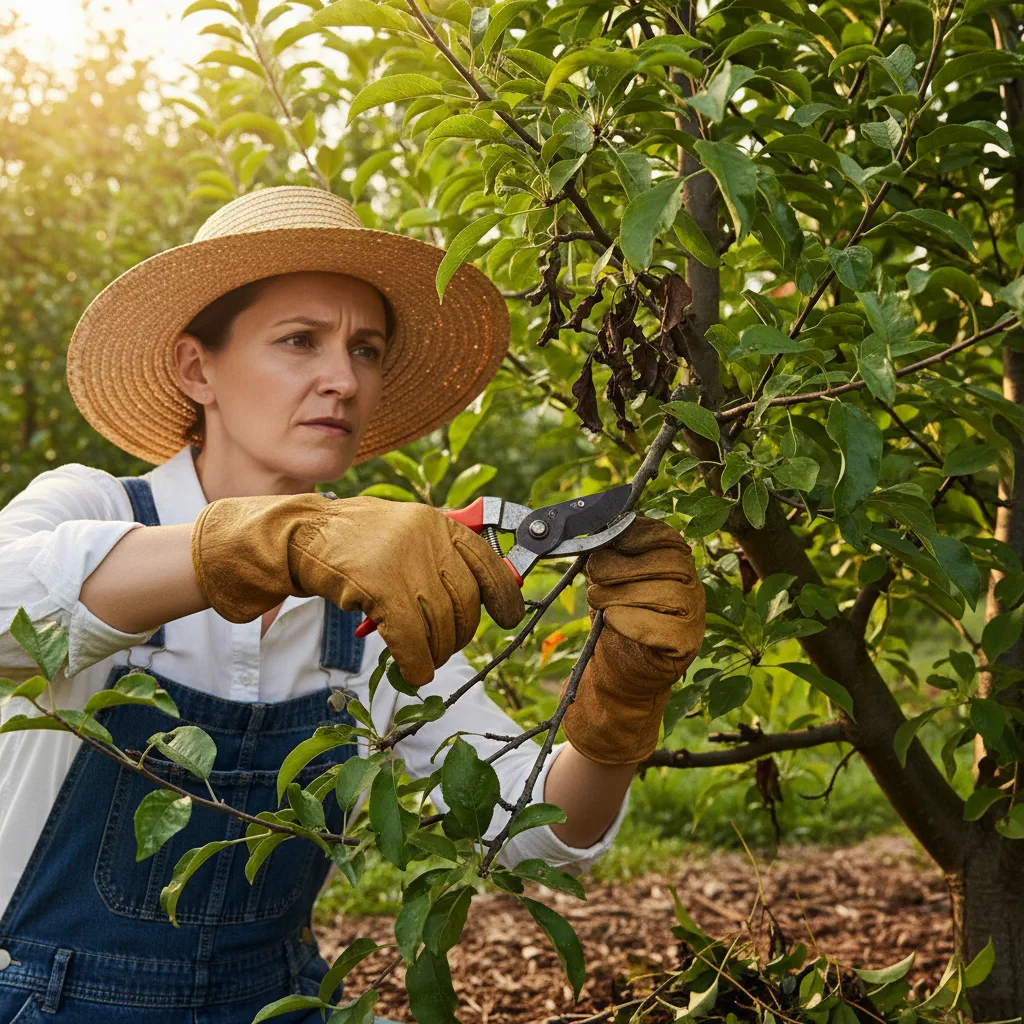
Pruning out the infected branches is the most important step in managing an active outbreak. You must only prune during dry weather. Cutting into wet foliage easily spreads the microscopic fungal spores to healthy parts of the plant.
Take a sharp, sterilised pair of secateurs and cut the diseased branch back to healthy, living wood. You want to make your cut at least a few inches below the visible canker or the dead brown tissue. Once you have removed the blighted twigs, safely dispose of the cuttings by burning them or placing them in your household waste bin. Do not compost infected plant material, as most home compost heaps do not reach high enough temperatures to kill the fungal spores.
Organic and Chemical Controls
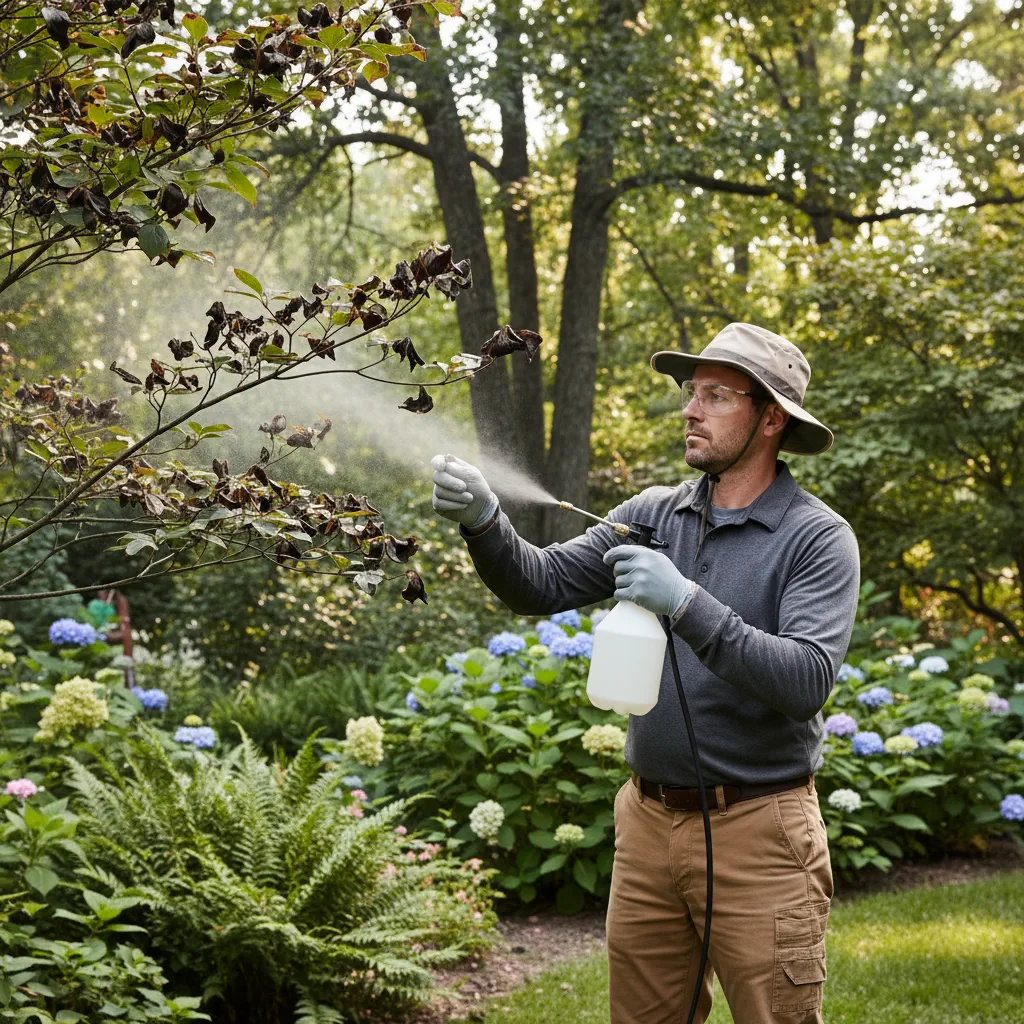
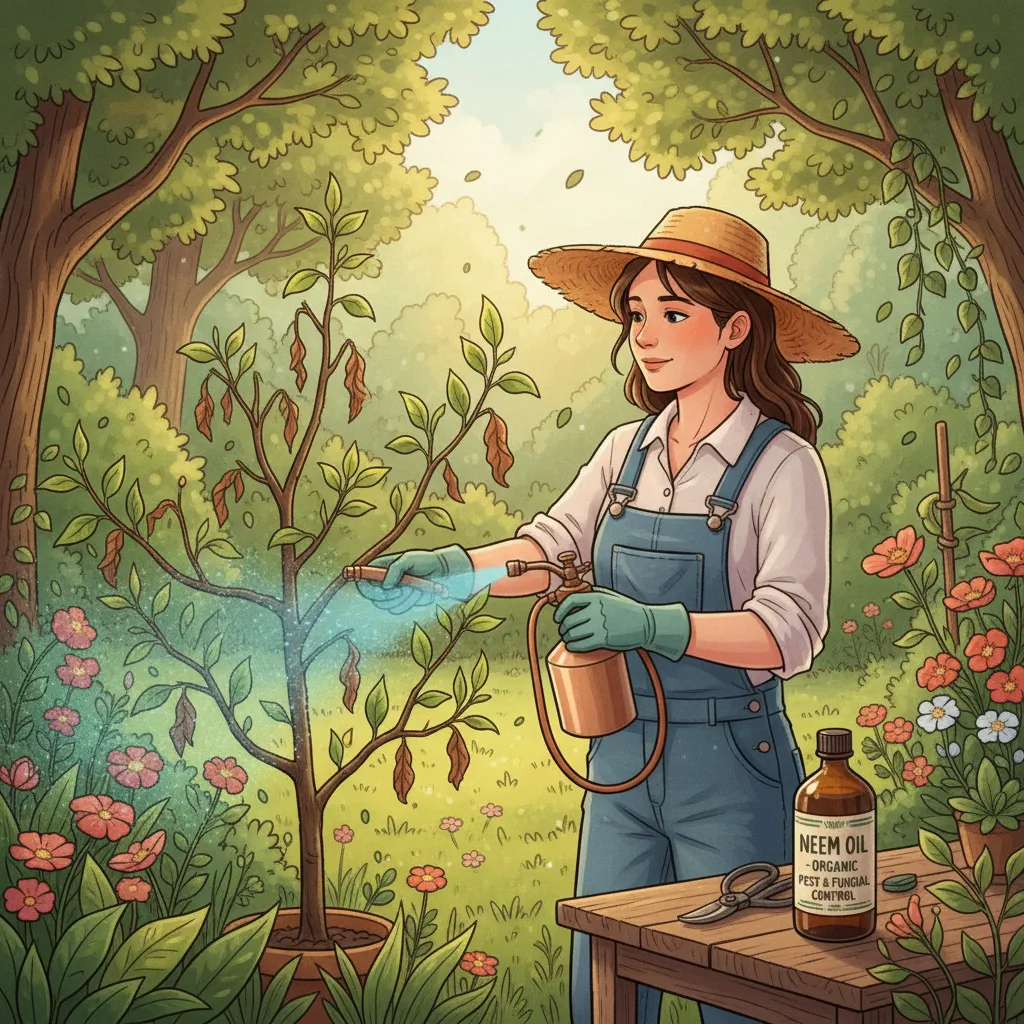
Alongside physical pruning, you can utilise natural and organic treatments to protect the remaining healthy foliage. Applying copper-based organic fungicides, sulphur, or neem oil during the dormant season or just as new growth begins provides a helpful protective barrier.
When applying these treatments, always follow the label instructions carefully. Proper dilution and timing are vital for success. Commercial growers often rely on broad-spectrum fungicides applied at bud break, but organic gardeners find massive success by combining excellent cultural practices with targeted organic sprays. As horticultural experts often note, an integrated approach that focuses on reducing plant stress while simultaneously treating the fungal spores yields the most vibrant, resilient plants.
Frequently Asked Questions About Twig Blight
Twig Blight
What causes twig blight in junipers?
Juniper blight is most commonly caused by two fungi: Phomopsis and Kabatina. They thrive in wet conditions and enter the plant through new, tender growth or small wounds caused by insects and harsh weather.
How do you treat twig blight organically?
Organic treatment relies heavily on pruning out the diseased wood during dry weather, sanitising your tools, and improving air circulation. You can also apply organic copper fungicides or neem oil to healthy foliage to prevent spores from germinating.
Can a tree recover from severe shoot dieback?
Yes, trees and shrubs can absolutely recover if the disease is caught and managed properly. By removing the infected wood, improving soil drainage, and reducing environmental stress, a plant will push out healthy new growth in subsequent seasons.
Keep Your Garden Thriving
Twig Blight
Defeating twig blight comes down to proper identification, swift and hygienic pruning, improving airflow, and applying the right preventative treatments. Fungal diseases can be intimidating, but understanding exactly how they operate strips away the mystery and gives you the power to protect your beloved plants.
With a bit of vigilance and the right cultural practices, your garden can bounce back stronger and more vibrant than ever. Healthy, well-maintained plants are naturally resilient to pests and diseases, ensuring your UK garden remains a beautiful sanctuary year after year.
To keep your green spaces looking their absolute best, subscribe to our weekly gardening newsletter for more tailored, seasonal advice.
How to Prune Climbing Vines
List by Variety
- How to Prune Actinidia
- How to Prune Akebia
- How to Prune Bougainvillea
- How to Prune Campsis
- How to Prune Celastrus
- How to Prune Chilean Glory Vine
- How to Prune Clematis Armandii
- How to Prune Clematis Montana
- How to Prune Climbing Rose
- How to Prune Hedera GoldHeart
- How to Prune Honeysuckle
- How to Prune Hydrangea Petiolaris
- How to Prune Ivy
- How to Prune Japanese Wisteria
- How to Prune Morning Glory
- How to Prune Parthenocissus
- How to Prune Persian Ivy Hedera Colchica
- How to Prune Schisandra
- How to Prune Star Jasmine
- How to Prune Sweet Peas
- How to Prune True Jasmine
- How to Prune Virginia Creeper
- How to Prune Wisteria
How to Prune Hedges
List by Variety
- How to Prune an Arborvitae Hedge
- How to Prune a Barberry Hedge
- How to Prune a Beech Hedge
- How to Prune a Boxwood Hedge
- How to Prune a Butterfly Bush Hedge
- How to Prune a Cotoneaster Hedge
- How to Prune an English Lavender Hedge
- How to Prune an Escallonia Hedge
- How to Prune an Euonymus-Hedge
- How to Prune a Firethorn Hedge
- How to Prune a Forsythia Hedge
- How to Prune a Griselinia Hedge
- How to Prune a Hawthorn Hedge
- How to Prune a Holly Hedge
- How to Prune a Hornbeam Hedge
- How to Prune a Juniper Hedge
- How to Prune a Laurel Hedge
- How to Prune a Leylandii Hedge
- How to Prune a Lilac Hedge
- How to Prune a Maple Leaf Viburnum Hedge
- How to Prune a Photinia Hedge
- How to Prune a Pink Ramanus Rose Hedge
- How to Prune a Privet Hedge
- How to Prune a Pyracantha Hedge
- How to Prune a Spirea Hedge
- How to Prune a Thuja Hedge
- How to Prune a Viburnum Hedge
- How to Prune a Western Red Cedar Hedge
- How to Prune a Yew Hedge
How to Prune Shrubs
List by Variety
- How to Prune an Abelia Shrub
- How to Prune an Abutilon
- How to Prune an Acer / Japanese-Maple
- How to Prune an Amelanchiers
- How to Prune an Apple-Tree
- How to Prune an Arbovitae Shrub
- How to Prune an Arbutus
- How to Prune an Aucuba
- How to Prune a Azalea Mollis
- How to Prune Azaleas
- How to Prune a Bay Tree Shrub
- How to Prune a Berberis Darwinii
- How to Prune Berberis Deciduous Types
- How to Prune a Boxwood Shrubs
- How to Prune a Brachyglottis Senecio
- How to Prune a Buddleia Alternifolia
- How to Prune Buddleias Butterfly Bushes
- How to Prune a Buddleja Globosa
- How to Prune a Callicarpa
- How to Prune a Camellia
- How to Prune a Caryopteris
- How to Prune a Catalpa Bignonioides Aurea
- How to Prune Ceanothus Deciduous Types
- How to Prune Ceanothus Evergreen Types
- How to Prune a Ceratostigma
- How to Prune a Chaenomeles
- How to Prune a Choisya
- How to Prune a Cistus
- How to Prune a Clematis
- How to Prune a Cornus
- How to Prune a Cotinus Royal Purple
- How to Prune a Cytisus Scoparius
- How to Prune a Exochorda x Macrantha
- How to Prune a Forsythia
- How to Prune a Hebe
- How to Prune a Hydrangeas
- How to Prune Juniper Shrubs
- How to Prune a Lavatera
- How to Prune Lilac Bushes
- How to Prune a Mugo Pine
- How to Prune Rose Bushes
- How to Prune Ribes
- How to Prune Spirea Shrubs
- How to Prune Viburnum Shrubs
- How to Prune a Weigela
- How to Prune a Yew
How to Prune Trees
List by Variety
- How to Prune a Apple Tree
- How to Prune a Apricot Tree
- How to Prune a Ash Tree
- How to Prune a Birch Tree
- How to Prune a Cherry Tree
- How to Prune a Elm Tree
- How to Prune a Fig Tree
- How to Prune a Grape Tree
- How to Prune a Hickory Tree
- How to Prune a Maple Tree
- How to Prune a Oak Tree
- How to Prune an Olive Tree
- How to Prune a Peach Tree
- How to Prune a Pear Tree
- How to Prune a Plum Tree
- How to Prune a Poplar Tree
- How to Prune a Walnut Tree
How to Prune Climbing Vines
List by Variety
- How to Prune Actinidia
- How to Prune Akebia
- How to Prune Bougainvillea
- How to Prune Campsis
- How to Prune Celastrus
- How to Prune Chilean Glory Vine
- How to Prune Clematis Armandii
- How to Prune Clematis Montana
- How to Prune Climbing Rose
- How to Prune Hedera GoldHeart
- How to Prune Honeysuckle
- How to Prune Hydrangea Petiolaris
- How to Prune Ivy
- How to Prune Japanese Wisteria
- How to Prune Morning Glory
- How to Prune Parthenocissus
- How to Prune Persian Ivy Hedera Colchica
- How to Prune Schisandra
- How to Prune Star Jasmine
- How to Prune Sweet Peas
- How to Prune True Jasmine
- How to Prune Virginia Creeper
- How to Prune Wisteria
How to Prune Hedges
List by Variety
- How to Prune an Arborvitae Hedge
- How to Prune a Barberry Hedge
- How to Prune a Beech Hedge
- How to Prune a Boxwood Hedge
- How to Prune a Butterfly Bush Hedge
- How to Prune a Cotoneaster Hedge
- How to Prune an English Lavender Hedge
- How to Prune an Escallonia Hedge
- How to Prune an Euonymus-Hedge
- How to Prune a Firethorn Hedge
- How to Prune a Forsythia Hedge
- How to Prune a Griselinia Hedge
- How to Prune a Hawthorn Hedge
- How to Prune a Holly Hedge
- How to Prune a Hornbeam Hedge
- How to Prune a Juniper Hedge
- How to Prune a Laurel Hedge
- How to Prune a Leylandii Hedge
- How to Prune a Lilac Hedge
- How to Prune a Maple Leaf Viburnum Hedge
- How to Prune a Photinia Hedge
- How to Prune a Pink Ramanus Rose Hedge
- How to Prune a Privet Hedge
- How to Prune a Pyracantha Hedge
- How to Prune a Spirea Hedge
- How to Prune a Thuja Hedge
- How to Prune a Viburnum Hedge
- How to Prune a Western Red Cedar Hedge
- How to Prune a Yew Hedge
How to Prune Shrubs
List by Variety
- How to Prune an Abelia Shrub
- How to Prune an Abutilon
- How to Prune an Acer / Japanese-Maple
- How to Prune an Amelanchiers
- How to Prune an Apple-Tree
- How to Prune an Arbovitae Shrub
- How to Prune an Arbutus
- How to Prune an Aucuba
- How to Prune a Azalea Mollis
- How to Prune Azaleas
- How to Prune a Bay Tree Shrub
- How to Prune a Berberis Darwinii
- How to Prune Berberis Deciduous Types
- How to Prune a Boxwood Shrubs
- How to Prune a Brachyglottis Senecio
- How to Prune a Buddleia Alternifolia
- How to Prune Buddleias Butterfly Bushes
- How to Prune a Buddleja Globosa
- How to Prune a Callicarpa
- How to Prune a Camellia
- How to Prune a Caryopteris
- How to Prune a Catalpa Bignonioides Aurea
- How to Prune Ceanothus Deciduous Types
- How to Prune Ceanothus Evergreen Types
- How to Prune a Ceratostigma
- How to Prune a Chaenomeles
- How to Prune a Choisya
- How to Prune a Cistus
- How to Prune a Clematis
- How to Prune a Cornus
- How to Prune a Cotinus Royal Purple
- How to Prune a Cytisus Scoparius
- How to Prune a Exochorda x Macrantha
- How to Prune a Forsythia
- How to Prune a Hebe
- How to Prune a Hydrangeas
- How to Prune Juniper Shrubs
- How to Prune a Lavatera
- How to Prune Lilac Bushes
- How to Prune a Mugo Pine
- How to Prune Rose Bushes
- How to Prune Ribes
- How to Prune Spirea Shrubs
- How to Prune Viburnum Shrubs
- How to Prune a Weigela
- How to Prune a Yew
How to Prune Trees
List by Variety
- How to Prune a Apple Tree
- How to Prune a Apricot Tree
- How to Prune a Ash Tree
- How to Prune a Birch Tree
- How to Prune a Cherry Tree
- How to Prune a Elm Tree
- How to Prune a Fig Tree
- How to Prune a Grape Tree
- How to Prune a Hickory Tree
- How to Prune a Maple Tree
- How to Prune a Oak Tree
- How to Prune an Olive Tree
- How to Prune a Peach Tree
- How to Prune a Pear Tree
- How to Prune a Plum Tree
- How to Prune a Poplar Tree
- How to Prune a Walnut Tree
Gallery
Michael Carter
Vestibulum ante ipsum primis in faucibus orci luctus et ultrices posuere cubilia curae; Donec vel erat in nulla efficitur tempor non ut nisl. Integer venenatis eros ut dui viverra fermentum.
Sophie Wilson
Nam ut turpis hendrerit, varius nunc vel, elementum dui. Morbi vulputate dolor sit amet scelerisque egestas. Vestibulum eleifend nunc ut bibendum fermentum.
Alex Morgan
Cras non velit nec purus tempor rhoncus. Sed non mauris vitae erat consequat auctor eu in elit. Class aptent taciti sociosqu ad litora torquent per conubia nostra.