Stop Verticillium Wilt: The Ultimate Guide to Garden Health
Verticillium Wilt
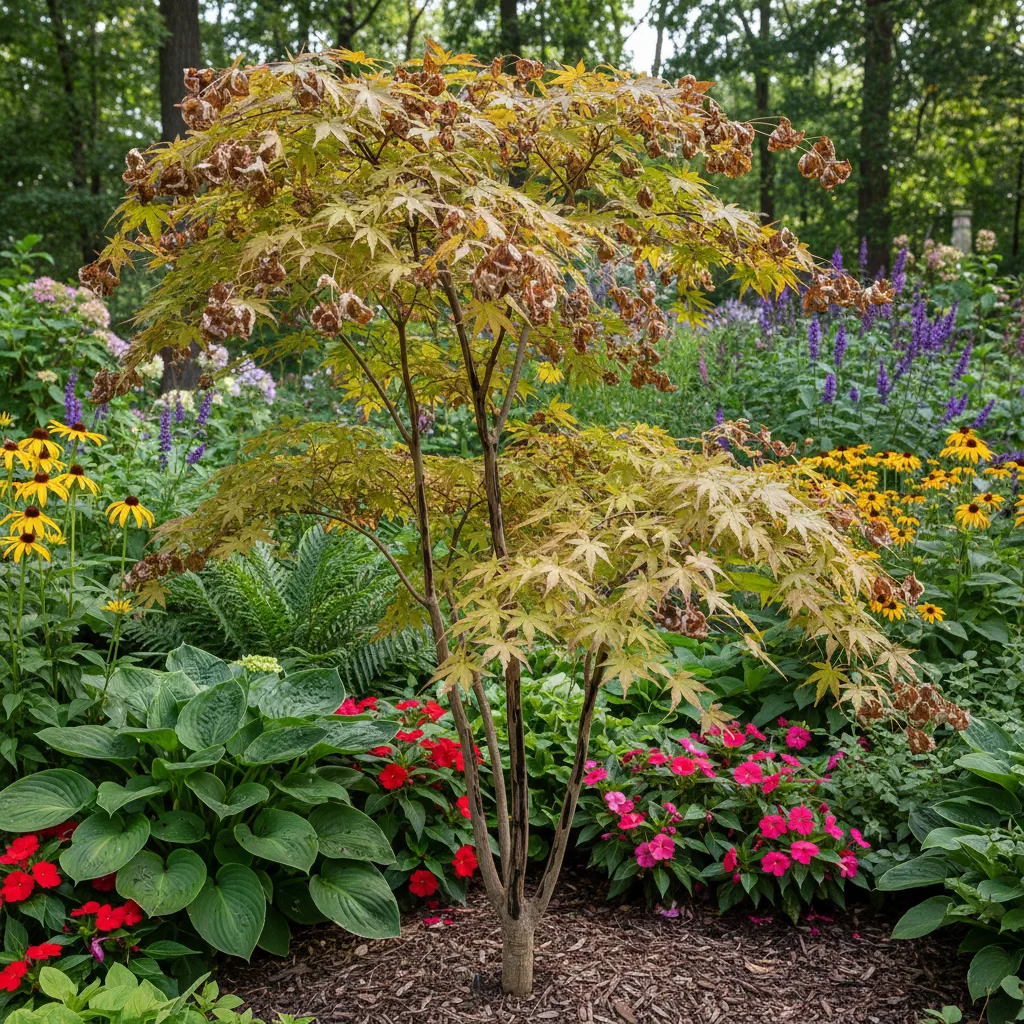
You step outside into the warm summer sunshine, eager to admire the vibrant canopy of your prized Japanese maple or the lush, green leaves of your flourishing strawberry patch. Instead, you are met with a disheartening sight. The leaves are wilting, turning a sickly yellow, and curling at the edges, despite your diligent watering routine. This sudden, inexplicable decline at the height of the growing season is a familiar heartbreak for many UK gardeners.
The culprit behind this devastation is often Verticillium wilt. This soil-borne fungal disease, primarily caused by Verticillium dahliae and Verticillium albo-atrum, acts as a silent assassin. It attacks plants from the roots up, lurking unseen beneath the soil surface before manifesting in devastating above-ground symptoms.
Understanding how to tackle this disease is absolutely essential for anyone looking to protect their outdoor spaces. Verticillium wilt affects over 350 different plant species, encompassing a vast array of garden favourites, vegetables, and majestic trees. Worse still, the fungus can persist stubbornly in your soil for well over a decade, waiting patiently for a susceptible host. Mastering Plant Disease Control is not just about saving a single plant; it is about safeguarding your entire landscape for years to come.
Throughout this comprehensive guide, we will explore the fascinating and destructive history of this disease, showing you exactly how to identify its sneaky symptoms before it takes hold. We will examine which vulnerable plants are most at risk, highlight the resistant species that can thrive in infected soil, and share proven Verticillium Wilt Management strategies to restore and maintain your Garden Health.
The Origins and Biology of a Hidden Killer
Verticillium Wilt
To truly defeat an enemy, you must first understand it. The story of Verticillium wilt is one of widespread agricultural and horticultural disruption, driven by a highly adaptable and resilient fungal organism.
A History of Devastation
The historical impact of this disease is staggering. In the United States, major agricultural shifts have occurred entirely because of this microscopic fungus. Following the severe floods of 1995 in California’s Salinas Valley, the fungus spread rapidly, wiping out massive swathes of lucrative lettuce crops and leaving farmers devastated. The disease even forced the historical relocation of the American peppermint industry, as growers desperately sought fresh, uninfected soil to sustain their harvests. In the UK, the impact is felt just as keenly in our allotments and ornamental borders, where decades of cultivation have allowed the pathogen to establish a firm foothold.
How the Fungal Biology Works
The science behind this persistence is fascinating. The fungus survives in the soil by forming dormant, thick-walled resting structures known as microsclerotia. These microscopic fortresses are incredibly resilient. They can withstand freezing temperatures, severe drought, and chemical treatments, sitting quietly in the earth for up to fifteen years. They do not need a living plant to survive during this dormancy, making eradication incredibly difficult.
The Silent Method of Attack
When you plant a susceptible species nearby, the roots naturally release chemical exudates into the soil. These chemicals act as an alarm clock for the dormant microsclerotia. They "wake up," germinate, and seek out the vulnerable root system. The fungus enters the plant through microscopic wounds or natural openings in the roots, growing upwards into the xylem. The xylem is the plant's vital plumbing system, responsible for transporting water and nutrients from the soil to the leaves. As the fungus multiplies, it physically blocks these water-conducting tissues, effectively choking the plant of hydration and leading to the rapid wilting we see above ground.
Spotting the Signs: Symptoms of Verticillium Wilt
Verticillium Wilt
Early identification is a critical component of effective Plant Disease Control. Because the fungus attacks from within, the external symptoms can often mimic other issues, such as drought stress or nutrient deficiencies. Knowing exactly what to look for will give you the upper hand.
Visual Foliage Cues to Watch For
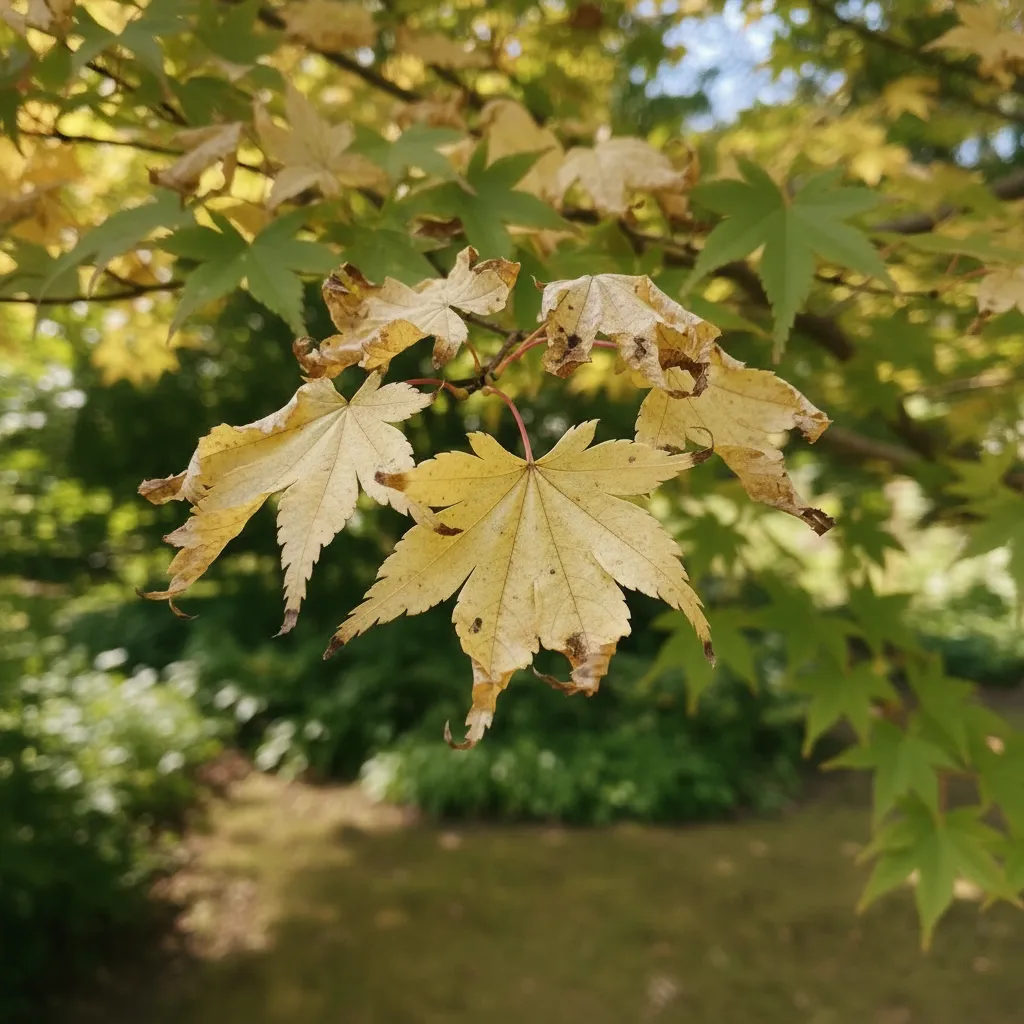
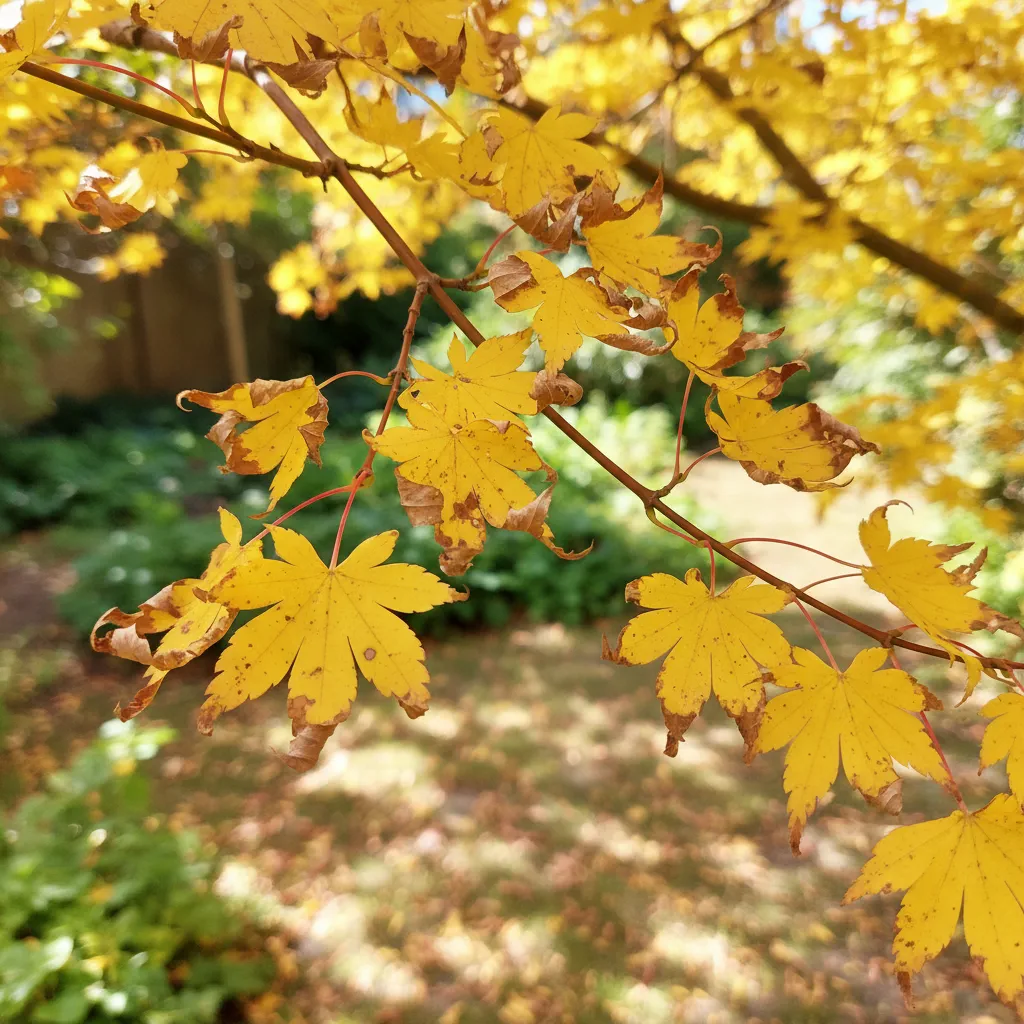
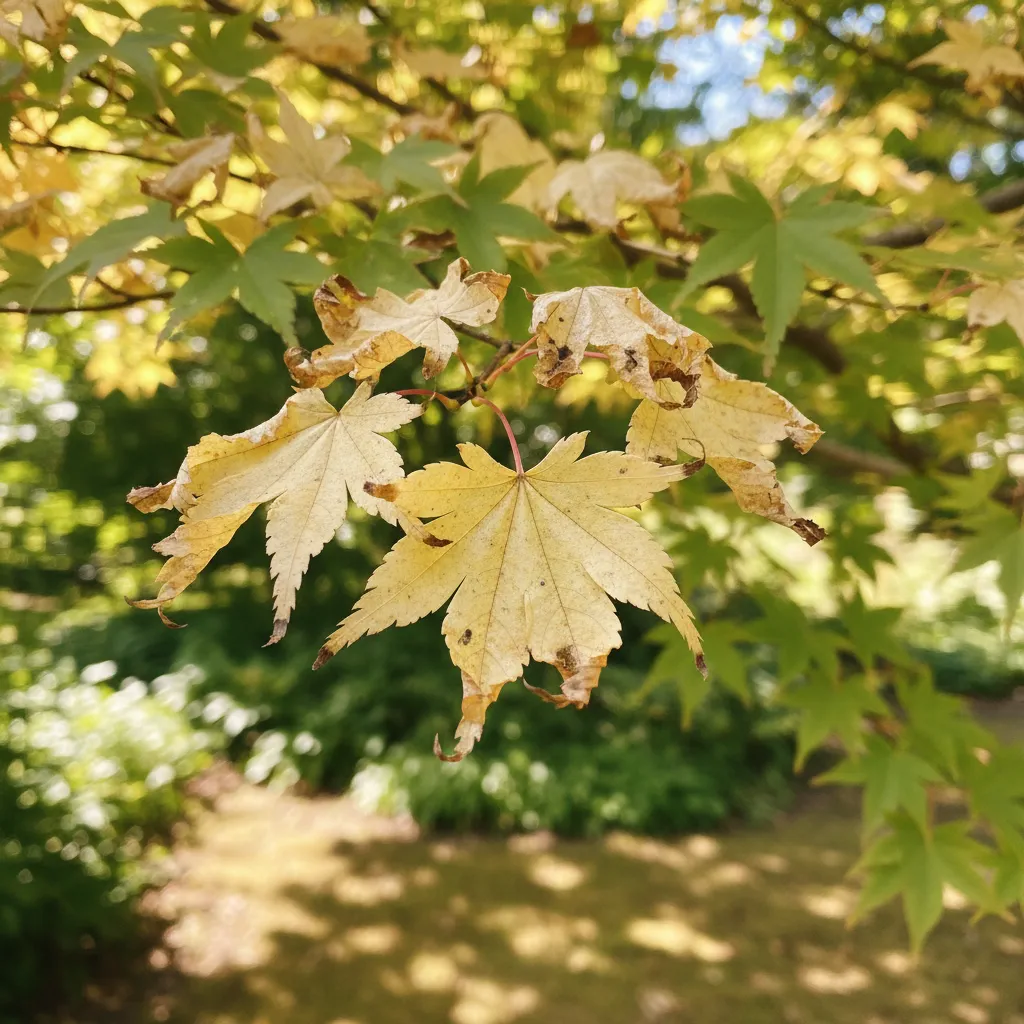
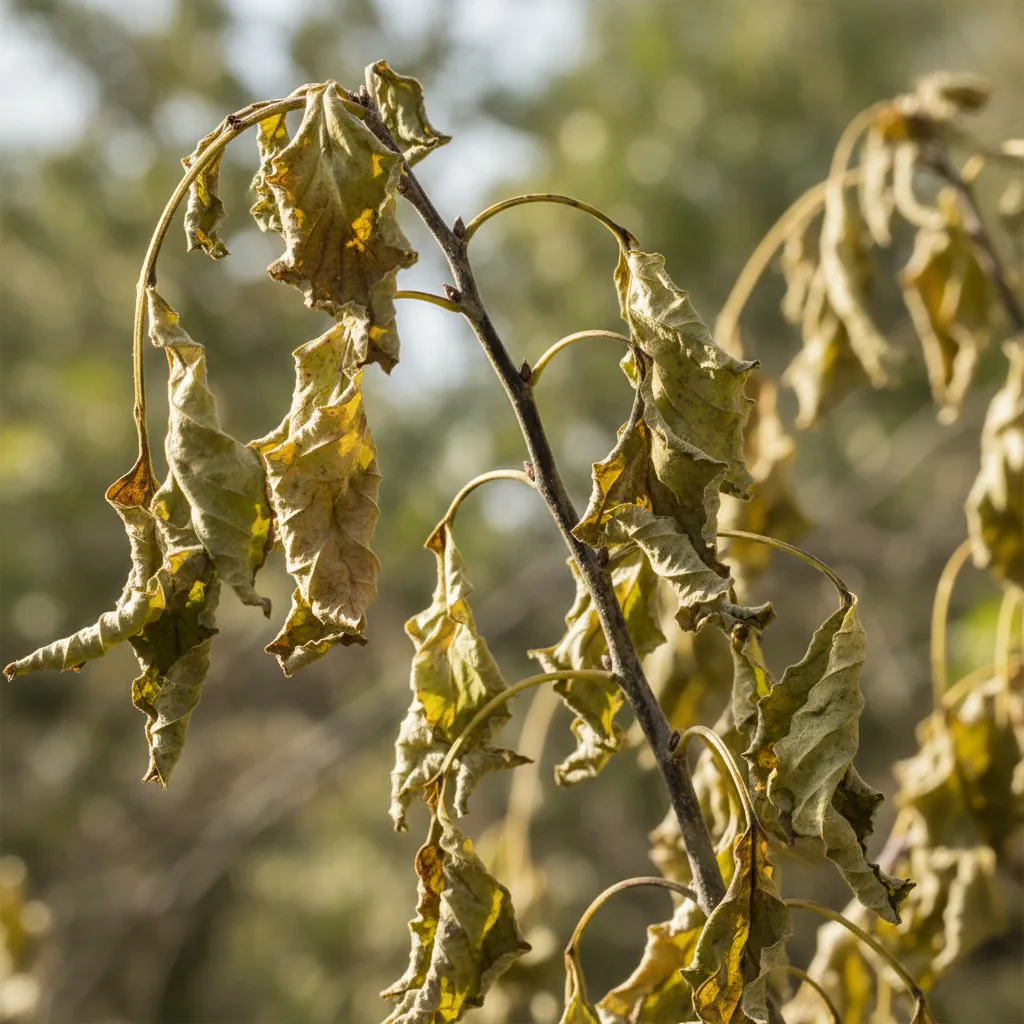
The classic early signs usually appear during hot, dry weather when the plant is desperately trying to draw up water to cool itself. You will notice the lower leaves beginning to yellow, shrivel, and wilt. Unlike typical underwatering, where the whole plant droops uniformly, these leaves may look scorched at the margins while the veins remain green for a short period. As the disease progresses upwards, the wilting becomes more severe, eventually leading to premature leaf drop and branch death.
The Tell-Tale Asymmetrical Dieback
One of the most unique characteristics of Verticillium wilt is its asymmetrical nature. Because the fungus often travels up specific xylem vessels on one side of the stem, the resulting dieback is frequently lopsided. You might see a single branch of an otherwise healthy tree suddenly wither and die. On smaller plants, half of a single leaf might turn yellow and crisp, while the other half remains perfectly green and healthy. This one-sided presentation is a major red flag for this specific fungal infection.
The 'Smoking Gun' Stem Test
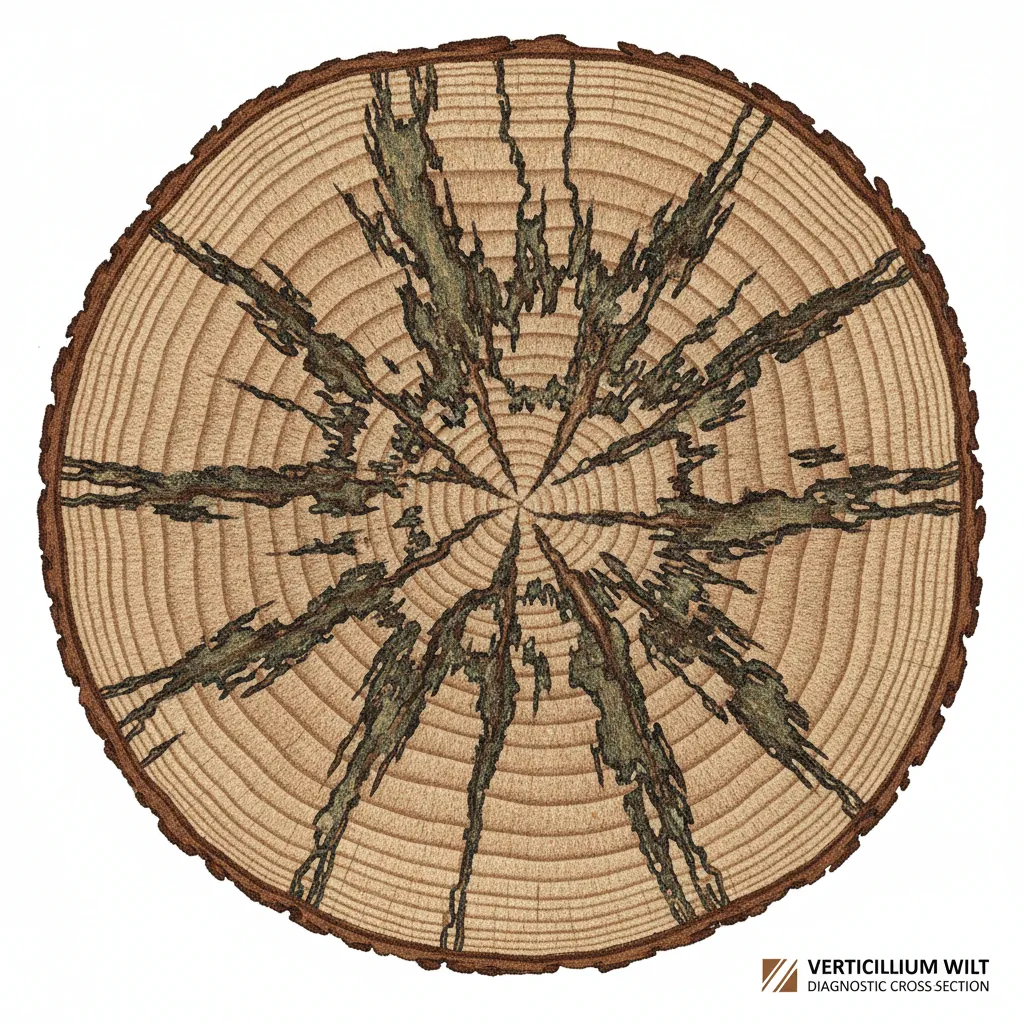
If you suspect Verticillium wilt, you can perform a simple diagnostic test at home. Carefully prune a wilting, dying branch from the affected plant. Using a sharp, clean pair of secateurs or a knife, cut a cross-section of the stem, or peel back a small strip of the outer bark. Look closely at the vascular tissue just beneath the bark. If the plant is infected, you will clearly see distinctive dark brown, greenish-black, or olive-coloured streaks running longitudinally through the wood. This internal staining is the 'smoking gun' symptom, confirming that the fungus has invaded the xylem.
Who is at Risk? Susceptible Plants in Your Garden
Verticillium Wilt
This pathogen is notoriously indiscriminate. It possesses an incredibly broad host range, posing a significant threat to a wide variety of plants you likely grow and love.
Widespread Vulnerability Across Species
The fungus predominantly targets eudicots, a massive group of flowering plants. From delicate herbaceous perennials to massive shade trees, hundreds of species are vulnerable. This widespread susceptibility means that an outbreak in one corner of your garden can easily threaten entirely different plant families in another.
High-Risk UK Garden Favourites
Many of the most beloved ornamental plants in UK gardens are unfortunately highly susceptible. The iconic Acer (Japanese Maple), prized for its delicate foliage, is frequently devastated by this disease. Other high-risk ornamentals include the Cotinus (Smoke bush) with its striking purple leaves, the majestic Catalpa (Indian bean tree), and the early-blooming Cercis (Judas tree). If you are growing these stunning specimens, vigilant monitoring is essential.
Edible Crops in the Firing Line
Kitchen gardeners are not spared from this threat. Some of our most popular fruit and vegetable crops are highly susceptible. Tomatoes, potatoes, and aubergines—all members of the nightshade family—frequently fall victim to the wilt. Strawberry patches can be decimated rapidly, with plants collapsing just as the fruit begins to swell. Raspberries and other cane fruits are also commonly affected, leading to poor yields and eventual plant death.
Effective Plant Disease Control: Prevention First
Verticillium Wilt
When dealing with a soil-borne pathogen that can survive for a decade, prevention is undoubtedly better than a cure. Keeping the fungus out of your garden entirely is the most effective form of Verticillium Wilt Management.
Sourcing Plants and Soil Hygiene
The primary way this disease enters a new garden is through infected plant material or contaminated soil. Always purchase your plants from reputable, high-quality nurseries that practice strict disease control. Inspect plants carefully before buying, avoiding any that look wilted or carry yellowing lower leaves. Furthermore, never move soil from an infected area of your garden to a clean area, and avoid accepting topsoil or compost from unknown sources.
The Importance of Tool Sanitation
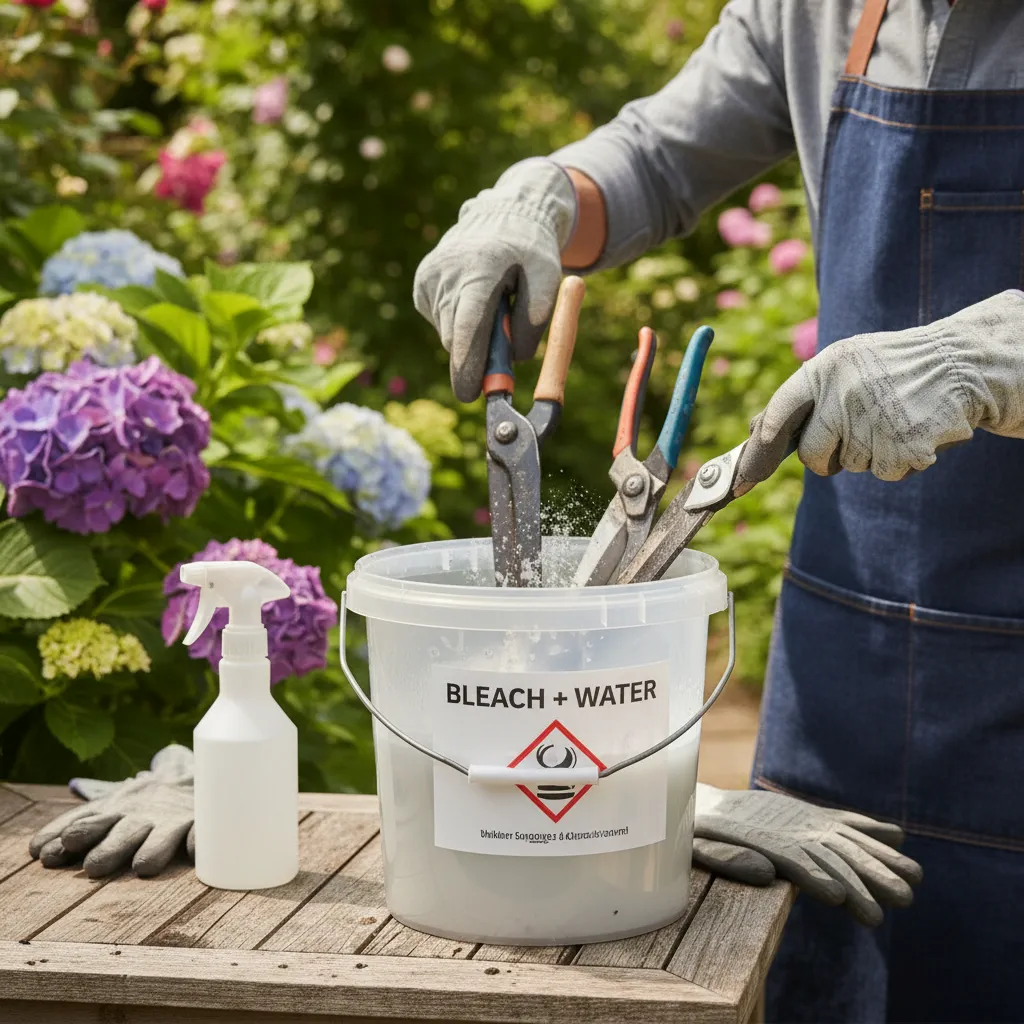
Gardeners often inadvertently spread the disease themselves. When you prune an infected branch or dig in contaminated soil, the microscopic fungal spores cling to your tools. If you then move on to prune a healthy plant, you inject the pathogen directly into its vascular system. Get into the strict habit of cleaning your pruning secateurs, spades, and trowels with a reliable garden disinfectant or a solution of 10% household bleach between uses.
Smart Weed and Waste Management
How you handle garden waste plays a massive role in overall Garden Health. Never throw severely diseased plant material onto your home compost heap. Domestic composters rarely reach the sustained high temperatures required to kill the resilient microsclerotia. Instead, dispose of infected plants through your local council's green waste collection, which uses high-heat industrial composting, or burn them if permitted. Additionally, many common garden weeds, such as dandelions and groundsel, can act as symptomless hosts for the fungus. Regular weeding removes these hidden reservoirs and stops the pathogen from multiplying unnoticed.
Verticillium Wilt Management and Control Strategies
Verticillium Wilt
If the disease has already found its way into your soil, swift and decisive action is required to limit the damage and protect your remaining plants.
The Harsh Reality of Chemical Cures
We must be completely upfront: there is absolutely no chemical fungicide available to home gardeners that can cure Verticillium wilt once a plant is infected. Because the fungus lives safely inside the plant's internal plumbing, surface sprays are entirely useless. Soil drenches are similarly ineffective against the thick-walled resting structures. Management relies entirely on cultural practices and smart environmental adjustments.
Essential Cultural Controls
When a herbaceous plant or small shrub is severely infected, the most responsible action is to carefully dig it out entirely. Remove as much of the root system as possible, along with the surrounding soil attached to the roots, and destroy it safely. For larger, established trees showing minor symptoms, you can sometimes prolong their life by pruning out the dead wood (remembering to sterilise your tools!) and providing optimal care. Ensure the tree is well-watered during dry spells and adequately fed to boost its natural vigour, though this will not cure the underlying infection.
Soil Recovery Techniques
Once an infected plant is removed, you cannot simply plant another susceptible species in the same spot. The Royal Horticultural Society (RHS) recommends grassing over an infected area or paving it for up to 15 years. By removing potential hosts, you slowly starve the fungus, gradually reducing the population of microsclerotia in the soil over time.
Modern Innovations in Soil Disinfestation
For those who cannot wait a decade to replant, commercial agriculture is pioneering exciting, sustainable methods that home gardeners can adapt. Anaerobic Soil Disinfestation (ASD) is a fantastic, chemical-free technique currently gaining traction. It involves digging a large amount of fresh organic matter (like grass clippings or bran) into the infected soil. The area is then heavily flooded with water and covered tightly with clear plastic sheeting for several weeks. This process creates an oxygen-free, highly acidic environment that physically breaks down and destroys the fungal resting structures. Studies show ASD can reduce wilt pathogens by up to 90%, offering a brilliant way to reclaim your soil.
Planting for the Future: Resistant and Immune Species
Verticillium Wilt
Discovering Verticillium wilt in your flowerbeds is undeniably frustrating, but it is certainly not the end of your gardening journey. By making intelligent, informed planting choices, you can create a stunning landscape that completely ignores the pathogen beneath the surface.
A Message of Hope for Your Flowerbeds
The key to long-term Garden Health in the presence of this disease is shifting your focus towards plants that naturally resist or entirely reject the fungus. You can maintain incredible colour, structure, and interest without ever worrying about the devastating wilt returning.
Completely Immune Plant Families
Nature provides us with incredible workarounds. All monocots and gymnosperms are completely immune to Verticillium wilt. Their vascular structures simply do not allow the fungus to take hold. This opens up a massive palette of planting options. You can safely plant any conifer, from towering pines to dwarf spruces. Ferns will thrive without issue, adding lush texture to shady spots. Ornamental grasses, lilies, irises, and all spring-flowering bulbs are entirely safe, allowing you to build dynamic, movement-filled borders right over infected soil.
Resistant Trees and Shrubs for UK Gardens
If you are looking to replace a lost Acer or Catalpa, there are many beautiful, highly resistant broadleaf alternatives perfectly suited to UK gardens. The elegant Birch (Betula), with its stunning peeling bark, is highly resistant. Beech (Fagus) and Hornbeam (Carpinus) make magnificent specimen trees or dense hedges that scoff at the fungus. The native Hawthorn (Crataegus) offers fantastic spring blossom and autumn berries, while various Willow (Salix) species provide graceful foliage and vibrant winter stems. By choosing these resilient varieties, you guarantee a vibrant display year after year.
Secure Your Garden's Future Today

Verticillium Wilt
Managing this stubborn fungal pathogen requires patience, vigilance, and a willingness to adapt your horticultural habits. By understanding how the disease operates, you empower yourself to make the right choices for your outdoor space.
Early identification through visual cues and the stem test allows you to remove infected plants before the fungus spreads further. Enforcing strict garden hygiene, sterilising your tools, and avoiding the composting of diseased material will drastically cut down the risk of contamination. Most importantly, pivoting your planting schemes towards immune monocots, gymnosperms, and resistant broadleaf shrubs ensures your garden remains a place of beauty rather than a source of stress.
Do not let a wilted leaf go unnoticed. Take a walk outside today, inspect your vulnerable plants, and give your secateurs a thorough clean. By applying these effective Verticillium Wilt Management techniques, you can confidently outsmart this hidden killer and enjoy a flourishing, vibrant garden for decades to come. Share this guide with your local allotment group or gardening friends—excellent Plant Disease Control relies on a community of knowledgeable, proactive growers.
How to Prune Climbing Vines
List by Variety
- How to Prune Actinidia
- How to Prune Akebia
- How to Prune Bougainvillea
- How to Prune Campsis
- How to Prune Celastrus
- How to Prune Chilean Glory Vine
- How to Prune Clematis Armandii
- How to Prune Clematis Montana
- How to Prune Climbing Rose
- How to Prune Hedera GoldHeart
- How to Prune Honeysuckle
- How to Prune Hydrangea Petiolaris
- How to Prune Ivy
- How to Prune Japanese Wisteria
- How to Prune Morning Glory
- How to Prune Parthenocissus
- How to Prune Persian Ivy Hedera Colchica
- How to Prune Schisandra
- How to Prune Star Jasmine
- How to Prune Sweet Peas
- How to Prune True Jasmine
- How to Prune Virginia Creeper
- How to Prune Wisteria
How to Prune Hedges
List by Variety
- How to Prune an Arborvitae Hedge
- How to Prune a Barberry Hedge
- How to Prune a Beech Hedge
- How to Prune a Boxwood Hedge
- How to Prune a Butterfly Bush Hedge
- How to Prune a Cotoneaster Hedge
- How to Prune an English Lavender Hedge
- How to Prune an Escallonia Hedge
- How to Prune an Euonymus-Hedge
- How to Prune a Firethorn Hedge
- How to Prune a Forsythia Hedge
- How to Prune a Griselinia Hedge
- How to Prune a Hawthorn Hedge
- How to Prune a Holly Hedge
- How to Prune a Hornbeam Hedge
- How to Prune a Juniper Hedge
- How to Prune a Laurel Hedge
- How to Prune a Leylandii Hedge
- How to Prune a Lilac Hedge
- How to Prune a Maple Leaf Viburnum Hedge
- How to Prune a Photinia Hedge
- How to Prune a Pink Ramanus Rose Hedge
- How to Prune a Privet Hedge
- How to Prune a Pyracantha Hedge
- How to Prune a Spirea Hedge
- How to Prune a Thuja Hedge
- How to Prune a Viburnum Hedge
- How to Prune a Western Red Cedar Hedge
- How to Prune a Yew Hedge
How to Prune Shrubs
List by Variety
- How to Prune an Abelia Shrub
- How to Prune an Abutilon
- How to Prune an Acer / Japanese-Maple
- How to Prune an Amelanchiers
- How to Prune an Apple-Tree
- How to Prune an Arbovitae Shrub
- How to Prune an Arbutus
- How to Prune an Aucuba
- How to Prune a Azalea Mollis
- How to Prune Azaleas
- How to Prune a Bay Tree Shrub
- How to Prune a Berberis Darwinii
- How to Prune Berberis Deciduous Types
- How to Prune a Boxwood Shrubs
- How to Prune a Brachyglottis Senecio
- How to Prune a Buddleia Alternifolia
- How to Prune Buddleias Butterfly Bushes
- How to Prune a Buddleja Globosa
- How to Prune a Callicarpa
- How to Prune a Camellia
- How to Prune a Caryopteris
- How to Prune a Catalpa Bignonioides Aurea
- How to Prune Ceanothus Deciduous Types
- How to Prune Ceanothus Evergreen Types
- How to Prune a Ceratostigma
- How to Prune a Chaenomeles
- How to Prune a Choisya
- How to Prune a Cistus
- How to Prune a Clematis
- How to Prune a Cornus
- How to Prune a Cotinus Royal Purple
- How to Prune a Cytisus Scoparius
- How to Prune a Exochorda x Macrantha
- How to Prune a Forsythia
- How to Prune a Hebe
- How to Prune a Hydrangeas
- How to Prune Juniper Shrubs
- How to Prune a Lavatera
- How to Prune Lilac Bushes
- How to Prune a Mugo Pine
- How to Prune Rose Bushes
- How to Prune Ribes
- How to Prune Spirea Shrubs
- How to Prune Viburnum Shrubs
- How to Prune a Weigela
- How to Prune a Yew
How to Prune Trees
List by Variety
- How to Prune a Apple Tree
- How to Prune a Apricot Tree
- How to Prune a Ash Tree
- How to Prune a Birch Tree
- How to Prune a Cherry Tree
- How to Prune a Elm Tree
- How to Prune a Fig Tree
- How to Prune a Grape Tree
- How to Prune a Hickory Tree
- How to Prune a Maple Tree
- How to Prune a Oak Tree
- How to Prune an Olive Tree
- How to Prune a Peach Tree
- How to Prune a Pear Tree
- How to Prune a Plum Tree
- How to Prune a Poplar Tree
- How to Prune a Walnut Tree
How to Prune Climbing Vines
List by Variety
- How to Prune Actinidia
- How to Prune Akebia
- How to Prune Bougainvillea
- How to Prune Campsis
- How to Prune Celastrus
- How to Prune Chilean Glory Vine
- How to Prune Clematis Armandii
- How to Prune Clematis Montana
- How to Prune Climbing Rose
- How to Prune Hedera GoldHeart
- How to Prune Honeysuckle
- How to Prune Hydrangea Petiolaris
- How to Prune Ivy
- How to Prune Japanese Wisteria
- How to Prune Morning Glory
- How to Prune Parthenocissus
- How to Prune Persian Ivy Hedera Colchica
- How to Prune Schisandra
- How to Prune Star Jasmine
- How to Prune Sweet Peas
- How to Prune True Jasmine
- How to Prune Virginia Creeper
- How to Prune Wisteria
How to Prune Hedges
List by Variety
- How to Prune an Arborvitae Hedge
- How to Prune a Barberry Hedge
- How to Prune a Beech Hedge
- How to Prune a Boxwood Hedge
- How to Prune a Butterfly Bush Hedge
- How to Prune a Cotoneaster Hedge
- How to Prune an English Lavender Hedge
- How to Prune an Escallonia Hedge
- How to Prune an Euonymus-Hedge
- How to Prune a Firethorn Hedge
- How to Prune a Forsythia Hedge
- How to Prune a Griselinia Hedge
- How to Prune a Hawthorn Hedge
- How to Prune a Holly Hedge
- How to Prune a Hornbeam Hedge
- How to Prune a Juniper Hedge
- How to Prune a Laurel Hedge
- How to Prune a Leylandii Hedge
- How to Prune a Lilac Hedge
- How to Prune a Maple Leaf Viburnum Hedge
- How to Prune a Photinia Hedge
- How to Prune a Pink Ramanus Rose Hedge
- How to Prune a Privet Hedge
- How to Prune a Pyracantha Hedge
- How to Prune a Spirea Hedge
- How to Prune a Thuja Hedge
- How to Prune a Viburnum Hedge
- How to Prune a Western Red Cedar Hedge
- How to Prune a Yew Hedge
How to Prune Shrubs
List by Variety
- How to Prune an Abelia Shrub
- How to Prune an Abutilon
- How to Prune an Acer / Japanese-Maple
- How to Prune an Amelanchiers
- How to Prune an Apple-Tree
- How to Prune an Arbovitae Shrub
- How to Prune an Arbutus
- How to Prune an Aucuba
- How to Prune a Azalea Mollis
- How to Prune Azaleas
- How to Prune a Bay Tree Shrub
- How to Prune a Berberis Darwinii
- How to Prune Berberis Deciduous Types
- How to Prune a Boxwood Shrubs
- How to Prune a Brachyglottis Senecio
- How to Prune a Buddleia Alternifolia
- How to Prune Buddleias Butterfly Bushes
- How to Prune a Buddleja Globosa
- How to Prune a Callicarpa
- How to Prune a Camellia
- How to Prune a Caryopteris
- How to Prune a Catalpa Bignonioides Aurea
- How to Prune Ceanothus Deciduous Types
- How to Prune Ceanothus Evergreen Types
- How to Prune a Ceratostigma
- How to Prune a Chaenomeles
- How to Prune a Choisya
- How to Prune a Cistus
- How to Prune a Clematis
- How to Prune a Cornus
- How to Prune a Cotinus Royal Purple
- How to Prune a Cytisus Scoparius
- How to Prune a Exochorda x Macrantha
- How to Prune a Forsythia
- How to Prune a Hebe
- How to Prune a Hydrangeas
- How to Prune Juniper Shrubs
- How to Prune a Lavatera
- How to Prune Lilac Bushes
- How to Prune a Mugo Pine
- How to Prune Rose Bushes
- How to Prune Ribes
- How to Prune Spirea Shrubs
- How to Prune Viburnum Shrubs
- How to Prune a Weigela
- How to Prune a Yew
How to Prune Trees
List by Variety
- How to Prune a Apple Tree
- How to Prune a Apricot Tree
- How to Prune a Ash Tree
- How to Prune a Birch Tree
- How to Prune a Cherry Tree
- How to Prune a Elm Tree
- How to Prune a Fig Tree
- How to Prune a Grape Tree
- How to Prune a Hickory Tree
- How to Prune a Maple Tree
- How to Prune a Oak Tree
- How to Prune an Olive Tree
- How to Prune a Peach Tree
- How to Prune a Pear Tree
- How to Prune a Plum Tree
- How to Prune a Poplar Tree
- How to Prune a Walnut Tree
Gallery
Michael Carter
Vestibulum ante ipsum primis in faucibus orci luctus et ultrices posuere cubilia curae; Donec vel erat in nulla efficitur tempor non ut nisl. Integer venenatis eros ut dui viverra fermentum.
Sophie Wilson
Nam ut turpis hendrerit, varius nunc vel, elementum dui. Morbi vulputate dolor sit amet scelerisque egestas. Vestibulum eleifend nunc ut bibendum fermentum.
Alex Morgan
Cras non velit nec purus tempor rhoncus. Sed non mauris vitae erat consequat auctor eu in elit. Class aptent taciti sociosqu ad litora torquent per conubia nostra.