Everything You Need to Know About the Viburnum Beetle
Save Your Shrubs: Master Viburnum Beetle Control
Viburnum Beetle
Imagine waking up on a crisp spring morning, cup of tea in hand, ready to admire your garden. You stroll over to your prized shrubs, only to discover a gardener's worst nightmare. The lush, green leaves you admired just days ago are gone. In their place hangs a collection of skeletal, lace-like remnants.
If this sounds familiar, you have likely crossed paths with the dreaded viburnum pest: Pyrrhalta viburni.
Better known as the viburnum beetle, this native UK insect is a formidable foe. In fact, the Royal Horticultural Society (RHS) previously named it the number one garden pest, overtaking even the notoriously destructive slugs and snails.
Right now, this topic is highly relevant to UK gardeners. The pest is widespread across the country, leaving a trail of devastation on popular garden staples like Viburnum tinus and V. opulus.
But do not despair. You can fight back and reclaim your garden. In this guide, you will learn exactly how to identify the pest at every stage of its life cycle. We will cover the telltale signs of damage, including a notorious foul smell, and provide a comprehensive, step-by-step guide to effective, eco-friendly viburnum beetle control.
Meet the Enemy: Identifying the Viburnum Pest
Viburnum Beetle
To defeat the enemy, you must first understand it. Pyrrhalta viburni transforms significantly throughout its life, making identification tricky if you do not know what to look for.
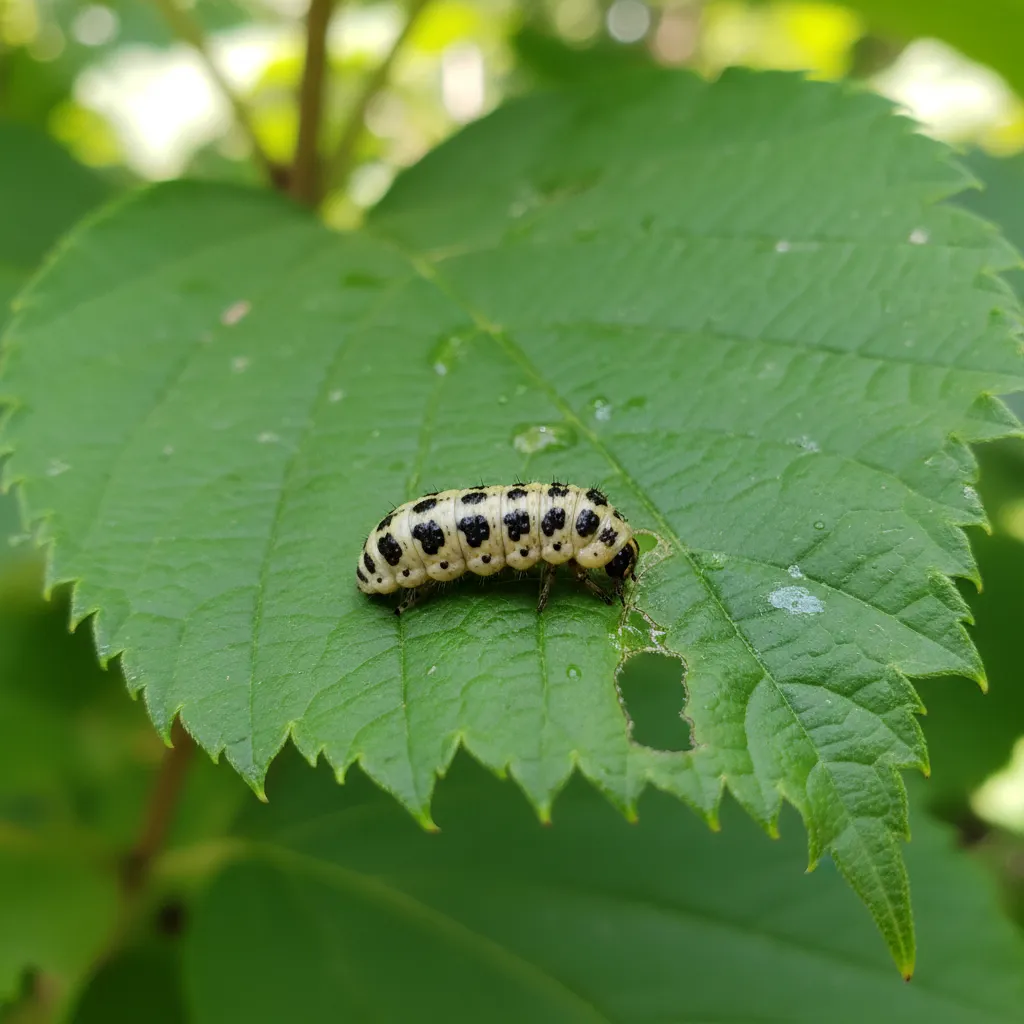
The larvae are the primary culprits behind the heavy damage. They are creamy yellow with distinctive black markings and grow up to 8mm long. You will see these hungry grubs actively feeding from late April through to June.
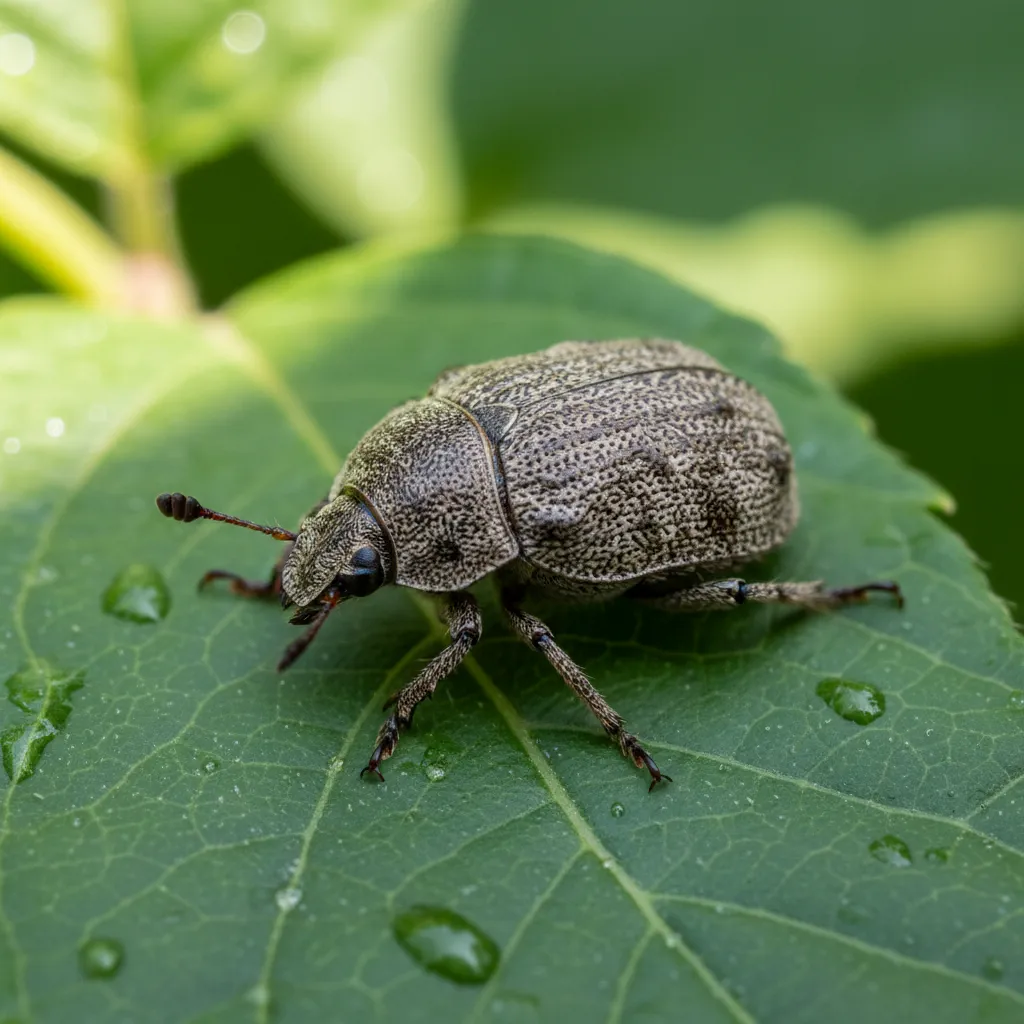
The adult beetles make their appearance later in the year, from late July to September. They are small, measuring just 4.5 to 6mm long, with a relatively plain greyish-brown appearance. They often hide on the underside of leaves, making them easy to miss.
While this insect is native to Europe and the UK, its population has surged in domestic gardens over recent decades. The pest specifically targets certain susceptible varieties. If you grow Viburnum tinus, V. opulus (the beautiful Guelder rose), or V. lantana, you need to be on high alert.
The Telltale Signs of an Infestation

Viburnum Beetle
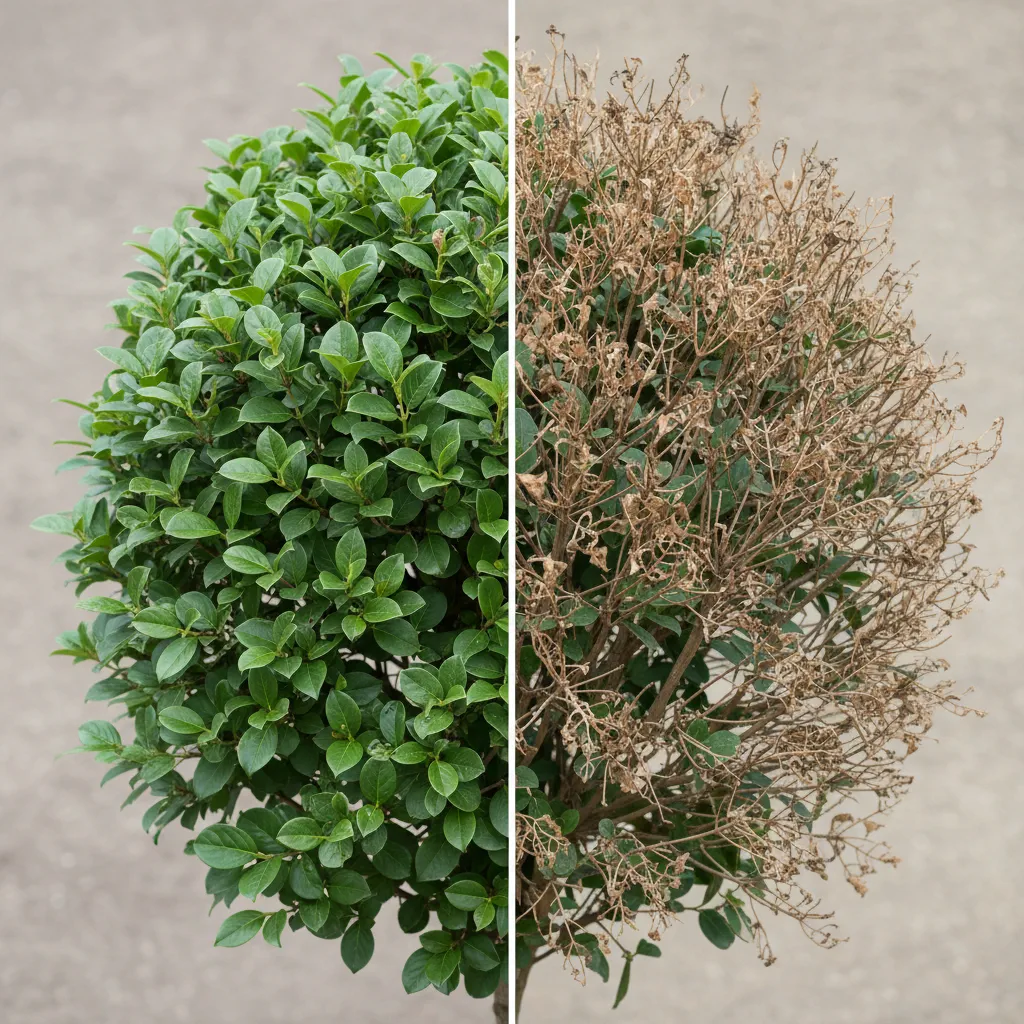
The visual damage caused by a viburnum pest infestation is striking. As the larvae feast, they strip the soft flesh, or lamina, of the leaf. They leave only the larger veins behind. This creates a delicate but highly destructive lace-like appearance.
However, visual cues are not the only warning signs. There is a secondary, highly unpleasant sensory sign of an attack. Heavily affected Viburnum tinus plants emit a foul, damp odour, particularly after a rain shower. This distinct smell is actually caused by the accumulated excrement of the feeding larvae.
Despite the shocking visual damage and the unpleasant smell, you can take comfort in one crucial fact. Established viburnums are incredibly hardy. Even if your shrub suffers complete defoliation, it can often recover fully if you take swift action.
Understanding the Life Cycle

Viburnum Beetle
Timing is everything when it comes to effective viburnum beetle control. By understanding the pest's month-by-month life cycle, you can strike when they are most vulnerable.
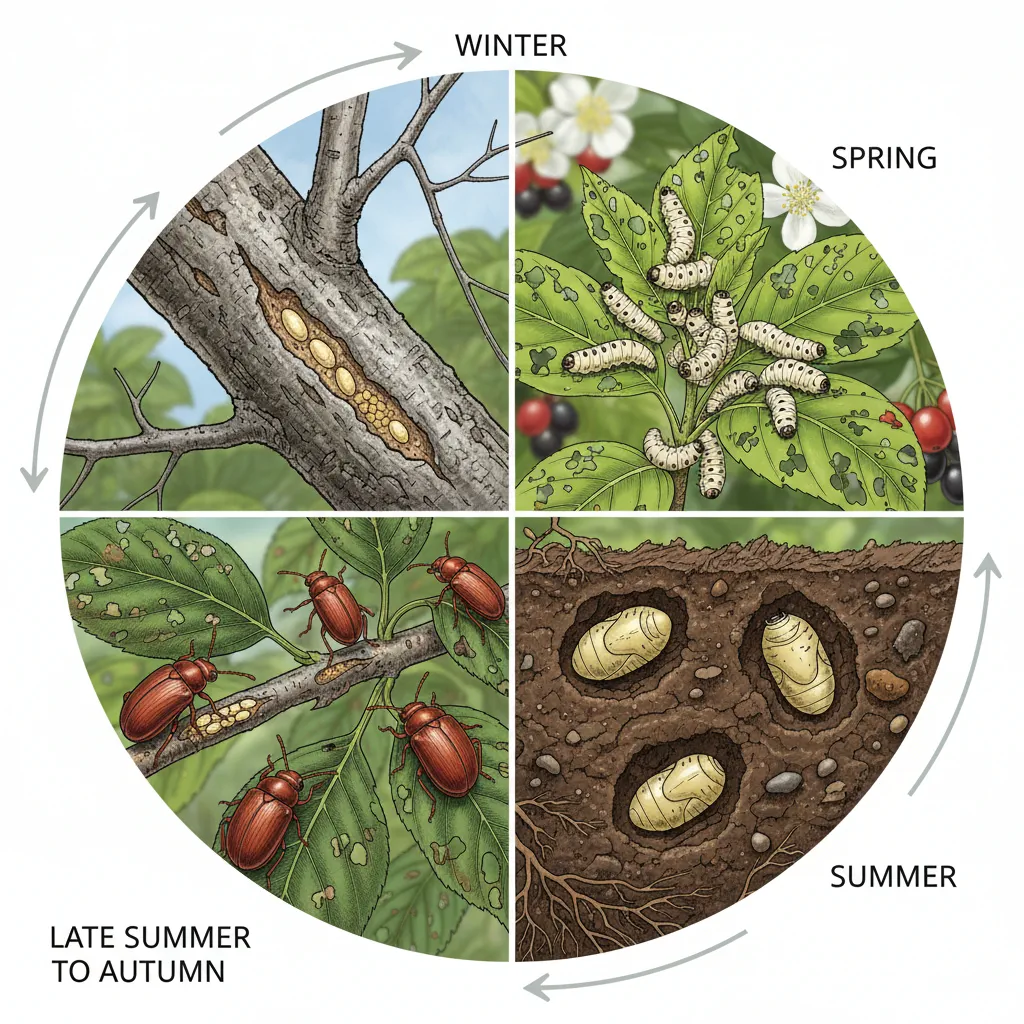
Spring (April to June)
The cycle begins in spring when overwintering eggs hatch. The ravenous larvae emerge precisely as the plant pushes out fresh, tender spring foliage. This period is when the vast majority of the damage occurs. The larvae feed aggressively, growing rapidly over a few short weeks.
Summer (May to July)
Once the larvae are fully fed, they drop from the leaves to the ground. They burrow directly into the soil beneath the shrub to pupate. During this time, the plant may appear to catch a break, but the next generation is quietly developing underground.
Late Summer to Autumn
Adult beetles emerge from the soil to feed on the remaining foliage and find a mate. While adults do eat the leaves, their damage is far less severe than that of the larvae. Crucially, the females lay their eggs in the bark of the current year's stem growth. They chew small pits in the bark, deposit the eggs, and cover them with a mix of chewed bark and excrement to protect them over the winter.
Proven Strategies for Viburnum Beetle Control
Viburnum Beetle
Tackling this garden menace requires a multi-pronged approach. Here are the most effective, eco-friendly strategies to protect your plants.
Manual and Cultural Control
Vigilance is your first line of defence. Starting in April, regularly inspect your shrubs for the first signs of hatching larvae.
If you spot them early, manual removal is highly effective. Hand-pick larvae and adult beetles off the leaves and safely destroy them. You can easily brush them into a bucket of soapy water.
Targeted pruning also works wonders. If you notice heavily infested foliage, twigs, or branches, prune them out immediately. Removing these sections eliminates the immediate threat and gives the plant a chance to direct its energy towards fresh, healthy growth.
Biological Warfare: Using Nematodes
For a highly effective, organic approach, turn to microscopic helpers. Fruit and Veg Nematodes offer a brilliant method for targeting a viburnum pest infestation.
Nematodes are completely harmless to pets, children, wildlife, and vital pollinators like bees. They actively hunt down the beetle larvae and eliminate them from the inside out.
Follow this simple step-by-step application guide:
- Foliar Spray (April/May): Mix your nematode solution according to the package instructions. Spray the mixture directly onto the feeding larvae on the bushes. Repeat this process three times, at 7-day intervals, for maximum impact.
- Soil Drench (May-July): To catch any larvae that escape the spray, drench the soil under and around the canopy. This targets the pests exactly as they drop down to pupate in the earth.
Remember, nematodes are living creatures. They require a soil temperature of at least 12°C to remain active and effective. Always apply them in the evening or on overcast days to prevent them from drying out in direct sunlight.
Encouraging Natural Garden Predators
A biodiverse garden naturally keeps pest numbers down. By inviting nature to do the heavy lifting, you can maintain balance in your borders.
The viburnum beetle has several natural predators. Garden birds love to snack on the juicy larvae. Predatory ground beetles and rove beetles will happily hunt the pests when they drop to the soil to pupate.
You can easily attract these helpful creatures to your garden. Leave small piles of logs or decaying wood in hidden corners to provide a habitat for ground beetles. Install bird feeders and birdbaths near your shrubs to encourage feathered friends to visit and forage for larvae.
Future-Proofing: Planting Resistant Species
One of the best long-term methods for viburnum beetle control is to simply cut off their food supply. Choosing resistant plant varieties saves you from future heartache.
Beetles tend to avoid several beautiful, hardy viburnums. The fragrant Viburnum carlesii and Viburnum x juddii are excellent, highly resistant choices. If you want a striking architectural plant, look no further than Viburnum plicatum. The stunning 'Kilimanjaro' variety offers gorgeous tiered branches and bright white flowers, all whilst remaining largely ignored by the pest.
If you are planning new garden borders, incorporate these resistant species to enjoy the beauty of viburnums without the constant battle against pests.
Frequently Asked Questions About the Viburnum Beetle
Viburnum Beetle
Will a viburnum beetle attack kill my plant?
While the damage looks devastating, a single attack will rarely kill an established shrub. Continuous, severe defoliation over consecutive years can weaken the plant, but prompt action usually ensures a full recovery.
When should I spray for viburnum beetle?
The best time to apply biological treatments like nematode sprays is between late April and May, directly targeting the newly hatched larvae.
Can I stop them laying eggs?
You can prune out stems in late summer and autumn where you spot the adults laying eggs. Look for the telltale rough, brownish bumps on the new bark.
Conclusion
Viburnum Beetle
Successfully managing a viburnum pest infestation comes down to early detection and decisive action. By inspecting your plants in early spring, understanding the pest's life cycle, and taking a multi-pronged approach, you can stop the damage in its tracks.
Remember that while an attack looks disastrous, it does not mean the end of your shrub. Manual removal, targeted biological control with nematodes, and encouraging natural predators will help your plants bounce back with vigour.
Do not wait for the skeletal leaves to appear. Inspect your viburnums this weekend. Order your nematodes ahead of the spring season so you are ready to strike. Finally, share this guide with fellow gardeners to help protect local shrubs across the UK.
How to Prune Climbing Vines
List by Variety
- How to Prune Actinidia
- How to Prune Akebia
- How to Prune Bougainvillea
- How to Prune Campsis
- How to Prune Celastrus
- How to Prune Chilean Glory Vine
- How to Prune Clematis Armandii
- How to Prune Clematis Montana
- How to Prune Climbing Rose
- How to Prune Hedera GoldHeart
- How to Prune Honeysuckle
- How to Prune Hydrangea Petiolaris
- How to Prune Ivy
- How to Prune Japanese Wisteria
- How to Prune Morning Glory
- How to Prune Parthenocissus
- How to Prune Persian Ivy Hedera Colchica
- How to Prune Schisandra
- How to Prune Star Jasmine
- How to Prune Sweet Peas
- How to Prune True Jasmine
- How to Prune Virginia Creeper
- How to Prune Wisteria
How to Prune Hedges
List by Variety
- How to Prune an Arborvitae Hedge
- How to Prune a Barberry Hedge
- How to Prune a Beech Hedge
- How to Prune a Boxwood Hedge
- How to Prune a Butterfly Bush Hedge
- How to Prune a Cotoneaster Hedge
- How to Prune an English Lavender Hedge
- How to Prune an Escallonia Hedge
- How to Prune an Euonymus-Hedge
- How to Prune a Firethorn Hedge
- How to Prune a Forsythia Hedge
- How to Prune a Griselinia Hedge
- How to Prune a Hawthorn Hedge
- How to Prune a Holly Hedge
- How to Prune a Hornbeam Hedge
- How to Prune a Juniper Hedge
- How to Prune a Laurel Hedge
- How to Prune a Leylandii Hedge
- How to Prune a Lilac Hedge
- How to Prune a Maple Leaf Viburnum Hedge
- How to Prune a Photinia Hedge
- How to Prune a Pink Ramanus Rose Hedge
- How to Prune a Privet Hedge
- How to Prune a Pyracantha Hedge
- How to Prune a Spirea Hedge
- How to Prune a Thuja Hedge
- How to Prune a Viburnum Hedge
- How to Prune a Western Red Cedar Hedge
- How to Prune a Yew Hedge
How to Prune Shrubs
List by Variety
- How to Prune an Abelia Shrub
- How to Prune an Abutilon
- How to Prune an Acer / Japanese-Maple
- How to Prune an Amelanchiers
- How to Prune an Apple-Tree
- How to Prune an Arbovitae Shrub
- How to Prune an Arbutus
- How to Prune an Aucuba
- How to Prune a Azalea Mollis
- How to Prune Azaleas
- How to Prune a Bay Tree Shrub
- How to Prune a Berberis Darwinii
- How to Prune Berberis Deciduous Types
- How to Prune a Boxwood Shrubs
- How to Prune a Brachyglottis Senecio
- How to Prune a Buddleia Alternifolia
- How to Prune Buddleias Butterfly Bushes
- How to Prune a Buddleja Globosa
- How to Prune a Callicarpa
- How to Prune a Camellia
- How to Prune a Caryopteris
- How to Prune a Catalpa Bignonioides Aurea
- How to Prune Ceanothus Deciduous Types
- How to Prune Ceanothus Evergreen Types
- How to Prune a Ceratostigma
- How to Prune a Chaenomeles
- How to Prune a Choisya
- How to Prune a Cistus
- How to Prune a Clematis
- How to Prune a Cornus
- How to Prune a Cotinus Royal Purple
- How to Prune a Cytisus Scoparius
- How to Prune a Exochorda x Macrantha
- How to Prune a Forsythia
- How to Prune a Hebe
- How to Prune a Hydrangeas
- How to Prune Juniper Shrubs
- How to Prune a Lavatera
- How to Prune Lilac Bushes
- How to Prune a Mugo Pine
- How to Prune Rose Bushes
- How to Prune Ribes
- How to Prune Spirea Shrubs
- How to Prune Viburnum Shrubs
- How to Prune a Weigela
- How to Prune a Yew
How to Prune Trees
List by Variety
- How to Prune a Apple Tree
- How to Prune a Apricot Tree
- How to Prune a Ash Tree
- How to Prune a Birch Tree
- How to Prune a Cherry Tree
- How to Prune a Elm Tree
- How to Prune a Fig Tree
- How to Prune a Grape Tree
- How to Prune a Hickory Tree
- How to Prune a Maple Tree
- How to Prune a Oak Tree
- How to Prune an Olive Tree
- How to Prune a Peach Tree
- How to Prune a Pear Tree
- How to Prune a Plum Tree
- How to Prune a Poplar Tree
- How to Prune a Walnut Tree
How to Prune Climbing Vines
List by Variety
- How to Prune Actinidia
- How to Prune Akebia
- How to Prune Bougainvillea
- How to Prune Campsis
- How to Prune Celastrus
- How to Prune Chilean Glory Vine
- How to Prune Clematis Armandii
- How to Prune Clematis Montana
- How to Prune Climbing Rose
- How to Prune Hedera GoldHeart
- How to Prune Honeysuckle
- How to Prune Hydrangea Petiolaris
- How to Prune Ivy
- How to Prune Japanese Wisteria
- How to Prune Morning Glory
- How to Prune Parthenocissus
- How to Prune Persian Ivy Hedera Colchica
- How to Prune Schisandra
- How to Prune Star Jasmine
- How to Prune Sweet Peas
- How to Prune True Jasmine
- How to Prune Virginia Creeper
- How to Prune Wisteria
How to Prune Hedges
List by Variety
- How to Prune an Arborvitae Hedge
- How to Prune a Barberry Hedge
- How to Prune a Beech Hedge
- How to Prune a Boxwood Hedge
- How to Prune a Butterfly Bush Hedge
- How to Prune a Cotoneaster Hedge
- How to Prune an English Lavender Hedge
- How to Prune an Escallonia Hedge
- How to Prune an Euonymus-Hedge
- How to Prune a Firethorn Hedge
- How to Prune a Forsythia Hedge
- How to Prune a Griselinia Hedge
- How to Prune a Hawthorn Hedge
- How to Prune a Holly Hedge
- How to Prune a Hornbeam Hedge
- How to Prune a Juniper Hedge
- How to Prune a Laurel Hedge
- How to Prune a Leylandii Hedge
- How to Prune a Lilac Hedge
- How to Prune a Maple Leaf Viburnum Hedge
- How to Prune a Photinia Hedge
- How to Prune a Pink Ramanus Rose Hedge
- How to Prune a Privet Hedge
- How to Prune a Pyracantha Hedge
- How to Prune a Spirea Hedge
- How to Prune a Thuja Hedge
- How to Prune a Viburnum Hedge
- How to Prune a Western Red Cedar Hedge
- How to Prune a Yew Hedge
How to Prune Shrubs
List by Variety
- How to Prune an Abelia Shrub
- How to Prune an Abutilon
- How to Prune an Acer / Japanese-Maple
- How to Prune an Amelanchiers
- How to Prune an Apple-Tree
- How to Prune an Arbovitae Shrub
- How to Prune an Arbutus
- How to Prune an Aucuba
- How to Prune a Azalea Mollis
- How to Prune Azaleas
- How to Prune a Bay Tree Shrub
- How to Prune a Berberis Darwinii
- How to Prune Berberis Deciduous Types
- How to Prune a Boxwood Shrubs
- How to Prune a Brachyglottis Senecio
- How to Prune a Buddleia Alternifolia
- How to Prune Buddleias Butterfly Bushes
- How to Prune a Buddleja Globosa
- How to Prune a Callicarpa
- How to Prune a Camellia
- How to Prune a Caryopteris
- How to Prune a Catalpa Bignonioides Aurea
- How to Prune Ceanothus Deciduous Types
- How to Prune Ceanothus Evergreen Types
- How to Prune a Ceratostigma
- How to Prune a Chaenomeles
- How to Prune a Choisya
- How to Prune a Cistus
- How to Prune a Clematis
- How to Prune a Cornus
- How to Prune a Cotinus Royal Purple
- How to Prune a Cytisus Scoparius
- How to Prune a Exochorda x Macrantha
- How to Prune a Forsythia
- How to Prune a Hebe
- How to Prune a Hydrangeas
- How to Prune Juniper Shrubs
- How to Prune a Lavatera
- How to Prune Lilac Bushes
- How to Prune a Mugo Pine
- How to Prune Rose Bushes
- How to Prune Ribes
- How to Prune Spirea Shrubs
- How to Prune Viburnum Shrubs
- How to Prune a Weigela
- How to Prune a Yew
How to Prune Trees
List by Variety
- How to Prune a Apple Tree
- How to Prune a Apricot Tree
- How to Prune a Ash Tree
- How to Prune a Birch Tree
- How to Prune a Cherry Tree
- How to Prune a Elm Tree
- How to Prune a Fig Tree
- How to Prune a Grape Tree
- How to Prune a Hickory Tree
- How to Prune a Maple Tree
- How to Prune a Oak Tree
- How to Prune an Olive Tree
- How to Prune a Peach Tree
- How to Prune a Pear Tree
- How to Prune a Plum Tree
- How to Prune a Poplar Tree
- How to Prune a Walnut Tree
Gallery
Michael Carter
Vestibulum ante ipsum primis in faucibus orci luctus et ultrices posuere cubilia curae; Donec vel erat in nulla efficitur tempor non ut nisl. Integer venenatis eros ut dui viverra fermentum.
Sophie Wilson
Nam ut turpis hendrerit, varius nunc vel, elementum dui. Morbi vulputate dolor sit amet scelerisque egestas. Vestibulum eleifend nunc ut bibendum fermentum.
Alex Morgan
Cras non velit nec purus tempor rhoncus. Sed non mauris vitae erat consequat auctor eu in elit. Class aptent taciti sociosqu ad litora torquent per conubia nostra.