Everything you Need to Know About a Vine Weevil
Are vine weevils destroying your favourite potted plants? Discover how to identify, control, and prevent these hungry pests.
Understanding the Vine Weevil and How to Manage It
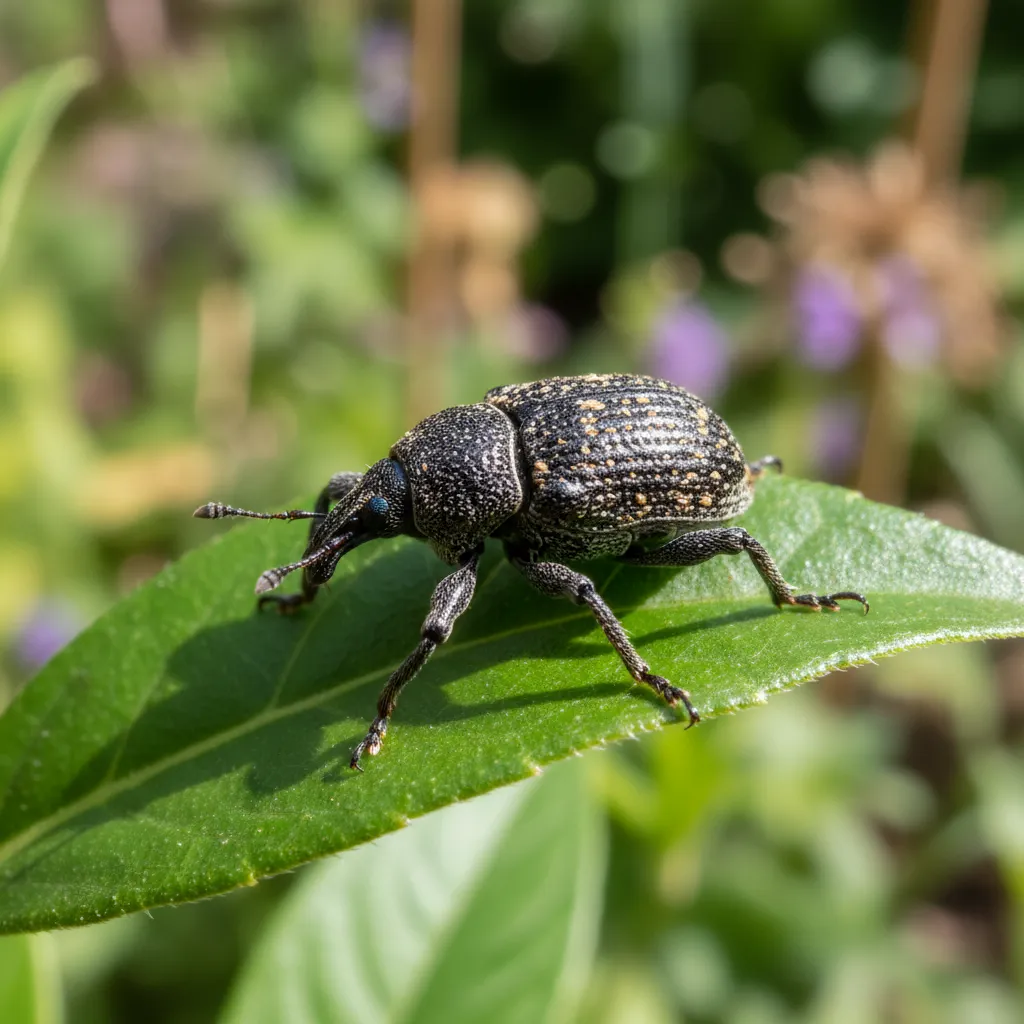
Vine Weevil
Have you ever watched a prized potted plant suddenly collapse for no apparent reason? One day it looks perfectly healthy, and the next, it lifts away from the soil like a poorly secured wig. If this sounds familiar, you have likely crossed paths with the dreaded vine weevil.
While they might be small, these hungry insects can cause absolute devastation in the garden. But do not worry! With a bit of knowledge and the right approach, you can protect your brilliant blooms and delicious crops. Let us explore everything you need to know about the vine weevil and how to send them packing.
What is a Vine Weevil?

Vine Weevil
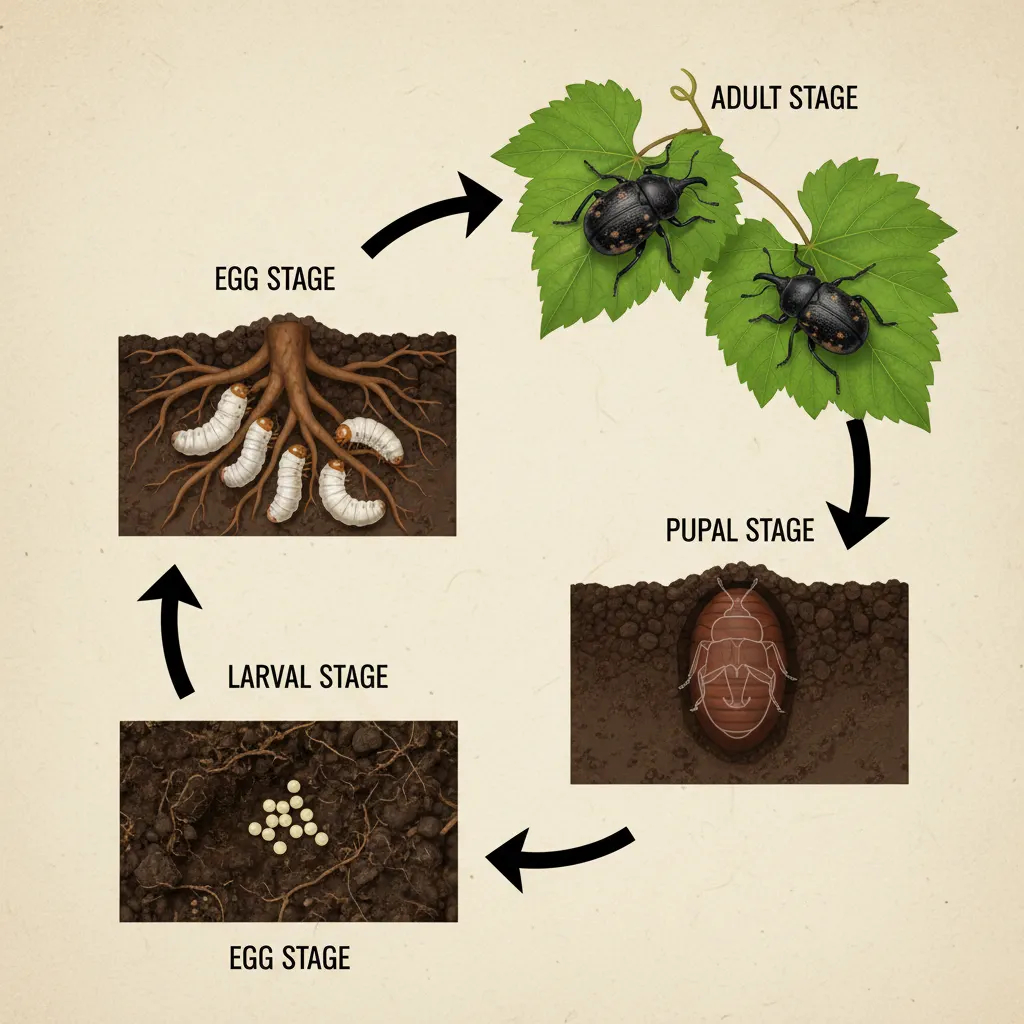
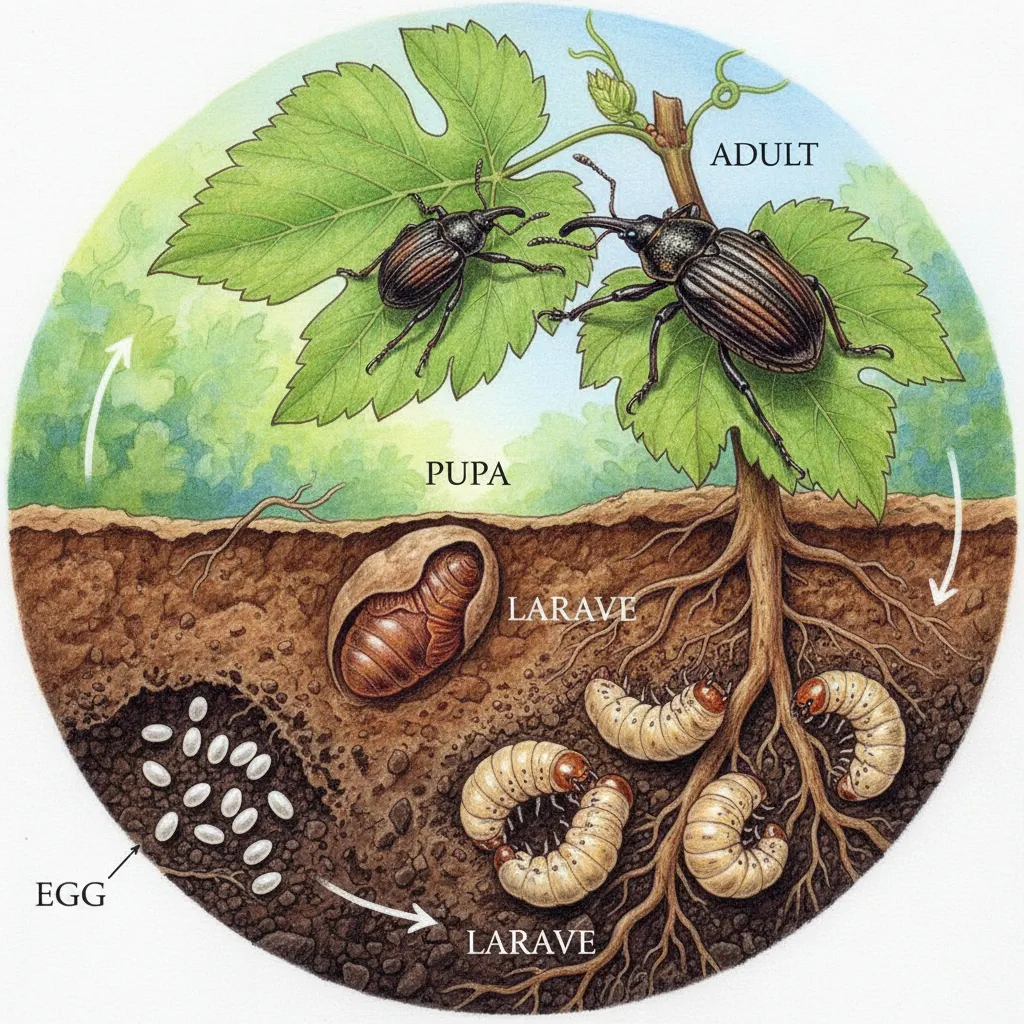
The vine weevil (scientifically known as Otiorhynchus sulcatus) is a widespread garden pest that attacks a massive variety of plants. To defeat them, we must first know what they look like at different stages of their lifecycle.
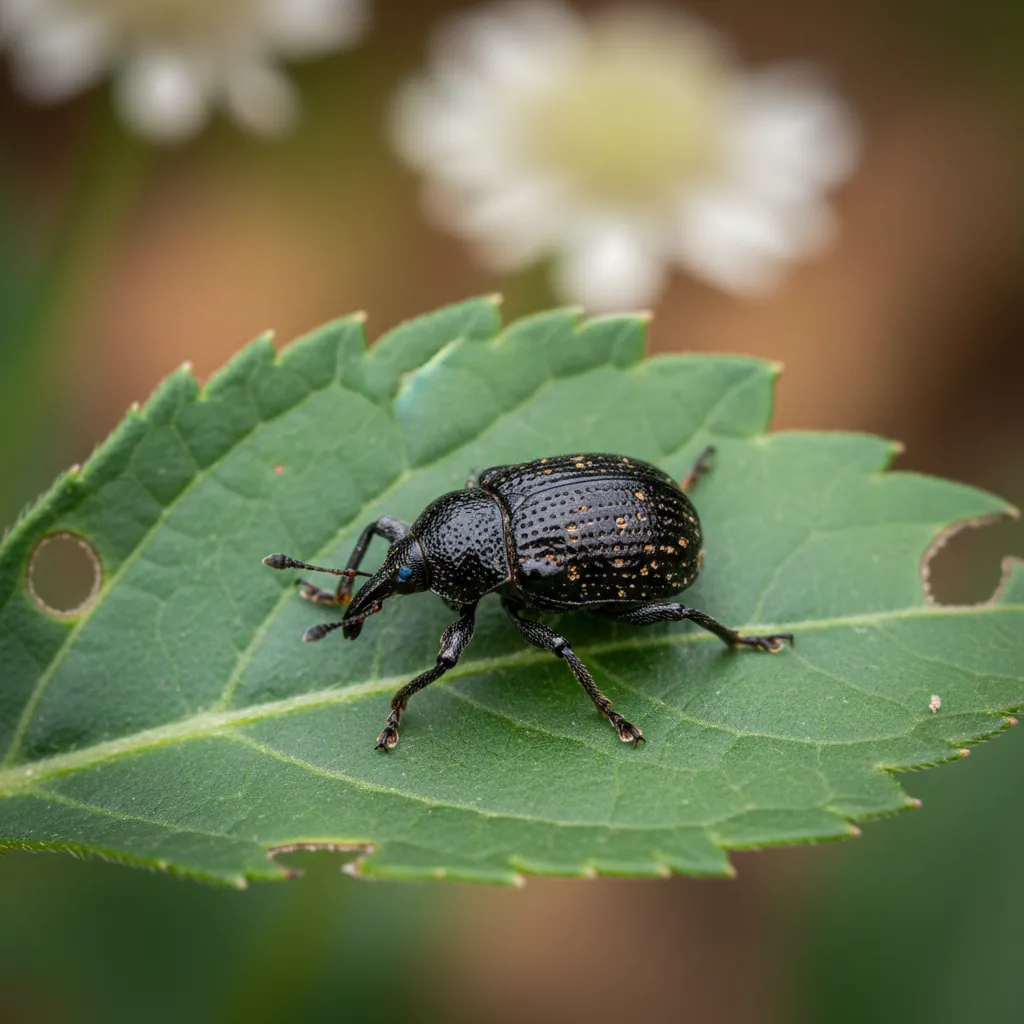
The adult vine weevil is a matte black or dark brown beetle, roughly a centimetre long, with dull yellow marks on its fused wing cases. Because their wings are fused, they cannot fly. Instead, they walk everywhere, mostly coming out at night to feast.
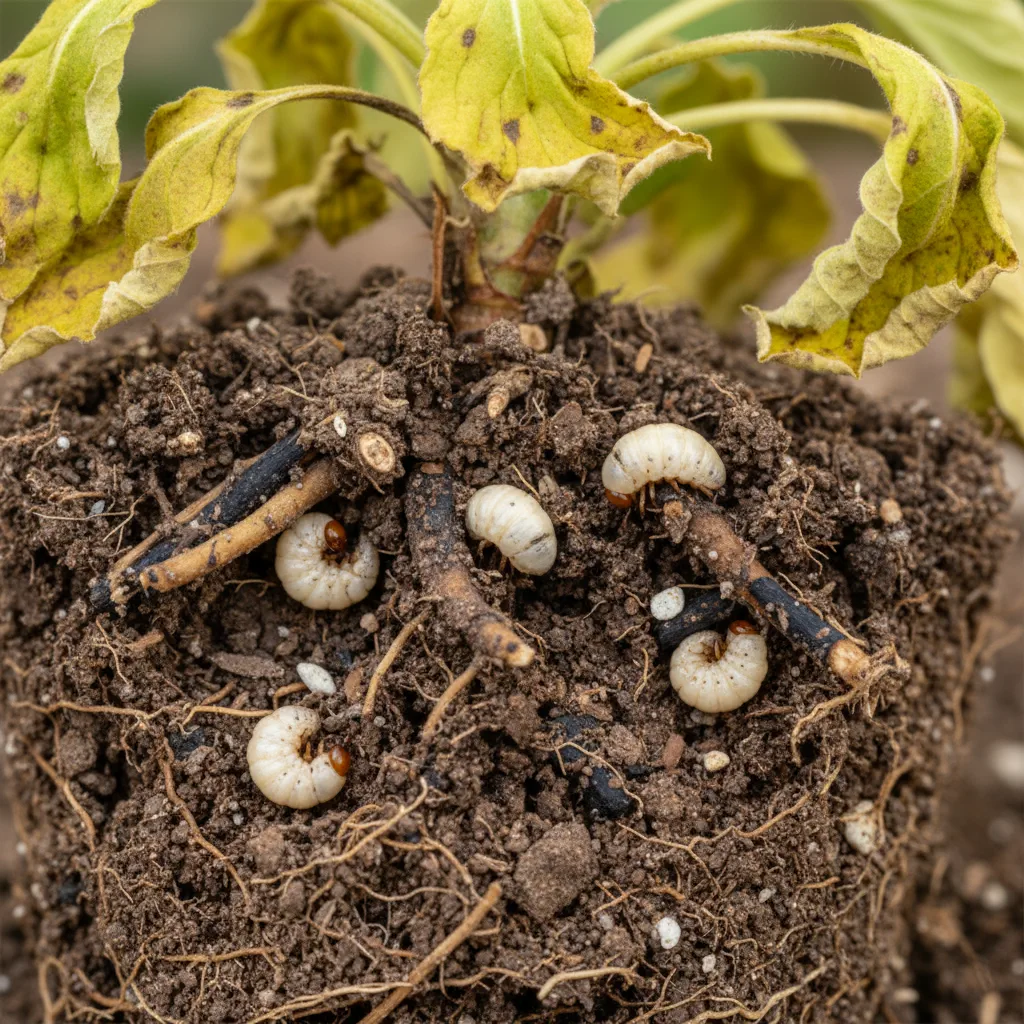
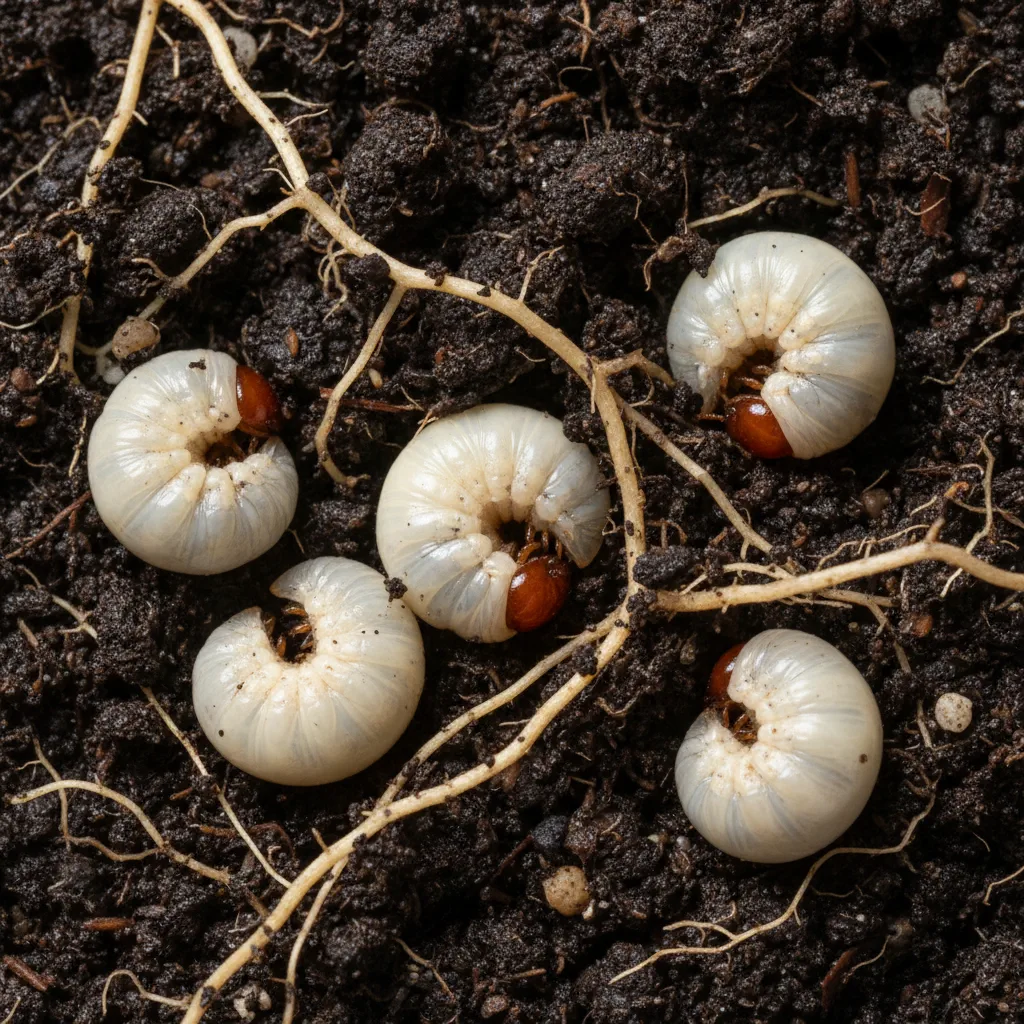
However, the real troublemakers are the babies. Vine weevil larvae are creamy-white, plump, legless grubs with distinct brown heads. They curve into a 'C' shape when disturbed. These grubs live entirely underground, quietly munching through your plant roots while you remain blissfully unaware above ground.
The History of the Vine Weevil
Vine Weevil
Originally native to Europe, the vine weevil has a long history of hitchhiking. Thanks to the global movement of agricultural goods, nursery plants, and soil over the centuries, this pest has successfully spread to North America, Australasia, and beyond.
Historically, they were primarily a nuisance in commercial vineyards—hence the name "vine" weevil. But as modern gardening exploded in popularity, so did the weevil's habitat. The rise of container gardening and peat-based composts created the perfect, cosy breeding ground for these pests. Today, they are one of the most common and destructive pests facing UK gardeners.
Identifying Vine Weevil Damage

Vine Weevil
Because vine weevil adults and larvae attack different parts of your plants, you’ll need to be a detective and watch for distinct signs of damage both above and below ground.
Adult Damage:
Adult vine weevils are notorious for their nocturnal leaf feasts. Their preferred method is to nibble from the outer edge of leaves inwards, leaving behind tell-tale notches shaped like tiny, uneven ‘U’s. Imagine someone has walked around your garden with a mini hole punch! This type of damage is most visible on plants such as fuchsias, strawberries, and primulas. While unsightly, these nibbled leaves rarely spell disaster for the plant’s health, but they are a crucial early warning that adults are present and laying eggs.
Check for:
- Scalloped, jagged edges on leaves, sometimes all around the plant.
- A higher concentration of damage on lower leaves and plants in shaded, sheltered locations—vine weevils favour hiding during the day and emerging at dusk.
- Notched foliage appearing overnight, as adults mainly feed after dark.
Larval Damage:
The true dangers lie below the soil, where the creamy-white, curved grubs silently wreak havoc. Larvae feast on plant roots and stems, undermining a plant’s ability to take up water and nutrients. This leads to a cascade of problems, especially in potted specimens where root space is limited.
Watch out for:
- Sudden wilting or leaf yellowing, even when soil is moist and plants were previously healthy.
- Plants that feel worryingly loose when gently tugged, as if sitting atop the compost rather than anchored into it.
- Stunted growth or a general lack of vigour in what should be thriving specimens.
- Unexplained deaths of previously healthy potted plants—removing the rootball may reveal little to no fine roots remaining and numerous crescent-shaped larvae nestled in the compost.
- In extreme cases, an entire plant lifting straight out of the pot with minimal roots attached, accompanied by visible white grubs (the smoking gun!).
Being thorough and inspecting both foliage and roots when symptoms arise is key; catching vine weevil activity early gives you the best chance to save your prized plants and break the pest’s lifecycle.
Adult Damage
Adult vine weevils are persistent, nocturnal nibblers who make their presence known in surprisingly distinctive ways. Their favourite trick is to start at the outer edge of a leaf and work their way inward, leaving irregular, U-shaped notches and scalloped patterns that almost look as though the leaf has been snipped with craft scissors. This distinctive “notching” isn’t just cosmetic—while it very rarely proves fatal to established plants, it can significantly mar the appearance of prized ornamental foliage and young growth.
The adults tend to target fleshy and tender leaves, preferring plants like fuchsias, heucheras, primulas, and strawberries. Over time, repeated nibbling can cause a ragged look, particularly in container displays or bedding plants. New leaves and shoots may emerge looking tattered, and the overall effect can be a scruffy, lacklustre show rather than the lush, healthy growth you’ve worked so hard to achieve.
You might also notice clusters of notched leaves on the lower parts of plants or in sheltered garden spots—places where vine weevils prefer to lurk during daylight hours. Closer inspection in the early morning or at dusk may reveal the slow-moving beetles themselves, sometimes playing dead if disturbed. Although the leaf damage alone won’t typically kill healthy mature plants, it serves as a clear warning that adults are active and, more importantly, likely laying eggs nearby—setting the stage for damaging larvae to follow.
If left unchecked, heavy adult feeding can stress smaller or already weakened plants, making them more vulnerable to disease and environmental stresses. For those growing in containers—where each leaf counts—the visual impact can be even more pronounced, diminishing the decorative value of your display and alerting you to the need for prompt control.
Larval Damage
The larvae are the truly ruinous stage of the vine weevil lifecycle, operating invisibly beneath the soil’s surface. Unlike adults, which graze on foliage, these plump, creamy-white grubs set about a banquet underground, relentlessly chomping on roots, tubers, and the base of plant stems—often out of sight until the situation is dire. Their feeding interrupts the plant’s uptake of water and nutrients, leading to a range of symptoms that can be mistaken for drought or disease.
Typical signs of larval infestation include:
- Stunted plant growth: As larvae strip away the roots, the plant’s energy supply is cut off, resulting in disappointing displays, sparse flowering, or smaller-than-expected leaves.
- Sudden wilting, especially in well-watered pots: This is the tell-tale vine weevil ‘calling card’—plants may look perfectly happy one day and droop as though bone dry the next, even when the compost is moist.
- Plants that feel completely loose in their soil: With their anchoring roots chewed away, affected plants sit like loose wigs atop their pots or beds, toppling over in a gentle breeze or with the lightest touch.
- Brown or blackened crowns and stems: In severe cases, especially on young or recently potted specimens, the larvae will nibble at the crown just below soil level, leading to rot, collapse, and eventual plant death.
- No recovery after watering or feeding: If a plant continues to wilt and decline despite attentive care, it’s a sure sign to check below the surface.
Some specific examples from UK gardens: strawberries can have their entire root systems destroyed, leaving leaves limp and fruit shrivelling early in the season; heucheras (coral bells) and cyclamen may suddenly lift straight out of the compost, revealing barely an intact root in sight; and primulas collapse overnight, a handful of guilty grubs writhing where roots once were.
Perhaps the most distressing discovery is when you gently tug a prized plant, only for it to lift straight out of its pot or border, soil crumbling away to reveal little more than a few short stumps and several crescent-shaped larvae nestled within. Ultimately, this is the “smoking gun”—the conclusive, and all-too-common, sign of a vine weevil larval attack.
By knowing exactly what to look for below the surface, UK gardeners can act quickly, removing grubs and saving what remains of their beloved plants before things go from bad to worse.
- Stunted plant growth
- Sudden wilting, especially in well-watered pots
- Plants that feel completely loose in their soil
- In severe cases, you can simply lift the plant straight out of the pot, revealing a total lack of roots and a handful of plump white grubs.
Plants Commonly Affected

Vine Weevil
Vine weevils are not incredibly fussy, but they definitely have their favourites. They absolutely love plants grown in containers, as the loose potting compost makes movement and egg-laying easy.
Keep a very close eye on these highly susceptible plants:
- Fuchsias
- Heucheras
- Begonias
- Strawberries
- Cyclamen
- Rhododendrons and Azaleas
- Polyanthus and Primulas
If you grow any of these, particularly in pots, you must stay vigilant.
Control Methods
Vine Weevil
If you spot the telltale notched leaves or unearth a grub, you need to act quickly. Here is how to tackle an infestation.
Biological Control
This is often the most effective and environmentally friendly method. Harnessing nature’s own pest control, gardeners can simply water microscopic roundworms called nematodes (specifically Steinernema kraussei or Heterorhabditis bacteriophora) directly into their pots and garden soil. Once applied, these beneficial nematodes spring into action, searching for vine weevil grubs that lurk beneath the surface.
Nematodes are remarkable creatures. Invisible to the naked eye, they move through the moist soil, drawn by the scent of their prey. As soon as they encounter a vine weevil grub, the nematodes penetrate the body and release natural bacteria. This infects and quickly kills the grub, stopping it from further damaging your precious plants. What's more, after consuming their first victims, the nematodes multiply inside the grub’s remains, producing a new generation of hunters that fan out to continue the fight. This self-sustaining cycle carries on as long as there are grubs to be found and the soil remains moist and warm.
Beyond their effectiveness, nematodes offer a host of advantages for the eco-conscious gardener. They pose absolutely no risk to people, pets, or beneficial wildlife, and they leave no harmful residues behind. However, there are a few things to remember: nematodes need consistently damp soil to survive, so watering regularly after application is key. Extremely dry or cold conditions will reduce their effectiveness. Additionally, always follow the supplier’s instructions for storage and use, as live nematodes have a fairly short shelf life.
Using nematodes is a powerful way to keep vine weevil numbers in check, blending seamlessly into organic gardening routines and working tirelessly below the surface to defend your garden.
- When to apply: The best time is late summer to early autumn (August to October) when the soil is warm and the grubs are newly hatched.
- How to apply: Simply mix the nematodes with water according to the packet instructions and drench the soil.
Cultural Control
Sometimes, rolling up your sleeves and taking direct action can make a real difference, especially if you’re keen on a hands-on, organic approach. Cultural control methods harness practical steps you can take right in your garden, and while they may require a little extra effort, they blend seamlessly with everyday garden routines and give you full oversight of the situation.
Begin with regular inspections, especially from late spring to autumn when vine weevils are most active. Make a habit of turning over leaves and peering into the nooks and crannies of pots and garden beds. The more vigilant you are, the sooner you can intercept the enemy.
- Night patrols: Vine weevil adults are nocturnal, so the best time to catch them in the act is after dusk. Arm yourself with a torch and gently sweep it along the edges of leaves—those tell-tale, dull-coloured beetles will be easy to spot. Flick any you find into a container filled with soapy water, ensuring they can’t make a nighttime escape. Night patrols can become a fun family activity, turning pest control into a mini adventure.
- Trap them: To trap vine weevil adults, try rolling up pieces of corrugated cardboard or even old newspaper into loose tubes. Place them around your pots or at the bases of vulnerable plants in the evening. Overnight, adults crawl into these sheltered spots to hide during the day, making morning collection easy—just gather the traps, unroll, and dispose of the weevils in a safe way (ideally, more soapy water!). You can also place upturned clay pots loosely filled with straw or hay near infested plants, offering an inviting hiding place that can be checked and cleaned regularly.
- Repotting: If you suspect vine weevil larvae are lurking in your container plants, act swiftly. Carefully remove the entire plant from its pot and gently loosen the rootball to expose the interior. Shake out all of the old compost—doing this over a large sheet or bucket will make spotting and removing larvae easier. Dispose of any grubs you uncover, then wash the roots thoroughly to ensure no eggs or tiny larvae remain. If possible, clean the empty pot with hot, soapy water before refilling it with fresh, gritty compost; this not only deters future egg-laying but gives your plant the healthiest possible new start.
In addition to these steps, keeping the area around your pots clean and free from plant debris will minimise hiding places for adult weevils. Regularly turning the top inch of soil in beds and pots disrupts egg-laying and exposes larvae to birds and other natural predators.
Chemical Control
Chemical options are available but should always be used with extreme care and only as a last resort, particularly for gardeners looking to protect nature’s balance. Systemic insecticides—such as those containing the active ingredient thiacloprid or acetamiprid—are formulated to move through the plant’s vascular system. When you apply these products as a liquid drench to the soil, the roots absorb the chemical and carry it throughout the plant’s tissues. This means that any vine weevil larvae feeding on the roots ingest the toxin and are quickly eliminated before they can cause more damage.
Application Method: For best results, thoroughly read the manufacturer’s instructions before use. Generally, you dilute the specified amount of insecticide in water and pour it evenly over the soil around your susceptible ornamental plants. Ensure the soil is moist beforehand for even distribution. Take care not to oversaturate, as runoff can cause the product to move into unintended areas of your border or lawn.
Precautions and Environmental Considerations:
- Food Crops: Never use systemic insecticides on edible crops; this is especially important for strawberries and other soft fruits where residue could remain.
- Timing: Treat only during active larval feeding periods (late summer and autumn) for maximum impact and to avoid unnecessary application.
- Pollinators & Wildlife: Many systemic insecticides can pose a risk to pollinators, such as bees, and to beneficial garden invertebrates. Always choose products marked as bee-safe, apply late in the evening when pollinators are less active, and never spray onto open flowers.
- Disposal & Storage: Ensure unused chemical solutions are disposed of according to the guidance on the label, and keep all products safely out of reach of children and pets.
- Integrated Approach: Even when using chemical measures, supporting your garden’s natural biodiversity and using physical and biological controls will always mean fewer chemicals are needed in the long run.
Please note: Chemical products are constantly being reviewed, and some ingredients may be withdrawn for home garden use due to environmental concerns. Always check the current legal status of any pesticide before purchase, and consider contacting your local garden centre or the Royal Horticultural Society for up-to-date advice.
Prevention Tips
Vine Weevil
Stopping vine weevils from establishing themselves is far easier than fighting an active infestation. Follow these simple steps to keep your garden secure:
- Inspect new arrivals: Each time you bring a new plant home—whether it’s fresh from the garden centre, a friend’s allotment, or even a plant swap—take a moment for a careful check. Gently slide the plant from its container and examine the rootball and the compost. Vine weevil larvae are surprisingly easy to spot: creamy-white, curved into a “C”, and usually found burrowed in the root zone. Removing any visible grubs at this stage can save an immense amount of heartache later on, sparing your existing plants from both root damage and the rapid spread of an infestation.
- Use gritty compost: Adult vine weevils are especially keen on soft, moist soils that allow them to lay eggs undisturbed. By mixing sharp horticultural grit, perlite, or coarse sand into your potting compost—especially for containers and baskets—you make the environment much less appealing for egg-laying. Not only does this simple step help deter vine weevil activity, but it also improves drainage and mimics the natural, free-draining soils that so many plants love. For best effect, aim for at least a quarter of the compost mix to be gritty material.
- Encourage natural predators: Nature’s own pest patrol can be your biggest ally. Encourage a healthy population of frogs, toads, birds, and ground beetles by creating a garden habitat rich in food and shelter. A small wildlife pond will attract amphibians that feast on grubs and adult beetles alike. Leave undisturbed patches of logs, stones, or leaf litter to offer hiding places for beetles and attract songbirds by hanging feeders nearby or including berry-bearing shrubs in your planting scheme. The more diverse your garden ecosystem, the more difficult it is for vine weevils to dominate.
- Clear debris: Keeping your growing spaces tidy takes away the perfect refuge for adult vine weevils. Remove piles of dead leaves, spent compost, and discarded pots that can collect near patios, greenhouses, and decking—these sheltered, cool spots are a magnet for hiding adults during daylight hours. Regular tidying, especially through autumn and winter, means fewer safe havens for pests and a neater, healthier garden all year round. If you compost your waste, ensure the heap heats up enough to destroy pest eggs and larvae.
By making each of these steps a simple part of your gardening routine, you not only deter vine weevils but promote all-round plant health and resilience—helping your garden flourish season after season.
Conclusion
The vine weevil might be a formidable opponent, but it is certainly not invincible. By understanding their lifecycle, spotting the early signs of damage, and using a mix of biological, cultural, and preventative tactics, you can keep your beloved plants safe and thriving.
Have you battled the vine weevil in your own garden? What methods worked best for you? Let us know in the comments below—we would love to hear your success stories!
How to Prune Climbing Vines
List by Variety
- How to Prune Actinidia
- How to Prune Akebia
- How to Prune Bougainvillea
- How to Prune Campsis
- How to Prune Celastrus
- How to Prune Chilean Glory Vine
- How to Prune Clematis Armandii
- How to Prune Clematis Montana
- How to Prune Climbing Rose
- How to Prune Hedera GoldHeart
- How to Prune Honeysuckle
- How to Prune Hydrangea Petiolaris
- How to Prune Ivy
- How to Prune Japanese Wisteria
- How to Prune Morning Glory
- How to Prune Parthenocissus
- How to Prune Persian Ivy Hedera Colchica
- How to Prune Schisandra
- How to Prune Star Jasmine
- How to Prune Sweet Peas
- How to Prune True Jasmine
- How to Prune Virginia Creeper
- How to Prune Wisteria
How to Prune Hedges
List by Variety
- How to Prune an Arborvitae Hedge
- How to Prune a Barberry Hedge
- How to Prune a Beech Hedge
- How to Prune a Boxwood Hedge
- How to Prune a Butterfly Bush Hedge
- How to Prune a Cotoneaster Hedge
- How to Prune an English Lavender Hedge
- How to Prune an Escallonia Hedge
- How to Prune an Euonymus-Hedge
- How to Prune a Firethorn Hedge
- How to Prune a Forsythia Hedge
- How to Prune a Griselinia Hedge
- How to Prune a Hawthorn Hedge
- How to Prune a Holly Hedge
- How to Prune a Hornbeam Hedge
- How to Prune a Juniper Hedge
- How to Prune a Laurel Hedge
- How to Prune a Leylandii Hedge
- How to Prune a Lilac Hedge
- How to Prune a Maple Leaf Viburnum Hedge
- How to Prune a Photinia Hedge
- How to Prune a Pink Ramanus Rose Hedge
- How to Prune a Privet Hedge
- How to Prune a Pyracantha Hedge
- How to Prune a Spirea Hedge
- How to Prune a Thuja Hedge
- How to Prune a Viburnum Hedge
- How to Prune a Western Red Cedar Hedge
- How to Prune a Yew Hedge
How to Prune Shrubs
List by Variety
- How to Prune an Abelia Shrub
- How to Prune an Abutilon
- How to Prune an Acer / Japanese-Maple
- How to Prune an Amelanchiers
- How to Prune an Apple-Tree
- How to Prune an Arbovitae Shrub
- How to Prune an Arbutus
- How to Prune an Aucuba
- How to Prune a Azalea Mollis
- How to Prune Azaleas
- How to Prune a Bay Tree Shrub
- How to Prune a Berberis Darwinii
- How to Prune Berberis Deciduous Types
- How to Prune a Boxwood Shrubs
- How to Prune a Brachyglottis Senecio
- How to Prune a Buddleia Alternifolia
- How to Prune Buddleias Butterfly Bushes
- How to Prune a Buddleja Globosa
- How to Prune a Callicarpa
- How to Prune a Camellia
- How to Prune a Caryopteris
- How to Prune a Catalpa Bignonioides Aurea
- How to Prune Ceanothus Deciduous Types
- How to Prune Ceanothus Evergreen Types
- How to Prune a Ceratostigma
- How to Prune a Chaenomeles
- How to Prune a Choisya
- How to Prune a Cistus
- How to Prune a Clematis
- How to Prune a Cornus
- How to Prune a Cotinus Royal Purple
- How to Prune a Cytisus Scoparius
- How to Prune a Exochorda x Macrantha
- How to Prune a Forsythia
- How to Prune a Hebe
- How to Prune a Hydrangeas
- How to Prune Juniper Shrubs
- How to Prune a Lavatera
- How to Prune Lilac Bushes
- How to Prune a Mugo Pine
- How to Prune Rose Bushes
- How to Prune Ribes
- How to Prune Spirea Shrubs
- How to Prune Viburnum Shrubs
- How to Prune a Weigela
- How to Prune a Yew
How to Prune Trees
List by Variety
- How to Prune a Apple Tree
- How to Prune a Apricot Tree
- How to Prune a Ash Tree
- How to Prune a Birch Tree
- How to Prune a Cherry Tree
- How to Prune a Elm Tree
- How to Prune a Fig Tree
- How to Prune a Grape Tree
- How to Prune a Hickory Tree
- How to Prune a Maple Tree
- How to Prune a Oak Tree
- How to Prune an Olive Tree
- How to Prune a Peach Tree
- How to Prune a Pear Tree
- How to Prune a Plum Tree
- How to Prune a Poplar Tree
- How to Prune a Walnut Tree
How to Prune Climbing Vines
List by Variety
- How to Prune Actinidia
- How to Prune Akebia
- How to Prune Bougainvillea
- How to Prune Campsis
- How to Prune Celastrus
- How to Prune Chilean Glory Vine
- How to Prune Clematis Armandii
- How to Prune Clematis Montana
- How to Prune Climbing Rose
- How to Prune Hedera GoldHeart
- How to Prune Honeysuckle
- How to Prune Hydrangea Petiolaris
- How to Prune Ivy
- How to Prune Japanese Wisteria
- How to Prune Morning Glory
- How to Prune Parthenocissus
- How to Prune Persian Ivy Hedera Colchica
- How to Prune Schisandra
- How to Prune Star Jasmine
- How to Prune Sweet Peas
- How to Prune True Jasmine
- How to Prune Virginia Creeper
- How to Prune Wisteria
How to Prune Hedges
List by Variety
- How to Prune an Arborvitae Hedge
- How to Prune a Barberry Hedge
- How to Prune a Beech Hedge
- How to Prune a Boxwood Hedge
- How to Prune a Butterfly Bush Hedge
- How to Prune a Cotoneaster Hedge
- How to Prune an English Lavender Hedge
- How to Prune an Escallonia Hedge
- How to Prune an Euonymus-Hedge
- How to Prune a Firethorn Hedge
- How to Prune a Forsythia Hedge
- How to Prune a Griselinia Hedge
- How to Prune a Hawthorn Hedge
- How to Prune a Holly Hedge
- How to Prune a Hornbeam Hedge
- How to Prune a Juniper Hedge
- How to Prune a Laurel Hedge
- How to Prune a Leylandii Hedge
- How to Prune a Lilac Hedge
- How to Prune a Maple Leaf Viburnum Hedge
- How to Prune a Photinia Hedge
- How to Prune a Pink Ramanus Rose Hedge
- How to Prune a Privet Hedge
- How to Prune a Pyracantha Hedge
- How to Prune a Spirea Hedge
- How to Prune a Thuja Hedge
- How to Prune a Viburnum Hedge
- How to Prune a Western Red Cedar Hedge
- How to Prune a Yew Hedge
How to Prune Shrubs
List by Variety
- How to Prune an Abelia Shrub
- How to Prune an Abutilon
- How to Prune an Acer / Japanese-Maple
- How to Prune an Amelanchiers
- How to Prune an Apple-Tree
- How to Prune an Arbovitae Shrub
- How to Prune an Arbutus
- How to Prune an Aucuba
- How to Prune a Azalea Mollis
- How to Prune Azaleas
- How to Prune a Bay Tree Shrub
- How to Prune a Berberis Darwinii
- How to Prune Berberis Deciduous Types
- How to Prune a Boxwood Shrubs
- How to Prune a Brachyglottis Senecio
- How to Prune a Buddleia Alternifolia
- How to Prune Buddleias Butterfly Bushes
- How to Prune a Buddleja Globosa
- How to Prune a Callicarpa
- How to Prune a Camellia
- How to Prune a Caryopteris
- How to Prune a Catalpa Bignonioides Aurea
- How to Prune Ceanothus Deciduous Types
- How to Prune Ceanothus Evergreen Types
- How to Prune a Ceratostigma
- How to Prune a Chaenomeles
- How to Prune a Choisya
- How to Prune a Cistus
- How to Prune a Clematis
- How to Prune a Cornus
- How to Prune a Cotinus Royal Purple
- How to Prune a Cytisus Scoparius
- How to Prune a Exochorda x Macrantha
- How to Prune a Forsythia
- How to Prune a Hebe
- How to Prune a Hydrangeas
- How to Prune Juniper Shrubs
- How to Prune a Lavatera
- How to Prune Lilac Bushes
- How to Prune a Mugo Pine
- How to Prune Rose Bushes
- How to Prune Ribes
- How to Prune Spirea Shrubs
- How to Prune Viburnum Shrubs
- How to Prune a Weigela
- How to Prune a Yew
How to Prune Trees
List by Variety
- How to Prune a Apple Tree
- How to Prune a Apricot Tree
- How to Prune a Ash Tree
- How to Prune a Birch Tree
- How to Prune a Cherry Tree
- How to Prune a Elm Tree
- How to Prune a Fig Tree
- How to Prune a Grape Tree
- How to Prune a Hickory Tree
- How to Prune a Maple Tree
- How to Prune a Oak Tree
- How to Prune an Olive Tree
- How to Prune a Peach Tree
- How to Prune a Pear Tree
- How to Prune a Plum Tree
- How to Prune a Poplar Tree
- How to Prune a Walnut Tree
Gallery

Michael Carter
Vestibulum ante ipsum primis in faucibus orci luctus et ultrices posuere cubilia curae; Donec vel erat in nulla efficitur tempor non ut nisl. Integer venenatis eros ut dui viverra fermentum.
Sophie Wilson
Nam ut turpis hendrerit, varius nunc vel, elementum dui. Morbi vulputate dolor sit amet scelerisque egestas. Vestibulum eleifend nunc ut bibendum fermentum.
Alex Morgan
Cras non velit nec purus tempor rhoncus. Sed non mauris vitae erat consequat auctor eu in elit. Class aptent taciti sociosqu ad litora torquent per conubia nostra.