Everything You Need To Know About Walnut Blight
Conquer Walnut Blight: Protect Your Precious Harvest
Walnut Blight
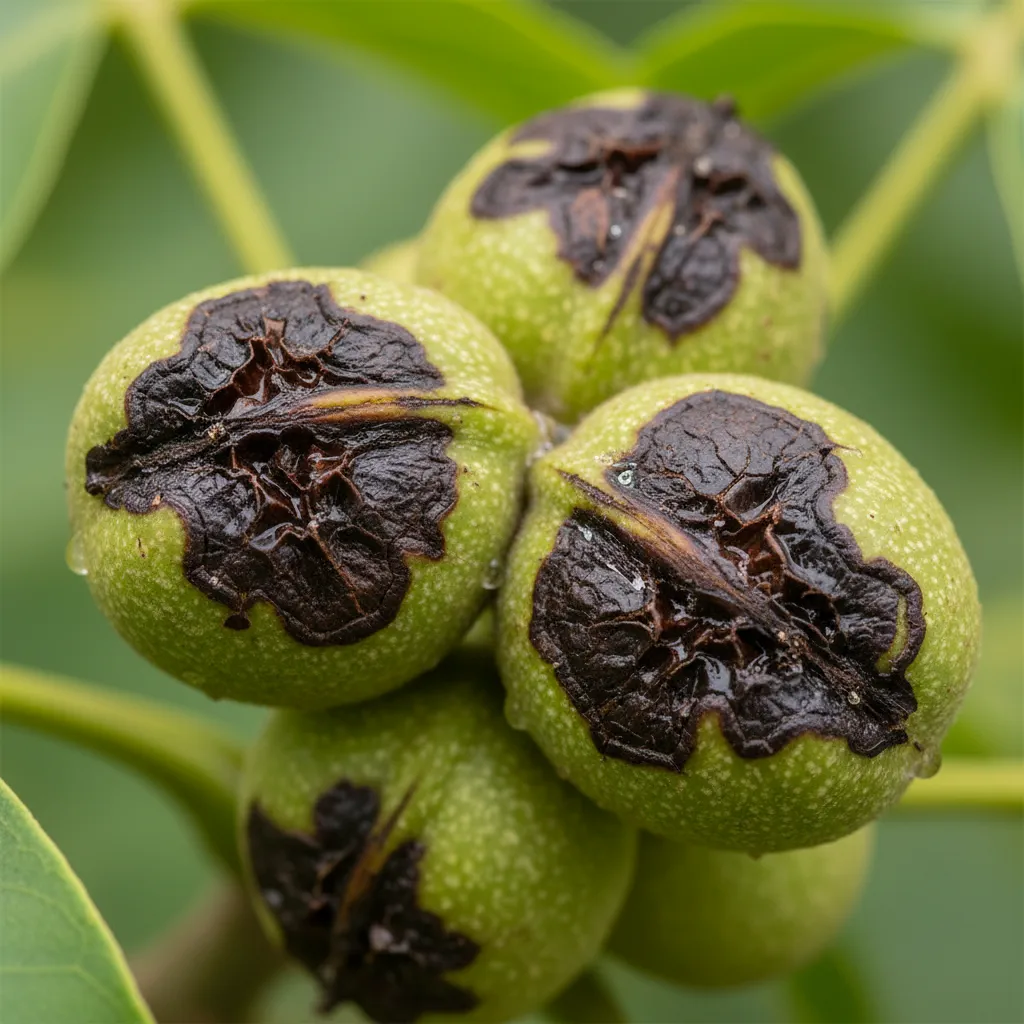
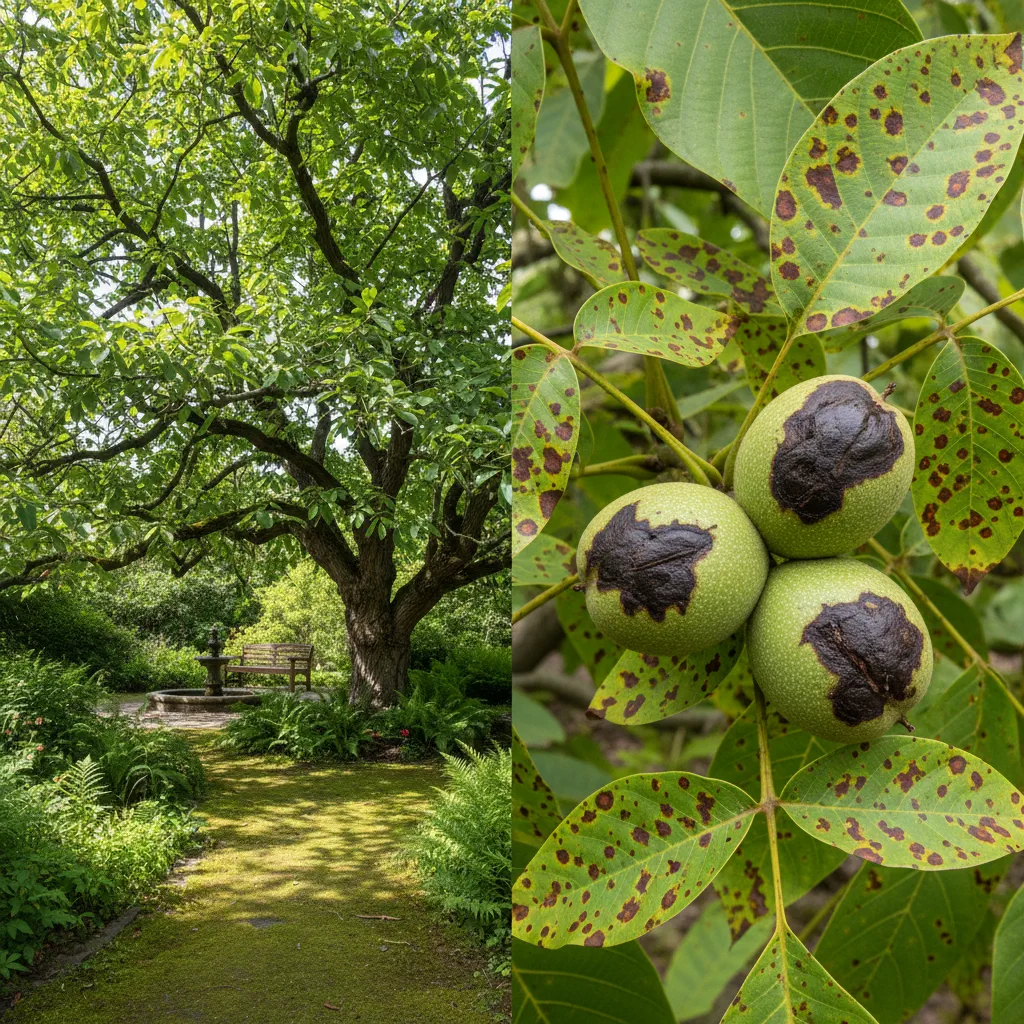
You step into the garden on a crisp morning, admiring the broad, green canopy of your magnificent walnut tree. The branches are heavy with promise, hinting at an abundant autumn harvest of rich, buttery nuts. But as you step closer, that joyful anticipation crumbles. Dark, sunken black lesions mar the surface of the developing green hulls, and the leaves are peppered with ugly, reddish-brown spots. This devastating heartbreak is an all-too-common experience for British growers, and it is caused by a formidable enemy: walnut blight.
Walnut blight is a highly destructive bacterial disease triggered by the pathogen Xanthomonas arboricola pv. juglandis, often abbreviated as Xaj. This microscopic invader thrives in wet, humid conditions, making it particularly troublesome for gardeners and orchardists across the UK. Our notoriously damp spring weather provides the perfect breeding ground for this water-borne bacterium to multiply and wreak havoc on vulnerable new growth. If left unchecked, it can quickly decimate an entire crop, leaving you with nothing but blackened, unusable shells.
Fortunately, you have the power to fight back and reclaim your harvest. This comprehensive guide will equip you with everything you need to know to identify, manage, and prevent this bacterial disease. You will learn how to spot the earliest warning signs, understand the fascinating science behind how the pathogen spreads through your canopy, and discover a robust combination of nutritional and conventional strategies to protect your trees from the roots up.
What Exactly is Walnut Blight?
Walnut Blight
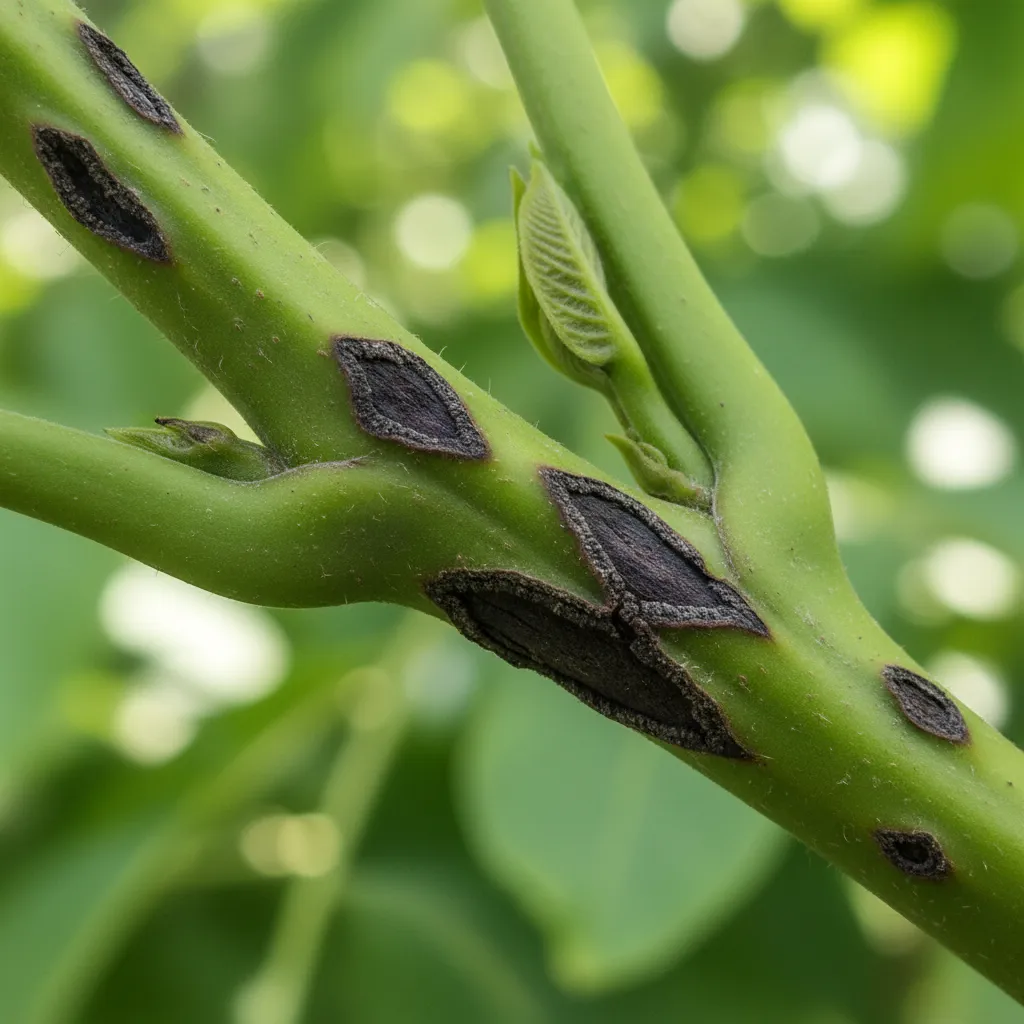
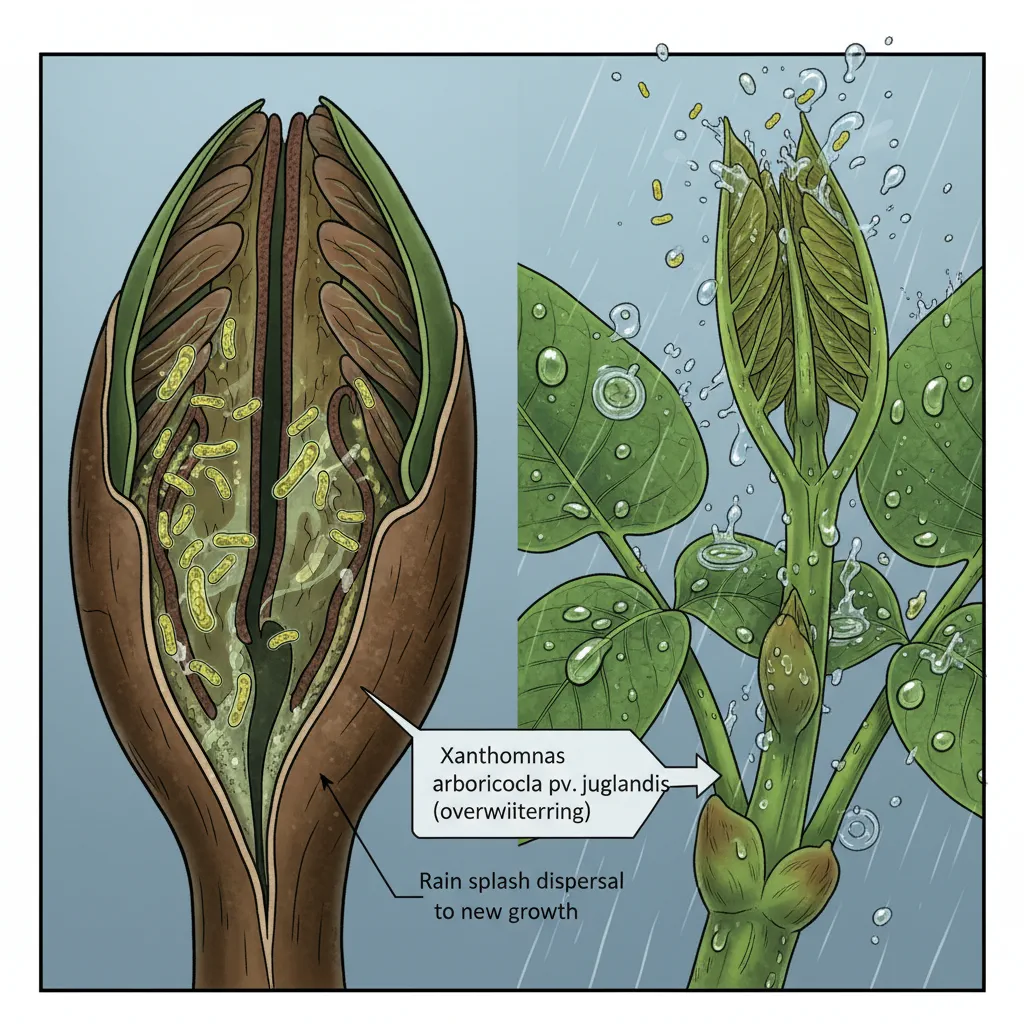
To defeat an enemy, you must first understand how it operates. The Xaj bacterium is incredibly resilient, possessing a cunning survival strategy that allows it to persist through harsh British winters. It overwinters by hiding deep within the dormant plant tissues. The bacteria tuck themselves between the protective outer scales of dormant leaf and flower buds, and they also shelter within small, dead twig cankers left over from previous infections.
As the tree awakens from its winter slumber and pushes out fresh, vulnerable new growth, the bacteria prepare to strike. Heavy spring rain provides the vehicle for their attack. Splashing raindrops dislodge the bacteria from their overwintering sites, carrying them directly onto the newly emerging leaves, blossoms, and developing nuts.
Understanding the science of this spread is crucial for effective management. Plant pathologists categorise the progression of this disease into two distinct types of epidemics.
Monocyclic Epidemics
During drier spring seasons, you might experience a monocyclic epidemic. This occurs when the initial spring infections remain isolated events. The bacteria infect the new tissue, but because there is a lack of continuous, driving rain, they do not produce significant secondary spread. While some damage occurs, the overall impact on the harvest is relatively contained.
Polycyclic Epidemics
This is the far more dangerous scenario and the one most feared by orchardists. A polycyclic epidemic happens when frequent, heavy spring rains cause the initial infections to erupt into further sources of inoculum. The bacteria multiply rapidly within the fresh lesions and are continuously splashed throughout the canopy by subsequent rainstorms, spreading the disease aggressively and exponentially from leaf to leaf and nut to nut.
Spotting the Enemy: Key Symptoms
Walnut Blight
Early detection is your absolute greatest weapon against this disease. This is particularly vital if you are growing early-leafing varieties of walnut, as their tender new growth coincides perfectly with the wettest parts of the British spring. By closely monitoring different parts of the tree, you can intervene before the bacteria gain a strong foothold.
Leaves
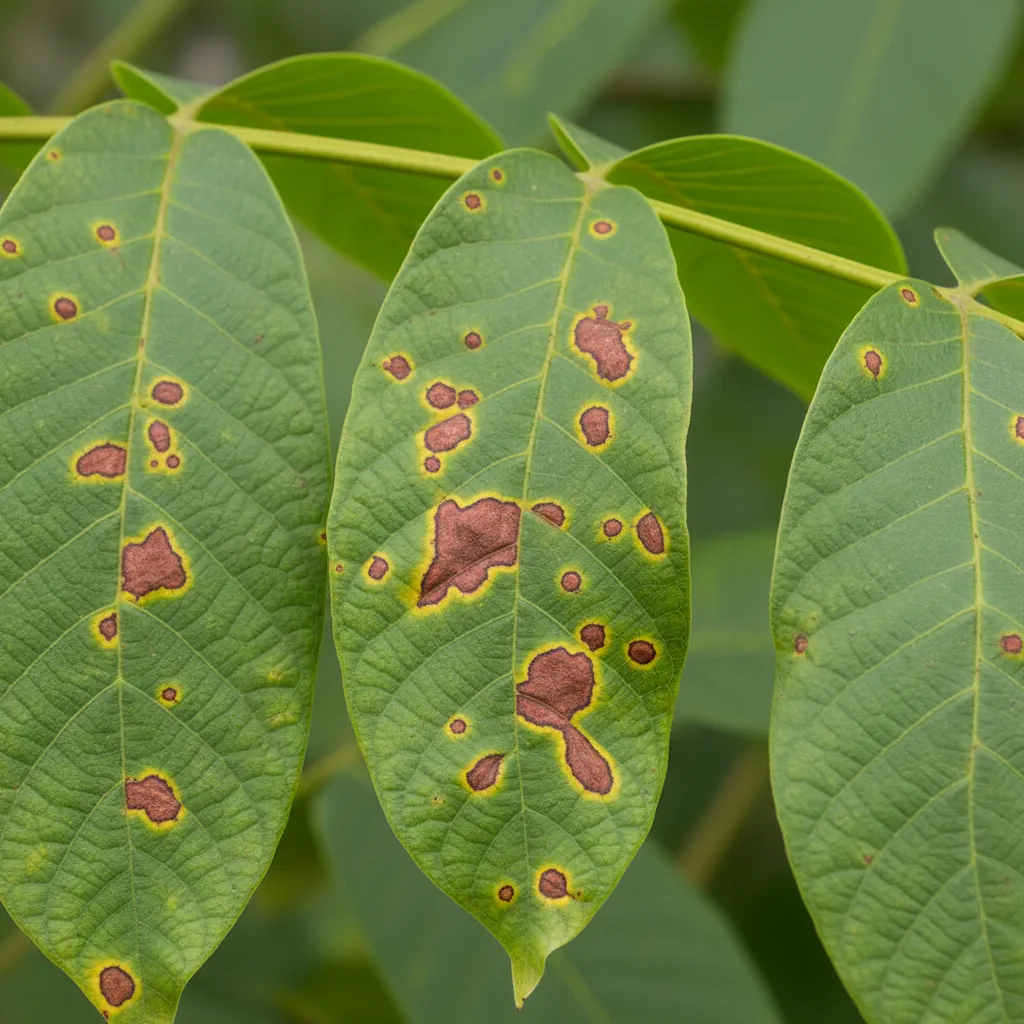
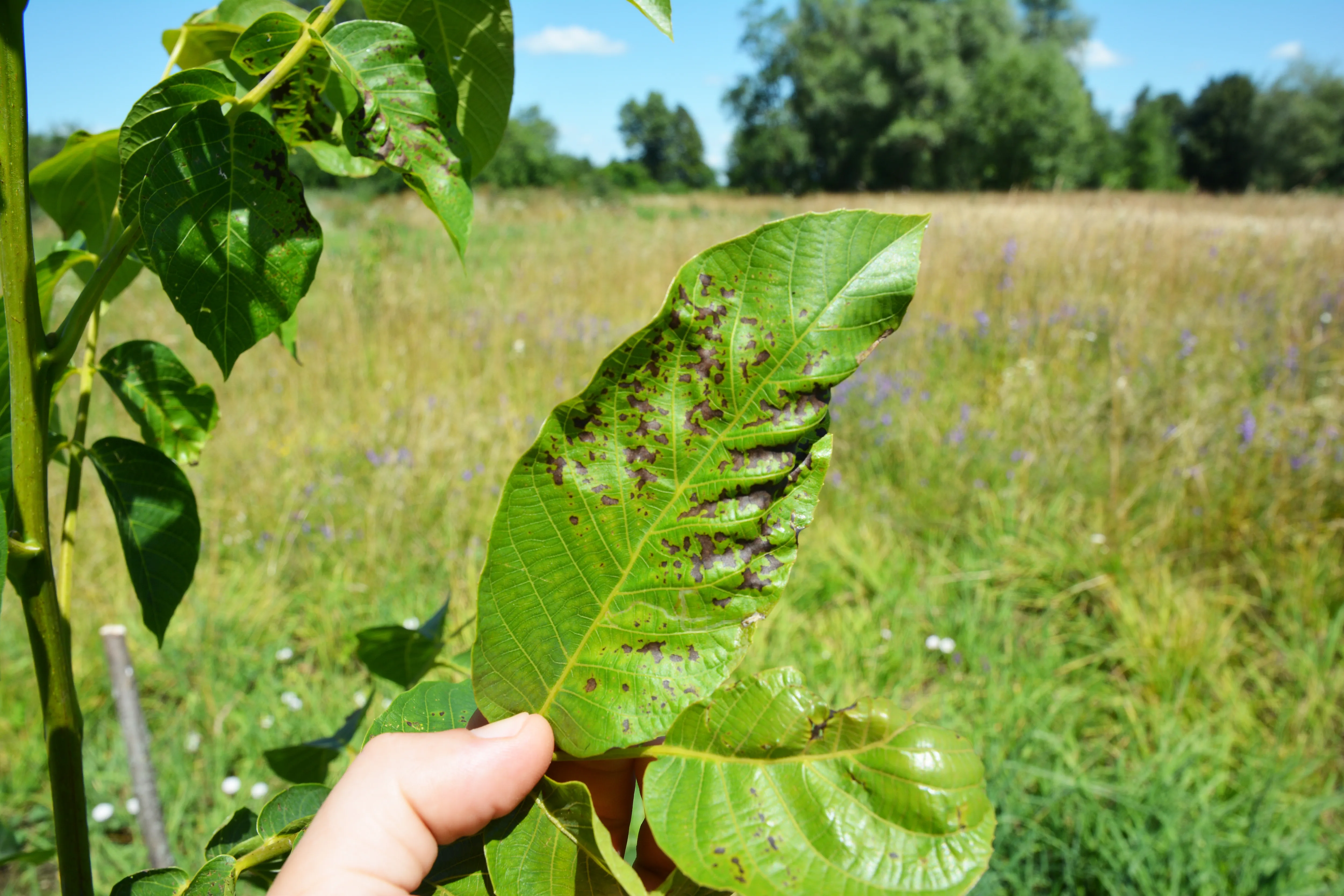
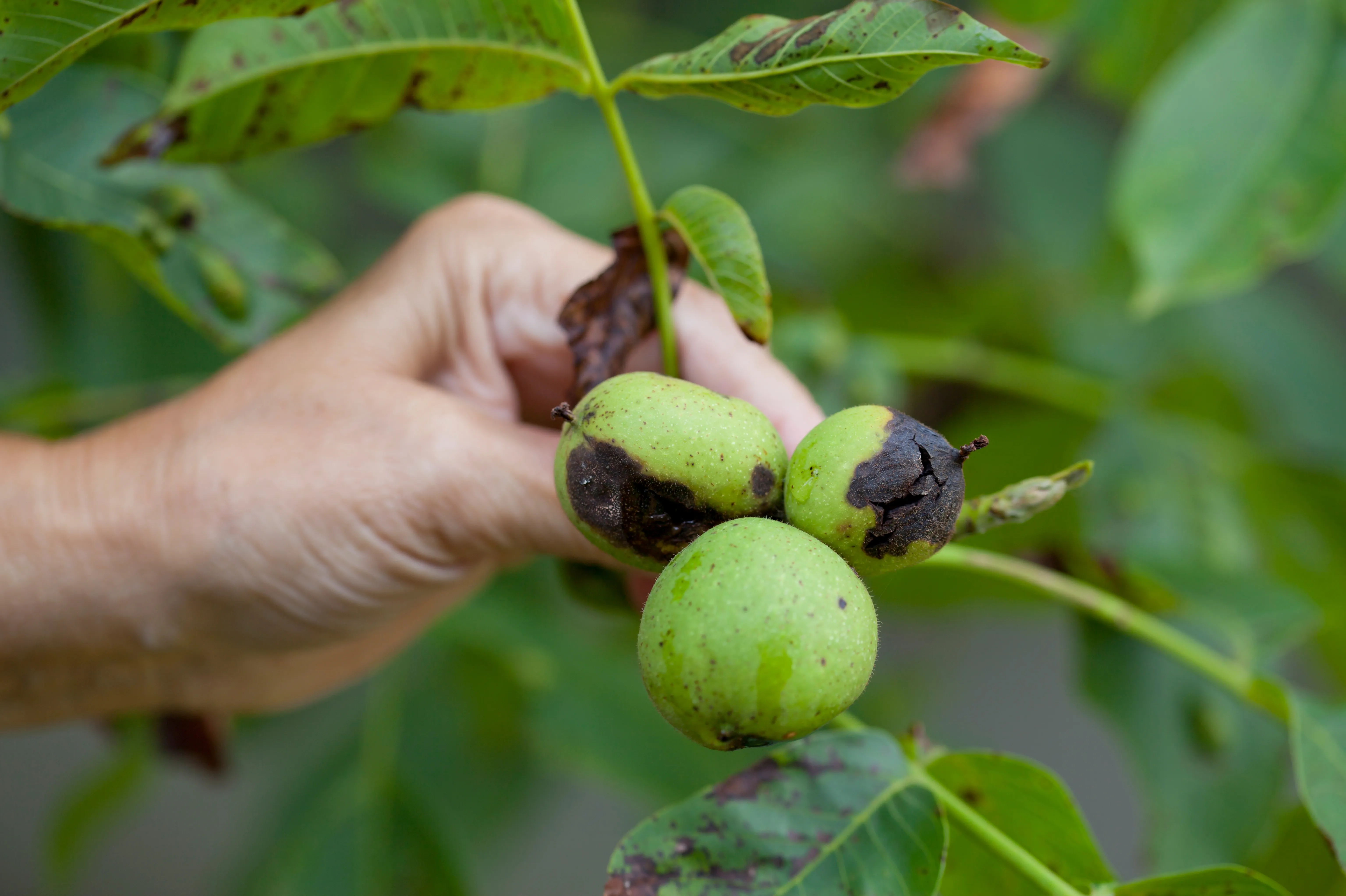
The foliage is often the first place the disease makes its presence known. Keep a close eye out for any distorted expansion in young leaves. As the infection progresses, you will notice distinct reddish-brown spots forming on the leaf surface. These necrotic spots are typically surrounded by a very distinct, pale yellow halo, which is a classic indicator of a bacterial infection actively destroying the surrounding healthy plant cells.
Twigs and Shoots
Inspect the green, succulent new shoots regularly. You are looking for small, blackened cankers that appear sunken into the tissue. As these cankers grow, they can eventually girdle the entire shoot, cutting off the supply of water and nutrients. This causes the new growth above the canker to wither and die, severely impacting the tree's overall vigour and future fruiting potential.
Developing Nuts
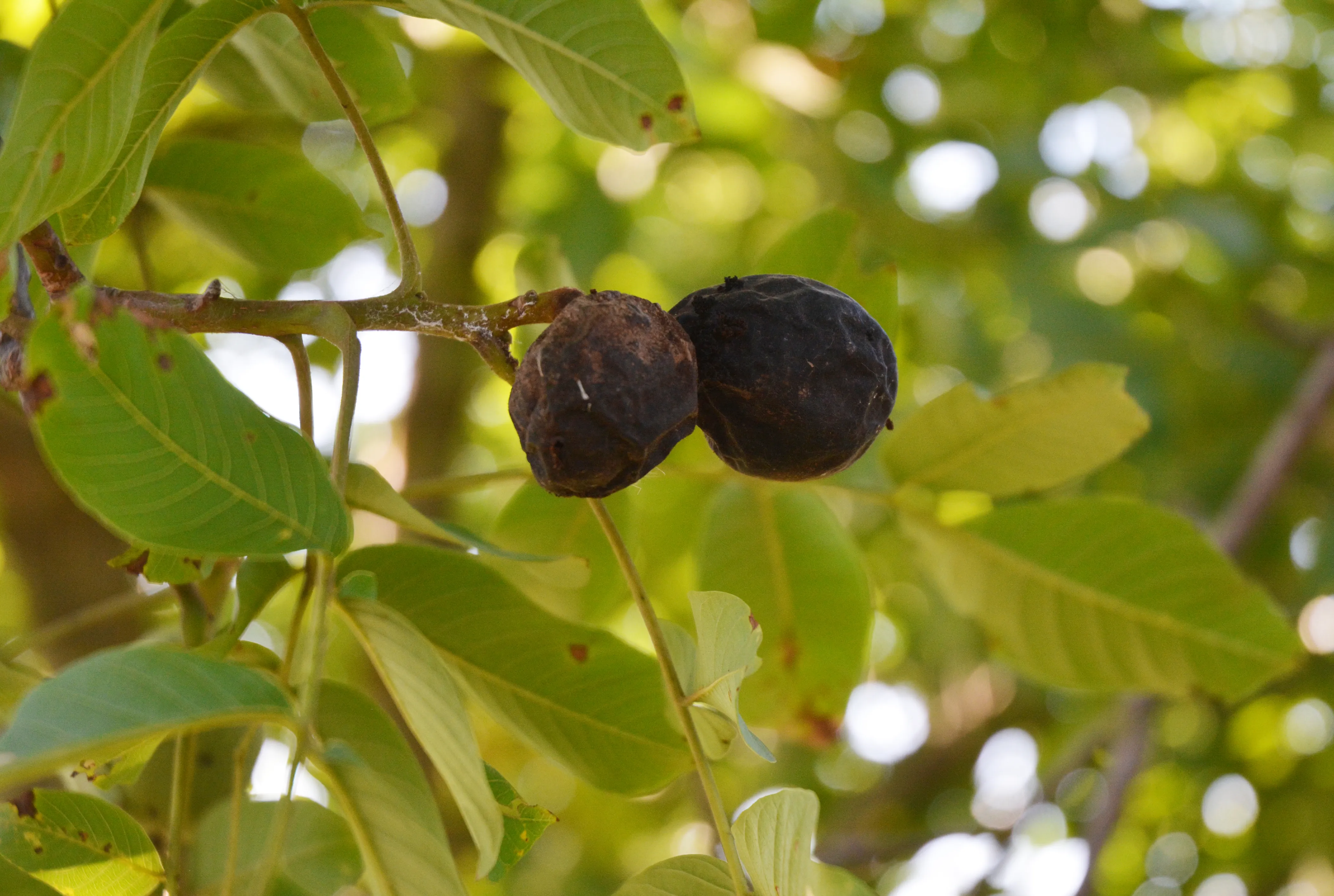
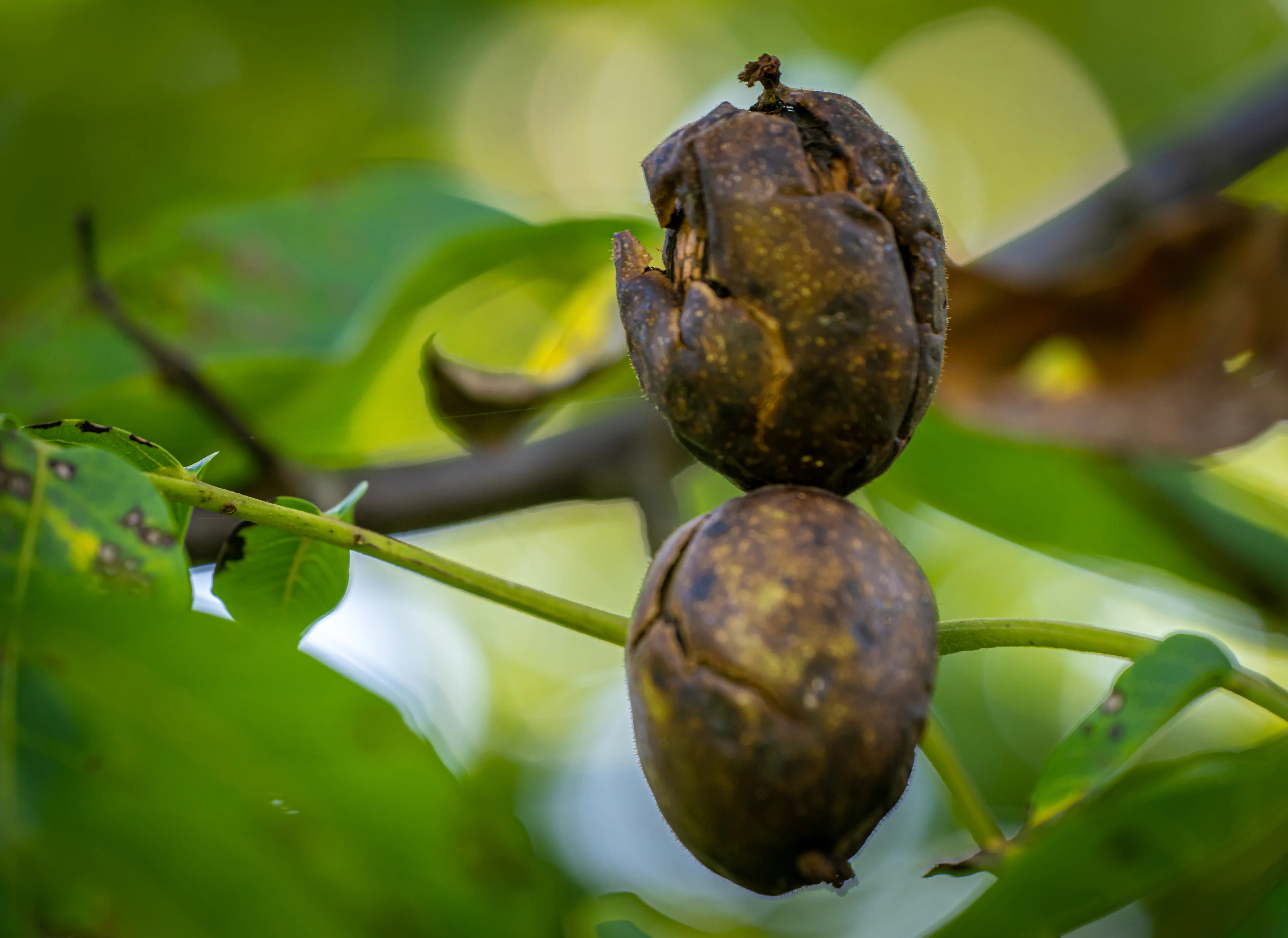
The most devastating symptoms appear on the fruit itself. "End blight" occurs when the bacteria wash into the blossom end of the developing nut shortly after pollination. This causes dark, sunken lesions at the base, typically leading the tree to abort and drop the nut prematurely. "Side blight" happens later in the season. You will see water-soaked, sunken black lesions on the side of the green hull. These lesions penetrate deep into the shell, completely ruining the kernel inside and turning it into a black, mushy ruin.
Boosting Plant Immunity: Nutritional Management
Walnut Blight
Many growers feel helpless against the weather, but you can take a highly empowering, proactive approach by focusing on building the tree's natural defences. Trees possess a complex immune system that relies heavily on a balanced, nutrient-rich diet. When a tree is stressed or undernourished, it accumulates simple compounds like nitrates and reducing sugars in its sap. These simple compounds are the exact food sources that opportunistic pathogens like Xaj need to thrive and multiply.
The Power of Trace Minerals
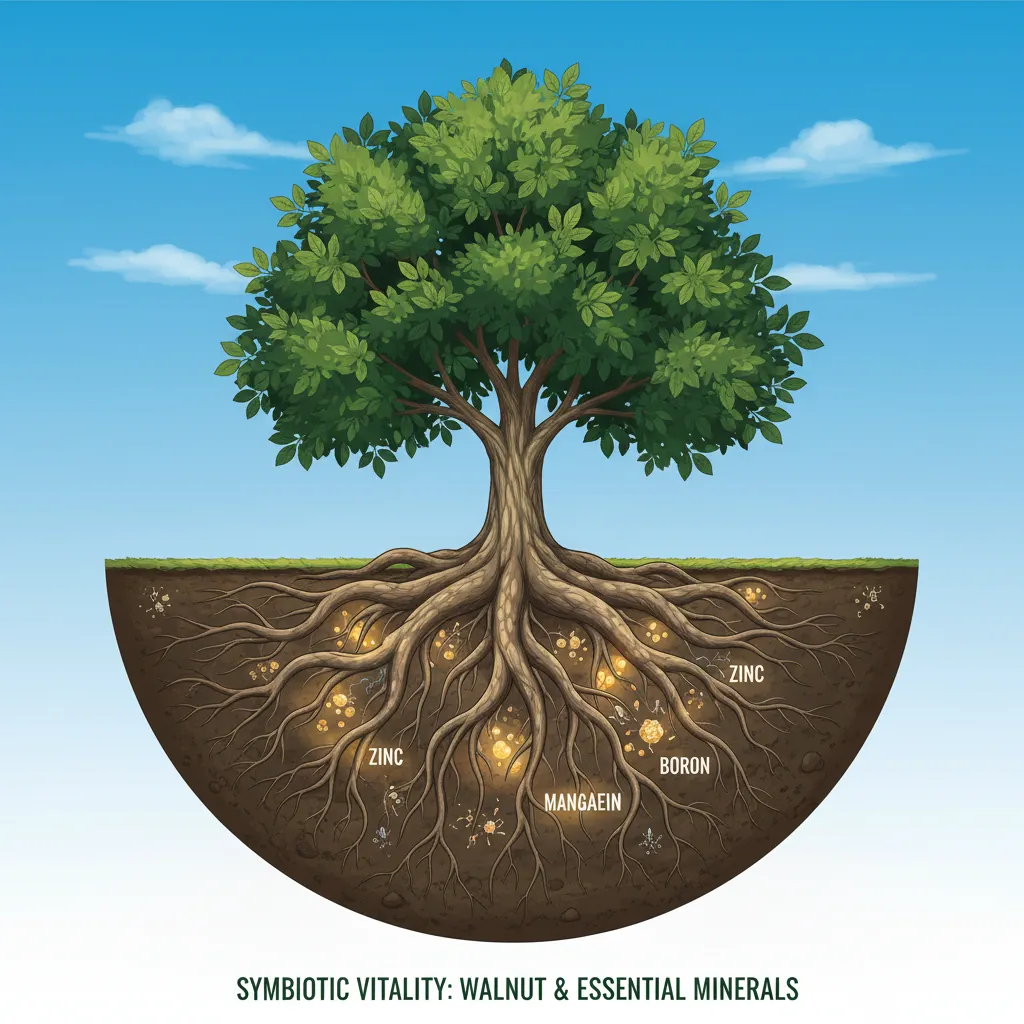
This is where the science of nutritional management becomes incredibly exciting. Applying specific trace minerals allows the plant to build complex, robust enzyme pathways. These enzymes act like microscopic factories, rapidly converting those vulnerable simple sugars and nitrates into complex proteins, lipids, and structural carbohydrates. Pathogens simply do not have the digestive enzymes required to feed on these complex compounds.
By ensuring your trees have adequate levels of essential trace minerals like zinc, manganese, and boron, you effectively starve the bacteria. There are numerous inspiring examples of commercial growers who have achieved near-complete immune resistance to bacterial diseases simply by optimising the mineral nutrition of their trees through targeted foliar sprays and soil amendments. This sophisticated approach dramatically reduces their reliance on synthetic chemicals and fosters a much healthier, more resilient orchard ecosystem.
Chemical Defences: Conventional Treatments
Walnut Blight
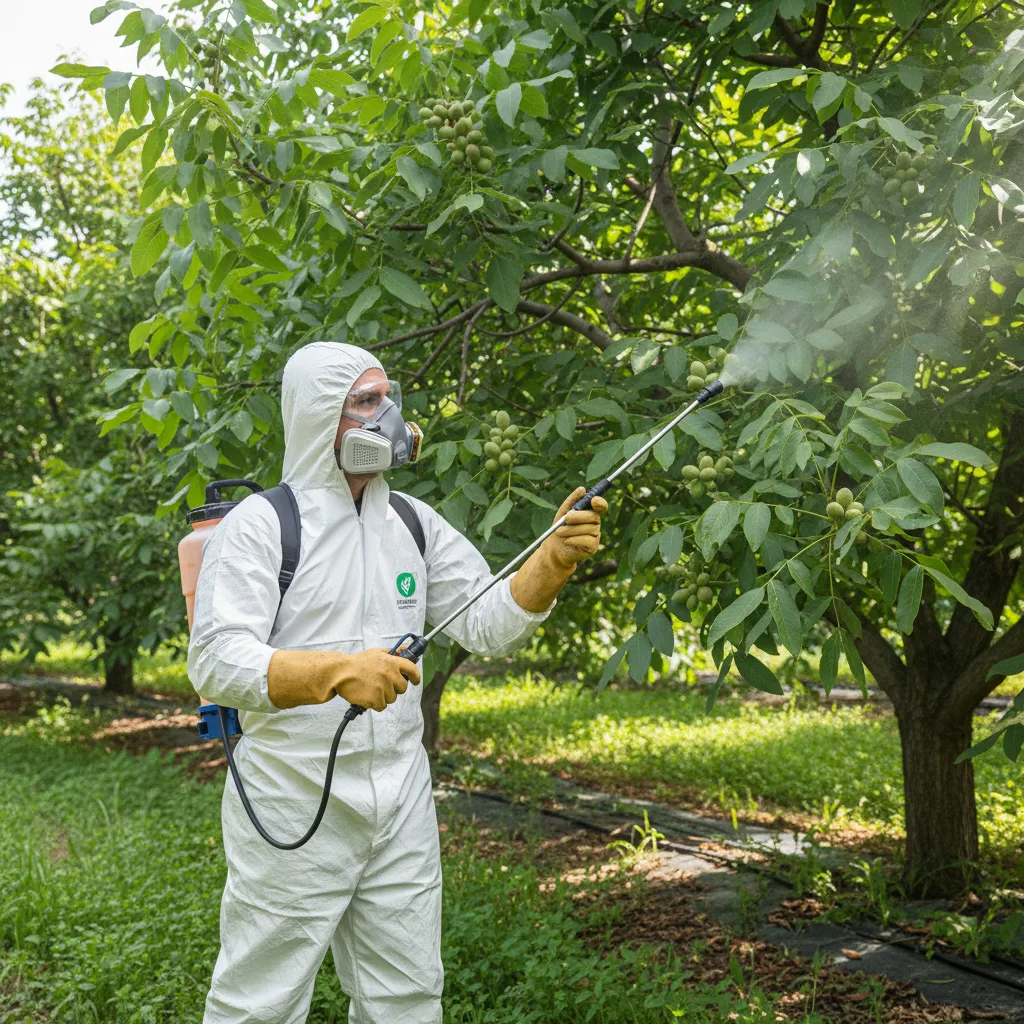
While building natural immunity is the ultimate goal, conventional bactericide programmes remain a vital tool for severe outbreaks, especially during highly conducive weather events. Historically, the agricultural industry has relied heavily on frequent applications of copper-based fungicides, often mixed with mancozeb, to coat the leaves and protect against infection.
Overcoming Copper Resistance
We must address a significant challenge in modern disease management: copper resistance. Decades of heavy, continuous copper use have forced the Xaj bacteria to adapt. We now face highly resilient strains of the bacteria that can survive standard copper applications, meaning this traditional method alone is no longer a reliable solution.
Kasugamycin Application
To combat this, agricultural science has introduced kasugamycin, a newer and highly effective bactericide. However, it must be used with immense responsibility. To prevent the bacteria from developing a similar resistance to this crucial new tool, kasugamycin must always be tank-mixed with a protective contact fungicide like copper or mancozeb. Timing these applications is critical. You must track local weather forecasts diligently and aim to spray just before heavy rain events during the crucial flower expansion phases, ensuring the protective barrier is in place before the rain splashes the bacteria around.
Practical Prevention: Strategies for the Garden
Walnut Blight
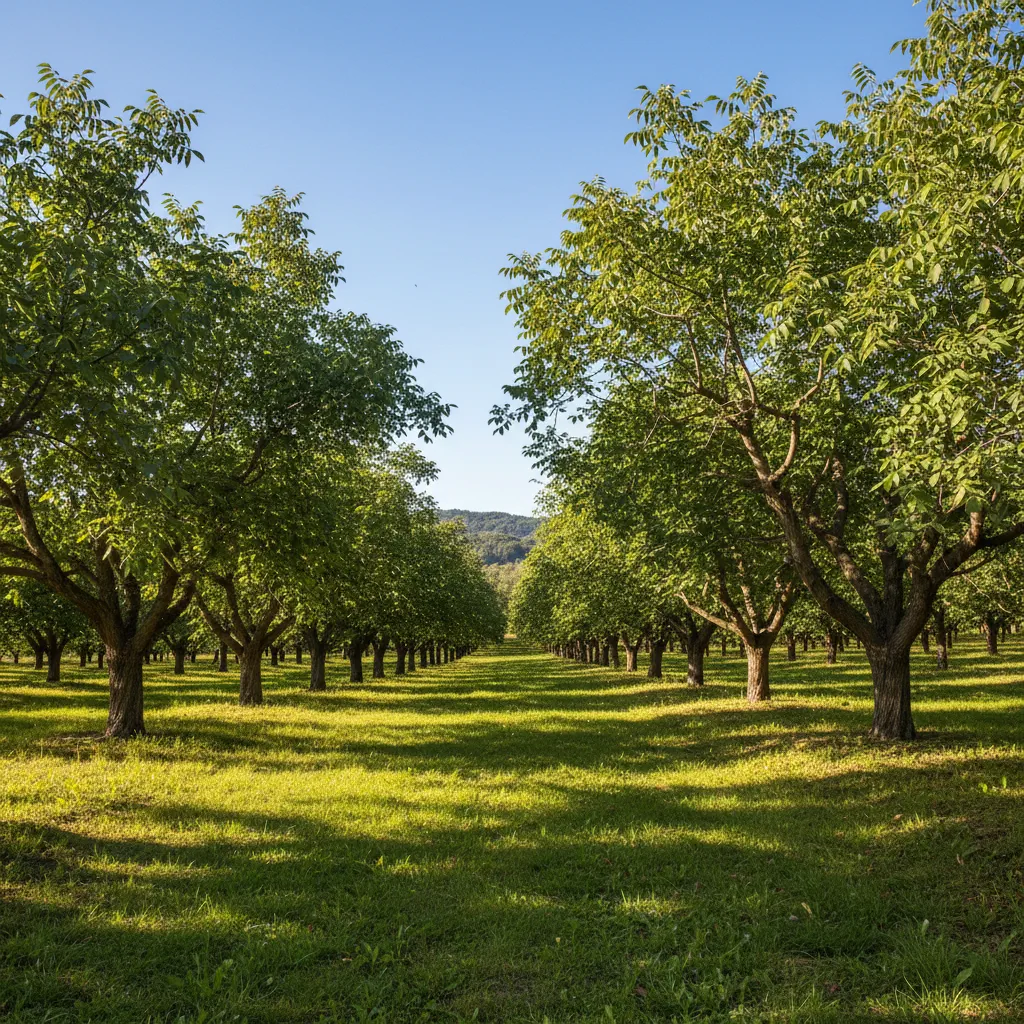
Beyond nutrition and chemical sprays, you can employ several highly effective cultural control methods right now. These practical strategies alter the environment to favour the tree rather than the pathogen.
Variety Selection
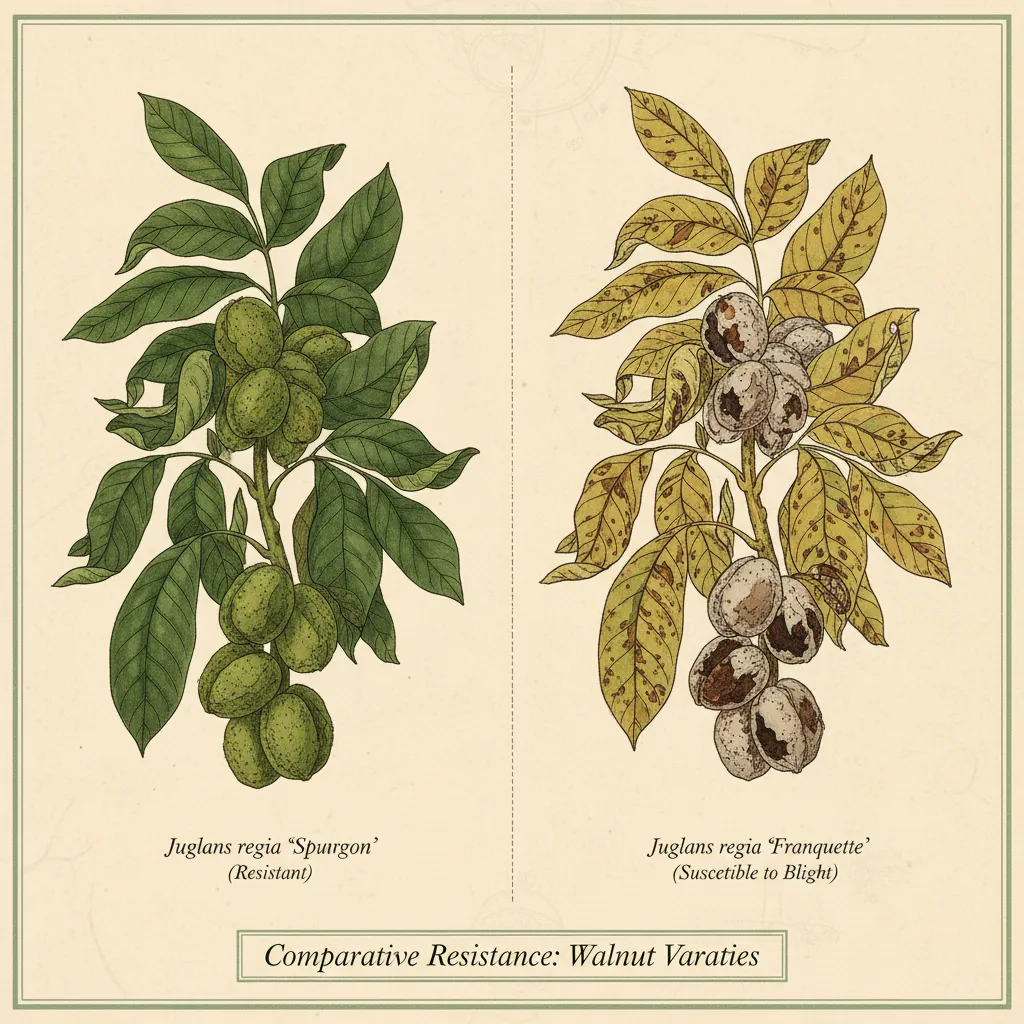
If you are planning to plant a new tree, variety selection is paramount. We strongly recommend planting naturally disease-resistant or late-leafing varieties. The variety 'Spurgeon', for instance, blooms later, helping it avoid the worst of the spring rains, and shows less susceptibility to the disease. The 'Howe' variety is also noted for better resistance. Conversely, warn fellow gardeners against planting highly susceptible types. While 'Franquette' has long been a popular choice in older orchards, it is notoriously susceptible to the disease and often suffers from severe blight issues in wet years.
Pruning Practices
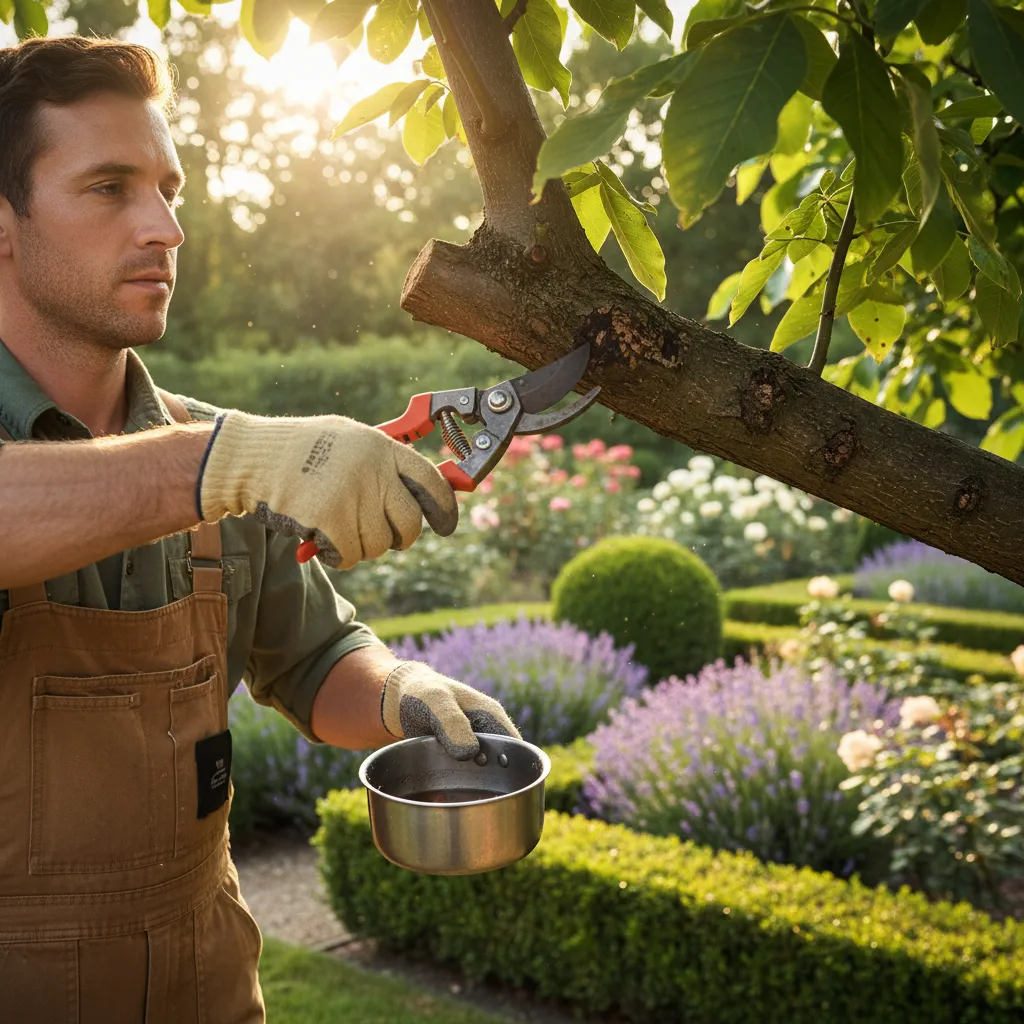
Diligent pruning physically removes the pathogen's overwintering sites. During the dry summer months or in late winter before bud break, carefully prune out and safely destroy any infected twigs, deadwood, and visible cankers. You must sterilise your pruning tools with a suitable disinfectant between every single cut. Failing to do so will simply spread the bacteria from an infected branch to a healthy one.
Water Management
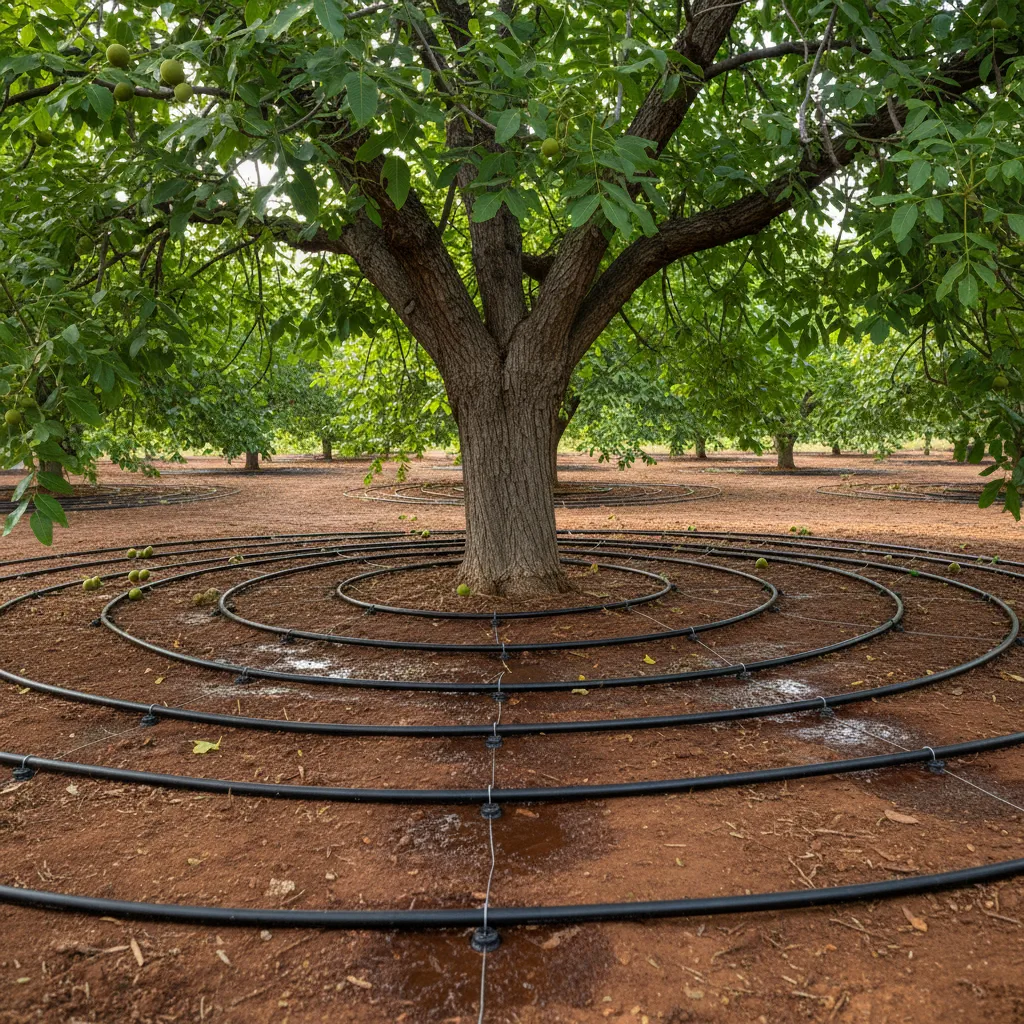
How you water your trees plays a massive role in disease management. You must strongly avoid using overhead watering sprinklers. Overhead irrigation perfectly mimics the driving rain-splash effect that the bacteria rely on to spread across the canopy. Instead, install drip irrigation or soaker hoses at the base of the tree. This keeps the foliage completely dry while ensuring the roots receive the deep watering they require.
Airflow and Canopy Thinning
Finally, consider the airflow through your garden. Appropriately spacing your trees and periodically thinning the interior canopy improves air circulation. When the wind can blow freely through the branches, the leaves dry significantly faster after a rain shower. By reducing the number of hours the foliage remains wet, you severely disrupt the pathogen's lifecycle and make it much harder for infections to take hold.
Frequently Asked Questions About Walnut Blight
Walnut Blight
Can an infected walnut tree be cured?
Once a bacterial infection has entered the plant tissue, it cannot be "cured" in the traditional sense. You cannot reverse the damage already done to a leaf or a developing nut. However, you can successfully manage the disease and halt its spread using the combination of nutritional boosts, precise bactericide applications, and strict pruning methods detailed above.
Are the nuts still safe to eat if the tree has blight?
If the infection has only caused superficial spots on the green outer hull and has not penetrated the hard inner shell, the nut meat inside is perfectly safe to eat. However, if you observe "side blight" where the lesions have sunk deep into the shell, the kernel will likely be black, mushy, and inedible. Always discard any nuts that show internal rotting or discolouration.
How quickly does the disease spread through an orchard?
The speed of the spread depends entirely on the weather. In a dry spring, the disease might remain confined to a few isolated branches. In a wet, windy spring with frequent rainstorms, a polycyclic epidemic can spread the bacteria across an entire orchard in a matter of weeks, moving rapidly from tree to tree as the wind drives the infected raindrops.
Is it too late to apply trace minerals if I already see symptoms?
It is never too late to support your tree's immune system, but prevention is always better than a cure. If you already see active symptoms, you should apply a targeted bactericide to halt the immediate spread. Simultaneously, you can begin a foliar feeding programme of trace minerals to help the tree build immunity in its newer growth.
Secure Your Walnut Harvest Today
Walnut Blight
Walnut blight is a formidable, weather-driven opponent, but it does not have to spell the end of your harvest. You can conquer this disease with a dedicated, multi-layered approach that combines early symptom detection, stellar nutritional management, and targeted, sensible cultural practices. Strengthening your tree from the roots up with essential trace minerals is just as important as knowing exactly when to prune out cankers or apply a protective spray.
Do not wait for the heartbreak of blackened shells to take action. Head out into the garden this weekend and inspect your trees thoroughly for any signs of overwintering cankers. Evaluate your current feeding programme to ensure your trees are getting the vital nutrients they need to build natural immunity. Stock up on the right nutritional supplements, sharpen and sterilise your pruning shears, and prepare to defend your precious crop.
For further reading, we highly recommend looking into local agricultural weather monitoring tools to perfectly time your protective sprays, and exploring plant sap analysis services to accurately determine exactly which trace minerals your garden might be lacking.
How to Prune Climbing Vines
List by Variety
- How to Prune Actinidia
- How to Prune Akebia
- How to Prune Bougainvillea
- How to Prune Campsis
- How to Prune Celastrus
- How to Prune Chilean Glory Vine
- How to Prune Clematis Armandii
- How to Prune Clematis Montana
- How to Prune Climbing Rose
- How to Prune Hedera GoldHeart
- How to Prune Honeysuckle
- How to Prune Hydrangea Petiolaris
- How to Prune Ivy
- How to Prune Japanese Wisteria
- How to Prune Morning Glory
- How to Prune Parthenocissus
- How to Prune Persian Ivy Hedera Colchica
- How to Prune Schisandra
- How to Prune Star Jasmine
- How to Prune Sweet Peas
- How to Prune True Jasmine
- How to Prune Virginia Creeper
- How to Prune Wisteria
How to Prune Hedges
List by Variety
- How to Prune an Arborvitae Hedge
- How to Prune a Barberry Hedge
- How to Prune a Beech Hedge
- How to Prune a Boxwood Hedge
- How to Prune a Butterfly Bush Hedge
- How to Prune a Cotoneaster Hedge
- How to Prune an English Lavender Hedge
- How to Prune an Escallonia Hedge
- How to Prune an Euonymus-Hedge
- How to Prune a Firethorn Hedge
- How to Prune a Forsythia Hedge
- How to Prune a Griselinia Hedge
- How to Prune a Hawthorn Hedge
- How to Prune a Holly Hedge
- How to Prune a Hornbeam Hedge
- How to Prune a Juniper Hedge
- How to Prune a Laurel Hedge
- How to Prune a Leylandii Hedge
- How to Prune a Lilac Hedge
- How to Prune a Maple Leaf Viburnum Hedge
- How to Prune a Photinia Hedge
- How to Prune a Pink Ramanus Rose Hedge
- How to Prune a Privet Hedge
- How to Prune a Pyracantha Hedge
- How to Prune a Spirea Hedge
- How to Prune a Thuja Hedge
- How to Prune a Viburnum Hedge
- How to Prune a Western Red Cedar Hedge
- How to Prune a Yew Hedge
How to Prune Shrubs
List by Variety
- How to Prune an Abelia Shrub
- How to Prune an Abutilon
- How to Prune an Acer / Japanese-Maple
- How to Prune an Amelanchiers
- How to Prune an Apple-Tree
- How to Prune an Arbovitae Shrub
- How to Prune an Arbutus
- How to Prune an Aucuba
- How to Prune a Azalea Mollis
- How to Prune Azaleas
- How to Prune a Bay Tree Shrub
- How to Prune a Berberis Darwinii
- How to Prune Berberis Deciduous Types
- How to Prune a Boxwood Shrubs
- How to Prune a Brachyglottis Senecio
- How to Prune a Buddleia Alternifolia
- How to Prune Buddleias Butterfly Bushes
- How to Prune a Buddleja Globosa
- How to Prune a Callicarpa
- How to Prune a Camellia
- How to Prune a Caryopteris
- How to Prune a Catalpa Bignonioides Aurea
- How to Prune Ceanothus Deciduous Types
- How to Prune Ceanothus Evergreen Types
- How to Prune a Ceratostigma
- How to Prune a Chaenomeles
- How to Prune a Choisya
- How to Prune a Cistus
- How to Prune a Clematis
- How to Prune a Cornus
- How to Prune a Cotinus Royal Purple
- How to Prune a Cytisus Scoparius
- How to Prune a Exochorda x Macrantha
- How to Prune a Forsythia
- How to Prune a Hebe
- How to Prune a Hydrangeas
- How to Prune Juniper Shrubs
- How to Prune a Lavatera
- How to Prune Lilac Bushes
- How to Prune a Mugo Pine
- How to Prune Rose Bushes
- How to Prune Ribes
- How to Prune Spirea Shrubs
- How to Prune Viburnum Shrubs
- How to Prune a Weigela
- How to Prune a Yew
How to Prune Trees
List by Variety
- How to Prune a Apple Tree
- How to Prune a Apricot Tree
- How to Prune a Ash Tree
- How to Prune a Birch Tree
- How to Prune a Cherry Tree
- How to Prune a Elm Tree
- How to Prune a Fig Tree
- How to Prune a Grape Tree
- How to Prune a Hickory Tree
- How to Prune a Maple Tree
- How to Prune a Oak Tree
- How to Prune an Olive Tree
- How to Prune a Peach Tree
- How to Prune a Pear Tree
- How to Prune a Plum Tree
- How to Prune a Poplar Tree
- How to Prune a Walnut Tree
How to Prune Climbing Vines
List by Variety
- How to Prune Actinidia
- How to Prune Akebia
- How to Prune Bougainvillea
- How to Prune Campsis
- How to Prune Celastrus
- How to Prune Chilean Glory Vine
- How to Prune Clematis Armandii
- How to Prune Clematis Montana
- How to Prune Climbing Rose
- How to Prune Hedera GoldHeart
- How to Prune Honeysuckle
- How to Prune Hydrangea Petiolaris
- How to Prune Ivy
- How to Prune Japanese Wisteria
- How to Prune Morning Glory
- How to Prune Parthenocissus
- How to Prune Persian Ivy Hedera Colchica
- How to Prune Schisandra
- How to Prune Star Jasmine
- How to Prune Sweet Peas
- How to Prune True Jasmine
- How to Prune Virginia Creeper
- How to Prune Wisteria
How to Prune Hedges
List by Variety
- How to Prune an Arborvitae Hedge
- How to Prune a Barberry Hedge
- How to Prune a Beech Hedge
- How to Prune a Boxwood Hedge
- How to Prune a Butterfly Bush Hedge
- How to Prune a Cotoneaster Hedge
- How to Prune an English Lavender Hedge
- How to Prune an Escallonia Hedge
- How to Prune an Euonymus-Hedge
- How to Prune a Firethorn Hedge
- How to Prune a Forsythia Hedge
- How to Prune a Griselinia Hedge
- How to Prune a Hawthorn Hedge
- How to Prune a Holly Hedge
- How to Prune a Hornbeam Hedge
- How to Prune a Juniper Hedge
- How to Prune a Laurel Hedge
- How to Prune a Leylandii Hedge
- How to Prune a Lilac Hedge
- How to Prune a Maple Leaf Viburnum Hedge
- How to Prune a Photinia Hedge
- How to Prune a Pink Ramanus Rose Hedge
- How to Prune a Privet Hedge
- How to Prune a Pyracantha Hedge
- How to Prune a Spirea Hedge
- How to Prune a Thuja Hedge
- How to Prune a Viburnum Hedge
- How to Prune a Western Red Cedar Hedge
- How to Prune a Yew Hedge
How to Prune Shrubs
List by Variety
- How to Prune an Abelia Shrub
- How to Prune an Abutilon
- How to Prune an Acer / Japanese-Maple
- How to Prune an Amelanchiers
- How to Prune an Apple-Tree
- How to Prune an Arbovitae Shrub
- How to Prune an Arbutus
- How to Prune an Aucuba
- How to Prune a Azalea Mollis
- How to Prune Azaleas
- How to Prune a Bay Tree Shrub
- How to Prune a Berberis Darwinii
- How to Prune Berberis Deciduous Types
- How to Prune a Boxwood Shrubs
- How to Prune a Brachyglottis Senecio
- How to Prune a Buddleia Alternifolia
- How to Prune Buddleias Butterfly Bushes
- How to Prune a Buddleja Globosa
- How to Prune a Callicarpa
- How to Prune a Camellia
- How to Prune a Caryopteris
- How to Prune a Catalpa Bignonioides Aurea
- How to Prune Ceanothus Deciduous Types
- How to Prune Ceanothus Evergreen Types
- How to Prune a Ceratostigma
- How to Prune a Chaenomeles
- How to Prune a Choisya
- How to Prune a Cistus
- How to Prune a Clematis
- How to Prune a Cornus
- How to Prune a Cotinus Royal Purple
- How to Prune a Cytisus Scoparius
- How to Prune a Exochorda x Macrantha
- How to Prune a Forsythia
- How to Prune a Hebe
- How to Prune a Hydrangeas
- How to Prune Juniper Shrubs
- How to Prune a Lavatera
- How to Prune Lilac Bushes
- How to Prune a Mugo Pine
- How to Prune Rose Bushes
- How to Prune Ribes
- How to Prune Spirea Shrubs
- How to Prune Viburnum Shrubs
- How to Prune a Weigela
- How to Prune a Yew
How to Prune Trees
List by Variety
- How to Prune a Apple Tree
- How to Prune a Apricot Tree
- How to Prune a Ash Tree
- How to Prune a Birch Tree
- How to Prune a Cherry Tree
- How to Prune a Elm Tree
- How to Prune a Fig Tree
- How to Prune a Grape Tree
- How to Prune a Hickory Tree
- How to Prune a Maple Tree
- How to Prune a Oak Tree
- How to Prune an Olive Tree
- How to Prune a Peach Tree
- How to Prune a Pear Tree
- How to Prune a Plum Tree
- How to Prune a Poplar Tree
- How to Prune a Walnut Tree
Gallery
Michael Carter
Vestibulum ante ipsum primis in faucibus orci luctus et ultrices posuere cubilia curae; Donec vel erat in nulla efficitur tempor non ut nisl. Integer venenatis eros ut dui viverra fermentum.
Sophie Wilson
Nam ut turpis hendrerit, varius nunc vel, elementum dui. Morbi vulputate dolor sit amet scelerisque egestas. Vestibulum eleifend nunc ut bibendum fermentum.
Alex Morgan
Cras non velit nec purus tempor rhoncus. Sed non mauris vitae erat consequat auctor eu in elit. Class aptent taciti sociosqu ad litora torquent per conubia nostra.