Everything You Need to Know About Walnut Scale
Walnut Scale: The Ultimate Guide to Saving Your Trees
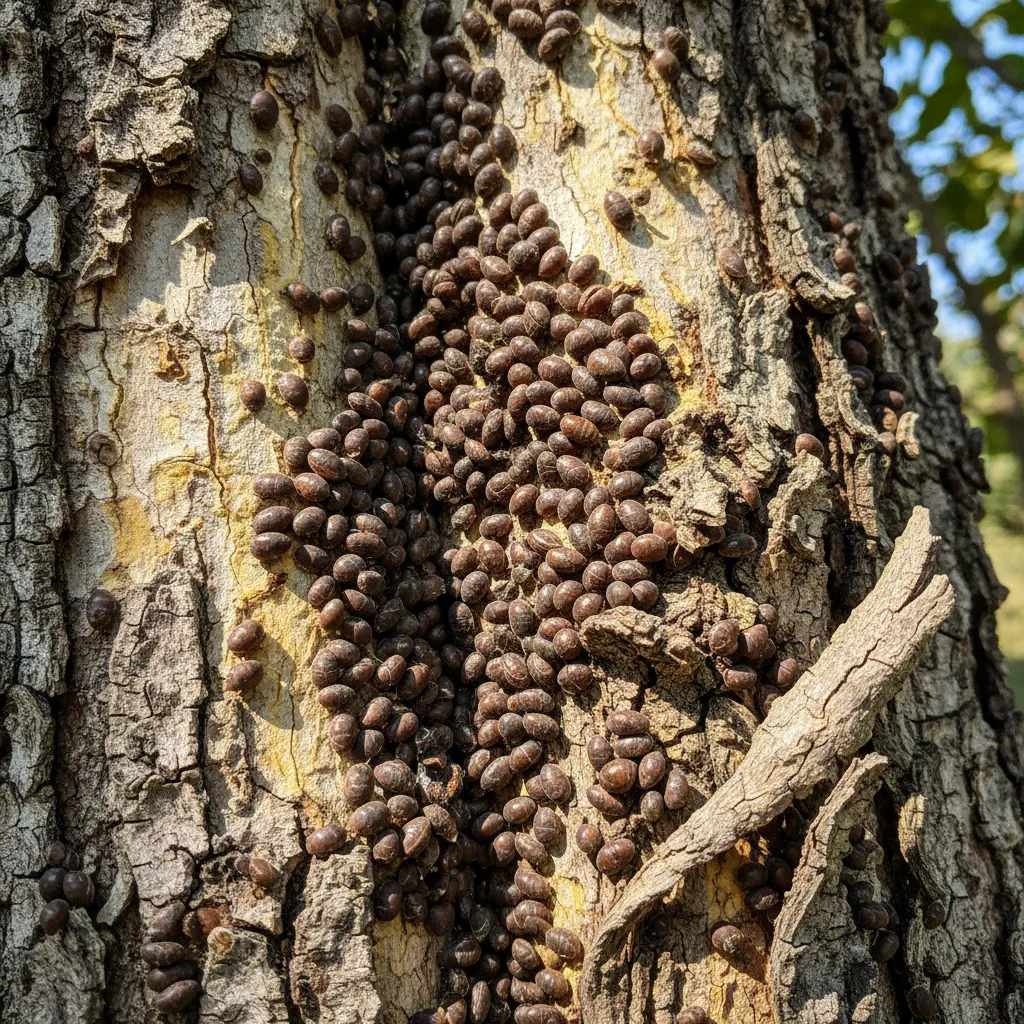
Walnut Scale Insects
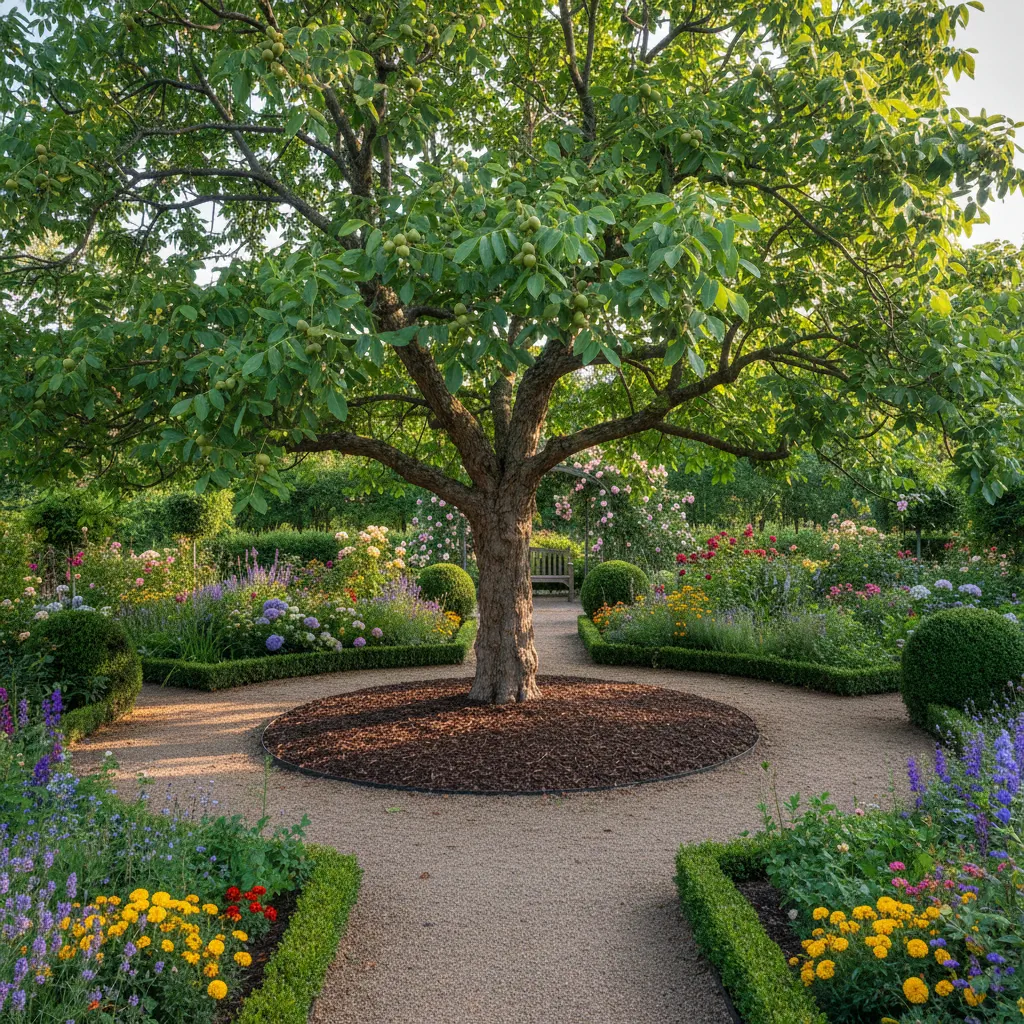
There is a profound, almost primal joy in growing your own majestic walnut tree. You plant a sapling, nurture it through the unpredictable British seasons, and watch it stretch towards the sky. The ultimate reward is that thrilling anticipation of a bountiful, crunchy harvest of fresh walnuts, ready to be cracked open by the fire on a crisp autumn evening. Cultivating these grand trees connects you to the earth and provides a stunning centrepiece for your garden or orchard.
However, an invisible, sap-sucking threat might be silently ruining your beautiful tree right under your nose. Walnut Scale is a tiny, highly destructive pest that clings to the bark, draining the tree’s vital fluids. These heavily armoured scale insects cause severe branch dieback, weaken the entire structure of the plant, and leave your beloved tree vulnerable to devastating secondary fungal diseases. Catching them early is the absolute secret to a thriving tree and a massive harvest.
This pest is increasingly on the rise, making it a critical concern for passionate gardeners and orchard owners who want to protect their hard work. If you have noticed your walnut tree looking a little worse for wear, or if you simply want to stay one step ahead of potential threats, you are in the right place.
This comprehensive guide will walk you through absolutely everything you need to know about managing scale on fruit trees. We will explore how to identify the pest, understand its bizarre life cycle, and implement step-by-step, actionable monitoring and control techniques to keep your walnut tree healthy and highly productive.
What Exactly is Walnut Scale?
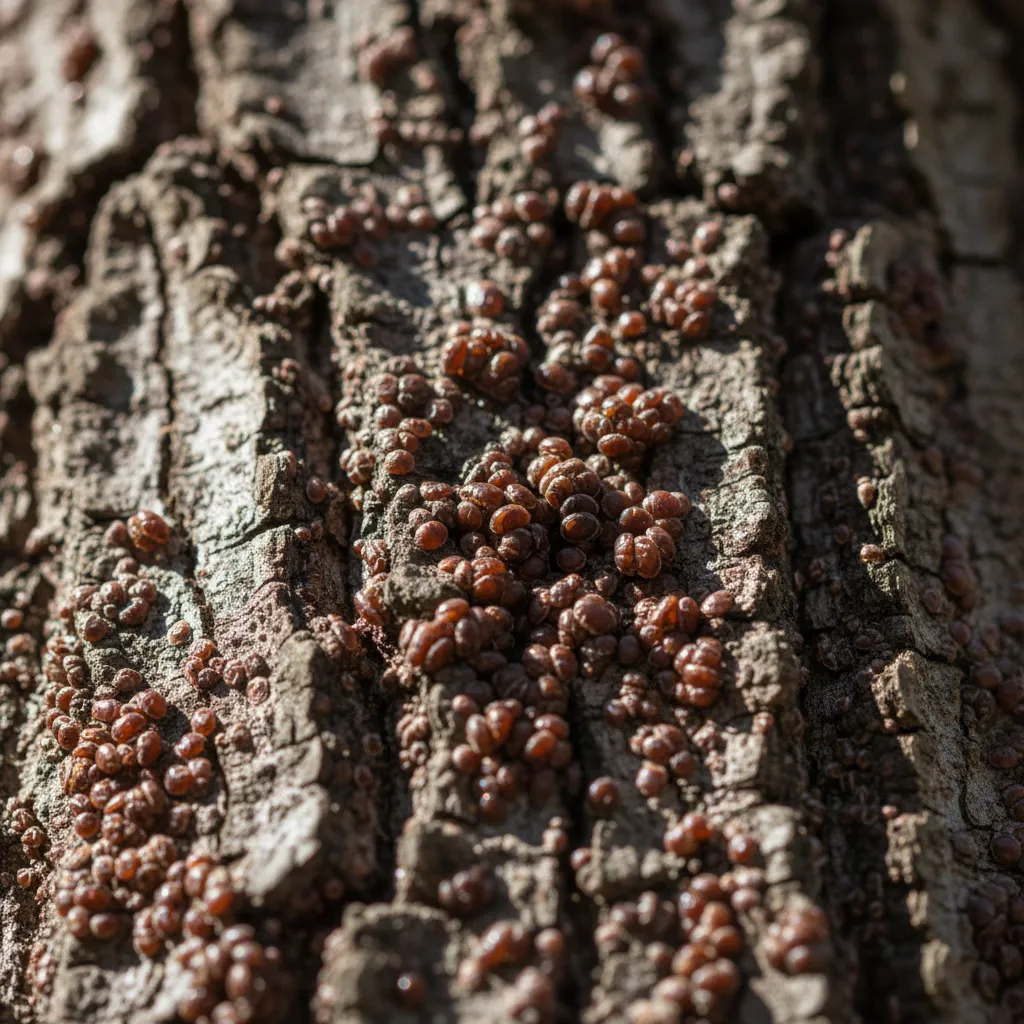
Walnut Scale Insects
To effectively defeat an enemy, you first need to understand it. The pest known formally by its scientific name, Quadraspidiotus juglansregiae, is what entomologists classify as an "armoured scale." This distinction is incredibly important. Unlike "soft scales" (such as the frosted scale), armoured scale insects possess a hard, waxy protective cover that is completely separate from the insect's actual physical body. This shield acts as a fortress, making them notoriously difficult to treat once they settle into their permanent feeding spots.
Their physical behaviour is bizarre and utterly fascinating. As these pests congregate on the bark of your tree, they form highly unique, daisy-shaped clusters. This happens because the tiny male crawlers instinctively tuck themselves under the protective edge of the female’s larger "skirt." Once safely positioned, they excrete their own waxy covers. The resulting visual is a tight, circular grouping of small scales surrounding a larger central female, resembling the petals of a flower pressed against the wood.
While agricultural experts frequently monitor these pests in massive commercial hubs like the Sacramento Valley in California, their stealthy nature makes them a universal threat to walnut trees everywhere. They can easily hitch a ride on wind currents, birds, or new nursery stock, establishing themselves quietly before the gardener even notices a problem.
The Fascinating Life Cycle of Walnut Scale
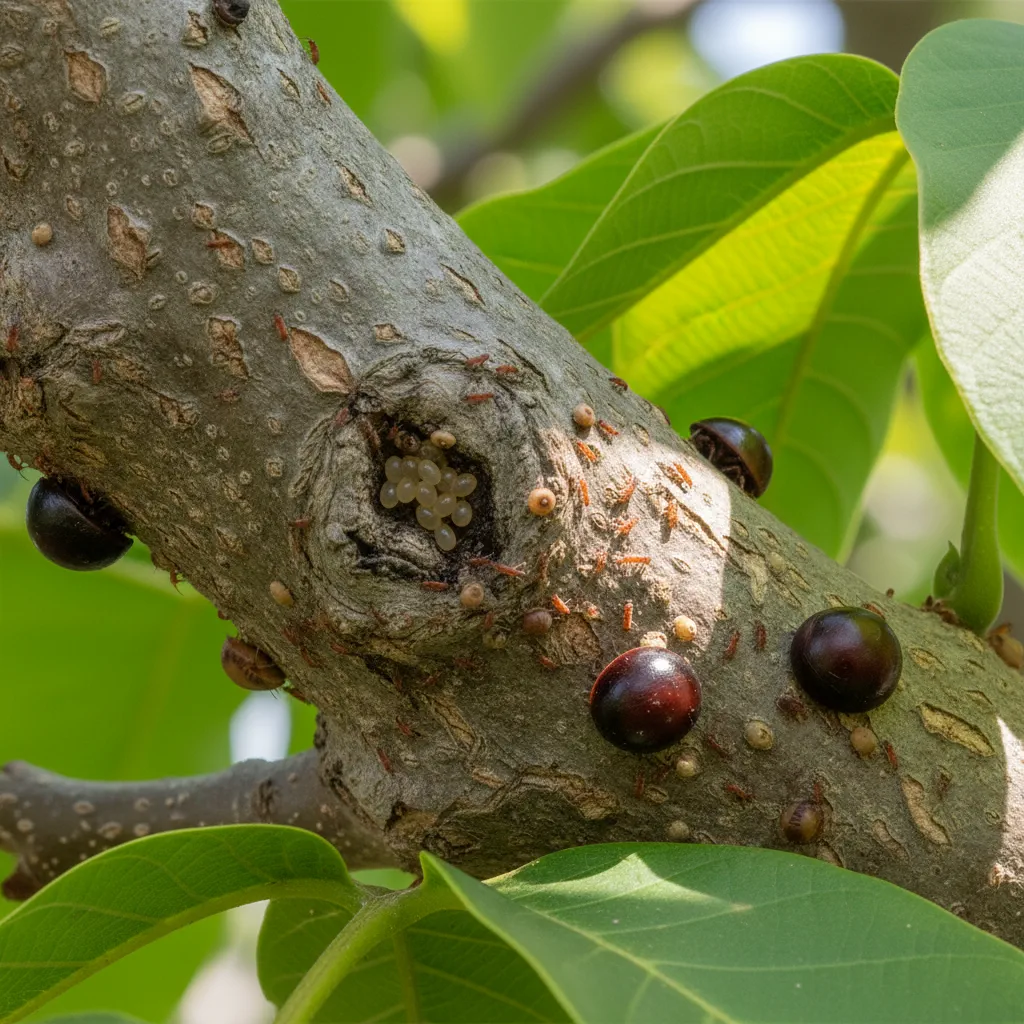
Walnut Scale Insects
Understanding the biology of these walnut tree pests gives you a distinct advantage. Timing your interventions to match their vulnerabilities will drastically improve your chances of saving your tree. The pest follows a strictly timed, two-generation annual cycle that revolves around the changing seasons.
The cycle begins with a spring awakening. The pests overwinter safely beneath their waxy shields as second-instar females and males. As the weather warms and the sap begins to flow strongly through the tree, they resume feeding. The females soon lay their very first batch of eggs beneath their covers. Astonishingly, these eggs hatch in just two to three days.
Once hatched, the insects enter the "crawler stage." These tiny, bright yellow crawlers are highly mobile and entirely vulnerable. They emerge from beneath the mother's shell and begin exploring the tree's branches to find the perfect, nutrient-rich spot to settle. Because they are so small and light, they often catch the wind, blowing onto neighbouring trees to expand the infestation. Once a crawler finds a suitable feeding site, it inserts its mouthparts into the bark, begins to feed, and immediately starts secreting its protective waxy armour. They will never move from this spot again.
After maturing and mating during the summer months, a second batch of eggs is laid in mid-to-late summer. These new eggs hatch into a second generation of crawlers. They quickly settle and build their armour just before the cold winter weather sets in, completing the yearly cycle and waiting patiently for the following spring.
Identifying Walnut Scale on Your Trees
Walnut Scale Insects
Because they are so small and blend in beautifully with the natural textures of bark, spotting them requires a keen eye and a bit of practical knowledge.
You should first look for the "white cap" stage. When the newly settled crawlers begin producing their armour, they secrete initial white, waxy coverings that look like tiny dots of salt or ash on the branches. Within a week, these bright white caps darken to a dull grey or brown, perfectly camouflaging themselves against the walnut bark.
If you suspect you have found a cluster, perform a simple hands-on check known as the lift test. Take a pocket knife or a sturdy fingernail and carefully lift the circular cover off a suspected female. If it truly is this specific pest, you will reveal a soft, yellowish body underneath with distinctively indented margins. This indented shape is a major key identifier that separates it from other scale species that might inhabit your garden.
As an infestation progresses over the years, the visual cues become much more obvious. You will begin to see thick, encrusted layers of scales overlapping on older branches and main structural scaffolds. If your tree's bark looks as though it has a bumpy, crusty disease covering it, you are likely looking at a severe, mature infestation that requires immediate action.
The Devastating Damage to Your Trees
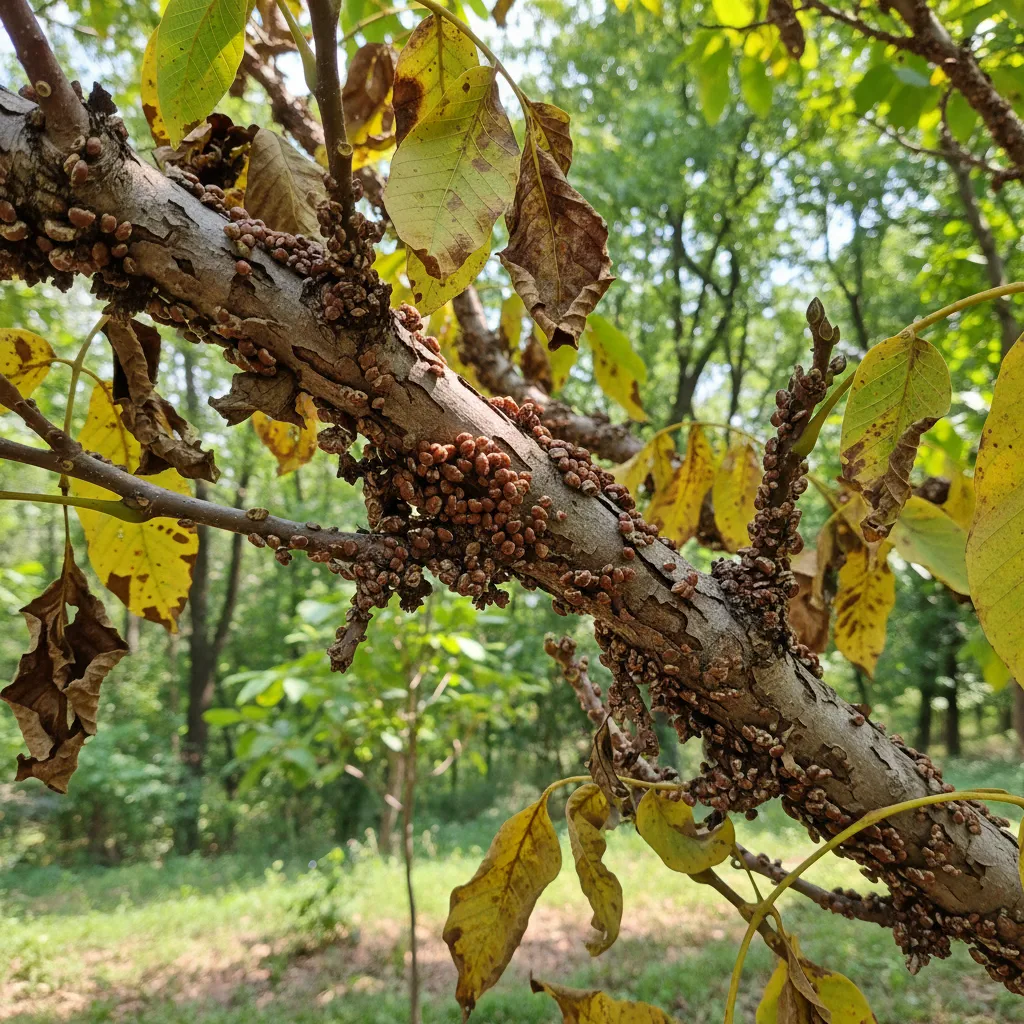
Walnut Scale Insects
The physical toll these tiny insects take on a massive tree is staggering. The mechanics of the damage revolve entirely around sap-sucking stress. The insect inserts its long, piercing mouthparts deep into the tree's cambium layer—the vital, living tissue situated just beneath the bark that transports water and nutrients. By literally sucking the plant juices out of the twigs and branches, a large population of scales acts like thousands of tiny vampires draining the tree's energy reserves.
Consequently, infested trees will exhibit severe visual symptoms. Even if the soil is perfectly moist, the canopy will look heavily water-stressed. The leaves may appear yellow, wilted, or smaller than usual. The bark on heavily infested branches will dry out and begin to crack. Most devastating for the gardener, the fruiting wood on lateral branches will begin to suffer severe dieback, drastically reducing your seasonal harvest of fresh walnuts.
The physical feeding damage also creates a much more lethal secondary threat. The thousands of microscopic entry wounds left by their piercing mouthparts provide the perfect gateway for devastating secondary pathogens. Specifically, they open the door for Botryosphaeria in walnuts, an aggressive fungal pathogen that causes lethal cankers. Once this fungus enters the vascular system, it causes rapid branch dieback and can eventually kill the entire tree. Controlling the insect is the absolute best way to prevent this secondary fungal disease.
Step-by-Step Monitoring: Catch Them Early
Walnut Scale Insects
Because the adults are heavily armoured and highly resistant to chemical sprays, you must target the vulnerable yellow crawlers. Catching them early requires a proactive monitoring programme.
Timing is everything. You should begin your monitoring programme during the late dormant season, preparing to actively look for crawlers as the weather warms up in mid-to-late April.
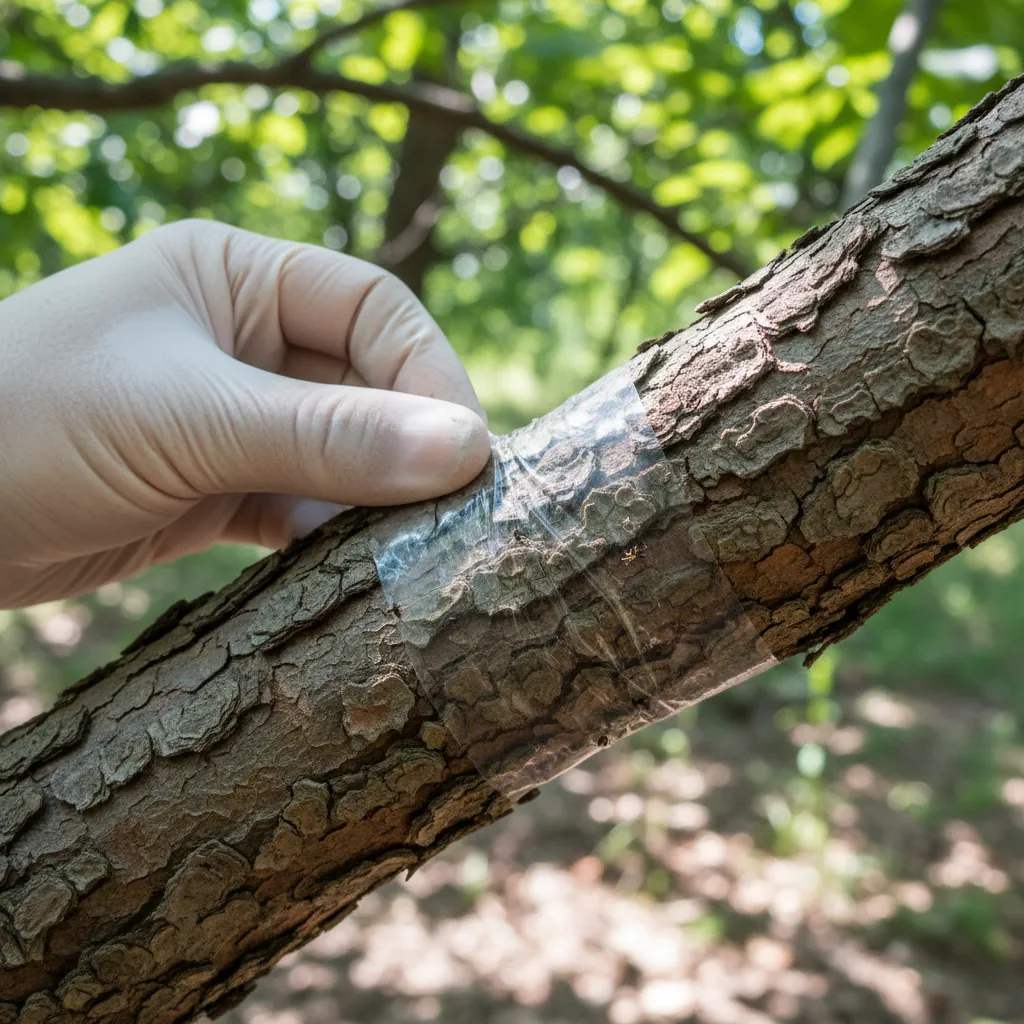
The most effective method for tracking crawler emergence is the sticky tape trick. Here is a clear, step-by-step guide to doing it correctly:
- Identify branches that show signs of older, encrusted scale damage.
- Wrap a piece of double-sided sticky tape completely around the infested branch. Make sure the tape sits flush against the bark so crawlers cannot simply walk underneath it.
- Leave the tape in place to act as a trap.
- Remove and check the tape weekly. Use a magnifying glass or a jeweller's loupe to inspect the edges of the tape. You are looking for tiny, bright yellow specks caught on the margins.
- Replace the tape with a fresh piece each week until you spot a significant emergence of crawlers.
Spotting a sudden influx of yellow crawlers on your tape tells you exactly when the population is mobile, unarmoured, and highly vulnerable to intervention.
Eco-Friendly & Chemical Management for Walnut Scale
Walnut Scale Insects
Once you have identified an active population, you have a few different avenues for control. A well-rounded approach often combines encouraging a healthy ecosystem with targeted treatments when absolutely necessary.
Welcoming Natural Enemies
Mother Nature provides her own brilliant pest control squad, and encouraging these beneficial predators in your garden is a highly effective, eco-friendly strategy. Several natural enemies love to feast on these pests.
The twicestabbed lady beetle (Chilocorus orbus) is a voracious predator of armoured scales. You might also spot the black beetle Cybocephalus californicus hunting along the branches. Furthermore, tiny parasitic wasps, such as the Aphytis and Encarsia species, actively seek out the pests, laying their eggs directly inside the scale's body to consume them from the inside out.
You can encourage these garden allies by planting diverse, nectar-rich flowers nearby and avoiding broad-spectrum insecticides that kill beneficial insects alongside the pests. However, it is important to note a harsh reality. While these garden allies are brilliant for keeping minor populations in check, they often cannot control a heavy, established infestation entirely on their own.
Horticultural Oils and Sprays
For moderate to severe infestations, horticultural oils and targeted chemical controls are often required. However, you must exercise extreme caution.
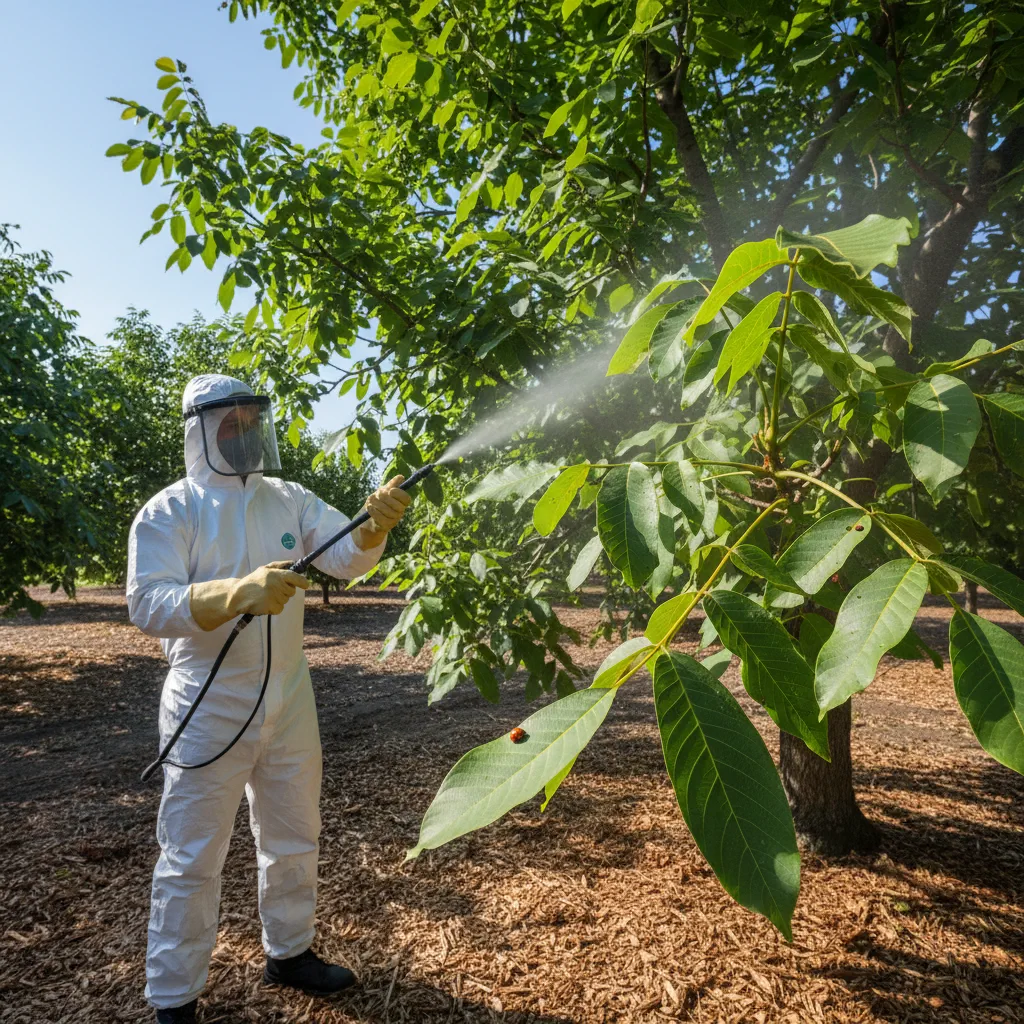
Walnut trees are incredibly sensitive to narrow-range horticultural oils. Applying oils incorrectly can cause severe phytotoxicity, burning the buds and damaging the tree worse than the pest itself. Oils should never be applied during the tree's complete dormancy period. They must also be strictly avoided between bud break and shoot elongation. Never spray oils on trees that are currently water-stressed, and avoid applications entirely when temperatures exceed 32°C (90°F).
For severe infestations where oils are too risky, targeted chemical treatments are highly effective. Insect growth regulators applied during the delayed-dormant period, or specific targeted contact sprays perfectly timed to the crawler emergence you tracked with your sticky tape, will disrupt the life cycle. Always read the manufacturer labels thoroughly, follow dosage instructions meticulously, and consult your local environmental guidelines before applying any chemical controls.
Secure Your Walnut Harvest for Years to Come
Walnut Scale Insects
Protecting your beautiful walnut tree requires observation, timing, and a bit of dedicated care. By learning to identify those bizarre, daisy-shaped clusters early on, you give yourself a massive head start. Using the simple sticky tape trick allows you to monitor for the vulnerable crawler stage with precision, ensuring that any treatments you apply are maximally effective. Taking swift action will not only rid your tree of these sap-sucking pests but will also protect it from aggressive, lethal secondary fungal infections.
A little vigilance goes a very long way in the garden. Check your bark, monitor your branches, and foster a healthy environment for natural predators. Your reward will be a thriving, vibrant tree and a massive, healthy walnut harvest come autumn.
Head out to the garden today to inspect the bark of your walnut trees. Have you battled armoured scale insects before? Leave a comment below sharing your own tree-care experiences and tips!
How to Prune Climbing Vines
List by Variety
- How to Prune Actinidia
- How to Prune Akebia
- How to Prune Bougainvillea
- How to Prune Campsis
- How to Prune Celastrus
- How to Prune Chilean Glory Vine
- How to Prune Clematis Armandii
- How to Prune Clematis Montana
- How to Prune Climbing Rose
- How to Prune Hedera GoldHeart
- How to Prune Honeysuckle
- How to Prune Hydrangea Petiolaris
- How to Prune Ivy
- How to Prune Japanese Wisteria
- How to Prune Morning Glory
- How to Prune Parthenocissus
- How to Prune Persian Ivy Hedera Colchica
- How to Prune Schisandra
- How to Prune Star Jasmine
- How to Prune Sweet Peas
- How to Prune True Jasmine
- How to Prune Virginia Creeper
- How to Prune Wisteria
How to Prune Hedges
List by Variety
- How to Prune an Arborvitae Hedge
- How to Prune a Barberry Hedge
- How to Prune a Beech Hedge
- How to Prune a Boxwood Hedge
- How to Prune a Butterfly Bush Hedge
- How to Prune a Cotoneaster Hedge
- How to Prune an English Lavender Hedge
- How to Prune an Escallonia Hedge
- How to Prune an Euonymus-Hedge
- How to Prune a Firethorn Hedge
- How to Prune a Forsythia Hedge
- How to Prune a Griselinia Hedge
- How to Prune a Hawthorn Hedge
- How to Prune a Holly Hedge
- How to Prune a Hornbeam Hedge
- How to Prune a Juniper Hedge
- How to Prune a Laurel Hedge
- How to Prune a Leylandii Hedge
- How to Prune a Lilac Hedge
- How to Prune a Maple Leaf Viburnum Hedge
- How to Prune a Photinia Hedge
- How to Prune a Pink Ramanus Rose Hedge
- How to Prune a Privet Hedge
- How to Prune a Pyracantha Hedge
- How to Prune a Spirea Hedge
- How to Prune a Thuja Hedge
- How to Prune a Viburnum Hedge
- How to Prune a Western Red Cedar Hedge
- How to Prune a Yew Hedge
How to Prune Shrubs
List by Variety
- How to Prune an Abelia Shrub
- How to Prune an Abutilon
- How to Prune an Acer / Japanese-Maple
- How to Prune an Amelanchiers
- How to Prune an Apple-Tree
- How to Prune an Arbovitae Shrub
- How to Prune an Arbutus
- How to Prune an Aucuba
- How to Prune a Azalea Mollis
- How to Prune Azaleas
- How to Prune a Bay Tree Shrub
- How to Prune a Berberis Darwinii
- How to Prune Berberis Deciduous Types
- How to Prune a Boxwood Shrubs
- How to Prune a Brachyglottis Senecio
- How to Prune a Buddleia Alternifolia
- How to Prune Buddleias Butterfly Bushes
- How to Prune a Buddleja Globosa
- How to Prune a Callicarpa
- How to Prune a Camellia
- How to Prune a Caryopteris
- How to Prune a Catalpa Bignonioides Aurea
- How to Prune Ceanothus Deciduous Types
- How to Prune Ceanothus Evergreen Types
- How to Prune a Ceratostigma
- How to Prune a Chaenomeles
- How to Prune a Choisya
- How to Prune a Cistus
- How to Prune a Clematis
- How to Prune a Cornus
- How to Prune a Cotinus Royal Purple
- How to Prune a Cytisus Scoparius
- How to Prune a Exochorda x Macrantha
- How to Prune a Forsythia
- How to Prune a Hebe
- How to Prune a Hydrangeas
- How to Prune Juniper Shrubs
- How to Prune a Lavatera
- How to Prune Lilac Bushes
- How to Prune a Mugo Pine
- How to Prune Rose Bushes
- How to Prune Ribes
- How to Prune Spirea Shrubs
- How to Prune Viburnum Shrubs
- How to Prune a Weigela
- How to Prune a Yew
How to Prune Trees
List by Variety
- How to Prune a Apple Tree
- How to Prune a Apricot Tree
- How to Prune a Ash Tree
- How to Prune a Birch Tree
- How to Prune a Cherry Tree
- How to Prune a Elm Tree
- How to Prune a Fig Tree
- How to Prune a Grape Tree
- How to Prune a Hickory Tree
- How to Prune a Maple Tree
- How to Prune a Oak Tree
- How to Prune an Olive Tree
- How to Prune a Peach Tree
- How to Prune a Pear Tree
- How to Prune a Plum Tree
- How to Prune a Poplar Tree
- How to Prune a Walnut Tree
How to Prune Climbing Vines
List by Variety
- How to Prune Actinidia
- How to Prune Akebia
- How to Prune Bougainvillea
- How to Prune Campsis
- How to Prune Celastrus
- How to Prune Chilean Glory Vine
- How to Prune Clematis Armandii
- How to Prune Clematis Montana
- How to Prune Climbing Rose
- How to Prune Hedera GoldHeart
- How to Prune Honeysuckle
- How to Prune Hydrangea Petiolaris
- How to Prune Ivy
- How to Prune Japanese Wisteria
- How to Prune Morning Glory
- How to Prune Parthenocissus
- How to Prune Persian Ivy Hedera Colchica
- How to Prune Schisandra
- How to Prune Star Jasmine
- How to Prune Sweet Peas
- How to Prune True Jasmine
- How to Prune Virginia Creeper
- How to Prune Wisteria
How to Prune Hedges
List by Variety
- How to Prune an Arborvitae Hedge
- How to Prune a Barberry Hedge
- How to Prune a Beech Hedge
- How to Prune a Boxwood Hedge
- How to Prune a Butterfly Bush Hedge
- How to Prune a Cotoneaster Hedge
- How to Prune an English Lavender Hedge
- How to Prune an Escallonia Hedge
- How to Prune an Euonymus-Hedge
- How to Prune a Firethorn Hedge
- How to Prune a Forsythia Hedge
- How to Prune a Griselinia Hedge
- How to Prune a Hawthorn Hedge
- How to Prune a Holly Hedge
- How to Prune a Hornbeam Hedge
- How to Prune a Juniper Hedge
- How to Prune a Laurel Hedge
- How to Prune a Leylandii Hedge
- How to Prune a Lilac Hedge
- How to Prune a Maple Leaf Viburnum Hedge
- How to Prune a Photinia Hedge
- How to Prune a Pink Ramanus Rose Hedge
- How to Prune a Privet Hedge
- How to Prune a Pyracantha Hedge
- How to Prune a Spirea Hedge
- How to Prune a Thuja Hedge
- How to Prune a Viburnum Hedge
- How to Prune a Western Red Cedar Hedge
- How to Prune a Yew Hedge
How to Prune Shrubs
List by Variety
- How to Prune an Abelia Shrub
- How to Prune an Abutilon
- How to Prune an Acer / Japanese-Maple
- How to Prune an Amelanchiers
- How to Prune an Apple-Tree
- How to Prune an Arbovitae Shrub
- How to Prune an Arbutus
- How to Prune an Aucuba
- How to Prune a Azalea Mollis
- How to Prune Azaleas
- How to Prune a Bay Tree Shrub
- How to Prune a Berberis Darwinii
- How to Prune Berberis Deciduous Types
- How to Prune a Boxwood Shrubs
- How to Prune a Brachyglottis Senecio
- How to Prune a Buddleia Alternifolia
- How to Prune Buddleias Butterfly Bushes
- How to Prune a Buddleja Globosa
- How to Prune a Callicarpa
- How to Prune a Camellia
- How to Prune a Caryopteris
- How to Prune a Catalpa Bignonioides Aurea
- How to Prune Ceanothus Deciduous Types
- How to Prune Ceanothus Evergreen Types
- How to Prune a Ceratostigma
- How to Prune a Chaenomeles
- How to Prune a Choisya
- How to Prune a Cistus
- How to Prune a Clematis
- How to Prune a Cornus
- How to Prune a Cotinus Royal Purple
- How to Prune a Cytisus Scoparius
- How to Prune a Exochorda x Macrantha
- How to Prune a Forsythia
- How to Prune a Hebe
- How to Prune a Hydrangeas
- How to Prune Juniper Shrubs
- How to Prune a Lavatera
- How to Prune Lilac Bushes
- How to Prune a Mugo Pine
- How to Prune Rose Bushes
- How to Prune Ribes
- How to Prune Spirea Shrubs
- How to Prune Viburnum Shrubs
- How to Prune a Weigela
- How to Prune a Yew
How to Prune Trees
List by Variety
- How to Prune a Apple Tree
- How to Prune a Apricot Tree
- How to Prune a Ash Tree
- How to Prune a Birch Tree
- How to Prune a Cherry Tree
- How to Prune a Elm Tree
- How to Prune a Fig Tree
- How to Prune a Grape Tree
- How to Prune a Hickory Tree
- How to Prune a Maple Tree
- How to Prune a Oak Tree
- How to Prune an Olive Tree
- How to Prune a Peach Tree
- How to Prune a Pear Tree
- How to Prune a Plum Tree
- How to Prune a Poplar Tree
- How to Prune a Walnut Tree
Gallery
Michael Carter
Vestibulum ante ipsum primis in faucibus orci luctus et ultrices posuere cubilia curae; Donec vel erat in nulla efficitur tempor non ut nisl. Integer venenatis eros ut dui viverra fermentum.
Sophie Wilson
Nam ut turpis hendrerit, varius nunc vel, elementum dui. Morbi vulputate dolor sit amet scelerisque egestas. Vestibulum eleifend nunc ut bibendum fermentum.
Alex Morgan
Cras non velit nec purus tempor rhoncus. Sed non mauris vitae erat consequat auctor eu in elit. Class aptent taciti sociosqu ad litora torquent per conubia nostra.