Western Flower Thrips Control Guide UK | Stop Plant Pests
Winning the Battle: Western Flower Thrips Control in the UK
Western Flower Thrips
Picture this: you walk into your glasshouse on a bright morning, eager to admire your once-brilliant blooms and vibrant vegetable leaves. Instead, you find them marred by dull, silvery, distorted patches. Your beautiful plants look exhausted and damaged. The likely culprit behind this botanical heartbreak? A tiny, sap-sucking invader known as the Western Flower Thrips.
Western Flower Thrips are formidable plant pests that demand immediate attention from any passionate gardener or commercial grower. If you cultivate plants in the UK, especially in heated glasshouses, tend to indoor houseplants, or grow summer crops, this microscopic enemy is highly relevant to you. Left unchecked, they can decimate a carefully nurtured crop in a matter of weeks.
In this comprehensive guide, we will explore everything you need to know about these devastating plant pests. We will cover their fascinating yet frustrating biology, how to tell them apart from general thrips, and the specific signs of an infestation. Most importantly, we will share an enthusiastic, step-by-step guide to effective thrips control—even when your plants are in the delicate flower stage. Grab your magnifying lens, and let us dive into the battle!
What Are Western Flower Thrips?
Western Flower Thrips
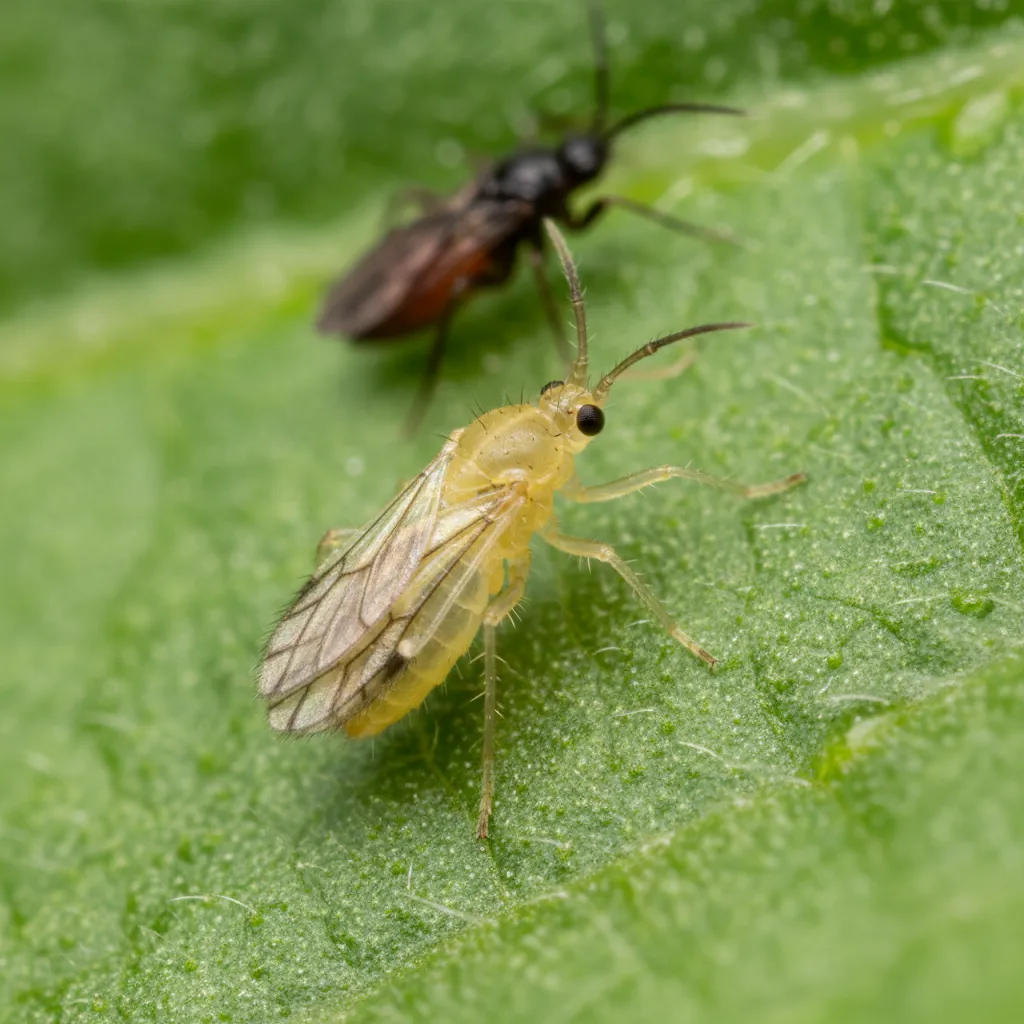
To defeat your enemy, you must first understand them. The Western Flower Thrips (Frankliniella occidentalis) is not native to British shores. As the name suggests, this pest originally hails from the Southwestern United States. Thanks to the global trade in ornamental plants, they embarked on an invasive journey across Europe, officially arriving in the UK by 1986. Since then, they have become a notorious headache for gardeners nationwide.
You might be familiar with general thrips, often affectionately or annoyingly called "thunder flies" when they swarm during humid British summers. While Britain is home to over 150 species of thrips, many of them are relatively harmless or only cause minor cosmetic damage. Western Flower Thrips, however, are exceptionally damaging plant pests that operate on a completely different level.
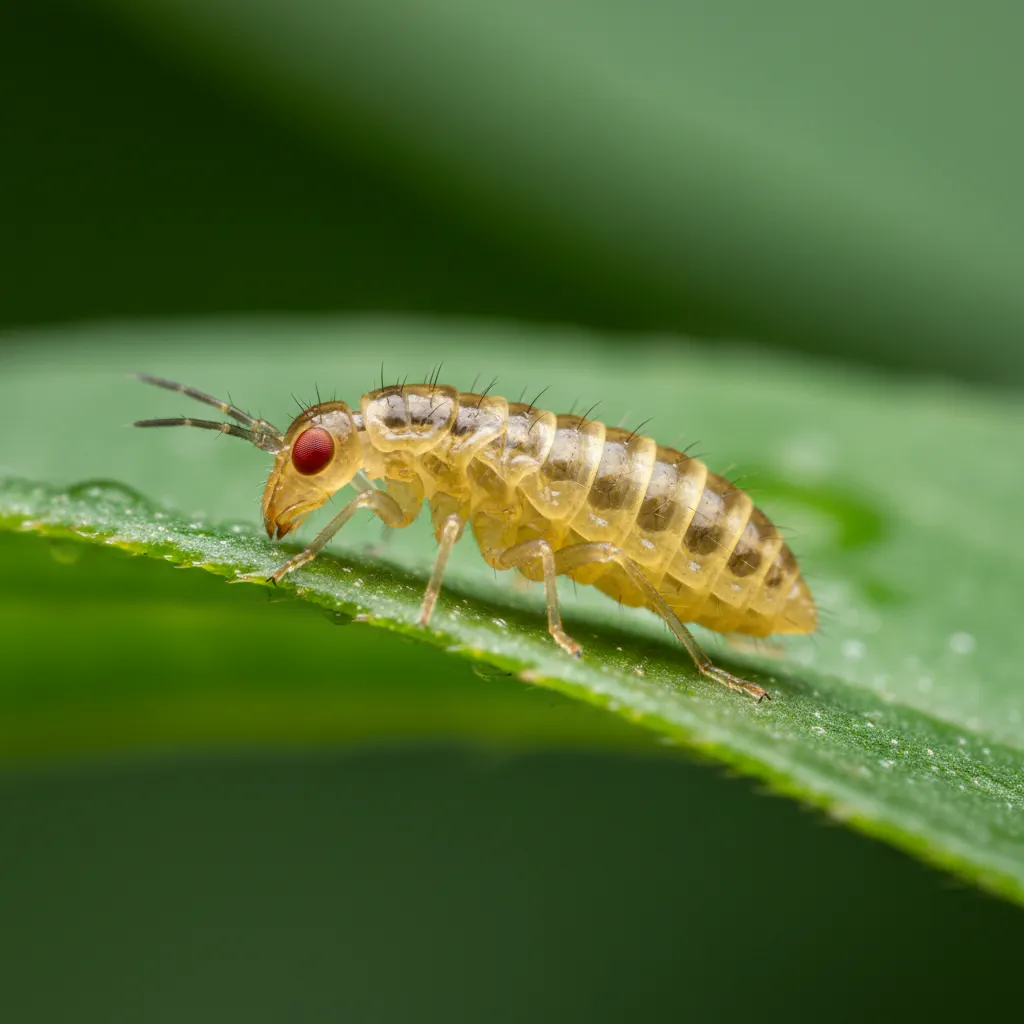
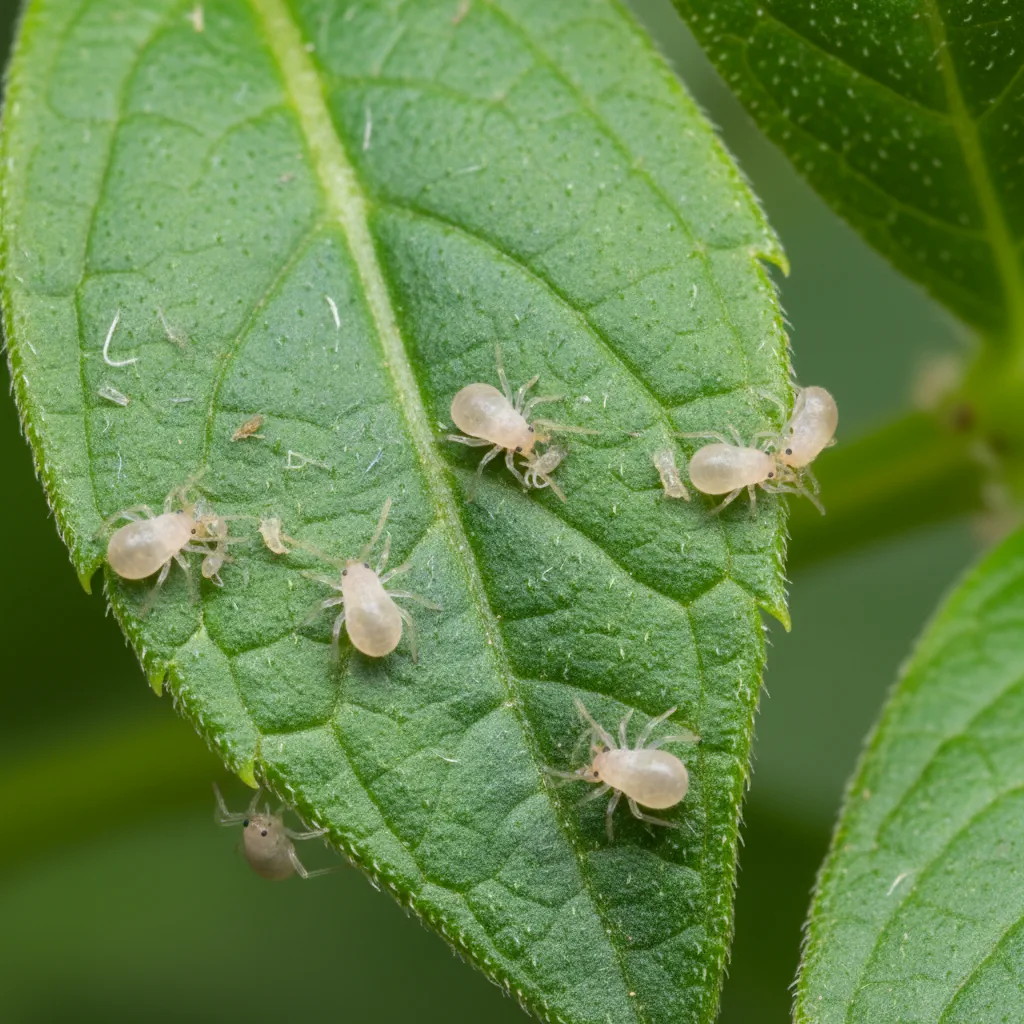
Contrasting their physical appearance can help you identify them, though you will certainly need a good magnifying glass! Adult males are tiny, measuring around 1mm in length, and boast a pale yellow colour. The females are slightly larger at about 1.4mm and vary quite a bit in appearance; you might see them sporting colours ranging from vibrant red and yellow to a dark, menacing brown.
The Fascinating (and Frustrating) Life Cycle
Western Flower Thrips
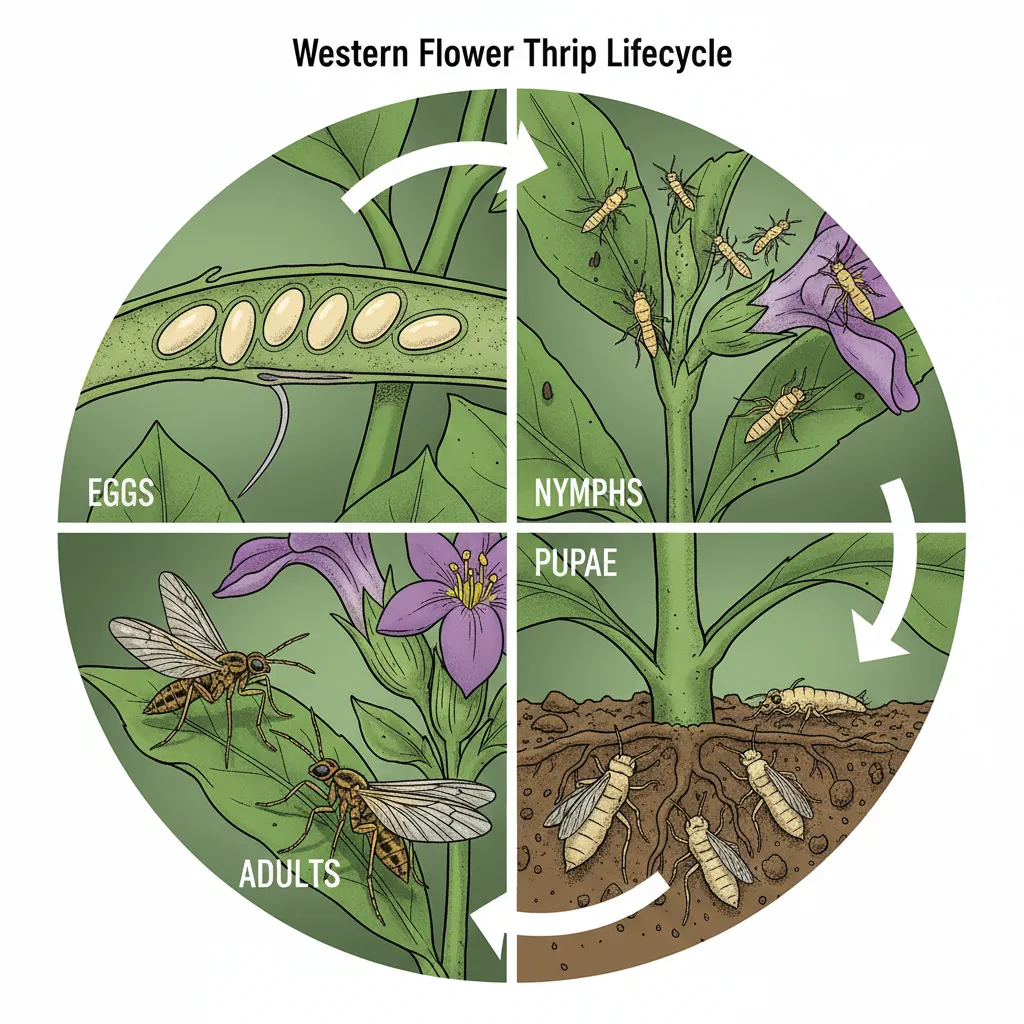
The reproductive habits of Western Flower Thrips are both scientifically fascinating and incredibly frustrating for gardeners. They utilise a biological party trick known as arrhenotokous parthenogenesis. In simple terms, this means unfertilised females can produce male offspring all on their own. When males are present to mate with, females will produce both male and female offspring, allowing their populations to explode rapidly.
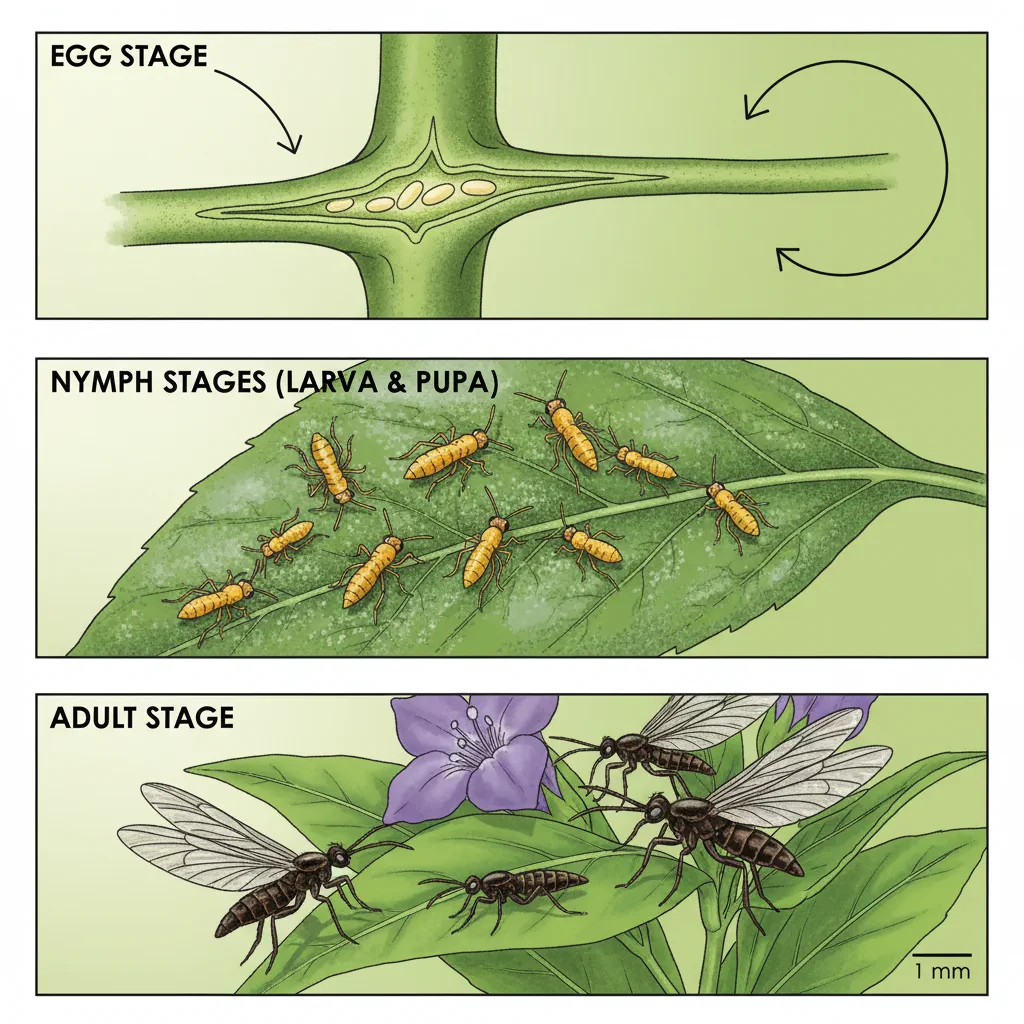
A single female can lay between 40 and 100 microscopic eggs during her lifetime. To keep them safe from predators and gardeners alike, she uses a sharp ovipositor to cut slits into the host plant's tissues, neatly tucking the eggs inside leaves, stems, and right inside beautiful, developing flowers.
Once the eggs hatch, the lifecycle progresses through distinct instar stages. You will first notice yellowish, red-eyed nymphs emerging. These hungry youngsters feed heavily on your newly developing fruit and delicate foliage, completely draining the plant's vital sap. After completing two feeding nymphal stages, they drop down into the soil or compost to pupate. Hidden away in the dirt, they transform into winged adults, ready to fly back up to the canopy and start the destructive cycle all over again.
Spotting the Enemy: What Are the Symptoms?
Western Flower Thrips
So, what are the symptoms of Western Flower Thrips? Because they are so small, you will often notice the signs of thrips damage long before you spot the insects themselves.
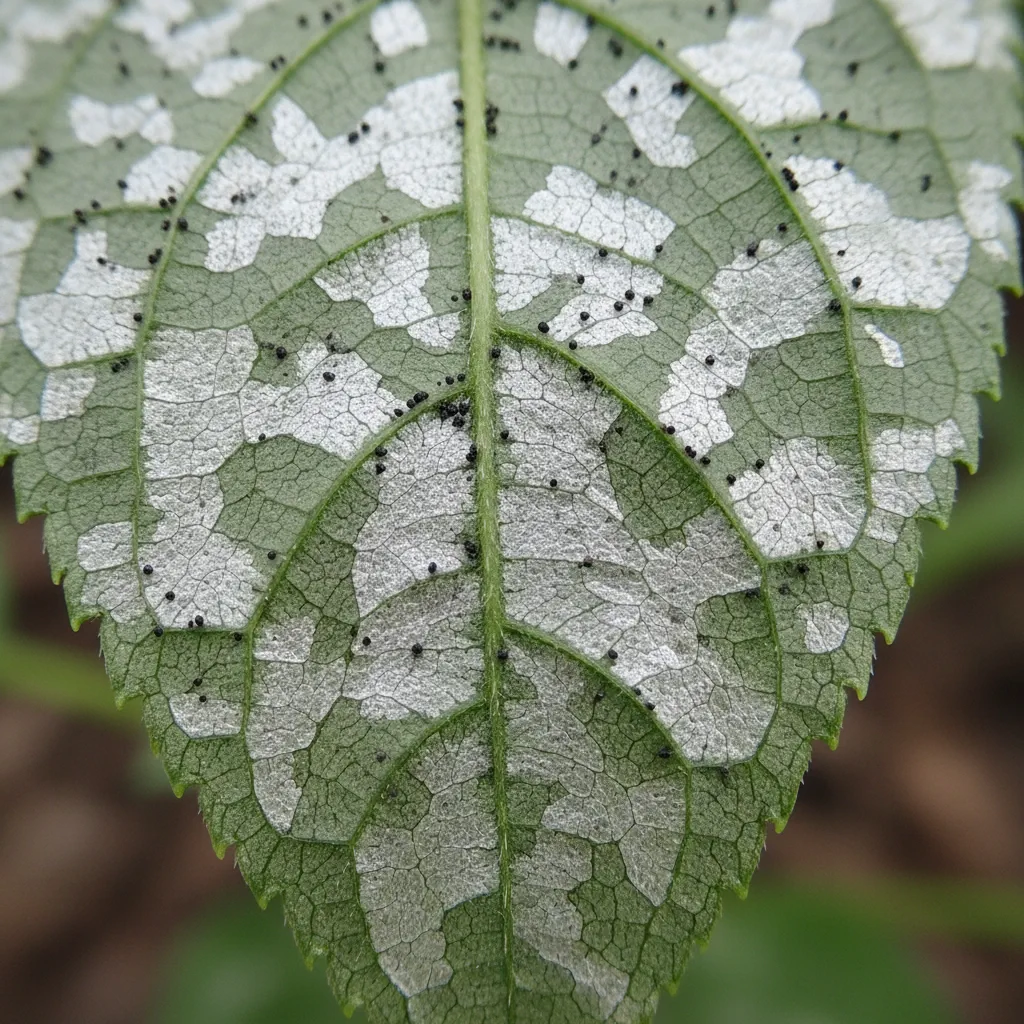
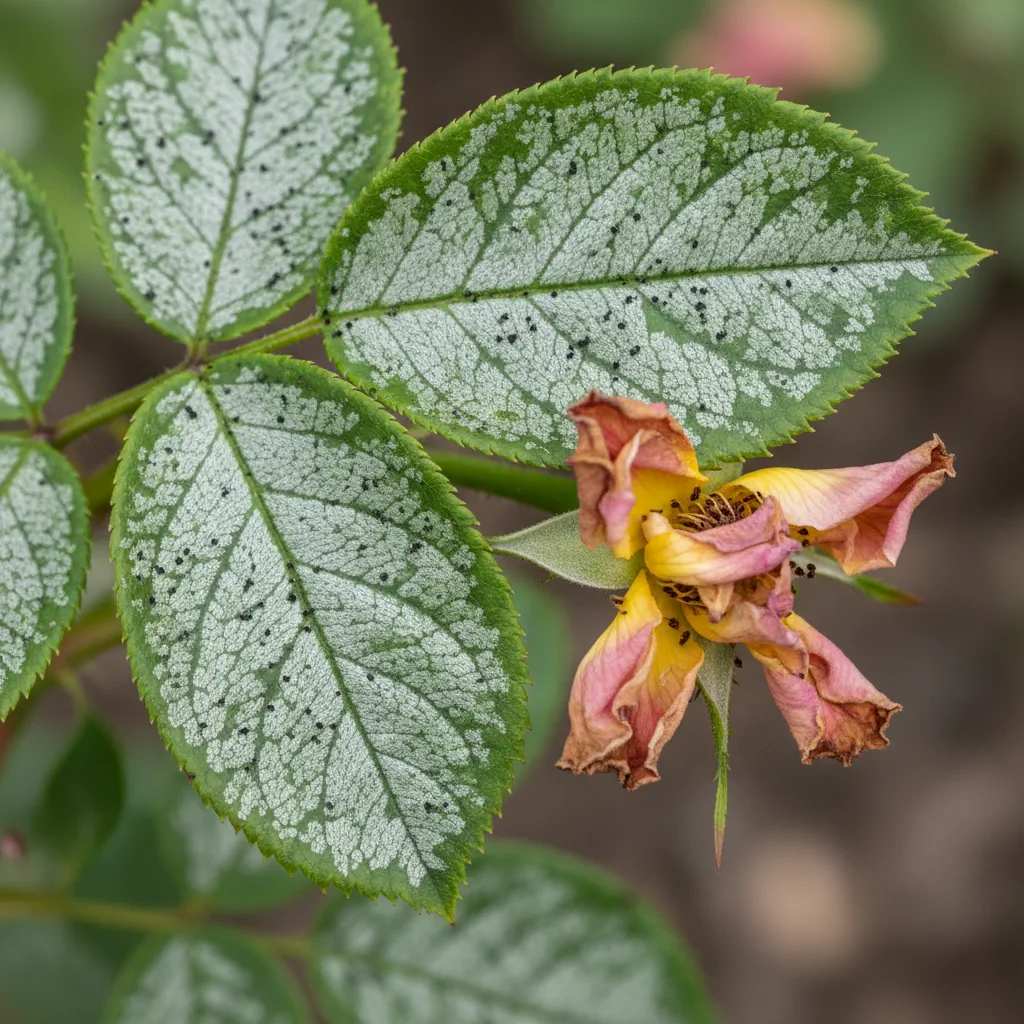
The visual devastation is quite specific. As these pests pierce the plant cells and suck out the contents, the plant reacts to the insect's toxic saliva. Your once vibrant, rich green leaves will begin to turn a dull, sickly green, eventually developing a distinct silvery-white discolouration. This metallic sheen is a classic hallmark of a thrips infestation.
If you look closely at these silvery patches, you will spot another tell-tale sign: tiny black spots scattered across the damaged tissue. This is the excrement (or frass) left behind by the feeding pests.
The most heartbreaking damage occurs on the flowers. Western Flower Thrips love pollen and soft floral tissue. Infested blooms suffer from severely distorted growth. You will often see petals marred by unsightly white flecking, and in severe cases, heavily infested flower buds will completely fail to open, dropping off the plant before they ever get the chance to bloom.
The Double Threat: Host Plants and Viruses
Western Flower Thrips
Western Flower Thrips are not fussy eaters. In fact, they possess a staggering variety of targets. These hungry plant pests are known to feed on over 500 different species of host plants. They are particularly fond of prized garden favourites like tomatoes, cucumbers, chrysanthemums, and fuchsias. Whether you are growing food or flowers, your crops are likely on their menu.
However, the physical feeding damage is only half the battle. The true danger of Western Flower Thrips lies in their role as a highly efficient vector for severe plant viruses.
When larval thrips feed on an infected plant, they can easily acquire the Tomato Spotted Wilt Virus (TSWV). Once they mature into winged adults, they carry this incurable disease with them, transmitting it to every healthy crop they subsequently feed on. TSWV causes immense agricultural damage, leading to stunted growth, necrotic rings on leaves and fruit, and ultimately, plant death. Preventing the spread of this virus is one of the primary reasons proactive glasshouse thrips management is so vital.
How Common Are Thrips in the UK?
Western Flower Thrips
You might be wondering: "How common are thrips in the UK?" The short answer is very common.
Outdoors, general thrips and Western Flower Thrips are highly active during the warmer months, typically between April and September. However, the true menace of the Western Flower Thrips is felt indoors. Because they thrive in warm, sheltered environments, they act as a year-round threat in heated glasshouses, conservatories, and indoor growing spaces.
But do not let this dishearten you! While they are undoubtedly prevalent, an armed and educated gardener can easily manage the threat. By staying vigilant and using the right strategies, you can keep your plants protected.
The Ultimate Guide to Thrips Control

Western Flower Thrips
Now that we know exactly what we are up against, it is time to fight back. Effective thrips control relies on a combination of monitoring, natural barriers, and deploying nature's very own pest control army.
Early Detection and Natural Barriers
The secret to winning this battle is catching the invasion early. Setting up robust monitoring systems is your first line of defence. We enthusiastically recommend hanging blue sticky traps among your crops. While yellow traps catch a wide variety of flying insects, Western Flower Thrips are incredibly attracted to the colour blue. Placing these traps just above the plant canopy will give you a clear, early warning of their arrival.
Make sure you inspect your traps regularly with a magnifying lens. Additionally, try the "tap test": gently shake your foliage or flower heads over a crisp white sheet of paper. If you have an infestation, you will see tiny, slender insects scurrying across the white background.
You should also focus on establishing natural barriers around your crops. Eliminate any "reservoir plants" in and around your glasshouse. Weeds like chickweed and dandelion often harbour thrips, allowing them to quietly build their numbers before launching an assault on your prized tomatoes. Keep your growing area meticulously clean to prevent an invasion before it ever begins.
Unleashing Biological Controls
When it comes to tackling plant pests, why use harsh chemicals when you can use nature’s own warriors? Unleashing biological controls is an exciting, highly effective, and environmentally friendly approach to glasshouse thrips management.
Predatory mites are your best friends in this fight. Neoseiulus cucumeris and Amblyseius swirskii are voracious hunters that actively seek out and consume thrips larvae before they can mature. You can easily introduce them to your plants using handy foil sachets that hang from the stems, acting as slow-release breeding systems, or by sprinkling them loose directly onto the foliage.
To tackle the winged adults, look to the predatory bug Orius laevigatus. This tiny pirate bug is a fierce predator that will happily hunt down adult thrips. Finally, do not forget about the pupae hiding in the soil! Introducing soil-dwelling mites (often sold as Mighty Mites, or Stratiolaelaps scimitus) into your compost will help hunt down the resting pupae, effectively breaking the lifecycle at ground level.
How to Get Rid of Thrips in the Flower Stage
One of the most common questions from indoor gardeners is: "How to get rid of thrips on indoor plants when they are flowering?"
Targeting pests hidden deep within delicate petals is undeniably difficult. You must avoid using harsh chemical sprays; not only do they risk scorching and ruining your beautiful blooms, but they will also harm the beneficial pollinators and predatory mites you want to protect.
Instead, use a highly targeted curative system. You can gently shake loose predatory mites directly onto the open flowering heads. Because the mites are naturally inclined to hunt in tight spaces, they will rapidly intercept the thrips hiding among the stamens and petals. Combine this direct application with hanging slow-release predator sachets directly adjacent to the blooms. This dual approach provides an immediate strike force alongside ongoing, long-term protection, keeping your flowers safe and pristine.
Understanding the Western Flower Thrips Life Cycle
Western Flower Thrips
Spotting tiny, slender insects darting around your prized glasshouse blooms can be alarming for any UK gardener. These little creatures are likely Western Flower Thrips (Frankliniella occidentalis), a notorious pest that loves to feast on everything from sweet strawberries to vibrant ornamental flowers. To tackle these minuscule troublemakers effectively, you need to know exactly how they grow, feed, and multiply.
Let us walk step-by-step through their fascinating, albeit destructive, life cycle.
Step 1: The Hidden Eggs
The life cycle begins completely out of sight. An adult female thrips uses her sharp ovipositor to make tiny slits in the soft tissue of leaves, stems, or flower petals. She then tucks her eggs safely inside the plant. Because the eggs sit beneath the plant's surface, they are incredibly difficult to spot and are highly protected from standard pest control sprays. Depending on the temperature of your glasshouse or garden, these eggs will hatch in just a few days to a week.
Step 2: The Hungry Larvae
Once the eggs hatch, the thrips enter their larval stage. This phase consists of two distinct stages, or 'instars'.
- First Instar: Tiny, pale, and wingless, these newly hatched larvae immediately start feeding on the surrounding plant tissue.
- Second Instar: As they grow, they become slightly larger and take on a yellow or orange hue.
During both stages, the larvae are fiercely active. They use their specialized mouthparts to pierce the plant cells and suck out the contents. This feeding behaviour leaves behind silvery, speckled patches on your leaves and petals.
Step 3: The Resting Pupae
After the larvae have eaten their fill, they need to transform. They usually drop off the host plant and fall onto the soil or compost below. Here, they hide away in the top layer of the earth or seek shelter in fallen leaf litter.
This transformation happens in two phases: the prepupa and the pupa. During these resting stages, the thrips stop feeding entirely and barely move. They are busy developing their wings and adult features. Because they hide in the soil, growers often miss them entirely, making this a critical blind spot in pest management.
Step 4: The Winged Adults
Finally, the fully formed adult thrips emerge from the soil and fly back up to the plants. Adult Western Flower Thrips are about 1 to 2 millimetres long, with slender bodies and delicate, fringed wings. Their colour ranges from pale yellow to dark brown.
Adults immediately seek out the pollen and nectar hidden deep within flower buds, though they will happily continue to feed on leaves. Females can lay up to 300 eggs over their lifespan, which lasts about a month. In warm summer conditions, or inside a cozy heated glasshouse, the entire cycle from egg to adult can take as little as two weeks. This rapid turnaround leads to exploding population numbers.
Impact on UK Agriculture and Horticulture
The rapid life cycle and feeding behaviour of Western Flower Thrips cause massive headaches for British agriculture.
First, their direct feeding ruins the appearance and quality of commercial crops. They distort growing tips, scar fruits like cucumbers and tomatoes, and ruin the aesthetic value of cut flowers.
Second, and perhaps more importantly, they are highly efficient vectors for plant viruses. Western Flower Thrips carry and spread the Tomato Spotted Wilt Virus (TSWV), a devastating disease that can wipe out entire crops of tomatoes, peppers, and ornamental plants. When larvae feed on an infected plant, they carry the virus with them into adulthood and spread it to every new plant they bite.
By understanding exactly how and where these pests breed, feed, and hide, you can better protect your crops and garden plants from their relentless appetite.
Conclusion
Western Flower Thrips
Winning the battle against Western Flower Thrips requires early detection, a solid understanding of their complex lifecycle, and the deployment of robust biological strategies. By knowing the signs of thrips damage and staying one step ahead of their reproductive cycle, you can protect your beloved plants from ruin.
Remember, while Western Flower Thrips are undoubtedly formidable plant pests, employing consistent, nature-friendly thrips control methods will keep your gardens and glasshouses thriving all year round. You do not need to rely on damaging chemicals to see beautiful, healthy growth.
Do not wait for the silvery patches to appear! Take action today. Head out and thoroughly inspect your greenhouse blooms, hang those blue sticky traps, and explore our recommended biological control starter packs to build an impenetrable defence for your precious crops. Your plants will thank you for it!
Frequently Asked Questions About Western Flower Thrips
Western Flower Thrips
What are Western Flower Thrips?
Western Flower Thrips (Frankliniella occidentalis) are microscopic, sap-sucking plant pests originally from the Southwestern United States that frequently invade UK glasshouses and indoor growing spaces.
Arriving in the UK in 1986, these highly damaging insects measure between 1mm and 1.4mm in length. Unlike general British "thunder flies", they cause severe, rapid damage to over 500 species of host plants, including tomatoes, cucumbers, fuchsias, and chrysanthemums.
How do I identify Western Flower Thrips damage on my plants?
You can identify Western Flower Thrips damage by looking for dull, sickly green leaves that develop a distinct, metallic silvery-white discolouration.
As these pests pierce plant cells and drain the vital sap, they leave behind toxic saliva and tiny black spots of frass (excrement). You may also notice severely distorted floral growth, white flecking on delicate petals, or heavily infested flower buds that completely fail to open.
Why should I use blue sticky traps for thrips monitoring?
You should use blue sticky traps because Western Flower Thrips are incredibly attracted to the colour blue, making these traps far more effective for early detection than standard yellow alternatives.
Hanging these robust traps just above your plant canopy provides a clear, early warning of an incoming invasion. For the best results, regularly inspect the traps with a magnifying lens to spot the tiny winged adults before their population rapidly explodes.
How do I get rid of thrips on indoor plants during the flower stage?
To eradicate thrips during the delicate flower stage, you should avoid harsh chemical sprays and instead introduce predatory mites directly onto your open blooms.
Chemicals can easily scorch petals and harm beneficial pollinators. Instead, use a highly targeted curative system:
- Gently shake predatory mites directly onto the open flowering heads so they can hunt in tight spaces.
- Hang slow-release predator sachets directly adjacent to the blooms for ongoing, long-term protection.
What is the risk of Tomato Spotted Wilt Virus (TSWV) from thrips?
The risk of Tomato Spotted Wilt Virus (TSWV) is incredibly severe, as Western Flower Thrips act as highly efficient vectors for this incurable, devastating agricultural disease.
When larval thrips feed on an infected plant, they easily acquire the virus. Once they mature into winged adults, they carry TSWV with them, transmitting it to every healthy crop they subsequently feed on. This results in stunted growth, necrotic rings on fruit, and ultimately, plant death.
Which biological controls are best for Western Flower Thrips?
The best biological controls for Western Flower Thrips include foliage-dwelling predatory mites (Neoseiulus cucumeris and Amblyseius swirskii), the fierce predatory bug Orius laevigatus, and soil-dwelling mites (Stratiolaelaps scimitus).
By deploying this natural pest control army, you can break the pest's frustrating lifecycle at every stage:
- Foliage mites: Voraciously hunt and consume thrips larvae on the leaves.
- Orius laevigatus: Actively hunts down the flying adult thrips.
- Soil-dwelling mites: Seek out and destroy the resting pupae hidden away in your compost.
How to Prune Climbing Vines
List by Variety
- How to Prune Actinidia
- How to Prune Akebia
- How to Prune Bougainvillea
- How to Prune Campsis
- How to Prune Celastrus
- How to Prune Chilean Glory Vine
- How to Prune Clematis Armandii
- How to Prune Clematis Montana
- How to Prune Climbing Rose
- How to Prune Hedera GoldHeart
- How to Prune Honeysuckle
- How to Prune Hydrangea Petiolaris
- How to Prune Ivy
- How to Prune Japanese Wisteria
- How to Prune Morning Glory
- How to Prune Parthenocissus
- How to Prune Persian Ivy Hedera Colchica
- How to Prune Schisandra
- How to Prune Star Jasmine
- How to Prune Sweet Peas
- How to Prune True Jasmine
- How to Prune Virginia Creeper
- How to Prune Wisteria
How to Prune Hedges
List by Variety
- How to Prune an Arborvitae Hedge
- How to Prune a Barberry Hedge
- How to Prune a Beech Hedge
- How to Prune a Boxwood Hedge
- How to Prune a Butterfly Bush Hedge
- How to Prune a Cotoneaster Hedge
- How to Prune an English Lavender Hedge
- How to Prune an Escallonia Hedge
- How to Prune an Euonymus-Hedge
- How to Prune a Firethorn Hedge
- How to Prune a Forsythia Hedge
- How to Prune a Griselinia Hedge
- How to Prune a Hawthorn Hedge
- How to Prune a Holly Hedge
- How to Prune a Hornbeam Hedge
- How to Prune a Juniper Hedge
- How to Prune a Laurel Hedge
- How to Prune a Leylandii Hedge
- How to Prune a Lilac Hedge
- How to Prune a Maple Leaf Viburnum Hedge
- How to Prune a Photinia Hedge
- How to Prune a Pink Ramanus Rose Hedge
- How to Prune a Privet Hedge
- How to Prune a Pyracantha Hedge
- How to Prune a Spirea Hedge
- How to Prune a Thuja Hedge
- How to Prune a Viburnum Hedge
- How to Prune a Western Red Cedar Hedge
- How to Prune a Yew Hedge
How to Prune Shrubs
List by Variety
- How to Prune an Abelia Shrub
- How to Prune an Abutilon
- How to Prune an Acer / Japanese-Maple
- How to Prune an Amelanchiers
- How to Prune an Apple-Tree
- How to Prune an Arbovitae Shrub
- How to Prune an Arbutus
- How to Prune an Aucuba
- How to Prune a Azalea Mollis
- How to Prune Azaleas
- How to Prune a Bay Tree Shrub
- How to Prune a Berberis Darwinii
- How to Prune Berberis Deciduous Types
- How to Prune a Boxwood Shrubs
- How to Prune a Brachyglottis Senecio
- How to Prune a Buddleia Alternifolia
- How to Prune Buddleias Butterfly Bushes
- How to Prune a Buddleja Globosa
- How to Prune a Callicarpa
- How to Prune a Camellia
- How to Prune a Caryopteris
- How to Prune a Catalpa Bignonioides Aurea
- How to Prune Ceanothus Deciduous Types
- How to Prune Ceanothus Evergreen Types
- How to Prune a Ceratostigma
- How to Prune a Chaenomeles
- How to Prune a Choisya
- How to Prune a Cistus
- How to Prune a Clematis
- How to Prune a Cornus
- How to Prune a Cotinus Royal Purple
- How to Prune a Cytisus Scoparius
- How to Prune a Exochorda x Macrantha
- How to Prune a Forsythia
- How to Prune a Hebe
- How to Prune a Hydrangeas
- How to Prune Juniper Shrubs
- How to Prune a Lavatera
- How to Prune Lilac Bushes
- How to Prune a Mugo Pine
- How to Prune Rose Bushes
- How to Prune Ribes
- How to Prune Spirea Shrubs
- How to Prune Viburnum Shrubs
- How to Prune a Weigela
- How to Prune a Yew
How to Prune Trees
List by Variety
- How to Prune a Apple Tree
- How to Prune a Apricot Tree
- How to Prune a Ash Tree
- How to Prune a Birch Tree
- How to Prune a Cherry Tree
- How to Prune a Elm Tree
- How to Prune a Fig Tree
- How to Prune a Grape Tree
- How to Prune a Hickory Tree
- How to Prune a Maple Tree
- How to Prune a Oak Tree
- How to Prune an Olive Tree
- How to Prune a Peach Tree
- How to Prune a Pear Tree
- How to Prune a Plum Tree
- How to Prune a Poplar Tree
- How to Prune a Walnut Tree
How to Prune Climbing Vines
List by Variety
- How to Prune Actinidia
- How to Prune Akebia
- How to Prune Bougainvillea
- How to Prune Campsis
- How to Prune Celastrus
- How to Prune Chilean Glory Vine
- How to Prune Clematis Armandii
- How to Prune Clematis Montana
- How to Prune Climbing Rose
- How to Prune Hedera GoldHeart
- How to Prune Honeysuckle
- How to Prune Hydrangea Petiolaris
- How to Prune Ivy
- How to Prune Japanese Wisteria
- How to Prune Morning Glory
- How to Prune Parthenocissus
- How to Prune Persian Ivy Hedera Colchica
- How to Prune Schisandra
- How to Prune Star Jasmine
- How to Prune Sweet Peas
- How to Prune True Jasmine
- How to Prune Virginia Creeper
- How to Prune Wisteria
How to Prune Hedges
List by Variety
- How to Prune an Arborvitae Hedge
- How to Prune a Barberry Hedge
- How to Prune a Beech Hedge
- How to Prune a Boxwood Hedge
- How to Prune a Butterfly Bush Hedge
- How to Prune a Cotoneaster Hedge
- How to Prune an English Lavender Hedge
- How to Prune an Escallonia Hedge
- How to Prune an Euonymus-Hedge
- How to Prune a Firethorn Hedge
- How to Prune a Forsythia Hedge
- How to Prune a Griselinia Hedge
- How to Prune a Hawthorn Hedge
- How to Prune a Holly Hedge
- How to Prune a Hornbeam Hedge
- How to Prune a Juniper Hedge
- How to Prune a Laurel Hedge
- How to Prune a Leylandii Hedge
- How to Prune a Lilac Hedge
- How to Prune a Maple Leaf Viburnum Hedge
- How to Prune a Photinia Hedge
- How to Prune a Pink Ramanus Rose Hedge
- How to Prune a Privet Hedge
- How to Prune a Pyracantha Hedge
- How to Prune a Spirea Hedge
- How to Prune a Thuja Hedge
- How to Prune a Viburnum Hedge
- How to Prune a Western Red Cedar Hedge
- How to Prune a Yew Hedge
How to Prune Shrubs
List by Variety
- How to Prune an Abelia Shrub
- How to Prune an Abutilon
- How to Prune an Acer / Japanese-Maple
- How to Prune an Amelanchiers
- How to Prune an Apple-Tree
- How to Prune an Arbovitae Shrub
- How to Prune an Arbutus
- How to Prune an Aucuba
- How to Prune a Azalea Mollis
- How to Prune Azaleas
- How to Prune a Bay Tree Shrub
- How to Prune a Berberis Darwinii
- How to Prune Berberis Deciduous Types
- How to Prune a Boxwood Shrubs
- How to Prune a Brachyglottis Senecio
- How to Prune a Buddleia Alternifolia
- How to Prune Buddleias Butterfly Bushes
- How to Prune a Buddleja Globosa
- How to Prune a Callicarpa
- How to Prune a Camellia
- How to Prune a Caryopteris
- How to Prune a Catalpa Bignonioides Aurea
- How to Prune Ceanothus Deciduous Types
- How to Prune Ceanothus Evergreen Types
- How to Prune a Ceratostigma
- How to Prune a Chaenomeles
- How to Prune a Choisya
- How to Prune a Cistus
- How to Prune a Clematis
- How to Prune a Cornus
- How to Prune a Cotinus Royal Purple
- How to Prune a Cytisus Scoparius
- How to Prune a Exochorda x Macrantha
- How to Prune a Forsythia
- How to Prune a Hebe
- How to Prune a Hydrangeas
- How to Prune Juniper Shrubs
- How to Prune a Lavatera
- How to Prune Lilac Bushes
- How to Prune a Mugo Pine
- How to Prune Rose Bushes
- How to Prune Ribes
- How to Prune Spirea Shrubs
- How to Prune Viburnum Shrubs
- How to Prune a Weigela
- How to Prune a Yew
How to Prune Trees
List by Variety
- How to Prune a Apple Tree
- How to Prune a Apricot Tree
- How to Prune a Ash Tree
- How to Prune a Birch Tree
- How to Prune a Cherry Tree
- How to Prune a Elm Tree
- How to Prune a Fig Tree
- How to Prune a Grape Tree
- How to Prune a Hickory Tree
- How to Prune a Maple Tree
- How to Prune a Oak Tree
- How to Prune an Olive Tree
- How to Prune a Peach Tree
- How to Prune a Pear Tree
- How to Prune a Plum Tree
- How to Prune a Poplar Tree
- How to Prune a Walnut Tree
Gallery
Michael Carter
Vestibulum ante ipsum primis in faucibus orci luctus et ultrices posuere cubilia curae; Donec vel erat in nulla efficitur tempor non ut nisl. Integer venenatis eros ut dui viverra fermentum.
Sophie Wilson
Nam ut turpis hendrerit, varius nunc vel, elementum dui. Morbi vulputate dolor sit amet scelerisque egestas. Vestibulum eleifend nunc ut bibendum fermentum.
Alex Morgan
Cras non velit nec purus tempor rhoncus. Sed non mauris vitae erat consequat auctor eu in elit. Class aptent taciti sociosqu ad litora torquent per conubia nostra.