Stop the Swarm: A UK Gardener's Guide to Whitefly Control
Whitefly
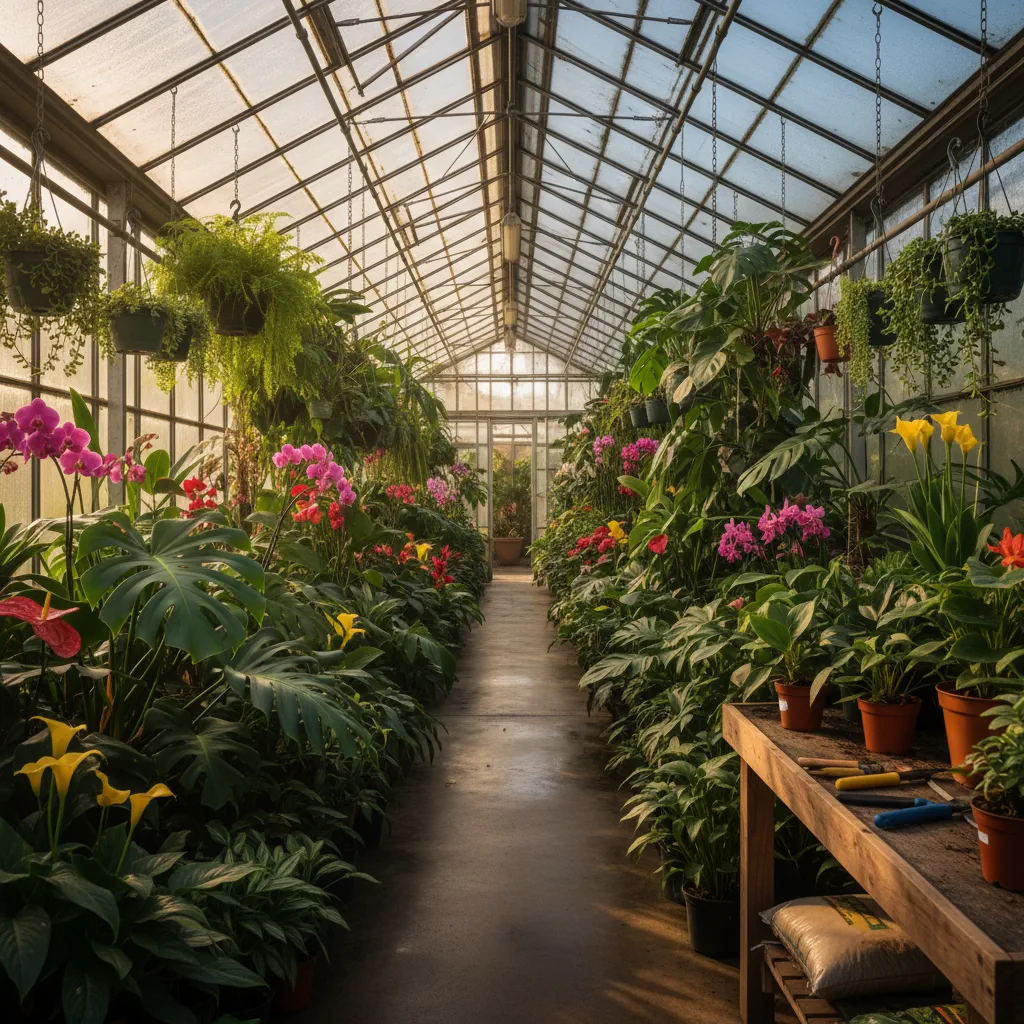
You step into your greenhouse on a warm summer morning, gently brush past your prized tomato plants, and suddenly a cloud of tiny, snow-white insects flutters into the air. You have just met the dreaded whitefly. For UK gardeners, these prolific pests are remarkably common and incredibly frustrating. They love warm, enclosed spaces like greenhouses and conservatories, but they are equally happy ruining a summer vegetable plot. Left unchecked, their rapid reproduction can quickly overwhelm your most treasured plants.
Fortunately, you do not need to rely on harsh chemicals to reclaim your growing space. Nature provides us with plenty of highly effective tools to manage pest populations safely. By understanding the habits and lifecycles of these insects, you can stop an infestation in its tracks.
This comprehensive guide will walk you through exactly what whiteflies are, how to spot the early warning signs of an infestation, and the hidden damage they cause. We will explore step-by-step organic methods for identifying and treating whiteflies effectively, ensuring you can protect your crops without harming your garden's delicate ecosystem.
What Are Whiteflies? The Sap-Sucking Culprits
Whitefly
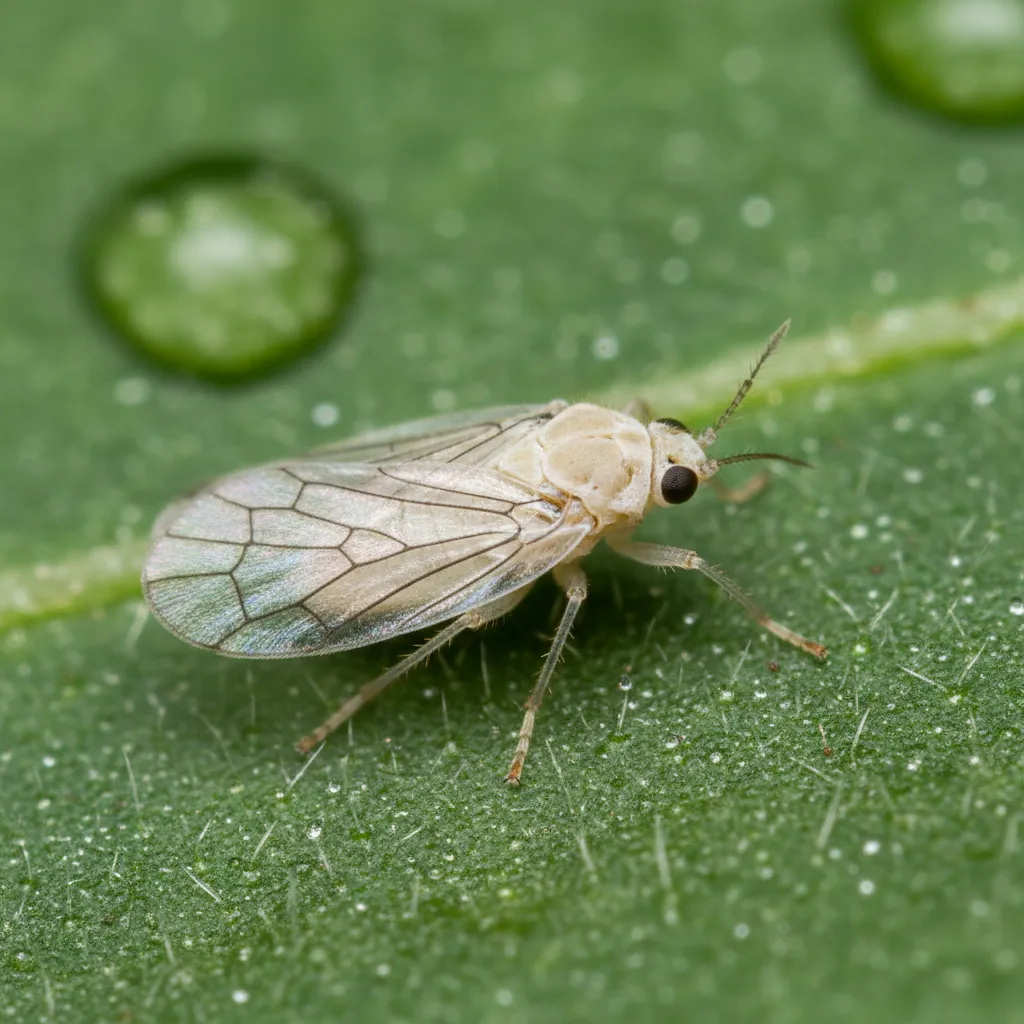
Despite their name, whiteflies are not true flies at all. They belong to the Hemiptera order of insects, making them close relatives of aphids and scale insects. Like their cousins, they possess specialized piercing mouthparts designed to suck the nutrient-rich sap straight out of your plants.
Common UK Types
There are two main species of whitefly that cause headaches for British gardeners:
- The Greenhouse Whitefly (Trialeurodes vaporariorum): This species thrives in the warm, sheltered conditions of indoor growing spaces. You will frequently find them attacking greenhouse crops and indoor houseplants.
- The Cabbage Whitefly (Aleyrodes proletella): A hardier outdoor species that specifically targets brassicas. If you grow winter vegetables on an allotment, this is the insect most likely to cause trouble.
The Rapid Lifecycle of a Whitefly
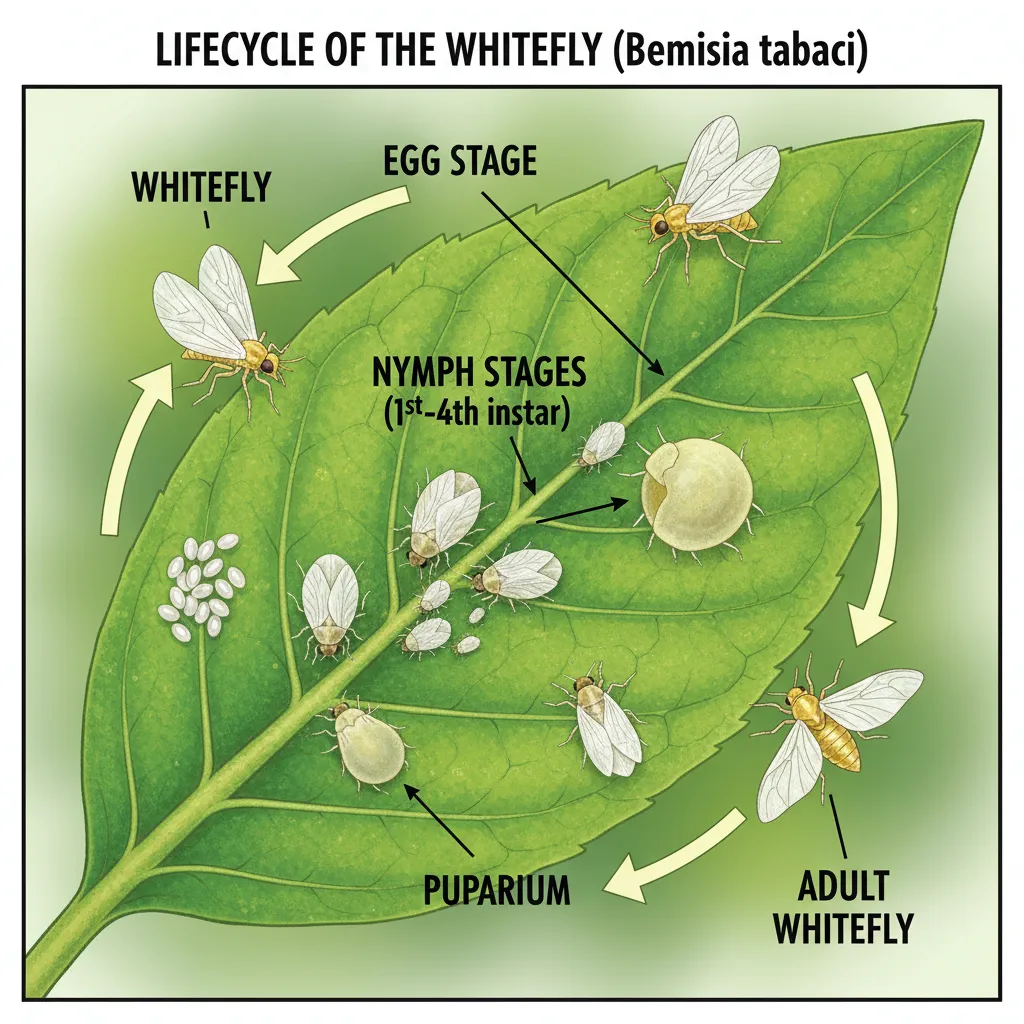
Understanding the whitefly lifecycle is crucial for getting rid of greenhouse whitefly populations. In warm summer conditions, they can complete their entire lifecycle in just three to four weeks.
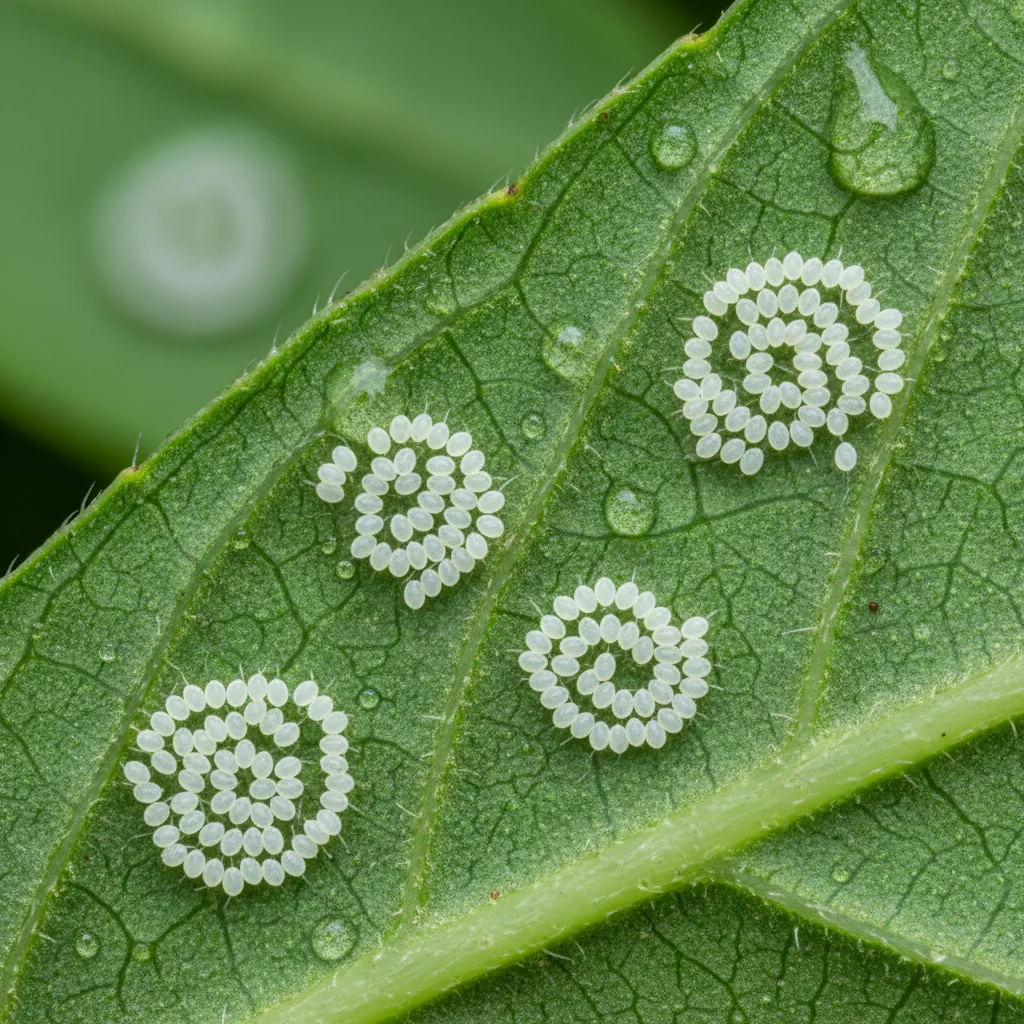
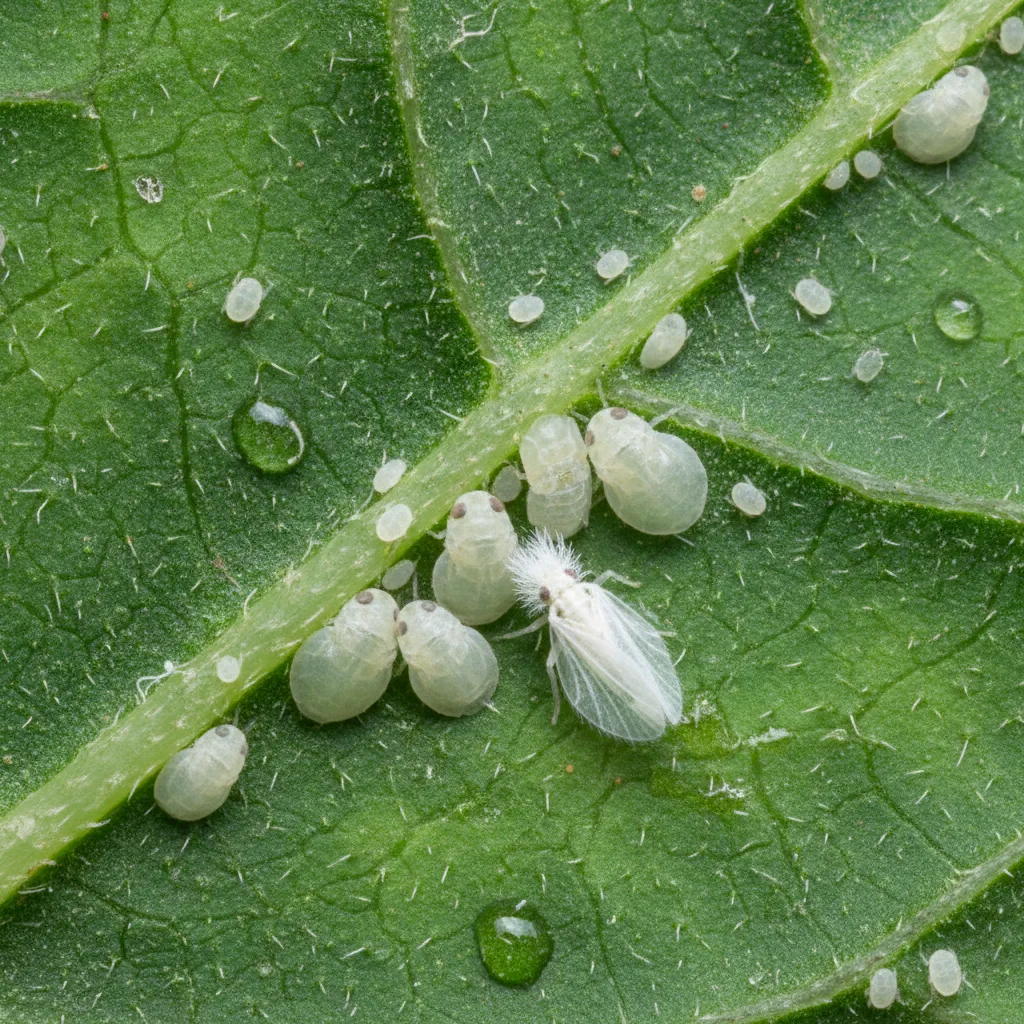
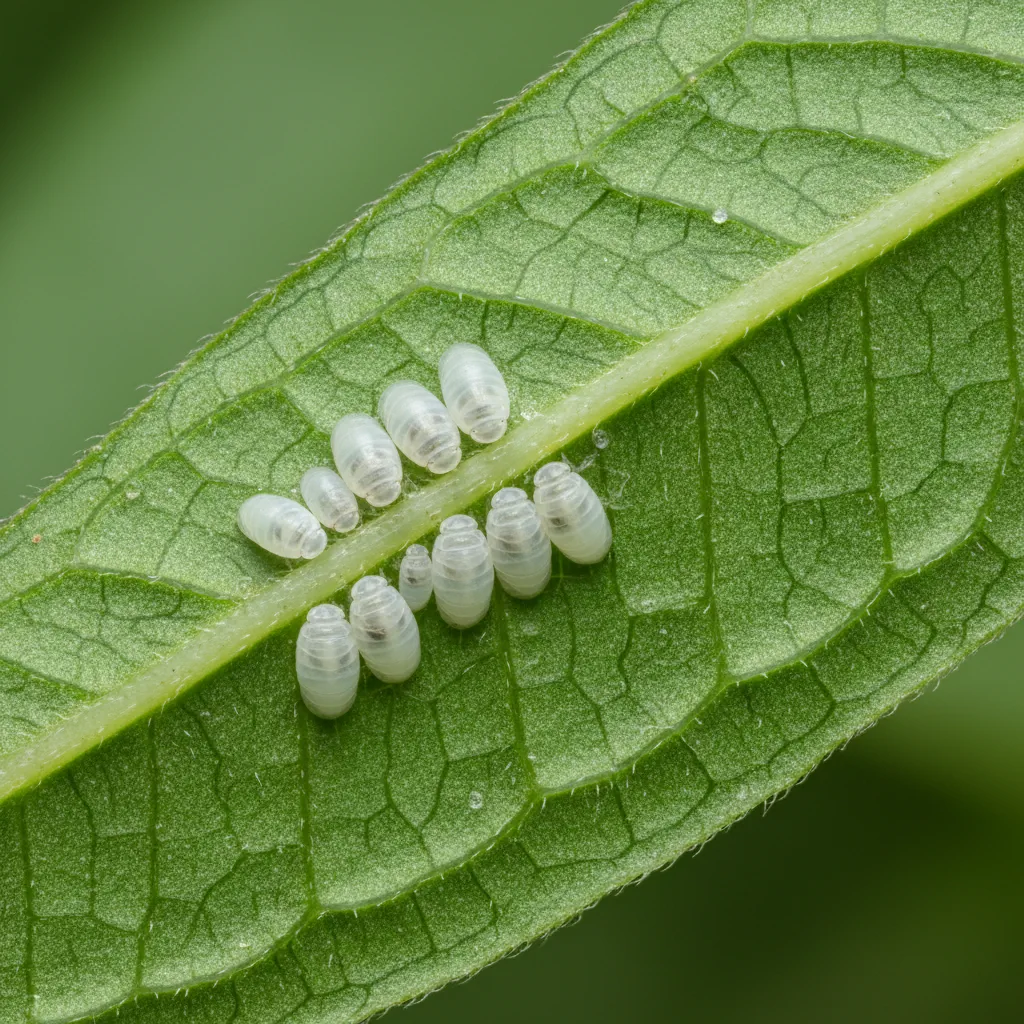
The process begins when an adult female lays tiny, oval eggs in circular patterns on the undersides of leaves. Within a week, these hatch into the highly mobile "crawler" stage. The crawlers move a short distance before settling down, losing their legs, and transforming into immobile, scale-like nymphs. These nymphs remain attached to the leaf, constantly feeding on the plant's sap until they pupate and eventually emerge as winged adults. Because they reproduce at an alarming rate, a few early arrivals can turn into a severe infestation within a single month.
Identifying Whiteflies Before They Spread
Whitefly
Early detection is the most powerful tool in organic pest control. The sooner you spot the warning signs, the easier it is to manage the problem.
Visual Cues and the 'Cloud' Test
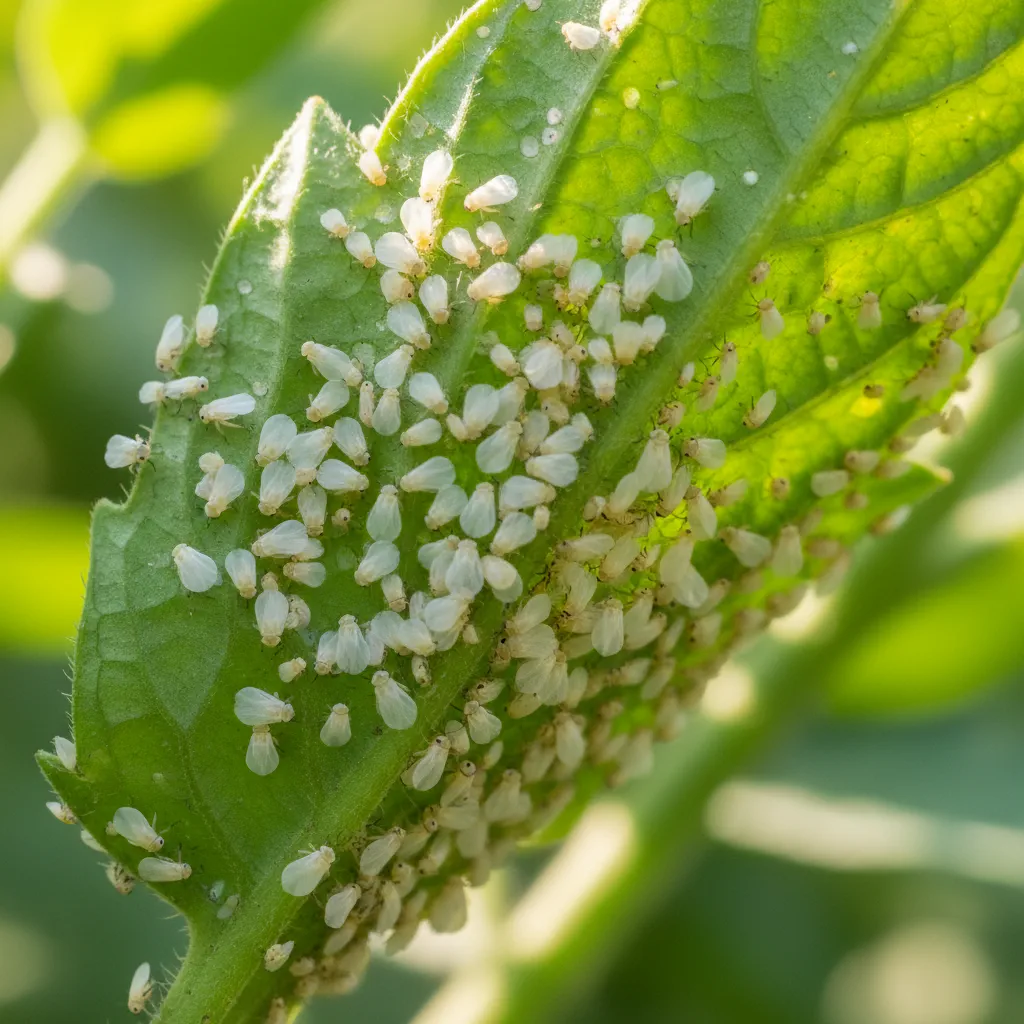
Adult whiteflies are tiny, measuring just 1.5 to 2 millimetres in length. They look like miniature white moths, owing to a coating of fine, waxy powder over their wings and bodies. They typically congregate on the undersides of young, tender leaves where the sap is easiest to access.
The most classic sign of an infestation is the 'cloud' test. When you gently shake or tap a vulnerable plant, a flurry of white insects will take flight. They are weak flyers, so they will quickly flutter back down and settle on the foliage again.
Favourite Host Plants
Different species of whitefly prefer different hosts. In the greenhouse, you should closely monitor your tomatoes, cucumbers, and peppers. Outdoors, keep a close eye on cabbages, kale, and Brussels sprouts. If you keep ornamental plants indoors, poinsettias, fuchsias, and gerberas are particularly vulnerable to attack.
Whitefly vs Other Pests
It is easy to confuse whiteflies with other common garden pests. Aphids also cluster on the undersides of leaves and suck sap, but they are pear-shaped, come in various colours (green, black, or peach), and do not fly away in a cloud when disturbed. Thrips are another sap-sucking pest, but they are long, thin, and typically leave distinct silvery streaks on the leaves rather than white clouds in the air.
The Hidden Damage: More Than Just a Nuisance
Whitefly
Whiteflies do much more than just flutter around annoyingly. They cause significant, multifaceted damage to your garden.
Direct Feeding Damage
As nymphs and adults pierce the plant tissue to extract carbohydrate-rich sap, they rob the plant of its essential energy. The visual symptoms of this feeding include yellowing leaves (a condition known as chlorosis), wilting during the heat of the day, stunted overall growth, and premature leaf drop.
The Honeydew Problem and Sooty Mould
Because plant sap is rich in sugars but low in the amino acids whiteflies need, the insects must consume massive quantities of sap to survive. They excrete the excess sugar as a sticky, shiny substance called honeydew.
This honeydew coats the leaves below the feeding site, creating the perfect breeding ground for black sooty mould. This dark fungus covers the foliage, physically blocking sunlight from reaching the leaf surface. When the plant cannot absorb sunlight, photosynthesis stops, severely hindering the plant's ability to grow and produce fruit.
Virus Transmission
Whiteflies act as highly efficient vectors for plant diseases. As they move from plant to plant, they can transmit incurable viruses, such as the tomato yellow leaf curl virus. Once a plant contracts one of these viruses, it generally needs to be removed and destroyed to prevent the disease from spreading to the rest of your crop.
Organic Control Methods for Whiteflies

Whitefly
Treating a whitefly infestation organically requires a multi-pronged approach. By combining physical barriers, organic sprays, and natural predators, you can bring the population under control safely.
Physical and Mechanical Controls
- Yellow Sticky Traps: Whiteflies are highly attracted to the colour yellow. Hanging vibrant yellow glue traps just above the plant canopy is a brilliant way to monitor populations and catch adult flies before they can lay eggs. Check them weekly to gauge the severity of the infestation.
- Water Blasting: For sturdy outdoor plants like mature brassicas, you can use a strong jet of water from a garden hose to physically dislodge eggs, crawlers, and nymphs. Repeat this process every few days to keep the population disrupted.
Organic Sprays and Home Remedies
- Neem Oil: This natural extract from the neem tree is a highly effective, eco-friendly treatment. Neem oil contains azadirachtin, a compound that disrupts the whitefly lifecycle by preventing nymphs from maturing and reducing the feeding habits of adults. It breaks down quickly in the environment, leaving no toxic chemical residues. Apply it in the early evening to avoid burning the leaves in direct sunlight.
- Insecticidal Soaps: Natural potassium soaps or rapeseed oil sprays are excellent for contact control. They coat the pests and dissolve their protective outer layers, effectively suffocating them. You must ensure you thoroughly spray the undersides of the leaves, as the soap only works if it directly touches the insect.
- DIY Nettle Tea: For a completely free home remedy, you can create a natural pest deterrent using stinging nettles. Simply steep a large handful of fresh nettles in a bucket of boiling water, cover it, and let it sit for a few days. Strain the liquid into a spray bottle and apply it to your plants to deter pests naturally.
Biological Control (Nature's Army)
Introducing natural predators is often the most successful strategy for organic whitefly control in the UK, particularly in the enclosed environment of a greenhouse.
The most famous biological control is a tiny parasitic wasp called Encarsia formosa. You can purchase these wasps online as pupae attached to small cardboard cards. You simply hang the cards on your infected plants. The microscopic wasps hatch and actively hunt down whitefly nymphs, laying their own eggs inside them. As the wasp larvae develop, the whitefly nymph turns black, making it very easy to monitor the progress of your biological army.
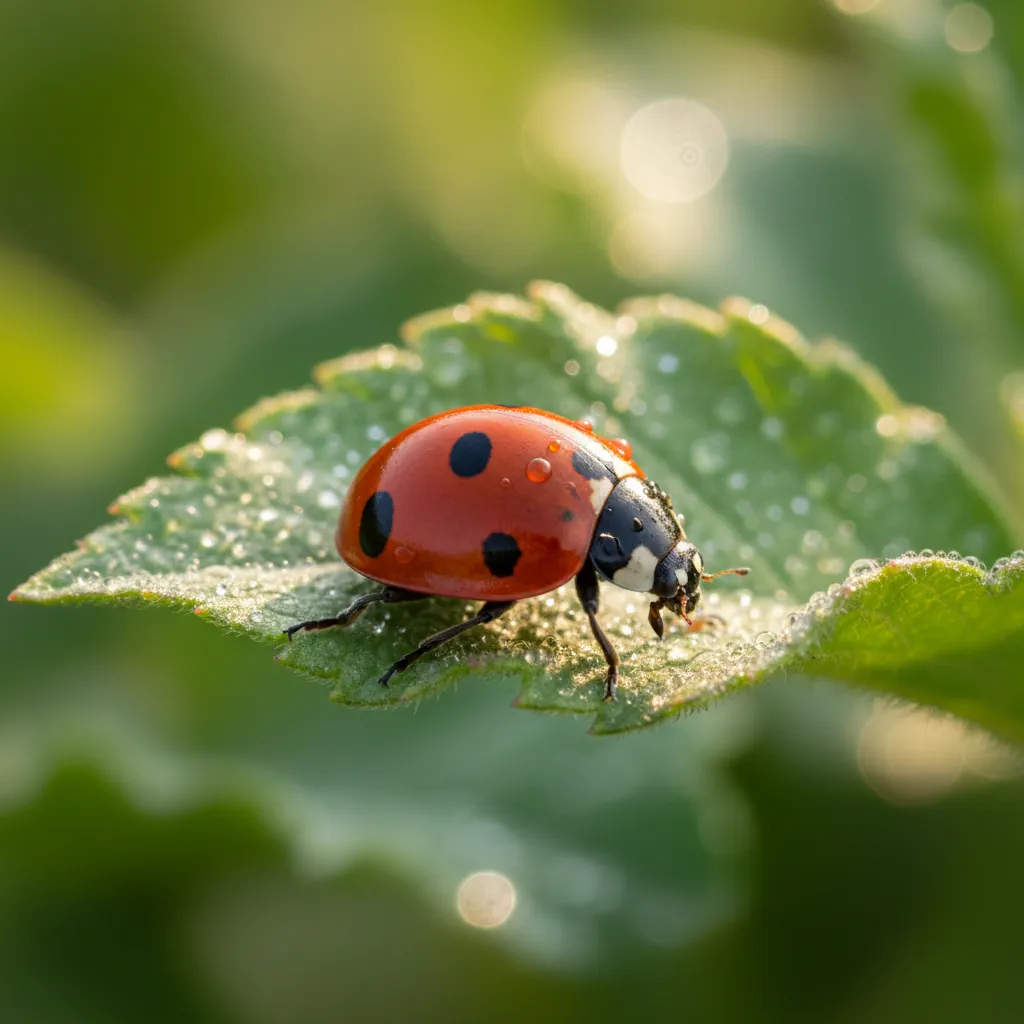
Outdoors, you can encourage local wildlife to do the hard work for you. Native predators like ladybirds, hoverflies, and lacewings love to feast on whitefly nymphs. You can attract these beneficial insects by planting native wildflowers and herbs like cow parsley, yarrow, and dill near your vegetable beds.
Advanced Strategies: Companion Planting and Trap Cropping
Whitefly
If you want to take your pest control to the next level, you can manipulate your garden's layout to confuse and deter whiteflies.
Scent-Based Companion Planting
Companion planting involves placing specific plants next to your vulnerable crops to provide a protective benefit. Many strong-scented plants mask the chemical cues whiteflies use to find their preferred hosts. Try planting French marigolds, basil, nasturtiums, thyme, sage, peppermint, or wormwood alongside your tomatoes and brassicas. The intense aromas of these herbs act as a natural repellent.
Trap Cropping and Push-Pull Tactics
Trap cropping is a fascinating cultural control technique. It involves intentionally planting a highly attractive 'sacrificial' crop near your main harvest to lure the pests away.
For greenhouse whiteflies, aubergines (eggplants) are incredibly attractive. If you plant a single aubergine plant among your tomatoes, the whiteflies will generally flock to the aubergine first. You can then concentrate your pest control efforts—like using insecticidal soaps or heavy concentrations of Encarsia formosa—solely on the trap crop.
You can also use 'push-pull' tactics by combining reflective mulches around the base of your main crops. The reflective surfaces disorient the flying insects, pushing them away from your tomatoes and pulling them towards the waiting trap crop.
Prevention is Key: Securing Your Garden
Whitefly
The best way to manage whiteflies is to stop them from establishing a foothold in the first place. Good gardening habits will save you endless frustration down the line.
Quarantine and Greenhouse Hygiene
Always inspect new plants thoroughly before bringing them into your garden or greenhouse. Check the undersides of the leaves carefully. If you spot any whiteflies, quarantine the plant outside until you have successfully treated it.
Maintaining excellent hygiene is vital. Clear out all dead plant debris, old leaves, and weeds over the winter months. Whiteflies use these materials as overwintering sites. In the summer, ensure your greenhouse has optimal ventilation. High humidity and stagnant air create the perfect breeding ground for both whiteflies and the sooty mould they leave behind.
Optimal Plant Health and Feeding
Healthy plants are naturally more resilient to pest attacks. However, you must be careful with your feeding regimen. Avoid using excessively high-nitrogen fertilisers. Nitrogen promotes rapid, leafy growth, resulting in soft, sappy plant tissues that sap-sucking insects find absolutely irresistible. Use balanced, organic feeds like liquid seaweed to promote strong, steady growth instead.
Frequently Asked Questions About Whitefly Control
Whitefly
Do whiteflies bite humans or pets?
No, whiteflies are entirely harmless to humans and animals. Their mouthparts are strictly adapted for piercing soft plant tissue, so they cannot bite or sting you.
Will whiteflies survive a UK winter?
The greenhouse whitefly cannot survive the freezing temperatures of a typical UK winter outdoors. However, they will happily survive year-round inside a heated greenhouse or conservatory. The cabbage whitefly is much hardier and can easily survive outdoor frosts by hiding in the sheltered folds of winter brassicas.
How often should I apply neem oil?
For an active infestation, you should apply a diluted neem oil spray once every seven days. This ensures you catch the newly hatched crawlers before they can mature into adults. Once the population is under control, you can reduce this to once every two to three weeks as a preventative measure.
Can I use insecticidal soap and biological controls at the same time?
You must be very careful when combining methods. Insecticidal soaps will kill the beneficial Encarsia formosa wasps just as easily as they kill whiteflies. If you plan to introduce biological controls, cease all spraying at least two weeks beforehand to ensure a safe environment for your predatory insects.
Take Action Against Whiteflies Today
Whitefly
While whiteflies reproduce at an alarming rate, they are entirely manageable. A combination of early detection, vigilant plant hygiene, and organic treatments will easily keep these sap-sucking pests at bay.
The most important step you can take right now is to monitor your growing spaces. Head out to your greenhouse today, gently tap your tomato plants, and hang a few yellow sticky traps above the canopy. By staying one step ahead of the swarm, you guarantee a healthier, more productive garden this season.
If you found this guide helpful, be sure to subscribe to our weekly gardening newsletter for more organic pest control tips, seasonal advice, and expert growing guides delivered straight to your inbox.
How to Prune Climbing Vines
List by Variety
- How to Prune Actinidia
- How to Prune Akebia
- How to Prune Bougainvillea
- How to Prune Campsis
- How to Prune Celastrus
- How to Prune Chilean Glory Vine
- How to Prune Clematis Armandii
- How to Prune Clematis Montana
- How to Prune Climbing Rose
- How to Prune Hedera GoldHeart
- How to Prune Honeysuckle
- How to Prune Hydrangea Petiolaris
- How to Prune Ivy
- How to Prune Japanese Wisteria
- How to Prune Morning Glory
- How to Prune Parthenocissus
- How to Prune Persian Ivy Hedera Colchica
- How to Prune Schisandra
- How to Prune Star Jasmine
- How to Prune Sweet Peas
- How to Prune True Jasmine
- How to Prune Virginia Creeper
- How to Prune Wisteria
How to Prune Hedges
List by Variety
- How to Prune an Arborvitae Hedge
- How to Prune a Barberry Hedge
- How to Prune a Beech Hedge
- How to Prune a Boxwood Hedge
- How to Prune a Butterfly Bush Hedge
- How to Prune a Cotoneaster Hedge
- How to Prune an English Lavender Hedge
- How to Prune an Escallonia Hedge
- How to Prune an Euonymus-Hedge
- How to Prune a Firethorn Hedge
- How to Prune a Forsythia Hedge
- How to Prune a Griselinia Hedge
- How to Prune a Hawthorn Hedge
- How to Prune a Holly Hedge
- How to Prune a Hornbeam Hedge
- How to Prune a Juniper Hedge
- How to Prune a Laurel Hedge
- How to Prune a Leylandii Hedge
- How to Prune a Lilac Hedge
- How to Prune a Maple Leaf Viburnum Hedge
- How to Prune a Photinia Hedge
- How to Prune a Pink Ramanus Rose Hedge
- How to Prune a Privet Hedge
- How to Prune a Pyracantha Hedge
- How to Prune a Spirea Hedge
- How to Prune a Thuja Hedge
- How to Prune a Viburnum Hedge
- How to Prune a Western Red Cedar Hedge
- How to Prune a Yew Hedge
How to Prune Shrubs
List by Variety
- How to Prune an Abelia Shrub
- How to Prune an Abutilon
- How to Prune an Acer / Japanese-Maple
- How to Prune an Amelanchiers
- How to Prune an Apple-Tree
- How to Prune an Arbovitae Shrub
- How to Prune an Arbutus
- How to Prune an Aucuba
- How to Prune a Azalea Mollis
- How to Prune Azaleas
- How to Prune a Bay Tree Shrub
- How to Prune a Berberis Darwinii
- How to Prune Berberis Deciduous Types
- How to Prune a Boxwood Shrubs
- How to Prune a Brachyglottis Senecio
- How to Prune a Buddleia Alternifolia
- How to Prune Buddleias Butterfly Bushes
- How to Prune a Buddleja Globosa
- How to Prune a Callicarpa
- How to Prune a Camellia
- How to Prune a Caryopteris
- How to Prune a Catalpa Bignonioides Aurea
- How to Prune Ceanothus Deciduous Types
- How to Prune Ceanothus Evergreen Types
- How to Prune a Ceratostigma
- How to Prune a Chaenomeles
- How to Prune a Choisya
- How to Prune a Cistus
- How to Prune a Clematis
- How to Prune a Cornus
- How to Prune a Cotinus Royal Purple
- How to Prune a Cytisus Scoparius
- How to Prune a Exochorda x Macrantha
- How to Prune a Forsythia
- How to Prune a Hebe
- How to Prune a Hydrangeas
- How to Prune Juniper Shrubs
- How to Prune a Lavatera
- How to Prune Lilac Bushes
- How to Prune a Mugo Pine
- How to Prune Rose Bushes
- How to Prune Ribes
- How to Prune Spirea Shrubs
- How to Prune Viburnum Shrubs
- How to Prune a Weigela
- How to Prune a Yew
How to Prune Trees
List by Variety
- How to Prune a Apple Tree
- How to Prune a Apricot Tree
- How to Prune a Ash Tree
- How to Prune a Birch Tree
- How to Prune a Cherry Tree
- How to Prune a Elm Tree
- How to Prune a Fig Tree
- How to Prune a Grape Tree
- How to Prune a Hickory Tree
- How to Prune a Maple Tree
- How to Prune a Oak Tree
- How to Prune an Olive Tree
- How to Prune a Peach Tree
- How to Prune a Pear Tree
- How to Prune a Plum Tree
- How to Prune a Poplar Tree
- How to Prune a Walnut Tree
How to Prune Climbing Vines
List by Variety
- How to Prune Actinidia
- How to Prune Akebia
- How to Prune Bougainvillea
- How to Prune Campsis
- How to Prune Celastrus
- How to Prune Chilean Glory Vine
- How to Prune Clematis Armandii
- How to Prune Clematis Montana
- How to Prune Climbing Rose
- How to Prune Hedera GoldHeart
- How to Prune Honeysuckle
- How to Prune Hydrangea Petiolaris
- How to Prune Ivy
- How to Prune Japanese Wisteria
- How to Prune Morning Glory
- How to Prune Parthenocissus
- How to Prune Persian Ivy Hedera Colchica
- How to Prune Schisandra
- How to Prune Star Jasmine
- How to Prune Sweet Peas
- How to Prune True Jasmine
- How to Prune Virginia Creeper
- How to Prune Wisteria
How to Prune Hedges
List by Variety
- How to Prune an Arborvitae Hedge
- How to Prune a Barberry Hedge
- How to Prune a Beech Hedge
- How to Prune a Boxwood Hedge
- How to Prune a Butterfly Bush Hedge
- How to Prune a Cotoneaster Hedge
- How to Prune an English Lavender Hedge
- How to Prune an Escallonia Hedge
- How to Prune an Euonymus-Hedge
- How to Prune a Firethorn Hedge
- How to Prune a Forsythia Hedge
- How to Prune a Griselinia Hedge
- How to Prune a Hawthorn Hedge
- How to Prune a Holly Hedge
- How to Prune a Hornbeam Hedge
- How to Prune a Juniper Hedge
- How to Prune a Laurel Hedge
- How to Prune a Leylandii Hedge
- How to Prune a Lilac Hedge
- How to Prune a Maple Leaf Viburnum Hedge
- How to Prune a Photinia Hedge
- How to Prune a Pink Ramanus Rose Hedge
- How to Prune a Privet Hedge
- How to Prune a Pyracantha Hedge
- How to Prune a Spirea Hedge
- How to Prune a Thuja Hedge
- How to Prune a Viburnum Hedge
- How to Prune a Western Red Cedar Hedge
- How to Prune a Yew Hedge
How to Prune Shrubs
List by Variety
- How to Prune an Abelia Shrub
- How to Prune an Abutilon
- How to Prune an Acer / Japanese-Maple
- How to Prune an Amelanchiers
- How to Prune an Apple-Tree
- How to Prune an Arbovitae Shrub
- How to Prune an Arbutus
- How to Prune an Aucuba
- How to Prune a Azalea Mollis
- How to Prune Azaleas
- How to Prune a Bay Tree Shrub
- How to Prune a Berberis Darwinii
- How to Prune Berberis Deciduous Types
- How to Prune a Boxwood Shrubs
- How to Prune a Brachyglottis Senecio
- How to Prune a Buddleia Alternifolia
- How to Prune Buddleias Butterfly Bushes
- How to Prune a Buddleja Globosa
- How to Prune a Callicarpa
- How to Prune a Camellia
- How to Prune a Caryopteris
- How to Prune a Catalpa Bignonioides Aurea
- How to Prune Ceanothus Deciduous Types
- How to Prune Ceanothus Evergreen Types
- How to Prune a Ceratostigma
- How to Prune a Chaenomeles
- How to Prune a Choisya
- How to Prune a Cistus
- How to Prune a Clematis
- How to Prune a Cornus
- How to Prune a Cotinus Royal Purple
- How to Prune a Cytisus Scoparius
- How to Prune a Exochorda x Macrantha
- How to Prune a Forsythia
- How to Prune a Hebe
- How to Prune a Hydrangeas
- How to Prune Juniper Shrubs
- How to Prune a Lavatera
- How to Prune Lilac Bushes
- How to Prune a Mugo Pine
- How to Prune Rose Bushes
- How to Prune Ribes
- How to Prune Spirea Shrubs
- How to Prune Viburnum Shrubs
- How to Prune a Weigela
- How to Prune a Yew
How to Prune Trees
List by Variety
- How to Prune a Apple Tree
- How to Prune a Apricot Tree
- How to Prune a Ash Tree
- How to Prune a Birch Tree
- How to Prune a Cherry Tree
- How to Prune a Elm Tree
- How to Prune a Fig Tree
- How to Prune a Grape Tree
- How to Prune a Hickory Tree
- How to Prune a Maple Tree
- How to Prune a Oak Tree
- How to Prune an Olive Tree
- How to Prune a Peach Tree
- How to Prune a Pear Tree
- How to Prune a Plum Tree
- How to Prune a Poplar Tree
- How to Prune a Walnut Tree
Gallery
Michael Carter
Vestibulum ante ipsum primis in faucibus orci luctus et ultrices posuere cubilia curae; Donec vel erat in nulla efficitur tempor non ut nisl. Integer venenatis eros ut dui viverra fermentum.
Sophie Wilson
Nam ut turpis hendrerit, varius nunc vel, elementum dui. Morbi vulputate dolor sit amet scelerisque egestas. Vestibulum eleifend nunc ut bibendum fermentum.
Alex Morgan
Cras non velit nec purus tempor rhoncus. Sed non mauris vitae erat consequat auctor eu in elit. Class aptent taciti sociosqu ad litora torquent per conubia nostra.